
Chart 1.
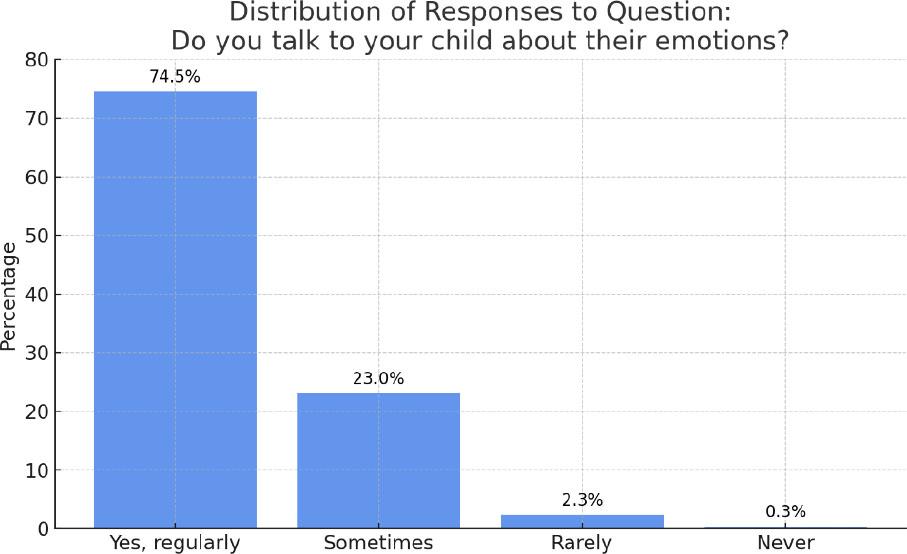
Chart 2.
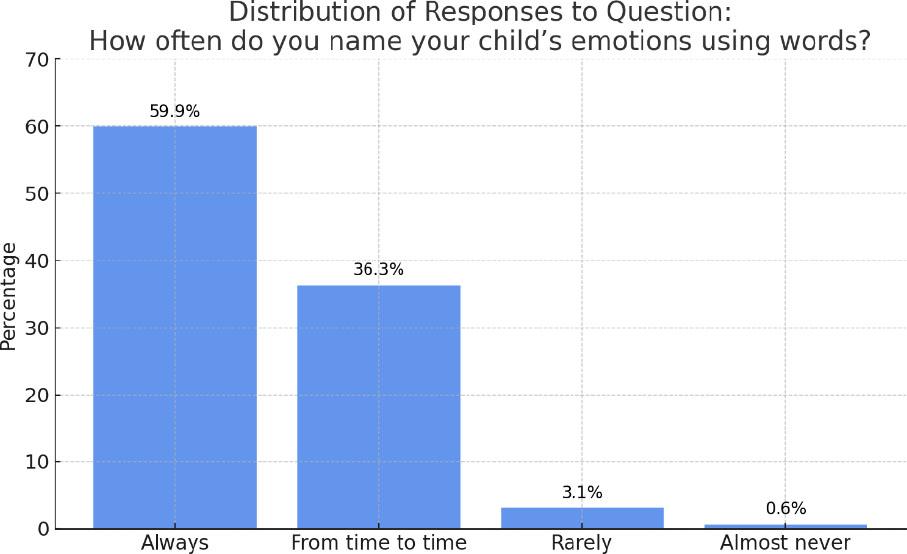
Chart 3.
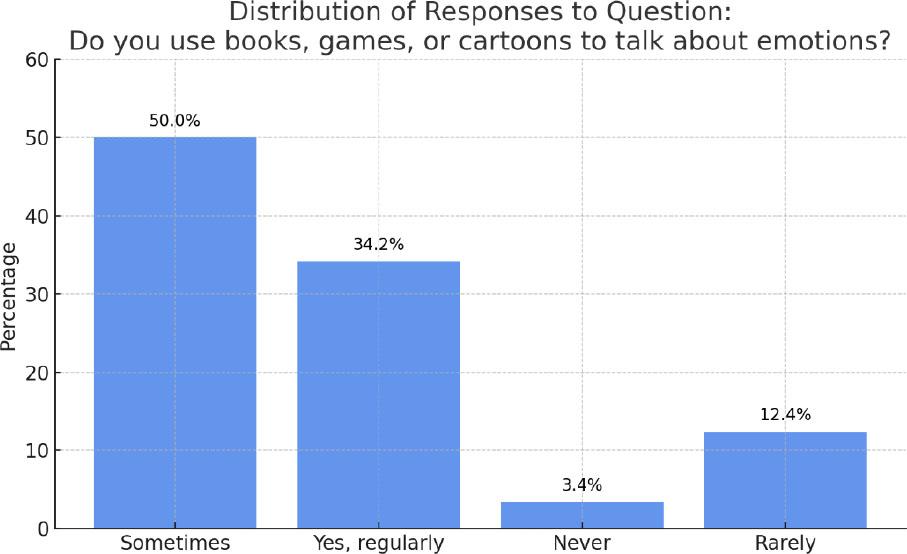
Chart 4.
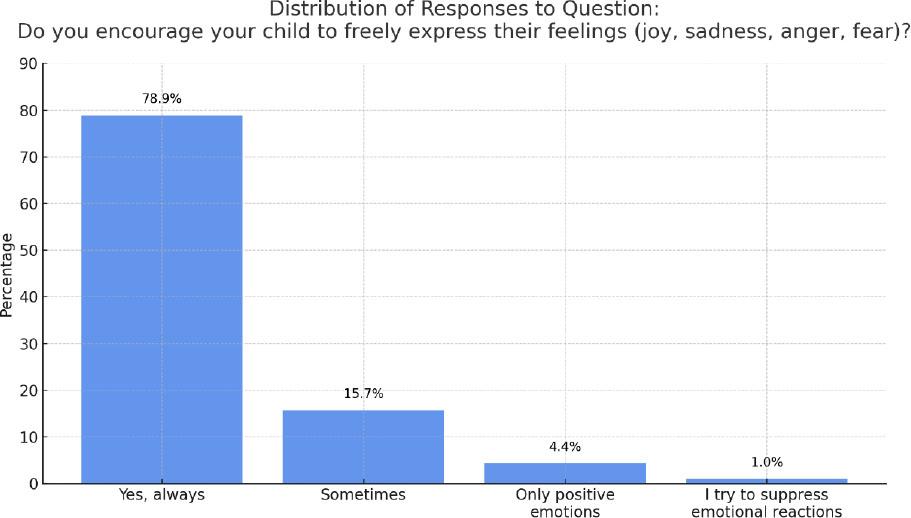
Chart 5.
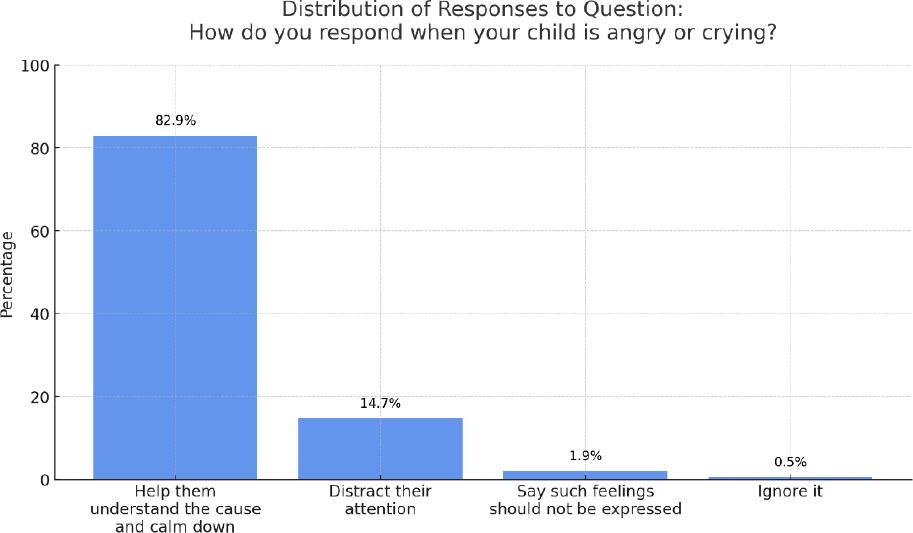
Chart 6.
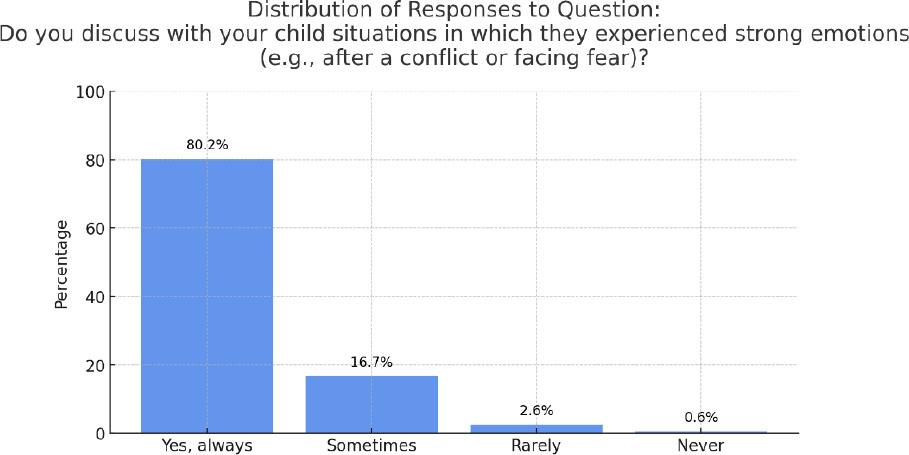
Chart 7.
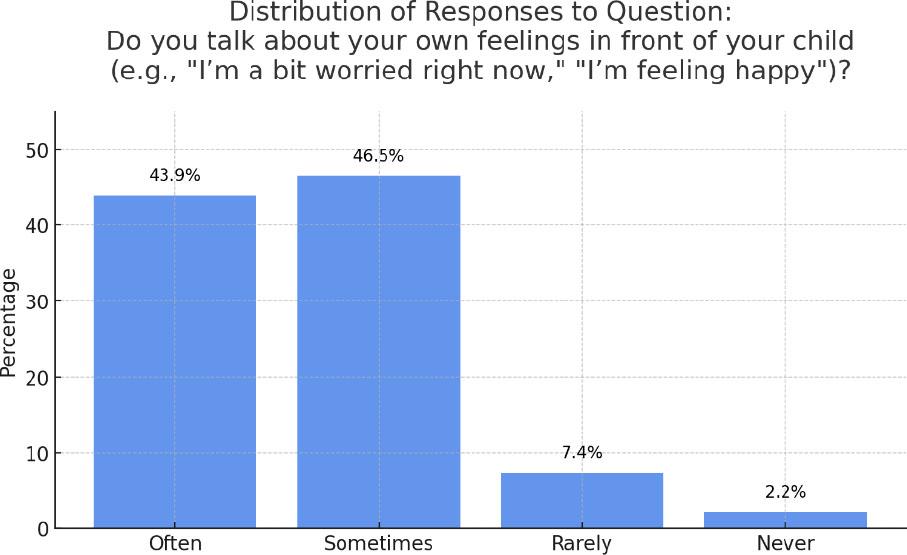
Chart 8.
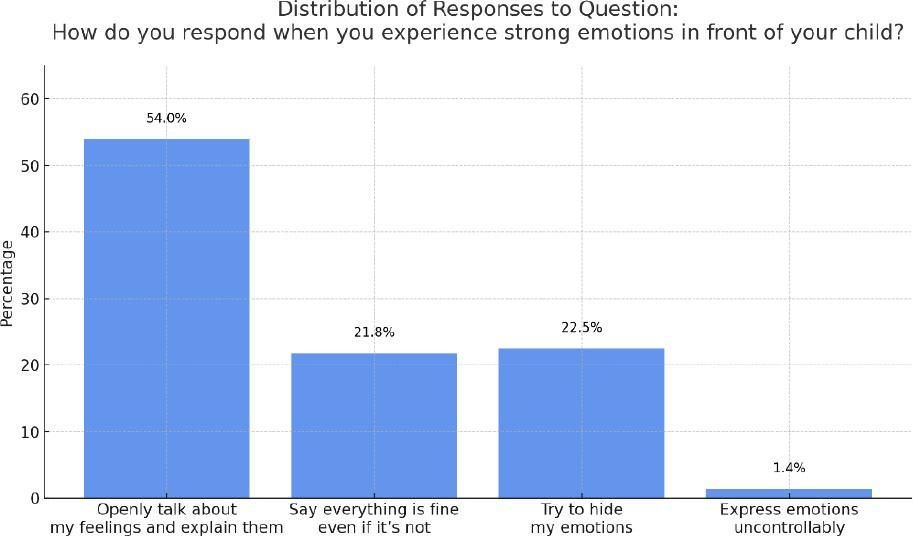
Chart 9.
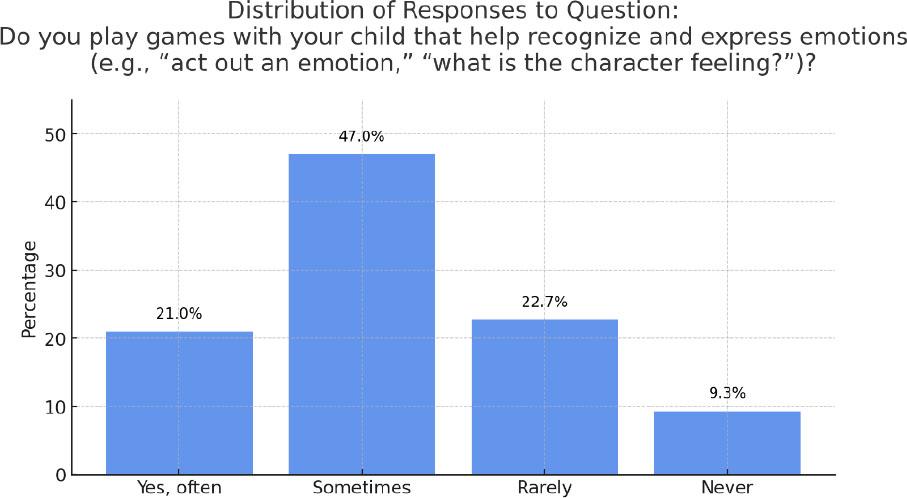
Chart 10.

Chart 11.
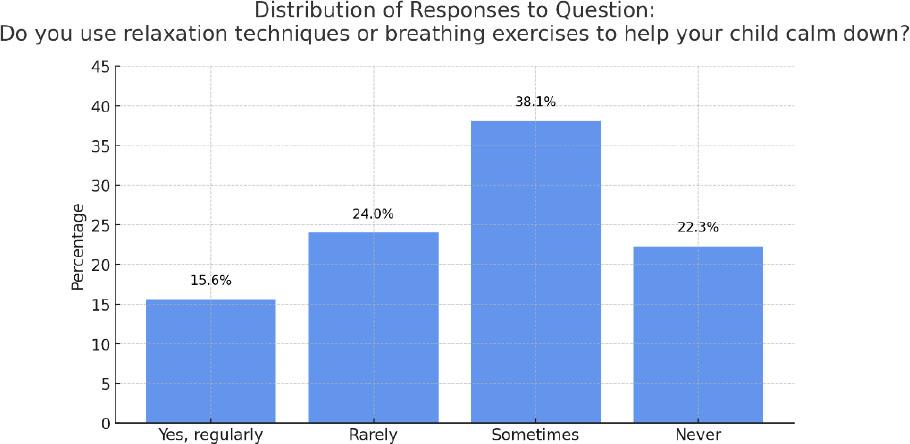
Chart 12.
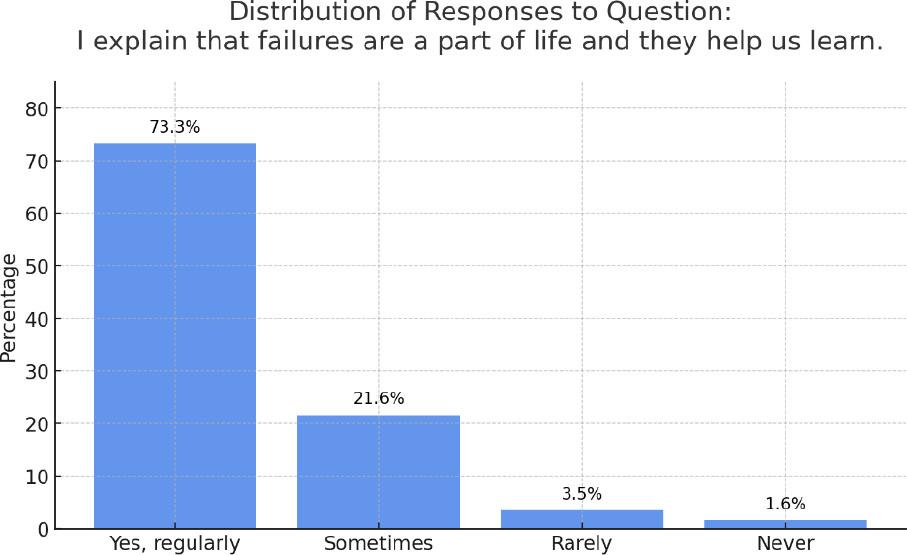
Chart 13.
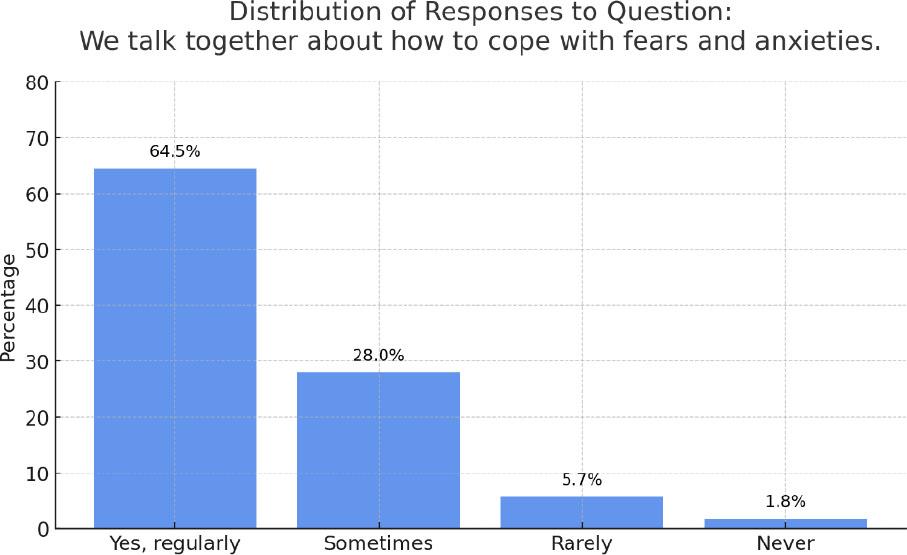
Chart 14.

Chart 15.
Results of monitoring the development of emotional domain, self-esteem, stress resilience, and related indicators in preschool children (February – baseline/interim, March – interim, and April – interim 2025)
| Key developmental domains (criteria) | Child development indicators | February – baseline | February – interim | March – interim | April – interim |
|---|---|---|---|---|---|
| Development of the emotional domain | 1. Perceives their emotions as natural and important | 0,34 | 0,51 | 0,58 | 0,62 |
| 2. Understands how appropriately their expressed emotions match the situation and context | 0,32 | 0,52 | 0,58 | 0,61 | |
| 3. Knows that it is not necessary to be ashamed of expressing one’s own emotions | 0,41 | 0,51 | 0,55 | 0,56 | |
| 4. Recognizes and names their emotion | 0,25 | 0,52 | 0,58 | 0,61 | |
| 5. Shows a tendency to restrain emotional expressions when necessary | 0,25 | 0,51 | 0,56 | 0,60 | |
| 6. Accepts that other people experience different emotional states | 0,34 | 0,52 | 0,57 | 0,61 | |
| 7. Is able to empathize and show compassion | 0,36 | 0,53 | 0,58 | 0,62 | |
| 8. Demonstrates emotional readiness to interact with others | 0,37 | 0,53 | 0,57 | 0,61 | |
| Formation of positive self-esteem | 1. Perceives themselves positively | 0,39 | 0,53 | 0,58 | 0,72 |
| 2. Displays confidence in their abilities | 0,29 | 0,52 | 0,56 | 0,60 | |
| 3. Demonstrates willingness to accept others as they are | 0,29 | 0,52 | 0,53 | 0,58 | |
| 4. Shows a tendency to differentiate actions and their consequences according to the situations occurring | 0,27 | 0,51 | 0,56 | 0,61 | |
| 5. Responds appropriately to situations and actions of adults and peers, adhering to social norms and accepted rules of conduct within the community | 0,29 | 0,52 | 0,57 | 0,62 | |
| 6. Supports cooperation with others and participates in creative and cooperative play | 0,33 | 0,52 | 0,57 | 0,61 | |
| 7. Understands and accepts the need to negotiate roles and rules of interaction, share toys, support one another, and so on | 0,29 | 0,52 | 0,56 | 0,61 | |
| 8. Recognizes situations in which they feel insecure and reflects on how to overcome them | 0,21 | 0,51 | 0,55 | 0,60 | |
| Stress resilience | 1. Demonstrates the ability to cope with difficulties and stressful situations | 0,20 | 0,49 | 0,55 | 0,59 |
| 2. Recognizes states of anxiety, worry, internal tension, and similar feelings | 0,24 | 0,49 | 0,55 | 0,59 | |
| 3. Knows simple techniques to manage worry and calm down | 0,21 | 0,40 | 0,51 | 0,52 | |
| 4. Demonstrates the ability to adapt to new situations and changes, effectively cope with challenges, and recover from setbacks | 0,21 | 0,50 | 0,55 | 0,58 | |
| 5. Possesses basic self-regulation skills in challenging situations, such as waiting for their turn and restraining impulsive behaviors and actions | 0,23 | 0,50 | 0,54 | 0,59 | |
| 6. Is able, according to age-specific characteristics, to distinguish disappointment, despair, fear, depression, etc., and demonstrates skills in regulating these emotions | 0,24 | 0,50 | 0,54 | 0,59 | |
| 7. Expresses their needs, desires, and feelings verbally without resorting to tantrums or other destructive behaviors | 0,27 | 0,51 | 0,57 | 0,61 | |
| 8. Adheres to social norms and rules such as saying “please” and “thank you,” taking turns in conversation, respecting others’ personal space, and so on | 0,36 | 0,53 | 0,58 | 0,62 | |
Sample Structure of Children by Age, Gender, and Disability Status
| Age | Quantity | Of which: boys | Of which: girls | Children with disabilities |
|---|---|---|---|---|
| Third year of life | 651 | 333 | 318 | |
| Fourt year of life | 1172 | 610 | 562 | |
| Fifth year of life | 1262 | 638 | 624 | 15 |
| Sixth year of life | 685 | 320 | 343 | 22 |
| Seventh to eighth year of life | 72 | 31 | 41 | 35 |
| Total | 3842 | 1932 | 1888 | 72 |
Summary results of monitoring the development of emotional domain, self-esteem, and stress resilience in preschool children (February – baseline/interim, March – interim, and April – interim 2025)
| Domains of psycho-emotional development in preschool children | Baseline monitoring | February interim monitoring | March interim monitoring | April interim monitoring |
|---|---|---|---|---|
| Development of the emotional domain | 0,28 | 0,52 | 0,57 | 0,60 |
| Formation of positive self-esteem | 0,30 | 0,52 | 0,56 | 0,62 |
| Stress resilience | 0,25 | 0,49 | 0,55 | 0,59 |