
Introduction
The integration of Artificial Intelligence (AI) into education is no longer a futuristic concept but a fundamental shift reshaping pedagogical landscapes globally (UNESCO, 2019). Specifically in mathematics education, this integration is critical because both fields share a common foundation rooted in logic-based structures, algorithms, and decision-making formulas (Kuloğlu, 2023; Wing, 2008). AI systems have evolved from simple computer-based tasks to complex, web-based platforms capable of exhibiting human-like responses and taking on teacher-like roles (Arslan, 2020; Chen et al., 2020; İşler & Kılıç, 2021). Consequently, reasoning has become a central competency connecting human cognition with AI capabilities (Vaerenbergh & Suay, 2022).
Research clearly demonstrates the transformative potential of AI when effectively applied in mathematics classrooms. Empirical studies indicate that AI-supported instruction can significantly enhance student motivation, reduce misconceptions, and provide objective, personalized feedback (Cunska, 2020). Furthermore, advanced tools such as ChatGPT and Python facilitate deeper conceptual understanding and critical thinking (Holmes et al., 2023; Rane, 2023), while specific applications like Zebra AI have been shown to improve outcomes in early childhood mathematics (Aydoğdu, 2023; Zhang & Chen, 2022).
However, the mere existence of these technologies does not guarantee educational success. The effective integration of AI in mathematics relies heavily on the preservice teachers’ readiness, specifically their AI literacy and attitudes. Despite the proven benefits emphasized in the literature—ranging from problem-solving skills (Keleş, 2007) to autonomous learning (Saha, 2015)—a gap remains in understanding how individual characteristics influence future teachers’ capacity to adopt these tools. Therefore, this study aims to investigate the relationship between preservice mathematics teachers’ artificial intelligence literacy and their attitudes toward AI. Furthermore, to address the identified gap in the literature, it examines whether this relationship is moderated by specific individual characteristics, including gender, having taken AI-related courses during undergraduate education, the duration of daily technology use, and interest in artificial intelligence applications.
However, improper integration of AI in education can lead to disadvantages. For instance, ChatGPT may sometimes cause misconceptions, and student assignments created with such tools might result in inaccurate evaluations beyond the teacher’s control (Kara, 2024; Wardat et al., 2023). Therefore, it is crucial to use AI applications correctly in mathematics classrooms. Consequently, both mathematics teachers who will guide these applications and preservice teachers—the future educators—need to understand AI tools accurately and develop appropriate attitudes toward them. Today, AI literacy is considered essential for using artificial intelligence effectively and responsibly (Onat, 2022). It involves understanding basic concepts, correctly using AI systems, and evaluating ethical and social impacts (Çelebi et al., 2023; Kara, 2024; Kong et al., 2023; Laupichler et al., 2022; Wang et al., 2023; Zhou et al., 2021). AI literacy is crucial to minimizing risks and maximizing benefits for society (Chiu et al., 2020; Mertala et al., 2022). As AI’s importance grows, safely and effectively using these technologies has become a fundamental need (Aydoğdu, 2024; Hornberger et al., 2023; Polatgİl & Güler, 2023; Yılmaz & Karaoğlan-Yılmaz, 2023). AI-literate individuals can critically assess system limitations and gain advantages in daily and professional life (Ng et al., 2021). This literacy also includes problem-solving with AI tools (Kong et al., 2023). Teachers with AI literacy can better engage the digital generation, prepare students for the future, and support their professional growth (Kandlhofer et al., 2016; Ouyang & Jiyago, 2021; Somyürek, 2014). On the other hand, inadequate AI literacy can cause negative effects at both individual and societal levels (Dwivedi et al., 2021). Therefore, AI literacy among preservice teachers is especially important to ensure correct and reliable use of AI applications in classrooms and to serve as role models for students (Erdoğdu & Çakır, 2024). Literature shows that preservice teachers’ AI literacy is generally low to moderate and requires improvement (Ağgül et al., 2023; Erdoğdu & Çakır, 2024). Since this literacy level directly influences their intention to use AI in teaching (Ramnarain et al., 2024; Yao & Wang, 2024), preservice teachers with low literacy may struggle to efficiently integrate AI applications in classrooms. Indeed, studies indicate that while preservice teachers adopt AI literacy for personal growth or societal contribution, their integration of it into educational settings remains insufficient (Guan et al., 2025; Sanusi et al., 2024).
Emotions, thoughts (Ülgen, 1997; Yakut, 2024), and reactions (Aksekili & Kan, 2024; Turgut, 1993) towards anything are considered part of attitudes, which in turn influence behaviors and thoughts (Recepoğlu, 2013). With the advancement of AI technology, individuals’ attitudes towards AI applications have become an important research topic (Kaya et al., 2024). A large study with 27,901 participants across Europe found generally positive attitudes that varied by age, gender, and socio-economic status (European Commission and Directorate-General for Communications Networks, Content and Technology, 2017). Other studies indicate that age and socio-economic status significantly affect attitudes: older individuals tend to have more negative views of AI, while gender shows no significant effect (Gnambs & Appel, 2019; Hajam & Gahir, 2024; Hudson et al., 2017).
Examining the attitudes of teachers and preservice teachers towards AI is crucial. The integration of AI into education has led to varied attitudes among them (Sanusi et al., 2023). Teachers’ attitudes strongly influence classroom behavior, teaching effectiveness (Ingersoll & Strong, 2011; Pedro et al., 2019), and learning outcomes (Liu et al., 2017; Yue et al., 2024). Teachers with limited knowledge and resources about AI tend to have negative attitudes (Van Driel et al., 2014), while those with positive attitudes integrate technology more effectively in their classrooms (Yeşilyurt et al., 2024). Understanding teachers’ attitudes is important for shaping AI practices in schools (Athanassopoulos et al., 2023; Sanusi et al., 2024). Preservice teachers with negative attitudes tend to prefer traditional education, while those with positive attitudes use AI for quick information access (Mart & Kaya, 2024). Teachers’ attitudes vary based on age, experience, and digital competence (Acem et al., 2024; Domínguez et al., 2024; Tan et al., 2023), but findings on factors like gender, branch, education level, and seniority are inconsistent (Aksakal et al., 2024; Domínguez et al., 2024; Gerlich, 2023; Mazı, 2025; Meher, 2023; Uyak et al., 2023). Although preservice teachers generally have positive attitudes toward learning about AI, they also express concerns about its social and professional impacts (Hopcan et al., 2024; Pokrivcakova, 2023). For preservice mathematics teachers, positive attitudes toward ChatGPT were observed (Karabıyık, 2024). However, variables such as seniority, gender, and educational status did not affect their attitudes (Eker & Gürbüz, 2024). Additionally, individuals with negative attitudes can develop positive attitudes through appropriate interventions (Kaya et al., 2024).
Significance of the research
Today, artificial intelligence (AI) applications support decision-making in education, enhance teaching and learning quality, and enable real-time monitoring of student motivation (Arslan, 2020; Gürlek, 2024; Hwang et al., 2020; İşler & Kılıç, 2021; Sharma et al., 2019). Using AI in schools helps create personalized curricula by identifying students’ weaknesses and saves teachers time (Kuprenko, 2020; Luckin, 2017). AI also encourages collaboration, offers instant assessment, and ensures equal opportunities (UNESCO, 2019). Additionally, it supports effective teaching for students with special needs, enables rapid intervention for learning difficulties, reduces teacher workload in crowded classrooms, and helps teachers with content development (Balacheff, 1993; Chassignol et al., 2018; İşler & Kılıç, 2021). However, AI may negatively affect classroom discipline, be vulnerable to system failures and cyber-attacks, and create access issues for socioeconomically disadvantaged students (Turğut et al., 2023). Since artificial intelligence has a close relationship with mathematics, it is important for preservice mathematics teachers—who are the future educators—to have strong literacy and positive attitudes toward AI applications to ensure effective teaching in mathematics classrooms. Moreover, examining preservice mathematics teachers’ AI literacy levels together with their attitudes toward AI is crucial both for the successful integration of AI-based tools in teaching and for shaping the quality of future educational environments. AI literacy involves not only understanding basic concepts and operating systems correctly but also the ability to evaluate ethical consequences and social impacts (Çelebi et al., 2023; Kara, 2024). When preservice mathematics teachers are able to integrate artificial intelligence tools into course design and problem-solving processes, alongside their cognitive and pedagogical knowledge, they can significantly contribute to developing students’ 21st-century skills such as analytical thinking, model building, and data literacy (Kong et al., 2023; Ng et al., 2021). Additionally, their ability to critically assess the limitations and potential biases of AI helps reduce risks at both individual learning and societal levels (Chiu et al., 2020; Dwivedi et al., 2021). Therefore, investigating the AI literacy levels of preservice mathematics teachers supports the safe, fair, and effective use of innovative approaches in education and provides a scientific foundation for designing teacher training curricula and shaping educational policies. However, studies show that even if preservice teachers have positive attitudes toward AI applications, they cannot use AI effectively without foundational knowledge to support these attitudes (Delcker et al., 2024; Frimpong, 2022; Pokrivcakova, 2023). For this reason, instead of investigating AI literacy alone, it is necessary to examine both AI literacy and attitudes towards AI together, as well as other variables that may affect these factors. The literature within the scope of this study indicates that some individual characteristics such as age, gender, and socio-economic status influence attitudes towards artificial intelligence (Gnambs & Appel, 2019; Hajam & Gahir, 2024; Hudson et al., 2017). Moreover, studies show that teachers’ and preservice teachers’ attitudes towards AI are related to their AI literacy levels (Karacan & Çiçek, 2024; Mart & Kaya, 2024; Yim & Wegerif, 2024). However, there are no studies focusing on how individual characteristics of preservice mathematics teachers affect the relationship between their attitudes towards AI and their AI literacy. Therefore, within this study, both the relationship between preservice mathematics teachers’ attitudes and literacy regarding AI and the moderating effects of individual characteristics such as gender, having taken AI-related courses during undergraduate education, daily technology usage time, and interest in AI applications—factors thought to influence this relationship—were examined. In this context, the research problem was organized as: “Is there a significant relationship between preservice mathematics teachers’ AI literacy and attitudes scores, and do these individual characteristics moderate this relationship?” In this frame, the sub-problems were formed as:
Is there a significant relationship between preservice mathematics teachers’ AI literacy scores and their attitude scores towards AI?
Does gender have a moderating effect on this relationship?
Does taking courses on artificial intelligence applications during undergraduate education have a moderating effect on this relationship?
Does the duration of daily technology use moderate this relationship?
Does interest in artificial intelligence applications moderate this relationship?
Methods
Research Method
This study used a correlational survey model, a quantitative method that reveals how and to what extent variables change together (Fraenkel et al., 2012). In correlational models, a third variable—called a moderator—is included to examine when, under what conditions, and to what degree the relationship between dependent and independent variables holds (Gürbüz, 2019; Hayes & Rockwood, 2017). In this study, pre-service mathematics teachers’ AI literacy scores served as the independent variable, AI attitude scores as the dependent variable, and the moderating effects of individual characteristics —such as gender, taking an AI course during undergraduate education, daily technology use time, and interest in AI applications—were investigated.
Population and Sample
The population of this study includes pre-service teachers enrolled in mathematics education programs at education faculties of state universities in the Central Anatolia Region of Turkey. Using cluster sampling, each of the 13 cities in the region was considered a cluster, and six cities were randomly selected. Data were collected from 856 pre-service teachers studying mathematics education at the education faculties of six state universities in these cities. Participants with missing individual characteristics information were excluded. The distribution of the remaining participants according to the moderating variables is shown in Table 1.
Table 1
Distribution of participants by individual characteristics.
| VARIABLE | CATEGORIES | f | % |
|---|---|---|---|
| gender | male | 198 | 23.92 |
| female | 630 | 76.08 | |
| total | 828* | 100.00 | |
| interest in AI applications | none | 66 | 7.93 |
| some | 634 | 76.20 | |
| high | 132 | 15.87 | |
| total | 832 | 100.00 | |
| AI course-taking status during undergraduate | not taken | 377 | 45.31 |
| taken | 455 | 54.69 | |
| total | 832 | 100.00 | |
| daily technology use duration | less than 30 min | 26 | 3.13 |
| between 30 min and 2 hr | 215 | 25.84 | |
| more than 2 hr | 591 | 71.03 | |
| total | 832 | 100.00 |
[i] *Note. total f = 832. There are 4 missing for gender data.
Prior to the administration of the scales, the purpose of the study was explained, and informed consent was obtained from all preservice teachers who volunteered to participate.
Data Collection Tools
The data collection tools are explained below.
Artificial Intelligence Literacy Scale
In this study, the Artificial Intelligence Literacy Scale developed by Wang et al. (2023) and adapted into Turkish by Polatgil and Güler (2023) was used to measure participants’ AI literacy. The scale is a 5-point Likert-type instrument consisting of 12 items grouped into four factors: awareness, use, evaluation, and ethics. Validity and reliability analyses in the original study were satisfactory (Wang et al., 2023). In the Turkish adaptation, conducted with 536 participants, the Cronbach’s alpha was 0.94, and confirmatory factor analysis results exceeded standard thresholds (Polatgil & Güler, 2023).
The Artificial Intelligence Attitude Scale
This scale is developed by Schepman and Rodway (2020) and adapted into Turkish by Kaya et al. (2024), was used to measure participants’ attitudes towards AI. This 20-item, 5-point Likert scale includes 12 positive and 8 negative attitude items. In the original study, reliability coefficients were α = 0.88 for the positive factor (social/personal benefit) and α = 0.83 for the negative factor (concern). In the Turkish adaptation, the reliability coefficients were α = 0.82 for the positive factor and α = 0.84 for the negative factor.
Individual Characteristics Form
The Individual Characteristics Form, developed by the researchers, gathered information regarding participants’ gender (female/male), whether they had taken an AI course during their undergraduate education (took/did not take), their daily technology use duration (< 30 min/30 min–2 h/> 2 h), and their level of interest in AI applications (none/some/high).
Validity and Reliability
Since the study utilized only the total scores from the scales, Cronbach’s α analyses were conducted on these total scores to assess internal consistency. The reliability coefficient was calculated as α = 0.70 for the Artificial Intelligence Literacy Scale and α = 0.82 for the Artificial Intelligence Attitude Scale. While 0.70 is often cited as the lower limit, it is widely recognized as an acceptable threshold for internal consistency in social science research (Hair et al., 2019; Nunnally, 1978). Thus, the instruments were deemed to possess sufficient reliability for the purposes of this study.
For construct validity, confirmatory factor analysis (CFA) was performed on both scales, with model fit indices reported in Table 2.
Table 2
Confirmatory factor analysis fit indices for the scales.
| FIT INDICES | AI ATTITUDE SCALE | AI LITERACY SCALE |
|---|---|---|
| X2/sd | 3.66 | 4.89 |
| AGFI | 0.91 | 0.92 |
| GFI | 0.93 | 0.95 |
| CFI | 0.90 | 0.86 |
| NNFI (TLI) | 0.88 | 0.81 |
| RMSEA | 0.06 | 0.07 |
The fit indices (X²/df ≤ 5, RMSEA ≤ 0.10, AGFI > 0.90, and GFI & CFI > 0.85) were evaluated based on established thresholds (Anderson & Gerbing, 1984; Marsh et al., 1988). As observed in Table 2, both scales met these criteria, indicating an acceptable model fit.
Regarding the data analysis method, the SPSS PROCESS Macro was utilized. Specifically, 5,000 bootstrap resamples were employed. This technique was chosen not to alter the reliability of the scales, but to generate robust bias-corrected confidence intervals for the moderation effects. Bootstrapping is recommended in moderation analyses to make valid inferences about statistical significance without relying on the assumption of a normal sampling distribution (Hayes, 2017).
Coding and Analysis of Data
The Artificial Intelligence Literacy Scale and the Artificial Intelligence Attitude Scale are five-point Likert-type instruments, with item scores ranging from 1 to 5. Accordingly, total scores range from 12 to 60 for the Literacy Scale and from 20 to 100 for the Attitude Scale. Individual characteristics variables were categorically coded and incorporated into the analysis as moderator variables. In this study, preservice mathematics teachers’ AI literacy scores were treated as the independent variable, and their attitudes toward AI as the dependent variable. Gender, taking an AI course during undergraduate education, daily technology use duration, and interest in AI (none/some/high) were examined as moderating variables. A moderating variable affects the strength of the relationship between the independent and dependent variables through interaction, as indicated by a significant change in R² with the inclusion of the interaction term and a 95% confidence interval (BootLLCI–BootULCI) that does not include zero (Aiken et al., 1991; Hayes, 2017; MacKinnon et al., 2004). In this context, moderation analysis was conducted separately for each individual characteristics variable using PROCESS (v4) Model 1 (Hayes, 2022), employing 5,000 bootstrap samples. A conceptual representation of the model is provided in Figure 1.
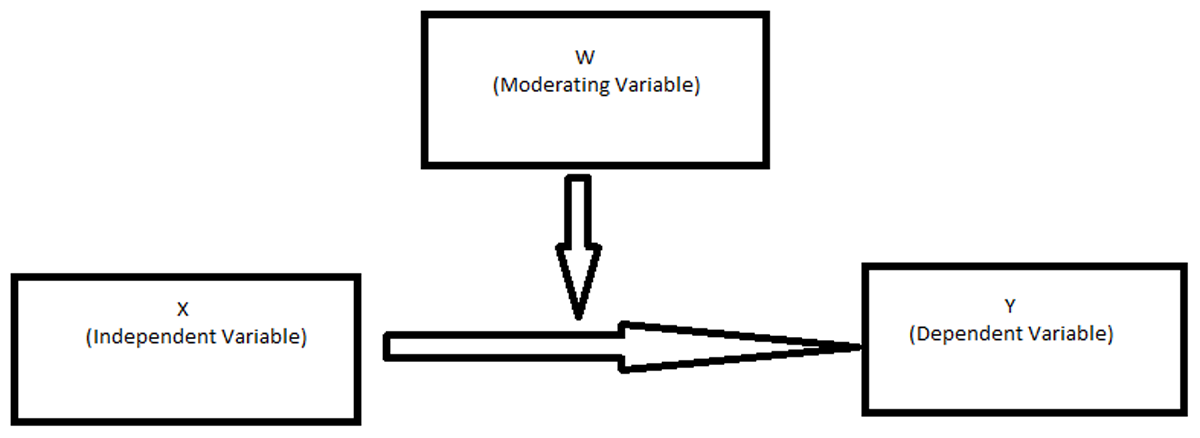
Figure 1
Model 1 conceptual representation.
Findings and Discussion
The Relationship Between AI Literacy Scores and Attitudes Toward AI
Prior to testing moderation effects, the direct relationship between the independent variable—preservice mathematics teachers’ AI literacy scores—and the dependent variable—their attitudes toward AI—was examined. The results revealed a significant positive correlation between AI literacy and attitudes toward AI (r = 0.297, p = 0.00). Although the strength of this relationship approaches a medium level, it was determined that AI literacy scores accounted for approximately 9% of the total variance in attitudes toward AI.
The finding that preservice teachers’ AI literacy scores significantly and positively predict their attitudes toward AI aligns with emerging empirical evidence in the field. Recent studies (Karacan & Çiçek, 2024; Mart & Kaya, 2024; Yim & Wegerif, 2024) have consistently demonstrated that a foundational understanding of AI technologies fosters more positive attitudinal dispositions. Specifically, Yim and Wegerif (2024) argue that as educators gain competence in AI concepts, their apprehension decreases, leading to more favorable attitudes. Most recently, Özden et al. (2025) confirmed this trajectory, demonstrating that increased AI literacy significantly mitigates anxiety and fosters positive attitudes among preservice teachers. However, the current study observed a relatively weak relationship which is corroborative of findings by Özden et al. (2025) and Reyes et al. (2024). These scholars suggest that while literacy is a necessary condition for positive attitudes, it is not solely sufficient; external factors such as ethical concerns and perceived utility also play critical roles. Thus, the modest correlation found in this study reinforces the multifaceted nature of AI adoption, indicating that literacy is a starting point rather than the sole determinant of attitude.
The Moderating Effect of Gender on the Relationship Between AI Literacy Scores and AI Attitude Scores
When the gender variable and its interaction with preservice mathematics teachers’ AI literacy scores were included in the model, the overall model significantly predicted attitudes toward AI (F(3, 824) = 29.78, p < .001). The independent variables accounted for approximately 9.8% of the total variance in AI attitude scores. The results of the moderation analysis for gender are presented in Table 3, while conditional effects and group comparisons are provided in Table 4.
Table 3
Results of moderating effect analysis of gender.
| VARIABLES | β | se | t | p | 95% CONFIDENCE INTERVAL |
|---|---|---|---|---|---|
| constant | 40.96 | 5.39 | 7.60 | <0.001 | [30.38, 51.54] |
| AI literacy | 0.67 | 0.12 | 5.50 | <0.001 | [0.43, 0.91] |
| gender | 6.04 | 6.20 | 0.97 | .330 | [–6.13, 18.22] |
| literacy × gender | –0.18 | 0.14 | –1.26 | .208 | [–0.45, 0.10] |
Table 4
Conditional effects and group comparisons.
| GENDER | IMPACT (β) | se | t | p | 95% CONFIDENCE INTERVAL |
|---|---|---|---|---|---|
| female | 0.67 | 0.12 | 5.50 | <0.001 | [0.43, 0.91] |
| male | 0.49 | 0.07 | 6.98 | <0.001 | [0.35, 0.63] |
| difference between | β difference | se | t | p | 95% confidence interval |
| female vs. male | –0.18 | 0.14 | –1.26 | .208 | [–0.45,0.10] |
According to Tables 3 and 4, the effect of AI literacy scores on attitudes toward AI was statistically significant and positive for both female (θX→Y|(W = 0) = 0.67; p < .001) and male (θX→Y|(W = 1) = 0.49; p < .001) preservice teachers. However, the interaction term was negative (–0.18), suggesting a slightly weaker relationship for males. Despite this, the interaction effect was not statistically significant (β = –0.18; se = 0.14; t = –1.26; p = .208). The non-significance of the interaction indicates no statistically significant difference between genders in this relationship; thus, gender does not moderate the association between AI literacy and AI attitudes.
The analysis revealed that gender did not moderate the relationship between AI literacy and attitudes. This aligns with recent data from Diaconu (2025), who found that while gender disparities may exist in raw literacy scores, the predictive relationship between attitudinal dispositions and literacy remains robust across genders. While direct research on this specific moderation is scarce, this nonsignificant finding contributes to the ongoing debate regarding gender gaps in technology adoption. Galindo et al. (2024) similarly reported that digital competence influences attitudes toward AI independently of gender, supporting the notion that the ‘gender digital divide’ may be narrowing in the context of AI literacy. Conversely, Strzelecki and ElArabawy (2024) found that gender’s moderating role is highly context-dependent, being significant in Egyptian samples but not in Polish ones. Our results align with the latter context, suggesting that in certain educational environments, gender may no longer be a primary differentiator in how technical knowledge translates to attitude.
Although some studies (e.g., Guipitacio et al., 2025) found gender to be a significant moderator between self-efficacy and attitudes, others (e.g., Liu, 2025) found no such effect for computer self-efficacy. This discrepancy suggests that moderation dynamics are sensitive to the specific constructs measured (e.g., anxiety vs. literacy) and sample characteristics. The lack of moderation in the current study implies that for preservice mathematics teachers, the cognitive pathway from knowing AI (literacy) to liking AI (attitude) functions similarly across genders, potentially due to the standardized curriculum they undergo, which may homogenize their technological dispositions.
The Moderating Effect of Taking AI Courses During Undergraduate Education on the Relationship Between AI Literacy Scores and AI Attitude Scores
When preservice mathematics teachers’ AI literacy scores, course-taking status, and their interaction were included in the model, the model significantly explained attitudes toward AI (F(3, 828) = 26.66, p < .001). The independent variables accounted for approximately 8.8% of the total variance in attitude scores. Results of the moderation analysis for course-taking status are presented in Table 5, with conditional effects and group comparisons shown in Table 6.
Table 5
Moderating effect analysis results of taking courses on AI during undergraduate education.
| VARIABLES | β | se | t | p | 95% CONFIDENCE INTERVAL |
|---|---|---|---|---|---|
| constant | 45.11 | 3.76 | 12.00 | <0.001 | [37.73, 52.49] |
| AI literacy | 0.55 | 0.09 | 6.29 | <0.001 | [0.38, 0.72] |
| course taking | –0.13 | 5.36 | –0.02 | .981 | [–10.65, 10.39] |
| literacy × course taking | –0.001 | 0.12 | –0.01 | .995 | [–0.24, 0.24] |
Table 6
Conditional effects and group comparisons.
| COURSE TAKING | IMPACT (β) | se | t | p | 95% CONFIDENCE INTERVAL |
|---|---|---|---|---|---|
| no course taken | 0.55 | 0.09 | 6.29 | <0.001 | [0.38, 0.72] |
| course taken | 0.54 | 0.09 | 6.32 | <0.001 | [0.38, 0.71] |
| DIFFERENCE BETWEEN | β DIFFERENCE | se | t | p | 95% CONFIDENCE INTERVAL |
| not taken vs. taken | –0.001 | 0.12 | –0.01 | .995 | [–0.24, 0.24] |
According to Tables 5 and 6, the effect of AI literacy scores on attitudes toward AI was significant and positive for both preservice teachers who took AI courses during their undergraduate education (θX→Y|(W = 1) = 0.54; p < .001) and those who did not (θX→Y|(W = 0) = 0.55; p < .001). The effects in both groups were very similar, and the small difference was not statistically significant (β = 0.00; se = 0.12; t = –0.01; p = .995). The non-significance of the interaction term indicates that the difference in this relationship between those who took AI courses and those who did not may be coincidental. Consequently, it was concluded that taking AI courses during undergraduate education does not moderate the relationship between preservice mathematics teachers’ AI literacy scores and their attitudes toward AI.
Unexpectedly, taking AI-related courses during undergraduate education did not moderate the relationship between AI literacy and attitudes. This finding diverges from studies suggesting that formal AI training enhances both literacy and positive attitudes (Hong & Kim, 2025; Yue et al., 2025). A plausible explanation for this null effect lies in the nature of the courses and the ubiquity of informal learning. As established by Ertmer and Ottenbreit-Leftwich (2010), technology integration is driven more by practical application than theoretical knowledge; consequently, if the courses taken by participants were predominantly theoretical, their impact on the literacy-attitude link might be negligible. Furthermore, the rapid proliferation of AI tools allows preservice teachers to acquire significant ‘informal knowledge’ through social media and digital platforms (Greenhow & Lewin, 2016), potentially diluting the distinct impact of formal coursework.
While literature emphasizes the necessity of formal AI education (Al-Zyoud, 2020; Chai et al., 2020; Hur, 2024), our findings suggest that merely ‘taking a course’ is insufficient to alter the mechanism between literacy and attitude. Instead, as Wardat et al. (2024) and Sanusi et al. (2024) imply, the quality and pedagogical design of these courses—specifically their focus on hands-on integration strategies—may be more critical than their mere presence in the curriculum.
The Moderating Effect of Duration of Technology Use on the Relationship Between AI Literacy Scores and AI Attitude Scores
When preservice mathematics teachers’ AI literacy scores, daily duration of technology use, and their interaction term were included in the model, they significantly predicted attitudes toward AI (F(5, 826) = 17.53, p < .001). The independent variables explained approximately 9.6% of the total variance in AI attitude scores. The results of the moderation analysis for the duration of technology use are presented in Table 7, with conditional effects and group comparisons shown in Table 8.
Table 7
Moderated effect analysis results of the duration of using technological applications.
| VARIABLES | β | se | t | p | 95% CONFIDENCE INTERVAL |
|---|---|---|---|---|---|
| constant | 74.32 | 13.45 | 5.53 | <0.001 | [47.92, 100.71] |
| AI literacy | –0.15 | 0.32 | –0.46 | .643 | [–0.78, 0.48] |
| technology duration (W1) | –34.19 | 14.56 | –2.35 | .019 | [–62.77, –5.60] |
| technology duration (W2) | –29.14 | 13.80 | –2.11 | .035 | [–56.23, –2.05] |
| INTERACTION TERMS | β | se | t | p | 95% CONFIDENCE INTERVAL |
| literacy × W1 | 0.79 | 0.34 | 2.29 | .022 | [0.11, 1.47] |
| literacy × W2 | 0.70 | 0.33 | 2.12 | .034 | [0.05, 1.34] |
Table 8
Conditional effects and group comparisons.
| DURATION OF TECHNOLOGY USE | IMPACT (β) | se | t | p | 95% CONFIDENCE INTERVAL |
|---|---|---|---|---|---|
| less than 30 min | –0.15 | 0.32 | –0.46 | .643 | [–0.78, 0.48] |
| 30 min-2 hr | 0.64 | 0.13 | 5.04 | <0.001 | [0.39, 0.89] |
| more than 2 hr | 0.55 | 0.07 | 7.73 | <0.001 | [0.41, 0.69] |
| DIFFERENCE BETWEEN | β DIFFERENCE | se | t | p | 95% CONFIDENCE INTERVAL |
| less than 30 min vs. 30 min- more than 2 hr | 0.79 | 0.34 | 2.29 | .022 | [0.11, 1.47] |
| 30 min less vs. more than 2 hr | 0.70 | 0.33 | 2.12 | .034 | [0.05, 1.34] |
| 30 min-2 hr vs. more than 2 hr | –0.09 | 0.05 | –1.75 | .082 | [–0.19, 0.01] |
Examining Tables 7 and 8, the effect of AI literacy scores on attitudes toward AI was not significant for preservice teachers whose daily technology use was less than 30 minutes (θX→Y|W = 0 = –0.15; p = .643). However, this effect was significant for those using technology between 30 minutes and 2 hours (θX→Y|(W = 1) = 0.64; p < .001) and for those using it more than 2 hours daily (θX→Y|(W = 2) = 0.55; p < .001). In other words, the relationship between AI literacy and attitudes was stronger among preservice teachers who used technology daily for between 30 minutes and 2 hours, as well as those who used it for more than 2 hours. According to Hayes (2022), when the moderator variable is multicategorical, the significance of any relative interaction effect suffices to establish a moderating effect. These findings indicate that daily technology usage duration moderates the relationship between AI literacy and attitudes toward AI.
The analysis established that daily technology usage duration significantly moderates the relationship between AI literacy and attitudes. Specifically, the relationship was nonsignificant for low-usage users (<30 mins) but significant and positive for moderate (30 mins–2 hours) and high-usage (>2 hours) groups. This aligns with Hayes (2022), who posits that significance in any relative interaction effect confirms moderation in multicategorical variables.
While direct comparisons are limited, these results offer a nuanced perspective to Elçiçek’s (2024) findings, which suggested that excessive screen time might correlate with lower literacy. In contrast, our study indicates that increased exposure to technology strengthens the link between literacy and positive attitudes. This discrepancy likely stems from the population difference (general students vs. preservice teachers) and the nature of usage (passive consumption vs. active professional preparation). Essentially, for preservice teachers, higher daily engagement with technology likely provides the necessary experiential context where AI literacy can meaningfully translate into positive professional attitudes.
The Moderating Effect of Interest Level Towards AI on the Relationship Between AI Literacy Scores and AI Attitude Scores
The moderator and interaction terms of preservice mathematics teachers’ AI literacy scores and their interest level in AI applications, when included in the model, significantly explained attitudes toward AI (F(5, 826) = 29.34; p < .001). Furthermore, all independent variables in the model accounted for approximately 15.08% of the total variance in AI attitude scores. The results of the moderation analysis for the interest level variable are presented in Table 9, with conditional effects and group comparisons provided in Table 10.
Table 9
Results of moderating effect analysis of level of interest towards AI.
| VARIABLES | β | se | t | p | 95% CONFIDENCE INTERVAL |
|---|---|---|---|---|---|
| constant | 70.23 | 8.78 | 8.00 | <0.001 | [53.00, 87.47] |
| AI literacy | –0.19 | 0.22 | –0.87 | .385 | [–0.61, 0.24] |
| level of interest(W1) | –23.10 | 9.33 | –2.48 | .014 | [–41.41, –4.79] |
| level of interest(W2) | –16.99 | 10.76 | –1.58 | .115 | [–38.11, 4.13] |
| literacy × W1 | 0.68 | 0.23 | 2.98 | .003 | [0.23, 1.13] |
| literacy × W2 | 0.63 | 0.25 | 2.47 | .014 | [0.13, 1.13] |
Table 10
Conditional effects and group comparisons.
| LEVEL OF INTEREST | IMPACT (β) | se | t | p | 95% CONFIDENCE INTERVAL |
|---|---|---|---|---|---|
| none | –0.19 | 0.22 | –0.87 | .385 | [–0.61, 0.24] |
| some | 0.49 | 0.07 | 6.82 | <0.001 | [0.35, 0.63] |
| high | 0.44 | 0.14 | 3.28 | .001 | [0.18, 0.71] |
| DIFFERENCE BETWEEN | β DIFFERENCE | se | t | p | 95% CONFIDENCE INTERVAL |
| none vs. some | 0.68 | 0.23 | 2.98 | .003 | [0.23, 1.13] |
| none vs. high | 0.63 | 0.25 | 2.47 | .014 | [0.13, 1.13] |
| some vs. high | –0.05 | 0.15 | –0.31 | .756 | [–0.35, 0.25] |
When the values in Tables 9 and 10 are examined, the effect of AI literacy scores on attitudes towards AI was not statistically significant for preservice teachers who reported no interest in AI applications (θX→Y| (W = 0) = –0.19; p = .385). However, the effect was found to be statistically significant and positive for those who reported being somewhat interested (θX→Y| (W = 1) = 0.49; p < .001) and very interested (θX→Y| (W = 2) = 0.44; p = .001) in AI applications. In other words, AI literacy scores positively influenced attitudes towards AI only among preservice mathematics teachers who expressed some or high levels of interest in AI, whereas no such effect was observed among those who were not interested at all.
Furthermore, the effect of AI literacy on AI attitude scores differed significantly between those who were somewhat interested and those who were not interested (β = 0.68; se = 0.23; t = 2.98; p < .001). A similar significant difference was found between those who were very interested and those who were not interested (β = 0.63; se = 0.25; t = 2.47; p < .001). However, no statistically significant difference was observed between the somewhat interested and very interested groups (β = –0.05; se = 0.15; t = –0.31; p = .756).
The study provides novel empirical evidence that interest in AI moderates the literacy-attitude relationship, albeit in a nonlinear manner. The finding that the relationship is weak or nonexistent for those with ‘no interest’ aligns with Hidi and Renninger (2006) and Schiefele et al. (1992), who argue that interest is a prerequisite for cognitive engagement. Without interest, preservice teachers likely lack the internal motivation to process their AI literacy into a coherent attitudinal stance.
Conversely, the observation that the moderating effect stabilizes between ‘some interest’ and ‘high interest’ groups supports Rotgans and Schmidt’s (2017) threshold hypothesis, suggesting that once a baseline level of interest is ignited, further increases do not proportionally intensify the literacy-attitude link. This finding extends previous work by Kovačević and Demić (2024) and Moon et al. (2024) by demonstrating that while interest drives the acquisition of literacy, its role in converting that literacy into attitude has a saturation point. This highlights the critical need for teacher education programs to focus on sparking initial interest to activate this pathway.
Conclusion, Implications and Suggestions
The main limitations of this study include the restriction of the sample to preservice mathematics teachers and data collection from a single geographical region in Turkey (Central Anatolia). Therefore, the study should be replicated with diverse samples and disciplines to enhance interdisciplinary and intercultural generalizability. A notable demographic limitation is the gender imbalance, with the sample being predominantly female (more than 75%). However, this distribution mirrors the current profile of the teaching workforce and preservice teachers in education faculties in Türkiye; thus, the sample possesses high ecological validity regarding the target population. While this disparity requires caution when generalizing findings specifically to male preservice teachers, potential statistical biases associated with unequal group sizes were mitigated by employing bootstrapping techniques with 5,000 resamples to ensure the robustness of the moderation analysis results.
Another limitation is the reliance on self-reported data for variables such as the duration of technology use and interest levels. This approach may have introduced response bias and excluded contextual factors, such as the specific nature of technology use (e.g., educational vs. recreational). Future research is recommended to integrate objective usage data (e.g., screen time tracking) and conduct longitudinal studies to determine optimal engagement durations. Moreover, given the findings regarding informal learning, future studies should investigate how the quality of AI exposure—rather than just duration—interacts with literacy development.
Based on the empirical findings, several data-driven implications for educational policy and practice emerge. First, the finding that taking undergraduate AI courses did not moderate the relationship between AI literacy and attitudes suggests that the current curriculum may be too theoretical. Consistent with Ertmer and Ottenbreit-Leftwich (2010), who argue that practice drives attitude change, teacher education programs must pivot from knowledge-transmission models to hands-on application. It is recommended that curricula incorporate “applied AI integration” modules where preservice teachers actively use these tools for pedagogical problem-solving, rather than merely learning about them.
Second, the moderation analysis revealed that daily technology use between 30 minutes and 2 hours significantly strengthens the literacy-attitude relationship, whereas low usage (<30 mins) does not. This data supports the implementation of policies that encourage consistent, moderate daily engagement with digital tools. Teacher training programs should design assignments that require regular, sustained interaction with AI platforms to overcome the “low-usage threshold” identified in this study.
Third, the finding that interest level acts as a moderator—specifically that no relationship exists for those with no interest—highlights the critical role of affective engagement. As Hidi and Renninger (2006) posit, interest is a prerequisite for cognitive processing. Therefore, before focusing on technical skill acquisition, interventions should prioritize sparking situational interest. This can be achieved by showcasing the immediate practical benefits of AI in reducing workload, thereby moving preservice teachers from the no interest group to the interested group where literacy can effectively translate into positive attitudes.
Notes
Data Accessibility Statement
The datasets used and/or analysed during the current study are available from the corresponding author on reasonable request.
Sustainable Development Goals (SDGs)
This study is linked to the following SDG: Quality education (SDG 4).
Ethics and Consent
Ethical approval for this study was obtained from the [………….University] Ethics Committee (Date: [17.09.2024], Decision No: [2024-2029]). The research was conducted in accordance with the ethical standards of the American Psychological Association (APA, 2017). Prior to data collection, a comprehensive informed consent protocol was presented to all participants. As required by ethical regulations, this protocol explicitly provided information regarding: (1) the study’s objectives, methodological procedures, and estimated duration; (2) the participants’ right to refuse participation or withdraw from the study at any time without any negative consequences; (3) the potential benefits and the absence of foreseeable risks associated with participation; (4) the commitment to strict confidentiality and anonymity, ensuring that no personally identifiable information was collected; and (5) the contact details of the researchers for any clarifications required during or after the process. All participants provided their free and informed consent before engaging in the study.
Author Notes
Language Translation and Localization: For the translation and localization of content, [DeepL Translator (free version), April 2025; DeepSeek (free version), April 2025; ChatGPT (free version) was employed. Human translators subsequently reviewed and adjusted the translations to ensure accuracy, cultural appropriateness, and contextual relevance. The final text was thoroughly reviewed and approved by the authors to ensure it accurately reflects the intended research outcomes and ethical standards. The authors also assessed and addressed potential biases inherent in the AI-generated content. The final version of the paper is the sole responsibility of the human authors.
Author Contributions (CRediT)
Nazire Cigdem MUTLU: Conceptualization, data curation, formal analysis, investigation, methodology, project administration, resources, validation, visualization, writing – original draft, writing – review & editing. All authors have read and agreed to the published version of the manuscript. Feride OZYILDIRIM GUMUS: Conceptualization, Data curation, Formal Analysis, Investigation, Methodology, Project administration, Resources, Supervision, Validation, Visualization, Writing – original draft, Writing – review & editing. All authors have read and agreed to the published version of the manuscript. This study is produced from the master’s thesis conducted by the first author under the supervision of the second author.