
Introduction
Higher education instruction, has undergone significant transformation, particularly in course delivery methods following the COVID-19 pandemic. One of the main changes has been the rapid expansion of digital courses, which has reshaped traditional pedagogical approaches and raised serious questions about instructional effectiveness, efficiency and engagement (Merrill, 2002, 2012). This change has motivated many researchers to explore various aspects digital education, including the effectiveness of emergency remote teaching (Fuchs, 2022; Masuku, 2021; Yakar, 2021); instructor preparedness (Al-Naabi et al., 2021; F. Martin & Bolliger, 2023; Ragan et al., 2023); personalized learning (Xiong et al., 2024); course satisfaction (Nikou & Maslov, 2023; Wong & Chapman, 2023); and learner readiness for online education (Fadhilah & Husin, 2023; Şahin et al., 2025).
While these studies provide valuable insights into digital education, an critical area of research has concentrated on the design of digital course (Al-Naabı et al., 2021; Alaoui, 2025; Bingol et al., 2020; Cunningham et al., 2024; Jo et al., 2020) which constitutes the main focus of the present study. Literature supports that digital course design is a critical factor that positively impact on various aspects including student engagement (Arrowood et al., 2014; Mackey & Aird, 2021; Subramanian & Budhrani, 2020; Tualaulelei et al., 2022), knowledge retention (Gülbahar et al., 2022), and overall student outcome (Jaggars & Xu, 2016; Liu & Shao, 2024). Designing an effective digital course is the key focus of research in online education.
Although the impact of the digital course has been highlighted by previous research however, exploration on designing of these courses leaves many questions that need further investigation. Given the rapid growth in digital coursework within higher education, it is important to explore affordances and core functions for them. Growing body of literature emphasize that affordances of successful digital course design is not only focus on technological infrastructure but also include pedagogical dimensions (Gruber, 2018; Mackey & Aird, 2021). In the context of this study, affordances refer to the technological, educational and social features (Xue et al., 2023) that enables an digital course to be successful. Beyond affordances, the success of digital course design depends on its design features (Swan, 2001), that collectively ensure the course is instructionally sound. A well-designed course should integrate the affordances and core features to support the diverse students’ needs and promote higher levels of learning. The rapid expansion of digital courses in higher education, particularly following the COVID-19 pandemic, has reshaped traditional pedagogical approaches and raised significant questions about instructional effectiveness, efficiency, and learner engagement. This study aims to identify the key affordances and core features of successful digital course design through a systematic review following these research questions:
What are the publication trends of digital course design research?
What affordances make a digital course design successful?
What are the potential limitations and challenges encountered by instructional designers of digital course design in higher education?
What instructional design features (e.g., models, approaches, frameworks) were used in designing digital courses?
Methodology
Systematic literature review (SLR) is a type of research which focuses on systematically analysis the problem, posing a critical question, discerning patterns and trends, and reporting the results in order to answering a critical question (Alexander, 2020). Although SLR synthesize the findings of the research qualitatively or quantitatively (Toloo et al., 2022) however, it has some limitations including publication bias. This study follows this type of research, to provide an overall landscape on what are the affordances and core features of successful digital course design. It aims to synthesizing research findings in the digital education context. It is also trying to capture the current state of research in this field objectively and concretely. The PRISMA framework (Page et al., 2021) was employed which includes the phases of identification, eligibility, and inclusion. The following present these phases.
Identification
To select research publications on online course design, eleven (11) academic databases in the field of education, have been used. In addition, to ensure the coverage of a comprehensive area of research we included reference search as additional source of search. In total, twelve (12) sources of knowledge were used for the purpose of this study. The different search strings employed are presented in Table 1. We used Publish or Perish platform in order to search 3 databases including Google Scholar, Web of Science, and Scopus. For the other databases, we accessed and searched them directly from their respective repositories. The total number of resulting papers according to the selected databases is presented in Figure 1.
Table 1
Search Patterns in Higher Education Digital Course Development.
| HE SEARCHES | OPERATOR | DIGITAL COURSE RELATED SEARCH TERMS |
|---|---|---|
| (“Higher education”) | AND | “Online coursework’ OR ‘online course design’ OR ‘online course development’) |
| “Online learning’ OR ‘course design’ OR ‘online course development’) AND (‘higher education’) | ||
| AND “Online coursework’ OR ‘online course design’ OR ‘online course development’) |
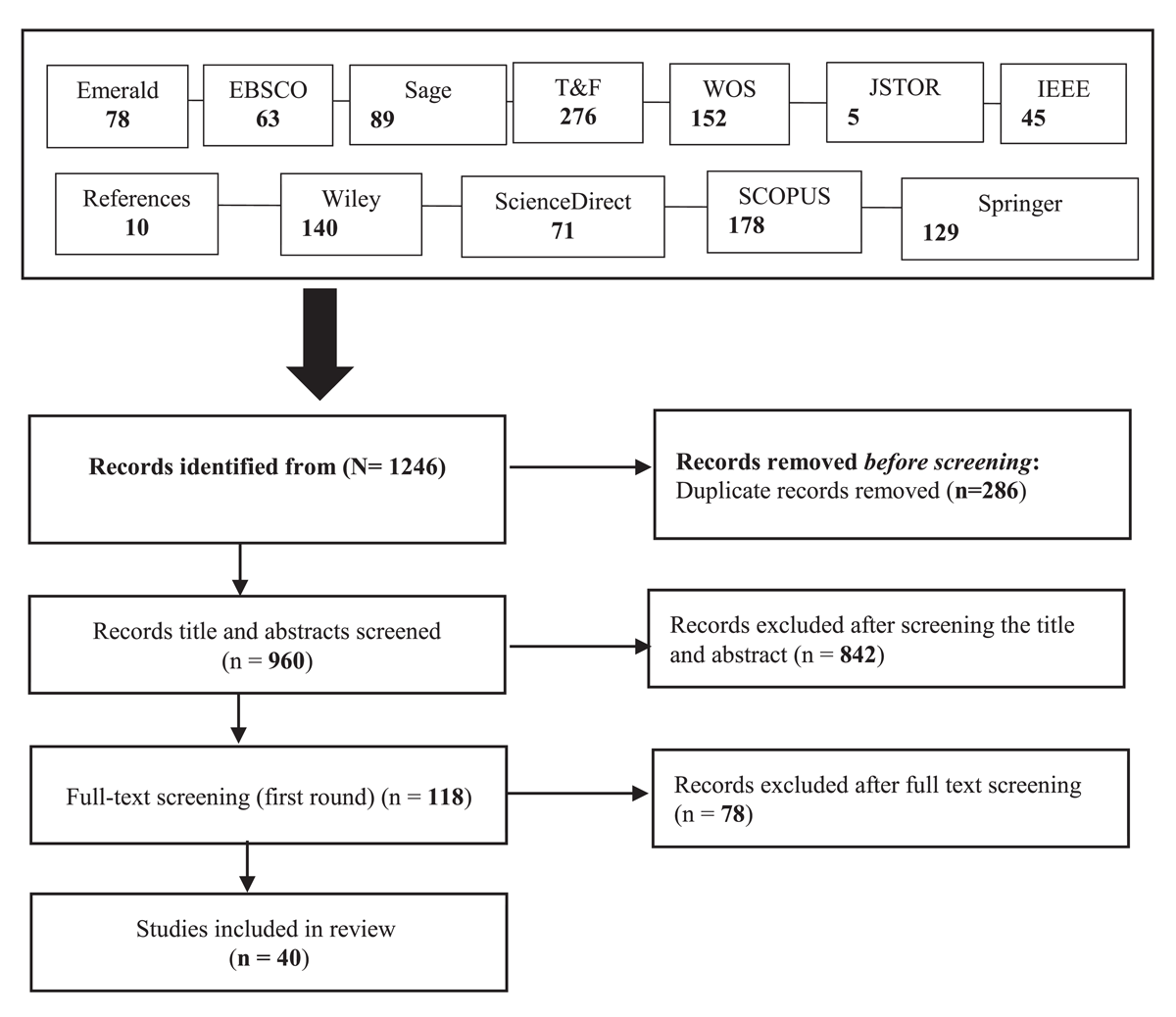
Figure 1
PRISMA flow diagram detailing the steps in the identification and screening of sources.
Inclusion/Exclusion Criteria
We developed comprehensive inclusion/exclusion criteria to select the relevant and appropriate papers. Table 2 shows both inclusion/exclusion criteria in details. Studies were included if they reported on empirical research published between 2014 and 2024, written in English, and focused on higher education. Studies that did not primarily address digital course design were excluded. By the end of this stage, we found 40 paper eligible to be included in this study as sample.
Table 2
Inclusion/Exclusion Criteria.
| INCLUSION CRITERIA | EXCLUSION CRITERIA |
|---|---|
| Publication time (2014–2024) | Out of date (2014–2024) |
| Published in English | Not in English |
| Journals | Other types of publication |
| Higher education | K12-Adult Education |
| Non review studies | Review papers |
| Online course design is the main variable of the study | Online course design is not the main variable of the study |
Data Extraction
We employed the coding system developed by Bond et al. (2020) to extract the required data for this research paper. Codes included demographical information (e.g., journal title, authors, and country), study research methodology description (e.g., research method, sample, duration of the study), subjects/courses, and the findings (e.g., learning outcomes, classroom dynamics, challenges, and recommendations). Information about strengths, weaknesses, and implications discussed in the papers was also coded to provide a complete overview of articles included in the sample. All 40 eligible papers were coded in this stage.
Results and Discussion
Characteristics of Studies (RQ1: What are the Publication Trends of Digital Course Design Research?)
The main objective of the present study was to identify the key affordances of digital course design. Table 3 presents a detailed overview of the characteristics of the 40 included papers in the analysis. The majority of the studies (60%) were published within the last five years, highlighting and demonstrating a growing interest and the continuous evolution in the field. The subject areas explored in the reviewed papers reflect the interdisciplinary nature of digital education. The most frequently include health-related disciplines, and education-related subjects (17.5%), followed by educational technology (15%), and computer science and IT-related topics (12.5%). While the remaining 37.5% focused on diverse areas such as agriculture, economics, geography, and sport psychology. In terms of duration of the designed courses, the majority of courses were conducted over a semester (22.5%), followed by shorter durations of 5 to 10 weeks (17.5%), and full-year or longer programs (10%). A smaller proportion (7.5%) focused on short-term learning experiences lasting a week or less. However, a substantial number of studies (27.5%) did not specify the duration of the learning intervention, which limits direct comparisons across studies.
Table 3
Characteristics of included studies.
| CODE | AUTHOR & YEAR | COUNTRY | SUBJECT | LMS PLATFORM | DURATION | LEVEL STUDENT | NO STUDENTS |
|---|---|---|---|---|---|---|---|
| P1 | (Al-Naabı et al., 2021) | Oman | Critical Thinking Skills | Moodle | 5 weeks | Foundation | 18 |
| P2 | (Durak & Ataizi, 2016) | Turkey | Programming Languages | e-front | Summer School | not provide | not specified |
| P3 | (El-Bishouty et al., 2019) | Saudi Arabia | Using Computers in Education | Moodle | Not specified | Undergraduate | 25 |
| P4 | (Gaston & Lynch, 2019) | USA | Nursing | Moodle | 6 semesters | Undergraduate | 494 |
| P5 | (Gazza, 2015) | USA | health policy | Not specified | 7.5 weeks | Undergraduate | 66 |
| P6 | (Kas-Osoka et al., 2018) | USA | Health and Wellness | University’s Local LMS | a semester-long | Undergraduate | 1,090 |
| P7 | (Jo et al., 2020) | USA | Active Learning in Geography (GEO5340) | Canvas | 5 Weeks | Graduate | 9 |
| P8 | (King & Nininger, 2019) | USA | RN-BSN Completion Program | Canvas | Semester | Undergraduate | 357 |
| P9 | (Kuo & Fitzpatrick, 2022) | USA | First-Year English Composition (FYC) | Not specified | Semester | Undergraduate | not specified |
| P10 | (Tan & Kou, 2014) | USA | Web 2.0 tools. | Course wikis | not specified | In-service educators. | 16 |
| P11 | (Leslie, 2021) | USA | ADR410: Facilitation Fundamentals | Blackboard | 4 weeks | Undergraduate | 20 |
| P12 | (Luburićet al., 2021) | Serbia | Software Specification and Modeling (SSaM) and Introduction to Software Engineering (ISE) | Not explicitly named | Semester long | Undergraduate | 290 |
| P13 | (Maia et al., 2021) | Brazil | Therapeutic Play Competence for Pediatric Nurses | Not specified | Not specified | Professional development | 52 |
| P14 | (N. Martin et al., 2018) | Australia | Elite Sport Performance: Psychological Perspectives | MOOC | 4 months | Open to all levels | 1007 |
| P15 | (Cunningham et al., 2024) | Ireland | Vocational agricultural | Not specified | Semester-long | Undergraduate | 108 |
| P16 | (Liu & Shao, 2024) | China | Piano Education | Custom mobile applications: | One and a half years | Undergraduate | 104 |
| P17 | (Pingo et al., 2024) | Australia | Pharmacy Course | Blackboard | One year | Graduate | not specified |
| P18 | (Mincey, 2015) | USA | Introduction to Public Health | Blackboard | 5 weeks | Undergraduate | 23 |
| P19 | (Desmet et al., 2023) | China | Emotion-Driven Design (EDD) | Zoom | 5 days | graduate | 269 |
| P20 | (Loftus et al., 2014) | USA | pharmacology. | e-pack | Not explicitly stated | Undergraduate | 508 |
| P21 | (Kopteva, 2018) | USA | Introduction to Human Geography | Blackboard | Semester-long | Undergraduate | not specified |
| P22 | (Zemliansky, 2021) | Norway | Faculty development | Canvas | 6 hours | Faculty and instructors | 62 |
| P23 | (Peng, 2021) | China | Online course software | Not specified | Not specified | Not specified | not specified |
| P24 | (Shaw et al., 2015) | Australia | Medical education | Not specified | Not specified | Postgraduate | not specified |
| P25 | (Jia et al., 2023) | China | Instructional Design for Education and Corporate Settings | Moodle | 8 weeks | Graduate | 79 |
| P26 | (Singleton et al., 2019) | USA | Online course development and instructional design | Not specified | Not specified | Not specified | 6 IDs |
| P27 | (Songkram, 2017) | Thailand | Creativity and Innovation | Moodle | Semester-long | Undergraduate | 30 |
| P28 | (Thurston & Yelich Biniecki, 2017) | USA | Graduate certificate program in social justice education | Local LMS | 2 years for program development. | Graduate level | Not Specified |
| P29 | (Tsai et al., 2019) | Taiwan | building information modeling | Coursera | 8 weeks | Undergraduate | Not Specified |
| P30 | (McNeill & Fitch, 2023) | USA | Research in Special Education | Not specified | One session | Undergraduate | 12 |
| P31 | (C.-H. Wang & Lin, 2018) | Taiwan | Online learning and affective tutoring systems. | Interactive Online learning | single academic term | Undergraduate | 106 |
| P32 | (Gülbahar et al., 2022) | Turkey, USA | Instructional Technology | Google classroom | 1 Week | Undergraduate | 81 |
| P33 | (Yamagata-Lynch, Do, et al., 2015) | USA | Instructional technology | Blackboard | 15 weeks | Graduate-level | 17 |
| P34 | (Yamagata-Lynch, Cowan, et al., 2015) | USA | Online program development in higher education | Moodle | Five-year | Graduate level | Not specified |
| P35 | (Song & Kao, 2023) | USA | Chinese Language | Google Suite, | Not specified | Undergraduate | not specified |
| P36 | (Nutwell et al., 2023) | USA | Finite Element Principles (FEP) | Online asynchronous | 10 Weeks | Professional engineers | 45 |
| P37 | (Zhu & Zhang, 2023) | USA | User Experience (UX) Design for Learning | Canvas | 15 Week | Graduate | 9 |
| P38 | (Reilly & Reeves, 2024) | USA | Various | Not Specified | Not specified | Undergraduate | 75 |
| P39 | (Onodipe et al., 2016) | USA | Principles of economics | Not Specified | Not specified | Undergraduate | Not specified |
| P40 | (Ritzhaupt et al., 2020) | USA | Statistics | Canvas | 16 Weeks | Doctoral | 20 |
The educational levels of learners in the reviewed papers varied, with undergraduate students being the primary focus (47.5%). Master’s-level learners were the subject of 17.5% of the studies, while professional development courses (10%) and doctoral-level studies (2.5%) were less frequently explored. However, 15% of the studies did not explicitly mention the student level. Table 3 shows that the sample sizes of the studies ranged widely. The largest study included 1,090 students, while several studies engaged over 500 participants. The most common sample size involved fewer than 50 students (37.5%), whereas 27.5% of studies included between 50 and 500 students. Only 10% of the studies involved large-scale implementations (more than 500 students), and 25% did not specify the number of participants.
Figure 2 illustrates the distribution of included papers in the study, highlighting fluctuations in research production over the years. The lowest point is observed in 2022, where only one paper was selected, marking a sharp decrease compared to 2021 and 2023, both of which had the highest number of selected papers (six for each).
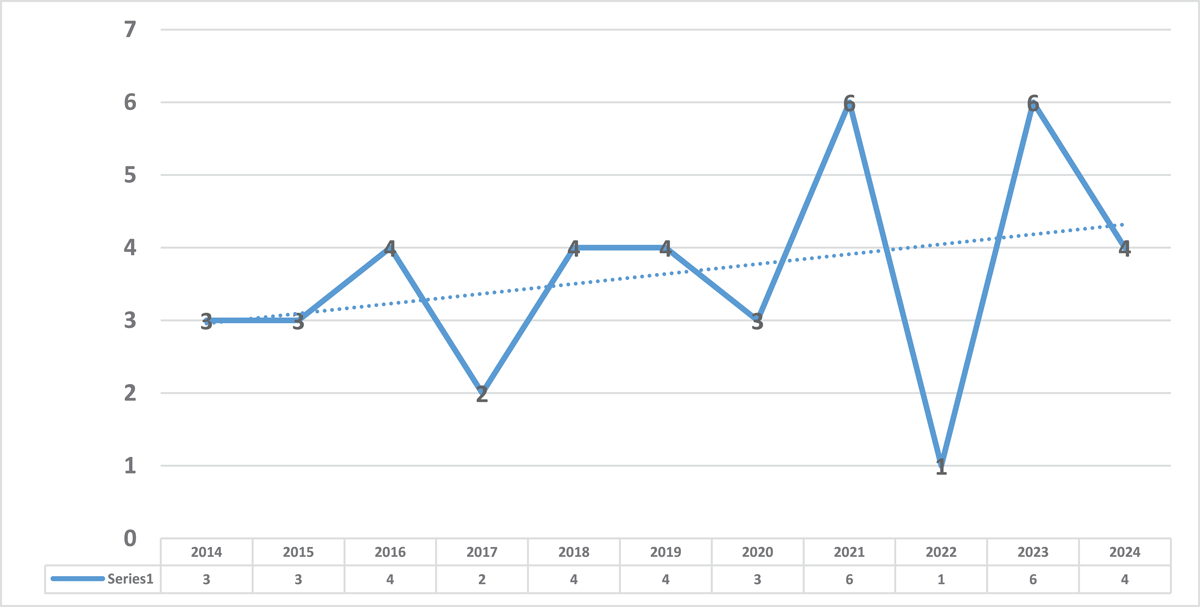
Figure 2
Distribution of included papers by year.
Figure 3 presents the distribution of selected papers based on their country of origin, highlighting significant disparities in research contributions. The United State (US) leads overwhelmingly with 22 papers (55%), indicating a dominant research output in the field. In contrast, other countries show relatively lower contributions. China 10% (4 papers) and Australia 7.5% (3 papers) show moderate research activity, while Turkey and Taiwan (2 papers each) also contribute to the field.
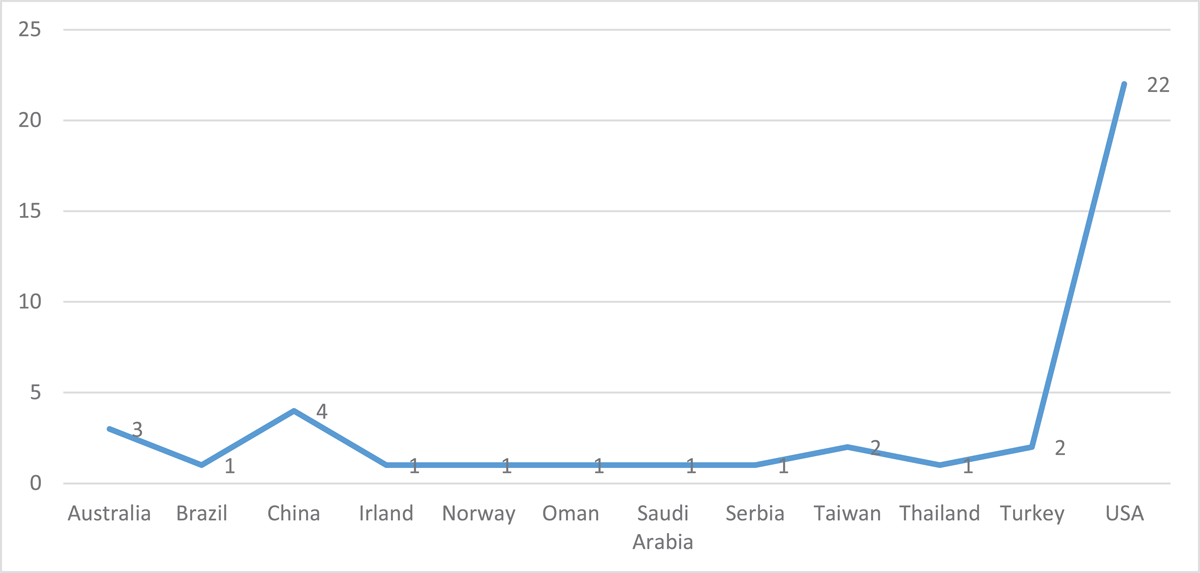
Figure 3
Distribution of included papers by country.
RQ2: What Affordances Make a Digital Course Design Successful?
Our study demonstrated that the success of a digital course depends on how it follows the course design principles. Through a systematic review of the included publications, we employed Attride-Stirling’s (2001) thematic analysis method to identify the key affordances of digital course design in higher education settings. After reading, reviewing, coding, and labeling, we identified and categorized seven primary affordances that contribute to digital courses (Table 4).
Table 4
Successful digital course affordances.
| AFFORDANCES OF A SUCCESSFUL DIGITAL COURSE | #(%) (N = 40) | SOURCE NUMBER |
|---|---|---|
| Learner-Centered Design (LCD) | 24 (60%) | 2, 3, 5, 8, 9, 10, 11, 12, 13, 14, 15, 17, 19, 20, 22, 24, 26, 28, 29, 31, 32, 34, 35, 36 |
| Active Learning and Engagement (AL&E) | 25 (62.5%) | 4, 6, 7, 10, 11, 12, 13, 15, 16, 18, 19, 21, 22, 25, 28, 29, 30, 31, 32, 33, 35, 37, 38, 39, 40 |
| Structured Learning Environment (SLE) | 32 (80%) | 1, 2, 3, 4, 5, 6, 7, 8, 9, 10, 11, 12, 13, 14, 16, 17, 18, 19, 20, 21, 23, 24, 25, 27, 29, 30, 32, 35, 36, 38, 39, 40 |
| Collaboration and Community Building (C&CB) | 9 (22.5%) | 7, 13, 15, 17, 25, 27, 28, 33, 37 |
| Authentic Assessments (AA) | 7 (17.5%) | 7, 11, 15, 24, 36, 38, 40 |
| Accessibility and Inclusiveness (A&I) | 4 (10%) | 10, 17, 27, 34 |
Our review found that 24 out of 40 studies (60%) highlighted learner-centered design (LCD) as a critical factor in effective digital course design (Gülbahar et al., 2022; Nutwell et al., 2023; Shaw et al., 2015; Singleton et al., 2019; Song & Kao, 2023; Thurston & Yelich Biniecki, 2017; Tsai et al., 2019; C.-H. Wang & Lin, 2018; Yamagata-Lynch, Cowan, et al., 2015). Research indicate that designing effective digital courses required to incorporate LCD principles (Kopteva, 2018; Reilly & Reeves, 2024). The LCD focus on student needs, preferences, and experiences within a learning environment (Al-Naabı et al., 2021). Our study highlighted that following LCD principles are essential for creating courses that effectively engage and support student outcomes. It also viewed as a primary factor in improving the quality of digital learning experiences (Kopteva, 2018; Leslie, 2021). The high-quality learning experiences promote personalization, and adaptability to support diversifying (Kopteva, 2018). We have found that designing and digital course using the LCD principles my support scaffolding of online education. Additionally, it may leverage technology to facilitate feedback, support student-student interaction, and enhancing motivation (Kuo & Fitzpatrick, 2022). As a critical affordance in successful digital course design LCD plays an essential role in decreasing student retention rate. Our findings reinforce the importance of adopting LCD principles in online education to improve both the quality and accessibility of learning experiences, ultimately contributing to student success.
Our analysis showed that a total of 25 studies (62.5%) identified Active Learning and Engagement (AL&E) as other key affordances of a successful digital course. These studies emphasize that AL&E is essential for enhancing student motivation (Maia et al., 2021; N. Martin et al., 2018), knowledge retention (Kas-Osoka et al., 2018; Luburić et al., 2021; Reilly & Reeves, 2024), and overall learning outcomes (Jo et al., 2020; Liu & Shao, 2024) in digital based education. This reviewed showed that active learning strategies, -if they implemented correctly, enable learners to engage deeply with subject matter (Desmet et al., 2023; Jo et al., 2020; Mincey, 2015). Furthermore, engagement maintain student interest in digital learning environments (Cunningham et al., 2024; Leslie, 2021; N. Martin et al., 2018). Our findings suggest that successful digital courses require features like gamification, real-time feedback, and peer interactions to create high engaged learning environments. By integrating these elements, the designed courses can promote higher levels of learning (Thurston & Yelich Biniecki, 2017; Tsai et al., 2019; Zemliansky, 2021). The strong emphasis on AL&E in our findings (62.5% papers) highlights their significance in designing effective digital courses.
Another important finding is that 80% of our reviewed papers (n = 32) identified Structured Learning Environment (SLE) as a significant factor and other affordance of a successful digital course design. This percentage, making it the most frequently factor in our findings. This strong consensus, highlights the critical role of a well-organized course in facilitating successful digital learning. A SLE also provides students with clear instructional guidelines, reduces course anxiety (Desmet et al., 2023; Ritzhaupt et al., 2020) well-defined learning objectives, and organized course materials, ensuring a smooth and coherent learning experience. It also enhances student comprehension (Onodipe et al., 2016), reduces cognitive overload (McNeill & Fitch, 2023), and fosters self-regulated learning (Jia et al., 2023; N. Martin et al., 2018; Mincey, 2015; Pingo et al., 2024; Zhu & Zhang, 2023) by providing a scaffolded learning activities, and consistent instructor guidance. Features such as modular course design (Kuo & Fitzpatrick, 2022; Ritzhaupt et al., 2020), scheduled assessments (Cunningham et al., 2024; Gülbahar et al., 2022; Leslie, 2021; Reilly & Reeves, 2024), and structured discussion forums (Al-Naabı et al., 2021; Kopteva, 2018; Ritzhaupt et al., 2020) help students maintain in higher level of learning. In addition, SLE supports time management (Jia et al., 2023; Jo et al., 2020), especially for students balancing learning tasks in digital-based learning settings. This prominence of SLE in our review highlights its significance in ensuring the effectiveness of digital education.
Among the 40 included papers, 9 studies (22.5%) identified Collaboration and Community Building (CCB) as a vital affordances of a successful digital course design (Cunningham et al., 2024; Jia et al., 2023; Jo et al., 2020; Maia et al., 2021; Pingo et al., 2024; Songkram, 2017; Yamagata-Lynch, Do, et al., 2015; Zhu & Zhang, 2023). While CCB was not the most frequently identified factor in our results, however, its presence shows the importance of collaboration in digital learning environments. Our results suggests that digital courses that involve collaborative activities—such as brain storming, group projects, and virtual teamwork—enhance students’ overall learning outcomes (King & Nininger, 2019; Pingo et al., 2024; Reilly & Reeves, 2024; Songkram, 2017; Zhu & Zhang, 2023). Additionally, our results support the idea that building a sense of community within digital courses helps to reduce feelings of isolation (Jo et al., 2020; Kas-Osoka et al., 2018; Nutwell et al., 2023), increase motivation, and improve learning outcomes. Moreover, 7 out of 40 reviewed studies (17.5%) identified Authentic Assessments (AA) as another important affordance of successful digital course design (Cunningham et al., 2024; Jo et al., 2020; Leslie, 2021; Nutwell et al., 2023; Reilly & Reeves, 2024; Ritzhaupt et al., 2020; Shaw et al., 2015). AA in our review focus on practical, meaningful tasks that implemented in the real-life situations. We found that AA promote higher-order thinking skills (HOTSs), and making learning more relevant.
Only 10% of the papers in our review (4 out of 40) identified Accessibility and Inclusiveness (A&I) as key affordances of a successful digital course design (Pingo et al., 2024; Songkram, 2017; Tan & Kou, 2014; Yamagata-Lynch, Do, et al., 2015). While A&I appears least frequently in our dataset, its educational impact remains undeniable. A&I principles ensure equitable learning opportunities for all course participants, regardless of their background or ability, a fundamental requirement in contemporary digital education. Equitable education has emerged as a central priority in online learning (Kulal et al., 2024). For example, MOOCs can be considered as results of this approach. These courses provide greater participation along with flexible learning material to provide enjoyable learning experience for all students (Celik & Cagiltay, 2024) inclusiveness in addition may provide opportunities to benefit students from supportive and diverse learning environment.
Figure 4 summaries the primary, middle and optimal affordances of digital course design in higher education. In our proposed framework (Figure 4), it can be said that digital course design consists of primary or short-term features that facilitate successful digital course design. These affordances serve as the building blocks for efficient, effective, and engaged (Merrill, 2002, 2012) digital courses. They are also essential for establishing a high-quality digital learning ecosystem. Moreover, they may build foundational skills that necessary for deep learning (D. Wang et al., 2024). The figure also highlighted middle level of affordances of digital course design. In this model digital courses have middle-term features for higher education system. The comprehensive list of middle level affordances is presented in Table 4 and Figure 4. These affordances demonstrate how digital courses can shaping students learning experiences. The presence of these features ensures that digital course design provide opportunities that students complete their course successfully. In the final stage of the proposed framework, the optimal affordance of digital course design is emerged which is sustainable learning. Instructional designers and educators through successful digital courses design can improve students learning levels. At the stage, digital course design is not focusing on design and delivery but it is about creating about creating a holistic learning ecosystem that promotes continuous and quality improvement for digital courses in higher education system. Overall, these results emphasize that affordances are not a linear or isolated features (Zaman et al., 2025) that occurred in higher education, but they are multi-layered process that contribute to the overall success of digital courses. The proposed framework highlights how these primary affordances evolve from primary and fundamental elements to middle and optimal affordances. Overall, a critical synthesis of the reviewed papers showed that successful digital course is underpinned by six core affordances. Each affordance contributes to the students learning.
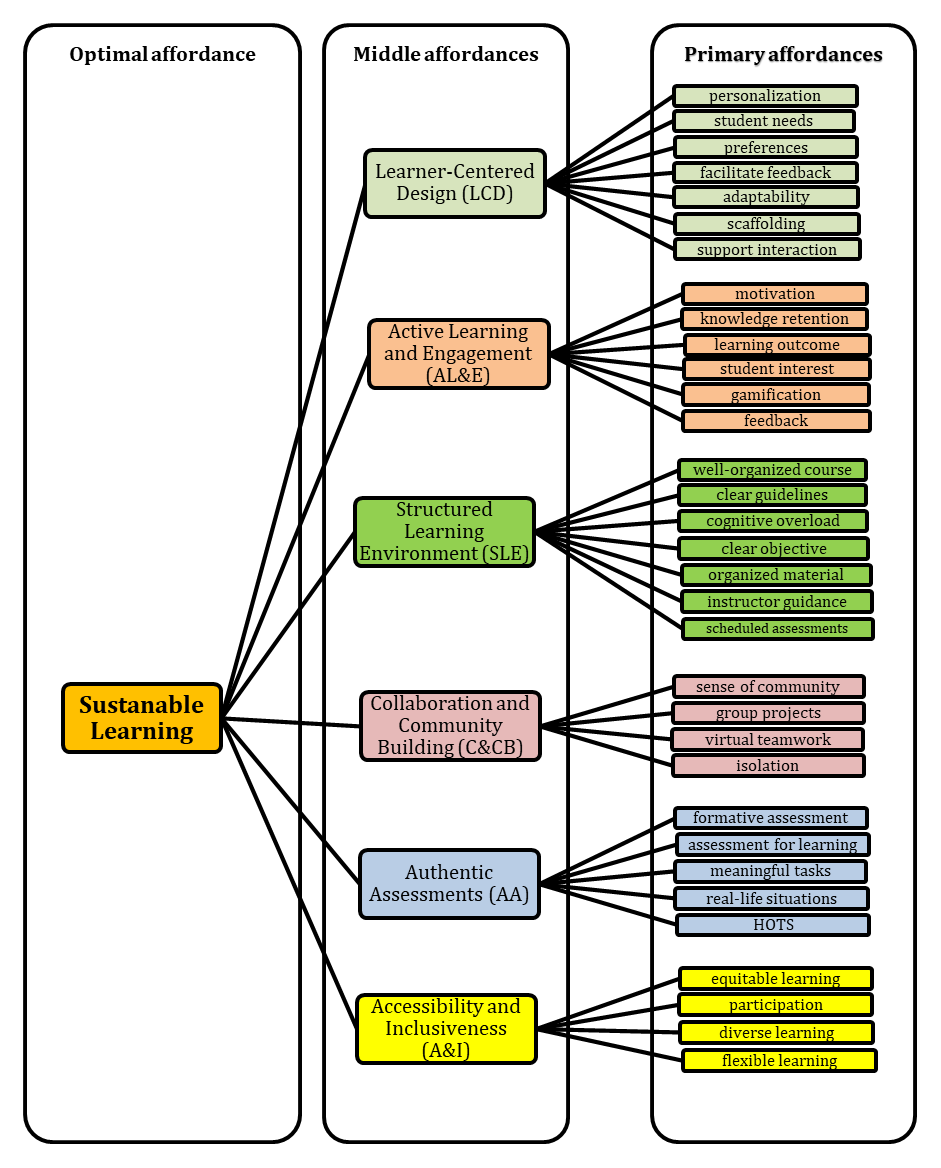
Figure 4
Affordances of digital course design in higher education.
RQ3: What are the Potential Limitations and Challenges Instructional Designers Face in Digital Course Design for Higher Education?
Creating online courses for higher education entails working around a variety of challenges and limitations. These challenges result from an interplay of technological, pedagogical, and institutional variables, in addition to the heterogeneous demands of students as summarized in Figure 5.
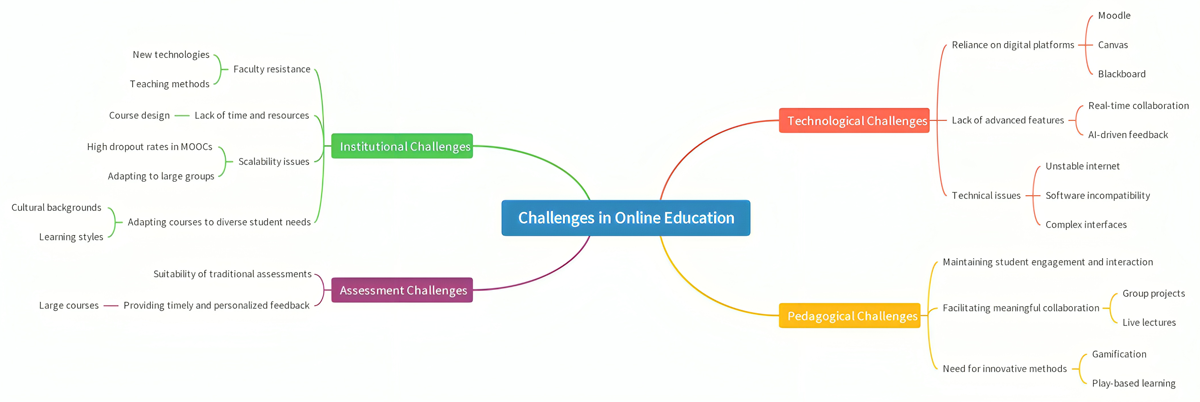
Figure 5
Limitations and challenges in digital course design.
One of the major challenges is the reliance on digital platforms (Gani & Van den Berg, 2024). While learning management systems like Moodle, Canvas, and Blackboard offer robust content delivery tools, they are not perfect. Some platforms, for instance, lack advanced features to facilitate interactive learning, such as real-time collaboration tools or AI-driven personalized feedback (Gülbahar et al., 2022; Pingo et al., 2024). Additionally, technical issues like unsteady internet connection, incompatibility of software, and complex interfaces can also disrupt the learning process. Desmet et al. (2023) confirmed that students new to digital education often needed extra support due to technical issues, which hindered their progress.
Maintaining students’ interest in an online environment is another significant challenge. Online courses lack the element of instant interaction, which may leave students feeling disconnected (Eklund & Isotalus, 2024). Various studies have emphasized the difficulty of facilitating meaningful interaction in digital settings. For example, Singleton et al. (2019) noted that some students had trouble staying focused in live online lectures, while Onodipe et al. (2016) described problems with grouping and uneven distribution of workload within group projects. The teachers must discover novel methods of making the material more engaging and interactive, for example, through gamification (Metwally et al., 2024) or play-based learning (Maia et al., 2021), though such approaches take a great deal of time and effort.
Scalability is another concern, especially in courses with great registration. While MOOCs (Massive Open Online Course) as discussed by Cunningham et al. (2024), can reach thousands of students, often they suffer from high dropout and limited privatization. However, it is a challenge to scale these successful models to accommodate large colleagues without compromising on the quality. In addition, adaptation courses to meet the different requirements for students, such as different cultural backgrounds or learning styles, may be complicated (Ezzaim et al., 2024). For example, Yamagata-Lynch, Do, et al. (2015) emphasized the difficulty of adjusting course materials with cognitive levels of students from different fields.
The faculty’s resistance to using new technologies and teaching methods is another obstacle (Khtere & Yousef, 2021). King and Nininger (2019) found that some coaches were reluctant to use installed online course design standards, while Songkram (2017) emphasized the importance of addressing the faculty’s resistance to universal design for learning (UDL) principles. Directive designers often require the faculty to provide extensive training and help, which can be time -consuming and resource consuming. In addition, faculty members who are used to traditional learning methods may struggle to be compatible with online course design requirements, such as creating interactive materials or providing timely feedback (Gao & Chen, 2025).
Designing effective assessment for online courses remains another challenge (Yousef & Khatiry, 2023). Traditional surveys may not be suitable for the online environment, and alternative methods such as play -based assessments (Maia et al., 2021) or colleague reviews (Singleton et al., 2019) require careful planning and implementation. In addition, it can be difficult to provide timely and creative response to big online courses. Cunningham et al. (2024) said that when the MOOC provides flexibility, they often lack the individual response required to support the student’s inspiration and progress.
Finally, lack of time and resource are important limitations. Designing high quality online courses requires adequate investment in terms of time, expertise and financial resources. For example, Mincey (2015) highlighted the challenges of designing a pharmacy course using reflective methods, and requires widespread cooperation and repetition reforms. Corresponding Ritzhaupt et al. (2020) emphasized the need for structured course reviews based on authentic e-learning principles, which can be labor intensive to use.
Policymakers need to focus on improving digital infrastructure like reliable internet, LMS, and tools that make learning interactive and personalized. This will help tackle technical issues and make sure all students have access to digital education. To help faculty who might be hesitant about new tech, it’s important to offer ongoing training and professional development on teaching design, digital tools, and inclusive practices. Policymakers should also support flexible learning options like small courses and modular classes to meet different learning needs and keep up with the demand for online education while ensuring quality. Finally, it’s important for policies to enhance accessibility and inclusion, making sure digital courses work for every student, no matter their abilities or backgrounds.
RQ4: What Instructional Design Features (Models, Approaches, Frameworks) Were used for Designing the Online Course?
Many online courses are designed using tried-and-true instructional design theories and frameworks. Take Fink’s Guide to Designing Courses for Significant Learning (2003), for instance. It was referenced by Kas-Osoka et al. (2018) to create a health and wellness course that really focused on active learning strategies and making improvements based on student feedback. Similarly, Bloom’s Taxonomy played a crucial role in shaping courses like those by Singleton et al. (2019) and Yamagata-Lynch, et al. (2015), ensuring that learning objectives, activities, and assessments were all in sync. These frameworks offer a solid structure for course design, making sure that learning outcomes are not only clear but also attainable (see Figure 6).
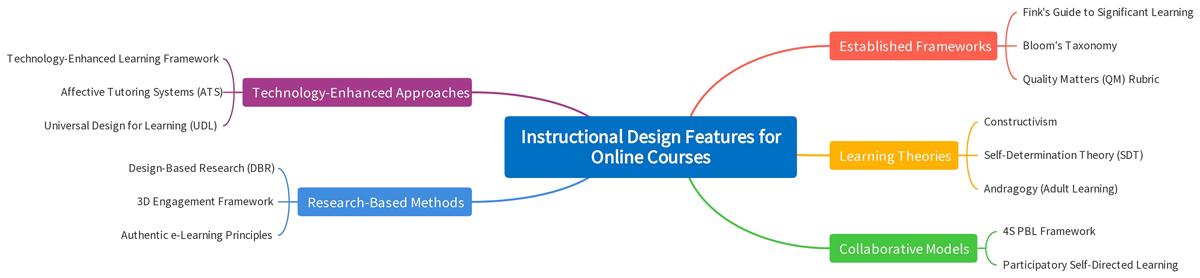
Figure 6
Instructional design features for digital course design.
Another popular framework is the Quality Matters (QM) Rubric, which was utilized in studies by King & Nininger (2019) and Zemliansky (2021) to uphold high standards in online course development. The QM Rubric emphasizes course alignment, accessibility, and learner engagement, making it an essential tool for instructional designers who want to create top-notch online learning experiences. Constructivist principles, which focus on active learning and building knowledge through interaction, are often incorporated into online course design. For example, Maia et al. (2021) combined play-based learning with active learning strategies to engage students in software engineering courses.
This method fostered collaboration, problem-solving, and the practical application of knowledge. Similarly, Onodipe et al. (2016) used the 4S PBL Framework to encourage teamwork in a user experience design course, showcasing the significance of group contracts and peer evaluations in promoting effective collaboration. Collaborative learning is also a standout feature in courses like the one by Song and Kao (2023), which embraced Participatory Self-Directed Learning to boost student engagement and build a sense of community. This approach empowered students to co-create course content and take charge of their learning, leading to increased participation rates and a stronger sense of belonging. With the surge of digital tools, many online courses are now embracing tech-enhanced models to boost engagement and make learning more personal. Take, for instance, the work by Pingo et al. (2024), who developed an online piano course using a Technology-Enhanced Learning Framework and app-based design.
This approach combined multimedia, AI tools, and gamified features to deliver personalized feedback and sharpen practical skills. In a similar vein, P32 introduced an Affective Tutoring System (ATS) that leverages emotion recognition frameworks to enhance learning outcomes by providing real-time feedback and tailored support. Massive Open Online Courses (MOOCs), like the one highlighted in Cunningham et al. (2024), utilize Self-Determination Theory (SDT) to foster autonomy, competence, and a sense of connection in online learning spaces. By offering self-paced learning, authentic tasks, and engaging digital content, these courses aim to inspire learners and lower dropout rates. The Universal Design for Learning (UDL) framework, which prioritizes inclusivity and accessibility, was applied in the works of Songkram (2017) and Yamagata-Lynch, et al. (2015) to create courses that meet the diverse needs of learners. UDL promotes various means of representation, engagement, and expression, ensuring that every student, regardless of their abilities or backgrounds, can access and benefit from the course material. For example, Yamagata-Lynch, et al. (2015)incorporated multimodal content and flexible navigation to facilitate self-paced learning and enhance knowledge retention. Courses aimed at adult learners often integrate Adult Learning Principles, as demonstrated by Luburić et al. (2021) and Reilly and Reeves (2024). These principles, rooted in Knowles’ theory of andragogy, highlight the significance of practical, immediately applicable skills and self-directed learning. For instance, Luburić et al. (2021) applied adult learning principles to revamp a facilitation fundamentals course, providing learners with choices and flexibility in their learning journeys while ensuring that assessments align with real-world applications.
Finally, many courses adopt Design-Based Research (DBR) approaches to iteratively refine their design. For example, Singleton et al. (2019) used a Three-Dimensional Framework of Engagement (Behavioral, Emotional, Cognitive) to develop a fully online flipped classroom model. This approach allowed for continuous improvement based on student feedback and engagement data. Similarly, Ritzhaupt et al. (2020) applied Authentic e-Learning Principles through DBR to refine active learning strategies and enhance learner engagement.
Implications
Theoretical Implications
The findings of this study align with constructivist and connectivist learning theories, which emphasize the importance of interaction, engagement, and student-centered learning. Constructivism supports the use of collaborative activities and authentic assessments, while connectivism highlights the role of digital tools and networks in education. Cognitive load theory further underscores the importance of a structured learning environment in reducing cognitive overload and supporting self-regulated learning. The prominence of LCD reinforces the importance of student agency and personalized learning, while AL&E aligns with engagement theories. The strong emphasis on SLE suggests that cognitive load theory and instructional scaffolding play a significant role in supporting digital learners. It is possible, therefore, that constructivism encourages hands-on learning where students take the lead, while connectivism points out the value of using digital tools and networks in today’s education. By putting efforts into better digital resources and flexible learning options, policymakers can help students learn how to manage their studies on their own.
Practical Implications
From a practical perspective, our findings provide valuable insights for institutions, educators, instructional designers, and policymakers in digital education. The varied course durations indicate the importance of flexible learning models, including modular and micro-credentialing opportunities, to accommodate different learning needs. Institutions should prioritize scalable digital learning models and invest in research-driven policies to enhance accessibility and effectiveness in digital education. The strong emphasis on LCD highlights the need for digital courses to be designed with student needs, preferences, and experiences to ensure that digital learning remains adaptive and supportive. Instructional designers should incorporate interactive elements, such as gamification and real-time feedback in digital courses due to the prominence of AL&E. Furthermore, educators should provide clear instructional guidelines, structured content, and scaffolded learning activities to reduce cognitive overload and facilitate self-regulated learning due to the critical role of SLE. Although in our review, some affordances such as CCB, AA, and A&I were less frequently identified, however, their importance in fostering collaboration, authentic learning experiences, and equitable education should not be ignored. The proposed framework suggests that universities and higher education institutions, should adopt holistic learning ecosystem that promotes continuous improvement and high-quality course design.
Institutions should prioritize inclusive design strategies, ensuring accessibility for diverse learners. Additionally, digital course developers should integrate formative and authentic assessments in digital courses. On the other hand, focusing on training teachers and using inclusive methods aligns well with Universal Design for Learning (UDL), which supports different ways to engage and teach all kinds of learners. Moreover, when we prioritize research and innovation, we’re following the idea of design-based research (DBR), which looks for ongoing, evidence-backed improvements in teaching. All these concepts show how important it is to create learning spaces that are flexible, inclusive, and rich in technology, benefiting both teachers and students in today’s world.
Limitations and Recommendations
Despite the valuable insights provided by this study, some limitations must be acknowledged, to offer avenues for future research. First, publication bias is the main and common limitation in systematic reviews. Our review may introduce publication bias, potentially overlooking unpublished or practitioner-driven innovations such as unpublished action researches. Second, our findings primarily reflect higher education contexts, limiting the generalizability to other educational settings, such as K-12 or organizational learning. Future research should employ empirical studies, including large-scale experimental or longitudinal designs, to validate and extend these findings. Third, some studies written in another language rather than English or not available for the researchers to download so they did not include in our analysis, in this vein, we recommend the future research include all type s and research and include cross language studies. Forth, the lower representation of A&I, despite its recognized importance, indicates a theoretical gap in the literature, warranting further research on how digital education can better address accessibility and inclusiveness. Moreover, research should examine the long-term impact of various instructional design frameworks on student academic success, particularly in large-scale and cross-cultural contexts, to refine best practices for digital education.
Conclusion
This study presents a comprehensive analysis of the affordances and features essential for effective digital course design in higher education. Through systematic review of 40 studies, we identified six critical affordances: Learner Centered Design (LCD), Active Learning and Engagement (AL&E), Structured Learning Environment (SLE), Collaboration and Community Building (C&CB), Authentic Assessments (AA), and Accessibility and Inclusiveness (A&I). These affordances are pivotal for designing effective, and inclusive digital learning environments that cater to diverse student needs. Our findings reveal that successful digital course design hinges on student-centered approaches, strategies active learning, and clear organizing due to cognitive overload and self-regulated learning approaches. In addition, collaboration and community building among learners along with authentic assessments are complementary to improving learning outcomes. While Accessibility and Inclusiveness (A&I) was reported less frequently in the reviewed studies, the importance of equitable access to digital education for students regardless of their context is noteworthy. The research also highlights the issues associated with instructional designers, such as technological limitations, scalability, and faculty unwillingness to embrace new technologies. These challenges require committed attention of educators, institutions, and policy-makers to allocate training, resources, and infrastructure that support high-quality online course development. Future research directions should investigate the long-term impact of digital course design on student outcomes, particularly in large-scale and cross-cultural contexts. Additionally, solutions to scalability challenges, strategies to overcome faculty resistance, and innovations to advance accessibility in digital education.
Sustainable Development Goals
This study is linked to the following SDG: Quality education (SDG 4).
Data Accessibility Statement
The datasets used and/or analysed during the current study are available from the corresponding author on reasonable request.
Competing Interests
The authors have no competing interests to declare.
Author Contributions
Rouhollah Khodabandelou: Conceptualization, methodology, formal analysis, writing—original draft preparation; Ahmed Mohamed Fahmy, Yousef: visualization, writing—original draft preparation, writing—review and editing; Abdelrahman Elhaj: supervision, review and editing. All authors have read and agreed to the published version of the manuscript.