
Introduction
Fermentation in oak barrels is one of the ways of producing wines, both red and white, of high quality. The barrel fermentation is followed by a period of ageing on lees (composed mainly of yeast and tartaric acid and, to a lesser extent, inorganic matter), during which yeast autolysis occurs (Balík, et al., 2017). This catabolic process is triggered by low pH, nutrient deficiency, carbon dioxide, high alcohol concentration and low storage temperature. It is characterised by the hydrolysis of internal proteases from dead yeast cells (Mazauric et al., 2005). Autolysis occurs once fermentation is complete, and the intracellular content is released from two months to four years after the completion of this fermentation (Buljeta et al., 2023; Vázquez et al., 2023). Several interesting intracellular and cell wall components are released into the medium from the onset of autolysis, such as lipids, carbohydrates, nucleotides, amino acids, peptides, proteins, polysaccharides (mainly mannoproteins) and volatile compounds that confer different properties to the wine (Ortiz et al., 2013). Particular attention has been paid to the study of the effects of these compounds in still wines (Tufariello et al., 2021), as they contribute significantly to the organoleptic properties of the final product (Rodriguez-Nogales et al., 2012). Proteins, peptides and amino acids (Kemp et al., 2019), as well as polysaccharides (Cabib, et al., 2007), have shown positive effects on foaminess. Changes in volatile compounds have also been studied during ageing on lees. These include compounds expelled from the cell due to autolysis and volatile compounds released from aromatic precursors due to the action of enzymes released from dead yeast. In addition, the higher glutathione content in yeast has been shown to have antioxidant properties that prevent browning and reduce the amount of sulphur dioxide (SO2) used in the winemaking process (Escot et al., 2001).
The novelty of this study is in comparing the lon-term influence of yeast autolysis (depending on the container used and the variety of wine) on the content of amino acids and individual aromatic substances during the 300-day maturation. The study also includes a qualitative descriptive analysis of wines before and after autolysis.
Material and methods
Design of experiment
Three white varieties were chosen for the experiment: Grüner Veltliner, Riesling Weiss and Chardonnay. Each variety was collected at a different time due to physiological maturity. The harvests occurred as follows: Chardonnay (20/09/2021), Grüner Veltliner (28/09/2021) and Riesling Weiss (05/10/2021). Subsequent transport was carried out using a grape trailer. The grapes were de-stemmed and crushed using a grinder destemmer-crusher (Enoveneta, Piazzola sul Brenta, Italy). The mash was left to macerate at a temperature of 15 °C for 24 hours. Finally, the mash was pressed in a WOTTLE 1200 pneumatic press (WOTTLE, Austria). The selected program was 0.3 bar–1.7 bar. After pressing, it was divided into two types of containers: 600 L wooden barrels and 300 L stainless steel tanks. The neutral yeast Saccharomyces cerevisiae in the dose of 25 mg.L-1 (Vitiferm Alba Fria, Vitiferm, Rhein, Germany) was chosen for fermentation and subsequent maturation of the wine. Alcoholic fermentation took about three weeks for each must. After the end of the alcoholic fermentation, the wines matured in stainless steel tanks and in an oak barrel, where autolysis of the yeast also took place. Sampling took place from the end of alcoholic fermentation onwards. SO2 in liquid form (40 %) (Supersolfosol, BS vinařské potřeby, Velké Bílovice, Czech republic) was used in the inert containers after alcoholic fermentation. The frequency of stirring was based on the sensory organoleptic characteristics of the wine (approximately weekly).
Sampling: Samples were taken once every seven days for the first 63 days. Samples were taken at 14-day intervals from day 64 to day 150, and from day 150 to 300, samples were taken at 30-day intervals.
Determination of basic analytical parameters
The sugar concentration of the grape must was analysed with an ATAGO PAL-1 (Atago, Tokyo, Japan) refractometer. The pH value of the must was measured using a WTW 526 pH meter (WTW, Germany) with a SenTix 21 pH electrode.
The titratable acidity and assimilable nitrogen in the must were determined using a TitroLine easy (SI Analytics GmbH, Mainz, Germany) automatic titrator. A 0.1 mol·L-1 solution of sodium hydroxide (NaOH) was used as a titration reagent. For the analyses, 10 mL of wine samples were diluted with 10 mL of distilled water. Individual samples were thereafter titrated up to pH 8.1, again using the SenTix 21 pH electrode. After titration, the consumption of the NaOH solution was read on the titrator display. This consumption was multiplied by the factor of the NaOH solution used for the titration with a coefficient of 0.75. The result was equal to the content of titratable acidity in the wine sample (g·L-1). After titration, 5 mL of formaldehyde was added; the pH value declined, so the sample was again titrated to a pH of 8.1. The assimilable nitrogen was calculated from the second NaOH consumption value; the result was expressed in mg·L-1.
The basic parameters of the resulting wine (alcohol, pH, residual sugar, titratable acidity, malic acid, lactic acid, tartaric acid, acetic acid and glycerol) were determined with an Alpha FTIR analyser (Bruker, Bremen, Germany) using the attenuated total reflection sampling technique. Before the first measurement, the spectrometer was thoroughly rinsed with deionized water, and the background was determined using a blank sample of deionized water. For the analyses, 1 mL samples were taken with a syringe; 0.5 mL was used to rinse the system, while the remaining volume of 0.5 mL was analysed three times. The measured values were evaluated automatically using OpusWine software (Bruker, Bremen, Germany).
Analysis of volatile organic compounds
The concentrations of the individual volatile compounds in the wine were determined according to the method of extraction using methyl tert-butyl ether (MTBE); 20 mL of wine was pipetted into a 25 mL volumetric flask along with 50 μL of 2-nonanol solution in ethanol. This compound was used as an internal standard (in a concentration of 400 mg·L-1) and 5 mL of a saturated ammonium sulphate ((NH4)2SO4) solution. The flask’s contents were thoroughly stirred; 0.75 mL of the extraction solvent (MTBE with an addition of 1 % cyclohexane) was then added. After another thorough stirring and the separation of individual phases, the upper organic layer was placed into a micro-test tube along with the produced emulsion and then centrifuged. The clear organic phase was dried over anhydrous magnesium sulphate prior to the gas chromatoFigurey-mass spectrometry (GC-MS) analysis. The extraction and subsequent GC analysis were performed three times. The average values and standard deviations were determined using MS Excel 2010 (Microsoft Office 365, Redmond, WA, USA) and Statistica 10 (StatSoft, Hamburg, Germany). The determination was performed in a Shimadzu gas chromatoFigure (GC-17A) equipped with an autosampler (AOC-5000) and connected to a QP detector (QP-5050A).
Identification was performed using GCsolution software (LabSolutions, version 1.20, Kyoto, Japan). The analysis was conducted under the separation conditions column DB-WAX 30 m × 0.25 mm; 0.25 μm stationary phase polyethylene glycol. The detector’s voltage was 1.5 kV. The sample injection volume was 1 μL with a 1:5 split ratio. The carrier gas (helium) flow was 1 mL/min (linear gas velocity 36 cm/s), and the injection port temperature was 180 °C. The initial column temperature was 45 °C, maintained for 3.5 min, followed by the temperature gradients: 6 °C/min to the 75 °C gradient, 3 °C/min to the 126 °C gradient, 4 °C/min to the 190 °C gradient and 5 °C/min to the 250 °C gradient. The final temperature was subsequently maintained for 6.5 min. The total length of the analysis was 60 min. The detector worked in SCAN mode in 0.25-second intervals with a range of 14–264. The individual compounds were identified by comparing the MS spectrum and the retention time with the NIST 107 library (Prusova & Baron, 2018).
Determination of alpha-amino nitrogen
The primary amino groups are derivatised by o-phthaldialdehyde and N-acetylcysteine (OPA/NAC) to form isoindoles on the basic medium. These derivates were detected spectrophotometrically at 340 nm. The absorbance was proportional to the sample’s primary amino nitrogen amount. This reaction did not detect yeast non-assimilable amino nitrogen (e.g. acylated or blocked amines, proline or hydroxyproline) and ammonia nitrogen. Therefore, the determination of yeast assimilable nitrogen compounds required independent assays of primary amino nitrogen and ammonia nitrogen. The analysis was performed using a Miura one® device (I.S.E. S.r.l. Via Luigi Einaudi, Italy), which is a spectrophotometer equipped with an autosampler (Peynaud, 1984; Daudt et al., 1992; OIV, 2008). Determination was performed in triplicate in 2 mL samples taken during fermentation and immediately frozen.
Description of sensory analysis
Sensory analysis was conducted immediately after alcoholic fermentation and then after 300 days when the wines were compared.
Sensory evaluation was carried out by a panel of twelve professional tasters in the sensory analysis laboratory of the Mendel University in Brno. The tasting room was designed to conduct sensory analyses under known and controlled conditions as described in the ISO 8589 standards. The wines were blind tasted in clear Institut national de l'origine et de la qualité (INAO) glasses by eight qualified assessors, also in accordance with ISO 8586 standards. A descriptive analysis was carried out to evaluate richness of aroma and intensity, richness of taste and intensity and intensity, complexity, potential for maturation, balance, and serenity. The average of all the final ratings for each wine was calculated and figures were created to reflect the results. The evaluation was quantified using a 10-point scale.
Each taster evaluated two samples per session. The test room had individual, white, illuminated booths, and samples were served individually and coded in tasting glasses (ISO) each containing 50 mL of wine at 18±2 ºC.
Statistical analysis
Statistical analysis and figures were created using MS Excel 2010 (Microsoft Office 365, Redmond, WA, USA) and Statistica 10 (StatSoft, Hamburg, Germany). A one-way analysis of variance and Fischer’s least significant difference test were used to compare the means (n = 3) at the significance level of p < 0.05.
Results
Determination of basic analytical parameters
Tab. 1 shows the basic analytical parameters of the must. Results are presented as arithmetic mean ± standard deviation (SD).
Tab. 1:
Basic analytical parameters in must
| Variant | Sugar content [°NM] | pH | Titratable acidity [g.L-1] | YAN [mg·L-1] |
|---|---|---|---|---|
| RW B | 24±0,5 | 3,29±0.13 | 6,12±0,71 | 284±1,21 |
| RW I | 24±0,26 | 3,15±0,42 | 7,51±0,54 | 196±1,23 |
| VG B | 22,5±0,31 | 3,43±0,25 | 5,84±0,21 | 225±0,87 |
| VG I | 22,5±0,24 | 3,12±0,22 | 6,02±0,28 | 274±0,92 |
| CH B | 21,5±0,45 | 3,15±0.12 | 8,72±0,13 | 168±1,41 |
| CH I | 21,5±0,28 | 3,39±0,36 | 6,81±0,19 | 190±1,42 |
Tab. 2 shows the basic analytical parameters of the final wines. Results are presented as arithmetic mean ± SD. All variants aged in oak barrels contained a lower amount of SO2. In the inert containers, all variants’ fine yeast lees were removed immediately after alcoholic fermentation. Therefore, SO2 was added and maintained at 40 mg·L-11for the entire 300-day period. Interestingly, the amount of alcohol is higher for all variants in oak barrels than for those in inert containers.
Tab. 2:
Basic analytical parameters in final wines – after 300 days
| Variant | Alcohol (% vol.) | pH | Titratable acidity [g.L-1] | Total SO2 [mg·L-1] |
|---|---|---|---|---|
| RW B | 13,53±0,31 | 3,12±0,31 | 4,91±0,45 | 34±0,15 |
| RW I | 11,51±0,12 | 3,00±0,24 | 5.21±0,51 | 115±1,15 |
| VG B | 12,47±0,14 | 3,43±0,27 | 6,42±0,41 | 61±0,42 |
| VG I | 11,71±0,12 | 3,91±0,15 | 6,23±0,23 | 119±1,13 |
| CH B | 12,59±0,15 | 3,69±0,18 | 5,54±0,12 | 49±0,26 |
| CH I | 11,78±0,19 | 3,72±0,21 | 5,26±0,19 | 121±1,17 |
Fig. 1 shows the concentration of free amino acids in maturing wine over time. The concentration of released amino acids was higher in all variants matured in oak barrels than in an inert tank from the 25th day of wine maturation. While the variety had a variable effect on the content of free amino acids in the variants aged in oak barrels, a statistically significant effect of the variety was recorded in the variants aged in the inert tank. The Grüner Veltliner variety achieved the highest concentrations during the entire maturation period and Chardonnay the lowest.
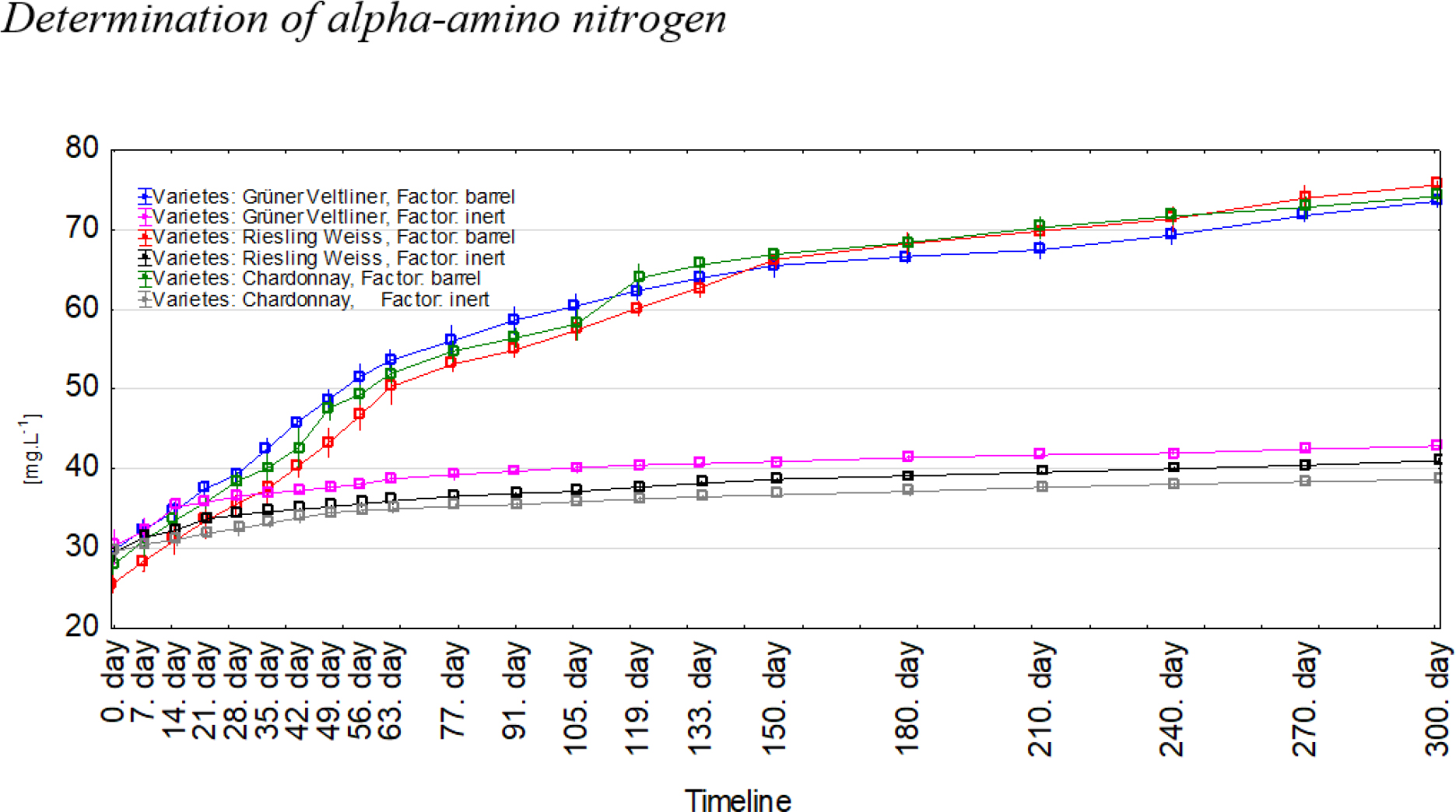
Fig. 1:
The concentration of free amino acids in maturing wine over time.
Amino acids can be released into the extracellular environment before autolysis. This is a cellular response to the lack of nutrients in the wine. Peptides with a high molecular weight (mainly hydrophobic) are released during the first stages of autolysis. These peptides are subsequently hydrolysed, resulting in the production of smaller molecules of amino acids. The release of nitrogen in the form of amino acids was due to two factors: passive exorption of the internal yeast content and the process of proteolysis itself. Endogenous autolysis of wine yeasts during maturation on lees primarily involves the excretion of nitrogenous compounds (e.g. since amino acid levels gradually increase during lees ageing [Moreno-Garcia et al., 2016]).
The concentration of hexanoic acid was statistically significantly higher in all varieties aged in wooden barrels (Fig. 2). At the end of ripening (day 300), the concentration of hexanoic acid reached up to 10 mg·L-1, while in the inert containers, its concentration was only 5 mg·L-1. However, the concentration of hexanoic acid did not statistically differ between the individual varieties during maturation – the only statistically significant increase was not recorded until the 300th day of maturation when its concentration was higher in the Grüner Veltliner variety matured in a barrel and an inert tank.
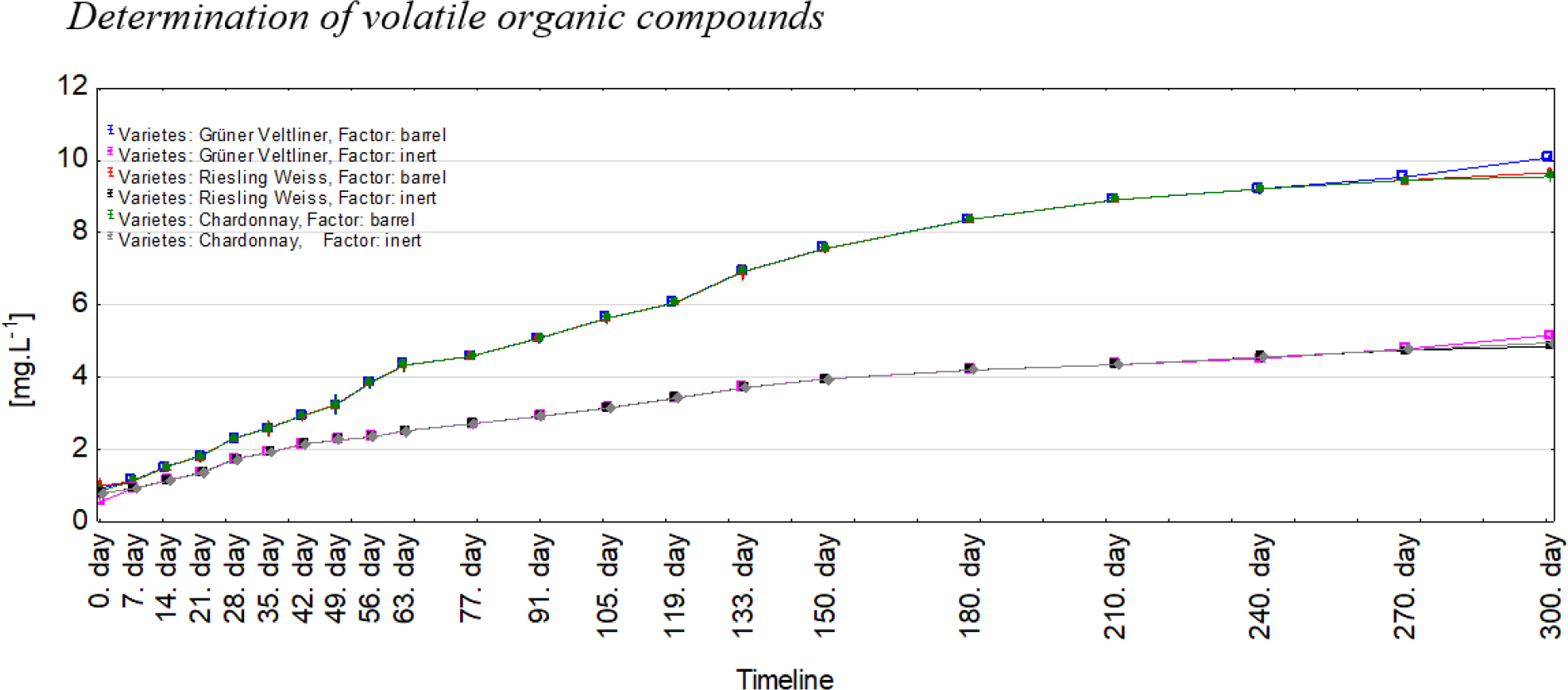
Fig. 2:
The concentration of hexanoic acid in maturing wine over time.
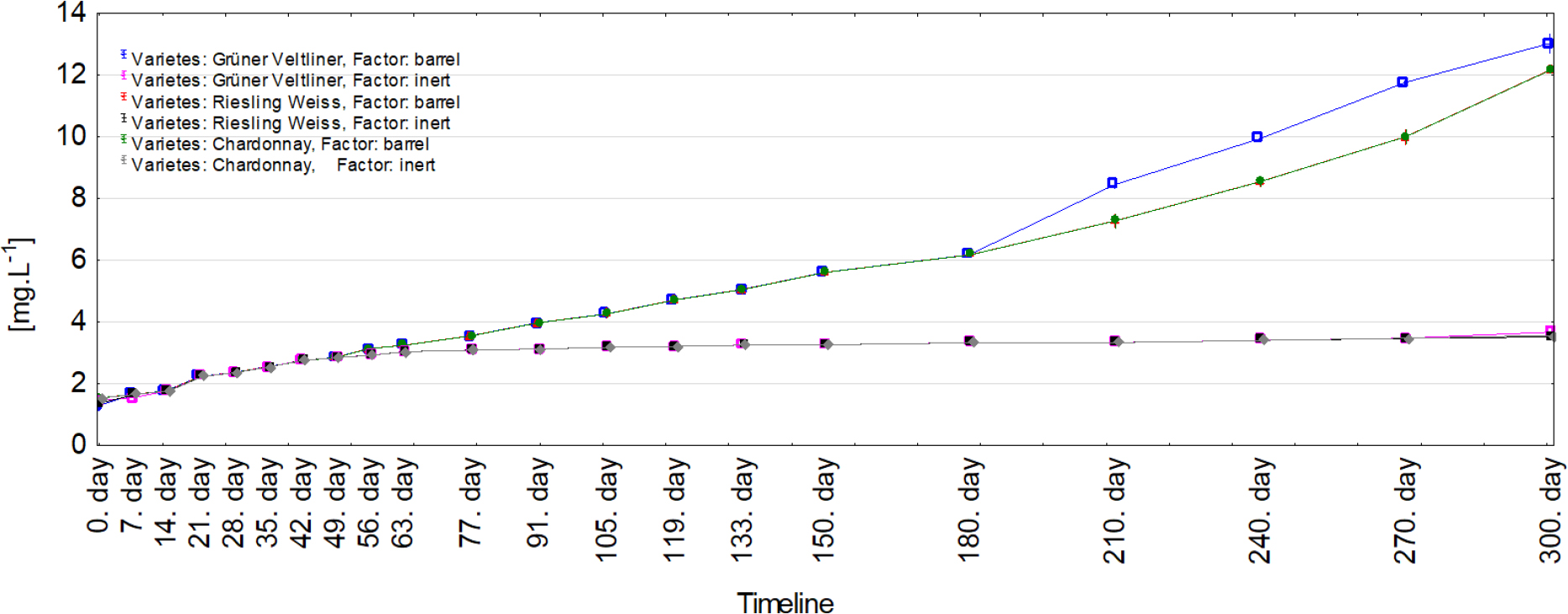
Fig. 3:
The concentration of octanoic acid in maturing wine over time.
The difference in octanoic acid concentration was statistically insignificant for all variants up to the 49th day. After 56 days of maturation, its concentration gradually increased in the wooden barrel variants. After 180 days of maturation, a statistically significant higher content was recorded in the wooden barrel of the Grüner Veltliner variety. Towards the end of maturation, the octanoic acid concentration reached 10 mg·L-1 (or 13 mg·L-1 for the Grüner Veltliner variety) for the variants matured in wooden barrels. The increase in octanoic acid concentration was very gradual for the variants matured in inert tanks; at the end of the maturation, its concentration was 3.5 mg·L-1.
The concentration of decanoic acid was statistically significant from the 91st day of ripening (Fig. 4). Similar to the previous figures, higher concentrations can be observed for the variants matured in oak barrels; the highest concentration was 3.5 mg·L-1 at the end of maturation. The lowest concentrations were reached for the variants matured in inert tanks when the decanoic acid concentration increased very slowly from the 91st day and reached the highest concentration of 1.4 mg·L-1 at the end of ripening (or 1.5 mg·L-1 for the Grüner Veltliner variety).
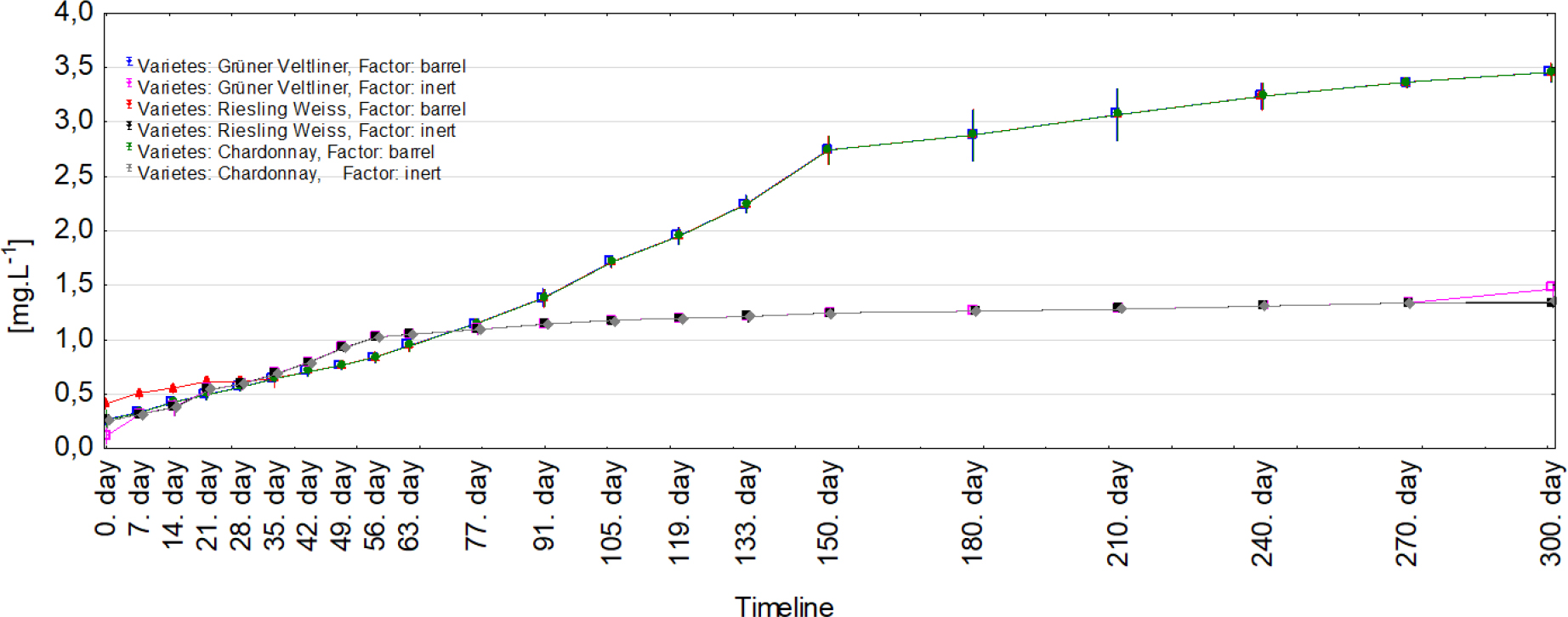
Fig. 4:
The concentration of decanoic acid in maturing wine over time.
The concentration of phenylethanol was higher in the variants matured in an oak barrel from the 49th day than in an inert tank (Fig. 5). The effect of the variety was noted until the end of maturation, and only for the variants matured in an oak barrel, when the concentration of phenylethanol reached a value of 11 mg·L-1for the Chardonnay variety. For variants maturing in an inert tank, the highest concentrations at the end of maturing were 2 mg·L-1, regardless of the variety.
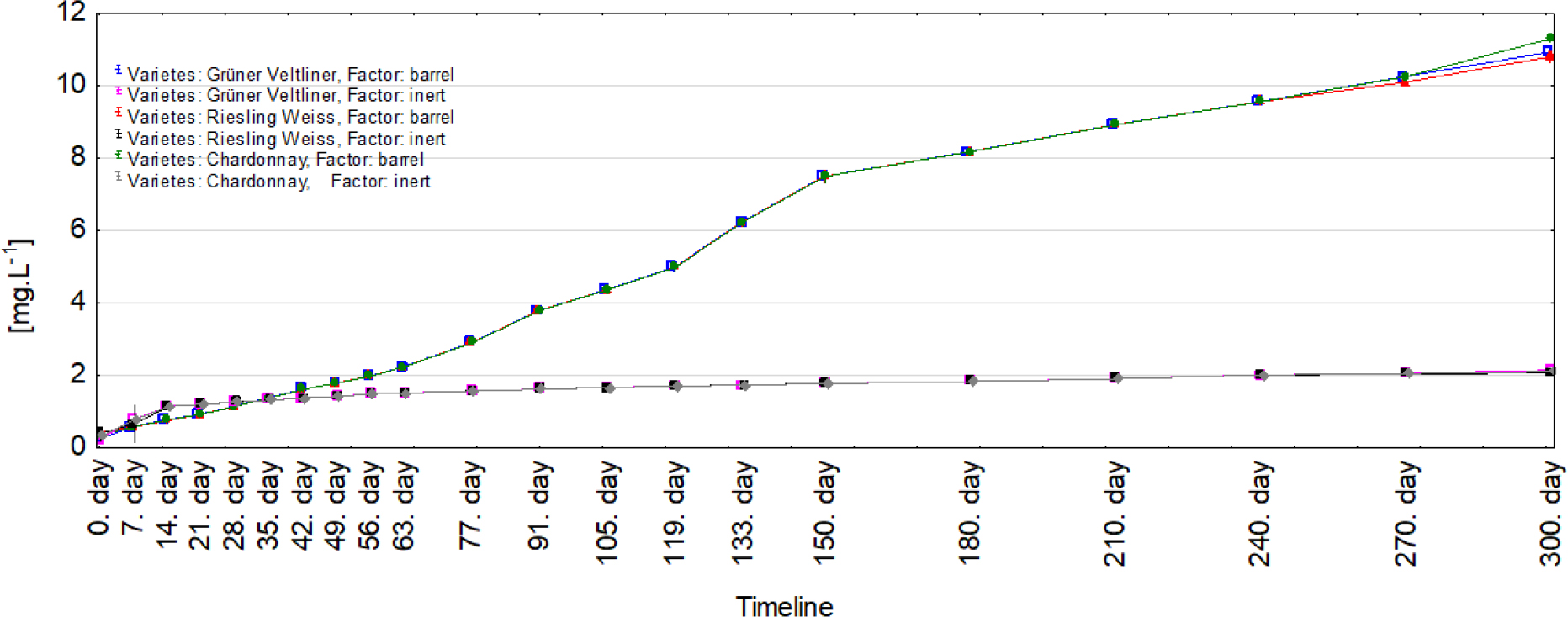
Fig. 5:
The concentration of phenylethanol in maturing wine over time.
Statistically significant differences in the concentration of isobutyl alcohol could be observed as early as on the 21st day of maturation when higher concentrations were again achieved by variants matured in oak barrels, with the effect of variety also observed towards the end of maturation (Fig. 6). The highest concentration was achieved by Grüner Veltliner and the lowest by Chardonnay, both aged in oak barrels. Towards the end of maturation, the concentration of isobutyl alcohol was only 2 mg·L-1, independent of the wine variety for variants matured in an inert tank.
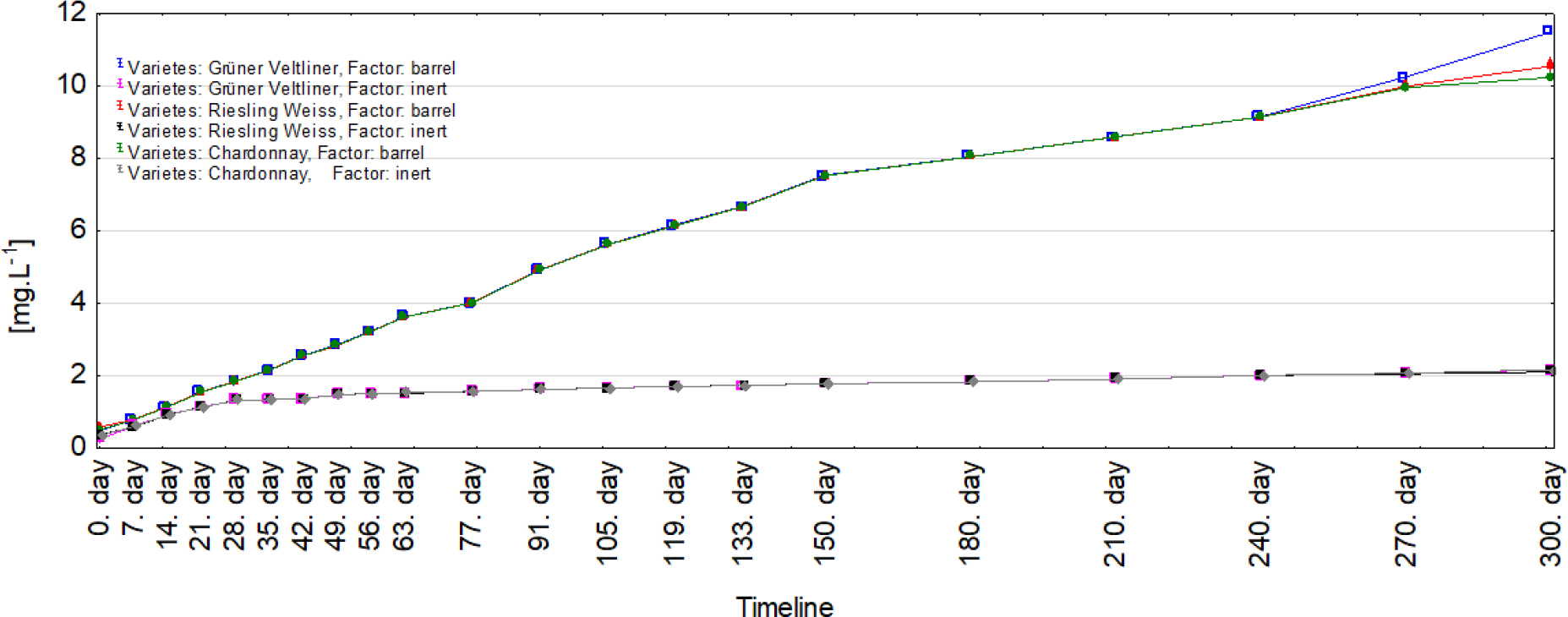
Fig. 6:
The concentration of isobutylalcohol in maturing wine over time.
Statistically significant differences in the concentration of isoamyl alcohol could be observed right from the beginning when higher concentrations were again achieved by variants matured in oak barrels; the effect of the variety was also observed after 210 days of maturation (Fig. 7). However, towards the end of maturation, the concentration of isoamyl alcohol in all variants aged in oak barrels was 110 mg·L-1. In contrast, the final concentration in variants aged in inert tanks was only 5 mg·L-1.
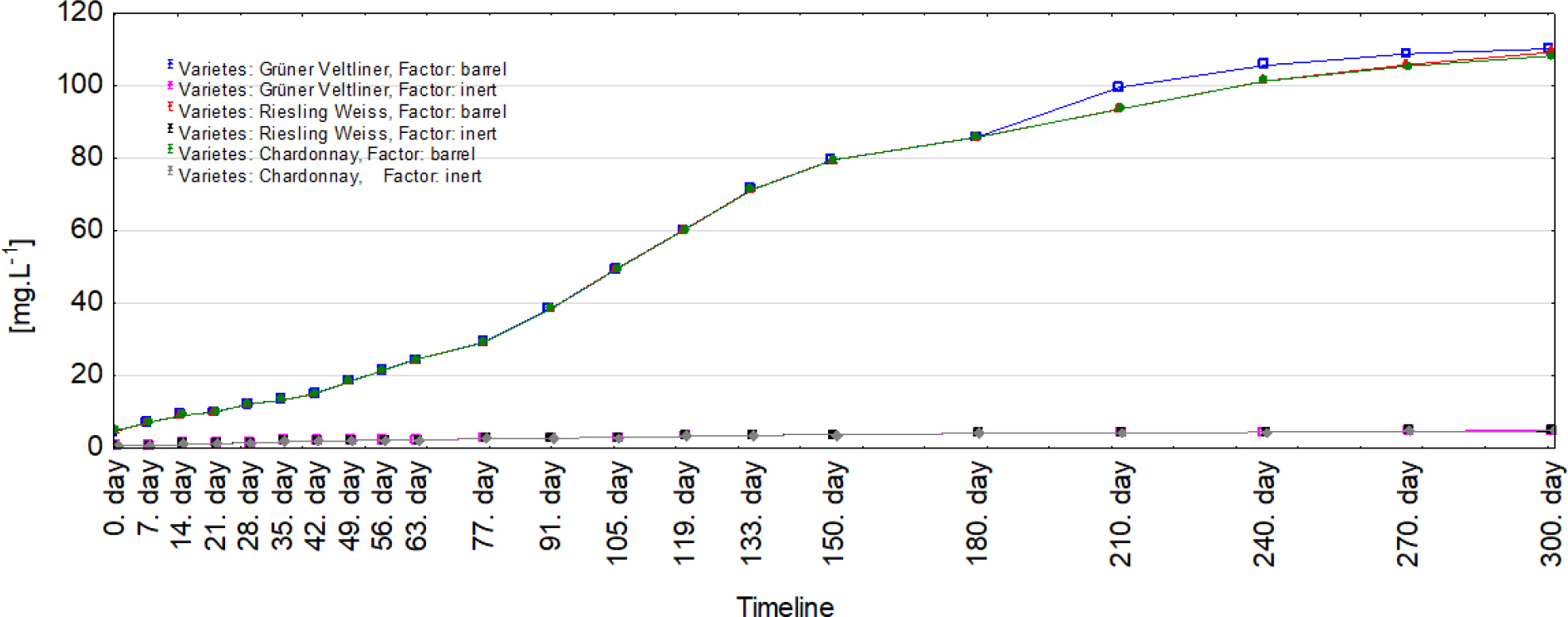
Fig. 7:
The concentration of isoamylalcohol in maturing wine over time.
The concentration of 1,3-propanediol began to increase gradually from the 28th day of ripening (Fig. 8) onwards. Varieties matured in oak barrels contained higher concentrations, reaching 22 mg·L-1 at the end of maturation for the Grüner Veltliner and Riesling Weiss varieties and 21 mg·L-1 for the Chardonnay variety. The concentration of 1,3-propanediol was only 3.9 mg·L-1 in the variants matured in an inert container, independent of the wine variety.
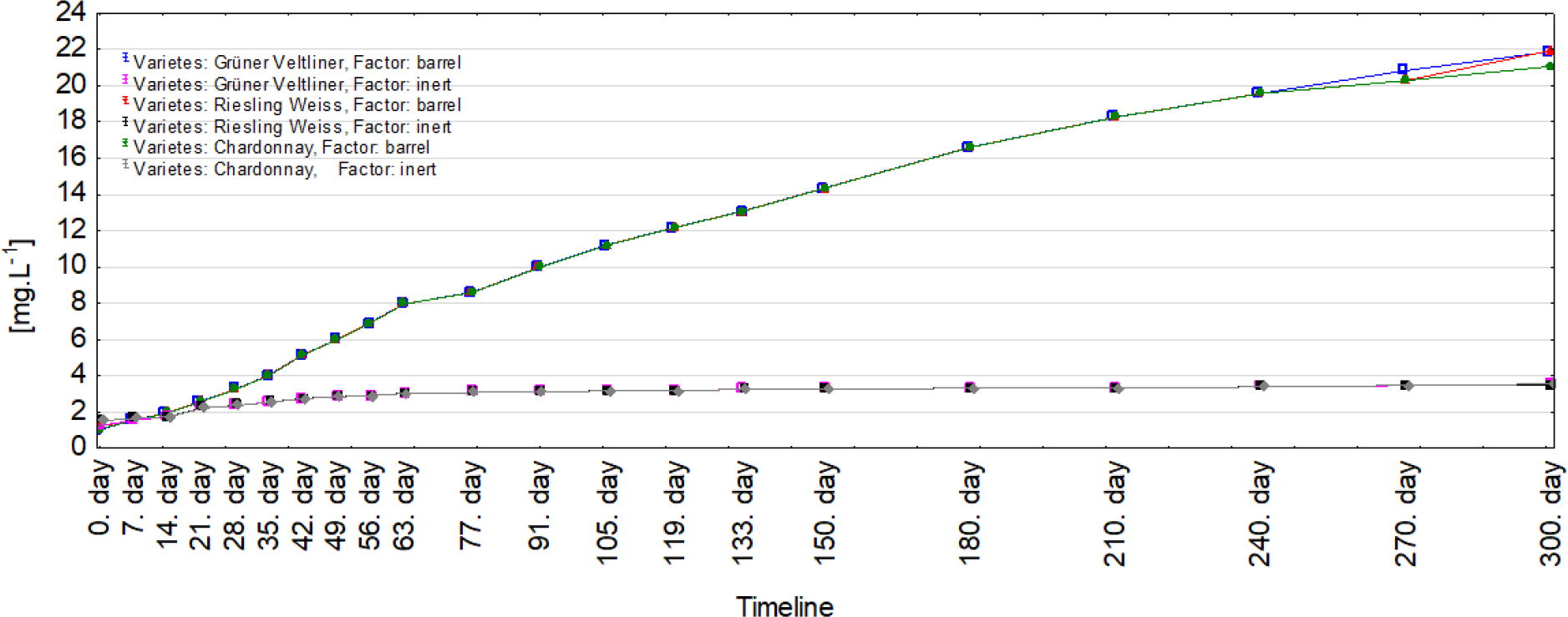
Fig. 8:
The concentration of 1,3-propanediol in maturing wine over time.
Ageing on yeast lees in a barrel had a very significant effect on the organoleptic characteristics of the wine during autolysis. A statistically significant increase in individual sensory descriptors was recorded for the barrel variant, whereas a decrease was recorded for the inert variant. For the complexity descriptor, an increase was observed for both variants before and after autolysis, and the highest value was recorded for the barrel variant after autolysis.
Ageing without autolysis has a lower impact on the sensory characteristics of the wine than wines where autolysis has taken place. For the Grüner Veltliner variety, a statistically significant point decrease was observed for the inert variant. The potential for maturation descriptor shows the lowest value for the inert variant before autolysis. The barrels had the highest values before and after autolysis.
Barrel ageing and the associated autolysis of yeasts also affected the wine’s sensory characteristics. A statistically significant point increase in the individual sensory descriptors was recorded for the oak barrel, while a decrease was recorded for the inert tank. Only the descriptor ‘balance’ showed higher scores for both variants, with the highest values for the barrel-aged variant and the lowest for the inert tank-aged variant.
Discussion
The results of our study confirm the significant positive effect of ageing wine on lees, including the content of amino acids and aromatic substances. Mirás-Avalos et al., (2019) states that it is not necessary to sulphurize the wine matured on the lees for a period of time, as the yeasts have considerable reducing power and can protect the wine from unwanted oxidation. This winemaking method makes it possible to achieve very low amounts of sulphur in the wine. Our study’s results confirmed this; no variants were sulphurised during maturation on the lees and retained a healthy character without oxidative tones in the resulting wine (Tab. 2). In the sensory evaluation, none of the variants was assessed negatively regarding oxidation (Fig. 9–11).
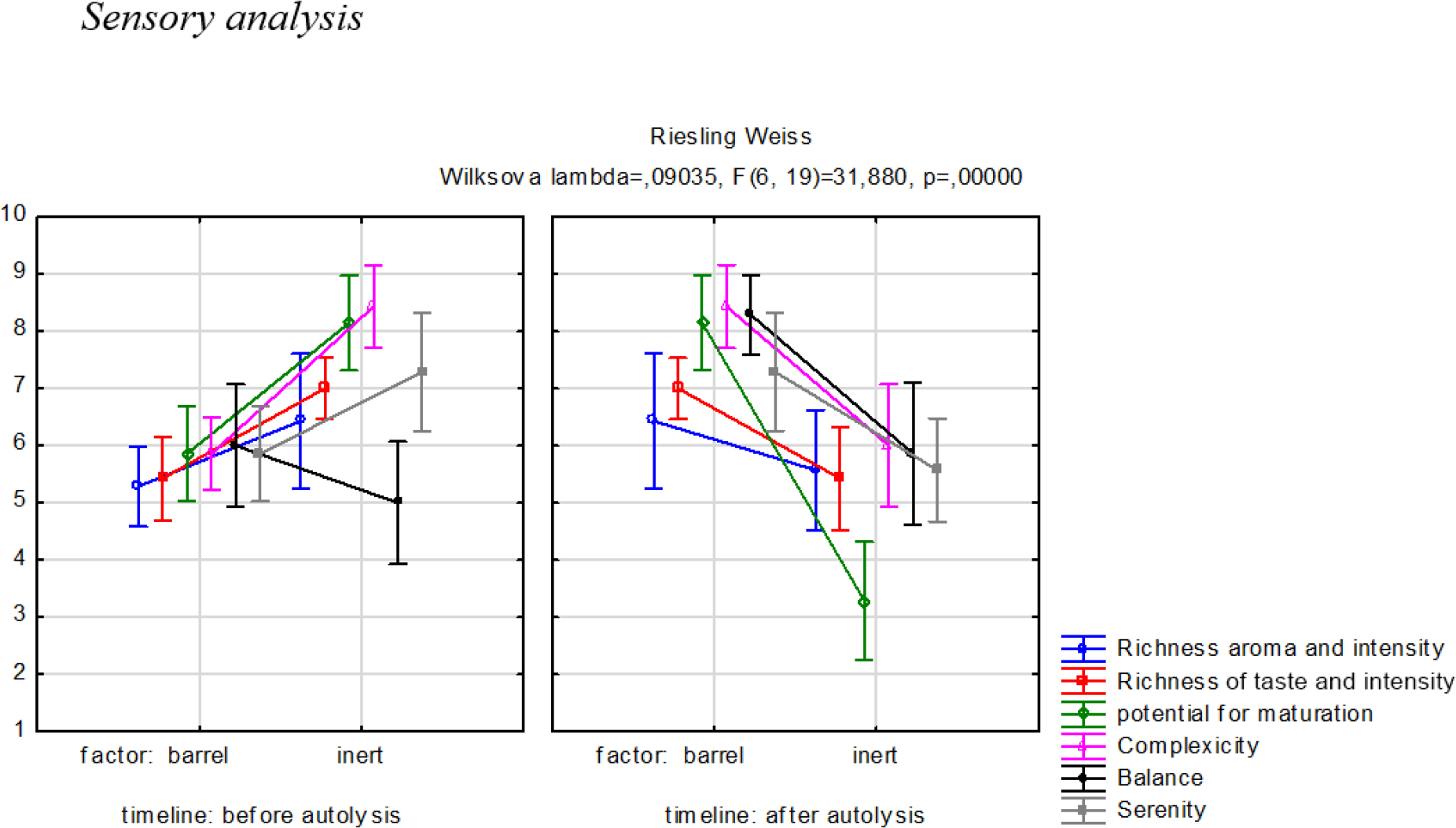
Fig. 9:
Aromatic profile of variety Riesling Weiss before and after autolysis
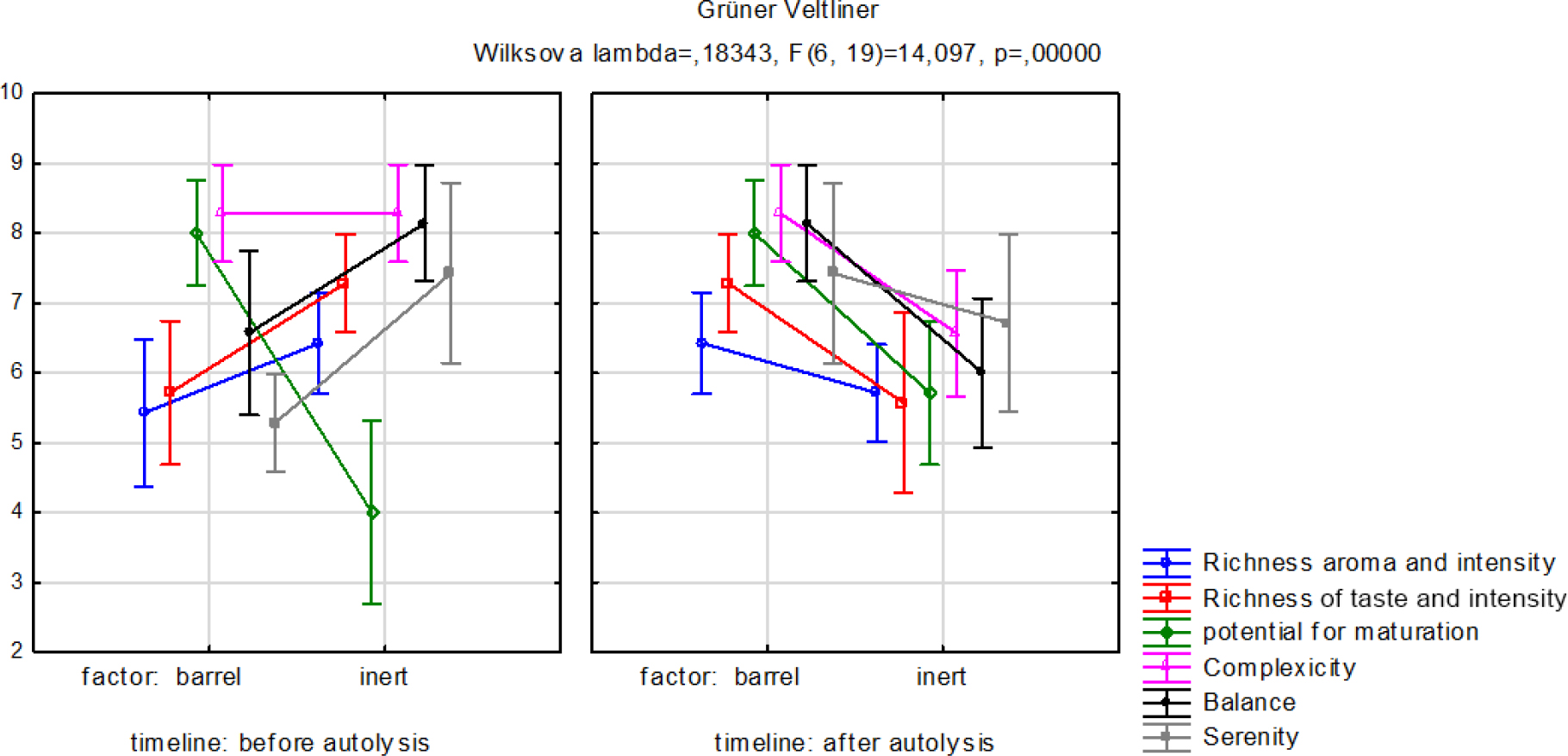
Fig. 10:
Aromatic profile of variety Grüner Veltliner before and after autolysis
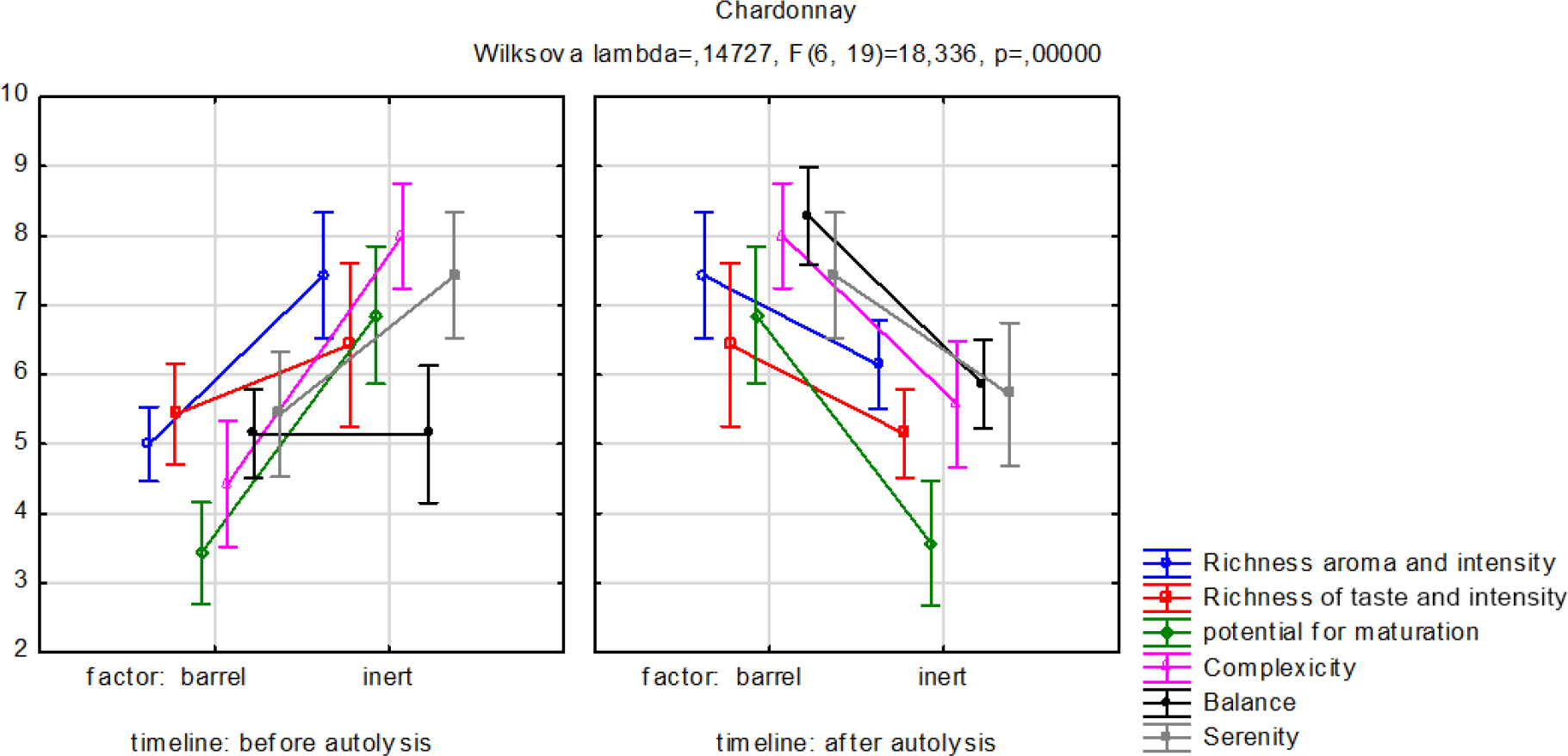
Fig. 11:
Aromatic profile of variety Chardonnay before and after autolysis
A study by Dharmadhikar (2011) indicated a very pronounced release of many substances into the wine during autolysis. The greatest increase is in mannoproteins and amino acids, as there was no significant precipitation of tartar. This was confirmed in our study, where the concentration of amino acids was statistically significantly higher in the variants of wines matured on lees. To a lesser extent, the influence of the variety was also observed, where the highest concentrations were determined in the Grüner Veltliner variety and the lowest concentrations in the Chardonnay during the entire maturation period (Fig. 1). Yilemaz et al. (2021) stated that releasing these substances into the wine occurs after cell wall breakdown. The release of amino acids also affected the wine’s sensory evaluation, where, after autolysis, we can see much more powerful wines in all barrel variants (Fig. 9–11). Many studies report that ageing wine on lees increases the concentration of free amino acids over time, while in wines without lees, their content decreases, probably due to the passive transfer of amino acids to the exterior of yeasts and to the autolysis of the microorganisms that are produced over time (Perreira et al., 2021; Gutiérrez-Escobar et al., 2021; Ma et al., 2022). This was not confirmed in our study, and the content of amino acids increased slightly even in variants without lees (Fig. 1).
Molecules released into the wine during yeast autolysis can interact and change the volatility and the perception of aromatic compounds, mainly affecting the fruit character (Pollon et al., 2023; Crespo et al., 2023). The release of esterases could explain this fact; it is known that this effect depends on lees concentration. At low concentrations, the volatility of some esters, such as those that provide fruity and floral nuances to the wine, increases. However, high lees concentrations increase the fatty acids content, which provide yeast, cheese and herbaceous aromas to the wine (Kulkariny et al., 2015; De Issepi et al., 2023). Polysaccharides’ and mannoproteins' capacities to bind aromas also depend on the nature and concentration of the aromatic compounds and on the physicochemical properties of the medium (pH, temperature, ionic strength), which are responsible for changes in the conformation of the tertiary structures of proteins. Moreover, during the cell lysis, a fatty fraction is released into the wine, which enriches the aromatic nuance due to synthesis reactions of esters and aldehydes (Nunez et al., 2005; Gawel et al., 2018). The increase in fatty acids in wines aged on lees was also confirmed in our study, where lees-aged wines contained a higher concentration of hexanoic, octanoic and decanoic acids. The effect of the variety was observed only for octanoic acid, where the highest concentration was determined for the Grüner Veltliner variety (Fig. 2–4).
This is also confirmed by the sensory evaluation results, where wines matured on lees were much more robust and fuller after autolysis than those matured in inert containers (Fig. 9–10).
Many studies describe wines matured on lees as having a very full-bodied impression, with sophisticated aromas (Romeo Diez et al., 2018; Wang et al., 2023). This fact was confirmed in the sensory evaluation, where the variants matured in stainless tanks received the lowest score and were immature and harsh in taste and aroma compared to those matured on lees. This sensation decreased, and the aroma increased, confirming the autolysis process, which releases many aromatic substances from the yeast bodies into the wines. The variants matured on lees showed the least astringency and the fullest mouthfeel. A decrease in acids usually explains this fact; however, the results of our study do not confirm a reduction in titratable acid values in the final samples of lees-matured wines (Tab. 2). An increase in the wine’s acidity increases the olfactory and gustatory perception of the aromatic substances in the wine. The main risk of ageing on lees is the occurrence of unpleasant smells, especially volatile sulphur compounds such as diethyl sulphide (garlic sensory perception) or dimethyl sulphide (boiled cabbage sensory perception) (Zhu et al., 2016; Legras et al., 2016).
The use of oak barrels also affects the content of aromatic substances. In a study by Stegarus et al. (2021), the effect of oak barrels and barrel toasting method on the content of isobutanol and phenylethyl alcohol was confirmed. The concentration of higher alcohols was higher for variants using an oak barrel compared to an inert vessel, similarly to the results of our study. On the other hand, results of a study by Castro-Vázquez et al. (2011) show a decrease in the concentration of volatile substances, such as hexanoic, octanoic and decanoic acids and phenylethyl alcohol, during the ageing of wine in oak barrels. The longer the wine aged, the greater the drop in concentration. This fact may be related to the disappearance of compounds in the wood-aged wines as a consequence of sorption processes, according to Jaurauta et al. (2005). According to the results of our study, it can be assumed that the increase in the concentrations of volatile substances was caused by yeast autolysis.
In addition to absorption, the oak barrel also affects the kinetics of fermentation, when oxygen passing through the micropores of the wood supports the fermentation process and, in addition, supports the yeast population, so it can be assumed that a larger biomass of yeast undergoes autolysis during maturation (Prusova & Baron, 2018). This is also confirmed by the results of our study, where the variant in oak barrel contained a slightly higher alcohol content (Tab. 2).
Juega et al. (2015) studied using a short contact time during young Albarino white wines ageing on lees. Higher alcohols, ranging from 2.93 to 181.59 mg·L-1, were the most abundant compounds. In all cases, the concentration of higher alcohols was below 300 mg·L-1, which is the threshold at which alcohols can negatively affect the wine. 1-Hexanol was not modified during ageing on lees, whereas isobutyl alcohol and 2-phenylethanol concentrations changed during ageing. The increases in phenylethanol and isobutyl alcohol were also observed in our study's results (Fig. 5, 6).
Some higher alcohols with high molecular weight, such as 2-phenylethanol, can be absorbed on the yeast cell wall, and their concentration in the wine can be enhanced with yeast cell wall lysis (Masino et al., 2008). This was confirmed by Jueaga et al.’s (2014) study, where the first increase (at 30 days of maturing on lees) of 2-phenylethanol and isobutyl alcohol in wine agrees with what was observed. This increase was also observed in our study, where phenylethanol was observed at 42 days and isobutyl alcohol at 21 days of maturing on lees, compared to the control variant (Fig. 5, 6).
Free fatty acids and their ethyl ester derivatives contribute to the aroma balance of wine. The former is characterised by negative descriptors, such as cheese or rancid, and has odour thresholds in the range of 0.4–1 mg·L-1; fatty acid ethyl esters have lower odour thresholds in the range of 0.0015–0.8 mg·L-1 and show positive nuances (fruity notes) (Cerbu et al., 2023; Marchal et al., 2011).
Although the results of our study confirm an increase in the concentration of fatty acids in the wine samples matured on lees, their negative effect on the wine was not confirmed in the sensory evaluation (Fig. 2–4 and 9–11).
Conclusion
The study compared the effect of yeast autolysis on the content of amino acids and individual aromatic substances during maturation in the long term. The study also includes a qualitative descriptive analysis of wines before and after autolysis.
Nowadays, yeast autolysis is mainly used in sparkling wine, but it greatly influences the composition and aromatic profile, even in still wine. Wines matured in inert stainless tanks show lower amino acids and aromatic compound content, which correlates with the sensory evaluation results. Wines matured on yeast lees have a great potential for ageing in the bottle.
Acknowledgement
This paper was supported by the project CZ.02.1.01/0.0/0.0/16_017/0002334 “Research Infrastructure for Young Scientists”, co-financed by “Operational Programme Research, Development and Education” and by the project Study of the Effect of Yeast Autolysis on the Composition and Aromatic Profile of Wine (IGA-ZF/2022-SI2-002).