
Introduction
Modern medicine is increasingly faced with the problem of growing antimicrobial resistance, which significantly affects the virulence of microorganisms and complicates infection treatment. One of the key factors contributing to the development of infections is the ability of microorganisms to form biofilms – a complex, three-dimensional structure that enables survival under unfavorable environmental conditions. A biofilm represents a multicellular community of microorganisms surrounded by an extracellular matrix (EPS – Extracellular Polymeric Substances), which isolates them from the external environment and significantly reduces the effectiveness of antimicrobial agents and disinfectants [34].
Microorganisms more commonly exist in the form of a biofilm than as free-living, single cells. It is estimated that biofilm is the primary life form of bacteria in natural environments [26]. Biofilm structures can be formed by microorganisms of a single species, as well as by multiple species or genera, including heterotrophic, autotrophic, and saprophytic organisms. The ability to form biofilm is not limited to bacteria but also includes fungi, algae, and protozoa [34]. It is believed that up to 95% of microorganisms are capable of forming biofilms [50].
It is now known that the process of biofilm formation is not confined to biomaterials but also occurs on the surfaces of living cells, including the epithelium of the skin and mucous membranes, where it constitutes a natural element of the microbiota [26]. The extracellular matrix, an integral component of biofilm, is primarily composed of water, which accounts for 75-90% of its mass, and complex biopolymers that serve structural and protective functions [34].
The ability of microorganisms to form biofilms plays a crucial role in the pathogenesis of many infections, including urinary tract infections, significantly complicating their treatment and contributing to the development of antibiotic resistance, making this issue a significant challenge for modern medicine [36].
Biofilm Formation
Bacteria can exist in a planktonic form, meaning as dispersed, free-living cells, or in the form of a biofilm – an organized, multicellular spatial structure surrounded by an extracellular matrix composed mainly of polymers, sugars, and proteins [2, 26, 39]. The formation of biofilm is an integral part of the pathogenesis of many infections and occurs in five stages, during which not only phenotypic but also genotypic changes take place in bacterial cells (Fig. 1) [45].
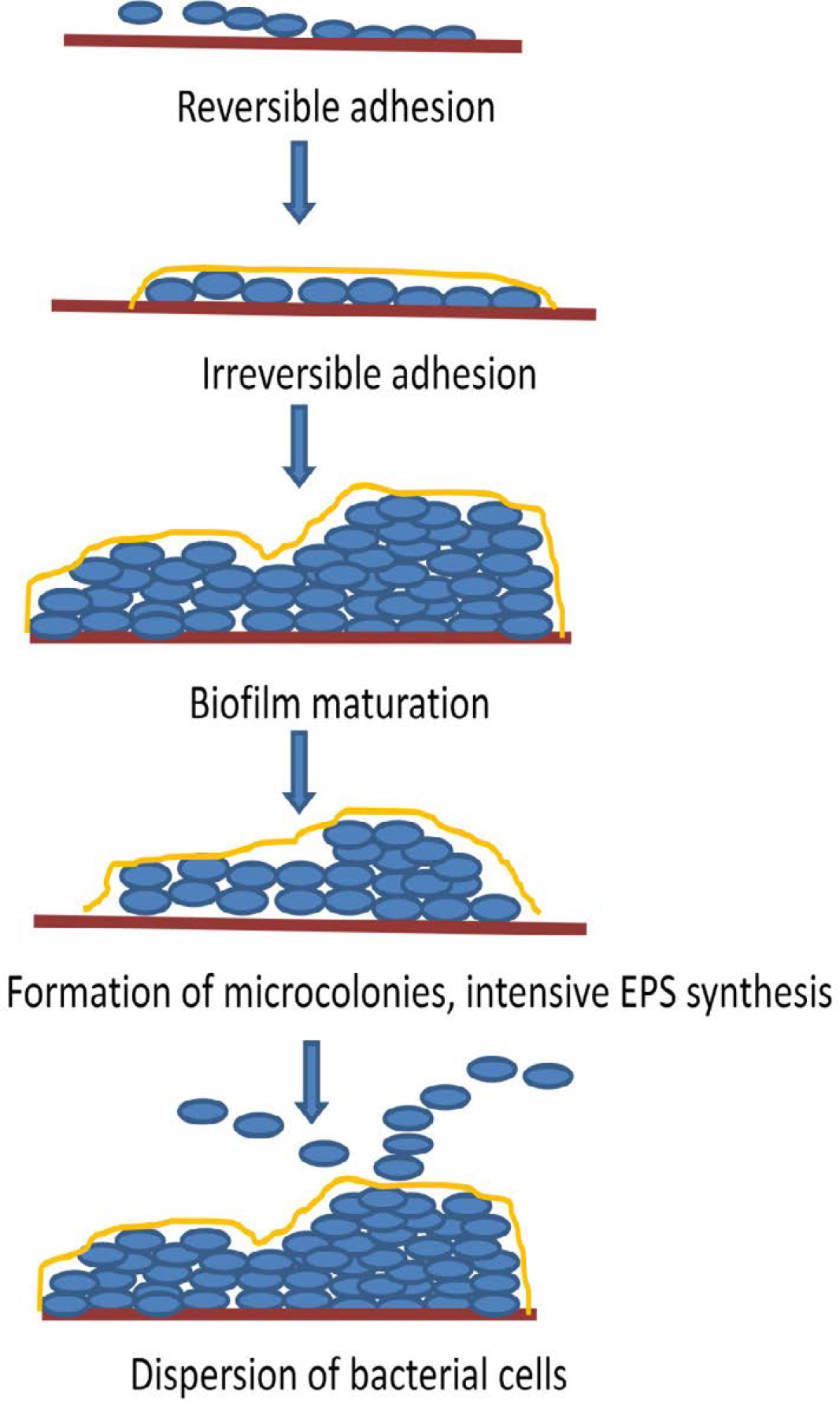
Figure 1.
Biofilm formation (own elaboration)
The first stage of biofilm formation is adhesion, which involves the attachment of bacterial cells to the surface being colonized. Intermolecular interactions, such as van der Waals forces, hydrogen and ionic bonds, as well as temperature, play a significant role in this process. The strength of adhesion is influenced by both the characteristics of the target surface and the properties of the bacterial cell, as well as the interactions between them [7, 20, 60]. An important factor that promotes adhesion is the hydrophobic nature of bacterial cells, resulting from the presence of polar lipid groups in the cell wall or outer membrane of microorganisms [57].
The second stage involves specific adhesion, leading to the irreversible binding of bacterial cells to the surface. This is when the production of extracellular polymers by loosely bound cells begins, along with the formation of the extracellular polysaccharide substance (EPS), which constitutes the basic element of the biofilm matrix [7, 15, 45].
The next, third stage is the formation of microcolonies – the basic structural units of the biofilm. Bacteria rapidly divide and grow, and the rate of multiplication and biofilm thickness depend on factors such as temperature, pH, osmolarity, availability of iron, liquid flow rate, concentration of nutrients and oxygen, as well as the presence of antimicrobial agents. In this stage, bacterial fimbriae also play a crucial role in stabilizing the biofilm structure [15, 45, 49].
The fourth stage involves the synthesis of various proteins, further differentiation of the microcolonies, and the development of a mature biofilm with a complex spatial structure [15, 45, 49].
In the final, fifth stage, fragments of the biofilm – smaller or larger clusters of cells – detach and, along with blood or other body fluids, can be transported to distant areas of the body, initiating the colonization of new surfaces [18, 35, 59, 60].
Biofilm Structure
A biofilm is a multicellular, organized structure composed of several or dozens of layers of bacterial cells surrounded by an extracellular matrix (EPS) [15]. The microcolonies forming this complex structure are enclosed in a network of channels through which fluid circulates. This architecture enables the transport of nutrients, oxygen, and the removal of harmful metabolic waste products within the biofilm [34].
The most developed network of channels is located in the surface layer, which makes the cells there exhibit high metabolic activity and responsible for the growth of the entire structure. In deeper layers of the biofilm, the transport of nutrients is limited by the dense extracellular matrix, which results in slowed growth or causes cells to enter a state of anabiosis (dormancy) [14, 26].
There are three basic types of biofilms based on their spatial structure:
Flat (two-dimensional) biofilm – homogeneous in structure, typical for dental plaque, forming in environments with fast liquid flow and high shear force.
Columnar (tiered) biofilm – characterized by a layered structure, surrounded by extracellular biopolymers.
Fungal-like biofilm (fungal model) – the most complex, occurring in environments with slow liquid flow; microcolonies resemble the shape of fungi [7, 26, 34].
Microorganisms in a biofilm are embedded in the extracellular matrix (EPS), which connects microcolonies and constitutes the main structural element of the biofilm. EPS mainly consists of polysaccharides, along with proteins, lipids, nucleic acids, surfactants, and water, which protect the biofilm from drying out [21, 26, 40, 53].
The presence of nucleic acids (DNA) in the EPS structure serves an additional function – it acts as a reservoir of genetic material, allowing gene transfer between cells. The extracellular matrix plays a key role in maintaining the biofilm’s integrity, enabling interactions between cells, storing nutrients (including carbon, nitrogen, and phosphorus compounds), and providing protection against UV radiation, desiccation, oxidation, as well as disinfectants and antimicrobial agents [15, 22, 21]. Additionally, EPS can serve as a source of biogenic elements in conditions of nutrient deficiency [64].
An essential element in the process of biofilm formation and function is the phenomenon of „quorum sensing” (QS), or „population sensing.” This is a communication mechanism between bacterial cells in the biofilm structure via chemical signals, regulated by specific genes. QS enables the assessment of population density (also known as crowd sensing) and influences processes such as sporulation, production of bacteriocins, apoptosis, and virulence growth [15, 32, 58]. QS allows microorganisms to coordinate responses to environmental stress, including the presence of antibiotics [16, 30].
Nikolaeva et al. aptly described the biofilm as a „city of microorganisms,” surrounded by a „boundary wall” in the form of the EPS matrix, perfectly illustrating the complexity and organization of this structure [24].
Resistance of Bacterial Biofilm
Microorganisms forming a biofilm exhibit significantly greater resistance to external factors compared to planktonic bacteria. This ability is particularly important in the context of urinary tract infections (UTIs), where biofilm serves as the main barrier hindering effective treatment. The presence of biofilm on the surface of the urinary tract epithelium and on urological catheters significantly reduces the effectiveness of antibiotic therapy and promotes the development of chronic infections [36].
The extracellular matrix (EPS) plays a crucial role in the resistance of biofilm, as it protects bacteria from changes in osmotic pressure, pH fluctuations, and the immune system’s action, including phagocytosis. EPS also serves as a physical barrier that limits the penetration of antibiotics and disinfectants into the biofilm [16, 30].
Additionally, within the biofilm structure, efflux pumps are active, responsible for removing antibiotics from the interior of bacterial cells. This effectively reduces the concentration of the drug inside the pathogens and limits its bactericidal action [16, 30]. Biofilm can also serve as a reservoir for resistance genes, which are horizontally transferred between bacteria, further increasing the risk of the development of multidrug-resistant strains [47].
An important mechanism that enhances resistance is the metabolic heterogeneity of the biofilm. In the deeper layers of the structure, where the availability of oxygen and nutrients is greatly limited, bacterial cells enter a state of anabiosis—slowing down metabolism or entering complete dormancy. These „resting” cells exhibit minimal sensitivity to antibiotics, most of which act on actively dividing bacteria [16, 30].
Long-term exposure of biofilm to subtherapeutic concentrations of antimicrobial drugs and disinfectants, often used in the prevention and treatment of UTIs associated with catheters, leads to the accumulation of point mutations in the bacterial genome. These mutations promote the acquisition of permanent antibiotic resistance and may also activate tolerance mechanisms, allowing bacteria to survive even during prolonged treatment [16, 30].
In biofilms associated with urinary tract infections, particularly on catheter surfaces, quorum sensing (QS) regulates the production of proteases, siderophores, and other factors that facilitate colonization and tissue destruction in the host [33, 47].
All of these mechanisms make bacterial biofilm in urinary tract infections a significant clinical challenge, leading to chronic infections, relapses, and limited effectiveness of standard antibacterial treatments [33, 36].
Role of Biofilm in the Occurrence of Urinary Tract Infections
Urinary tract infections (UTIs) are among the most common bacterial infections, affecting millions of patients worldwide every year, and are a significant public health issue. UTIs occur in both outpatient and hospitalized patients. It is estimated that approximately 15% of all prescribed antibiotics are used to treat urinary tract infections [51, 52].
The most common etiological agent of UTIs is uropathogenic strains of Escherichia coli. Infections are also caused by other microorganisms such as Klebsiella pneumoniae, Enterococcus faecalis, Staphylococcus saprophyticus, Proteus mirabilis, and Pseudomonas aeruginosa. In immunocompromised individuals, including patients with diabetes, those on antibiotic treatment, or those with urological catheters, UTIs may also be caused by fungi from the Candida, Aspergillus, and Cryptococcus genera, as well as by viruses and parasites [42, 56, 62].
An essential element of virulence in uropathogenic E. coli strains are adhesins such as fimbriae and pili, which allow the bacteria to adhere to colonized surfaces, protecting them from being removed. Fimbriae, which are projections of the bacterial outer membrane, play a role in adhesion to host cells and facilitate biofilm formation. Fimbriae of type I, III, P, and S are of particular importance in the pathogenesis of UTIs [42].
Additionally, colonization is aided by bacterial toxins such as hemolysin and the cytotoxic factor CNF1, which damage renal epithelial cells as well as the cell membranes of erythrocytes and leukocytes [43]. Fimbriae of type III are especially important in biofilm formation and catheter colonization [44]. Pili of type F, which support bacterial multiplication, and flagella, which enable the pathogens to move and spread rapidly within the body, also play a role in virulence [19, 61].
The urinary tract is equipped with various defense mechanisms to prevent infection, including appropriate pH, mechanical flushing of microorganisms from the bladder and urethra, normal anatomical structure, and the presence of antimicrobial substances in the mucous membranes, such as mucopolysaccharides, Tamm-Horsfall protein (BTH), cathelicidins, defensins, and Toll-like receptors (TLRs). Additionally, lactoferrin and lipocalin limit bacterial access to iron, inhibiting their growth and reproduction [42, 38, 39].
In the case of renal tubular epithelial damage, such as through contact with bacterial fimbriae, the release of the claudin 4 protein occurs, which is responsible for maintaining the integrity and function of the cell membrane [41]. Simultaneously, the host’s immune response is triggered, involving the production of IgA and IgG antibodies, activation of neutrophils, and the secretion of interleukin-8. The final step is the invasion of bacteria into the urinary tract epithelium (Fig. 2) [42].
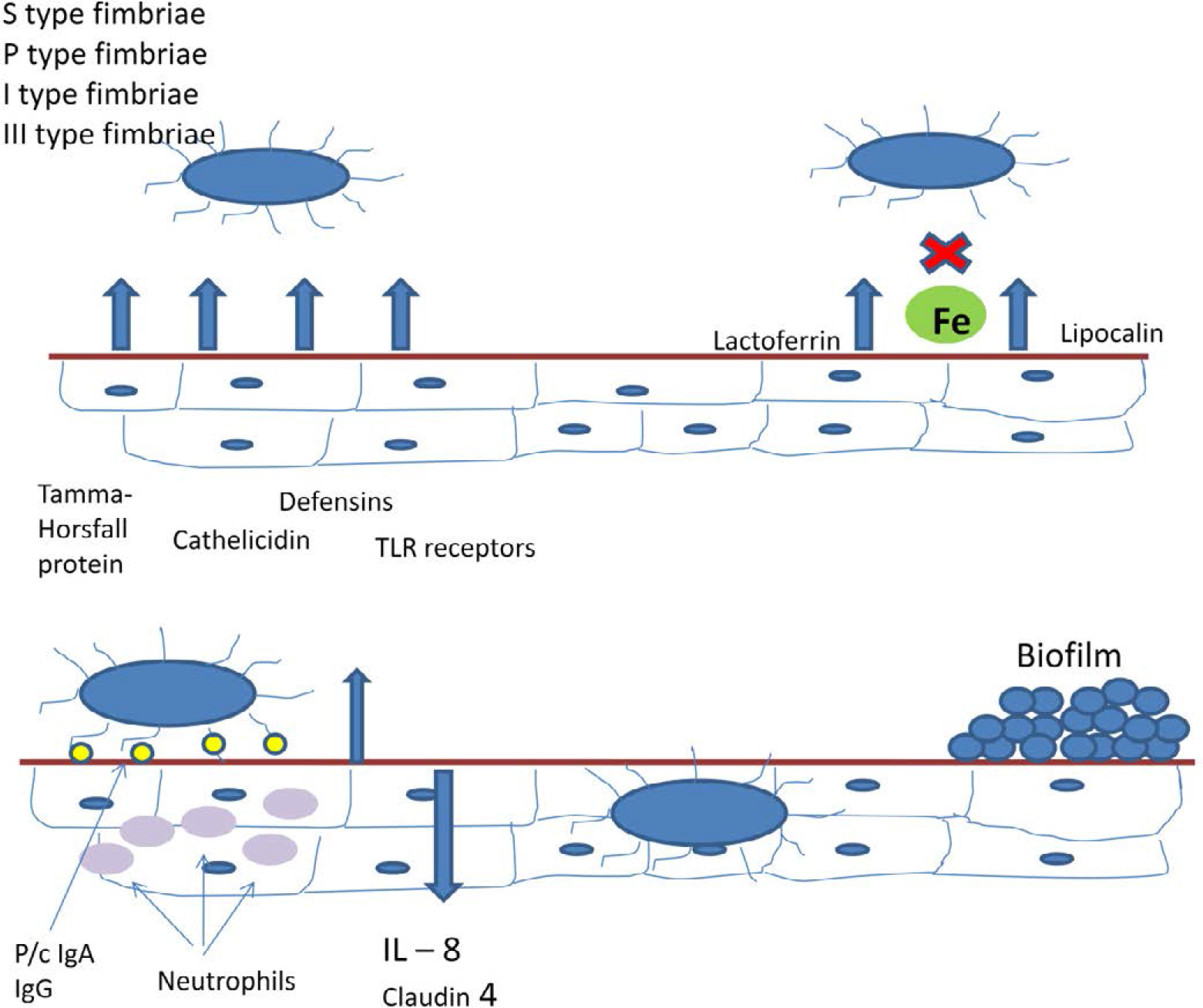
Figure 2.
Formation of biofilm on the urinary tract surface (own elaboration)
It is estimated that approximately 60% of bacterial infections are related to the presence of biofilm [17]. Urinary tract infections (UTIs) are one of the most common causes of hospitalization. A key factor determining the severity of the infection is the ability of bacteria to adhere to the epithelial lining of the urinary tract and to form biofilm. This phenomenon is particularly significant in the case of urinary catheters, where biofilm formation begins almost immediately after their insertion into the bladder [13, 45, 55].
Infections associated with urinary catheters are the most common hospital-acquired infections [23] and can affect both the upper and lower urinary tract [12]. Uropathogens not only colonize tissues but also effectively adhere to the polymers used in the production of catheters, such as polypropylene, polystyrene, silicone, silicone rubber, or polyvinyl chloride. Each day the catheter remains in place increases the risk of infection by approximately 5%. In patients with a catheter left in place for more than 28 days, urinary tract infection almost always develops [5, 46].
The presence of discharge around the catheter in the urethra promotes the migration of microorganisms to the bladder. Prolonged catheterization is associated not only with discomfort but also with serious complications such as pyelonephritis, sepsis, or the formation of kidney stones. Bacteria producing urease decompose urea into ammonia and carbon dioxide (Figure 3), leading to the alkalization of urine, which promotes the precipitation of calcium phosphate and magnesium-ammonium phosphate. The resulting apatite and struvite crystals bind to the bacteria present in the urinary tract, forming urinary stones [45].

Figure 3.
Urea breakdown catalyzed by urease.
The presence of these crystals on the surface of the catheter obstructs urine flow, leading to urine retention in the bladder and kidneys, urinary incontinence, and painful bladder distension. It is estimated that urinary stones affect over 20% of the population each year [45,29].
Other bacterial infections related to biofilm formation
In the human body, there are at least ten times more bacterial cells than human cells. These microorganisms form the endogenous microbiota, most of which colonize the digestive tract [10]. One of the most common places where biofilm occurs is the oral cavity. Bacteria colonizing solid surfaces, such as tooth enamel, dental fillings, prosthetic replacements, or orthodontic appliances, form dental plaque. Excessive growth of acid-producing bacteria, resulting from the disruption of biofilm homeostasis, leads to the development of oral diseases, including tooth decay and periodontal diseases. The presence of biofilm in the walls of root canals and around the apex of the root can further complicate dental treatment and be the cause of therapeutic failures [11]. Dental plaque biofilm is also found in animals, and its presence can lead to the formation of difficult-to-heal wounds in humans, particularly in cases of dog or cat bites [15]. In the pathogenesis of acute otitis media (AOM), most commonly caused by Streptococcus pneumoniae, Haemophilus influenzae, Moraxella catarrhalis, Streptococcus pyogenes, and Staphylococcus aureus, bacterial biofilm plays an important role. The presence of biofilm in the ear is one of the reasons for antibiotic therapy failure, which is confirmed by the greater efficacy of treating AOM using paracentesis and ventilation drainage [27]. The same microorganisms are also frequent etiological agents of sinusitis. Bacteria within the biofilm, embedded in the nasal and sinus mucosa, are difficult to detect and often impossible to completely eradicate with conventional antibiotic therapy. The presence of biofilm is linked to a chronic course of the disease and resistance to treatment [54]. Another serious clinical issue is surgical site infections (SSI), which are the third most common group of infections among hospitalized surgical patients. The most common pathogens include Staphylococcus aureus, Escherichia coli, Pseudomonas spp., Klebsiella spp., Enterobacter spp., Bacteroides spp., and Candida albicans. In orthopedic patients, due to the use of implants and prosthetics, the dominant pathogen is Staphylococcus epidermidis, followed by Staphylococcus aureus, E. coli, Klebsiella spp., Enterobacter spp., Pseudomonas spp., and fungi from the Candida genus. Preventing surgical site infections related to biofilm relies on [9]:
Proper patient preparation for surgery,
Use of appropriate antiseptics,
Implementation of perioperative prophylaxis,
Ensuring proper ventilation in operating rooms,
Use of sterile equipment and adherence to surgical techniques.
The presence of biofilm in the wound significantly hampers the effectiveness of antibiotic therapy. In such cases, surgical techniques are required to thoroughly cleanse the wound. If biofilm is present on prosthetics or catheters, their removal is necessary for successful treatment [28]. Bacterial infections where biofilm formation plays a significant role in the disease process include, among others: urinary tract infections, respiratory system infections, chronic wounds, and endocarditis (Tab. 1) [1, 63]
Table 1.
Examples of infections associated with biofilm formation.
| Type of Infection | Description | Example Pathogens |
|---|---|---|
| Urinary Tract Infections (UTIs), | UTIs often associated with the presence of catheters, where biofilm formation hinders the eradication of pathogens. | Escherichia coli, Klebsiella pneumoniae, Pseudomonas aeruginosa |
| Respiratory Tract Infections | Chronic lung infections, especially in patients with cystic fibrosis, where biofilm protects bacteria from antibiotics and the immune response. | Pseudomonas aeruginosa, Staphylococcus aureus |
| Chronic Wound Infections | Chronic wounds, where biofilm inhibits regenerative processes and promotes persistent inflammation. | Staphylococcus aureus, Enterococcus faecalis, Pseudomonas aeruginosa |
| Infections Associated with Medical Implants | Infections associated with implanted medical devices, where biofilm on the surface of the implant leads to chronic inflammation. | Staphylococcus epidermidis, Staphylococcus aureus, Propionibacterium acnes |
| Endocarditis | Infection of the inner layer of the heart, often associated with biofilm on heart valves, leading to severe complications. | Staphylococcus aureus, Streptococcus viridans, Enterococcus faecalis |
Understanding the mechanisms of biofilm formation and function is crucial for developing effective therapeutic strategies against biofilm-associated infections. In recent years, intensive research has focused on new approaches such as quorum sensing inhibitors, enzymes that degrade the biofilm matrix, and therapies using nanotechnology, all aimed at effectively combating these difficult-to-treat infections [1].
Fighting Bacterial Biofilm
Due to its complex structure and the bacteria’s numerous adaptive mechanisms, biofilm serves as an effective barrier against both antimicrobial agents and the host’s immune system [11,15]. Microorganisms within a biofilm exhibit significantly higher resistance to antibiotics—sometimes requiring concentrations thousands of times higher than those needed for planktonic bacteria [27].
The complex structure of bacterial biofilm, along with the adaptive mechanisms of microorganisms, makes its elimination a significant challenge in the treatment of chronic infections. The biofilm protects bacteria from antibiotics, disinfectants, and the host’s immune response, greatly reducing the effectiveness of therapy. In response to this issue, modern therapeutic strategies are being developed, which include not only classic pharmacological methods but also biological, physicochemical approaches, and targeted blocking of key mechanisms responsible for biofilm resistance. Scheme 4 outlines the main directions and strategies used in contemporary medicine to effectively combat bacterial biofilms [3].
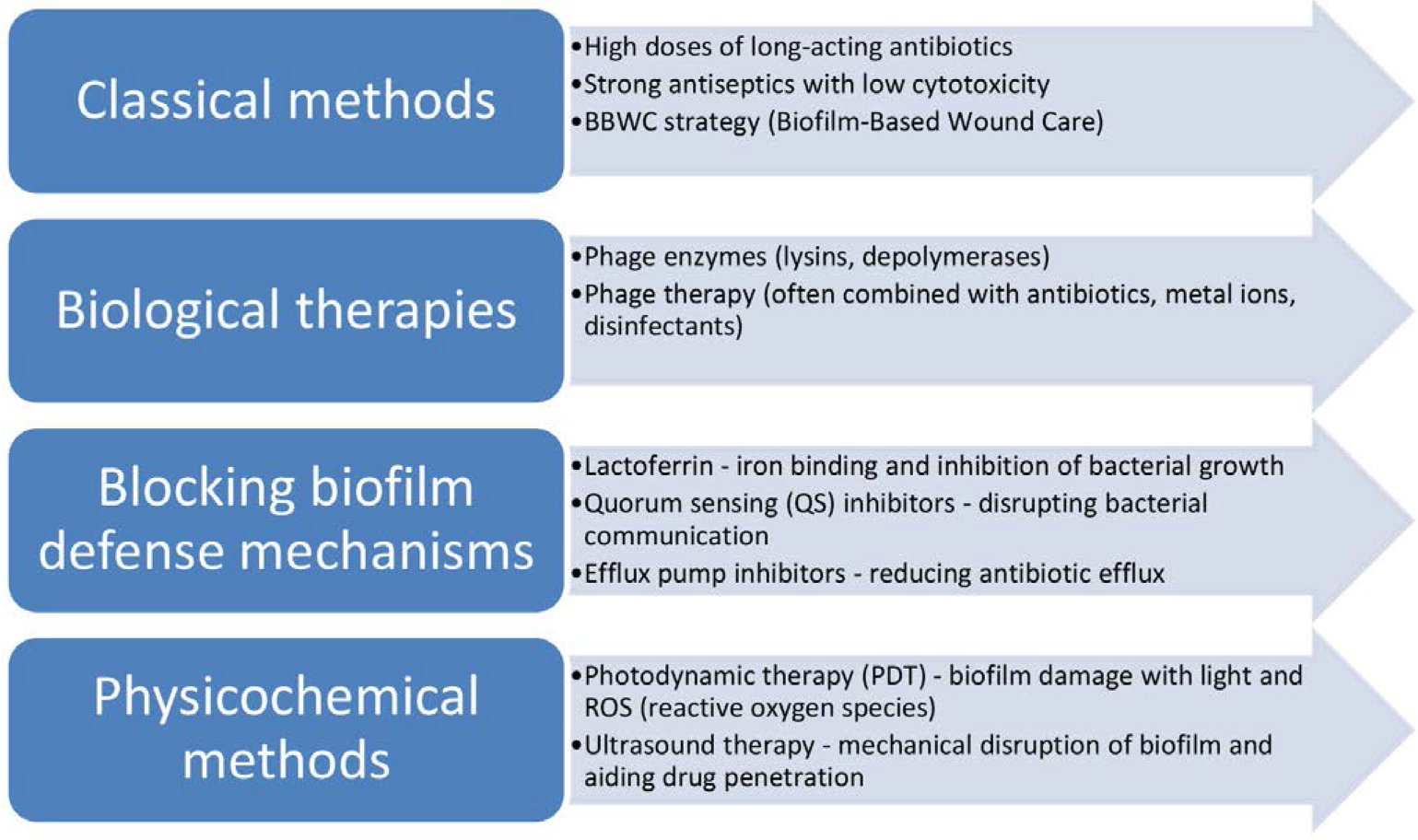
Figure 4.
Diagram of Bacterial Biofilm Eradication Strategies.
In the treatment of chronic wounds, the Biofilm-Based Wound Care (BBWC) strategy is increasingly being used. This approach includes the implementation of therapies based on [8]:
The use of high doses of long-acting antibacterial drugs,
The use of antiseptics with strong antimicrobial action and low cytotoxicity,
The inclusion of anti-biofilm agents with a broad spectrum of activity.
Phage Enzyme Therapies
Phage enzymes are gaining significant attention in the fight against biofilm. Lysins are responsible for degrading bacterial cell walls and releasing progeny virions, while polysaccharide depolymerases break down capsular and structural polysaccharides, including the extracellular matrix (EPS) of the biofilm [37]. Due to the limited effectiveness of phage therapy, it is increasingly used in combination with antibiotic therapy, disinfectants, and metal compounds, which enhances the effectiveness of treatment [15].
Use of Lactoferrin in Anti-Biofilm Therapy
Lactoferrin, a protein with strong anti-biofilm properties, shows a high affinity for iron ions. Lactoferrin binds Fe3+ ions, limiting their availability to microorganisms, which leads to inhibition of their growth and weakening of the biofilm [6].
Quorum Sensing (QS) Inhibitors
One of the modern approaches in combating biofilm is the use of quorum sensing (QS) inhibitors, which disrupt communication between bacterial cells. The mechanism of action of inhibitors includes [15]:
Blocking the synthesis of signaling molecules,
Inhibiting signaling receptors,
Disrupting the cellular response to quorum sensing signals.
Efflux Pump Inhibitors
Another therapeutic area is the use of efflux pump inhibitors, which are responsible for actively removing antimicrobial agents from the interior of bacterial cells. These inhibitors work by:
Disrupting the expression of proteins that build the pumps,
Disorganizing structures necessary for their function,
Modifying the structure of antibiotics to limit their binding to transporters,
Competitively blocking efflux channels with compounds that have a higher affinity,
Limiting energy sources necessary for pump operation [4].
Modern Biofilm Eradication Methods
In recent years, new methods for destroying biofilm have also been developed, including:
Photodynamic therapy (PDT) – utilizes light and photosensitizers that generate reactive oxygen species, destroying the biofilm,
Ultrasound therapy – enhances the penetration of drugs through the biofilm and mechanically damages its structure [15].
Table 2 compares the key therapeutic strategies used to combat bacterial biofilm, along with the mechanisms of action, benefits, and potential limitations of each method.
Table 2.
Comparison of Selected Methods for Combating Bacterial Biofilm.
| Method | Mechanism of Action | Advantages | Limitations |
|---|---|---|---|
| BBWC – Wound therapy | High doses of drugs, antiseptics, anti-biofilm agents | Effective in treating chronic wounds | Requires intensive treatment monitoring |
| Phage Enzymes (Lysozymes, Depolymerases) | Cell wall degradation and EPS biofilm breakdown | Targeted action on biofilm | Limited effectiveness in monotherapy |
| Combined Phage Therapy | Bacterial lysis, supporting antibiotics and disinfection | Enhances the effectiveness of classical therapy | Risk of bacterial resistance to phages |
| Lactoferrin | Iron binding, limiting bacterial growth | Natural, safe compound | Effectiveness dependent on environmental conditions |
| Quorum Sensing Inhibitors (QS) | Blocking bacterial communication and biofilm regulation | Targeted action on virulence mechanisms | Primarily in the research phase, limited clinical availability |
The methods for combating bacterial biofilm presented in the table illustrate the variety of available and developing therapeutic strategies. Successful treatment often requires combined therapies, merging traditional antibiotics with modern approaches such as phage enzymes, quorum sensing inhibitors, or physico-chemical therapies. Each method has specific advantages and limitations, highlighting the need for individualized therapy selection based on the type of infection, biofilm location, and the patient’s condition. The dynamic development of new technologies, such as photodynamic and ultrasound therapy, opens up new perspectives for effectively combating biofilm, especially in infections associated with biomaterials and chronic wounds [1, 31, 63].
Summary
Urinary tract infections (UTIs) associated with bacterial biofilm formation are a common and significant clinical problem. Despite the use of various methods to reduce the risk of UTI development in patients with urinary catheters, the results so far have been unsatisfactory. Key factors include adherence to aseptic techniques during catheter placement, the use of closed drainage systems, proper placement of the urinary bag below the level of the bladder, and regular catheter replacement [25, 48]. Unfortunately, the use of bactericidal ointments and antiseptics around the urinary meatus has proven insufficient in preventing infections. Additionally, bladder irrigation with antibiotic solutions has been deemed inadvisable due to the risk of increasing microbial resistance [25, 48]. The high resistance of biofilms to commonly used chemotherapeutic agents means that treating UTIs often results in chronic and recurrent disease courses. Consequently, therapy for patients with urinary tract infections remains a significant challenge for contemporary urology [45]. The risk of developing a UTI is influenced both by the duration of catheterization and the type of catheter used, as well as the material from which it is made [25, 48]. Studies utilizing scanning electron microscopy have shown that latex catheters are significantly more prone to bacterial adhesion than silicone catheters. Furthermore, latex catheters provoke a stronger pro-inflammatory response in vivo, and their prolonged use may lead to the development of chronic bladder inflammation [48]. Given the increasing significance of biofilm in the pathogenesis of urinary tract infections, especially those related to catheterization, further research should focus on the development of new biomaterials with antimicrobial properties and technologies to limit bacterial adhesion. Another important direction is the development of targeted therapies, such as quorum sensing inhibitors, biofilm-degrading enzymes, or therapies utilizing nanotechnology, which could effectively assist in treatment and prevent recurrent infections.
Conclusions
Bacterial biofilm can be viewed from two perspectives. From the microorganisms’ point of view, this three-dimensional, complex structure serves a key protective function, shielding the microorganisms from harmful environmental factors. On the other hand, from the patient’s and treating physician’s perspective, the presence of biofilm is a significant challenge. Biofilm considerably complicates the therapeutic process, hinders pathogen elimination, and extends recovery time. Furthermore, its presence promotes the development of drug resistance mechanisms in pathogenic bacterial strains, further worsening the prognosis and posing a major challenge for modern medicine.