Have a personal or library account? Click to login
Design of A Fuzzy PID Controller to Improve Electric Vehicles Performance Based On Regenerative Braking System Cover

Design of A Fuzzy PID Controller to Improve Electric Vehicles Performance Based On Regenerative Braking System

Open Access
|Dec 2025

Figures & Tables

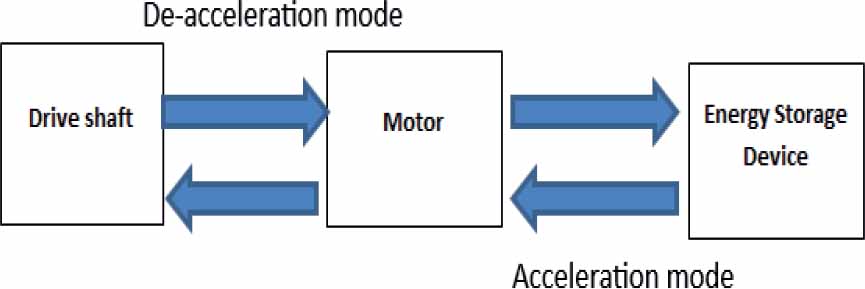
Figure 1.

Regenerative braking system operating modes
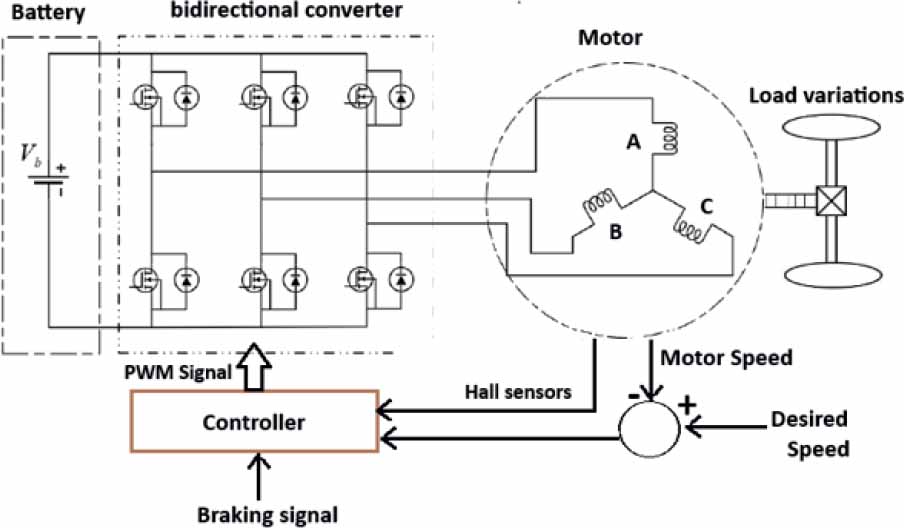

Figure 2.

Main components of a regenerative braking system
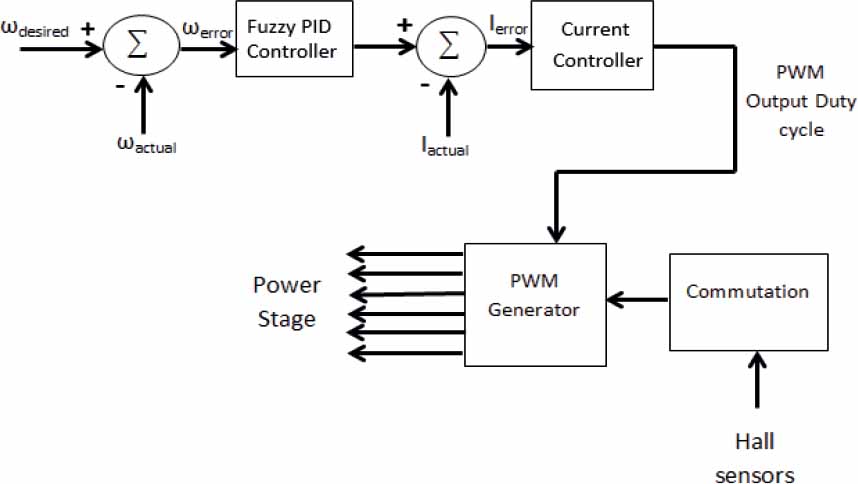

Figure 3.

Proposed control of the regenerative braking system
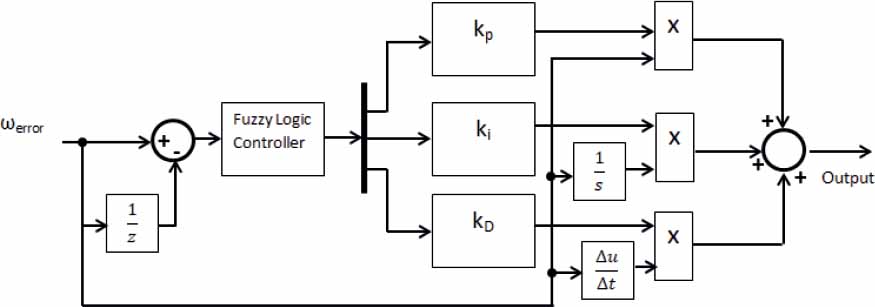

Figure 4.

Block diagram of proposed Fuzzy-PID controller


Figure 5.

Block diagram of Fuzzy logic controller

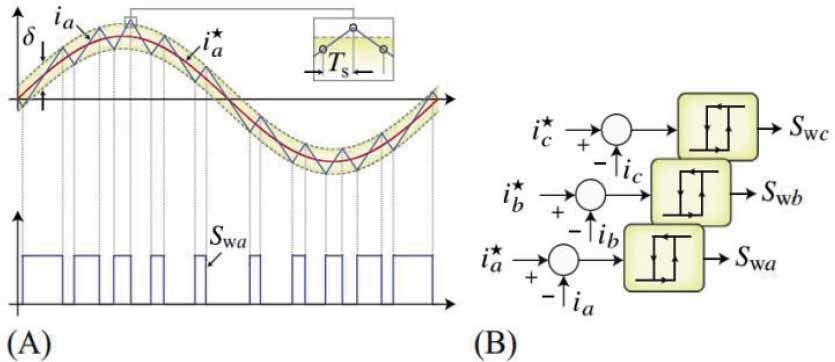
Figure 6.

Principle operation of hysteresis current control loop
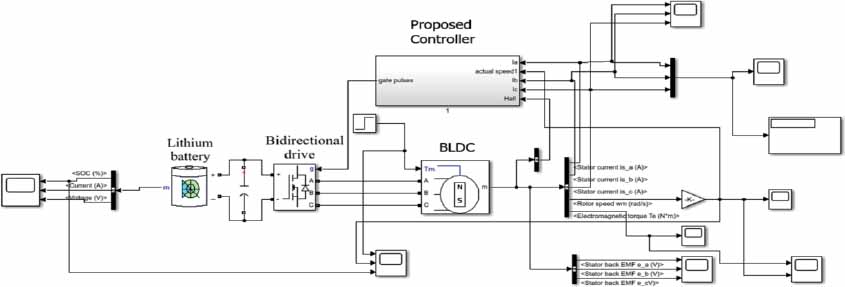

Figure 7.

The proposed regenerative braking system in MATLAB Simulink
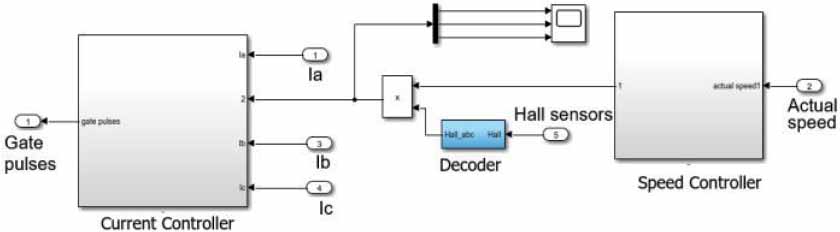

Figure 8.

The proposed controller subsystem in MATLAB Simulink
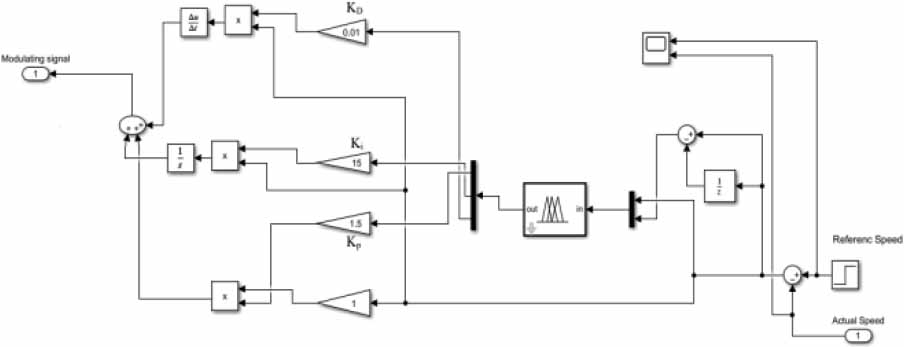

Figure 9.

The speed controller subsystem in MATLAB Simulink
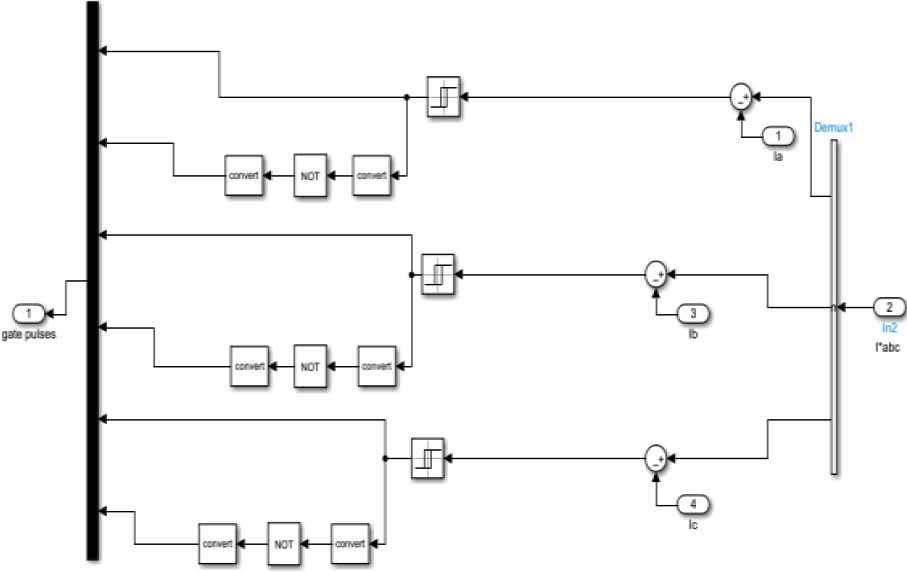

Figure 10.

The current controller subsystem in MATLAB Simulink
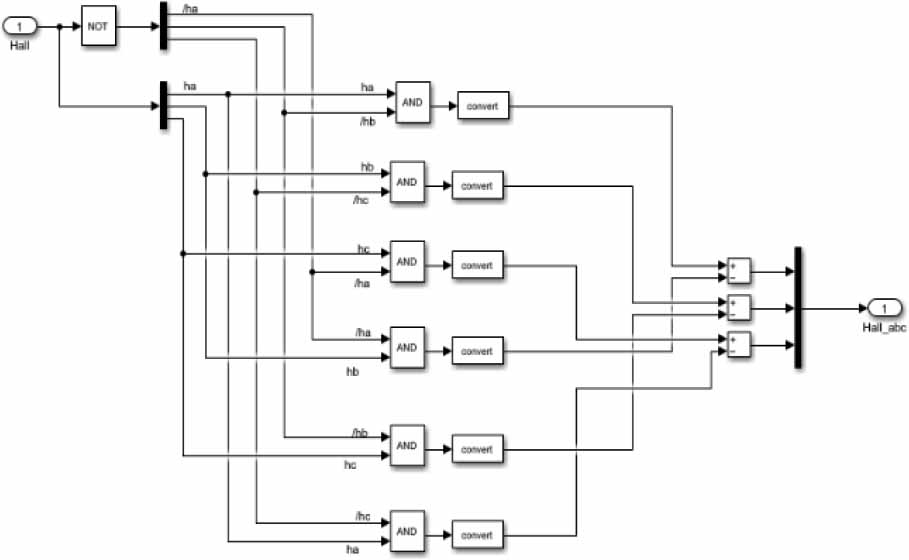

Figure 11.

The decoder block in MATLAB Simulink

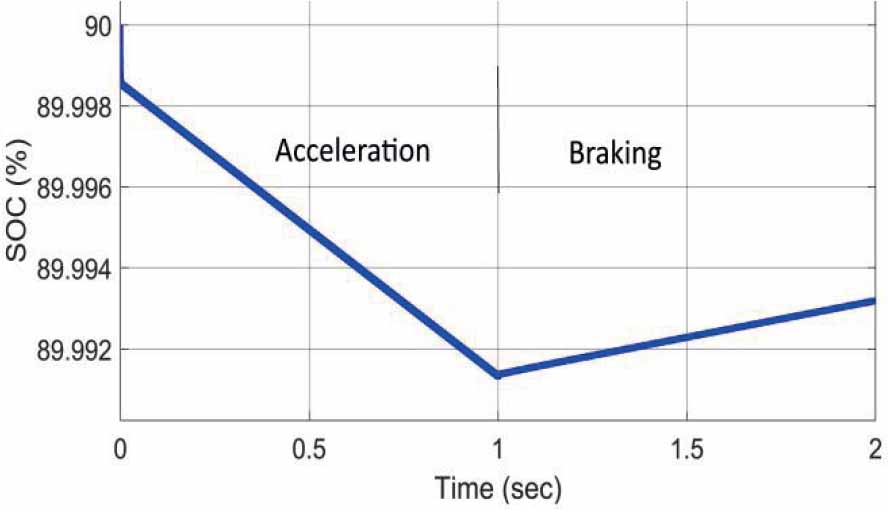
Figure 12.

Variation of SOC with time at 90% of initial battery charge state
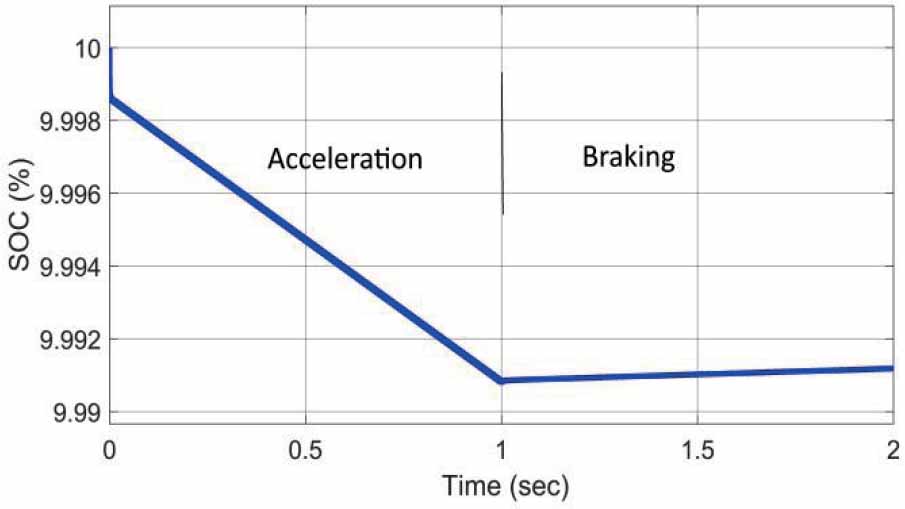

Figure 13.

Variation of SOC with time at 10% of initial battery charge state
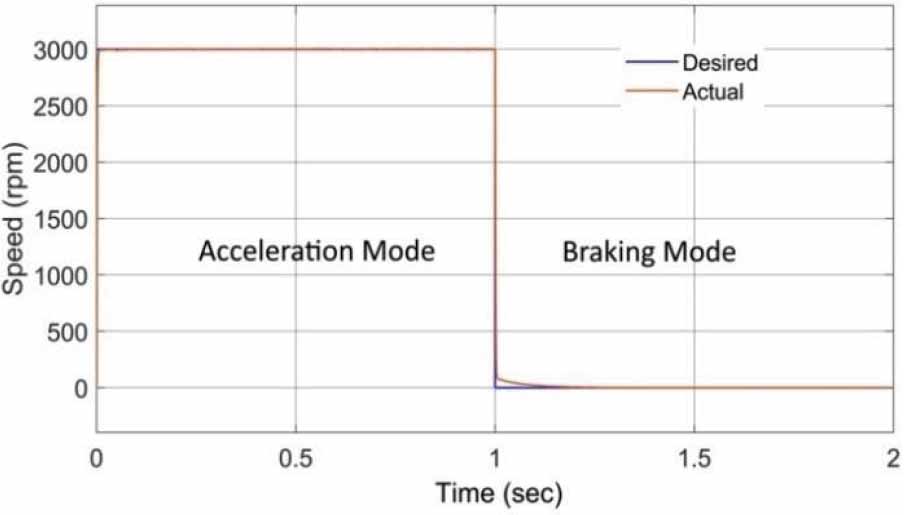

Figure 14.

The variation of desired and actual motor speed with time under accelerating and braking modes
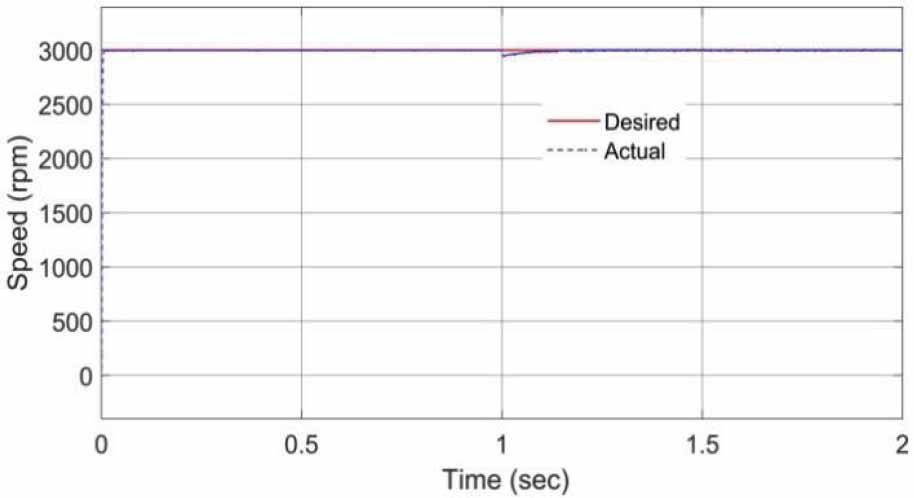

Figure 15.

The variation of the actual motor speed with time under sudden change in load in accelerating mode

5×5 Rule base table used in the control system

Δe/eNBNSZZPSPB
NBSSMMB
NSSMMBVB
ZZMMBVBVB
PSMBVBVBVVB
PBBVBVBVVBVVB

Comparative analysis of the proposed controller with the existing control system

Control systemOperating modeSettling time (m s)Overshoot (%)
PI controller [21]acceleration6526.1
Fuzzy logic controller [21]acceleration500
ANFIS controller [22]acceleration300
Proposed controlleracceleration150

Selected parameters of BLDC [21]

RatingSymbolValue
InductanceL0.0144 mH
DC resistanceR0.0065?
Number of polesP8
Rated voltageV48 v
Moment of inertiaJ0.00019 kg.m2
Motor torque coefficientKt0.095 N.m/A
Viscous dampingF1*10−6N.m.s
Flux linkageϕ0.0059375 V.s
Load torqueTL4 N.m
DOI: https://doi.org/10.14313/jamris-2025-039 | Journal eISSN: 2080-2145 | Journal ISSN: 1897-8649
Language: English
Page range: 102 - 108
Submitted on: Jun 17, 2025
|
Accepted on: Aug 27, 2025
|
Published on: Dec 24, 2025
In partnership with: Paradigm Publishing Services
Publication frequency: 4 issues per year

© 2025 Hayder Abdulabbas Abdulameer, M A Khamis, Mohammed Joudah Zaiter, Karin Ennser, published by Łukasiewicz Research Network – Industrial Research Institute for Automation and Measurements PIAP
This work is licensed under the Creative Commons Attribution-NonCommercial-NoDerivatives 4.0 License.