
Introduction
Distance education has evolved from correspondence-based models to sophisticated digital learning environments, representing one of the most significant transformations in higher education. In Portugal, Universidade Aberta (UAb, Portugal’s Open University) has served as the nation’s sole public distance education institution since 1988, pioneering innovative approaches to online teaching. The COVID-19 pandemic dramatically accelerated this transformation globally, forcing institutions worldwide to rapidly adopt distance education methods and highlighting the critical importance of understanding the professional competencies required for quality online education.
The evolution of distance education has been proportional to technological development, transitioning from correspondence teaching to virtual universities, creating different forms of communication (Pereira, Quintas-Mendes & Morgado 2012) and enabling professional development, equal access to education, and social change (Moore 2003). This technological evolution has fundamentally altered not only the methods of content delivery but also the very nature of teaching roles and the competencies required for effective online instruction.
Higher education institutions in Portugal have followed global trends in offering distance education programmes, promoting pedagogical, methodological, and technological changes in response to growing demand for higher education and continuing professional development in an increasingly competitive labour market (Hasan et al. 2009). UAb redefined its virtual pedagogical model to become a ‘virtual university’, responding to digital challenges through comprehensive faculty training, adopting different working methodologies, and adapting pedagogically, administratively, and technically (Pereira, Quintas-Mendes & Morgado 2012).
This study addresses a critical gap in understanding how distance education professionals themselves perceive and prioritise their roles and competencies. Whilst extensive international research has examined online teaching roles, limited empirical evidence exists from Portuguese higher education contexts, particularly regarding the distinct perspectives of professors and tutors who constitute the core teaching workforce in distance universities. By exploring these perspectives at UAb, this research contributes both to institutional policy development and broader international debates about online teaching professionalisation in the post-pandemic era.
This study addresses one primary research question with two related sub-questions:
Primary research question:
What are the roles of distance education faculty at Universidade Aberta Portugal?
Sub-questions:
What profiles does distance teaching assume at Universidade Aberta?
What competencies should distance education faculty possess?
Literature review
Professional roles in online teaching
The literature on online teaching consistently emphasises the multifaceted nature of educators’ roles in digital environments. Berge’s (1995) seminal framework identified four foundational roles: pedagogical (facilitating learning), social (creating a friendly environment), managerial (administrative and organisational), and technical (supporting technology use). This framework has been extensively refined and expanded over subsequent decades.
Bawane and Spector (2009) expanded this taxonomy to eight distinct roles through their comprehensive review: pedagogical, social, evaluator, adviser, technologist, manager, researcher, and personal. Similar prioritisation patterns have been identified in open university contexts internationally, with Li et al. (2017) finding that interaction-related roles are central to distance teaching processes. Their prioritisation study revealed that whilst the pedagogical role remained paramount, the evaluator and facilitator roles were increasingly recognised as critical for online teaching success. Similarly, Muñoz-Carril et al. (2013) validated these categories within the European higher education context, finding that pedagogical and social roles were consistently prioritised across different institutional settings.
The pedagogical role encompasses content expertise, instructional design, and the ability to facilitate meaningful learning experiences (Anderson et al. 2001; Salmon 2011). Research consistently demonstrates that effective online teachers must move beyond content transmission to become architects of learning experiences, designing activities that promote critical thinking and deep learning (Baran, Correia & Thompson 2011). This shift requires sophisticated understanding of online pedagogical principles and the ability to translate subject expertise into engaging digital learning experiences.
Social presence and interaction have been identified as critical factors for sustaining engagement in asynchronous learning environments. Denis et al. (2004) emphasised that roles linked to student-teacher interaction should be considered central to distance teaching processes. Garrison et al.’s (2000) extensive research demonstrates that creating and maintaining social presence requires deliberate strategies for fostering community, encouraging participation, and building trust amongst learners. Recent studies by Dunlap and Lowenthal (2018) and Trammell and LaForge (2017) confirm that students’ sense of belonging to learning communities significantly impacts satisfaction and learning outcomes. Maintaining strong online presence, enthusiasm, and creative learning activities throughout courses is essential for effective distance education (Ní Shé et al. 2019).
The Portuguese context
In Portugal, distance education research has developed distinct characteristics shaped by the unique institutional context of UAb. Morgado (2001; 2003) established foundational distinctions between professors and tutors in Portuguese distance education. Professors are primarily responsible for course design, content development, and assessment, requiring competencies in curriculum design, multimedia content creation, and evaluation strategies. Tutors focus on supporting learners, facilitating interaction, and providing pedagogical guidance, necessitating strong interpersonal skills, empathy, and the ability to motivate and support diverse learners.
This dual-role model reflects broader European approaches to distance education but with specific Portuguese adaptations. The professor-tutor distinction creates a division of labour that potentially allows for specialisation and efficiency but also raises questions about coordination and consistency in the learning experience. Morgado (2003, p. 79) argues that ‘the tutor’s role in distance education cannot be compared to the teacher’s role in face-to-face systems, as it is assumed to be a facilitator and guide of student learning.’
Pereira et al. (2007) documented UAb’s transition to a virtual pedagogical model, highlighting the need for comprehensive professional development to support faculty in adopting new technologies and pedagogical approaches. This transformation required not only technical training but also fundamental reconceptualisation of teaching roles and practices.
Competencies for distance education
The concept of competency in distance education extends beyond technical skills to encompass a complex integration of knowledge, abilities, values, and attitudes necessary for successful task execution in specific contexts. The European Commission (2018, p. 4) emphasises that ‘competences include more than knowledge and understanding and take into account the ability to apply that when performing a task (skill) as well as how – with what mind-set – the learner approaches that task (attitude).’
Digital competencies have received particular attention, with the European Commission’s DigCompEdu Framework (Redecker 2017) identifying 22 competencies across six areas: professional engagement using technology, creating and sharing digital resources, teaching and learning with technology, assessment using digital strategies, learner empowerment, and facilitating learners’ digital competence. However, as Van Laar et al. (2017) argue, digital competencies extend beyond technical skills to include collaboration, communication, content creation, ethical responsibility, problem-solving, and critical evaluation of digital tools.
Whilst DigCompEdu provides a comprehensive framework applicable to all educators, its relevance intensifies in distance education contexts where all instruction is digitally mediated. This makes Areas 2 (Digital Resources), 3 (Teaching and Learning), and 4 (Assessment) particularly salient for online teaching practice.
Research consistently identifies several core competency areas for distance educators. Technological competencies include not only the ability to use digital tools but also to evaluate their pedagogical affordances and integrate them meaningfully into learning designs (Adnan, Kalelioglu & Gulbahar 2017). Pedagogical competencies encompass understanding of online learning theories, instructional design principles, and strategies for promoting engagement and interaction in asynchronous environments (Guasch, Alvarez & Espasa 2010). González-Sanmamed et al. (2014) argue that educators should design courses within socio-constructivist models, incorporating student-centred activities, collaborative learning, peer review, and self-reflection.
Communication competencies are particularly critical in text-based online environments where non-verbal cues are absent. Effective online educators must master written communication, providing clear instructions, constructive feedback, and maintaining an appropriate teaching presence through their written interactions (Martin et al. 2019). Timely feedback and facilitation of interaction among students have been shown to promote more effective online learning (Coker 2018). Social and emotional competencies enable educators to create supportive learning communities, demonstrate empathy, and respond to the diverse needs of distance learners (Trammell & LaForge 2017).
Methodology
Research design
This study employed a sequential exploratory mixed-methods design (Figure 1; Creswell & Plano Clark 2018), chosen for its capacity to first explore complex phenomena qualitatively before testing findings across a larger sample. This approach aligns with pragmatist philosophical assumptions, recognising that understanding professional roles and competencies requires both in-depth exploration of experiences and broader validation of patterns. The sequential design allowed findings from initial qualitative exploration to inform survey development, ensuring that quantitative measures reflected participants’ own conceptualisations rather than imposing predetermined categories.
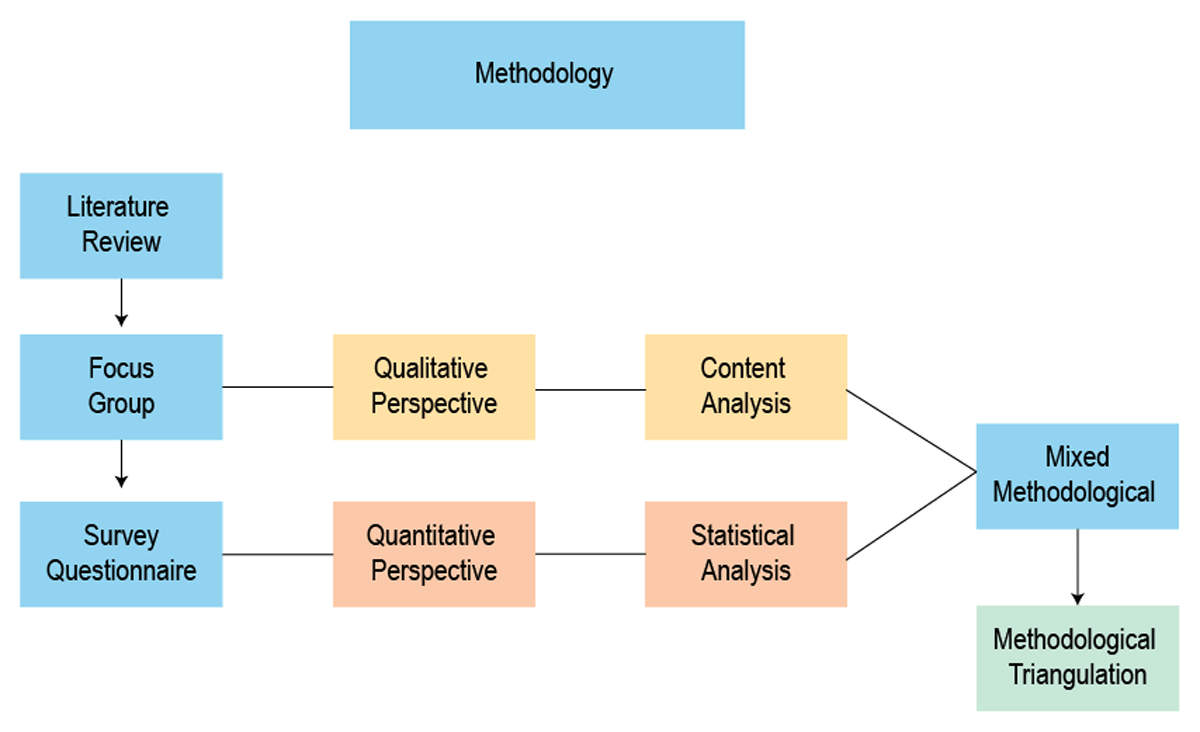
Figure 1
Sequential exploratory mixed-methods research design. (Original figure created by first author).
Sequential exploratory design was chosen over concurrent or convergent designs for three methodological reasons. First, the absence of validated instruments for measuring professional roles and competencies within Portuguese distance education contexts necessitated qualitative exploration to identify contextually relevant constructs before quantitative measurement. Concurrent designs assume existing validated instruments, which were unavailable for this context. Second, the exploratory-sequential approach enabled qualitative findings to directly inform survey instrument adaptation, ensuring items reflected participants’ own conceptualizations rather than imposing predetermined categories that might not capture Portuguese institutional realities. Third, this design allowed initial small-sample in-depth exploration (n = 7) to generate hypotheses subsequently tested across a broader sample (n = 57), maximising both depth of understanding and breadth of validation within resource constraints of doctoral research.
The three-phase approach comprised: (1) literature review to establish theoretical foundations and identify initial role/competency frameworks, (2) qualitative focus group (n = 7) with content analysis following Bardin’s (2011) framework to explore practitioners’ perspectives, and (3) quantitative survey (n = 57) with statistical analysis to validate and extend qualitative findings. Findings from each phase informed the subsequent phase, with final integration through methodological triangulation.
Phase one: Qualitative exploration
The qualitative phase aimed to explore how distance education professionals conceptualise their roles and identify competencies they consider essential. One focus group lasting approximately two hours was conducted with seven participants (two professors and five tutors from UAb). The higher proportion of tutors in the qualitative phase reflected their availability and willingness to participate in extended discussion, whilst the survey phase achieved broader professor representation.
Participants were purposively selected seeking maximum variation in disciplinary backgrounds (education sciences, languages, history, humanities), years of experience (ranging from 2 to 25+ years), and role type (professors responsible for course design; tutors focused on facilitation). Whilst not statistically representative of UAb’s entire faculty, participants reflected the institutional profile in terms of gender distribution and disciplinary diversity, providing information-rich cases for exploring role conceptualisations.
The session was conducted online using Zoom, acknowledging that participants were comfortable with this medium and it allowed participation without travel requirements. A semi-structured protocol guided discussions, exploring participants’ understanding of their professional roles around three key dimensions: mediation and interaction, communication, and assessment in distance education contexts.
The session was video recorded with participant consent and transcribed verbatim in Portuguese. Content analysis followed Bardin’s (2011) three-phase framework: pre-analysis (organisation of materials, initial reading, hypothesis formation), exploration of material (coding through segmentation, enumeration, classification, and aggregation into categories), and treatment of results (inference and interpretation).
For the roles and competencies dimension, a closed categorisation procedure was employed using Muñoz-Carril, González Sanmamed & Hernández Sellés (2013) predefined framework of eight roles and associated competencies, which was adapted and expanded based on literature review and focus group insights (Amado, Costa & Crusoé 2014). Initial coding was conducted independently by two researchers (the PhD researcher and supervisor), with discrepancies resolved through discussion, achieving 100% inter-rater agreement. This represents excellent reliability, exceeding the 80% threshold recommended for qualitative research (Amado, Costa & Crusoé 2014; Coutinho 2011). Following Bardin’s (2011) quality principles of mutual exclusion, homogeneity, pertinence, objectivity and fidelity, and productivity, the categorisation was validated to ensure categories genuinely reflected the data content without ambiguity (Amado, Costa & Crusoé 2014). NVivo 11 software was employed after manual coding to assist in confirming qualitative validity and organising the analysis.
Qualitative findings revealed rich descriptions of role complexity and competency requirements. Participants described constant negotiation between multiple roles, often simultaneously acting as content experts, learning facilitators, technical supporters, and emotional counsellors. They emphasised the importance of flexibility and adaptability, noting that distance education requires continuous adjustment to student needs and technological changes. One participant explained: ‘Regarding mediation and interaction, we go through various phases of our own performance’, highlighting how teaching approaches vary across different programme levels. These insights informed the development of survey items that captured this complexity whilst remaining manageable for respondents.
Qualitative findings directly informed survey development in three ways. First, focus group participants’ descriptions of role multiplicity and contextual variation led to inclusion of additional competencies related to flexibility and adaptation (e.g., ‘organise and promote different types of teaching’, ‘find solutions to increase student satisfaction’). Second, participants’ emphasis on relationship-building and emotional dimensions informed expansion of Personal role competencies beyond the original framework. Third, recurring themes regarding communities of practice and peer learning shaped inclusion of collaborative and reflective competencies within the Researcher role. Survey items were iteratively refined to ensure terminology matched participants’ own language whilst maintaining construct validity across the eight-role framework.
Phase two: quantitative survey
The survey instrument was adapted from Muñoz-Carril et al.’s (2013) validated framework, with modifications based on qualitative findings and Portuguese institutional context. The adaptation process involved translating items to Portuguese, adjusting terminology to reflect local usage, and adding items identified as important in focus groups but absent from the original instrument.
Following Bawane and Spector (2009) and Muñoz-Carril et al. (2013), the eight professional roles were defined as follows: (1) pedagogical encompasses instructional design, content expertise, tutoring, and facilitation of learning activities; (2) social involves maintaining cordial learning environments, resolving conflicts amicably, and facilitating interaction among students; (3) evaluator includes assessing student work according to established criteria, monitoring progress, and providing timely feedback; (4) manager covers time and course management, leadership, and coordination with teaching and administrative teams; (5) technologist involves selecting appropriate digital resources, maintaining technical proficiency, and adapting multimedia content to online environments; (6) adviser encompasses guidance, motivation, clarifying doubts, and responding to individual student needs; (7) personal includes adopting ethical postures, demonstrating empathy in online communication, and maintaining positive attitudes toward e-learning; and (8) researcher involves conducting research on distance teaching, integrating findings into practice, and participating in communities of inquiry.
The instrument expanded from the original 43 to 65 competencies through systematic adaptation informed by two sources. First, qualitative focus group analysis identified competencies relevant to UAb’s institutional context but absent from the original framework, including interpersonal competencies (e.g., ‘demonstrate sensitivity during online communication processes’, ‘create climate favourable to positive emotions online’) and facilitation competencies (e.g., ‘refrain from undesirable behaviours’, ‘resolve conflicts amicably’). Second, literature review of post-2013 distance education scholarship identified emerging competencies related to open educational practices, collaborative learning design, and digital scholarship not captured in the original framework.
Given the exploratory nature of the study, the adaptation of an already validated framework (Muñoz-Carril et al. 2013), and the limited population of distance education faculty at UAb, formal pilot testing with a separate sample was not conducted, as this would have reduced the already small available sample for the main study. Instead, content validity was ensured through expert review by four specialists from the LE@D research laboratory with expertise in distance education pedagogy, Portuguese language and educational terminology, and survey construction methodology, following recommendations that expert validation represents an appropriate alternative when sample constraints preclude traditional piloting (Cohen, Manion & Morrison 2007; Hill & Hill 2009). Specialists independently assessed each item for relevance to the Portuguese distance education context, clarity of language, cultural appropriateness, and distinctiveness from existing items. The instrument was refined through multiple revision cycles, with discrepancies resolved through discussion until consensus was achieved.
The final survey comprised three sections. Section one collected demographic information including gender, age, years of experience in distance education, academic qualifications, primary professional activity, and teaching responsibilities. Section two presented eight professional roles (pedagogical, social, evaluator, adviser, manager, technologist, personal, researcher) with respondents rating importance on five-point Likert scales (1 = not important, 5 = extremely important). Section three listed 65 specific competencies organised by role domain, using the same importance scale.
The survey was created using Google Forms and distributed electronically through the LE@D research laboratory to faculty members at UAb engaged in online teaching during the 2020–2021 academic year. The survey remained active for one month (6 May to 6 July, 2021), with reminder messages sent through course coordinators to encourage participation.
Participants and sampling
A convenience sampling approach was employed (Coutinho 2011), targeting the established group of professors and tutors engaged in online teaching at UAb during the 2020–2021 academic year. This sampling strategy was appropriate given the study’s exploratory aims and the specific institutional focus, though it limits generalisability beyond this context.
Of the faculty members invited to participate, 57 provided complete responses (38 professors, 19 tutors). Respondent characteristics reflected the institutional profile. All professors held doctoral degrees (100%), whilst 42% of tutors held doctorates and 63% held master’s degrees. Experience in distance education varied, with 42% of professors reporting over 25 years of experience, whilst 42% of tutors reported between 10 and 14 years. Gender distribution showed 66% female overall (66% amongst professors, 68% amongst tutors). Disciplinary representation was led by education sciences (33% of respondents), followed by languages and literature, history, humanities, psychology, and other fields. Nearly all participants (98%) resided in Portugal.
Regarding professional activity, 76% of professors reported distance teaching as their primary activity, exercising their functions in exclusive dedication (66%). Amongst tutors, only 26% indicated distance tutoring as their primary activity, with the majority holding other professional positions (teachers in non-higher education, professional trainers, or senior technicians). When asked about remuneration satisfaction, 47% of tutors reported being satisfied, whilst 42% expressed dissatisfaction with their compensation.
Data analysis
Quantitative data were analysed using SPSS version 24. Initial analyses examined data quality, including missing value patterns, outlier detection, and assumption checking for planned statistical tests. Descriptive statistics (means, standard deviations, frequencies) characterised role and competency importance ratings.
Independent samples t-tests compared professor and tutor ratings where assumptions were met (normal distribution via Shapiro-Wilk test, homogeneity of variance via Levene’s test). Where assumptions were violated, Mann-Whitney U tests provided non-parametric alternatives. Statistical significance was set at p < 0.05 for two-tailed tests.
For each comparison, normality was assessed using Shapiro-Wilk test (appropriate for sample sizes <50) with α = 0.05 threshold. Homogeneity of variance was tested using Levene’s test (α = 0.05). When either assumption was violated, Mann-Whitney U test was employed as the non-parametric alternative, which does not assume normal distribution but tests whether two independent samples come from the same distribution, with particular sensitivity to median differences.
Following recommendations by Rothman (1990) that Bonferroni corrections may increase Type II errors in exploratory research, such corrections were not applied to the multiple comparisons. Instead, actual p-values are reported along with descriptive statistics to provide meaningful interpretation of differences whilst acknowledging the exploratory nature of the study.
Ethical considerations
The study received ethical approval from the Ethics Committee of the Laboratory of Distance Education and eLearning (LE@D), UAb. All participants provided informed consent after receiving information about study purposes, procedures, and data handling. Participation was voluntary with the right to withdraw at any stage. Focus group participants agreed to maintain confidentiality regarding other participants’ contributions. Data were anonymised during transcription and analysis, with identifying information removed or replaced with pseudonyms. Audio-video recordings and transcripts were stored on encrypted, password-protected university servers accessible only to the research team. Data will be retained for five years in accordance with institutional research data management policies, after which they will be securely deleted.
Results
Qualitative findings: emerging themes
The qualitative phase revealed four major themes characterising participants’ understanding of their professional roles and competencies in distance education.
Role multiplicity and fluidity
Participants consistently described their work as involving constant navigation between multiple, sometimes conflicting roles. The fluidity of roles was particularly evident in descriptions of responding to student needs. Whilst institutional guidelines provided role definitions, practical reality required flexibility.
Participants highlighted how the Virtual Pedagogical Model of UAb creates different teaching dynamics across programme levels. One participant explained: ‘In postgraduate courses, the tutor tends to be more proactive, whilst in undergraduate programmes the tendency is to be primarily reactive.’ This variation influences how educators conceptualise their roles and respond to students. Another participant emphasised: ‘We must see what they need [students], and in this perspective, it can work well with a class of 20 students, but you can also work with a class of 100 students.’
A participant described the evolution of their role across a course: ‘What concerns mediation and interaction, we go through various phases of our own performance’, explaining how teaching approaches vary across different programme levels and stages within individual courses. Another participant noted: ‘The tutor can tend to be a mere executor of what is prescribed in the tutoring plan or course plan, with very little intervention, simply following a script. But this also varies greatly by curricular unit.’
The centrality of relationship building
Both professors and tutors emphasised that creating meaningful connections with students was fundamental to their work. Several participants noted the tendency for students to replicate the interaction patterns modelled by their educators. One participant explained:
The general idea I have is that students end up replicating the profile of the tutor accompanying them. If we have a tutor who participates, is present, goes there daily, asks questions, students tend to reproduce this type of mediation.
The importance of presence in online environments was emphasised repeatedly. A participant shared student feedback: ‘One, two, three, and even mentees said at the end: “Just the fact that you continue talking with us, pushing us; just your presence reassures me. I no longer feel alone.” Sometimes it’s enough just to say, “good morning”, “I’m here”, even without a response, students on the other side feel this.’
Participants stressed that communication must be genuine and human relationships cannot be lost despite technological mediation. One participant emphasised: ‘Communication must be genuine and true. If I say something I don’t feel, they [students] sense it. We must overcome our own fear of relationships. We need them [students], just as they need us; we need our tutor colleagues, our professor colleagues.’ Another participant added:
All people are afraid to express opinions, but we truly must address this somewhat at an emotional level so they lose these fears, so that debate can be achieved. For me, what’s fundamental is the relationship, achieving strategies of proximity. If we flow in the human relationship, perhaps wellbeing will be better both emotionally and cognitively.
Technology as enabler and barrier
Technology emerged as simultaneously enabling and constraining in participants’ experiences. Whilst digital tools enabled flexible, asynchronous interaction and access to diverse resources, they also created barriers requiring constant adaptation. Participants described ongoing challenges in keeping pace with technological change.
One participant reflected on technological challenges:
The technological aspect is important. Inevitably, although technology today is much more resilient and functional than ten years ago, there are still failures. We must always take this into account, and it’s important for the professor or tutor to have reasonably adequate training to find pedagogical alternatives when technological ones don’t work.
However, participants also recognised opportunities beyond the institutional platform. One participant noted: ‘The Virtual Pedagogical Model (from Universidade Aberta) clearly states that initial work must go through the platform, but the model in no way indicates that we cannot use other tools beyond those on the platform.’ Participants mentioned using various communication tools, including chat functions, discussion forums, and external resources, though forums remained central. A participant explained: ‘Forums for me are very important spaces for this. Now, we professors, tutors, and monitors must help connect thoughts.’
The preference for asynchronous communication was strongly expressed. Reflecting on personal experience as a distance student, one participant stated: ‘I would never have been able to complete my master’s degree if communication were synchronous. For me, the possibility to communicate and relate to others asynchronously – managing my time and space whilst considering others’ time and different time zones – this is fundamental.’
Professional development and collaboration needs
Participants expressed strong needs for ongoing professional development and opportunities to learn from peers. The value of communities of practice emerged prominently, with participants emphasising spaces where educators could share experiences and learn collaboratively.
One participant explained: ‘We often speak about student isolation, but we forget that tutors, monitors, and online educators are also often alone. It’s necessary to create spaces where they can interact with each other regarding difficulties and feelings of uncertainty.’ Another participant emphasised: ‘We learn immensely from peers and from students. The idea of a community of practice where we work somewhat informally in training spaces when we talk amongst tutors is also a learning space for us.’
The importance of sharing practices was repeatedly stressed. One participant noted:
When there are coordination spaces where we talk with each other, tutors share. I’ve had experiences where the tutor had access to other tutoring spaces. We could see what others were doing. It would be very important and useful for this joint learning to have a global vision and access to different experiences, methodologies, and educational practices that other professors use. We can learn better from each other.
Another participant added: ‘We learn and see good practices from each other, and also from bad practices, we can correct, do better, and do differently.’
The need for ongoing professional development was explicitly stated. When asked directly whether tutors needed training, one participant responded: ‘Of course. We always need to be exchanging ideas or opinions. But this training for ourselves comes from professors but also comes from students; it’s this community, it’s all of us talking.’ Another participant concluded: ‘We must leave our little corners. Professors and tutors must leave their classrooms and begin to interact more collaboratively.’
Quantitative results: role prioritisation
All eight professional roles received high importance ratings, with means exceeding 4.0 on the five-point scale, indicating broad recognition of role multiplicity in distance education. Table 1 presents role importance rankings, revealing both convergence and differentiation between professors and tutors.
Table 1
Professional role importance rankings by group.
| ROLE | OVERALL M (SD) | PROFESSOR M (SD) | TUTOR M (SD) | t | p | d |
|---|---|---|---|---|---|---|
| Pedagogical | 4.68 (0.51) | 4.79 (0.41) | 4.47 (0.61) | 2.31 | 0.025* | 0.66 |
| Social | 4.67 (0.58) | 4.55 (0.60) | 4.89 (0.46) | –2.18 | 0.034* | 0.61 |
| Evaluator | 4.67 (0.58) | 4.71 (0.46) | 4.58 (0.77) | 0.81 | 0.422 | — |
| Adviser | 4.65 (0.55) | 4.55 (0.60) | 4.84 (0.38) | –1.92 | 0.061 | — |
| Manager | 4.18 (0.89) | 4.16 (0.95) | 4.21 (0.79) | –0.21 | 0.835 | — |
| Technologist | 4.19 (0.83) | 3.97 (0.89) | 4.63 (0.50) | –3.01 | 0.004** | 0.84 |
| Personal | 4.51 (0.91) | 4.37 (1.03) | 4.79 (0.54) | –1.68 | 0.100 | — |
| Researcher | 4.18 (1.00) | 4.05 (1.11) | 4.42 (0.69) | –1.32 | 0.193 | — |
[i] Note. Five-point Likert scale (1 = not important, 5 = extremely important). N = 57 (38 professors, 19 tutors). Effect sizes (Cohen’s d) calculated for statistically significant differences only. d = 0.66 and d = 0.61 represent medium effects; d = 0.84 represents a large effect (Cohen 1988). Effect sizes should be interpreted cautiously given the small tutor subsample (n = 19), which may produce less stable estimates. *p < 0.05. **p < 0.01.
Effect sizes (Table 1) indicate that statistically significant differences also represent practically meaningful distinctions between professors and tutors, with medium effects for pedagogical and social roles and a large effect for the technologist role (Cohen 1988).
The convergence around pedagogical, social, evaluator, and adviser roles as top priorities aligns with qualitative findings about role centrality. Significant group differences emerged for three roles. Professors rated the pedagogical role significantly higher than tutors (M = 4.79 vs 4.47, t (55) = 2.31, p = 0.025), reflecting their primary responsibility for course design, content development, and assessment strategy formulation as outlined in UAb’s Virtual Pedagogical Model.
Tutors rated the social role significantly higher than professors (M = 4.89 vs 4.55, t (55) = –2.18, p = 0.034), consistent with their facilitation and student support functions. This finding aligns with qualitative themes emphasising tutors’ focus on relationship building, presence, and creating supportive learning environments. The emphasis on social dimensions reflects tutors’ primary responsibilities for accompanying students, facilitating interaction, and providing pedagogical guidance.
The largest group difference appeared for the technologist role, with tutors rating it significantly higher than professors (M = 4.63 vs 3.97, t(55) = –3.01, p = 0.004). Closer examination of specific competencies reveals nuanced patterns: professors particularly valued ‘select appropriate resources for learning’ (M = 4.71, SD = 0.57), reflecting their responsibility for course design and resource selection. Tutors, by contrast, emphasised competencies related to ongoing platform engagement, including staying updated on new software and suggesting resources to students during daily interactions. This differentiation aligns with Guasch et al.’s (2010) argument that technological and virtual environment management competencies are associated with the different roles educators perform. As distance education and technology are inherently interlinked (Anderson & Dron 2012), technological competencies remain important for both groups, though they vary according to instructional methods and institutional contexts (Williams 2003). Professional development programmes should therefore address these differentiated technological needs rather than assuming uniform training requirements.
The adviser role showed a trend toward higher tutor ratings (M = 4.84 vs 4.55, t (55) = –1.92, p = 0.061), approaching but not reaching conventional statistical significance. This pattern aligns with tutors’ guidance and support functions.
No significant differences emerged for the evaluator (p = 0.422), manager (p = 0.835), personal (p = 0.100), or researcher (p = 0.193) roles. Interestingly, for the researcher role, tutors showed numerically higher mean ratings (M = 4.42 vs 4.05), though this difference was not statistically significant. This finding challenges assumptions about research prioritisation in academic hierarchies and may reflect UAb’s research culture or tutors’ aspirations for professional development.
Specific competency priorities
Analysis of 65 specific competencies revealed nuanced patterns in prioritisation. Table 2 presents the ten most highly rated competencies across all respondents, demonstrating both shared priorities and differences between groups.
Table 2
Ten most important distance education competencies.
| RANK | COMPETENCY | DOMAIN | OVERALL M (SD) |
|---|---|---|---|
| 1 | Assess student work according to established criteria | Evaluator | 4.82 (0.38) |
| 2 | Demonstrate availability to clarify doubts | Adviser | 4.82 (0.43) |
| 3 | Adopt an ethical posture | Personal | 4.82 (0.43) |
| 4 | Provide timely feedback on activities | Evaluator | 4.81 (0.40) |
| 5 | Provide feedback to student interactions and communications | Social | 4.77 (0.46) |
| 6 | Be empathetic in online communication | Personal | 4.77 (0.42) |
| 7 | Maintain a cordial learning environment | Social | 4.74 (0.44) |
| 8 | Suggest measures to improve student performance | Adviser | 4.72 (0.45) |
| 9 | Act as a learning facilitator | Social | 4.70 (0.65) |
| 10 | Promote student motivation | Adviser | 4.70 (0.50) |
[i] Note. All competencies rated above 4.70 on five-point scale.
The pattern of competency prioritisation reveals systematic differences between groups (Table 3). Tutors consistently rated social and interpersonal competencies at ceiling levels, with eight competencies receiving unanimous maximum ratings (M = 5.00, SD = 0.00). These included ‘demonstrate availability to clarify doubts’, ‘provide timely feedback on activities’, ‘act as a learning facilitator’, ‘resolve conflicts amicably’, and ‘maintain a cordial learning environment’. These ceiling effects indicate complete tutor consensus regarding the centrality of social and adviser competencies.
Table 3
Most important competencies by professional group.
| RANK | COMPETENCY | ROLE | MEAN | SD |
|---|---|---|---|---|
| Professors | ||||
| 1 | Assess student work according to established criteria | Evaluator | 4.78 | 0.41 |
| 2 | Adopt an ethical posture | Personal | 4.79 | 0.41 |
| 3 | Conception and design of course/module at general and component levels | Pedagogical* | 4.76 | 0.49 |
| 4 | Conceive and develop learning activities | Pedagogical* | 4.75 | 0.49 |
| 5 | Define assessment strategies and activities | Pedagogical* | 4.75 | 0.43 |
| 6 | Demonstrate availability to clarify doubts | Adviser | 4.74 | 0.50 |
| 7 | Provide timely feedback on activities | Evaluator | 4.71 | 0.46 |
| 8 | Select appropriate resources for learning | Technological | 4.71 | 0.57 |
| 9 | Provide feedback to student interactions and communications | Social | 4.68 | 0.53 |
| 10 | Be empathetic in online communication | Personal | 4.68 | 0.47 |
| Tutors | ||||
| 1 | Demonstrate availability to clarify doubts | Adviser | 5.00 | 0.00 |
| 2 | Provide timely feedback on activities | Evaluator | 5.00 | 0.00 |
| 3 | Act as a learning facilitator | Social | 5.00 | 0.00 |
| 4 | Resolve conflicts amicably | Social | 5.00 | 0.00 |
| 5 | Maintain a cordial learning environment | Social | 5.00 | 0.00 |
| 6 | Be empathetic in online communication | Personal | 4.95 | 0.23 |
| 7 | Provide feedback to student interactions and communications | Social | 4.95 | 0.23 |
| 8 | Refrain from undesirable behaviours (i.e., contribute to a friendly environment, respect online etiquette rules) | Social | 4.95 | 0.23 |
| 9 | Demonstrate sensitivity during online communication processes | Personal | 4.89 | 0.32 |
| 10 | Create a climate favourable to positive emotions online | Personal | 4.89 | 0.32 |
[i] Note. *Denotes instructional design role. Table organised by participant group for comparison purposes.
Professors showed greater variance in ratings but consistently valued pedagogical design competencies more highly. Three pedagogical competencies related to instructional design appeared amongst professors’ top ten priorities: ‘conceive and design the course at general and component levels’ (M = 4.76, SD = 0.49), ‘conceive and develop learning activities’ (M = 4.76, SD = 0.49), and ‘define assessment strategies and activities’ (M = 4.76, SD = 0.43). These differences align with institutional role divisions, wherein professors hold primary responsibility for course design whilst tutors focus on implementation and student support, as specified in UAb’s Virtual Pedagogical Model.
Notable competencies receiving high ratings from both groups included assessment-related tasks (assessing student work according to criteria, providing timely feedback), advisory functions (clarifying doubts, suggesting performance improvements, motivating students), social competencies (providing feedback to interactions, maintaining cordial environments, facilitating learning), and personal attributes (adopting ethical postures, demonstrating empathy). This convergence suggests shared recognition of core functions essential to quality distance education regardless of specific institutional role.
The least valued competency overall was ‘adopt automatic feedback processes’ (M = 3.54, SD = 1.09), suggesting that both professors and tutors prioritise human interaction over automated responses. This aligns with qualitative themes emphasising the importance of genuine, personalised communication in distance education.
Discussion
Theoretical implications
The findings provide empirical support for theoretical frameworks emphasising the multifaceted nature of online teaching whilst revealing context-specific adaptations. The high importance ratings across all eight roles align with Berge’s (1995) foundational framework and subsequent expansions, confirming that distance educators must indeed navigate multiple, simultaneous responsibilities. However, the Portuguese institutional context shapes how these roles are enacted and prioritised.
The prominence of pedagogical and social roles supports the Community of Inquiry (CoI) model’s emphasis on teaching presence and social presence as essential for effective online learning (Garrison, Anderson & Archer 2000). The high ratings for evaluator and adviser roles extend this framework, suggesting that assessment and guidance functions may deserve greater theoretical attention. Assessment in virtual environments is recognised as complex and challenging, requiring substantial time investment from educators (Li et al. 2017).
The systematic differences between professors and tutors provide evidence for role specialisation within distance education systems. Whilst both groups recognise all roles as important, their differential emphasis suggests a division of labour that may enhance overall educational quality through complementary expertise. These findings challenge universal models of online teaching competencies, suggesting that institutional role structures shape professional priorities and potentially influence professional development needs.
Whilst substantial convergence emerged between qualitative and quantitative findings, some tensions merit consideration. Tutors’ unanimous maximum ratings on social competencies (M = 5.00) contrast with qualitative descriptions of sometimes functioning as ‘mere executors’, suggesting that importance ratings may capture professional aspirations rather than enacted practices. Similarly, the qualitative theme of role fluidity, ‘constant navigation between multiple roles’, exists in tension with discrete quantitative categorisation, indicating that role priorities should be interpreted as complementary rather than mutually exclusive. These tensions demonstrate how mixed-methods integration reveals nuances that neither approach alone would capture (Creswell & Plano Clark 2018).
The Portuguese context and international perspectives
These findings align with research conducted in other open university systems. Li et al. (2017) examined tutor roles and competencies at China’s Open University, finding similar prioritisation of pedagogical and social roles. Their study also noted that distance teaching roles continue transforming in response to technological evolution, institutional factors, and policy considerations (Li et al. 2017, p. 206). This international convergence suggests that core role priorities may transcend specific institutional contexts.
The professor-tutor model at UAb creates structural conditions that influence role conceptualisation, with implications for other European open universities employing similar staffing models. The emphasis on social and interpersonal competencies amongst tutors aligns with Portuguese cultural values emphasising personal relationships and collective support, suggesting that cultural context shapes enactment of ostensibly universal online teaching roles.
The significant difference in technologist role ratings (tutors M = 4.63 vs professors M = 3.97, p = 0.004) merits discussion in relation to broader European frameworks for educator digital competence, particularly the DigCompEdu framework (Redecker 2017), which identifies six competency areas for all educators: professional engagement, digital resources, teaching and learning, assessment, learner empowerment, and facilitating learners’ digital competence. Whilst this framework emphasises universal digital competence development, our findings suggest differential prioritisation within dual-role institutional structures.
Tutors’ significantly higher valuation of the technologist role (M = 4.63 vs 3.97, p = 0.004) may reflect intensive engagement with DigCompEdu Areas 2 (creating and sharing digital resources) and 3 (teaching and learning with technology) through daily platform-mediated student interaction. Their facilitation responsibilities require constant navigation of communication tools, resource sharing, and interaction management within virtual learning environments.
Conversely, professors’ lower technologist ratings may indicate either greater access to institutional technical support (reducing individual technology burden) or concentration of technological competence development in course design phases (DigCompEdu Area 2) rather than ongoing facilitation. These findings suggest that whilst comprehensive digital competence remains important for all distance educators as emphasised by DigCompEdu, the relative emphasis on specific competency areas may vary according to role responsibilities within institutional structures.
Professional development programmes might therefore differentiate technology training according to role-specific needs, with tutors requiring stronger competencies in synchronous/asynchronous communication tools.
Whilst Portuguese educators in this study, consistent with other European research (Salmon 2011; Muñoz-Carril et al. 2013), prioritise pedagogical and social dimensions, the relatively lower importance assigned to technological roles overall (M = 4.19) may reflect institutional support structures or cultural factors. However, given the limited comparative data, such interpretations should be made cautiously.
The lack of significant difference in Researcher role importance (p = 0.193) presents an intriguing finding that challenges assumptions derived from literature on academic identity in traditional universities, where research typically dominates promotion criteria and professional identity formation (Skelton 2012; van Lankveld et al. 2017). Whilst the difference was not statistically significant, tutors actually showed numerically higher mean ratings (M = 4.42) than professors (M = 4.05).
This pattern may reflect several factors: first, 42% of tutors in the sample held doctoral degrees, indicating substantial research training and orientation. Second, tutors may view research as a strategy for professional legitimacy and career advancement, particularly given temporary contract status. Third, UAb’s research culture, centred in the LE@D research laboratory, may socialise all faculty toward valuing research regardless of formal role. Focus group data revealed that tutors dedicate time to research (average five hours weekly) and produce publications, suggesting research engagement despite it not being a contractual requirement. This finding warrants further investigation into how contingent faculty in distance education conceptualise research as part of their professional identity and how institutions might better support and recognise this engagement.
Professional development implications
The findings have significant implications for designing professional development programmes for distance educators. The high importance ratings across all roles suggest that comprehensive preparation programmes are needed rather than narrow technical training. However, the systematic differences between professors and tutors indicate that differentiated professional development pathways may be more effective than one-size-fits-all approaches.
For professors, professional development might emphasise advanced assessment strategies, research-teaching integration, and curriculum design for online environments. The prominence of pedagogical design competencies in professors’ priorities (three instructional design competencies amongst their top ten) suggests that training in learning activity development, assessment strategy formulation, and selection of appropriate learning resources would be valued. Professors in the study demonstrated substantial experience (42% with over 25 years in distance education), suggesting that advanced rather than introductory professional development would be most appropriate.
For tutors, professional development should prioritise interpersonal competencies, facilitation skills, and strategies for building online learning communities. The consistent pattern of maximum ratings for social competencies (eight competencies with M = 5.00) suggests that tutors see relationship-building as absolutely central to their effectiveness. Training in emotional intelligence, cultural sensitivity, online communication strategies, conflict resolution, and techniques for maintaining student motivation may be particularly valuable.
Focus group participants emphasised the importance of learning from peers. One explained: ‘We need our own space for interaction amongst collaborators regarding difficulties and feelings of uncertainty.’ Another noted: ‘It would be very important to have access to different experiences, methodologies, and educational practices that other professors use. We can learn better from each other.’ This suggests that professional development incorporating communities of practice, peer observation, and collaborative reflection would be highly valued.
Both groups would benefit from ongoing support for pedagogical innovation and adaptation to technological change. The qualitative findings about technology as both enabler and barrier suggest that professional development should focus not on specific tools but on evaluating and integrating technologies based on pedagogical principles. This approach would help educators maintain focus on learning objectives whilst adapting to inevitable technological evolution.
Institutional policy implications
The findings suggest several policy considerations for distance education institutions. First, formal role descriptions should acknowledge the multifaceted nature of online teaching rather than artificially constraining educators to narrow functional categories. Job descriptions, workload models, and evaluation criteria should reflect the complex reality of distance education practice revealed in both qualitative and quantitative findings. One professor noted the tendency for tutors to be ‘mere executors’ of what is prescribed in tutoring or course plans when coordination spaces for input are absent. Creating structures that allow tutor input whilst maintaining course coherence could enhance both educational quality and professional satisfaction.
Second, institutions should consider how organisational structures support or hinder role enactment. The professor-tutor model at UAb creates opportunities for specialisation but may also generate coordination challenges. As one tutor noted: ‘The tutor’s autonomy is basically the same for everyone, it depends on the professor, the responsible instructor.’ Policies ensuring regular communication and collaboration between professors and tutors could enhance educational coherence whilst maintaining beneficial role differentiation. Some participants reported positive experiences with coordination spaces where all teaching staff interact, enabling question-posing, normalisation of tutoring procedures, and suggestions for improvement.
Third, career development pathways should recognise and reward excellence across multiple role dimensions. Traditional academic promotion criteria emphasising research productivity may inadequately capture the full range of competencies required for effective distance education. Whilst professors in the study demonstrated substantial research engagement (26% with four to nine publications, 24% with over ten publications in distance education), tutors also engaged in research despite temporary contracts (47% with up to three publications). Institutions might develop portfolio-based evaluation systems that document excellence in facilitation, student support, and pedagogical innovation alongside traditional scholarly outputs.
The study also highlights workforce issues regarding tutor contracts and compensation. Focus group participants noted dissatisfaction with remuneration, with survey data confirming that 42% of tutors were dissatisfied or very dissatisfied. As one focus group participant stated: ‘The way tutoring is paid could be called into question, even for the dignity of the function itself.’ However, participants emphasised that professional commitment remained strong: ‘Our ethical dimension is stronger’ than compensation concerns. Nonetheless, for the dignity of the function and to attract and retain qualified professionals, institutions should reconsider compensation structures, particularly given the high expertise required (42% of tutors held doctorates).
Limitations
Some limitations constrain the generalisability and interpretation of findings. The single-institution sample limits external validity, though the in-depth focus provides rich contextual understanding of a pioneering Portuguese distance education institution. The smaller tutor subsample (n = 19) compared to professors (n = 38) reduced statistical power for detecting group differences, which may explain why several meaningful mean differences (e.g., Adviser role with p = 0.061, Personal role with p = 0.100) did not reach conventional statistical significance.
The study is also subject to self-selection bias, as participants volunteered to join the focus group and complete the survey. Faculty who chose to participate may hold stronger views about professional roles or be more engaged with pedagogical reflection than non-respondents. Additionally, self-reported importance ratings may reflect espoused values rather than enacted practices. These biases were partially mitigated through triangulation of focus group data (in-depth exploration) with survey data (broader validation), but observational research would be needed to confirm whether stated priorities translate into actual practice.
The reliance on self-reported importance ratings captures espoused priorities but not necessarily enacted practices. Observational research examining actual online teaching behaviours could validate whether stated priorities translate into differential emphasis in practice. Such research might reveal gaps between ideals and reality that could inform professional development.
The cross-sectional design provides a snapshot but cannot capture evolution in role conceptualisation. Longitudinal research tracking educators as they gain experience could illuminate professional development trajectories and identify critical transitions in role understanding.
The quantitative emphasis on predefined roles and competencies may have constrained participants’ ability to express alternative conceptualisations. Future research employing more open-ended approaches might reveal additional roles or competencies not captured in existing frameworks.
Conclusion
This study provides systematic empirical evidence about how distance education professionals at UAb conceptualise and prioritise their multifaceted roles. The findings reveal both convergence around core pedagogical, social, evaluative, and advisory functions and meaningful differentiation between professors and tutors in specific competency emphasis. These patterns reflect the complex interplay between theoretical frameworks, institutional structures, and cultural contexts in shaping professional practice.
The research contributes to international scholarship by providing evidence from a Portuguese context whilst speaking to broader debates about online teaching professionalisation. As distance education moves from pandemic emergency response to sustained institutional strategy, understanding how educators themselves view their roles becomes crucial for policy development, professional preparation, and quality assurance.
The demonstrated importance of multiple role dimensions challenges reductive views of online teaching as merely content delivery or technical facilitation. Instead, the findings portray distance education as a sophisticated professional practice requiring integration of pedagogical expertise, interpersonal skills, technological fluency, and ethical commitment. Supporting educators in developing and maintaining these multifaceted competencies represents a crucial challenge for institutions committed to quality distance education.
Future research should extend this work through multi-institutional and cross-national comparisons, longitudinal investigation of professional development trajectories, and examination of relationships between role enactment and student outcomes. As distance education continues evolving in response to technological innovation and changing social needs, ongoing empirical investigation of professional roles and competencies will remain essential for understanding and supporting effective online teaching.
Although grounded in the institutional context of Universidade Aberta, these findings may be analytically transferable to other open university systems that employ dual-role teaching models, particularly within European distance higher education.
Data Accessibility Statement
The datasets generated during the current study are available from the corresponding author upon reasonable request due to ethical restrictions regarding participant confidentiality.
Ethics and Consent
This study was approved by the Ethics Committee of the Laboratory of Distance Education and eLearning (LE@D), Universidade Aberta. All procedures were conducted in accordance with ethical standards and the Declaration of Helsinki. Informed consent was obtained from all participants, who were informed about the study’s purpose, procedures, voluntary nature of participation, and right to withdraw at any stage. Audio-video recordings and transcripts were stored on encrypted, password-protected university servers accessible only to the research team. Data will be retained for five years in accordance with institutional research data management policies, after which they will be securely deleted.
Competing Interests
The authors have no competing interests to declare.
Author Contributions
Dércio Martins: Conceptualisation, Research, Data Collection, Methodology, Writing – Original draft.
Lina Morgado: Review and editing.
Use of AI tools: AI tools (Claude) were used for translation assistance from Portuguese to English and language editing to improve clarity and readability. The research design, data collection, statistical analysis, and all interpretations were conducted entirely by the authors without AI assistance. No AI-generated content was used in data analysis or results interpretation. All data presented are derived from the original doctoral research conducted at Universidade Aberta.