
1. Introduction
The COVID-19 pandemic had a significant impact on higher education beginning in spring 2020. The transition of higher education to distance teaching occurred at an unprecedented pace, sometimes within a week (Bygstad et al. 2022; García-Morales, Garrido-Moreno & Martín-Rojas 2021), which challenged the education sector worldwide. The transition was more reactive than proactive, and preparation in terms of technical equipment, mental readiness, and appropriate curriculum planning was not possible (Ghazi-Saidi et al. 2020). Premises, practices, actions, timing, strategies, and consequences varied significantly across Europe and higher education institutions (HEIs), even if the digitalization of education in Europe had been promoted throughout the twenty-first century (Cone et al. 2022).
During the transition, distance learning replaced face-to-face teaching, and the role of digitalization and technology became more important. This challenged the attitudes, competences, resilience, and well-being of teachers at all levels of education, including higher education (Karakuş 2022; Núñez-Canal, De Obesso & Pérez-Rivero 2022; Zancajo, Verger & Bolea 2022). For teachers, it was essential to understand the added value that the technology brings to enhance pedagogy (Fütterer et al. 2023), which highlighted certain pedagogical approaches suitable for online learning. For example, the use of flipped learning increased during the pandemic because it can help maintain interactivity (Divjak et al. 2022).
Similarly, the pandemic brought about dramatic changes for higher education students’ lives. Difficulties in distance learning, disruption of daily routines, and limited social contacts were identified globally as risk factors for learners’ well-being and academic performance (e.g., UNESCO 2020). The many changes associated with studying and general uncertainty about the future challenges for students’ mental health (Ochnik et al. 2021). For instance, a study of over 30,000 students in 62 countries revealed that students felt bored, frustrated, and anxious (Aristovnik et al. 2020). In particular, the dropout intention among vulnerable student groups—especially students with disabilities and those with children—was significantly higher in Germany in 2020 compared to 2016 (Koopmann, Zimmer & Lörz 2024).
Although the pandemic has receded, online, blended, and hybrid teaching methods are here to stay, and the digitalization of higher education is continuing. Digital learning solutions developed during the pandemic have transformed educational practices, offering new perspectives for future teaching methods. Consequently, COVID-19 research remains exceedingly valuable for the development of online education and the digitalization of higher education. The experiences and solutions derived from the pandemic can guide future educational strategies and practices.
Studies have investigated the impact of COVID-19 pandemic from different perspectives (Wollscheid et al. 2023). Typically, research has focused more on the negative aspects of the pandemic. However, there is a gap in characterizing who suffered and who benefited from the shift to online education, based on their perceptions of the digitalization of studies during the pandemic. The present study encompasses a representative sample of students of 35 HEIs in Finland, a digitally advanced European country. It provides a unique approach by aiming to identify the most significant characteristics of the students who benefited or suffered during the pandemic. Therefore, this study contributes to the research field by providing valuable insights into how students can be supported to better take advantage of digitalization in higher education.
The structure of the article is as follows. After the introductory section, Section 2 provides the background from previous studies. The focus and research questions are presented in Section 3. In Section 4, the materials and methods are described, and the results are given in Section 5. Finally, the results are discussed, and conclusions drawn in Section 6.
2. Background
The measures to cope with COVID-19 were based on very different starting points in different countries. Thus, the nature and extent of the changes perceived by students varied. In some countries, like the Czech Republic, online education did not exist before the pandemic (Dopita et al., 2023). In other countries, like the USA, degree students were required to be on campus for the first two years of their studies (Ghazi-Saidi et al. 2020). The term “emergency remote teaching” was used to describe the abrupt nature of the transition in such situations (Hodges et al. 2020).
However, there were also digitally advanced countries where digital solutions and structures already existed in higher education at the onset of the pandemic (Øvrelid et al. 2023). In Finland, one of the leading countries in public digital services, digital performance, and citizens with at least basic digital skills within the 28 European Union (EU) member states (European Commission 2023), the digitalization of higher education is relatively advanced, and digital tools have been widely used for a long time (Grinberga Zalite & Zvirbule 2020). However, the COVID-19 pandemic led to a dramatic increase in online learning in Finnish higher education (Tuomainen 2023a). Also, Finnish HEIs and teachers have considerable pedagogical freedom and autonomy in organizing their teaching (Tuomainen, 2023a p. 16). Guidelines and regulations vary, and HEIs implement them in different ways (e.g., Laamanen et al. 2022).
2.1. Emerged challenges
Studies examining higher education students’ perceptions of studying during the COVID-19 pandemic have revealed that it affected their daily lives in many ways. Regarding students’ well-being, comprehensive cross-national large-scale studies report that they experienced stress, anxiety, depression, frustration, study burnout, and boredom (Aristovnik et al. 2020; Ochnik et al. 2021). Overall, personal and psychological dimensions, along with social dimensions, were among the most important factors affecting students’ experiences with teaching and learning during COVID-19 (Zhou, Smith & Al-Samarraie 2024). The shift to online education also introduced challenges related to time management and adjusting to a greater level of autonomy (Paudel 2020). Moreover, factors such as information overload, perceived technical skill requirements, insufficient skills, varying teaching quality, and unclear communication negatively affected students’ online learning experiences (Conrad et al. 2022; Lytras et al. 2022). In contrast, perceived peer support and technical assistance indirectly influenced deeper engagement with online learning technologies, with self-efficacy and affect/emotion acting as mediators (Han & Geng 2023).
In general, distance learning required students to be adaptable (Martin, Ginns & Collie 2023) and to regulate their learning and motivation more independently (Mickwitz et al. 2024; Pelikan et al. 2021). Also, studies conducted during the pandemic have acknowledged the significant relationship between intrinsic motivation and learning (Han & Geng 2023; Martín-Núñez et al. 2023; Paetsch & Schlosser 2022) and reported a loss of study motivation (Ghazi-Saidi et al. 2020; Hasan & Bao 2020; Means & Neisler 2021; Oliveira et al. 2021) as well as a lack of engagement in online learning (Branchu & Flaureau 2022; Salta et al. 2022). In addition, various factors, such as competence, autonomy, student–teacher interactions, and the roles of educators and institutions—including the use of effective online instructional practices and the provision of additional marks and appreciation—were identified as positively influencing intrinsic learning motivation (Diwakar et al. 2023; Holzer et al. 2021; Teodorescu, Aivaz & Amalfi 2022). Conversely, issues with technology had a negative influence (Teodorescu, Aivaz & Amalfi 2022).
Also, studies in Finnish higher education confirm students experiencing a decrease in mental well-being (Sarasjärvi et al. 2022), study burnout (Salmela-Aro et al. 2022; Salmela-Aro et al. 2023), anxiety, and exhaustion (Näykki et al. 2023; Toivonen & Mäkikangas 2022). Students’ sense of belonging to the student community weakened (Toivonen & Mäkikangas 2022). Social challenges, such as limited human contact, loneliness, and the need for informal social interactions, were identified as major sources of stress (Näykki et al. 2023). Furthermore, a connection was found between feelings of social exclusion and increased depressive symptoms, highlighting the importance of social cohesion, peer support, and interaction in distance education and learning (Juntunen et al. 2022). A study by Holzer et al. (2021) revealed that intrinsic learning motivation among students in Finland was predicted by autonomy, competence, and relatedness. Also, students’ motivation influenced their experiences, with positively ambitious students adapting best to distance education and feeling better (Juntunen et al. 2022).
Also, post-graduate students in Finland perceived the pandemic as impeding their study progress and reducing their well-being (Pyhältö, Tikkanen & Anttila 2023). On the other hand, another Finnish study found that post-graduate students were less affected by the pandemic in terms of mental well-being than undergraduate and graduate students (Sarasjärvi et al. 2022). A Hong Kong study revealed that post-graduate students were more motivated to learn, and had better control over their learning, higher technology readiness, and self-directed learning ability compared to undergraduate and sub-degree students (Tang et al. 2021).
Overall, the variety of challenges faced by higher education students increased during the pandemic. However, even prior to it, studies had shown that the student population in higher education became more diverse (Lomellini et al. 2025; Seyfried & Pohlenz 2018). This is supported by studies on Finnish higher education students, 8.2% of whom reported a learning disability or other illness or disability affecting learning in 2016 (Kunttu, Pesonen & Saari 2016); however, in 2021, during the COVID-19 pandemic, the corresponding figure was 14.2% (Terveyden ja hyvinvoinnin laitos 2021). Also, the two most recent EUROSTUDENT surveys—a pan-European scientific survey project that collects data on the social and economic conditions of higher education students—indicate increases in reported health and functional impairments among Finnish higher education students from 2019 to 2022 (Laamanen et al. 2023). As illustrated in Figure 1, the most significant increases were observed in perceived mental health issues, chronic illnesses, and learning difficulties. Similarly, the number of students who did not report any health and functional impairments decreased. The concerning trend of the early millennium (2000–2016), when the rates of both anxiety disorders (increasing from 2.6% to 7.4%) and depression (increasing from 3.6% to 10.2%) among university students tripled (Kunttu, Pesonen & Saari 2016), has clearly accelerated. However, it is noteworthy that in Finnish HEIs, it is the student’s responsibility to report any health and functional impairments. Additionally, this information is not recorded in the student registry; thus, the actual number of students with health and functional impairments is unknown.
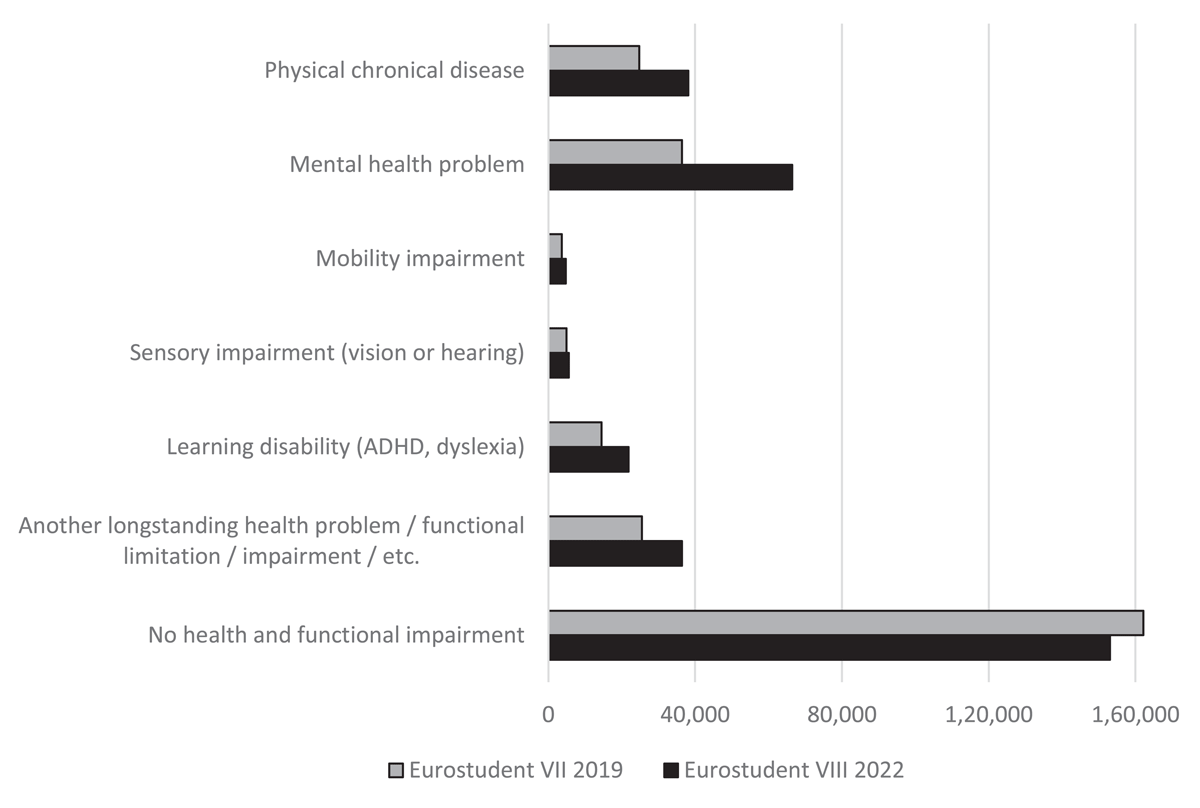
Figure 1
Health and functional impairments reported by students and estimated population size in EUROSTUDENT surveys in Finland in 2019 and 2022.
2.2. Positive experiences
However, students’ experiences of distance learning during the pandemic were not all negative. Some students reported positive experiences of increased happiness, adaptability, time and freedom, slow lifestyle, creativity, productivity, focus, and the opportunity to spend more time with family (Armstrong-Mensah et al. 2020; Sharaievska et al. 2022). Students reporting greater feelings of belonging and mattering also presented more positive reactions and learning adaptability (Besser, Flett & Zeigler-Hill 2022). Adaptability and students’ engagement were related to academic performance and psychological well-being in higher education (Besser, Flett & Zeigler-Hill 2022; Holliman et al. 2021; Martin, Collie & Nagy 2021). A study of first-year university students found that, during the pandemic, they experienced less stress, as well as fewer symptoms of depression and insomnia (Simon, Kiss-Tóth & Fodor 2023).
For some students, the transition to online education was smooth, facilitated by factors such as access to online materials before the pandemic, proficiency in technical skills, prior experience with online teaching or learning, and established infrastructure (Ghazi-Saidi et al. 2020). There were also positive changes in habits and mindsets, such as taking care of one’s own health and participating in sports (Aristovnik et al. 2020). Some perceived their academic performance as having improved during the pandemic as a result of changed learning strategies and new habits (Gonzalez et al. 2020). Also, resilience positively and significantly predicted positive orientation and academic achievement (Ghanizadeh 2022).
Studies conducted in Finnish higher education also revealed positive experiences of distance learning during the pandemic. Increased flexibility provided students with broader study opportunities and modes of study, making it easier to balance studies and other responsibilities (Toivonen & Mäkikangas 2022). Sarasjärvi et al. (2022) found that students who reported higher levels of mental well-being experienced less academic stress and had fewer concerns related to the pandemic. These students were also more satisfied with the information and procedures provided by HEIs and the government. Furthermore, students’ skills developed as the pandemic progressed. According to Salmela-Aro et al. (2022), students experienced challenges related to distance learning—such as planning daily schedules and using digital tools—at the onset of the pandemic, as they were still adjusting to the restrictions caused by it. As the pandemic advanced, they acquired new skills to cope with the challenges of daily life and distance learning, and the influence of such demands on their study burnout decreased. Instead, the significance of psychological needs, such as the need for belongingness, was emphasized.
3. The Present Study
Most of the positional and empirical papers on the effects of COVID-19 on higher education students concentrate on the negative effects. Lack of social contacts and especially peer interaction, solitude in studies, loss of motivation, decrease in academic achievements, etc., characterize this line of research (e.g., Hasan & Bao 2020; Pelikan et al. 2021; UNESCO 2020). Moreover, many studies have been limited to the experiences of students in a single institution (e.g., Conrad et al. 2022; Fabian et al. 2022; Maatuk et al. 2022) or a course (e.g., Barreda-Ángeles, Horneber & Hartmann 2023; Norz et al. 2023), which can, for example, emphasize the effect of an individual teacher or a field of study. However, in countries with an existing culture of online education and distance learning, one may also encounter positive aspects of the online transition. Nevertheless, considering the increasing diversity of higher education students, far too little attention has been paid to the characteristics of students who benefited or who struggled during the rapid shift to online education. From the perspective of digitalization and developing higher education, it is crucial to understand why the same shift caused serious difficulties for some students while others benefited (Goman et al. 2021). Thus, the present study seeks to address this research gap by providing a comprehensive cross-sectional analysis of 35 HEIs and on the broad higher education student population level in a digitally advanced country, Finland. This systematic, large-scale approach provides a possibility to identify similarities across institutions, disciplines, and technologies. In this article, we report the perceptions of Finnish higher education students on digitalization of studies during the COVID-19 pandemic by using data from the EUROSTUDENT 8 survey.
The study addressed the following three research questions (RQs):
RQ1: How students perceived the digitalization of studies during the pandemic?
RQ2: What characterizes the positive and negative perceptions on digitalization of studies?
RQ3: How perceptions of students with health and functional impairments differ from other students?
3.1. Context of the study
Finnish higher education uses a dual model, consisting of two types of institutions: academically oriented universities and more vocationally oriented universities of applied sciences (UASs). Universities engage in scientific research and offer research-based education. They award bachelor’s, master’s, and post-graduate (i.e., licentiate and doctoral) degrees. In contrast, UAS studies are more practical and professionally oriented to respond to the needs of the labor market, focusing on vocational training and applied research. UASs mainly award bachelor’s degrees, but some also award master’s degrees. There are a total of 14 universities and 24 UASs in Finland (Ministry of Education and Culture of Finland 2024). HEIs have considerable pedagogical freedom and autonomy in organizing their teaching (Tuomainen 2023a). Additionally, there is significant heterogeneity among institutions, for example, regarding degree levels, fields of study, and student enrolment numbers. HEIs are primarily funded by the state, which also regulates the provisions for the degrees and the number of the student places. Higher education is mainly accessed through entrance exams. The Finnish higher education system is one of the most competitive in the world (Isopahkala-Bouret 2019). In 2024, two-thirds of the annual applicants were not granted admission (Finnish National Agency for Education 2024). Degree-granting education is free of charge for citizens of EU member states and the European Economic Area.
The EUROSTUDENT project has collected and analyzed comparable data on European higher education students’ social and economic conditions since 2000, and the results are utilized for the development of higher education and to support decision-making (The EUROSTUDENT Project 2022). The project is funded by the participating countries, the European Union, and the German Federal Ministry of Research, Technology, and Space. A consortium of seven member organizations manages the project, with the German Centre for Higher Education Research and Science Studies (DZHW) serving as the lead coordinator.
The eighth round of the survey, EUROSTUDENT 8, was conducted simultaneously in 25 European countries in spring 2022, two years after the start of the pandemic. The survey investigated various aspects, including applying to enter higher education, study conditions, time management, and livelihood. Data were gathered with an extensive online questionnaire of over 100 questions. Within the scope of this dataset, the present study focuses on exploring students’ perceptions of studying during the pandemic.
In Finland, the EUROSTUDENT 8 survey was carried out in cooperation between the Ministry of Education and Culture and Statistics Finland. Statistics Finland collected the Finnish data and was responsible for their processing (Saari, Koivuranta & Nevalainen 2023, p. 8). Stratification was used in the sampling to ensure the representativeness of the sample at the national level and consequently promote the accuracy of comparisons across specific fields of education (Saari, Koivuranta & Nevalainen 2023, p. 10). To fully account for the sampling design, all statistical analyses of the data were survey weighted. The sampled students were invited to participate in the study by email, followed by reminders sent by email, text message, and, to correct the bias in the non-response rate, postal mail to representatives of under-represented student groups (Saari, Koivuranta & Nevalainen 2023, pp. 12–13).
The data collection took place from mid-March to the end of May in 2022. At that time, Finnish HEIs were gradually transitioning back to in-person teaching. However, the extent of this transition varied depending on the region, specific HEI, and field of study.
4. Materials and Methods
4.1. Participants
The empirical data of the study are the Finnish subset collected as part of the EUROSTUDENT 8 survey. The data used in this study are based on a sample of responses from 6,839 students of Finnish HEIs (n = 35), representing a population of nearly 290,000 higher education students, which covers ca. 89% of all higher education students in Finland (Tilastokeskus 2023). Some statistics describing the composition of the sample are shown in Table 1.
Table 1
Descriptive sample statistics (n = 6,839).
| VARIABLE | % |
|---|---|
| Type of HEI | |
| University | 47.6 |
| University of Applied Sciences | 52.4 |
| Age | |
| under 21 | 12.3 |
| 22–25 | 26.9 |
| 26–29 | 26.9 |
| 30–39 | 19.6 |
| over 40 | 14.4 |
| Enrolled at HEI | |
| before COVID-19 outbreak | 55.9 |
| after COVID-19 outbreak | 43.9 |
| Field of education (ISCED-10) | |
| Education | 5.5 |
| Humanities and arts | 14.4 |
| Social sciences, journalism, and information | 6.1 |
| Business, administration, and law | 13.5 |
| Natural sciences, mathematics, and statistics | 4.5 |
| Information and Communication Technologies | 8.3 |
| Engineering, manufacturing, and construction | 14.5 |
| Agriculture, forestry, fisheries, and veterinary | 10.1 |
| Health and welfare | 17.3 |
| Services | 5.9 |
| Health and functional impairment | |
| Yes | 46.6 |
| No | 53.4 |
| Type of health and functional impairment | |
| Physical chronic disease | 13.3 |
| Mental health problem | 23.1 |
| Mobility impairment | 1.7 |
| Sensory impairment (vision or hearing) | 2.0 |
| Learning disability (ADHD, dyslexia) | 7.6 |
| Another longstanding health problem/functional limitation/impairment/etc. | 12.7 |
| Parent of a child younger than 18 years old | |
| Yes | 18.4 |
| No | 81.6 |
4.2. Measures
The measures of the EUROSTUDENT 8 survey that were relevant to the research questions, depicting studying during the pandemic and the available background information, were selected for analysis. Based on previous studies highlighting students’ perceptions of studying during the pandemic (e.g., Conrad et al. 2022; Ghazi-Saidi et al. 2020; Han & Geng 2023; Holzer et al. 2021; Juntunen et al. 2022; Näykki et al. 2023), the following study variables from the EUROSTUDENT 8 survey were selected for the analysis: study duration, academic achievement, study motivation, teaching quality, and interaction with peers. The variables used a 5-point Likert scale (1 = very negative impact; 5 = very positive impact). The background variables from the EUROSTUDENT 8 survey were classified into three broad groups: digitalization of teaching, learning, and student life; external factors; and demographic factors (see Table 2 for detailed information). Our analysis particularly highlights the characteristics of students who perceived studying during the COVID-19 pandemic more positively compared to other times. Also, given the increased diversity among higher education students and particularly the increase of mental health challenges highlighted by several studies, this study explored how perceptions of students with health and functional impairments differ from those of other students. See Table 3 for research questions and methods used.
Table 2
Groups of explanatory background variables.
| GROUP NAME | VARIABLES |
|---|---|
| Digitalization of teaching, learning, and student life | Importance of computers, digital devices, and tools in studies Importance of computers, digital devices, and tools in everyday life Sufficiency of professional digital skills in studies Desire for in-person or online teaching and learning Satisfaction with the digital availability of administrative services Satisfaction with the digital availability of counselling services Satisfaction with the digital availability of online exams Satisfaction with the digital availability of recorded courses/lectures Satisfaction with the digital availability of required study materials Weekly personal study time (e.g., preparation, studying, and homework) Weekly time on taught studies (lessons, seminars, labs, tests, live online courses of study program, etc.) |
| External factors | Balancing studies with other responsibilities Financing living expenses Employment/paid work situation Financing studies |
| Demographic factors | Age Field of study Type of HEI Enrolled as a student in higher education before/after pandemic Health and functional impairment Child under 18 years of age |
Table 3
Research questions and methods used.
| RESEARCH QUESTION | VARIABLES | METHOD | RESULTS |
|---|---|---|---|
| RQ1: How students perceived the digitalization of studies during the pandemic? | Study variables
| Hierarchical cluster analysis | Clusters A, B, and C |
| RQ2: What characterizes the positive and negative perceptions on digitalization of studies? RQ3: How perceptions of students with health and functional impairments differ from other students? | Background variables, i.e., selected variables of following groups:
| Binary logistic regression (method: enter) | Significant predictors for clusters A and C |
| Significant predictors of the background variables | Binary logistic regression (method: forward stepwise) | Final results for clusters A and C |
4.3. Data analysis
The purpose of the data analysis is to, first, identify those parts of the student population who either suffered or benefited from increased digitalization and online activities during the pandemic. For this purpose, we first divided the population into subsets, which encapsulated the general student perception profiles. This was accomplished using clustering, which is an explorative, unsupervised machine learning and pattern recognition method that divides a specific dataset into groups (clusters) based on the intrinsic characteristics or similarity (Hämäläinen, Jauhiainen & Kärkkäinen 2017; Jain, 2010). It is a widely applied method in educational research to establish and analyze the emerging profiles in particular phenomena (e.g., Jääskelä et al. 2021; Saarela & Kärkkäinen 2017; Saqr et al. 2023). There was a tiny number of missing observations in the selected variables, ranging from 20 to 25 out of 6,839 respondents, which were mean-imputed. Hierarchical cluster analysis was performed using Ward’s method. A visual inspection of the dendrogram describing the clustering result led to a solution with three clusters (see Figure 2).
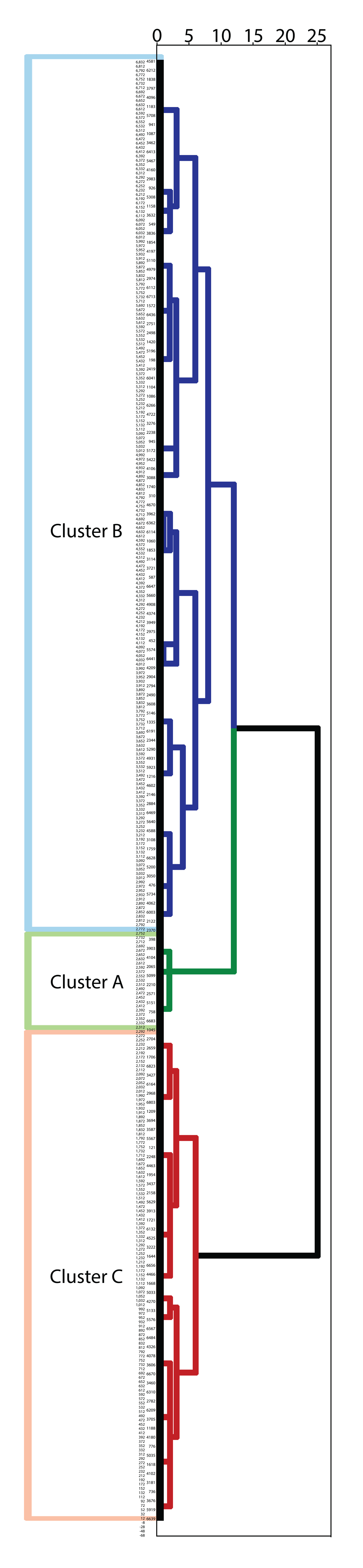
Figure 2
Dendrogram of the clusters.
In the three groups, we found one general profile closely resembling the general behavior on the whole population level, and two deviant, positive and negative, profiles (see Table 4). The positive profile reported that the pandemic had a positive effect on their studies, whereas the negative profile reported a negative effect on their studies. The descriptive statistics of the three profiles were designated as follows: Positive effect on studies (n = 448, 6.6% of the sample), Close to average effect on studies (n = 4,259, 62.3%), and Negative effect on studies (n = 2,132, 31.2%).
Table 4
Variables associated with profile memberships.
| POSITIVE EFFECT ON STUDIES (A) | GENERAL (CLOSE TO AVERAGE) EFFECT ON STUDIES (B) | NEGATIVE EFFECT ON STUDIES (C) | TOTAL | |
|---|---|---|---|---|
| Study duration* | 4.6 | 3 | 2.1 | 2.9 |
| Academic achievement* | 4.8 | 3.2 | 2 | 2.9 |
| Study motivation* | 4.6 | 2.7 | 1.6 | 2.5 |
| Teaching quality* | 3.8 | 2.6 | 1.7 | 2.4 |
| Contacts with fellow students* | 2.8 | 2 | 1.4 | 1.8 |
| n | 448 | 4,259 | 2,132 | 6,839 |
| % of n | 6.6% | 62.3% | 31.2% | 100.0% |
| Population estimate | 19,000 | 180,000 | 90,000 | 289,000 |
| % of total population | 6.6% | 62.3% | 31.1% | 100.0% |
[i] *Average population means of the profiles.
Next, to determine those background variables that characterized the positive and negative experiences in the corresponding clusters, two binary logistic regression analyses were conducted. Binary logistic regression was used instead of multinomial regression to more precisely distinguish the factors that differentiate the positive and negative profiles from the general behavior. First, a forced binary logistic regression model was estimated separately for each of the three background variable groups (Table 2). This procedure was applied to evaluate the importance of factors related to demographics, external conditions, and the digitalization of teaching, learning, and student life. All variables used in the analysis were dichotomous.
Second, a “final” logistic model consisting of only statistically significant (p < 0.05) predictors was fitted to reveal the most important explanatory background variables. The candidate predictors for this final model were selected utilizing the results from the logistic models of the three factor groups. The variables that showed p < 0.05 in the group-wise analyses were selected. From these variables, the final collection of statistically significant predictors was selected by the forward stepwise approach. In the forward stepwise model, variables are incrementally added based on their statistical significance, starting with the most significant, until no significant factors can be incorporated.
All data analyses were performed with SPSS Version 27.
5. Results
5.1. Student perception profiles
Based on the cluster analysis of the study variables, the students were divided into three groups (see dendrogram in Figure 2). Among the students, 6.6% reported that the pandemic had a positive effect on their studies (Cluster A: Positive effect on studies). The largest group, 62.3% of students, reported close to average effects (Cluster B: Close to average effect on studies), and 31.2% reported negative effects on their studies (Cluster C: Negative effect on studies). Table 4 shows descriptive statistics of these profiles for variables used in the clustering. Figure 3 illustrates the between-profile differences graphically.
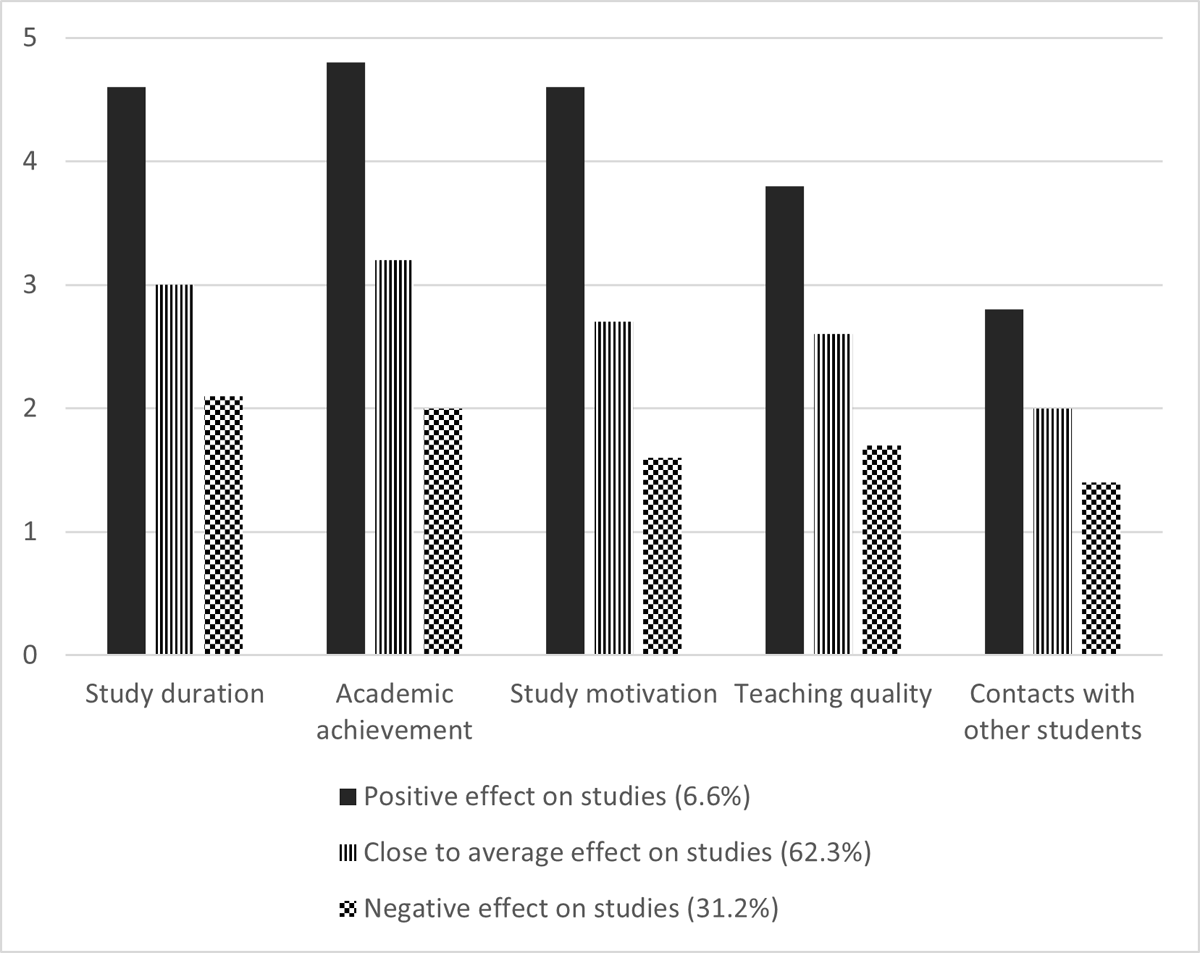
Figure 3
Profile differences in students’ perceptions on effects of the COVID-10 pandemic on study duration, academic achievement, study motivation, quality of teaching, and contacts with other students.
Positive effect on studies. The clustering highlighted a small group of students (n = 448, population estimate of circa 19,000 students, 6.6% of the population) who reported positive effects of the pandemic on their studies. This profile included individuals with high values in all considered variables. They perceived that the pandemic had a more positive effect on all five aspects of their studies compared to the other two groups. They perceived the changes during the pandemic as having reduced the duration of their studies and improved their academic performance and the quality of teaching. They also experienced an improvement in their study motivation and enhanced communication with other students.
Close to average effect on studies. The majority, or more than 60% of students (n = 4,259, circa 180,000 students in the population), belonged to the group which coincides with close-to-average views. These students’ perceptions of the effects of the pandemic on their studies were neutral or slightly more positive than average.
Negative effect on studies. Almost one third, or more than 30% of students (n = 2,132, circa 90,000 students in the population), belonged to the cluster designated as Negative effect on studies. Students in this group had scores below the population means in all the variables used in clustering. The students felt that the changes brought about by the pandemic had increased the length of their studies and reduced their academic performance and the quality of teaching. Specifically, they experienced a decrease in their study motivation and found it more challenging to communicate with peers.
5.2. Characterization of deviant profiles
Next, the two deviant profiles identified through clustering, which differ from the general profile, are presented in more detail. Also, the factors characterizing each profile are described.
5.2.1. Positive effect on studies
Table 5 shows the factors that, according to the logistic regression analysis, are statistically significantly associated with membership in the Positive effect on studies profile (cluster A), hereafter referred to as the positive profile, as compared to the general profile. The presentation of variables follows a descending order of significance, based on the sequence in which the variables were included in the forward stepwise binary logistic regression. As measured with the Nagelkerke R2, these factors explained 21.4% of the variation.
Table 5
Results of forward stepwise binary logistic regression of the profile Positive effect on studies.
| FACTOR STEP 12 R2 (NAGELKERKE) = 0.214 (N = 4,250) | REGRESSION COEFFICIENT B | SE | ODDS RATIO (OR) | 1/OR |
|---|---|---|---|---|
| Desire for online teaching and learning | –1.42*** | 0.14 | 0.24 | 4.15 |
| Balancing studies with other responsibilities | 1.65*** | 0.19 | 5.19 | 0.19 |
| Satisfaction with digital availability of counselling services | 0.50*** | 0.12 | 1.64 | 0.61 |
| Experiencing professional digital skills sufficient compared to what is required in studies | –0.78*** | 0.13 | 0.46 | 2.18 |
| Using 0–10 hours per week on personal study timea | –0.89*** | 0.14 | 0.41 | 2.44 |
| Using 11–20 hours per week on personal study timea | –0.72*** | 0.13 | 0.49 | 2.05 |
| Financing living expanses | 0.70*** | 0.18 | 2.01 | 0.50 |
| Satisfaction with digital availability of required study materials | 0.49*** | 0.13 | 1.64 | 0.61 |
| Satisfaction with digital availability of recorded courses/lectures | –0.29* | 0.12 | 0.75 | 1.34 |
| Age under 21 years | –0.63** | 0.23 | 0.53 | 1.88 |
| Studying education | –0.70* | 0.28 | 0.50 | 2.02 |
| Studying in a university | –0.23* | 0.12 | 0.80 | 1.26 |
[i] aPreparation, studying, and homework.
*p < 0.05; **p < 0.01; ***p < 0.001.
All variables used in the analysis were dichotomous. The variables are presented in descending order of importance, based on the sequence in which the variables were included in the forward stepwise binary logistic regression.
Of all variables, preferring online teaching and learning compared to in-person education showed the strongest effect on the likelihood of the positive profile. In contrast, looking at other student-related factors, being under 21 years old, studying education, feeling confident in their professional digital skills, and dedicating a maximum of 20 hours per week to independent study decreased the likelihood of the positive profile. Specifically, 28% of students in the positive profile reported perceiving their professional digital skills as insufficient for the demands of their studies, compared to 19.5% in the Close to average effect in studies profile, referred to as the reference profile.
Regarding life situation, students in the positive profile perceived that the pandemic had enhanced their ability to finance their living expenses. Also, their ability to balance studies and other responsibilities had improved, the odds being more than five times larger compared to the reference profile.
When looking at institutional factors, studying in a university and being satisfied with the digital availability of counseling services and study materials increased the likelihood of belonging to the positive profile. In contrast, being satisfied with the digital availability of recorded courses/lectures decreased the likelihood of belonging to the positive profile.
5.2.2. Negative effect on studies
Table 6 shows the factors statistically significantly associated with membership in the Negative effect on studies profile (cluster C), referred to as the negative profile. The variables are presented in Table 6 in descending order of significance, based on the sequence in which the variables were included in the forward stepwise binary logistic regression. As measured with the Nagelkerke R2, these factors explained 31.4% of the variance.
Table 6
Results of forward stepwise binary logistic regression of the profile Negative effect on studies.
| FACTOR STEP 17 R2 (NAGELKERKE) = 0.314 (N = 6,114) | REGRESSION COEFFICIENT B | SE | ODDS RATIO (OR) | 1/OR |
|---|---|---|---|---|
| Balancing studies with other responsibilities | –1.22*** | 0.07 | 0.30 | 3.38 |
| Desire for in-person teaching and learning | 1.00*** | 0.07 | 2.72 | 0.37 |
| Financing ones’ studies | –0.52*** | 0.08 | 0.59 | 1.68 |
| Satisfaction with digital availability of administrative services | 0.38*** | 0.07 | 1.47 | 0.68 |
| Satisfaction with digital availability of recorded courses/lectures | 0.24** | 0.07 | 1.27 | 0.78 |
| Studying in a UAS | 0.56*** | 0.07 | 1.75 | 0.57 |
| Enrolled as a student in higher education in the lecture period 2019/20 (i.e., last period before pandemic) | –0.42*** | 0.07 | 0.66 | 1.52 |
| Age over 40 years | –0.71*** | 0.11 | 0.49 | 2.04 |
| Mental health problem | 0.28*** | 0.07 | 1.32 | 0.76 |
| Learning disability (e.g., dyslexia) | 0.46*** | 0.11 | 1.58 | 0.00 |
| Studying business, administration, or law | –0.32*** | 0.09 | 0.73 | 1.38 |
| Finding computers, digital devices, and tools important in studies | –0.58** | 0.17 | 0.56 | 1.79 |
| Satisfaction with digital availability of online exams | 0.25*** | 0.07 | 1.28 | 0.78 |
| Satisfaction with digital availability of counselling services | 0.23** | 0.07 | 1.25 | 0.80 |
| Age 30–39 years | –0.28** | 0.09 | 0.75 | 1.33 |
| Experiencing professional digital skills sufficient compared to what is required in studies | –0.22** | 0.08 | 0.80 | 1.25 |
| Financing living expenses | –0.19* | 0.08 | 0.83 | 1.21 |
[i] *p < 0.05; **p < 0.01; ***p < 0.001.
All variables used in the analysis were dichotomous. The variables are presented in descending order of importance, based on the sequence in which the variables were included in the forward stepwise binary logistic regression.
When looking at student-related variables, the negative profile was characterized by students who preferred in-person education, with the odds of belonging to this profile group instead of the reference group being almost three times higher compared to those who preferred online education. Students who were enrolled in higher education before the COVID-19 pandemic, and those with mental health issues or learning disabilities, were also more likely to fall into the negative profile. Conversely, being over 30 years of age, studying business, administration, or law, finding digital tools important in their studies, and feeling confident in their professional digital skills decreased the likelihood of belonging to the negative profile. However, a closer examination revealed that students who did not find digital tools important in their studies constituted only 4.8% of the negative profile.
In terms of life situation, those in the negative profile reported that the pandemic had reduced their ability to finance studies and living expenses. Of all the variables, experiencing the pandemic’s negative effects on balancing studies with other responsibilities showed the strongest effect on the likelihood of this profile.
Regarding institutional factors, students from UASs had almost twice the odds of being in the negative profile compared to the reference profile. Dissatisfaction with the digital availability of administrative services, recorded courses/lectures, online exams, or counseling services also increased the likelihood of the negative profile.
6. Discussion
This study explored Finnish higher education students’ perceptions of studying during the COVID-19 pandemic. It examined: first, how students perceived the digitalization of studies during the pandemic (RQ1); second, the characteristics of the perceived positive and negative effects on digitalization of studies (RQ2); and third, how perceptions of students with health and functional impairments differ from other students (RQ3).
Before discussing students’ perceptions and the characteristics of the two deviant profiles, it is worth noting that the profiles identified in the present study are consistent with the previous findings of Toivonen and Mäkikangas (2022). In their study, three well-being groups were identified among Finnish higher education students during the pandemic: engaged (38%), engaged–exhausted (36%), and exhausted (26%). Overall, students’ diverse experiences illustrate the complex and varied effects that the pandemic and the transition to distance learning had on their well-being and academic progress.
RQ1: How students perceived the digitalization of studies during the pandemic?
Student clusters were created using variables that, according to previous research, affected students’ perceptions during the pandemic: study duration, academic achievement, study motivation, teaching quality, and communication with peers. Cluster analysis found two deviating profiles in addition to a general reference profile. The most interesting finding was the first profile, which indicated positive perceptions of all examined dimensions. It revealed a relatively small but noteworthy group of students who reported that their studies had accelerated, academic achievement improved, study motivation increased, the quality of teaching enhanced, and communication with other students improved during the pandemic. The second, negative profile had opposite experiences, indicating that the changes brought about by the pandemic had a negative effect on all examined factors. The negative profile corresponds to the main bulk of the reports depicting perceptions of higher education students during the COVID-19 pandemic (e.g., Aristovnik et al. 2020; Hasan & Bao 2020; Oliveira et al. 2021; Salmela-Aro et al. 2022; Sharaievska et al. 2022).
RQ2: What characterizes the positive and negative perceptions on digitalization of studies?
Second, a detailed examination of the background variables was conducted to discover what characterizes the perceived positive and negative profiles (RQ2). Communication with other students received the lowest average score in all profiles, which supports previous research underlining Finnish students’ experiences of loneliness and the longing for informal social interactions (Näykki et al. 2023). In the previous studies, feelings of belonging were linked to more positive reactions and better learning adaptability (Besser, Flett & Zeigler-Hill 2022), and interaction in online classes positively influenced the amount of self-directed study time (Gherghel, Yasuda & Kita 2023). Therefore, it is important to develop pedagogical methods and digital tools that foster social interaction and peer support among students in online education.
Of all examined factors, the largest difference between the positive and negative profiles was in study motivation. Several studies reported the loss of study motivation during the pandemic (Ghazi-Saidi et al. 2020; Hasan & Bao 2020; Oliveira et al. 2021). Also, according to Koivuranta (2023), in the EUROSTUDENT 8 survey, study motivation was reported by both university and UAS students as the most common factor (41%) slowing down their studies. Interestingly, there is a clear difference compared to the previous EUROSTUDENT VII study in 2019, when the most commonly reported slowing factors were the demanding nature of the studies (31%), employment (30%), and study motivation (26%) (Koivuranta 2023). However, the results of the present study revealed that some students benefited from the independence and flexibility of online learning and were able to adapt to the rapid changes and maintain or even increase their motivation. Overall, adaptability and resilience have been identified as significant predictors of positive orientation and academic success during the pandemic (Ghanizadeh 2022).
Students’ perceptions of teaching quality varied; however, they received the second-lowest scores in the positive and reference profiles, and the third-lowest score in the negative profile. The study of Finnish university students by Tuomainen (2023b) indicated that perceptions of teaching quality shifted notably due to the COVID-19 pandemic. Before the pandemic, students emphasized pedagogical proficiency, teachers’ personal attributes, and the general learning environment. In contrast, post-pandemic, the focus turned to clarity, engagement, and the mode of teaching, whether online or in-person. It is important to note that the EUROSTUDENT 8 survey assessed students’ perceptions and not the actual quality of teaching. However, it can be assumed that the results mirror the varied success of HEIs and teachers in adapting to online education. Online courses in higher education frequently experience student disengagement and drop-outs (Mazman Akar 2024), which could be mitigated through carefully planned courses and activities (Vilhunen et al. 2025). However, during the sudden and unplanned shift to online mode, there was insufficient time for meticulous planning and design (Bao 2020; Hodges et al. 2020). As a comprehensive cross-sectional study, EUROSTUDENT 8 offers an extensive view of these perceptions, without highlighting individual teachers or courses. Conrad et al. (2022) further support that students’ perceptions of teaching quality affect their online learning experiences.
The positive and negative profiles differed in terms of academic achievement and study duration. In general, students who struggled with distance learning, the disruption of daily routines, and time management faced a risk to their academic performance (UNESCO 2020). In contrast, those who adopted new habits and learning strategies improved their academic performance (Gonzalez et al. 2020) and thus accelerated their studies during the pandemic. Academic achievement and study duration are influenced by many factors, including the student’s personal circumstances. Previous literature has indicated that life satisfaction has a positive effect on young adults’ study engagement (Upadyaya & Salmela-Aro 2017). However, balancing personal and academic roles in the exceptional circumstances of the pandemic caused challenges for higher education students (Ghanizadeh 2022). In the present study, the perceived imbalance between studies and other responsibilities was the most significant factor for the negative profile. There are several possible interpretations for this result. First, it can indicate an increased academic workload. Another possible explanation is a decline in personal life recovery strategies, as leisure activities, including social interactions, hobbies, work, and travel, were restricted. Also, students in the negative profile reported that financing studies and living expenses became more difficult due to the pandemic. One explanation can be the Finnish higher education system, where state-funded study grants depend on academic performance, and a drop in academic performance can therefore lead to financial difficulties. On the other hand, students in the positive profile reported that the pandemic had enhanced combining studies with other responsibilities and funding their living expenses. There can be several explanations for this trend. For example, some students reduced living costs by moving back to their parents’ homes. Also, students who were already living in different locations due to, e.g., family or work commitments saved time and travel expenses because of online learning.
Unexpectedly, students in both the positive and negative profiles found their professional digital skills insufficient for the demands of their studies. Surprisingly, a slightly higher proportion of the positive profile, compared to the negative or reference profiles, reported this view. However, it is notable that two students with similar digital skill levels may evaluate their own proficiency very differently, e.g., due to discipline-specific requirements (Saari, Koivuranta & Nevalainen 2023). Therefore, this rather surprising finding can have multiple interpretations. One explanation can be that students in the negative profile faced challenges in their studies due to insufficient digital skills. Conversely, students in the positive profile may have had insufficient digital skills, but because their studies progressed, they perceived the effects of the pandemic positively. At the same time, some students may have felt a false perception that their skills were insufficient because they wished to be even more proficient. Nevertheless, the EUROSTUDENT 8 survey did not examine students’ digital competences, and thus, the actual skill levels cannot be assessed based on this dataset. However, these findings suggest that even in a digitally advanced country, many students felt their digital skills were insufficient, and some experienced difficulties due to the rapid transition to online education. Also, a cross-national study across six countries globally suggested that the digital divide among HE students was characterized more by proficiency with technology rather than by physical access to adequate technology (Bartolic et al. 2022).
The results of the current study also revealed differences specific to fields of education. In business, administration, and law programs, the emphasis is typically on independent study and exams. As a result, the online transition was less fundamental, and students in these fields were less likely to view the pandemic’s effects negatively. In contrast, education programs, such as teacher training, traditionally rely on in-person instruction, and education students were less likely to view the effects of the pandemic as positive. Accordingly, when considering the types of HEIs, UAS students were more likely to perceive the effects of the pandemic as negative, whereas university students were more likely to perceive them as positive. UAS studies and degrees are more practical and professionally oriented than university studies, typically involving more in-person teaching compared to the universities with mass lectures.
Students’ age appeared to affect their perceptions of studies. Prior studies have noted the particularly heavy burden that the first year of higher education imposes on students, who find themselves in a completely new life situation (Conley et al. 2020). According to Bohman et al. (2024), students who first enrolled at a university in 2020 experienced higher stress and a more significant decline in life satisfaction. The results of this study support previous research, as younger students were less likely to perceive the effects of the pandemic on their studies positively. However, there are also contradictory findings from the period of the lockdown (Simon, Kiss-Tóth & Fodor 2023). By contrast, older students were less likely to perceive them negatively, which can indicate that they already had family and/or work commitments, making the flexibility of online learning suitable for their life circumstances. For them, studies may have played a smaller role in their lives, making the change of study modes less important.
RQ3: How perceptions of students with health and functional impairments differ from other students?
The present study also examined how perceptions of students with health and functional impairments differed from other students (RQ3). Previous literature has reported both positive and negative experiences of students with health and functional impairments during the pandemic (Aslan & Yalçın 2023; Goegan, Le & Daniels 2022; Lazar 2022; McMaughan et al. 2021). It is notable that almost one in two students (46.6%) reported one or more health and functional impairments in the present study, and there was an increase in the figures in the EUROSTUDENT surveys from 2019 to 2022 (Laamanen et al. 2023).
However, only two groups of the impairments emerged as significant factors in the negative profile: mental health issues and learning disabilities, which include a wide range of challenges such as attention-deficit hyperactivity disorder (ADHD) and dyslexia. The previous research had primarily examined students with learning disabilities during face-to-face learning on campus rather than in online education, even if the social integration is known to be particularly important in the academic success (Goegan, Le & Daniels 2022). Studies conducted during the pandemic suggest that, among others, inaccessible digital tools and a lack of reasonable accommodations hindered their studies (Petretto et al. 2021). Also, in particular, students with dyslexia reported higher levels of stress and difficulties adjusting to the workload and pace of their studies (Zawadka et al. 2021). In Finnish HEIs, the need for support increased most among students with learning disabilities during the pandemic (Goman et al. 2021, p. 134).
Notably, both mental health issues and learning disabilities are referred to as invisible or hidden disabilities (Vergunst & Swartz 2022). These disabilities interfere with cognitive processes, but are rarely physically apparent, and often go unrecognized by the university staff (Couzens et al. 2015). Many students with invisible disabilities choose not to disclose their health and functional impairments for various reasons, such as fear of negative reactions (e.g., Moriña 2024; Svendby 2020). Specifically, students with mental health issues are at risk of cultural stigmatization (Cunnah 2015). Therefore, it is important for HEIs to acknowledge that some students may choose not to disclose their challenges, even though they may still require support (Grimes et al. 2019).
Altogether, the findings of the present study support previous research indicating that young people and the student population were at high risk for mental health issues during the pandemic (e.g., Ochnik et al. 2021). A Finnish study also found that students with disabilities experienced higher levels of stress, loneliness, and a heavier study workload during the pandemic (Holm et al. 2025). Overall, students with health and functional impairments have varying needs and preferences, and their wishes should be listened to and addressed individually.
7. Conclusions and Practical Implications
This study confirms the findings presented in the background section on the remarkably different, even contradictory, student perceptions during the pandemic. According to the previous studies, higher education students experienced exhaustion, psychological stress, and loneliness (Näykki et al. 2023; Salmela-Aro et al. 2022). However, some students also had positive experiences, such as increased happiness and freedom (Armstrong-Mensah et al. 2020; Sharaievska et al. 2022) and improved academic performance (Gonzalez et al. 2020). The results of this study indicate that students’ perceptions were shaped by various factors, such as personal circumstances (e.g., family, work, and health), learning preferences, educational field, institutional type, and organizational factors such as access to digital resources. Additionally, the global pandemic and associated uncertainties influenced their views (e.g., Aristovnik et al. 2023).
The present study was conducted in Finland, one of the most digitally advanced countries in Europe. Surprisingly, the study revealed that students in both the positive and negative profiles felt their professional digital skills were insufficient for academic demands. These results imply that HEIs should not assume that students have adequate digital skills, but rather, offer training and support to help them develop these skills.
From the perspective of digitalization and developing higher education, it is important to understand why some students encountered serious difficulties and dropped out, while others benefited from the flexibility of online learning (Goman et al. 2021). The knowledge gained through the COVID-19 pandemic will help HEIs build a more adaptable and resilient higher education system capable of addressing unforeseen challenges (Aristovnik et al. 2023). Also, according to Salmela-Aro et al. (2023), the effects of the pandemic on higher education are linked to future working life, as well-being during the study phase predicts career satisfaction and workplace well-being. A successful educational path promotes work ability and general well-being, thereby increasing the likelihood of a long career.
This study provides evidence for the variation in higher education students’ perceptions and thus reveals their varying needs and preferences. The findings reveal that the students in the positive profile benefited from the independence and flexibility of online learning. By contrast, a student group of particular concern is the negative profile. Given their negative views, these students may benefit from more consistent support through counselling and other supportive practices, such as strategies for increasing their self-regulation (Sun & Rueda 2012). For both profiles, hybrid teaching could provide the possibility to choose in-person or online teaching and learning according to their preferences and needs, which may also vary depending on the time and situation. This would also accommodate the diverse needs of students with health and functional impairments.
Overall, students’ perceptions are influenced by a multitude of intertwined factors, making it difficult to design pedagogical approaches or digital solutions that would be effective for all students. Teaching quality should be systematically monitored and evaluated in HEIs, including via the collection of feedback from students. Consequently, a more nuanced understanding of individual variation and support needs is necessary, particularly in online education. HEIs should provide accessible education and support services that enable diverse students to progress smoothly in their studies. Personalized adaptive learning using educational technology provides flexibility, self-paced learning, real-time feedback, and tailored learning pathways, which support students’ academic progress, motivation, and engagement (Du Plooy, Casteleijn & Franzsen 2024). Next-generation personalized, adaptive AI-based systems that allow tailoring of learning materials to meet individual needs could potentially provide a solution to meet students’ needs (Bond et al. 2024).
8. Limitations
The present study was based on EUROSTUDENT survey, which is extensive and stable, with specific themes recurring in different survey rounds. Our research was limited to data collected during EUROSTUDENT 8. We could have been more elaborate on the characteristics of harmed and benefiting students if we had designed the questionnaire as part of the current study. Also, the EUROSTUDENT 8 survey was conducted in spring 2022, when Finnish HEIs were returning to in-person teaching at different rates. There were, e.g., regional and institution-specific differences, which might have resulted in differences in students’ perceptions.
An unexpected result of the present study relates to the self-assessment of students’ digital skills, when students in both positive and negative profiles reported having insufficient digital proficiency for the demands of their studies. It is important to note that the survey did not actually examine skill levels. However, this result raises numerous questions and suggests several directions for further research.
During the pandemic, education was primarily delivered online. In this study, students expressed a desire for diverse methods of organizing instruction in the future. However, the survey did not include an option for hybrid teaching, which would allow students situational choice and flexibility based on personal preferences, health, work, and/or family circumstances.
Overall, the differences in education systems and modes of teaching and learning influence the generalizability of this study’s results. For instance, the role of digitalization in higher education and individual HEIs before and after the pandemic affects how students have perceived the sudden switch to online education.
Data Accessibility Statement
The key indicators on all EUROSTUDENT survey topics for all participating countries are provided at EUROSTUDENT database.
Ethics and Consent
All participants provided written informed consent prior to enrolment in the study.
Competing Interests
The authors have no competing interests to declare.