
Table 1
SACS template.
| STUDENT SHOWING DISAPPROVAL ABOUT ACTIVITY | STUDENT DEMONSTRATING EXCITEMENT ABOUT ACTIVITY | STUDENT SHARING IDEAS WITH THE TEACHER | STUDENT SHARING IDEAS WITH OTHER STUDENTS | STUDENT RESPONDING TO TEACHER QUESTIONS | STUDENT ASKING QUESTIONS TO THE TEACHER | STUDENT ASKING QUESTIONS TO OTHER STUDENTS | |
|---|---|---|---|---|---|---|---|
| Student 1 | |||||||
| Student 2 | |||||||
| … | |||||||
| Student 13 |
Table 2
Lesson 1 – Introduction.
| TIME [MIN] | CONTENT, LEADING QUESTIONS | OBSERVATIONS, DATA COLLECTION | DIDACTIC CONSIDERATIONS |
|---|---|---|---|
| 0–5 | Introduction: What is prejudice? | Students type in their ideas on mentimeter. Directly over mentimeter. After the exercise, the result will be saved. | This activity encourages students to reflect on their understanding of prejudice, which is a crucial first step in addressing biases. |
| 5–10 | What are typical stereotypes about Swiss people? | Students type in their ideas on mentimeter. Directly over mentimeter. After the exercise, the result will be saved. | This activity helps students to recognize stereotypes in their own environment, which can make the concept of bias more relatable. |
| 10–15 | What are typical stereotypes about your home country? | Students type in their ideas on mentimeter. Directly over mentimeter. After the exercise, the result will be saved. | This activity allows students to reflect on their own experiences with stereotypes, which can foster empathy for others who face bias. |
| 15–25 | Watching an interview with a black Swiss and the stereotypes he is exposed to. | Students react in an open discussion. Noting the answers of the representing students. Sharp opinions or points of particular interest are noted too. | This activity exposes students to real-world experiences of bias, which can make the issue more tangible and urgent. |
| 25–35 | Watching a documentary about hatred against gay people in Switzerland. | Students react in an open discussion. Noting the answers of the representing students. Sharp opinions or points of particular interest are noted too. | This activity provides students with a broader context for understanding bias, which can help them to see the systemic nature of the problem. |
| 35–45 | Students fill out a multiple-choice sheet. The questions are about their perceived prejudice towards themselves and towards others (concerning race and sexuality). | Sheets are collected and evaluated regarding their group affiliation. | This activity gives students an opportunity to reflect on their own biases, which is a crucial step in the process of change. |
Table 3
Lesson 2 – Racism part of our culture?
| Time [min] | Content, Leading Questions | Observations, Data Collection | Didactic Considerations |
|---|---|---|---|
| 0–5 | Introduction: What is racism? | Students type in their ideas on mentimeter. Directly over mentimeter. After the exercise, the result will be saved. | This activity encourages students to define racism in their own words, which can help them to better understand the concept. |
| 5–10 | Is there racism in Switzerland? If so, where? | Students type in their ideas on mentimeter. Directly over mentimeter. After the exercise, the result will be saved. | This activity encourages students to identify instances of racism in their own environment, which can make the issue more relatable and urgent. |
| 10–15 | Have you ever felt, that people are racist towards you? | Students type in their ideas on mentimeter. Directly over mentimeter. After the exercise, the result will be saved. | This activity allows students to share their own experiences with racism, which can foster empathy and understanding among the class. |
| 15–25 | Watching an interview with a black German and the stereotypes he is exposed to. | Students react in an open discussion. Noting the answers of the representing students. Sharp opinions or points of particular interest are noted too. | This activity exposes students to the real-world experiences of individuals who face racism, which can make the issue more tangible and urgent. |
| 25–35 | Watching the short film ‘Schwarzfahrer’. Discussing the meaning behind it. | Students react in an open discussion. Noting the answers of the representing students. Sharp opinions or points of particular interest are noted too. | This activity uses a creative medium to explore the issue of racism, which can engage students on an emotional level and foster deeper understanding. |
| 35–45 | Grouping the students according to different principles, skin tone being one of them. | Noting the answers of the representing students. Sharp opinions or points of particular interest are noted too. | This activity encourages students to reflect on the arbitrary nature of racial categorizations, which can challenge their existing beliefs and assumptions. |
Table 4
Lesson 3 – Biases against LGBTQIA.
| TIME [MIN] | CONTENT, LEADING QUESTIONS | OBSERVATIONS, DATA COLLECTION | DIDACTIC CONSIDERATIONS |
|---|---|---|---|
| 0–5 | Introduction: What is homophobia? | Students type in their ideas on mentimeter. Directly over mentimeter. After the exercise, the result will be saved. | This activity encourages students to define homophobia in their own words, which can help them to better understand the concept. |
| 5–10 | Is there homophobia in Switzerland? If so, where? | Students type in their ideas on mentimeter. Directly over mentimeter. After the exercise, the result will be saved. | This activity encourages students to identify instances of homophobia in their own environment, which can make the issue more relatable and urgent. |
| 10–15 | Have you ever experienced homophobia in public? | Students type in their ideas on mentimeter. Directly over mentimeter. After the exercise, the result will be saved. | This activity allows students to share their own experiences with homophobia, which can foster empathy and understanding among the class. |
| 15–27 | Watching an interview with a group of gay men and the stereotypes they’re exposed to. An important point they mention is the difference between opinion and discrimination. | Noting the answers of the representing students. Sharp opinions or points of particular interest are noted too. | This activity exposes students to the real-world experiences of individuals who face homophobia, which can make the issue more tangible and urgent. |
| 27–35 | Showing a PowerPoint presentation with celebrities and letting the students guess, who is LGBTQ and who’s not. Observing their reaction. | The students additionally fill out a survey where they have to guess between ‘not LGBTQ’ or ‘LGBTQ’ for each celebrity. Answers collected from the online survey. Noting the answers of the representing students. Sharp opinions or points of particular interest are noted too. | This activity challenges students’ assumptions about sexual orientation, which can help them to recognize and question their own biases. |
| 35–45 | Mentimeter: Would it bother you if a friend of you came out as gay? Discuss the opinions. | Noting the answers of the representing students. Sharp opinions or points of particular interest are noted too. | This activity encourages students to reflect on their own attitudes towards homosexuality, which is a crucial step in the process of change. |
Table 5
Lesson 4 – Recap.
| TIME [MIN] | CONTENT, LEADING QUESTIONS | OBSERVATIONS, DATA COLLECTION | DIDACTIC CONSIDERATIONS |
|---|---|---|---|
| 0–5 | Question: Where do Prejudices occur? | Students type in their ideas on mentimeter. After the exercise, the result will be saved. | This activity allows students to reflect on their own experiences and perceptions of where prejudices occur, fostering critical thinking. |
| 5–10 | Question: What is your relation to prejudices? | Students type in their ideas on mentimeter. After the exercise, the result will be saved. | This activity encourages self-reflection and helps students to identify and acknowledge their own biases. |
| 10–20 | The students will do the same survey from intervention 1 again. | The answers will be saved in the online survey. | Repeating the survey allows for the assessment of any changes in students’ attitudes and perceptions following the interventions. |
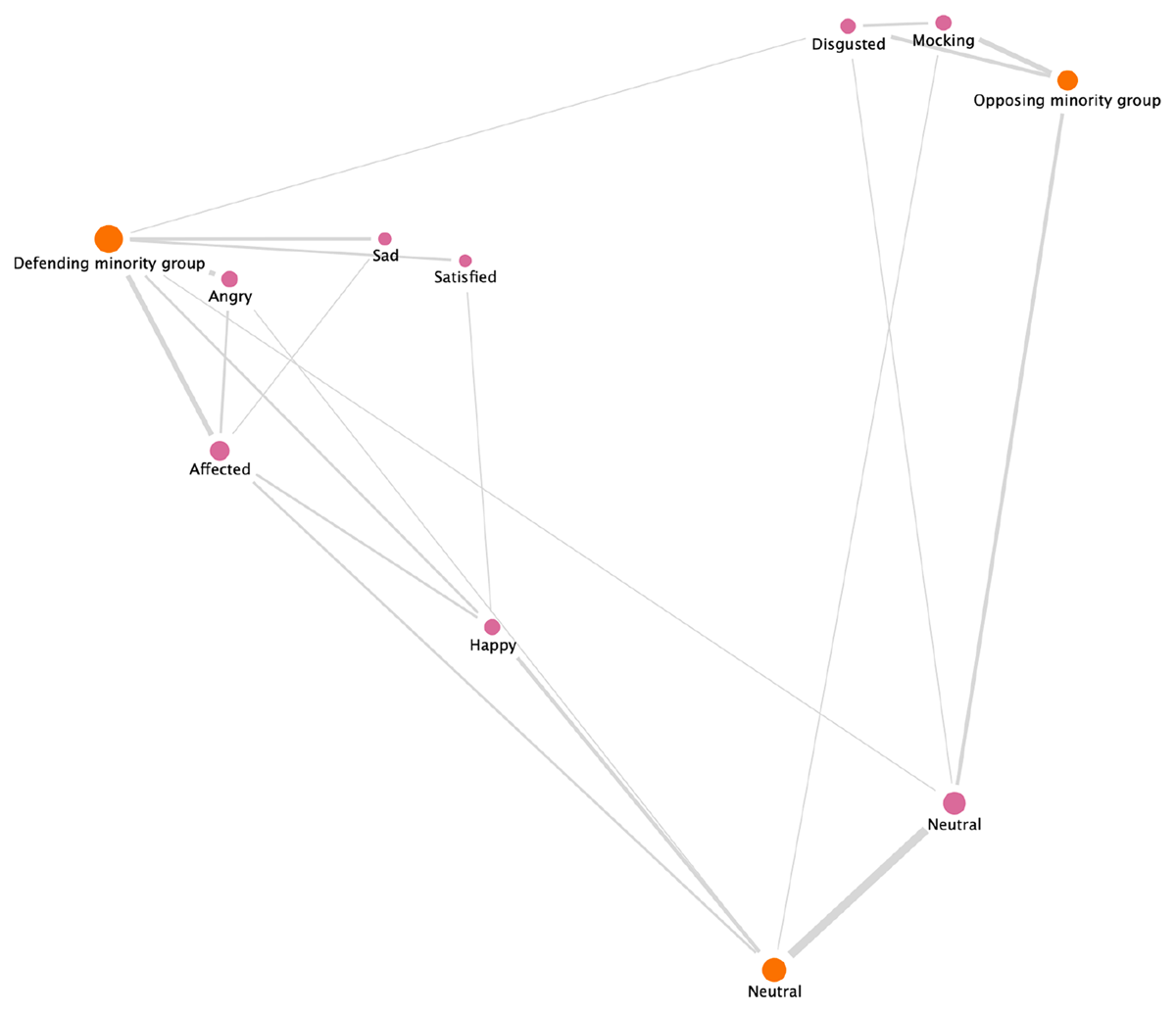
Figure 1
Class’ inclination regarding emotions.
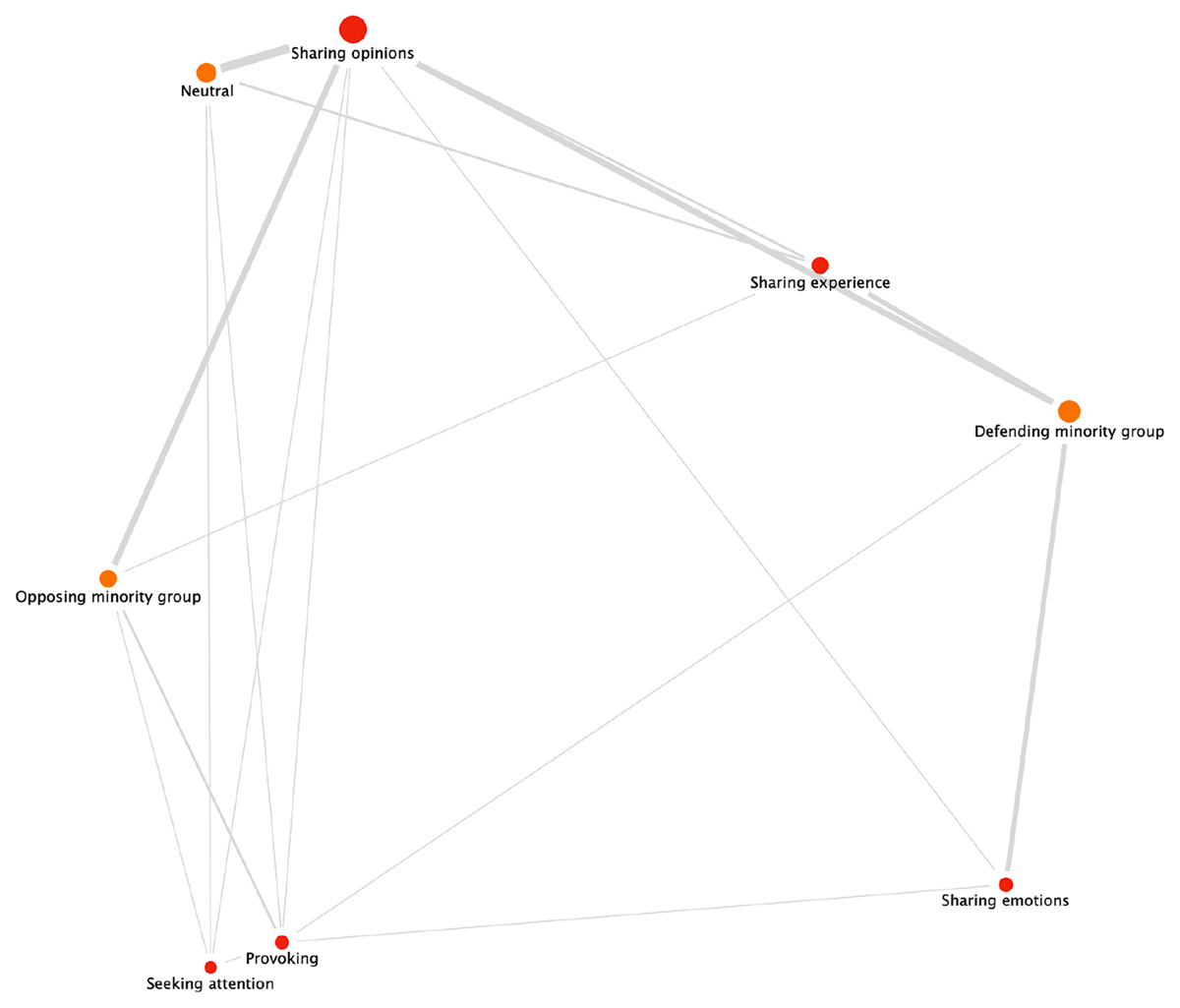
Figure 2
Class’ inclination regarding purpose of remark.
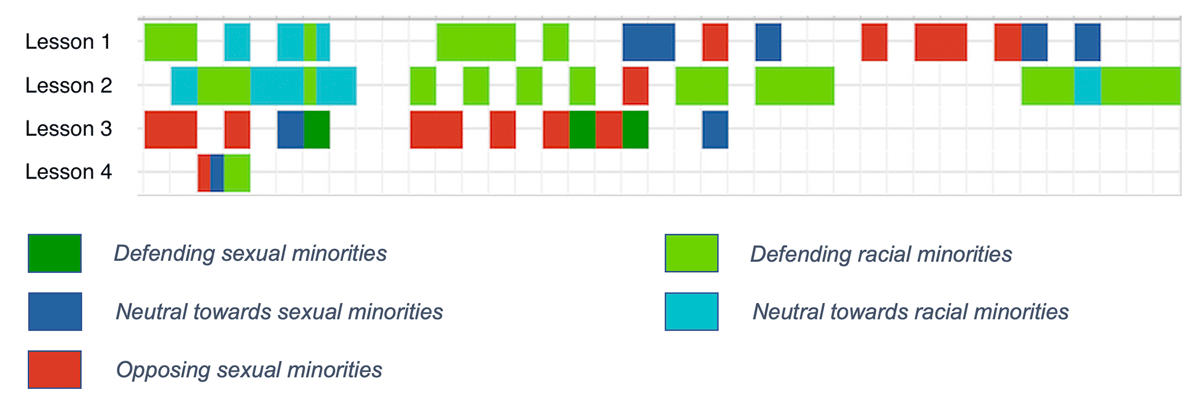
Figure 3
Class’ inclination throughout all four lessons.
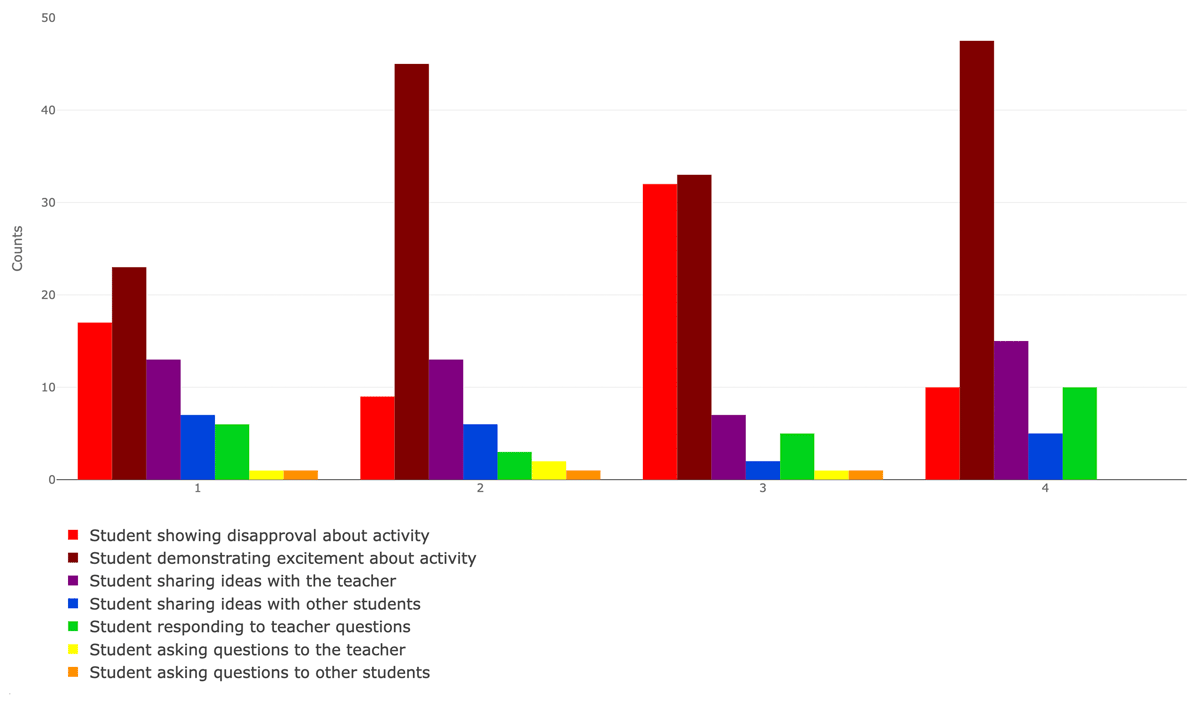
Figure 4
Students’ actions during lesson series.
Counts denote the counted occurrences of the observations in lessons 1, 2, 3, and 4, accumulated for all students.