
1. INTRODUCTION
This study is presented as a safety commentary supported by a qualitative case study, rather than an empirical evaluation of safety performance. The limited public availability of quantitative data on accidents, system reliability, and human performance in commercial suborbital spaceflight currently limits the viability of statistically robust risk modeling. Consequently, the case study is not intended to predict failure probabilities, but to demonstrate how established safety-management methodologies can be applied to systematically examine catastrophic hazards and associated regulatory gaps during the industry’s learning period.
1.1. Objectives of the study
Regulations and Legal Context: Present the regulatory framework for suborbital flights emphasizing critical safety-related areas‥
Safety Parameters – Blue Origin (BO) Case Study: Analyze a case study of Blue Origin’s suborbital operations and critically evaluate passenger safety in a loss-of-pressurization scenario using Bowtie analysis and the ALARP methodology, while identifying critical risks through the ICAO risk matrix.
Implementation Plan: Propose an implementation plan, including an indicative timeline, to assist regulators in enhancing suborbital flight safety.
1.2. Current legal framework in suborbital flights
The regulatory framework for the U.S. commercial space industry was established through the 1984 Commercial Space Launch Act, which created the Office of Commercial Space Transportation (AST) and the Commercial Space Transportation Advisory Committee (COMSTAC) [1–3]. Operating under the Federal Aviation Administration (FAA), the AST is responsible for ensuring public safety and compliance with international obligations, promoting private-sector space launches, and supporting space transportation infrastructure [1–3].
The key legislative milestones that shaped FAA authority were the Commercial Space Launch Amendment Acts of 1988 and 2004, the Commercial Space Act of 1998, and the Commercial Space Launch Competitiveness Act of 2015 [2, 4]. Among these, the 2004 Amendment Act is paramount for commercial suborbital flights. ICAO defines suborbital flights as those that reach very high altitudes following a ballistic trajectory while returning to Earth without entering orbit [6]. The Act introduced limited FAA authority over human spaceflight safety through a regulatory “moratorium,” preventing the FAA from issuing design and operational safety regulations unless a specific design or operation results in a mishap or accident [5, 7].
Originally intended to end in 2012, the moratorium – considered as a “learning period” for the industry – has been extended five times and is now set to expire on January 1, 2028. During this period, key safety-related developments have included the requirement for informed consent from participants, medical and training standards for spaceflight crews and passengers, and the development of voluntary safety standards and practices [5, 8].
The FAA AST, COMSTAC, and several other space industry organizations have been assigned the task of creating voluntary standards that would be agreed upon among operators to support the establishment of solid regulations [7]. Although there are currently twenty recommended standards regarding training, fault tolerance, launch vehicle test requirements, debris mitigation, and reportable safety events classification, no current regulation obliges operators to follow them [4, 9, 10]. Therefore, operators in the industry follow internal practices and procedures while maintaining the right to limit the information they share with the FAA and the space industry [4, 8]. Additionally, the immaturity of the commercial space industry, the diversity of different spacecraft designs and the complexity of operations make it difficult to create common standards. Conversely, the latter can create an environment for all involved parties to share information through forums and define the foundation of mutual standards [4].
Furthermore, the FAA AST has set key indicators – including industry readiness, safety development network, and Department of Transportation preparation – to assess the readiness of the industry’s transition from the current state to a safety regulation environment [2, 3, 10]. These indicators are further subdivided as presented in Table 1.
Table 1.
Key Indicators from FAA-AST.
| FAA-AST Key Indicators | Sub-Categories |
|---|---|
| Purpose of travel in space |
|
| Industrial Complexity |
|
| Current Safety Level |
|
| Voluntary Safety Reporting |
|
| FAA status FAA expertise in human spaceflight safety |
|
For establishing regulations under the 2015 CSLCA, Congress directed an independent organization to evaluate the space industry’s readiness. The report revealed limited information sharing amongst the operators regarding safety issues, precautionary measurements against specific hazards, operational procedures, and design faults [12]. Due to the industry’s current developmental state, operators withhold sensitive information out of concern that public exposure could result in the loss of potential customers [4, 11, 13].
Another significant finding was that the FAA lacks sufficient human spaceflight safety expertise, as the focus of the mandate is on launch, re-entry operations, and public safety rather than space participant safety [4, 14]. Furthermore, the progress towards the FAA’s critical elements could not be assessed due to the lack of specific targets and standardized data collection procedures. An additional challenge of creating standard practices and solid regulations is the differences in spacecraft design and operations. As the industry expands with more operators applying for launch licenses, the interest in suborbital flights is expected to rise [4]. The increased level of participation – combined with the current regulatory flexibility and lack of oversight – raises concerns about whether participants' risk tolerance is adequately assessed and if they fully understand the potential spaceflight hazards. Spaceflight participants voluntarily enter an unpredictable environment inside a non-certified spacecraft, while waiving any legal right against the government or the provider in the event of serious injury or death [15]. The consent forms could not be reviewed to verify whether they clearly outlined spaceflight risks, as stakeholders denied access due to information sensitivity [4, 14].
Notwithstanding, the recommendations made by the RAND organization (2023) were as follows. Firstly, let the moratorium expire on October 1, 2023 (however, it was extended until January 1, 2028, by the government), providing a benchmark for developing regulations to enhance the safety and growth of the space industry [4, 12]. Consequently, the expiration will enable the FAA to engage in additional actions to meet statutory responsibilities and support the development of voluntary consensus standards, key metrics, and rulemaking. Secondly, establishing a Space Aerospace Rulemaking Committee (SpARC) will allow industry and stakeholders to identify which areas need immediate regulation and which may remain more flexible. Thirdly, the implementation of a system for sharing safety-related information was recommended, although it was recognized that regulatory challenges must be addressed.
Furthermore, the lack of a defined reporting system (such as the U.S. Aviation Safety Reporting System) that encourages operators to share safety concerns and promotes industry safety, limits the establishment of a robust safety foundation [2, 16]. Currently, operators are only required to report mishaps to the regulator within five days of their occurrence.
Additionally, regulators should establish guidelines for passenger liability issues and insurance coverage, as the future of suborbital tourism cannot be solely based on burdening the space participant and relieving the operators and regulators of safety responsibilities. This concern was further supported by prior analyses highlighting the existing legal uncertainty in suborbital operations and the need for a resilient, adaptable legal framework to address evolving risks [17]. As per current regulations, the FAA-AST is more concerned about public and pilot safety than occupant safety [2, 3]. This also demonstrates a significant regulatory gap, as suborbital flights fall between aviation and spaceflight, and neither regime fully addresses the risks [17]. Arguably, it raises questions about whether the human lives of space participants are valued less by authorities due to the acceptability of risk-taking compared to the general public. Lastly, the FAA-AST primarily responds to accidents or incidents by suspending operations until investigations and corrective actions are implemented, rather than proactively establishing regulations to minimize risks. All the above raise significant regulatory concerns regarding the acceptance of suborbital flight risks.
2. MATERIALS & METHODS
2.1. Risk Assessment Methodology
The risk assessment methodology combines qualitative approaches from the health, aviation, and industrial sectors due to the current absence of defined regulatory requirements for the sharing of quantitative safety information. Generally, risk assessment is based on based on the relationship between the severity of consequences and the probability of occurrence. It assesses hazards to determine associated risks and identifies barriers and controls intended to maintain safety within acceptable limits. Safety analysts identify hazardous conditions and propose controls to prevent accidents while maintaining proactivity. Risk assessments aim to manage risk while supporting safety, profitability, and organizational productivity. The use of the ICAO risk classification framework – originally developed for civil aviation – is appropriate, as suborbital spaceflight currently occupies an operational and regulatory boundary between aviation and spaceflight, with no dedicated, mature safety framework defined by the FAA-AST for occupant risk. Prior studies have similarly relied on aviation-derived safety-management methodologies when evaluating commercial human spaceflight due to functional similarities in pressurization, life-support dependence, human performance limitations, and safety-critical system integration [4, 13, 16]. In this study, the ICAO framework serves as a reference for structuring qualitative reasoning, without implying equivalence between aviation and suborbital operational risk [4, 13, 27, 28]. According to the ICAO Safety Management Manual, risks are classified and color-coded as follows [13, 18]: Acceptable (Green); Tolerable (Orange); Intolerable (Red).
Further to the above, acceptable means that the risk is considered to be mitigated as current controls are recognized as sufficient; tolerable requires constant monitoring and further mitigation, whereas intolerable risks require immediate measures and potentially the suspension of operations until corrective actions are implemented.
Risk is assessed and categorized in aviation based on two values, severity and probability of occurence, subdivided into five categories. When both values are defined for a specific event, they are plotted in a risk matrix, where their intersection defines tolerance (Figure 1). The tables below present the underlying scales, followed by the graphical matrix (Table 2,3; Figure 1).
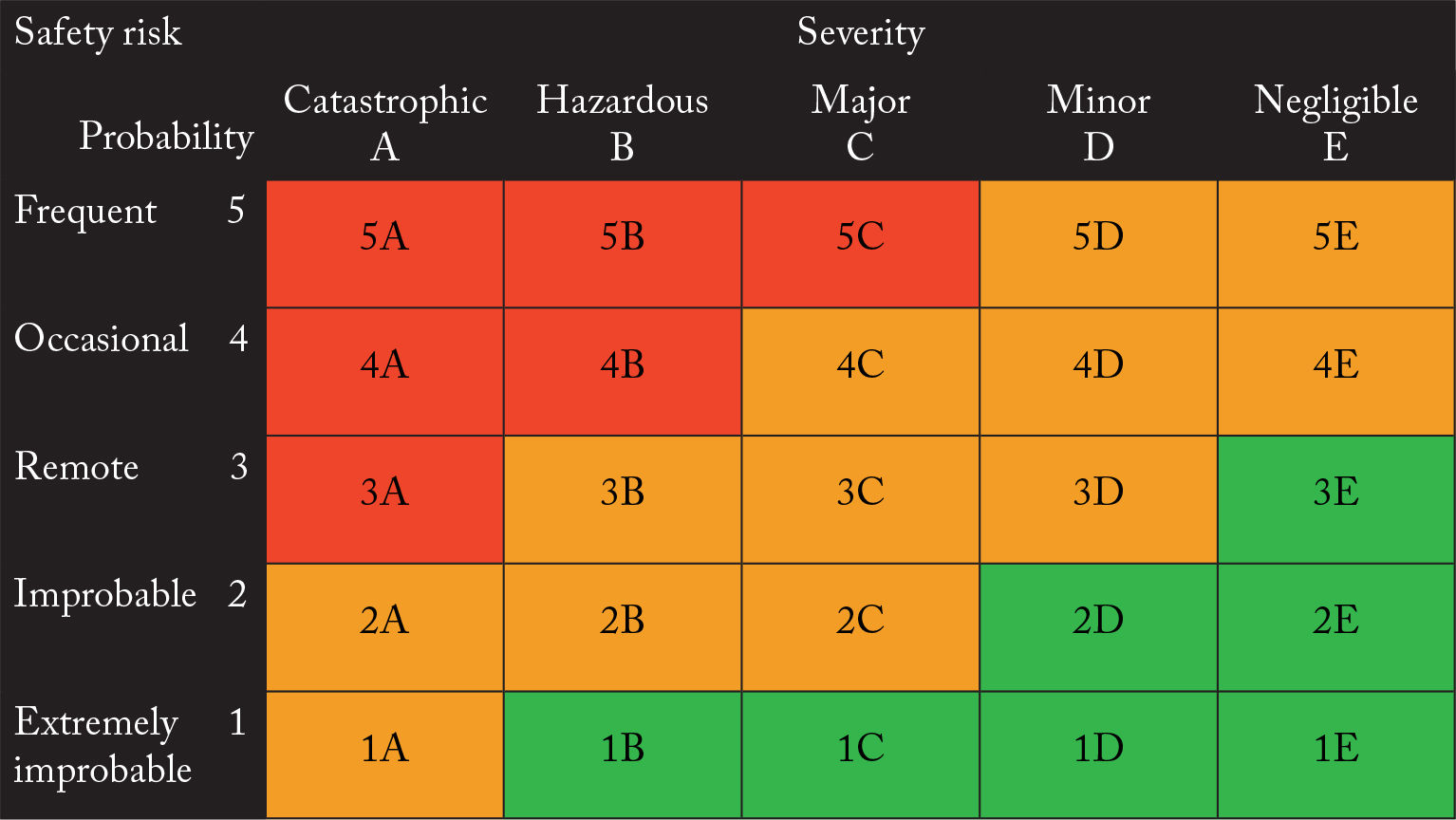
Fig. 1.
ICAO risk matrix.
Table 2.
Severity values explained.
| Severity | Explanation | Value |
|---|---|---|
| Catastrophic | Space vehicle destroyed, multiple deaths | A |
| Hazardous | Major damage, serious injury | B |
| Major | Serious incident, injury to persons | C |
| Minor | Minor incident | D |
| Negligible | Few consequences | E |
Table 3.
Probability values explained.
| Probability | V |
|---|---|
| Frequent | 5 |
| Occasional | 4 |
| Remote | 3 |
| Improbable | 2 |
| Extremely improbable | 1 |
The Bowtie risk analysis method supports the identification and visualization of risks, associated threats, consequences, and barriers (preventive and recovery controls) [20] and is used in aviation for several risk categories. The methodology incorporates elements of event fault and event tree analysis and is divided into the following steps [19, 20]:
hazard identification (selection of a specific scenario),
definition of the Top Event (the scenario’s worst outcome),
causal identification (potential threats leading to the top event),
identification of preventive barriers (controls to reduce causal factors and prevent the top event),
mitigative barriers identification (controls to mitigate consequences of the top event),
visual representation of the assessment in a Bowtie diagram,
evaluation of control effectiveness (both at the prevention and mitigation level),
continuous review and updating as new information becomes available.
The figure below presents an example of a Bowtie diagram (Figure 2).
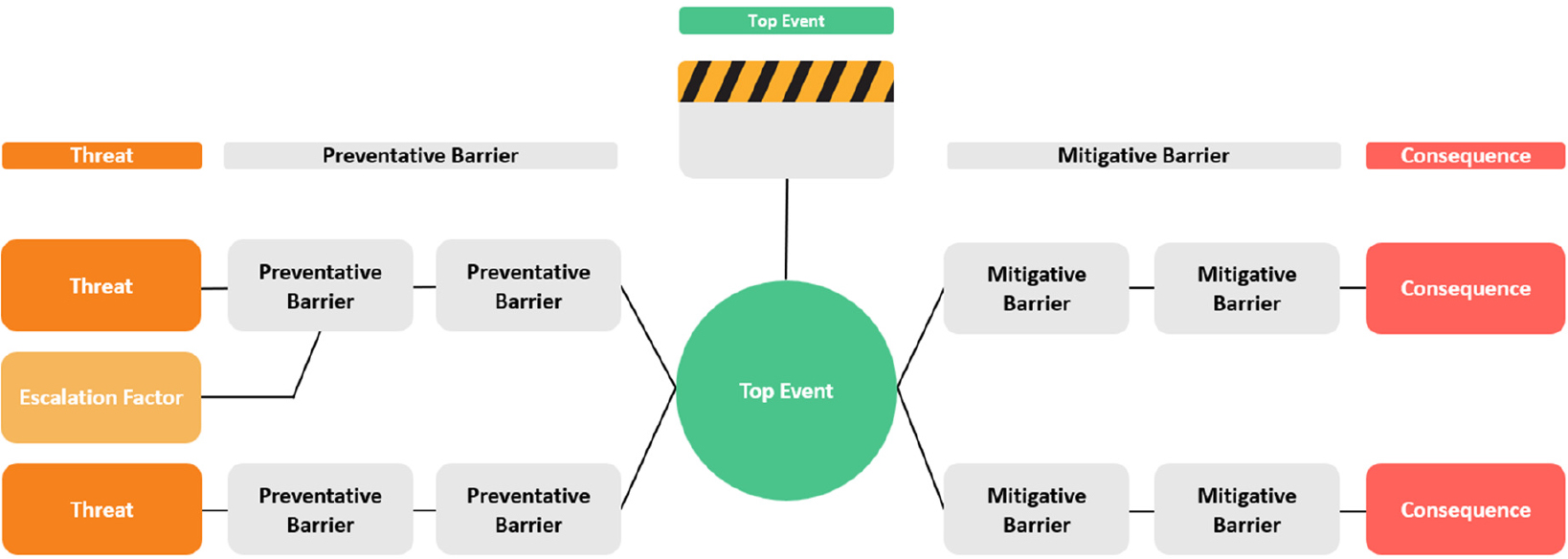
Fig. 2.
Example of a Bowtie representation [20].
In the UK health and safety system, the ALARP principle (As Low As Reasonably Practicable) is used to classify risk in relation to cost, benefit, and likelihood of occurrence [19, 21]. Here, “reasonably practicable” refers to a comparison between the magnitude of risk and the sacrifice (in terms of cost, time, or effort) required to reduce it, such that mitigation is expected unless the sacrifice would be grossly disproportionate to the risk reduction achieved [20]. Following that principle, assessment may rely on quantitative methods where sufficient data exist, or on qualitative judgment supported by expert knowledge when such data are unavailable.
Although ALARP originates in the United Kingdom’s health and safety system, its principle of proportionality remains highly relevant to U.S. regulatory decision-making. Similar approaches have been applied in FAA Safety Management Systems (SMS), NASA’s risk-informed decision frameworks, and U.S. administrative law principles emphasizing proportionality and prudent oversight. In this study, ALARP is used as a tool for examining risk tolerability and the adequacy of mitigation measures during the current learning period in suborbital operations, rather than as a binding legal requirement [25, 27–29].
Organizations prioritize safety to protect lives and maintain profitability and credibility, as incidents resulting from inadequate controls can have serious consequences. Therefore, the ALARP practice is often associated with a cost-benefit analysis (CBA), which relates costs of mitigation to the risks associated with a specific activity [19]. For risks falling within the ALARP region, an organization must justify that the existing measures are effective and that the residual risk is within the tolerability criteria [22]. In the figure below, the ALARP regions are illustrated (Figure 3).
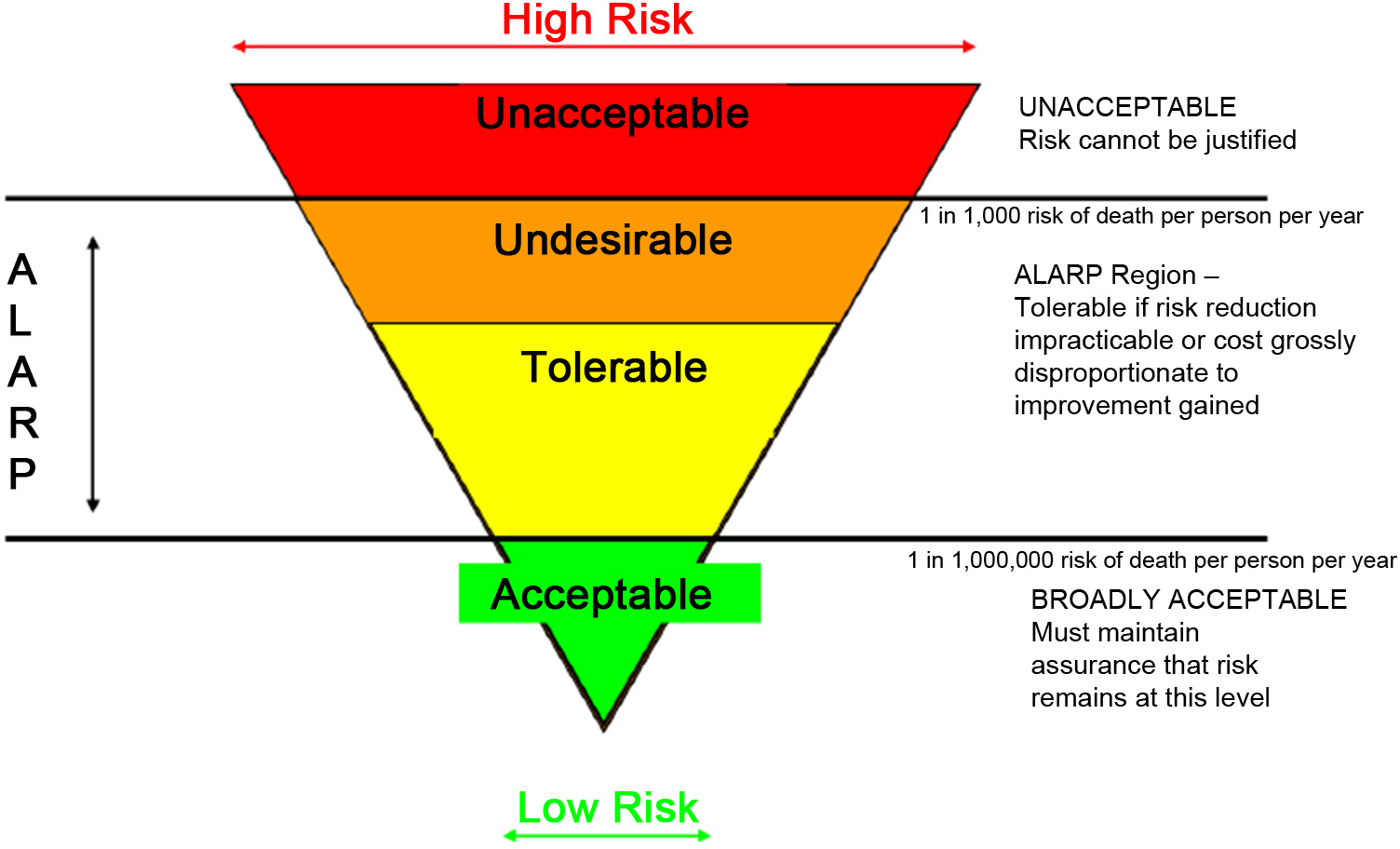
Fig. 3.
ALARP triangle depicting tolerability [5].
2.3. List of Hazards
The first step involves identifying hazards. However, unlike in aviation, the FAA-AST has not yet established a standardized accident taxonomy. Therefore, drawing upon ICAO classifications, the following figure presents hazards relevant to suborbital operations, applicable to Blue Origin operations [23] (Table 4).
Table 4.
List of hazards in suborbital spaceflight.
| Blue Origin | |
|---|---|
| LOC-I | × |
| LOC-G | × |
| CFIT | |
| In-flight explosion | × |
| MAC | × |
| Loss of pressurisation | × |
| Parachute system failure | × |
| Escape system failure | × |
| Falling debris after the failure of spacecraft | × |
| Flight path trajectory deviation | × |
| Atmospheric pollution | × |
| Crew Incapacitation | |
| Uncontrolled fire/Smoke on board | × |
| Structural failure | × |
| Human radiation exposure | × |
| Passengers requiring medical assistance in flight | × |
| Hijack (Cyber/Physical) | × |
2.4. Case Study: Blue Origin - Loss of pressurization
The New Shepard rocket is a remotely controlled vehicle with an autonomous system for emergency capsule detachment. However, the occupants’ uniform primarily maintain the body temperature and provide limited protection from high temperatures [22]. Life support therefore relies principally on the integrity of the cabin pressurization system. The operator considers loss of pressurization to be highly unlikely based on system design and redundancy. Nevertheless, the loss-of-pressurization scenario is examined because historical experience across high-reliability industries demonstrates that accident prevention depends on multiple layers of protection rather than exclusive reliance on a single barrier which, despite high reliability, retains a finite probability of failure [23].
Primary Hazard
Loss of pressurization
Consequences
1) Loss of life
2) Physical injuries
3) Psychological and cognitive impairment (affecting human performance)
Threats
1) Structural failures of the spacecraft
2) Breaches in the fuselage (projectiles or micrometeoroid impacts)
3) Malfunctioning or failure of pressure control systems
4) Human error during maintenance or operations
Likelihood
Several factors can affect the likelihood of loss of pressurization, including inadequate maintenance procedures or human error, the capsule’s structural integrity, the preventive barriers in place, and the quality of the operator’s risk assessment. Reference to aviation accident history suggests that the pressurization system’s reliability is high, indicating a low probability of occurrence. Due to the absence of publicly available failure-rate data for commercial suborbital pressurization systems, the likelihood classification is considered a reasoned assumption rather than an empirically derived value. The “remote” likelihood category is selected based on (i) the historically high reliability of pressurization systems in analogous aviation and spaceflight applications; (ii) the presence of multiple engineered redundancies reported by the operator; and (iii) the lack of publicly disclosed historical occurrences of catastrophic pressurization loss in comparable vehicles. This assumption is intentionally conservative in its categorization, aiming to support clear and transparent qualitative reasoning rather than to generate precise statistical estimates.
Risk Evaluation
Although such an event has not occurred in Blue Origin’s operations so far, it represents a scenario with the potential for fatal and serious injury outcomes. The time of useful consciousness of a human occupant of an aircraft at 41,000 ft is between 9 and 12 seconds [23, 25], whereas New Shepard reaches an apogee at approximately 330,000 ft, where the time of useful consciousness would be reduced to fractions of a second, effectively precluding corrective action. In the absence of independent emergency breathing capability for the six occupants, rapid decompression would lead to an immediate loss of consciousness, likely followed by death. The conservative approach would classify the risk as catastrophic, which can be reduced to hazardous if the recommendations discussed further are applied. The resulting classification within the ICAO risk matrix is presented below (Figure 4).
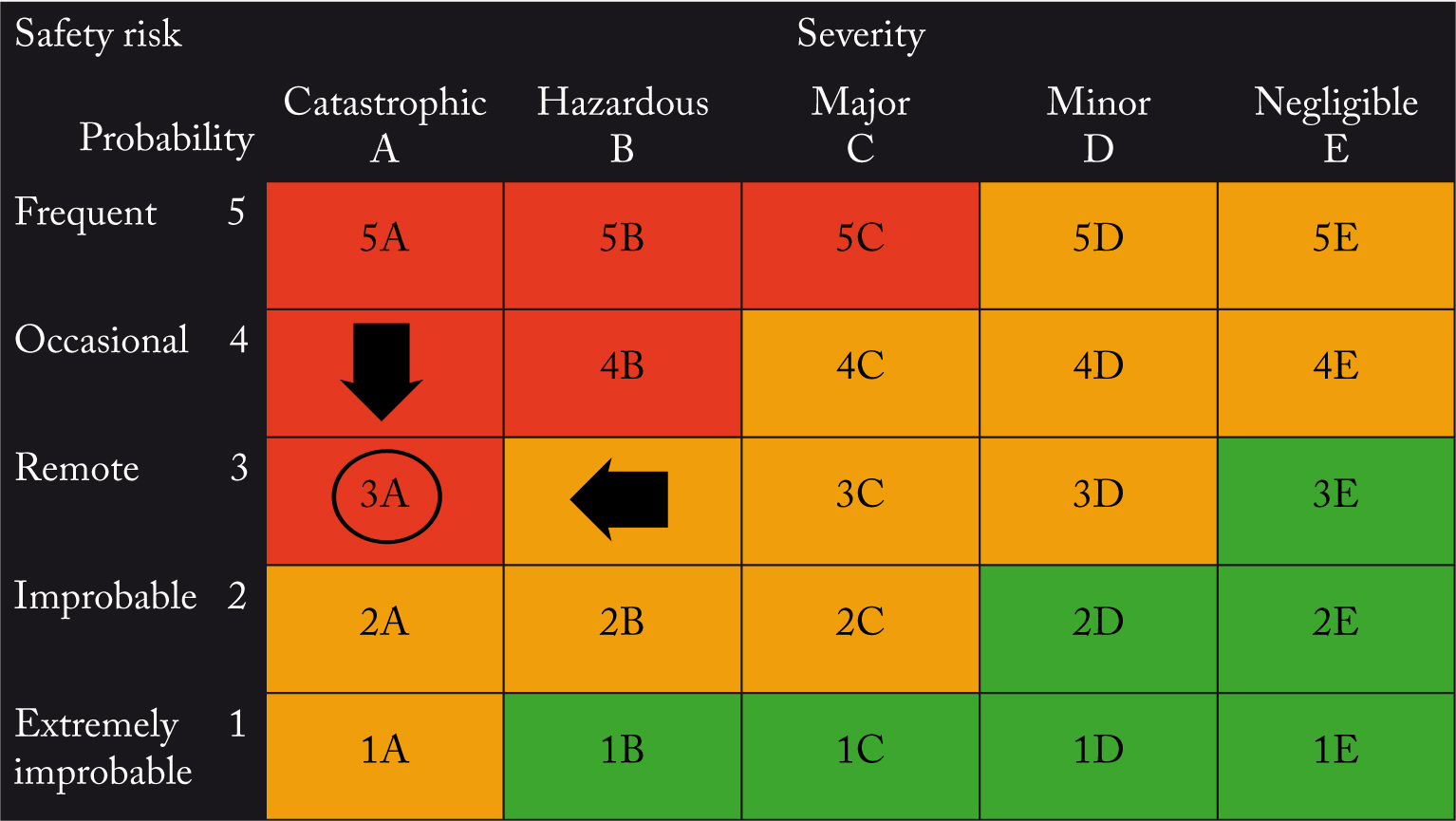
Fig. 4.
Loss of pressurization classification [21].
Risk prevention barriers
In this assessment, preventive barriers (e.g., structural redundancy, maintenance procedures, system monitoring) are primarily intended to reduce the likelihood of the top event, while mitigative barriers (e.g., emergency oxygen supply, protective equipment, training) are intended to reduce consequence severity following event occurrence. This distinction aligns with established Bowtie methodology and supports clearer reasoning about how specific controls influence different aspects of risk exposure, rather than providing generalized safety assurance.
The following preventive measures are considered:
1) Redundant pressure control systems.
2) Regular maintenance inspections of the spacecraft and cabin.
3) Use of materials and designs that reduce the risk of cabin breach.
4) Comprehensive pre-flight checks and inspections.
5) Adherence to strict maintenance procedures.
6) Training of spaceflight participants on emergency procedures.
7) Continuous autonomous monitoring of cabin pressure and structural integrity during flight.
Furthermore, the measures currently attributed to Blue Origin are shown in the Bowtie representation below (Figure 5). Although emergency training is provided to space participants as mitigation, no dedicated equipment or publicly documented procedures specific to rapid loss of pressurization have been identified within the scope of available information.
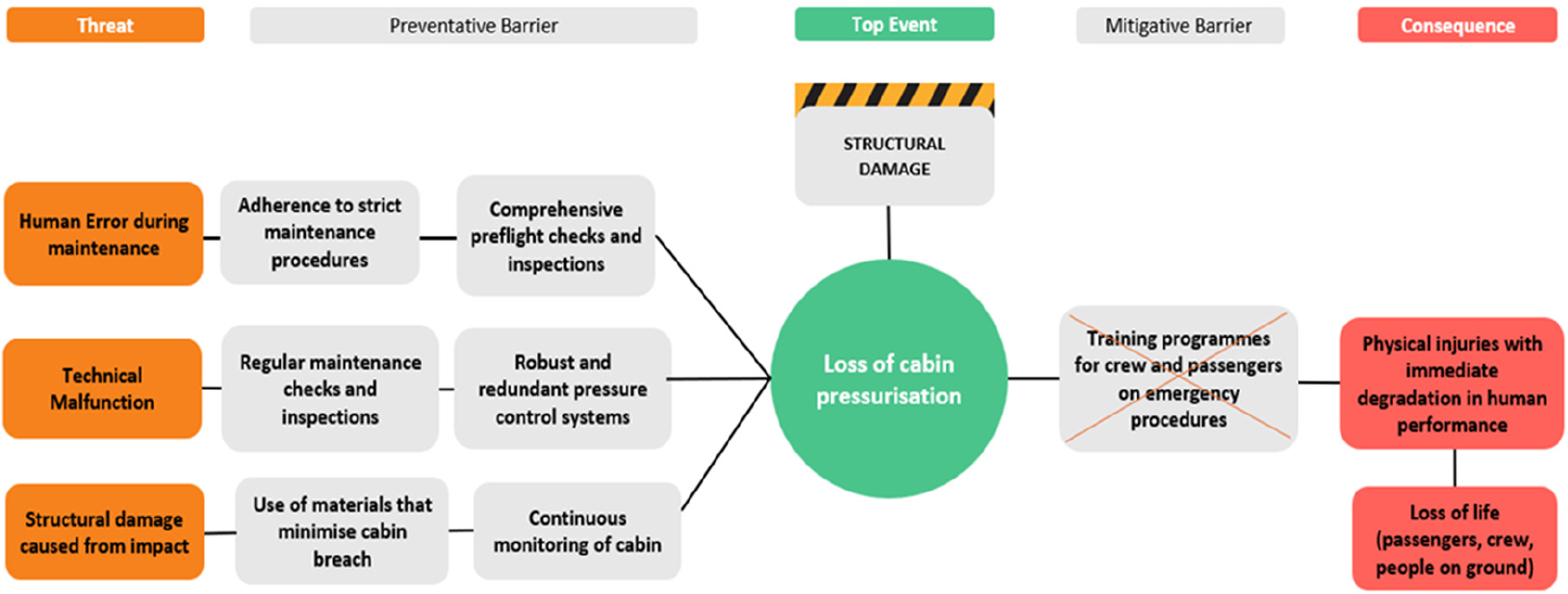
Fig. 5.
Bowtie representation of loss-of-pressurization risk for Blue Origin (current state).
3. RESULTS
3.1. Applying the ALARP method to the Blue Origin case
The ALARP method is conceptually applicable to Blue Origin’s operations and – when combined with cost–benefit analysis – provides a structured basis for evaluating whether additional mitigations could be considered reasonably practicable under catastrophic-risk conditions [25, 29]. The potential introduction of an emergency oxygen supply capacity through spacesuits is recommended for the participants.
SpaceX, which primarily conducts Low Earth orbit missions, uses a tailored occupant spacesuit that is innovative and offers greater mobility compared to the heavier NASA extra-vehicular suits. Reported functions include [24]:
oxygen supply,
temperature stabilization,
freedom of movement,
radiation exposure protection,
hearing protection.
An example of the Space X spacesuit configuration is shown in Figure 6.
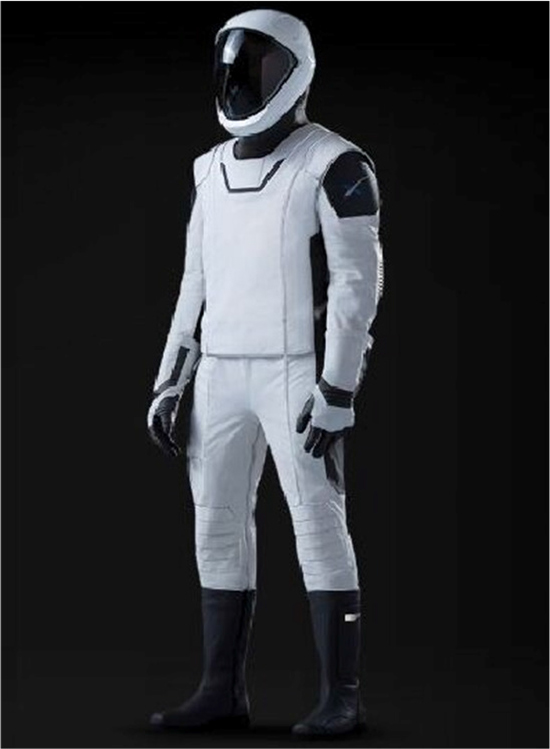
Fig. 6.
Although the development and certification of such equipment may involve significant cost, it has the potential to provide meaningful safety benefits. A formal CBA would be required to determine whether implementation of such protection for occupants would be considered reasonably practicable by the operator (insufficient data available prevent such an analysis within the scope of the present study). However, the analysis emphasizes safety, with the Bowtie diagram below illustrating the potential effect of the additional barrier (Figure 7). In addition, emergency training could then function as a mitigative barrier if combined with the introduction of spacesuits.
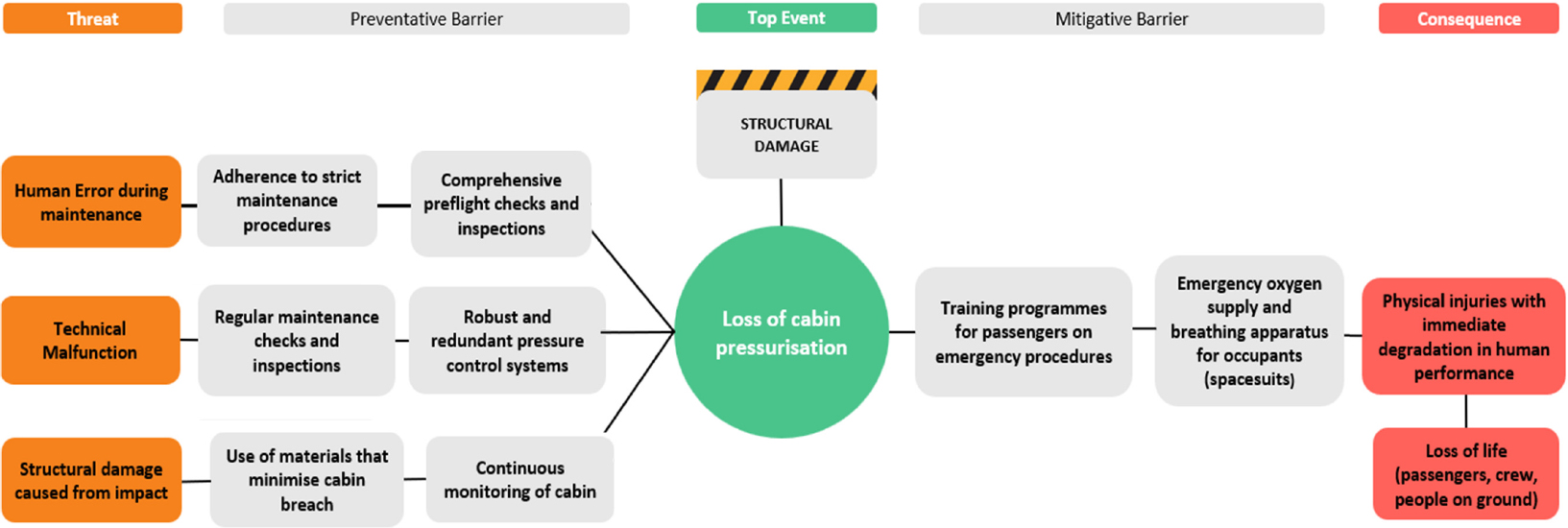
Fig. 7.
Loss-of-pressurization scenario: conceptual configuration following introduction of spacesuits.
The loss-of-pressurization scenario was initially classified as catastrophic (3A), corresponding to outcomes involving serious injury, immediate degradation of human performance, and potential loss of life. Following application of the ALARP principle, the risk was downgraded to hazardous (2A). Particularly, in the ALARP triangle, the assessed risk falls within the tolerable region, while in the ICAO risk matrix (Figure 8), it is classified as hazardous. This indicates that further mitigation would be needed to justify disproportionate costs through quantitative CBA; however, while the risk remains, the likelihood of loss of life is significantly reduced.
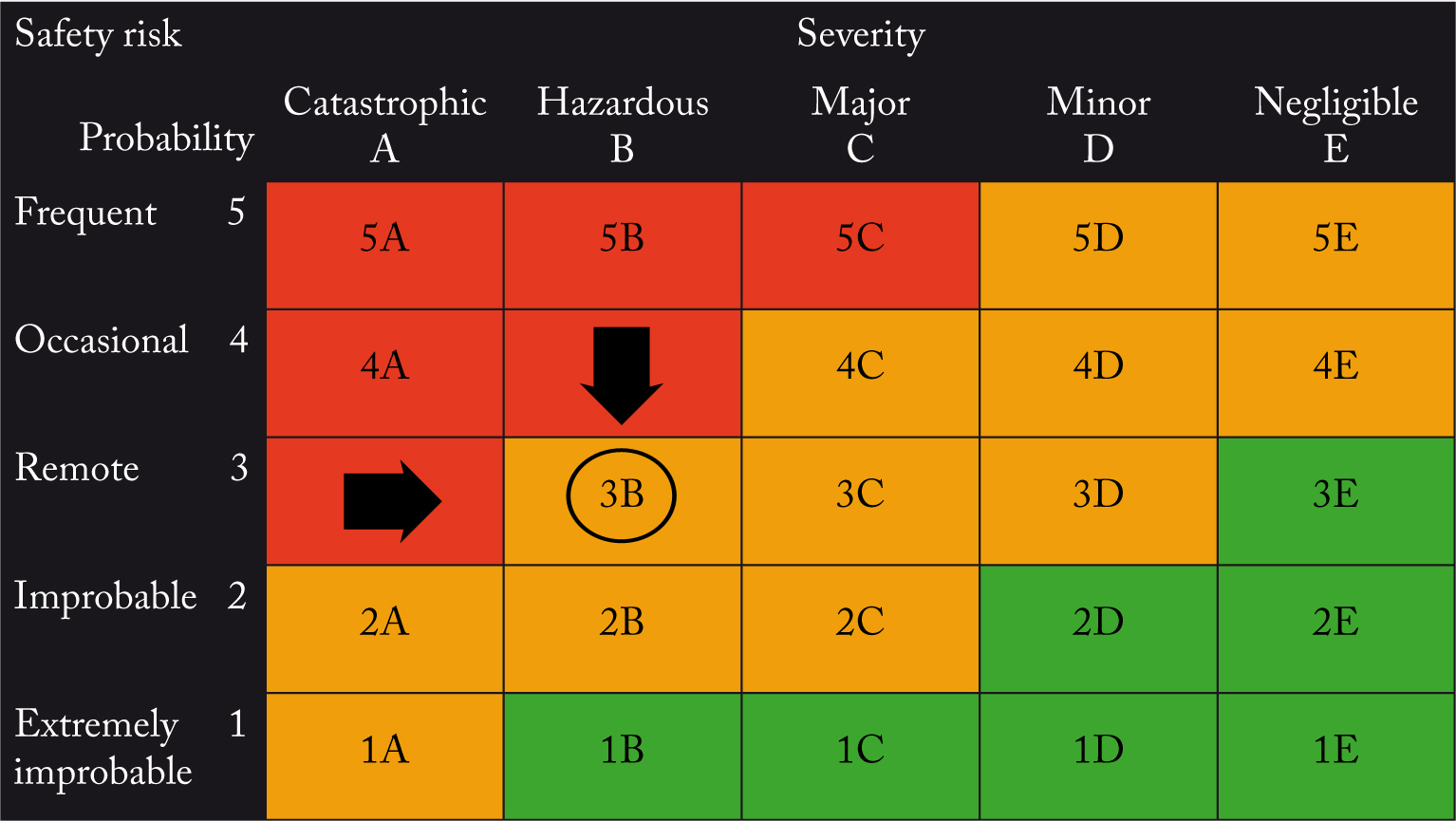
Fig. 8.
Loss-of-pressurization classification (following spacesuit introduction).
4. CONCLUSSIONS
4.1. Regulatory
Current regulations contain notable omissions that raise serious concerns. While flexibility may be expected in the early stages of an emerging domain due to limited expertise, repeated extension of a moratorium without establishing a foundation for safety is undesirable for a number of reasons. Firstly, operators retain broad discretion to design space vehicles in the absence of an established protocol of manufacturing standards to be respected. Arguments that such freedom enables the suborbital sector to flourish is acceptable only as long as human safety is not compromised. In aviation (often cited as the closest analog), design is flexible, but strict regulations for general manufacturing guidelines and passenger safety apply. Accordingly, launch licensing and certification criteria would benefit from thorough analysis with defined guidelines. Given the limited resources of the FAA-AST, collaboration with an experienced organization such as NASA would greatly support the development of manufacturing standards, the establishment of safety protocols, and the adaptation of risk-management procedures that contribute to a safe operational environment in space missions.
This analysis identified inadequacies in the regulatory framework and highlighted the need for immediate action. Flexible requirements and the repeated extension of the moratorium (now for a fifth time) raise serious concerns. Potential spaceflight participants remain unprotected in the following areas:
liability/insurance coverage (affected by waiver signing),
protection of life (affected by issues related to uncertified vehicle status, the availability of spacesuits, adequacy of training and preparation, medical screening practices, and the absence of harmonized manufacturing standards).
Furthermore, current regulations promote a reactive risk management system – based on corrective actions after adverse events – rather than a preventive or predictive foundation. In aviation, every aircraft must comply with strict regulations – and if not – then it is subject to extensive testing, re-evaluation, and series of test flights and simulations to obtain certification to carry passengers. By contrast, suborbital tourism is open to anyone possessing financial stability without questioning the individual’s ability to react in emergencies and withstand the mission’s bodily effects. In addition, operators are not required to disclose safety-related information, a practice that fosters a hostile, antagonistic atmosphere and, more significantly, creates a barrier to achieving a shared safety goal. The absence of defined age criteria in accepting spaceflight participants, together with reliance on clearance from a general practitioner as a minimum requirement, suggests several areas where additional regulatory structure should be considered:
Establishing strict general guidelines and revised age criteria (initially imposing age requirements, similar to those that apply to NASA astronauts, subject to revision as research and empirical knowledge expand the range).
Introducing an FAA-AST-created plan with step-by-step exposure to flight effects in controlled environments to protect spaceflight participants and anticipate health-related issues.
Within the risk assessment presented here, one representative scenario was examined for Blue Origin, with potential relevance to other suborbital operators not employing spacesuits. Using qualitative methodologies, the following recommendations were identified for Blue Origin:
continued refinement of standard operating procedures to promote effective communication,
introduction of spacesuits with emergency breathing apparatus to protect participants,
improved training and preparation for emergency scenarios,
integration of the ALARP methodology in risk assessment, followed by a CBA.
Such measures may significantly contribute to strengthening the safety foundation for the suborbital tourism industry. Additionally, if the regulating authority does not incorporate the expertise of other stakeholders and agencies (such as NASA) in establishing safety protocols, conducting risk assessments, and creating training programs, risk exposure will remain high. In summary, suborbital tourism currently presents significant safety challenges, and operators should ensure that adequate protective measures and risk mitigations are in place before accepting spaceflight participants.
4.2. Proposed implementation plan for the FAA-AST
The table below shows the proposed implementation plan with an indicative timeline for the regulator (Table 5).
Table 5.
FAA-AST Implementation plan.
| Recommendations | Justification | Timeline |
|---|---|---|
| Temporarily suspend the carriage of spaceflight participants on suborbital flights pending further safety evaluation and movement of risks toward ALARP. | Outstanding questions remain regarding vehicle certification, health implications for space participants, underdefined manufacturing standards, adequacy of training, availability of spacesuits, and the scope of legal protection for spaceflight participants in the event of an accident occurs. | 6 to 12 months |
| Seek legal consultation to review the waiver regime and explore solutions through which insurance coverage might be enabled for parties involved directly/indirectly. | The current waiver structure limits avenues for spaceflight participants to seek legal recourse should operators deviate from the protected operational environment and an incident/accident occurs; there is no legal coverage for protecting the public from falling debris, only precautions taken by the operator | 6 to 12 months |
| Encourage suborbital operators to incorporate the ALARP and CBA methodology for risk assessments. | As shown in the risk assessment above, the proposed methodology assists in defining the boundaries between safety and cost-effectiveness. | Immediate effect through an directive issued to operators |
| Change the medical requirement to Class I for pilots operating suborbital vehicles. | Class I medical evaluations are stricter, including regular evaluations able to quickly detect latent health conditions. | Immediate effect |
| Require safety-related information sharing through mandatory reporting of occurrences that will be available for other operators to see (excluding sensitive data) | In aviation, such information-sharing has been proven to enhance safety and focus the attention of operators on precautions and mitigative actions. | 1 to 3 months |
| Resume suborbital tourism flights and accept spaceflight participants only if the above recommendations have been met and ALARP has been demonstrated effectively. | Enhancing safety records through proper risk mitigations can protect human occupant safety, public safety, and operators’ reputations. | After 12 months |