Have a personal or library account? Click to login
Ventricular tachycardia ablation after myocardial infarction guided by cardiac magnetic resonance/multidetector computed tomography image integration Cover

Ventricular tachycardia ablation after myocardial infarction guided by cardiac magnetic resonance/multidetector computed tomography image integration

Open Access
|Mar 2024

Figures & Tables

Figure 1

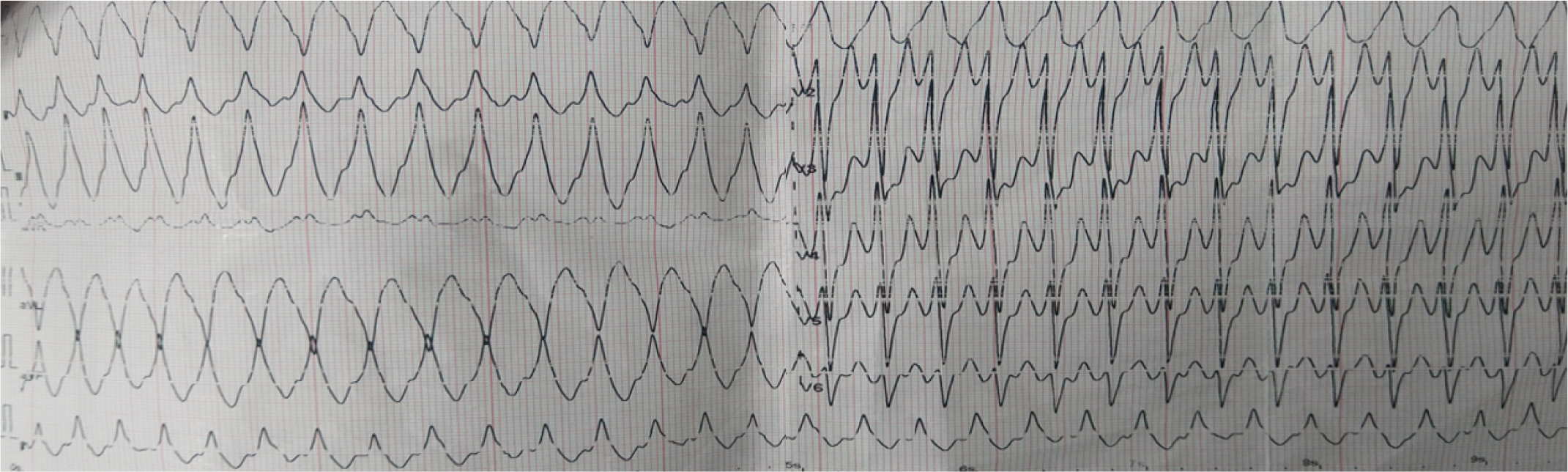
12-lead ECG – Wide complex QRS tachycardia, 180/min; RBBB morphology, right-axis deviation suggestive for anterolateral LV exit-site
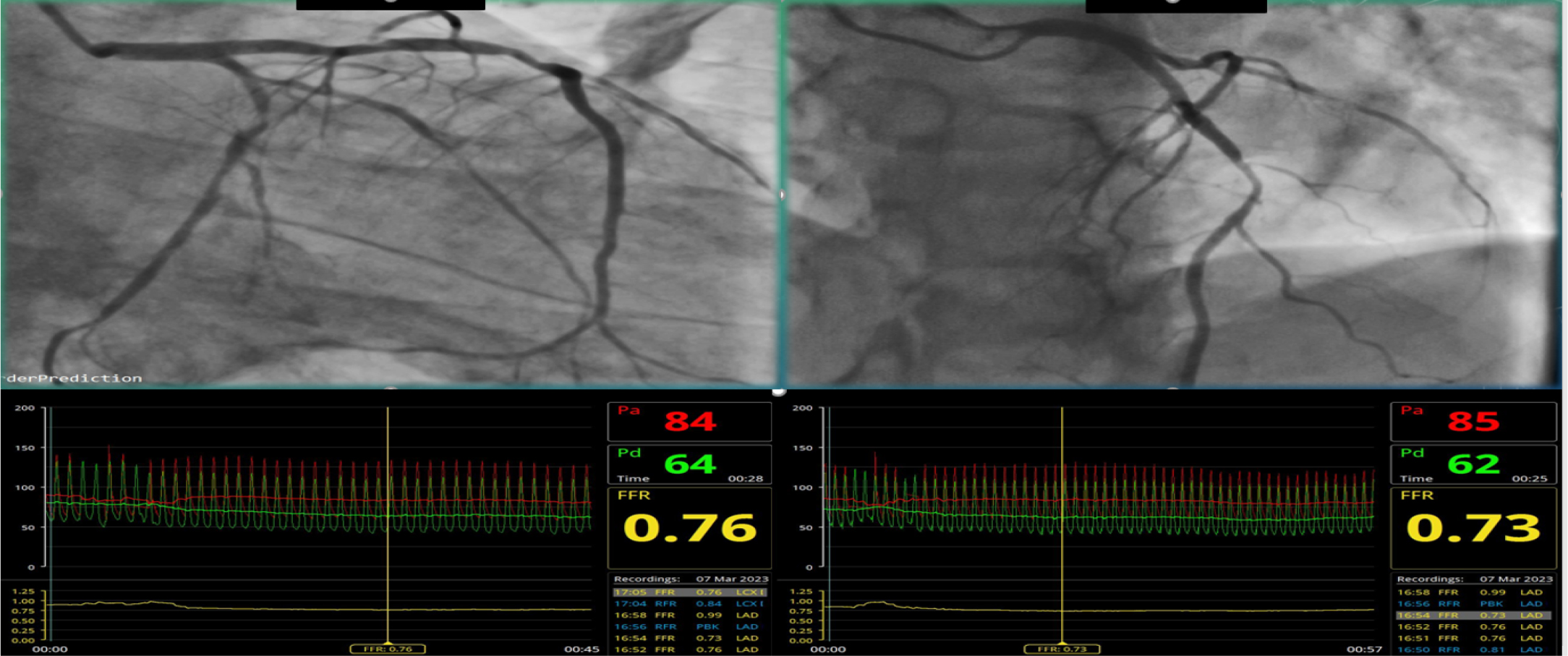

Figure 2A

Coronary angiogram and FFR measurements – subocclusion of OM 1 (middle segment); 50 % middle LAD stenosis (FFR – 0.73); 50-60 % proximal LCx stenosis (FFR – 0.76)
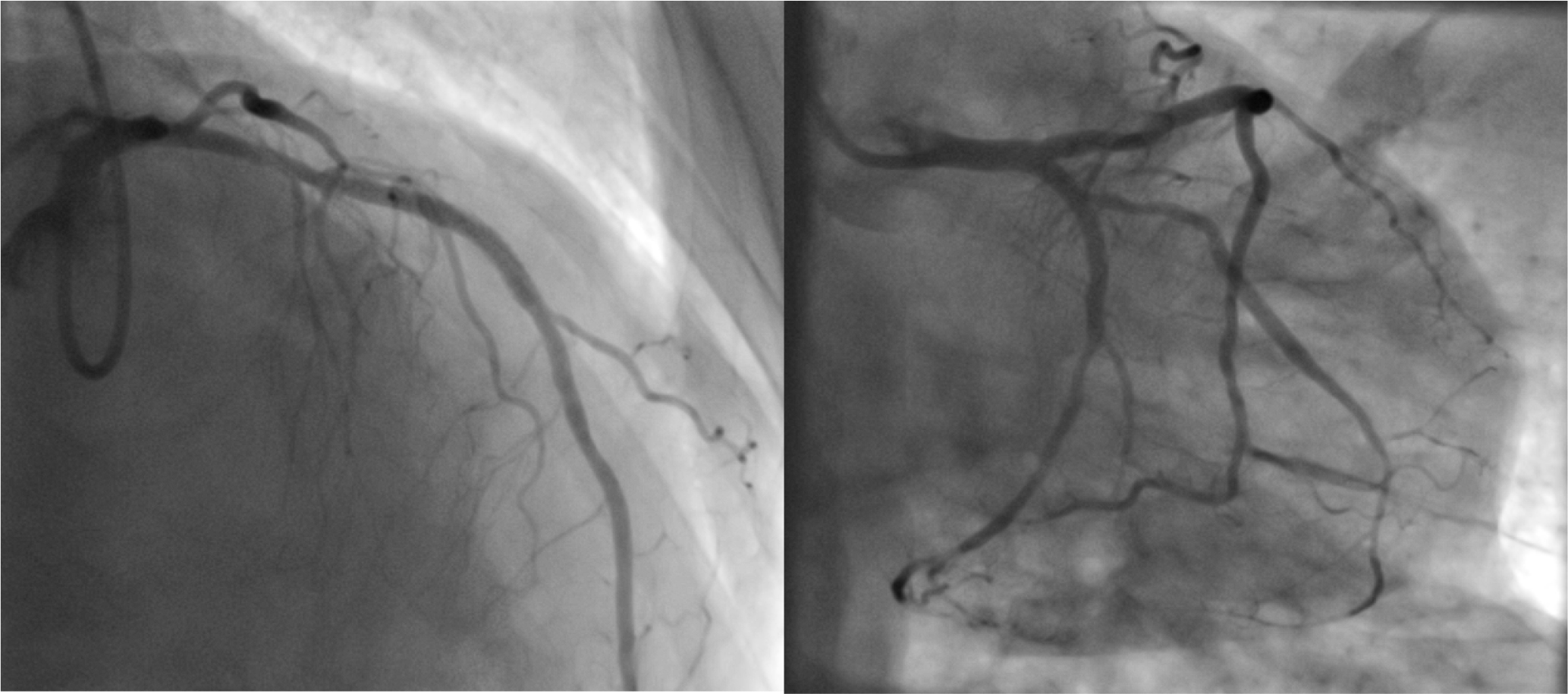

Figure 2B

Coronary angiogram after implantation of 3 drug-elluting stents (middle LAD, proximal LCx and middle OM1)
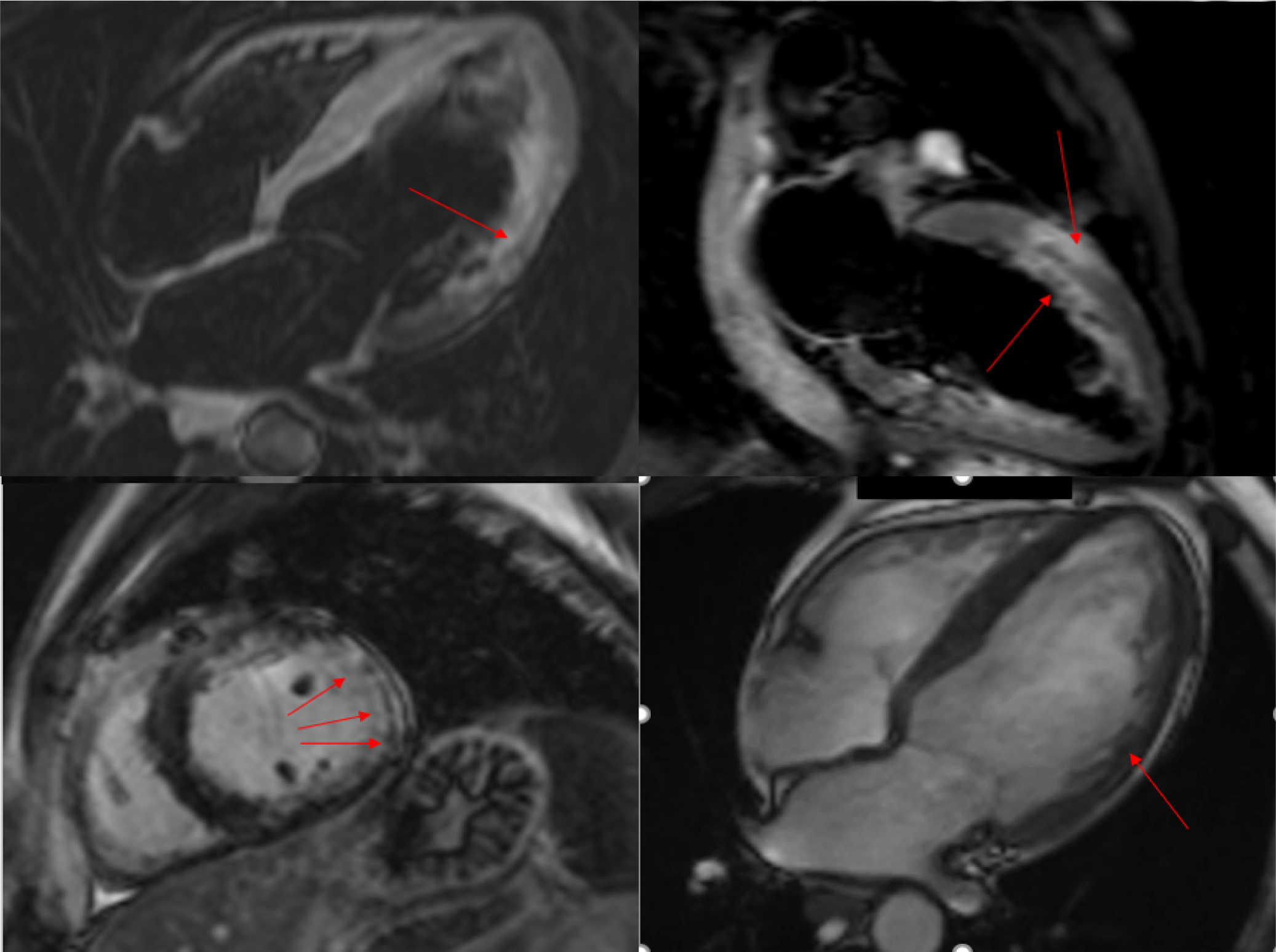

Figure 3

Cardiac MRI – Mild LV dilation; LVEF – 43 %; Multiple areas of LGE along the middle third of antero-lateral and lateral wall
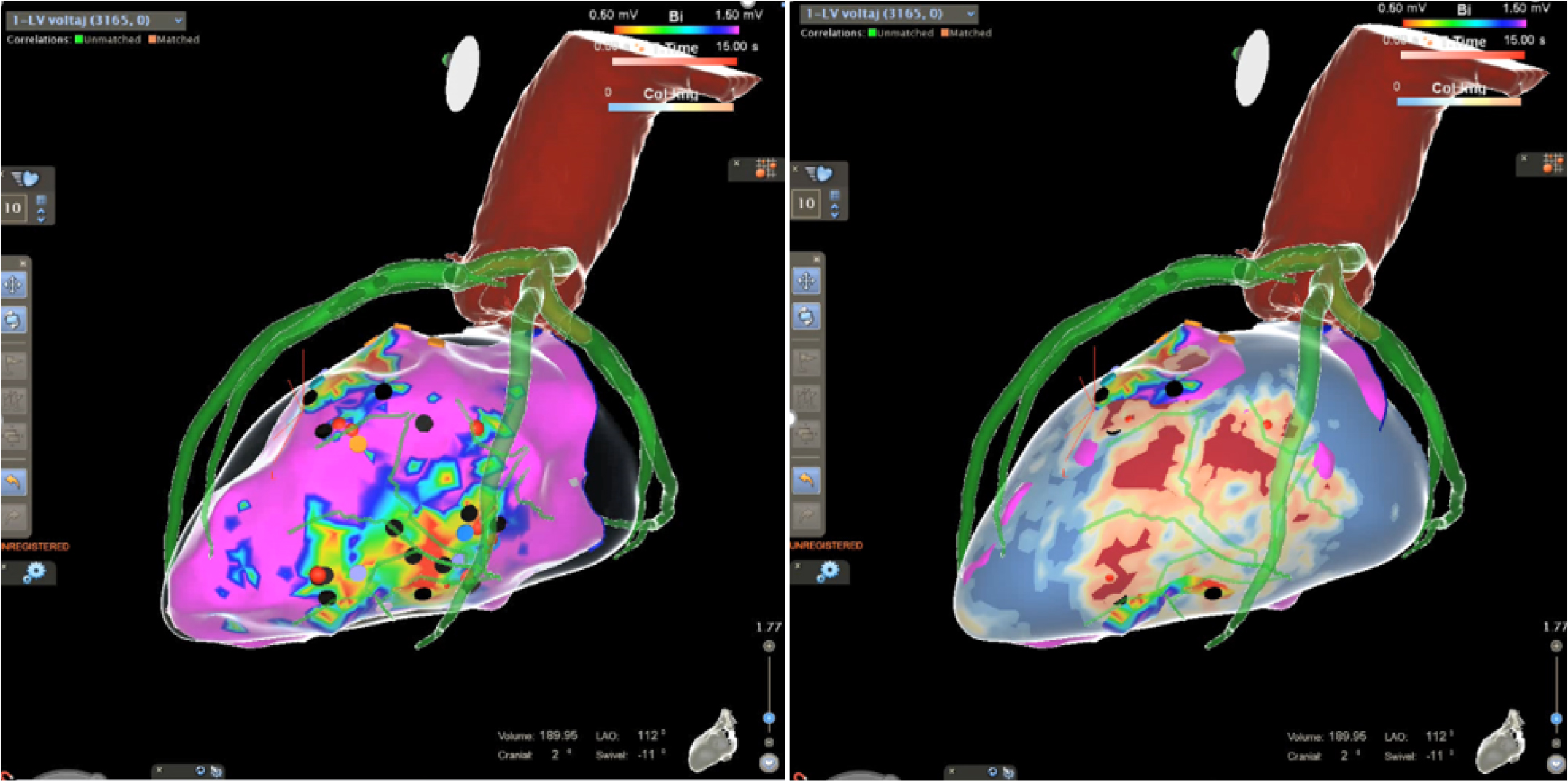

Figure 4

Multimodal image integration. Right: Fusion between MDCT and LGE-CMR PSI Map (ADAS 3D Software). Left: Integration with EAM (Biosense – Webster Carto 3 Navigation System)
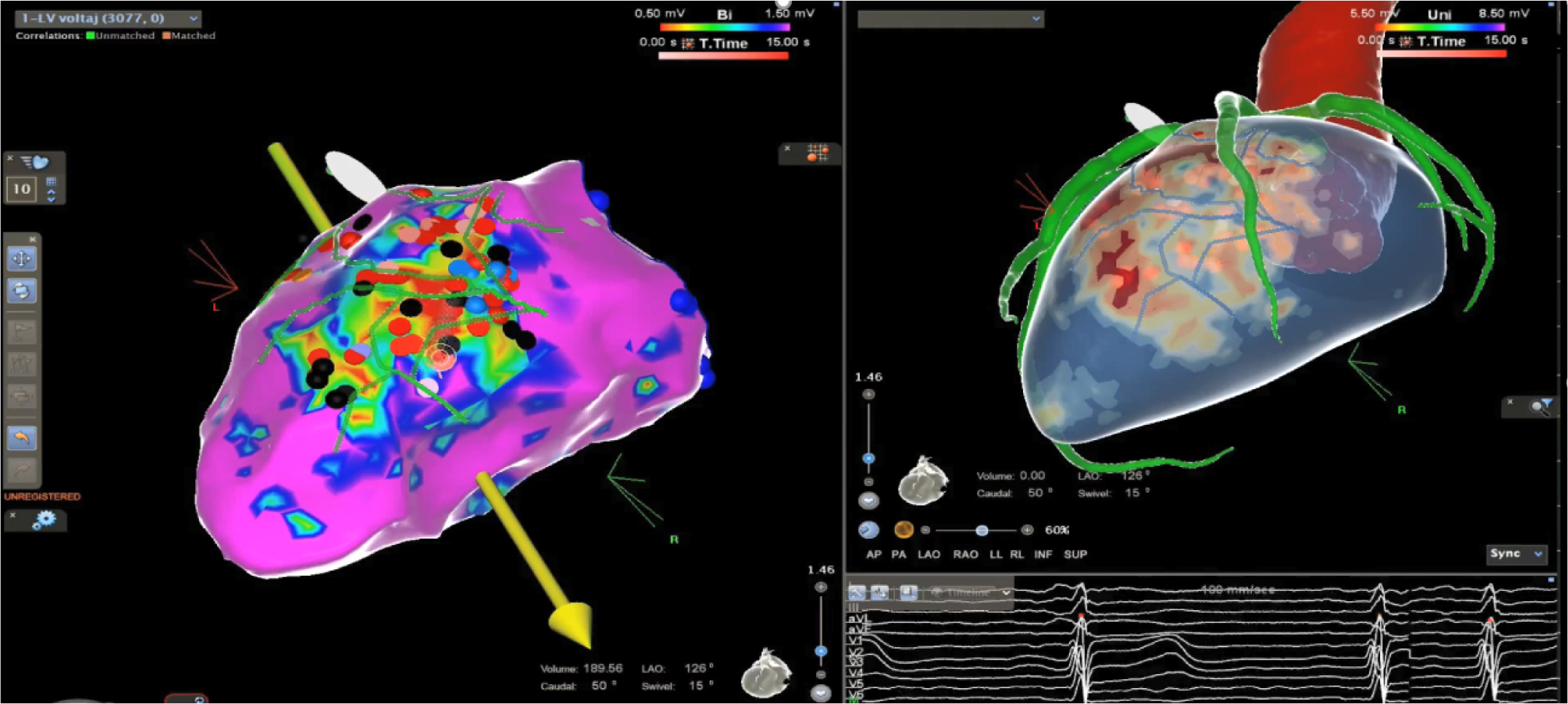

Figure 5

Substrate-based RF ablation targeting conduction channels (CC) identified on fusion imaging concordant with fractionated and late potentials on EAM
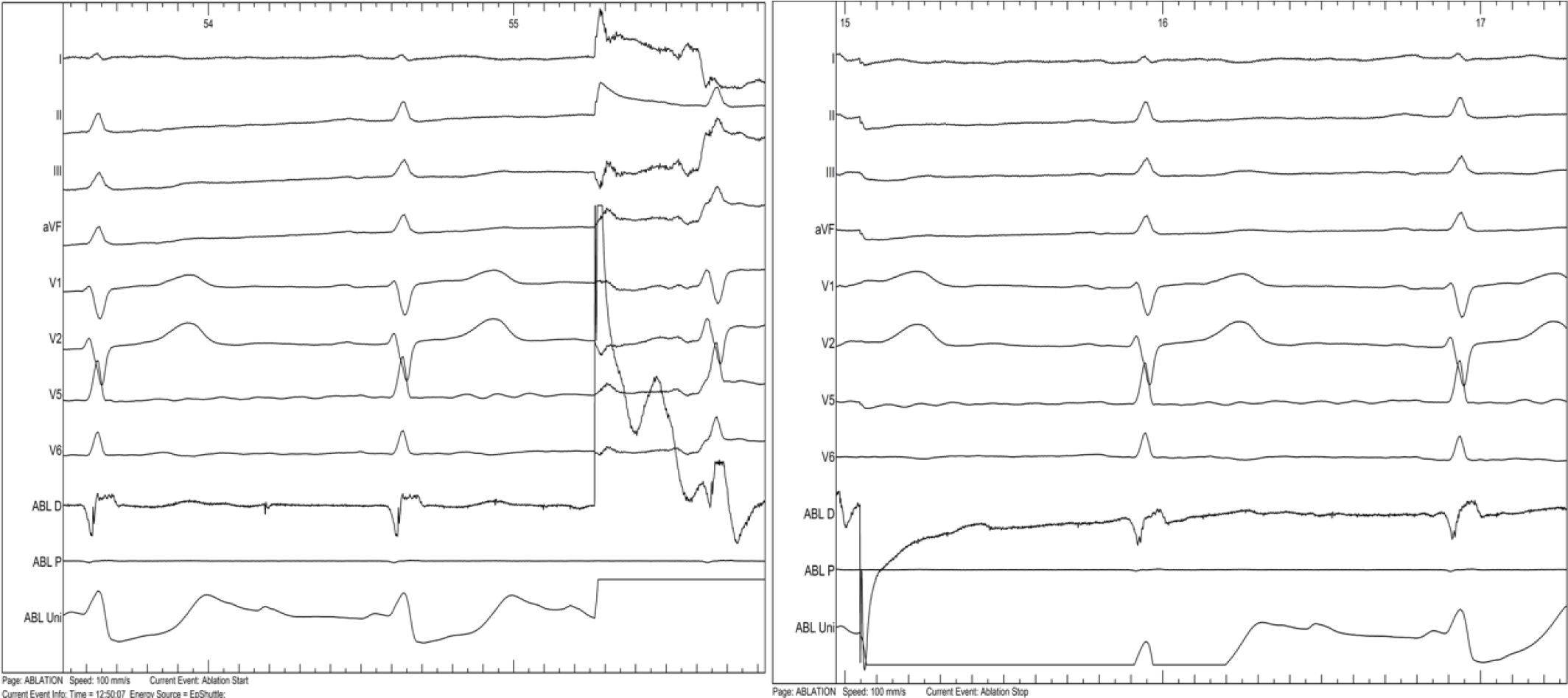

Figure 6

EGMs before and after RF ablation showing fragmented potential abolition at the conducting channel entry
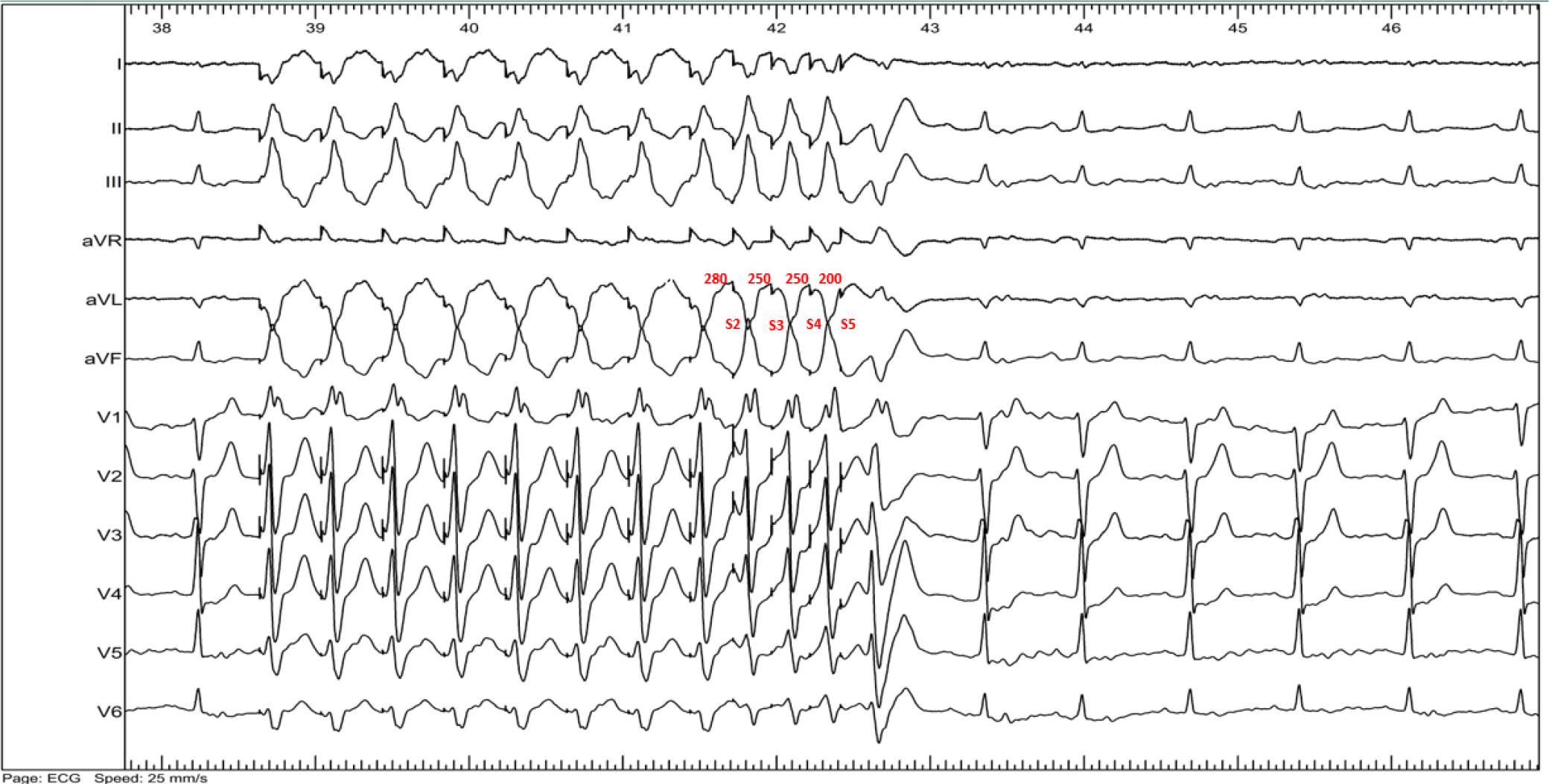

Figure 7

Ventricular programmed stimulation with 4 ES – complete non-inducibility of VT

Image integration-guided VT ablation studies_ Adapted from Kowalewski C et al - Advanced Imaging Integration for Catheter Ablation of Ventricular Tachycardia

PublicationNumber of patientsAgeRecurrence rateFollow-up duration (months)
Njeim et al. [12]2059 ± 1720%17 ± 22
Yamashita et al. [13]11658 ± 1530%17.4
Andreu et al. [14]5464 ± 1118.5%20 ± 19
Soto-Iglesias et al. [15]5665 ± 125%12
Berte B. et al. [16]4962 ± 1527%19 ± 8
DOI: https://doi.org/10.2478/rjc-2024-0004 | Journal eISSN: 2734-6382 | Journal ISSN: 1220-658X
Language: English
Page range: 7 - 15
Published on: Mar 29, 2024
Published by: Romanian Society of Cardiology
In partnership with: Paradigm Publishing Services
Publication frequency: 4 issues per year

© 2024 Alexandru – Paul Burcin, Lucian Câlmâc, Smǎrǎndiţa loana Lǎcǎu, Tudor Șarpe, Viviana Gondoș, David Sotto-Iglesias, Antonio Berruezo, Radu-Gabriel Vătășescu, published by Romanian Society of Cardiology
This work is licensed under the Creative Commons Attribution 4.0 License.