
Background
Obstructive sleep apnoea (OSA) is a sleep-related breathing disorder marked by recurrent episodes of complete (apnoea) or partial (hypopnoea) upper airway obstruction, resulting in intermittent hypoxia, disrupted sleep patterns due to arousal responses and/or daytime sleepiness (1,2). Globally, the prevalence of OSA has been reported to affect around 1 billion people aged 30–65 years, with significant associated morbidity, mortality and socioeconomic burdens (3,4). Sleep impairment contributes to reduced quality of life and becomes a risk factor for multisystem disorders, including cardiovascular, metabolic and neuropsychiatric pathologies (1). Older age, male gender, rising obesity rates, smoking status and genetic factors contribute to the increasing burden of OSA (2,3).
OSA is a heterogeneous disorder with distinct endotypes—underlying pathophysiological mechanisms that contribute to airway collapse. Previously, obesity and upper airway dysfunction were known to be the only causes of OSA, resulting in non-individualised treatment paradigms wherein continuous positive airway pressure (CPAP) served as the primary intervention regardless of the endotypes (5). Within the last decades, studies have come to highlight that there are four key endotypic traits of OSA, including anatomy of the upper airway (pharyngeal collapsibility), impaired upper airway muscle compensation (poor pharynx dilator muscle), low respiratory arousal threshold and unstable ventilatory control system (elevated loop gain) (1,6,7). Polysomnography (PSG) is the standard procedure for diagnosing OSA and assessing its endotypic traits. These distinct endotypes underlie different treatment responses among OSA patients and offer novel opportunities for precision-based therapy (8). Despite their important role in defining disease expression, endotyping has not been routinely applied in clinical practice.
CPAP is reported to be effective and used as the standard therapy for OSA; however, this intervention is not well tolerated by all patients, thus making OSA remain undertreated (10,11). Other therapeutic interventions, including intraoral appliances, surgery, supplemental oxygen and pharmacotherapy, can improve the success of therapy. Recent studies prioritised the advancement of OSA endotyping to target specific underlying mechanisms of OSA and establish personalised therapeutic approaches for patients (10,12). The severity of OSA can be assessed from the apnoea–hypopnoea index (AHI), which quantifies the frequency of apnoea and hypopnoea events per hour of sleep. AHI is an essential measure to diagnose OSA, assessing the disease severity, examining its prevalence and measuring treatment effectiveness and prognosis (13). An AHI >5 confirms OSA, with severity stratified as follows: mild (AHI ≥5 to <15), moderate (AHI ≥15 to <30) and severe (AHI ≥30) (3).
Accordingly, this study aimed to evaluate the correlations between OSA endotypes and disease severity, which could potentially benefit the development of personalised therapy. Future personalised treatments may target specific endotypes to improve outcomes. The results may provide insights to identify the most effective therapeutic strategies for OSA patients by targeting precise underlying mechanisms.
Material and Methods
This study was conducted following the preferred reporting items for systematic reviews and meta-analyses (PRISMA) 2020 guidelines. The protocol is registered with the International Prospective Register of Systematic Reviews (PROSPERO CDR420251063239).
Search strategy
A comprehensive search of PubMed, Science Direct and Scopus databases was conducted. The search strategy was designed to refer to published articles. The following medical subject heading search terms were used: (‘sleep apnoea’ OR ‘obstructive sleep apnoea’) AND ‘endotypes’ AND ‘polysomnography’. The search included all published research from each database’s inception through May 2025.
Selection criteria
This study addressed four endotypes of OSA, which consist of anatomy of the upper airway (pharyngeal collapsibility), muscle compensation (poor pharynx dilator muscle), low arousal threshold and unstable ventilatory control system (elevated loop gain). The severity of OSA was assessed using AHI, with severity stratified as follows: mild (AHI ≥5 to <15), moderate (AHI ≥15 to <30) and severe (AHI ≥30).
To be included in this review, a study has to conform to the following criteria (1): Reporting and discussing the four key endotypes of OSA (2), reporting quantitative data for correlations between endotypes and severity of OSA (3), involving adults (>18 years old) diagnosed with OSA and (4) having observational, cross-sectional or cohort studies published in English. The exclusion criteria were (1) involving children aged <18 years old (2), intervention, reviews, editorials, commentaries or case report studies and (3) studies published in abstract form only.
Data extraction and quality assessment
Identified studies that met the publication criteria were assessed independently for methodological validity by two independent reviewers prior to inclusion in the review using PRISMA. Disagreements related to the data screening were resolved with a third reviewer. For quantitative analysis, the extracted study data was analysed using MAJOR, a meta-analysis tool in Jamovi. Study heterogeneity was evaluated through I2 statistics. The analytical approach was determined by heterogeneity levels: a fixed-effects model would be employed for I2 ≤ 50%, while a random-effects model would be implemented for I2 > 50%. Newcastle Ottawa Scale (NOS) was employed to assess the quality of each individual study and is reported in Supplemental Table 1. There are three domains of NOS including selection of study, comparability and outcome evaluation. Studies with total scores ≥7 were considered of high quality. Publication bias was detected using Egger’s test (Supplementary Tables 2–5) and the funnel plot with statistical significance set at P < 0.05 and is reported in Supplementary Figures 1–4. The meta-analysis results were visually presented using forest plots.
Results
Search results
The study selection process is shown in Figure 1. From 80 retrieved articles, 27 duplicates were removed, and 21 articles met the eligibility criteria. Of these, three studies, including four reports (n = 1097) underwent the final analysis. A study reported two results regarding the relationship between severity and endotypes of OSA, where OSA is divided into positional and non-positional OSA. The remaining studies did not classify OSA into positional or non-positional.
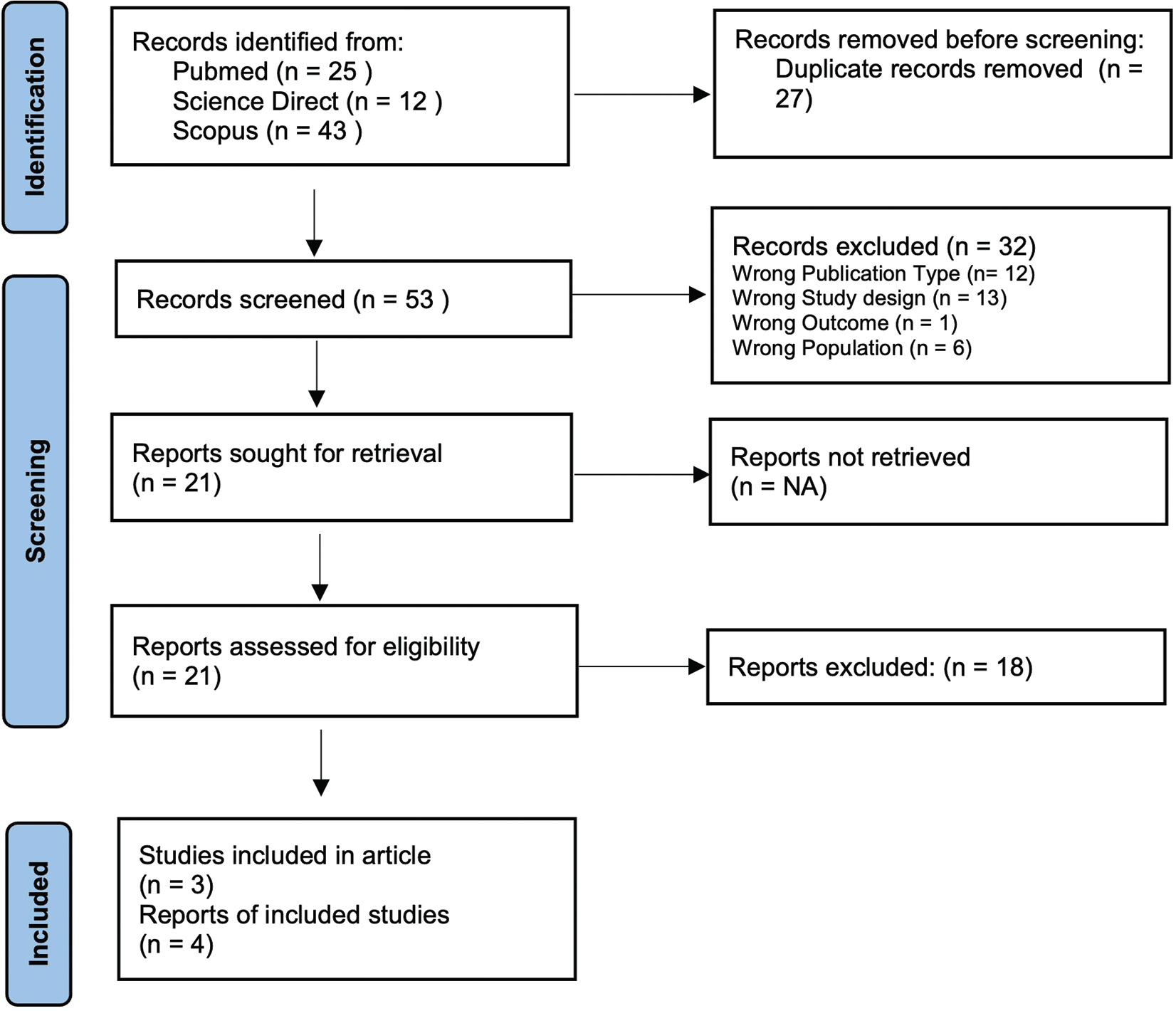
Figure 1.
Flowchart Illustrating the Search Strategy.
Study characteristics
The characteristics of the included studies are presented in Table 1. All the included were cross-sectional studies that examined the four key endotypes of OSA. Sample sizes ranged from 27 to 562 participants. The mean age of the population varied between 40 and 71 years old, with most participants being male. All studies employed PSG for diagnosis, ensuring standardised OSA assessment. The severity of OSA varied from moderate to severe. This study did not significantly analyse the types of OSA, as it is not reported in most of the studies. All the included studies are considered as moderate- to high-quality studies.
Table 1.
Characteristics of studies included in the meta-analysis
| Study or subgroup | Study design | Sample size | Age (mean) | Male (%) | Diagnosis of OSA | OSA severity/AHI (events/h) | Endotypes measured | NOS score |
|---|---|---|---|---|---|---|---|---|
| Brooker 2023 (13) | Cross-sectional | 34 | 49.9 | 61 | PSG | 22.3 | Upper airway collapsibility, muscle compensation, loop gain, arousal threshold | 9 |
| Brooker 2024 (14) | Cross-sectional | 27 | 71.7 | 100 | PSG | 23.6 | Upper airway collapsibility, muscle compensation, loop gain, arousal threshold | 9 |
| Wang 2024a (9) | Cross-sectional | 562 | 41.0 | 84 | PSG | 57.2 | Upper airway collapsibility, muscle compensation, loop gain, arousal threshold | 6 |
| Wang 2024b (9) | Cross-sectional | 474 | 40.0 | 83 | PSG | 26.3 | Upper airway collapsibility, muscle compensation, loop gain, arousal threshold | 6 |
Airway collapse
Upper airway collapsibility was assessed by measuring the amount of ventilation at 100% eupnoeic drive during obstructive events (15). Anatomical compromise reflects the anatomical susceptibility of the upper airway to collapse, quantified as the critical closing pressure of the airway collapse (16). The overall effect size showed that upper airway collapse has the strongest positive correlation with the severity of OSA (r = 0.323, 95%CI: 0.167–0.479, P < 0.001). There is substantial heterogeneity with I2 = 80.7%. One outlier study was identified, though its exclusion did not alter significance.
Loop gain
Loop gain or unstable ventilatory control was quantified as the magnitude of the elevation in ventilatory drive following a respiratory event, determined based on gain and response time of 1 cycle per minute (14). A statistically significant positive correlation was observed between OSA severity and loop gain (r = 0.264, 95%CI: 0.209–0.319, P < 0.001). Heterogeneity between studies was negligible (I2 = 0%, P = 0.59).
Arousal threshold
The arousal threshold was measured as the median ventilatory drive level occurring immediately before respiratory event-related electroencephalogram (EEG) arousals that met scoring criteria (12,14). A random-effects meta-analysis revealed a statistically significant, moderate positive correlation (r = 0.250, 95%CI: 0.194–0.306, P < 0.001). The analysis demonstrated perfect homogeneity among studies (I2 = 0%, P = 0.85), suggesting consistent effects across populations.
Muscle compensation
Muscle compensation was observed as the difference between measured ventilation at the arousal threshold and ventilation during eupnoeic breathing (12). The pooled estimate of the average correlation coefficient was 0.0404 (95%CI: –0.0349 to 0.1157, P = 0.293), indicating a non-significant association. The analysis reported low heterogeneity among studies (12 = 20.69%, P = 0.54) suggesting minimal variability between studies (Figure 2).
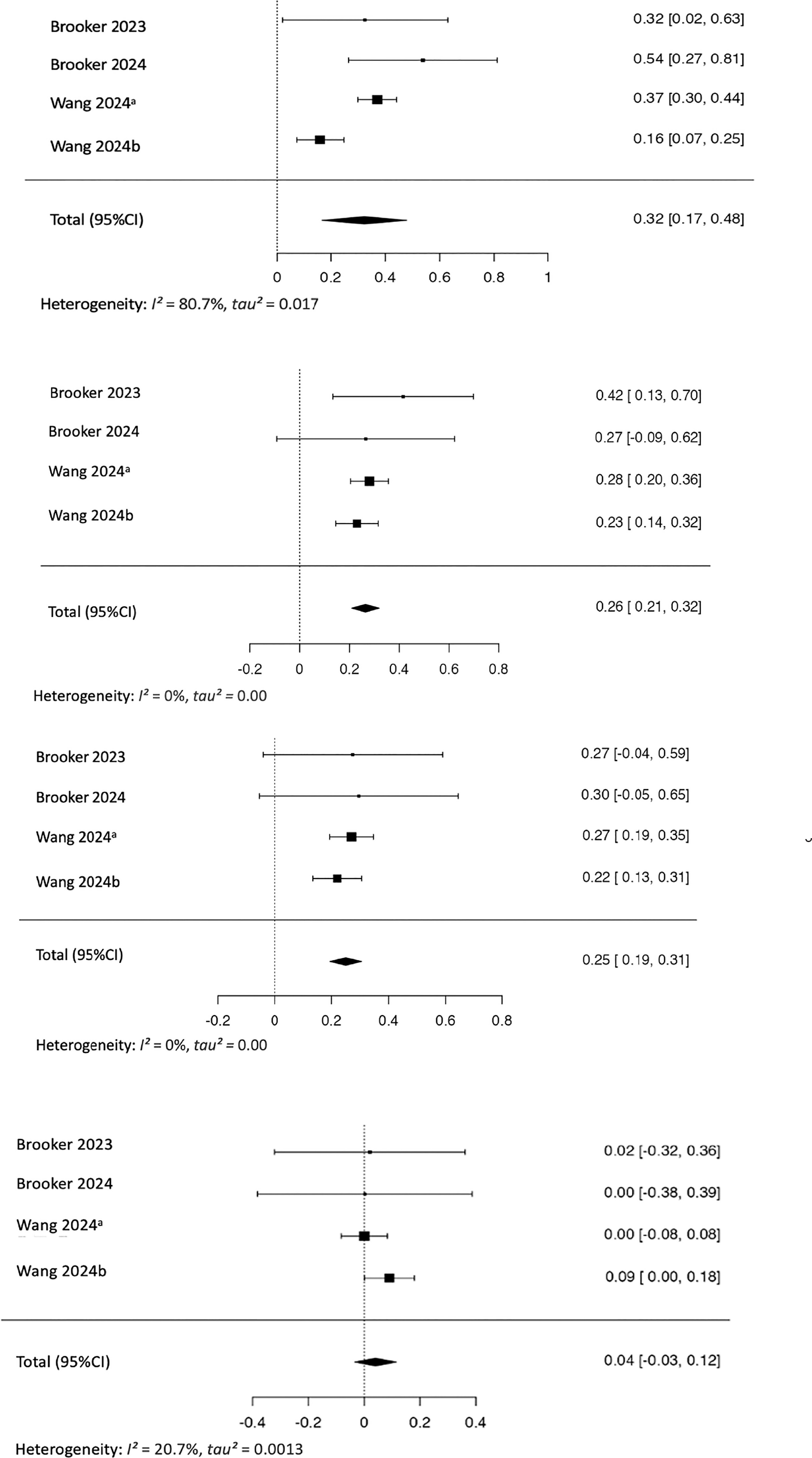
Figure 2.
Forest Plots Illustrating Correlation of OSA Severity with Endotypes.
Discussion
The growing understanding of the underlying pathophysiology of OSA could potentially improve the development of personalised therapeutic decision-making (17). This metaanalysis reports compelling evidence for the differential contributions of four key endotypes of OSA to disease severity. Our findings demonstrate that upper airway collapsibility (r = 0.323, P < 0.001), loop gain (r = 0.264, P < 0.001) and arousal threshold (r = 0.250, P < 0.001) show significant positive correlations with AHI, while muscle compensation showed no significant association (r = 0.040, P = 0.293).
The strongest association emerged for upper airway collapsibility (r = 0.323, P < 0.001), consistent with its established role as the primary anatomical determinant of OSA. Airway collapsibility reflects the critical closing pressure (Pcrit) of the pharynx, a well-established mechanistic predictor of apnoea events (18). Anatomical structures of the upper airway significantly influence its susceptibility to collapse in patients with OSA. Primary anatomical risk factors include hypertrophy of pharyngeal soft tissue, narrow oropharyngeal space and obesity (13,19). Patients with highly collapsible airways experience more frequent and longer apnoeas/hypopnoeas, raising the AHI. OSA patients who primarily driven by anatomical factors may benefit from surgical interventions. Non-surgical approaches such as CPAP, mandibular appliances and weight loss interventions are also beneficial in this trait (16,19).
The significant correlation between elevated loop gain and OSA severity exhibits the importance of ventilatory control instability in OSA pathogenesis. Elevated ventilatory instability or loop gain manifests as excessive ventilatory drive responses to minor changes in ventilation. This hyperreactivity promotes unstable breathing patterns, increases susceptibility to upper airway collapse and consequently correlates strongly with higher AHI scores (11,13). Emerging evidence suggests that elevated loop gain serves as a predictor of upper airway surgical failure, given its independence from anatomical factors. This condition is best managed by pharmacological therapy (acetazolamide) and oxygen supplementation (6,19).
Our analysis revealed a moderate but highly consistent association between arousal threshold and AHI. Patients with low arousal threshold have increased sensitivity to respiratory stimuli. This premature termination of respiratory events prevents adequate accumulation of ventilatory drive necessary for optimal activation of pharyngeal dilator muscles which leads to repetitive apnoea (6,13). Therapeutic strategy to increase the arousal threshold including hypnotic agents such as trazodone and eszopiclone is preferred (6,19). A previous study reported reduced adherence to CPAP among patients with low arousal thresholds (6).
This study reported a non-significant association for muscle compensation and OSA severity. Muscle compensation is the ability of pharyngeal dilator muscle to activate the airway when disturbed. Poor muscle compensation caused a compromise of compensatory mechanism during sleep due to diminished neuromuscular reflex. Our results revealed that poor muscle compensation does not directly predict OSA severity but it may have a modifying effect. Therapeutic approaches targeting pharyngeal muscle function include hypoglossal nerve stimulation (HGNS), pharmacological therapy (dronabinol and desipramine) that enhance neuromuscular recruitment and muscle exercise (16,19).
There were several limitations in our study. First, a small number of included studies which limits the statistical power for subgroup analyses. Second, the cross-sectional design of all included studies precludes causal inferences, as temporal relationships between endotypic traits and disease progression cannot be established. Third, significant heterogeneity in measurement techniques for upper airway collapsibility (I2 = 80.7%) suggests potential variability in operational definitions across studies, which may affect the comparability of results. These limitations underscore the need for larger, longitudinal studies with standardised endotyping protocols.
Conclusion
This meta-analysis shows robust evidence that OSA endotypes have significant correlation with disease severity. Upper airway collapsibility demonstrates the strongest association with OSA severity followed by high loop gain and low arousal threshold. The findings reinforce that OSA is a heterogeneous disorder requiring personalised medicine approaches (1): anatomical interventions for patients with dominant airway collapsibility (2), ventilatory stabilisation for high loop gain (3), arousal threshold modulation for susceptible subgroups and (4) neuromuscular stimulation for patients with airway muscle dysfunction. In general, these results advance the paradigm of endotype-directed therapy, though future research should address current limitations through prospective designs and standardised phenotyping protocols to improve personalised treatment strategies.
Acknowledgements
This work was supported by Department of Pulmonology and Respiratory Medicine, Faculty of Medicine, Sebelas Maret University.
The study was self-funded.
Notes
[4] Contributed by Author contributions
All authors of this study meet the criteria for authorship as identified by the International Committee of Medical Journal Editors (ICMJE); all authors have substantial contributions to conceptualisation of the study, drafting and reviewing the manuscript and agree to be accountable for all aspects of the work. The author contributions are as follows: Conceptualisation and methodology: S.N.V. Putri, D.E. Praditama, Reviono; formal analysis: S.N.V. Putri, D.E. Praditama, Reviono; data curation: S.N.V. Putri; writing/revising: S.N.V. Putri; supervision: Reviono.
[5] Source of support
[6] Disclaimer
The manuscript and its contents are confidential, intended for journal review purposes only and not to be further disclosed.
[7] Conflicts of interest Conflicts of interest
The authors declare that there is no conflict of interest.
[8] Informed consent statement
No informed consent was necessary
[9] Prospero registration number
CRD420251063239
Supplementary Figures and Tables
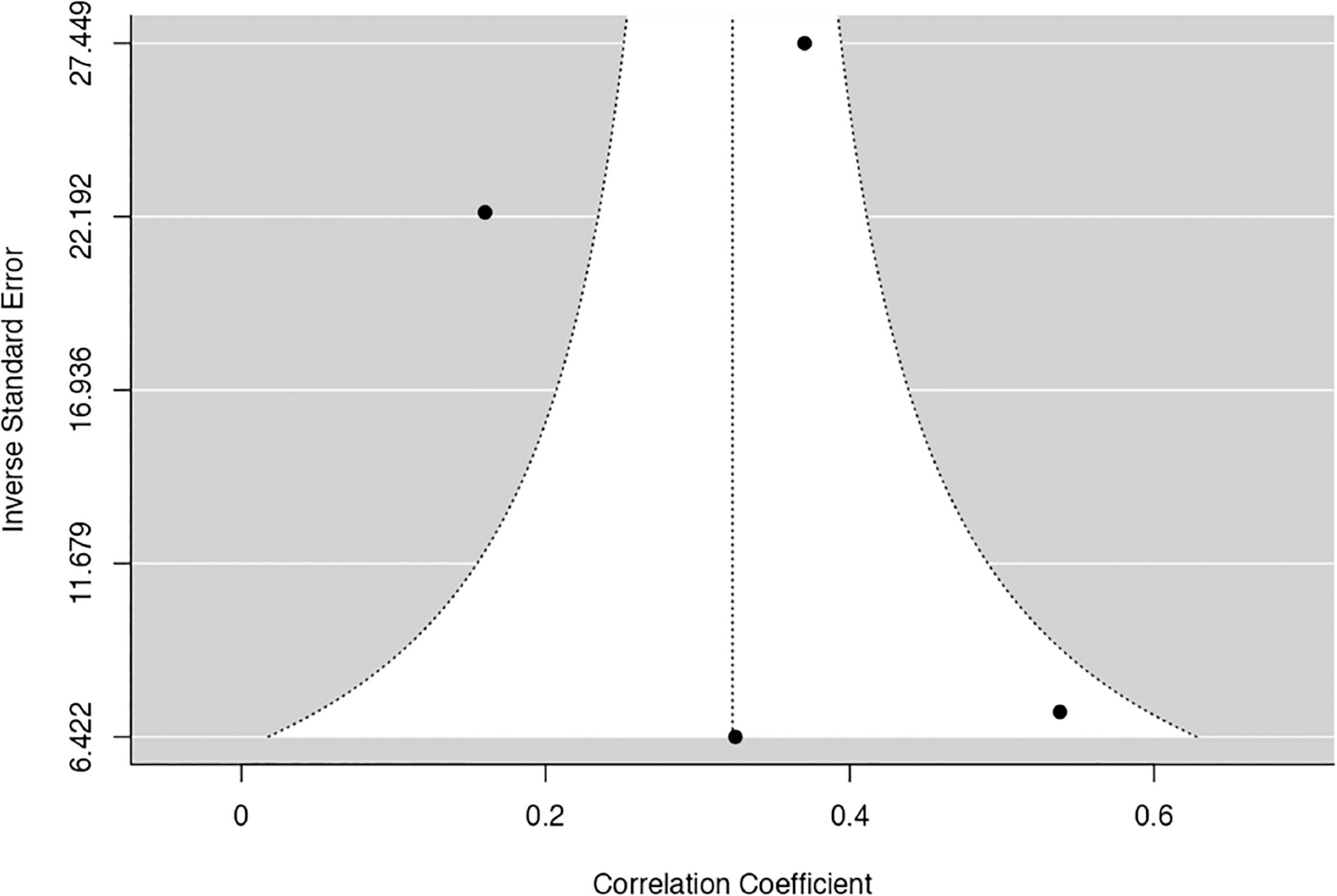
Figure S1.
Funnel plot for upper airway collapse and OSA severity. OSA, obstructive sleep apnoea.
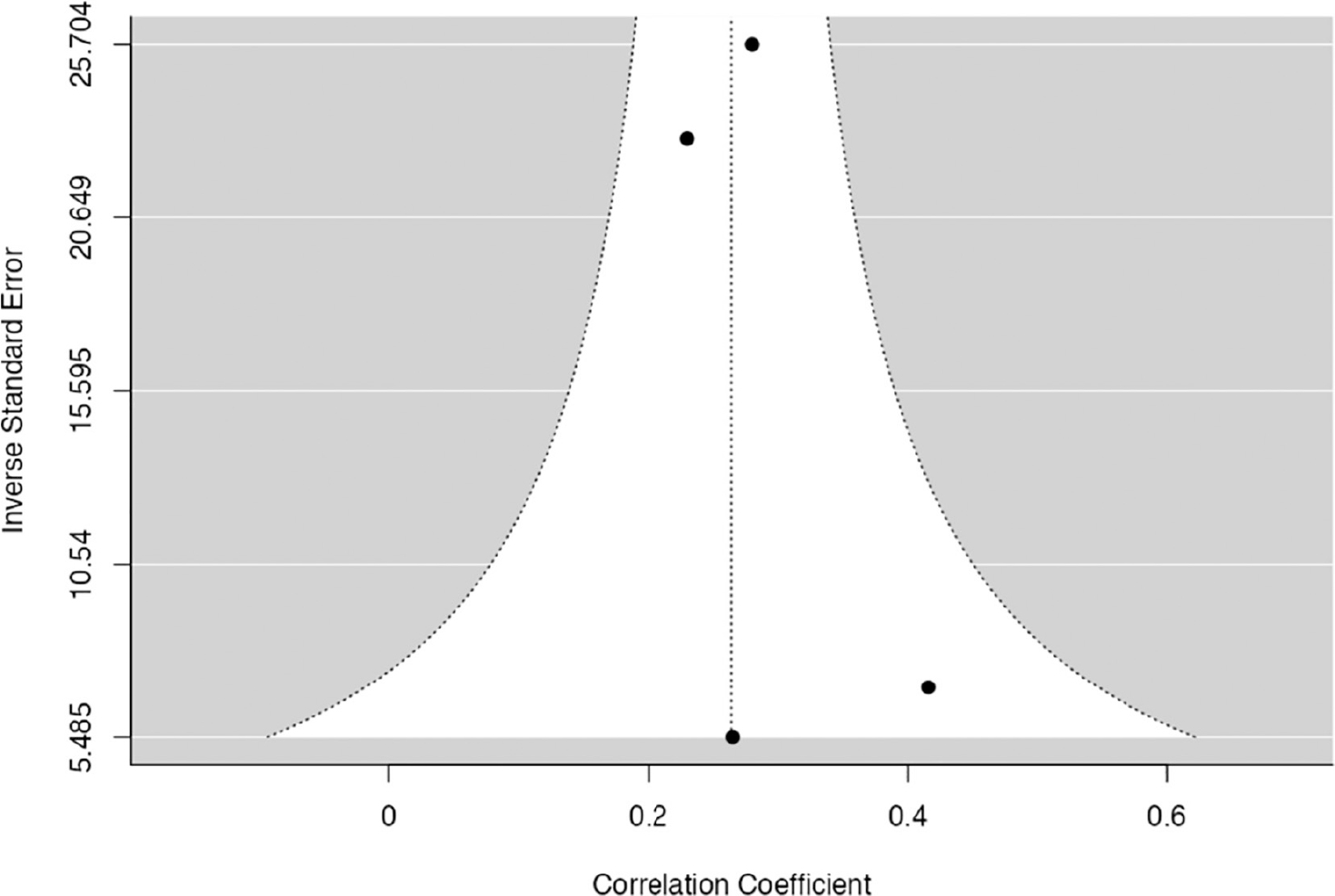
Figure S2.
Funnel plot for loop gain and OSA severity. OSA, obstructive sleep apnoea.
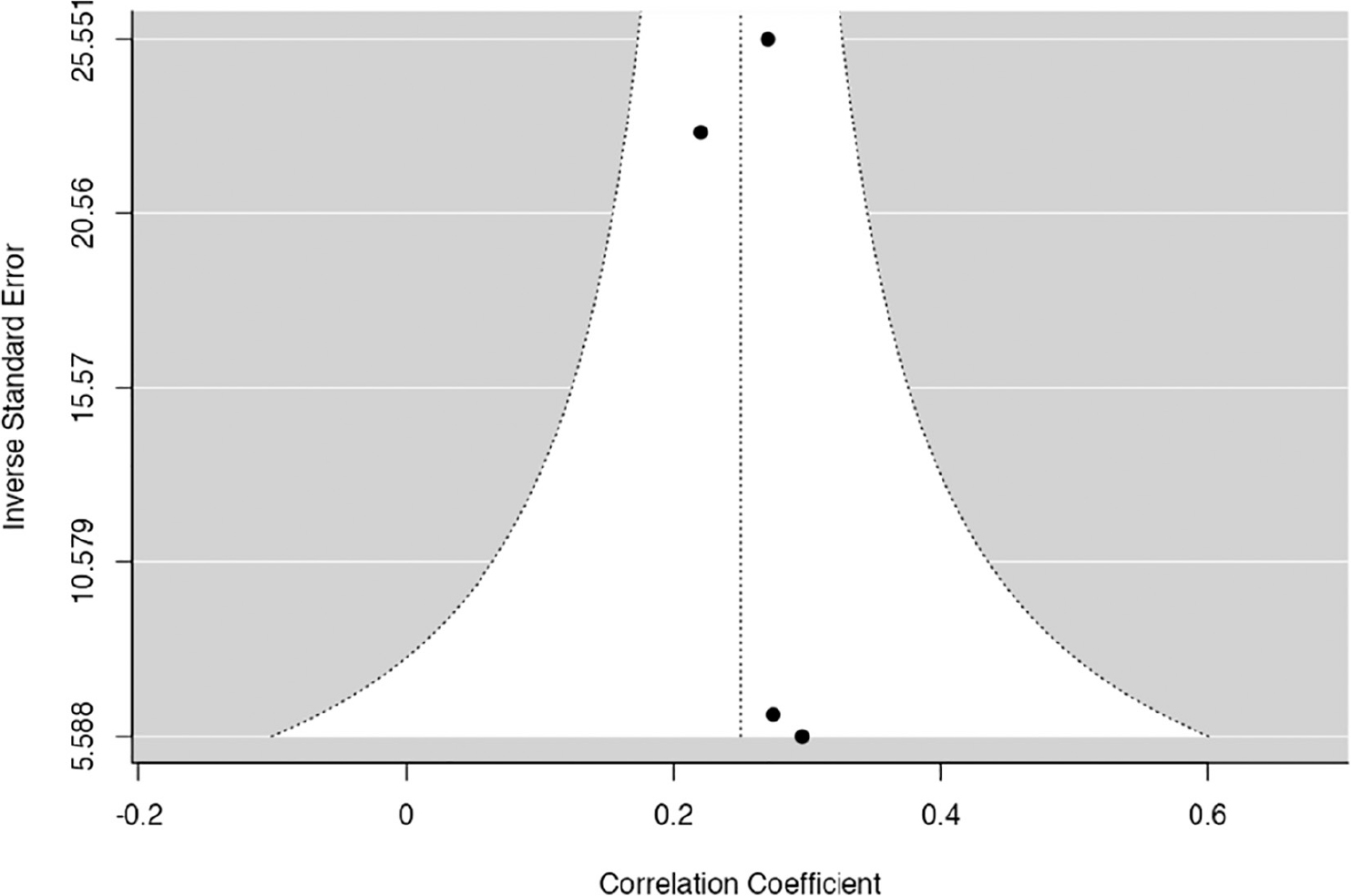
Figure S3.
Funnel plot for arousal threshold and OSA severity. OSA, obstructive sleep apnoea.
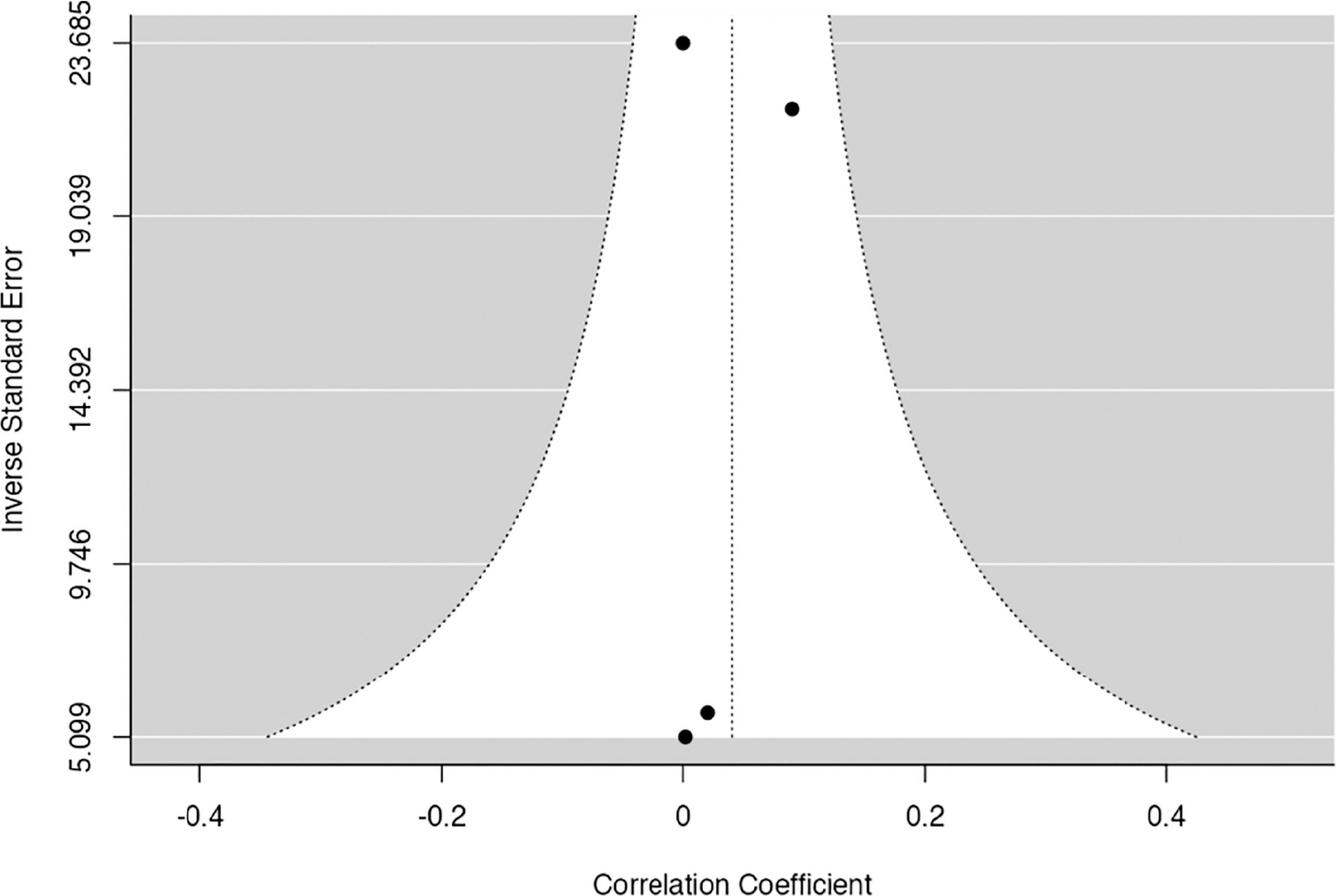
Figure S4.
Funnel plot for muscle compensation and OSA severity. OSA, obstructive sleep apnoea.
Table S1.
Quality assessment of the studies based on NOS
| Studies | Selection | Comparability | Outcome | Total | ||||
|---|---|---|---|---|---|---|---|---|
| Representativeness | Sample size | Response rate | Ascertainment of the screening tool | Assessment | Statistical test | |||
| Brooker 2023 (13) | ** | * | ** | * | ** | * | 9 | |
| Brooker 2024 (14) | ** | * | ** | * | ** | * | 9 | |
| Wang 2024 (9) | * | * | * | * | * | * | 6 | |
Table S2.
Publication bias assessment for upper airway collapse and OSA severity
| Test Name | Value | P |
|---|---|---|
| Fail-Safe N | 140.000 | <0.001 |
| Begg and Mazumdar Rank Correlation | –0.333 | 0.750 |
| Egger’s Regression | 0.822 | 0.411 |
| Trim and Fill Number of Studies | 1.000 |
Table S3.
Publication bias assessment for loop gain and OSA severity
| Test Name | Value | P |
|---|---|---|
| Fail-Safe N | 101.000 | <0.001 |
| Begg and Mazumdar Rank Correlation | 0.000 | 1.000 |
| Egger’s Regression | 0.672 | 0.502 |
| Trim and Fill Number of Studies | 1.000 |
Table S4.
Publication bias assessment for arousal threshold and OSA severity
| Test Name | Value | P |
|---|---|---|
| Fail-Safe N | 83.000 | <0.001 |
| Begg and Mazumdar Rank Correlation | 0.000 | 1.000 |
| Egger’s Regression | 0.232 | 0.817 |
| Trim and Fill Number of Studies | 1.000 |