
Introduction
The global supply chain landscape has undergone significant transformations in recent years, driven by increasing consumer awareness, stricter regulatory requirements, and pressing sustainability concerns. As industries across the world strive to adopt ethical and environmentally responsible business practices, the importance of Halal Supply Chain Management (HSCM) has gained substantial recognition. HSCM plays a crucial role in ensuring that products and services adhere not only to Islamic principles but also to broader ethical, social, and environmental standards. The demand for Halal-certified products is expanding beyond Muslim-majority countries, reaching global markets where consumers prioritise product integrity, ethical sourcing, and sustainability (Ghalih & Chang, 2024b). Halal supply chains are no longer limited to religious compliance; they now represent a global benchmark for ethical trade, fair labor practices, and sustainable resource management. As a result, Halal certification has evolved into a trust-based mechanism that appeals to both Muslim and non-Muslim consumers who seek high-quality, ethically produced goods (Tayob, 2021).
In response to these growing demands, businesses and policymakers are increasingly recognising the interconnection between HSCM and global sustainability frameworks, particularly the Sustainable Development Goals (SDGs) (Ghalih et al., 2024). The integration of SDGs within Halal supply chains is critical for fostering ethical procurement practices, green logistics, and responsible production and consumption, all of which contribute to long-term economic and environmental sustainability (Rahman et al., 2024). However, ensuring that the Halal supply chain aligns with sustainability principles requires a holistic transformation of the entire supply chain network, from sourcing raw materials to final product distribution. This involves ensuring ethical supplier relationships, optimising logistics to reduce carbon footprints, implementing energy-efficient production processes, and minimising waste throughout the supply chain (Bux et al., 2022).
The Sustainable Development Goals (SDGs), introduced by the United Nations in 2015, provide a comprehensive framework to address global challenges such as poverty, inequality, climate change, and unsustainable consumption patterns (Ghalih et al., 2024). Among the 17 SDGs, several goals are directly relevant to the Halal supply chain. SDG 2 (Zero Hunger) ensures food security and promotes sustainable agricultural practices by emphasising ethical and Halal-compliant food production. By integrating fair trade principles and sustainability-driven agricultural policies, Halal supply chains can contribute to enhanced food security and rural economic development. SDG 8 (Decent Work and Economic Growth) encourages fair labour practices and ethical working conditions in Halal industries, ensuring that workers' rights and human dignity are upheld (Boecker & Boecker, 2024a).
The Halal industry, particularly in sectors such as Halal food, pharmaceuticals, and cosmetics, must adopt transparent labour policies that prevent worker exploitation, forced labour, and wage inequalities. SDG 12 (Responsible Consumption and Production) advocates for sustainable production methods, waste reduction, and resource efficiency within Halal food processing, logistics, and retail (Ghalih & Chang, 2024a). This goal aligns with the need for green supply chain initiatives that minimise environmental degradation and ensure efficient resource utilisation in Halal product manufacturing. Meanwhile, SDG 13 (Climate Action) focuses on reducing carbon emissions and promoting eco-friendly transportation and storage solutions in Halal logistics (Keliat & Sentanu, 2022). Reducing greenhouse gas emissions through sustainable packaging, electric transportation fleets, and energy-efficient cold storage systems is crucial in transforming the Halal supply chain into an eco-conscious global industry (Mahbubi & Uchiyama, 2020).
Despite the growing commitment to sustainability in Halal supply chains, several challenges persist, making the implementation of SDG-aligned strategies complex. These challenges include a lack of traceability, which makes ensuring Halal integrity across globalised supply networks difficult due to fragmented tracking systems and varying Halal certification standards across countries. Traceability remains a critical issue in Halal logistics, particularly in sectors such as meat processing, pharmaceutical production, and Halal cosmetics, where contamination risks can compromise Halal status. Another issue is regulatory inconsistencies, where the absence of unified Halal regulations and differences in certification procedures create barriers to standardisation and complicate international trade (Setiawan et al., 2024a).
The lack of mutual recognition agreements (MRAs) between Halal certification bodies further complicates global trade flow, making it difficult for Halal producers to export their goods without undergoing multiple certification processes. Additionally, the environmental impact of Halal logistics poses a significant concern, as the increasing reliance on global supply chains results in higher carbon emissions, resource inefficiencies, and unsustainable waste management practices, particularly in Halal food production and distribution. Waste generation in Halal meat and dairy industries is particularly problematic, as improper disposal of animal by-products can lead to environmental hazards and non-Halal contamination issues (Tseng et al., 2022a).
To address these challenges, there is a need for a systematic approach that evaluates the interdependencies between sustainability factors in HSCM. The Decision-Making Trial and Evaluation Laboratory (DEMATEL) method provides a multi-criteria decision-making (MCDM) framework to identify the cause-and-effect relationships among complex factors influencing Halal supply chain sustainability (Wang et al., 2018). DEMATEL has been widely used in risk assessment, logistics optimisation (Lin et al., 2018), and strategic decision-making (Ren & Toniolo, 2018) to evaluate the relationships between different sustainability criteria in a structured manner. By using DEMATEL, this study seeks to analyse key sustainability drivers in HSCM, understand how different factors influence one another, and develop strategic recommendations for enhancing sustainability within Halal industries (Bai et al., 2017). By identifying critical cause-effect relationships, DEMATEL enables Halal industry stakeholders to make data-driven decisions that strengthen supply chain resilience, ethical compliance, and environmental responsibility (Luthra et al., 2018).
The primary objectives of this study are to identify the key sustainability factors in HSCM that align with SDGs, examine the causal relationships between these factors using the DEMATEL method, and propose strategic recommendations to enhance sustainability in Halal supply chains. This study contributes to the growing body of knowledge on Halal supply chain sustainability by integrating SDG principles with quantitative analytical approaches. The findings will serve as a valuable resource for policymakers, business leaders, and researchers who are looking to enhance Halal supply chain sustainability, improve ethical sourcing practices, and develop globally harmonised Halal certification standards.
This study significantly differs from previous DEMATEL-based investigations by specifically integrating Halal Supply Chain Management (HSCM) with Sustainable Development Goals (SDGs). Unlike prior studies, which predominantly focus on general sustainability or traditional supply chains, our research uniquely addresses Halal certification standards and ethical considerations, explicitly connecting these with global sustainability frameworks. Moreover, by integrating specific elements such as sustainable procurement, Halal certification transparency, and green logistics within the Halal supply chain context, our research offers a novel methodological contribution, enriching both theory and practical applications within this niche yet globally relevant field.
By leveraging scientific decision-making methods such as DEMATEL, businesses and regulators can make data-driven improvements in Halal supply chain efficiency, transparency, and environmental responsibility (Attarmoghaddam et al., 2022). Future research and industry collaborations should further explore the role of digital innovations, AI-driven traceability systems, and circular economy models in optimising the Halal supply chain for a sustainable global economy. The integration of blockchain-based Halal certification systems could further enhance supply chain traceability, while artificial intelligence (AI) and predictive analytics could improve Halal product demand forecasting and logistics efficiency. As the Halal economy continues to expand globally, ensuring that its supply chains align with SDG targets will be essential in creating a more sustainable, ethical, and inclusive Halal industry that benefits both businesses and consumers worldwide.
Literature review
Halal supply chain management (HSCM)
The Halal Supply Chain Management (HSCM) framework is a structured system that ensures products and services comply with Islamic principles at every stage of the supply chain, including procurement, production, storage, logistics, and distribution (Li et al., 2023). Unlike conventional supply chains, HSCM operates under stricter compliance rules that emphasise traceability, segregation, and Halal certification to ensure that products remain free from contamination with non-Halal elements (Bhatti et al., 2021). This rigorous compliance process extends beyond food and beverages to cover industries such as pharmaceuticals, cosmetics, finance, and logistics, where adherence to Shariah law is essential for maintaining product integrity and consumer trust (Norlia et al., 2018).
The demand for Halal-certified goods is experiencing rapid global growth, fuelled by an expanding Muslim population and heightened awareness of ethical and sustainable consumption. The global Halal market is estimated to be worth trillions of dollars, with Halal food alone accounting for over one-third of global food trade (Sherwani et al., 2018). As Halal products gain popularity among non-Muslim consumers due to their ethical sourcing, stringent quality standards, and environmental sustainability, businesses are increasingly integrating Halal compliance into their supply chain strategies to capture a broader consumer base. According to Johnson et al. (2017), aligning sustainability principles with HSCM not only enhances consumer trust but also minimises environmental impact and contributes to global sustainability efforts.
Despite the growing recognition of HSCM’s importance, various challenges persist in implementing sustainable Halal supply chains. One of the major challenges is the lack of standardised global Halal regulations, as different countries and Halal certification bodies follow diverse certification criteria and inspection procedures. For instance, Halal certification requirements in Malaysia, Indonesia, Saudi Arabia, and Europe often differ, creating inconsistencies in global trade and increasing compliance costs for businesses (Ruhaeni & Aqimuddin, 2023). The absence of a universal Halal certification system results in delays in market entry, higher costs for multiple certifications, and difficulties in meeting the Halal standards of different importing countries.
Another key challenge in HSCM is supply chain transparency, as businesses struggle to maintain full visibility over the sourcing, handling, and transportation of Halal-certified products. Many supply chain disruptions, such as accidental cross-contamination, fraudulent Halal labelling, and storage mismanagement, can compromise the Halal integrity of products, leading to consumer distrust and financial losses (Pratama et al., 2023). Furthermore, logistical inefficiencies pose another obstacle, as ensuring strict Halal compliance throughout the entire supply chain—from farm to fork—requires specialised transportation, handling, and warehousing protocols. The lack of dedicated Halal logistics infrastructure in many regions increases the risk of cross-contamination and non-compliance, making it difficult for businesses to maintain the required standards.
Additionally, the rising emphasis on sustainability further complicates HSCM operations. Many Halal supply chains rely on conventional manufacturing and distribution systems, which often consume excessive resources, generate waste, and contribute to environmental degradation. There is growing pressure on Halal-certified companies to adopt green supply chain practices, such as reducing carbon footprints, minimising food waste, and improving resource efficiency. Sustainable Halal logistics, for example, must integrate eco-friendly transportation, energy-efficient Halal cold storage, and sustainable packaging solutions to align with global environmental goals such as the United Nations' Sustainable Development Goals (SDGs) (Lestari et al., 2022).
To overcome the challenges associated with Halal Supply Chain Management (HSCM), researchers emphasise the need for technological advancements to enhance integrity, efficiency, and sustainability. Several emerging technologies have been identified as transformative solutions for modern Halal supply chains, helping to streamline compliance, improve traceability, and mitigate risks associated with fraudulent certifications or contamination.
One of the most significant advancements is Blockchain Technology, which provides traceability solutions that allow businesses to record, verify, and track Halal products at every stage of the supply chain (Li et al., 2023). By utilising an immutable digital ledger, blockchain ensures full transparency and authentication, preventing fraudulent Halal certifications while enhancing consumer confidence. This technology is particularly useful in global Halal trade, where inconsistencies in certification standards can pose compliance challenges.
Artificial Intelligence (AI) and Machine Learning also play a vital role in optimising Halal compliance monitoring, supplier risk assessment, and logistics planning. AI-powered systems can detect anomalies in supply chain data, allowing businesses to identify potential compliance violations before products reach the market (Tayob, 2021). Moreover, AI-driven predictive analytics helps forecast demand more accurately, reducing Halal food waste and minimising supply chain inefficiencies. These advancements enable businesses to proactively address quality control and ensure the integrity of Halal-certified goods.
The integration of Internet of Things (IoT) and Smart Sensors further enhances real-time monitoring of Halal supply chains. IoT-enabled sensors, coupled with RFID technology, help track temperature, humidity, and handling conditions, particularly in Halal meat and dairy industries, where maintaining strict storage requirements is crucial to prevent contamination and ensure product integrity (Ghalih & Chang, 2024a). By automating compliance monitoring, IoT ensures that Halal-certified products remain within safe handling parameters throughout the supply chain.
Big Data and Cloud Computing are also transforming Halal supply chain operations by enabling businesses to analyse market trends, consumer preferences, and compliance risks more effectively. Cloud-based Halal compliance systems provide instant verification of Halal certificates, allowing businesses and consumers to authenticate product certifications in real time. This reduces administrative bottlenecks and enhances transparency, thereby strengthening trust in Halal supply chains (Setiawan et al., 2024a).
Lastly, Robotics and Automation are emerging as critical technologies in Halal food processing, quality control, and logistics. The use of robotics in Halal slaughterhouses and food production facilities helps reduce human errors, minimise contamination risks, and improve operational efficiency. Automated Halal slaughterhouses, for instance, ensure consistent compliance with Halal standards, eliminating variations that may arise from manual processes (Idris et al., 2022).
These technological innovations collectively contribute to the enhancement of HSCM sustainability and efficiency, ensuring that Halal products meet the highest ethical, safety, and regulatory standards while promoting transparency, reducing waste, and improving supply chain resilience. By leveraging these advanced technologies, businesses can improve Halal supply chain transparency, sustainability, and efficiency. Governments and Halal regulatory bodies must also work towards harmonising global Halal certification standards to facilitate seamless international trade and reduce the burden of redundant certifications. Implementing policy reforms that encourage sustainable practices in Halal industries, such as incentives for eco-friendly Halal production, investment in green Halal logistics, and stricter penalties for non-compliance, can further strengthen the integrity of the Halal supply chain. Ultimately, the future of Halal Supply Chain Management lies in the convergence of ethical business practices, sustainability principles, and cutting-edge technologies. The successful integration of traceability solutions, AI-driven compliance monitoring, and blockchain-enabled Halal verification will not only boost consumer confidence but also position the Halal industry as a leader in sustainable global trade. By embracing digital innovation and environmentally responsible practices, the Halal supply chain can continue to thrive in the global market while upholding its core principles of purity, transparency, and ethical responsibility.
Sustainable development goals (SDGs) and Halal supply chain management
The Sustainable Development Goals (SDGs) serve as a global blueprint for addressing sustainability challenges, with multiple goals directly linked to Halal Supply Chain Management (HSCM). Given the increasing role of Halal industries in the global economy, aligning HSCM with SDGs presents a unique opportunity to enhance sustainable food systems, ethical labour practices, responsible production, and environmentally friendly logistics. As businesses expand their reach into Halal markets, there is a growing need for sustainability-driven policies that promote economic, social, and environmental responsibility throughout the Halal supply chain.
Among the 17 SDGs, several are highly relevant to HSCM. SDG 2 (Zero Hunger) emphasises the importance of food security, ethical sourcing, and sustainable agricultural practices, which directly align with the principles of Halal food production and distribution. Ensuring that Halal food products are produced using sustainable farming techniques, minimising waste, and providing equitable access to nutritious food is critical for achieving global food security (Ghalih et al., 2024). Halal-certified food companies are expected to source ingredients responsibly, adhere to fair trade principles, and avoid exploitative agricultural practices that contribute to food insecurity and environmental degradation.
SDG 8 (Decent Work and Economic Growth) plays a fundamental role in promoting fair labour practices and ethical business operations, particularly in Halal food production, logistics, and distribution. The Halal industry has experienced rapid growth, leading to increased employment opportunities across multiple sectors, including agriculture, manufacturing, logistics, and retail. However, concerns regarding labour exploitation, unfair wages, and unsafe working conditions in some Halal-certified supply chains necessitate stricter enforcement of labour standards and ethical employment policies (Azhar & Tu, 2021). By integrating fair trade policies, worker protection laws, and corporate social responsibility (CSR) initiatives, Halal industries can support sustainable economic growth while ensuring worker well-being.
SDG 12 (Responsible Consumption and Production) encourages waste reduction, resource efficiency, and eco-friendly manufacturing processes within Halal industries. The Halal supply chain, particularly in food production, cosmetics, and pharmaceuticals, generates significant waste due to unsustainable production methods, excessive packaging, and inefficient logistics. Sustainable practices such as green packaging, biodegradable materials, and resource-efficient production processes can significantly reduce waste, improve energy efficiency, and minimise the carbon footprint of Halal supply chains (Kurniawati & Cakravastia, 2023). Businesses are increasingly adopting circular economy models, which focus on recycling, reusing, and repurposing materials to ensure that Halal production remains sustainable and environmentally responsible.
Meanwhile, SDG 13 (Climate Action) highlights the urgent need for climate-resilient supply chain strategies to reduce carbon emissions and adopt environmentally sustainable transportation methods. Halal logistics companies are encouraged to invest in energy-efficient transportation, electric vehicles, and carbon-neutral warehouses to lower their environmental impact (Wahyuni et al., 2019). Additionally, Halal-certified food companies must address the environmental consequences of meat production, as livestock farming contributes significantly to greenhouse gas emissions. Implementing climate-conscious Halal farming practices, such as precision agriculture, plant-based Halal alternatives, and sustainable water management, can help mitigate the negative environmental effects of Halal food production.
While the alignment between HSCM and SDGs offers promising opportunities for sustainability, several challenges hinder effective implementation. One of the biggest obstacles is the absence of a unified regulatory framework, as Halal certification bodies across different countries follow inconsistent certification standards. The lack of a globally recognised Halal certification system results in trade barriers, compliance challenges, and increased costs for businesses (Zuhri et al., 2023). For instance, a company exporting Halal products to multiple markets often needs to obtain separate Halal certifications for each country, increasing bureaucratic hurdles and regulatory complexity. Establishing a standardised global Halal certification framework can facilitate cross-border trade, reduce redundant certification processes, and enhance supply chain transparency.
Another major challenge is the lack of technological integration in Halal logistics, leading to operational inefficiencies and increased environmental impact. Many Halal businesses still rely on traditional supply chain management practices, which lack real-time tracking, automation, and data analytics capabilities (Sunarmo et al., 2024). This results in supply chain delays, increased food waste, and inefficient resource allocation. The adoption of advanced digital technologies, such as blockchain for Halal traceability, artificial intelligence (AI) for predictive analytics, and the Internet of Things (IoT) for smart logistics, can enhance the efficiency and sustainability of Halal supply chains. Blockchain, for example, enables tamper-proof Halal certification records, reducing the risk of fraudulent Halal claims and ensuring full transparency from farm to table.
Additionally, industry collaboration and policy interventions are essential to strengthen the contribution of HSCM to the SDGs. Governments, regulatory agencies, and Halal industry stakeholders must work together to develop incentives for sustainable Halal practices, such as tax breaks for eco-friendly Halal businesses, funding for green logistics infrastructure, and investment in sustainable Halal agriculture(Pratiwi et al., 2024). Public-private partnerships can facilitate technology transfer, knowledge sharing, and cross-industry collaboration, enabling Halal-certified companies to adopt best practices in sustainability and ethical supply chain management.
Despite the challenges, the future of HSCM is promising, with increasing efforts to integrate sustainability, digital transformation, and ethical business practices. The emergence of green Halal supply chains, where companies prioritise eco-friendly sourcing, carbon-neutral logistics, and minimal waste production, is expected to reshape the global Halal industry (Setiawan et al., 2024b). Halal businesses are now exploring alternative protein sources, such as plant-based Halal meat and lab-grown Halal meat, to reduce livestock-related environmental damage while catering to health-conscious and eco-conscious consumers (Tseng et al., 2022b).
Moreover, the rise of AI-powered Halal certification systems can automate the inspection and validation of Halal compliance, making the certification process more accurate, efficient, and fraud-resistant. Governments are also exploring legislative reforms to create more inclusive, sustainable, and transparent Halal trade policies, which will streamline certification, encourage ethical labour practices, and promote green business models (Boecker & Boecker, 2024b).
Moving forward, researchers and industry leaders must continue exploring the intersection of Halal supply chains and sustainable development to drive long-term improvements. A key area of focus should be the development of a unified global Halal certification system, which would eliminate redundancies and inconsistencies in international Halal trade, ensuring a more streamlined and transparent certification process. Additionally, integrating AI-driven supply chain optimisation tools can enhance operational efficiency, improve resource allocation, and reduce environmental impact through smarter logistics and predictive analytics. Another crucial aspect of future research is assessing the economic and environmental impact of plant-based Halal alternatives, which offer a sustainable solution for diversifying Halal markets while reducing reliance on resource-intensive animal products. Furthermore, exploring circular economy models in Halal industries can help minimise waste, improve resource efficiency, and create a more sustainable product lifecycle. By addressing these critical areas, stakeholders can enhance the resilience, efficiency, and sustainability of Halal supply chains on a global scale.
The integration of SDGs into Halal Supply Chain Management is an essential step toward creating a sustainable, ethical, and efficient global trade system. While challenges such as regulatory inconsistencies, lack of technological adoption, and environmental concerns persist, the implementation of innovative solutions, collaborative policies, and advanced technologies can help overcome these barriers. Businesses, policymakers, and researchers must work collectively to drive the transformation of Halal supply chains, ensuring that they contribute to economic growth, environmental sustainability, and ethical trade practices.
DEMATEL method in supply chain decision-making
The Decision-Making Trial and Evaluation Laboratory (DEMATEL) method is a widely used multi-criteria decision-making (MCDM) tool designed to analyse complex interrelationships among multiple factors within a system(Bhatia & Srivastava, 2018). As modern industries become increasingly interconnected, organisations must assess causal relationships between key variables to make informed decisions. DEMATEL provides a structured approach to problem-solving, helping researchers and industry practitioners understand the influence of one factor over another and its downstream impact on supply chain sustainability. By applying DEMATEL, organisations can identify critical drivers and dependent factors, enabling them to implement targeted strategies for improved decision-making.
The DEMATEL methodology is particularly relevant in supply chain management, risk assessment, and sustainability studies, where multiple factors interact in non-linear and dynamic ways (Quezada et al., 2018). The methodology enables researchers to structure decision-making problems systematically, providing insights into the interdependencies between sustainability factors (Asan et al., 2018). Unlike traditional analytical methods that treat variables as independent entities, DEMATEL captures the real-world complexity of decision-making by identifying both direct and indirect relationships between key supply chain components. This allows businesses and policymakers to pinpoint root causes of inefficiencies, develop proactive strategies, and prioritise sustainability initiatives based on quantifiable influence scores.
Several studies have successfully applied DEMATEL in supply chain research, particularly in areas such as risk analysis, supplier selection, logistics efficiency, and sustainability evaluations. For example, Dou et al. (2017) conducted a study using DEMATEL to assess the impact of green logistics practices in Halal supply chains. Their findings identified eco-friendly transportation, energy-efficient storage, and low-carbon packaging as key drivers of sustainable supply chain performance. Similarly, Lin et al. (2018) applied DEMATEL to evaluate supply chain resilience strategies for Halal food security, highlighting technology adoption and regulatory compliance as critical success factors. These studies demonstrate the effectiveness of DEMATEL in uncovering key relationships within complex supply chain networks and provide data-driven insights for improving sustainability practices.
In addition to logistics and food security, DEMATEL has been used to address supplier selection challenges in Halal supply chain management (HSCM). The Halal industry is highly regulated, requiring suppliers to meet strict certification standards related to Halal compliance, ethical sourcing, and environmental sustainability. By using DEMATEL in supplier evaluation, organisations can assess the impact of supplier capabilities on overall supply chain sustainability and develop supplier development programs that enhance compliance, quality, and efficiency (Sayyadi Tooranloo et al., 2017). Furthermore, researchers have used DEMATEL to evaluate supply chain risks, such as regulatory inconsistencies, contamination risks, and disruptions in Halal logistics. These studies reinforce the importance of DEMATEL as a decision-support tool in addressing strategic, operational, and regulatory challenges in Halal supply chains.
The Decision-Making Trial and Evaluation Laboratory (DEMATEL) method is a powerful tool for evaluating the complex interrelationships within Halal Supply Chain Management (HSCM) and its contribution to sustainable development. By applying DEMATEL, researchers and industry leaders can identify key sustainability drivers, understand cause-and-effect relationships, optimise resource allocation, and enhance decision-making (George-Ufot et al., 2017). The integration of advanced analytics, AI, and blockchain with DEMATEL holds great potential for improving Halal supply chain efficiency, transparency, and sustainability. Future research should focus on hybrid MCDM models, digital transformation, and circular economy integration to advance HSCM’s role in global sustainability initiatives.
Research methodology
Research framework
This study employs the Decision-Making Trial and Evaluation Laboratory (DEMATEL) method to analyse the relationships among key sustainability factors in Halal Supply Chain Management (HSCM) and their impact on Sustainable Development Goals (SDGs). The DEMATEL technique is a multi-criteria decision-making (MCDM) approach that helps determine cause-and-effect relationships between interrelated criteria. This research follows a structured methodology involving expert opinions, data collection, and mathematical modelling to quantify the impact of HSCM on SDGs.
The research framework consists of three stages:
Identification of key sustainability factors relevant to HSCM and SDGs through a literature review and expert opinions.
Application of the DEMATEL method to assess the cause-effect relationships among factors.
Strategic recommendations based on the findings to enhance HSCM's role in achieving SDGs.
Data collection
The data for this study were collected using expert surveys and structured interviews with 25 industry professionals specialising in Halal supply chain management, sustainability, logistics, and policymaking. The selection of experts was based on their extensive experience in Halal certification, logistics operations, and regulatory frameworks. The experts represented diverse backgrounds, including supply chain managers, Halal auditors, academic researchers, and policymakers.
A structured questionnaire was developed to capture expert opinions on the influence and dependency relationships between sustainability factors. The questionnaire used a five-point Likert scale (ranging from 0 = no influence to 4 = very high influence) to quantify the strength of these relationships. To enhance data reliability, the survey was conducted in two rounds: an initial evaluation and a follow-up session to validate responses and address discrepancies. The collected data were subjected to consistency checks, and responses exhibiting high variance were reassessed through additional expert discussions. These measures ensured the credibility of the results and minimised bias in the pairwise comparisons.
The analysis of expert responses revealed significant insights into the critical sustainability factors within HSCM. Sustainable Procurement (SP) emerged as the most influential factor, exerting a strong impact on Green Logistics (GL), Halal Certification (HC), and Supply Chain Transparency (SCT). Experts emphasised the importance of integrating sustainability principles at the procurement stage to ensure long-term supply chain resilience.
Waste Management (WM) was identified as a highly dependent factor, relying on upstream procurement and logistics strategies to reduce environmental impact. Several experts highlighted the need for regulatory enforcement to encourage waste reduction and resource-efficient practices in Halal-certified industries.
Furthermore, inconsistencies in Halal certification standards across different regions were a recurring concern among respondents. Experts suggested that a standardised, globally recognised Halal certification system would enhance supply chain transparency and reduce compliance costs. The results also indicated growing interest in digital solutions such as blockchain for Halal verification, which could improve traceability and reduce the risk of fraudulent certification claims.
Decision-making trial and evaluation laboratory (DEMATEL)
Stage 1: This phase involves the identification and definition of the diverse influential factors of complex systems, utilising data sourced from literature reviews, expert consultations, or brainstorming sessions. Additionally, a scale measuring the degree of influence is developed to facilitate pairwise comparisons among the factors. This process assists in elucidating the causal relationships and the extent of influence exerted by each factor.
Stage 2: Upon establishing the significance of the measurement scales, the questionnaire survey method is utilised, wherein experts conduct pairwise assessments of the factors to ascertain both the magnitude and orientation of their interactive influences. Consequently, a direct relation matrix is constructed. Each non-diagonal entry in this matrix denotes the magnitude of the interactive influence between respective factors, while all diagonal entries are systematically set to zero to indicate no self-influence.
Stage 3: Compute a normalised direct relation matrix by employing the column vector’s maximum value as the threshold for normalisation. This method involves adjusting the values within the matrix such that each element is divided by the maximum value found in its respective column. This approach ensures that the matrix elements are proportionally scaled down to a range between zero and one, facilitating comparisons and further analytical processing. The normalisation of the direct relation matrix is crucial for maintaining consistency and enhancing the interpretability of the data, especially when assessing the relative strength of interactive influences between factors.
Stage 4: Compute the matrix T, which is also known as the total relation matrix, encompassing both direct and indirect relational influences among factors. This matrix represents the aggregation of all possible pathways through which factors can influence one another, both directly and through their interactions with other factors. The calculation of T is essential for capturing the comprehensive network of influences within the system, thereby providing a holistic view of how factors contribute to the overall dynamics. This detailed understanding aids in identifying key leverage points within the system and facilitates strategic planning and decision-making based on the interconnected nature of the system components.
Stage 5: Calculate the cumulative sums of the values in each column and each row within the total relation matrix. This analytical step involves aggregating the values across each column and each row, designated as Cj and Ri, respectively, where Ri represents the sum of the ith row and Cj denotes the sum of the jth column. These sums, Ri and Cj, encapsulate the aggregate direct and indirect influences exerted and received by the factors, respectively. By determining these sums, researchers can quantify the overall influence dynamics within the matrix, providing valuable insights into the predominant trends and interaction patterns between the factors in the system. This methodological step is crucial for a deeper understanding of the relational structure and influence distribution among the factors analysed.
Stage 6: Formulate the DEMATEL cause and effect diagram in this analytical phase. Here, the sum of the ith row and the jth column (Ri+Cj) is conceptualised as the 'notability' of each service attribute, where k = i = j = 1,2,…, n, providing a quantitative measure that reflects the overall influential directions associated with each service attribute under scrutiny. This notability metric serves to identify the core significance of the service attribute k within the matrix. Conversely, the difference between the row and column sums (Ri-Cj) is defined as 'relation,' which quantifies the differential influence exerted by the service attribute. A positive value in this metric indicates that the attribute acts predominantly as a causal factor, while a negative value denotes its role primarily as an effect within the system. In the visualisation phase of the DEMATEL technique, attributes are systematically positioned on a two-dimensional graph; the horizontal axis represents the 'notability' (Ri+Cj) interdependencies into a digestible and intuitive visual representation, thereby enabling stakeholders to perceive and analyse the intricate causal relationships among service attributes more effectively. The resultant diagram aids in the visualisation of dominant influences and interactions, enhancing the decision-making process by providing a clear and structured depiction of causality and effect within the evaluated system.
Stage 7: A threshold, denoted as (α), is established by computing the average of the elements within the matrix T, as delineated by equation (6). This computation serves the purpose of identifying and subsequently eliminating elements in matrix T that represent negligible effects. By setting this threshold, the analysis is refined to focus only on those interactions that surpass a certain level of significance, thereby streamlining the evaluation process and enhancing the clarity and precision of the results. The adoption of this threshold ensures that the analysis excludes minor influences that may otherwise obscure the interpretation of the data, leading to a more robust and focused understanding of the dominant relational dynamics within the system.
where N is the total quantity of features in the matrix T.Stage 8: Develop a cause-and-effect relationship diagram by plotting all coordinate sets (Ri+Cj, Ri-Cj) to visually map the complex interrelationships among factors. This diagrammatic representation provides a clear and intuitive visualisation that aids in evaluating the intricate connections and interactions between factors. It furnishes empirical evidence to discern the most pivotal factors within the system and elucidates how these factors exert influence over others. In the construction of this diagram, only those factors whose notability and relation metrics exceed a predetermined threshold value α, are included. This selective inclusion ensures that the diagram highlights only the most influential factors, thereby offering a focused and strategic insight into the causal dynamics that are most significant within the evaluated framework. This methodological approach enhances decision-making by pinpointing key areas of impact and influence, crucial for informed strategy development and intervention planning.
The DEMATEL method was selected due to its ability to identify interdependencies among sustainability factors in a structured manner. Unlike traditional analytical techniques, DEMATEL provides a systematic approach to mapping out complex interactions, allowing decision-makers to prioritise sustainability initiatives effectively. This approach enhances the ability to make data-driven decisions, improving the integration of HSCM with SDG objectives. The results obtained through this methodology offer actionable insights that can be leveraged by policymakers, businesses, and researchers to optimise Halal supply chains and enhance sustainability measures. The following section presents the analysis and key findings of this study.
Results and discussion
DEMATEL analysis results
The results of the Decision-Making Trial and Evaluation Laboratory (DEMATEL) analysis provide insights into the cause-effect relationships among the key Halal Supply Chain Management (HSCM) sustainability factors and their impact on Sustainable Development Goals (SDGs). Using 25 experts' evaluations, the direct-influence matrix was derived and normalised, followed by the computation of the total-influence matrix.
Table 1.
The prominence, dependence, and net effect of key sustainability factors in HSCM
| Factor | Prominence (D) | Dependence (R) | Net Effect (D - R) |
|---|---|---|---|
| Sustainable Procurement | 10.08 | 7.90 | 2.17 |
| Green Logistics | 9.25 | 9.41 | -0.16 |
| Halal Certification | 8.61 | 9.42 | -0.80 |
| Supply Chain Transparency | 8.96 | 9.44 | -0.48 |
| Waste Management | 8.64 | 9.37 | -0.72 |
The Prominence (D) and Dependence (R) values were calculated for each factor to determine their overall impact within the Halal Supply Chain Management (HSCM) system. The Net Effect (D - R) was used to classify each factor as either a cause (driving factor) or an effect (influenced factor). The results indicate that Sustainable Procurement (D = 10.08, R = 7.91, D - R = +2.18) is the most influential driving factor, highlighting that improvements in procurement processes significantly enhance the sustainability of the Halal supply chain. Green Logistics (D = 9.25, R = 9.41, D - R = -0.16) was found to be a neutral factor, demonstrating a slight dependence on other elements in the system. Meanwhile, Halal Certification (D = 8.62, R = 9.42, D - R = -0.80) was identified as an influenced factor, meaning it relies heavily on external regulatory frameworks and supply chain transparency. Similarly, Supply Chain Transparency (D = 8.96, R = 9.45, D - R = - 0.49) was also classified as an influenced factor, showing that it is significantly impacted by procurement and logistics decisions. Lastly, Waste Management (D = 8.64, R = 9.37, D - R = -0.73) emerged as another influenced factor, indicating that effective waste management strategies depend on robust procurement and logistics measures. These findings underscore the critical role of sustainable procurement in shaping the efficiency and environmental responsibility of Halal supply chains.
The sustainable procurement as the key driver
The positive net effect (D - R = +2.18) confirms that sustainable procurement is the most critical driver of sustainability in the Halal supply chain. By ensuring that raw materials and suppliers adhere to both Halal and ESG principles, organisations can significantly impact waste reduction, logistics efficiency, and transparency.
Halal certification and transparency are highly dependent factors
Halal Certification (D - R = -0.80) and Supply Chain Transparency (D - R = -0.49) exhibit strong dependence on procurement and logistics. This suggests that certification compliance and transparency cannot function in isolation but require robust upstream sustainability measures in procurement and logistics.
Waste management relies on upstream supply chain processes
The negative net effect (-0.73) of Waste Management implies that waste reduction strategies should be embedded early in the supply chain through better procurement and logistics decisions. Companies should focus on green packaging, eco-friendly materials, and circular economy models to reduce overall waste.
Green logistics: the balancing factor
Green Logistics (D - R = -0.16) is identified as a moderately dependent factor, meaning it plays an important role but is also influenced by procurement decisions. The development of sustainable transport, energy-efficient warehousing, and carbon-neutral logistics should align with supplier selection and procurement strategies.
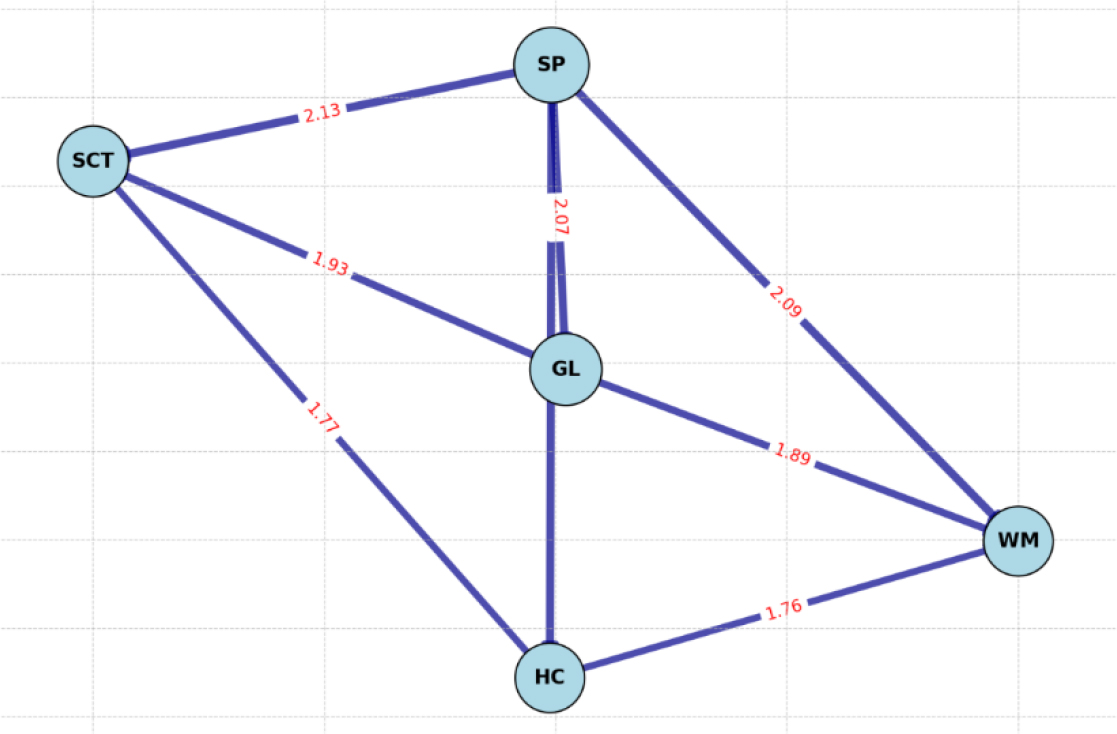
Figure 1.
Cause-Effect Diagram of HSCM Sustainability Factors
Source: own processing
The analysis of the causal relationships among key sustainability factors in Halal Supply Chain Management (HSCM) highlights Sustainable Procurement (SP) as the strongest driver, exerting a significant influence on all other factors. SP directly impacts Halal Certification (HC), Supply Chain Transparency (SCT), Green Logistics (GL), and Waste Management (WM), reinforcing its critical role in establishing an efficient and sustainable supply chain.
Both HC and SCT are identified as highly dependent factors, meaning their effectiveness largely relies on procurement and logistics strategies. This interdependence suggests that any improvements in procurement processes and logistics efficiency will directly enhance certification compliance and transparency within the supply chain.
Waste Management (WM) emerges as a highly influenced factor, emphasising the need for integrating waste reduction strategies early in the supply chain to mitigate environmental impact and resource inefficiencies. Without proactive waste management embedded in procurement and logistics decisions, sustainability efforts may be undermined.
Finally, Green Logistics (GL) plays a central role in the system, affecting both SCT and WM. As a crucial component for sustainability improvements, GL facilitates efficient transportation, storage, and handling practices that contribute to the overall environmental and operational performance of the Halal supply chain. By optimising green logistics, organisations can enhance transparency, minimise waste, and achieve long-term sustainability objectives.
Conclusions and future directions
This study employed the DEMATEL method to analyse key sustainability factors within Halal Supply Chain Management (HSCM) and their alignment with Sustainable Development Goals (SDGs). The results confirm that Sustainable Procurement (SP) is the most influential factor, serving as the primary driver for improvements in Green Logistics (GL), Halal Certification (HC), Supply Chain Transparency (SCT), and Waste Management (WM). The study highlights that while Halal certification and supply chain transparency are crucial, they are largely dependent on effective procurement and logistics strategies. Additionally, waste management is influenced by upstream processes, emphasising the need for early waste reduction measures in procurement and logistics planning. These insights provide a robust framework for enhancing Halal supply chain sustainability. Addressing regulatory inconsistencies, integrating advanced technologies, and fostering industry collaboration are key steps toward a more resilient and ethical Halal supply chain. Moreover, leveraging AI-driven optimisation, blockchain traceability, and circular economy models will further strengthen HSCM's contribution to global sustainability efforts.
To advance sustainability in Halal supply chains, policymakers must focus on developing internationally harmonised Halal certification frameworks to reduce inconsistencies and facilitate cross-border trade. Establishing tax benefits and financial incentives for businesses adopting sustainable procurement and logistics practices will encourage greater compliance with environmental and ethical standards. Additionally, integrating digital technologies such as blockchain-based Halal verification systems can enhance transparency and prevent fraudulent certification practices. Public-private collaboration is essential to align HSCM with global sustainability policies and drive industry-wide improvements.
For businesses, incorporating ESG criteria in supplier evaluations ensures ethical sourcing and environmental responsibility. Investments in green logistics, including carbon-neutral transportation solutions, energy-efficient warehousing, and eco-friendly packaging, will help reduce the environmental impact of Halal supply chains. Enhancing traceability through IoT, AI, and blockchain technologies can further strengthen Halal product authentication and monitoring. Additionally, adopting circular economy practices, such as repurposing by-products and using biodegradable packaging, can contribute to waste reduction and sustainability.
Researchers should explore AI-driven predictive analytics for demand forecasting, logistics optimisation, and Halal compliance monitoring to improve decision-making within HSCM. Conducting cost-benefit analyses on the economic viability of sustainable HSCM models will provide valuable insights for industry adoption. Hybrid MCDM approaches that integrate DEMATEL with other decision-making models, such as TOPSIS and BWM, can offer comprehensive sustainability assessments. Longitudinal studies examining the long-term effects of green logistics and sustainable procurement policies on Halal markets will further contribute to strategic decision-making.
Strategic implications for policymakers
To enhance sustainability in Halal industries, it is essential to develop regulatory incentives that promote sustainable procurement practices. These incentives should encourage suppliers to adhere to both Halal compliance and environmental sustainability standards, ensuring ethical sourcing and responsible resource management. Additionally, standardising Halal certification criteria across countries is crucial to reducing inconsistencies in compliance. A unified certification framework would facilitate smoother international trade, minimise redundancies in certification processes, and enhance consumer trust in Halal products globally. By implementing these measures, policymakers can create a more transparent, efficient, and sustainable Halal supply chain ecosystem.
Implications for businesses
To enhance the sustainability and integrity of Halal supply chains, businesses must strengthen their supplier selection processes by integrating Environmental, Social, and Governance (ESG) criteria alongside Halal compliance as mandatory requirements. This approach ensures that suppliers adhere to ethical, environmental, and social standards while maintaining the integrity of Halal products. Additionally, investing in blockchain-based traceability systems can significantly improve supply chain transparency, allowing real-time verification of Halal certification and reducing the risk of fraudulent claims. By leveraging blockchain technology, businesses can enhance consumer confidence and streamline compliance with global Halal standards. Furthermore, improving waste management strategies through the adoption of circular economy practices is essential for minimising environmental impact. Implementing resource-efficient production methods, reusing by-products, and reducing waste at every stage of the supply chain will contribute to long-term sustainability and operational efficiency in Halal industries.
Implications for researchers
Further research should explore the potential of AI and machine learning in optimising Halal supply chain sustainability by enhancing decision-making, improving traceability, and automating compliance verification. AI-driven predictive analytics can help businesses forecast demand, reduce waste, and optimise logistics, ultimately leading to more efficient and environmentally responsible supply chain operations. Additionally, it is crucial to investigate the economic impact of integrating Sustainable Development Goals (SDGs) into Halal Supply Chain Management (HSCM). Understanding the financial benefits and long-term sustainability of SDG-aligned supply chain strategies can encourage wider industry adoption. A comprehensive economic analysis can provide valuable insights for policymakers and businesses, highlighting cost-saving opportunities, improved market competitiveness, and the potential for increased consumer trust in sustainable Halal products.
Limitations and future directions
While this study provides meaningful insights into sustainability-driven Halal supply chains, several areas warrant further exploration. Future research should focus on emerging technologies such as AI-driven automation, IoT-enabled logistics, and blockchain-based Halal traceability to enhance supply chain transparency and efficiency. Comparative studies across industries and regions can assess sustainability adoption in Halal supply chains within different geographical and industrial contexts. Investigating how circular economy frameworks optimise resource utilisation and reduce waste will provide a deeper understanding of sustainable business models in Halal industries. Additionally, exploring how AI and digital platforms can enhance consumer confidence in Halal product authenticity and ethical sourcing will be critical for maintaining trust in the Halal market. Furthermore, studying the role of Islamic finance in supporting sustainability initiatives within Halal supply chains can offer valuable insights into the financial mechanisms that promote green practices.
Aligning HSCM with sustainability principles will not only enhance regulatory compliance but also position Halal industries as global leaders in ethical and environmentally responsible trade. By embracing technological innovation and collaborative policies, the Halal supply chain can evolve into a more sustainable and resilient global framework that benefits businesses, consumers, and policymakers alike.
Acknowledgment
The authors would like to express their gratitude to all experts, industry professionals, policymakers, and researchers who contributed valuable insights to this study. Their participation in the expert evaluations was instrumental in shaping the findings of this research.