
1. Introduction
A salutogenic and positive approach to survival psychology considers the desired hyper-competence and adaptability of the individual in isolated and confined environments (ICE) or extreme and unusual environments (EUE), such as space missions, military expeditions, polar stations and other space analogues, as resulting from his coping strategies as much as from his dispositional traits (Le Roy et al. 2023, p. 11).
Comparable stressors experienced during military missions and space travel can be identified in (1) unusual circadian rhythms that may provoke sleep disorders (i.e. insomnia), fatigue, impaired alertness, decreased cognitive performance and mood alterations (Tomsia et al. 2024, pp. 5–6); (2) dehydration, microbiome alterations and oxidative stress eliciting systemic adverse effects including carcinogenesis, cardiovascular/respiratory/neurological diseases, cognitive degradation and gut–brain axis dysfunction (Afshinnekoo et al. 2020); (3) high operational stress given the life-threatening environment, long working hours, sensory issues, the perpetual state of danger and the possibility of sudden disaster increasing the risk of anxiety, depression and burnout (Le Roy et al. 2023, pp. 2–3); and finally, (4) homesickness following the long-term isolation in a hostile environment and the prolonged physical absence of loved ones (Oluwafemi et al. 2021, p. 27) may lead to absent-mindedness, obsessive rumination focused on one’s home, anxiety and depressive symptoms.
Interdisciplinary interventions are designed with the aim of inhibiting the adverse effects of both sample-specific and shared stressors on wellbeing, as well as improving the environmental and psychophysiological conditions of the subject.
Spacecraft-exclusive safety practices mainly involve the management of radiation exposure, hostile environment, medical capability and anthropometrics; the latter as in the design of the operational and habitation spaces in a human-friendly and effective way, providing adequate volume and resources for the crews’ workspace, at least one window, enough personal space and cabin environmental control devices (i.e. humidity, temperature, ventilation, lighting) to enhance comfort and a sense of agency (NASA 2023). Mental health associated with space travel is supported by pre-flight, in-flight and post-flight measures. Crew selection heavily relies on screening the candidates for potential psychological risk factors and on diverse forms of team-building modules, technical and problem-solving training; stress reduction in-flight programmes either as peer support, increased leisure time and communication with loved ones, or innovative techniques such as virtual reality (VR) devices eliciting an immersive experience in a natural, earthy environment, currently represent the most prevalent measure of preventive strategies to sustain mental wellbeing (ESA 2024). Post-mission readaptation programmes focus on consistent medical evaluations and physical reconditioning as well as psychological support, social and familial reintegration and protection of the subject’s privacy during the readjustment period (Yin et al. 2023, p. 5).
An essential clinical concern for the military is the prevention, early screening, intervention and treatment of combat operational stress (COS). Combat and operational stress reactions (COSRs) are identifiable as the physiological, cognitive, emotional and behavioural adverse consequences of the exposure to highly stressful or traumatising events in combat or military operations (i.e. death, injury, isolation, sensory stressors, harassment, repeated exposure to trauma, sleep deprivation, etc.). However, COSRs do not equate to diagnosable mental health disorders, and to prevent their onset, combat and operational stress control (COSC), programmes such as psychoeducational and preventive training, peer support and self-soothing cognitive reframing techniques are implemented (Cooper et al. 2021).
When a diagnosable mental condition such as Post-traumatic stress (PTSD) or depression is assessed, cognitive behavioural therapy (CBT) is typically administered, and brief CBT is also applied within suicide prevention programmes along with dialectical behaviour therapy (Baker et al. 2023). Innovative therapeutic initiatives comprise internet-based CBT (Liu et al. 2023, pp. 11–12) and VR exposure therapy to treat PTSD in veterans (Vianez et al. 2022, pp. 1–3).
Positive psychology programmes in the military encompass mindfulness exercises to promote adaptation and situational awareness, somatic and cognitive meditation exercises to reduce stress and negative emotions (Pagnini et al. 2019), and resilience training to overcome severe stressors.
Comparable protective and generative practices in both samples include targeted exercise regimens, highly controlled food and supplement intake, and management of sleep and circadian rhythms. Psychological interventions focused on stress de-escalation, CBT administered either individually or in a group setting (Taylor et al. 2023), and positive psychology protocols to enhance mental resilience and the perception of positive emotions are implemented (Kopeć et al. 2024, pp. 339–350), along with pharmacological treatment when deemed necessary (Smith 2024, pp. 2–3).
As highlighted by the literature, preventive and de-escalation measures in research and practice only partially involve the potential of evocative food consumption and the role of emotionally significant objects; ration design is mainly tied to food’s physiological benefits, and partially to its protective role in the development of mental health disorders (Section 1.1); while the salutogenic role of objects appears to concern living spaces’ design with the aim of increasing the subjects’ comfort and agency, or perception of familiarity (Section 1.2). Following the theoretical frames of positive survival psychology, nutritional psychiatry and biology, this study focuses on highlighting the multifactorial elements underlying the salutogenic and evocative (cognitive and emotionally significant) properties of food and personal items during space travel and military missions, which are hypothesised to improve perceived wellbeing and to inhibit the adverse effects of homesickness, isolation and sensory hunger along with promoting relational and cognitive generativity in ICE and EUE environments.
1.1. The psychophysiological role of food in extreme environments
Nutrition is one of the key lifestyle factors influencing disease onset and outcome in human beings, and it is crucial for human performance optimisation to carefully evaluate each component of the subjects’ rations. Food consumed in space must follow complex standards summarisable in safety, stability, reliability, nutrition, usability, resource minimisation, variety and palatability (Douglas et al. 2020, pp. 1–3). The design of military rations is also subject to strict parameters of safety, shelf life and shelf stability, packaging, nutritional adequacy and palatability (La Lenferna De Motte et al. 2023, pp. 1–2).
A proper nutrient supply has an extensive psychophysiological impact on the individual. Radioprotective foods such as berry extracts are proven to prevent in rodents the adverse effects of radiation – similar to those observed in space travel – on the frontal cortex, hippocampus and immune system by inhibiting the expression of NADPH-oxidoreductase-2 (NOX2) and cyclooxygenase-2 (COX2); also, oxidative stress in the kidney and liver, and alteration of blood–testicular barrier permeability caused by gamma rays and X-rays are considered to be attenuated by polyphenol compounds, such as resveratrol and tea polyphenols, by enhancing heart metabolism and decreasing DNA damage, respectively (Zhao 2024). A crucial psychophysiological factor influencing wellbeing through diet is the microbiome. The gut microbiome composition influences mood, hormonal balance and brain function through neuronal and inflammatory effects involving the gut–brain axis. Evidence has shown that omega-3 fatty acids and flavonoids led to better cognitive performance in the subjects participating in the NASA Human Exploration Research Analogue (HERA) missions. Fruits, vegetables, nuts, mono- and polyunsaturated fatty acids (MUFA/PUFA), algae, protists and fungi are associated with beneficial gut microbiota profiles. Focusing the current individualisation of astronauts’ diets and military ration design on a microbiota-based approach may potentially stabilise the mood of the subjects as well as improve their brain function and sleep patterns. Moreover, unlike our genome, the microbiome can be disrupted by external factors like a suboptimal diet. Animal proteins, saturated fatty acids, artificial sweeteners and emulsifiers are associated with microbiota profiles of subjects with various health disorders. Observational studies have indicated that subjects suffering from major depressive disorder (MDD) have distinct gut microbiota profiles compared to healthy controls (Pathare et al. 2023), and multiple studies targeting military samples examined the role of healthy eating in relation to anxiety and depression. Odds of anxiety were significantly higher among soldiers who reported low fruit intake compared with soldiers who reported high fruit intake, and odds of depression were higher for soldiers who reported low fruit intake, low green vegetable intake and high sugary drink intake (Forys-Donahue et al. 2020, pp. 3059–3061). Anxiety is also less prevalent in soldiers with greater adherence to the Healthy Eating Indicator-2015 (HEI-2015) and lower adherence to the Dietary Inflammatory Index (Parastouei et al. 2023, pp. 7–9). Healthy eating associated with moderate-to-high levels of cardiovascular physical activity showed an indirect relation to the absence of past-month suicidal ideation and lower generalised anxiety disorder symptoms in active-duty soldiers. Healthy eating associated with all levels of cardiovascular physical activity and moderate to high levels of strength training showed an indirect relation to lower MDD symptoms (Oakey-Frost et al. 2022).
Allowing soldiers and astronauts to leverage the full psychophysiological benefits of a proper diet requires them to be able to consume convenient and palatable rations. Underconsumption of calories is a crucial issue involving sensory and environmental factors, impacting the success rate of operations and space missions as well as the subjects’ wellbeing. Sensory issues in astronauts mainly derive from the shift of fluids from the lower segments of the body to the upper body, causing sinus congestion which impacts smell and taste, and they contribute to menu fatigue caused by limited food variety and palatability. Military personnel face environmental adversities, prolonged food preparation, and insufficient time to eat due to operational tempo, along with sensory issues as in undesirable flavour, texture and temperature of the rations affecting their appetite (Vidal et al. 2024, pp. 3, 9). A study involving a sample of Canadian soldiers working in the High Arctic found six main themes influencing the subjects’ food intake: (1) food/water temperature, (2) meal preparation time, (3) water availability, (4) food variety, (5) personal preference and (6) mood and morale (Lavergne et al. 2021, pp. 128–133). Themes 1–3 heavily rely on the type of environment while personal preference may thematically interact with food variety, as providing more variety could be a step towards further individualisation of the rations. The theme of mood and morale is relevant for both astronauts and soldiers when considering mental wellbeing. Combat rations were demonstrated to either improve or worsen the soldiers’ mood, morale and state of mind and to impact behaviour. Enjoyable, convenient and individualised food within practical feasibility could then mediate the perception of positive emotions and overall wellbeing. Zanda and Castaldo (2024) observed the relationship between the consumption of high-quality Italian-made food and the organisational behaviour of space teams: high-quality Italian food alleviated perceived sensory hunger in the subjects, thereby improving their psychological well-being, motivation and work performance. Italian food was also the first type of cuisine to be involved in the menu addition implemented by NASA known as bonus foods. The latter represent an exception to the usual rations and are designed to be consumed on special occasions. Some examples of bonus foods are Apulian traditional dishes for astronaut Paolo Nespoli, French traditional dishes for astronaut Thomas Pequet and spicy green beans for astronaut Koichi Wakata. Other bonus foods like turkey, gravy, mulled cider and various desserts are provided for festivities such as Christmas or Thanksgiving (Fiorentino 2021). Astronauts’ testimonies show that bonus foods highly influenced their mood during festivities, possibly by eliciting the perception of familiarity mediated by the sensory properties of the food, and by contributing to a generative dynamic of sharing the food with the rest of the crew (Lupo 2015). The opportunity to taste emotionally significant food eliciting familiar memories and positive emotions may reduce the perception of homesickness, highlighting how the sensory properties of bonus foods could have a relevant impact on a perceptive and integrated experience of psychophysiological well-being. However, the evocative properties of bonus foods may transcend the perception of familiarity. Sharing an item belonging to one’s culture and personal history with a diverse and multicultural crew in a setting of extreme isolation can allow for a generative sensory and psychosocial dynamic by improving the crew’s cohesion and their psychological wellbeing, as well as reinforcing relational bonds through the shared cognitive and emotional attribution of meaning to the experience and the re-elaboration of familiar positive affective states, whether on a High Arctic mission or a Spacecraft.
Currently available survival psychology research mainly focuses on food’s preventive features in mental health management, and little literature is available on the psychoaffective implications of food consumption during missions. However, even if quite limited, the results are positive and allow for a targeted in-depth analysis aimed at filling the gap concerning an extensive assessment of the potential of ration design, as its further individualisation focusing on the consumption of psychoaffectively relevant food may contribute to improving psychological wellbeing.
1.2. The potential of personal belongings
Army and space agency regulations allow members to bring personal items on missions, within the limits of safety and practicality. Astronauts carry the personal preference kit (PPK), which most commonly contains family memorabilia, personal mementoes, objects to give as gifts to loved ones upon returning to Earth such as jewellery or toys, organisational items representing one’s institution, books and religious texts, science fiction and space exploration history items, and creative sources such as camera gear, art and musical instruments (Patrinos 2020). Soldiers are allowed to bring comfort items such as photographs and letters of loved ones, personal electronic devices if successfully inspected, religious and spiritual items and small personal mementoes. However, it is recommended not to bring emotionally overwhelming items that could impact concentration and situational awareness in extreme combat conditions. Some of the items are allowed to be delivered also through military care packages (Moore 2024). It is hypothesised that personal preference items and military comfort items may elicit a sense of comfort and familiarity comparable to food, as well as contribute to reducing sensory hunger and improving wellbeing through creativity. Sentimental items may have transitional properties in a psychoanalytic sense, allowing the individual to feel secure and reduce anxiety through the emotional attachment associated with the object. Both food and objects share sensory properties associated with deeply rooted emotional relevancy, the difference being the durability of the experience; as food consumption can be considered an immersive yet limited experience able to elicit feelings of familiarity and comfort and to favour interpersonal bonding, objects in adulthood can retain a transitional value (Hooley and Wilson-Murphy 2012). Items of emotional significance in EUE and ICE environments could then be considered to represent a symbolic anchor of psychoaffective comfort: durable and thus sensorially secure, and invested with individual meaning, they could influence the perception of positive affective states and decrease the stressors of homesickness and isolation, as well as help self-soothing in stressful circumstances. A study conducted by St. George (2013) examined the relationship between transitional objects and military personnel (N = 62), indicating that the majority of the subjects (N = 48) carried a transitional object on missions, which was reported to help reduce combat-related stress or was found soothing during high-stress situations, and which was either considered (1) a good-luck charm, (2) a tradition, (3) a source of lasting hope, comfort, and reassurance and/or (4) a tool to bring home to the mission. Moreover, objects may also feature generative properties; food may elicit relational generativity through meaningful bonding, and objects may mediate wellbeing through generative creativity. Art, literature and camera gear can be hypothesised to reduce sensory hunger, improve mood and elicit creative thoughts and positive emotions. O’Keeffe et al. (2021) demonstrated music’s ergogenic effects even in highly stressful environments, such as the induction of hypoxia in young healthy males; the subjects exposed to music manifested enhanced mood, emotion and cognition, as well as reduced subjective scores of mental effort, breathing discomfort and arm discomfort in hypoxia. Music was also shown to increase performance and maximal physical exertion in a normoxia state by enhancing neural drive and diminishing detrimental mental processes. Therefore, creative and sensorially stimulating activities could be considered as positively influencing psychophysical wellbeing in highly stressful and extreme conditions.
As of today, the scientific literature does not provide widespread, confident accounts of the psychosocial role of personal objects and items eliciting creative generativity in extreme environments.
The aim of the study is to fill the gap in the survival psychology literature through a positive and integrated approach, broadening the current insights provided by biology and nutritional psychiatry – which focus on protective features of food for mental health – in favour of the investigation of salutogenic elements directly influencing the subjects’ perceived wellbeing and eliciting transformative psychological growth; as well as to introduce exploratory measures to theorise the salutogenic role of personal items, which as of today has not been widely investigated by research as a potential factor influencing mission success and professionals’ wellbeing in ICE and EUE environments. Qualitative measures comprising open-ended survey questions allowed for nuanced and richer response content and for flexibility in sharing sensitive experiential data. Participants completed different kinds of missions, in an ICE for astronauts and Unusual and Extreme Environments for military personnel, respectively; the partial differences in stressors and environmental dynamics did not constitute a limitation, as the broader research objective was identifying the given relevant factors of human functioning in extreme conditions, independently of context-specific characteristics.
2. Methods
Ethics approval was received from the Salesian University Institute of Torino (IUSTO), in Italy (Approval protocol: 20240322-05-003-CC).
2.1. Participants
The participants of the research comprised N = 28 astronauts (N = 25 astronauts from the USA, Canada, Italy, France and Romania, and N = 3 space tourists from the USA) and N = 25 Italian military personnel who completed at least one mission, varying in operation type and rank. The subjects’ identification when providing data excerpts in the findings will follow the criteria of days spent in space for astronauts and military occupation for soldiers [e.g. excerpt (180 days in space); excerpt (Army Specialist)]. Astronauts were recruited mainly online by contacting them via email or through the communication channels of the corresponding space agency; soldiers were recruited through snowball sampling covering different operation types and military branches.
2.2. Qualitative research
The constructs thematically underlying the qualitative questions were (1) the relationship with objects and (2) food during missions, expanding on their evocative or functional properties following the hypotheses highlighted in the literature review; (3) the potential change in attachment to food and objects post-mission; (4) the subjects’ psychological changes perceived post-mission; and (5) potential changes in thought and behaviour perceived by the relatives and friends of the subjects, and their possible correlation to food and objects. The question wording methodology for construct operationalisation relied on Elson’s Question Wording and Item Formulation Model (2016). Open-ended questions are administered when expecting a variety in response content, and enable an effective exploratory research design; the questions are formulated according to the parameters of (1) Order v. Variety, (2) Precision v. Parsimony and (3) Fairness, Sensitiveness and Carelessness. When deciding the order of the items, a natural, coherent order is to be achieved, and questions about the same topic/experience should be grouped together. Parsimony and precision are applied when items are formulated as accurately as necessary and as briefly as possible, avoiding ambiguity, double-barred questions, negatively worded questions and leading/suggestive questions. Sensitive items as in delicate personal questions may lead to reduced subject’s self-disclosure and non-response, and when deemed necessary, they are not to be put before non-sensitive items, whose response compliance might be diminished as being affected by previous sensitive wording. Inattentive and/or unmotivated subjects may provide careless responses, and useful wording such as diversified phrases, briefness of the survey and a limited number of items per page should be implemented to decrease the number of careless responses.
Therefore, thematically grouped questions were administered in succession; items were formulated avoiding overly technical wording while ensuring precision; and question wording for the samples varied slightly according to sensitiveness and familiarity with different contextual elements. The questions administered to astronauts focused more on privacy protection, avoiding the administration of sensitive items that could be deemed too forward in referring to their personal lives and relationships. The questions administered to military personnel focused more on gathering data regarding the spectrum of operations involved – whose type influences personal objects and ration policies – and since notoriety was not an issue for the subjects, more forward question wording was feasible.
The final questions administered to the participants are shown in Tables 1 and 2.
Tab. 1:
Questions administered to astronauts
| Astronaut sample | |
|---|---|
| Question 1# | What personal items have you chosen to bring on your space missions and why? Are there any items you would have wanted to bring but were unable to? |
| Question 2# | Throughout the missions you participated in, what Zero-G indicators (plush stuffed toys/toys) were chosen (who chose them, why, what was their significance)? |
| Question 3# | What foods have you chosen to bring with you? Have these helped you feel closer to your loved ones and to your homeland? |
| Question 4# | Have you or your loved ones noticed any significant changes in your relationship with food and objects upon returning to Earth? |
Tab. 2:
Questions administered to military personnel
| Military sample | |
|---|---|
| Question 1# | What professional title do you hold? |
| Question 2# | What kind of mission were you deployed on? |
| Question 3# | Which personal items did you bring with you on the missions you were assigned and why? Are there any items you would have wanted to bring but were unable to? |
| Question 4# | Which foods did you choose, or would have chosen to bring with you if you had the chance to? Do you think that these have/would have helped you feel closer to your loved ones and your homeland? |
| Question 5# | Have you noticed any significant changes in your relationship with food and objects upon returning home? |
| Question 6# | Have you noticed any significant differences in personal growth and/or personal change upon returning from deployment? If yes, what were they? |
| Question 7# | Has any friend or relative referred to noticing significant changes in you and/or increased personal growth upon returning from deployment? If so, what were they? |
2.3. Data analysis
Following data collection, the chosen approach to qualitative analysis was Braun and Clarke’s Inductive Thematic Analysis Model (2022), allowing for a bottom-up coding method to define codes, sub-themes, themes and additional meaningful thematic insights that have not emerged from the literature review. The analysis was performed using the qualitative processing software NVivo 15. The model comprises first (1) the familiarisation with the transcripts, multiple verbatim readings and (2) the development of an initial codebook. Once developed, the codes were matched to the theorised sub-themes and (3) the latter led to the initial formulation of the main themes as shown in Table 3, describing the coding scheme for Theme 2# in Astronauts.
Tab. 3:
Coding scheme.
| Theme | Subtheme | Codes | Data Excerpt Matching the Highlighted Code |
|---|---|---|---|
| Emotionally significant foods | Comfort and nostalgic foods | Regional dishes; sweets; bonus foods; vegetarian diet; [feeling comfort while eating]; Interesting food combination; Individualised menu | First, I would like to say that food is VERY important in a space mission, especially on longer missions. It is one of the pleasures I was looking forward to. |
| Functionality and nutrition | [Working while eating]; disliking the food provided; seeing the food as fuel | For almost the entire duration of the mission, I was so busy that I just ate while I was working. I lost quite a bit of weight in orbit. |
In the fourth phase (4) the main themes were reviewed and broadened to fully incorporate the data that emerged from the inductive analysis, then (5) renamed and clearly described as shown Table 4.
Tab. 4:
Final themes
| Final themes | |
|---|---|
| Name | Description |
| Theme 1# Evocative and functional properties of objects | The relationship with personal objects during missions and their possible emotional/psychosocial significance |
| Theme 2# Evocative and functional properties of Food | The relationship with food during missions and its possible emotional/psychosocial significance |
| Theme 3# Post-mission changes in food and objects attachment | The possibility of change in the relationship with food and daily/personal objects correlated to missions’ dynamics, or the lack thereof |
| Theme 4# Psychosocial growth | The possibility of psychosocial growth or psychological changes post-mission and the eventual correlation to the relationship with food and objects |
| Theme 5# Perception of change from others | The eventual changes in thought, behaviour and relationships post-mission noticed by the subjects’ loved ones |
Finally, (6) after completion of all the thematic analysis sections, the findings were visually structured. A visual representation of each theme and its relationship with the respective subthemes was achieved through the NVivo 15 Mind Map Tool (QSR International, Melbourne, Australia), and given the environmental and psychosocial differences between the groups, population-related subthemes were singularly described before proceeding with the comparative insights analysis. The open-ended questions allowed for more structured responses which included multiple subtheme references and coding references (CR) for each answer; the count of CR for significant codes was included in the findings. Results from both samples were numerically synthesised and compared through contingency tables; then they were represented by bar charts for common subthemes and CRs and by tables for sample-specific subthemes, and finally they were discussed.
3. Results
3.1. Theme 1: Evocative and functional properties of objects
3.1.1. Astronauts
The totality of the sample (100%) brought in orbit personal objects posing as emotional indicators that are categorisable into items representing family memorabilia and cultural identity, items related to personal expression and creativity, objects that represent the history of space flight and science fiction, and traditional Zero-G Indicators (see Figure 1). Family memorabilia included photos (13 CR) and jewellery (5 CR); objects related to cultural identity were either organisational and institutional items, military insignia or flags or items deeply related to the subjects’ cultural identity (9 CR). A sample-specific coding category encompassed by the subtheme of family memorabilia is gifts, namely personal objects belonging to loved ones and flown into space with the aim of returning them after the mission (12 CR):
I brought small items belonging to friends, family and to the training team. They were often jewelry or photos. To me it was important to bring other people with me in space, and a way to do it was bringing with me the objects most significant to them.
(180 days in space)
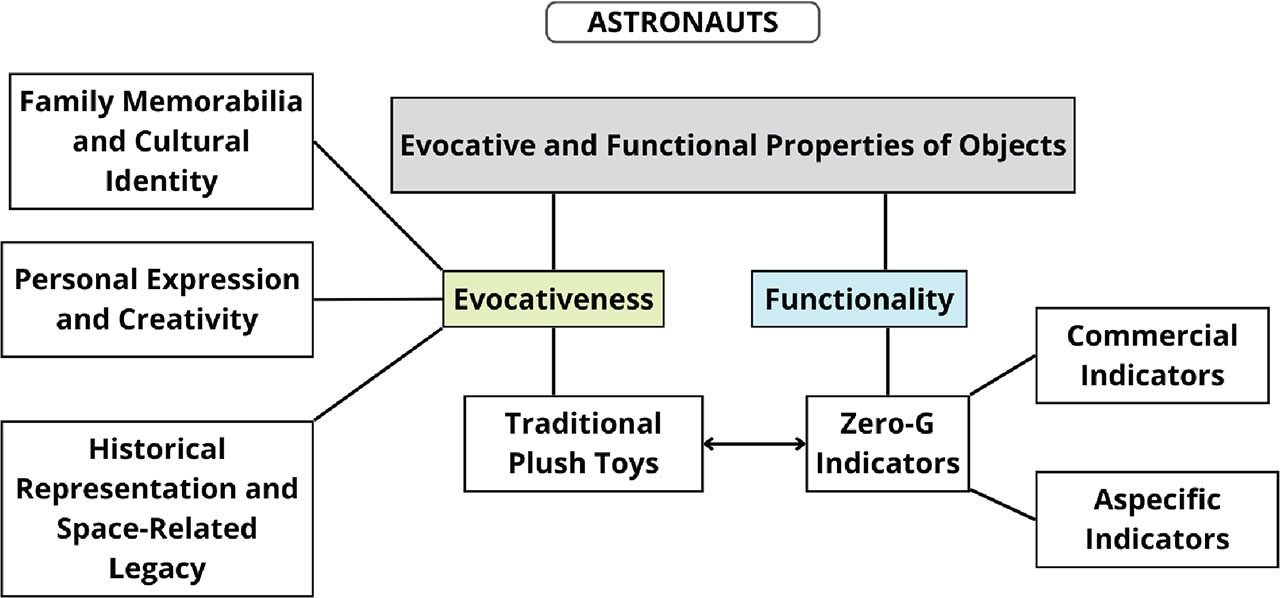
Fig. 1:
Theme 1 and related subthemes in the astronaut sample.
Items related to personal expression and creativity included art and literature such as drawings, books and poems (6 CR), camera gear (1 CR) and music; music included personalised CDs and recordings, audios that aided in falling asleep and musical instruments (10 CR). Objects representing the history of space flight included items that belonged to notorious astronauts, and science fiction-related items included Star Trek/Star Wars props and merchandising (4 CR); 64% of the subjects mentioned emotionally significant Zero-G indicators, such as toys and plushies (12 CR):
I have chosen as a Zero-G indicator my three-year-old daughter’s teddy bear. This teddy bear already went to space with my husband, he’s an astronaut too, in 1999, when my daughter was one year old. It was a way to have her permanently with us.
(25 days in space)
Aspecific and non-emotionally significant Zero-G indicators mentioned by N = 6 (21%) subjects were mainly items such as checklists, pens, pencils and other equipment, while the remaining 15% did not report any Zero-G indicators. Functional objects brought by astronauts included watches for practical use and a notebook (2 CR). Items that the subjects wished to bring but could not be included were poetry, music, gifts for loved ones and historical artefacts (6 CR).
3.1.2. Military personnel
Of the N = 25 subjects, N = 21 (84%) brought personal objects during missions, of which 76% highlighted evocative indicators and 24% appeared as functional without identifiable emotional indicators. N = 2 subjects (8%) did not bring any objects and did not wish to, while N = 2 (8%) subjects did not bring any objects but as shown in Figure 2, evocative objects were categorisable into sentimental items such as family memorabilia, items related to one’s cultural and personal identity, and items with recreational/amusement purposes. Family memorabilia comprised photos of loved ones and plush toys (10 CR); cultural and personal identity items comprised a national flag, a family crest and a crucifix (3 CR); leisure time items comprised books and board games, electronics such as laptops, cellphones and cameras, and sports equipment (14 CR):
What has always followed me in my missions abroad, is Doc (one of the 7 seven dwarfs) given to me by my daughter. It has always been on the nightstand of my bedpost. ‘Seeing him’ was a bit like having the whole family, there, with me.
(Army helicopter pilot)
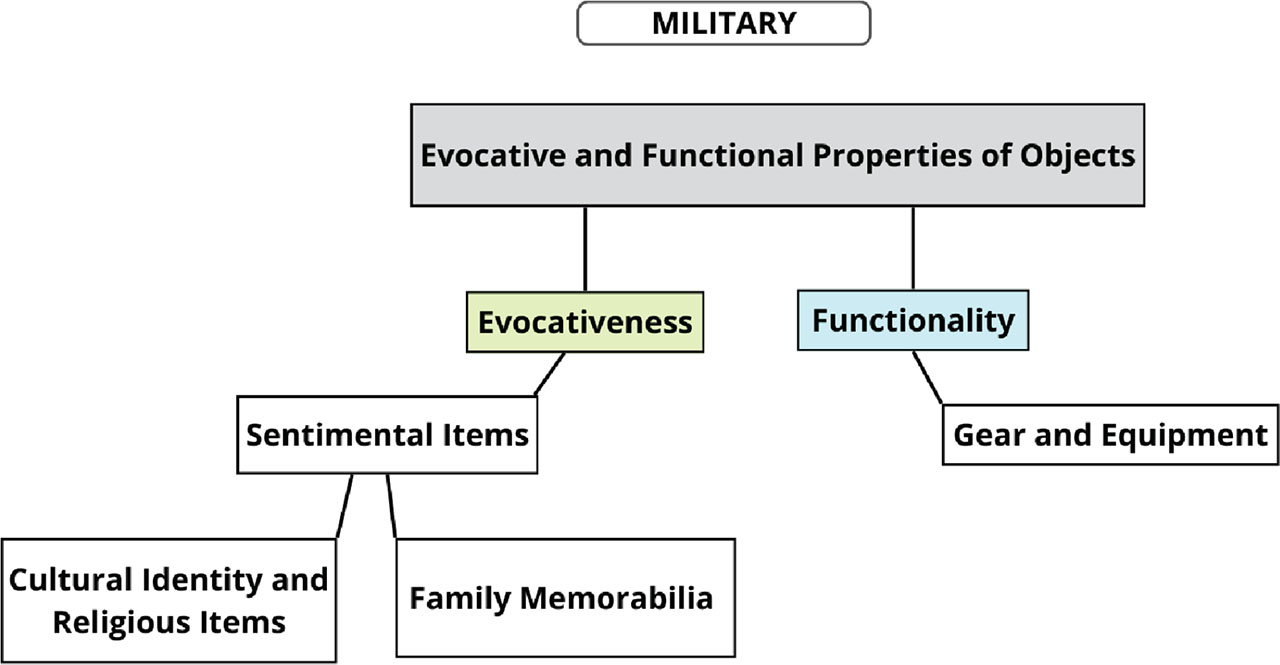
Fig. 2:
Theme 1 and related subthemes in the military sample.
Photos and toys may represent the transitional embodiment of the subject’s loved ones, possibly contrasting homesickness. Objects with no emotional indicators were additional military gear and equipment (5 CR), medical and sanitary items (3 CR) and furniture (1 CR). The subjects who wished to bring personal objects but could not, would have carried family memorabilia, books, audio equipment and other electronics (4 CR):
I would have wanted to bring a high-fidelity stereo system, to listen to music in times of rest.
(Army petty officer)
3.1.3. Comparative results
It appears that the majority of both samples (88% of total participants) favoured carrying objects with emotional significance rather than objects with no emotional indicators during missions (see Table 5), whose shared categories are broken down in the following graphs.
Tab. 5:
Contingency table for Theme 1
| Sample | (A) Brought/wished to bring evocative objects | (B) Brought non-emotionally significant objects | (C) Did not bring and did not wish to bring evocative objects | Total |
|---|---|---|---|---|
| Astronauts | 28 | 2 (subjects overlapping with A) | 0 | 28 |
| Military P. | 18 | 5 | 2 | 25 |
| Total | 46 | 7 | 2 | 53 |
Data shown in Figures 3–6 revealed that family memorabilia items, organisational/institutional items and music/audio recordings were referenced more by astronauts than military personnel, with a minor numerical disparity for family memorabilia which were brought by 64% of the first sample and 40% of the second, as opposed to music with a high disparity of a 36%–4% ratio. Electronics were more referenced by the military sample, even though the disproportion could also be attributed to logistic and environmental features of space flight. Books were evenly enjoyed across the sample and functional objects appear to have a minor disparity in referencing. Following is a description of sample-specific subthemes.
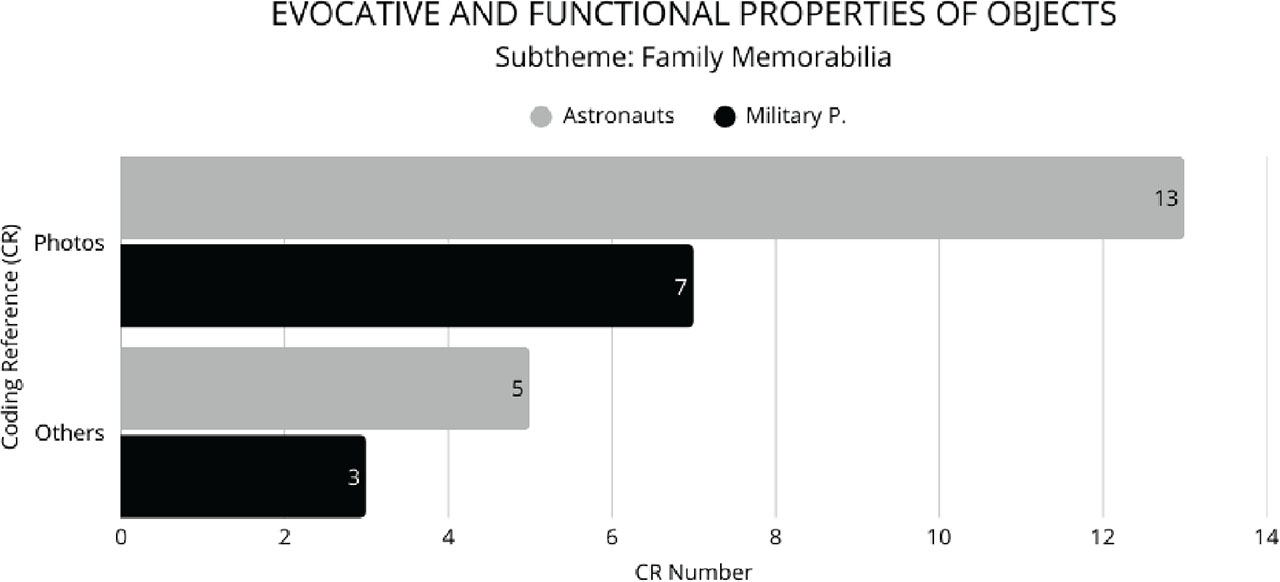
Fig. 3:
Comparison of CR per subtheme for both samples. Theme 1; Subtheme (Family Memorabilia). CR, coding references.
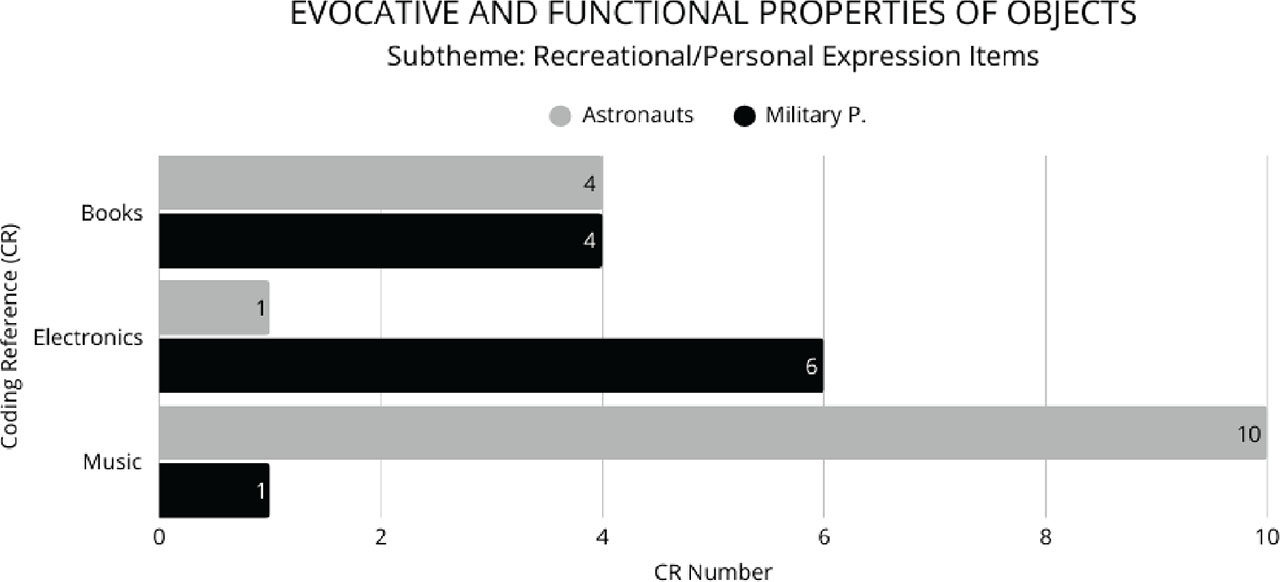
Fig. 4:
Comparison of CR per subtheme for both samples. Theme 1; Subtheme (Recreational/Personal Expression Items). CR, coding references.
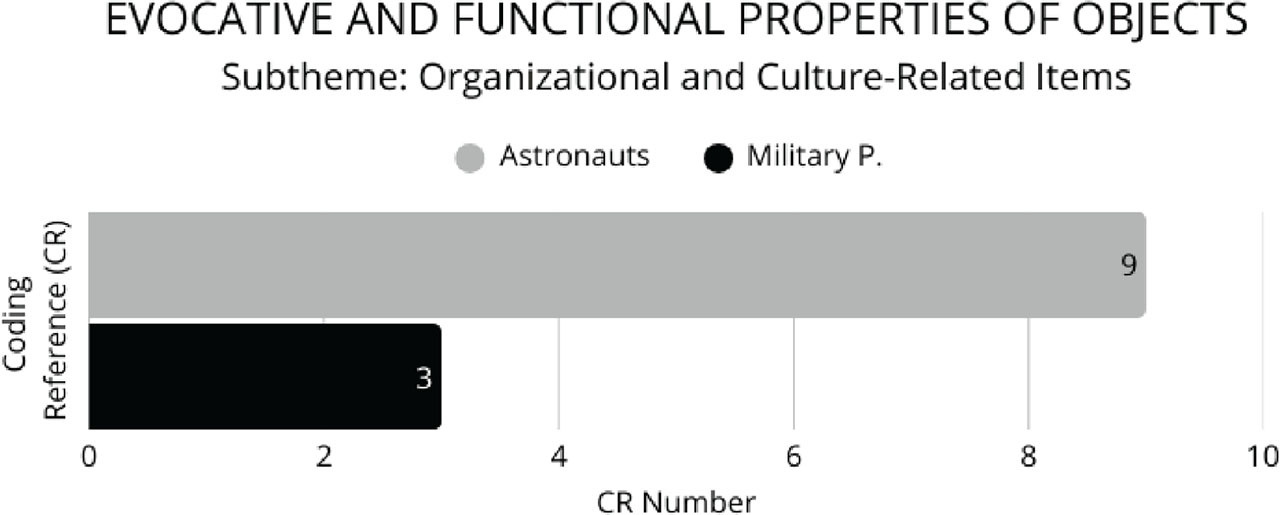
Fig. 5:
Comparison of CR per subtheme for both samples. Theme 1; Subtheme (Organisational and Culture-Related Items). CR, coding references.
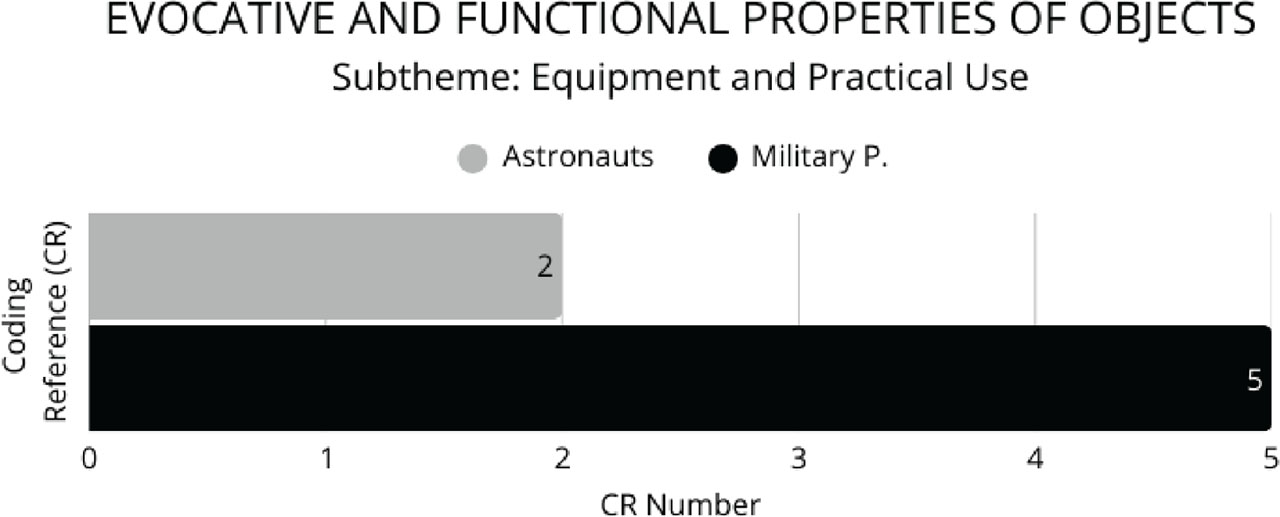
Fig. 6:
Comparison of CR per subtheme for both samples. Theme 1; Subtheme (Equipment and Practical Use). CR, coding references.
As shown in Table 6, subthemes revealed solely by astronauts’ data are Zero-G indicators and Historical Representation/Space-related Legacy. Although some of the Zero-G indicators appeared to have an emotional significance, there is no categorisable equivalent in the military sample, therefore they were not included in the subthematic references graph. Historical Representation and Space-related Legacy items also appear not to have a thematic equivalent in the second sample.
3.2. Theme 2: Evocative and functional properties of food
3.2.1. Astronauts
As shown in Figure 7, the consumption of enjoyable and possibly evocative food derived mainly from the individualisation of the subjects’ menus and the bonus foods/foods requested from home that were provided. N = 7 astronauts affirmed to have enjoyed the individualised choices in their menus, and N = 2 explicitly stated how they helped them feel closer to home and to their loved ones. Bonus foods and foods sent by family were either enjoyed without further emotional significance (2 CR) or represented an emotional indicator (6 CR). Also, the comfort stemming from the act of eating (1 CR) and the emotional significance of nostalgic/comfort foods was reported (3 CR):
I requested some items: olives, chocolate-covered blueberries, jerky, and chocolates like Reese’s. They were really important, food is very important. I did an experiment called ‘Astropalate’ that linked our mood with the food we ate. The result is that good food makes us happy!
(231 days in space)
N = 6 (21%) subjects denied any emotional attachment to food, and a lack of emotional significance was also described in the relationship with food only mediated by unpleasant flavour and texture or by taste preferences for spicy/savoury food (5 CR). The main foods that the subjects wished to bring but could not were pizza, a hamburger and coffee (3 CR). Bonus foods acted as a crucial mediator for intercultural and generative bonding by sharing national/regional dishes of each crew member and bonding over their shared consumption (4 CR):
During the evening meal, the crew members shared food with the rest and explained the cultural significance of each dish. I remember wonderful Japanese dishes (mackerel, miso soup) and European ones (Belgian truffle mushroom soup, Kolbasa). These were highlights of fine dining and intercultural bonding. In general, the evening meal moment nourished the esprit-de-corps. We lingered at dinner, laughed, and discussed a myriad of topics.
(204 days in space)
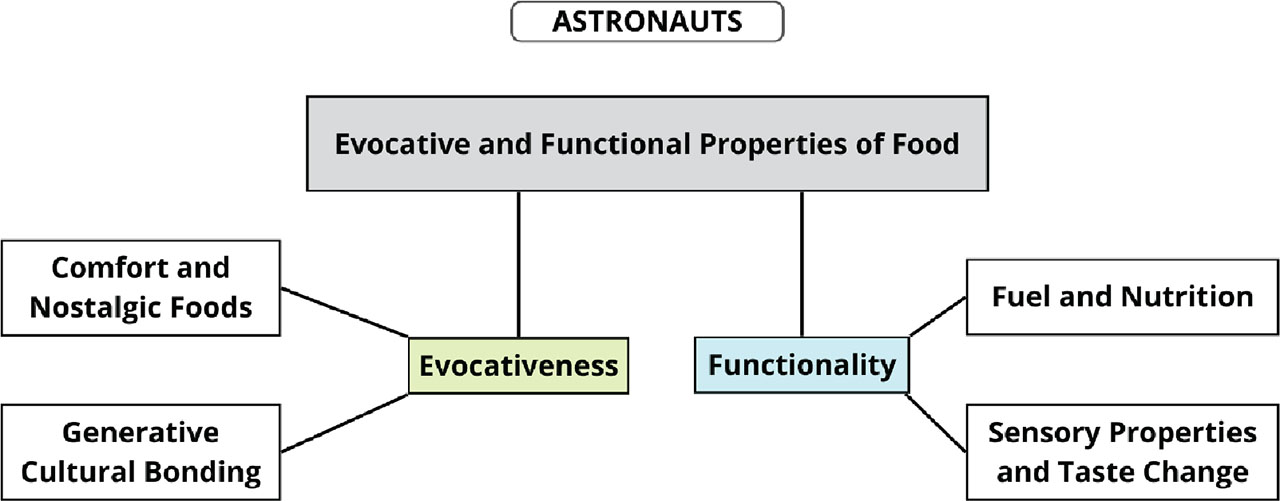
Fig. 7:
Theme 2 and related subthemes in the astronaut sample.
3.2.2. Military personnel
Of the N = 25 subjects, N = 5 (20%) brought food on missions, of which 40% represented evocative indicators and 60% had purely functional properties. N = 11 (44%) subjects did not bring any food on missions and did not wish to, and N = 9 (36%) subjects did not bring any food on missions due to deployment policies but wished to. As shown in Figure 8, evocative foods were categorisable as sweet and comfort foods (3 CR), which focused on comfort eating and self-soothing rather than the relationship with a specific food, and regional foods (3 CR), which indicated an evident correlation with one’s homeland, family and traditions, as stated by the subjects. Foods with no emotional significance were mainly noodles, energy bars and crackers (3 CR), which were consumed to re-energise. The subjects who did not wish to bring any food had mostly three reasons: they either assessed not to have any emotional attachment to food (5 CR), to have fully adapted to what was provided during missions (3 CR) or not to feel any need for food other than the ones provided by the cooks, because it is their job and primary effort to make the soldiers feel at home with their cooking (3 CR):
It’s the job of military chefs on missions to make soldiers feel at home by making typical Italian dishes, especially on holidays, when you miss the most your loved ones left behind at home.
(Victualling soldier)
Although indirectly as to the survey’s questions, this concept may relate to the evocativeness of food and the different variables involving its consumption and emotional significance. The subjects who did not bring any food but wished to, mainly wished for comfort foods (2 CR), nostalgic/family-related foods that had specific personal and relational meanings (3 CR) and regional foods (4 CR). Regional foods are again described as a means to feel closer to home, to tradition and to the subjects’ loved ones:
The flavors of my region are renowned all throughout Italy, I would have wanted to bring mozzarella cheese or a pound of prosciutto, and it would have been enough for me to feel at home.
(Second lieutenant)
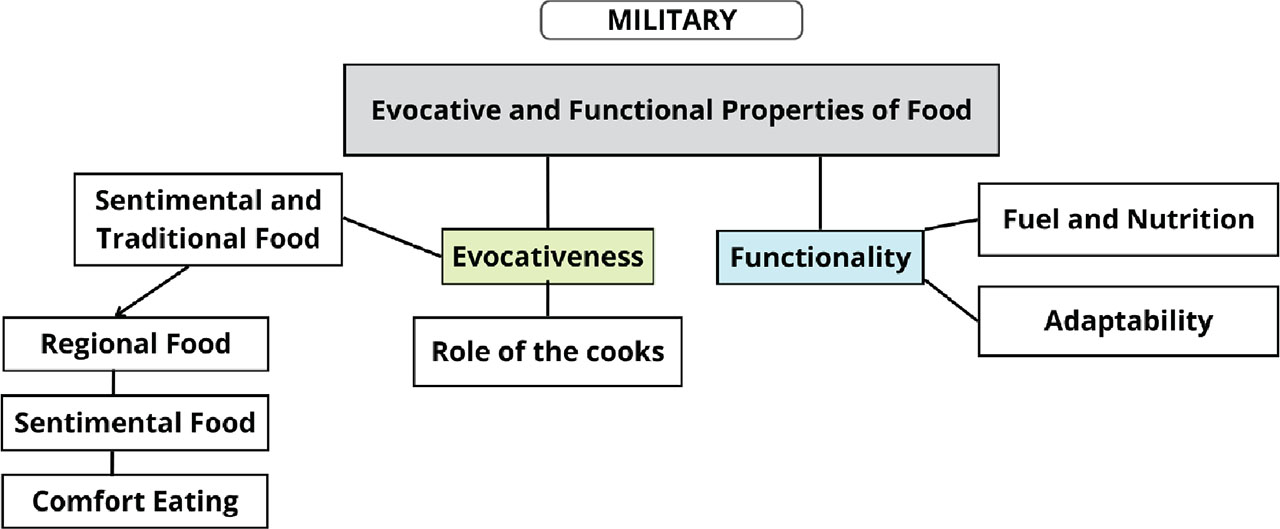
Fig. 8:
Theme 2 and related subthemes in the military sample.
3.2.3. Comparative results
As shown in Table, 7 it appears that the number of participants differs slightly in their relationship with food, with varied shared thematic nuances describing the evocative features of foods (56%) or lack thereof (44%), as shown in the following graphs (see Figures 9–12).
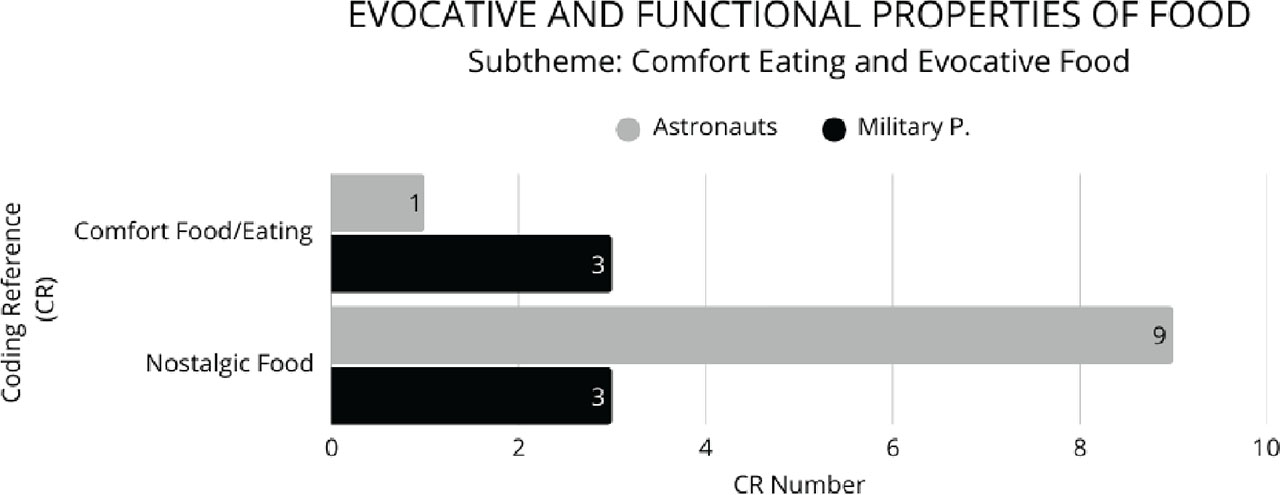
Fig. 9:
Comparison of CR per subtheme for both samples. Theme 2; Subtheme (Comfort Eating and Evocative Food). CR, coding references.
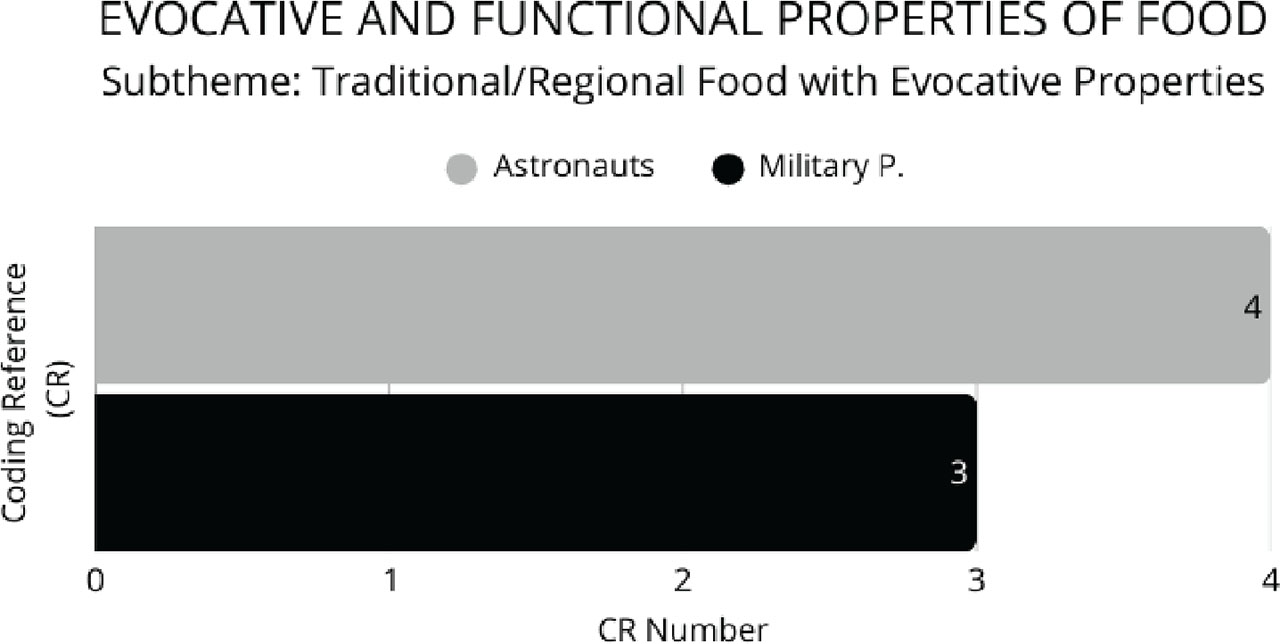
Fig. 10:
Comparison of CR per subtheme for both samples. Theme 2; Subtheme (Traditional/Regional Food with Evocative Properties). CR, coding references.
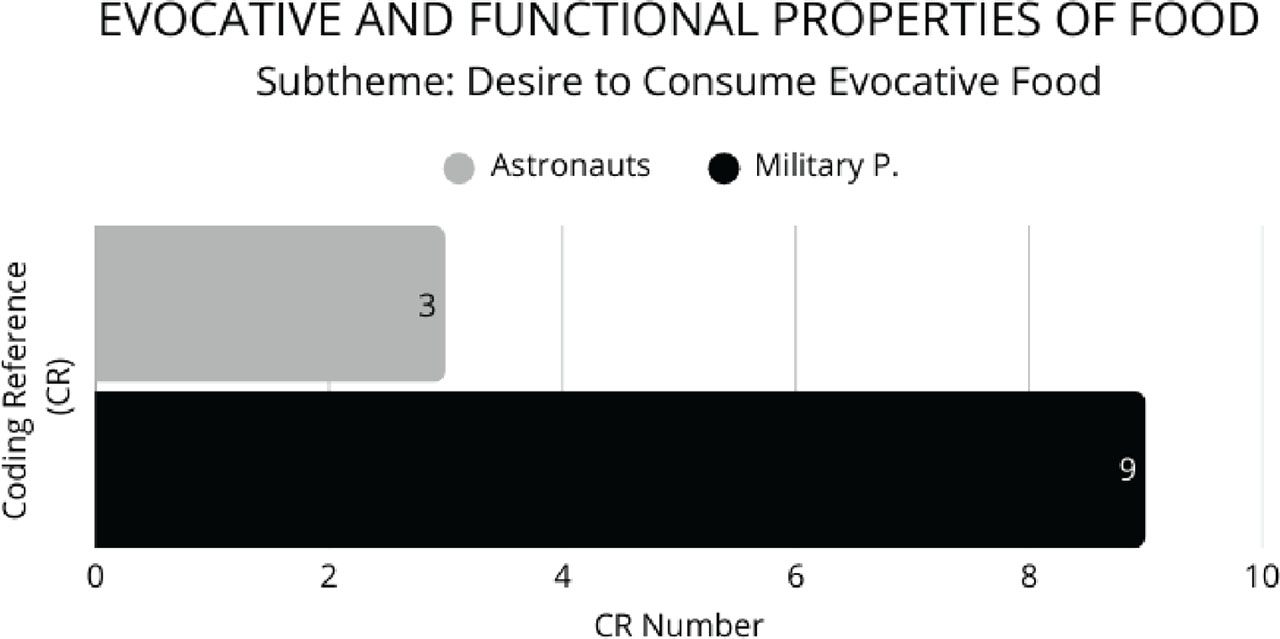
Fig. 11:
Comparison of CR per subtheme for both samples. Theme 2; Subtheme (Desire to Consume Evocative Food). CR, coding references.
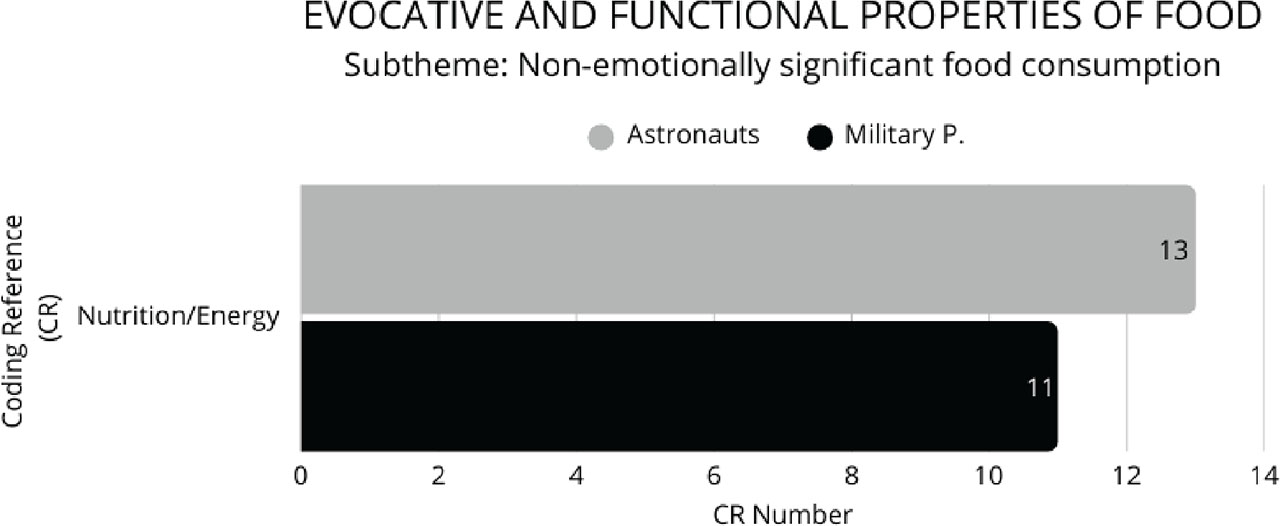
Fig. 12:
Comparison of CR per subtheme for both samples. Theme 2; Subtheme (Non-emotionally significant food consumption). CR, coding references.
Tab. 7:
Contingency table for Theme 2
| Sample | Consumed/wished to consume food with evocative indicators | Denied any emotional attachment to food/no pertinent response | Total |
|---|---|---|---|
| Astronauts | 15 | 13 | 28 |
| Military P. | 14 | 11 | 25 |
| Total | 29 | 24 | 53 |
Evocative food consumption in the samples revealed the aspects of comfort food/comfort eating as similarly less relevant, and nostalgic/sentimental food to be more referenced by astronauts (9 CR). However, more subjects of the military sample wished to consume evocative food, including nostalgic/sentimental food (3 CR), reducing the disparity between the samples (32%–24% ratio). The relevance of consumed national/regional food appeared to be similar between the populations but revealed a moderate disparity when accounting for the desired consumption of regional food by the military sample (4 CR), showing a 28% (sample B) to 14% (sample A) ratio. The count of references denying any emotional attachment to food appeared to be evenly distributed between the samples. The description of sample-specific subthemes is given below (see Table 8).
Tab. 8:
Description of sample-specific subthemes for Theme 2
| Population | Sample-specific subthemes |
|---|---|
| Astronauts | Sensory properties and taste change |
| Military personnel | Role of the cooks |
The Role of the Cooks subtheme may be linked to the Generative Cultural Bonding subtheme in terms of emotional significance, but they are not fully thematically comparable. Both include emotional indicators and refer to national foods as helping the subjects feel closer to home, but the first has emotional implications influencing the subjects from an individual perspective, and the other has a strong social component with generative relational/cognitive implications. The Sensory Properties and Taste Change subtheme is encompassed by non-emotional consumption of food, but it is not comparable to elements of the second sample due to the absence of physiological micro-gravity-induced taste changes in the military population.
3.3. Theme 3: Post-mission changes in food and objects attachment
3.3.1. Astronauts
Of the N = 28 subjects, N = 7 (25%) reported changes in attachment to food and objects, while N = 21 (75%) either reported no changes (18 CR) or short-term changes attributed to the post-mission reintegration period, which led to resuming their previous mindset (3 CR). As shown in Figure 13, perceived changes included a greater appreciation for fresh produce and food in general (4 CR), a perceived increased value of the objects that went to space, as well as of the subject’s favourite food which also went to space (1 CR) and decreased materialism (1 CR), and finally, a greater interest in cooking on a daily basis (1 CR):
Now I really cook, whereas before flying I never did anything in the kitchen. I love cooking, it’s a big transformation. In space, you have to do everything yourself, and now I do.
(231 days in space)
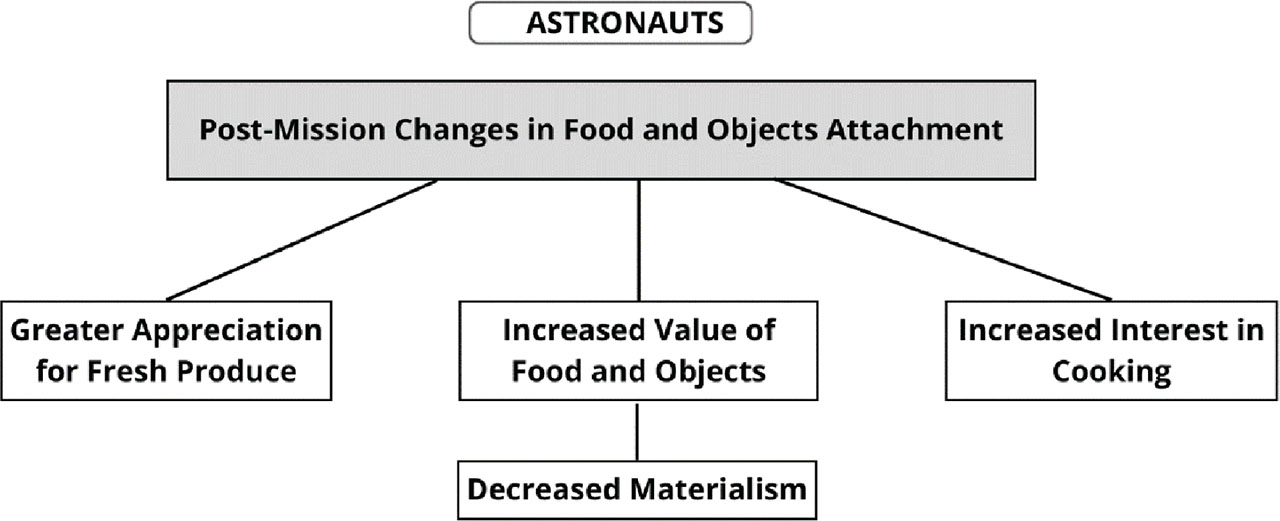
Fig. 13:
Theme 3 and related subthemes in the astronaut sample.
3.3.2. Military personnel
Of the N = 25 subjects, N = 12 (48%) reported a change in their relationship with food and objects, and N = 13 (52%) either reported no changes (11 CR), or reported transient changes due to the readjustment period following missions which led to resuming their previous mindset (2 CR). As shown in Figure 14, the changes that were reported were related to the perceived increased value of food and objects and decreased materialism (7 CR), a change in one’s taste as in the increased consumption of fresh foods (1 CR), different taste preferences (1 CR) and a new interest in foods from different cultures (2 CR). Finally, an increased appreciation of home cooking and regional cooking was reported (7 CR):
I have valued my favourite foods even more. A photo, a simple object, acquires tremendous value.
(Leading seaman)
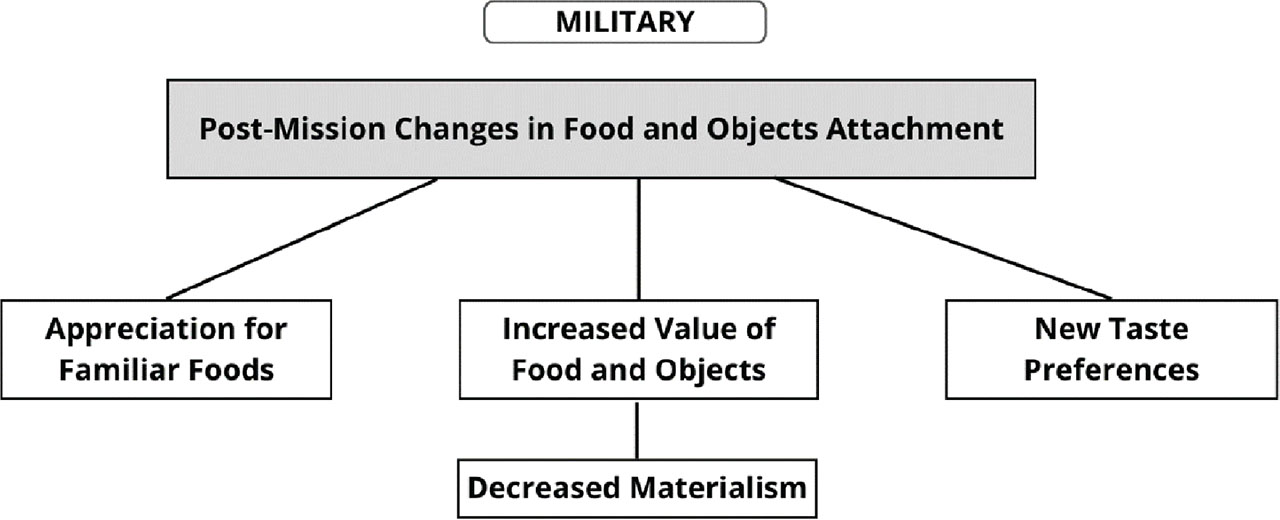
Fig. 14:
Theme 3 and related subthemes in the military sample.
3.3.3. Comparative results
Table 9 shows that 64% of the total subjects did not report any long-term changes in their attachment to food and objects, with astronauts reporting a lower amount of change compared with military personnel. Shared feelings of change from 36% of the subjects are described in the graphs below (see Figures 15–16).
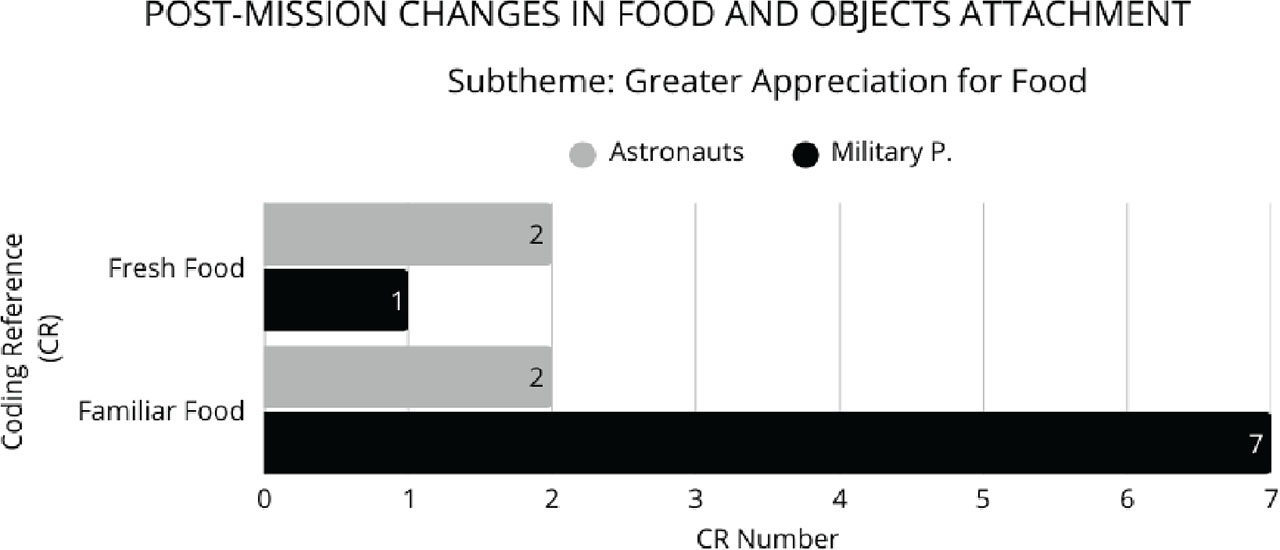
Fig. 15:
Comparison of CR per subtheme for both samples. Theme 3; Subtheme (Greater Appreciation for Food). CR, coding references.
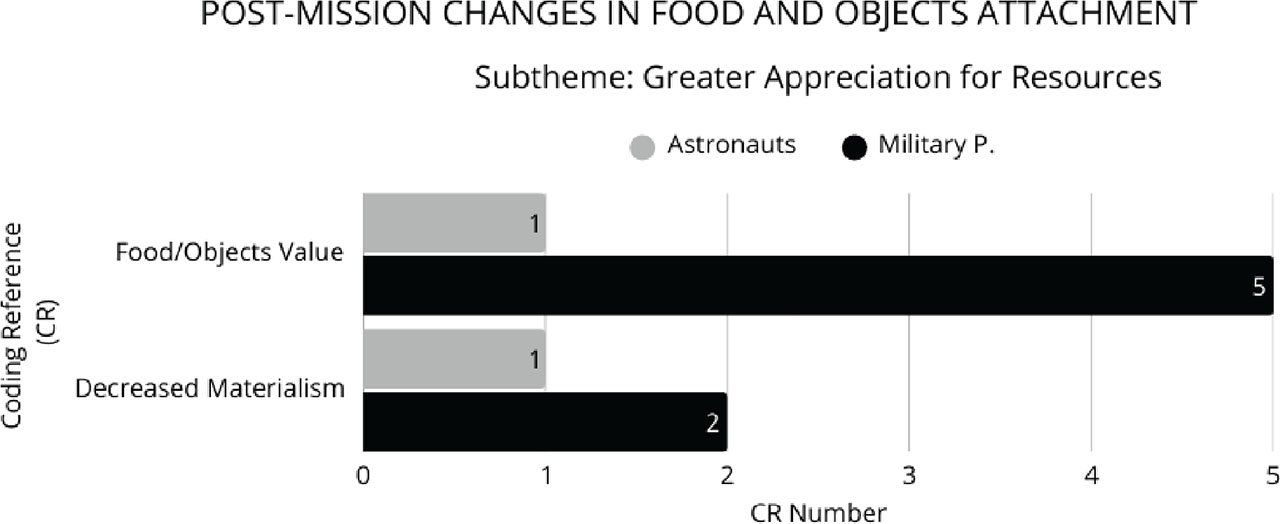
Fig. 16:
Comparison of CR per subtheme for both samples. Theme 3; Subtheme (Greater Appreciation for Resources). CR, coding references.
Tab. 9:
Contingency table for Theme 3
| Sample | Changes in attachment to food and objects | No changes/short-term changes in attachment to food and objects | Total |
|---|---|---|---|
| Astronauts | 7 | 21 | 28 |
| Military P. | 12 | 13 | 25 |
| Total | 19 | 34 | 53 |
Data revealed that the samples provided a similar number of references for the appreciation of fresh food and decreased materialism, while the military sample appeared to appreciate considerably more familiar food (28%–7% ratio) and address more value to food and objects (20%–3.5% ratio) compared with the astronaut sample. Following is the description of sample-specific subthemes (see Table 10).
Tab. 10:
Description of sample-specific subthemes for Theme 3
| Population | Sample-specific subthemes |
|---|---|
| Astronauts | Increased interest in cooking |
| Military personnel | New taste preferences |
The sample-specific subthemes of Increased interest in cooking and New taste preferences relate to changes in attachment to food rather than objects; the first suggests an emotional involvement with food consumption, while being interested in eating different kinds of foods and appreciating more spicy/savoury foods do not appear to have any emotional significance.
3.4. Theme 4: Psychosocial growth
3.4.1. Astronauts
N = 5 (18%) out of N = 28 astronauts reported psychological growth or changes post-mission. As shown in Figure 17, a greater interest in environmentalism and ecological awareness was reported (2 CR), as well as a greater appreciation for natural environments (1 CR). N = 1 subject stated that she perceived herself to have aged greatly. Positive elements of psychological growth possibly relating to food are the perceived improvement of the personal relationships of a subject mediated by long dinners and heartfelt conversations with his loved ones, and the initiative from another subject to found a fruit ranch upon returning from missions, such was the love for fresh food he developed:
I believe I appreciate fresh fruit more after flying in space four times. As a result, I am designing a fruit ranch to grow apricots, peaches, and nectarines.
(34 days in space)
82% of the subjects either denied any changes or did not answer the corresponding question.
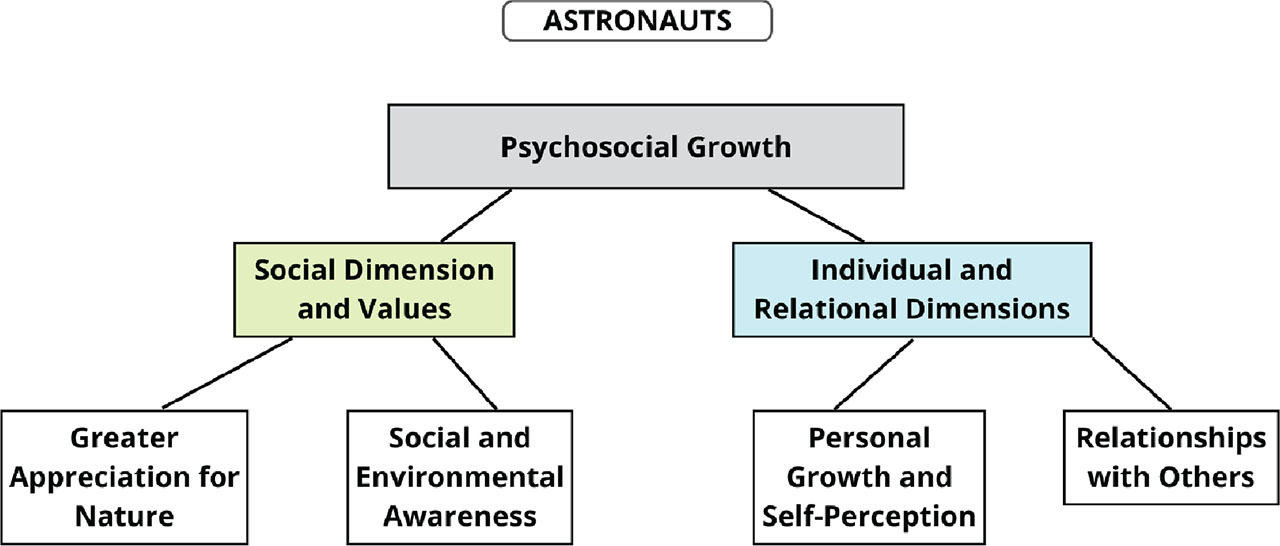
Fig. 17:
Theme 4 and related subthemes in the astronaut sample.
3.4.2. Military personnel
Of N = 25 subjects, N = 21 (84%) reported psychosocial growth and changes upon returning from missions, while N = 4 (16%) denied any changes. As shown in Figure 18, changes perceived concerned the subjects’ life skills, feelings of privilege and/or disillusionment and their relationships with others. Life skills changes comprised greater perceived emotional stability, maturity, responsibility and overall psychological growth (11 CR). Feelings of privilege have derived from social awareness gained during missions and were identifiable in a socially aware appreciation of normalcy (4 CR), the consideration of one’s privilege compared with the harsh living conditions of others (4 CR) and in the newfound appreciation of everyday life compared with the subjects’ restricted accessibility to personal and social resources as well as their scarcity during missions (1 CR). Social awareness also led to disillusionment, with some subjects reporting to have become more cynical and disillusioned as they gained insights into the political and cultural dynamics surrounding war:
I have experienced firsthand and seen inconsistencies. These are not peacekeeping missions, they are economically oriented missions where contingent military are used to gain access to the management of a portion of the country. Yes, I have changed, I’ve come back disillusioned and much more critical of the very world I belong to.
(Army helicopter pilot)
The samples’ relationships with others either positively improved through new interpersonal skills and prioritising their loved ones (4 CR) or were negatively affected by perceived increased irritability and restlessness (2 CR).
I feel more responsible and have realized that I have a duty to protect my loved ones, always. At sea and on land.
(Army petty officer)
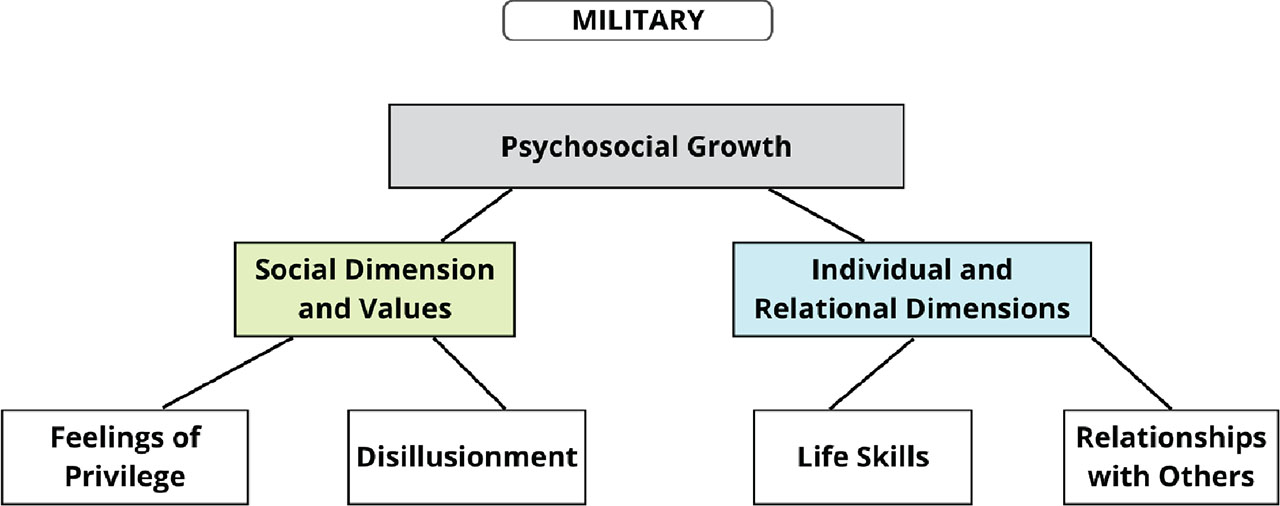
Fig. 18:
Theme 4 and related subthemes in the military sample.
3.4.3. Comparative results
As shown in Table 11, it appears to be a disparity between the astronaut and military samples, with the latter significantly showing more perceived changes (81% of the participants who reported psychosocial growth/changes). Shared psychosocial growth dynamics are described in the graphs below (see Figures 19–20).
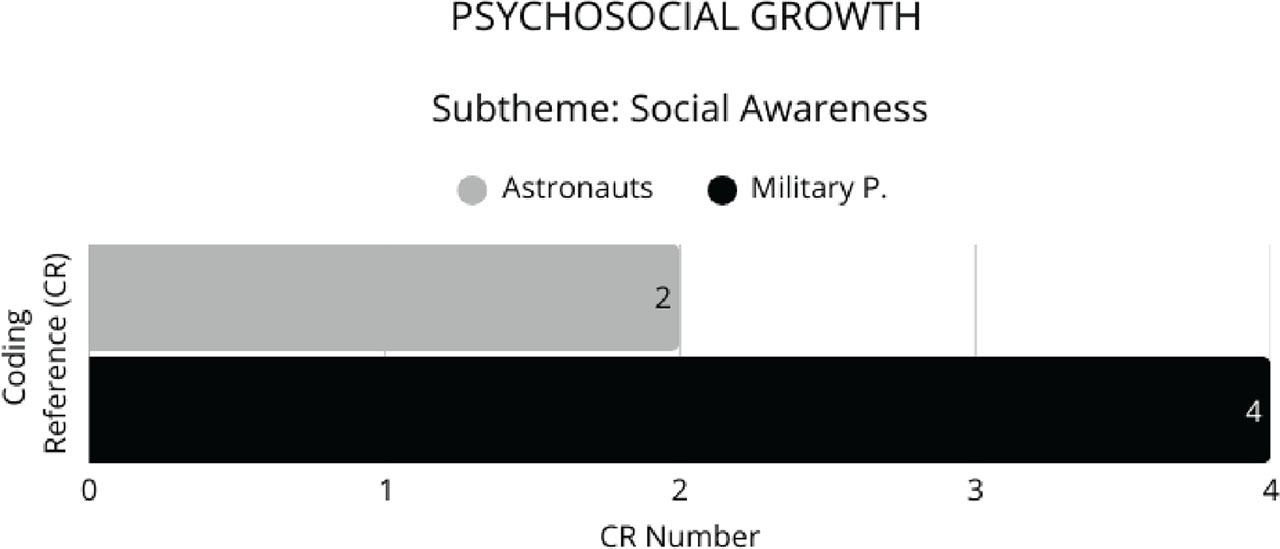
Fig. 19:
Comparison of CR per subtheme for both samples. Theme 4; Subtheme (Social Awareness). CR, coding references.
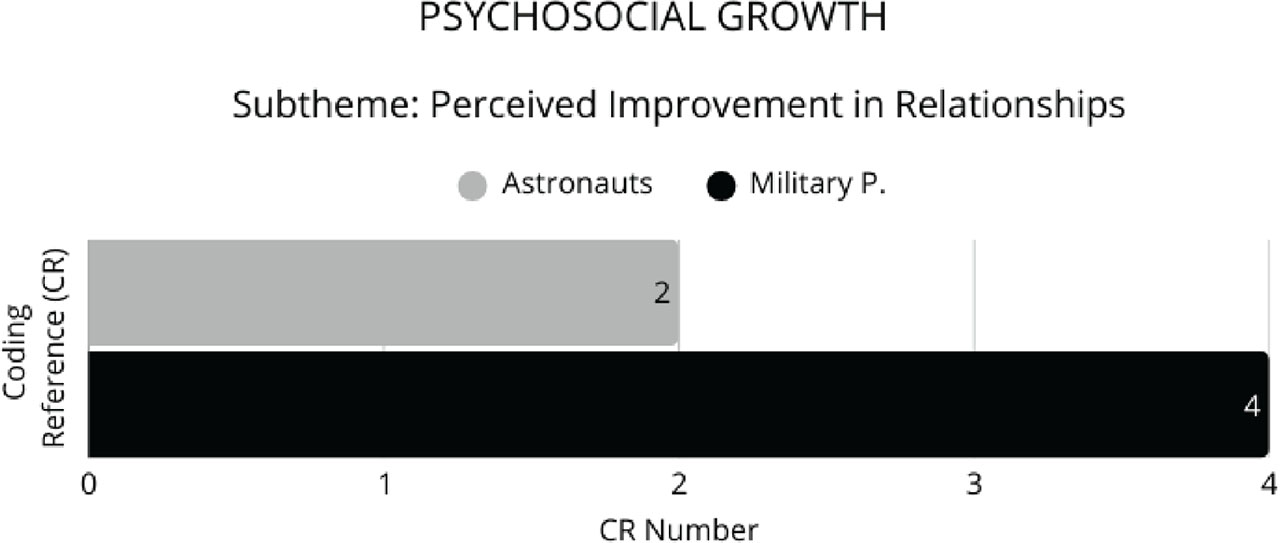
Fig. 20:
Comparison of CR per subtheme for both samples. Theme 4; Subtheme (Perceived Improvement in Relationships). CR, coding references.
Tab. 11:
Contingency table for Theme 4
| Sample | Perceived psychosocial growth/changes | No changes perceived/no response | Total |
|---|---|---|---|
| Astronauts | 5 | 23 | 28 |
| Military P. | 21 | 4 | 25 |
| Total | 26 | 27 | 53 |
Shared subthemes of positive psychological growth reported by the subjects are social awareness and perceived improvement in relationships. The first comprises environmental awareness reported by 7% of the astronaut sample and political awareness reported by 16% of the military sample; the second highlighted another disparity between the samples with a 16%–3.5% ratio. Following is a description of the sample-specific subthemes (see Table 12).
Tab. 12:
Description of sample-specific subthemes for Theme 4
| Population | Sample-specific subthemes | |
|---|---|---|
| Astronauts | Greater appreciation for nature | Personal growth and self-perception |
| Military personnel | Disillusionment/feelings of privilege | Life skills |
Greater appreciation for nature, as in pursuing natural environments along with the accomplishing initiative of starting a project involving fresh food and nature, relates to the theme of personal growth but does not appear to be associated with the subthemes involving the military sample. The latter comprises the subtheme of Life Skills as in general positive shifts in mindset/behaviour and acquired skills, rather than distinctive elements of positive change marking the individual’s life path. Disillusionment and Awareness of one’s privilege relate to the subtheme of Social Awareness, but they are not fully comparable given the subjects’ perception of manifest negative affective states which were not perceived by the first sample.
3.5. Theme 5: Perception of change from others
3.5.1. Astronauts
Of N = 28 subjects, N = 1 subject reported his family to have noticed an increased appreciation for food after his mission:
My family noticed how much I enjoyed each and every bite of food upon returning to Earth, after eating space food for such a long time. I mostly enjoyed eating food with texture again!
(180 days in space)
The rest of the sample either denied any changes to be noticed by their loved ones or did not answer the corresponding question.
3.5.2. Military personnel
Of the N = 25 subjects, N = 13 (52%) reported their loved ones to have noticed behavioural or psychological changes, and N = 12 (48%) reported their loved ones not to have noticed any changes. As shown in Figure 21, the changes reported were either positive as in the subjects’ professional and personal accomplishment/growth (9 CR), or perceived distressing changes. The subjects manifested social withdrawal and mental rigidity (4 CR) as well as irritability and disillusionment (3 CR):
The increase of composure, calmness in undertaking any action, plus rigidity in communication.
(Red Cross army soldier)
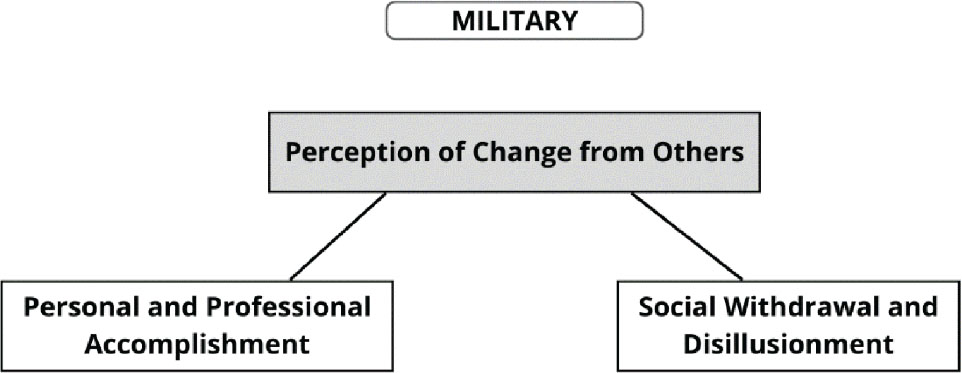
Fig. 21:
Theme 5 and related subthemes in the military sample.
The changes in the subjects were also reported to be ambivalent, including both positive and negative aspects as shown in the excerpt above.
3.5.3. Comparative results
Just 3% of astronauts reported their family to have noticed psychological and behavioural changes, in contrast to 52% of military personnel (see Table 13). Reported changes thematically differ across the subjects, as shown in Table 14.
Tab. 13:
Contingency table for Theme 5
| Sample | Perceived growth/changes from others | No changes perceived/no response | Total |
|---|---|---|---|
| Astronauts | 1 | 27 | 28 |
| Military P. | 13 | 12 | 25 |
| Total | 14 | 39 | 53 |
Tab. 14:
Description of sample-specific subthemes for Theme 5
| Population | Sample-specific subthemes | |
|---|---|---|
| Astronauts | Appreciation for food | N/A |
| Military personnel | Personal and professional accomplishment | Social withdrawal and disillusionment |
An astronaut (N = 1) reported his family to have noticed his increased appreciation for each and every bite of food since returning from his mission, thematically relating to the previously assessed changes in food and objects attachment. The loved ones of sample two either noticed positive elements of psychological growth or multiple forms of negative affective states. The numerical disparity between the two samples could also be attributed to the individualised question format aimed at ensuring the astronauts’ privacy while possibly increasing their probability of answering less focused questions.
4. Discussion
Relevant insights concerning the evocative properties of food and objects during military missions and space travel emerged from the study. Nostalgic and familiar food tying the individual to his relational and social roots, and national/regional food tying the individual to his territory and its tradition, appeared to have the most emotional and cognitive relevance across the sample. Objects closely related to the subjects’ families and loved ones as well as literature and music/audio devices were the most prevalent referenced personal items with significant hypothetical ties across the sample. Reported changes in food and object attachment were moderately perceived by the samples, with a focus on appreciation of resources and decreased materialism. Psychosocial growth reported by the subjects was to consider scarcely related to the relationship with food and objects, apart from the concept of environmental awareness which can be thematically linked to decreased materialism, and the increased perception of maturity as in feelings of privilege which can relate to the construct of appreciation of resources. The perception of change from others’ theme did not result in an outcome associable to the relationship with food and objects, as the latter was reported only by N = 1 subject in the astronaut sample.
The key findings concerning the relationship with food and objects during missions as well as the post-mission changes in attachment to food and objects were found to be coherent with the research hypothesis. Family memorabilia, nostalgic/sentimental food and regional/national food were referred to as making the subject feel closer to home by both samples, either by bringing a piece of family with them or tasting/desiring to taste food that made them feel at home; therefore, homesickness symptoms could be decreased by familial sentimental objects and by the consumption of sentimental food whose evocative properties have a strong sensory component. As stated by Stuster (2024, p. 18), food assumed added importance when access to family, friends, leisure time and other forms of gratification were inaccessible during missions. Furthermore, the adequacy of the food system should be assessed as a factor influencing the crewmembers’ mood, the team’s cohesion and its group dynamics (Landon et al. 2019, pp. 7–9). The theorised evocative properties of food and objects as cognitively and relationally generative, thus transcending the perception of familiarity, emerged from (1) the intercultural bonding stemmed from the shared consumption of bonus foods (national food) reported by astronauts, and from (2) the significance of art and music. The shared attribution of new meaning to food as a re-elaboration of familiar emotional patterns through intercultural bonding could be theoretically related to the construct of evocativeness, as well as being effective in reducing the adverse effects of isolation. The latter is heavily affected by food consumption, as a lack of variety and culturally familiar food led the crew of the Mars 500 mission to report that food became probably the greatest problem in isolation (Smith et al. 2024, p. 19). Therefore, favouring the shared consumption of culturally familiar food is considered key in inhibiting isolation-related perceived distress. Art, literature and music play a relevant role in decreasing the adverse effects of isolation and sensory hunger, especially musical creativity and skillshare. NASA’s Behavioral Health and Performance Research Department reported various creative pursuits including art, literature and music to be emerging as an important long-term tool for relaxation and resilience building, as well as a means to engage the subjects in aesthetic and creative behavioural and psychological responses (generative reflection, sublime, awe, wonder) (Vessel and Russo 2015, pp. 49, 141–143). As literature was evenly enjoyed by the subjects and music was a relevant code in the astronaut sample, it is possible to affirm a positive association with the research hypothesis. Long-term transformative changes in attachment to food and objects and psychological growth mediated by food and objects were found in a moderate and low percentage of the samples, respectively; interesting results emerging from these themes could be further analysed in future studies, but as of today it is not feasible to hypothesise a confident theoretical generalisation applicable to the target populations.
Finally, the relevance of sentimental/regional food and personal objects in reducing given stressors during missions and enhancing wellbeing has been confidently supported by this study. However, a confident account of long-term changes in food/objects attachment, psychosocial growth mediated by food and objects and food/objects-related behavioural changes perceived by others was not provided due to insufficient evidence in both samples.
The study presents a set of limitations. First, given the sensitive data and organisational policies of the target populations, access to the sample was challenging, as was the formulation of the qualitative survey which had to respect the criteria of privacy of the subjects while possibly ensuring an adequate percentage of responses and pertinent response content. The literature review could be expanded only within governmental limitations restricting access to relevant research, but an interdisciplinary approach broadened the insights on the research objectives. Finally, even though the astronaut sample provided multicultural insights as the subjects were of different nationalities, the examined military sample was solely Italian, hence limiting the possibility of further sociocultural-related findings. Effective future research shall then have greater access to the sample, administer further psychometric measures integrating quantitative research, and target a culturally diverse and possibly larger sample.
In conclusion, the positive psychology model applied to human performance optimisation in ICE and EUE environments is an innovative framework allowing research to transcend stress-reduction protocols and to consider survival optimisation in association not only with environmental adaptability, but with the integrated psychophysiological wellbeing of the subject as well. The study of the relationship with food as a primary need with nuanced physiological, cognitive and psychosocial implications; and objects as a transitional and evocative means to adhering to one’s personal and familial identity from a positive interdisciplinary perspective, might pave a meaningful way towards the design of interventions prioritising the value and generative potential of feeling close to home as much as competently adapting to a temporary one.