
1. Introduction
We are currently witnessing the entry of Generation Z into the labor market, which is considered as the most revolutionary generation for economies, markets, and economic systems [Israel, 2020]. Why is the impact of this cohort, currently representing approximately 40% of the world’s population [Facebook, 2020], revolutionary? Research on market trends in Australia, France, Germany, the Netherlands, Great Britain, and the United States suggests that the proportion of Generation Z members (Gen Zers) among the employed population is projected to increase from 10% in 2019 to 30% in 2030. Furthermore, the income of Generation Z is expected to rise nearly sevenfold, from around US$460 billion in 2019 to US$3.2 trillion in 2030. Additionally, their consumer spending is projected to increase over sixfold, from US$467 billion in 2019 to US$3.0 trillion in 2030, accounting for 11% of the total expenditure in the economy [Oxford Economics, 2021, p. 4]. Owing to their substantial purchasing power, Gen Zers have become crucial partners for today’s enterprises. Disregarding the impact and influence of this generation would be tantamount to failure for businesses [Sladek and Grabinger, 2014]. The impact of social media on the lives, including shopping, of Generation Z is enormous – more than half of Generation Z representatives spend at least 4 h a day on social media, and nearly 40% of this cohort even longer [Morning Consult, 2022]. More than 80% of Generation Z representatives search the Internet for information and solutions on a daily basis, and nearly 70% do so even several times a day [Rio SEO, 2022]. Nearly 80% of this generation has bought a product they saw on social media [Statista, 2022]. As the market success of an enterprise relies on satisfying customer needs and demands, it is essential for enterprises to undertake activities that have the most significant impact on the purchasing decisions of Gen Zers. So, where should enterprises focus their efforts? Since Generation Z is highly present on social media and the influence of social media on consumers’ purchasing behaviors has been confirmed [Park et al., 2021], it is within this space that enterprises should concentrate their communication and promotion of new or existing goods or services. By identifying specific customer segments on social media, enterprises can deliver personalized content to specific customers based on demographic patterns and shared interests [Kapoor et al., 2018].
The aim of this paper is to assess the impact of social media activities by enterprises on the purchasing decisions of Gen Zers. While existing research findings into this impact concern the general population, the authors of the paper recognized a need to conduct more intensive research in this area due to its dynamic nature. Technological progress continues to shape the market and consumers’ experiences, thus requiring updated insights. Quantitative empirical studies are still lacking in the literature, which calls for evidence that can provide a detailed understanding of the impact of enterprises’ social media activities on the purchasing decisions of Gen Zers. Jung et al. [2016] and Harrigan et al. [2017] noted that most studies to date have typically come from developed countries. Therefore, it is worth considering different countries (i.e., developed, emerging, developing), cultures, and different contexts. In addition, all customer segments, including their age, gender, and education level should be included to obtain more accurate data on their perceptions and behavior on these innovative social media platforms [Hudson et al., 2015]. Following these directions, the authors decided to carry out research in two different countries, choosing one developed country (Great Britain) and the other, a developing country (Poland). To address this research gap, the authors have stated the research problem by formulating one descriptive research question: What impact do enterprise activities on social media have on Gen Zers’ purchasing decisions? and some specific inference research questions:
Q1: Which activities undertaken by enterprises on social media have an impact on the purchasing decisions of Gen Zers?
Q2: Is there a relationship between the gender of Gen Zers and the impact of enterprises’ social media activities on purchasing decisions?
Q3: Is there a relationship between the place of residence of Gen Zers and the impact of enterprises’ social media activities on purchasing decisions?
Q4: How do the research results differ between respondents from Poland and those from Great Britain?
2. Literature review
There is no consensus in the literature about the birth date of Generation Z. The authors of the paper have chosen the year 1995 as the start year for Gen Z [Francis and Hoefel, 2018; Kamenidou et al., 2019] and the year 2009 as the end year. Generation Z is the first generation to be born in the digital world [Sladek and Grabinger, 2014]. As a result, Gen Zers possess digital competencies that are on average 2.5% higher than those of Millennials and over 8% higher than those of Generation X [Oxford Economics, 2021]. Gen Zers do not part with their smartphones – 66% of Gen Z teenagers consume news, including social media news, through mobile devices [Auxier and Arbanas, 2022]. Social media, which is defined as “a group of internet-based applications that build on the ideological and technological foundations of Web 2.0 and that allow the creation and exchange of user-generated content” [Kaplan and Haenlein, 2010, p. 50], is where enterprises should target Gen Zers, who spend a majority of their time on such platforms, to connect and communicate information about their products.
Utilizing social media as a means to establish strong connections with customers is recognized as a contemporary approach to advertising products and reaching a wide audience [McClure and Seock, 2020]. This is achieved through the sharing and dissemination of substantial amounts of virtual information across various social media platforms [Gómez et al., 2019]. Companies wishing to increase their customers’ engagement in social media relationships should build trust, for example, by strengthening the protection of their customers’ personal data [Paliszkiewicz et al., 2024]. Lăzăroiu et al. [2020] cumulated evidence that consumers’ decision-making process is a dynamic performance, but that the determinants of social commerce intention and online consumer choice behavior can be clarified.
Significantly, as consumers become more aware of a particular brand, they start to seek additional information about it online. This stems from their desire to compare the brand’s offer with those of its competitors, evaluate the benefits associated with each option, and subsequently make an informed purchasing decision [Sharma et al., 2021]. Following their purchase, customers share their shopping experience opinions online (e.g., through comments and reviews). These, in turn, influence the purchasing decisions of other consumers [Liu et al., 2021]. Retailers should encourage and support Generation Z to make the proper buying decisions by providing them with extra information on blogs and forums, and with input from influencers who can help individuals to identify the best solutions for their expectations [Dabija et al., 2019].
There are limited publications in the literature that examine the influence of enterprises’ social media activities on the purchasing decisions of Gen Zers. It is assumed that the purchasing process consists of five stages: (1) Need recognition, (2) Information search, (3) Evaluation of alternatives, (4) Purchase decision, and (5) Post-purchase behavior [Dewey, 1910], and therefore information about products shared on social media has the greatest impact on stages 2, 3, and 4 [Nguyen, 2021]. Web 2.0 tools provide consumers with useful information and influence Gen Zers’ purchasing decisions. Gen Zers are attracted to funny and humorous aspects, which helps establish their trust in the information available through the Internet and social networks [Vasan, 2023]. According to studies conducted by Parzonko [2015] on respondents of various age groups, more than half of the surveyed consumers confirmed that they had made a purchase in the past 3 months prompted by information posted on a brand’s fan page that they followed.
Marketing activities conducted by enterprises on social media platforms, particularly on Facebook, have an impact on half of their followers. According to Potyrańska and Puzio [2021], the activities that most incentivize customers to purchase a product are the possibility of obtaining a discount and easy access to the opinions of other users. Nguyen [2021] conducted a study involving a group of respondents, the majority of whom were Gen Zers. The research revealed that over 90% of the respondents sought product information on social media before making a purchase, with approximately 70% of them trusting this information. Furthermore, almost 50% of the surveyed individuals reported altering their initial purchasing preferences after encountering relevant information on social media.
In Great Britain, a study was conducted focusing on consumer–brand interactions on social media. It examined the influence of social media activities, attitudes toward social media advertisements, and privacy on purchase intention. The results highlighted that to significantly increase purchase intentions, brands need to establish strong relationships through high-quality interactions with consumers while carefully managing consumer privacy expectations. Furthermore, the study found that skillful management of privacy positively mediated the relationship between social media and purchase intention, but ignoring privacy became a weakness in the relationship [Gutierrez et al., 2023].
Research conducted in Bangladesh revealed that celebrity endorsements, as well as online promotional tools and reviews, had a positive and significant influence on online purchasing behaviors during the COVID-19 pandemic [Miah et al., 2022]. Another study focused on Gen Z consumers who utilize intelligent personal assistants (IPAs) and provided interesting findings. The results indicated that personalization and the conversational tone had a significant positive impact on both informational and emotional support. In turn, informational and emotional support had a positive effect on purchase intentions. Furthermore, brand credibility was found to positively moderate the relationships between informational support and purchase intention, as well as between emotional support and purchase intention [Guo and Luo, 2023].
3. Methodology
The data presented in this article are part of the results of a survey conducted by the authors among students in Poland and Great Britain in 2023. The authors adopted the following stages of the scientific research process: (1) Identifying the object and purpose of the study, (2) Formulating theoretical assumptions, (3) Defining research problems, (4) Selecting methods and constructing a research tool, (5) Selecting a research sample for empirical research, (6) Conducting field research (preliminary and proper), (7) Developing research results, and (8) Conclusion and preparing a scientific report (report) [Apanowicz, 2000]. The research conducted in these two countries included both qualitative and quantitative aspects. In this study, the indirect measurement method (survey) and survey technique were used, while the research tool was a survey questionnaire with 11 main questions and metric questions about age, gender, and place of residence of respondents. Based on the analysis of the literature, the authors identified a catalog of activities undertaken by companies on social media in relation to customers that influence their purchasing decisions. The identified activities were adopted by the authors as a set of dependent variables. The set of questions included in the survey questionnaire was developed on the basis of a critical analysis of the literature [Gummerus et al., 2012; Gregor and Kubiak, 2014]. It should be noted that the authors are carrying out cyclical research on the characteristics of the actions and behaviors of Generation Z toward the activities of companies on social media. The main research was preceded by a pilot study in 2018 among respondents in Poland. The implementation of the pilot study made it possible to identify errors and improve the research tool (survey questionnaire). The next edition of the study was conducted by the authors in 2020–2021. In preparation for the 2023 study, the authors used the same questionnaire, which made it possible to compare the results of the research carried out in successive periods and on the same issues.
The authors, reviewing the literature, identified the occurrence of minor discrepancies regarding the date of birth of people belonging to Generation Z. This study adopts the prevailing view among researchers and presented in most sources, according to which Generation Z includes people born between 1995 and 2009. In both countries, the survey was carried out using the CAWI technique. In Poland, in 2023, the prepared survey questionnaire was addressed to students of economics and technology at Częstochowa University of Technology. The survey questionnaire was prepared in the form of online access on the Webankieta.pl platform. As a result, the responses of 321 respondents (166 females and 155 males) were qualified for analysis. In Great Britain, data collection was outsourced to an external entity specialized in survey implementation. The external company was selected in accordance with procedures related to public procurement law. The subject of the contract was the implementation of a survey among students in Great Britain born between 1995 and 2009. As a result, the responses of 318 respondents (199 females and 119 males) were obtained and qualified for analysis. In analyzing the collected data, it was assumed that the independent variable was the surveyed group of respondents, not the whole population of Generation Z. The difficulty in clearly indicating the age range of Generation Z makes treating this variable as an independent variable problematic. The authors assumed that the use of heuristics of representativeness toward Generation Z allows for deeper knowledge.
The selection of the research sample in all implemented editions and in both countries was non-probabilistic. The use of a sampling technique was dictated by the limited budget that was allocated for the research. The choice of a non-probabilistic technique did not require a lot of labor intensity and did not generate high costs, which contributed to the rapid collection of data. It is important to note that non-probabilistic selection allows generalization of results with a significant range of error, so it is not possible to draw statistical conclusions on the entire population. Using non-probabilistic selection, however, the authors decided to make statistical inferences, treating them only as an opportunity to identify relationships in the groups studied. The range of data collected made it possible to determine the number and frequency of respondents’ answers to individual survey questions. Statistical inference was used to identify possible correlations occurring in the studied groups, which is not allowed by tests belonging to the so-called descriptive statistics. Statistical inference was conducted at the assumed ex ante significance level α = 0.05, and a p-value was calculated for each test. Comparing the p-value with the level of statistical significance, it was determined whether there was sufficient evidence to reject H0 against H1 (p-value <α) or not (p-value ≥α). All calculations and analyses were performed using Statistica software (version 13.3), the license for which was purchased from StatSoft Poland. As the survey was carried out on a small number of respondents, it may raise methodological concerns. It should be emphasized this type of research can provide important information, provided that appropriate tests are used to draw conclusions [Nachar, 2008].
4. Results
To accomplish the research objective, the authors aimed to determine whether and which activities conducted by enterprises on social media influenced the purchase decisions of Gen Z respondents, representing the fourth stage of the purchasing process as defined by Dewey [1910]. Figure 1 provides percentage indicators for specific activities in Poland and Great Britain, respectively.
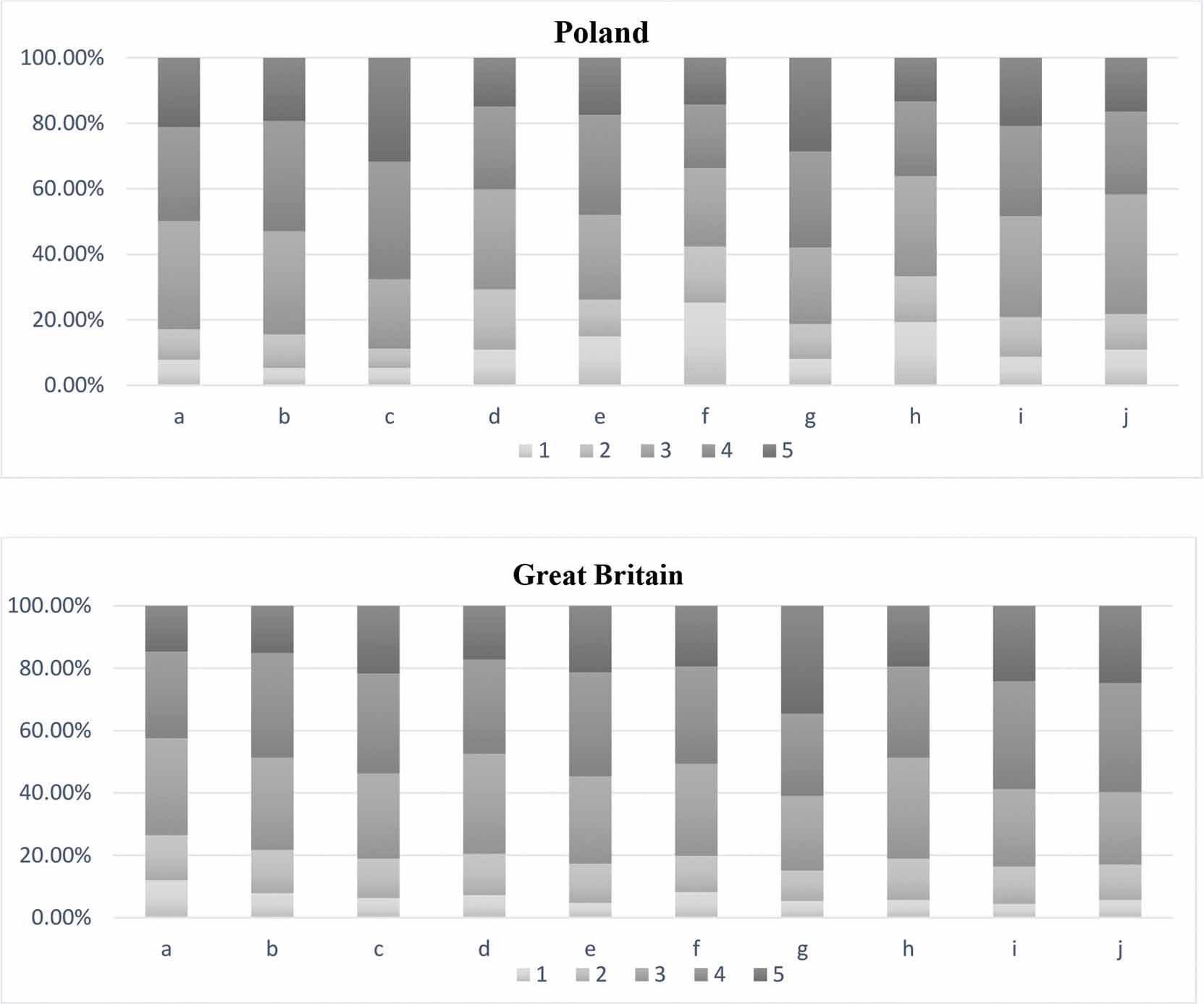
Figure 1.
Assessment of enterprises’ activities on social media impacting purchase decisions of Gen Z respondents –results of studies conducted in Poland and Great Britain in 2023. a. Publishing information about what is new in the offer; b. Presenting an application of a specific product/service; c. Publishing information about special offers; d. Presenting a test carried out by an expert; e. Recommendation from a known person; f. Participation in a competition; g. Receiving a discount coupon; h. Making the wall available for asking questions; i. An enterprise’s positive image; j. Social responsibility, social campaigns. where – 1 means the least impact, 5 – means the biggest impact.
Source: Own work.
Analysis of the findings indicates that the activities undertaken by enterprises on social media have an impact on the purchase decisions of the surveyed Gen Zers. In Poland, the activities with a decisive impact on purchase decisions of the respondents were publishing information about special offers and offering discount coupons. On the contrary, in Great Britain, the activities that had a decisive impact on purchase decisions were offering discount coupons, an enterprise’s positive image, as well as enterprise social responsibility and social campaigns.
The respondents in Poland who chose the response, “Other social media activities undertaken by enterprises that had an impact on purchase decisions,” specified the following: friends’ recommendations; good customer contact; invitation to cooperation; discount codes presented by celebrities; content creation; abundance of positive content; and interesting additional content and information about the company/product. Meanwhile “Other social media activities undertaken by enterprises that had a decisive impact on purchase decisions” of the respondents in Great Britain were as follows: good conversation starter; fame; quality of post; product review; participate in activities organized by the company; videos; looking up to influences; following more personal accounts for sales than celebrity’s sharing a product; reading information about a company; social media presence; and “Eco Friendly.”
The next stage of analyzing the gathered data involved determining the impact of enterprises’ social media activities on purchase decisions based on the respondents’ gender. To examine the relationship between the variables: enterprises’ social media activities and the respondent’s gender, the Mann–Whitney U test was employed (Tables 1 and 2). This test was chosen to be utilized in analyzing the responses referring to differences between the groups under study due to its advantage of suitability for small participant samples and for ordinal variables, such as the Likert scale [Nachar, 2008]. In both the studies conducted in Poland and Great Britain, the respondents were divided into two groups: females and males. Since both groups consisted of a relatively small number of participants, it was not possible to assume that they followed a normal distribution. Therefore, the authors could not rely on a parametric mean test using the t-Student distribution, as there was no possibility to confirm normal distribution for both samples [Fay and Proschan, 2010; Walters, 2021]. The use of the Mann–Whitney U test does not require equal group sizes, normal distribution, or homogeneous variances.
Table 1.
Results of the Mann–Whitney U test examining the relationship between assessments of enterprises’ social media activities impacting purchase decisions and the gender of Gen Z respondents – results of studies conducted in Poland in 2023
| Variables | Sum of ranks female | Sum of ranks male | U | Z | p |
|---|---|---|---|---|---|
| Publishing information about what is new in the offer & gender | 23,859.50 | 27,821.50 | 11,769.50 | -1.37 | 0.1717 |
| Presenting an application of a specific product/service & gender | 24,114.50 | 27,566.50 | 12,024.50 | -1.05 | 0.2925 |
| Publishing information about special offers & gender | 22,935.00 | 28,746.00 | 10,845.00 | -2.54 | 0.0109 |
| Presenting a test carried out by an expert & gender | 24,596.00 | 27,085.00 | 12,506.00 | -0.44 | 0.6571 |
| Recommendation from a known person & gender | 23,789.00 | 27,892.00 | 11,699.00 | -1.44 | 0.1489 |
| Participation in a competition & gender | 23,928.50 | 27,752.50 | 11,838.50 | -1.26 | 0.2064 |
| Receiving a discount coupon & gender | 22,737.00 | 28,944.00 | 10,647.00 | -2.76 | 0.0058 |
| Making the wall available for asking questions & gender | 23,563.00 | 28,118.00 | 11,473.00 | -1.72 | 0.0853 |
| An enterprise’s positive image & gender | 24,233.00 | 27,448.00 | 12,143.00 | -0.90 | 0.3701 |
| Social responsibility, social campaigns & gender | 23,136.00 | 28,545.00 | 11,046.00 | -2.27 | 0.0231 |
Table 2.
Results of the Mann–Whitney U test examining the relationship between the assessments of enterprises’ social media activities impacting purchase decisions and the gender of Gen Z respondents – results of studies conducted in Great Britain in 2023
| Variables | Sum of ranks female | Sum of ranks male | U | Z | p |
|---|---|---|---|---|---|
| Publishing information about what is new in the offer & gender | 17,244.00 | 33,477.00 | 10,104.00 | 2.26 | 0.0241 |
| Presenting an application of a specific product/service & gender | 19,348.00 | 31,373.00 | 11,473.00 | -0.48 | 0.6314 |
| Publishing information about special offers & gender | 18,583.50 | 32,137.50 | 11,443.50 | 0.52 | 0.6051 |
| Presenting a test carried out by an expert & gender | 17,626.50 | 33,094.50 | 10,486.50 | 1.77 | 0.0772 |
| Recommendation from a known person & gender | 17,523.00 | 33,198.00 | 10,383.00 | 1.91 | 0.0568 |
| Participation in a competition & gender | 17,596.50 | 33,124.50 | 10,456.50 | 1.80 | 0.0713 |
| Receiving a discount coupon & gender | 16,387.50 | 34,333.50 | 9,247.50 | 3.34 | 0.0007 |
| Making the wall available for asking questions & gender | 18,137.50 | 32,583.50 | 10,997.50 | 1.10 | 0.2711 |
| An enterprise’s positive image & gender | 18,283.50 | 32,437.50 | 11,143.50 | 0.91 | 0.3620 |
| Social responsibility, social campaigns & gender | 17,718.50 | 33,002.50 | 10,578.50 | 1.65 | 0.0988 |
Based on the data analysis, gender significantly differentiated the analyzed variables in the following cases: publishing information about special offers (p = 0.01), receiving a discount coupon (p = 0.01), social responsibility, and social campaigns (p = 0.02).
Based on the adopted significance level α = 0.05, the Z statistic of the Mann–Whitney U test adjusted for continuity, as well as the precise U statistic, there are statistically significant differences between female and male respondents from Generation Z in Poland regarding assessment of three activities undertaken by enterprises on social media that had an impact on their purchase decisions. Specifically, females rated these activities (marked as [c], [g], and [j] in Figure 1) higher than males. The differences can be described based on the median, quartiles, as well as the maximum and minimum values, which are also visualized in box-and-whisker plots (Figures 2–4).
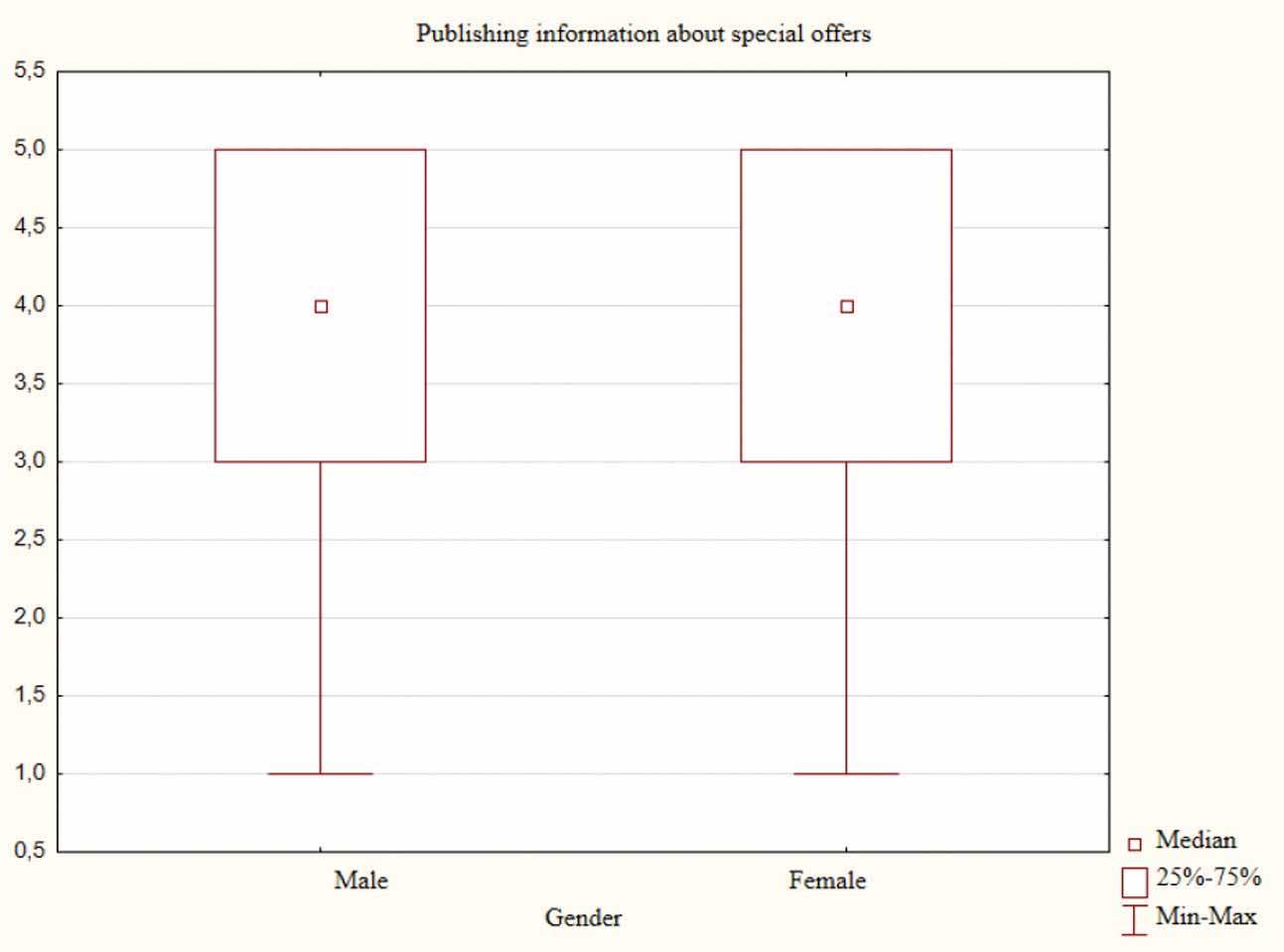
Figure 2.
Assessment of the impact of enterprises’ publishing information about special offers on social media on Gen Zers’ purchase decisions by the respondent’s gender in Poland in 2023.
Source: Own work.
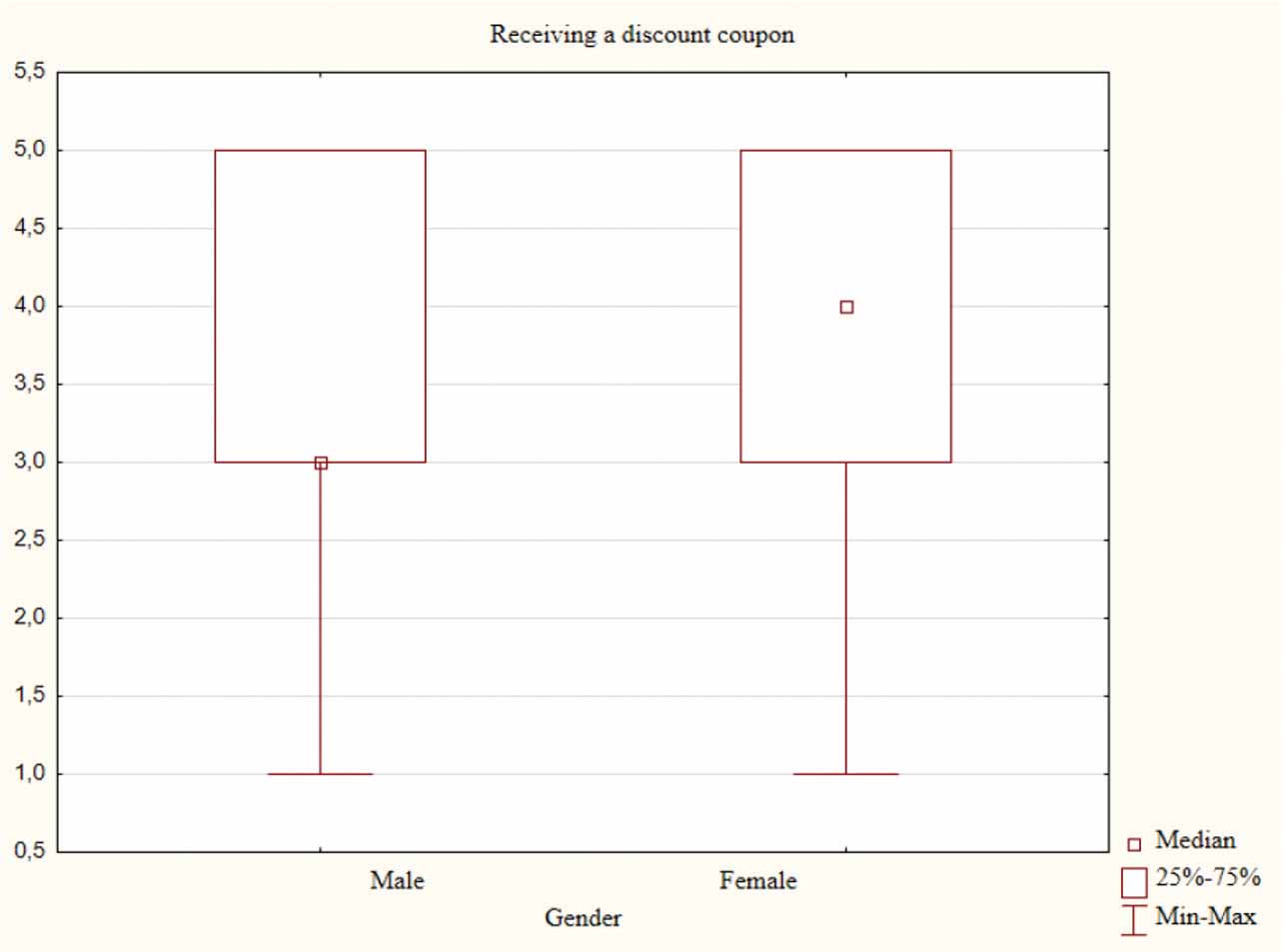
Figure 3.
Assessment of the impact of receiving a discount coupon on social media on Gen Zers’ purchase decisions by the respondent’s gender in Poland in 2023.
Source: Own work.
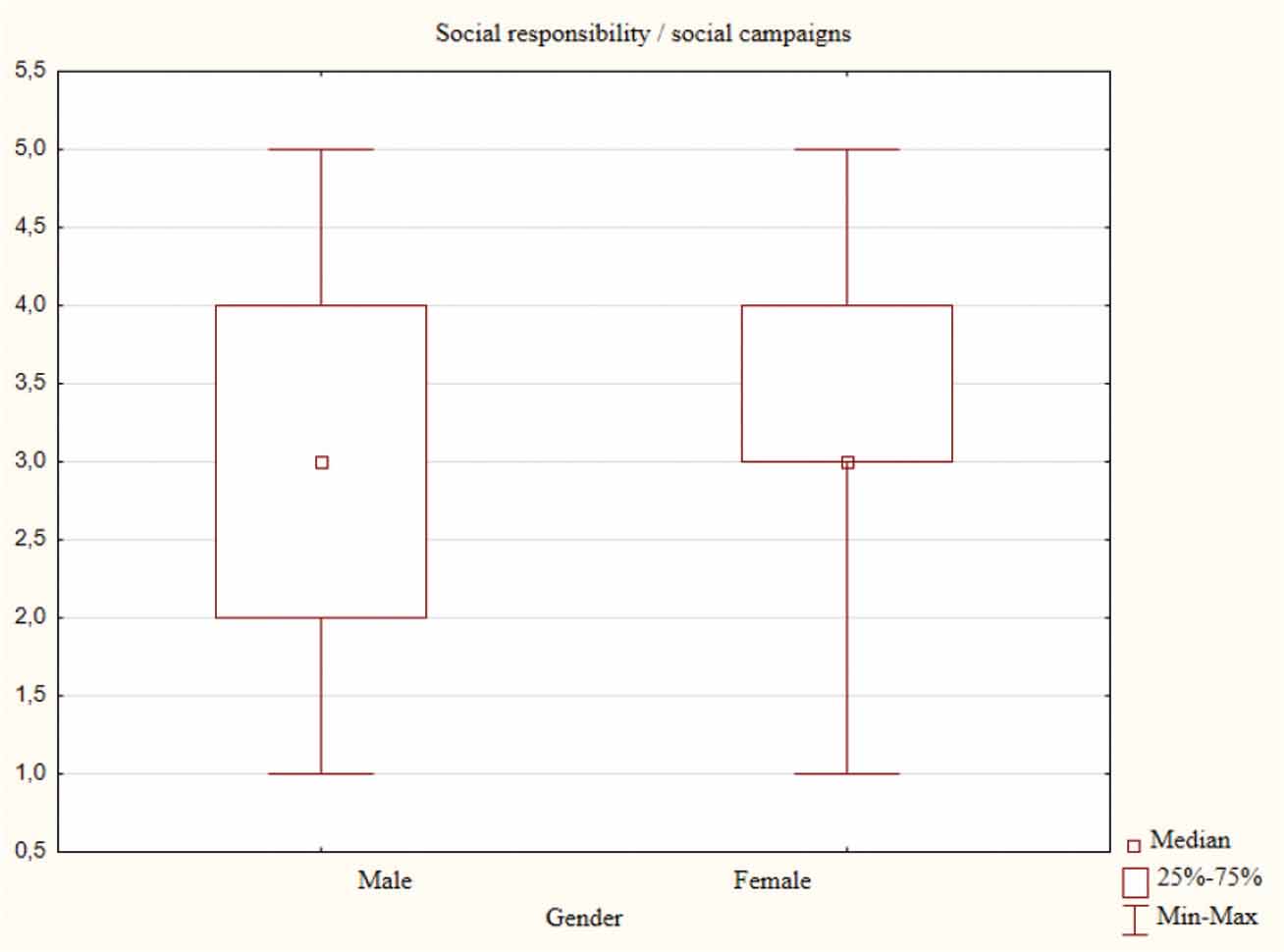
Figure 4.
Assessment of the impact of social responsibility/social campaigns run by enterprises on social media on Gen Zers’ purchase decisions by the respondent’s gender in Poland in 2023.
Source: Own work.
In the next step, the authors attempted to determine whether there is a relationship between the assessment of enterprises’ social media activities impacting Gen Zers’ purchase decisions and the gender of the respondents from Great Britain (Table 2).
Based on the data analysis, gender significantly differentiated the analyzed variables in two cases: (1) publishing information about what is new in the offer (p = 0.02), (2) receiving a discount coupon (p = 0.001). Based on the adopted significance level α = 0.05, the Z statistic of the Mann–Whitney U test adjusted for continuity, as well as the precise U statistic, there are statistically significant differences between female and male respondents from Generation Z in Great Britain regarding the assessment of two activities undertaken by enterprises on social media that had an impact on their purchase decisions. Specifically, females rated these activities (marked as [a] and [g] in Figure 1) higher than males. The differences can be described based on the median, quartiles, as well as the maximum and minimum values, which are also displayed in box- and- whisker plots (Figures 5 and 6).
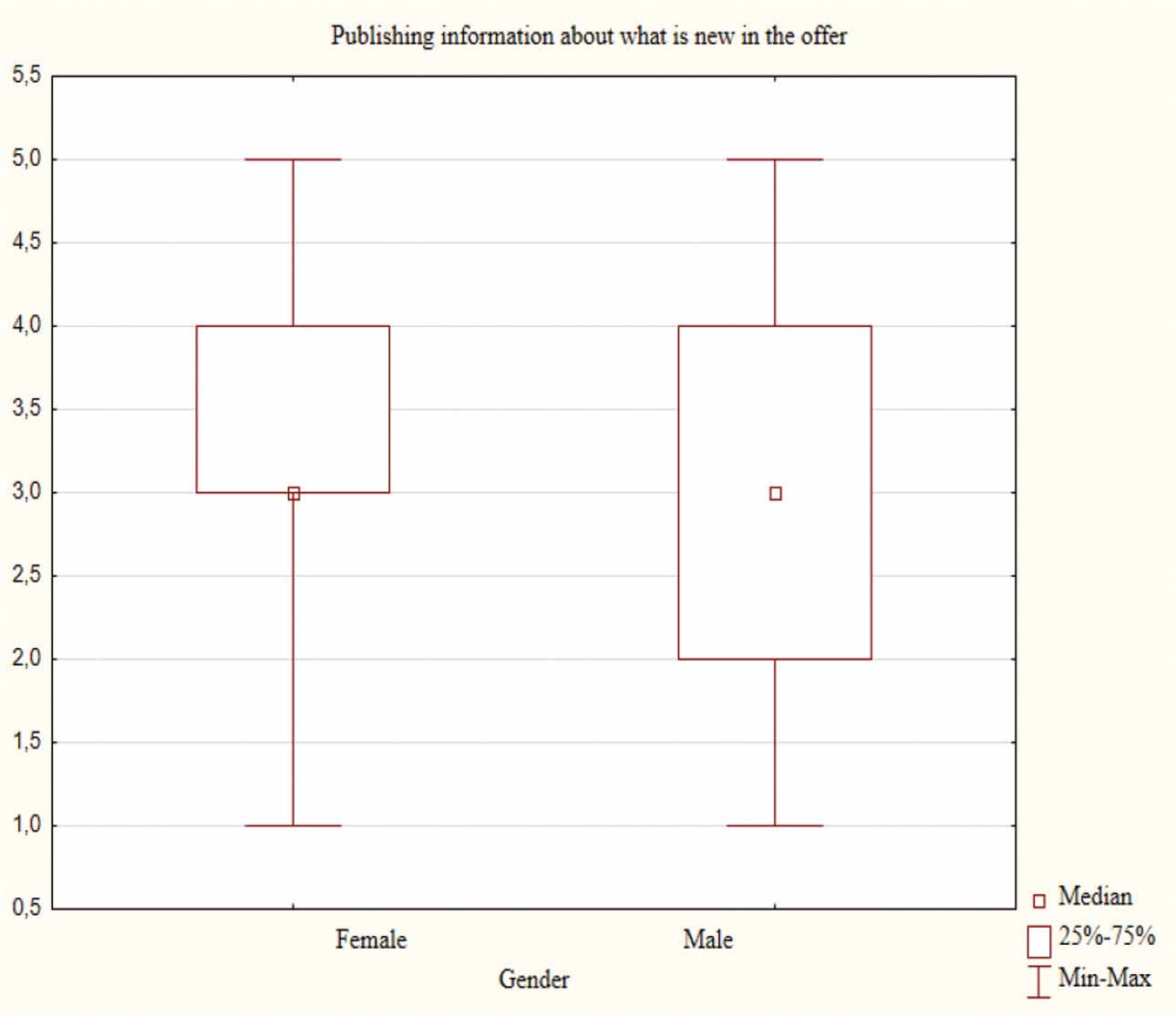
Figure 5.
Assessment of the impact of enterprises’ publishing information about what is new in the offer on social media on Gen Zers’ purchase decisions by the respondents’ gender in Great Britain in 2023.
Source: Own work.
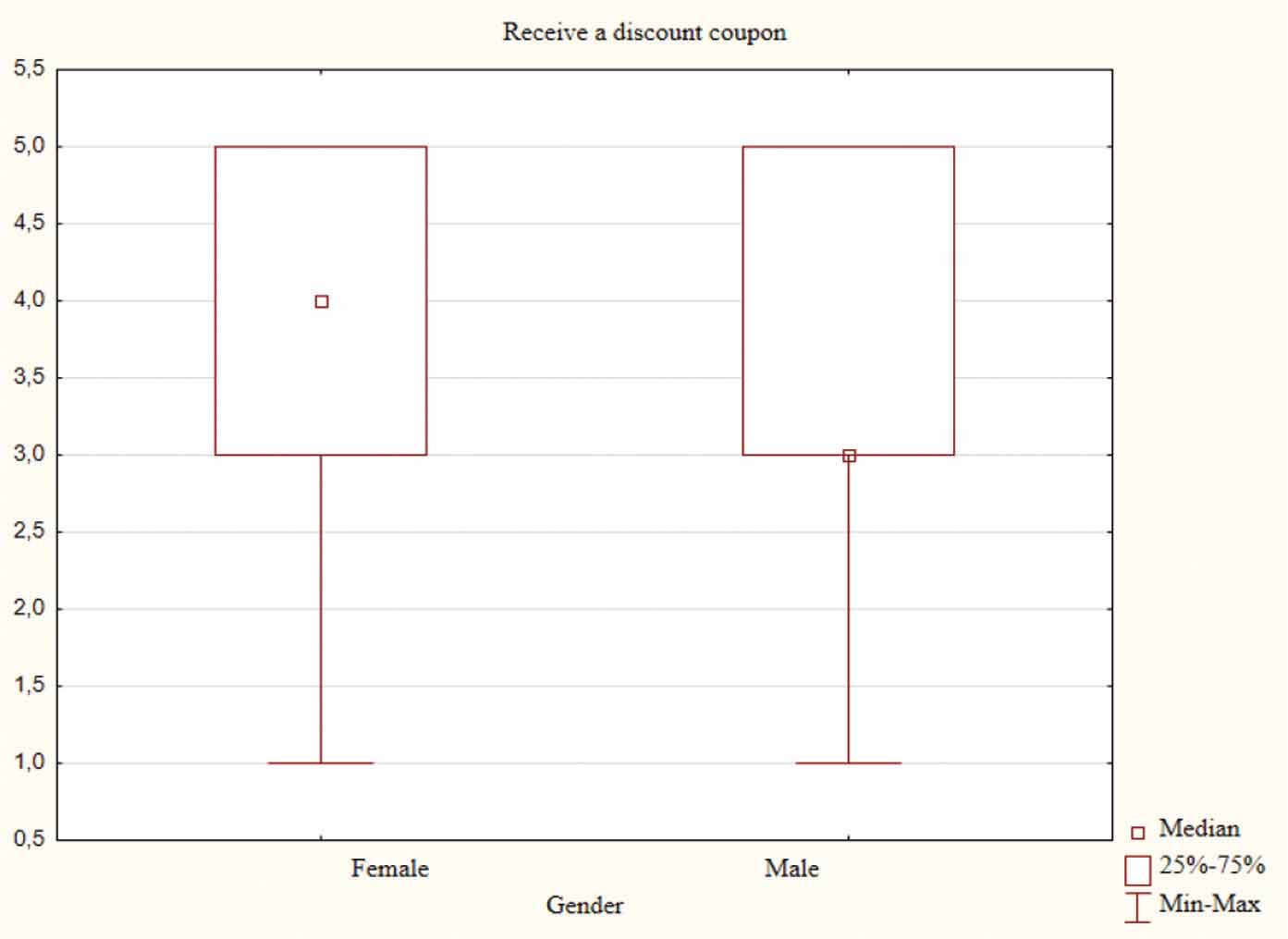
Figure 6.
Assessment of the impact of receiving a discount coupon on social media on Gen Zers’ purchase decisions by the respondents’ gender in Great Britain in 2023.
Source: Own work.
The next stage in the statistical analysis of the gathered data involved determining whether a relationship exists between two variables: enterprises’ activities on social media (variable X) and the respondents’ place of residence (variable Y). To assess the correlation between these two qualitative characteristics, a nonparametric correlation coefficient, Spearman’s rank correlation coefficient, was calculated (Tables 3 and 4). This coefficient is used to analyze the correlation between objects in terms of a two-dimensional characteristic (X, Y). The calculated Rxy coefficient serves as an estimator of the ρ correlation coefficient in the general population, and its numerical value indicates the strength of the association in the entire population [Wiśniewski, 2014; Akoglu, 2018]. Therefore, it is necessary to test the significance of the correlation coefficient calculated using a random sample. The following set of hypotheses was tested: H0: ρ = 0 against the alternative hypothesis: H1: ρ ≠ 0.
Table 3.
Spearman’s rank correlation coefficient displaying the relationship between the impact of enterprises’ social media activities on purchasing decisions and the respondents’ place of residence in Poland in 2023
| Variables | N of valid ones | Spearman’s rank R | t (N-2) | p |
|---|---|---|---|---|
| Publishing information about what is new in the offer & place of residence | 321 | 0.0452 | 0.8088 | 0.4192 |
| Presenting an application of a specific product/service & place of residence | 321 | 0.0131 | 0.2346 | 0.8146 |
| Publishing information about special offers & place of residence | 321 | 0.0266 | 0.4761 | 0.6343 |
| Presenting a test carried out by an expert & place of residence | 321 | 0.0512 | 0.9161 | 0.3603 |
| Recommendation from a known person & place of residence | 321 | 0.0643 | 1.1500 | 0.2510 |
| Participation in a competition & place of residence | 321 | 0.0618 | 1.1060 | 0.2695 |
| Receiving a discount coupon & place of residence | 321 | 0.0212 | 0.3787 | 0.7052 |
| Making the wall available for asking questions & place of residence | 321 | 0.0959 | 1.7208 | 0.0863 |
| An enterprise’s positive image & place of residence | 321 | 0.1302 | 2.3455 | 0.0196 |
| Social responsibility, social campaigns & place of residence | 321 | 0.0506 | 0.9054 | 0.3659 |
Table 4.
Spearman’s rank correlation coefficient displaying the relationship between the impact of enterprises’ activities on social media on purchase decisions and the respondents’ place of residence in Great Britain in 2023
| Variables | N of valid ones | Spearman’s rank R | t (N-2) | p |
|---|---|---|---|---|
| Publishing information about what is new in the offer & place of residence | 318 | 0.0542 | 0.9653 | 0.3351 |
| Presenting an application of a specific product/service & place of residence | 318 | 0.1009 | 1.8025 | 0.0724 |
| Publishing information about special offers & place of residence | 318 | 0.1069 | 1.9109 | 0.0569 |
| Presenting a test carried out by an expert & place of residence | 318 | 0.0020 | 0.0356 | 0.9717 |
| Recommendation from a known person & place of residence | 318 | 0.0230 | 0.4085 | 0.6832 |
| Participation in a competition & place of residence | 318 | 0.0502 | 0.8927 | 0.3727 |
| Receiving a discount coupon & place of residence | 318 | 0.1072 | 1.9181 | 0.0560 |
| Making the wall available for asking questions & place of residence | 318 | 0.1545 | 2.7796 | 0.0058 |
| An enterprise’s positive image & place of residence | 318 | 0.0612 | 1.0901 | 0.2765 |
| Social responsibility, social campaigns & place of residence | 318 | 0.1162 | 2.0798 | 0.0385 |
The testing of the null hypothesis helped determine whether the relationship between the examined variables (X and Y) in the sample is random or represents a pattern in the populations (countries) under study.
The analysis of the data gathered in Poland revealed that the place of residence significantly differentiated one analyzed variable, namely, an enterprise’s positive image (p = 0.02). This activity had a significantly stronger impact on the purchase decisions of urban dwellers, which was also confirmed by graphical interpretations (Figure 7).
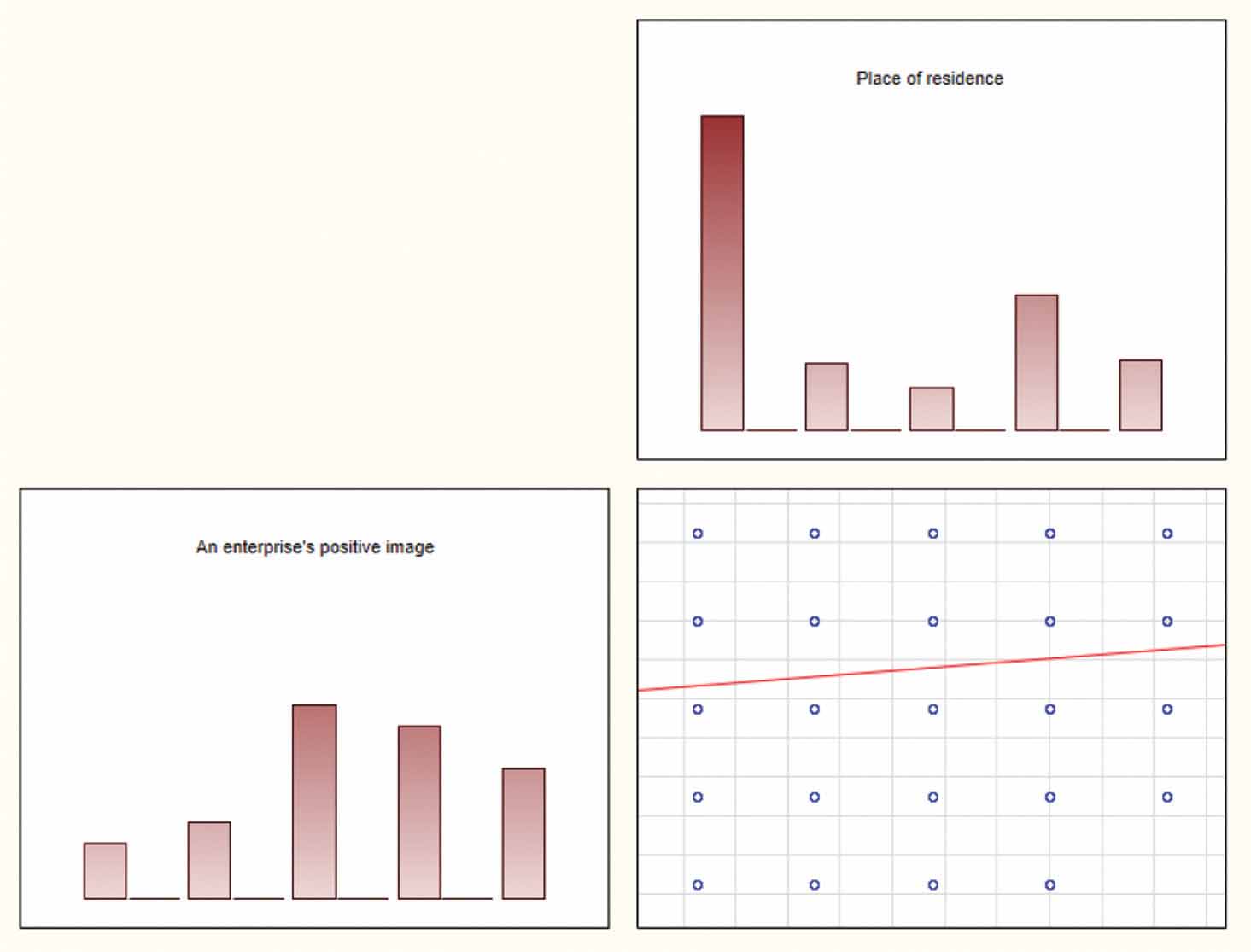
Figure 7.
Spearman’s rank correlation coefficient displaying the relationship between the rating of an enterprise’s positive image on social media and the respondent’s place of residence in Poland in 2023.
Source: Own work.
In the case of the other analyzed activities, no statistically significant correlations were found between the variables (p > 0.05). The place of residence was not significantly correlated with the dependent variables, which are the activities conducted by an enterprise on social media to influence Generation Z respondents’ purchase decisions in Poland in 2023.
In the case of respondents from Great Britain, the place of residence significantly differentiated the analyzed variables in two cases: (1) making the wall available for asking questions and (2) social responsibility and social campaigns.
These factors had a significantly stronger impact on the purchase decisions of urban dwellers (Table 4, Figures 8 and 9).
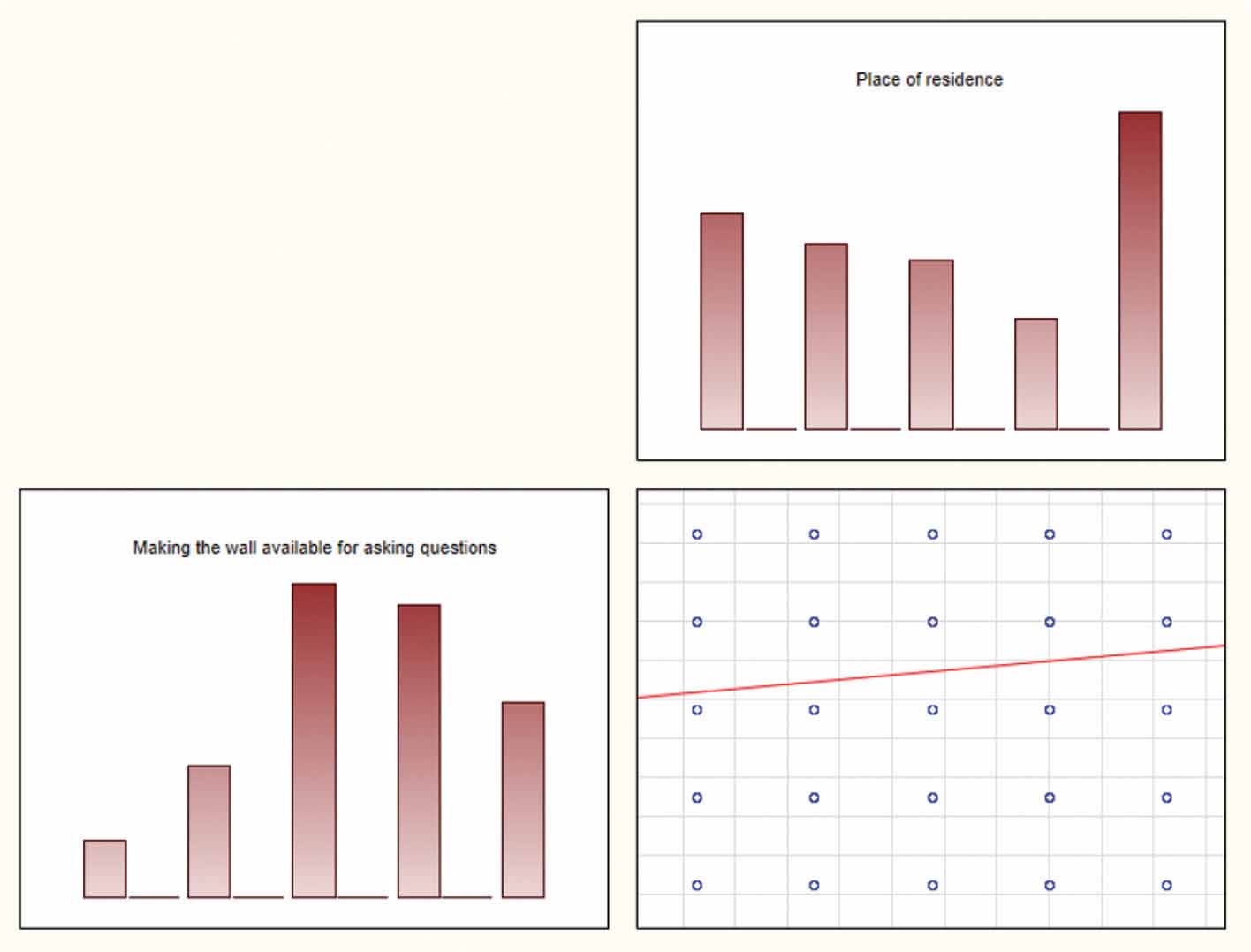
Figure 8.
Spearman’s rank correlation coefficient revealing the relationship between the rating of enterprises making the wall available for asking questions and the respondent’s place of residence in Great Britain in 2023.
Source: Own work.
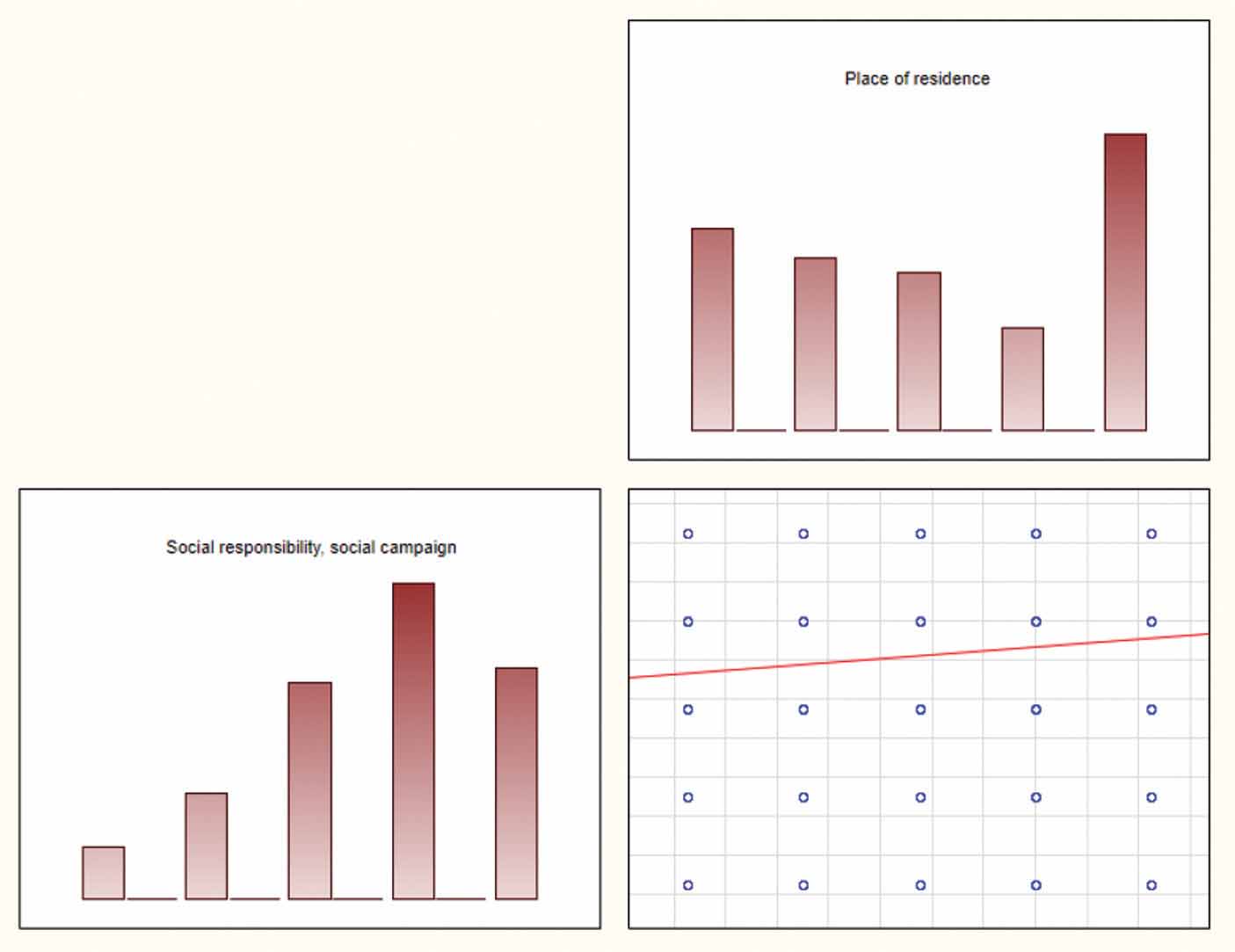
Figure 9.
Spearman’s rank correlation coefficient displaying the relationship between the rating of enterprises’ social responsibility on social media and the respondent’s place of residence in Great Britain in 2023.
Source: Own work.
In the case of the other examined activities, no statistically significant correlations were found between the analyzed variables (p > 0.05). The place of residence was not significantly correlated with the dependent variables, which are the activities conducted by enterprises on social media to influence the purchase decisions of Generation Z respondents in Great Britain in 2023.
5. Discussion
At present, there is a lot of research on Generation Z, for example, in terms of distinguishing generational characteristics [Dimock, 2019], relevant management styles [Rudolph et al., 2018], generational differences and their impact on leadership styles [Singh, 2016], entrepreneurship issues [Dreyer and Stojanová, 2023] and characteristics of Generation Z as customers [Wood, 2013]. The findings described in this paper contribute to the knowledge in the field of theory and practice of marketing management, with customer orientation being the cornerstone of this domain [Jaworski and Kohli, 1993]. Existing research results on customer orientation, as an element of Customer Relationship Management (CRM), generally encompass the entire population and do not specifically focus on the youngest generation, Generation Z. Although empirical studies dedicated to social CRM are advancing, the number of publications addressing customer orientation remains limited. The authors acknowledged the need to intensify research in this area, as it is a dynamic field influenced by continuous technological progress that impacts the market and consumer experiences.
The presented findings can be selectively compared with the concepts and results from the reviewed literature. Djafarova and Bowes [2021] have demonstrated that clothing brands’ activities on Instagram strongly influence the purchasing behaviors of female Gen Zers, which directly affects impulse buying. The authors also suggested that each gender seeks a platform to fulfill different needs, emphasizing the importance of brands having an individual approach to them. The impact of gender on Gen Z’s purchasing decisions was confirmed by the results of research conducted on the analyzed group of respondents. Statistical analysis of the gathered data revealed that selected activities undertaken by companies using social media had a significantly stronger impact on the purchasing decisions of females compared with males within the analyzed group of respondents. Moreover, Andronie et al. [2021] confirmed behavioral intention to leverage mobile technologies impacts the technology acceptance of online shopping services as regards perceived quality, reliability, and performance. The efficiency of the mobile commerce systems and apps articulate shopping behavior patterns and customer engagement. The presented findings are in line with the research conducted by Accenture Poland [2019], as the statistical analysis demonstrated that social responsibility campaigns have a strong impact on Gen Zers, especially females.
The previous rules of marketing with a focus on digital, which worked well for the Millennials generation, are working less and less well for Generation Z. The two generations have a lot in common and, at the same time, a lot in difference. Generation Z has clearly defined values and does not buy products from companies that do not reflect those values [Alves, 2023]. Dabija et al. [2018] identified a strong influence on Millennials’ behavior with regard to communicating product and service features via social media. The researchers confirmed that representatives of this generation used social media to draw and deliver information, and to review comments from other users and recommendations from other Internet users. The researchers stress that the study of Generation Z’s behavior should take into account the fact that this cohort has almost nothing in common with their predecessors, whether they are older siblings (Millennials), or their parents (Gen X) or grandparents (Baby Boomers). [Dabija et al., 2019].
6. Conclusions
Analysis of the literature enabled presentation of the current state of knowledge and confirmed the relevance of the issues under study. The literature review clearly confirms the growing interest among researchers in managing enterprises’ relations with Generation Z across domains, an increasing number of scientific studies and, notably, the endeavor to establish a dedicated research domain related to Generation Z in management studies and to develop associated theories. Scholars agree that in today’s world, an entrepreneur, if willing, can reach and establish contact with their existing or potential customers via social media at a relatively low cost. This form of communication enables the development of long-term relationships, especially with Gen Zers, for whom the virtual world is often their primary one. To create a fan page that yields results, an entrepreneur must possess extensive knowledge, not only of marketing and technical aspects enabling the project’s implementation but, above all, knowledge of the target group.
The findings presented herein can contribute to a deeper understanding of Gen Zers’ behaviors on social media. This understanding could facilitate the successful establishment of relationships with customers from Generation Z, a demographic which remains understudied. Recognizing the impact of customer age on online communication and managing enterprise-customer relationships on social media holds both theoretical and practical significance. The responses to the research questions can aid researchers in clarifying inconsistencies identified in previous studies and offer practitioners a better understanding of Gen Zers’ preferences in the context of online communication. These studies enrich the theoretical understanding of the specific behaviors exhibited by social media users and allow for empirical highlighting and demonstration of the differences in Gen Zers’ behaviors, which enterprises can leverage to design targeted marketing strategies in the future. The findings presented can assist scholars in clarifying inconsistencies highlighted in previous research and provide practitioners with a better understanding of the preferences of both Generation Z females and males in the context of the impact of online communication on their purchasing decisions. Consequently, this understanding can contribute to improving the financial performance of enterprises. Managers who recognize the impact of this generation and make an effort to get to know it better are more likely to comprehend and effectively prepare for forthcoming changes. This includes implementing solutions and processes that align with the expectations and behaviors of Generation Z. By adopting a flexible approach, managers will be able to further expand their enterprises and strengthen their competitive position in the market.
The authors hope that the knowledge acquired through their research will assist managers in establishing and strengthening relationships with Generation Z customers. This knowledge can be utilized to develop personalized communication, collaboration, promotion, and advertising of goods and/or services, as well as enhance customer service and PR, all of which are components of social CRM. The insights derived from the research can be beneficial not only for newly established enterprises lacking experience in promoting their products/services on social media or building customer relationships, but also for established entities that aim to update their understanding in this domain, even after years of operation in the market.
It should be noted that survey research has certain limitations, such as the possibility of only a general understanding of the phenomena under study, or the risk of respondents giving unreliable answers. In addition, the relatively small number of respondents does not allow the research results to be treated as representative results. Given the current, relatively limited state of research on relationship building between managers and Generation Z customers, the authors recognize the necessity to further enhance knowledge in this domain. Undoubtedly, future studies should encompass larger sample sizes, and quantitative research should be complemented by qualitative approaches. Conducting research in different countries would facilitate the comparison of behavior patterns among Gen Zers from diverse nationalities, helping to identify universal aspects. Moreover, a more comprehensive understanding could be attained by considering different types of purchasing decisions or consumer behaviors based on the specific category of goods or services. Another interesting direction of research, beyond merely identifying the impact of Gen Z’s social media usage on companies’ financial performance, is to explore new activities and possibilities offered by social media platforms. By consistently updating and deepening their understanding of Gen Zers’ social media usage, expectations, and values, managers will be better equipped to deliver the message that this generation anticipates.