
Introduction
Sweet potato (Ipomoea batatas L.) is a perennial crop belonging to the family of Convolvulaceae with its origin from tropical America (Hahn, 1983). Sweet potato is adaptable to tropical and subtropical climates, is tolerant to drought and grows under marginal condition of low fertility and pH. The increasing potential of the crop in poverty alleviation and food security due to its high productivity per unit area and timely maturity makes sweet potato an important crop for the survival of the resource-poor farmers around the world. The leaves are used as vegetables in yam and cocoyam porridge and are rich in proteins, vitamins and various minerals. Sweet potato roots are rich in vitamins A, B and C, and minerals such as K, Na, Cl, P and Ca (Onwueme and Sinha, 1991). They are also rich in anthocyanins (Bovell-Benjamin, 2007). Carotenoids and anthocyanins have antioxidant qualities that are good for human health (Lu et al., 2021). Purple sweet potato is an important source of dietary fibre, minerals, vitamin and anthocyanins. It can be used as human food and animal feed (Teow et al., 2007). Orange-fleshed sweet potato (OFSP) is an excellent source of the provitamin A β-carotene (Low et al., 2007), containing up to 276.98 μg · g−1 (Tumuhimbise et al., 2009). In addition to being rich in β-carotene, OFSP contains significant amounts of protein, fat, carbohydrate, dietary fibre, other micronutrients and some phytonutrients (Mills et al., 2009).
The increase in phytochemicals adds value to sweet potato and is an important strategy for adding quality to sweet potato products. Therefore, in addition to high yield, the new breeding goal is to improve phytochemical compounds in sweet potato yield. However, the environment is an important factor affecting sweet potato yield and accumulation of important phytochemicals. The effects of genotype, season and the two-way interaction revealed significant differences in yields of sweet potato grown in Indonesia (Maulana et al., 2022) and Tanzania (Kagimbo et al., 2018). The genotype–environment interactions were also significant for root per plot and dry matter content of sweet potato grown in Tanzania (Kagimbo et al., 2018). Moreover, the genotypes, growth phases and growing seasons had significant effects on the total anthocyanin content of purple sweet potato (Jyothi et al., 2005). The growing season had a major effect on the stability of carotenoid compounds of orange sweet potato (Othman et al., 2017).
Stability studies allow breeders to identify genotypes with stable performance for important traits such as storage root yield and quality traits across environments, and several methods are available for stability studies. A stable and well-adapted genotype is determined by mean value, regression coefficient and deviation from regression (Eberhart and Russell, 1966). A genotype with a regression coefficient >1 is considered unstable and highly sensitive to environments, and it is specific to niche environments. A regression coefficient <1 indicates that the genotype is relatively stable with greater tolerance to environmental changes (Harakotr et al., 2021).
Bulk information on yield stability is available in the literature as yield is the most important trait for sweet potato improvement. Storage root yield is greatly affected by the variations in climatic factors (Kagimbo et al., 2018; Maulana et al., 2022). For the stability of phytochemical responses to environments, most studies were conducted on the responses of phytochemicals to agricultural management, and information on phytochemicals in responses to environment is scarce, especially in Thailand.
A better understanding on the effects of the environment and the interaction between genotype and environment on the stability of anthocyanin, carotenoid and yield allows breeders and sweet potato growers to select suitable genotypes with general and specific adaptation to environments. The objective of this study was to evaluate sweet potato genotypes for the stability of anthocyanin, carotenoid and yield in various locations.
MATERIALS AND METHODS
Plant material and experimental design
Ten sweet potato genotypes with differences in morphological traits were selected for this study (Table 1) (Figure S1-S10). Sweet potato genotypes used in this study were classified into four groups based on parenchyma colours: white, yellow, orange and purple. These potato genotypes were selected because they are locally available in the market in Thailand. These potato genotypes were evaluated in a randomised complete block design with three replications at three locations, including (1) Rajamangala University of Technology Isan, Surin campus (14°51′ 8.3556″N, 103°29′ 25.2132″E, 146 m above mean sea level) (L1-RMUTI), (2) Chom Phra district, Surin province (15°7′ 3.8388″N, 103°42′ 37.6344″E, 146 m above mean sea level) (L2-Chomphra) and (3) Sanom district, Surin province (15°9′ 51.0696″N, 103°44′ 11.2272″E, 146 m above mean sea level) (L3-Sanom). The experimental sites were planted at different planting dates, including November 2022–February 2023 (L1-RMUTI), January 2023–April 2023 (L2-Chompra) and November 2022– March 2023 (L3-Sanom).
Table 1.
Ten genotypes of sweet potato used in the experiment, their local name and characteristics.
| Accession number | Local name | Characteristics |
|---|---|---|
| SR 2022/01 | Beniharuka | Purple white skin, light yellow central parenchyma |
| KS 2022/02 | Pakkadmadpor | Red skin, soft white central parenchyma |
| SR 2022/03 | Moangpurple | Dark purple skin, light purple central parenchyma |
| SR 2022/04 | Moangmaitaiwan | Dark purple skin, dark purple central parenchyma |
| SR 2022/05 | Moangokinava | Purple skin, dark purple central parenchyma |
| SR 2022/06 | Moangharumurazaki | Purple skin, purple central parenchyma |
| KS 2022/07 | Somporsidang | Red skin, orange central parenchyma |
| KS 2022/08 | Sweetthijong | White skin, soft white central parenchyma |
| SR 2022/09 | Somokinava | Red skin, dark orange central parenchyma |
| SR 2022/10 | Annoimo | Red skin, dark yellow central parenchyma |
Crop management
Conventional tillage was practiced for soil preparation, including primary plough, secondary plough, harrowing and levelling. The raised beds and furrows were constructed after levelling, and the potato crop was planted on the raise beds. The plot size was 2.4 m × 7.5 m and the spacing was 50 cm × 30 cm with four rows per plot. The stems of all sweet potato genotypes were cut into 30 cm with 5–7 buds per stem cutting. Organic fertiliser at the rate of 3000 kg · ha−1 was applied before planting. The furrow irrigation was applied daily until 14 days after planting (DAP) and once a week after planting until harvest. Weed was manually controlled at 14 DAP.
Data collection
Soil and meteorological conditions
Rainfall, humidity and maximum and minimum temperatures (Figure 1) were recorded daily from planting until harvest by a weather station located in Surin province. The soil samples of three locations were analysed, and the physical and chemical properties are presented in Table 2.
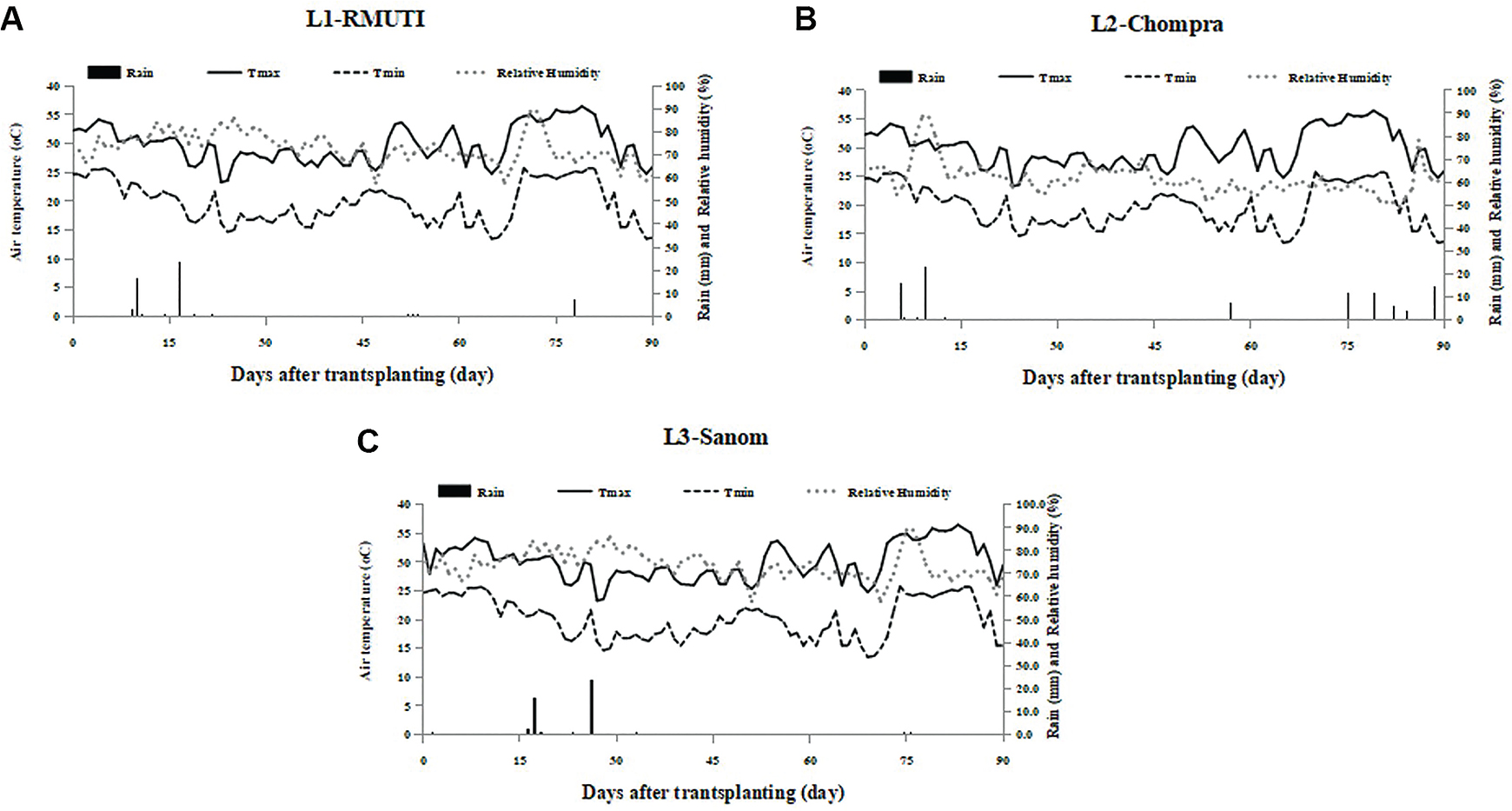
Figure 1.
Maximum temperature (Tmax; °C), minimum temperature (Tmin; °C), relative humidity (%) and rainfall (mm) in location 1 (L1-RMUTI) (A), location 2 (L2-Chompra) (B) and location 3 (L3-Sanom) (C) provinces during the growing season.
Table 2.
Physical and chemical properties of the soil samples of three locations.
| Soil properties | L1-RMUTI | L2-Chomphra | L3-Sanom |
|---|---|---|---|
| Physical properties | |||
| Sand (%) | 77.79 | 62.03 | 79.47 |
| Silt (%) | 18.19 | 29.52 | 13.13 |
| Clay (%) | 4.02 | 8.45 | 6.80 |
| Texture class | Loamy sand | Sandy loam | Loamy sand |
| Chemical properties | |||
| pH | 5.49 | 5.22 | 5.30 |
| Electrical conductivity (dS · m−1) | 0.041 | 0.028 | 0.055 |
| Cation-exchange capacity (cmol · kg−1) | 3.80 | 4.40 | 4.80 |
| Organic matter (%) | 0.50 | 1.09 | 0.81 |
| Total N (%) | 0.027 | 0.051 | 0.040 |
| Available P (mg · kg−1) | 93.75 | 23.50 | 8.75 |
| Exchangeable K (mg · kg−1) | 44.37 | 67.65 | 11.42 |
| Exchangeable Ca (mg · kg−1) | 113.93 | 189.30 | 36.31 |
| Exchangeable Mg (mg · kg−1) | 39.19 | 52.93 | 23.27 |
Plant parameters
The plants were harvested at 90–120 DAP, depending on the genotypes. The plants at the two ends of the rows were discarded. As plants were bordered by adjacent plots, 22 plants in an area of 2.1 m2 were harvested. The storage roots were washed with a spray of tap water to remove soil and were counted, and storage root number per plant was then determined. The samples were oven-dried at 80°C for at least 72 h or until the weights were constant. Storage root dry weight and biomass, including shoot dry weight and storage root dry weight, were recorded. The harvest index was calculated as the ratio of storage root dry weight divided by total biomass.
Anthocyanin content
Total anthocyanin content was estimated by a pH-differential method (Kirca et al., 2006). Two dilutions (sweet potato/distilled water = 1:5) of sweet potato juices were prepared. One was diluted with potassium chloride buffer (pH 1.0) (1.86 g KCl in 1 L of distilled water, and pH value was adjusted to 1.0 with concentrated HCl), and the other was diluted with sodium acetate buffer (pH 4.5) (54.43 g CH3CO2 Na 3H2O in 1 L of distilled water, and pH value was adjusted to 4.5 with concentrated HCl). Each sample was diluted by the previously determined dilution factor of sweet potato juices 1:5 (v/v). Absorbance was measured simultaneously at 510 nm and 700 nm after 15 min of incubation at room temperature and calculated according to Equation 1.
A = (A520–A700) pH 1 – (A520–A700) pH 4.5
MW = 499.2 g · mol−1 (cyanidine-3-glucoside)
DF = dilution factor
ε = molar extinction coefficient 26900 (L · mol−1 · cm−1) (cyanidine 3-glucoside)
1 = cuvette delicacy (cm).
Carotenoid content
Carotenoid content was estimated spectrophotometrically according to the method of Lichtenthaler and Buschmann (2001). Aliquots of the extracts were diluted 15–300 times with 90% (v/v) methanol in water; absorbance values were measured at 470, 652 and 665 nm and carotenoid content was calculated using the Lichtenthaler equations. Data were presented in mg · 100 g−1 fresh weight (FW) according to Equation 2.
A470, A645 and A663 = absorbance values were measured at 470, 652 and 665 nm
V = extracts diluted (mL)
W = fresh weight of the sample used for extraction (5 g)
Statistical analysis
Analysis of variance was performed for each character according to randomised complete block design (Gomez and Gomez, 1984). When the differences of main effects were significant (p ≤ 0.05 and p ≤ 0.01), Duncan’s multiple range test (DMRT) was used to compare means. Stability analysis across locations was performed for storage root dry weight, anthocyanin content and carotenoid content, according to the method proposed by Eberhart and Russell (1966). All calculations were performed using the Statistical Package for the Social Sciences (SPSS) program (George and Mallery, 2019).
Results
Weather conditions
At location 1 (L1-RMUTI), maximum temperatures (Tmax) and minimum temperatures (Tmin) ranged between 23.3°C and 36.5°C and between 13.5°C and 25.8°C, respectively (Figure 1A). Total rainfall was 45.6 mm. The relative humidity values were between 58.0% and 89.0%.
At location 2 (L2-Chomphra), maximum temperatures (Tmax) and minimum temperatures (Tmin) ranged between 24.8°C and 39.5°C and between 13.5°C and 28.0°C, respectively (Figure 1B). Total rainfall was 86.3 mm. The relative humidity values were between 49.5% and 88.8%.
At location 3 (L3-Sanom), maximum temperatures (Tmax) and minimum temperatures (Tmin) ranged between 23.3°C and 36.5°C and between 13.5°C and 25.8°C, respectively (Figure 1C). Total rainfall was 46.6 mm. The relative humidity values were between 58.0% and 89.0%.
Soil property
The soils at the experimental sites were loamy sand at L1-RMUTI and L3-Sanom and sandy loam at L2-Chomphra (Table 2). At L1-RMUTI, the soil particles consisted of 78% sand, 18% silt and 4% clay. At L2-Chomphra, the soil particles comprised 62% sand, 30% silt and 9% clay. At L3-Sanom, soil was characterised by having proportions of 79% sand, 13% silt and 7% clay.
The pH values at three locations were low, ranging from 5.22 to 5.49. The soils at three locations had low electrical conductivity, ranging from 0.028 dS · m−1 to 0.055 dS · m−1, and the soils had low cation-exchange capacity, ranging from 3.80 cmol · kg−1 to 4.80 cmol · kg−1. All locations had low organic matter and total nitrogen, ranging from 0.50% to 1.09% for organic matter and 0.027% to 0.051% for total nitrogen.
At L1-RMUTI, the soil had 93.75 mg · kg−1 of available phosphorus, 44.37 mg · kg−1 of exchangeable potassium, 113.93 mg · kg−1 of exchangeable Ca and 39.19 mg · kg−1 of exchangeable Mg. At L2-Chomphra, the soil had 23.50 mg · kg−1 of available phosphorus, 67.65 mg · kg−1 of exchangeable potassium, 189.30 mg · kg−1 of exchangeable Ca and 52.93 mg · kg−1 of exchangeable Mg. At L3-Sanom, the soil had 8.75 mg · kg−1 of available phosphorus, 11.42 mg · kg−1 of exchangeable potassium, 36.31 mg · kg−1 of exchangeable Ca and 23.27 mg · kg−1 of exchangeable Mg.
Effects of location, genotype and genotype–location interaction
Locations were significantly different (p ≤ 0.05 and 0.01) for number of storage roots, storage root dry weight, harvest index and anthocyanin content, but they were not significantly different for carotenoid content (Table 3). Genotypes (G) were significantly different (p ≤ 0.05 and 0.01) for all parameters. Therefore, the data for the parameters with significant interaction were analysed and presented separately for each location.
Table 3.
Mean squares for number for (storage root · plant−1), storage root dry weight (t · ha−1), harvest index, anthocyanin content (mg · 100 g−1 FW) and carotenoid content (mg · 100 g−1 FW) of 10 sweet potato genotypes evaluated across three locations.
| Source of variance | df | Number of storage roots per plant (storage root · plant−1) | Storage root dry weight (t · ha−1) | Harvest index | Anthocyanin (mg · 100 g−1 FW) | Carotenoid (mg · 100 g−1 FW) |
|---|---|---|---|---|---|---|
| Location (L) | 2 | 3.14**(41.81) | 5.74** (33.88) | 0.348** (78.55) | 175.68** (59.77) | 0.54 ns(2.52) |
| Error (a) | 6 | 0.03 (0.40) | 0.01 (0.06) | 0.001 (0.23) | 0.84 (0.28) | 4.16 (19.41) |
| Genotype (G) | 9 | 1.88**(25.03) | 7.39** (43.63) | 0.052** (11.74) | 64.59** (21.97) | 6.09*(28.40) |
| L × G | 18 | 2.40**(31.96) | 3.77** (22.26) | 0.041** (9.26) | 51.33** (17.46) | 7.61**(35.49) |
| Error (b) | 54 | 0.06 (0.80) | 0.03 (0.17) | 0.001 (0.22) | 1.51 (0.52) | 3.04 (14.18) |
| Total | 89 | |||||
| C.V.% (a) | 7.76 | 5.24 | 2.25 | 16.92 | 17.20 | |
| C.V.% (b) | 11.84 | 9.77 | 7.33 | 22.66 | 14.69 |
The location contributed to total variations in number of storage roots (41.81%), harvest index (78.55%) and anthocyanin content (59.77%) was high. The contributions of the location to variations in storage root dry weight were intermediate (33.88%) and the contributions of the location to variations in the carotenoid content were low (2.52%).
The contributions of the genotype to total variations in number of storage roots, storage root dry weight, harvest index, anthocyanin content and carotenoid content were low to intermediate, ranging from 11.74% to 43.63%. The contributions of the interaction between genotype and location were low to intermediate, ranging from 9.26% to 35.49%.
Yield and yield components
As the interaction between genotype and location was significant for storage root dry weight and harvest index, individual analysis of the data of each location was reported for these characters. The highest number of storage roots per plant was found in crop grown at L1-RMUTI (2.42 storage root · plant−1) (Table 4). SR2022/03, SR2022/09 and KS 2022/07 had the highest number of storage roots per plant (2.7 and 2.6 storage root · plant−1) across locations (Table 4).
Table 4.
Means for number of storage roots per plant, storage root dry weight (t · ha ‘) and harvest index of 10 potato genotypes evaluated at three locations.
| Genotypes | Number of storage roots per plant (storage root · plant−1) | Storage root dry weight (t · ha−1) | Harvest index | |||||||||
|---|---|---|---|---|---|---|---|---|---|---|---|---|
| L1 | L2 | L3 | Means | L1 | L2 | L3 | Means | L1 | L2 | L3 | Means | |
| SR 2022/01 | 2.0 cd | 1.3 cd | 3.3 a | 2.2 B | 0.93 fg | 0.24 g | 1.66 e | 0.94 E | 0.52 be | 0.19 d | 0.72 c | 0.57 D |
| KS 2022/02 | 2.4 c | 1.5 cd | 1.7 e | 1.9 CD | 0.97 fg | 3.66 b | 0.60 i | 1.74 D | 0.37 o | 0.84 a | 0.76 b | 0.65 BC |
| SR 2022/03 | 1.6 de | 4.4 a | 2.3 cd | 2.7 A | 1.46 c-e | 6.63 a | 2.33 c | 3.47 A | 0.5 e | 0.85 a | 0.7 cd | 0.68 AB |
| SR 2022/04 | 2.1 cd | 1.4 cd | 2.7 b | 2.1 BC | 1.68 b-d | 1.63 d | 1.42 f | 1.57 D | 0.68 a | 0.62 c | 0.61 f | 0.63 C |
| SR 2022/05 | 2.2 c | 1.5 cd | 1.3 f | 1.7 DE | 1.82 be | 2.69 c | 2.28 c | 2.26 C | 0.44d e | 0.72 b | 0.77 b | 0.64 C |
| SR 2022/06 | 2.5 c | 1.3 cd | 2.5 be | 2.1 BC | 1.30 d-f | 1.01 e | 0.84 h | 1.05 F | 0.44 de | 0.37 e | 0.65 e | 0.48 E |
| KS 2022/07 | 4.3 a | 2.1 b | 1.5 ef | 2.6 A | 3.21 a | 2.95 c | 2.91 a | 3.02 B | 0.59 h-j | 0.75 b | 0.84 a | 0.72 A |
| KS 2022/08 | 2.4 c | 0.9 e | 1.5 ef | 1.6 E | 2.01 b | 0.77 ef | 2.02 d | 1.60 D | 0.47c-e | 0.47 d | 0.79 b | 0.57 D |
| SR 2022/09 | 3.6 b | 2.3 b | 2.1 d | 2.7 A | 1.21 ef | 3.52 b | 2.48 b | 2.40 C | 0.55b c | 0.86 a | 0.77 b | 0.72 A |
| SR 2022/10 | 1.2 e | 1.2 d | 2.1 d | 1.5 E | 0.54 g | 0.52 f | 1.08 g | 0.71 F | 0.57 ab | 0.51 d | 0.67 de | 0.58 D |
| Means | 2.42 A | 1.77 C | 2.08 B | 1.52 C | 2.37A | 1.77 B | 0.51 C | 0.65 B | 0.73 A | |||
| F-test | ** | ** | ** | ** | ** | ** | ** | ** | ** | |||
| C.V. (%) | 13.35 | 10.93 | 9.84 | 17.43 | 24.4 | 4.09 | 12.68 | 6.67 | 2.46 | |||
1 Means in the same column followed by a common letter are significantly different at p ≤ 0.05 by DMRT.
KS 2022/07 had the highest storage root dry weight at L1-RMUTI (3.21 t · ha−1) and L3-Sanom (2.91 t · ha−1). SR 2022/03 had the highest storage root dry weight at L2-Chomphra (6.63 t · ha−1). SR 2022/03 also had the highest storage root dry weight (3.47 t · ha−1) across locations.
The highest harvest index (0.73) was found in crop grown at L3-Sanom. KS 2022/07 had the highest harvest index (0.72) across locations. SR 2022/09 had the highest harvest index at L2-Chomphra (0.86) and KS 2022/07 had the high harvest index at L3-Sanom (0.84), whereas SR 2022/04 had the highest harvest index at L1-RMUTI (0.68). L3-Sanom had the highest storage root dry weight (2.37 t · ha−1) across genotypes, and L3-Sanom had the highest harvest index across genotypes (0.73).
Anthocyanin and carotenoid
KS 2022/07 had the highest anthocyanin content (22.71 mg · 100 g−1 FW) at L2-Chomphra, and it also had high anthocyanin content mean (11.00 mg · 100 g−1 FW) across locations (Table 5). SR 2022/10 had the highest anthocyanin content at L1-RMUTI (10.32 mg · 100 g−1 FW), and SR 2022/01 had highest anthocyanin content at L3-Sanom (7.03 mg · 100 g−1 FW).
Table 5.
Means for anthocyanin content (mg · 100 g−1 FW) and carotenoid content (mg · 100 g−1 FW) of 10 potato genotypes evaluated at three locations.
| Genotypes | Anthocyanin (mg · 100 g−1 FW) | Carotenoid (mg · 100 g−1 FW) | ||||||
|---|---|---|---|---|---|---|---|---|
| L1 | L2 | L3 | Mean | L1 | L2 | L3 | Mean | |
| SR 2022/01 | 5.91 c | 4.41 cd | 7.03 a | 5.78 C | 12.39 ab | 11.27 ab | 13.05 a–c | 12.24 A–C |
| KS 2022/02 | 2.00 e | 10.99 b | 1.88 cd | 4.96 CD | 11.61 ab | 11.63 ab | 9.95 d | 11.06 BC |
| SR 2022/03 | 1.50 e | 12.99 b | 6.90 a | 7.13 B | 11.14 ab | 10.72 ab | 9.87 d | 10.58 C |
| SR 2022/04 | 1.55 e | 2.77 d | 1.04 d | 1.78 G | 10.29 b | 12.07 ab | 9.87 d | 10.75 C |
| SR 2022/05 | 0.98 e | 6.88 c | 6.79 a | 4.77 CD | 12.19 ab | 14.02 a | 9.98 d | 12.06 A–C |
| SR 2022/06 | 3.83 d | 4.17 cd | 3.19 bc | 3.74 EF | 12.57 ab | 13.34 a | 11.98 b–d | 12.63 AB |
| KS 2022/07 | 6.76 bc | 22.71 a | 3.54 b | 11.00 A | 10.85 b | 13.09 a | 13.97 ab | 12.63 AB |
| KS 2022/08 | 1.93 e | 3.50 d | 2.92 bc | 2.79 FG | 13.22 ab | 8.69 b | 13.04 a–c | 11.65 A–C |
| SR 2022/09 | 7.82 b | 2.83 d | 2.83 d | 4.47 DE | 14.22 a | 10.93 ab | 11.22 cd | 12.12 A–C |
| SR 2022/10 | 10.32 a | 10.98 b | 2.25 b–d | 7.85 B | 11.63 ab | 12.43 ab | 14.63 a | 12.90 A |
| Means | 4.26 B | 8.22 A | 3.83 B | 12.01 | 11.82 | 11.75 | ||
| F-test | ** | ** | ** | ** | ** | ** | ||
| C.V. (%) | 17.18 | 21.65 | 24.07 | 15.74 | 16.89 | 10.60 | ||
1 Means in the same column followed by a common letter are significantly different at p ≤ 0.05 by DMRT.
1 Different capital letters indicate significant differences between environments and between genotypes at p ≤ 0.05 by DMRT.
SR 2022/10 had the highest carotenoid content (14.63 mg · 100 g−1 FW) at L3-Sanom, and it also had the highest carotenoid content (12.90 mg · 100 g−1 FW) across locations. SR 2022/09 had the highest carotenoid content at L1-RMUTI (14.22 mg · 100 g−1 FW), and SR 2022/05 had the highest carotenoid content at L2-Chomphra (14.02 mg · 100 g−1 FW). L2-Chomphra had the highest anthocyanin content (8.22 mg · 100 g−1 FW) across genotypes, whereas locations were similar for carotenoid content, ranging from 11.75 mg · 100 g−1 FW to 12.01 mg · 100 g−1 FW.
Stability analysis
The results of stability analysis for storage root dry weight, anthocyanin content and carotenoid content of 10 sweet potato genotypes are shown in Table 6. A stable genotype is indicated by a high mean value, regression coefficient value (b) of 1 and the smallest deviation from regression (Eberhart and Russell, 1966).
Table 6.
Stability analyses of storage root dry weight (t · ha−1), anthocyanin content (mg · 100 g−1 FW) and carotenoid content (mg · 100 g−1 FW) of 10 sweet potato genotypes evaluated across three locations.
| Genotypes | Storage root dry weight (t · ha−1) | b | Anthocyanin (mg · 100 g−1 FW) | b | Carotenoid (mg · 100 g−1 FW) | b | |||
|---|---|---|---|---|---|---|---|---|---|
| SR 2022/01 | 0.94 E | –1.10ns | 0.533** | 5.78 C | –0.51* | –0.075ns | 12.24 A–C | –0.60ns | 0.552ns |
| KS 2022/02 | 1.74 D | 3.51ns | 0.837** | 4.96 CD | 2.15* | –0.159ns | 11.06 BC | 4.94ns | –0.064ns |
| SR 2022/03 | 3.47 A | 6.28* | 0.257** | 7.13 B | 1.99ns | 19.258** | 10.58 C | 4.34ns | –0.876ns |
| SR 2022/04 | 1.57 D | 0.02ns | 0.027ns | 1.78 G | 0.35* | –0.419ns | 10.75 C | –0.87ns | 1.672ns |
| SR 2022/05 | 2.26 C | 0.96ns | 0.016ns | 4.77 CD | 0.61ns | 18.066** | 12.06 A–C | 4.39ns | 6.430** |
| SR 2022/06 | 1.05 F | –0.22ns | 0.076** | 3.74 EF | 0.17* | –0.324ns | 12.63 AB | 0.84ns | –0.136ns |
| KS 2022/07 | 3.02 B | –0.24ns | 0.022ns | 11.00 A | 4.23* | 0.497ns | 12.63 AB | –11.99** | –1.044ns |
| KS 2022/08 | 1.60 D | –1.56ns | 0.079** | 2.79 FG | 0.24ns | 0.114ns | 11.65 A–C | 5.95ns | 10.867** |
| SR 2022/09 | 2.40 C | 2.54ns | 0.211** | 4.47 DE | –0.49ns | 13.522** | 12.12 A–C | 12.91ns | –0.386ns |
| SR 2022/10 | 0.71 F | –0.19ns | 0.179** | 7.85 B | 1.26ns | 28.087** | 12.90 A | –9.90ns | 0.251ns |
For storage root dry weight, most sweet potato genotypes had regression values >1. SR 2022/04 had the lowest regression coefficient (b = 0.02ns). KS 2022/02, SR 2022/03 and SR 2022/09 had very high values of deviation from regression, indicating high fluctuations in storage root dry weight across environments. However, SR 2022/05 and KS 2022/07 had s relatively high storage root dry weight (2.26 t · ha−1 and 3.02 t · ha−1), low regression coefficient (b = 0.96ns and –0.24ns, respectively) and low standard deviation and 0.022ns). These genotypes were more stable than other sweet potato genotypes across environments. SR 2022/03 had the highest storage root dry weight (3.47 t · ha−1), but it had the highest and significant regression coefficient (6.28*) and significant standard deviation (0.257**), indicating specific adaptation to environment for storage root dry weight.
KS 2022/07 had high anthocyanin content (11.00 mg · 100 g−1 FW), high regression coefficient (b = 4.23*) and low standard deviation (0.497ns), indicating specific adaptation to environment for anthocyanin content. Among these genotypes, only SR 2022/01 had relatively high anthocyanin content and a regression coefficient <1 (–0.51*), indicating high stability for this character. SR 2022/09 also had a regression coefficient <1. However, theses genotypes had anthocyanin contents lower than mean value.
SR 2022/01 had stable carotenoid content as it had low regression coefficient (b <1) and low deviation from regression and also had high carotenoid content. SR 2022/05, SR 2022/06, KS 2022/07, SR 2022/09 and SR 2022/10 had high carotenoid content, but they were sensitive to environmental changes (b = 4.39ns, 0.84ns, –11.99**, 12.91ns and –9.90**, respectively).
Discussion
Effects of genotype, environment and genotype–environment interaction
In this study, locations significantly affected the number of storage roots, storage root dry weight, harvest index and anthocyanin content, while having less impact on carotenoid content. This indicates that environmental factors play a crucial role in enhancing sweet potato characteristics. The variation due to location ranged from low to moderate, with the greatest effect on harvest index and anthocyanin content.
Genotype and genotype–environment interactions had a moderate effect on the number of storage roots, storage root dry weight and anthocyanin and carotenoid contents, but a low impact on harvest index. Notably, genotype contributions were relatively minor compared to location effects.
Genotypic variations in storage root yield and yield components have been widely studied in sweet potato. Previous studies indicated wide variations for these traits (Osiru et al., 2009; Haldavanekar et al., 2011; Karuniawan et al., 2021a, 2021b) and it is possible to select sweet potato genotypes with good root yield and agronomic traits. Genotypic variations in anthocyanin content (Masaru et al., 1999; Basílio et al., 2020; Ginting et al., 2020) and carotenoid content (Ishiguro, 2019) have been reported in previous studies. Previous research has highlighted significant genotypic variations in storage root yield and related traits, indicating the potential for selecting sweet potato genotypes with desirable characteristics. While all traits, except carotenoids, were significantly influenced by the environment, carotenoid content was primarily determined by genotypic factors. Thus, selecting suitable varieties for each environment is essential for optimising these traits.
Effects of genotypes were significant for all characters. Genotypic variation in number of storage roots ranged between 1.2 roots in SR 2022/10 and 4.4 root in SR 2022/03. Number of storage roots in this study was rather low compared with those reported in previous study. Hossain et al. (2022) reported that number of storage roots of eight genotypes ranged between 2.28 and 4.17. Storage roots of two potato genotypes as affected by different plant population densities ranged between 3.33 and 4.67 (liang et al., 2023). Low chemical properties of soil in three locations (Table 2) and nutrient deficiency of organic fertiliser application would be the cause of low storage roots number in this study. Sreelatha et al. (1999) reported that to produce 1 ton of storage root, an average of 12.36 kg N · ha−1, 1.01 kg P2O5 · ha−1 and 10.72 kg K2O · ha−1 were removed. When NASPOT-12 was treated with 23 kg N · ha−1 and 46 kg P2O5 · ha−1, the maximum levels of nutrient uptake, agronomic efficiency and physiological efficiency were seen (Lemma et al., 2023).
Mean for storage root weights in this study ranged between 0.71 t · ha−1 and 3.47 t · ha−1. Alam et al. (2024) reported that storage root weights of 17 sweet potato genotypes ranged between 25.99 t · ha−1 and 45.35 t · ha−1. Hossain et al. (2022) found that the range of storage root weights of sweet potato was between 2.04 t · ha−1 and 48.80 t · ha−1. The results indicated that low yield is a main problem of organic production of sweet potato.
In this study, harvest indexes of sweet potato ranged between 0.48 and 0.72. A wide variation in harvest indexes of sweet potato has been reported. The harvest indexes of sweet potato were in the ranges of 0.60 and 0.80 (Victorio et al., 1986), 0.12 and 0.56 (Bhagsari and Harmon, 1982), 0.37 and 0.81 (Bouwkamp and Hassam, 1988), 0.64 and 0.84 (Lowe and Wilson, 1974) and 0.38 and 0.88 (Enyi, 1977). Harvest indexes in this study were in the same range as those reported in previous studies.
Anthocyanin content in this study ranged between 1.78 mg · 100 g−1 FW and 11.00 mg · 100 g−1 FW. According to Ginting et al. (2020), the largest range of anthocyanin was recorded between 27.01 g · 100 g−1 FW and 177.48 g · 100 g−1 FW. Basílio et al. (2020) reported that anthocyanin content in sweet potato ranged between 1.41 mg · 100 g−1 FW and 17.63 mg · 100 g−1 FW. Masaru et al. (1999) reported that different clones of potato showed variations in colours and anthocyanin compositions. The range of anthocyanin in this study was lower than that reported in previous studies. Ginting et al. (2020) found that the anthocyanin content of sweet potato extracts was inversely correlated to their lightness values (L), with darker-coloured sweet potatoes (red purple and deep purple) containing higher anthocyanin concentrations than lighter-coloured ones (white purplish). Carotenoid contents in this study ranged between 10.58 mg · 100 g−1 FW and 12.90 mg · 100 g−1 FW. In previous studies, the contents of total carotenoids have been recorded at 0.4–83.4 μg · g−1 FW, depending on types and genotypes in which orange and yellow varieties had higher carotenoid contents than white varieties (Ishiguro, 2019). According to Lachman et al. (2016), total carotenoid contents in potato from different studies ranged from 0.50 mg · kg−1 DW to 36.00 mg · kg−1 DW and 0.50 mg · kg−1 FW to 26.00 mg · kg−1 FW. Total carotenoid contents in this study were lower than those reported in the literature possibly due to low diversity of potato accessions.
Stability of storage root yield, anthocyanin content and carotenoid content
In this study, 10 sweet potato genotypes, including eight coloured sweet potato varieties and two white sweet potato genotypes, were evaluated for number of storage roots per plant, storage root dry weight, harvest index, anthocyanin content and carotenoid content at three locations, which are important organic sweet potato production areas in Thailand. The aim of this study was to find sweet potato varieties suitable for production in each area and sweet potato varieties with good adaptation for storage root yield, anthocyanin content and carotenoid content in different environments.
Yields of sweet potato in this study ranged from 0.24 t · ha−1 to 6.63 t · ha−1, with L2-Chompra exhibiting the highest yield of 2.37 t · ha−1. In contrast, L1-RMUTI and L3-Sanom had lower yields of 1.52 t · ha−1 and 1.77 t · ha−1, respectively. The superior storage root yield of L2-Chompra can be attributed to its higher levels of organic matter and overall soil fertility compared to L1-RMUTI and L3-Sanom. The lower storage root yields in L1-RMUTI and L3-Sanom are L1kely due to poor soil fertility.
The varieties with the highest storage root yields in each environment were identified. For example, KS 2022/07 was the best genotype at L1-RMUTI and L3-Sanom, whereas SR 2022/03 was specific to L2-Chompra (Table 4). SR 2022/03 had the highest storage root dry weight, whereas SR 2022/06 and SR 2022/10 had the lowest storage root yield across three locations. However, SR 2022/06 and SR 2022/10 with the lowest storage root yield were most stable for storage root yield (b = –0.22ns and –0.19ns, respectively). SR 2022/03 with the highest storage root yield was most sensitive to environments as storage root yield was greatly reduced under unfavourable environments. However, SR 2022/05 and KS 2022/07 had high storage root dry weight and had the most stable storage root yield (b = 0.96ns and –0.24ns, respectively).
According to Alam et al. (2024), the highest storage root yield was recorded at 45.35 t ha−1, and the lowest storage root yield was recorded at 25.99 t · ha−1. The most stable genotype (BARI Mistialu-12) had the highest storage root yield. Karuniawan et al. (2021a,b) found that SP3 and SP16 of sweet potato were the most stable genotypes with high yield and sweetness across several locations. The results of previous study were rather different from the results of this study.
On the contrary, the types that had the maximum anthocyanin content in each habitat were determined. At L1-RMUTI, for instance, the best genotype was SR 2022/10. The optimal genotype at L2-Chompra was KS 2022/07, while SR 2022/03 was unique to L3-Sanom (Table 5). However, compared to L1-RMUTI and L3-Sanom, the mean anthocyanin content value was higher at L2-Chompra. The anthocyanin content at L1-RMUTI and L3-Sanom is affected by variations in growing conditions, including high temperatures, low rainfall and soil fertility, especially low levels of vital soil minerals like potassium (K), phosphorus (P) and nitrogen (N). These elements, which include the synthesis of pigments, the vital components of sweet potatoes, are essential for encouraging their proper growth. Sweet potatoes can create more of these crucial molecules when the conditions and nutritional levels are ideal (Somsana et al., 2013). The findings of Yamuangmorn and Prom-U-Thai (2016), who examined the anthocyanin content of seven types of native Thai black glutinous rice, are consistent with these results. They discovered that the growth site affected the reaction to anthocyanin content.
SR 2022/03 with purple parenchyma colour had high anthocyanin content (Table 4). However, KS 2022/07 with orange parenchyma colour and SR 2022/10 with dark yellow parenchyma colour had also high anthocyanin content. SR 2022/01 and SR 2022/10 with yellow parenchyma colour had high carotenoid content. KS 2022/07 SR 2022/09 with orange parenchyma colour had high carotenoid content. SR 2022/05 and SR 2022/05 with purple parenchyma colour had high carotenoid content.
The analysis of anthocyanin content involved comparing the stability of anthocyanins under two different pH conditions: pH 1.0 and pH 4.5. This was done because anthocyanins are naturally unstable when exposed to various factors, including heat, pH, light intensity, metals, enzymes, oxygen, structure, pigment concentration, ascorbic acid and sugars. Both circumstances of pH indicate weak acidity (pH 4.5) and strong acidity (pH 1.0). Because anthocyanins are sensitive to acidic conditions, these pH fluctuations may cause them to degrade in some purple sweet potato cultivars (Mazza and Miniati, 1993). On the contrary, yellow sweet potatoes usually change colour from yellow to red or orange in extremely acidic environments because anthocyanins, particularly anthocyanidins (a subclass of anthocyanins that give them their red to orange colours), are more stable around pH 4.5 (Milardovic et al., 2006).
SR 2022/01 was the most stable genotype for anthocyanin content as its regression coefficient was near 1 and its standard deviation from regression was low. However, its mean in each location and across locations was lower than those of KS 2022/07. For anthocyanin content, most regression coefficients were different from 1, indicating instability of these genotypes. Although these genotypes did not have stable anthocyanin content, KS 2022/07 showed the highest anthocyanin content across locations.
In this study, the genotype with the highest anthocyanin content was not the most stable genotype. According to Ginting et al. (2020), high anthocyanins are associated with dark colour of flesh and a bitter taste. A study on potato stability has been reported for yield (Adebola et al., 2013) and nutritional components (Gurmu et al., 2020). Anthocyanin accumulation is dependent on genotype and stress environment (Munro, 2021).
SR 2022/04 was the most stable genotype for carotenoid content as its regression coefficient was near 1 and its standard deviation from regression was low. However, its mean in each location and across locations was lower than those of SR 2022/05, SR 2022/06, KS 2022/07, SR 2022/09 and SR 2022/10. For carotenoid content, most regression coefficients were different from 1, indicating instability of these genotypes. Although these genotypes were not stable for carotenoid content, SR 2022/01 had the highest carotenoid content across locations, and its regression coefficient was near 1 and its standard deviation from regression was low.
KS 2022/07 had the most stable storage root yield. SR 2022/01 had the most stable anthocyanin and carotenoid contents. Information on the levels and variability of phytochemicals in sweet potato enables potato breeders to select potato genotypes with high and stable phytochemicals for commercial production and use as parents in sweet potato breeding programmes.
CONCLUSIONS
This study demonstrates the significant influence of environment on number of storage root yield, storage root yield, harvest index and anthocyanin content but carotenoid content was less influenced by environment. However, genotypes contributed moderately to the variation in number of storage roots, storage root dry weight, harvest index, anthocyanin content and carotenoid content. L1-RMUTI was the best location for number of storage roots yield. L2-Chomphra was the best location for storage root dry weight and anthocyanin content, whereas L3-Sanom was the best location for harvest index and carotenoid content. SR 2022/03 had the highest yield across locations and at L2-Chomphra. KS 2022/07 had the highest harvest index and anthocyanin content across locations, and it had the highest yield at L1-RMUTI and L3-Sanom and had the highest anthocyanin content at L2-Chomphra. SR 2022/10 had the highest anthocyanin content at L1-RMUTI and also had the highest carotenoid content across locations. SR 2022/10 had the highest carotenoid content at L3-Sanom, whereas SR 2022/01 had the highest anthocyanin content at L3-Sanom. SR 2022/09 had the highest carotenoid content at L1-RMUTI, and SR 2022/05 had the highest carotenoid content at L2-Chomphra. KS 2022/07 had the most stable storage root yield. SR 2022/01 had the most stable anthocyanin content and carotenoid content. Selection of sweet potato genotypes specific to environments for yield, yield component, anthocyanin content and carotenoid content will increase sweet potato productivity and sweet potato quality.
Notes
[16] Contributed by AUTHOR CONTRIBUTIONS
R.R. and C.A. – conceptualization; N.P., A.J. and C.A. – methodology; R.R. and D.B. – formal analysis; C.A., R.R. and N.P. – investigation; A.J. and R.R. – data curation; R.R. – writing–original draft; R.R., D.B., P.C. and C.A. – writing–review and editing. All co-authors reviewed the final version and approved the manuscript before submission.
[17] Conflicts of interest CONFLICT OF INTEREST
The authors declare no conflict of interest.
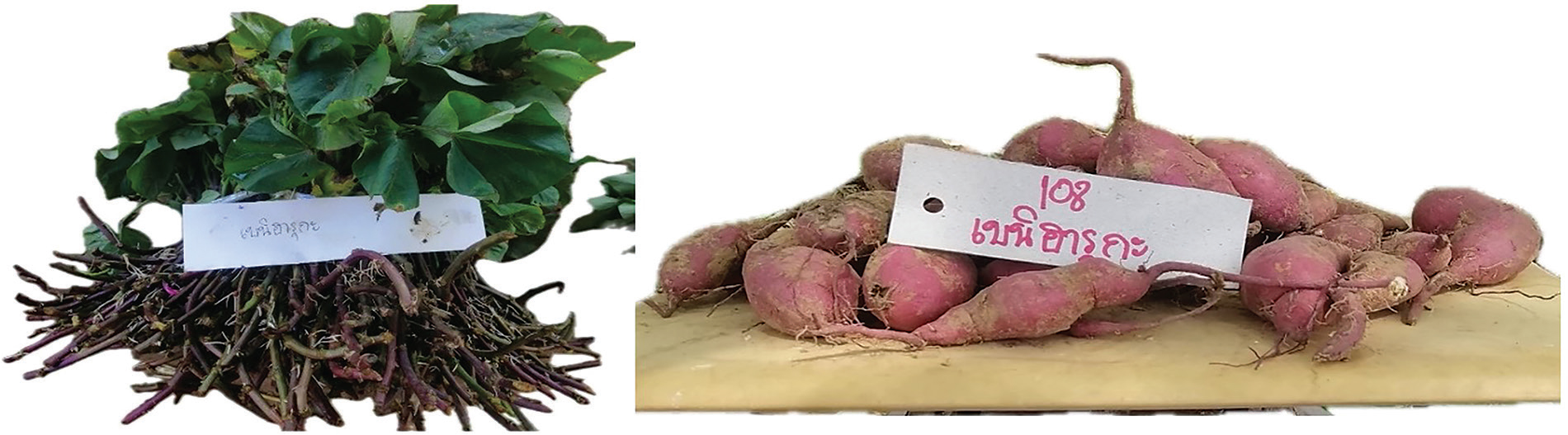
Supplementary Figure S1.
SR 2022/01 Beniharuka genotype.
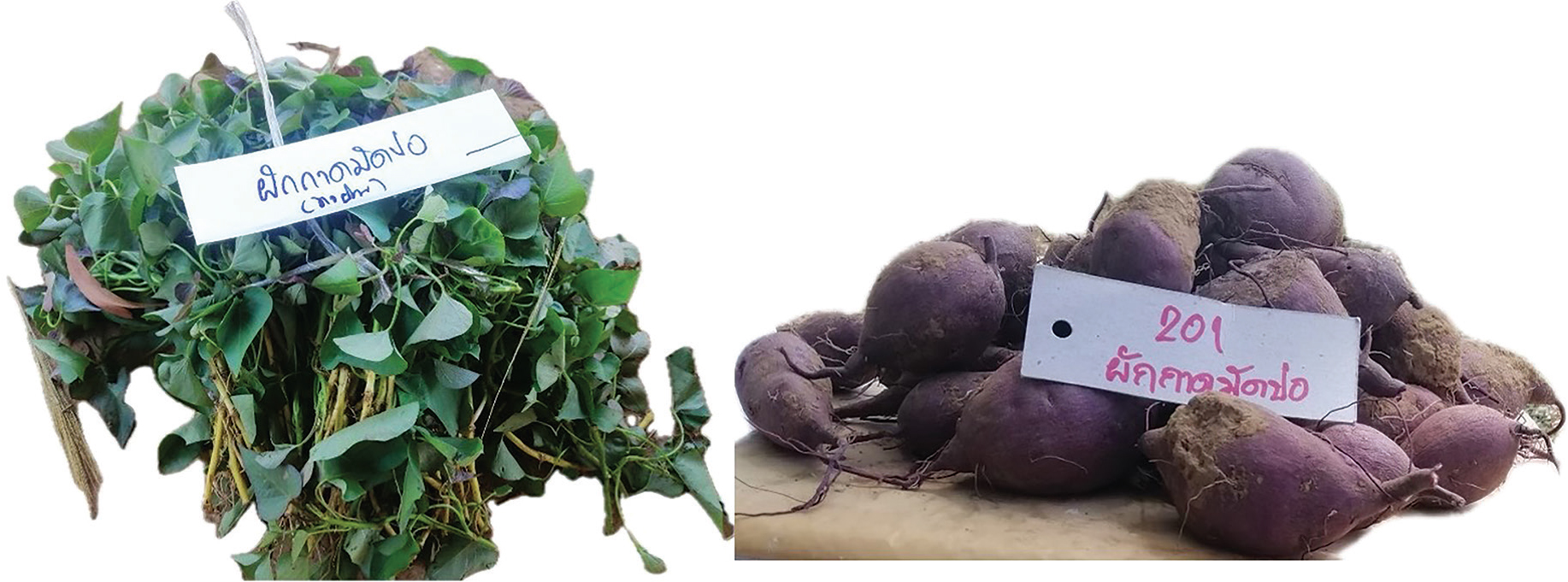
Supplementary Figure S2.
KS 2022/02 Pakkadmadpor genotype.
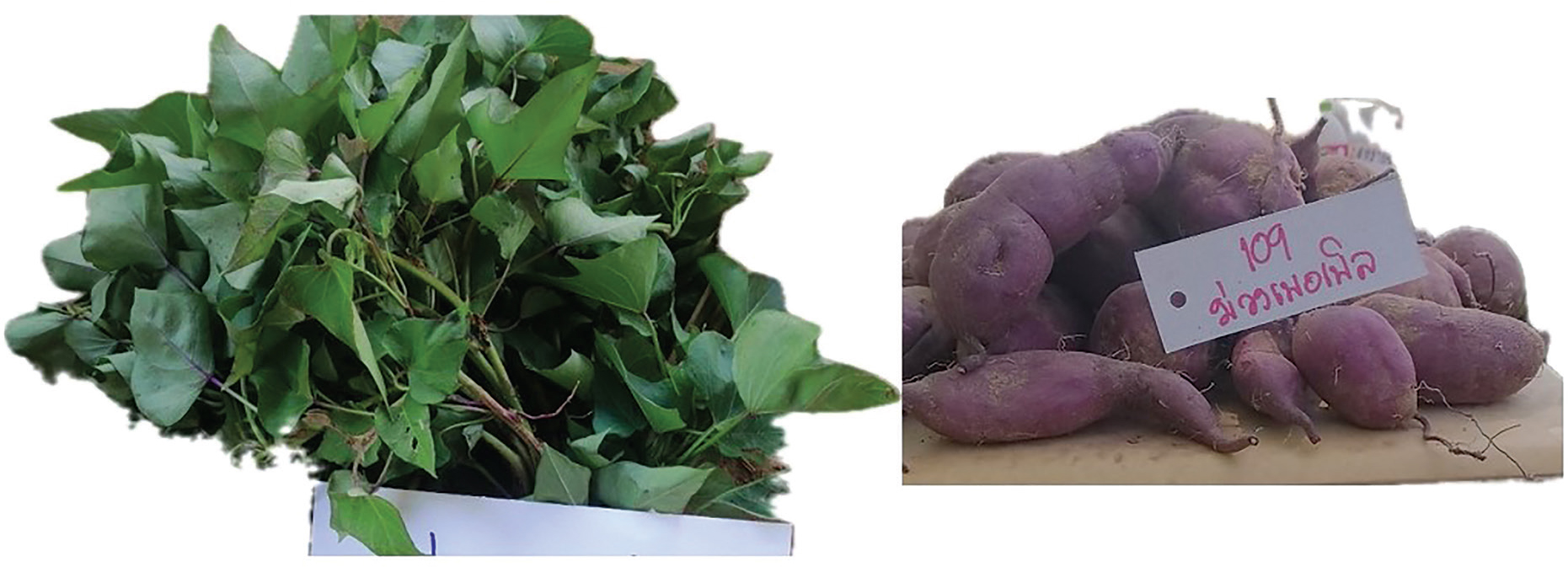
Supplementary Figure S3.
SR 2022/03 Moangpurple genotype.
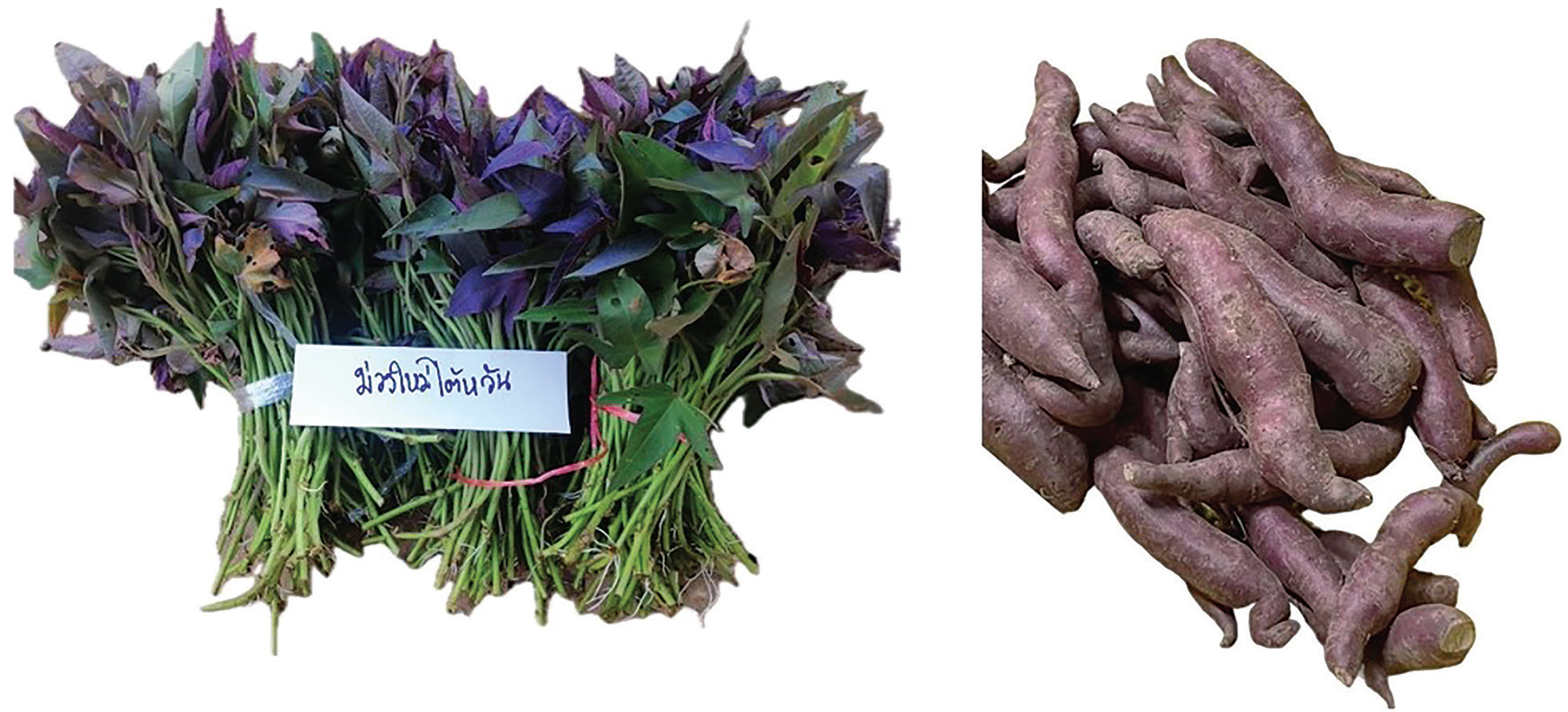
Supplementary Figure S4.
SR 2022/04 Moangmaitaiwan genotype.
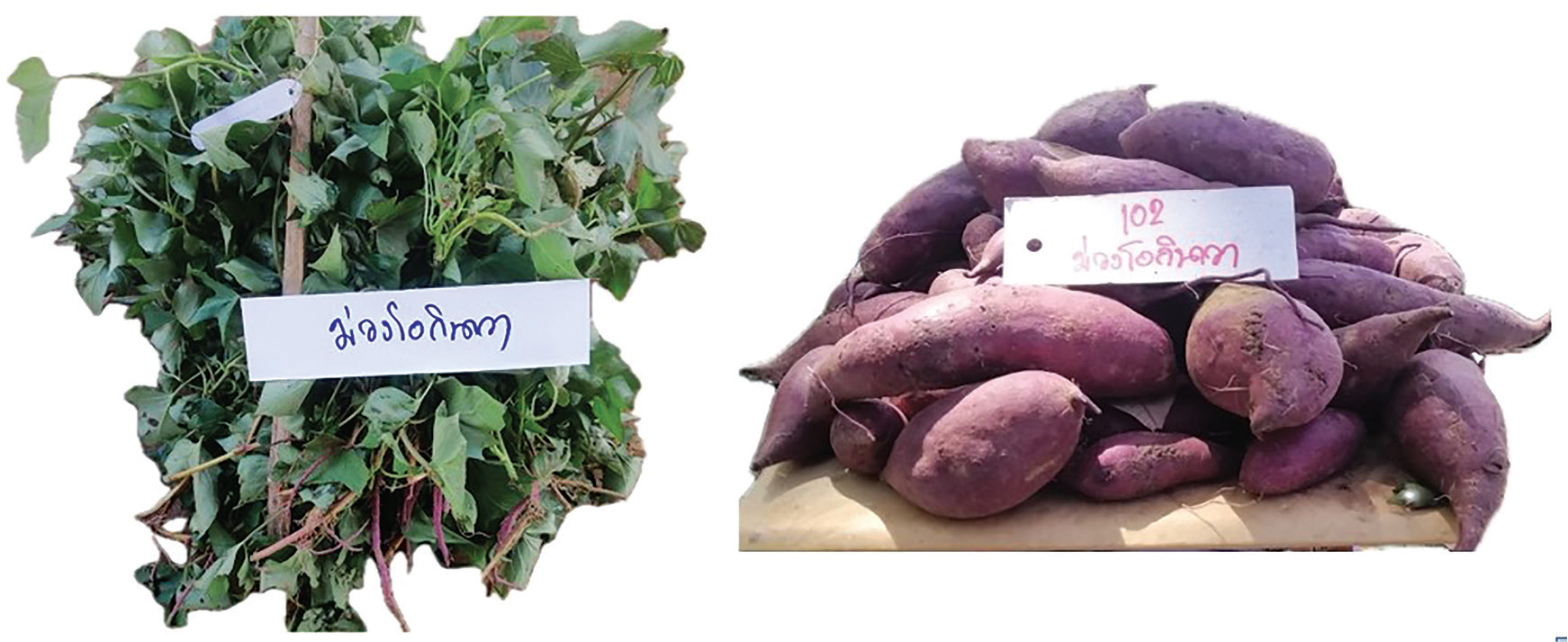
Supplementary Figure S5.
SR 2022/05 Moangokinava genotype.
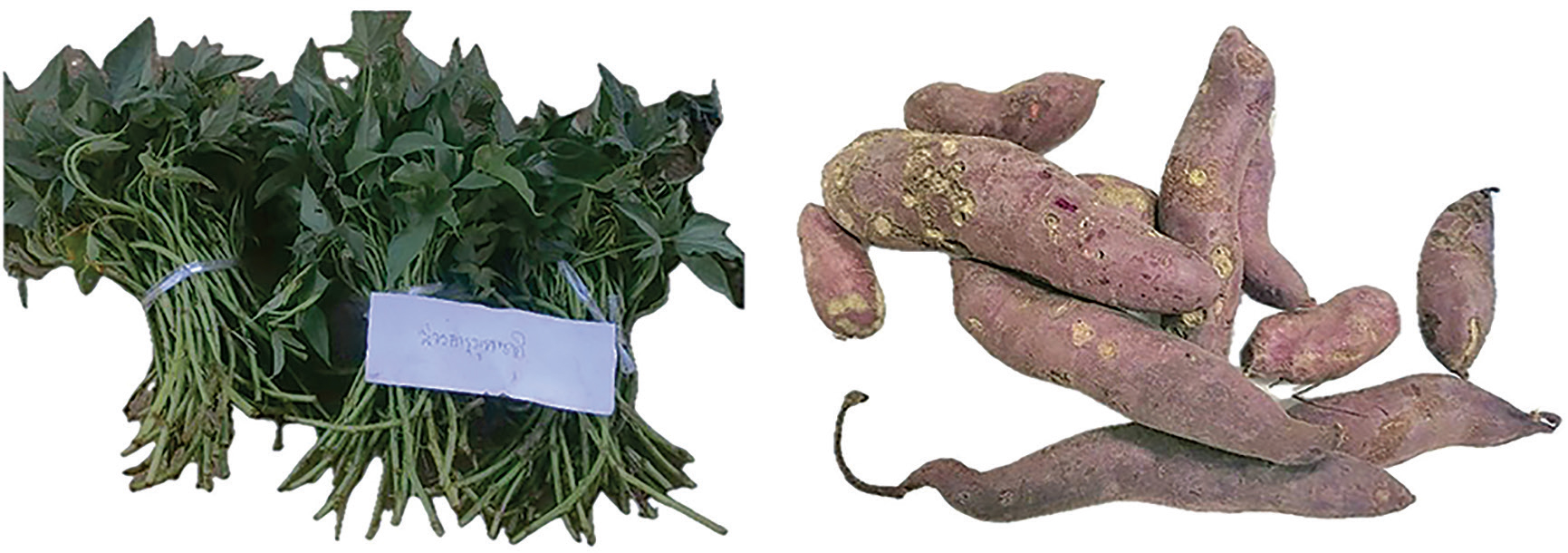
Supplementary Figure S6.
SR 2022/06 Moangharumurazaki genotype.
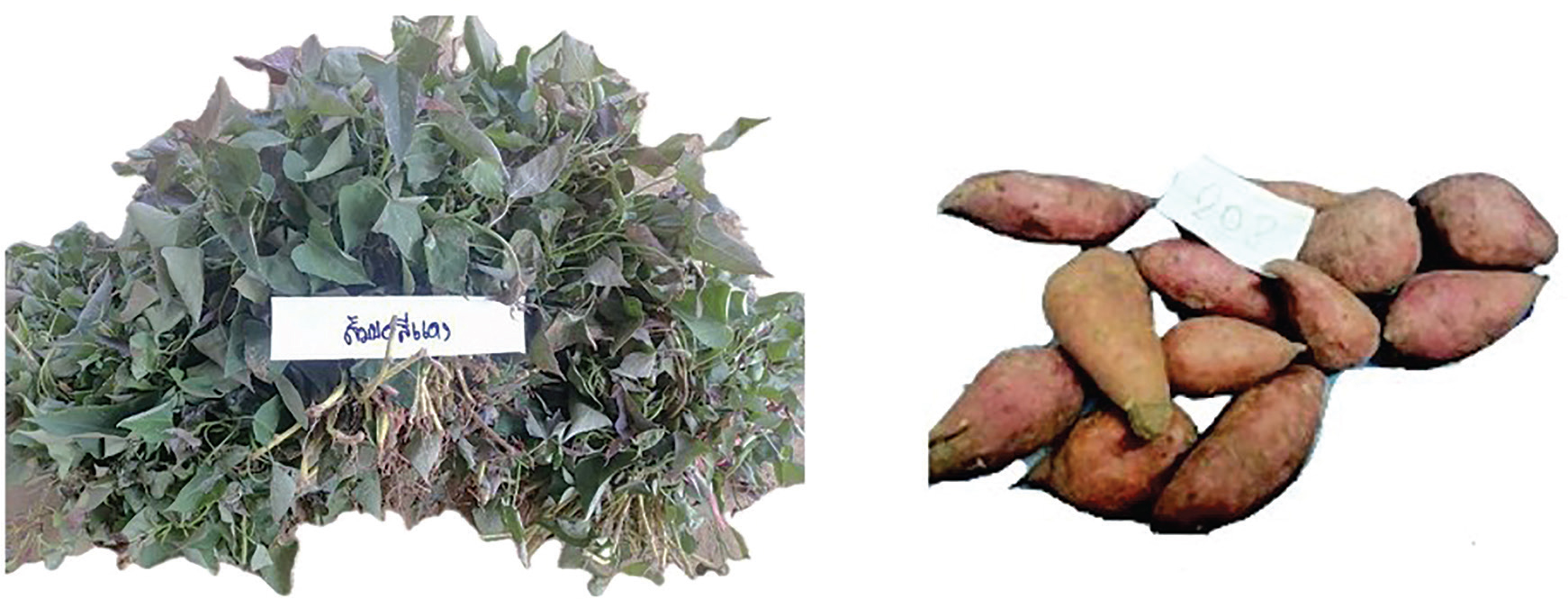
Supplementary Figure S7.
KS 2022/07 Somporsidang genotype.
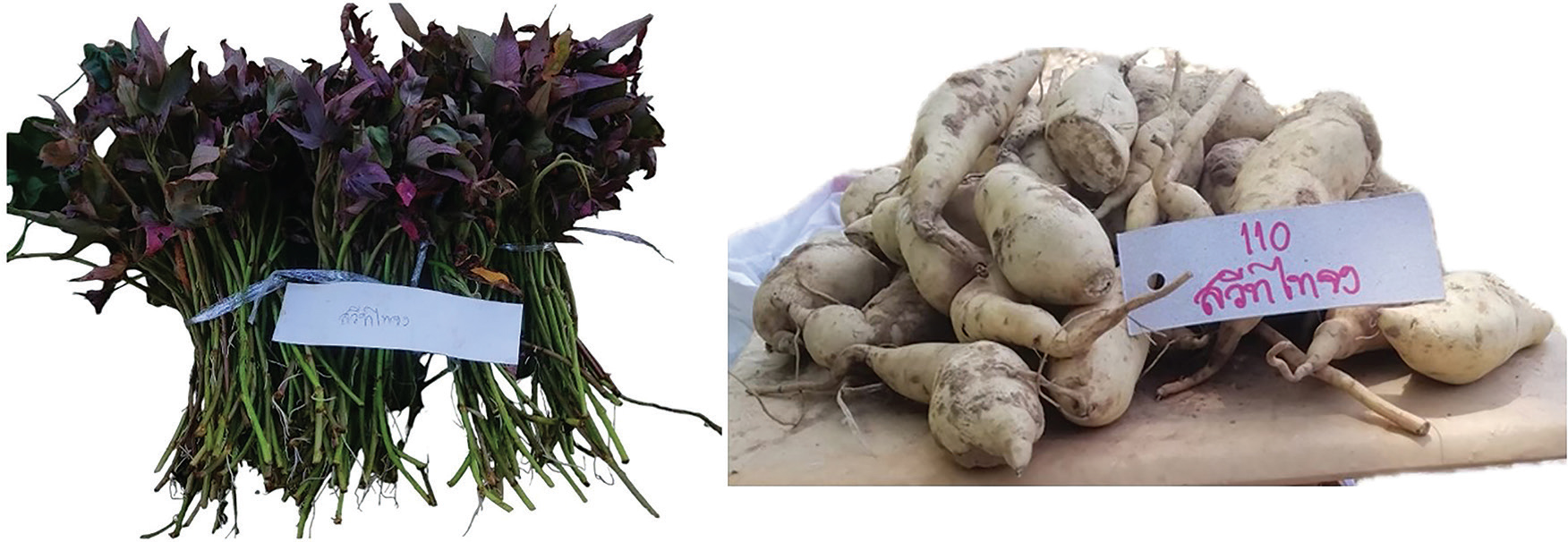
Supplementary Figure S8.
KS 2022/08 Sweetthijong genotype.
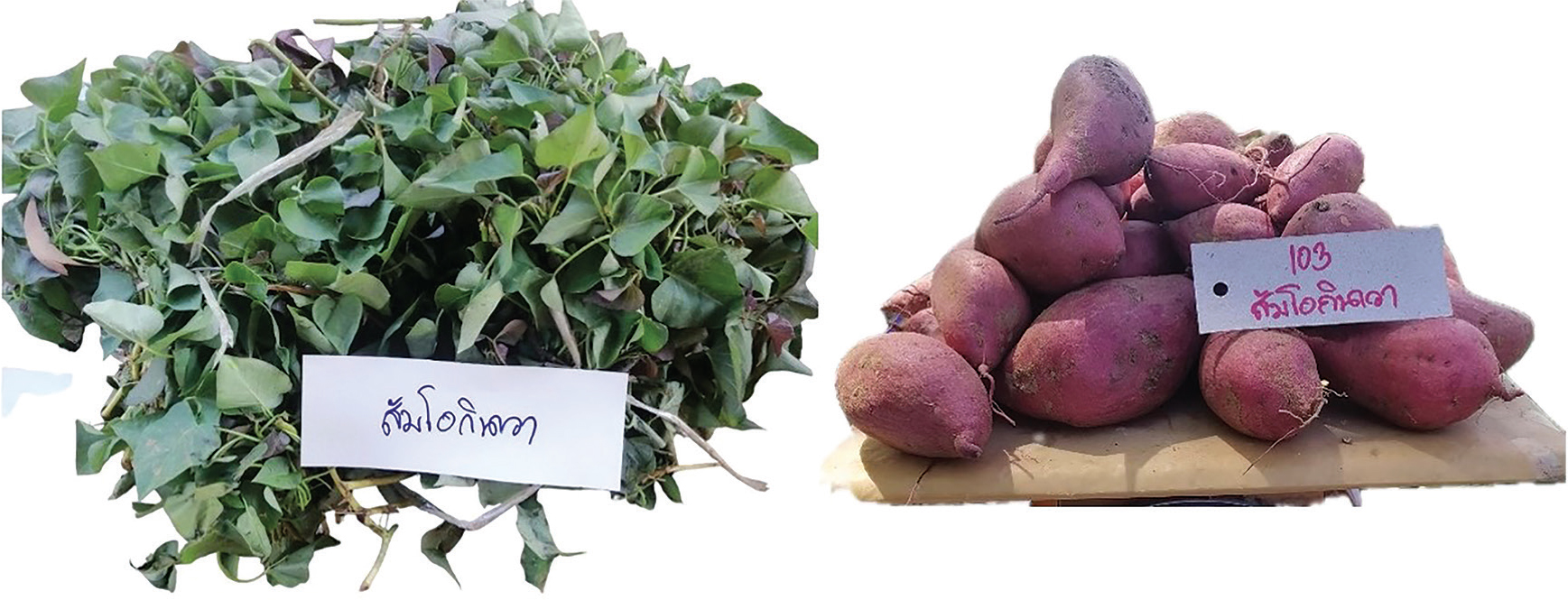
Supplementary Figure S9.
SR 2022/09 Somokinava genotype.
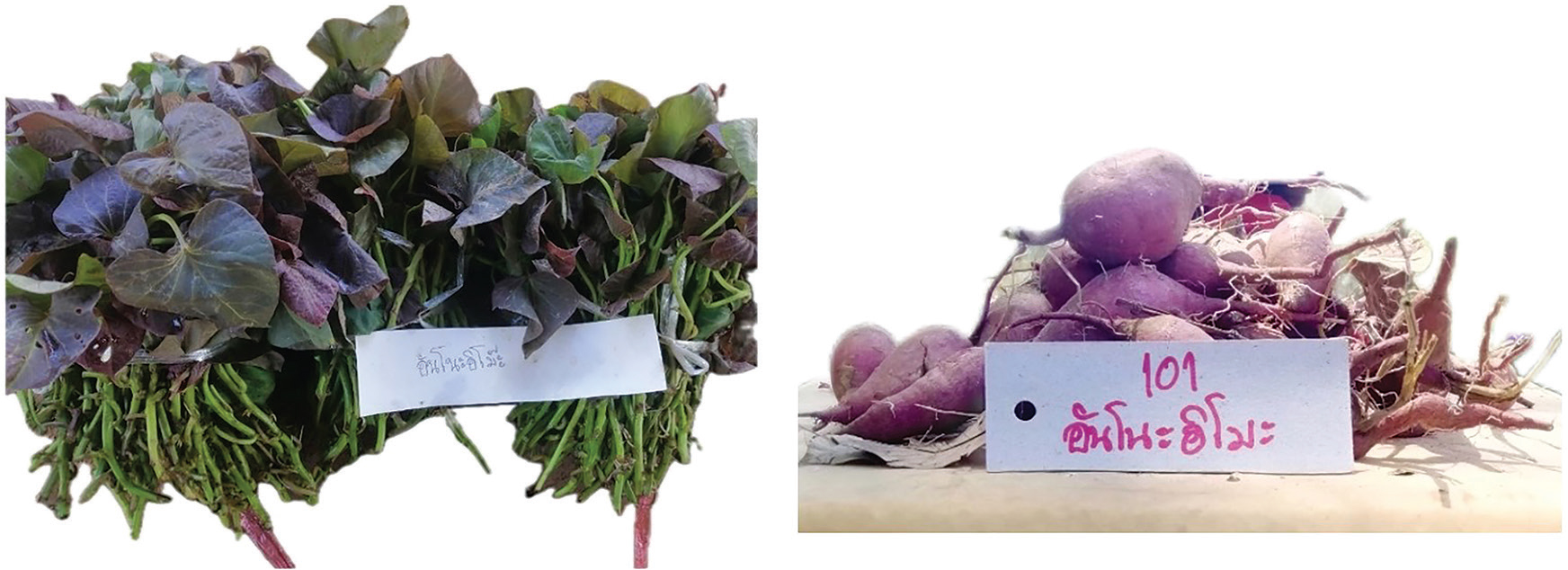
Supplementary Figure S10.
SR 2022/10 Annoimo genotype.