Have a personal or library account? Click to login
Impact of Carbon Nanotubes on the Mechanical and Electrical Properties of Silicone Cover

Impact of Carbon Nanotubes on the Mechanical and Electrical Properties of Silicone

Open Access
|Nov 2023

Figures & Tables

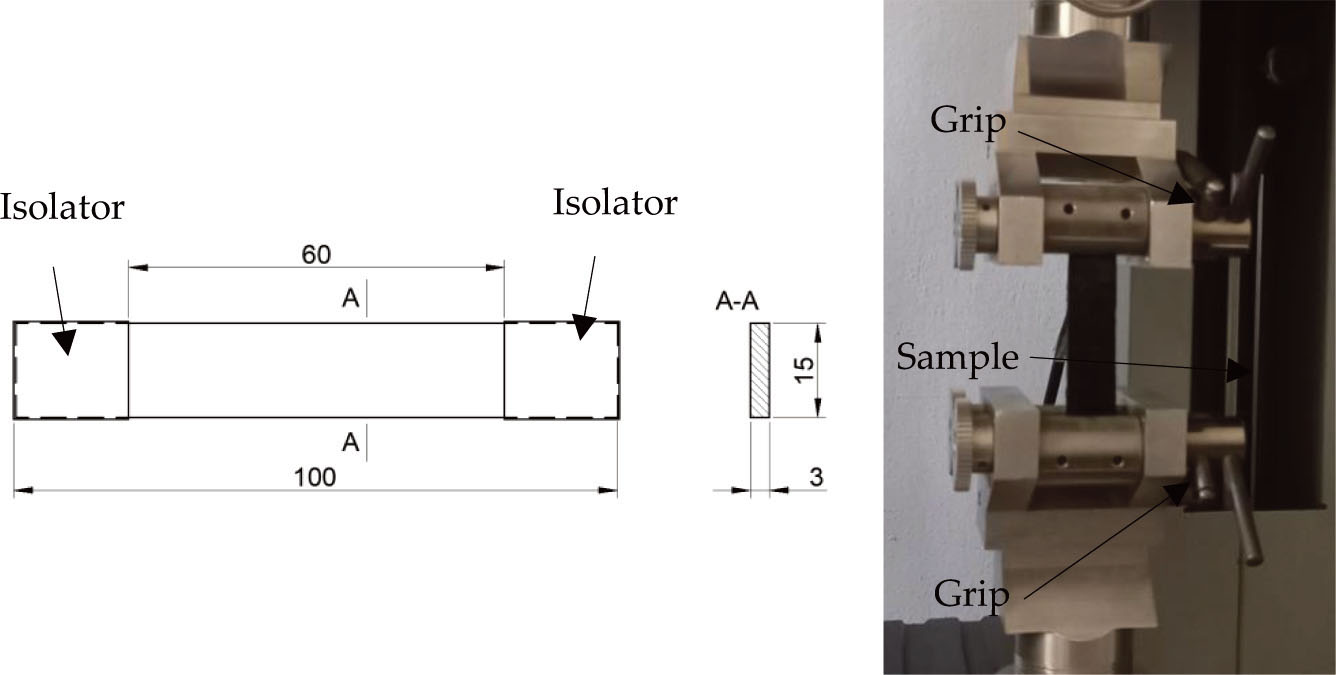
Figure 1.

Mechanical and electrical test specimen: (a) Schematic of the specimen; (b) Sample on the test bench.
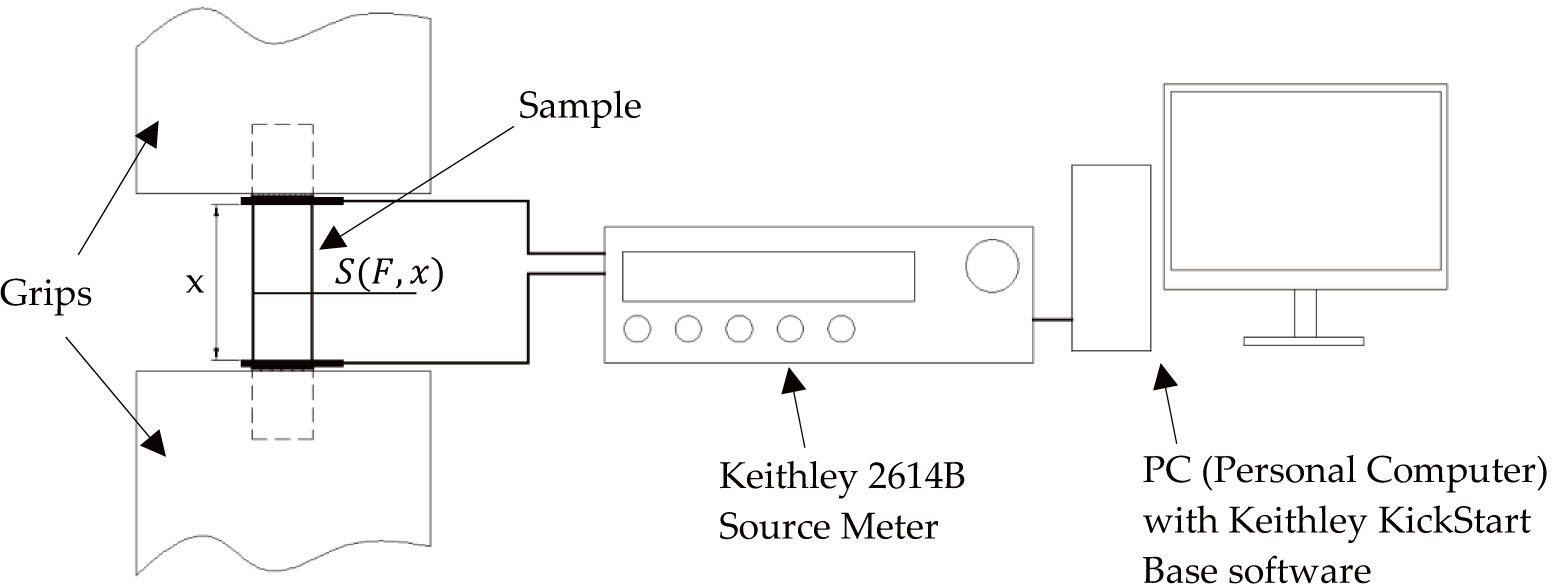

Figure 2.

Schematic diagram of an electrical test bench.
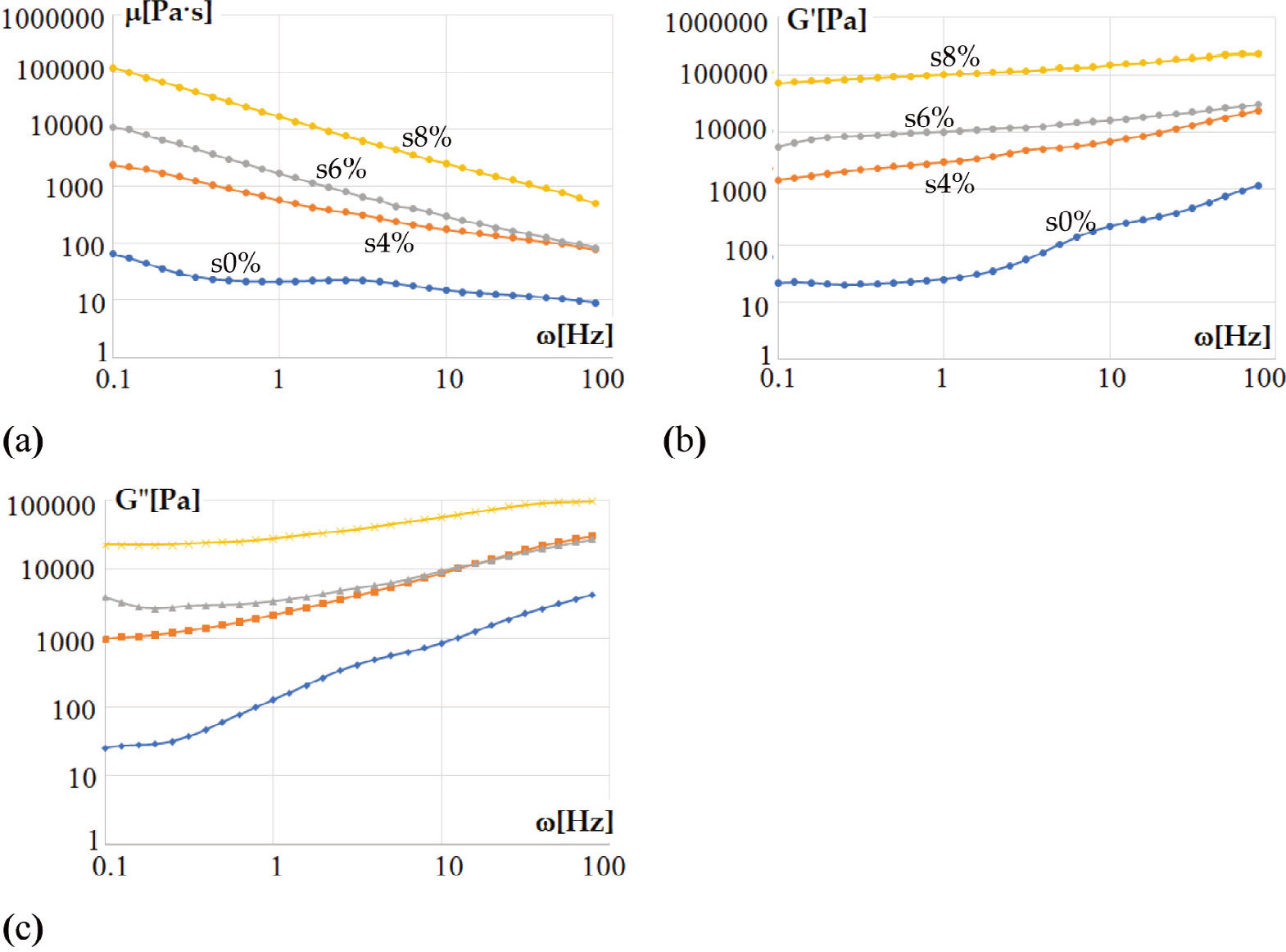

Figure 3.

Rheological properties of silicone/MWCNTs nanocomposites: (a) Complex viscosity as a function of frequency; (b) Storage modulus as a function of frequency; (c) Loss modulus as a function of frequency. MWCNTs, multi-walled carbon nanotubes.
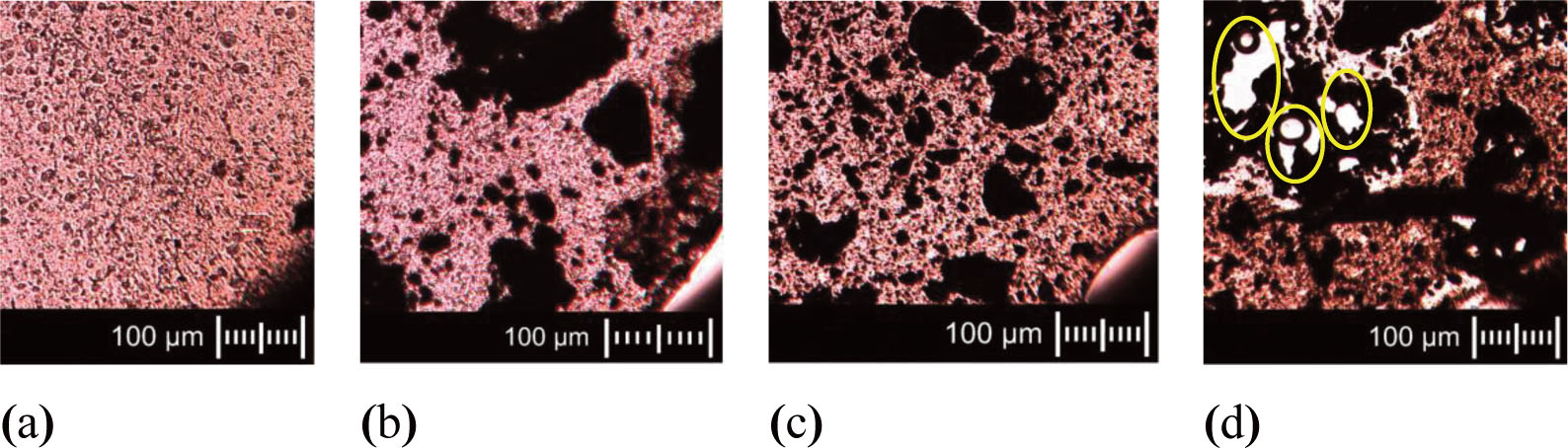

Figure 4.

Optical micrographs of produced materials: (a) neat silicone, (b) silicone with 4 wt.% of MWCNTs, (c) silicone with 6 wt.% of MWCNTs, (d) silicone with 8 wt.% of MWCNTs.
MWCNTs, multi-walled carbon nanotubes.
Optical micrographs of produced materials: (a) neat silicone, (b) silicone with 4 wt.% of MWCNTs, (c) silicone with 6 wt.% of MWCNTs, (d) silicone with 8 wt.% of MWCNTs. MWCNTs, multi-walled carbon nanotubes.

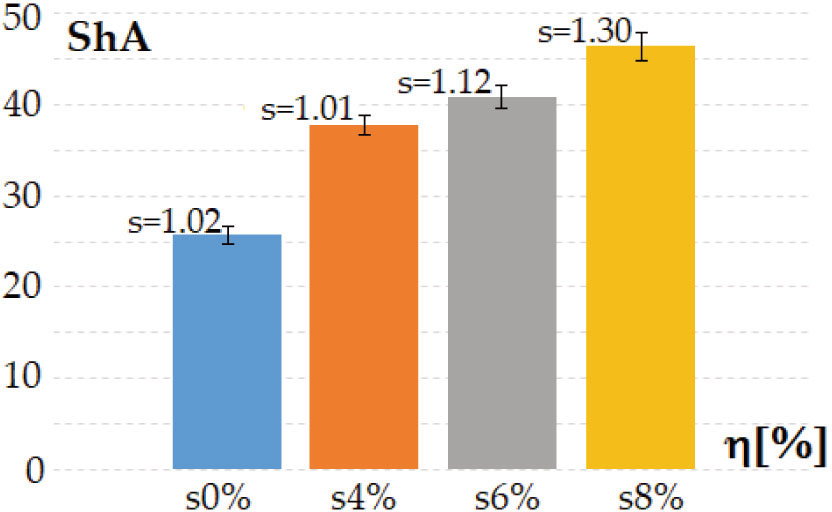
Figure 5.

Effect of nanotube content on Shor hardness factor A, s – standard deviation.
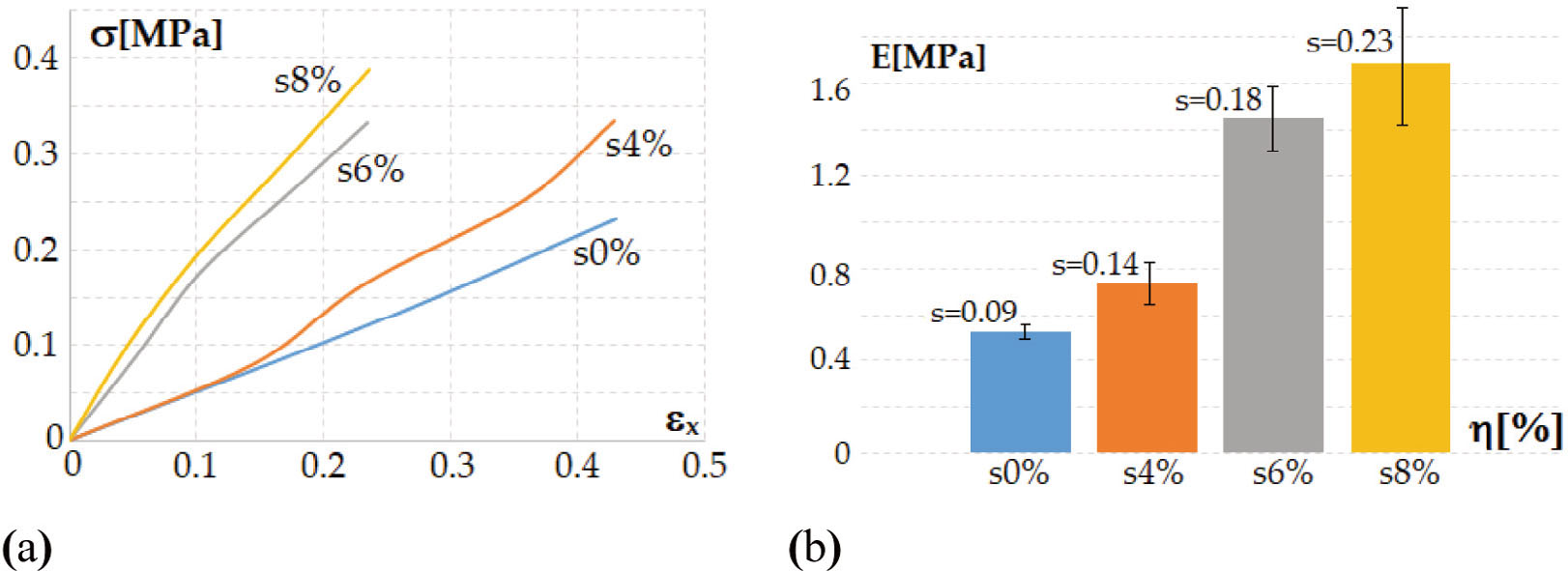

Figure 6.

Effect of nanotube content on the stiffness of silicone, (a) stresses as a function of strain – mean values from three measurements for one material; (b) elastic moduli. s – standard deviation.
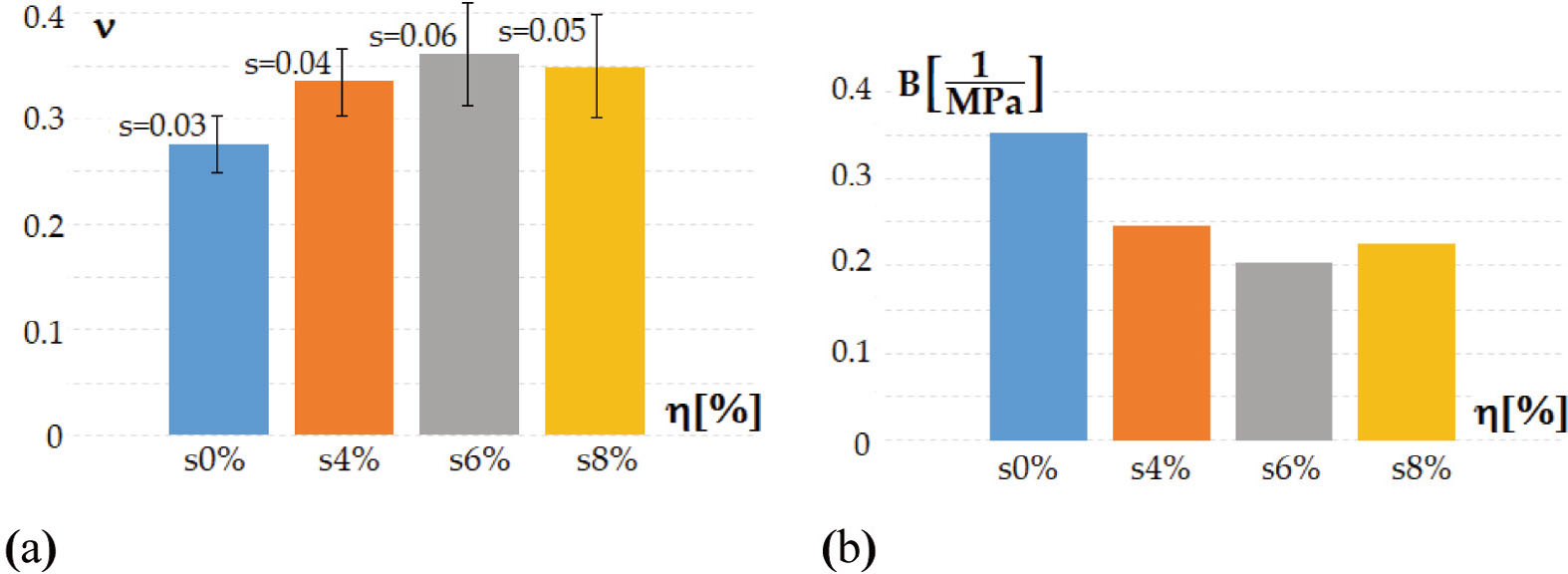

Figure 7.

Effect of nanotube content on: (a) Poisson’s ratio of the silicone; (b) compressibility. s – standard deviation.
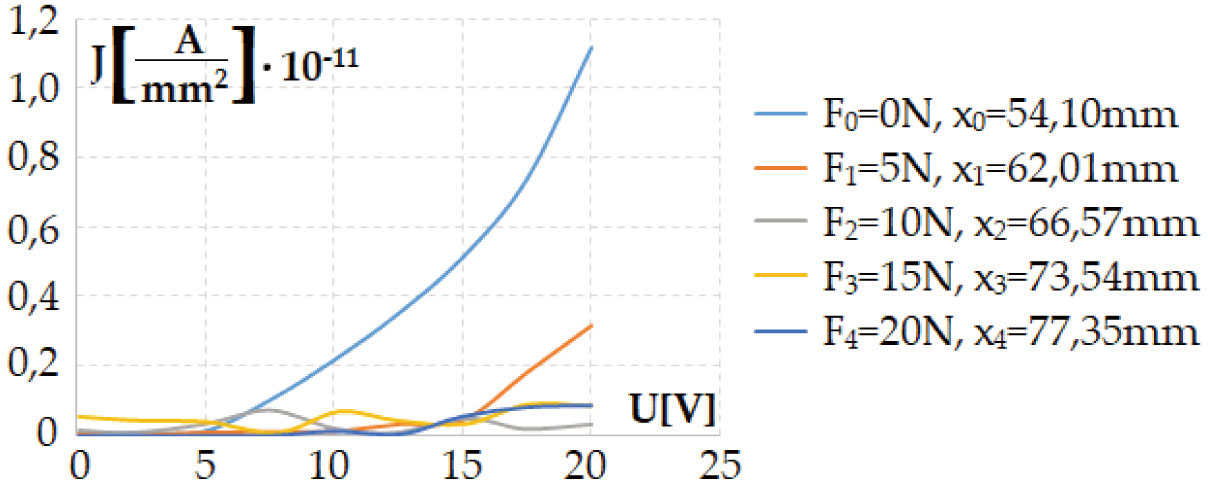

Figure 8.

Current density as a function of voltage for silicone-filled with 4% nanotubes.
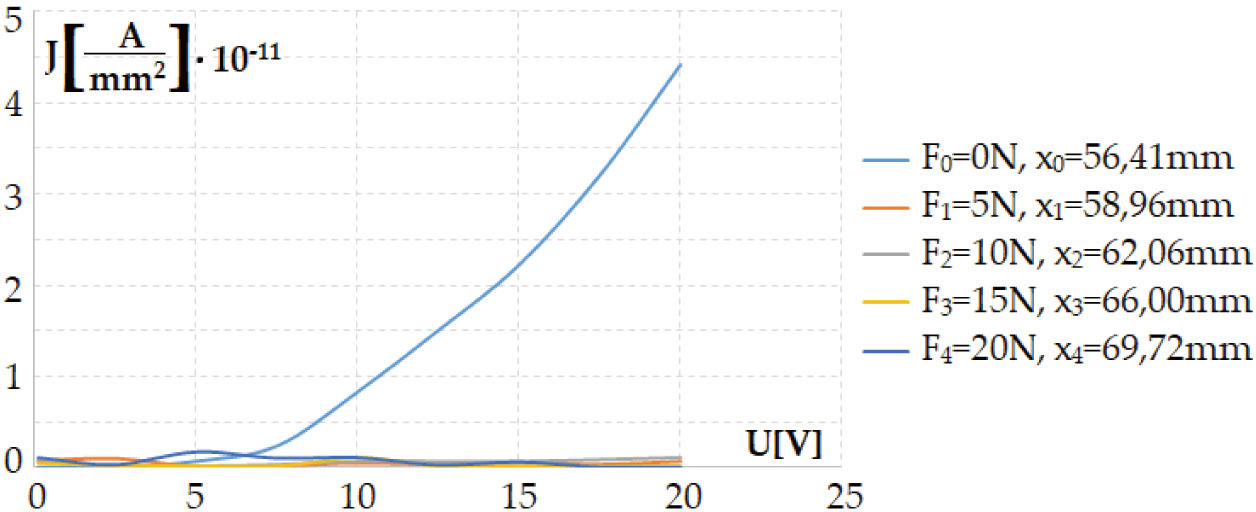

Figure 9.

Current density as a function of voltage for silicone-filled with 6% nanotubes.
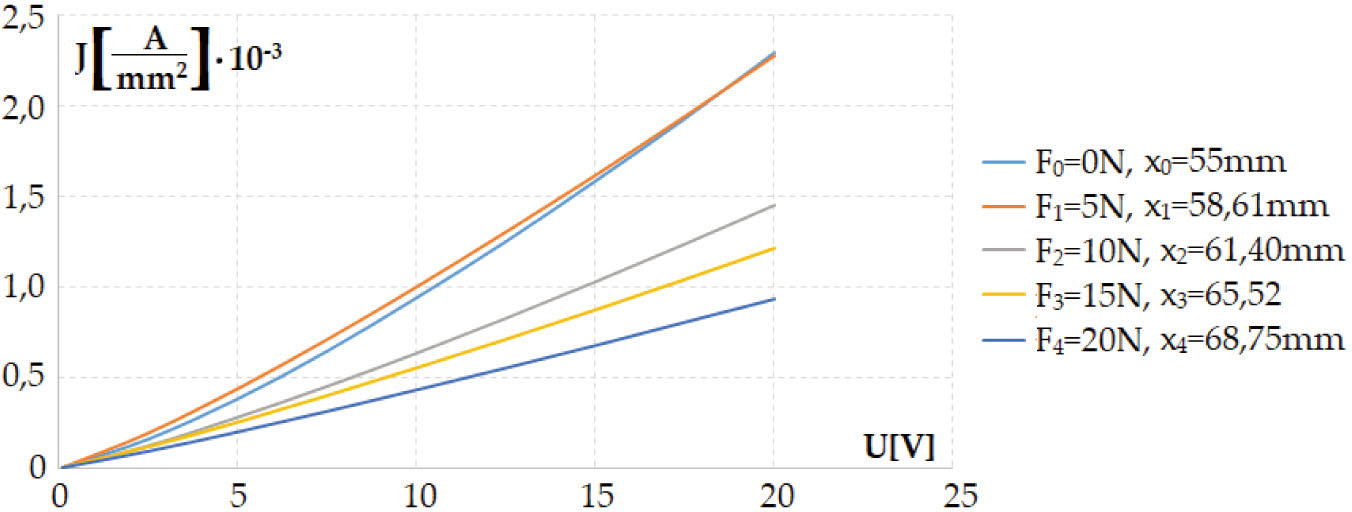

Figure 10.

Current density as a function of voltage for silicone-filled with 8% nanotubes.
DOI: https://doi.org/10.2478/fas-2022-0010 | Journal eISSN: 2300-7591 | Journal ISSN: 2081-7738
Language: English
Page range: 135 - 153
Published on: Nov 28, 2023
In partnership with: Paradigm Publishing Services
Publication frequency: 1 issue per year

© 2023 Michał Sałaciński, Kamil Dydek, Andrzej Leski, Rafał Kozera, Mateusz Mucha, Wojciech Karczmarz, published by ŁUKASIEWICZ RESEARCH NETWORK – INSTITUTE OF AVIATION
This work is licensed under the Creative Commons Attribution-NonCommercial-NoDerivatives 4.0 License.