
1. INTRODUCTION
When a cigarette is lit, a series of distillation, pyrolysis, and combustion reactions occur in the combustion coal, generating high-temperature vapors (1, 2). These vapors are then transported toward the filter end because of pressure differences. While the vapors pass through the line of paper burn, they encounter cool incoming air, resulting in a rapid and substantial temperature drop (decrease of up to 400 ° C within 2 s) (3). At this stage, the gas-particle equilibrium that existed at the original high temperature, is disrupted. A large portion of the gaseous components undergoes condensation and transforms into particles, resulting in a new gas-particle equilibrium (4). This mixture continues to move downstream within the cigarette, ultimately forming inhalable aerosols (5). During this process, the high-temperature vapors released from the burning tobacco, known as the aerosol precursors (nucleating gases (6)), undergo gas-to-particle conversion when encountering cool air. The ensuing nucleation, gas-phase condensation, and particle coagulation are key mechanisms involved in aerosol formation (7).
In heated tobacco products (HTPs), the operating temperature is far lower than that of the combustion coal in a cigarette (8, 9). Because the tobacco substrate is not combusted, nearly no solid particles can be found in the aerosols generated (10, 11). Instead, during puffing, the aerosol precursor gases are primarily released from the substrate through distillation and are transported downstream with the airflow (12). HTP aerosols predominantly form through cooling-induced condensation, where the vapor phase transitions into the liquid phase to form smaller particles than cigarettes (13, 14).
From the perspective of airflow pathways, HTP cigarettes can be categorized into open-ended and closed-ended configurations on the basis of whether cool air flows through the tobacco section during puffing (15). In the open-ended configuration, cool air passes through the tobacco section, facilitating the transmission and cooling of the high-temperature aerosol precursors, which subsequently condense to form aerosols. In the closed-ended configuration, aerosol precursor extraction and cooling occur because of the pressure difference between the perforated sidewall and the tobacco section during puffing, and this process leads to aerosol formation (16). During this process, variation in the airflow pattern in the HTP directly influences aerosol formation and transmission. A study conducted by LUO et al. demonstrated that under heating conditions, when the filter ventilation rate was increased from 0% to 47.86%, the release of particulate components increased from 0.34 mg to 1.02 mg (17). However, when the same cigarette was tested under combustion conditions, changing the ventilation rate from 0% to 47.86% decreased the release of the particulate components only from 1.21 to 1.05 mg. In summary, airflow pathway design plays a greater role in the formation and delivery of aerosols in HTP cigarettes than it does for conventional cigarettes. Research on HTP aerosol generation has focused on how the heating temperature and atmospheric conditions affect the thermal conversion of reconstituted tobacco, the release of key components, and the emission of characteristic aroma compounds (18,19,20,21). However, studies on the formation and transmission of aerosols remain limited, with researchers mainly addressing the filtration efficiency of composite filters for key components and the effect of the filter ventilation rate on the release of major aerosol constituents (22, 23).
The present study used granule-based HTP cigarettes produced by China Tobacco Hebei Industrial Corporation to investigate the differences in aerosol characteristics under two distinct airflow pathways: open-ended (bottom open) and closed-ended (bottom sealed). Specifically, this study examined the effects of airflow velocity on the main aerosol components, including the aerosol collected mass (ACM) and amounts of glycerol (VG), propylene glycol (PG), nicotine, and water; on the size distribution of aerosol particles; and on the distribution of key aerosol components across different sections of the HTP cigarette. By investigating these parameters, this study aimed to provide scientific insights to support the development and optimization of granule-based HTPs.
2. MATERIALS AND METHODS
2.1. Materials, reagents, and instruments
The granule-based HTP cigarettes used in this study, along with their respective airflow pathway configurations, are illustrated in Figure 1. The tobacco granules primarily consisted of tobacco powder and liquid additives, which predominantly comprised VG and PG. The granule-based HTP cigarettes had four sections: a 15-mm granule section containing the tobacco granules; a 7-mm fixture section, which consisted of a gear-shaped hard plastic component with numerous perforations to prevent the flow of granules during puffing; a 13-mm hollow section; and a 10-mm filter section. In this product, airflow pathways are established through the interaction between the cigarette and the heating device. For the open-ended configuration, the cigarette was inserted into the heating device and no seal was placed at the bottom; air could thus enter from the front end of the granule section and flow through the entire cigarette. The cigarettes used for this configuration did not contain perforations on the granule section. For the closed-ended configuration, the front end of the granule section was sealed after insertion of the cigarette into the heating device; this meant that air could enter only through the perforations on the sidewall. The cigarettes used for this configuration had eight evenly distributed perforations (diameter: 278 μm) at the 15-mm position of the granule section. The heating device used in this study was the NSC-M5000 electric heater developed by the Zhengzhou Tobacco Research Institute. This device employs a resistance-based central sheet heating mechanism and was operated at a heating temperature of 260 °C with a preheating time of 15 s and a total operation time of 210 s. All cigarettes tested in the open-ended and closed-ended configurations were identical in parameters except for the presence or absence of sidewall perforations. The dynamic draw resistance under heated conditions for both airflow pathway conditions was measured using a dynamic draw resistance tester. The results revealed that the average draw resistance for eight puffs was 4556.2 Pa in the open-ended configuration and 4478.9 Pa in the closed-ended configuration.
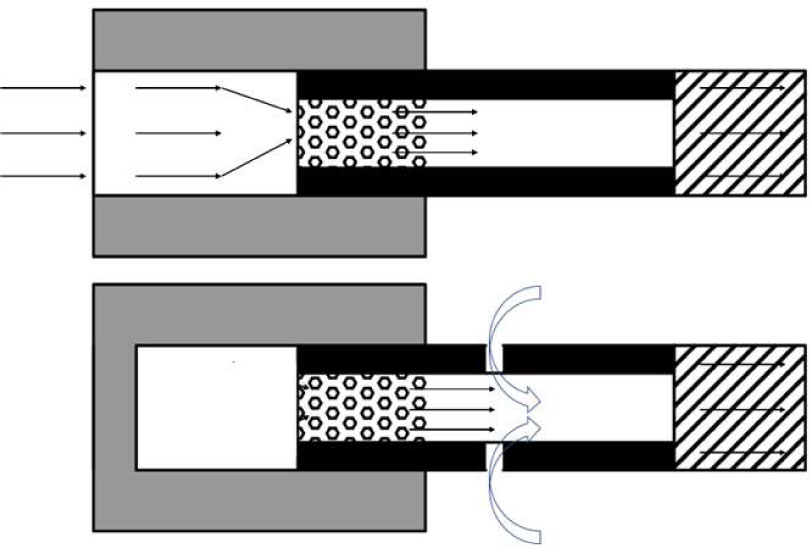
Figure 1.
Schematic of granule-based HTP cigarette and airflow pathways.
A Cambridge filter pad (diameter: 44 mm; Borgwaldt, Hamburg, Germany); methanol (analytical reagent grade; China National Pharmaceutical Group Co Ltd., Beijing, China); propylene glycol, glycerol, and nicotine (chromatographic grade; Sigma, St. Louis, MO, USA) were used in the experiments.
The equipment employed comprised an i-MAC600A array-type multichannel sequential puffing smoking machine (24); an Agilent 7890 gas chromatograph equipped with flame ionization and thermal conductivity detectors (Agilent, Santa Clara, CA, USA); a CP2245 electronic balance (resolution: 0.0001 g; Sartorius, Göttingen, Germany); an SCS-DMS500 system (Cambustion, Cambridge, UK), where SCS refers to a simulated cyclic smoking machine and the differential mobility spectrometer (DMS)500 is a fast particle size spectrometer.
2.2. Methods
2.2.1. Puff-by-Puff aerosol testing
The puffing regimen used for puff-by-puff aerosol testing followed the Health Canada Intense smoking regimen, with the following parameters: puff volume, 55 mL; puff duration, 2 s; interpuff interval, 30 s; and total number of puffs, 8. To investigate the effect of airflow velocity on aerosol transmission, the puff duration was varied while the puff volume and puff interval were kept constant. The ACM deposited on the Cambridge filter pads was determined by weighing the pads using the electronic balance. Subsequently, the water, PG, VG, and nicotine in the aerosol (i.e., the ACM) were quantified using gas chromatography by following the analytical method established by KEN et al. (25).
2.2.2. Quantification of PG, VG, and nicotine in different sections of the cigarette and aerosol
For the two airflow pathway configurations, aerosol sampling was conducted using the same puffing parameters as employed in the puff-by-puff aerosol testing to measure the content of key components. After the puffing process, gas chromatography was used to quantitatively analyze the amounts of PG, VG, and nicotine in the four distinct components of the cigarette: the Cambridge filter pad, filter, residual tobacco granules, and fixture and cigarette paper (the fixture and cigarette paper were considered one component and extracted together). The mass fraction of PG, VG, or nicotine in each section and the aerosol was calculated using the following equation:
where ωc represents the mass fraction of PG, VG, or nicotine; mc represents the mass (mg) of PG, VG, or nicotine in the Cambridge filter pad, filter section, residual tobacco granules, or fixture and cigarette paper; and M represents the total mass (mg) of PG, VG, or nicotine across all four components.2.2.3. Aerosol particle size distribution testing
The SCS-DMS500 system was used to measure the size distribution of aerosol particles for both airflow pathway configurations. The puffing parameters of the SCS smoking machine were kept identical to those used in the puff-by-puff aerosol testing. The puffing data files were first programmed and then imported into the SCS control software for execution. The operating conditions of the DMS500 system were set as follows: sampling flow rate, 25 L/min; and secondary dilution ratio: 200:1 (26).
3. RESULTS AND DISCUSSION
3.1. Effect of airflow velocity on aerosol composition
The measured ACM under both airflow pathways is shown in Figure 2. For the open-ended pathway, a decrease in airflow velocity due to an increase in puff duration did not significantly alter the total ACM released. By contrast, for the closed-ended pathway, the total ACM release was negatively correlated with the airflow velocity. This discrepancy is attributable to a difference in the aerosol precursor extraction mechanisms between the two pathways. In the open-ended configuration, air always entered through the front end of the granule section, meaning that the airflow velocity affected only the intake rate, not the total air volume. Consequently, the aerosol precursors generated during the 30-second heating period were all carried by the airflow, cooled, nucleated, and condensed, leading to consistent ACM release. However, in the closed-ended configuration, air entered through sidewall perforations and moved toward the filter section, with no air directly passing through the granule section. Consequently, during the 30-second heating period, aerosol precursors were extracted into the main airflow only because of pressure differences and subsequently formed aerosols. In accordance with Bernoulli's principle, when the airflow velocity was reduced, the pressure differential also decreased, thereby reducing the amount of extractable aerosol precursors, ultimately leading to lower ACM release (27). The puff-by-puff ACM release pattern revealed consistently lower ACM release for the first puffs than the later puffs. This is attributable to the puffing beginning immediately after the preheating phase, during which the temperature distribution in the granule section was uneven. For the open-ended pathway, the single-puff ACM release peaked at the second to third puff and then declined sharply. For the closed-ended pathway, the peak ACM release typically occurred after the fourth puff, and while the airflow velocity was reduced, the puff-by-puff differences in ACM release diminished, indicating greater puff-to-puff release stability. The water content of the mainstream aerosol was measured, and the results are presented in Figure 3. For the open-ended pathway, the total water release decreased while the airflow velocity was reduced. For the closed-ended pathway, the total water release was relatively unaffected by the airflow velocity. The puff-by-puff water release trends closely resembled those in the ACM. For the open-ended pathway, water release peaked at the second puff and then declined rapidly. For the closed-ended pathway, water release peaked at the third to fourth puff, and this was followed by a gradual decline. Additionally, the water content of the ACM was consistently higher for the closed-ended pathway, with values exceeding 40%, whereas for the open-ended pathway, the proportion ranged from 10% to 50%. With increasing puff count, the puff-by-puff proportion of water content in ACM decreased for all airflow velocities and both pathways.
Figure 4 presents the patterns of VG release under the two airflow pathways. The total VG release followed a trend similar to that in the ACM. Specifically, VG release was unaffected by the airflow velocity for the open-ended pathway but decreased linearly while the airflow velocity was reduced for the closed-ended pathway. This indicated that in the open-ended pathway, the distillation, condensation, and other phase transition processes of gaseous VG components were not influenced by the carrier gas velocity but were instead determined by the total volume of the passing air flow. By contrast, in the closed-ended pathway, a reduction in the airflow velocity resulted in a smaller pressure differential, which weakened the efficiency of VG extraction. Consequently, the puff-by-puff VG release also decreased when the airflow velocity was reduced. The puff-by-puff proportion of VG in ACM exhibited a two-phase trend for both airflow pathways.
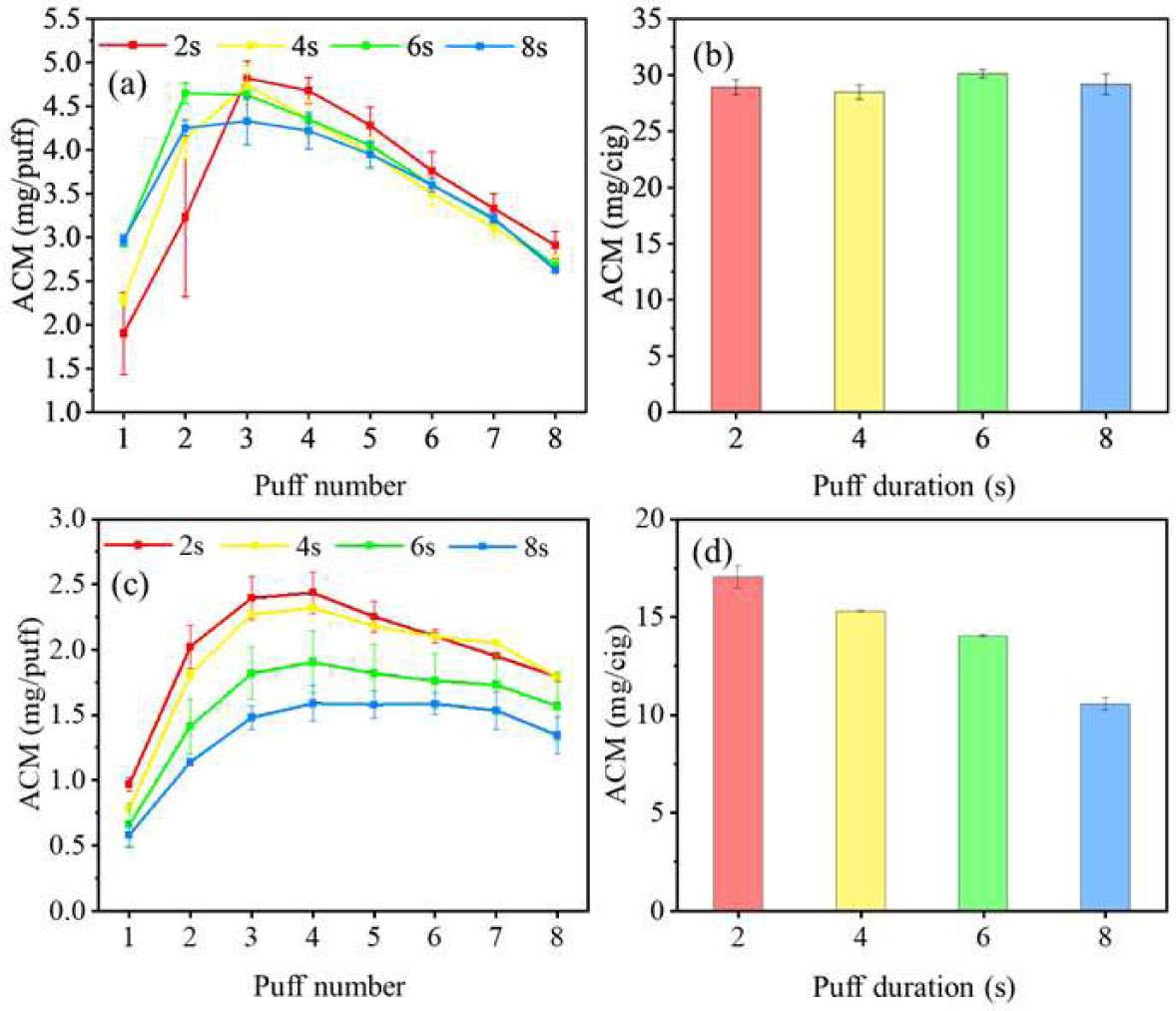
Figure 2.
Total and puff-by-puff ACM release amounts versus airflow velocity: (a), (b) open-ended and (c), (d) closed-ended configurations.
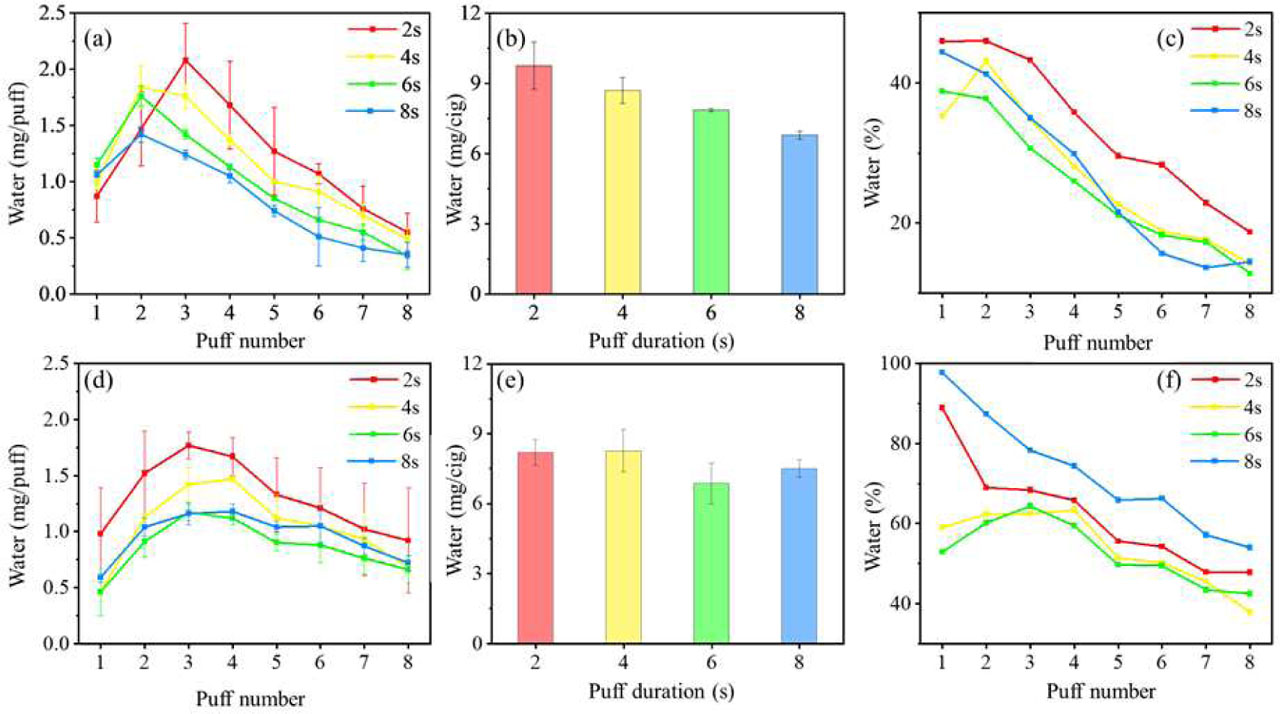
Figure 3.
Total and puff-by-puff water amounts and puff-by-puff water proportions versus airflow velocity: (a) – (c) open-ended and (d) – (f) closed-ended configurations.
Initially, this proportion decreased (second to third puff), which may be attributable to the higher relative proportion of water in the first three puffs. After the third puff, the proportion of VG in ACM increased monotonically for both airflow pathways. However, the overall proportion of VG in ACM remained low, suggesting that the transfer and transmission efficiency of VG was poor under the granule-based cigarette structure. This implies that a considerable amount of VG was not transferred to the aerosol.
As illustrated in Figure 5, the total release of PG followed a similar trend to that of ACM and VG with respect to the airflow velocity. For the open-ended pathway, the total release was unaffected by the airflow velocity, whereas for the closed-ended pathway, the release decreased when the airflow velocity was reduced. However, the puff-by-puff pattern of PG release exhibited different characteristics to those for ACM and VG, with notable differences between the two pathways. For the open-ended pathway, the release of PG increased rapidly from the first puff, peaked at the fourth puff, and then declined sharply, eventually returning to levels similar to the first puff by the eighth puff, with no major differences between the different airflow velocities. For the closed-ended pathway, the release of PG generally peaked at the seventh puff and then slightly decreased at the eighth puff. Moreover, PG release generally increased more rapidly and was more efficient in the open-ended pathway than in the closed-ended pathway. Compared with that of VG, the puff-by-puff proportion of PG in both airflow pathways exhibited a pattern of initial increase followed by decrease, with the proportion of PG being significantly higher than that of VG.
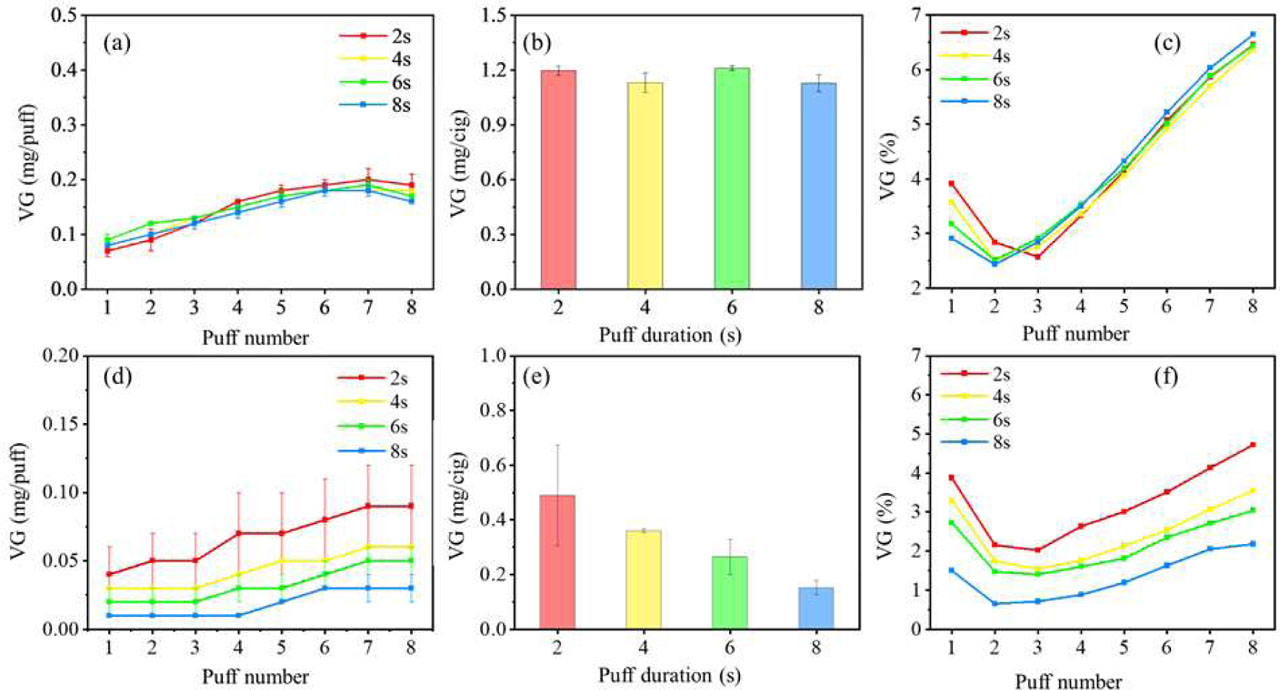
Figure 4.
Total and puff-by-puff glycerin amounts and puff-by-puff glycerin proportions versus puffing velocity: (a) – (c) open-ended and (d) – (f) closed-ended configurations.
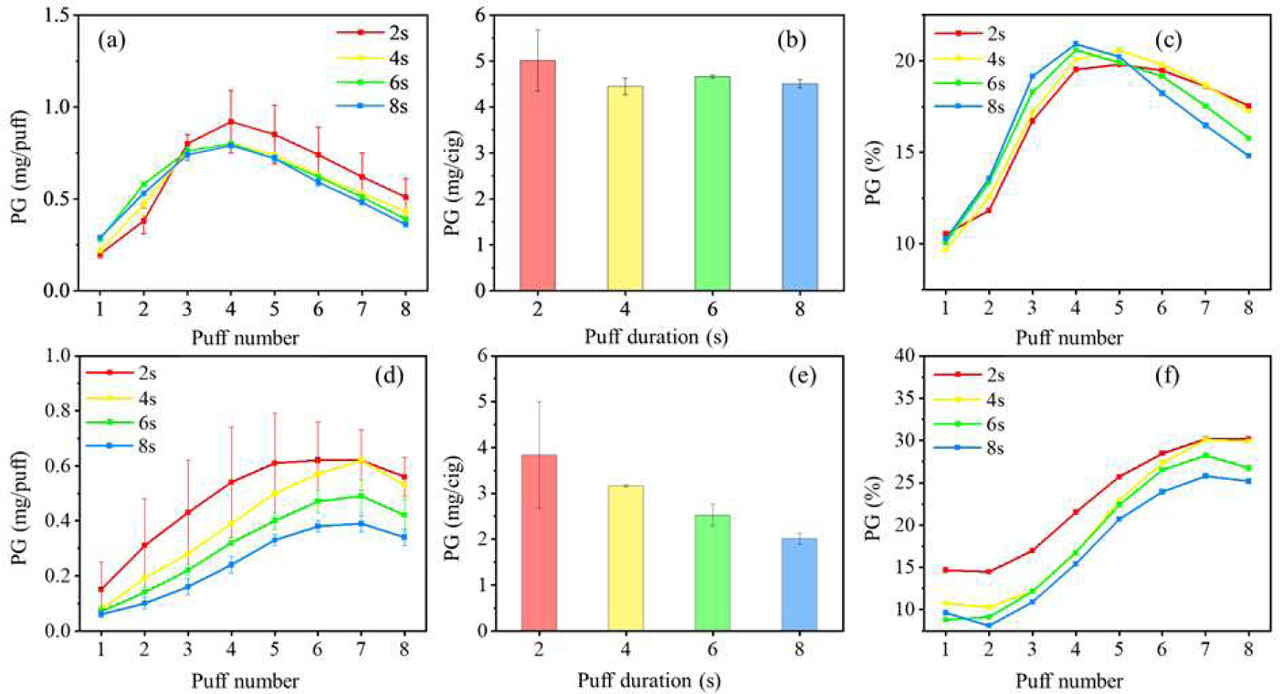
Figure 5.
Total and puff-by-puff propylene glycol amounts and puff-by-puff propylene glycol proportions versus airflow velocity: (a) – (c) open-ended and (d) – (f) closed-ended configurations.
Figure 6 illustrates the puff-by-puff pattern of nicotine release at various airflow velocities. For the open-ended pathway, the total nicotine release was unaffected by the airflow velocity, which is consistent with previously reported findings (28). For the closed-ended pathway, the total nicotine release decreased when the airflow velocity was reduced. These results indicate that in closed-ended pathway configurations, increasing the airflow velocity at the sidewall perforations can effectively enhance the release of aerosol precursors. In terms of puff-by-puff nicotine release trends, the pattern was similar to that for PG for both pathways. Specifically, for the open-ended pathway, nicotine release increased rapidly from the first puff, reached its peak at the fourth to fifth puff, and then declined sharply. For the closed-ended pathway, nicotine release peaked at the seventh puff, which was followed by a decrease at the eighth puff. Additionally, for both airflow pathways, the puff-by-puff proportion of nicotine release increased gradually throughout the process. This study further analyzed the correlation between the release of aerosol formers (PG, VG) and nicotine in the two airflow pathways (Figure 7).
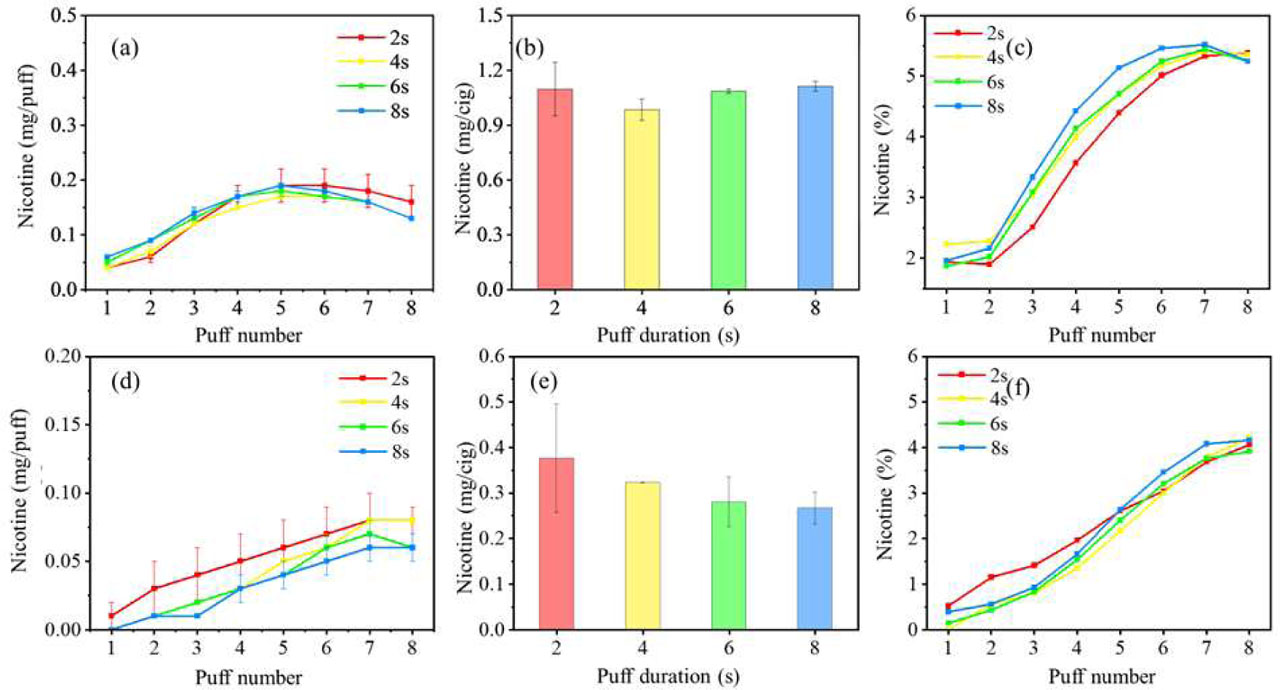
Figure 6.
Total and puff-by-puff nicotine amounts and puff-by-puff nicotine proportions versus airflow velocity: (a) – (c) open-ended and (d) – (f) closed-ended configurations.
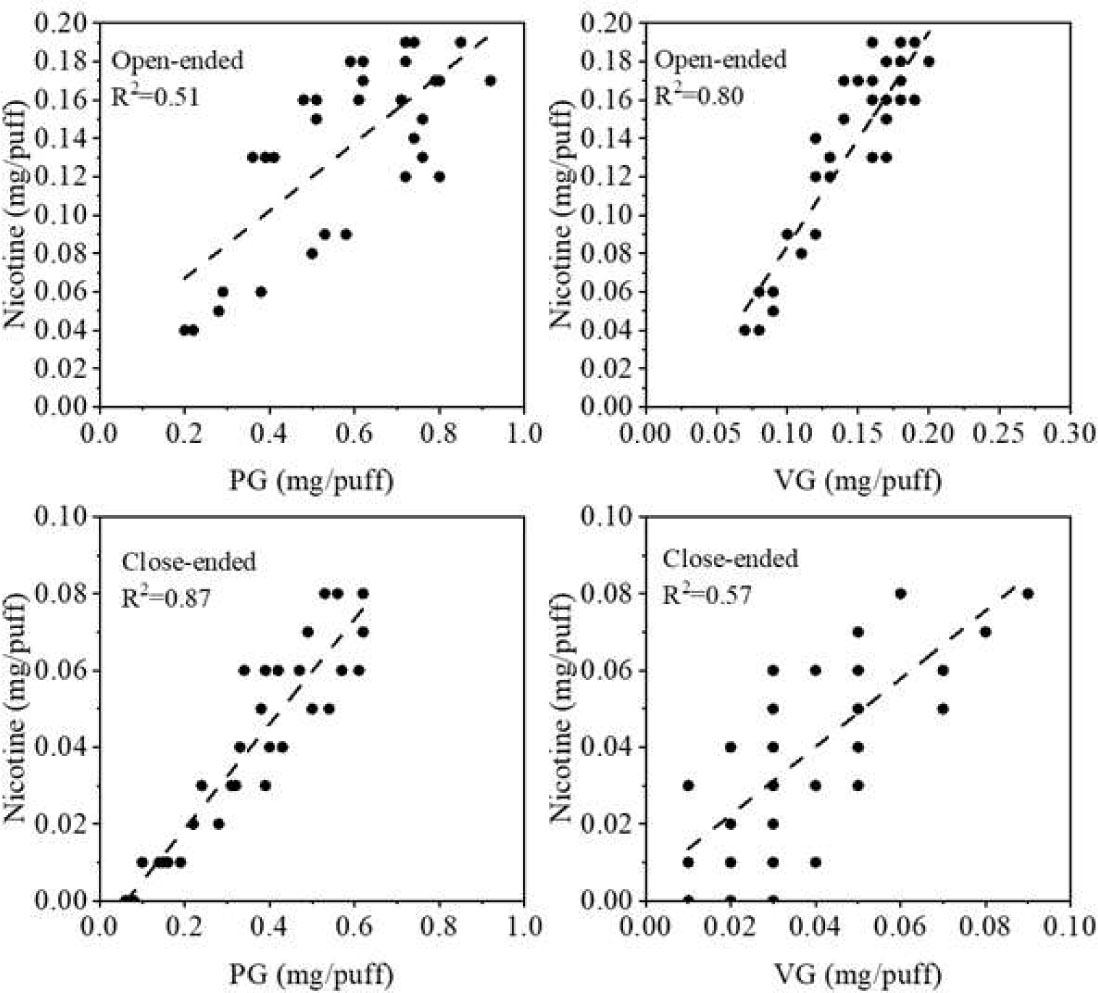
Figure 7.
Regressions between puff-by-puff propylene glycol and nicotine release and between puff-by-puff glycerin and nicotine release for two airflow pathways.
For both pathways, a positive correlation was discovered between the release of aerosol formers and that of nicotine. However, the regression coefficients (R²) between the two aerosol formers and nicotine release were significantly different for the two airflow pathways. For the open-ended airflow pathway, the VG–nicotine regression coefficient was larger (0.80), whereas for the closed-ended airflow pathway, the PG–nicotine regression coefficient was larger (0.87). These results indicated that although key factors affecting aerosol generation, such as the raw materials and heating temperature, were consistent, inter-pathway differences in the mechanisms of transmission of key aerosol components led to variation in the release amounts of the same substances. Future research should investigate the mechanisms of transmission of key components to identify the main factors affecting the transmission of PG, VG, and nicotine in different airflow pathways. Additionally, with the goal of enhancing the nicotine transmission efficiency, the optimal VG/PG ratio for both airflow pathways should be determined to support the design of granule-based HTPs. As it has been proved that VG/PG ratio can change the physical properties of aerosol significantly (4, 29).
3.2. Effects of airflow velocity on aerosol concentration and particle size
Figure 8 presents the average particle size distribution of aerosols from granule-based HTP cigarettes over 1–8 puffs for the two types of airflow pathway. The trends in the aerosol number concentration, count median diameter (CMD), and volume concentration for the two pathways were consistent. When the airflow velocity was reduced, the number concentration and volume concentration decreased, whereas the CMD increased. For the open-ended airflow pathway, cool air entered from the open end, driving the aerosol precursors along the cigarette and out of the granule section. During this process, the air–aerosol precursor mixture gradually cooled within the cigarette, leading to nucleation and coagulation. When the airflow velocity was lower, this mixture spent more time in the hollow section, providing more time for particle coagulation; the longer coagulation period caused small particles to gradually merge into larger ones, reducing the total number of particles (30). At the macroscopic level, this phenomenon manifested as lower number concentration and volume concentration and higher CMD when the airflow velocity was lower. For the closed-ended airflow pathway, at lower airflow velocity, the pressure differential between the perforations and the granule section was smaller, leading to a lower mass of extractable aerosol precursors. This resulted in a lower concentration of smoke per unit volume, thereby causing a markedly lower aerosol number concentration and volume concentration. This conclusion is supported by the total release of ACM and key aerosol components as a function of the airflow velocity. For the open-ended pathway, airflow velocity reduction did not alter the total release of ACM, PG, VG, or nicotine. Thus, the decrease in the number concentration and volume concentration and increase in the CMD were primarily attributable to an extended transmission time, which facilitated coagulation and particle growth. For the closed-ended pathway, the changes in the number concentration, volume concentration, and CMD were more pronounced than for the open-ended pathway. Although longer transmission time contributed to particle coagulation and growth, the reduction in the initial mass of available aerosol precursors was a key factor.
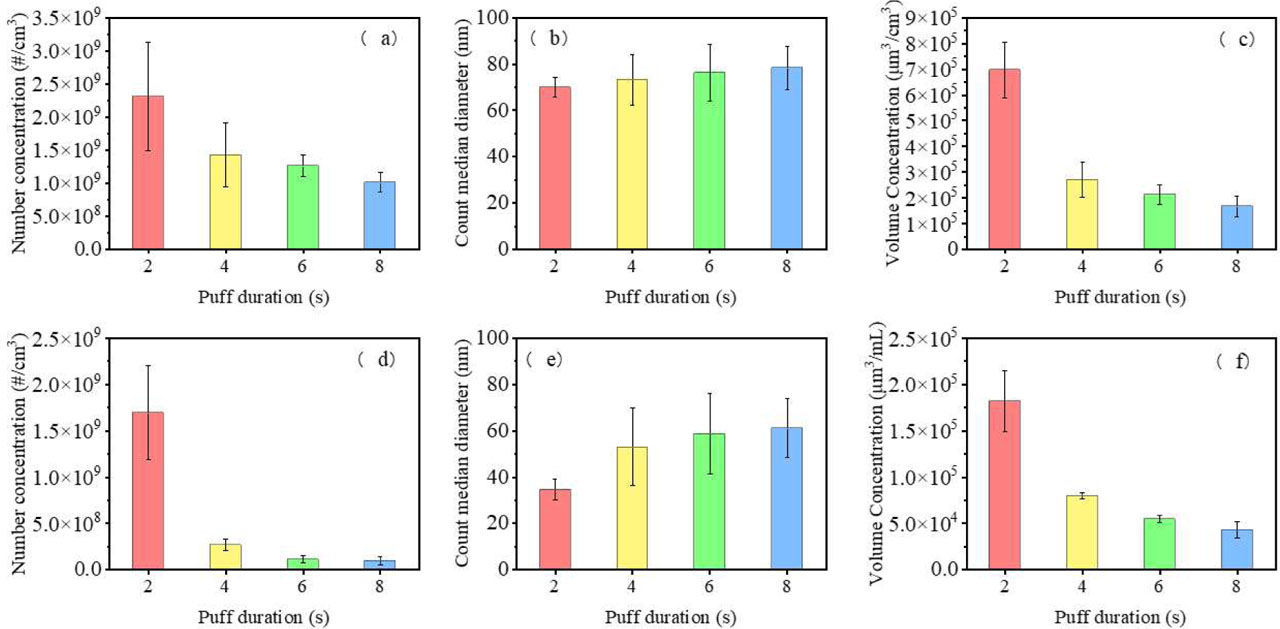
Figure 8.
Aerosol number concentration, count median diameter, and volume concentration versus airflow velocity: (a) – (c) open-ended and (d) – (f) closed-ended configurations.
3.3. Effect of airflow velocity on mass distribution of aerosol components across different cigarette sections
To determine the distribution patterns of key aerosol components across different sections of the cigarette, this study analyzed the post-smoking composition of the cigarette, with the results presented in Figures 9–11. The distribution ratios of VG, PG, and nicotine varied considerably between the two airflow pathways and exhibited different trends in response to an increase in the airflow velocity. For VG and the open-ended pathway, more than 60% of the VG in the tobacco granules was extracted through airflow-driven transport. However, during transmission, approximately 50% of the total VG content was retained in the fixture and cigarette paper. Although the mass fraction of VG in the filter was relatively low, only approximately 10% of the total VG was ultimately successfully transformed into aerosol. The airflow velocity did not significantly affect the distribution pattern of VG across different sections of the cigarette. This indicated that in the open-ended pathway, airflow velocity alone did not affect the mechanisms of release and transmission of key aerosol components. For the closed-ended pathway, 46.1%–55.5% of the VG in the tobacco granules was extracted through pressure differential effects. However, 38.6%–45.8% remained in the fixture and cigarette paper, and only 3.8%–5.1% reached the aerosol phase. Compared with the open-ended pathway, the closed-ended pathway extracted heat-released VG less efficiently in the cigarette structure. Although the proportion of VG retained in the fixture, cigarette paper, and filter was lower than for the open-ended pathway, the overall lower extraction efficiency resulted in a lower VG mass fraction in the aerosol.
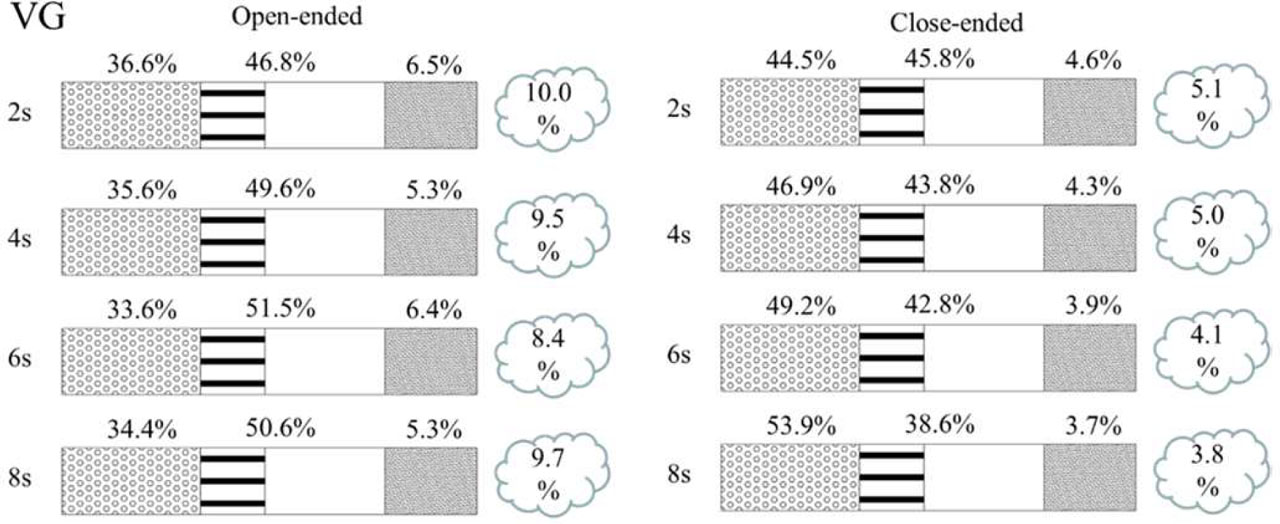
Figure 9.
Glycerin proportions in smoke and different segments of a cigarette under two airflow pathways.
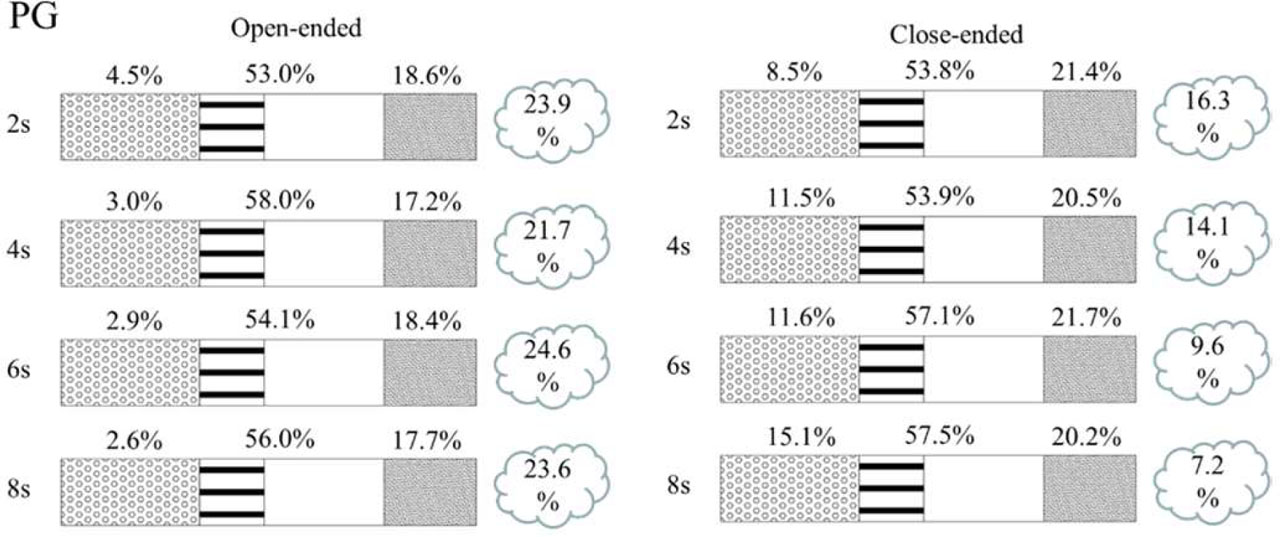
Figure 10.
Propylene glycol proportions in smoke and different segments of a cigarette under two airflow pathways.
Figure 11.
Nicotine proportions in smoke and different segments of a cigarette under two airflow pathways.
When the airflow velocity was reduced, the residual VG content in the tobacco granules increased, which was attributable to decreased airflow velocity at the sidewall perforations, leading to decreased negative pressure and weakened aerosol precursor extraction effects. The mass fraction distribution of PG across different cigarette sections followed the same trend as that for VG, with the open-ended pathway being unaffected by the airflow velocity and the closed-ended pathway resulting in decreasing extraction efficiency while the airflow velocity was reduced. However, the proportional distribution of PG across different sections differed considerably from that of VG. After smoking, the residual PG content of the tobacco granules was markedly lower than that of VG, indicating that both airflow pathways extracted PG more efficiently than they extracted VG. However, approximately 70% of the total PG content was retained in the fixture, cigarette paper, and filter. The nicotine distribution trends with airflow velocity were similar to those for VG and PG in both airflow pathways. The same heating method and temperature were used in both pathways, and during the 30-s puffing period, the total mass of aerosol precursors generated and their gas-solid distribution ratio were thus consistent. However, after smoking, the residual nicotine content in the tobacco granules was substantially different between the two pathways (open-ended pathway: < 5% residual nicotine; closed-ended pathway: 42.0%–57.4% residual nicotine). Despite the higher nicotine extraction efficiency for the open-ended pathway, this pathway also resulted in greater losses during aerosol transmission. The fixture, cigarette paper, and filter retained more than 70% of the total nicotine for the open-ended pathway, whereas for the closed-ended pathway, only 36.4%–45.7% was retained.
4. CONCLUSION
This study systematically investigated the influences of airflow pathway and velocity on aerosol release mechanisms in granule-based HTPs. The results revealed that design of airflow pathway fundamentally governs the characteristics of aerosol release and component distribution. In the open-ended pathway, airflow velocity primarily affected the time for particle coagulation and aerosol transmission rather than ACM or aerosol components, as precursors were fully extracted and condensed due to direct air passage through the granule section. In contrast, the closed-ended pathway exhibited a strong dependence of ACM and key component release (PG, VG, nicotine) on airflow velocity. Lower velocities reduced the pressure differential between sidewall perforations and granule section, thereby decreasing aerosol precursor extraction efficiency. For example, ACM and nicotine release in the closed-ended pathway declined by up to 30% with reduced airflow velocity, whereas open-ended pathway maintained consistent release levels. Furthermore, aerosol particle size distribution differed significantly: the open-ended pathway produced larger particle sizes (increased count median diameter) at lower velocities due to prolonged coagulation in the hollow section, while the closed-ended pathway exhibited reduced aerosol number and volume concentrations at lower velocities due to insufficient precursor extraction.
These findings revealed the critical role of airflow pathway play in optimizing HTPs performance. Notably, the divergent correlations between aerosol former (VG/PG) and nicotine release (open-ended: VG-dominated; closed-ended: PG-dominated) indicate pathway-specific transmission mechanisms, likely influenced by interfacial interactions or component volatility. These insights highlight the need for taking into consideration of airflow pathway in HTPs design to balance extraction efficiency, puff-by-puff consistency, and aerosol yield. Future studies should explore temperature-modulated precursor release kinetics and advanced structural designs (e.g., optimized perforation patterns) to mitigate retention losses. Additionally, recalibrating the VG/PG ratio in formulations may play an important role in enhancing the nicotine delivery efficiency, as cigarette is a high-efficiency nicotine delivery system in nature.
ACKNOWLEDGEMENT
This research was supported by the Key R&D Program of CNTC “Research and Application On Aerosol Regulation of HTPs Based On Airflow Distribution” (110202402030), and the Scientific Research Program of Innovation Platform In State Tobacco Monopoly Administration (202024AWCX05).