

1. Introduction
The current state of infrastructure, particularly in relation to prestressed concrete bridges, reveals significant vulnerabilities. Many bridges, especially older segmental post-tensioned ones, are plagued by conceptual errors that result in insufficient protection of prestressing steel and anchorages, coupled with practically no concrete reinforcement in some cases. Moreover, there has been neglected inspections and maintenance over the years, exacerbating these issues (Hlinka et al., 2024, Berrekheroukh et al., 2025). This combination of factors has led to a growing number of bridge failures worldwide, some with tragic consequences. Among the most concerning cases are segmental bridges, which, due to their design and material vulnerabilities, have shown signs of failure even in relatively recent years. These failures underline the urgent need for a proper assessment of the bridges’ structural integrity and the determination of residual prestressing. It is crucial to take into account the negative factors, such as corrosion and excessive long-term prestress losses, that degrade the condition of these vital transportation links (Agredo Chávez et al., 2024). In recent years, Europe has witnessed several significant bridge collapses, some of which have led to tragic outcomes. These incidents have not only resulted in the loss of lives but also highlighted vulnerabilities in infrastructure. Even in cases where no casualties were reported, the collapse of bridges, often those already closed to traffic, has had a profound impact on local communities. Bridges are integral to everyday life, serving as crucial links for commuters heading to work, school, or other essential destinations. When such infrastructure fails, it forces people to take lengthy detours, causing delays, increased transportation costs, and disruptions to daily routines. Furthermore, the extended time required to rebuild or replace these bridges can strain resources and add to the overall economic burden, affecting both individuals and the broader society (Matos et al., 2023). The ripple effects of these collapses emphasize the need for a more robust and proactive approach to infrastructure maintenance, assessment (Abdel-Jaber & Glisic, 2019, Moravcik et al., 2025), and safety in Europe. Some of the most notable recent bridge failures can be summarized as follows:
Footbridge in Prague, Czechia (2017), Figure 1: A segmental post-tensioned footbridge collapsed while still in service, highlighting the potential risks associated with corrosion and inadequate monitoring and assessment of post-tensioned structures (Kotes et al., 2020).
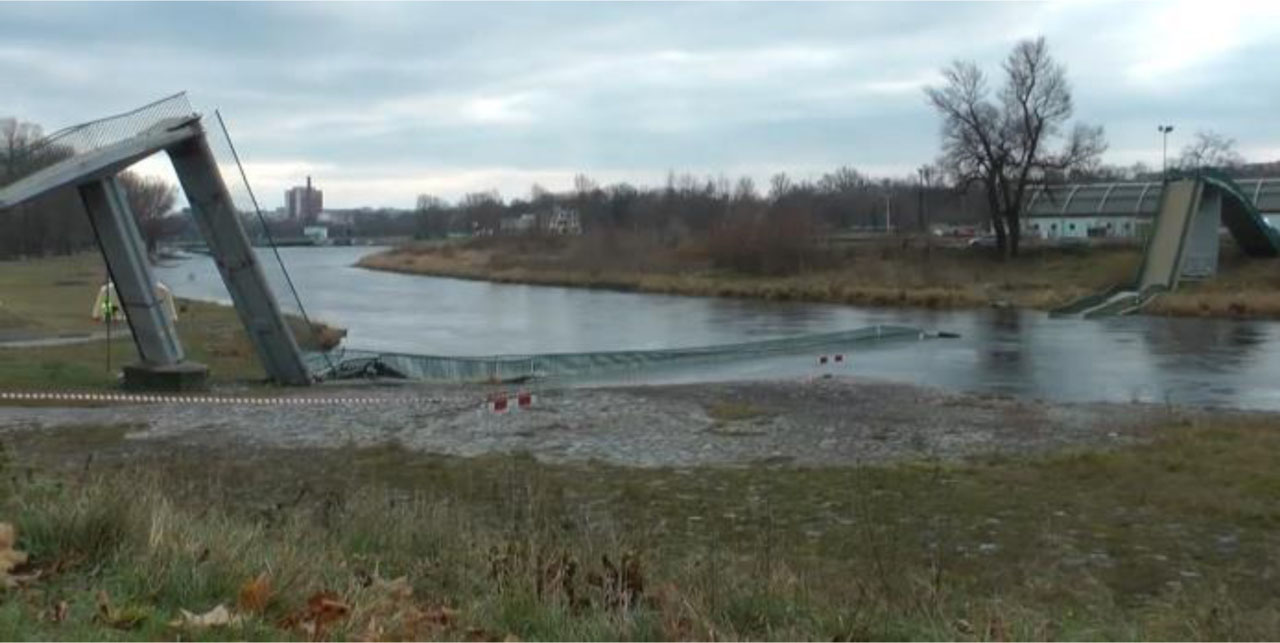
Figure 1:
Collapsed footbridge in Prague, Czechia (2017) (WEBVIZE.cz, 2017)
Ponte Morandi, Genoa, Italy (August 2018): The collapse of the Ponte Morandi bridge resulted in 43 fatalities. Investigations revealed that the disaster was primarily due to the corrosion of the tendons, a degradation process that began shortly after its completion in 1967 and continued unchecked. The bridge’s operator failed to perform thorough inspections and maintenance, despite recommendations from the bridge’s designer. The failure was ultimately attributed to a combination of corrosion, poor maintenance, and design flaws, with the bridge incorporating prestressed concrete elements (Clemente, 2020).
Bridge in Trstena, Slovakia (2020), Figure 2: A segmental post-tensioned bridge in Slovakia collapsed in 2020. The bridge had been closed to traffic after an inspection revealed a joint opening, indicating structural issues. The failure occurred in part due to low levels of prestressing and joint deterioration that eventually caused the spontaneous collapse (Bujnakova, Moravcik & Kralovanec, 2022).
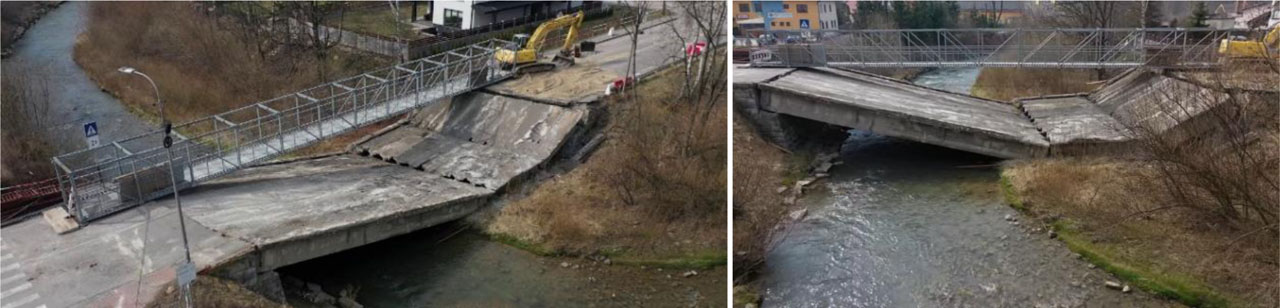
Figure 2:
Collapsed bridge in Trstena, Slovakia (2020) (Pallo, 2020)
Footbridge in Spisska Nova Ves, Slovakia (2020): Another segmental post-tensioned footbridge in Slovakia collapsed while still in service, highlighting continuing concerns about the structural stability of such bridges.
Bridge in Velka Lodina, Slovakia (2020): Similar to other cases, a segmental post-tensioned bridge in Slovakia collapsed in 2020, raising further alarm about the long-term durability of these structures. At the time of the collapse, the bridge had already been closed to traffic.
Bridge Carolabrücke, Germany (2024), Figure 3: The collapse of the Carola Bridge into the Elbe River in 2024 raised serious concerns about the state of prestressed concrete bridges. While no injuries occurred, this incident emphasized the potential vulnerabilities of older prestressed concrete bridges, particularly in harsh environments like those prone to high road salt usage or coastal exposure (Technische Universität Dresden, 2024).
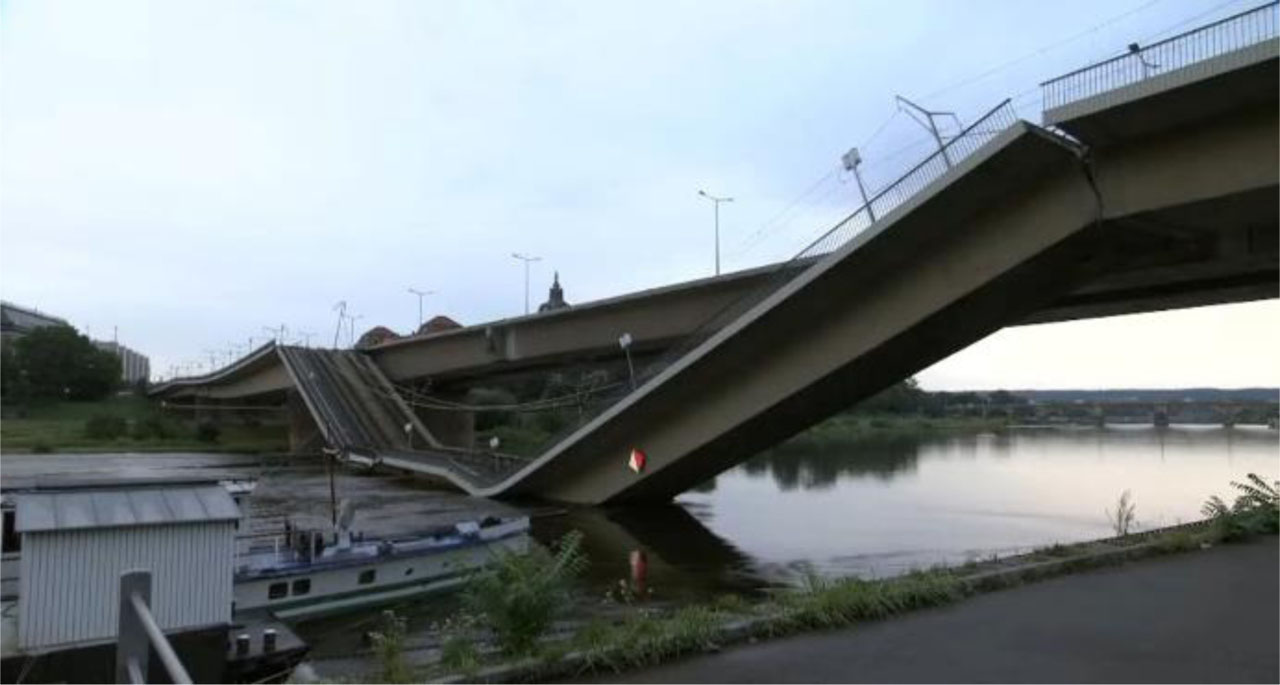
Figure 3:
Collapsed bridge in Dresden, Germany (2024) (Iamcivilengineer, 2024)
These events collectively underscore the critical need for improved inspection, maintenance, and assessment protocols for infrastructure to prevent further tragedies (Debbal et al., 2025, Elbaroty et al., 2025). The failure of segmental post-tensioned bridges serves as a severe reminder that, without proper oversight and timely intervention, even well-designed structures can be subjected to corrosion, excessive stresses or overloading, and design oversights. The presented paper aims to provide an in-depth overview of the current state of road bridges in three countries: Italy, Portugal, and Slovakia. It highlights the key differences in the condition of these bridges, as well as the various methods and approaches employed for their assessment and evaluation. By comparing these countries' strategies and bridge conditions, the paper seeks to offer valuable insights into how infrastructure management is handled across different regions of Europe (Southern, Western, and Central), while emphasizing the importance of rigorous approaches to ensure the safety and durability of road bridges.
2. Current Condition of Road Bridges in Italy
Italy’s complex road network is shaped by its mountainous terrain and waterways, requiring numerous bridges and tunnels, many built between 1955 and 1975. About 80% of these bridges are now over 50 years old, yet no national register tracks their history, maintenance, or condition. After the 2018 Morandi Bridge collapse, efforts to create a comprehensive bridge census grew, but progress is hindered by fragmented infrastructure management.
The management of Italy's infrastructure assets is spread across numerous agencies. In the rail sector, 23 agencies oversee operations, with RFI (Rete Ferroviaria Italiana) the dominant player, managing around 83% of the network. For the road sector instead, the road network totals approximately 839,629 km and is divided into motorways (A), state roads (SS), regional roads (SR), provincial roads (SP) and local roads (SC). The main organisations involved in road management are ANAS (Azienda Nazionale Autonoma delle Strade Statali) and the association of private motorway concessionaries companies AISCAT (Associazione Italiana Società Concessionarie Autostrade e Trafori). ANAS is responsible for a network of more than 30,000 km, including more than 25,000 km of state roads and about 1,300 km of motorways. ANAS also manages around 13,000 bridges on its network (Strade ANAS). Meanwhile, companies affiliated to AISCAT manage about 8,000 km of motorways, although the exact number of bridges within this segment is uncertain. However, one of the most important companies for Italian motorways, Autostrade per l’Italia, declares that it manages a remarkable 1,200 km of bridges (Autostrade per l’Italia). This is considerably more than in Germany (260 km) or Spain (229 km). Italy's asset density in terms of bridge length on motorways is four times the EU average. In addition to ANAS and AISCAT, other entities manage local road networks, including 107 provincial authorities and almost 8,000 municipalities. Overall, the management of Italy's bridges, estimated at more than 120,000 in total (including smaller spans under 6 meters), involves numerous companies. An alarming problem is that around 1,400 bridges have no identified owner, leaving them unmonitored and unmaintained due to bureaucratic delays in transferring responsibility between managing authorities (ANSFISA).
A comprehensive database of Italy's bridge stock is not yet available; however, recent studies, supported by management entities such as ANAS, have enabled the collection of valuable data to characterize the bridges and viaducts across the country. A study by B. Borzi et al., 2015 facilitated the inclusion of approximately 17,000 bridges in the database. Of these, detailed information (encompassing both their location and geometric and structural characteristics) was available for only 485. On the stock of 485 bridges, statistical analyses were carried out in order to define the most recurring characteristics in terms of structural features in Italy. It emerged that the most common type of structure are multi-span bridges, with a number of spans of less than 5, simply supported on thin elastomeric pads, having single-stem piers between 10 m and 20 m high with box-type section (Figure 4).
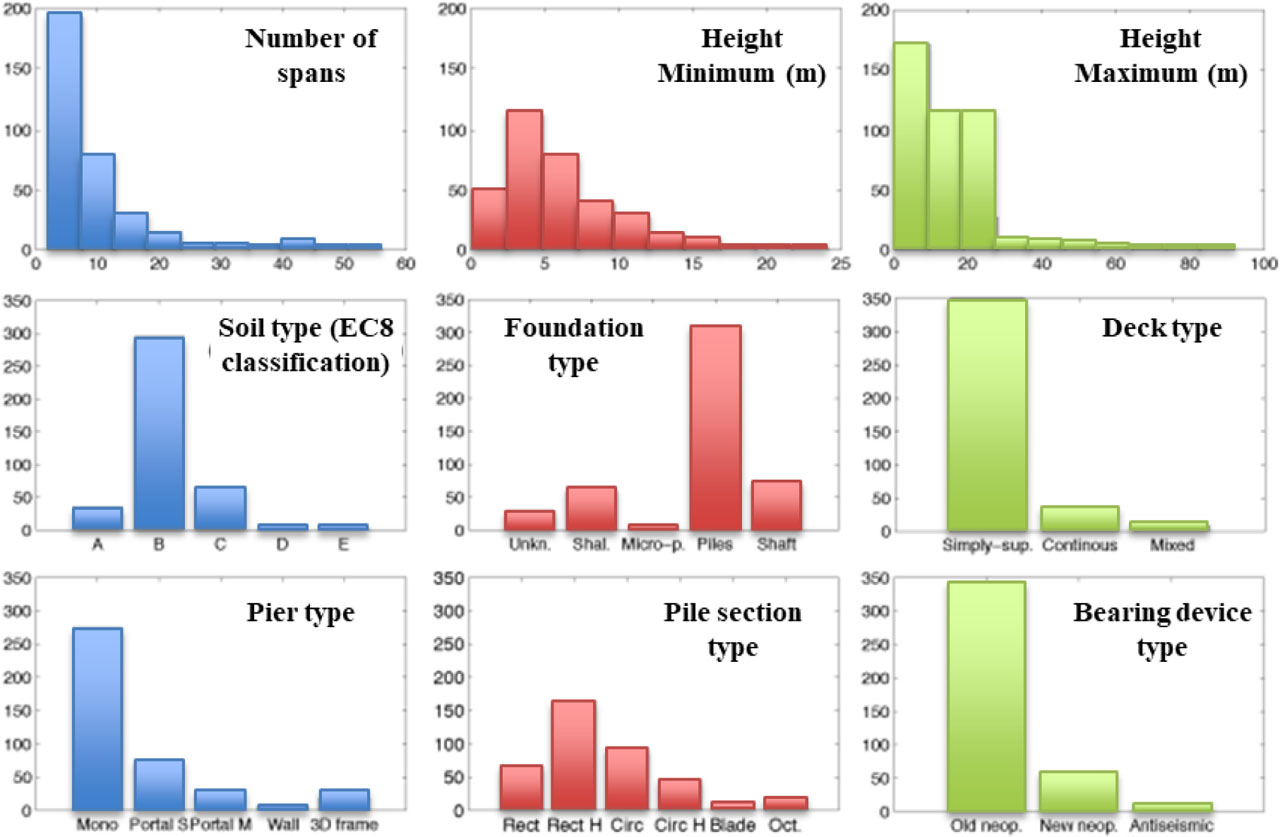
Figure 4:
Results of the study of Borzi et al., 2015: distribution of features of the 485 bridges
After the Morandi Bridge collapse, Italy’s Ministry of Infrastructure issued guidelines for risk classification, safety assessment, and monitoring of bridges. To prioritize management, a nationwide bridge census was needed to enrich existing data. 447 bridges were selected for statistical analysis using key risk-related parameters (Salvatore et al., 2024). The results revealed that approximately 23% of Italian bridges are multi-span and simply supported, with less than 5 spans and a maximum span length ranging between 25 and 50 meters. The majority of these bridges (250) are made of prestressed concrete (PC), while the remainder consist of reinforced concrete (RC), masonry, or composite materials (Steel-RC) (Figure 5).
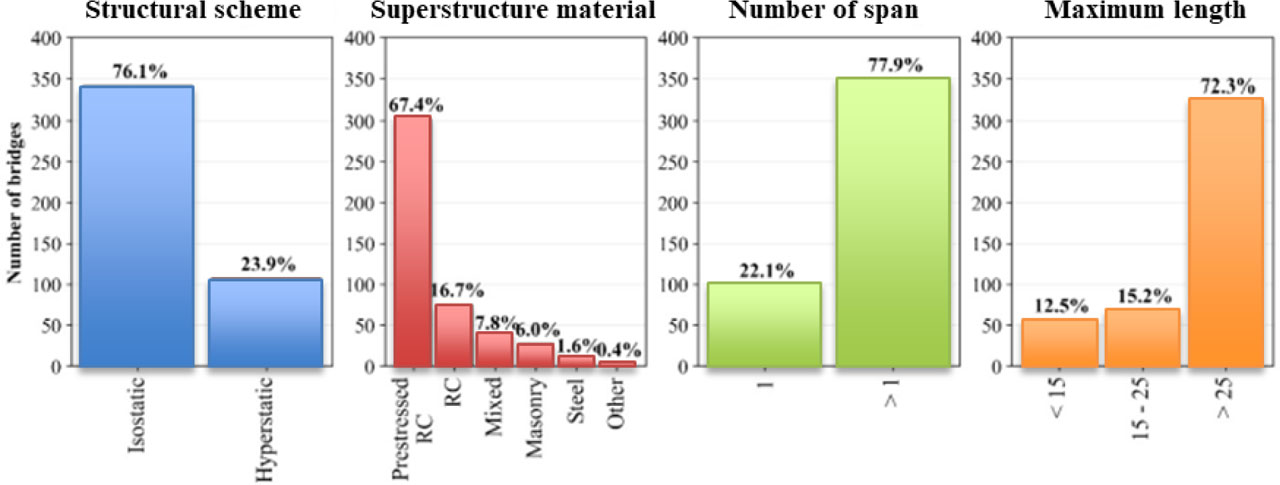
Figure 5:
Results of the Italian national census on 447 bridges
The process of census and site inspection has provided a picture of the state of preservation of bridges across Italy. The defectiveness of each bridge is classified into five categories—HIGH, MEDIUM-HIGH, MEDIUM, MEDIUM-LOW, and LOW—based on criteria outlined in the official guidelines. The overall defectiveness of a bridge is determined by evaluating the condition of its individual structural elements; the level depends on the type, extent and intensity of the damages. From a structural perspective, two distinct risk categories are identified: structural-foundational and seismic. The structural-foundation risk is influenced by the vulnerability associated with the structural behaviour of the bridge, in particular the condition of the superstructure. Seismic risk, on the other hand, relates to vulnerability due to seismic factors, focusing on the condition of the piers and supports. Analysing the bridge stock, it can be observed that the 34.0% have HIGH or MEDIUM-HIGH defectiveness level concerning structural-foundational risk, while approximately 29.0% display this level of defectiveness in relation to seismic risk. By combining vulnerability, hazard and exposure, structural and seismic attention classes can be determined. The analysis shows that more than 30% of the bridges fall into the HIGH level for both structural and seismic warning classes, while more than 45% are classified as MEDIUM-HIGH for the same warning categories (Figure 6). When hydraulic and landslide risks are also taken into account, an overall attention class is derived. The re-processed data shows that 36% of the bridges are in the HIGH Attention Class, which means that approximately one in three bridges require more detailed evaluation through safety assessments.
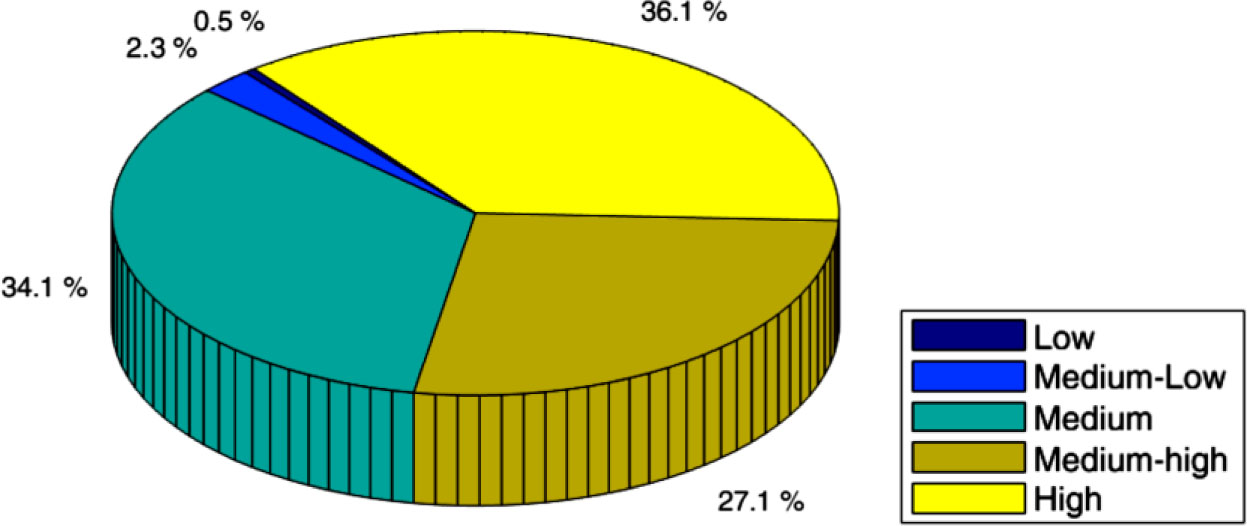
Figure 6:
Results of the Italian national census on 447 bridges: final class of attention
3. Current Condition of Road Bridges in Portugal
In Portugal, roads are divided into National and Municipality Road Network (Direção-Geral do Território). Besides this, Portugal is crossed by 8 European routes (signalized by E) (AARoads Wiki, AARoads Wiki, Bing Maps). The National Road Network (see Figure 7) with an extension of 14,339 km in (Instituto Nacional de Estatística, I.P., 2024; PORDATA) is classified into (i) Primary Road network, where the Main routs (signalized by IP) – 9 – are included, (ii) Complementary Road network, which is subdivided into Complementary routes (signalized by IC) – 37 – and National routes (signalized by EN) – 200, (iii) Regional roads (signalized by ER) – 188, and (iv) Highways (or motorways) – 44, that constitutes the National Highway Network, and that overlaps part of the IP and IC network, being signalized by the corresponding IP or IC number as well as the prefix A (Instituto Nacional de Estatística, I.P., 2015; Governo de Portugal, 1998; Infraestruturas de Portugal, 2021; Direção-Geral do Território). The Municipality Road Network is constituted by (i) old National roads that were declassified (signalized by EM), both in a total of 3,143, (ii) municipality roads per district, (iii) municipality paths per district (signalized by CM) – 8,043, and (iv) urban roads per municipality (Direção-Geral do Território). The total extension of the road network across the 308 municipalities is unavailable. Some municipalities provide this information, such as Odemira with 314 km of municipality roads (Câmara Municipal de Odemira) and Torres Vedras with 1,200 km (Câmara Municipal de Torres Vedras). Figure 7 shows the National Road network along with indicators of its total extension in 2023. Table 1 summarizes the number and total length of roads according to the organization previously described.
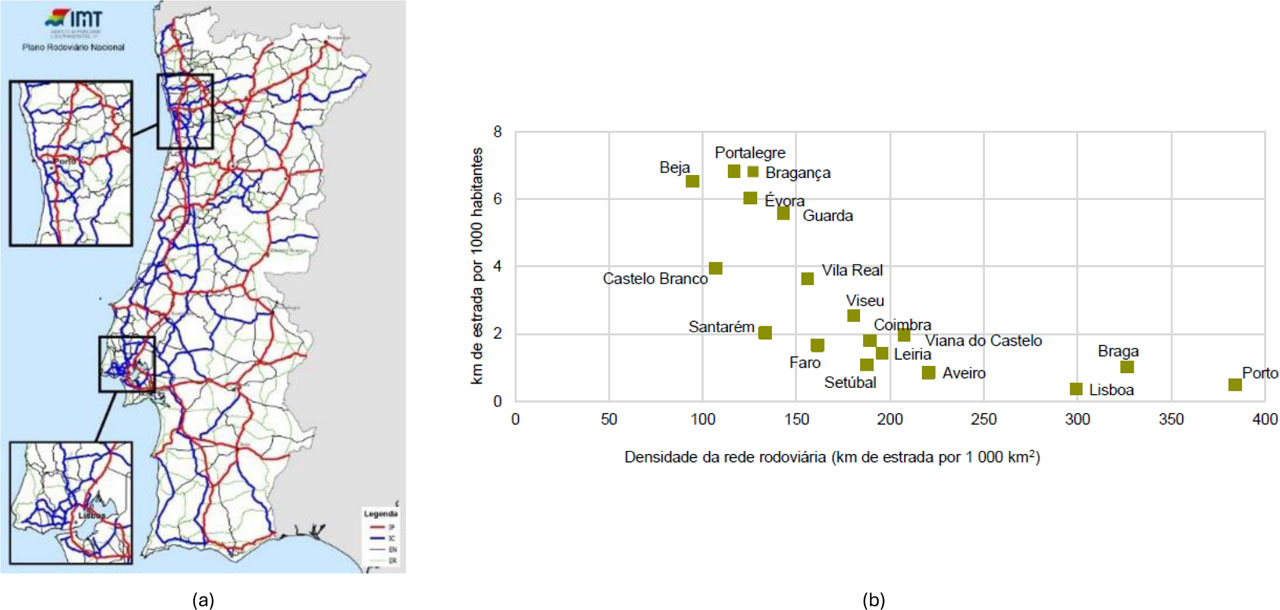
Figure 7:
a.) National Road network (Instituto da Mobilidade e dos Transportes, I.P.); b.) Indicators of the National Road network extension in 2023 (Instituto Nacional de Estatística, I.P., 2024)
Regarding bridges, tunnels and viaducts, among other types of transportation infrastructures, no unified database exists that includes all such assets in the country. Infraestruturas de Portugal (IP), the public company responsible for the national road and rail infrastructure (Infraestruturas de Portugal) has its own database of assets under its jurisdiction comprising a total of 5,800 transportation infrastructures. Some municipalities, such as Cascais or Viana do Castelo, have their own database with the assets under their jurisdiction, however, access to this information requires permission. An open platform of Portuguese public data also exists (Governo de Portugal), where is possible to access limited information about assets in certain cities. Moreover, a database on historical constructions exists (Direção-Geral do Património Cultural), which provides information of the bridges under protection. It is not possible to access data on the number and typologies of transportation infrastructures across the National and Municipality Road Networks, including their geomorphological context (if in mountains, flats, valleys, coast, as well as the weather conditions, among other aspects) and possible aggressiveness of the environment. Authorization from IP and each municipality is required, and even with access, the databases may not include all existing assets.
Table 1:
Number and extension of the national and municipality road networks (PORDATA, PORDATA, (Instituto da Mobilidade e dos Transportes, I.P.)
| Typology of roads | Number of roads (quantity) | Extension in 2023 (km) | |||
|---|---|---|---|---|---|
| 1 | National Road Network | 478 | 14,339 | ||
| i | Primary Road network | 9 | 2,350 | ||
| a | Main routes (IP) | 9 | 2,350 | ||
| ii | Complementary Road network | 237 | 7,198 | ||
| a | Complementary roads (IC) | 37 | 1,893 | ||
| b | National roads (EN) | 200 | 5,305 | ||
| iii | Regional roads (ER) | 188 | 4,791 | ||
| iv | Highways (A) | 44 | 3,113 | ||
| 2 | Municipality Road Network | Unknow | Unknow | ||
| i | Declassified roads (EM) | 3,143 | Unknow | ||
| ii | Municipality roads per district | Unknow | Unknow | ||
| iii | Municipality paths per district (CM) | 8,043 | Unknow | ||
| iv | Urban roads per municipality | Unknow | Unknow |
In Portugal, the inspection and management of transport infrastructures follow the framework of IP, although other asset management systems also exist. Municipalities apply their own methodology to the assets under their jurisdiction. However, the methodology and databases are not accessible. The condition of the assets corresponds to the worst-rated structural component. Each structural component is evaluated on a scale from 0 (excellent) to 5 (poor), with additional levels for not inspected (NI) or partially inspected (IC) components. This is obtained by the sum of five parameters (scored 0–1), functionality, damage severity, extent, predicted evolution, and potential consequences for other components. Causes and consequences, as well as actions are determined, including complementary inspections or monitoring, operational restrictions, or maintenance and intervention measures. Unmanned aircraft systems (UAS), specific tests, or monitoring actions can complement the inspections. (Matos et al., 2023) The integration of a risk-based and load-carrying capacity approach as well as predictive models on the existing digital database, which store the inspection and maintenance data, would be an improvement for the decision-making process.
Based on inspection campaigns carried out in 2020, IP reported that around 90% of the road and railway assets under its jurisdiction were in a reasonable to good state of conservation, with short-term repair plans in place for those identified as requiring intervention (Público, 2021). Information on transportation infrastructures condition, as well as repair or monitoring actions is not publicly available.
4. Current Condition of Road Bridges in Slovakia
Slovak road bridges are predominantly constructed from concrete, with plain, reinforced, and prestressed concrete (PC) structures comprising approximately 90% of the total bridge inventory, equivalent to 7,497 bridges, see Figure 8. Of these, roughly 25% are prestressed concrete bridges, with 4.8% being monolithic and 20.6% precast. Main roads feature 337 monolithic prestressed bridges, accounting for 86% of all monolithic PC bridges, and 729 precast prestressed bridges, which represent 43% of all precast PC bridges. In contrast, Secondary roads typically host 57 monolithic and 980 precast prestressed bridges, reflecting the prevalence of shorter or medium-span structures on these routes (Slovak Road Administration, 2025).
A similar distribution is observed in the Žilina Self-Governing Region, where approximately 27% of road bridges are prestressed (7.3% monolithic and 19.5% precast). The region's main roads include 86 monolithic prestressed bridges, constituting 86% of all monolithic PC bridges, and 125 precast prestressed bridges, which make up 47% of all precast PC bridges. Secondary roads in Žilina Self-Governing Region feature 14 monolithic and 141 precast prestressed concrete bridges, further aligning with the national trend.

Figure 8:
Classification of Slovak Road Bridges by Construction Material (Slovak Road Administration, 2025)
In Slovakia, as shown in Figure 9, the road network is divided into two primary categories: Main roads and Secondary roads. Main roads include Highways (D – Diaľnice), Motorways (R – Rýchlostné cesty), and Road Class I (Cesty I. triedy). Secondary roads consist of Road Class II (Cesty II. triedy) and Road Class III (Cesty III. triedy). The administration of these roads is distributed as follows: Highways and Motorways are managed by the National Highway Company (Národná diaľničná spoločnosť), Road Class I. by the Slovak Road Administration (Slovenská správa ciest), and Road Classes II. and III. by the eight self-governing regions (Samosprávne kraje). The total length of the Slovak road network exceeds 18,000 km, with the Main Road network (including Highways, Motorways, and Road Class I.) covering 4,199 km, of which approximately 20% are Highways and Motorways. In contrast, Secondary roads (comprising Road Classes II. and III.) span 13,959 km. Consequently, the road network density is 0.37 km per 1000 km2 or 3.3 km per 1000 inhabitants.
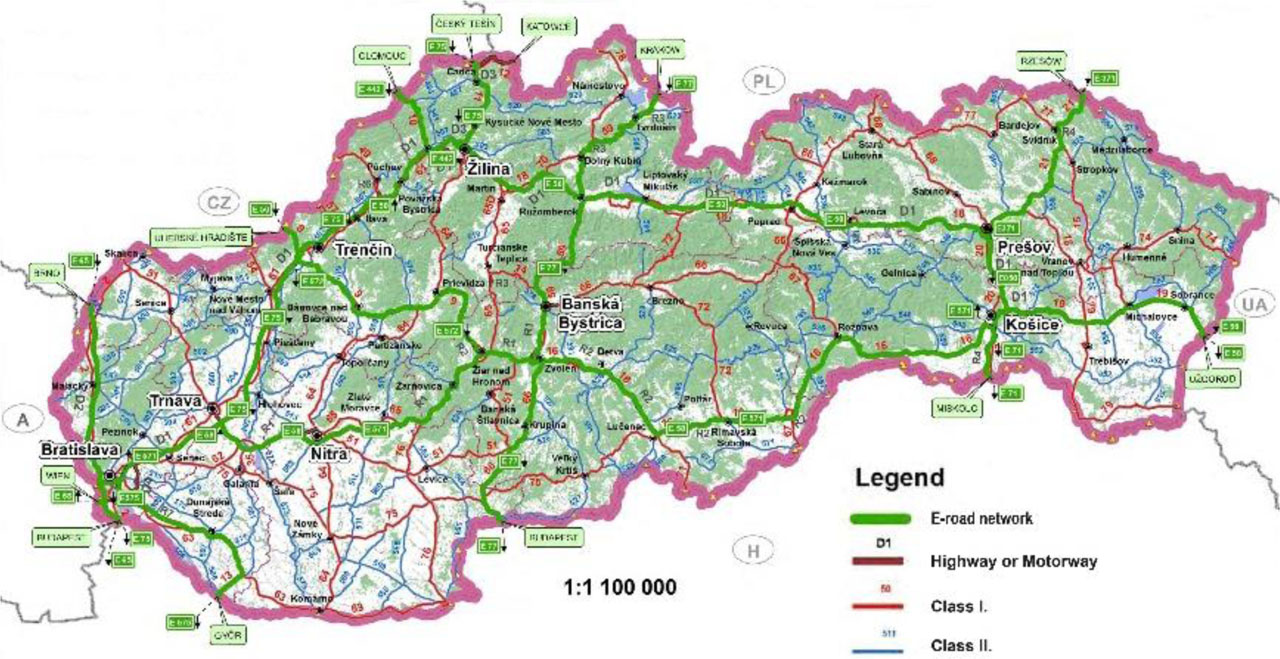
Figure 9:
E-Road network in the territory of Slovak Republic (Slovak Road Administration, 2025)
Slovak road bridges are categorized into seven condition classes (Figure 10), ranging from I (Flawless) to VII (Emergency). This classification system is designed to support bridge management by providing a standardized approach for recording, monitoring, and planning maintenance, repairs, and reconstruction activities (Ministry of Transport, Construction and Regional Development of the Slovak Republic, 2013). Bridges classified as Class I to III exhibit no significant risk in the near future, indicating that their condition is considered satisfactory. Class IV represents a middle category on the Slovak condition rating scale, signalling potential risks due to the bridge's condition, though it remains operational. Bridges in Classes V to VII are deemed to require repairs, with Class VII specifically indicating a need for immediate action, such as the closure of the bridge to traffic. In Slovakia, the most important factor influencing the reliability of the existing bridges is Load-carrying capacity (LCC) determination. In 2024, a new methodology has been issued (Slovak Road Administration, 2024).

Figure 10:
Summarization of Slovak condition rating system for road bridges (Ministry of Transport, Construction and Regional Development of the Slovak Republic, 2013)
The condition of Slovak road bridges has deteriorated over time. In 2024, 36% of road bridges were classified as Classes V to VII. In comparison, only 10.5% of bridges were categorized as Class V or worse in 2015, and just 8.3% in 2000. This negative trend, which has become more pronounced since around 2015, is illustrated in Figure 11.
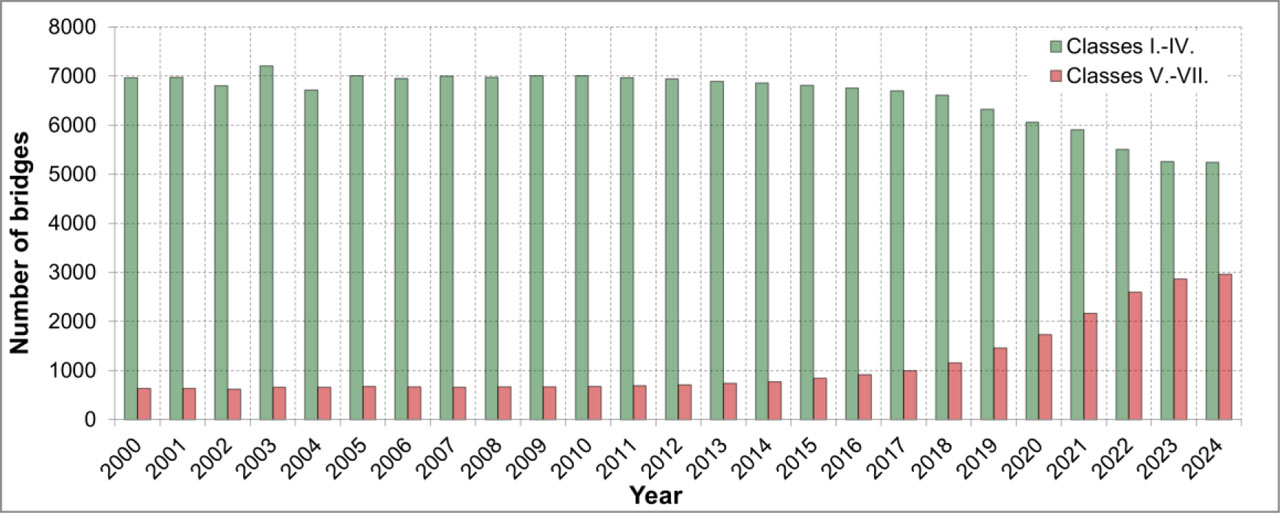
Figure 11:
State of Slovak road bridges (2000–2024) (Slovak Road Administration, 2025)
The condition of road bridges in the Žilina Self-Governing Region can be summarized as follows, categorized by the type of roads (Slovak Road Administration, 2025):
Primary Roads
Of the 556 bridges on primary roads, approximately 28% were classified as Classes V to VII, indicating a concerning state. Specifically, 17.6% of bridges were in Class V, 9.4% in Class VI, and 1.1% in Class VII. These classifications suggest that a significant portion of bridges on primary roads are in poor condition and require attention. Additionally, 30.6% of primary road bridges were classified as Satisfactory (Class IV), with one bridge's classification unknown.
Secondary Roads
Of the 798 bridges on secondary roads (Road Classes II and III), approximately 20% were in Classes V to VII. Specifically, 12.9% were in Class V, 6.5% in Class VI, and 0.1% in Class VII. These bridges also exhibit a notable proportion in poor condition, requiring repairs or maintenance. However, a larger portion (37%) of the secondary road bridges were considered Satisfactory (Class IV).
In summary, while a higher percentage of primary road bridges (28%) are classified as Classes V to VII, a considerable portion (30.6%) remains in satisfactory condition. On secondary roads, the proportion of bridges in poor condition (20%) is lower, but the total number of bridges in need of attention remains significant. Both primary and secondary roads in Žilina Self-Governing Region demonstrate a pressing need for bridge maintenance, repairs, and upgrades to ensure their safety and functionality.
5. The Cost Action TU1406
With the aim of harmonizing the assessment and management of roadway bridges across Europe, a framework to integrate performance indicators (PIs), performance goals, and quality control procedures was developed under the COST Action TU1406 – Quality specifications for roadway bridges, standardization at a European level (BridgeSpec) (Action 354 - COST), which ran from 2015 to 2019.
Three levels of performance were defined, component, system and network level (Matos, Casas, & Fernandes, 2016; Stipanovic et al., 2017; Pakrashi et al., 2019; Strauss, Ivanković, Matos, & Casas, 2016). At component level, damage assessment (Stipanovic et al., 2017; Strauss, Ivanković, Matos, & Casas, 2016) and socio-economic aspects (Strauss, Ivanković, Matos, & Casas, 2016) were the criteria. At system level, the technical aspects concerning structural safety and serviceability, sustainability aspects linked to durability and socio-economic aspects associated with traffic safety (Stipanovic et al., 2017; Strauss, Ivanković, Matos, & Casas, 2016). At network level, the importance of the asset within the entire network (Stipanovic et al., 2017; Strauss, Ivanković, Matos, & Casas, 2016) was the criteria. The transition from component to system level, as well as from the system to the network level is obtained by the attribution of weights to PIs considering their importance for the next level (Strauss, Ivanković, Matos, & Casas, 2016). PIs were clustered into five groups, reliability, availability, safety, economy and environment. Reliability, combining safety, reliability and security; availability, combining availability and maintainability; safety, combining health and politics considerations; economy addressing the reduction of long-term costs and maintenance needs; and environment, related to the mitigation of potential environment impacts, such as noise and air, soil and water pollution (Matos, Casas, & Fernandes, 2016; Pakrashi et al., 2019; Morais, Sousa, & Matos, 2021).
The evolution of the Key Performance Indicators (KPIs) over the time is obtained using a Bayesian net, formed by three types of nodes, (i) those representing the deterministic parameters (e.g. type of structure, construction year, a part of the structure); (ii) those representing the stochastic variables (e.g. traffic load, resistance, load effect) and (iii) those representing the performance value (e.g. reliability rating) (Rohim, Berawi, & Delgado, 2010; Morais, Sousa, & Matos, 2021). The heterogeneity of inspection and management systems across Europe, and even within some countries, together with the complexity of the method in terms of weighting and clustering, can be mentioned as aspects that may make this framework more complex to implement.
6. Discussion
The summarization and comparison of the state of bridges in the individual countries is presented in Table 2. Italy, Portugal, and Slovakia show distinct challenges in bridge management and condition. Italy has an ageing bridge stock, with over 80% built before 1975 and an estimated 120,000+ structures, yet lacks a complete national register; about 36% are in the high attention class, requiring detailed evaluation, and fragmented management leaves 1,400 bridges without an identified owner. Portugal’s national and municipal networks are extensive but undocumented in terms of total bridge numbers; the national operator, Infraestruturas de Portugal, manages ~5,800 assets, reporting 90% in reasonable to good condition, but data is scattered across multiple inaccessible databases. Slovakia has a high proportion of concrete bridges, with prestressed concrete making up roughly a quarter, but deterioration has accelerated since 2015, with 36% in poor condition (Classes V–VII) in 2024, up from 8.3% in 2000. While Italy’s main issue is asset age and fragmented oversight, Portugal’s is the absence of unified, transparent data, and Slovakia’s is a sharp decline in structural condition. The COST Action TU1406 framework could address all three cases by harmonizing assessment, integrating performance indicators, and enabling consistent management at component, system, and network levels across Europe.
Table 2:
Comparison of the State of Bridge Infrastructure in Individual Countries
| Aspect | Italy | Portugal | Slovakia |
|---|---|---|---|
| Estimated number of bridges | ~120,000+ (incl. small spans <6m) | IP manages ~5,800 assets | ~8,200+ road bridges (7,497 are concrete) |
| Main managing authorities | ANAS (~13,000 bridges), AISCAT companies (e.g. Autostrade per l’Italia: ~1,200 km of bridges), municipalities, provinces; 1,400 bridges have no owner | Infraestruturas de Portugal (IP) for national network; municipalities for local roads | National Highway Company (highways/motorways), Slovak Road Administration (Class I), self-governing regions (Classes II and III) |
| Database status | No complete national register; partial datasets (e.g. 17,000 bridges in studies, 485 with full data) | No unified national database; multiple separate databases (IP, some municipalities, heritage registry) | Full classification system in use; bridges tracked by condition classes I–VII |
| Condition assessment method | Ministry guidelines for risk classification; defectiveness levels (HIGH → LOW); considers structural-foundational and seismic risk; also hydraulic/landslide | IP method: condition = worst-rated component; scored 0–5; includes damage extent, severity, evolution, consequences; uses UAVs/tests | Condition classes I–VII; based on structural reliability and load-carrying capacity (new 2024 methodology) |
| Latest condition data | 34% HIGH or MEDIUM-HIGH (structural-foundational); 29% HIGH or MEDIUM-HIGH (seismic); 36% in HIGH attention class | 2020: ~90% of IP assets in reasonable to good state; details not public | 2024: 36% Class V–VII (poor); up from 8.3% in 2000 |
| Key concerns | Ageing stock; fragmented management; 1,400 ownerless bridges | Lack of unified database; limited public access to condition data | Rapid deterioration since 2015; significant proportion in poor condition |
| COST Action TU1406 relevance | Would help standardize risk/performance assessment across fragmented systems | Could unify scattered municipal and national inspection systems | Could integrate LCC and condition classes into harmonized EU framework |
7. Conclusions
As can be seen from the information presented, countries across Europe face a variety of challenges related to bridges and transport infrastructure. While the nature and severity of these challenges differ from one nation to another, certain issues are common across borders. In particular, ageing infrastructure places increasing demands on administrators, who must balance safety, functionality, and budget constraints. For effective decision-making, reliable, up-to-date, and comprehensive data on the state of transport infrastructure is essential, enabling stakeholders to prioritize interventions and allocate resources efficiently. Furthermore, the adoption of a common European approach to bridge and infrastructure management would not only improve the overall efficiency of maintenance and investment strategies but also reduce existing disparities and inconsistencies in assessment, monitoring, and evaluation practices. Such harmonization, as envisioned in initiatives like COST Action TU1406, could provide a unified framework for ensuring the long-term safety, resilience, and sustainability of Europe’s transport network.
Acknowledgements
This work was supported by the Scientific Grant Agency (VEGA) under Grants No. 1/0118/25 and 1/0321/24, as well as by the Slovak Research and Development Agency under Grant No. APVV-23-0626.
This work was partly financed by FCT / MCTES through national funds (PIDDAC) under the R&D Unit Institute for Sustainability and Innovation in Structural Engineering (ISISE), under reference UIDB / 04029/2020 (doi.org/10.54499/UIDB/04029/2020), and under the Associate Laboratory Advanced Production and Intelligent Systems ARISE under reference LA/P/0112/2020. Maria José Morais acknowledges the support by the PhD grant PRT/BD/153494/2021, financed by the Portuguese Foundation for Science and Technology (FCT) under MIT Portugal Program.
Notes
[1] Contributed by Author Contributions
J.C.M., H.S.S., F.G., and M.M. contributed to supervision and conceptualization. V.N., J.K., and M.J.M. conducted the literature review and co-wrote both the original and revised versions of the manuscript. All authors critically reviewed and approved the final version of the manuscript and agreed to be accountable for all aspects of the work.