
1. Introduction
Reverse logistics (RL) refers to the movement of products from end users back to the manufacturer or other supply chain nodes for purposes such as reuse, recycling, or proper disposal (Rogers and Tibben-Lembke, 1999, 1998). Originally associated with post-consumer returns and waste handling, RL has evolved into a life-cycle-oriented concept encompassing collection, inspection, reprocessing, redistribution, and reintegration activities (Guide and Van Wassenhove, 2009). This broader perspective positions RL as a key operational mechanism for advancing circular economy (CE) goals by enabling closed-loop systems and resource recovery across the value chain (Bressanelli et al., 2021; Julianelli et al., 2020). The CE itself is defined as “an economic system that replaces the ‘end-of-life’ concept with reducing, alternatively reusing, recycling, and recovering materials in production/distribution and consumption processes” (Kirchherr et al., 2017, p. 229), aiming to minimize resource inputs, waste generation, and environmental impacts. Within this context, RL plays a strategic role in implementing CE principles by providing the processes needed to recover and circulate materials across the value chain (Julianelli et al., 2020).
To operationalize CE principles, several frameworks have emerged to structure circular practices, among which the R-strategies model is particularly influential. This model presents a hierarchy of actions—from Refuse (R0) to Recover (R9)—that guide decision-making on resource use (Morseletto, 2020; Potting et al., 2016). Despite variations among existing frameworks (e.g., 3R, 4R, 6R, 9R), they share the common logic of prioritizing higher-value strategies such as Refuse, Reduce, and Reuse over lower-value options like Recycle and Recover (Kirchherr et al., 2017).
The effective implementation of these R-strategies in RL increasingly depends on the integration of Industry 4.0 (I4.0) technologies (García-Sánchez et al., 2019). I4.0 refers to the integration of advanced digital technologies into industrial and manufacturing processes to create smart, interconnected, and data-driven systems (Lasi et al., 2014). These technologies include the internet of things (IoT), Cyber-Physical Systems (CPS), artificial intelligence (AI), autonomous robotics, big data analytics, cloud computing, augmented reality (AR), additive manufacturing (3D printing), simulation, and blockchain. Together, these technologies enable real-time tracking, predictive analytics, process optimization, and automation, enhancing the efficiency, flexibility, and sustainability of industrial systems (Ciliberto et al., 2021; Sun et al., 2022). In the context of RL, I4.0 technologies provide the capabilities needed to optimize reverse flows, improve resource efficiency, and align operations with CE principles (Khan et al., 2022).
Despite these advancements and the growing recognition of the role of RL in enabling CE and digital transformation, significant challenges persist in bridging theory and practice. While existing reviews explored specific aspects of the digital and circular transition—such as barriers to smart CE adoption (Trevisan et al., 2023) and risks in I4.0 adoption within closed-loop supply chains (Simonetto et al., 2022)—RL is often treated as a secondary element within broader CE or supply chain frameworks. On the other hand, identifying the critical enablers and barriers is essential for successfully implementing RL strategies across industries and contexts (Taddei et al., 2022). Yet, reviews focusing on RL like the analysis of challenges in first- and last-mile RL by Agnusdei et al. (2022) do not offer a comprehensive synthesis of the technological and organizational factors that enable or hinder RL implementation. This gap suggests a pressing need for an integrative framework that consolidates existing knowledge, identifies critical enablers and barriers, and provides actionable insights for both researchers and practitioners.
To address this need, this study develops a comprehensive taxonomy of critical success factors (CSFs) for digitally enabled RL, leveraging taxonomies as tools for organizing complex knowledge, clarifying relationships between concepts, and bridging fragmented research areas (Kundisch et al., 2022). By classifying CSFs based on their roles as drivers, barriers, or enablers (Julianelli et al., 2020), the taxonomy seeks to provide a robust foundation for advancing both theory and practice in RL. Furthermore, this taxonomy adopts a systematic approach that integrates inductive, deductive, and intuitive methods developed by Nickerson et al. (2013) to synthesize the fragmented body of literature.
The research guiding this review is framed by the following question: What are the CSFs for implementing RL enabled by digital technologies, and how can these factors be categorized into a comprehensive taxonomy? By addressing this question, this study aims to synthesize and consolidate existing knowledge, organize key findings, and highlight knowledge gaps in RL research.
The remainder of this paper is structured as follows: The “Materials and Methods” section outlines the research approach and data collection process. The “Results” section is divided into two subsections: “Descriptive Overview of the Literature” and “Multi-Level Taxonomy of Critical Success Factors.” The first subsection reviews recent developments in the field and analyzes key themes, providing a foundation for understanding the current state of the art in RL research. The second subsection builds on this literature review by synthesizing the CSFs for digitally enabled RL into a comprehensive taxonomy. The “Discussion” section critically interprets these findings in light of existing literature, exploring theoretical and practical implications. It addresses how the taxonomy advances current understanding of digital transformation in RL and identifies research gaps and limitations of the current study. Finally, the “Conclusion” summarizes the main contributions and outlines directions for future research.
2. Material and Methods
To ensure a rigorous and transparent approach, this study followed the “Preferred Reporting Items for Systematic Reviews and Meta-Analyses” (PRISMA 2020) protocol to ensure methodological integrity and transparency (Page et al., 2021). The methodology is organized into three phases: (1) Literature Search and Study Selection, detailing the identification and screening of relevant studies; (2) Study Analysis, describing the extraction and synthesis of findings; and (3) Taxonomy development, outlining the structured conceptualization of a framework using the approach by Nickerson et al. (2013) (Figure 2).
2.1. Literature Search and Study Selection
The literature search was structured around three core themes: RL, digital technologies (including I4.0), and CSF. After iterative refinement, a final search string (Table 1), was applied to two major databases: Web of Science (WoS) and Scopus. The initial search yielded 165 records following the removal of redundant articles (as of November 9, 2023).
The titles, abstracts, and keywords were screened, and the following exclusion criteria were applied: (1) Studies that did not examine the interaction between RL and digital technologies—specifically, studies were excluded if they focused solely on RL or solely on digital technologies without analyzing how these two domains influence, support, or enable each other; (2) Studies that did not analyze success factors or barriers; (3) Editorials or comments that did not present original research. The inclusion criteria were peer-reviewed articles or conference papers, available in English and published or available as pre-prints. Unfortunately, 13 studies were inaccessible due to access restrictions, of which one study would have been included in the analysis based on the initial screening. In total, 56 studies were included for detailed context analysis as depicted in Figure 1.
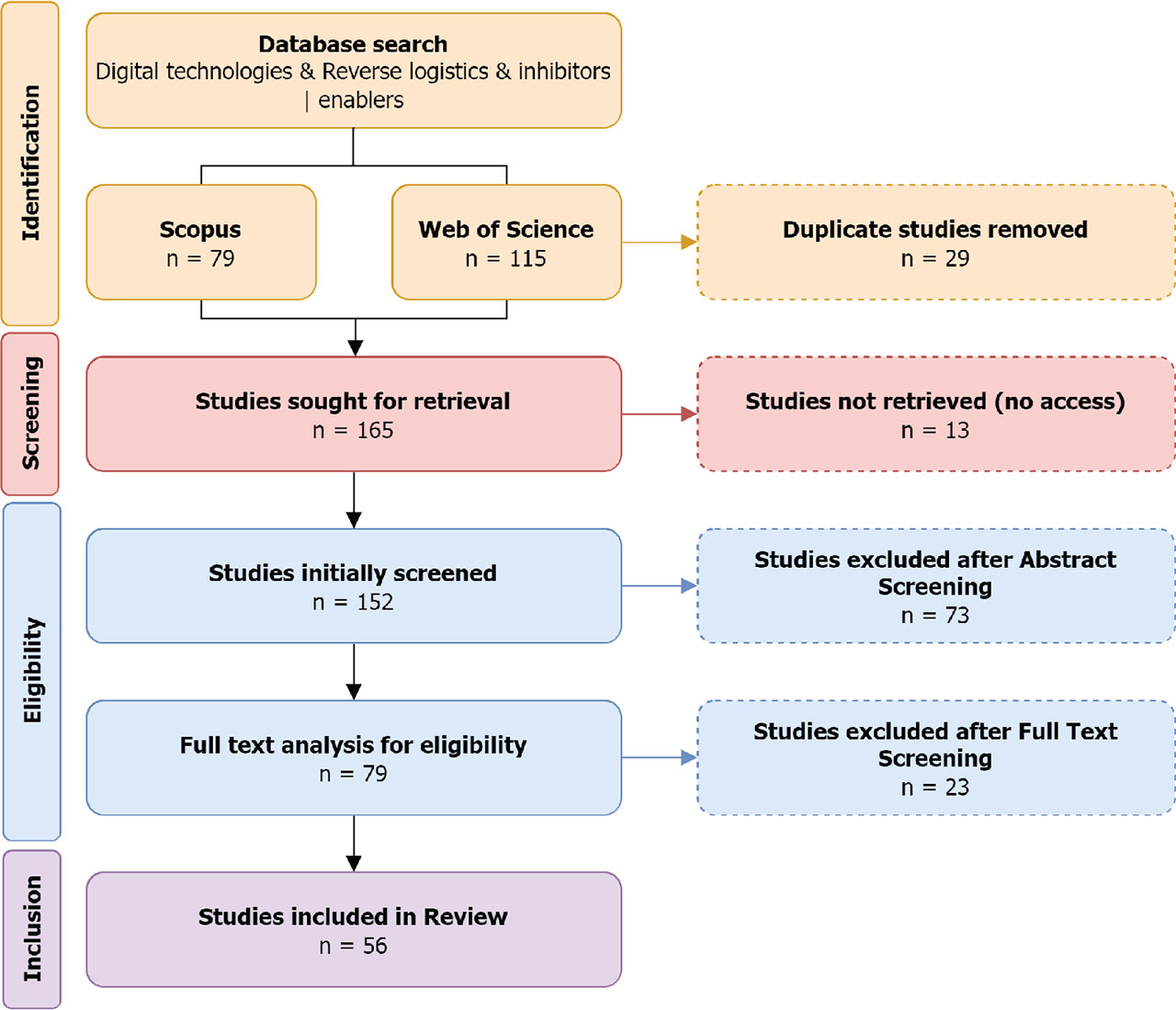
Figure 1.
Flowchart of the systematic literature review based on the PRISMA method (adapted from Page et al., 2021)
Abbildung 1. Ablaufschema der systematischen Literaturrecherche nach der PRISMA-Methode (angepasst nach Page et al., 2021)
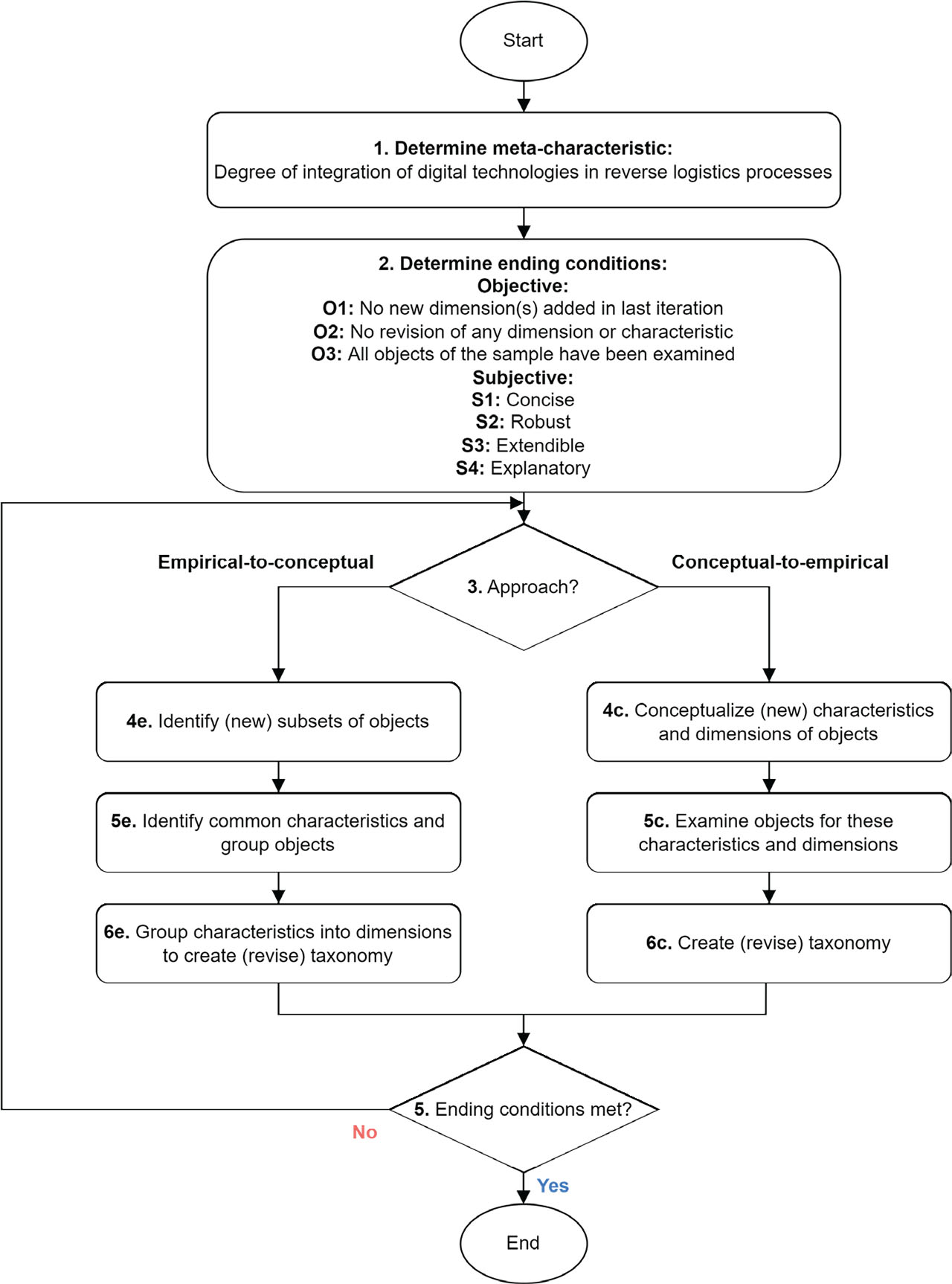
Figure 2.
Methodological approach for the iterative development of the taxonomy (adapted from Nickerson et al., 2013)
Abbildung 2. Abbildung 2. Methodischer Ansatz für die iterative Entwicklung der Taxonomie (angepasst nach Nickerson et al., 2013)
Table 1.
Definition of the Search String grouped by topics
Tabelle 1. Definition der Suchbegriffe, gruppiert nach Themen
| Topic | Keywords |
|---|---|
| Reverse Logistics | (Reverse Logistic* AND (“Circular*” OR “Sustainab*”)) |
| Digital Technologies | (Digital* OR Digital transformation OR Industry 4.0 OR „Innovation“ OR „Cyber Physical system“ OR „Cybersecurity“ OR „CYB“ OR „Data sovereignty“ OR „Artificial Intelligence“ OR „AI“ OR „Augmented Reality“ OR „Virtual reality“ OR „Machine learning“ OR „Deep learning“ OR „Reinforcement Learning“ OR „Federated Learning“ OR „Data analytics“ OR „Big data analytics“ OR „BDA“ OR „Cloud“ OR „Fog“ OR „Edge“ OR „Data spaces“ OR „Data hubs“ OR „Internet of things“ OR „IOT“ OR „Sensor*“ OR „Scan*“ OR „Traceability“ OR „Industrial Internet“ OR „Blockchain“ OR „Blockchain technology“ OR „Information Technolog*“ OR „ICT“ OR „Computer Vision“) |
| Success Factors and Barriers | („Success Factor*“ OR Enabl* OR Facilitat* OR driv* OR Barrier*) |
2.2. Study Analysis
The systematic review was conducted collaboratively by the three authors, following a structured and iterative process to ensure consistency and reliability. An initial calibration exercise was performed, where all authors independently reviewed a subset of studies and discussed discrepancies to establish a shared understanding of the coding categories and data extraction process. The coding categories (Table 2) were developed using a combination of deductive and inductive approaches: a review of existing literature identified commonly used categories, which were then refined during a pilot coding phase. In this phase, the authors independently coded a subset of studies and resolved discrepancies through discussion. The final set of categories was agreed upon collectively to comprehensively capture the key aspects of the selected studies.
Table 2.
Coding Categories Used for Qualitative Content Analysis of the Literature
Tabelle 2. Kodierungskategorien für die qualitative Inhaltsanalyse der Literatur
| Category | Description |
|---|---|
| Research Question and Objective | Main research aim and questions addressed in the study. |
| Methodology | Type of research method applied (e.g., case study, survey, conceptual paper). |
| Data Type/Source | Type of data used to generate results (e.g., primary, secondary, or mixed sources). |
| Type of Study Output | Nature of the contribution (e.g., empirical findings, conceptual framework, literature review). |
| Analyzed Nation/Region | Geographical context or focus of the study or data. |
| Industry Focus | Sector or industry context explored (e.g., electronics, automotive, retail). |
| Operational Focus | Cross-industry processes or functions explored (e.g., supply chain management, logistics, waste disposal). |
| Analyzed technology | Specific digital or technical solutions examined in the study. |
| Analyzed Industry 4.0 Technologies | Which of the nine Industry 4.0 technologies are analyzed in the study (e.g., Internet of Things, Cyber-Physical Systems). |
| Definition of Reverse logistics | Whether and how reverse logistics is defined or conceptualized in the study. |
| Analyzed Life Cycle Stage(s) | Product life cycle stage(s) considered in the study (e.g., design, use phase, end-of-life). |
| Stakeholder Perspective | Stakeholder group(s) that the study focuses on (e.g., consumers, manufacturers, policymakers). |
| Circular Economy Orientation | Whether reverse logistics is examined as part of a broader circular economy framework. |
| Analyzed R-Strategies | Which of the ten R-strategies (e.g., Reduce, Reuse, Recycle) are analyzed in the study. |
| Identified Critical Success Factors or Drivers | Critical success factors or drivers explicitly derived from empirical findings or author synthesis. |
| Cited Critical Success Factors or Drivers | Critical success factors or drivers referenced from previous literature without original empirical validation. |
| Identified Barriers | Barriers explicitly derived from empirical findings or author synthesis. |
| Cited Barriers | Barriers referenced from previous literature without original empirical validation. |
| Limitations | Limitations acknowledged by the authors regarding their study. |
| Identified Gaps | Research gaps or future research directions proposed by the study. |
Throughout the review, regular team meetings were held to resolve ambiguities and ensure alignment. The main author took the lead in consolidating the extracted data, which included methodological approaches, success factors, barriers, industry contexts, and geographic focus. The consolidated data were subsequently reviewed and validated by the full author team through an iterative synthesis process to ensure analytical reliability and transparency.
2.3. Taxonomy Development
The taxonomy was developed using the iterative method proposed by Nickerson et al. (2013), which integrates both empirical and conceptual insights. The taxonomy was constructed based on a clearly defined meta-characteristic: the degree of integration of digital technologies in RL processes. This meta-characteristic guided the identification, structuring, and refinement of dimensions and characteristics throughout the iterative process.
The taxonomy was developed through multiple iterations, each involving the identification, modification, and grouping of dimensions and characteristics derived from the analyzed literature. Each iteration was evaluated against the objective and subjective ending conditions outlined by Nickerson et al. (2013), as follows:
Objective ending conditions:
O1. No new dimensions added in the last iteration.
O2. No revisions required for any existing dimensions.
O3. All 56 studies analyzed.
Subjective ending conditions:
S1. Concise. The taxonomy was understandable and avoided unnecessary complexity.
S2. Robust. The dimensions of the taxonomy are clearly distinguishable.
S3. Extendible. It could be adapted to incorporate future developments.
S4. Explanatory. It offered actionable insights beyond merely descriptive classification.
After six iterations, the authors determined that all objective and subjective ending conditions had been met. To enhance the taxonomy’s practical relevance and ensure its usability for business stakeholders, the final version was presented in a workshop with four academic experts, three industry practitioners, four IT professionals, and three business professionals. All participants were based in Austria and Germany. Their feedback contributed to further refinements, particularly regarding the taxonomy’s clarity and real-world applicability. In response to this feedback, the relevant literature was re-examined in two final iterations to ensure comprehensive coverage and alignment with practical needs. This combination of systematic literature analysis, iterative refinement, and expert validation ensured that the resulting taxonomy is both academically rigorous and practically valuable.
Finally, the PRISMA 2020 checklist was consulted to confirm that all required elements of a systematic review were addressed (Page et al., 2021).
3. Results
This subchapter presents the results of the study, beginning with a descriptive overview of the reviewed literature to provide insights into the current state of research on digital enabled RL. Following this, the developed taxonomy is introduced.
3.1. Descriptive Overview of the Literature
This section provides an overview of the key variables extracted from the final sample of 56 studies, which formed the foundation for the development of the taxonomy. The publication trends discussed here are derived exclusively from these studies, as they directly align with the scope and objectives of this review, ensuring a focused and relevant analysis of the literature.
3.1.1. Publication Trends
The reviewed studies span a period of 16 years, with a steady increase in publications over time. Table 3 summarizes the number of studies published per year, highlighting a peak after 2021.
3.1.2. Geographical Distribution
The geographical distribution of the 56 studies (Figure 3) reveals a strong focus on the EU with four studies (Abideen et al., 2021; Ciliberto et al., 2021; García-Sánchez et al., 2019; Michelini and Razzoli, 2008). Additionally, the individual EU member states Spain, Germany, and Portugal are also separately analyzed (González-Torre et al., 2010; Lechner and Reimann, 2020; Mastos et al., 2021; Rasool et al., 2023; Santos and Proença, 2022). Brazil was the most frequently analyzed individual nation (Bouzon et al., 2020; de Campos et al., 2020, 2023; Moroni et al., 2022; Trevisan et al., 2023). South Africa (Bag et al., 2021, 2020; Kinally et al., 2022; Yusuf et al., 2017) and India (Ambekar et al., 2022; Bhatia et al., 2022, 2020; Goyal et al., 2018) were each the focus of four studies, while China appeared in three (Chan, 2007; Cui et al., 2021; Mo et al., 2022). Other countries, including Malaysia, Vietnam, and the UAE, were represented in two studies each. Notably, 16 studies did not focus on a specific country, instead addressing global supply chains or offering conceptual and literature reviews (e.g., Difrancesco et al., 2023; Rajput and Singh, 2022).
3.1.3. Sectoral and Functional Focus
The studies were grouped based on their primary industry focus or operational focus into three categories: core industries, cross-industry studies, and supply chain management and logistics (Figure 4). The manufacturing industry was the most commonly studied, appearing in 13 studies. The automotive industry followed with six studies, and industries such as construction, waste management, and electronics were each covered in five studies. Other industries studied included healthcare (two studies) and steel (one study).
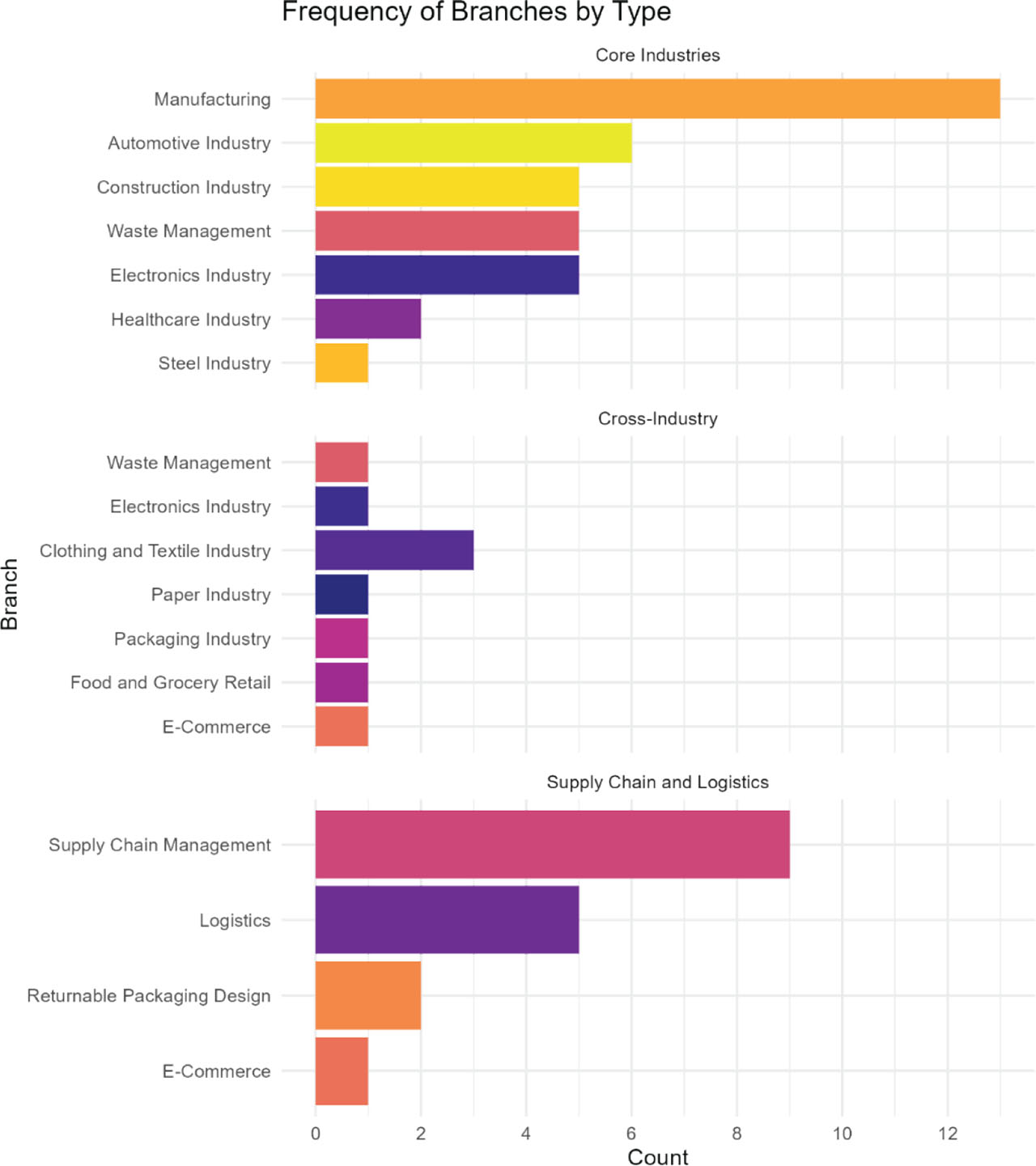
Figure 4.
Frequency of analyzed sectoral and functional focus by type (own illustration)
Abbildung 4. Häufigkeit der analysierten sektoralen und funktionalen Schwerpunkte (eigene Darstellung)
The waste management and electronics industries were also featured in one cross-industry study, while clothing and textile was explored in three studies. Other sectors like paper, packaging, food retail, and e-commerce were each included in one study.
Additionally, nine studies focused on supply chain management, five on logistics, two on reusable packaging, and one specifically on e-commerce.
3.1.4. Life Cycle Stages
The analysis of RL by life cycle phase revealed that 31 studies examined the entire life cycle, making it the most studied phase (Figure 5). Meanwhile, 16 studies concentrated on the EoL phase, reflecting a focus on disposal, recycling, and other final stages of the product life cycle. Transport issues were analyzed in three studies, while two studies each focused on production and reusable packaging, and one study each addressed design and remanufacturing.
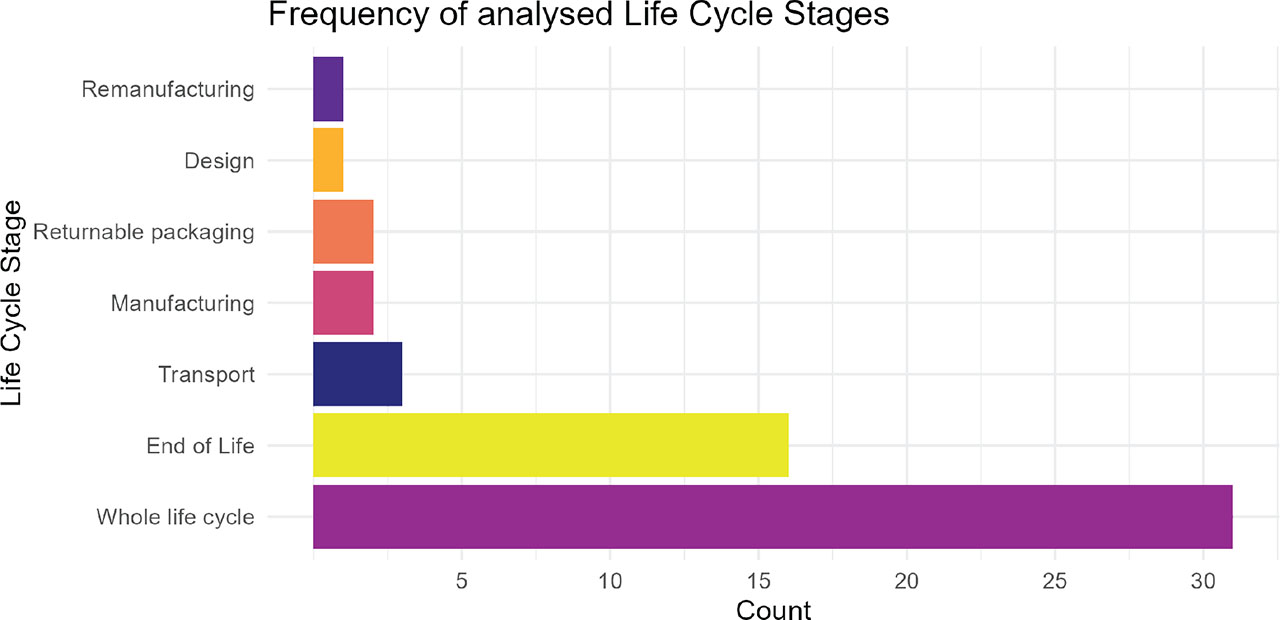
Figure 5.
Frequency of analyzed life cycle stages (own illustration)
Abbildung 5. Häufigkeit der analysierten Lebenszyklusphasen (eigene Darstellung)
3.1.5. R-strategies
Among the reviewed studies, R8 (Recycle) was the most frequently featured strategy, appearing in 46 studies (Figure 6). R3 (Reuse) was addressed in 41 studies, followed by R6 (Re-manufacture) in 32 studies, and R4 (Repair) and R9 (Recover) were included in 22 and 21 studies, respectively. R2 (Reduce) appeared in 12 studies and R5 (Refurbish) in 11. In contrast, R1 (Rethink) was mentioned in only six studies and R0 (Refuse) appeared in just one.
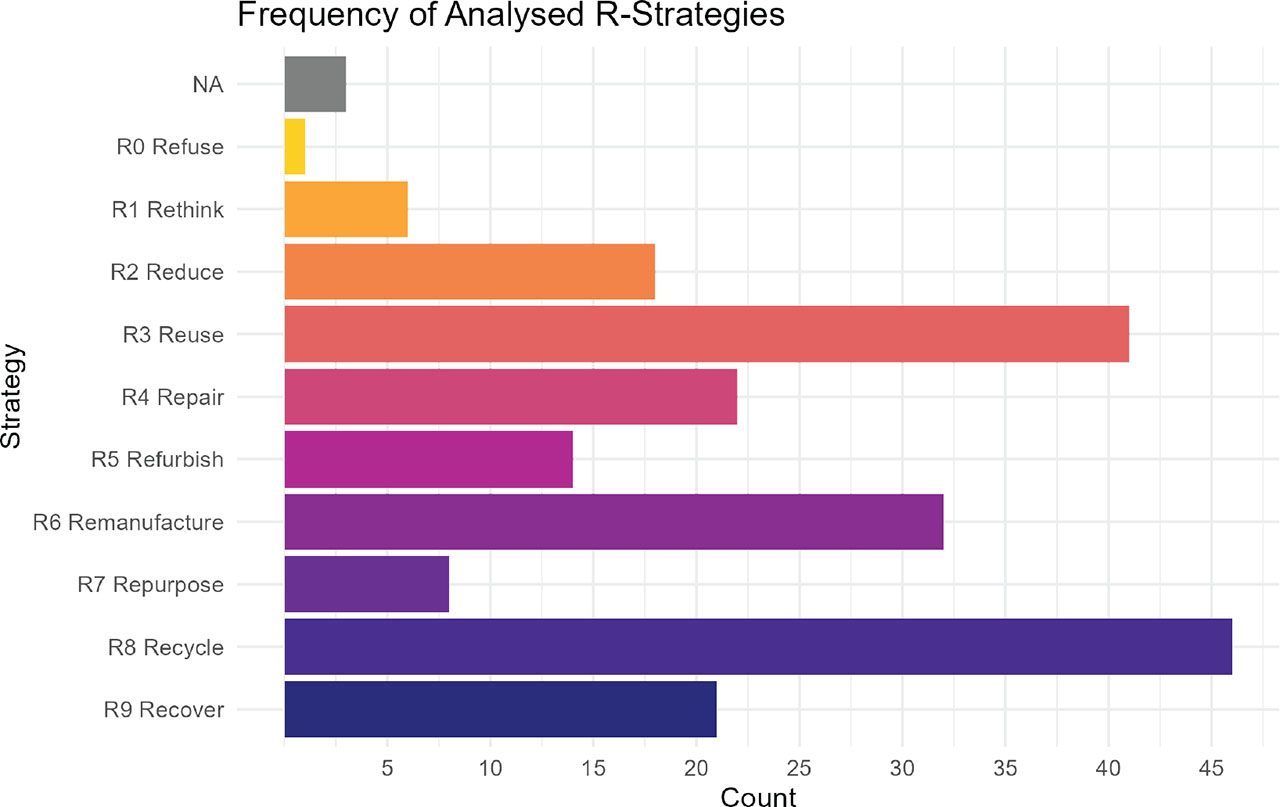
Figure 6.
Frequency of analyzed R-strategies (own illustration)
Abbildung 6. Häufigkeit der analysierten R-Strategien (eigene Darstellung)
3.1.6. Reverse Logistics Definitions
A significant variation in how RL is defined across the studies was observed (Figure 7). Notably, 26 of the 56 studies provided no formal definition of RL. Among the remaining studies, the most frequently cited source was from Rogers and Tibben-Lembke (1998, 1999), who define RL as “the process of managing the return flow of goods and materials for value recovery or proper disposal.” However, beyond this foundational perspective, the definitions varied considerably in scope, emphasis, and terminology. To capture and clarify these variations, all identified definitions were systematically analyzed and coded for recurring concepts and thematic patterns. Through this qualitative synthesis, six distinct thematic categories emerged, reflecting the diverse ways in which RL is conceptualized in the literature:
Value Recovery and Waste Management: Focuses on the recovery of value through recycling, reuse, and disposal.
Sustainability and Environmental Impacts: Highlights RL’s role in prolonging product lifecycles and improving resource efficiency through strategies like repair and remanufacturing.
Data and Technology Integration: Emphasizes the role of digital technologies and smart systems in RL, such as cloud-based tracking and RL 4.0 systems.
Circular Economy and Closed-Loop Systems: Positions RL as an integral component of CE models, emphasizing waste reduction and resource maximization.
Return Management: Concentrates on the operational aspects of managing returned goods within the logistics process.
Logistics and Supply Chain Management: Views RL as a part of broader logistics operations, spanning the entire supply chain lifecycle.
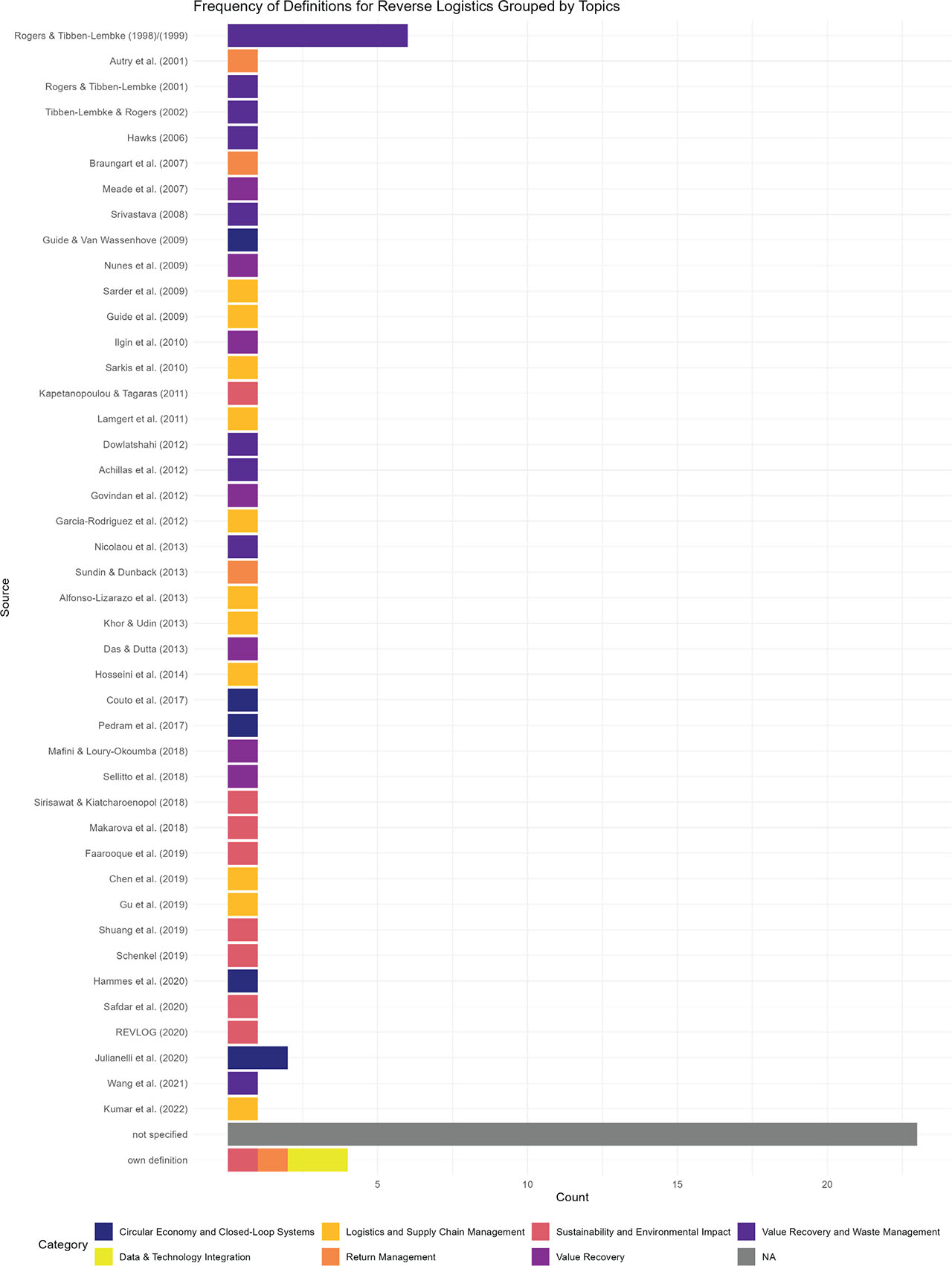
Figure 7.
Frequency of definitions for RL grouped by topics in chronological order (own illustration)
Abbildung 7. Häufigkeit der Definitionen von RL gruppiert nach Themen in chronologischer Reihenfolge (eigene Darstellung)
3.2. A Multi-Level Taxonomy of Critical Success Factors
The taxonomy developed through iterative content analysis synthesizes current knowledge on CSFs for the effective implementation of digitally enabled RL. As depicted in Figure 8, the taxonomy organizes the literature into four overarching dimensions, each examined across three hierarchical levels: micro (company-level), meso (industry/supply chain-level), and macro (external environment-level).
While the taxonomy was derived inductively, its structure aligns with socio-technical systems theory (STS), which emphasizes the co-evolution of technological and social subsystems in both organizational and societal contexts (Bostrom and Heinen, 1977; Trist, 1981). STS perspectives suggest that digital transformation unfolds not merely through technical upgrades but through dynamic interactions among multiple system levels. At the micro level, these involve firm-specific capabilities, leadership, and digital infrastructure. The meso level addresses inter-organizational dynamics and industry-wide coordination, while the macro level captures institutional, regulatory, and societal influences. This multi-level perspective is further supported by more recent STS-informed research on sustainability transitions and digital innovation (Dąbrowska et al., 2022; Geels, 2019).
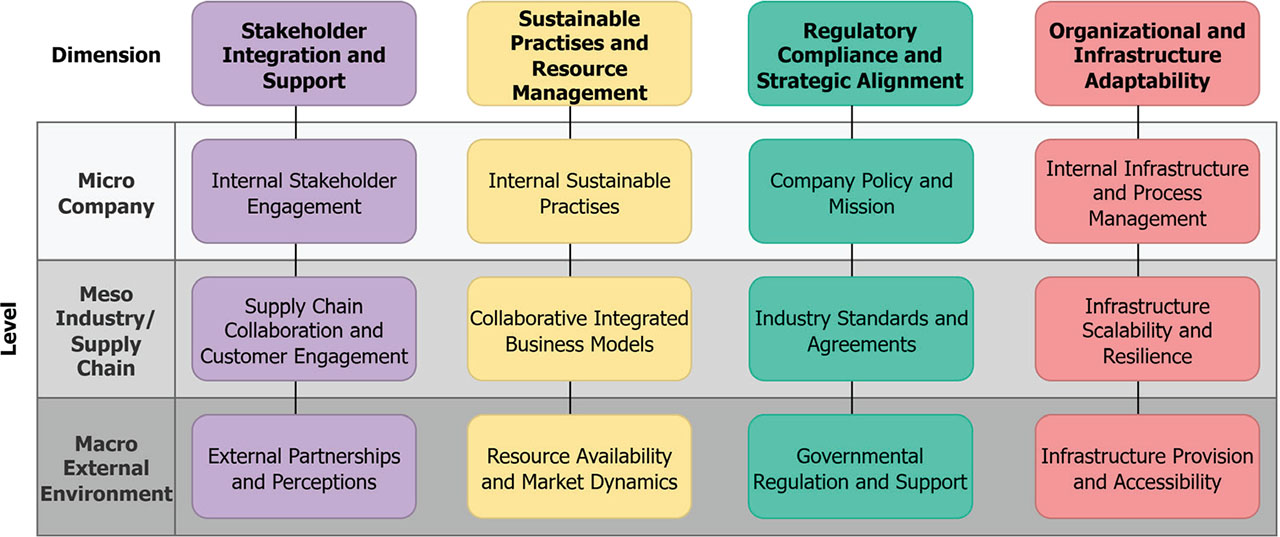
Figure 8.
Developed taxonomy of critical success factors for the implementation of digitally enabled reverse logistics (own illustration)
Abbildung 8. Entwickelte Taxonomie kritischer Erfolgsfaktoren für die Umsetzung einer digital gestützten Rücknahmelogistik (eigene Darstellung)
In contrast to earlier frameworks for RL (e.g., Bouzon et al., 2020; Santos and Proença, 2022), which typically distinguish only between internal and external factors, this taxonomy explicitly introduces the meso level as a critical intermediary. This addition reflects growing recognition of supply chain collaboration and industry dynamics as central to digital transformation. For instance, de Campos et al. (2020) highlight the role of inter-organizational cooperation, while Trevisan et al. (2023) apply a similar three-tier structure to assess barriers in CE transitions. Through this structure, the taxonomy offers a more granular and actionable framework, integrating organizational, inter-organizational, and institutional perspectives. It provides both theoretical clarity and practical guidance for implementing digitally enabled RL.
The taxonomy comprises four core dimensions, each addressing a key area of focus for digital RL implementation:
Stakeholder Integration and Support: Emphasizes the engagement of diverse actors—including employees, supply chain partners, regulators, NGOs, and the public. Trust, collaboration, and stakeholder alignment are positioned as foundational enablers of transformation.
Sustainable Practices and Resource Management: Focuses on aligning digital RL with environmental, social, and economic sustainability goals. This dimension adopts a life cycle perspective to address trade-offs and synergies across the value chain.
Regulatory Compliance and Strategic Alignment: Highlights the influence of formal regulations, policy incentives, and informal institutional pressures. It also examines how RL strategies align with broader organizational goals.
Organizational and Infrastructural Adaptability: Explores a firm’s ability to reconfigure internal processes, structures, and digital systems in response to evolving technological and market conditions. Agility and readiness are framed as prerequisites for successful integration.
Together, these dimensions and their sub-dimensions (shown in Figure 8) provide a comprehensive framework for understanding and guiding the implementation of digitally enabled RL. Figure 10 offers a more detailed view of the taxonomy, illustrating each dimension and its associated characteristics. The following subsections elaborate on each dimension, including representative citations and examples drawn from the reviewed literature.
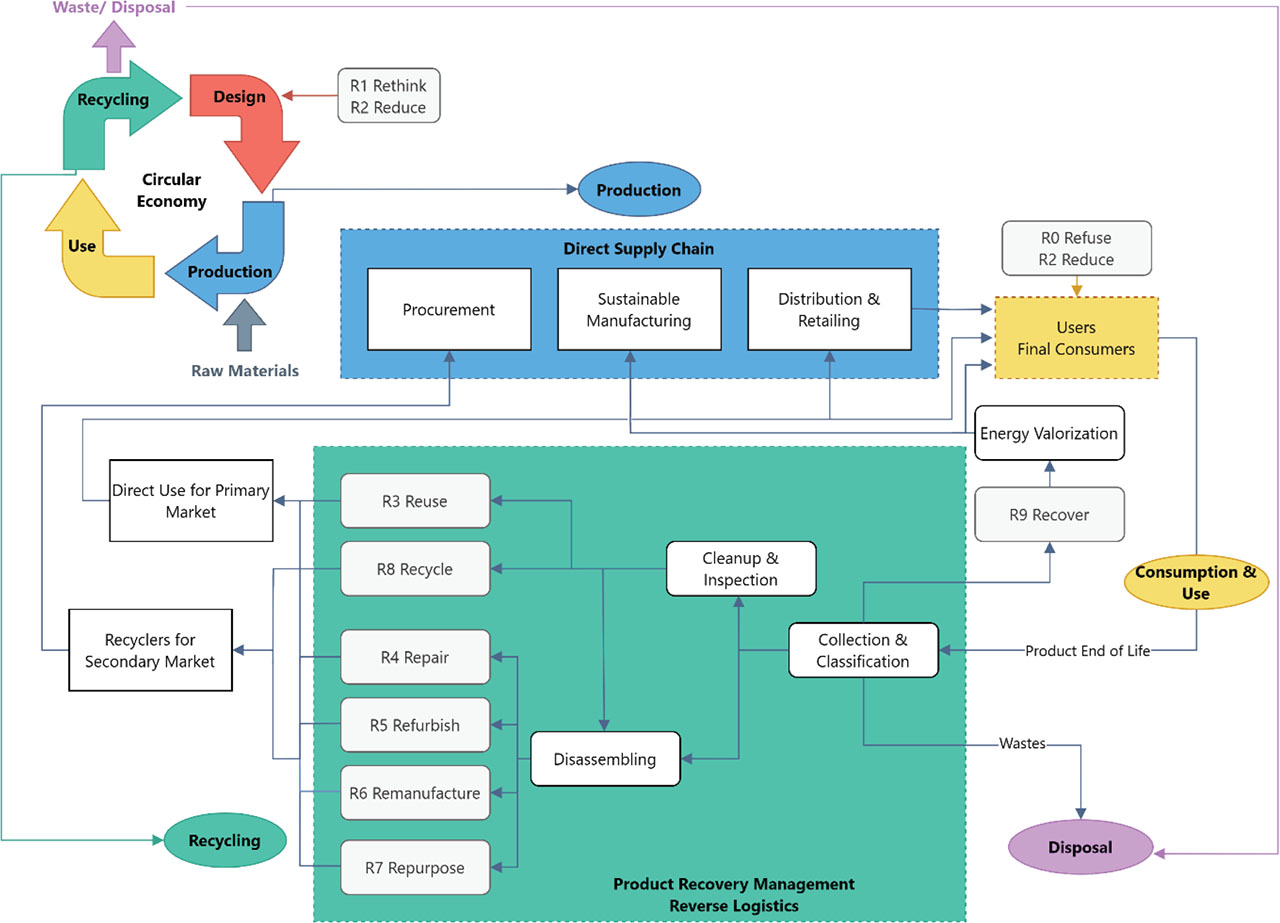
Figure 9.
Interaction between circular economy, reverse logistics, and supply chain management (adapted from Ciliberto et al., 2021, and expanded with the R-strategies according to Potting et al., 2016)
Abbildung 9. Wechselwirkungen zwischen Kreislaufwirtschaft, Rücknahmelogistik und Lieferkettenmanagement (angelehnt an Ciliberto et al., 2021 und erweitert um die R-Strategien nach Potting et al., 2016)
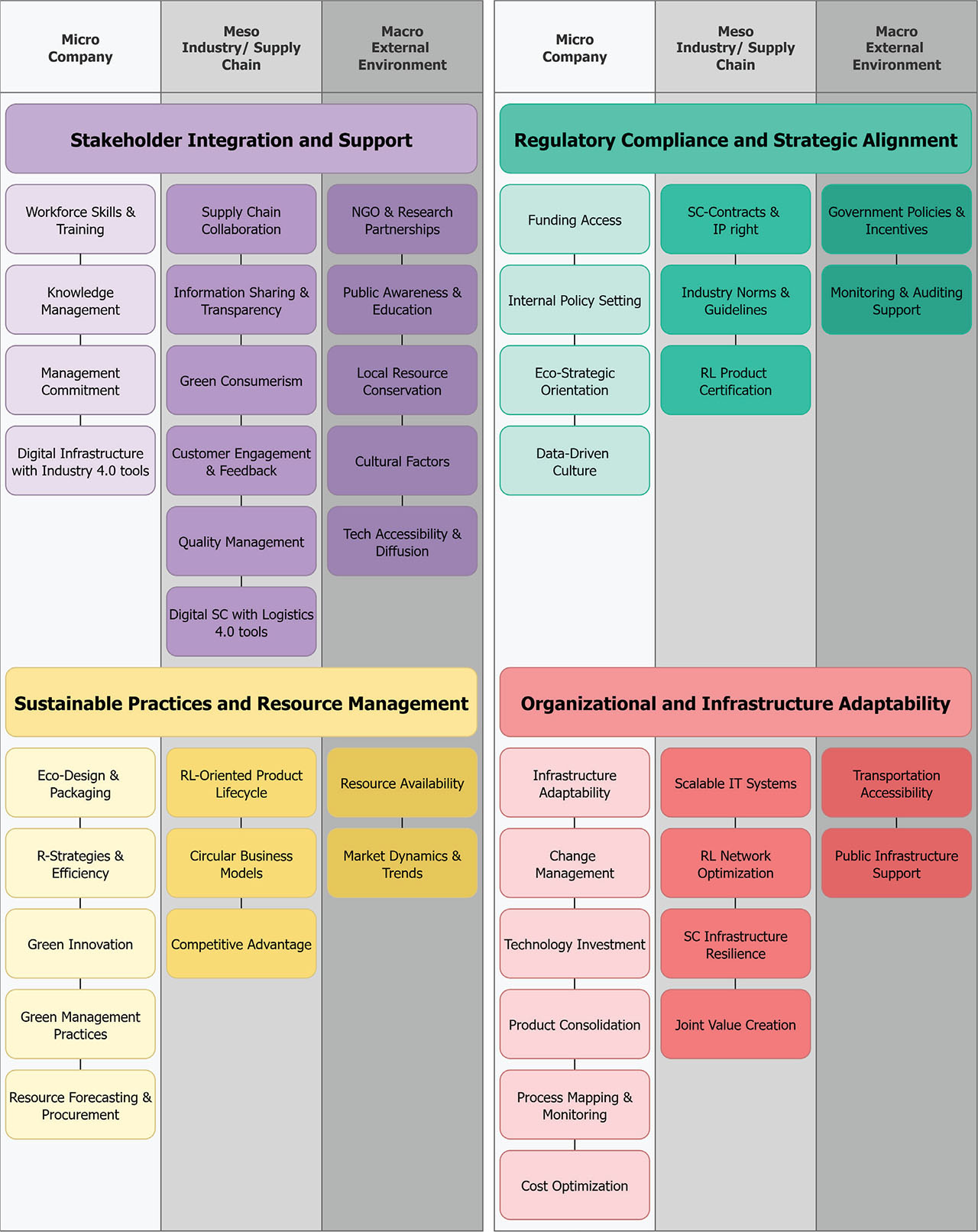
Figure 10.
Detailed taxonomy of critical success factors for the implementation of digitally enabled reverse logistics, including all dimensions and characteristics (own illustration)
Abbildung 10. Detaillierte Taxonomie kritischer Erfolgsfaktoren für die Umsetzung der digital gestützten Rücknahmelogistik mit allen Dimensionen und Charakteristiken (eigene Darstellung)
3.2.1. Stakeholder Integration and Support
3.2.1.1. Micro Level: Internal Stakeholder Engagement
Key stakeholders at the company level include workers, management, and business owners, all of whom are essential to the implementation of digitally enabled RL. A CSF frequently highlighted in the literature is the availability of skilled labor (e.g., Moroni et al., 2022), as the absence of such skills is a significant barrier to implementation (e.g., Pourmehdi et al., 2022). Automation technologies can partially alleviate workforce constraints by standardizing tasks such as negotiations and improving availability across production and service areas (e.g., Mastos et al., 2021). Moreover, RL itself has been shown to contribute to job creation in specific sectors such as the electrical and electronic equipment industry (Bressanelli et al., 2021).
Employee training programs are repeatedly emphasized as a prerequisite for equipping workers with the knowledge required for digital transformation and RL practices (e.g., Nikseresht et al., 2023). A lack of training is consistently cited as a barrier to implementation (e.g., Ambekar et al., 2022), and limited employee specialization can further inhibit the integration of RL practices (e.g., Chong et al., 2023). As a result, continuous knowledge management and upskilling must be prioritized to support digital RL processes (e.g., Santos and Proença, 2022). Technologies such as augmented and virtual reality have also been explored as effective tools for immersive, scalable training formats in the construction sector (Wijewickrama et al., 2021).
Managerial engagement is another critical enabler. The support of top management helps align strategic goals and facilitates the integration of digital tools into RL operations (e.g., Bag et al., 2021). On the other hand, insufficient executive commitment has been linked to stalled or failed implementation efforts (e.g., Trujillo-Gallego et al., 2021). Managers are expected to identify and apply context-appropriate digital technologies—for instance, smart prefabrication and 3D printing in construction (Elmualim et al., 2018), or AI-based pattern recognition and decision support tools in supply chain contexts (Abideen et al., 2021).
3.2.1.2. Meso Level: Supply Chain Collaboration and Customer Engagement
At the meso level, both customers and supply chain partners play pivotal roles. Consumer awareness of RL is essential for driving social acceptance and promoting CE principles (Khan et al., 2022). However, limited awareness remains a persistent barrier in many industries (e.g., Chong et al., 2023). Customer satisfaction and engagement are vital for building trust in RL systems (e.g., Kadaei et al., 2023), and active consumer participation has been linked to more successful implementation (Bressanelli et al., 2021). Despite this, reluctance or hesitancy from consumers can hinder adoption (e.g., Agnusdei et al., 2022).
Technological tools are increasingly being used to improve transparency and trust, particularly in e-commerce settings where blockchain, for example, can help prevent fraudulent returns (Difrancesco et al., 2023). Moreover, feedback mechanisms have been shown to reduce return rates and improve customer experiences (Bhatia et al., 2022). Engagement can also be supported through intermediary partners that facilitate returns and encourage the use of recyclable materials (Cui et al., 2021). RL can offer consumers direct benefits, such as access to higher-quality, longer-lasting products, and potential cost savings by enhanced detection of defective goods (Hsu et al., 2016). However, for tools like blockchain to be widely adopted, concerns around energy use and data security concerns need to be addressed (Naseem et al., 2023).
On the supply chain side, collaboration with partners is critical for successful RL implementation (e.g., Rasool et al., 2023). Conversely, the absence of collaboration has been consistently identified as a key barrier (e.g., Santos and Proença, 2022). Transparent communication across the supply chain helps maintain product quality and reliability (e.g., Bahiraei et al., 2015). Information-sharing platforms and I4.0 technologies—such as RFID, IoT, and blockchain—can enhance traceability and enable the creation of virtual supply chains, particularly for managing perishables and sustainability-related challenges (e.g., Fanta and Pretorius, 2022).
3.2.1.3. Macro Level: External Partnerships and Perception
At the macro level, RL implementation is increasingly influenced by societal pressure, rising environmental consciousness, and broader sustainability concerns (e.g., de Campos et al., 2023). However, cultural norms and public unawareness—such as improper e-waste disposal practices—can act as substantial barriers to progress (Chan, 2007). Regional studies have demonstrated that limited environmental awareness can significantly slow down RL efforts, particularly in countries like Ghana (Chen et al., 2020), Colombia (Trujillo-Gallego et al., 2021), Brazil (Trevisan et al., 2023), and India (Ambekar et al., 2022). Moreover, cultural resistance to behavioral change has been highlighted as a challenge in certain contexts (Santos and Proença, 2022).
Forming strategic alliances with universities, research institutions, and NGOs has proven effective in accelerating RL practices across industries like construction and automotive (Santos and Proença, 2022; Wijewickrama et al., 2021). NGOs also play a crucial role in shaping public perception and promoting localized resource conservation initiatives (Kinally et al., 2022).
3.2.2. Sustainable Practices and Resource Management
3.2.2.1. Micro Level: Internal Sustainable Practices
Embedding RL within corporate sustainability agendas is considered essential for advancing both RL and CE goals (e.g., Kerdpitak et al., 2020). The dynamic interaction between CE, RL, and supply chain management is illustrated in Figure 8. A central objective involves prolonging product lifecycles by optimizing waste reduction, material efficiency, and energy usage (e.g., Tseng et al., 2022). The application of R-strategies enables firms to minimize resource use while preserving product functionality (Morseletto, 2020; Potting et al., 2016). Nevertheless, concerns over potential cannibalization of primary sales through longer product lifecycles remain a challenge (Bressanelli et al., 2021).
Circular design approaches, prioritizing durability, repairability, and recyclability, are key to maintaining competitiveness while reducing environmental impact. Eco-design principles implemented early in the product development cycle support repair and longevity (e.g., Kinally et al., 2022). Sector-specific strategies such as Design for Deconstruction in construction (Elmualim et al., 2018) and Design for Recovery in manufacturing (Bhatia et al., 2022) further reinforce product lifecycle management. Efficient design thus emerges as a key enabler of RL, directly supporting more effective EoL strategies (e.g., Bouzon et al., 2020).
Ongoing innovation is crucial for improving both RL performance and eco-efficiency (García-Sánchez et al., 2019). Green innovation initiatives have also shown a positive correlation with financial outcomes, highlighting the multi-faceted value of sustainability (e.g., Bhatia et al., 2022).
A comprehensive understanding of resource systems is vital for optimizing resource use (Abideen et al., 2021). The incorporation of secondary materials into the production process has been demonstrated to have a dual benefit: it enhances the value of the product and reduces the dependence on finite resources (e.g., Wijewickrama et al., 2021). Tools based on knowledge systems can hereby help to identify untapped resource potential (Khan et al., 2022), while energy-saving technologies and sustainable packaging—such as reusable transport containers—offer environmental and operational gains despite higher initial costs (Yusuf et al., 2017).
The use of AI-driven EoL decision models supports optimal reuse, remanufacturing, and recycling routes (Oluleye et al., 2023b). Digital technologies are particularly effective in supporting R3–R7 implementation (Morseletto, 2020). Strategies like R2 (Reduce), R3 (Reuse), R8 (Recycle), and R9 (Recover) also contribute significantly to reducing waste and preventing improper disposal (Khan et al., 2022). Finally, sufficiency practices on both the production and consumption ends are essential to achieving broader sustainability objectives (Tseng et al., 2022).
3.2.2.2. Meso Level: Collaborative Integrated Business Models
RL-oriented product lifecycle management increasingly aspires to form an integrated product-process-environment enterprise, dynamically accounting for external environmental impacts and adjusting organizational functions to new sustainability demands (Michelini and Razzoli, 2008). Realizing this vision depends on effective collaboration across the supply chain, supported by robust network design, logistics integration, inventory strategies, and adaptive procurement systems. In the face of uncertainties—such as variable lead times or delivery delays—simulation models offer valuable decision-making support (Abideen et al., 2021).
At the core of this sub-dimension lies the development of integrative CE business models that rely on collaboration with supply chain partners. Such collaborative capabilities are essential to enabling digitally enhanced RL systems (e.g., Tseng et al., 2022). However, many organizations still face internal limitations in designing and implementing innovative business models, which significantly slows progress toward circular integration (Pourmehdi et al., 2022).
Well-established collaborative circular business models not only support sustainable competitive advantage but also stimulate entrepreneurial activities (e.g., Gharibi and Abdollahzadeh, 2021). However, the absence of competitive market dynamics can inhibit the pace and scope of circular innovation González-Torre et al. (2010).
Circular business models extend traditional frameworks by emphasizing post-sale strategies such as product take-back, reuse, refurbishment, and advanced RL system design (Abideen et al., 2021). Prioritizing the retention of asset value over time also supports the valuation of natural capital (Khan et al., 2022). Emerging technologies, particularly blockchain, further reinforce transparency by tracking hazardous materials or quality issues in returned products (Difrancesco et al., 2023). The shift toward service-based business models—such as “product-as-a-service” offerings—represents a significant evolution in lifecycle thinking. These models enable extended product longevity, higher resource efficiency, and new pathways for competitiveness and market differentiation (Bressanelli et al., 2021).
3.2.2.3. Macro Level: Resource Availability and Market Dynamics
The growing scarcity of primary resources is a major catalyst for the advancement of RL practices. As access to virgin materials declines, firms are increasingly motivated to seek alternative solutions through recycling, reuse, and remanufacturing (e.g., Moroni et al., 2022). Rising disposal costs further reinforce the financial viability of these strategies, providing an additional economic incentive for RL development (e.g., Bouzon et al., 2020).
Despite these drivers, the consistent availability and accessibility of recycled or reused resources remain problematic. Several studies highlight the limited infrastructure, supply inconsistencies, and lack of consumer confidence as persistent barriers across sectors and regions (e.g., Lechner and Reimann, 2020). In Malaysia’s automotive industry, for example, the uncertainty surrounding secondary material supply and low consumer acceptance of used products significantly limit RL effectiveness (e.g., Chong et al., 2023). More broadly, the absence of robust markets for secondary goods continues to hinder circular transitions (Ambekar et al., 2022).
To overcome these systemic challenges, organizations must develop strategic capabilities to monitor, interpret, and adapt to market dynamics (e.g., Kerdpitak et al., 2020). This includes tracking price fluctuations, demand patterns, and policy shifts that influence the viability of circular practices (e.g., Moroni et al., 2022). However, volatile market conditions often act as inhibitors for the integration of digital technologies in RL, undermining visibility and responsiveness (e.g., Bressanelli et al., 2018).
Given these uncertainties, RL implementation requires robust resource and capability management strategies that can accommodate environmental volatility and evolving stakeholder relationships (Moroni et al., 2022). Building resilience in circular systems means not only securing secondary resources but also fostering adaptive capacities to manage complexity and reduce systemic risk (e.g., de Campos et al., 2023).
3.2.3. Regulatory Compliance and Strategic Alignment
3.2.3.1. Micro Level: Corporate Policy and Mission
A clearly articulated corporate policy that explicitly defines RL goals, processes, and objectives is foundational for effective RL implementation. When RL is embedded within a company’s mission and strategic vision, it establishes direction, accountability, and resource prioritization (e.g., Kadaei et al., 2023). In contrast, misalignment or vagueness in strategic intent often emerges as a critical barrier to RL adoption (e.g., Ambekar et al., 2022).
Embedding RL into corporate policy increasingly requires the strategic integration of digital tools and eco-innovation initiatives (e.g., Hsu et al., 2016). A data-driven culture is essential to support this integration, enabling organizations to harness technologies for optimizing operations, reducing uncertainty, and enabling evidence-based decision-making (e.g., Bag et al., 2020). Without this cultural foundation, organizations often lack the agility and insight required for effective RL (e.g., de Campos et al., 2020).
Bag et al. (2020) identify data visualization capabilities as the most influential driver of strategic RL decisions, followed by strong analytics and data generation skills. For tactical decisions, the organizational data culture takes precedence, indicating the need for continuous investment in both technological infrastructure and employee competencies.
Access to funding, whether through internal capital allocations or external financial mechanisms, plays a decisive role in RL execution (Khan et al., 2022). However, the impact of financial support programs exhibits geographic disparities in the extent to which firms can access such resources. Companies operating in regions with strong governmental or institutional support are more likely to overcome investment-related barrier (Bag et al., 2020).
3.2.3.2. Meso Level: Industry Standards and Agreements
Effective RL implementation depends heavily on robust contractual frameworks that bind supply chain actors—including suppliers, manufacturers, retailers, and consumers—into mutually beneficial partnerships. Cross-sector agreements are vital for fostering integrative and symbiotic production systems, aligning stakeholders’ responsibilities across the product lifecycle (e.g., Ciliberto et al., 2021). However, contractual hesitations often stem from concerns over data security, intellectual property rights, and transparency, which have been identified as major barriers in the literature (e.g., Nikseresht et al., 2023).
NGOs and industry associations also play a crucial role in shaping the institutional landscape for digital RL. These actors facilitate the development of shared standards and norms by promoting best practices, lobbying for regulatory support, and advocating for measures such as minimum product lifespan regulations (e.g., Chen et al., 2020). Conversely, their absence or inactivity can act as a significant institutional void, limiting progress in RL adoption (e.g., Pratapa et al., 2022). Certifications for RL-based products, such as remanufactured or refurbished components, function as important enablers of market acceptance. These labels not only assure consumers of product quality and sustainability but also enhance brand credibility and justify premium pricing strategies (Moroni et al., 2022). However, the lack of standardized, credible certifications—or consumer distrust in existing schemes—undermines the perceived value of RL offerings, reducing the willingness to engage in circular consumption (Ambekar et al., 2022).
3.2.3.3. Macro Level: Government Regulation and Support
Government regulations, policies, and international agreements consistently emerge as critical enablers for digital RL. Legislative efforts that support CE adoption are central to RL implementation, particularly when they impose environmental obligations on EoL products (e.g., Bhatia et al., 2020). Among these, legislative mandates aimed at minimizing environmental impacts—such as producer responsibility regulations—are considered especially influential (Khan et al., 2022).
Beyond regulation, governments can shape market behavior through economic instruments such as subsidies, grants, and eco-taxes. These tools help offset investment risks and stimulate innovation in mechanized recycling, automated take-back systems, and other RL-enhancing technologies (e.g., Simonetto et al., 2022). Regulatory bans on outdated or non-energy-efficient technologies also help guide corporate behavior toward greener production and logistics models (Cui et al., 2021).
Despite their potential, many regions face critical gaps in governmental support and regulatory coherence. Weak or ambiguous policies, lack of funding, and absence of enforcement mechanisms continue to hinder RL development (e.g., González-Torre et al., 2010). Additionally, complex regulations surrounding I4.0 technologies—including blockchain and IoT—can impose legal uncertainty, further obstructing RL integration (Difrancesco et al., 2023; Naseem et al., 2023). Privacy legislation, particularly the European Union’s General Data Protection Regulation (GDPR), introduces another layer of complexity. The “right to be forgotten” clause presents an obstacle to long-term data retention necessary for RL optimization (Difrancesco et al., 2023). Simultaneously, the lack of government-led monitoring and auditing mechanisms undermines compliance and system effectiveness. Where such oversight exists, it has been shown to positively influence RL outcomes (Chen et al., 2020). Yet, where it does not, implementation efforts remain fragmented (Abideen et al., 2021).
3.2.4. Organizational and Infrastructure Adaptability
3.2.4.1. Micro Level: Internal Infrastructure and Process Management
The development, availability, and adaptability of internal infrastructure are widely recognized as critical prerequisites for effective RL implementation (e.g., Mastos et al., 2021).
Strategic investment in dedicated RL infrastructure—such as specialized return centers and processing facilities—is essential (Kadaei et al., 2023; Moroni et al., 2022). Conversely, the absence of such infrastructure constitutes a persistent barrier (e.g., Trevisan et al., 2023).
Technological systems, including decision-support tools and digital platforms, underpin RL operations by enhancing visibility, tracking, and coordination (e.g., Flygansvaer et al., 2019). Long-term benefits of these systems include cost efficiency, operational resilience, and enhanced value recovery (e.g., Gharibi and Abdollahzadeh, 2021). Yet, necessary initial investments can be resource-intensive and financially demanding (e.g., Dey et al., 2020).
Effective integration of RL with logistics, inventory, and distribution systems is necessary for efficiency and responsiveness (e.g., Oluleye et al., 2023a). However, poor planning and weak process coordination remain significant obstacles (e.g., Chong et al., 2023).
Proactive planning for return handling—such as shipping, storage, and technical support—further enhances profitability (Kadaei et al., 2023). For instance, de Campos et al. (2020) observed a positive correlation between RL capabilities and economic performance in Brazil, with transportation costs being particularly significant in the collection phase (Fanta and Pretorius, 2022). Because RL systems are often reactive and complex, dynamic process planning is essential. Over time, accumulated data allow organizations to improve demand forecasting, inventory management, and product quality control, thereby minimizing overproduction and rework (Simonetto et al., 2022). Emerging technologies like block-chain also enable real-time data sharing and enhance traceability in returns management (Difrancesco et al., 2023).
Dynamic organizational capabilities and proactive change management are equally important for adapting to RL demands (e.g., Tseng et al., 2019). This requires structured approaches to managing organizational change and developing new skill sets (Bag et al., 2021). Studies consistently report that resistance to change and inadequate dynamic capabilities hinder RL success (e.g., Liu et al., 2018).
Synchronizing RL with forward logistics operations—especially in terms of product consolidation—is crucial for end-to-end supply chain efficiency (e.g., Butt et al., 2023). However, coordination inefficiencies persist across many industries (e.g., Chong et al., 2023).
3.2.4.2. Meso Level: Infrastructural Scalability and Resilience
The adaptability of infrastructure to shifting internal and external conditions is essential for effective RL implementation (Khan et al., 2022). Collaboration among supply chain partners is key to developing an optimized, responsive network design that supports RL operations (e.g., Bag et al., 2021).
Core elements such as network architecture, inventory management, logistics integration, outsourcing strategies, and procurement models must be embedded within a flexible and scalable supply chain framework (Abideen et al., 2021). A resilient infrastructure enables the system to withstand disruptions and quickly adapt to change (Tseng et al., 2023). In contrast, rigid networks and poor adaptability present significant barriers to RL implementation (e.g., Goyal et al., 2018). Data privacy concerns must also be addressed to support transparent collaboration across stakeholders (Naseem et al., 2023).
The scalability of digital infrastructure—particularly through technologies like IoT-enabled digital twins—enhances dynamic route optimization and improves logistics efficiency (Abideen et al., 2021). More accurate tracking of material flows supports better decision-making and requires integrated planning and seamless data exchange (Simonetto et al., 2022). Equitable value creation across supply chain actors is also vital. All partners must perceive clear and fair benefits to maintain engagement and prevent imbalance or resistance (e.g., Ciliberto et al., 2021). Managing high transport and tracking costs in a just and transparent manner is a prerequisite for sustained collaboration (Yusuf et al., 2017).
3.2.4.3. Macro Level: Infrastructure Provision and Accessibility
The effective implementation of digital RL relies not only on private sector investment but also on robust public infrastructure and institutional support. Without an adequate public framework, even the most advanced internal systems struggle to function efficiently (Chen et al., 2020; Moroni et al., 2022). In many regions, however, low technological density and uneven development of digital infrastructure pose major barriers to RL adoption (Bressanelli et al., 2021). A lack of readiness for public investment further constrains the availability of critical facilities, such as recycling centers and remanufacturing plants (Trevisan et al., 2023). For example, research on electronic waste management in Ghana highlights the urgent need for government-backed environmental agencies with regional oversight and infrastructural capabilities (Chen et al., 2020). Similarly, the absence of regionally distributed remanufacturing and recycling hubs is a well-documented constraint on RL progress (Kadaei et al., 2023).
Access to efficient and sustainable transportation infrastructure is another essential component. Ideally, companies should be able to utilize various low-emission transport modes—such as electric vehicles, courier robots, and bicycles—to enhance RL efficiency and sustainability (e.g., Tseng et al., 2023). However, many regions lack the infrastructure to support such alternatives, leading to logistical bottlenecks and increased operational costs (e.g., Nikseresht et al. 2023).
4. Discussion
The discussion section interprets the main findings of this study in the context of existing research on digitally enabled RL. It critically examines how the results contribute to advancing knowledge in this area while identifying key gaps in the literature that warrant further investigation. Additionally, the section addresses the limitations of the study, providing a balanced perspective on the scope and applicability of the findings.
4.1. Interpretation of Main Findings
A key insight from this review is the disproportionate emphasis on downstream circular strategies—particularly R8 (Recycle) and R9 (Recover)—despite the well-established principle that such strategies should be pursued only after upstream options have been exhausted (Morseletto, 2020). Among the 56 studies analyzed, R8 (Recycle) was the most frequently cited, indicating a sustained focus on EoL processes rather than on preventative or design-oriented interventions. In contrast, R1 (Rethink)—which promotes embedding circularity at the design stage—was among the least addressed strategies, underscoring the limited integration of circular design thinking into digital RL research.
This imbalance is partly shaped by the continued use of simplified R-frameworks such as the 3R (Reduce, Reuse, Recycle) or 4R (Reduce, Reuse, Recycle, Recover) (Goyal et al., 2018; Pratapa et al., 2022). As Kirchherr et al. (2017) emphasize, multiple R-frameworks have emerged over time, yet no universally accepted hierarchy exists. While upstream strategies like R0 (Refuse), R1 (Rethink), and R2 (Reduce) from the 9R framework can conceptually be folded into the broader R1 (Reduce) category in the 3R framework (Kirchherr et al., 2017), even after such adjustments, upstream strategies remain underrepresented in the reviewed literature. This misalignment contradicts calls by scholars such as Bocken et al. (2016) and Potting et al. (2016), who advocate prioritizing upstream interventions that slow, narrow, or close resource loops through design and business model innovation. For example, an excessive focus on R8 (Recycle) may result in technological lock-ins and overlook opportunities for modular product design or service-based models, which are central to R1 (Rethink) (Michelini and Razzoli, 2008).
The taxonomy developed in this review provides a comprehensive lens through which this imbalance can be better understood. At the micro level, many firms lack the internal capabilities—such as circular design skills, strategic planning, and digital expertise (Naseem et al., 2023; Pourmehdi et al., 2022; Pratapa et al., 2022). As a result, digital tools are often used reactively for process monitoring or product recovery rather than proactively to drive circular product development or servitization (Chan, 2007).
At the meso level, which includes inter-firm collaboration, supply chain integration, and technological interoperability, several studies note challenges in establishing transparent data flows, shared responsibility, and cross-sectoral coordination (Bag et al., 2021; Bressanelli et al., 2018; Elmualim et al., 2018). This lack of systemic integration limits the potential of digital RL to function as a closed-loop system.
At the macro level, structural issues such as fragmented infrastructure, insufficient public investment, and regulatory uncertainty continue to pose significant barriers. Many regions lack adequate recycling centers, remanufacturing plants, and digital infrastructure—particularly in emerging economies—thus impeding RL development regardless of firm-level readiness (Bressanelli et al., 2021; Kadaei et al., 2023; Trevisan et al., 2023).
Another related issue revealed in this review is the lack of conceptual clarity and standardized terminology in the RL literature. While RL has evolved from a narrow focus on EoL waste management to encompass broader lifecycle considerations (Govindan et al., 2015; Tibben-Lembke and Rogers, 2002), many studies still focus narrowly on return processes or product recovery. This reflects an ongoing disconnect between academic conceptualizations and industry practices (Bernon et al., 2018; Hazen et al., 2012) and highlights the need for integrative frameworks aligned with CE principles (Geissdoerfer et al., 2017).
The absence of a formal definition of RL in 26 of the 56 reviewed studies suggests that the concept is often treated as implicitly understood. This lack of definitional clarity can lead to inconsistent interpretations and poses challenges for both theoretical development and practical application. RL is often narrowly defined in the literature, with a focus on recycling and disposal. However, our review highlights the need for a broader perspective that emphasizes the upstream flow of goods and materials in the supply chain. To address this gap, we propose the following definition of RL, based on the common themes identified in the reviewed literature: “RL refers to the process of planning, implementing, and managing the efficient flow of goods, materials, and information upstream in the supply chain, from end-users or downstream points back to manufacturers, suppliers, or recovery facilities. Its goal is to recapture value, optimize resources, and support sustainability through activities such as product returns, remanufacturing, refurbishment, and redistribution, while contributing to CE principles and reducing environmental impacts.” This definition reflects the evolving role of RL in supporting CE principles, optimizing resource efficiency, and enhancing supply chain performance.
The review also revealed emerging concerns regarding the environmental and socioeconomic impacts of digital technologies used in RL. One frequently discussed issue is the high energy consumption of blockchain technologies, which may conflict with the sustainability objectives of the CE (Babaei et al., 2023; Difrancesco et al., 2023; Naseem et al., 2023). Nevertheless, these environmental drawbacks can potentially be mitigated by adopting more energy-efficient consensus mechanisms, such as proof-of-stake, which substantially reduce energy use compared to proof-of-work systems (Naseem et al., 2023).
However, broader environmental impacts related to digital technologies remain underexplored in the reviewed literature. Studies have shown that data centers and AI models contribute significantly to global electricity consumption and carbon emissions (Jones, 2018; Strubell et al., 2020), suggesting that digital RL systems may carry hidden ecological costs not yet adequately addressed in current RL research. By contrast, many reviewed studies highlight the energy-efficiency benefits of digitalization, such as improved process optimization, reduced transport mileage, and lower resource waste (Ciliberto et al., 2021; Mastos et al., 2021; Tseng et al., 2022). This positive framing may overlook the full lifecycle environmental costs of deploying digital infrastructure at scale, underlining the need for a more holistic assessment of both the benefits and trade-offs of digital RL solutions.
From a socioeconomic perspective, several studies highlight significant early-stage implementation barriers, particularly for small and medium-sized enterprises, which often face financial constraints, limited technical capabilities, and complex regulatory environments (Dey et al., 2020; González-Torre et al., 2010; Pourmehdi et al., 2022). Nevertheless, it is also argued that such micro-level burdens may evolve into competitive advantages over time, as firms develop digital capabilities such as automation, real-time tracking, and predictive analytics—leading to greater operational efficiency and strategic differentiation (Gharibi and Abdollahzadeh, 2021; Kerdpitak et al., 2020).
Furthermore, while some studies suggest that digital RL may create new employment opportunities (e.g., Bhatia et al., 2020), there is limited discussion on its potentially adverse effects, such as job displacement or widening skill gaps. Research beyond the scope of this review (e.g., Balsmeier and Woerter, 2019; Huang, 2024) indicates that digital transformation tends to favor high-skilled labor and disproportionately benefits large or technologically advanced firms, thereby raising concerns about inequality, labor market polarization, and regional economic disparities.
4.2. Identified Research Gaps
Several key research gaps emerged from the systematic review:
Infrastructure Disparities Between Regions: While many studies focus on emerging economies and their infrastructural challenges, developed regions such as North America are underrepresented in the reviewed literature. Understanding how digital RL functions in these advanced economies remains an underexplored research area.
Neglect of Early-Stage Circular Strategies: Most studies focus on EoL strategies, while upstream approaches such as R1 (Rethink) remain underexplored. More research is needed to examine how digital tools can support circularity during the design phase.
Limited Assessment of Costs and Environmental Impacts: Although digital technologies are praised for enabling RL, their environmental and socioeconomic trade-offs remain poorly understood. Future research should evaluate the lifecycle impacts and long-term cost-effectiveness of such tools.
Regulatory Fragmentation: Diverse regulatory landscapes across regions hinder the global scalability of RL. Research into harmonizing international standards and policies could support more consistent implementation.
4.3. Limitations of the Study
The systematic review conducted in this study and the resulting taxonomy are subject to several limitations:
Study Selection Bias: The review included only studies published in English, which may have excluded relevant research in other languages. Although PRISMA guidelines were used to ensure transparency and methodological rigor, certain stages (e.g., study selection, coding, and synthesis) may still involve researcher judgment, which introduces a degree of subjectivity.
Geographical Imbalance: The review revealed a significant underrepresentation of studies from North America, which could indicate a research gap in RL practices in industrialized regions. It is possible that key concepts or terms related to RL were overlooked in the search process, leading to an incomplete view of RL practices in these regions.
Variability in Definitions: The variability in how RL is defined across studies has been highlighted as a limitation. This lack of consistency in definitions may contribute to discrepancies in understanding the CSFs for RL and complicate the development of standardized frameworks.
Evolving Technological Landscape: Given the rapid pace of technological advancement, some of the insights regarding digital tools (e.g., blockchain protocols, AI applications) may become outdated. Continuous updates to the taxonomy and future reviews will be necessary to reflect emerging technologies and their implications for RL. Additionally, the paper inherently emphasizes the benefits of digitalization, which may introduce a bias toward viewing digital tools as the primary enablers of RL and CE objectives. This focus may inadvertently overlook non-digital solutions or the potential trade-offs associated with digitalization, such as energy consumption, socioeconomic disparities, or implementation barriers for smaller firms.
5. Conclusion
This review set out to examine the role of digitally enabled RL in advancing the CE, based on a systematic analysis of 56 studies. Despite growing scholarly attention, the findings reveal several persistent gaps. Notably, there is a disproportionate emphasis on downstream circular strategies (e.g., recycling and recovery), while upstream interventions such as circular design and product rethinking remain underrepresented. Additionally, conceptual ambiguity and inconsistent use of RL and CE terminology across studies hinder theoretical development and practical application.
In response to this fragmented landscape, this study introduces a taxonomy that categorizes RL research and practice across four core dimensions: Stakeholder Integration and Support, Sustainable Practices and Resource Management, Regulatory Compliance and Strategic Alignment, and Organizational and Infrastructure Adaptability. Structured across micro (intra-firm), meso (inter-firm), and macro (external) levels, this taxonomy was developed based on the reviewed literature and offers a practical framework for understanding the multi-dimensional nature of digital RL systems. Theoretically, the taxonomy helps consolidate diverse RL conceptualizations and aligns them more closely with CE principles. Practically, it enables firms to assess their positioning and identify targeted strategies for improvement in an increasingly complex digital supply chain environment. Moreover, the review highlights the importance of public sector involvement in addressing systemic barriers—such as infrastructure deficits, regulatory fragmentation, and unequal access to digital technologies—that limit the scalability and inclusivity of RL initiatives.
While digital technologies hold promises for improving RL efficiency, their full environmental and socioeconomic implications remain insufficiently addressed. Future research should investigate the trade-offs associated with digital adoption—such as increased energy consumption, labor displacement, and skill inequalities—and explore how digitalization can equitably support CE objectives. Furthermore, greater standardization of RL terminology, metrics, and methodologies is essential to enhance both academic rigor and practical implementation.
Ultimately, there is a need to develop an integrated conceptual framework that connects digital enablers with early-stage circular strategies while accounting for firm size, industry context, and regional infrastructure. Such work is vital to unlocking the full potential of digitally enabled RL in creating resilient, resource-efficient, and inclusive circular supply chains.
Future reviews on RL and circular strategies should aim to address the current disproportionate emphasis on R8 (Recycle) and R9 (Recover) by explicitly incorporating earlier-stage strategies, such as R0 (Refuse) and R1 (Rethink), into their analyses. This could involve exploring how digital technologies, such as AI and IoT, can support upstream interventions, including product design optimization, demand forecasting, and consumer behavior change, which are critical for reducing waste generation and promoting sustainable consumption patterns. Interdisciplinary approaches that connect RL with fields such as product design, marketing, and behavioral science may also help bridge this gap and provide a more holistic understanding of how RL can contribute to circular economy objectives across all R-strategies.
Notes
[1] Financial disclosure Funding
This work was carried out as part of the champI4.0ns project, supported by the Austrian Federal Ministry for Climate Action, Environment, Energy, Mobility, Innovation and Technology (BMK) (grant number 891793) and the German Federal Ministry for Economic Affairs and Climate Action (BMWK) (https://www.champi40ns.eu). This work was also partially funded by the Austrian research promotion agency (FFG) under the scope of the COMET program (grant number 892416).