
The global demand for agricultural and livestock products is expected to continue increasing with overall agricultural output projected to grow by approximately 1.1% annually from 2010 to 2050 (Simane et al., 2025). This expansion is driven by population growth, rising per capita consumption, and evolving dietary preferences favoring animal-based foods (Hemathilake and Gunathilake, 2022). Simultaneously, the livestock sector faces increasing pressure to reduce its environmental footprint, as agricultural activities contribute significantly to global greenhouse gas emissions (Crippa et al., 2021; Donohue and Cunningham, 2009). These challenges have intensified the interest in sustainable feeding strategies aimed at reducing food-feed competition, minimizing waste, reducing reliance on conventional feedstuffs, and supporting circular economy principles through the valorization of agro-industrial by-products (Popp et al., 2014; Galanakis, 2012), including those derived from the olive oil industry.
In this context, the olive oil industry represents a major agro-industrial sector, especially in Mediterranean countries, which collectively account for approximately 98% of global olive oil production (Fróna et al., 2019; Selim et al., 2022). Olive oil processing generates large quantities of solid and liquid by-products, including olive pomace (OP), olive cake, olive leaves, olive pits, and olive mill wastewater (OMWW). These residues can constitute up to 80% of the processed biomass, while olive leaves account for approximately 5% (Dahdouh et al., 2023; Malekjani and Jafari, 2023). European Union member states dominate global production and consumption, managing nearly 4 million hectares of olive cultivation, with Greece, Italy, and Spain ranking as the largest producers and consumers on an international scale (Bucatariu, 2020; Nunes et al., 2020).
Traditionally, these by-products have been treated as waste and disposed of in the environment, raising significant ecological concerns due to their high organic load, acidity, and phenolic content (Chouchene et al., 2010; Smeti et al., 2019; Klisović et al., 2021). OMWW is particularly problematic due to its phytotoxicity and resistance to biodegradation (Gueboudji et al., 2023). The diet also contains a wide range of nutritionally and biologically valuable compounds, including polyphenols, residual lipids rich in monounsaturated fatty acids (MUFAs), chlorophylls, carotenoids, tocopherols, phytosterols, squalene, and volatile aromatic compounds, which highlight their potential for utilization as feed resources in animal production systems, despite variability associated with the type of by-product and processing methods (Malekjani and Jafari, 2023; Rebollada-Merino et al., 2019).
Consequently, increasing attention has been paid to the utilization of by-products of the olive oil industry in animal nutrition. Numerous strategies have been investigated for their integration into livestock diets, including direct incorporation, drying, ensiling, and inclusion in compound feeds (Vastolo et al., 2022). In ruminants, the use of olive by-products has shown variable results, largely due to differences in chemical composition, fiber content, and digestibility (Javourez et al., 2021). However, several studies suggest that olive-derived by-products can partially replace traditional feed ingredients without adversely affecting animal performance when properly processed and included in appropriate concentrations (Santini et al., 2017; Masucci et al., 2025; Tufarelli et al., 2013). The application of these strategies is especially advantageous in areas with a mature olive oil sector, where regional accessibility and reduced expenses contribute to improved economic viability (Gullon et al., 2020; Spada et al., 2016).
In monogastric animals and poultry, the use of olive by-products is generally more limited due to their high fiber content and the presence of anti-nutritional factors (ANFs). However, at low inclusion levels, these by-products have been associated with functional benefits, including improved oxidative stability and improved quality of meat, milk, and eggs, without detrimental effects on performance, metabolism, or overall productivity (Molina-Alcaide and Yáñez-Ruiz, 2008; Rabayaa et al., 2001; Tzamaloukas et al., 2021). Consequently, incorporating these elements into livestock feeding systems can diminish reliance on traditional feed sources, such as cereal grains and protein-rich ingredients that are also utilized for human consumption (Kazemi, 2025; Shah et al., 2025). This approach simultaneously addresses waste management challenges and enhances resource efficiency. Despite the growing body of literature, a clear distinction between the use of olive by-products as conventional feed ingredients and their role as functional feed components remains insufficiently defined. Therefore, it is essential to establish a clearer conceptual framework that distinguishes nutritional value, functional properties, technological constraints, and species-specific responses.
The aim of this review is to critically synthesize current knowledge on chemical composition, nutritional value, bioactive properties, processing and preservation strategies, and feeding applications of olive oil industry by-products in livestock production systems. The review integrates evidence from ruminants, monogastric animals, and aquaculture species to evaluate their potential benefits and limitations, identify key research gaps, and highlight future research directions within the framework of circular economy and environmental sustainability. Figure 1 summarizes the olive oil value chain and highlights the transformation of olive by-products from environmental liabilities into valuable feed resources. A structured approach was used to identify, select, and organize the relevant literature, as described in the materials and methods section.
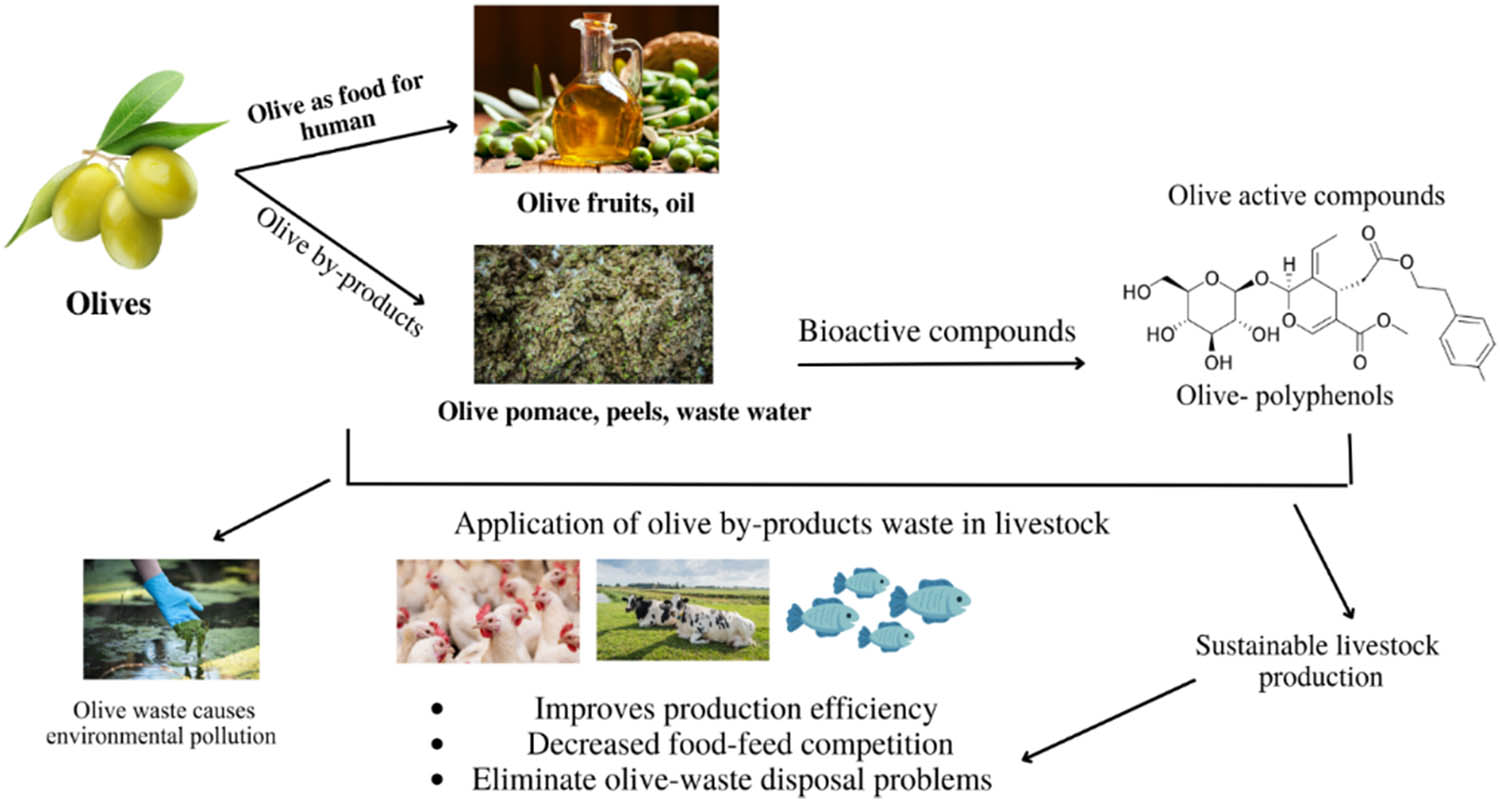
Figure 1
Schematic representation of the olive oil value chain highlighting the generation and potential utilization of olive oil industry by-products in livestock feeding systems.
1. Material and methods
A structured narrative approach was used to conduct this review to ensure scientific rigor and transparency in the selection, identification, and synthesis of relevant literature. The following important scientific databases were searched extensively: PubMed, Web of Science, Scopus, Google Scholar, and ScienceDirect. The last access was in March 2026. The publications were peer-reviewed. The literature review covered the last 25 years (2000–2025), with particular emphasis on recent research, nearly 60% of which was published in the last 10 years. The search strategy comprised a variety of keywords, including “olive by-products, OP, olive cake, OMWW, animal feeding, livestock nutrition, ruminants, poultry, swine, aquaculture, phenolic compounds, functional feed, and feed processing.” Studies were evaluated for inclusion if they were peer-reviewed and explicitly addressed the use of olive oil industry by-products in animal feeding systems. This included investigations into the chemical composition, nutritional value, processing methods, and in vivo animal responses. Where appropriate, priority was given to peer-reviewed studies providing quantitative data and practical feeding outcomes under in vivo conditions. Articles were excluded if they were not explicitly related to animal nutrition (human nutraceutical applications, food packaging technologies, or unrelated phytogenic additives) or if they lacked satisfactory methodological clarity. A critical evaluation and synthesis of a total of relevant studies from peer-reviewed journals, as well as selected scientific reports, were conducted. The selected literature was arranged based on the type of olive by-product, animal species (ruminants, poultry, swine, and aquaculture), and the distinction between nutritional and functional roles. Additionally, processing and technological interventions were taken into account. Comparative and integrative analysis was prioritized over purely descriptive reporting, which enabled the identification of critical patterns, inconsistencies, and factors that influence the effective utilization of olive oil industry by-products in animal nutrition systems.
2. Olive oil industry by-products: Types and availability
The olive oil sector produces significant volumes of by-products throughout the phases of harvesting, refining, and oil extraction (del Pozo et al., 2018). These by-products are predominantly generated in olive cultivation areas, notably within Mediterranean nations, and their seasonal accessibility coupled with substantial amounts makes them attractive options as supplementary feed resources in livestock production frameworks (Langgut et al., 2019). OP, olive cake, olive leaves, and OMWW are the primary by-products of the olive oil industry that are pertinent to animal nutrition; they vary in origin, composition, and potential for feeding (Mahasneh et al., 2024; Malekjani and Jafari, 2023; Patrick and Uzick, 2001). A schematic representation of the origin and categories of by-products in the olive oil industry is depicted in Figure 2. The olive oil production process generates substantial quantities of by-products, including OP, olive cake, olive leaves, and OMWW, which vary in their physical characteristics and relative abundance and represent potential alternative feed resources for livestock.
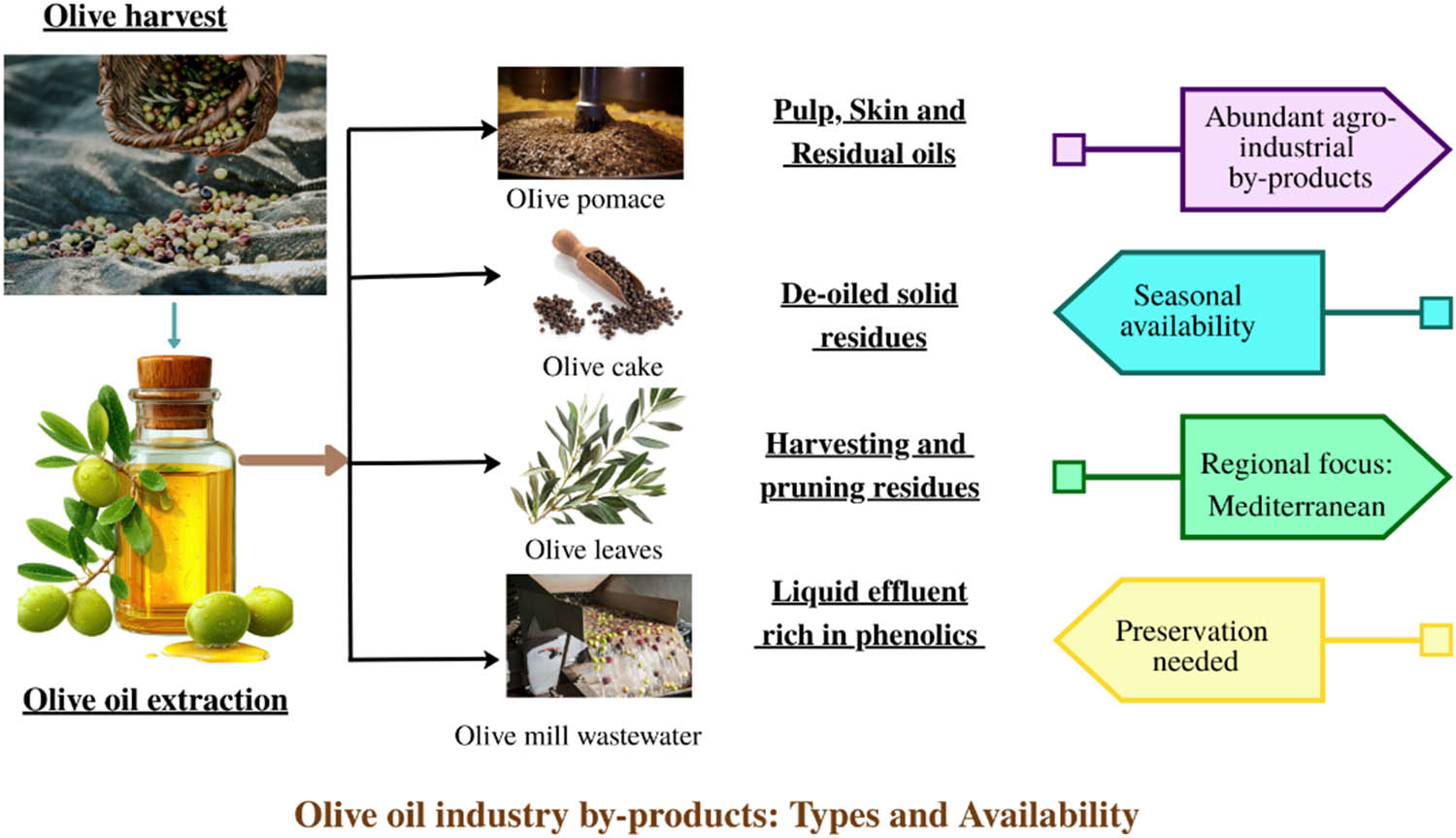
Figure 2
Schematic representation of the olive oil production process and the primary by-products produced, including OP, olive cake, olive leaves, and olive mill waste water.
2.1. OP
OP is the solid by-product derived from the extraction of olive oil, comprising olive pulp, skin fragments, stone fragments, and residual oil (Contreras et al., 2021; Nasopoulou et al., 2018). Depending on the extraction technique used (two-phase or three-phase systems), the moisture content and remaining lipid levels in OP may exhibit variability (Di Giovacchino et al., 2017). Due to its comparatively high fiber content and the moderate energy contribution of residual lipids, OP is utilized primarily in ruminant nutrition, although limited incorporation into monogastric diets has also been investigated after suitable processing (Mehdi et al., 2023; Nasopoulou et al., 2011).
2.2. Olive cake
Olive cake is a by-product of OP following additional oil extraction, typically achieved using solvent-based methodologies (Macedo et al., 2021). Consequently, olive cake typically exhibits a lower lipid content but higher proportions of structural carbohydrates compared to raw pomace (Barouh et al., 2024). Its application in animal nutrition is predominantly restricted to ruminants, where it functions as a source of fiber and energy when it is incorporated at regulated levels. Variations in particle size and lignification can affect its digestibility and nutritional value (Fadel and El-Ghonemy, 2015).
2.3. Olive leaves
Olive leaves are produced during the processes of olive harvest and pruning, constituting a substantial source of biomass (Mabrouk et al., 2023). They are distinguished by a moderate level of fiber content and the presence of bioactive compounds, such as phenolics (Kougioumtzis et al., 2022). Olive leaves have historically been incorporated into small ruminant nutrition programs within olive-producing areas, although their inclusion rates are typically limited due to concerns about palatability and the presence of secondary metabolites (Ruiz et al., 2017; Lama-Muñoz et al., 2020).
2.4. OMWW
OMWW is a liquid by-product predominantly produced in three-phase olive oil extraction systems (Elkacmi et al., 2016; Papadomichelakis et al., 2019). It comprises soluble organic substances, minerals, and elevated levels of phenolic compounds (Atanassova et al., 2005; Paredes et al., 1999). Although its immediate application in livestock nutrition is constrained by elevated moisture levels and possible toxic constituents, OMWW has been explored as a source of bioactive compounds or subjected to processing and dilution methodologies designed to attenuate its phenolic content (Dich et al., 2025; Imperatore et al., 2023).
2.5. Availability and variability
The availability and properties of by-products derived from the olive oil industry are determined by the olive cultivar, agricultural management techniques, climatic factors, and extraction methodologies (Otero et al., 2021; Romero et al., 2018). Seasonal availability, elevated moisture levels, and rapid deterioration can limit their direct application, requiring suitable preservation and processing techniques to facilitate year-round integration within livestock nutrition programs (Fattoum et al., 2025; Shah et al., 2025).
In general, significant variations in the availability and composition of by-products from the olive oil industry have major practical implications for their application in animal nutrition systems. Variations in moisture content, fiber composition, residual lipid concentrations, and phenolic chemicals affect their nutritional value, storage durability, and suitability for different animal species (Mahesar et al., 2019). Specifically, their direct use can be restricted by their high moisture content and seasonal production patterns, which may require the implementation of appropriate preservation strategies, such as ensiling or drying. Furthermore, variability in chemical composition requires careful formulation and standardization to ensure consistent dietary inclusion levels and animal performance. Consequently, the efficient use of these by-products relies on the incorporation of suitable processing technology and feeding strategies customized for particular livestock systems.
2.6. Chemical composition and nutritional value
The chemical composition and nutritional characteristics of by-products from the olive oil industry demonstrate considerable variability, influenced by factors such as olive cultivar, agricultural practices, fruit maturity, geographic origin, and the technology employed in oil extraction (Alesci et al., 2022). These factors collectively determine their suitability and limitations as feed resources, which require careful evaluation prior to dietary inclusion. Differences in extraction systems, including traditional pressing and modern two- or three-phase centrifugation, further influence the proportions of residual lipids and fibrous components, thereby affecting their overall nutritional profile (Clemente et al., 1997; Huang et al., 2019; Souilem et al., 2017).
2.7. Fiber content and lignification as a primary constraint
A defining characteristic of olive oil by-products is their high content of structural carbohydrates, particularly in OP and olive cake (Guo et al., 2018). The reported crude fiber levels range from 20 to 48%, with neutral detergent fiber (NDF) values between 40 and 65% of dry matter (DM) and acid detergent fiber (ADF) concentrations ranging from 30 to 54% (García et al., 2003; Macedo Júnior et al., 2007; El-Moneim and Sabic, 2019; Sayehban et al., 2016; Zarei et al., 2011). This lignocellulosic composition represents a major limitation for non-ruminant species, as high fiber levels reduce nutrient density, limit feed intake, and impair digestibility (Jiménez-Moreno et al., 2011; Mateos et al., 2012). Conversely, in ruminants, microbial fermentation enables partial utilization of fibrous fractions, making these by-products more suitable for inclusion in ruminant diets.
2.8. Residual lipid content: Energy value and associated risks
The by-products of olive oil also contain moderate to high levels of residual lipids, particularly in OP, where the content of the ether extract ranges from 12% to 22%, depending on extraction efficiency, while de-oiled olive cake typically contains less than 5% lipid (Alburquerque et al., 2004; Chiofalo et al., 2004). These lipids are rich in unsaturated fatty acids (UFA), especially oleic acid, contributing to dietary energy supply and potentially influencing the fatty acid (FA) composition of animal products (Alvarez Serafini and Tonetto, 2019; Terramoccia et al., 2013). However, excessive lipid levels may negatively affect rumen fermentation in ruminants and reduce nutrient digestibility in monogastric species, highlighting the importance of controlled inclusion levels (Behan et al., 2019).
2.9. Protein content and nutritional limitations
The crude protein (CP) content of the olive oil by-products is generally low and highly variable (Inzunza-Soto et al., 2021). Protein concentrations between 2.4 and 3.5% have been documented in OP obtained from three-phase centrifugation systems (Wedyan et al., 2017), whereas residues resulting from two-phase extraction may contain approximately 7% CP (Alburquerque et al., 2004). Olive leaves tend to exhibit relatively higher protein levels (Michailides et al., 2011). However, protein quality is constrained by an imbalanced essential amino acid profile and reduced digestibility due to fiber encapsulation and interaction with phenolic compounds (Iannaccone et al., 2019; Mumcu and Deliboran, 2025; Nunes et al., 2016). Consequently, these by-products are not suitable as primary protein sources in livestock diets.
2.10. Mineral composition and potential imbalances
The mineral composition of the by-products of olive oil industry also differs depending on the processing conditions. OP generally contains notable concentrations of potassium (approximately 2%), calcium (approximately 0.45%), sodium (approximately 0.08%), and phosphorus (approximately 0.12%), in addition to trace elements including iron, copper, manganese, and zinc (Alburquerque et al., 2004). While these minerals may contribute to dietary supply, elevated potassium concentrations can limit inclusion levels unless diets are carefully balanced to avoid mineral imbalances.
2.11. Bioactive compounds: Functional potential vs nutritional constraints
In addition to their proximate composition, olive oil by-products are rich in bioactive compounds, including phenolic constituents such as oleuropein, hydroxytyrosol, tyrosol, and gallic acid, along with natural pigments such as chlorophylls, carotenoids, and lutein (Gallardo-Guerrero et al., 2002; Cioffi et al., 2010; Dermeche et al., 2013). These compounds may confer antioxidant and functional benefits; however, at higher concentrations, they can also exert anti-nutritional effects by interfering with nutrient digestibility and protein utilization.
2.12. Implications for animal feeding systems
The combined effects of fiber content, residual lipids, protein limitations, mineral composition, and bioactive compounds determine the suitability of olive oil by-products for different livestock species. Ruminants are better adopted to utilize these materials due to their ability to ferment fibrous fractions, which may allow relatively higher inclusion levels of OP and olive cake under appropriate conditions without adversely affecting animal performance (Neofytou et al., 2023; Verge-Mèrida et al., 2022; Al-Masri, 2012; Alkhtib et al., 2021). In support of this, Masucci et al. (2025) provided evidence that olive tree biomass residues, such as pruning residues and olive mill leaves, can be effectively integrated into the diets of lactating cows. This integration yields positive effects on the milk fat content and FA profile, while maintaining overall productive performance under practical farm conditions. In contrast, poultry and swine exhibit lower digestibility of fiber and energy, thus requiring lower inclusion levels and suitable processing strategies (Caparra et al., 2023; Zentek and Boroojeni, 2020). In general, olive oil by-products are more effectively used as supplementary feed components, with their successful application depending on species-specific formulation, processing, and controlled inclusion levels (Salami et al., 2019). The chemical composition and energy-related properties of these by-products are summarized in Table 1, while species-specific digestibility and recommended inclusion levels are presented in Table 2.
Table 1
Chemical composition and energy-related characteristics of major olive oil industry by-products (DM basis)
| By-product | NDF (% DM) | CP (% DM) | Ether extract (% DM) | Ash (% DM) | Energy value* | References |
|---|---|---|---|---|---|---|
| OP | 45–65 | 6–10 | 6–15 | 5–8 | Moderate (due to residual oil) | Molina-Alcaide and Yáñez-Ruiz (2008); Abbeddou et al. (2011) |
| Olive cake (de-oiled) | 50–70 | 6–9 | <5 | 6–10 | Low–moderate | Bastante et al. (2019); Molina-Alcaide and Yáñez-Ruiz (2008) |
| Olive leaves | 40–55 | 8–12 | 2–5 | 7–12 | Low | Salem and Smith (2008); Martín-García et al. (2003) |
| OMWW† | — | — | — | High | — | El Ghadraoui et al. (2021); El-Kelawy and Refaie (2024) |
[i] *Energy value refers to relative metabolizable or net energy contribution depending on species and inclusion level. †OMWW is generally not used directly as a feed ingredient due to high moisture content and phenolic load, but may be considered after appropriate processing or as a source of bioactive compounds.
Source: Compiled from the references listed in the table.
Table 2
Species-specific utilization, digestibility, and indicative inclusion ranges of olive oil industry by-products in livestock diets
| Species | By-product | Digestibility characteristics (%) | Amino acid limitations | Typical inclusion (% DM) | Main constraints | References |
|---|---|---|---|---|---|---|
| Ruminants (cattle, sheep, goats) | OP | DM: 55–65; Olive meal (OM): 60–70; CP: 40–55 | Low essential amino acids (AA); microbial protein is primary AA source | 5–20 | High lignin; excessive fat at high levels | Molina-Alcaide and Yáñez-Ruiz (2008); Abbeddou et al. (2011) |
| Ruminants | Olive cake (de-oiled) | DM: 50–60; OM: 55–65; CP: 35–50 | Poor AA balance; low lysine | 5–15 | Low protein; high fiber | Alves et al. (2019); Molina-Alcaide and Yáñez-Ruiz (2008) |
| Ruminants | Olive leaves | DM: 45–55; OM: 50–60; CP: 30–45 | Moderate CP; low essential AA | ≤10 | Palatability; phenolics | Salem and Smith (2008); Martín-García et al. (2003) |
| Poultry | OP (processed) | DM: 35–45; Energy: 40–50 | Deficient in lysine and methionine | ≤5 | High fiber; low metabolizable energy (ME) | Zangeneh and Torki (2011); Gerasopoulos et al. (2015) |
| Swine | OP (low inclusion) | DM: 45–55; Energy: 50–60 | Low essential AA concentration | ≤5–8 | Fiber; palatability | Paiva-Martins et al. (2014); Tabera et al. (2004) |
| Fish | OP (extracts/low fiber forms) | DM: 40–55 | Limited AA contribution | ≤5 | Fiber; phenolics | Abasubong et al. (2024); Gunathilaka et al. (2020) |
Digestibility values represent estimated ranges affected by the processing methods, inclusion levels, and overall diet composition. Energy values are expressed as metabolizable or net energy depending on the species.
Note: Values represent indicative ranges compiled from multiple peer-reviewed studies rather than standardized experimental conditions and may vary depending on by-product type, processing conditions, and animal species.
Source: Compiled from the references listed in the table.
2.13. Bioactive and phenolic compounds in olive by-products
The bioactive and phenolic composition of olive oil by-products varies considerably depending on the type of by-product, olive cultivar, climatic conditions, fruit maturity, and extraction technology (Romero et al., 2018). Among these fractions, OMWW is particularly rich in phenolic compounds (Fattoum et al., 2025). It is a dark, malodorous, acidic liquid (pH 4.0–5.5) with high electrical conductivity (6,000 and 16,000 mS/cm), composed mainly of water (80–92%) and organic constituents including carbohydrates, lipids, organic acids, polysaccharides, pectin, tannins, lignin, and phenolics (La Scalia et al., 2017; Pierantozzi et al., 2012; Khdair and Abu-Rumman, 2020). Its chemical composition is significantly influenced by processing and environmental conditions (Aviani et al., 2012; Morillo et al., 2009; Paraskeva and Diamadopoulos, 2006), and it also contains considerable quantities of potassium (Dermeche et al., 2013).
OMWW contains various phenolic compounds, including hydroxytyrosol, tyrosol, oleuropein derivatives, phenolic acids, caffeic acid, gallic acid, secoiridoids, phenolic alcohols, and flavonoids (Bonvino et al., 2018; Fabbri et al., 2004; Obied et al., 2005; Ventura et al., 2019; Silvestrini et al., 2023). These compounds exhibit strong antioxidant and antimicrobial activities in vitro, although their higher concentrations may also contribute to phytotoxicity and significant environmental hazards. Accordingly, OMWW is characterized by elevated biological oxygen demand (40–95 g/L), chemical oxygen demand (50–180 g/L), and phenolic content (0.5–24 g/L), which necessitate appropriate treatment prior to agricultural or feed-related applications (Barbera et al., 2013; Cittan and Çelik, 2018; Caporaso et al., 2018; Fabbri et al., 2004; Venturi et al., 2017).
The olive leaves are another important source of phenolic compounds and are generated in substantial quantities during harvesting and pruning (Flamminii et al., 2020; Şahin and Bilgin, 2018). In terms of their phenolic profile, oleuropein is dominant, followed by hydroxytyrosol, verbascoside, flavonoids, and other secoiridoids (Orak et al., 2019). These compounds exhibit antioxidant and antimicrobial activities, although their biological effects in animal systems appear to vary according to inclusion level, processing method, and diet composition (Özcan and Matthäus, 2017; Şahin and Bilgin, 2018). High phenolic concentrations, particularly oleuropein, may also reduce palatability and protein digestibility, thereby limiting dietary inclusion levels (Cedola et al., 2020; Hidalgo-Carrillo et al., 2020). Olive leaf extracts have long been used in traditional medicine and are presently utilized as natural supplements for managing metabolic, cardiovascular, and immune-related conditions (Ben Salem et al., 2015; Kamran, 2016). In food and animal production systems, these compounds may additionally improve microbial safety, oxidative stability, and product shelf life (Difonzo et al., 2017; Liu et al., 2018; Ranalli et al., 2006; Guglielmotti et al., 2020; Noori et al., 2020).
OP is a major by-product of olive oil extraction and retains approximately 98% of the total phenolic compounds originally present in the olive fruits (Chanioti and Tzia, 2017; Nunes et al., 2016). Its phenolic profile is primarily characterized by hydroxytyrosol and comselogoside, which collectively constitute approximately 80% of the total phenolic content, while tyrosol and other derivatives occur at lower concentrations (Nunes et al., 2018). In addition to phenolics, OP contains residual lipids, fiber fractions, and micronutrients, contributing to its nutritional value (Alburquerque et al., 2004; Malapert et al., 2018). Typically, OP contains 60–70% water, 13–15% lignin, 18–20% cellulose and hemicellulose, 2.5–3% residual oil, and roughly 2.5% mineral matter, in addition to carbohydrates, volatile FAs, polyalcohols, proteins, pigments, and phenolic compounds (Alburquerque et al., 2006). The lipid fraction is rich in oleic acid and also contains vitamin E derivatives, particularly α-tocopherol (Malapert et al., 2018). However, high phenolic and lignin contents may impair nutrient digestibility and limit feed intake if inclusion levels are not properly managed (Al-Masri, 2012; Malapert et al., 2018; Galanakis, 2012).
From a functional perspective, several in vivo studies have reported improvements in antioxidant status, immune responses, and product quality in animals supplemented with olive-derived by-products or their extracts (Kidd, 2004; Debbou-Iouknane et al., 2019; Sayehban et al., 2020). However, these effects appear to be dependent on dosage, processing conditions, and the form of supplementation (e.g., raw by-products vs extracts), and are not consistently observed across animal species. Therefore, while phenolic compounds contribute to the functional potential of olive by-products, their practical application in animal feeding systems requires careful consideration of both beneficial and anti-nutritional effects.
Beyond animal feeding, OP has also been explored for biorefinery applications, composting production, pesticide manufacturing, and the retrieval of pectic polysaccharides (Abbattista et al., 2021). From a nutritional perspective, OP contains compounds with antioxidant, antifungal, antibacterial, and antiparasitic properties; however, its application as a feed component is limited by low digestible protein content, high lignin concentrations, and mineral imbalances, i.e., notable deficiencies in phosphorus, magnesium, and sodium, despite its sufficient concentrations of calcium, manganese, zinc, copper, and cobalt (Moghaddam et al., 2012; Sinrod et al., 2019). The main phenolic compounds, together with their functional characteristics, and nutritional significance are summarized in Table 3.
Table 3
Major phenolic compounds, functional properties, and nutritional implications of olive oil industry by-products
| By-product | Main phenolic compounds | Total phenolic level | Functional properties | Nutritional/feeding implications | References |
|---|---|---|---|---|---|
| OMWW | Hydroxytyrosol, tyrosol, oleuropein derivatives, oleacin, verbascoside, caffeic acid, gallic acid, luteolin, rutin | Very high (0.5–24 g/L) | Strong antioxidant and antimicrobial activity (primarily demonstrated in vitro), phytotoxic at higher concentrations | Not suitable for direct feeding; may serve as a source of phenolic extracts after appropriate treatment | Fabbri et al. (2004); Barbera et al. (2013); Cittan and Çelik (2018) |
| Olive leaves | Oleuropein (dominant), hydroxytyrosol, verbascoside, flavonoids | High | Antioxidant and antimicrobial potential; effects depend on dose and processing, antiparasitic | Limited inclusion in diet due to palatability constraints and possible negative effect on protein digestibility at higher levels | Ben Salem et al. (2015); Şahin and Bilgin (2018); Difonzo et al. (2017) |
| OP | Hydroxytyrosol, comselogoside (∼80%), tyrosol | Moderate–high | Antioxidant and antibacterial potential, antifungal, anticoccidial | May be used as a supplementary feed ingredient at controlled inclusion levels; digestibility may be limited by lignin and phenolic content | Nunes et al. (2018); Malapert et al. (2018); Debbou-Iouknane et al. (2019) |
Source: Compiled from the references listed in the table.
Phenolic concentrations and associated biological effects differ according to the olive cultivar, extraction techniques, and processing methods. Feeding suitability is contingent upon the species, inclusion level, and dietary context. Reported functional properties are largely based on in vitro or controlled experimental studies and may not be consistently replicated in vivo.
2.14. ANFs and mitigation strategies for olive oil by-products
Despite their nutritional and functional potential, olive oil industry by-products contain several ANFs that may restrict their application in livestock diets, especially in monogastric species and, to a lesser extent, in ruminants (Yan et al., 2025). These limitations are mainly associated with high fiber content, phenolic compounds (including tannins and polyphenols), phytic acid, lipid oxidation, and significant variability in chemical composition, all of which may adversely affect nutrient digestibility, palatability, and animal performance if not properly managed (Molina-Alcaide and Yáñez-Ruiz, 2008; Sayehban et al., 2016; Al-Harthi, 2017).
Among the by-products of the olive oil industry, olive cake and OP are notably rich in structural carbohydrates, such as cellulose, hemicellulose, and lignin, leading to high levels of NDF and ADF. These fibrous components diminish the dietary energy density and restrict nutrient bioavailability. Ruminants may use fiber to a certain extent through microbial fermentation, but consuming great quantities of it can reduce their appetite and digestion (Wilk et al., 2022). In contrast, monogastric animals have limited enzymatic ability to degrade non-starch polysaccharides (NSP), leading to reduced nutrient utilization and ME supply (García et al., 2003; Jiménez-Moreno et al., 2011; Mateos et al., 2012). In poultry, OP is particularly constrained by high moisture content, susceptibility to lipid oxidation, and elevated levels of lignin and NSP, which limit digestibility and inclusion levels unless appropriate processing and storage strategies are applied (Yan et al., 2025).
Phenolic compounds represent a significant additional factor that contributes to anti-nutritional limitations (Ferreira et al., 2024a). In olive oil extraction, there is a limited fraction of phenolic compounds (approximately 2%) incorporated into the oil, while the predominant portion (up to 98%) is retained within olive mill by-products, including olive cake and OP (Rodis et al., 2002; Suárez et al., 2010). These phenolic compounds, specifically tannins, can suppress ruminal microbial activity by forming complexes with protein and minerals, inhibiting digestive enzymes secretion, consequently reducing feed palatability and digestibility in ruminants (McSweeney et al., 2001; Addisu, 2016). In monogastric species, higher phenolic concentrations may additionally hinder the absorption of proteins and minerals by producing insoluble complexes and suppressing digestive enzymes (Surai, 2014; Fathy et al., 2018). Phytic acid may further reduce mineral bioavailability through chelation (Chebaibi et al., 2019).
To mitigate these limitations, several processing methodologies (physical, chemical, and biological) have been assessed to diminish ANFs and improve the nutritional profile of olive by-products (Mumcu and Deliboran, 2025). Physical treatments such as destoning can reduce fiber content and improve digestibility (Sadeghi et al., 2009), while chemical treatments, including ammonia supplementation, can improve nitrogen availability and palatability (Bucatariu, 2020). Ensiling is widely used to improve storage stability and palatability, particularly in ruminant feeding systems, although its effects on digestibility are variable (Nefzaoui and Vanbelle, 1986; Al Jassim et al., 1997; Aboul-Fotouh et al., 2013). In addition to its preservation function, ensiling may enhance palatability, as reflected by higher voluntary intake in ruminants compared to unprocessed material (Nefzaoui and Vanbelle, 1986). Ensiling with urea (4–5%) can increase CP content through non-protein nitrogen enrichment; however, its effects on digestibility are variable and not consistently observed (Al Jassim et al., 1997; Aboul-Fotouh et al., 2013). Overall, the benefits of ensiling are mainly related to preservation and palatability, with limited and inconsistent improvements in digestibility.
Biological approaches, especially solid-state fermentation (SSF), have shown potential to improve the nutritional value of olive by-products by reducing fiber content, modifying phenolic compounds, and enhancing protein availability. SSF by employing selected filamentous fungi can reduce fiber content, partially degrade phenolic compounds, and improve protein bioavailability, thereby enhancing the overall nutritional quality of olive by-products (Aguilera et al., 1986; Pandey et al., 1999; Chebaibi et al., 2019). These processes may also improve feed utilization through enhanced enzymatic activity (Rodriguez-Leon et al., 2008). These effects may be particularly relevant for improving nutrient utilization in both ruminant and monogastric species, although responses can vary depending on processing conditions and substrate characteristics (Hsu et al., 2013). Therefore, SSF can be considered a multifunctional strategy, contributing to improved digestibility, partial phenolic modulation, and enhanced protein utilization. Overall, the effectiveness of these strategies depends on the type of by-product, processing conditions, and target animal species, and their practical application requires careful optimization within specific feeding systems.
In summary, the effective integration of olive oil industry by-products into livestock diets relies on the proper mitigation of ANFs through suitable processing and preservation methods. Physical remedies such as destoning and grinding, chemical methodologies such as ammonia and molasses supplementation, and biological techniques like ensiling and SSF can significantly enhance the nutritional value of olive by-products. When integrated with species-specific inclusion levels and carefully formulated balanced diets, these strategies allow olive by-products to be converted from low-value residues into functional feed ingredients that support sustainable and resource-efficient livestock production systems (Molina-Alcaide and Yáñez-Ruiz, 2008; Galanakis, 2012). The primary anti-nutritional components associated with olive oil industry by-products and the corresponding mitigation strategies, including processing interventions and species-specific applications, are summarized in Figure 3. These approaches are essential to reduce nutritional limitations and improve the effective utilization of olive-derived by-products in ruminants, monogastric animals, and aquaculture systems.
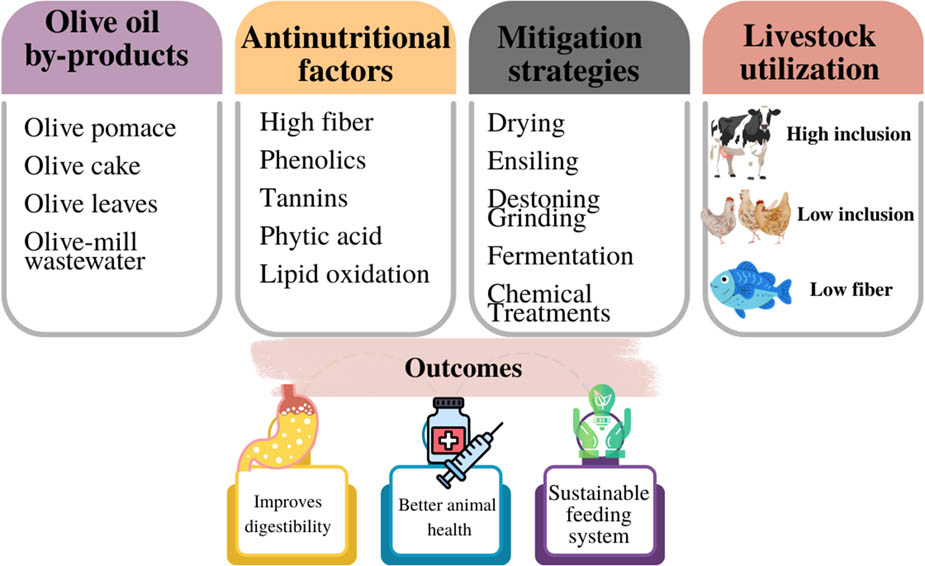
Figure 3
Schematic representation of olive oil industry by-products, their main ANFs, and corresponding mitigation strategies in livestock feeding systems.
2.15. Processing and preservation methods
The practical application of olive oil industry by-products in livestock feeding systems depends on appropriate processing and preservation techniques that improve nutritional quality, extend shelf life, and reduce limitations associated with high moisture, fiber, and phenolic contents (Barp et al., 2024; Simsek and Süfer, 2022). Due to their seasonal availability and rapid deterioration, fresh olive by-products generally require stabilization before inclusion in animal diets (Dilucia et al., 2020; Irmak et al., 2017). To enhance their nutritional content, stability, and safety, numerous physical, chemical, and biological treatments have been devised. The effectiveness of these strategies differs among livestock species, particularly between ruminants and monogastric animals, due to differences in digestive physiology. Figure 4 summarizes the main processing and preservation techniques used for olive oil industry by-products and their implications for livestock nutrition.
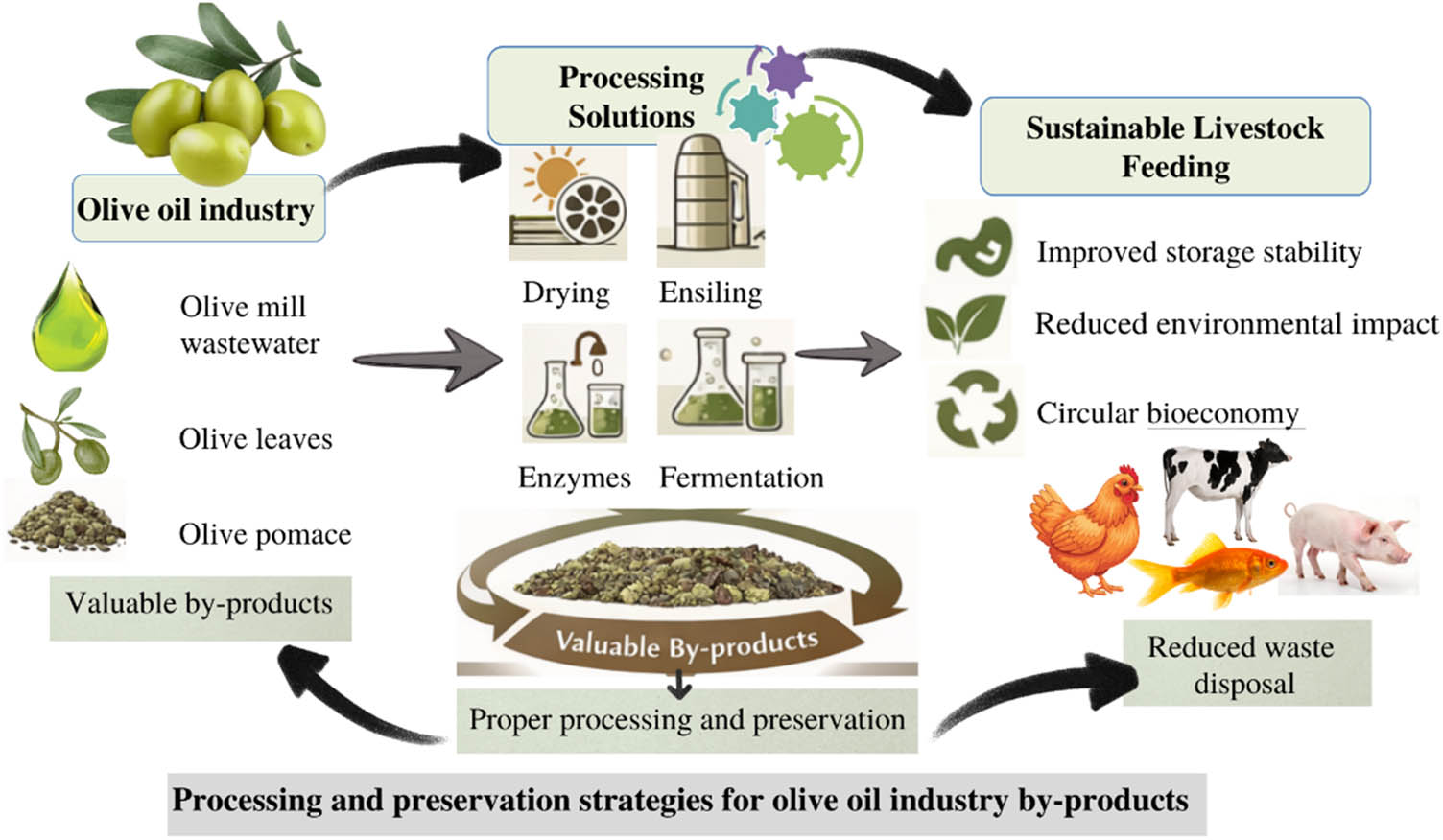
Figure 4
Schematic overview of processing and preservation methods utilized for olive oil industry by-products and their implications for livestock nutrition.
Dehydration is among the most frequently applied preservation methods for OP and olive leaves (Cabrera-Escobar et al., 2024). Because OP may contain up to 55–74% moisture, drying or other stabilization procedures are generally required prior to use in animal feed, although such processing may increase production costs and potentially reduce stability of certain bioactive compounds (Yan et al., 2025). By reducing moisture content, drying limits microbial growth and facilitates storage and transport conditions (Dini et al., 2020). In ruminants, dehydration primarily improves handling characteristics and feed stability, with limited effects on fiber utilization. In monogastric species, however, drying may improve feed intake and ingredient consistency while reducing spoilage risks. Excessive drying temperatures may nevertheless degrade phenolic compound retention and reduce nutrient digestibility, particularly in non-ruminant systems (Cabrera-Escobar et al., 2024). Drying also enhances the physical properties of these olive by-products, facilitating their integration into total mixed rations or pelleted feeds (Arpaci et al., 2025).
Ensiling is an effective and economical preservation method, particularly for OP and olive leaves, and is especially relevant for ruminant feeding systems (D’Alessandro et al., 2023). Through microbial fermentation, ensiling enhances aerobic stability and may reduce phenolic content and anti-nutritional effects (Rabee et al., 2021; Weinberg et al., 2008). The incorporation of fermentable carbohydrates or microbial inoculants can improve silage quality, decrease pH, and enhance palatability (Arco-Pérez et al., 2017). In ruminants, these changes can improve palatability and support microbial fermentation, leading to enhanced feed intake and, in some cases, digestibility (Kazemi, 2025; Marcos et al., 2019; Masucci et al., 2025). In contrast, the benefits of ensiling are less pronounced in monogastric animals, where improvements in fiber degradation remain limited.
Mechanical processing methods, including grinding and pelleting, are widely used to standardize particle size and improve feed handling (Lyu et al., 2020). In ruminants, moderate particle size reduction can enhance microbial access to fibrous components; however, excessive grinding may reduce rumination and fiber effectiveness (Tafaj et al., 2001). In monogastric animals, grinding and pelleting play a more critical role by improving feed uniformity, increasing digestibility, and reducing selective feeding behavior (Zentek and Boroojeni, 2020).
Chemical and biological treatments have been explored to enhance the nutritional value of olive by-products (Rodríguez-Pérez et al., 2025). Alkaline treatments, (e.g., sodium hydroxide or ammonia) can partially degrade lignocellulosic structures, thereby improving fiber digestibility, which is particularly beneficial in ruminants where fiber fermentation is a key nutritional pathway (Guo et al., 2018). In monogastric species, these treatments may have more limited direct effects on fiber utilization but can still contribute to improved nutrient accessibility. Biological treatments, including the use of fibrolytic enzymes and specific microbial cultures, may enhance nutrient availability and reduce phenolic–protein interactions; however, their effectiveness varies and their practical application remains constrained by economic and operational factors (Kazemi et al., 2025; Pinotti et al., 2021).
Extraction and fractionation techniques are mainly applied to OMWW and OP to facilitate the recovery of phenolic compounds and residual oil (Miklavčič Višnjevec et al., 2020). These processes reduce phenolic load and environmental impact, which may improve the suitability of the remaining material for animal feeding. In ruminants, reduced phenolic content may enhance microbial activity and feed utilization, whereas in monogastric species, lowering phenolic levels may improve palatability and nutrient digestibility (Lissaneddine et al., 2021). However, these processes may also alter the energy value and overall nutritional profile, requiring case-specific evaluation (Khan et al., 2025).
Overall, the selection of processing and preservation strategies should consider the type of olive by-product, target animal species, dietary inclusion level, and economic feasibility. In practical feeding systems, these factors are closely associated with feed formulation constraints, including nutrient balance, variability in chemical composition, and limitations on inclusion levels to avoid negative effects on digestibility and performance (Al-Masri, 2012; Alkhtib et al., 2021). Suitable processing methods that can improve fiber accessibility are particularly relevant for ruminants, whereas strategies that reduce ANFs and enhance nutrient digestibility are more critical for monogastric species. Appropriate application of these techniques can significantly improve the nutritional value and safe utilization of olive oil industry by-products in livestock production systems (Barp et al., 2024). However, their successful implementation under farm and industrial conditions depends on economic viability, scalability, and the ability to maintain consistent nutritional quality. The effects of processing and preservation strategies on the feeding value and practical usability of olive oil industry by-products are summarized in Table 4.
Table 4
Effects of processing and preservation methods on the feeding value of olive oil industry by-products
| Processing method | Main effect on by-products | Nutritional impact | Most suitable species | Key remarks | References |
|---|---|---|---|---|---|
| Drying (sun/forced air) | Moisture reduction, improved shelf life | Stabilizes nutrients; excessive heat may reduce phenolics | Ruminants, poultry, swine | Widely used; cost-effective | Al-Harthi (2016); Sayehban et al. (2016) |
| Ensiling | Fermentation, pH reduction | Improves palatability; partial reduction in phenolics | Ruminants | Requires fermentable carbohydrates | Nefzaoui and Vanbelle (1986); Molina-Alcaide and Yáñez-Ruiz (2008) |
| Grinding | Particle size reduction | Improves rumen microbial access; may reduce fiber effectiveness if excessive | Ruminants | Use moderate particle size | García et al. (2003); Macedo Júnior et al. (2007) |
| Pelleting | Increased bulk density, uniform feed | Improves intake and handling | All species | Heat may affect heat-sensitive compounds | Abd El-Moneim and Sabic (2019) |
| Alkaline treatment | Lignocellulose disruption | Improves fiber digestibility | Ruminants | Limited by safety and cost | Al Jassim et al. (1997); Abdullah et al. (2017) |
| Enzymatic treatment | Fiber and protein matrix degradation | Improves nutrient availability | Ruminants, monogastrics | Variable response | Hsu et al. (2013); Choct (2015) |
| Microbial fermentation | Phenolic modification | Reduces anti-nutritional effects | Ruminants | Still experimental | Aguilera et al. (1986); Chebaibi et al. (2019) |
| Phenolic extraction | Removal of bioactive compounds | Reduces phytotoxicity; lowers functional benefits | Indirect use | Residues require re-evaluation | Al-Harthi (2016); Sayehban et al. (2016) |
Source: Compiled from the references listed in the table.
2.16. Use of olive by-products in ruminant nutrition
Ruminant production systems are particularly suited for the utilization of the olive oil industry by-products due to the ability of rumen microorganisms to ferment fibrous substrates and partially mitigate the effects of phenolic compounds. However, the successful incorporation of these by-products into ruminant diets depends on several key factors, including by-product type, residual lipid content, degree of lignification, processing method, overall diet formulation, and animal category. Therefore, OP, olive cake, and olive leaves have been extensively evaluated as alternative feedstuffs for cattle, sheep, and goats, particularly within olive-cultivating regions (Alcaide et al., 2003; Chiofalo et al., 2020).
Among these, OP is the most widely studied by-product in the field of ruminant nutrition. When incorporated at 5–20% of dietary DM, OP typically sustains DM intake and nutrient digestibility, thereby supporting growth performance and milk production comparable to conventional diets (Molina-Alcaide and Yáñez-Ruiz, 2008; Urso et al., 2017; Amato et al., 2024). However, its effectiveness is strongly influenced by lignin content and residual oil levels, as excessive inclusion may impair fiber digestibility and intake (Sajid et al., 2023a; Wilk et al., 2021, 2022).
In dairy systems, the inclusion of OP and olive cake at moderate levels has been demonstrated to maintain milk production while altering milk composition. Incorporation of 10–15% DM has yielded milk production levels of 18–30 kg/day in dairy cows, without significantly compromising performance relative to control diets (Zilio et al., 2015). Residual lipid content plays a dual role, contributing to dietary energy supply and improving the FA profile of milk and meat, particularly through increased oleic acid and MUFAs (Neofytou et al., 2023; Lo Giudice et al., 2021). At the same time, excessive fat levels may negatively affect rumen fermentation, highlighting the need for controlled inclusion and balanced diet formulation. Comparable results have been documented in dairy sheep and goats, with reported milk production varying between 1.2 and 2.5 kg/day, contingent upon breed and farming practices (Tufarelli et al., 2013; Ishfaq et al., 2015).
In growing ruminants, the inclusion of olive cake, particularly in its de-oiled form, is predominantly served as a source of dietary fiber rather than as an energy source. Its nutritional value depends on the level of lignification and the availability of complementary protein sources. Inclusion levels of approximately 5–15% olive cake on DM basis can support acceptable growth and production performance when diets are adequately supplemented with protein (Lo Giudice et al., 2003; Amato et al., 2024). In dairy ruminants, the incorporation of olive cake typically sustains milk production; however, it may marginally decrease milk protein content if the dietary protein is not adequately balanced. Similarly, olive leaves can be utilized as a supplementary feed resource, particularly in small ruminants, although their use is generally limited by palatability constraints associated with phenolic compounds (Salem and Smith, 2008).
Processing methods represent another critical determinant of successful utilization. Techniques such as drying, ensiling, and biological treatments can improve palatability, reduce ANFs, and enhance nutrient availability, thereby increasing the efficiency of inclusion in ruminant diets. The effectiveness of these methods depends on both the characteristics of the by-product and the target production system. The animal category and production stage also influence the response to dietary inclusion. Growing animals and high-producing dairy ruminants may differ in their tolerance to fiber and fat levels, requiring tailored inclusion strategies to maintain performance and product quality.
In addition to performance, olive by-products may influence rumen fermentation dynamics and methane emissions. Residual lipids and phenolic compounds have been associated with a transition to increased propionate production and moderate decreases in methane emissions; however, these findings exhibit variability in different investigations and necessitate additional validation under practical conditions (Król et al., 2023; Shakeri et al., 2017).
Overall, olive oil industry by-products can partially replace conventional feed ingredients in ruminant diets without adversely affecting animal performance when incorporation levels are carefully managed and aligned with diet formulation constraints (Al-Masri, 2012; Alkhtib et al., 2021). Their successful utilization depends on balancing nutritional limitations with processing strategies and dietary context, supporting both production efficiency and sustainability (Ceyhan et al., 2024; Lo Giudice et al., 2021). The summarized effects of olive oil industry by-products on growth performance and milk production in ruminants are presented in Table 5.
Table 5
Effects of olive oil industry by-products on intake, growth performance, and milk yield in ruminants
| By-product | Species | Inclusion level (% of diet DM) | Performance response | Product quality effects | References |
|---|---|---|---|---|---|
| OP | Lambs | 5–20 | Average daily gain (ADG): 150–280 g/day | Improved meat FA profile | Molina-Alcaide and Yáñez-Ruiz (2008); Amato et al. (2024) |
| OP | Beef cattle | 5–15 | ADG: 0.8–1.2 kg/day | Increased MUFA content | Molina Alcaide and Yáñez-Ruiz (2008) |
| OP | Dairy cows | 10–15 | Milk yield: 18–30 kg/day | Higher oleic acid, improved oxidative stability | Lo Giudice et al. (2021) |
| OP | Dairy sheep/goats | 5–15 | Milk yield: 1.2–2.5 kg/day | Improved milk FA profile | Amato et al. (2024) |
| Olive cake (de-oiled) | Lambs | 5–15 | ADG: 120–250 g/day | Neutral | Lo Giudice et al. (2021) |
| Olive leaves | Sheep/goats | ≤10 | ADG: 100–200 g/day | Stable milk yield | Neofytou et al. (2023); Salem and Smith (2008) |
Note: Inclusion levels are expressed on a dietary DM basis. Values are compiled from multiple peer-reviewed studies and may vary depending on by-product characteristics, processing conditions, diet formulation, and animal production stage.
Source: Compiled from the references listed in the table.
2.17. Use of olive by-products in monogastric nutrition
The utilization of olive oil industry by-products in monogastric nutrition is driven by the need to reduce feed costs and improve sustainability within livestock systems, particularly given the increasing demand for alternative feed resources (Popp et al., 2014; Asghar et al., 2021, 2022, 2024). These by-products are rich in bioactive compounds, including polyphenols and UFAs, which may offer functional benefits; however, their practical application is constrained by several mechanistic limitations. The mitigation of agricultural and food waste is a key focus within European Union and FAO strategies, given that approximately 50% of total food waste generated from farm to consumer occurs during the production and processing of fruits and vegetables (FAO, 2024). In this context, agricultural by-products constitute a significant source of bioactive compounds with functional properties that can be extracted and reintegrated into the agri-food system, thereby supporting the advancement of a circular and zero-waste economy (Malekjani and Jafari, 2023; Ramírez-Pulido et al., 2021; Elbaz et al., 2020). This has stimulated research into alternative, cost-effective feed resources that can partially replace conventional ingredients without adversely affecting animal performance (Akram et al., 2019, 2021; Gumowski et al., 2025; Sajid et al., 2023b; Sierżant et al., 2023).
The primary constraints associated with the use of olive by-products in monogastric animals include high fiber content, low digestible energy, variable protein quality, and the presence of phenolic compounds and other ANFs (Molina-Alcaide and Yáñez-Ruiz, 2008; Nunes et al., 2016; Sayehban et al., 2016; Al-Harthi, 2017). Unlike ruminants, monogastric species lack the enzymatic capacity to efficiently degrade NSP, resulting in reduced nutrient digestibility and energy utilization (Alburquerque et al., 2004; Christoforou and Fokaides, 2016; Cioffi et al., 2010; Alvarez Serafini and Tonetto, 2019; Benincasa et al., 2021). Additionally, phenolic compounds such as oleuropein and hydroxytyrosol can interfere with the absorption and palatability of nutrients when included at high levels, although they may exert beneficial effects at controlled inclusion rates (Ghanbari et al., 2012; Salobir et al., 2013; Şahin and Bilgin, 2018; Leskovec et al., 2018).
Although these benefits are evident, the application of olive by-products in monogastric nutrition remains constrained by significant variability in chemical composition, influenced by factors such as olive cultivar, tree age, environmental conditions, soil properties, and processing methods (Molina-Alcaide and Yáñez-Ruiz, 2008; Cayan and Erener, 2015). Olive leaves and olive cake typically exhibit low levels of digestible energy and protein, elevated fiber content, and reduced palatability, limiting their inclusion in poultry and swine diets (Sayehban et al., 2016; Al-Harthi, 2017). In particular, the high content of lignin, and NSP, together with phenolic compounds such as tannins, copper, and polyphenols, imposes a practical nutritional ceiling by reducing nutrient digestibility, impairing enzyme activity, and limiting feed intake in monogastric species. Additionally, these by-products may contain elevated levels of certain minerals, including copper, which may further restrict their use at higher inclusion rates. Nevertheless, when incorporated at controlled levels, olive by-products can contribute valuable vital minerals, including manganese, zinc, and calcium (Sayehban et al., 2016). Moreover, olive-derived polyphenols, including oleuropein, hydroxytyrosol, and tyrosol, exhibit a wide range of biological activities, including antimicrobial, antioxidant, anti-inflammatory, hypolipidemic, and immunomodulatory effects, which may provide functional benefits when inclusion levels are carefully managed (Ghanbari et al., 2012; Salobir et al., 2013; Şahin and Bilgin, 2018; Leskovec et al., 2018).
In poultry, olive by-products such as OP, olive cake, olive leaves, and olive oil have been evaluated as alternative feed ingredients (Georganas et al., 2020). At low to moderate inclusion levels, these by-products generally do not affect growth performance, whereas higher inclusion rates may reduce productivity due to increased fiber content and reduced nutrient digestibility (Sayehban et al., 2016). Functional outcomes have been reported in several studies, including improvements in antioxidant status, immune response, and gut microbiota balance, particularly when processed forms or extracts are used (Leskovec et al., 2018; Herrero-Encinas et al., 2020; Yeniçeri et al., 2021; Pirman et al., 2021; Ferlisi et al., 2023). Olive leaves are notably abundant in phenolic compounds, which have been associated with antioxidant activity and oxidative stability in poultry products, although responses may vary depending on dosage and experimental conditions (Mumcu, 2023; Šimat et al., 2022). The olive cake meal contains moderate levels of crude fat (13–18%) and CP (9–10%), along with lignin, NSP, and vital minerals, making it a potentially cost-effective dietary ingredient under specific conditions (Abd El-Moneim and Sabic, 2019; Saleh and Alzawqari, 2021; Alderey et al., 2023; Salih and Mirza, 2023; Hlatshwayo et al., 2023). Olive oil supplementation (2–5%) has been associated with improved lipid metabolism, enhanced meat and egg FA profiles, and reduced cholesterol levels (Papadopoulos et al., 2023; Corrales et al., 2023; Yendou-Gname et al., 2024). Similarly, inclusion of dried olive pulp at approximately 5–6% has been shown to improve egg quality through increased polyunsaturated fatty acid (PUFA) content (Dedousi et al., 2022; Sarapis et al., 2023). However, these benefits are dependent on inclusion level, processing method, and diet formulation. Furthermore, olive by-products may improve mineral bioavailability in poultry. For example, olive oil has been shown to enhance the bioavailability of fat-soluble vitamins A and D, which may contribute to improved calcium absorption and subsequently enhancing eggshell quality under certain conditions (Eskandani et al., 2022; Mehram et al., 2022; Cheng et al., 2023; Liu et al., 2023). However, these responses are context-dependent and should not be generalized across all feeding systems. The incorporation of OM at levels up to 9% has been demonstrated to sustain growth performance while enhancing dietary fiber consumption in broilers, thereby supporting its role as an environmentally sustainable feed ingredient (Zangeneh and Torki, 2011; Sateri et al., 2017). Overall, these findings suggest that olive by-products may contribute to poultry nutrition as supplementary feed ingredients when included at controlled levels. Their potential functional benefits are influenced by multiple factors, including inclusion rate, processing method, and diet composition, and therefore require careful formulation to balance nutritional constraints with possible improvements in product quality.
In swine, olive by-products have been investigated as dietary components with potential effects on both performance and product quality. Inclusion of olive leaves (5–10%) may increase dietary fiber but can negatively affect growth performance parameters such as ADG and feed efficiency (Paiva-Martins et al., 2014). However, improvements in meat quality, including increased α-tocopherol content and enhanced oxidative stability, have been reported (Paiva-Martins et al., 2014; Serra et al., 2018). Similarly, the inclusion of partially defatted olive cake has been associated with increased MUFA content in adipose tissue without major effects on growth performance (Ferrer et al., 2020). Olive pulp supplementation (approximately 5%) has also been shown to maintain carcass characteristics and reduce lipid oxidation, while inclusion in sow diets has demonstrated improvements in antioxidant status and gut microbiota without compromising reproductive performance (Tsala et al., 2020; Sánchez et al., 2022). Environmental considerations also play a role in evaluating the use of these by-products. The inclusion of olive cake has been associated with reduced emissions of ammonia, methane, carbon dioxide, and nitrous oxide during slurry storage, highlighting potential sustainability benefits alongside nutritional effects (Ferrer et al., 2020).
Overall, the use of olive oil industry by-products in monogastric nutrition is primarily limited by digestibility constraints related to fiber and ANFs, while their functional value is associated with bioactive compounds. Their successful application depends on careful control of inclusion levels, appropriate processing, and alignment with diet formulation strategies to balance nutritional limitations with potential health and product quality benefits.
Taken together, these results show that the appropriate amounts of olive by-products in swine diets can improve health, meat quality, and environmental sustainability, especially in production systems with a Mediterranean or extensive component (Egea et al., 2021). In order to evaluate the long-term effects on the economy and the environment and to find the best inclusion strategies to implement at each stage of production, further research is required. The documented inclusion levels, performance metrics, and principal limitations associated with olive oil industry by-products in the diets of poultry and swine are comprehensively summarized in Tables 6 and 7.
Table 6
Inclusion levels, performance responses, and limitations of olive oil industry by-products in poultry nutrition
| By-product | Poultry class | Inclusion level (% diet) | Performance response | Product quality/health effects | Main limitations | References |
|---|---|---|---|---|---|---|
| OP (raw/dried) | Broilers | ≤5 | Neutral to slightly ↓ ADG at higher levels | ↑ Antioxidant status; ↓ meat lipid oxidation; anticoccidial effects; improved gut health markers | High fiber reduced digestibility; low ME; AA imbalance (Lys, Met); palatability | Zangeneh and Torki (2011); Debbou-Iouknane et al. (2019); Sayehban et al. (2016) |
| OP (processed) | Broilers | 2–5 | No adverse effects on ADG or FCR | ↑ Immune response; ↓ lipid oxidation | Processing required | Herrero-Encinas et al. (2020); Ferlisi et al. (2023) |
| Olive cake meal | Broilers | 3–6 | Maintained growth performance and intake | ↑ meat oxidative stability; ↑ vitamin E content | High NSP and lignin content | Abd El-Moneim and Sabic (2019); Alderey et al. (2023); Saleh and Alzawqari (2021) |
| Olive leaves (powder/extracts) | Broilers | ≤2 | No negative effects on performance | ↑ antioxidant and immune markers | Palatability and phenolics at high levels | Mumcu (2023); Šimat et al. (2022) |
| Olive oil | Broilers | 2–5 | No negative effects on performance | ↓ blood TG; ↑ HDL; ↓ SFA, ↑ UFA in meat | Energy density management; cost; oxidation risk | Papadopoulos et al. (2023); Yendou-Gname et al. (2024) |
| Dried olive pulp | Layers | 5–6 | No adverse effects on egg production | ↑ PUFA; ↓ SFA; improved yolk color | Fiber dilution; ME dilution | Dedousi et al. (2022); Corrales et al. (2023) |
| Olive oil | Layers | 2–5 | Stable laying rate | ↑ yolk PUFA; ↓ cholesterol; ↑ shell quality; ↑ yolk color | Cost; energy balance | Corrales et al. (2023); Cheng et al. (2023) |
| OM | Broilers | ≤9 | No negative effect on growth | ↓ Yolk cholesterol; ↑ fiber intake | High fiber; NSP | Zangeneh and Torki (2011); Ranalli et al. (2002) |
Abbreviations: ADG, average daily gain; FCR, feed conversion ratio; ME, metabolizable energy; AA, amino acids; SFA, saturated fatty acids; UFA, unsaturated fatty acids; TG, triglycerides.
Source: Compiled from the references listed in the table.
Table 7
Inclusion levels, performance responses, and limitations of olive oil industry by-products in swine nutrition
| By-product | Production stage | Inclusion level (% diet) | Performance response | Product quality/health effects | Main limitations | Key references |
|---|---|---|---|---|---|---|
| Olive leaves | Growers | 5–10 | ↓ ADG and feed efficiency at higher inclusion levels | ↑ α-tocopherol concentration in muscle and backfat; improved oxidative stability | High fiber content; reduced palatability | Paiva-Martins et al. (2009, 2014) |
| Olive leaves | Fatteners (extensive systems) | ≤5 | Slight reduction in growth performance | Improved meat oxidative stability without changes in FA profile | Fiber; intake limitation | Paiva-Martins et al. (2009) |
| Partially defatted olive cake | Fatteners | ∼12 (120 g/kg) | No significant effect on ADG, ADFI, FCR | ↑ MUFA content in subcutaneous fat; neutral effect on gut microbiota | Fiber content; dilution of ME | Ferrer et al. (2020); Liotta et al. (2019) |
| Dried olive pulp | Fatteners | ∼5 | No negative effect on carcass traits or meat tenderness | ↓ lipid oxidation during early storage; slight changes in meat color (yellowness) | Color changes at higher inclusion (yellowness) | Tsala et al. (2020) |
| Olive pulp | Gestating sows | ∼10 (100 g/kg) | No effect on BW, backfat thickness, or litter performance | ↑ serum antioxidant status; ↑ beneficial fecal microbes (Lactobacillus, Bifidobacterium spp.) | Excess fiber if inclusion is increased | Sánchez et al. (2022) |
Abbreviations: ADG, average daily gain; ADFI, average daily feed intake; FCR, feed conversion ratio; MUFA, monounsaturated fatty acids; BW, body weight.
Source: Compiled from the references listed in the table.
The effects of olive oil industry by-products on performance, product quality, and associated limitations in poultry and swine are summarized in Tables 6 and 7. Across both species, inclusion of these by-products at low to moderate levels generally maintains productive performance, whereas higher inclusion rates are primarily limited by fiber content, reduced ME, and the presence of ANFs. In poultry, the most consistent responses relate to improvements in oxidative stability and modifications of lipid profiles in meat and eggs, while effects on growth performance are typically neutral and depend on inclusion level and processing. In swine, responses are more variable and often reflect a trade-off between growth performance and product quality, with improvements in FA composition and oxidative stability frequently reported in the absence of performance enhancement. Overall, the successful use of olive by-products in monogastric nutrition depends on careful control of inclusion levels, appropriate processing, and alignment with production objectives, as detailed in Tables 6 and 7.
2.18. Use of olive by-products in aquaculture
The inclusion of aquaculture in this review is primarily intended to illustrate the functional feed potential of olive oil industry by-products, rather than their role as conventional nutritional ingredients. Although ruminant and monogastric systems emphasize the balance between nutritional value and inclusion constraints, aquaculture provides a complementary perspective in which olive by-products are mainly utilized as sources of bioactive compounds within functional feeding strategies.
The increasing global demand for fish as the primary source of animal protein, accounting for approximately 17% of total consumption, has driven rapid expansion of aquaculture systems (Tacon et al., 2025). However, the limited availability and rising cost of traditional feed ingredients such as fishmeal and fish oil have intensified the search for alternative and sustainable feed resources (Khan et al., 2025). In this context, there have been a lot of studies seeking on adding plant-based ingredients and agro-industrial by-products, including those derived from the olive oil industry, which have been investigated primarily for their functional rather than nutritional contributions (Choi et al., 2022; Maiolo et al., 2021; Obirikorang et al., 2015). The results have been promising for fish health and performance (Gómez et al., 2025).
Olive-derived materials contain bioactive compounds including vitamins, polyphenols, and UFAs (Difonzo et al., 2021). These compounds have been associated with antioxidant, anti-inflammatory, and antimicrobial properties. While such effects are well established in vitro and in human nutrition, their application in aquaculture has focused on improving fish health and resilience rather than serving as primary nutrient sources (Tacon et al., 2025). Several studies have reported improvements in antioxidant status, immune response, and resistance to oxidative stress in fish supplemented with olive-derived products; however, these responses are dependent on inclusion level, processing method, and species-specific factors (Filipe et al., 2023; Khan et al., 2025; Obirikorang et al., 2015).
From a nutritional perspective, the use of raw olive by-products in aquafeeds is limited by high fiber content, low digestible energy, suboptimal protein quality, and the presence of anti-nutritional compounds (Difonzo et al., 2021; Filipe et al., 2023). Consequently, their inclusion is generally restricted to low levels and often requires prior processing, such as drying, extraction, or fermentation, to improve bioavailability and reduce negative effects (Gunathilaka et al., 2020). Under these circumstances, olive-derived additives may improve intestinal health, immune-related parameters, and oxidative stability without negatively impacting their growth performance or feed efficiency (Choi et al., 2022; Žugčić et al., 2019).
In aquaculture systems, olive by-products are therefore best interpreted within the framework of functional feed ingredients, particularly as natural alternatives to synthetic additives (Naimati et al., 2022, 2025). However, it is important to differentiate between the utilization of raw olive by-products and the application of purified or extracted bioactive compounds. Many of the reported improvements in intestinal health, immune response, and disease resistance are primarily associated with concentrated extracts rich in bioactive compounds such as hydroxytyrosol and oleuropein derivatives, which exhibit well-documented antibacterial, antifungal, and antioxidative activities (Reboredo-Rodríguez et al., 2017). However, these effects are context-dependent and should be interpreted cautiously, particularly given the variability in experimental conditions and inclusion strategies.
From a practical perspective, olive by-products are more appropriately utilized as supplementary feed ingredients with potential functional contributions, whereas purified extracts are better suited for targeted nutraceutical applications. Future strategies should focus on optimizing processing technologies, including extraction, fractionation, and stabilization, to improve the consistency, safety, and efficacy of bioactive compounds derived from olive biomass (Khan et al., 2025). Overall, the application of olive oil industry by-products in aquaculture highlights their potential as functional additives rather than primary feed ingredients. Their effective use depends on appropriate processing, controlled inclusion levels, and alignment with species-specific nutritional requirements (Asghar et al., 2022; Sajid et al., 2023a). This perspective complements the broader discussion of olive by-products in livestock systems by reinforcing their dual role as both constrained nutritional resources and promising sources of bioactive compounds. Further research is needed to optimize the processing methods, standardize the inclusion strategies, and evaluate the long-term economic and environmental impacts in aquaculture production systems. The species-specific inclusion levels and functional impacts of olive oil industry by-products in aquaculture are summarized in Table 8.
Table 8
Use of olive oil industry by-products and derived extracts in aquaculture: inclusion levels, functional effects, and limitations
| Olive by-product | Fish species (examples) | Inclusion level (% diet) | Main effects on performance | Functional/health effects | Key limitations | Key references |
|---|---|---|---|---|---|---|
| OP (processed/dried) | Gilthead seabream (Sparus aurata), European seabass (Dicentrarchus labrax) | ≤5 | No adverse effects on growth or FCR at low levels | ↑ antioxidant status; ↑ flesh oxidative stability | High fiber; low digestible energy | Abasubong et al. (2024); Gunathilaka et al. (2020) |
| OP extracts | European seabass (D. labrax) | ≤1 (extract) | Neutral growth performance | ↑ immune response; ↓ lipid peroxidation | Cost of extraction; standardization | Abasubong et al. (2024) |
| Olive oil | Nile tilapia (Oreochromis niloticus), seabream | 2–5 | Maintained growth and survival | Modifies fillet FA profile; ↑ MUFA | Excess replacement may ↓ n–3 LC-PUFA | Abasubong et al. (2024); Abasubong et al. (2024) |
| Olive leaf extracts | Nile tilapia (O. niloticus), carp | ≤1 | No negative effect on growth | ↑ antioxidant enzymes; ↑ disease resistance | Phenolics at high doses | Ghanbari et al. (2012); Leskovec et al. (2018) |
| OMWW extracts | Seabass, tilapia | ≤0.5 (extract) | Neutral growth | ↑antibacterial and antioxidative effects | Toxicity if unprocessed or at high doses | Fabbri et al. (2004); Ventura et al. (2019) |
Abbreviations: FCR, feed conversion ratio; FA, fatty acids; MUFA, monounsaturated fatty acids; LC-PUFA, long-chain polyunsaturated fatty acids. Extract-based interventions represent concentrated bioactive fractions and are not directly comparable to raw by-products in terms of nutritional value, inclusion levels, or practical application in feed formulation.
Source: Compiled from the references listed in the table.
It is important to note that, while the table includes both raw by-products and extract-based applications, these approaches differ substantially in their practical relevance. Raw by-products are considered as feed ingredients with nutritional and compositional constraints, whereas extract-based interventions primarily represent functional additives with more targeted biological effects. Therefore, the outcomes reported for extracts should be interpreted within the context of functional feed strategies rather than direct substitution of conventional feed components.
2.19. Effects on livestock performance, health, and product quality
Across livestock systems, the effects of olive oil industry by-products on animal performance, health status, and product quality are governed by a consistent set of interacting factors, including chemical composition, inclusion level, processing strategy, and species-specific digestive capacity (Ferlisi et al., 2023; Masucci et al., 2025; Sayehban et al., 2020). Rather than exerting uniform effects, these by-products demonstrate a dual role as nutritionally constrained feed resources and sources of bioactive compounds with functional properties (Khan et al., 2025; Tzamaloukas et al., 2021).
A key cross-species pattern is the trade-off between nutritional limitations and functional benefits. High levels of structural carbohydrates, lignification, and ANFs restrict nutrient digestibility and energy utilization, particularly in monogastric species (Herrero-Encinas et al., 2020). In contrast, ruminants exhibit greater tolerance due to microbial fermentation, allowing more effective utilization of fibrous fractions and partial mitigation of phenolic effects (Correddu et al., 2023). Rumen fermentation capacity facilitates efficient utilization of fibrous fractions and partial detoxification of phenolic compounds, thereby supporting stable rumen function and nutrient utilization (Hadhoud et al., 2021). Olive by-products not only sustain high performance but they also improve the quality of milk and meat (Abbeddou et al., 2011; Corrales et al., 2023; Roila et al., 2018). This difference in digestive physiology represents a primary determinant of inclusion potential across species.
At the same time, the presence of phenolic compounds, UFAs, and antioxidant micronutrients contributes to improvements in product quality and animal health. These effects are most consistently reflected in enhanced oxidative stability, modulation of lipid profiles, and improvements in antioxidant and immune status. However, the magnitude and consistency of these responses depend strongly on processing methods and inclusion levels, and are generally more pronounced when bioactive compounds are preserved or concentrated.
Processing and preservation strategies play a central role in mediating both nutritional and functional outcomes. Techniques such as drying, ensiling, and fermentation can improve storage stability and partially enhance digestibility, while extraction and fractionation approaches can concentrate bioactive compounds for targeted functional applications. The effectiveness of these strategies varies depending on the by-product type and the intended animal species, highlighting the importance of aligning technological interventions with nutritional objectives (Choi et al., 2022; Gómez et al., 2025; Obirikorang et al., 2015; Tacon et al., 2025).
Overall, olive oil industry by-products are most effectively utilized as complementary feed ingredients that provide both nutritional value and functional benefits, rather than as direct substitutes for conventional feedstuffs (Khan et al., 2025; Tzamaloukas et al., 2021; Yorulmaz et al., 2012). Their successful application requires careful balancing of inclusion level, processing method, and species-specific requirements to optimize performance while enhancing product quality and sustainability outcomes within livestock production systems (Añover-Ayuso et al., 2024).
2.20. Benefits and limitations of olive by-products in livestock nutrition
The utilization of olive oil industry by-products in livestock feeding systems is governed by a consistent set of cross-cutting constraints and opportunities that apply across species. Among the primary limitations are high moisture content, elevated fiber and lignin levels, susceptibility to lipid oxidation, and variability in chemical composition, all of which influence storage stability, nutrient availability, and inclusion levels in practical feed formulations (Alburquerque et al., 2004; Sayehban et al., 2016; Ferlisi et al., 2023). High moisture content, particularly in fresh OP, necessitates stabilization through drying or ensiling to prevent microbial spoilage and maintain feed quality (Manthos et al., 2021). However, these processes may increase production costs and depending on processing conditions, can reduce the stability of bioactive compounds (Albendea et al., 2023; Choct, 2015; Dinsa, 2017; Sethy et al., 2015; Nawrot et al., 2025). Similarly, the high content of structural carbohydrates and NSP limits digestibility, especially in monogastric animals, while phenolic compounds may exert both beneficial antioxidant effects and anti-nutritional impacts depending on concentration and dietary context (Al-Harthi, 2016; Fathy et al., 2018; Martín García et al., 2003; Sayehban et al., 2016; Surai, 2014).
Another important constraint relates to lipid oxidation, as the residual oil fraction, although nutritionally valuable, is prone to oxidative degradation, potentially affecting feed quality and animal performance. These factors collectively require careful management of processing, storage, and dietary inclusion strategies (Albendea et al., 2023; Kumar et al., 2016).
Despite these limitations, olive by-products represent valuable supplementary feed resources due to their residual energy content, mineral contribution, and bioactive compounds. When properly processed and included at controlled levels, they can contribute to improved product quality, enhanced oxidative stability, and more sustainable feed systems. Their role is therefore best defined within a framework that balances nutritional constraints with functional benefits (Abou Fayssal et al., 2021; Ferreira et al., 2024b).
Farmers in Mediterranean areas have long made use of olive by-products, but there are still a number of obstacles that prevent their wider adoption. Some of these factors include a lack of digestible protein, the presence of phytosterols that may have negative consequences, and a relatively high fat and energy content, which, if utilized in excess, could lead to a decrease in feed intake (Donner et al., 2022; Kalogeropoulos et al., 2006). Consequently, olive by-products are most effectively employed as supplementary feed components rather than as main sources of nutrients (Cohen et al., 2023). Current guidelines recommend restricting fat-rich olive by-products to no more than 10% of the total diet, with an inclusion level of approximately 5% generally regarded as optimal to balance nutritional advantages and potential negative effects (Ferrer et al., 2018; Sánchez-García et al., 2025).
Overall, the effective utilization of olive oil industry by-products depends on aligning processing methods, inclusion levels, and animal-specific requirements, thereby enabling their integration into livestock systems as complementary feed ingredients within circular and sustainable production models. Table 9 provides an integrative synthesis of the main cross-cutting benefits, limitations, and practical implications associated with the use of olive oil industry by-products in livestock systems.
Table 9
Integrative synthesis of cross-cutting benefits, limitations, and practical implications of olive oil industry by-products in livestock production systems
| Aspect | Benefits | Limitations | Key implications | References |
|---|---|---|---|---|
| Economic value | Reduces feed costs by replacing part of conventional ingredients; adds value to agro-industrial waste | Additional costs for drying, processing, and transport | Economic feasibility depends on local availability and processing scale | Molina-Alcaide and Yáñez-Ruiz (2008); Galanakis (2012); Gullón et al. (2020) |
| Environmental impact | Supports circular economy; reduces waste disposal and environmental pollution | High moisture and organic load require proper handling | Sustainable only with appropriate preservation strategies | Paraskeva and Diamadopoulos (2006); Barbera et al. (2013); Crippa et al. (2021) |
| Nutritional contribution | Contributes residual lipids, fiber, minerals, and bioactive compounds | Low digestible protein; imbalanced amino acid profile | Best used as complementary rather than primary feed ingredients | Abbeddou et al. (2011); Molina-Alcaide and Yáñez-Ruiz (2008) |
| Bioactive compounds | Rich in polyphenols with antioxidant, antimicrobial, and immunomodulatory effects | High phenolic levels may reduce palatability and nutrient digestibility | Inclusion level and processing are critical | Cioffi et al. (2010); Leskovec et al. (2018); Herrero-Encinas et al. (2020) |
| Fiber content | Structural carbohydrates beneficial in ruminant diets | High NSP, lignin, and tannins limit use in monogastrics and fish | Species-specific inclusion strategies required | García et al. (2003); Jiménez-Moreno et al. (2011) |
| Lipid fraction | Improves FA profile and oxidative stability of animal products | Susceptible to lipid oxidation during storage | Requires dehydration, antioxidants, and proper storage | Terramoccia et al. (2013); Kumar et al. (2016) |
| Processing requirements | Drying, ensiling, and treatments can enhance feed value | Processing increases cost and may reduce heat-sensitive compounds | Optimization needed to balance quality and economics | Sayehban et al. (2016); Molina-Alcaide and Yáñez-Ruiz (2008) |
| Product quality | Improves meat, milk, egg, and fish fillet quality and shelf life | Excess inclusion may impair performance | Functional benefits achieved at low to moderate inclusion levels | Tufarelli et al. (2013); Tsala et al. (2020); Dedousi et al. (2022) |
| Consistency of composition | Utilizes diverse olive residues | High variability due to cultivar, climate, and processing | Routine chemical characterization is necessary | Nunes et al. (2016); Malekjani and Jafari (2023) |
Source: Compiled from the references listed in the table.
Table 9 presents a cross-sectional synthesis of key constraints and opportunities across species and complements earlier tables that focus on compositional characteristics, species-specific responses, and inclusion strategies.
2.21. Future perspectives and research gaps
The valorization of by-products from the olive oil industry within livestock production frameworks offers a significant opportunity to promote sustainable agriculture, reduce feed costs, and improve resource efficiency across agri-food systems (El Fessikh et al., 2025; Roque et al., 2025). However, their effective and large-scale integration requires a more standardized and coordinated research approach that addresses nutritional, technological, environmental, and economic dimensions simultaneously (Shawky et al., 2025).
A major research priority is the development of standardized methods for the characterization of olive by-products. Their chemical composition exhibits substantial variability depending on cultivar, agronomic practices, climatic conditions, and extraction technologies (Paulo and Santos, 2021). Future research should concentrate on the establishment of harmonized classification systems and rapid analytical tools are therefore essential to ensure consistent evaluation of nutritional value, digestibility, and bioactive compound content, enabling more precise and reproducible feed formulation. In relation to this, there is a necessity for standardized reporting of inclusion levels, processing conditions, and experimental designs across various studies. The current literature often presents results under highly variable conditions, which limits comparability and hinders the development of clear feeding recommendations. Standardized reporting frameworks would facilitate meta-analyses and improve the translation of experimental findings into practical feeding strategies. From a nutritional perspective, further research is required to optimize processing techniques that enhance nutrient availability while preserving bioactive compounds. Approaches such as drying, ensiling, fermentation, enzymatic treatment, and selective phenolic extraction show promise, but comparative evaluations under commercial conditions remain limited (El-Abbassi et al., 2014; Velasco et al., 2023). Identifying cost-effective and scalable processing strategies is particularly important for improving the feasibility of use in monogastric and aquaculture systems (Velasco et al., 2023).
Systematic dose–response data are essential for establishing evidence-based feeding recommendations. There is also a clear need for well-designed dose–response studies and long-term feeding trials. Most existing research focuses on short-term experiments and relatively low inclusion levels, providing limited information on optimal inclusion ranges, upper safety thresholds, and cumulative effects on animal health, metabolism, and reproductive performance.
An additional critical research gap is the clear distinction between the nutritional value of raw olive by-products and the functional effects of purified or extracted bioactive compounds. Many reported health benefits are associated with concentrated extracts rather than whole by-products, and these should not be directly extrapolated to practical feeding conditions. Future studies should explicitly differentiate between these applications to improve scientific accuracy and practical relevance. Further investigation is also needed to assess the environmental implications of incorporating olive by-products into livestock systems. Although their use supports circular economy principles, comprehensive life cycle assessments are required to quantify impacts on greenhouse gas emissions, nutrient cycling, and overall system efficiency under different production scenarios (Kazemi, 2025). These analyses should incorporate regional variations in production systems and the availability of by-products.
In addition, the interaction between olive-derived bioactive compounds and the gastrointestinal microbiome represents an emerging research area. Elucidating these mechanisms could support the development of targeted functional feeding strategies aimed at improving gut health and reducing the dependence on antimicrobial agents (Paié-Ribeiro et al., 2024). Finally, successful implementation will depend on economic, logistic, and regulatory considerations. Future research should incorporate techno-economic analyses, supply chain optimization, and feed safety assessments to facilitate the adoption of olive by-products at commercial scale. In summary, advancing the use of olive oil industry by-products in livestock nutrition requires coordinated, interdisciplinary research efforts. Addressing these key gaps will allow the development of standardized, efficient, and sustainable feeding strategies aligned with circular bioeconomy principles.
3. Conclusion
Olive oil industry by-products represent promising supplementary feed resources with potential applications across livestock systems, particularly within the framework of circular and sustainable agriculture. Available evidence suggests that, when appropriately processed and included at controlled levels, these by-products can be incorporated into animal diets without major adverse effects on performance, while offering additional functional benefits related to antioxidant properties and product quality. However, their nutritional value and suitability vary depending on the type of by-product, processing conditions, and animal species, with greater limitations generally observed in monogastric and aquaculture systems due to fiber content and ANFs.
Overall, the effective use of olive by-products requires careful consideration of inclusion levels, processing strategies, and species-specific requirements. Although their potential to improve sustainability and resource efficiency is clear, further research is needed to standardize their characterization, establish dose–response relationships, and evaluate long-term effects under practical conditions. A clearer distinction between their role as feed ingredients and as sources of bioactive compounds will be essential to support their consistent and safe application in livestock production systems.
Acknowledgments
None.
Funding information
The APC is financed by Wrocław University of Environmental and Life Sciences.
Conflict of interest statement
The authors declare that they have no known competing financial interests or personal relationships that could have appeared to influence the work reported in this manuscript.
Author contributions
Conceptualization: M.U.A. and M.K.; Methodology: M.U.A. and Q.U.A.S.; Investigation: M.U.A. and Q.U.A.S.; Literature collection and data curation: M.U.A., Q.U.A.S., and M.S.; Visualization: M.U.A.; Writing – original draft: M.U.A.; Writing – review and editing: A.S.-T., B.K., A.H.A., and M.K.; Supervision: M.K.; and Project administration: M.K.
Disclosures
The authors declare no conflicts of interest.