
Background
Importance and consequences of AMR in aquaculture
The importance of aquaculture as a vital source of nutritious food and its role in bolstering the livelihoods of millions of people worldwide cannot be overstated. According to the FAO (2020), aquaculture helps achieve a number of the Sustainable Development Goals of the UN for 2030. The increasing demand for food in recent decades, coupled with the reduction of marine resources and the advancement of livestock practices, has propelled aquaculture to become the most rapidly expanding segment of food production. Worldwide, aquaculture now comprises roughly 70% of the overall seafood output. Over the past five years, fish production has grown from 8.67 million tons in 2011–2012 to 14.73 million tons in 2021–2022. According to the Handbook of Fisheries Statistics 2021–2022, India stands as the world’s second-largest contributor to annual aquaculture production, trailing only behind China. Yet, the significance of ramping up aquaculture production extends beyond enhancing the economies of exporting countries. It also plays a pivotal role in improving the diets of local populations, particularly benefiting developing nations (Belton et al., 2018). Unfortunately, the intensification of aquaculture and its globalization have resulted in more frequent and devastating disease outbreaks. Health problems are often caused by stressful conditions caused by increased stocking densities and lead to decreased water quality. This resistance is exacerbated when pathogens enter naive hosts through aquatic animals from new geographic regions.
The spread of diseases in aquaculture is often attributed to poor management practices and unfavorable environmental conditions. Factors such as improper feeding, inadequate removal and restocking procedures and nutritional deficiencies contribute to disease outbreaks. These conditions can lead to secondary bacterial infections, necessitating the use of antimicrobial agents for disease treatment and prevention in aquaculture. The antibiotics are widely used in aquaculture for therapeutic, prophylactic and metaphylactic purposes (Quesada et al., 2013). Most commonly utilized antibiotics in aquaculture worldwide include tetracycline, oxytetracycline (tetracyclines), oxolinic acid, flumequine, sarafloxacin and enrofloxacin (quinolones), amoxicillin (β-lactoams), erythromycin (macrolides), sulfadimethoxine (sulfonamides), ormetoprim (diaminopyrimidines) and florfenicol (amphenicols) (FAO, 2019; Bondad-Reantaso et al., 2023). Interestingly, a variety of antibiotics have been reported and continue to be used in aquaculture farms across major producing countries (Cherian et al., 2023). Whereas, each country enforces its own regulations concerning the approval, application and permissible residue levels of antibiotics in aquaculture; those in India were outlined in Table 1.
Table 1.
A documented list of antibiotics and other pharmacologically active substances that are legally or officially banned and permissible levels for application in aquaculture farming
| Sl. No. | Antibiotic agents and other pharmacologically active compounds | Maximum permissible residual levels (in ppm) |
|---|---|---|
| 1 | Chloramphenicol | Nil |
| 2 | Nitrofurans including furaltadone, furazolidone, furvlfuramide, nifuratel, nifuroxime, nifurprazine, nitrofurantoin and nitrofurazone | Nil |
| 3 | Neomycin | Nil |
| 4 | Nalidixic acid | Nil |
| 5 | Sulphamethoxazole | Nil |
| 6 | Aristolochia spp., and preparations thereof | Nil |
| 7 | Chloroform | Nil |
| 8 | Chlorpromazine | Nil |
| 9 | Colchicine | Nil |
| 10 | Dapsone | Nil |
| 11 | Dimetridazole | Nil |
| 12 | Metronidazole | Nil |
| 13 | Ronidazole | Nil |
| 14 | Ipronidazole | Nil |
| 15 | Other Nitroimidazoles | Nil |
| 16 | Clenbuterol | Nil |
| 17 | Diethylstilbestrol (DES) | Nil |
| 18 | Sulfonamide drugs (approved sulfadimethoxine, sulfabromomethazine and sulfaethoxypyridazine) | Nil |
| 19 | Fluroquinolones | Nil |
| 20 | Glycopeptides | Nil |
| 21 | Tetracycline | 0.1 |
| 22 | Oxytetracycline | 0.1 |
| 23 | Trimethoprim | 0.05 |
| 24 | Oxolinic acid | 0.3 |
This extensive use and misuse of antibiotics have significantly contributed to the emergence and spread of antibiotic-resistance bacteria (ARBs). This resistance primarily arises due to genetic mutations in bacterial DNA and the horizontal gene transfer (HGT) between the bacterial populations. Through these mechanisms bacteria develop the ability to survive themselves in aquatic environments despite ongoing antimicrobial treatments (Narayanan et al., 2020). Additionally, the genetic elements responsible for the development and spread of antibiotic resistance genes (ARGs) in aquatic bacteria share remarkable similarities with those found in terrestrial bacteria. Previously it was demonstrated that these resistance genes are commonly associated with mobile genetic elements such as plasmids, transposons and integrons which facilitate the HGT of resistance traits across different bacterial species and genera (Venter et al., 2004; Wiedenbeck and Cohan, 2011). This means that bacteria in aquaculture environments can rapidly exchange genetic material, enhancing their ability to withstand antimicrobial agents and survive under selective pressure (Nguyen et al., 2014; Silvester et al., 2019). A major concern is the phenomenon of multidrug resistance (MDR), where bacteria acquire multiple resistance genes from various sources, making them resilient to several antibiotic classes simultaneously (Saavedra et al., 2018). The movement of these resistance genes is not restricted to a single environment, rather it occurs through both vertical and HGT mechanisms across different ecological networks and food chains. Vertical transmission involves the passing of resistance genes from parent to offspring during bacterial replication, while HGT allows unrelated bacteria to share resistance traits, accelerating the spread of antimicrobial resistance in aquaculture and beyond (Rebouças et al., 2011; Sivaraman et al., 2020).
In livestock farming, the utilization of antimicrobial substances in aquaculture rises when preventive measures like vaccines, immune stimulants and probiotics are either unavailable or ineffective. On the other hand, the use of antibiotics to control bacterial diseases in aquaculture has been banned in many countries including in India, due to concerns over drug residues in seafood, and environmental toxicity. Overuse or misuse of these antibiotics can lead to harmful effects on human health and contribute to the rise of ARBs (Cabello, 2006). In addition, these compounds negatively impact in aquatic ecosystems by promoting bacterial resistance and disrupting natural habitats (Feng et al., 2023). To address these, the natural bioactive compounds as aquaculture nutrition are explored, which are cost-effective, non-toxic and environmentally friendly alternatives to enhance fish and shrimp health while reducing stress and mortality (Abdel-Latif et al., 2022; Nowosad et al., 2023). These natural ingredients, including phytochemicals and essential oils (EOs), support growth, strengthening immunity, reducing stress and enhancing disease resistance in aquaculture species (Abdel-Latif et al., 2022; Yilmaz et al., 2023). They have been widely used in traditional medicine, particularly in Asian countries (Chakraborty and Hancz, 2011). With over 4,000 phytochemicals, only about 150 have been extensively studied for nutritional applications (Abdel-Latif et al., 2023). Martínez-Antequera et al. (2023) assessed phenolic compounds from wine by-products on the digestive physiology of gilthead sea bream and flathead gray mullets, suggesting gut transit rates influence bioavailability. Yousefi et al. (2022) extracted Hyssopus officinalis from rainbow trout under thermal stress, and found that supplementation reduced plasma and oxidative stress biomarker, improving the fish physiological response.
The plant-derived bioactive compounds, particularly phytochemicals, have emerged as potent immunostimulants in aquaculture, offering a sustainable alternative to conventional antibiotic therapies. The use of bioactive molecules including polyphenols, flavonoids, alkaloids, phenolic acids, lignans, stilbenes, terpenoids and carotenoids, have been extensively studied for their ability to modulate innate and adaptive immune mechanisms in farmed fish and shrimp (Reverter et al., 2020). Polyphenols enhance the growth, body composition, immune response, disease resistance, reproduction and fillet quality. These compounds act through antioxidant and pro-oxidant pathways, modulating gene expression and immune functions, improving fish health, quality and productivity, and reducing chemical and antibiotic use in aquaculture (Ahmadifar et al., 2021 a). Flavonoids, for instance, exert immunomodulatory functions by enhancing macrophage phagocytosis, upregulating lysozyme activity and promoting the synthesis of pro-inflammatory cytokines thereby strengthening pathogen resistance (Dawood et al., 2018). Similarly, polyphenolic and terpenoid compounds possess potent antioxidant and antimicrobial properties that migrate oxidative stress-induced immunosuppression and bolster the disease resistance of aquatic organisms (Citarasu, 2010). EOs from medicinal plants such as Origanum vulgare (oregano) and Thymus vulgaris (thyme) have demonstrated immunostimulatory effects by modulating hematological indices and upregulating immune-related gene expression in aquacultured species (Van Hai, 2015). The immunoprotective and antimicrobial actions of these bioactive compounds position them as promising substitutes for antibiotics, mitigating concerns related to drug residues and the emergence of ARB strains.
The immunostimulants such as glucan, chitin, lactoferrin, levamisole and medicinal plant extracts are used to manage fish and shellfish diseases. These compounds improve phagocytic cell function, boost bactericidal activity and stimulate natural killer cells, complement, lysozyme and antibody production, strengthening disease resistance. Plant-derived or their byproducts are preferred in aquaculture due to their phenolic, polyphenolic, alkaloid, quinone, terpenoid, lectin and polypeptide content, making them effective substitutes for antibiotics and synthetic chemicals. Herbal medicines also exhibit antimicrobial properties, promote growth and reduce stress in intensive farming without environmental risks. Administered through feed or injection they enhance innate and adaptive immunity against bacterial, viral and parasitic infections. While excessive use may cause immunosuppression, it helps minimize disease related losses in aquaculture (Harikrishnan et al., 2011). It also helps to mitigate oxidative stress caused by various stressors in aquaculture, develop greater resistance to infectious pathogens and environmental challenge, promoting overall health and resilience (Ahmadifar et al., 2021 b). Studies have shown that phyto-additives influence the cellular, humoral and adaptive immune response in fish (Lieke et al., 2020; Hoseinifar et al., 2020). Recent reports explore their effects on cellular and textural gene expression to understand their mechanisms, in growth hormone and insulin-like growth factor I (IGF-I) regulate fish growth, in association with reproduction, the presence of various genes (Molés et al., 2007; Reading and Sullivan, 2011; Lubieniecki et al., 2015).
The integration of phytochemicals into aquafeeds has been shown to enhance mucosal immunity, regulating gut microbiota composition and improve overall disease resilience in fish and shrimp species during culture. Dietary supplementation with bioactive compounds has been found to enhance gut-associated lymphoid tissue (GALT) function by stimulating the production of immunoglobulins, antimicrobials peptides and pro-inflammatory cytokines (Guardiola et al., 2018). Additionally, the prebiotic effects of phytochemicals contribute to gut microbiota modulation by promoting the proliferation of beneficial commensal bacteria such as Lactobacillus and Bacillus spp. which competitively inhibit pathogenic colonization and reinforce gut health (Ringø et al., 2016). Carotenoids such as astaxanthin have been implicated in immunological defense by enhancing antioxidant enzyme activity, modulating inflammatory cascades and improving resistance to pathogenic infections in farmed aquatic animals (Amar et al., 2004). Harikrishnan et al. (2010) reported that both aqueous and ethanolic mixed herbal extracts of Azadirachta indica, Ocimum sanctum and Curcuma longa effectively inhibited the in vitro growth of Aeromonas hydrophila and enhanced the innate immunity of gold fish. Ahmadifar et al. (2020) examined the effects of Pediococcus pentosaceus in the diet of common carp (Cyprinus carpio) and showed significant improvements in growth performance, digestive enzyme activity, hematological indices and innate immune responses, suggesting that P. pentosaceus can serve as a beneficial probiotic for enhancing overall health in common carp culture. Also, Sadeghi et al. (2021) reported the role of dietary lemon (Citrus aurantifolia) peel and Bacillus licheniformis in enhancing growth immunity and resistance to A. hydrophila in Cyprinus carpio. Similarly, Ahmadifar et al. (2022) evaluated the use of cornelian cherry (Cornus mas L.) fruit extract for the growth performance and impact of A. hydrophila infection in Cyprinus carpio. Armobin et al. (2023) investigated the effect of different levels of dietary quercetine supplementation and found that it enhanced growth, immunity, anti-oxidant status and heat stress tolerance in Cyprinus carpio.
As the consequence of aquaculture systems expanding globally, concerns arise regarding the antimicrobials and their role in contributing to AMR in the environments. This issue has significant implications for both the environment and the health of animals and humans alike. Primarily, antibiotics are administered to affected aquatic populations either through feed or directly into the water. The residual medicated feed and fish waste contain antibiotics that remain unabsorbed, ultimately being excreted as antimicrobial byproducts into the surrounding water and sediments of fish farms, and they can maintain their effectiveness for several months (Cabello et al., 2013). In semi-closed aquaculture systems, there is virtually unlimited exposure to antimicrobial agents when the antimicrobial agent is discharged into the surrounding environment, facilitating the deposition of ARB and ARGs in the surroundings (Figure 1). Studies have detected ARB and genetic sequences associated with various antibiotics in nearby aquaculture environments, identifying them as significant “genetic hotspots” for AMR (Watts et al., 2017; Thornber et al., 2020).
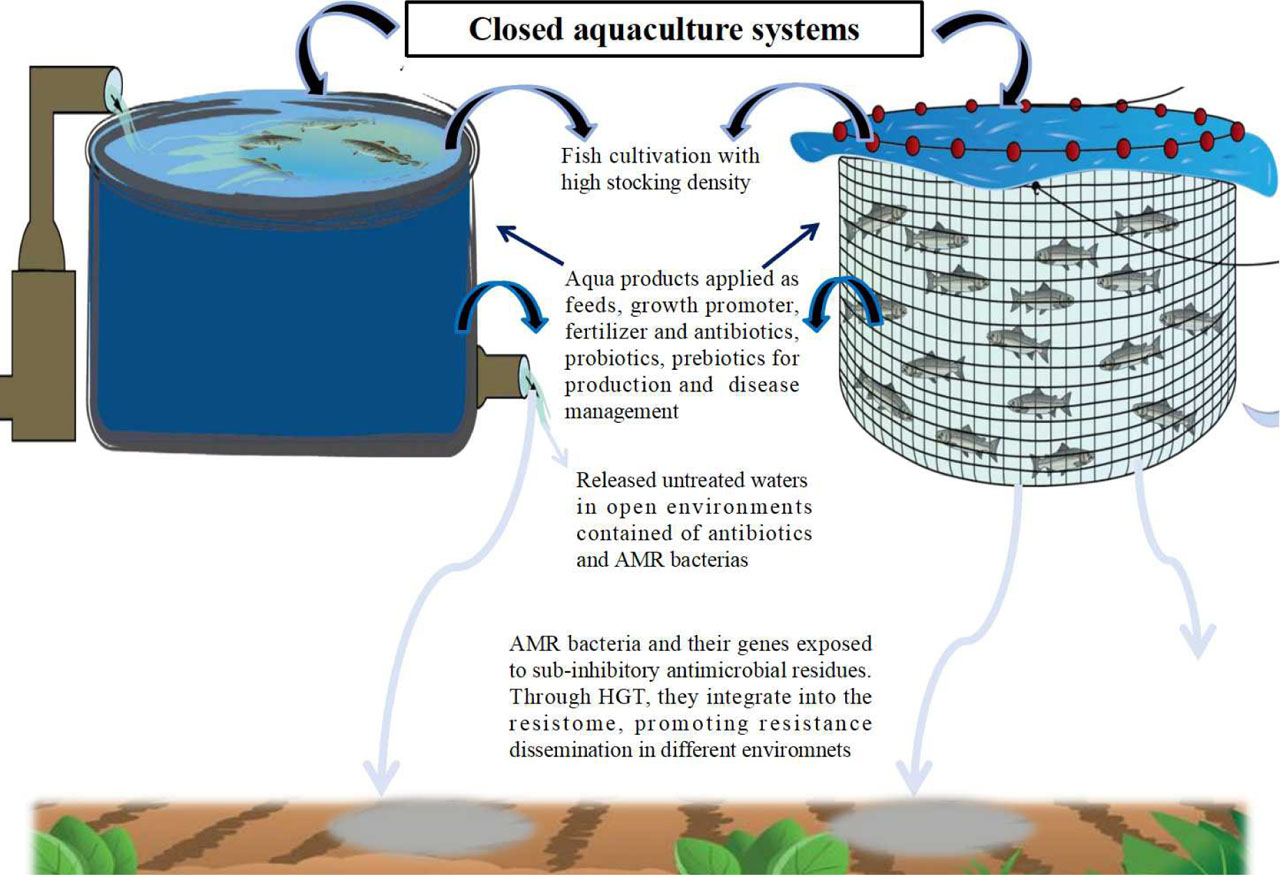
Figure 1.
The release of leftover antibiotics into aquatic systems contributes to the spread and rise of AMR
The AMR within aquaculture setting increase antimicrobial resistance in drug-sensitive microbial pathogens (which are part of the indigenous microbiota of the fish and aquatic surroundings), and this elevation can lead to treatment regimens becoming ineffective or alterations in the bacterial composition of the environment. AMR arises through direct selection of resistant strains under antibiotic pressure or directly through the transmission of resistance genes (horizontal transfer) within the aquatic niche and subsequent dissemination to the terrestrial environment (plants, animals and humans). Thus, the risk is high because the transmission of ARGs can cross the aquatic-terrestrial interface, and mutualistic bacteria in both aquatic and terrestrial areas will become of public health significance. Moreover, the occurrence of ARB is linked to infectious diseases and can lead to severe consequences. Resistant bacteria may come from contaminated food resources or animal waste that has acquired resistance in aquatic or terrestrial environments (Reverter et al., 2020).
While global food production is crucial for maintaining population health, AMR poses an escalating risk to public health. The transmission risk of antibiotic-resistant strains is growing more widespread. However, natural routes such as HGT and mutation, which facilitate the genetic exchange among microbial population have been occurring since ancient time. In addition to naturally arising antibiotic-tolerant commensal bacteria, aquaculture introduces microorganisms into the food chain, bringing them into close proximity to humans, where they are highly desired. These microorganisms are often cultivated alongside antibiotics and probiotics, and the widespread use of antimicrobial agents in agriculture and aquaculture fosters the emergence of antimicrobial-resistant zoonotic pathogens in agricultural settings (Cabello et al., 2016). Recent microbiological and clinical evidence suggests that ARGs and ARBs can be transmitted from industrially raised wildlife and fish to humans (O’Neill, 2015). Figure 1 provides a schematic representation of these processes.
Revealing AMR in aquaculture settings
Numerous scientific studies highlight the heightened level of AMR in aquaculture settings, posing significant risks to human, animal and aquatic health. This underscores the need for interventions to tackle AMR effectively. Moreover, with escalating pressures from food security and climate change, AMR in aquaculture is anticipated to rise, particularly in countries with warmer climate (Reverter et al., 2020). The widespread misuse of antimicrobial agents is prevalent in many nations, including major aquaculture producers. Among the top 15 aquaculture-producing countries, an average of 15 antibiotics is utilized in each country (Lulijwa et al., 2020). A crucial step in mitigating the threat of AMR in aquaculture is to implement rigorous monitoring and control of antimicrobial use (AMU) at national, regional and worldwide levels connecting farmers, veterinarians/aqua-veterinarians (AAHPs), and Veterinarians Service (VS)/Aquatic Health Service Animal (AAHs).
Only a handful of countries actively observe the usage of antibiotics (Smith, 2008). Generally, the utilization of antibiotics in aquaculture is contingent upon local regulations, which exhibit significant variation. Notably, in certain regions (Europe, North America and Japan), regulations governing antibiotic usage are stringent, resulting in approval for only a limited number of antibiotics for aquaculture purposes. For instance, in Europe the EU Veterinary Medicines Directive of 2001, subsequently codified into Directive 2001/82/EC, prohibits the nontherapeutic prophylactic usage of antibiotics (European Council, 2001 a, b). In Norway, stricter regulations on antimicrobial use alongside increased vaccination and effective management practices, contributed to a remarkable 99% decrease in antimicrobial usage from 1987 to 2020, despite a more than 20-fold rise in production (O’Neill, 2015; Norwegian Ministries, 2015–2020). However, the mainstream of global aquaculture production, around 90%, is concentrated in developing nations where regulations and enforcement regarding antibiotics are lacking, resulting in significant variability in antibiotic usage (Chuah et al., 2016). For instance, in India antibiotics and other pharmacologically active materials are banned for aquaculture use, as indicated in Table 1 (https://caa.gov.in); nevertheless, antibiotics are commonly sold over-the-counter, complicating regulatory efforts. Findings suggested that antibiotics are frequently employed as growth promoters in aquaculture (Burridge et al., 2010), mirroring practices seen in industrialized animal husbandry. Historically, prophylactic antibiotic use has been prevalent in aquaculture, particularly in shrimp (Holmström et al., 2003) and salmon farming (Buschmann et al., 2012), where individual treatment of affected fish and shellfish poses challenges. Consequently, the practice of administering antimicrobial agents to entire population remains widespread (Cabello, 2006; Cabello et al., 2013; Economou and Gousia, 2015; Chuah et al., 2016).
In aquaculture, monitoring AMU presents a multifaceted challenge owing to vast array of species and farming methods, the decentralized nature of production in numerous regions, and the prevalent unregulated application of antibiotics. This is especially pronounced in areas where regulations are lax, enforcement is limited and resources for aquaculture practices are constrained (Watts et al., 2017). Moreover, the prevalence of counterfeit antimicrobials is not uncommon (Zellweger et al., 2017). Additionally, in various countries, the spectrum of AMU in aquaculture is extensive, largely mirroring the diversity of farmed species. Furthermore, antimicrobial treatment is frequently administered without professional guidance or information on susceptibility testing. Given the substantial cost associated with developing new antibiotic compounds for both human and veterinary medicine, there is limited incentive for their use in aquaculture. The World Health Organization (WHO) identifies six classes of antibiotics (aminoglycosides, macrolides, penicillins, quinolones, sulfonamides and tetracyclines) commonly employed in aquaculture (and livestock) as critical or highly key antimicrobial agents (Done and Halden, 2015; WHO, 2019). In specific countries, the approval process for antibiotics frequently gives precedence to considerations of food safety and compliance with national or international standards for export quality. Enforcement programs are typically focused on exported products; however, domestic goods may not undergo the same level of scrutiny (Henriksson et al., 2018).
In some countries where high-value fish like salmon are produced, the use of vaccines to manage aquatic animal infections has proven effective in reducing AMU. However, the limited profitability of the low-value fish market in several regions has deterred pharmaceutical companies from rising vaccines for these species (Gravningen et al., 2019). Conversely, the absence of acquired immunity in crustacean often results in a heavier reliance on antibiotics within the shrimp industry to combat resistance facilitated by HGT (Watts et al., 2017). External sources of AMR, such as animal and human waste impacting aquaculture environments, as well as the practice of integrating livestock into farming systems, offer opportunities to enhance productivity. However, the potential transfer of ARB and their genes from animal manure heightens the risk of AMR in these environment (Cabello et al., 2013). Aquaculture-associated bacteria exhibit multiple antibiotic resistance indices globally, which are associated with those found in human clinical bacteria (Reverter et al., 2020).
Common household chemical compounds, including those found in hand sanitizers, toothpaste and cleaning products, serve as the primary antibiotic employed to deter bacteria in sewage sludge (Barrett et al., 2022), sewage treatment plant (STPs) serve as reservoirs for both antibiotic and non-antibiotic antimicrobial compounds, with thousands of unidentified compounds constituting the major antimicrobial agents in sewage sludge. Following the disposal of household products into drains, the antibiotic compounds of these products are transported to STPs, where they accumulate and are subsequently released for agriculture use or further livestock production. These compounds are extensively utilized in various household, cosmetic, pharmaceutical healthcare products and medications. While regulations in some regions may restrict maximum allowable levels in consumer products, even minute concentration of these chemicals can amplify over time, resulting in the proliferation of drug-resistant bacteria. This underscores the need for a holistic approach to combating drug resistance, highlighting the interconnectedness of human, animal and environmental health. Monitoring sources of AMR in aquatic systems and including aquaculture, is essential in addressing this issue depicted in Figure 2.
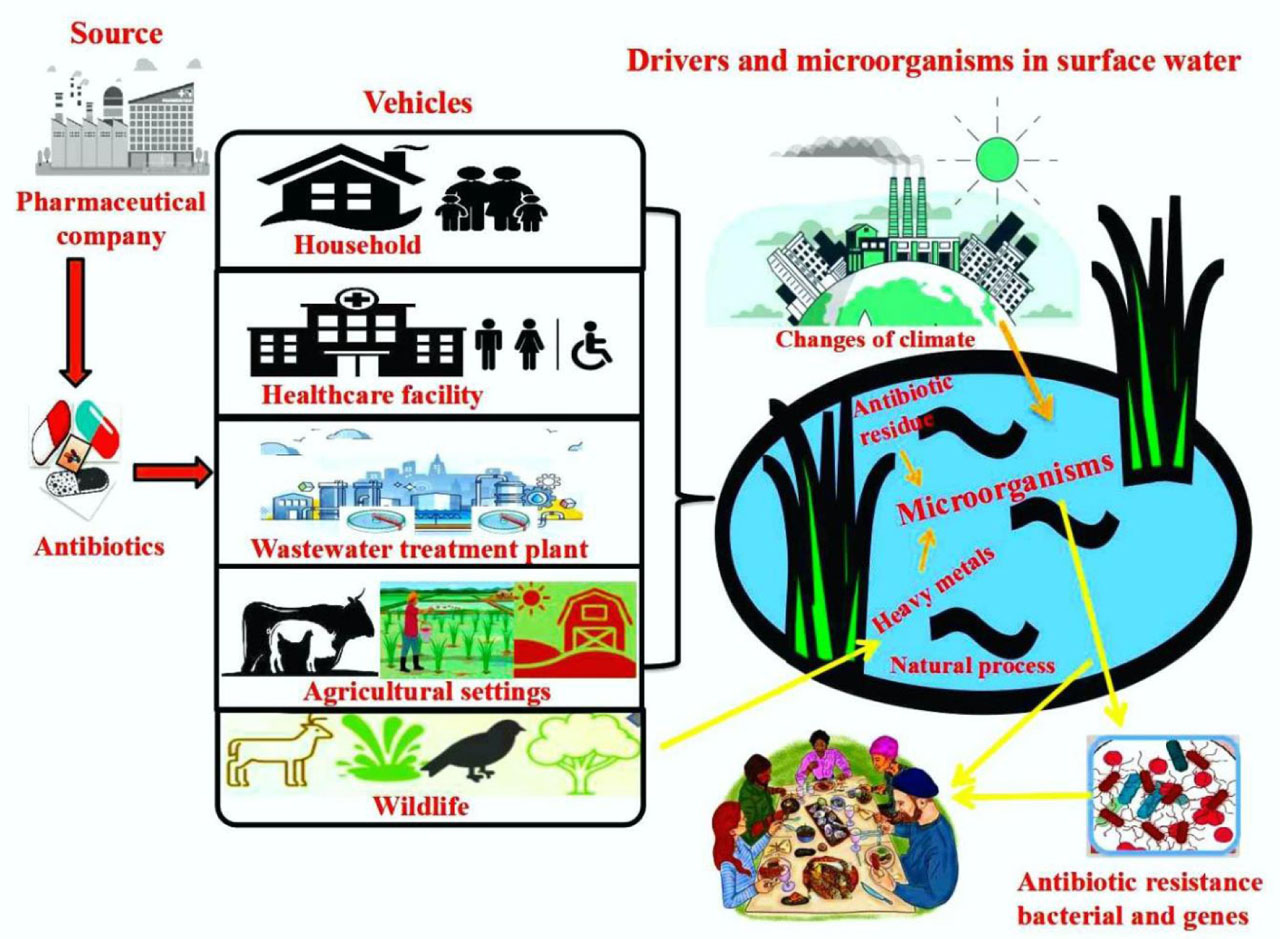
Figure 2.
Model depicting the origin, transmission mechanism and factors influencing AMR in aquatic ecosystems
Additionally, the presence of pharmaceutical compounds in aquatic environments has become an increasing concern in environmental chemistry. Major sources of antibacterial contamination in water include terrestrial animal farms, human medical use and aquaculture. Research has shown that antibiotics can have direct toxic effects on fish, leading to oxidative stress, general stress responses, histopathological damage and various hematological, metabolic, reproductive, immunosuppressive and genotoxic issues; even at low relevant concentrations antibiotics can disrupt aquatic bacterial communities, alter the symbiotic microbiota of fish, and promote the emergence of antibiotic-resistance pathogens by exerting selective pressure for the spread of resistance genes (Bojarski et al., 2020). Awad et al. (2014) detected high levels of tetracyclines and sulfonamides in river water in Korea, with significant seasonal variation. In China, Wei et al. (2011) reported multiple veterinary antimicrobials including sulfamethazine, oxytetracycline and tetracycline in wastewater and surface water near livestock farms. Similarly, norfloxacin and ciprofloxacin were identified in sediment samples from rivers (Zhou et al., 2011). In Poland, Gbylik-Sikorska et al. (2014) analyzed 159 freshwater samples, 443 fish samples and 150 sediment samples from rivers and lakes, confirming the presence of commonly used veterinary antibacterial agents. Aquaculture is also a significant contributor to antimicrobial contamination in modern fish farming, antibiotics are frequently applied to prevent and treat bacterial infections that arise due to high stocking densities, which increase stress, suppress immune responses, and facilitate pathogen transmission. Concerns about antibiotics use in aquaculture and the resulting resistance in ichthyopathogenic bacteria have been discussed for over two decades (Alderman and Hastings, 1998). These antibiotics in aquatic environments have contributed to the development of antibiotic resistance bacteria and disruptions in aquatic microbial communities.
In aquaculture, antimicrobial agents are used
The global expansion of aquatic animal products and the emergence of aquaculture as a major provider of the world’s aquatic food resources have triggered heightened focus on cultivation practice. This shift has opened up new avenues in the market for farmed aquatic animals but has also spurred the proliferation of pathogens and diseases (Antimicrobial Awareness Week, 2021). The swift transition from a fishing-centric model to a production oriented one was driven by the reduction of fish stock due to overfishing and the impacts of global climate change. Nevertheless, antibiotics are extensively employed in intensive aquaculture operations, particularly for fish, shrimp and shellfish resulting in significant quantities of antibiotics entering in aquatic ecosystems (Cabello, 2006). Drugs incorporated into fish feed can continue in aquatic environments for extended periods. Additionally, fish are not efficient in metabolizing antimicrobial agents, leading to approximately 70–80% of active antibiotics and their suspended being released into the water, where they can disseminate throughout the ecosystem. Consequently, the use of antibiotics in fish farming carries significant environmental ramifications, potentially inducing selection pressures across various ecosystems (Burridge et al., 2010; Romero et al., 2012). This practice results in elevated levels of ARB in sediments and water sources, which can serve as reservoirs of ARGs for pathogens affecting fish. Moreover, research indicates that resistant bacteria originating from aquaculture settings can migrate to terrestrial animals and human environments, transferring their resistance traits to opportunistic pathogens in both animal and human populations.
Aquaculture practices worldwide often subject fish to significant stressors, compromising their immune systems ability to combat bacterial colonization and infection (Cabello, 2003). Consequently, prophylactic antibiotics are commonly used to prevent and control infections, especially in regions lacking alternative preventive measures. In aquaculture, antimicrobial agent is typically administered to entire populations, including diseased, healthy and carrier individuals through a method known as metaphylaxis. The doses of antibiotics in aquaculture settings can be substantially higher compared to those used in livestock, although precise quantification is challenging due to varying allocation and registration systems across countries (Romero et al., 2012). Moreover, the repercussions of this practice are broader and more alarming, given that the medications present in fish feed can persist in aquatic environments for extended durations and swiftly disseminate throughout all aquatic systems. Furthermore, the environmental ramifications of this practice are extensive and concerning as the drugs present in fish feed can persist in aquatic environments for extended durations, rapidly disseminating throughout aquatic systems (O’Neill, 2015). Since fish lack efficient antibiotic metabolisms, most active substances enter the environment through fecal matter (Burridge et al., 2010; Romero et al., 2012).
The utilization of antimicrobial agents in aquaculture is influenced by a number of factors, including the laws and regulations of relevant government organizations, the pathogens present, their susceptibility to antimicrobial agent, the timing of treatment, the health status of the host, and environmental parameters (such as salinity, temperature and photoperiod etc.). While AMR is a longstanding phenomenon predating the clinical use of antibiotics (D’Costa, 2011), the emergence of extensively drug-resistant (XDR) and MDR strains raises concerns and bacteria develop resistance to many antibiotics due to natural processes (D’Costa, 2011) and diverse human activities (Levy and Marshall, 2004; Kolter and Van Wezel, 2016). Acquisition of AMR by bacteria can occur via mutation or more commonly through natural processes like transformation, transduction or HGT within the surroundings (Chamier et al., 1993; Marti et al., 2014).
In aquaculture systems, ‘genetic reactors’ or ‘AMR genetic hotspots’ are defined where important genetic exchange and recombination take place, potentially shaping future resistance spectra (Baquero et al., 2008; Muziasari et al., 2016). Studies estimate that around 90% of bacteria derived from sewage treatment plants via seawater exhibit resistance to one or more antibiotics, with up to 20% displaying resistance to at least five antibiotics (Martínez, 2003). Once bacteria acquire AMR genes, they can persist in the environment for prolonged periods, even when the removal of environmental stressors (Tamminen et al., 2011). Due to their relative stability and non-biodegradability, residual antibiotics can linger in commercially farmed fish and shellfish intended for consumption (Cabello, 2006; Santos and Ramos, 2016). Done and Halden (2015) conducted a study on farmed trout (Oncorhynchus spp.), tilapia (Oreochromis spp.) and salmon from various countries, including the United States, China, Mexico, Thailand, Scotland and Canada. Although the concentrations detected fell within the regulations set by the Food and Drug Administration (FDA), it is hypothesized that the presence of these antibiotics could facilitate the selection and accumulation of resistance bacteria. Similarly, Wang et al. (2017) analyzed sample of fish and shrimp from across Shanghai for 20 common antibiotics, including tetracyclines, fluoroquinolones, macrolides, beta-lactams, sulfonamides and phenol. Antibiotic residues were detected in 52% of the samples (40–91% of fish and 17% of the shrimp samples), with these residues and their consumption contributing to 70% and 75% respectively, of the estimated total variance in antibiotic exposure for men and women (Wang et al., 2017). With 10% of the sampled aquatic products exceeding maximum residue limits (MRLs) for specific antibiotics, Wang et al. (2017) suggested that aquatic products may pose multiple health risks and contribute to AMR selection, especially in countries with lax enforcement of MRLs for recycling.
Apart from antibiotics, aquaculture relies on various drug and metal-based products to safeguard against contamination, feed fish and manage them to contain infection spread (Burridge et al., 2010). For instance, copper (Cu)-based materials serve as widespread antifouling agents for farm cages, nets and also employed for parasite control (Schlenk et al., 1998). Some cages are constructed using copper alloys (Burridge et al., 2010), while commercial fish feed often contains elevated levels of cadmium, iron, lead (Kundu et al., 2017) and mercury (Choi and Cech, 1998). The introduction of metallic pollutants into the natural ecosystem via aquaculture activities and other human-induced sources, like the use of cadmium in pesticides and fertilizers, frequently leads to metal concentration in water and sediments surpassing anticipated levels for antibiotic resistance selection within the environment (Seiler and Berendonk, 2012). Subsequently, combination of bacterial community exposure in and all over the aquaculture farms to heavy metals, antibiotics and other co-selection factors could heighten the selection pressure for antibiotic resistance and the probability of co-selection (Martínez, 2003; Baquero et al., 2008; Amos et al., 2015). Therefore, a combination of exposure of bacterial communities in and around aquaculture farms to heavy metals, antibiotics, and other co-selection factors may further increase selection for antibiotic resistance and the likelihood of co-selection (Martínez, 2003; Baquero et al., 2008; Amos et al., 2015). Several studies of fish and eel culture systems have shown that Aeromonas strains are highly resistant to antibiotics and heavy metals and harbor multiple antibiotic resistance plasmids, integrins, and gene cassettes (Jacobs and Chenia, 2007; Penders and Stobberingh, 2008).
Fish serve as reservoirs for zoonotic pathogens, posing risk not only to animal host but also to humans who come into contact with aquaculture settings or consume contaminated seafood (Gauthier, 2015). Among the common infections observed in fishmongers working in aquaculture facilities are Aeromonas hydrophila, Mycobacterium marinum, Streptococcus iniae, Vibrio spp., and Photobacterium damselae (Haenen et al., 2013; Rivas et al., 2013). Beyond their roles as zoonotic pathogens, these microorganisms can also harbor and disseminate AMR genes, including extended-spectrum beta-lactamase (ESBL) (Dawood and Koshio, 2016). Furthermore, bacterial strains found in commercial seafood carrying resistance determinants can include human pathogens, heightening the risk of aquaculture contributing to the spread of AMR among consumers (Ryu et al., 2012; Chiu et al., 2013; Kumar et al., 2016).
Activation of AMR via an open device directly into the environment
Antibacterials are usually administered to fish, often at doses proportionally higher than those given to livestock (O’Neill, 2015), and residues of these antimicrobials can persist in fish products, as well as in undigested feed and fish waste containing unabsorbed antibiotics and their metabolites, which can linger in the water and sediments around fish farms for extended periods. Depending on their concentration and degradability, these residues can significantly impact existing microbial communities (Buschmann et al., 2012; Chen et al., 2015). This persistence can lead to the selection of AMR bacteria, even at low concentration (Gullberg et al., 2011; Huerta et al., 2013), resulting in substantial shift in sediment and water biodiversity near open aquaculture systems, as susceptible bacterial communities are replaced by resistant ones (O’Neill, 2015). Subsequently, the biodiversity of surrounding areas is altered, accompanied by an increase in the complexity of resistance patterns, characterized by a rise in the number of antibiotic resistance genes and mobile genetic elements (Capone et al., 1996; Martínez, 2003; Xiong et al., 2015).
The sediment contains a mixture of active bacteria, and there is evidence that they may be an important reservoir for fecal pathogens (Martínez et al., 2015) and antimicrobial agents (Coyne et al., 1994). Recent research has pinpointed multiple AMR genes spread worldwide within aquatic sediments (Stalder et al., 2012; Chen et al., 2013; Berendonk et al., 2015; Devarajan et al., 2015). Among these genes are various ARGs like blaTEM, blaSHV, bla CTX-M, blaNDM, sul1, sul2, tetB, tetC, tetM tetO, tetW, qnrA and aadA found in aquatic sediments (Pei et al., 2006; Yang et al., 2013; Chen et al., 2015). Notably, Yang et al. (2013) discovered a multitude of tetracycline resistance genes in marine sediments. Moreover, several contiguous genes sharing high similarities to transposons or plasmids food in human pathogens have been identified, indicating recent contributions from sedimentary bacteria to the acquisition or dissemination of pathogen resistance genes. Consequently, sediment systems play a crucial role as environmental substrates for genetic transfer and recombination, with sediment particles serving as critical interfaces for the intricate interactions of microbial communities facilitating the transfer of AMR genes (Kümmerer, 2009; Stalder et al., 2012).
It is crucial to note that many studies initially did not focus on exploring the connection between the abundance of AMR pathogens and antibiotic usage, nor did they include data on antibiotic applications in water and sediments. However, extensive laboratory and field evidence (Holmström et al., 2003; Miranda et al., 2013; Chen et al., 2015; Zhu et al., 2017) indicates that the application of antimicrobial agents in aquaculture leads to the discharge of antimicrobial compounds and their residues into environment. This release potentially applies selective pressure contributing to the escalation of AMR abundance in environmental microorganisms. Aquatic antimicrobial agents primarily come into contact with terrestrial bacteria and other potential co-selection pollutants through stormwater runoff, agricultural waste and wastewater treatment plant discharge, particularly in relatively shallow coastal areas with shallow depth, like estuaries, rivers and protected bays, where aquaculture systems are located (Bostock et al., 2020). Yet, monitoring the movement of AMR genes presents challenges as gene transfer may not occur in a direct path from environmental bacteria to human pathogens. Instead, it might implicate mediators like other environmental bacteria or symbiotic microbiomes found in animals or humans (Buschmann et al., 2012). The transmission of AMR genes from microorganisms in the environment to pathogens affecting fish, humans and animals poses a health threat, irrespective of the transmission mode. This connection between aquatic and terrestrial resistance genes is crucial, given that numerous antimicrobial agents used in farmed fish (such as oxytetracycline, florfenicol and amoxicillin) hold significant medical importance for human treatment (O’Neill, 2015). Petersen et al. (2002) noted that even when antimicrobial agents unrelated to human therapy are chosen for use in aquaculture and livestock, cross-resistance often develops once these antimicrobial agents are employed; a schematic flow as illustrated in Figure 3.
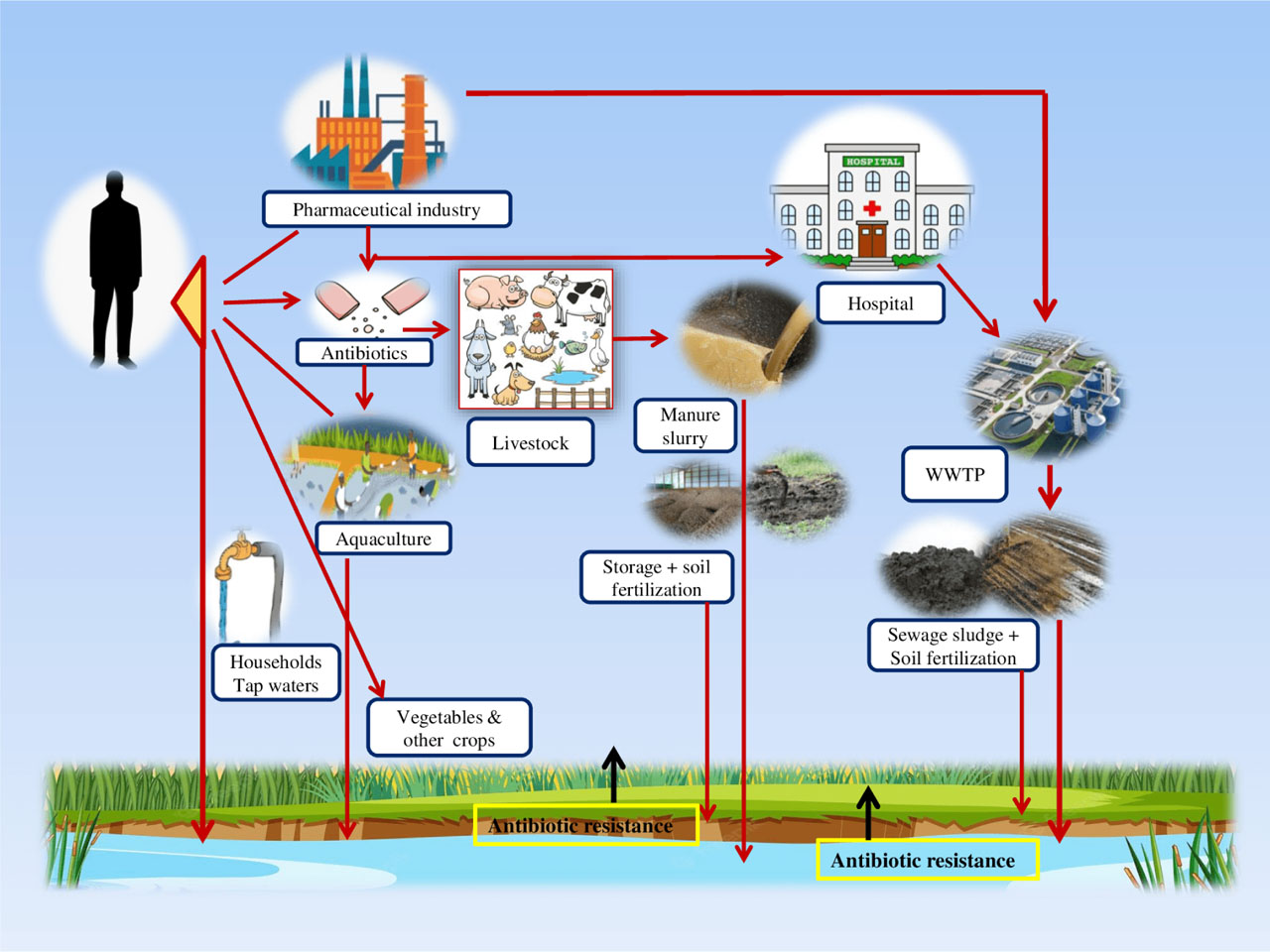
Figure 3.
Aside from the discharge of antibiotic remnants into the nearby surroundings, individuals are also subjected to antibiotic-resistance bacteria
Closed aquaculture systems prone to AMR
A closed aquaculture system functions by isolating the culturing process from the other surroundings and regulating systems factors like oxygen level, temperature and photoperiod. These systems vary from single-pass water systems to integrated recirculation systems, boasting minimal emissions due to meticulous process control and water recycling. Generally regarded as sustainable practices for intensive aquaculture, closed systems effectively mitigate environmental pollution by significantly reducing waste, antibiotics and chemical treatments. Wastewater from closed-flow systems, containing suspended solids, nitrogen, phosphorus and high microbial loads, undergoes a series of treatment steps before being discharged into sewage systems or directed to constructed wetlands or treated to produce usable sludge for agriculture purposes (Cripps and Bergheim, 2000; Martínez, 2008). However, the utilization of aquaculture sludge can have varied impacts on the concentration and dissemination of AMR genes in food crops and soil systems (Wellington et al., 2013).
Near-outflow recirculating aquaculture systems (RASs) are designed to yield high population densities of aquatic species while minimizing environmental impacts through efficient management, collection and disposal of waste generated during fish growth in both freshwater and marine environments. In optimal circumstances, this system maintains water quality without the need for frequent changes, except for compensating evaporation losses. They operate primarily through mechanical and biological filtration mechanism, ensuring a productive and ecologically biosafe (Gelfand et al., 2003; Zohar et al., 2005). Biological filtration relies on microbial biofilms that form on filtration systems and tank surfaces, as well as the metabolic activity of the fish themselves, fueled by nutrient input. In an ideal setup, fish waste consisting of ammonia, nitrogen, carbon and nitrogen from unconsumed feed and excrement, undergoes various biological processes, including nitrification, denitrification, ammonia oxidation and methanogenesis (Schreier et al., 2010).
Under optimal conditions, where system water is recycled without significant exchange with the external environment, there is a risk of antibiotics, if included in the feed, accumulating within the system. This accumulation could potentially foster the proliferation of AMR bacteria due to interaction between antibiotics and related bacteria. Li et al. (2017) highlighted that biofilms from RAS mixed-bed biofilters serve as reservoirs of ARGs such as tetO, qnrA and tetE. However, biofilm often exhibits resistance to antibiotic penetration, complicating pathogens treatment (Blancheton et al., 2013). Research by Bebak-Williams (2002) indicated that oxytetracycline residues persist in sediment, biofilters and fish tissues within freshwater RAS even after medicated feed treatment, although levels gradually diminish to nearly undetectable levels following drug withdrawal. These presences of AMR bacteria in RASs and the detection of AMR pathogens have been attributed to the introduction of infected fish stocks (Saavedra et al., 2004; Krkošek, 2010).
A comprehensive aquaculture system that utilizes waste as a source of feed
Additionally to the straight administration of antibiotics for therapeutic purposes in aquaculture and integrated fish farming, the practice of using antibiotics represents another significant contributor to antimicrobial residue and the presence of ARB in aqua farms. This practice is commonly observed in conjunction with other agricultural and livestock farming activities, prevalent in many countries. Typically, ponds where fish or shellfish are cultivated are situated adjacent to or beneath livestock units housing animals like pigs, cattle and poultry. This proximity allows for the direct disposal of fertilizer and surplus feed into the ponds, serving as both fish feed and fertilizers for phytoplankton and other live fish food (Little and Edwards, 2003). Livestock in such setups are often raised intensively, with antimicrobial agents being utilized as growth promoters and for prophylactic and therapeutic purposes (Hoa et al., 2011). While these integrated systems are often viewed as sustainable, this also poses high potential risks to food security. These risks include the spreading of AMR bacteria and zoonotic pathogens through fecal contamination, as well as the addition of antimicrobial and other chemical residues (Neela et al., 2015).
The correlation between antibiotic contamination and AMR in aquatic settings is intricately linked to human and agriculture practices within integrated aquaculture systems, an area that has received limited research attention. A study by Petersen et al. (2002) conducted in Thailand revealed a substantial surge in Acinetobacter spp., resistance to various antibiotic groups, including oxytetracycline and sulfamethoxazole. Within just two months of initiating a new fish production cycle, resistance levels escalated from 1% to 5% to a staggering 100%. Particularly noteworthy is the prevalence of AMR genes within Enterobacteriaceae spp., indicating prolonged consequences of integrated farming practices. Livestock manure, laden with AMR bacteria can potentially serve as vectors of AMR genes upon release into ponds. Alternatively, their persistence may be facilitated by the selective pressures imposed by antimicrobial agents or their residues. Furthermore, integrated agriculture and aquaculture systems serve as reservoirs for both antimicrobial agents and AMR genes (Hoa et al., 2011; Neela et al., 2015). While, integrated pond water, once harvested is released as a distinct source into rivers, estuaries or sea sources, providing a pathway for the spreading of AMR bacteria and antimicrobial agents into the broader aquatic ecosystem (Cao et al., 2015). This discharge process contributes to the continual exchange of AMRs within the system, accumulation of both water and sediment. Consequently, bacteria are afforded sufficient time to cultivate resistance through mechanisms such as HGT (White, 2013).
The concept of utilizing fish processing waste in fish feed, known as “waste as feed”, has been suggested as an approach to enhance the sustainability of aquaculture, aiming to reduce reliance on natural resources for fish meal and fish oil. Currently, a considerable portion of fish biomass and, depending on the specific fish processing stage (Parker, 1974), is discarded as waste, making the recycling of this waste into feed an appealing proposition. However, the utilization of waste from fish processing, particularly within aquaculture, introduces additional concerns regarding the potential dissemination of AMR bacteria, in addition to the bioaccumulation of pollutants, including antimicrobial agents and the transmission of pathogens across species. The impact of integrated fish farming or “waste-for-feed” strategies on the prevalence of AMR has raised serious apprehensions about the enduring repercussions of antibiotic usage within these systems. It is evident that these cultivation practices carry substantial hazards to both human health and the surrounding environments.
The emergence of antimicrobial resistance within aquaculture, its dissemination and its impacts on both the ecosystem and human health
The strong evidence suggested that exposing fish pathogens and aquatic microbials to antimicrobial agents prompts the increase of AMR (Sørum, 2005). Kerry et al. (1996) and Tendencia and de la Peña (2001) have shown that multiple studies have demonstrated a direct correlation among the use of particular antimicrobial drugs in aquaculture environment and the rise in ARB. Furthermore, there is evidence to funding the hypothesis that AMR in human pathogens may arise as a result of AMR in aquaculture settings (Rhodes et al., 2000; Furushita et al., 2003). The aquatic environment offers robust and efficient pathways for the dissemination of drug residues, microbial pathogens, and ARGs ensuring that aquaculture remains an important contributor to the rapid proliferation of AMR factors. In the field of aquaculture practices, antimicrobial drugs are commonly administered to groups of fish maintained in tanks or cages, either through oral ingestion via food additives or by immersing them in treated water (Cabello et al., 2013); these populations encompass individuals with various health statuses, including diseased, healthy and carrier populations. While some studies have shown how antimicrobial drugs spread quickly after being applied and diluted in aquatic environments (Coyne et al., 2001), the majority of studies emphasize the enduring presence of active drug metabolites in aquatic sediments. According to Chen et al. (2017), these metabolites are persistent at significant enough quantities to exert long-term selective pressure on the bacterial populations that live in aquatic ecosystems.
Several mobile genetic elements, including integrins, transposons and plasmids are among the variables that influence antimicrobial resistance in aquatic bacteria. These elements can move, recombine and move with ease, which promotes the emergence of new ARGs mobility combinations and quick reproduction in order to adopt to new environments containing antimicrobial agents and to boost bacterial viability and resistance (Sørum, 2008; Cabello et al., 2013). As acquired ARGs remain in the environment over extended periods of time, even after exposure has ended, some have referred to aquaculture systems and farms as “genetic reactors” or “hot spots” of AMR development for genetic exchange and recombination and simulated trends in AMR profiles (Watts et al., 2017). Furthermore, sub-inhibitory levels of antimicrobial agents serve as signaling molecules that modulate microbial community homeostasis and in turn may benefit the behavior of susceptible bacteria in the natural systems by inducing HGT and mutagenesis (Linares et al., 2006). Fish act as a reservoir that can infect both human and other host through direct contact or through foodborne transmission in aquaculture facilities (Gauthier, 2015). Common pathogens were found including various Enterobacteriacae spp. (Schlenk et al., 1998), and foodborne illnesses are mainly associated with pathogens such as Listeria monocytogenes, Aeromonas spp., Clostridium spp. (Normanno et al., 2006; Haenen et al., 2013). Sousa et al. (2011) have identified various ARGs in the feces of Sparus aurata (gilthead sea bream). Other findings, suggested that commercial fish and seafood products, rather than sources of AMR bacteria, assist to the spread of ARGs (Ryu et al., 2012; Hammad et al., 2014; He et al., 2016).
In accumulation to the possibility of infection, these bacteria possess the ability to adapt and transfer AMR traits to other pathogens that infect in humans, and the plasmids carrying various ARGs that have been demonstrated to transfer from fish to human pathogens like Vibrio cholera and V. parahaemolyticus (Sørum, 2005). Moreover, these findings underscore a cause-and-effect relationship between specific antimicrobial agents and the proliferation of ARB surrounded by aquaculture environments (Kerry et al., 1996; Tendencia and de la Peña, 2001), and contribute to human pathogens (Rhodes et al., 2000; Tendencia and de la Peña, 2001). Also, the bacteria from both aquatic and terrestrial habitats share related genetic mechanisms for AMR (Cabello et al., 2013). Furushita et al. (2003) emphasized that bacterial genes encode various AMR genes traits in both cultured and clinical isolates, signifying that they may have a potential single source of origin. Laboratory experiments confirmed this as tetracycline resistance was successfully transferred to E. coli via conjugation from marine strains like Photobacterium, Vibrio, Alteromonas and Pseudomonas. This indicates the possibility of transferring resistance determinants from marine microbes to those residing in the human gut. Furthermore, the same array of resistance genes has been identified in both fish and human clinical isolates; almost half of the ARGs found in fish pathogens mirror those in human pathogens. Hence bacteria from various settings, be it aquatic or hospital systems, can harbor identical ARGs (Rhodes et al., 2000; Furushita et al., 2003; Sørum, 2005). Various plasmid-encoded quinolone AMR genes (qnrA, qnrB, qnrS and aac-Ib-cr) were detected in E. coli and Klebsiella, while macrolides resistance genes were found in Vibrio and Photobacterium. Likewise, resistance-associated genes like mef(C) and mef(G) seem to originate from aquatic environments (Poirel et al., 2005; Nonaka et al., 2012). The t77etC gene as Chlamydia suis genome of swine possibly initiated from the genome of the salmon pathogen Aeromonas salmonicida (Cabello et al., 2016).
Aquatic bacteria were the first to harbor the individually developed tetracycline resistance determinant tetG (Angulo et at., 2000). Prior to their detection and transmission, the pathogens affecting both human and animals and also detected various ARGs in aquatic bacteria. These include new β-lactamase genes from Enterobacteriaceae, Photobacterium damselae and Oceanobacillus ihevensis as well as multiple new plasmid-mediated quinolone resistance (PMQR) genes from aquatic Vibrio, Shewanella and Aeromonas. The floR gene of human pathogens and the chloramphenicol resistance genes catII, catB9 and catB2 from aquatic Photobacterium, Vibrio and Shewanella respectively, contain a novel fosfomycin resistance determinant that was identified from the aquatic systems (Cabello et al., 2013). Also, the emergence of plasmid-associated colistin resistance arbitrated by the mcr-1 gene suggested another avenue for the transmission of AMR, likely initiating within the aquaculture environment (Telke and Rolain, 2015; Liu et al., 2016). Concern regarding the potential environmental ramifications of antimicrobial use (AMUs) is another serious issue, within sediments the diverse of bacterial communities coexist (Coyne et al., 1994; Martínez et al., 2015). These sediment-dwelling bacteria identified for several resistance genes include sulfonamide resistance genes such as sul1 and sul2, tetracycline genes tetB, tetC, tetM, tetO and tetW, quinolone resistance qnrA, amino-glycoside genes aadA and β-lactamase genes blaTEM, blaSHV, blaCTX-M and blaNDM (Yang et al., 2013; Chen et al., 2015).
The potential passageways for the interchange of AMR determinants between aquatic and terrestrial bacteria primarily involve contamination from different pollutants (Watts et al., 2017). This mode of transmission holds greater significance than pinpointing specific signaling pathways. However, the interconnection among these bacterial populations has sparked concerns, particularly since many antimicrobial agents utilized in aquaculture are also vital in human medicine (O’Neill, 2015). The epidemiology of AMR at the interface of animal-environment-humans is intricate, involving diver’s transmission routes and vectors, the selective pressure of antimicrobial usage and the HGT of resistance genes among bacteria residing in different ecological niches. patterns and the escalation of antibiotic resistance.
Occurrence of antimicrobial resistance in ornamental fish culture systems
Bacterial infection in ornamental fishes has caused substantial and large-scale mortality over the past decade (Lewbart, 2001). The presence of MDR aeromonads in ornamental fish was detected as early as the 1990s in domestic goldfish and koi carp (Dixon and Issvoram, 1993). More recently, Preena et al. (2019, 2020) identified MDR pathogens, including Aeromonas, Pseudomonas and Acinetobacter in infected guppy fish, while Edwardsiella tarda, Lactococcus, Aeromonas, Comamonas and Pseudomonas were associated with koi carp and goldfish. Dharmaratnam et al. (2017) reported a multiple antibiotic resistance Serratia marcescens strain from guppy fish. Kumar et al. (2015) identified an MDR Proteus hauseri strain in koi carp. Additionally, Sreedharan et al. (2011) reported the first occurrence of MDR Aeromonas veronni in a cichlid oscar, a commercially valuable ornamental fish. Dias et al. (2012) found a high prevalence (80%) of AMR in Aeromonas hydrophila, A. veronii, A. caviae, A. media, A. aquariorum, A. jandaei and A. culicicola isolated from ornamental fish with resistance observed against approximately 30 tested antibiotics. Similarly, Hatha and Nifty (2012) indicate high resistance level from cultured goldfish, carp, red swordtail, oscar and sucker fish, particularly against nalidixic acid, indicating the excessive use of antibiotics in farms. The presence of highly virulent ARGs found in freshwater ornamental fish poses significant risk to humans who come into direct contact with infected fish (Sreedharan et al., 2012). Furthermore, Jagoda et al. (2014) detected tetracycline and erythromycin resistance Aeromonas, including A. dhakensis in ornamental fishes. Sahoo et al. (2016) observed that MDR bacteria in infected goldfish were more susceptible to herpes virus infections, highlighting the increased vulnerability of AMR fish to viral diseases.
Many ornamental fish farms rely on broad-spectrum antibiotics, such as tetracyclines, sulfonamides and fluoroquinolones which can lead to the selection of resistance bacterial strains (Watts et al., 2017). These resistant bacteria along with resistance genes can spread through water and direct contact with fish, posing risks to human health and the environment. Additionally, the international trade of ornamental fish contributes to the global dissemination of AMR, as resistant pathogens can be transported across borders. All these reports of antibiotic resistance in ornamental fish strongly suggest the widespread and indiscriminate use of antibiotics in aquarium fish farming, despite limited research on MDR bacteria in aquarium environments and their close interaction with human. A notable example is the transmission of Salmonella Java infections from tropical ornamental fish aquariums to human infants as documented by Musto et al. (2006). Moreover, Verner-Jeffreys et al. (2009) highlighted that ornamental fish and the warm water they inhabit serve as major reservoirs of the surrounding water through fish excreta, facilitating the further spread of resistance genes to other bacterial habitats in around aquaculture settings (Agoba et al., 2017). Given these risks, the ornamental fish farming must implement strict measures to mitigate the spread of antibiotic resistance within the aquarium systems. This includes regulating antibiotic use, promoting alternative treatments and ensuring responsible fish-keeping practices to reduce the emergence and dissemination of resistance bacterial strains in ornamental farming systems.
Antibiotic usage in livestock: patterns and the escalation of antibiotic resistance
Besides the inappropriate utilization of antimicrobial agents in human medicine, the correlation between the use of these agents in food animals and the escalation of AMR poses a significant concern regarding livestock, and the bacteria coming from these animals can also transmit to human, as represented in Figure 3. Presently, AMR is acknowledged globally as a grave menace by the World Health Organization (WHO), and its already at a worrisome level in several parts of the world. Most drug-resistant bacteria cause infections that are difficult to treat and necessitate fewer, costlier and often more toxic medications. In certain instances, resistance bacteria have even developed resistance to all known antibiotics, addressing this urgent and critical issue (ECDC, 2017; O’Neill, 2015; Zellweger et al., 2017). Accurately assessing the quantity of antimicrobial agent used in food animals is challenging due to inadequate reporting of consumption data. However, sales data reported by EU-28 Member States in 2017 revealed that 3,821 tons of antimicrobial agents were sold for human use, while 8,927 tons were sold for animals (ECDC, 2017). In 18 of the 28 EU Member States, the average total consumption of antibiotics in food animals appears to be lower than that of humans, but the overall consumption of food animals is higher (151.5 mg/kg vs. 123.7 mg/kg in human) (ECDC, 2017). Presently, antimicrobial usage was estimated at 99,502 tons in 2020 and is anticipated to rise by 8.0% to 107,472 tons by 2030, according to current projections, hotspot of antimicrobial use was predominantly observed (Mulchandani et al., 2023).
The essential connection between antibiotics used in animal husbandry and those employed in human medicine is significant, fostering commonalities and cross-resistance (EMA, 2014). The quantity and types of antibiotics utilized in food production are sensitive issues, especially as some critical antibiotics for human health are extensively used in livestock. Reports indicate that 51 antibiotics are employed in major animal and aquaculture-producing nations, with 39 appearing on the WHO list. Among these, 37 are classified as censoriously or highly important (Done and Halden, 2015). For instance, polymyxins serve as a last-resort treatment for infections caused by multidrug-resistance gram-negative bacteria like Klebsiella pneumonia and Acinetobacter baumannii (EMA, 2016), highlighting the severity and extent of the problem. Recent hospital outbreaks involving carbapenemase-producing Enterobacteriaceae (E. coli and Klebsiella) and multidrug-resistance Pseudomonas and Acinetobacter spp., have necessitated the reintroduction of systemic colistin therapy, despite its safety concerns, now making colistin crucial for public health. Numerous bacterial pathogens in fish carry various AMR genes, including Aliivibrio salmonicida, Aeromonas hydrophila, A. salmonicida, Edwardsiella ictaluri, E. tarda, Flavobacterium psychrophilum, Lactococcus garviae, Photobacterium damselae subsp. piscicida, Piscirickettsia salmonis, Pseudomonas spp., Streptococcus iniae, S. agalactiae, S. parauberis, V. anguillarum and V ruckeri, additionally, shrimp pathogens like Salmonella spp., Aeromonas and Vibrio spp., have been found to harbor ARGs (Miller and Harbottle, 2018; Thornber et al., 2020; Sivaraman et al., 2021).
Antibiotic consumption in animals significantly surpasses that in humans, with respective estimates of 10.0 mg and 0.03 mg per kg of biomass (ECDC, 2017), further increasing phase. Historically, the transmission of antibiotic resistance was attributed solely to vertical transmission from chromosomal mutations, with no evidence supporting transmission via mobile genetic elements (Olaitan et al., 2014). However, a significant development emerged when Liu et al. (2016) identified the mce-1 gene, which imparts colistin resistance through a plasmid-mediated mechanism associated with transposable elements found on various plasmid types (pHNSHP45, IncI2, IncX4, InHI2, IncP, among others); this finding indicated a paradigm shift, suggesting HGT as a critical factor. This plasmid-mediated resistance in 20% of the animals tested, strongly implicated the use of antibiotics in livestock as a driver of pathogens resistance, with the potential for these various genes to be transmitted to humans.
Its applications and uses in probiotics
Parker (1974) initially defined probiotics as “microorganism or substance that improve the intestinal balance of a host animal”. This definition was later refined in a combined report by the Food and Agriculture Organization (FAO) of the United Nations and the World Health Organization (WHO) in 2001, which described probiotics as “live microorganisms which, when administered in appropriate amounts, confer a health benefit on the host”. This updated meaning redirects a deeper understanding of the intricate interaction between host organisms and their microbiota (Kozasa, 1986). The pioneering use of probiotics in aquaculture was documented by Lazado et al. (2015), who used Bacillus toyoi spores as a feed additive for yellow tail fish. Thereafter probiotics in aquaculture can be derived from a variety of sources, including the digestive tracts. The fish skin mucus, gills and gut, indicating their role as resident microbiota components, can also be sourced from the water and surfaces within the aquaculture system (often associated with biofilm) (Adel et al., 2017). Typically, the probiotics consist of both gram-positive and gram-negative bacteria from various phyla (Pérez-Sánchez et al., 2014; Iwashita et al., 2015; Adel et al., 2017). Additionally, some microalgae such as Tetraselmis suecica, have demonstrated probiotic properties by inhibiting species of Aeromonas and Vibrio (Resende et al., 2017).
The probiotics, prebiotics, synbiotics and medicinal plants are among the most effective in feed supplements for preventing and treating bacterial and other diseases in fish and shellfish (Azimirad et al., 2016; Modanloo et al., 2017). Certain probiotic microorganisms such as lactic acid bacteria, Brevibacillus brevis, Vagococcus fluvialis and Vibrio harveyi adhere to mucosal epithelium of the gastrointestinal tract, helping to prevent pathogen colonization (Lazado et al., 2011; Korkea-aho et al., 2012; Mahdhi et al., 2012; Sorroza et al., 2012). They also enhance feed digestibility by increasing digestive enzymes, including alginate lyases, amylases and proteases (Zokaeifar et al., 2012). Whereas, they produce beneficial compounds like organic acids, fatty acids, biotin, vitamin B12, hydrogen peroxide, antibiotics, bacteriocins, siderophores and lysozyme which contribute to host health (Sugita et al., 1992; Yan et al., 2002; Vine et al., 2006). Lactobacillus spp. produce short-chain fatty acids, diacetyl, hydrogen peroxide and bactericidal proteins enhancing immune responses and disease resistance (Rengpipat et al., 1998; Verschuere et al., 2000; Faramarzi et al., 2011). Moreover, probiotics improve growth performance and feed utilization in aquatic animals by stimulating digestive enzyme activity (Yu et al., 2009; Zokaeifar et al., 2012; Hoseinifar et al., 2018). Studied dietary probiotics like Pseudomonas aeruginosa and P. synxantha have been shown to enhance the growth of western king prawns (Van Hai et al., 2009; Hai et al., 2010). Additionally, they contribute essential nutrients such as fatty acids, biotin and vitamins, making them a valuable complementary food source in aquaculture (Verschuere et al., 2000). Recently the use of probiotics and their administration method in aquaculture can significantly impact the spread of AMR, frequent and high-dose applications of probiotics can alter the existing microbial community and potentially lead to the proliferation of AMR species surrounded by the aquaculture environment.
The antimicrobial effects of probiotics are due to the several influences, together with the production of antibiotics, iron-binding siderophores, enzymes such as pro-teases, amylases and lysozymes as well as hydrogen peroxide and organic acids. These elements can expressively impact the host’s intestinal health by altering pH levels and producing bacteriocins (Gillor et al., 2008). Bacteriocins are proteinaceous toxins produced by numerous bacteria and archaea, exhibiting several antimicrobial properties. Their attributes, such as potency, mode of action, target cell receptors, size and structure make them excellent condition for pathogens control. Despite their high selectivity building them appealing alternatives to traditional antibiotics, preliminary research suggested that bacteriocins might harbor AMR genes (Imperial and Ibana, 2016). The presence of specific AMR determinants on mobile elements represents a potential threat to food and enteric safety, emphasizing the need to evaluate AMR when selecting bacteria for uses as probiotics (Muñoz-Atienza et al., 2013).
Probiotics offer a potential alternative to traditional antimicrobial complexes; however, the microorganisms applied as probiotics are susceptible to obtaining antibiotic resistance genes through HGT. This risk arises because the gastrointestinal tract provides a shared microbial environment where probiotic and pathogenic microbes coexist, facilitating the exchange of resistance genes. Muñoz-Atienza et al. (2013) identified multiple ARGs in lactic acid bacteria sourced from aquatic animals, suggesting their potential use as probiotics in aquaculture (O’Neill, 2014). Nevertheless, the long-term implications of introducing substantial populations of live bacteria into aquaculture systems which could already harbor high level of AMR genes and in situ antimicrobial agents, necessitate additional investigation.
Summary and future outlook
The perseverance and propagation of AMR in the environment pose a substantial global health threat. Recent estimates indicate that in 2019, drug-resistant infections were directly responsible for 1.27 million deaths worldwide. Projections suggest that by 2050, the annual death toll due to such infections could rise to 10 million (O’Neill, 2016; Murray et al., 2022). Thus, it is imperative to deepen our understanding of environmental hot-spots that facilitate the genetic exchange of AMR genes within aquaculture systems and to investigate how these genes are incorporated into clinically significant strains.
This review emphasizes several critical areas that facilitate and promote the transfer of AMR genes inside aquaculture systems. Key research priorities include: investigating the role of probiotic microbes in HGT of AMR genes; examining the potential for AMR genes to be transferred to host organisms; exploring the role of food and fertilizer waste as a source of AMR genes; analyzing cross-species interactions involving AMR factors; and assessing the resilience of AMR genes in aquaculture environments. Given the diversity of products farmed and the variety of aquaculture systems regulated by different legislative frameworks worldwide, a unified approach to AMR control and food safety is crucial to mitigate the global risk of resistance. While significant research has been undertaken in medical and other intensive food production sectors, livestock and studies on aquaculture systems are lacking. To fully comprehend these mechanisms and develop effective mitigation strategies, international and national efforts must focus on improving our understanding of the spread and stability of AMR.
As the usage of antibiotics for disease suppression and growth promotion is banned in India and regulated in other countries, alternative strategies are being adopted to control pathogen activity; these include vaccination (Gudding and Muiswinkel, 2013), utilizing tropic influences from bacterial, algal or animal origins (such as hormones and cytokines) to boost immunity (Ringø et al., 2010), phage therapy (Silva et al., 2014), and interfering with quorum sensing to reduce virulence (Zhao et al., 2015). In addition, sanitizing the system water is practiced. These alternative approaches, along with a better understanding of the microbiome’s influence on farmed hosts, may offer effective clarifications to enhance aquaculture health and function while minimizing the risk of spreading antimicrobial resistance.
List of abbreviations
- AAHS
Aquatic Animal Health Service
- AMEG
Antimicrobial Advice Ad Hoc Expert Group
- AMR
Antimicrobial Resistance
- AMU
Antimicrobial Use
- ARB
Antibiotic Resistance Bacteria
- ARGs
Antibiotic Resistance Genes
- Cu
Copper
- DES
Diethylstilbestrol
- E. coli
Escherichia coli
- EARS-Net
European Antimicrobial Resistance Surveillance Network
- EC
European Commission
- ECDC
European Centre for Disease Prevention and Control
- EFSA
European Food Safety Authority
- EMA
European Medicines Agency
- EOs
Essential Oils
- ESBL
Extended-Spectrum Beta-Lactamase
- EU
European Union
- FAO
Food and Agriculture Organization
- FDA
Food and Drug Administration
- GALT
Gut-Associated Lymphoid Tissue
- HGT
Horizontal Gene Transfer
- JIACRA
Joint Interagency Antimicrobial Consumption and Resistance Analysis
- MDR
Multidrug-Resistant
- MRLs
Maximum Residue Limits
- PMQR
Plasmid-Mediated Quinolone Resistance
- RAS
Recirculatory Aquaculture Systems
- STPs
Sewage Treatment Plant
- VS
Veterinarians Service
- WHO
World Health Organization
- XDR
Extensively Drug-Resistant
Acknowledgments
The authors are thankful to ICAR – Central Institute of Fisheries Technology (CIFT), Cochin-682029, Kerala, India. The first author greatly acknowledges the Peptomer Therapeutics Pvt. Ltd. to support SERB/CII – Prime Minister’s Fellowship for Doctoral Research.