Have a personal or library account? Click to login
Modelling of Creep Crack Growth using Fracture Mechanics and Damage Mechanics Methods Cover

Modelling of Creep Crack Growth using Fracture Mechanics and Damage Mechanics Methods

By: Krzysztof NOWAK  
Open Access
|Jun 2025

Figures & Tables

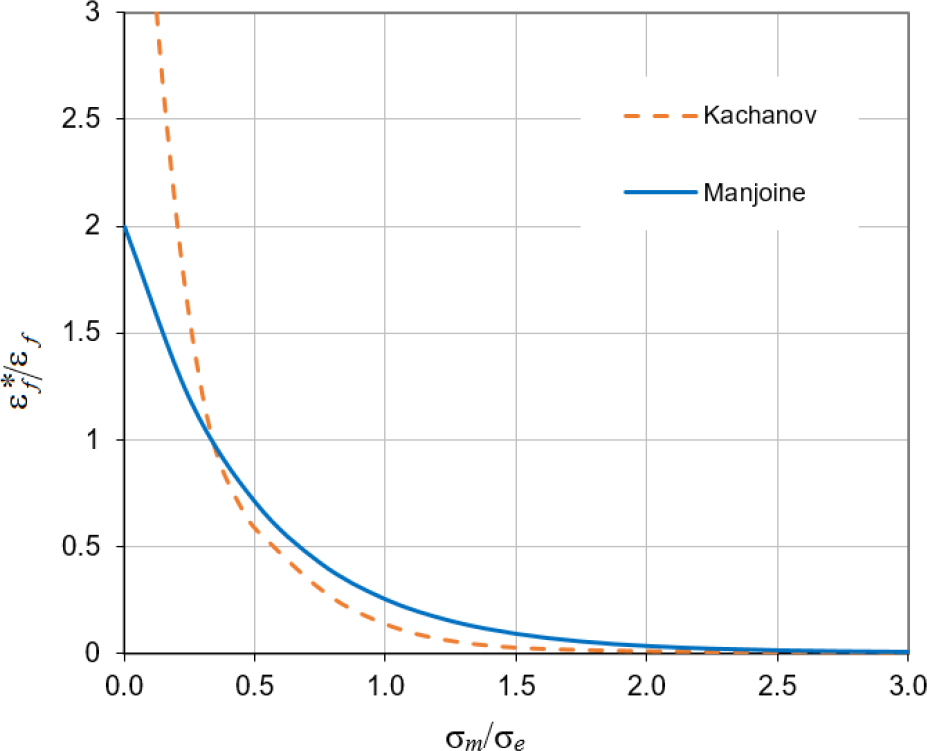
Fig. 1.

Comparison of the ductility obtained on the basis of the Kachanov and Manjoine models
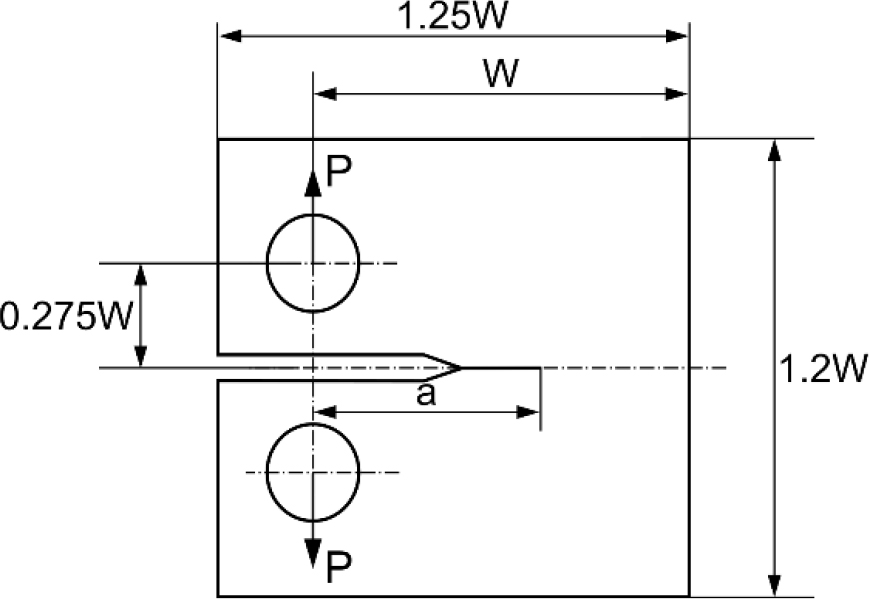

Fig. 2.

Compact tension specimen

Fig. 3.

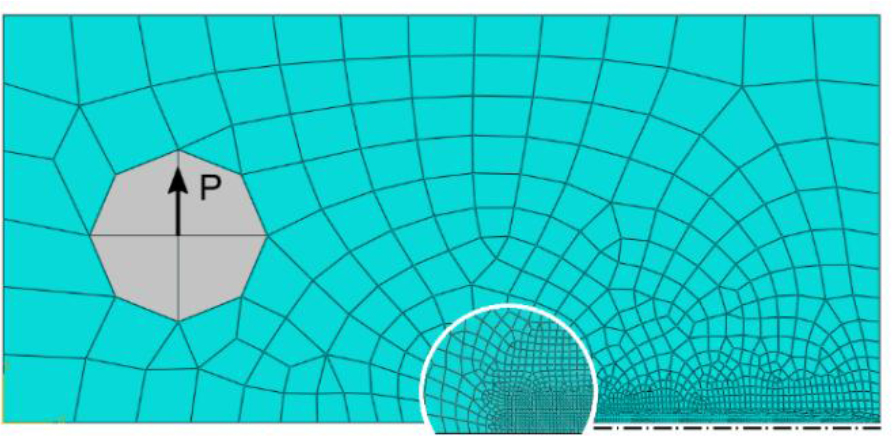
Finite element mesh with symmetric boundary conditions
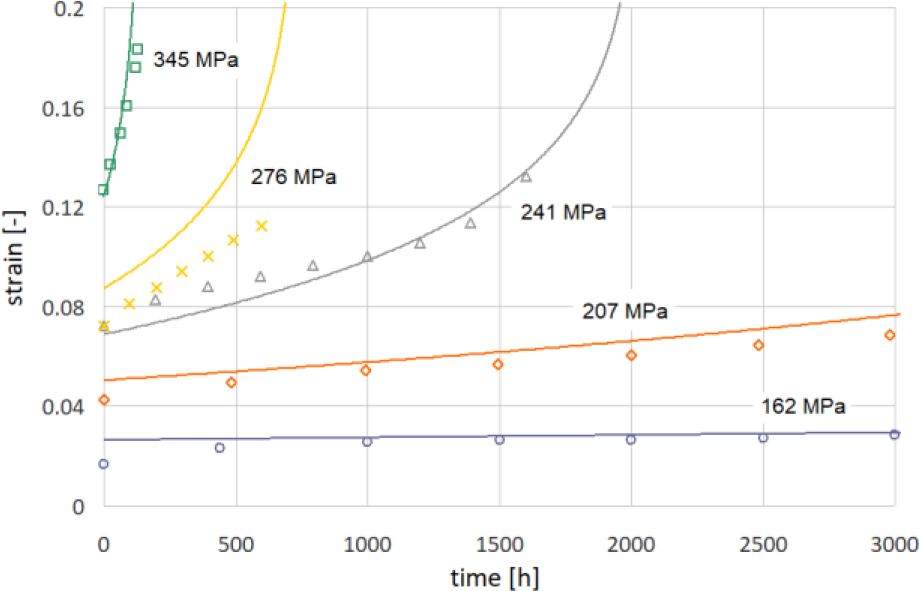

Fig. 4.

Comparison of results of the Kachanov model with chosen experimental points of uniaxial tension creep of 316 steel at a temperature of 550°C [14]
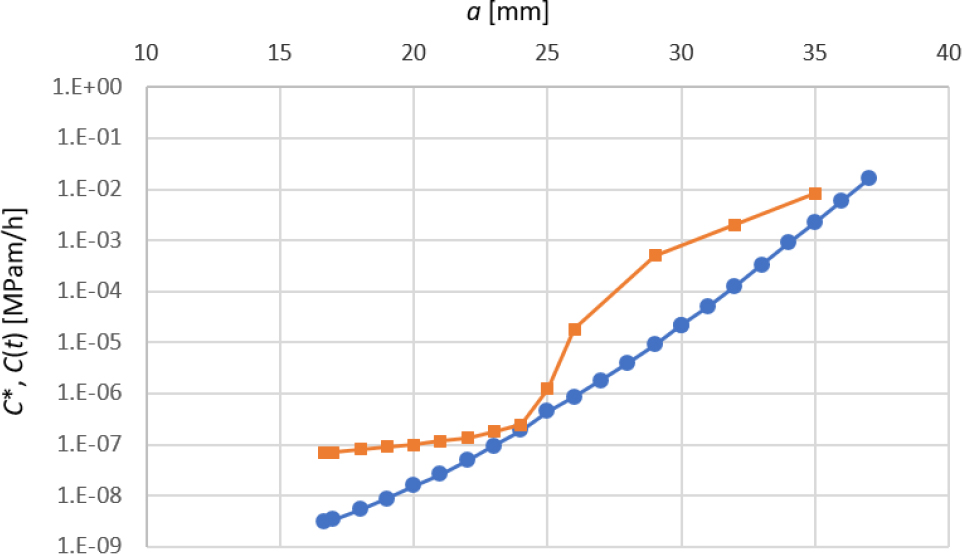

Fig. 5.

C*-integral for stationary creep (blue circles), and C(t) for a model with damage (orange squares) as a function of crack length
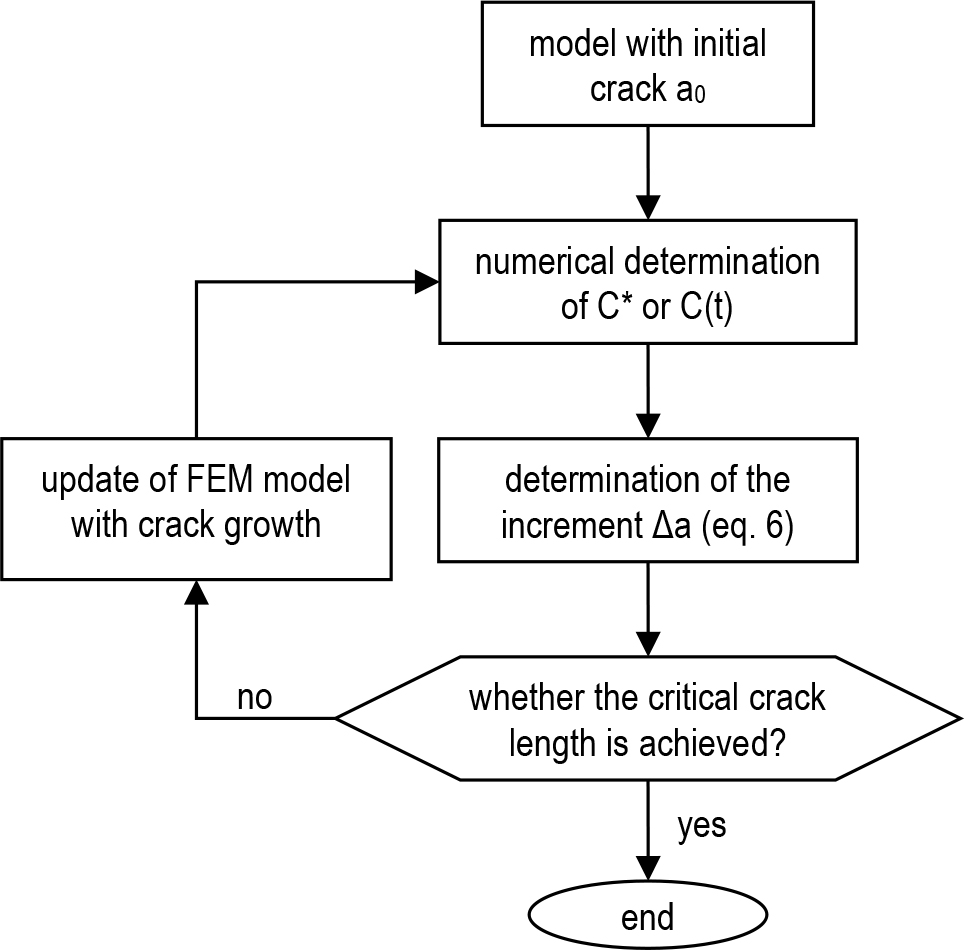

Fig. 6.

Flowchart of numerical simulation of crack growth
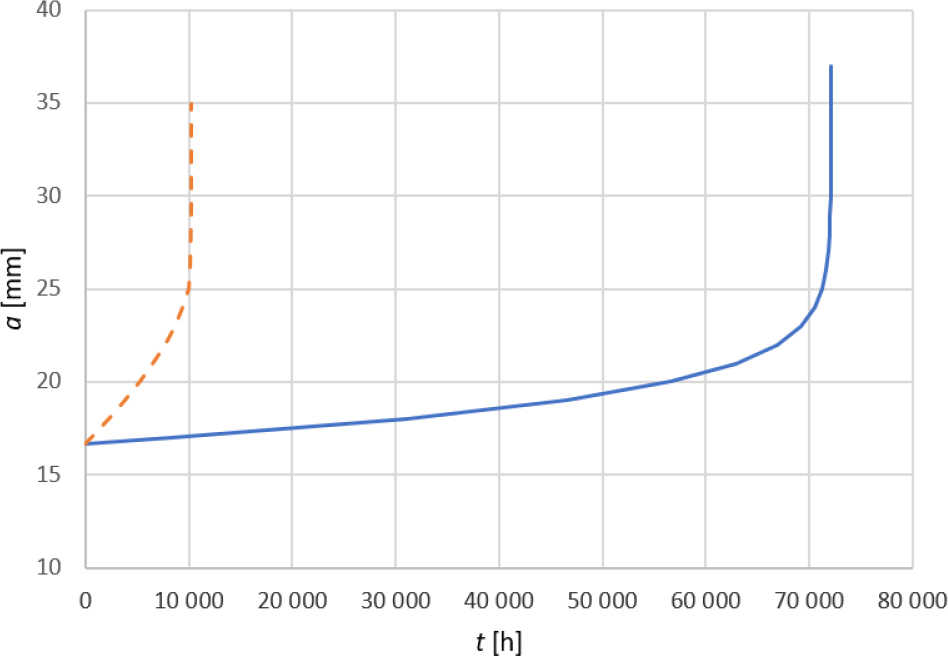

Fig. 7.

Crack growth simulation for stationary creep (solid blue line) and for the creep damage model (dashed orange line) obtained on the basis of FM equations
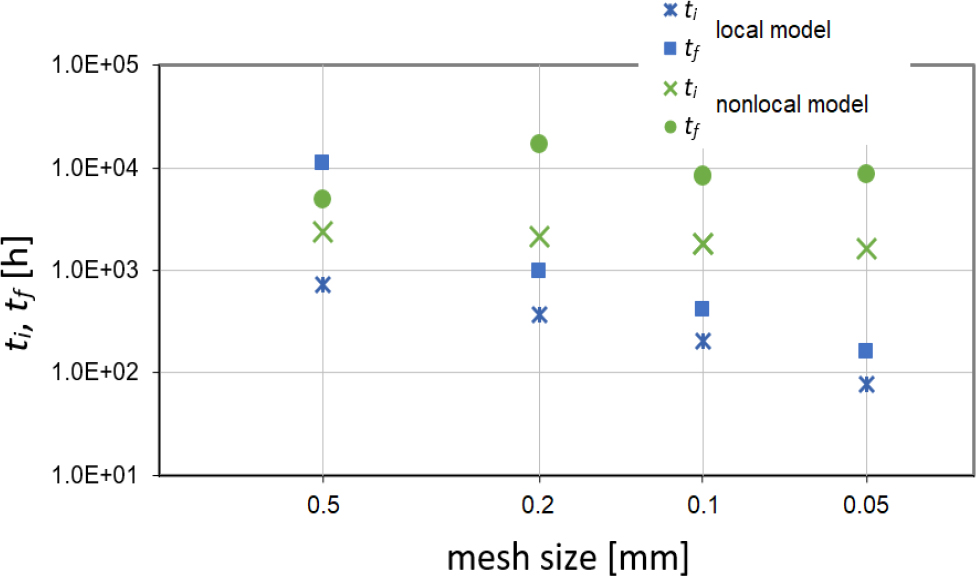

Fig. 8.

Crack initiation time ti and the time to failure tf as a function of minimum mesh size for local and non-local damage models
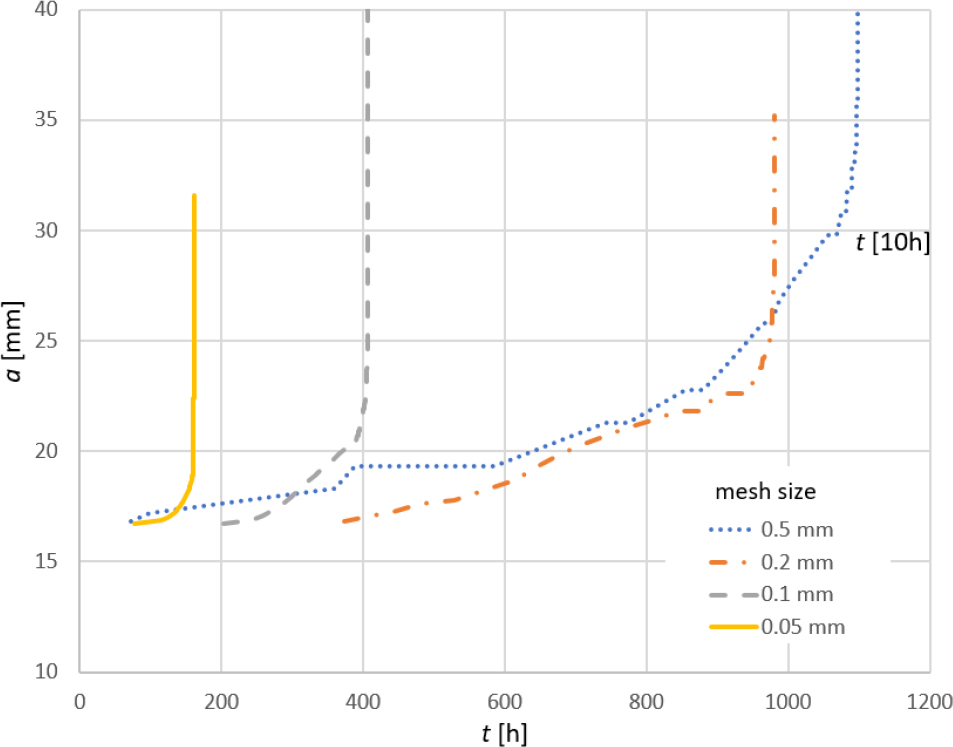

Fig. 9.

Simulation of crack growth by local damage model for different mesh sizes (the time scale for mesh size 0.5 mm is ten times greater than for the other meshes)
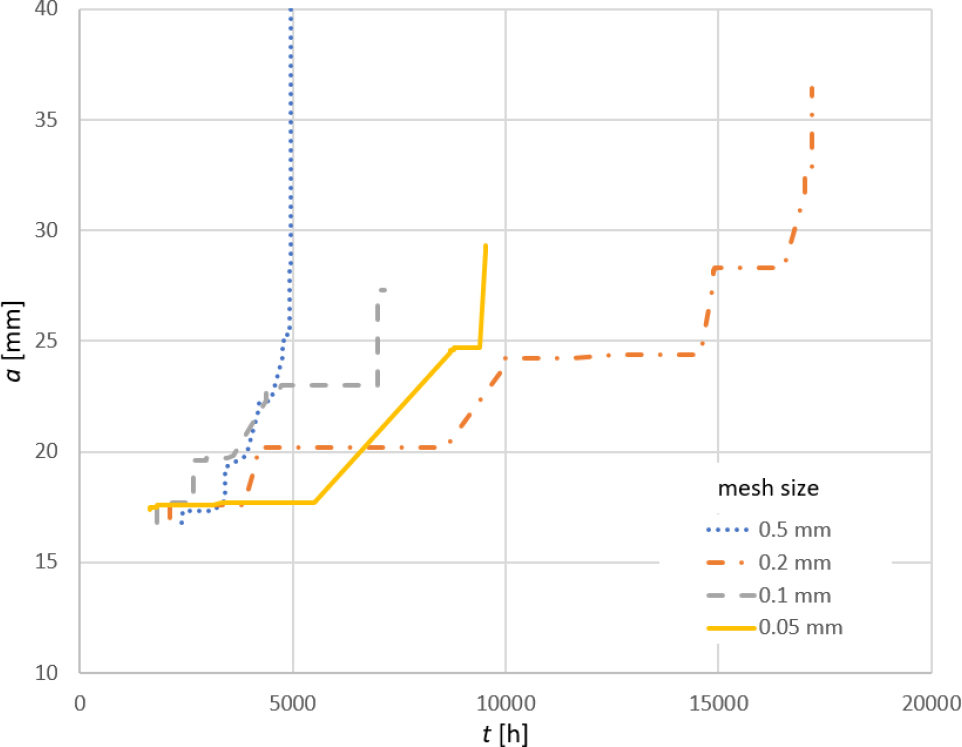

Fig. 10.

Simulation of crack growth by the non-local damage model for different mesh sizes

Parameters of CT test [18]

T [°C]W [cm]B (width) [cm]a [cm]P [kN]tf [h]
550502516.6719.62040 200
DOI: https://doi.org/10.2478/ama-2025-0034 | Journal eISSN: 2300-5319 | Journal ISSN: 1898-4088
Language: English
Page range: 279 - 287
Submitted on: Jul 16, 2024
Accepted on: Mar 23, 2025
Published on: Jun 26, 2025
Published by: Bialystok University of Technology
In partnership with: Paradigm Publishing Services
Publication frequency: 4 issues per year

© 2025 Krzysztof NOWAK, published by Bialystok University of Technology
This work is licensed under the Creative Commons Attribution-NonCommercial-NoDerivatives 4.0 License.