
1. INTRODUCTION
1.1. Road traffic as a source of heavy metals emissions
Road transport is one of the main anthropogenic sources of environmental pollution, particularly in the context of heavy metal emissions. The intensification of motor vehicle traffic generates significant amounts of inorganic compounds that enter environmental matrices – air, soil, and water – and subsequently accumulate in various ecosystem components. Road transport is a key source of environmental contamination with heavy metals. These emissions primarily originate from mechanical abrasion of tires, brake systems, road surfaces, and vehicle corrosion, as well as from the incomplete combustion of fuels containing trace metals (present either as additives or impurities). The most commonly emitted metals include lead (Pb), zinc (Zn), cadmium (Cd), nickel (Ni), iron (Fe), and manganese (Mn) [1,2]. Their presence in urban and roadside environments is the subject of numerous monitoring studies worldwide [3,4]. These emissions are particularly intensified in areas of heavy traffic, in the immediate vicinity of highways, expressways, or city bypasses [5]. In such locations, there is often a lack of protective vegetation or natural filtering barriers, allowing pollutants to spread with minimal restriction [6].
Heavy metals released into the atmosphere in the form of suspended particulates (PM10, PM2.5) and aerosols can remain airborne for extended periods and eventually settle on soil surfaces, plant leaves, water bodies, and urban infrastructure [7]. Once deposited, they become difficult to remove from the ecosystem, as they do not undergo biodegradation [8,9]. In the soil environment, heavy metals may undergo sorption, bind with organic matter, or migrate deeper into the soil profile, which further increases the risk of their infiltration into groundwater [10].
Soil contamination with heavy metals poses a serious toxicological threat to the entire biosphere [11,12]. Elements from this group have the ability to accumulate in plant tissues, leading to metabolic disturbances, cellular damage, and inhibited growth processes. Plants that absorb metals from the soil can become a source of toxins for herbivorous organisms, and subsequently for predators and humans, thereby creating a pathway for pollutant transfer through the food chain [13,14]. In the case of fruits and vegetables, as well as plants with utilitarian or medicinal value, this situation becomes even more significant, as the consumption of such plants (or products derived from them, such as honey or oils) by humans can lead to chronic exposure to toxic metals [15]. Among heavy metals, lead (Pb) and cadmium (Cd) are considered particularly hazardous. These metals play no role in metabolic processes and are characterized by neurotoxic, carcinogenic, and mutagenic effects [16]. Prolonged exposure to even small amounts of these elements can result in neurological disorders, developmental problems, cognitive impairment, and an increased risk of cancer [17]. In plants, excessive concentrations may cause leaf deformation, discoloration, necrosis, disruptions in photosynthesis, and general dieback [18].
1.2. The role of plants in monitoring and remediation of heavy metal pollution
Plants play a significant role in assessing the level of environmental contamination, especially in the context of heavy metal presence. Due to their ability to absorb these elements both from the soil and the atmosphere, they serve as valuable tools in biomonitoring [19]. Heavy metals enter plant tissues through two primary pathways: via the root system – where they are absorbed from the soil solution – and through the above-ground parts, mainly leaves, on which atmospheric pollutants settle in the form of dust, aerosols, or precipitation containing metal ions [20,21].
This natural accumulation ability enables plants to act as indicators of pollution presence in the environment. By analyzing the metal content in plant tissues, it is possible to determine both the level of contamination and its distribution within different parts of the plant. This method is relatively inexpensive, non-invasive, and allows for rapid acquisition of field data, making it particularly useful in large-scale environmental studies [22,23]. In biomonitoring practice, a special role is played by so-called bioindicators – plant species that respond in a characteristic manner to the presence of specific pollutants [24]. These may include both species sensitive to certain substances and those capable of surviving in environments with elevated toxin levels while simultaneously demonstrating the ability to accumulate them. The latter group includes so-called metallophytes – plants that have developed adaptive mechanisms enabling them to tolerate and store large amounts of heavy metals without disrupting essential physiological processes. As an example, there are species from the Verbascum genus (mulleins), whose occurrence are associated with soils rich in copper, lead, or zinc [25]. Observing local flora in terms of species present, their physical condition, and biomass composition allows for the detection and preliminary assessment of local pollution types, ultimately facilitating the implementation of potential measures to limit the migration of toxins or eliminate them entirely [26].
Moreover, plants can serve not only as indicators but also as tools in phytoremediation processes – a biological method for cleaning soil and the environment from pollutants [9,27,28]. Depending on the plant species, different phytoremediation processes are applied, each varying in the mechanism of interaction with contaminants. These include, among others [29,30,31]:
Phytoextraction, which involves the uptake of metals by roots and their transport to the aboveground parts of the plant, which can then be removed through harvesting;
Phytostabilization, which involves binding metals in the rhizosphere and limiting their mobility;
Phytodegradation and Phytovolatilization, which include chemical processes in which metals are transformed into less toxic forms or are volatilized from the plant in gaseous form.
Phytoremediation stands out for its many advantages: it is an environmentally friendly, low-cost method that can be carried out without the need for heavy equipment or disturbing soil structure. Furthermore, in the case of native species, it does not require significant changes to the ecosystem structure. However, its effectiveness depends on numerous factors, such as soil type, metal availability, climatic conditions, and the selection of appropriate plant species [32,33].
1.3. Aim and assumptions of the study
The aim of this study is to assess the impact of road traffic intensification on the emission of selected heavy metals and their subsequent accumulation in the tissues of roadside vegetation. The research takes the form of a case study, with the common dandelion (Taraxacum officinale), belonging to the Asteraceae family, selected as the subject of analysis. The choice of this plant was motivated by its widespread occurrence across a broad range of locations, including areas adjacent to heavily used roads, as well as its membership in the Asteraceae family – many species of which are known for their effective ability to accumulate heavy metals from the soil and are classified as hyperaccumulators [34,35]. The results of field observations and laboratory analyses will help determine whether common dandelions can be used as bioindicators of soil contamination.
2. MATERIALS AND METHODS
2.1. Site Characterization and Sample Collection
The study was conducted in four selected locations within the Silesian Voivodeship, each differing in terms of road traffic intensity. From each location, 8-10 whole dandelion plants were collected (including root balls and inflorescences), with the exact number adjusted to account for plant size so that comparable sample masses were obtained. Specimens at a similar developmental stage were chosen to minimize the influence of physiological differences on the analytical results. Sampling was carried out in early May, during the dandelion flowering period. Below, the characteristics of all locations are presented, along with their positions indicated on the map (Fig. 2.1.).
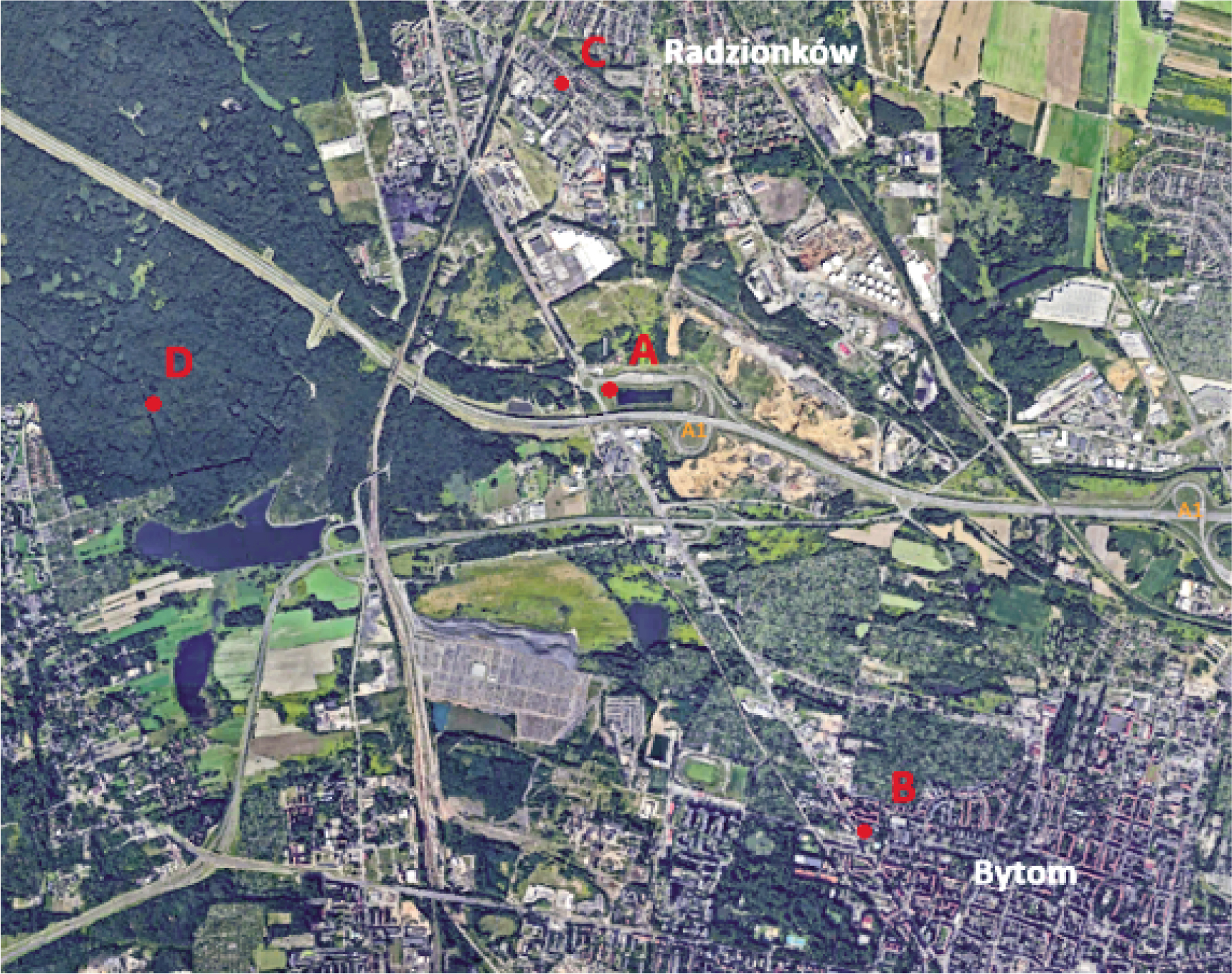
Figure 2.1.
Map of the area with marked dandelion sampling locations
• Location A – Highway
Traffic intensity: approximately 50,000 vehicles per day. Plant samples were collected from a green strip near the A1 motorway exit ramp, at a distance of about 2 meters from the road edge. Plants in this area exhibited poor condition, with numerous rusty discolorations and deformations, necrosis of leaf fragments (Fig. 2.2.), sparse flowering, brittle and fragile petioles, and a weakly developed root system.
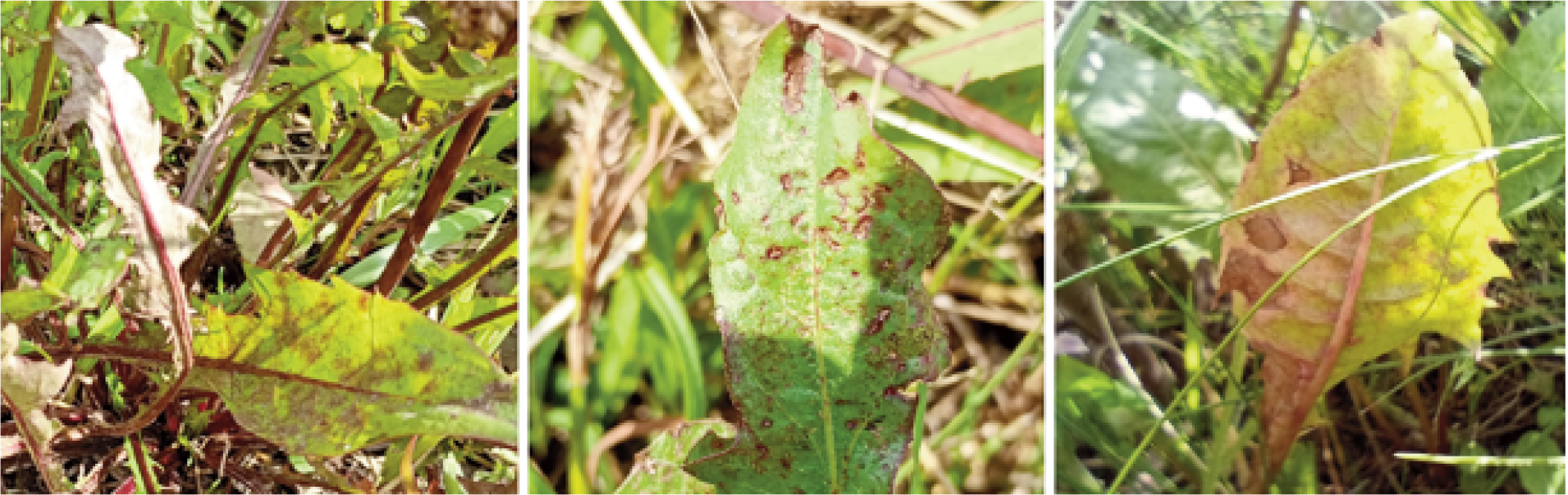
Figure 2.2.
Visible discolorations, deformations, and necrotic changes on the leaves of plants from the highway area
• Location B – City center road
Traffic intensity: approximately 20,000 vehicles per day. This site was located along one of the main streets in the city center, surrounded by residential and commercial buildings. Samples were collected from roadside green strips. The plants showed visible discoloration and occasional dead leaves. Most had small, single inflorescences and moderately developed root systems.
• Location C – Suburban Road
Traffic intensity: approximately 5,000 vehicles per day. This area included a local road on the outskirts of the city, in a single-family residential zone. Dandelions were collected from roadside green strips along the sidewalk. The plants had minimal leaf discoloration and were mostly in good health. They typically bore several inflorescences and had large, well-developed root systems. The leaves were neither brittle nor fragile.
• Location D – Forest (reference site)
This control area, free from road traffic, was located in a deciduous forest far from urban development. Dandelion samples were collected from a clearing situated over 1 km from the nearest paved road. Plants from this area were considered unaffected by emissions; they exhibited natural condition, large, elastic leaves without discoloration or necrosis, abundant flowering (several inflorescences per plant), and extensive, strongly developed root systems.
2.2. Research Methodology
Upon delivery to the laboratory, the plant samples underwent preliminary preparation, during which residual soil was removed from the root balls, along with all surface contaminants, including dust deposits on leaves and stems. The cleaned samples were then placed in a laboratory dryer at 105°C for 48 hours to ensure complete dehydration. Once moisture was removed, the plant material was ground using an IKA-M20 laboratory mill to obtain a homogeneous dry mass with a particle size of less than 100 μm.
The prepared samples were then subjected to microwave-assisted mineralization in accordance with the PN-EN 16174:2012 standard [36]. Approximately 300 mg of each sample was weighed into sealed Teflon vessels, followed by the addition of 10 cm3 of concentrated 70% nitric acid (HNO3). The vessels were then sealed and placed in a Speedwave Xpert microwave digester. The digestion process was carried out following the device manufacturer’s recommended procedure for plant material – 1 hour at 220°C. This process allowed for the complete decomposition of organic matter and the release of heavy metals into the solution.
The resulting solutions were filtered and subjected to quantitative analysis using Atomic Absorption Spectrometry (AAS). Measurements were taken with a properly calibrated Hitachi Z-2000 spectrometer, adapted for detecting trace metal concentrations with an accuracy of up to 0.1 mg/kg. The analysis focused on the content of the following elements: iron (Fe), zinc (Zn), lead (Pb), cadmium (Cd), manganese (Mn), copper (Cu), chromium (Cr), nickel (Ni), and cobalt (Co). The selection of these metals was based on their frequent occurrence in road traffic emissions and their known toxicity to the environment and living organisms.
To ensure accuracy and repeatability, samples from each location were mineralized and analyzed in triplicate. Results were rounded to whole numbers and presented as arithmetic means of individual metal concentrations in mg/kg of dry mass, with the corresponding standard deviations provided in the same table (Table 2.1).
Table 2.1.
Average resoults of heavy metal contents analysis in dandelion biomass, with corresponding standard deviations
| Group | Element share, mg/kg | ||||||||
|---|---|---|---|---|---|---|---|---|---|
| Fe | Zn | Pb | Cd | Mn | Cu | Cr | Ni | Co | |
| A | 4105 ± 77 | 1352 ± 30 | 255 ± 11 | 12 ± 0,3 | 279 ± 11 | 41 ± 3 | 39 ± 3 | 28 ± 3 | 5 ± 0,5 |
| B | 2664 ± 46 | 877 ± 22 | 177 ± 7 | 8 ± 0,3 | 143 ± 6 | 38 ± 4 | 33 ± 4 | 26 ± 2 | 5 ± 0,5 |
| C | 1665 ± 42 | 418 ± 21 | 77 ± 5 | 3 ± 0,3 | 97 ± 6 | 35 ± 4 | 39 ± 2 | 28 ± 1 | 3 ± 0,5 |
| D | 917 ± 33 | 304 ± 17 | 34 ± 6 | < 0,1 ± 0 | 71 ± 5 | 38 ± 4 | 28 ± 4 | 21 ± 1 | 1 ± 0,5 |
3. RESOULTS AND DISCUSION
Analyzing the obtained results for the content of the studied elements reveals a clear upward trend in their concentrations. Lead (Pb) reached 255 mg/kg in plants collected near the highway (Group A), which was more than seven times higher than in the reference (forest) group (Group D), where it measured 34 mg/kg. Zinc (Zn) also appeared in more than fourfold concentration – 1352 mg/kg in Group A compared to 304 mg/kg in Group D. Cadmium (Cd) was not detected in plants from the forest site, while near the highway its concentration reached 12 mg/kg. Iron (Fe) and manganese (Mn) levels were approximately four times higher in Group A (4105 mg/kg Fe and 279 mg/kg Mn) than in Group D (917 mg/kg Fe and 71 mg/kg Mn). The concentrations recorded in Groups B and C fell between the extremes, consistent with their intermediate traffic intensity. In contrast, copper (Cu), chromium (Cr), nickel (Ni), and cobalt (Co) showed relatively similar levels across all locations: approximately 20–40 mg/kg for Cu, Cr, and Ni, and 2–5 mg/kg for Co.
For lead (Pb), the difference between the most and least contaminated sites was the most pronounced – more than sevenfold. Such a sharp increase strongly indicates a link between lead emissions and high-intensity road traffic, despite the phasing out of leaded fuels. The relationship between Pb accumulation in plant tissues and traffic intensity is illustrated in the chart below (Fig. 3.1.). The primary sources of Pb emissions remain tire and brake pad abrasion, along with resuspended legacy deposits stirred up by vehicle movement.
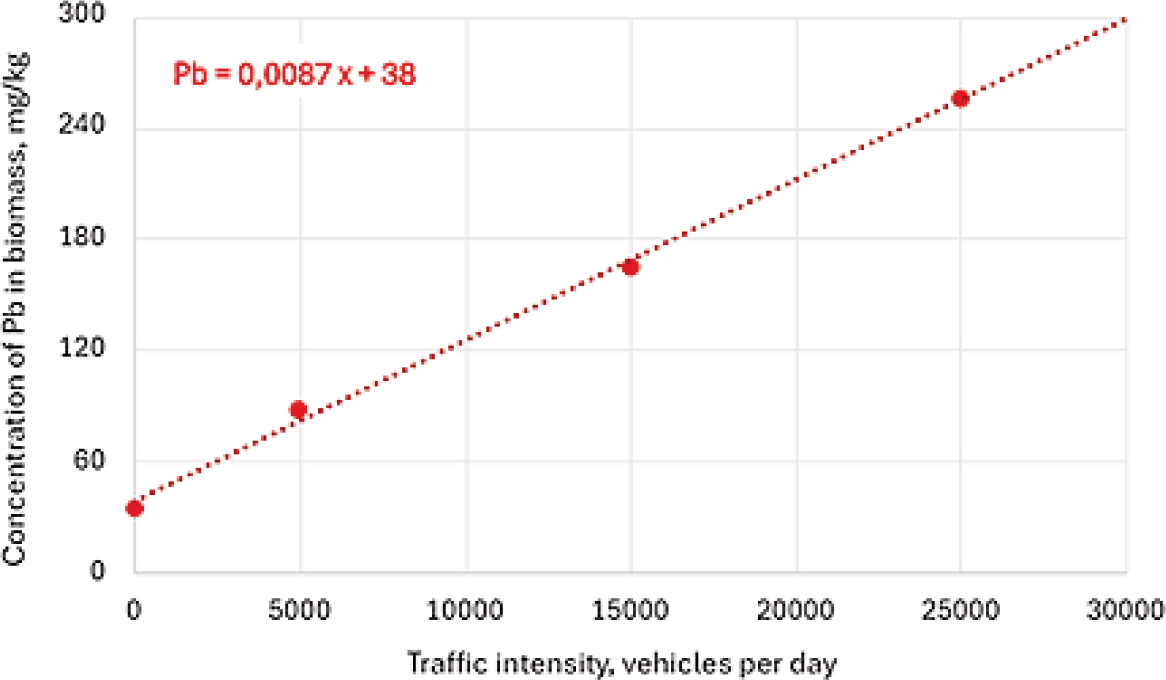
Figure 3.1
Dependence of lead (Pb) content in dandelion biomass on traffic intensity
The detection of lead in plant biomass from the forest reference area – where such plants should not be exposed to traffic emissions – is also noteworthy. This is likely attributable to natural deposits of this element in the region (Bytom area), specifically galena, a mineral composed mainly of lead (but also sulfur and silver). These deposits were mined until nearly the end of the 20th century [37], and residual waste or abandoned mining material may still influence local vegetation. Since lead plays no role in metabolic processes, its presence in plant biomass is strictly toxic and burdensome.
In the case of zinc (Zn), the dependence of its accumulation is shown in the graph (Fig. 3.2.). The content of this element between the extreme locations AD differed approximately fourfold, which translates into its accumulation by dandelions. The main source of zinc emissions is vehicle tires, which wear down due to friction against the road surface during driving and braking. Zinc is used in tire production as a factor improving mechanical properties and their durability. This metal constitutes even about 4% of the tire tread mass (own research). Similarly to lead, a relatively high zinc content was observed in plants from the forest location. However, unlike lead, zinc is an important microelement responsible for a number of metabolic functions. Nevertheless, its concentration in the studied biomass was significantly elevated (optimal concentration is below 300 mg/kg) [38]. The source of this condition is probably natural deposits, in this case, sphalerite, a zinc ore containing iron oxides. Similar to galena, sphalerite was a long-exploited resource in this area, and its mining also ended at the end of the 20th century [37].
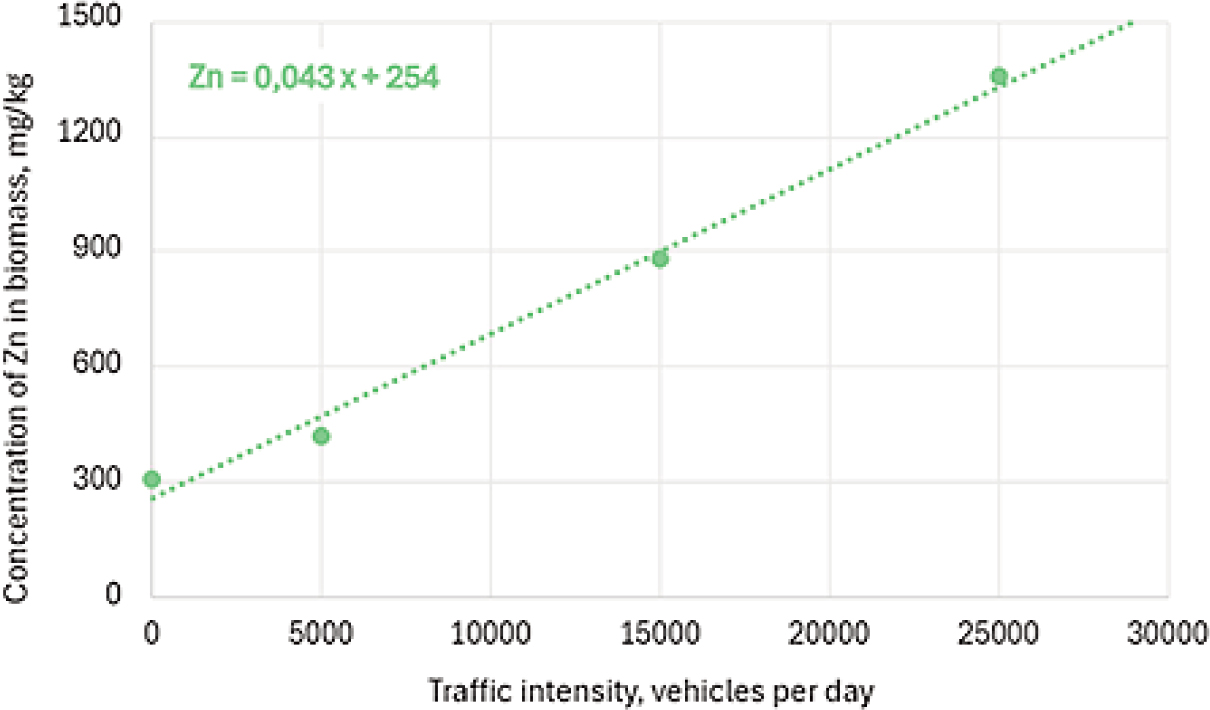
Figure 3.2
Dependence of zinc (Zn) content in dandelion biomass on traffic intensity
Both iron (Fe) and manganese (Mn) exhibited a very similar accumulation trend in the biomass of the studied plants as zinc – approximately four times higher near the highway compared to the forest. These correlations are shown in the graphs, respectively for iron (Fig. 3.3.) and manganese (Fig. 3.4.). The main source of emissions of these metals is material wear of vehicle components, including brake systems, car bodies, and also tires. Like zinc, both of these elements are classified as essential microelements necessary for the proper functioning of organisms. In the case of manganese, a concentration of 300 mg/kg is considered the threshold above which it exhibits toxic effects [39]. This concentration was not exceeded in any of the studied plants. For iron, the threshold value is similar at 250 mg/kg, although its toxic effect strongly depends on the form in which this element is present [40]. Again, for plants from the reference location (D), the presence of iron may result from the soil profile and the ores and minerals contained in the substrate. Regarding manganese, the dandelion case study shows that the level of manganese accumulation in its tissues did not exceed values recognized as toxic for plants, suggesting this species’ tolerance to the presence of this element. However, it should be remembered that other, more sensitive species may respond differently to elevated concentrations of this element. Additionally, dying plant parts – leaves and flowers, upon decomposition may reintroduce accumulated metals back into the soil. In the longer term, this promotes secondary accumulation of elements, including manganese, which can pose a persistent threat to the quality of the local soil environment.
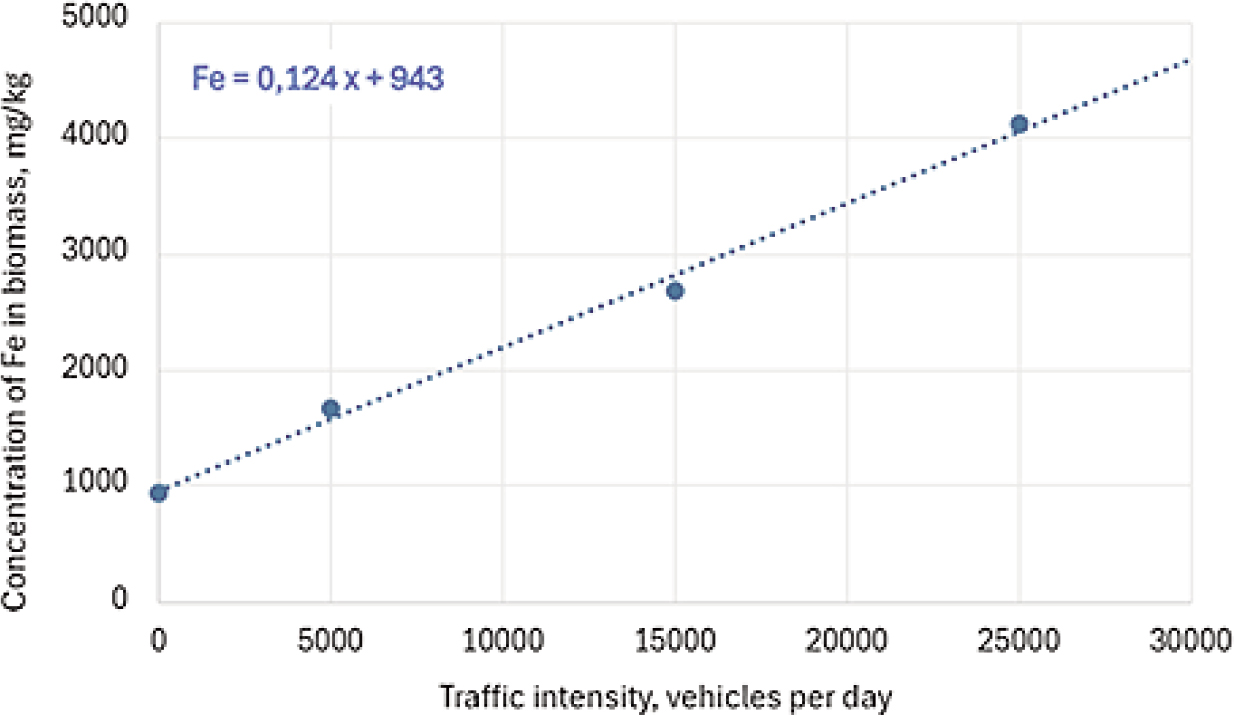
Figure 3.3
Dependence of iron (Fe) content in dandelion biomass on traffic intensity
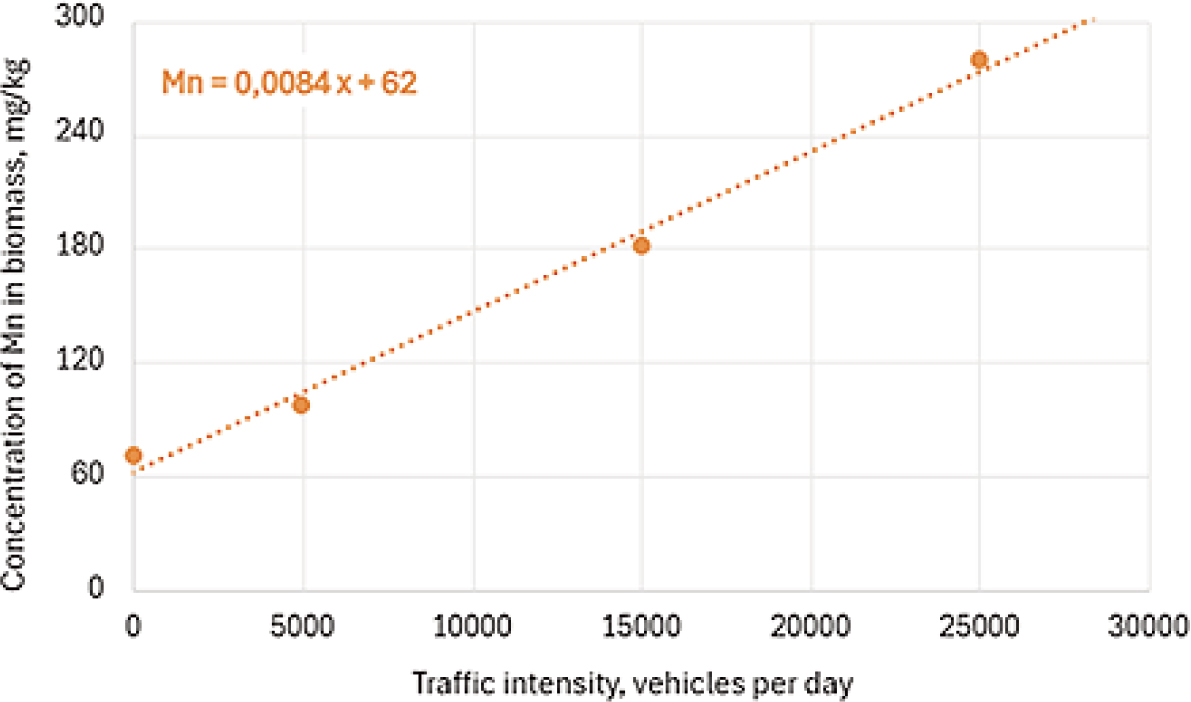
Figure 3.4
Dependence of manganese (Mn) content in dandelion biomass on traffic intensity
In the case of cadmium (Cd) content, significant variation depending on location was also demonstrated. Cadmium was not detected in samples from the forest area, reflecting its naturally low presence in nonurbanized environments. In contrast, cadmium levels in biomass near the highway reached 12 mg/kg, and it was also present near other roads. The characteristics are shown below in the graph (Fig. 3.5.). Although cadmium typically occurs in the environment at low concentrations, and despite its values in this study being much lower than those of other metals, it is a particularly toxic element. Suggested permissible concentrations of cadmium in plants range from 0.1 to 0.2 mg/kg fresh mass [41]; however, it should be noted that every particle of this element is a cumulative toxin with mutagenic and carcinogenic effects. Therefore, a result of 12 mg/kg, despite being relatively low, represents a significant exceedance of levels considered safe, indicating the need for ongoing monitoring and a potential threat to the local environment.
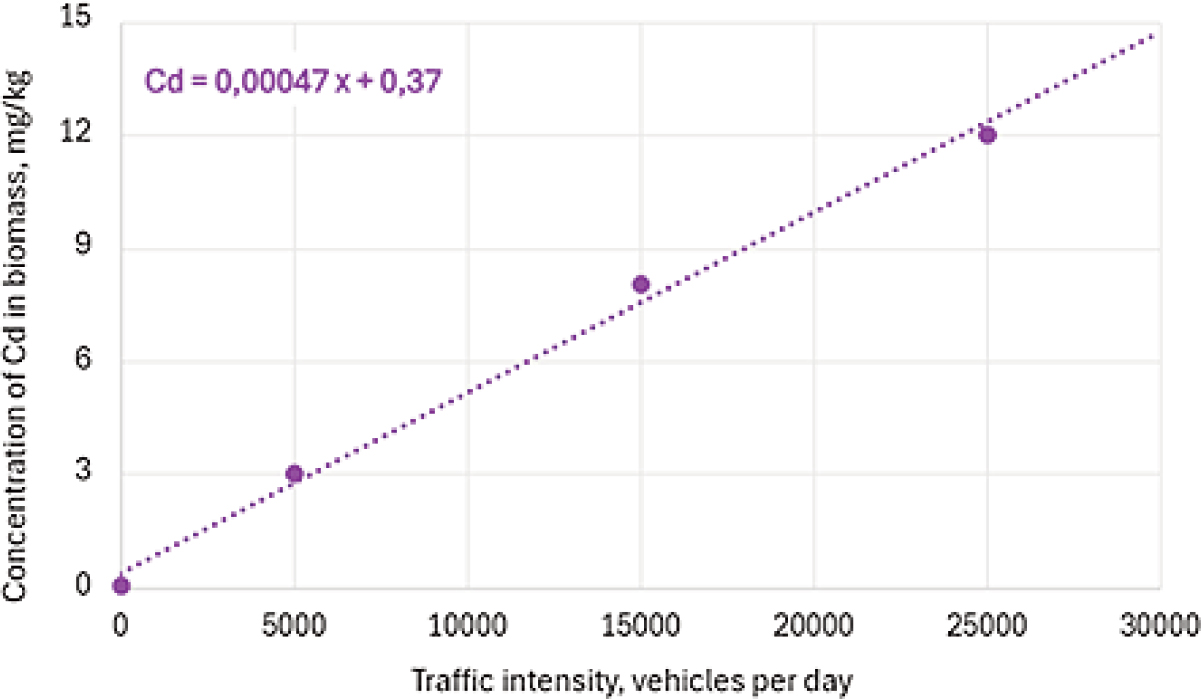
Figure 3.5
Dependence of cadmium (Cd) content in dandelion biomass on traffic intensity
For the other studied elements: copper (Cu), chromium (Cr), nickel (Ni), and cobalt (Co), the accumulated values in the biomass were similar across all locations. These elements do not exhibit toxicity as high as cadmium or lead, with copper and nickel being essential microelements for plants. Cobalt, despite its toxic nature, was present in the biomass in trace, barely detectable amounts. Nonetheless, it should be noted that the lack of elevated levels of these elements in dandelion biomass does not necessarily indicate an absence of their emissions along transportation routes. Here, a natural lack of enhanced accumulation of these elements by dandelions can be considered, but a definitive conclusion would require additional studies focusing on soil analysis where the dandelions grew. In the present case, it can only be stated that these plants are useful for monitoring the presence of other, previously described elements.
4. CONCLUSIONS
The aim of this study was to determine the impact of road traffic intensity on the emission and accumulation of heavy metals in the biomass of plants from the genus Taraxacum officinale (common dandelion). The conducted analyses revealed clear, linear relationships between traffic volume and the content of selected elements in plant tissues. The highest concentrations of metals such as lead (Pb), zinc (Zn), iron (Fe), manganese (Mn), and cadmium (Cd) were found in samples collected in close proximity to the highway, where these values reached levels up to seven times higher than those in the reference area located in a forest, free from direct influence of road infrastructure. No industrial emission sources were identified near the sampling sites, and the study period (late spring) excluded significant contributions from so-called low emissions from households. Therefore, such a pronounced pollution gradient clearly indicates road transport as the dominant source of the studied heavy metals in the area.
Dandelions from each location differed visually, with those growing in areas of highest traffic intensity showing the poorest condition and visible discolorations, which can be directly linked to the toxic effects of accumulated metals. Due to their widespread distribution, ease of identification, and low habitat requirements, this species can be successfully used in monitoring studies conducted in diverse environmental conditions, especially in roadside zones.
Moreover, the results of the conducted analyses demonstrated the ability of dandelions to effectively accumulate heavy metals, which may suggest their potential application in phytoremediation efforts. In particular, in areas heavily contaminated with heavy metals – where conventional environmental remediation methods are costly, time-consuming, or difficult to implement – the use of metal-accumulating plants constitutes a viable alternative or support. Although T. officinale has not yet been classified as a full-fledged phytoextractor, its demonstrated capacity to uptake metals from the environment indicates that it may play a supportive role in remediation processes, especially during preliminary, diagnostic, or supplementary stages to classical cleaning techniques. However, based on the obtained results, T. officinale cannot be hastily or definitively classified as a heavy metal hyperaccumulator. Hyperaccumulation is a specific trait of certain plants, involving not only efficient uptake of metals from the substrate but also their active transport, storage, and detoxification without disrupting physiological functions. In contrast, physiological symptoms were observed in the collected plants, such as inhibited flowering, slowed growth, poorly developed root systems, and localized necrosis, indicating environmental stress caused by the presence and uptake of heavy metals. It should be noted, however, that physiological responses may be selectively induced – depending on the type of element, its concentration, and the species' individual tolerance. This means that the presence of one metal can trigger strong stress reactions, while another may be accumulated without visible damage symptoms, despite its potential toxic effects. Such variability in response highlights the need for further analyses focused on the differential sensitivity of dandelions to individual metals. These studies could also be expanded to attempt classification of dandelions as hyperaccumulators by assessing total metal quantities accumulated in biomass, uptake kinetics, and determining toxicity thresholds for the species.
Simultaneously, it was not necessary to analyze soil samples to obtain the information in this study. It turned out that analyzing only the biomass of dandelion plants provides qualitative data that effectively assess the level of heavy metal contamination in the environment. This is a significant advantage, as vegetation analysis is much simpler, cheaper, less timeconsuming, and less invasive to the environment than soil analysis, especially when the goal is to evaluate trends or monitor changes over time.
The study also indicates that environmental monitoring using roadside plants can be an effective tool for assessing anthropogenic impacts on the environment. The ability to quickly and relatively easily diagnose pollution levels can be particularly useful for local authorities, spatial planning units, and environmental protection services. In the context of urbanization and increasing road traffic intensity, systematic monitoring of roadside zones using bioindicators can provide valuable data for planning preventive or, subsequently, remedial actions.
The conclusions drawn from the conducted research also have a cautionary character. The presence of toxic metals, especially lead and cadmium, in the biomass of plants growing in the immediate vicinity of transport routes poses a potential threat related to their introduction into the food chain. This risk concerns not only herbivorous animals but also humans, both through the cultivation of vegetables and other edible plants near heavily used transport routes and through the collection and consumption of medicinal plants or honey obtained from roadside areas. These contaminants tend to accumulate in the soil and can affect the ecosystem for many years, even after emissions have been reduced (an example being the stillpresent lead particles despite the discontinuation of its addition to gasoline).
In summary, the research demonstrated that dandelion can be a valuable tool in assessing the impact of road traffic on environmental quality. The intended goal was achieved – determining the degree of vegetation contamination by heavy metals depending on traffic intensity and demonstrating the potential use of selected plant species as bioindicators. At the same time, the study opens new perspectives for inexpensive and effective monitoring and potential phytoremediation of contaminated sites. Further work should focus on preventive possibilities regarding metallic pollutant emissions and methods to limit their migration/availability, as well as expanding analyses to other plant species and other types of pollutants.
Finally, this study and its implications can be viewed through the lens of the United Nations Sustainable Development Goals (SDGs). By demonstrating the use of widely distributed, easily identifiable plants as bioindicators of heavy metal pollution, the research directly supports SDG 3 (“Good Health and Well-Being”) by highlighting potential exposure pathways to toxic metals and the need to protect public health. It also contributes to SDG 11 (“Sustainable Cities and Communities”) through the provision of inexpensive, rapid monitoring tools that can inform urban and transport planning aimed at reducing environmental risks. Furthermore, by indicating the potential of certain species for phytoremediation, the work aligns with SDG 15 (“Life on Land”), promoting ecosystem restoration and sustainable management of terrestrial ecosystems. Discussing the results in this context not only situates the research within a global policy framework but also underscores its practical relevance for environmental protection and sustainable development.
ACKNOWLEDGEMENTS
Work carried out as part of the SUBB 2025 grant awarded to young researchers 08/030/BKM25/0168.