
1. INTRODUCTION
One of the most interesting areas in the field of interior architecture design is undoubtedly exhibition design, which now focuses not only on creating the architecture of exhibitions and displays, but also on building a cultural, aesthetic and social message that engages the viewer. Exhibition venues are increasingly becoming active places for meeting, education and exchange of ideas, moving away from the traditional static exposition of collections to interactive experiences. The objects of presentation become not only works of art, individual goods or entire organizations, but also phenomena and ideas. Kang emphasizes that the museum exhibition space is nowadays a medium for debate with the audience and the transmission of information [1]. At the same time exhibition design is a remarkable synergy of various disciplines and the implementation of pre-design research, leading to the creation of a space for communication, conveying selected content in the most evocative and engaging way for the audience. For this purpose, new methods and tools are currently being used, for example, AR and VR technologies [2]. In this context, the predesign phase is significant, important for selecting the scope and amount of content to be communicated in terms of visitors’ perceptual capabilities and ensuring their fluctuation [3]. This also includes issues of the accessibility of the message of information and directing the attention of visitors. Research improving the exhibition design process is also being conducted on the concept of wayfinding or perception [4, 5, 6]. Their results indicate, among other things, the importance of exhibit and label placement and visibility for visitor movement patterns.
At the same time, the focus on the viewer and on immersive messages in the process of creating exhibitions requires acquiring knowledge that allows preparing the content of the message tailored to the viewer’s capabilities. The oculocentrism of museums is being questioned and the message is increasingly built around immersive, multisensory exhibition environments, using, among other things, the concept of atmosphere of G. Böhme [7]. focused not only on the presentation of exhibits, but primarily on education to expand the audience [8]. Therefore, this unique branch of design differs significantly from the standard design and implementation processes associated with the creation of interior architecture [9]. Studies indicate that for today’s visitors the most important thing is the interactive message [10, 2] and the individual experience of the exhibit, which is related to the flexibility of the message and immersive technologies [11, 12, 13, 14, 15]. Modern exhibitions are increasingly using audiovisual solutions that not only make the presentation more attractive, but also help to better understand some scientific issues, stimulating the human imagination. This also includes messages based on gamification, the use of game elements and virtual reality. The potential of VR and AR technologies can revolutionize the user experience and influence the spatial design of museums [16]. Exhibition designers must therefore be competent to manage and creatively use digital communications [17]. Aiming to adapt the message to the needs of modern audiences, designers create attractive and engaging exhibitions that promote interaction and develop creative thinking. However, since most often an interactive message accompanies an authoritative display, attention is required to balance these two traditions in exhibition design [13]. Pilegaard also draws attention to the idea of activating the space between the visitor and the exhibition through the integration of spatial and material aspects of exhibition design. This idea exploits the tension between the body and the world, providing the opportunity to create an active, sensory (e.g., tactile) experience of the exhibition [18]. At the same time, exhibition design is constantly evolving and exploring new directions, expanding experience design [19].
Exhibition design is therefore an integrated, multithreaded, multidisciplinary process that often combines architecture, interior design, graphic design, the use of multimedia and technology, lighting, sound to create multi-layered narratives around a theme or issue [20]. This raises the question of the research methods and tools used in the various stages of exhibitions and the role of the designer in the process. In addition, there is no in-depth analysis in the literature of the tools used in the post-design research phase as an indication of tools for optimizing the message of information and evaluating its interactivity [21, 22, 23]. The purpose of the article is also to identify the key problem areas that need to be addressed in the pre-design phase, which is crucial for gathering exhibition content, and to indicate the tasks of the architect/exhibition designer at all stages of museum exhibition implementation. The designer, thanks to his knowledge and competence, carries out the project not only in the artistic context, but also in the construction context, which is extremely important, for example, in the context of designing exhibitions taking into account the capabilities of people with disabilities [24].
A perspective was adopted in which the designer, when undertaking the development of problematic exhibitions, draws on social experience by combining it with an artistic message, using various forms of expression and multimedia technologies. In addition, the analysis of examples of realized exhibitions in the post-design phase is carried out to verify the created message in terms of the criteria of experience and communication with the viewer.
2. RESEARCH METHODOLOGY
The Research by Design (RbD) method is used as a path to gain new knowledge and critically examine the tools and results of the design process at each stage [25, 26]. In this study, the RbD method was adopted, based on assumptions derived from past experience gathered during the realization of the author’s exhibitions. The research during the realization of exhibitions concerned the author’s own projects with her team, created in the Architecture Studio Cechownia for the Silesian Museum in 2017-2023. The research was divided into three stages: the pre-design phase, the design phase and the postdesign phase.
Phase one involved developing the exhibition objectives together with the curatorial team, defining design problems in the presentation of the exhibition idea, and collecting material for the exhibition. This phase was also an analysis of the possibilities of the exhibition space in terms of the spatial concept of the exhibitions. In this process, the research carried out by the architects on the subject of a particular exhibition was extremely important. Without a deep understanding of the work, artist or issue, designers are unable to effectively present the subject to the audience. In this context, available literature sources were used, numerous interviews were conducted with artists, and tools that can be used to create an exhibition were verified. In addition to the development of the visual narrative and the content of the message, the technical aspects of the implementation of the exhibition were also covered at this stage. The work in the pre-design phase used techniques typical of the conceptual phase of a project: 3D design, brainstorming, modeling. These were mainly techniques for positioning ideas and solutions within the expert team and generating further questions. Their results were juxtaposed with the assumptions made in the preliminary exhibition scenario. The result of the pre-design phase for each exhibition was the accumulation of specialized and unique knowledge regarding possible solutions in each category, and as a result, the development of the exhibition scenario.
In the second phase, the most interactive and immersive phase, the designer was a researcher in the design process, concerning a specialized design task. According to theory, design is a significant method of generating practical-productive knowledge and solutions, but it can also identify potential areas for development [25, 27, 22]. In this process, critical evaluation, verification of solutions was an iterative process, subject to continuous evaluation against the assumptions and spatial possibilities. The design phase was a stage of exploratory work, combining analysis of the collected initial material, its synthesis and evaluation in an iterative process. In all the cases discussed, this was the most intensive phase of the work. This phase of the process used techniques such as brainstorming, sketching, digital modeling, detailed drawings, and updating the documentation on the basis of facts. This process was demonstrated using examples of exhibitions held at the Silesian Museum. In addition, the designer coordinated the work of the multispecialist team by organizing the knowledge obtained at each stage, which guarantees the successful realization of the exhibition.
The post-project phase was already a stage of synthesis of accumulated knowledge and experience. In some examples of exhibitions prepared by Author, it was also included an element of deeper contact with the audience in the framework of events accompanying the exhibition for debate related to its theme (e.g., workshops, curatorial tours). An element of evaluating the analyzed exhibitions in terms of their adaptation to audience perception was the use of categories and subcategories developed by Roggem et al. [28].They were divided into three main categories of audience perceptions of the exhibition space: user experience, display interactivity and information accessibility as the basic concepts used in the implementation of interactive exhibitions (see Table 1). Each category has its expansion in the form of subcategories relating to specific factors with different weights. Among the categories of user experience, user experience, i.e. the availability of the museum’s infrastructure and environment, and audiovisual experience, have the highest weight. It should also be noted that the coordination of many elements such as spatial layout, display and fluctuation is an accessibility element linked to the multi-sensory elements of the project (visual, auditory and olfactory experiences). The evaluation of the emotional experience category was the result of linking the nature of exposure to the emotional layer of the message. Within the group of information accessibility categories, multimedia applications carried the most weight. In terms of information accessibility, the most significant was the provision of a mobile app, which were not applicable to the exhibitions in question.
Table 1.
Evaluation of the analyzed exhibitions in terms of the applied elements of perception of the exhibition space by the audience (Authors, 2025)
| Rating categories | Detailed exhibition elements | W1 | W2 | W3 | W4 | W5 | Validity |
|---|---|---|---|---|---|---|---|
| User experience | |||||||
| Spatial comfort | spatial arrangement | + | + | + | + | + | 5 |
| lighting project | + | + | + | + | 5 | ||
| elements of relaxation | + | + | + | + | 5 | ||
| Availability | trail route | + | + | + | + | + | 9 |
| signage system | + | + | + | + | + | 9 | |
| accessibility elements | + | 9 | |||||
| Audiovisual experience | visual effects | + | + | + | + | + | 10 |
| acoustic elements | + | + | + | + | 10 | ||
| Emotional connections | immersive experiences | + | + | 8 | |||
| emotional narration | + | + | 8 | ||||
| Interactivity | |||||||
| Presentation of the exhibition | presentation methods | + | + | 1 | |||
| exhibitor constructions | + | + | + | + | + | 1 | |
| Interactive elements | interactive exhibits | + | + | 4 | |||
| experimental presentations | + | + | 4 | ||||
| Multisensory experiences | area of cultural exchange | + | + | + | 2 | ||
| technological interaction | + | + | + | + | 2 | ||
| direct interaction | + | 2 | |||||
| Information availability | |||||||
| Information about the exhibition | project of panels | + | + | + | + | + | 6 |
| labels and markings | + | + | + | + | + | 3 | |
| mobile applications | 7 | ||||||
3. SELECTED CASE STUDIES: EXHIBITIONS IN THE SPACE OF THE SILESIAN MUSEUM
The Silesian Museum is an institution with a rich and long-standing record of exhibitions. In addition to permanent exhibitions on the heritage of the Upper Silesian region, its multiculturalism, the Museum organizes temporary exhibitions devoted to dialogue with the past and current social issues. The 4 temporary exhibitions presented here are the result of the author’s direct cooperation with the Silesian Museum, while the W4 exhibition is the result of cooperation with the musk kolektyw studio.
W1 exhibit entitled. “Everything is achieved through hope. The Cultural Heritage of the Reformation in Silesia” (2018) under the curatorial supervision of under the supervision of the curatorial team of the Silesian Museum; the main content of the exhibition was the 500-year tradition of the Reformation Church in the region, in the socio-cultural context and on the historical background of the development of the Reformation.
W2 exhibition entitled. “Prohibitions, Exclusions, Superstitions. A Photographic Tale of Women in Industry” (2019) prepared by Mariusz Gąsior, head of the Silesian Museum’s Photography Department; the main theme of the exhibition was a kind of confrontation of the role of women in society in the face of worldview changes and the hitherto patriarchal model of the Silesian family.
W3 exhibit titled “Close but from a Far World. The History of Mammal Domestication,” (2019), Dr. Renata Abłamowicz; the theme of the exhibition was the little-known history of mammal domestication around the world with a presentation of animal skeletal elements and a presentation of the work of archaeozoologists.
W4 exhibition titled. “Głusza” (2022), curators: Dagmara Stanosz, Dr. Michal Burdzinski, Michal Justycki, Agnieszka Kolodziejczak; the exhibition talks about the relationship between language and the perception of our reality by bringing the little-known g/deaf culture closer through the works of deaf artists, but also through multi-sensory installations.
This first exhibition in Europe dedicated to deaf individuals was a significant challenge for the designers. It required thoughtful consideration of the tools and methods that could be used to reach deaf and mute users in order to convey their values and emotions, without causing offense in any way. For the designers, this experience provided a rare opportunity to step into the world of people with special needs — a truly invaluable experience.
W5 exhibition entitled. “Chopin to Duda-Gracz” (2023), under the curatorial care of the painter’s daughter Agata Duda-Gracz; the theme of the exhibition was the passing of ideas, history, traditions and eras, and the commonality of experience between the two artists. Chopin’s music was an important part of the exhibition’s message.
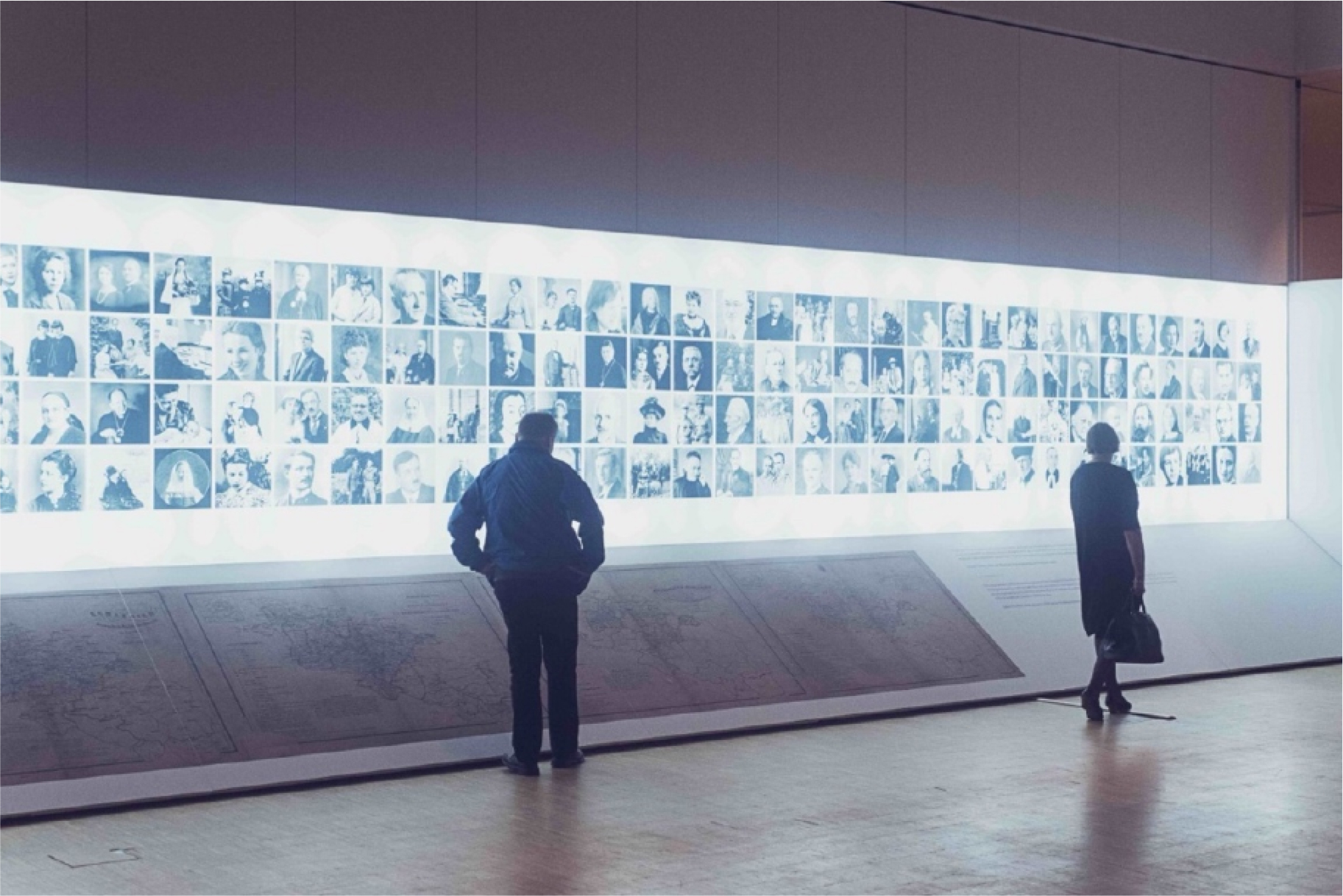
Figure 1.
Exhibition “Everything is Achieved through Hope. The cultural heritage of the Reformation in Silesia”. Source: Silesian Museum
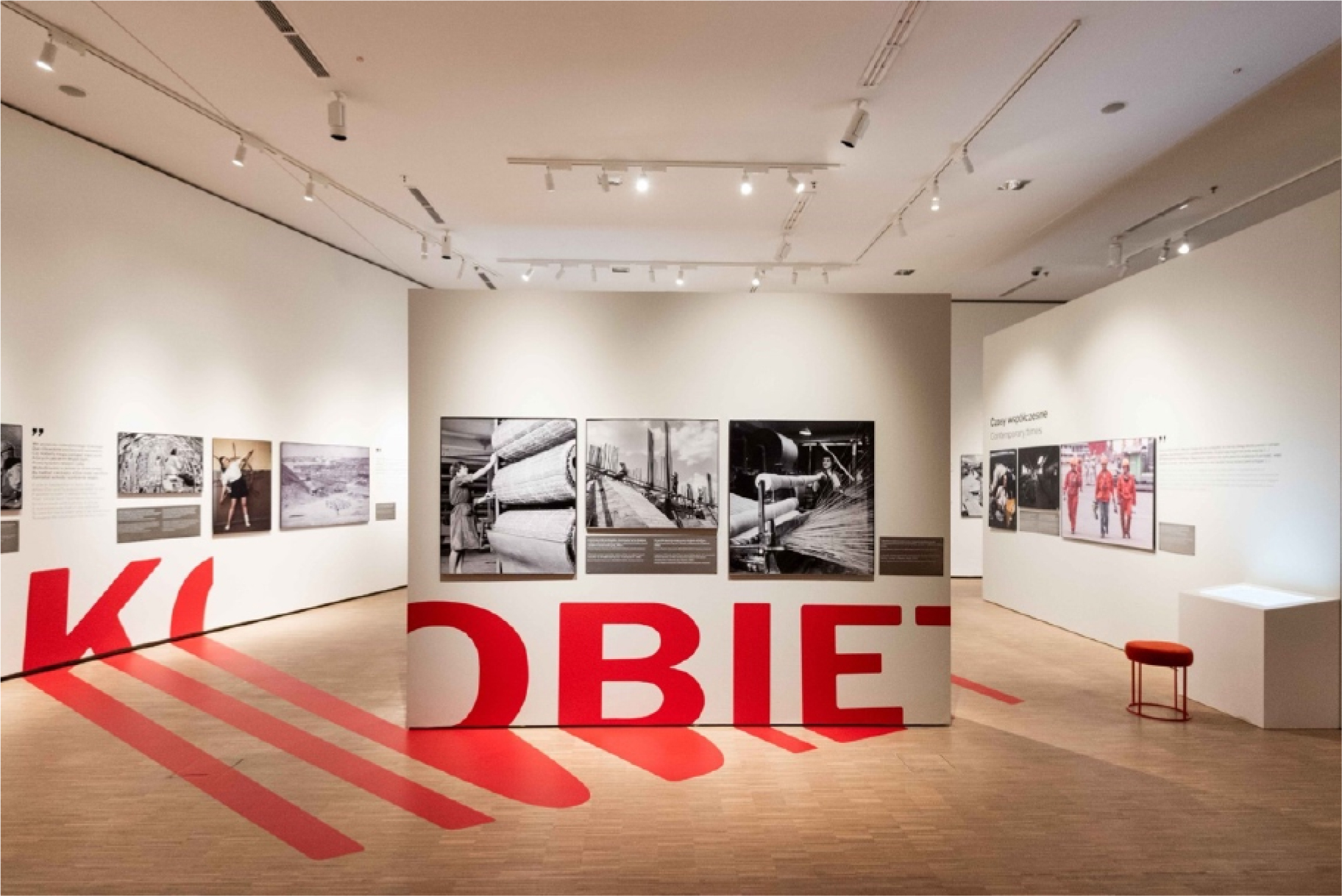
Figure 2.
The exhibition “Prohibitions, Exclusions, Superstitions. A photographic story about women in industry”. Source: Silesian Museum
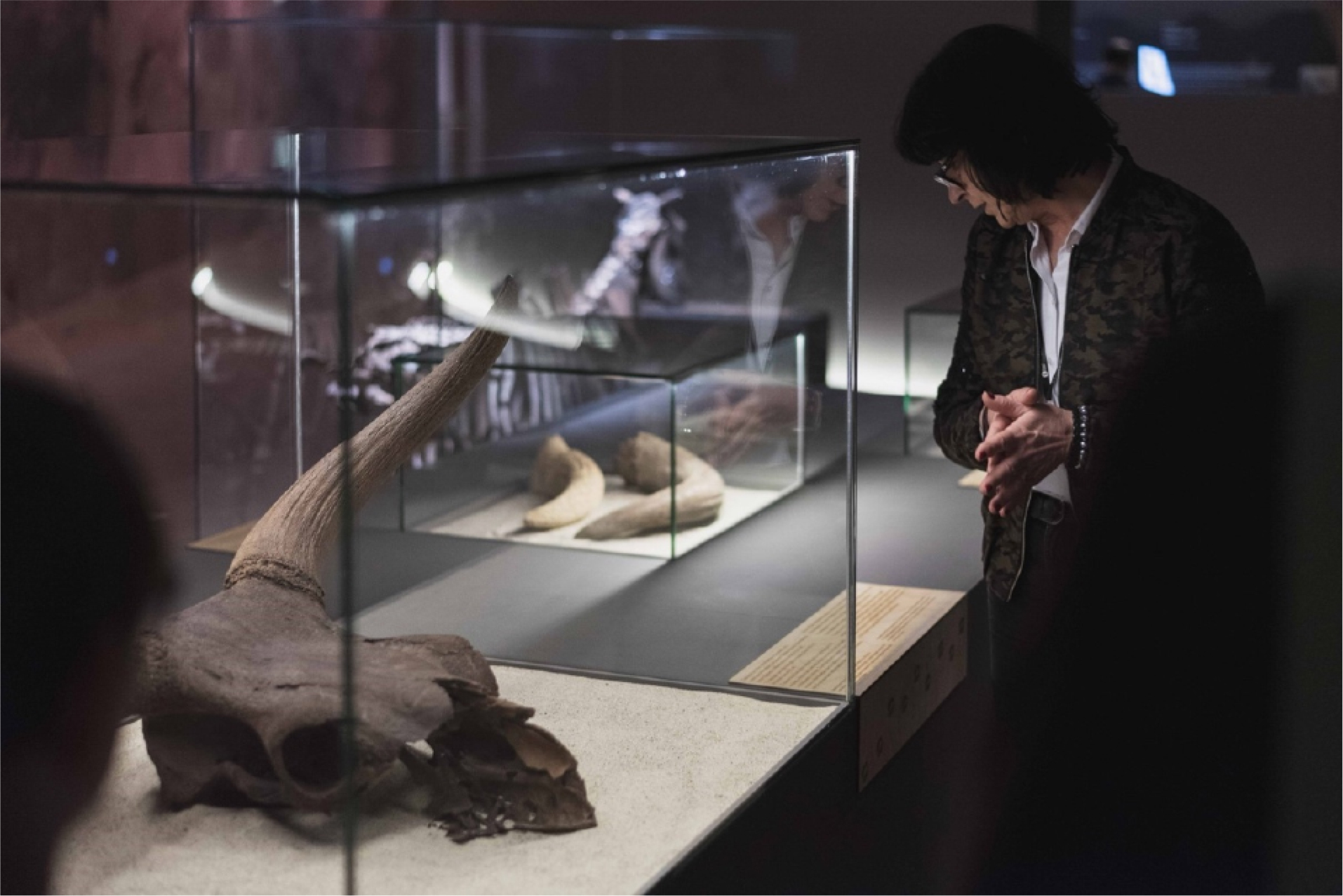
Figure 3.
Exhibition “Close but from a Far World. History of the domestication of mammals”, source: archives of Cechownia Studio
All exhibitions were temporary expositions. A major challenge in creating object-based exhibitions was to integrate the concept of the exhibition space with the museum space, which remains discreetly in the background, giving priority to the artworks on display. In the examples shown, the arrangements are only a background for the artworks or other exhibits on display, and the graphic visual key introduced serves only informative purposes and is subtle in its expression. In addition, some projects required a special approach in preparing the displays, which further affected the exhibition preparation process.
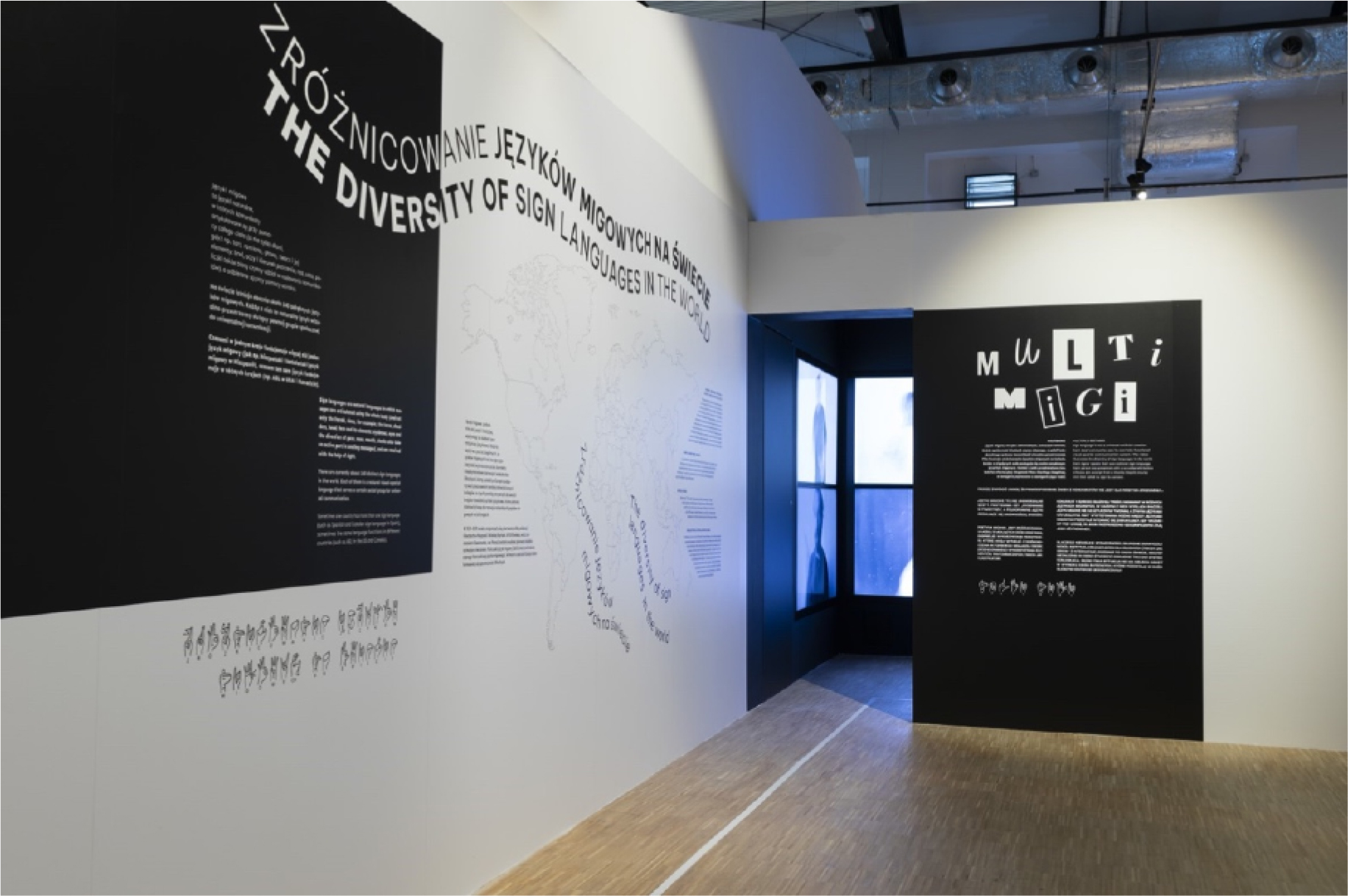
Figure 4.
“Głusza” exhibition, Photo: Sonia Szeląg, Silesian Museum archives
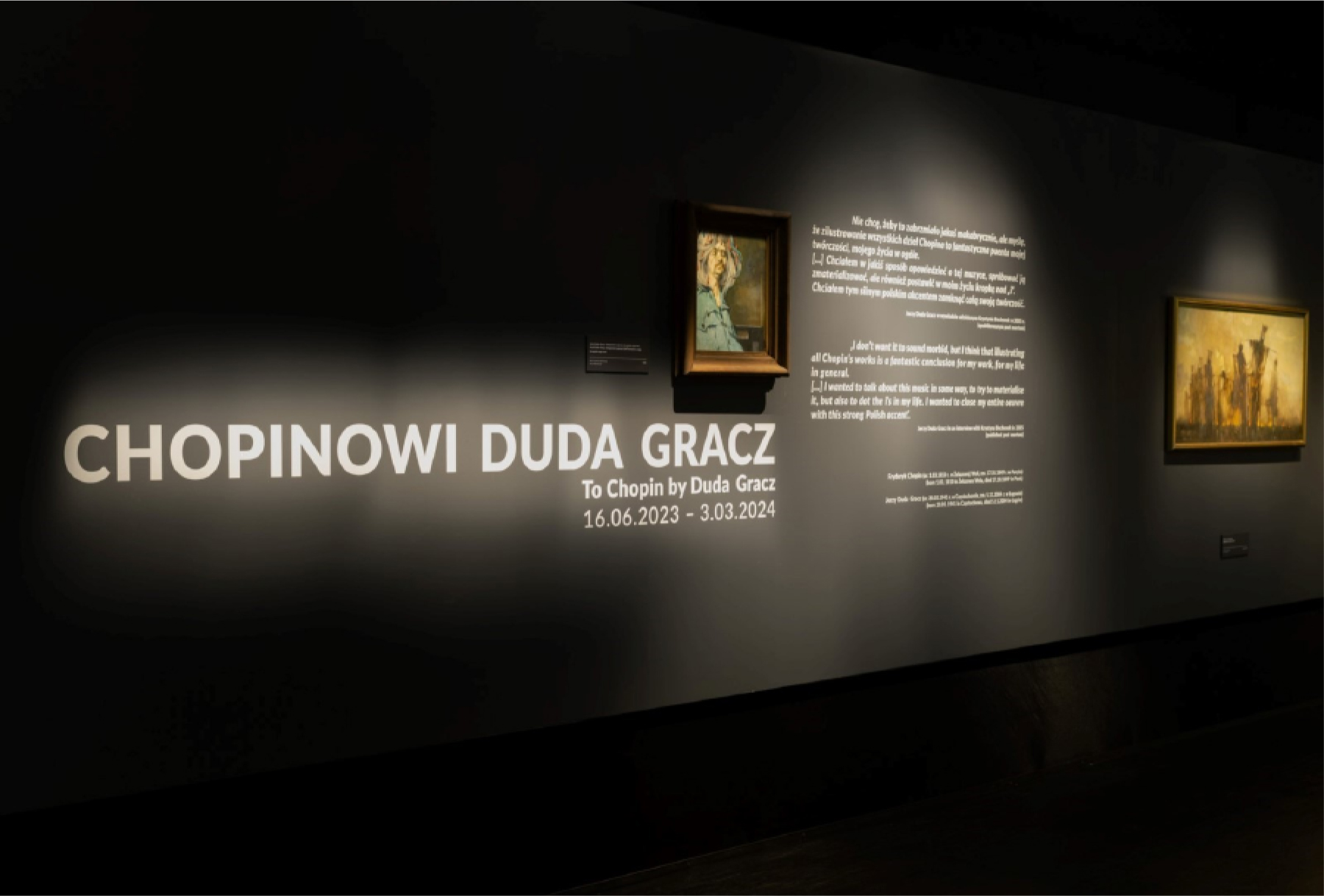
Figure 5.
“Chopin to Duda-Gracz” Exhibition, source: Silesian Museum
A great added value of the exhibition was that it was also open to animals. This contributed to the exhibition being warmly received and gave it a somewhat less formal character. It could be said that this factor made the exhibition more accessible.
4. RESEARCH FINDINGS: PRIORITY RESEARCH CATEGORIES IN THE EXHIBITION DESIGN PROCESS
4.1. Pre-design phase
The pre-design phase is a creative phase, a phase of clarifying the idea of the exhibition and an activity based on intuition. At the same time, the designer is the author of the final version of the exhibition scenario, the creator of the exhibition’s message and perception of its main content, and the moderator of a multidimensional discussion of potential solutions in an interdisciplinary team between the designers and the exhibition curators, the project manager, subject matter experts and exhibition specialists. In the case of issue-based exhibitions, the visual arrangement is often extremely diverse, serving as an important leitmotif. The visual narrative is shaped as a result of the implementation of the exhibition scenario and the assumptions of the curatorial and design team, which makes each exhibition unique. In addition, the substantive message often requires specialized knowledge as, for example, in the case of the W5 exhibition, the scenography was created on the basis of prior research to determine the circumstances of the creation of a series of paintings and the selection of musical works. In the case of the W3 exhibition, knowledge of zoology and modeling of animal figures was essential. In contrast, this is the most interactive and iterative phase, using mainly 3D design tools and simulation of potential spatial solutions (including analysis of the features of the museum space), information communication and possible multimedia techniques. A great added value of the exhibition was that it was also open to animals. This contributed to the exhibition being warmly received and gave it a somewhat less formal character. It could be said that this factor made the exhibition more accessible. A very interesting example and out-of-the-box experience was the preparation of the W4 exhibition created by hearing and Deaf curators. The exhibition was intended to help understand the situation of the Deaf as a linguistic and cultural minority, its social conditions, including audism - that is, the imposition of norms of the world of “Hearing People” based on sound and phonic languages. Very important was the idea of conducting the narrative in two linguistic modalities: spoken languages and their written form, and spatial-visual (sign) languages and the form of video recording appropriate to them. Building the character of the message was aimed at creating a chance to get acquainted with the vision of the world built on signs and images and presenting an experimental form of exhibition using typographic, multisensory and multimedia messages. The exhibition combined issues from the fields of cultural anthropology, deaf studies and art history. The most significant substantive contribution was made by selfadvocates of the Deaf community - activists, researchers, artists, involved in the development of sign language, dissemination of knowledge about Deaf culture. On the other hand, an important part of message building was a research project collecting interviews with Deaf people. For its purposes, searches, qualitative research using free-form interviewing and participant observation were carried out [29].
Interviews were conducted in two age categories: 20–40 years and over 60 years with d/Deaf individuals. In addition, meetings were held as part of the “Art of Connection” seminars and expert consultations in the fields of visual communication, scenography, and sign language linguistics.
In summary, during the pre-project phase, analyses are both problem-oriented and project-oriented, primarily covering the following problem areas:
A1. Substantive/issues in defining the exhibition concept, developing the exhibition script
A2. Methods of exhibition presentation, including the use of the spatial layout of the museum building,
A3. Fluctuation, the concept of a tour route with an estimation of the visitor’s concentration time, including the placement of the main exhibition highlights that capture attention,
A4. Ways to ensure the accessibility of exhibition content for users with diverse perceptual and communicative abilities (e.g., children, deaf individuals),
A5. Selection of multimedia techniques supporting the immersion of the exhibition’s content and audience engagement
A6. Methods of disposing of exhibition elements.
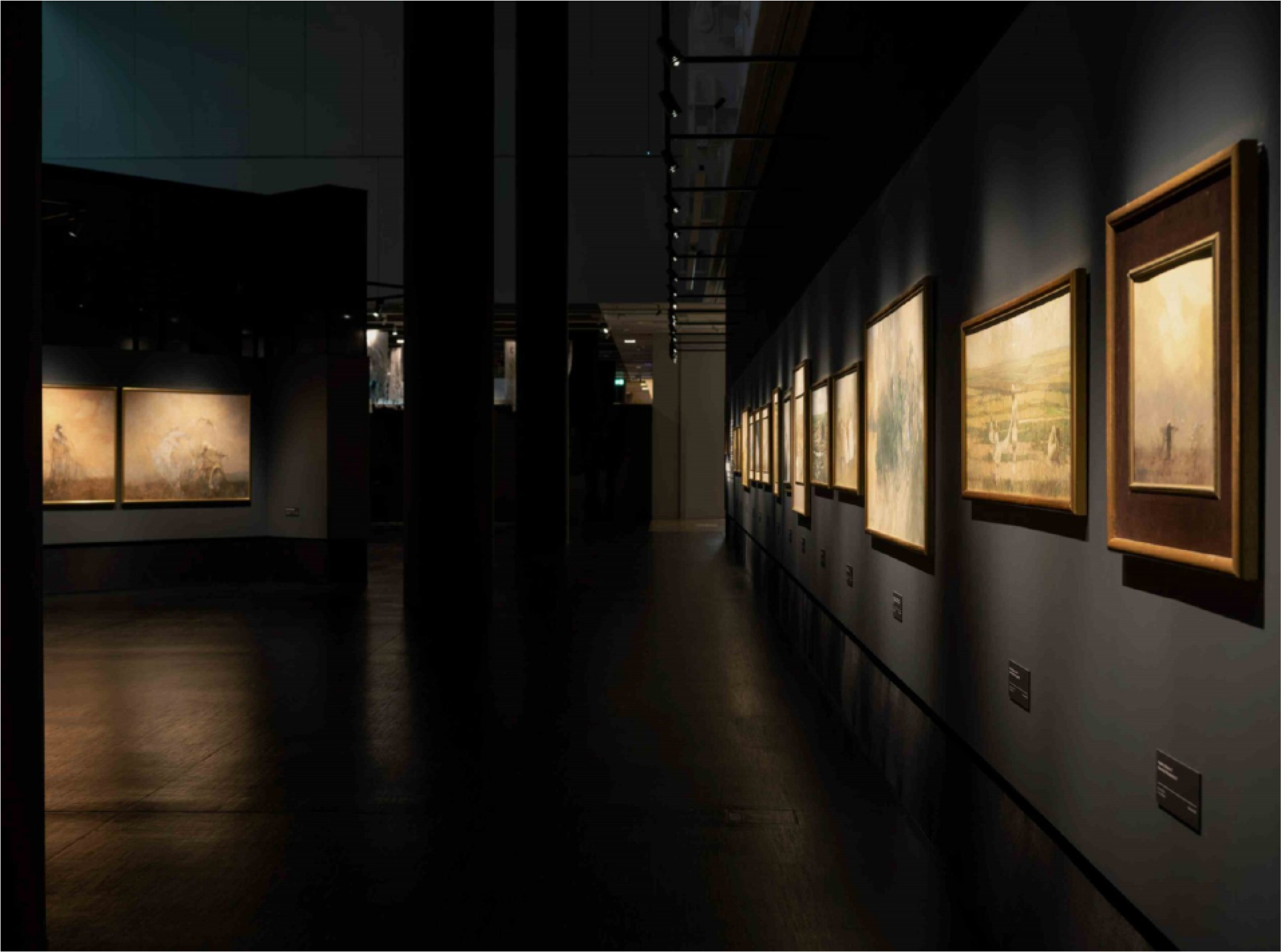
Figure 6.
Exhibition “Chopinowi Duda-Gracz”, source: Silesian Museum
4.2. Design Phase
The adopted in the scenario assumptions for individual exhibitions were implemented within the framework of exhibition projects carried out by the project team. It was an iterative and multifaceted process due to the exhibition themes, requiring numerous meetings with exhibition curators and experts. Various techniques were used, such as brainstorming to generate ideas and to verify the results through modeling, mood boards, and sketches. During the work, other forms of communication besides visual were also used. An example is the W5 exhibition, where an additional element of the display was the music of F. Chopin. Thanks to the special arrangement, where the exhibition space gives precedence to the presented works (emphasizing the paintings integrated into a dark setting, using a special lighting system), the reception of the music is integrated with the time spent at the exhibition, and the perception of the architecture takes place in the space, which supports the multidimensionality of the message [30].
Moreover, this scenography was created based on previously conducted research aimed at determining, among other things, the circumstances surrounding the creation of the series of paintings (the shared feelings of both artists regarding the passage of ideas, history, traditions, and eras) [31]. Designing this exhibition allowed the architects to gain an in-depth understanding of the master’s work. It enabled the creation of a relationship between the music and the selected paintings, which served as an extension and complement of the composition. While listening to Chopin’s music, one could perceive new meanings within these artworks.
In the case of the W1 exhibition, the starting point for the narrative of the entire exhibition is religion – the “Spirituality” module – understood as spiritual rebirth, on which other areas of evangelical activity are based, such as the organization of social life and the shaping of civic attitudes, the cultivation of traditions, the development of national languages, and the care for education, spiritual and material culture [32].
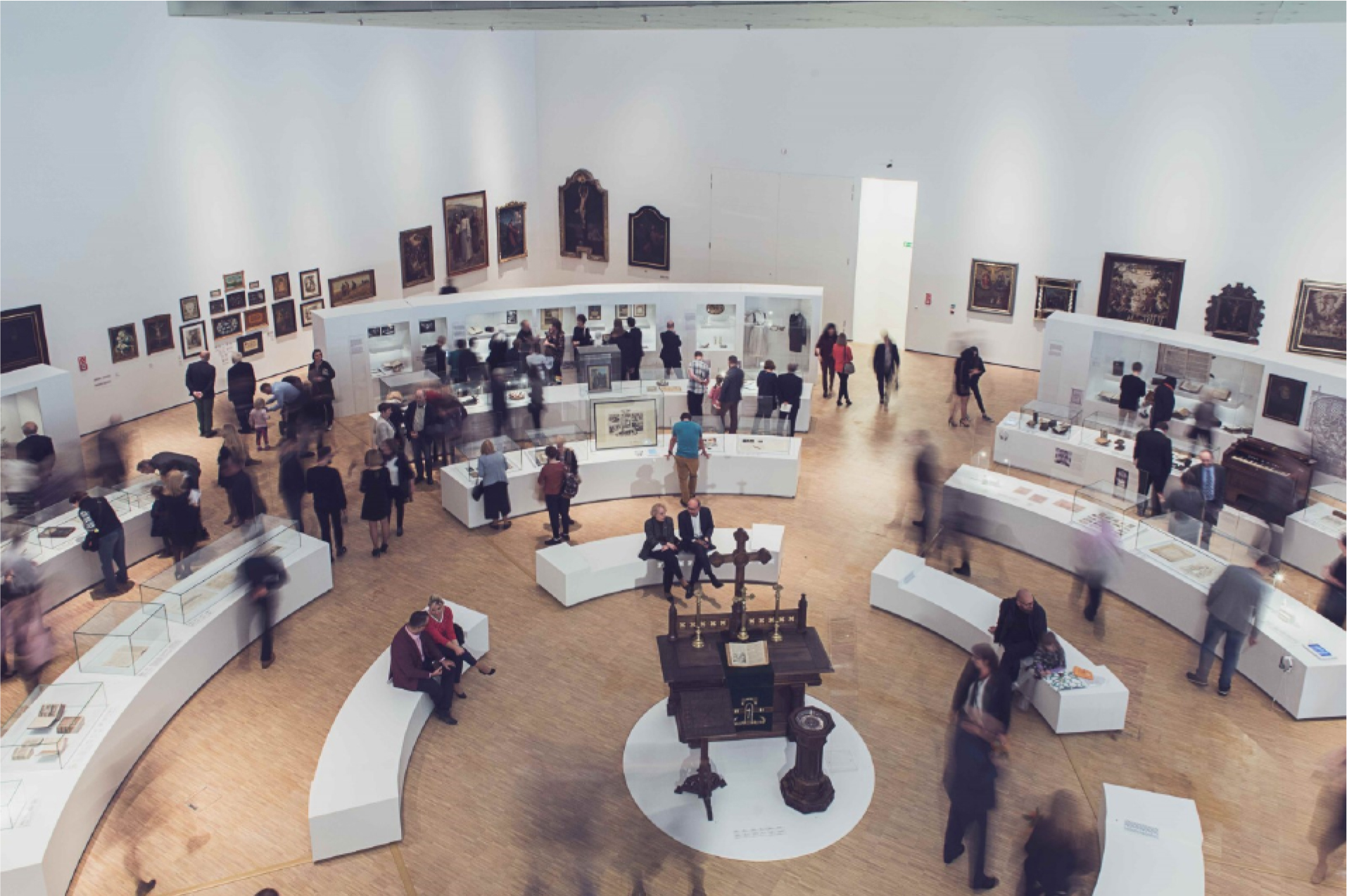
Figure 7.
Exhibition “Everything is Achieved Through Hope”. Cultural heritage of the Reformation in Silesia, source: Silesian Museum
As part of the developed scenario, there was a plastic concept regarding the arrangement of the exhibition in the form of circles. The architects’ task was to prepare the designs for the displays, in which, together with the curatorial team, they arranged as many as 500 exhibits reflecting the cultural and spiritual diversity of Lutherans, including their educational, missionary, ecumenical activities, and the timeless endurance of denominational values [33]. Their project was implemented through prototyping. The title of the exhibition was taken from the words of Martin Luther: “Everything that is achieved in this world is achieved through hope” [34].
o implement the execution project, it was necessary to engage a team of architects who possess the appropriate competencies for carrying out such a large exhibition. One of the major challenges was, among other things, designing display cases for exhibits that were sometimes several hundred years old, which required the use of prototyping methods. It became necessary to use special, anti-reflective glass and to ensure conditions that meet the appropriate level of hygroscopicity. An essential element in building this exhibition was also the adaptation of multimedia solutions, resulting in, among other things, interactive benches used as an additional medium for audio transmission.
In preparation for the exhibition project, the architects thoroughly studied the subject matter. This led to the reflection that the more time we spend studying a particular topic, the more our tolerance and mutual understanding of others’ values increase — and that opens the path to positive dialogue.
Supplementary forms of engaging communication were included in the W2 exhibition, which presents archival professional photographs from the past 150 years depicting women working in industry. The social aspect was significant in the exhibition’s theme – the confrontation of the changing role of women in the context of the industrial character of Upper Silesia and the patriarchal family model [35, 36]. After numerous discussions with the exhibition curator and a thorough analysis of the issue, it was decided that the inspiration for creating the visual narrative would be the perception of the problem of working women in industry, which has always sparked much controversy. For this reason, the exhibition was supplemented with a bold inscription “women”, developed using simulation tools to achieve a specific visual effect (Photo 8). It was decided to use the technique of anamorphosis, deforming the visible image according to the principles of perspective. The word “women” placed on the floor was visible in different ways depending on the viewpoint. From one perspective, the text was perceived as scattered throughout the entire exhibition, while from another, it appeared as a clear image. From a technical point of view, developing the executive design of such an element turned out to be a challenging task, the solution of which was aided by the use of parametric design tools applied in architecture [37].
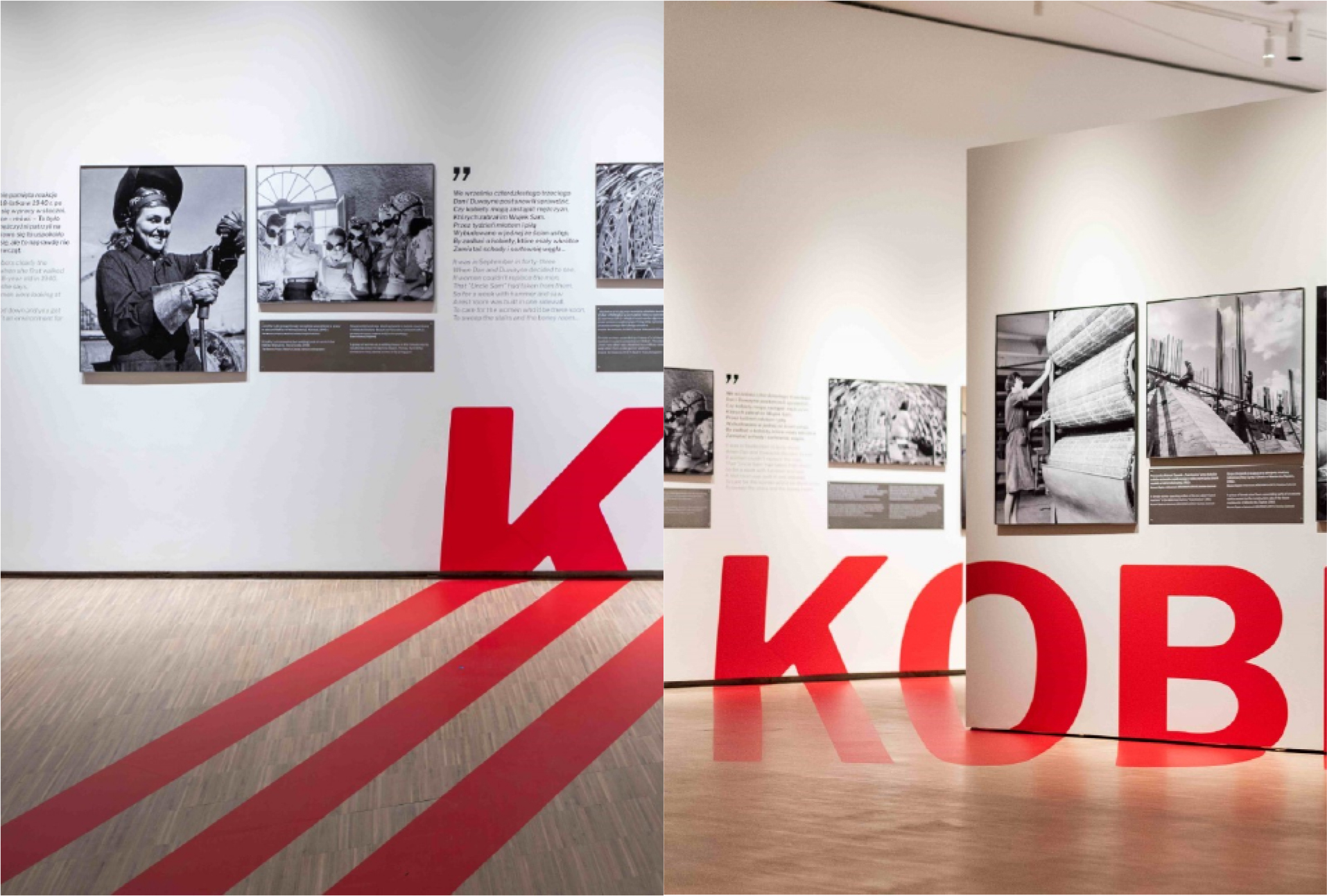
Figure 8.
Exhibition “"Prohibitions, Exclusions, Superstitions. A photographic story about women in industry”. Source: Silesian Museum
The exhibition focusing on women’s issues was created by an all-female team. This undoubtedly stirred additional emotions and reflections on how the task might have been approached by men. It was unanimously agreed that the perception of the issue would have been entirely different.
A very special form of communication was realized as part of the W4 exhibition, where the culture and art of the d/Deaf were brought closer through typography, multisensory experiences, and multimedia. The visual message aimed to demonstrate how language influences our perception of reality. It was also an exhibition that particularly addressed the issue of applying accessibility elements in the exhibition’s message, including, for example, direct representations of selected signs from Polish Sign Language or the preparation of additional materials about the exhibition in the form of the publication “Głusza” translated into sign language [38]. This first exhibition in Europe dedicated to deaf individuals was a significant challenge for the designers. It required thoughtful consideration of the tools and methods that could be used to reach deaf and mute users in order to convey their values and emotions, without causing offense in any way. For the designers, this experience provided a rare opportunity to step into the world of people with special needs — a truly invaluable experience.
4.3. Post-project phase
The post-project phase mainly involved an evaluation of the solutions with the project team. Some of the exhibitions were additionally accompanied by events engaging visitors and involving the audience in deeper discussions (workshops, performances). Forms such as curator-led tours in the case of the W4 exhibition and interviews were also significant as they allowed for a deeper understanding of the characteristics of the linguistic and cultural representations of the d/Deaf. As part of the evaluation of exhibitions in terms of elements that adjust the display to the preferences of the audience and create an engaging and immersive message, a tool developed by the team of YuZhe Qi et al. was used. The evaluation was conducted by experts in the project team. The conducted evaluation indicates an expansion of issues related to experience design and emotional transmission, while multisensory experiences were of lesser importance. The evaluation of user experiences could have been influenced, among other things, by the architecture of the Silesian Museum as a facility with many accessibility elements, as well as the intentionality of the applied audiovisual effects. In this context, the exhibition “Głusza” stands out significantly, as it focused heavily on a suggestive and engaging message, utilizing interactive installations. The most significant interactive elements (according to the adopted evaluation method) were used only in some exhibitions. However, all exhibition projects focused on the solution of displays and technological interaction. Information accessibility was achieved through the design of panels, labels, and signage.
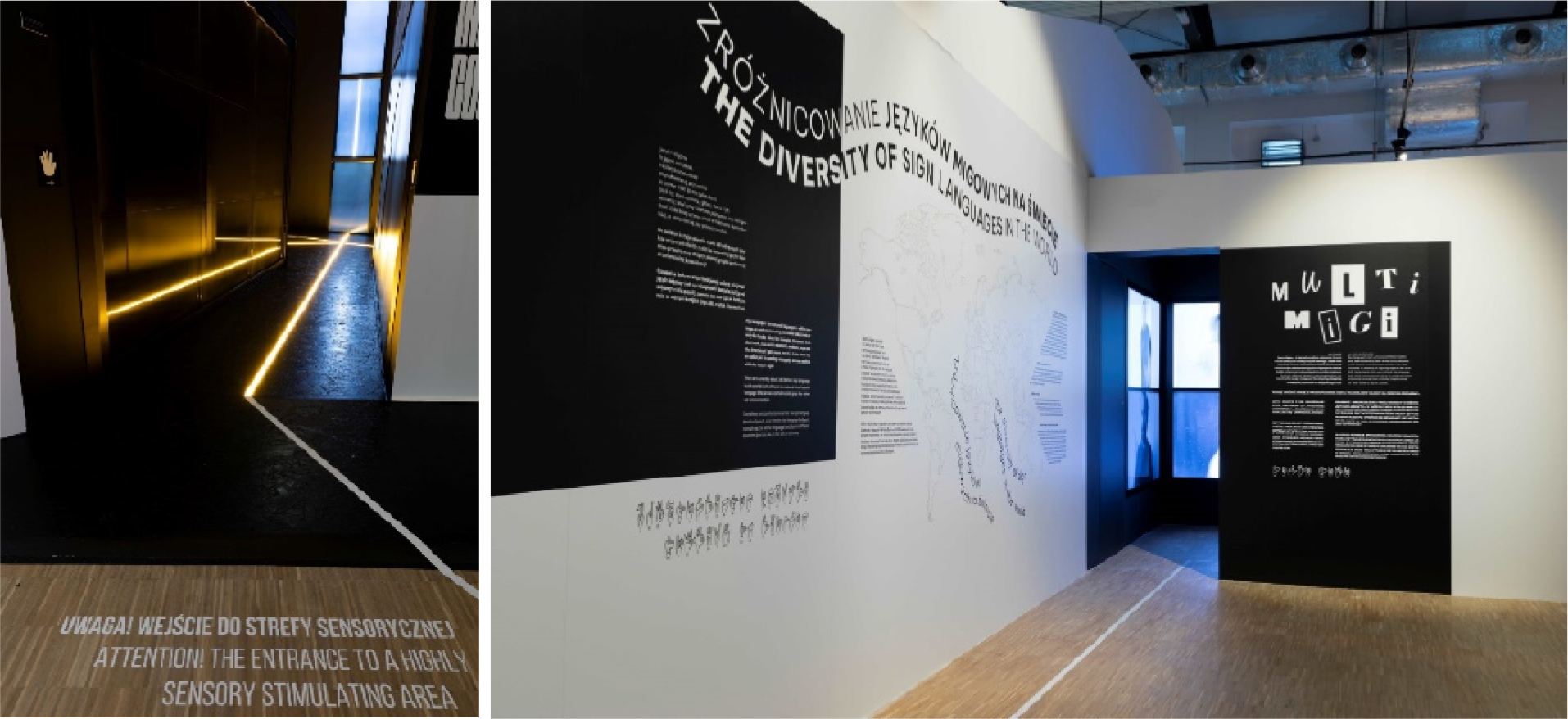
Figure 9.
Exhibition “Głusza”, Photo by Sonia Szeląg, Silesian Museum Archive
Designing this exhibition allowed the architects to gain an in-depth understanding of the master’s work. It enabled the creation of a relationship between the music and the selected paintings, which served as an extension and complement of the composition. While listening to Chopin’s music, one could perceive new meanings within these artworks.
4. DISCUSSION
The topic of exhibition design has been addressed in the context of both the course of the design process and the creation of an engaging dialogue with the audience. The educational message of exhibitions is currently the result of a multi-phase design process, utilizing a wide range of methods for gathering knowledge and building interactive communication with the audience [38]. Importantly, a comprehensive approach to exhibition design is a process that engages the audience also at the post-design research stage, allowing for the collection of knowledge about visitor experiences. Previous studies on this stage have employed methods such as: observation of behaviors [5, 13, 23, 14], games [14], semi-structured post-experienced interviews [2, 23], IT tools as system logs [23]. Moreover, in this process, an engaging approach that reaches into the world of play, emotional storytelling, games, and digital technologies is increasingly being used [13, 14]. However, in the analyzed projects, means serving multisensory play with the audience were primarily used (utilizing visual, tactile, auditory, and olfactory experiences): the geometry of the exhibition layout in exhibitions W1 and W2, tactile and visual experiences in exhibition W4, music in exhibition W5. They also simulated multi-perspective experiences of the exhibition content, thereby provoking the audience experimentation. The aim of these actions and design solutions was primarily to build an emotional connection with the audience. This is related to the subject matter of certain exhibitions, particularly those conveying content with a strong emotional charge (as in the case of exhibition W2). This particularly concerns the W4 exhibition, which, due to the socially significant content it addressed, was a response to the question of what importance the linguistic and cultural representations of d/Deaf users of sign languages have in exhibition spaces [29]. The analyzed exhibition implementation processes clearly indicate the coordinating role of the exhibition designer in synthesizing the specialized knowledge of the project team and in the application of design tools and methods [22].
According to the research by Qi et al., interactivity, especially the presentation of exhibits, is the most significant factor influencing the assimilation of exhibition content by the audience [2]. The zoological theme of exhibitions is a particularly strong example of this; their preparation could be closely connected with gamification and techniques of stealth learning [13]. The knowledge gathered and presented within exhibition W3 required direct contact with the exhibits, which determined the methods of presentation (e.g., display cases, multimedia presentations). In the evaluation of the analyzed exhibitions, example W4 clearly indicates the most developed layer of interactive communication, including multisensory experiences in the design of cultural exchange zones. This was due, among other things, to an extensive pre-project phase, in which the collection of new knowledge about the Deaf community was crucial.The evaluation presented in Table 1 confirms the leading importance of solutions affecting user experiences in all examples, built on knowledge resulting from an in-depth research process in the pre-project phase and through a very individualized approach. It should be unequivocally emphasized that the designer is the main coordinator of all activities and integrates the work of a team of specialists and experts.
Selected literature sources include a summary of experiences from interdisciplinary and collaborative practice-based research projects, including conclusions regarding creative techniques and events used for exhibition evaluation [36].
The following diagram is a synthesis of all phases of the exhibition design process, highlighting its iterative nature as well as the main methods and scope of responsibility of its participants. It also assumes an active post-project phase, which in practice is not always utilized due to time and organizational constraints. It is worth noting that the post-project phase requires the use of effective evaluation tools or developed mechanisms for gathering knowledge about the experiences of recipients, as the time limits for the implementation of exhibitions are very tight.
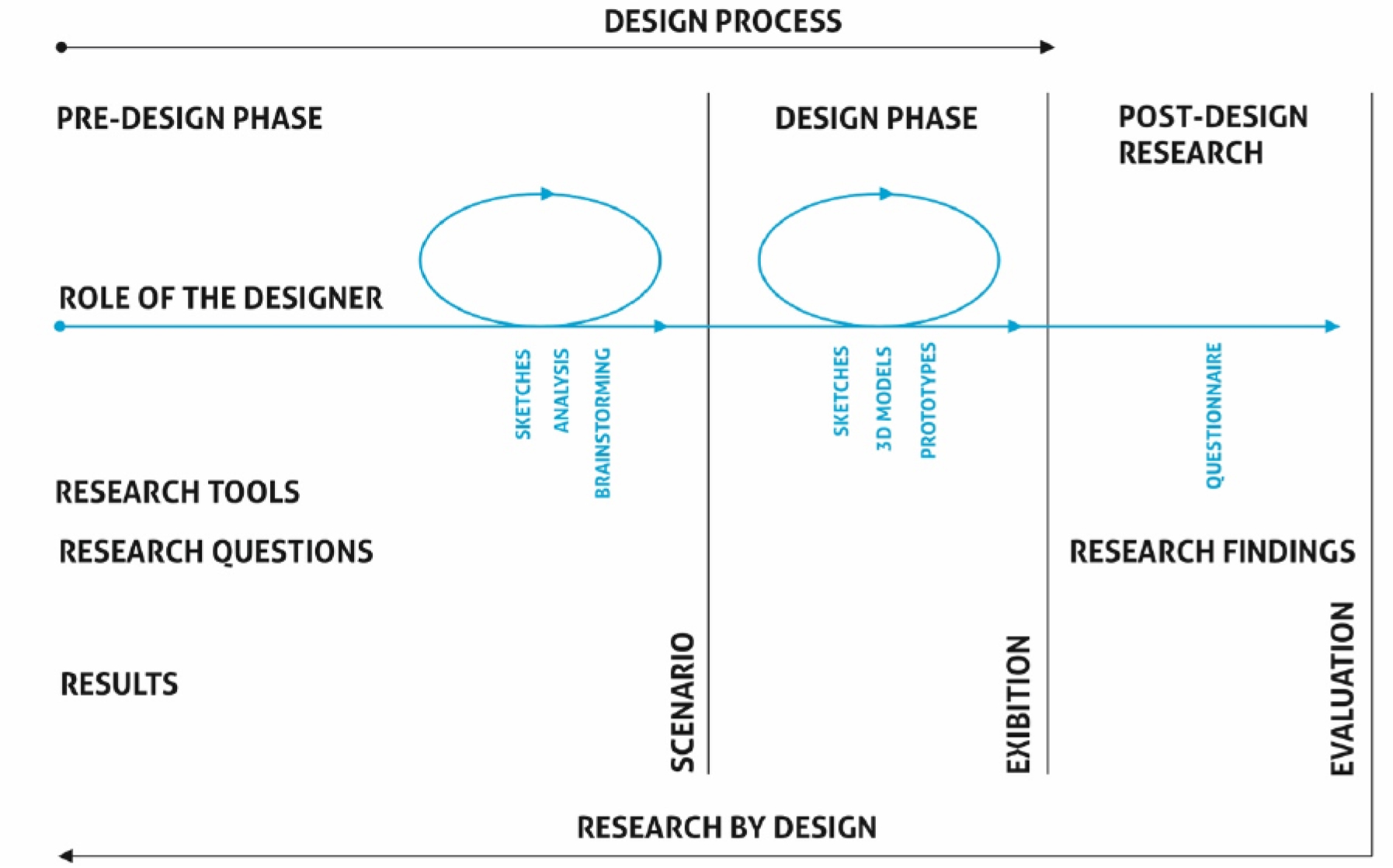
Figure 10.
Synthesis of the research process in exhibition design (Authors, 2025)
5. SUMMARY
The analysis of the exhibition space design process indicates the degree of complexity of the design process. Traditional exhibitions are giving way to modern, interactive forms of display that engage visitors. Contemporary museum exhibitions focus on innovative solutions, such as virtual reality visualizations, interactive audio-visual installations, and mobile applications. The transition from static to interactive digital exhibitions is a sign of the evolution of museum culture, where the past meets modernity, and traditional stories come to life in the world of new technologies.
Undoubtedly, this is a process characterized by the designer’s individual approach, marked by their sensitivity and knowledge. The most significant stage is the pre-design phase, the results of which, gathered in the form of a script, accumulate specialized knowledge regarding both the exhibition’s theme and the methods and tools used to create an engaging message. It is also worth mentioning the methods of working in an interdisciplinary team and the related competencies of the designer. In the analysis of the perception of the exhibition space by the audience, three groups of criteria were also used: interactivity, user experience, and access to information.
The development of research in this area should be focused on a broader range of socio-cultural factors that promote development and innovation in the design of exhibition spaces in museums. Moreover, the development of effective methods for evaluating the quality of exhibition communication can contribute to more efficient knowledge gathering on effective audience engagement methods.