
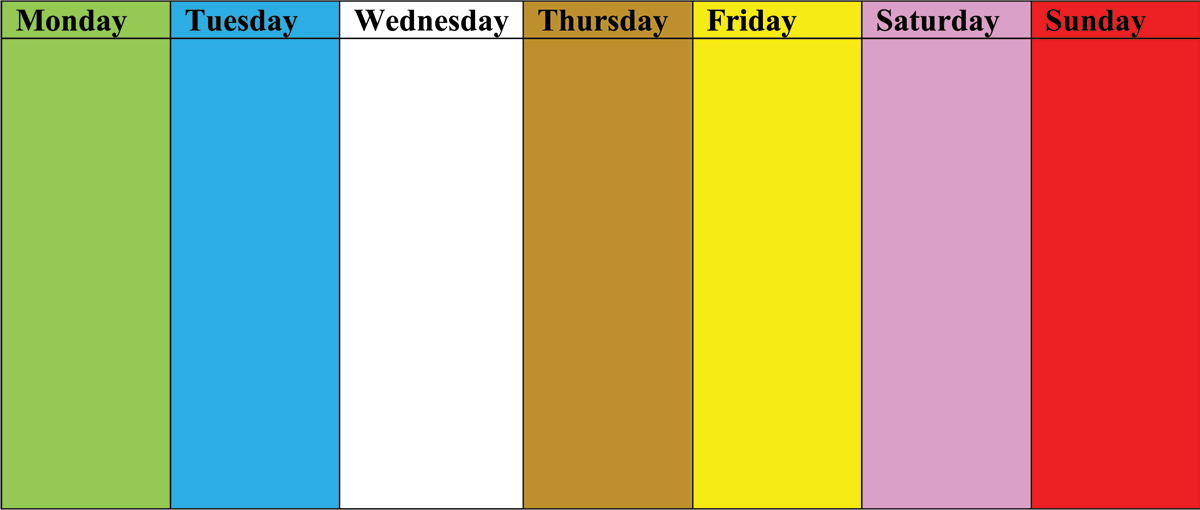
Figure 1
A conventional TEACCH schedule.
Table 1
Transcription key.
| UPPER CASE | conventional STS sign |
| UPPER CASE IN RED | homesign |
| UPPER CASE IN GREEN | personal sign for a name |
| lower case | spoken Swedish utterance |
| italics | translation into English |
| UNDERLINED | stressed sign |
| ((…)) | significant gesture |
| […] | overlapping or concomitant sign/speech from a speaker/signer |
| = | latching utterances |
| points in box | pointing on/toward the schedule |
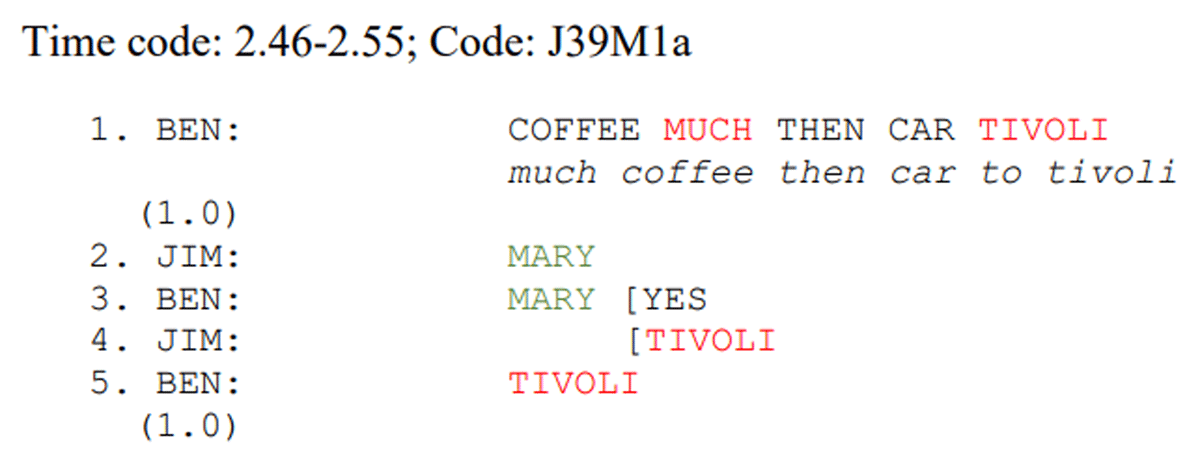
Example 1a
Repetition as an answer to identify who and where.
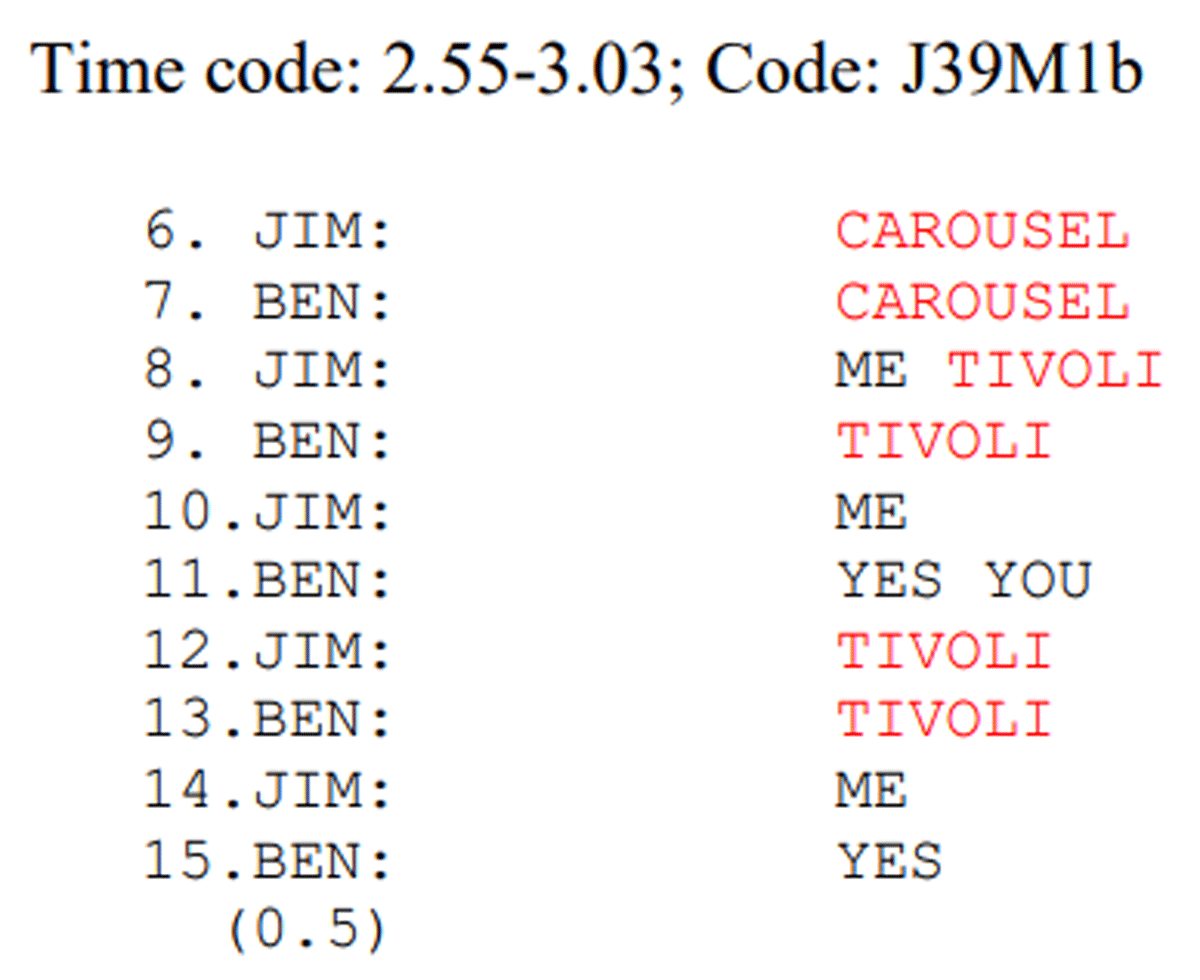
Example 1b
Repeated signs of activity, and where to go.
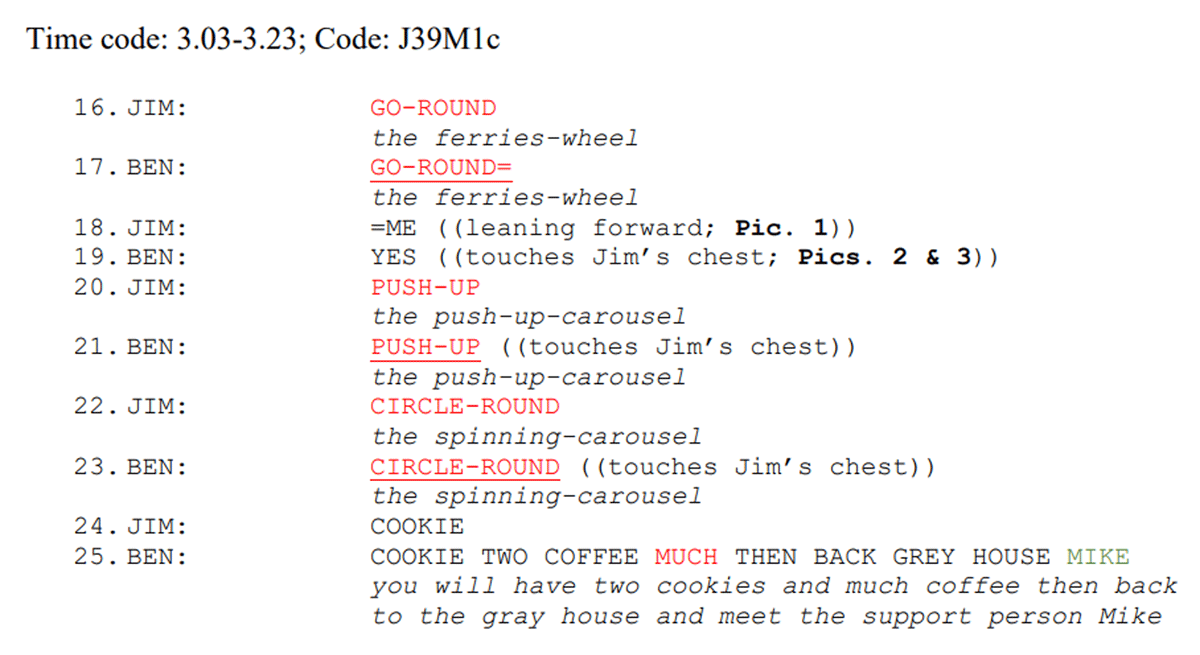
Example 1c
Repeated signs of activities combined with tactility.
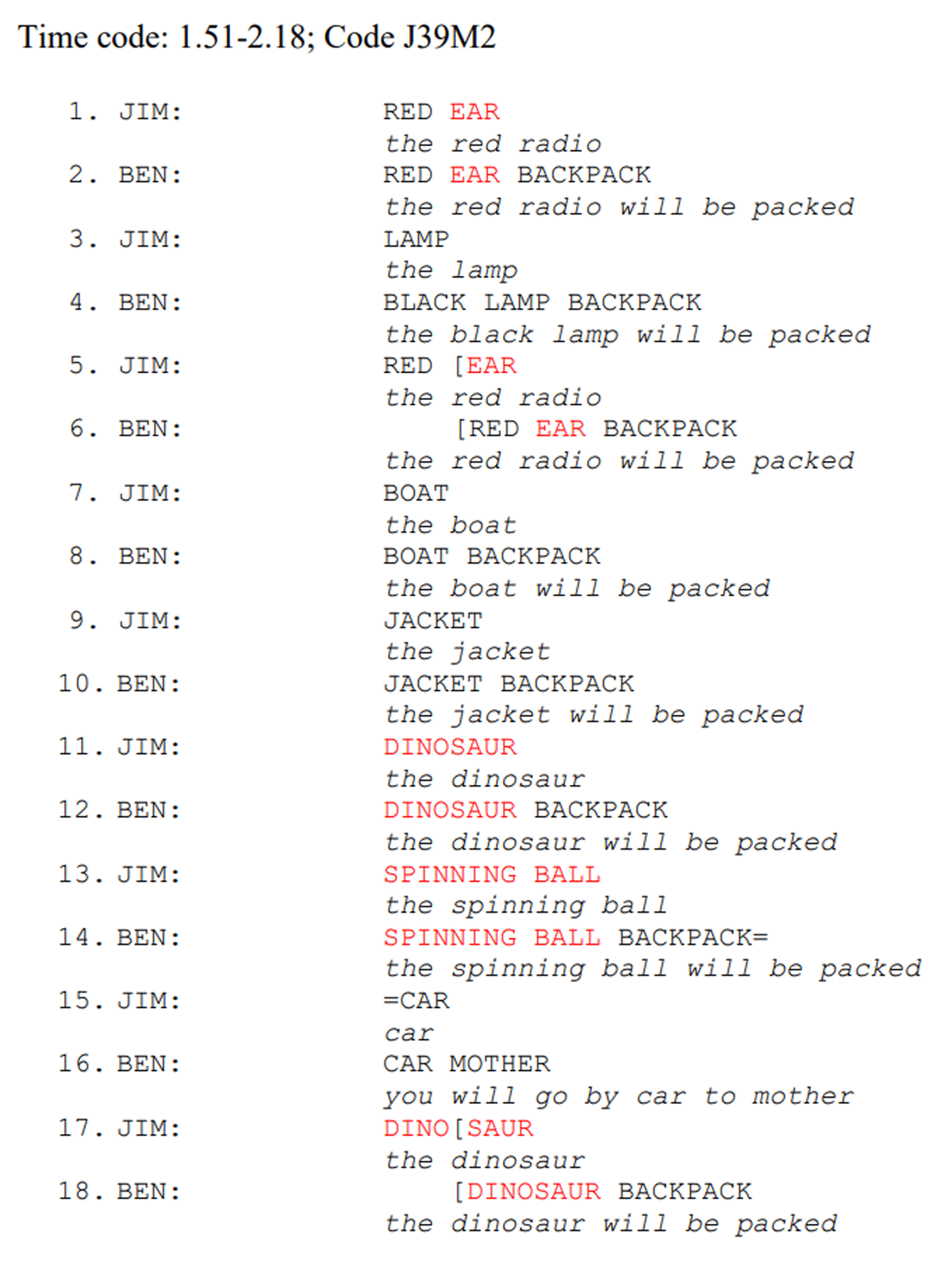
Example 2
Repetition of a sign placed first in the second part of a question-answer adjacency pair.
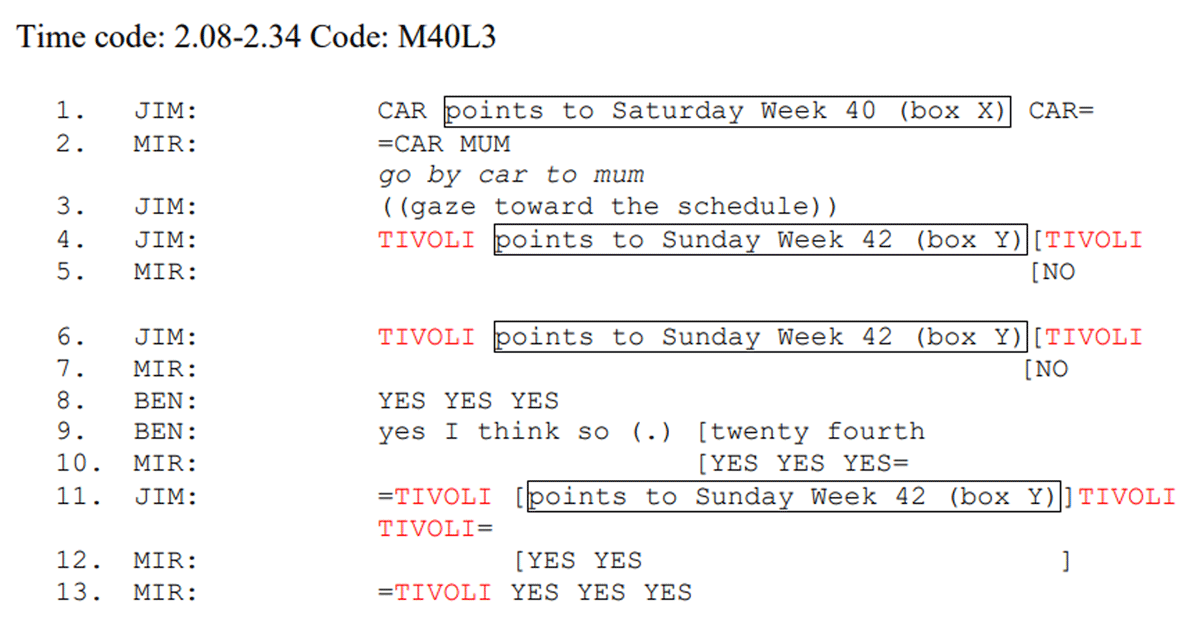
Example 3
Using a schedule as a resource to achieve mutual understanding.
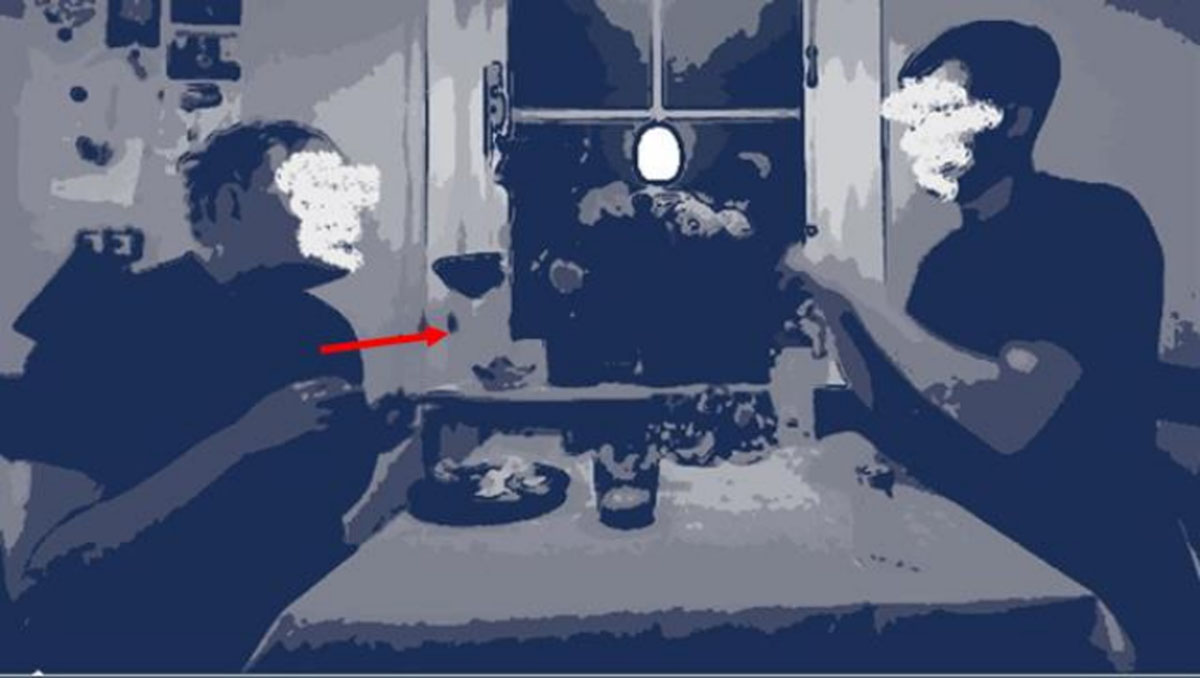
Picture 1
(time code: 3.06): Jim moves forword.
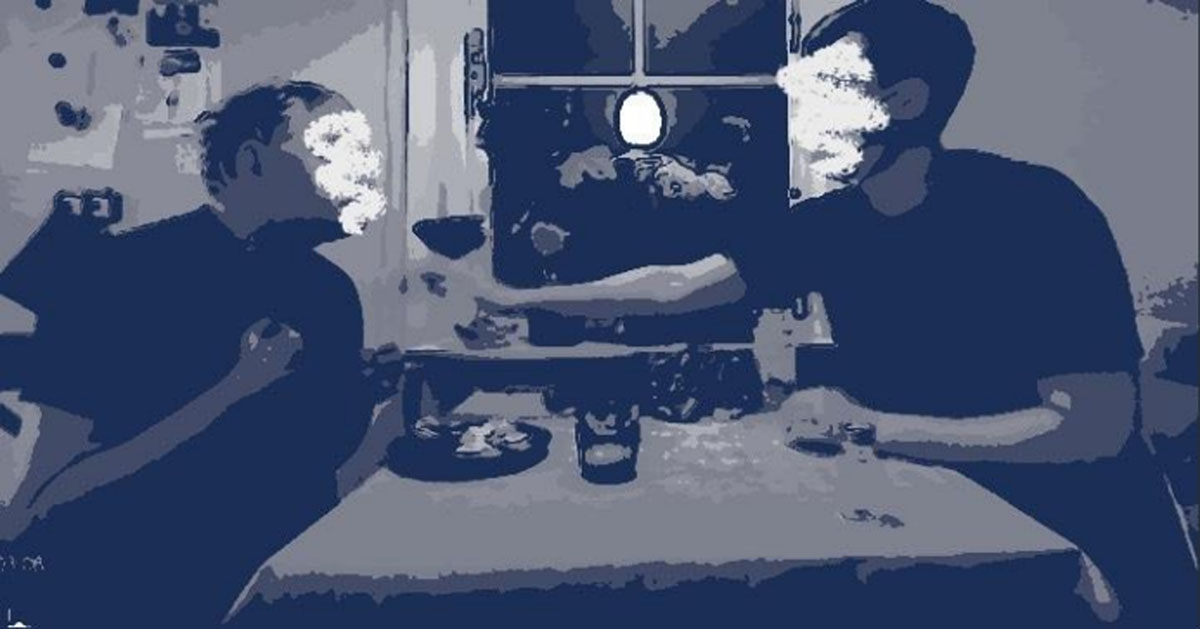
Picture 2
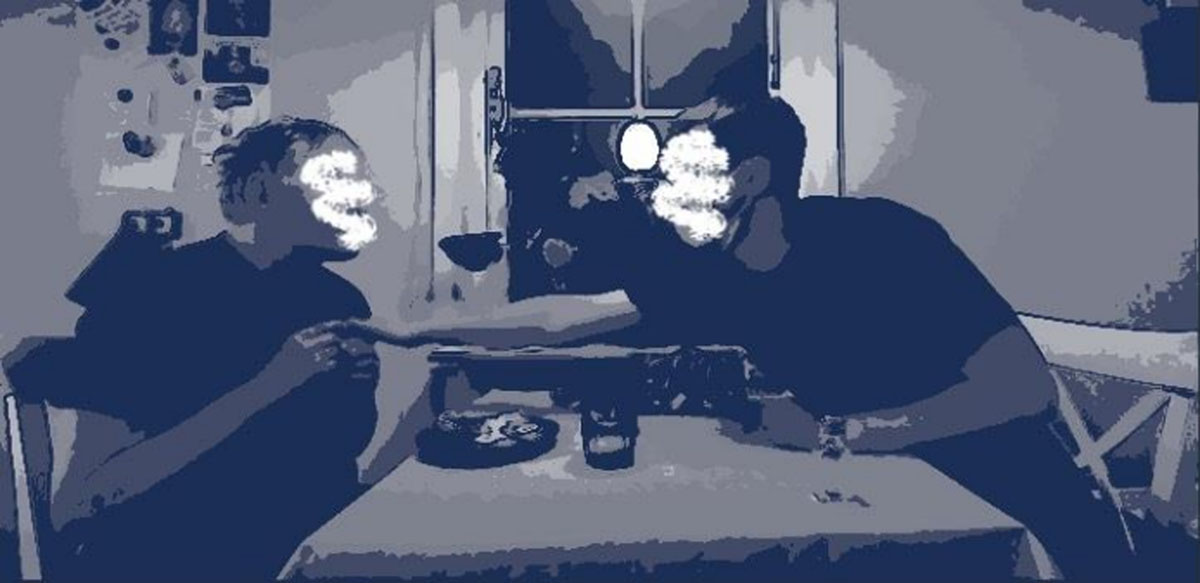
(time code: 3.07): Ben moves his hand towards Jim’s chest.
Picture 3
Ben touches Jim’s chest.
Picture 4
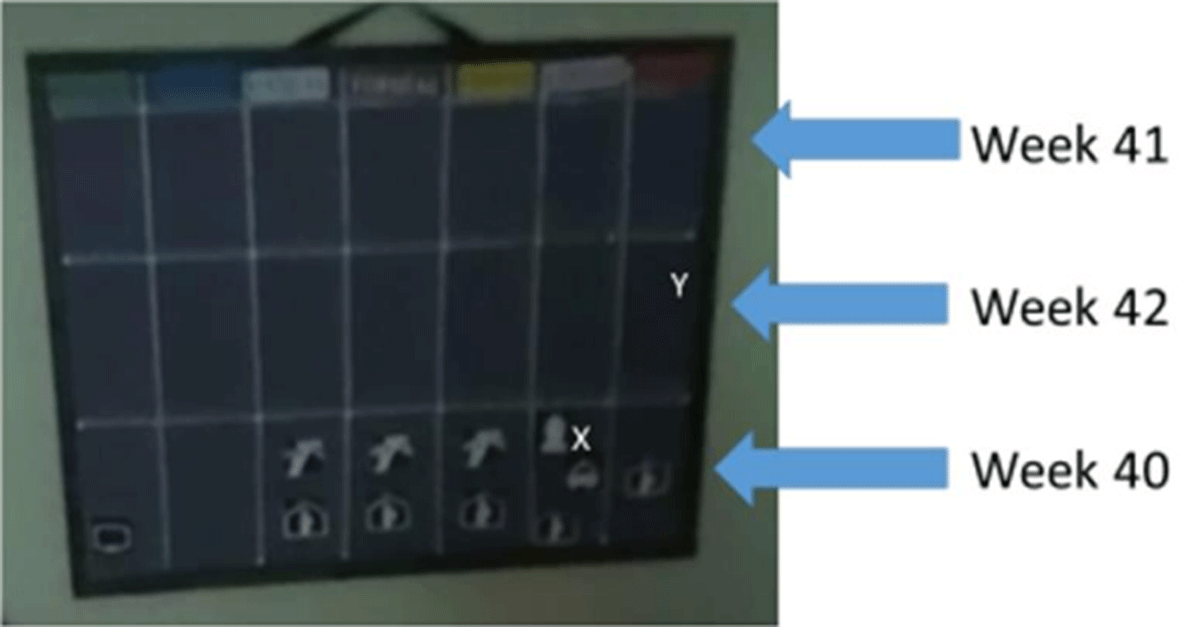
Jim’s TEACCH schedule (actual setup in Example 3).