
Figure 1:
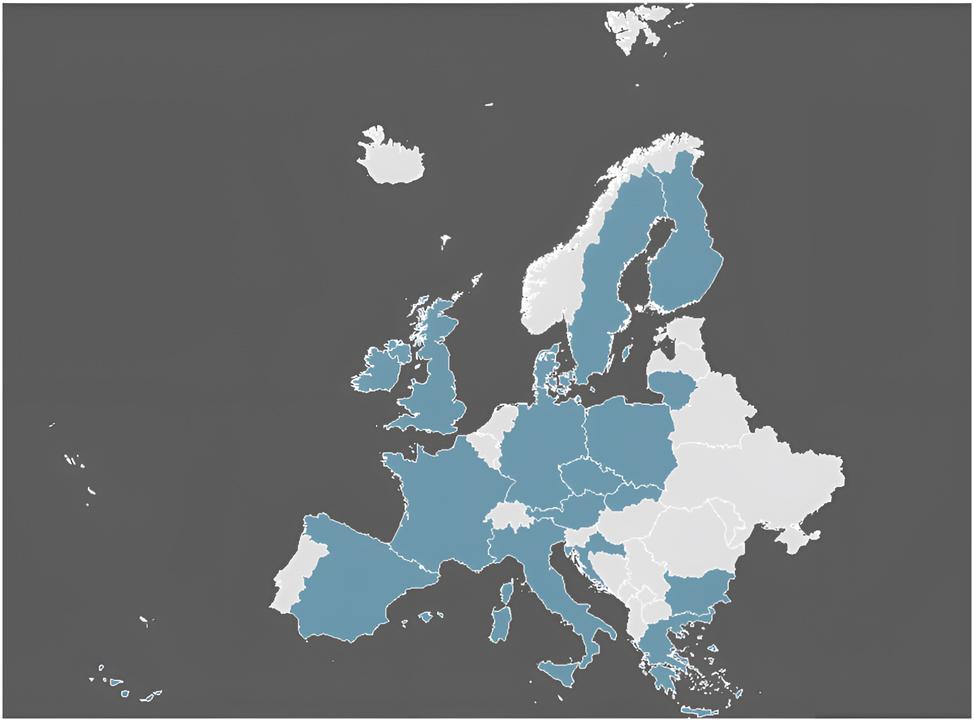
Figure 2:
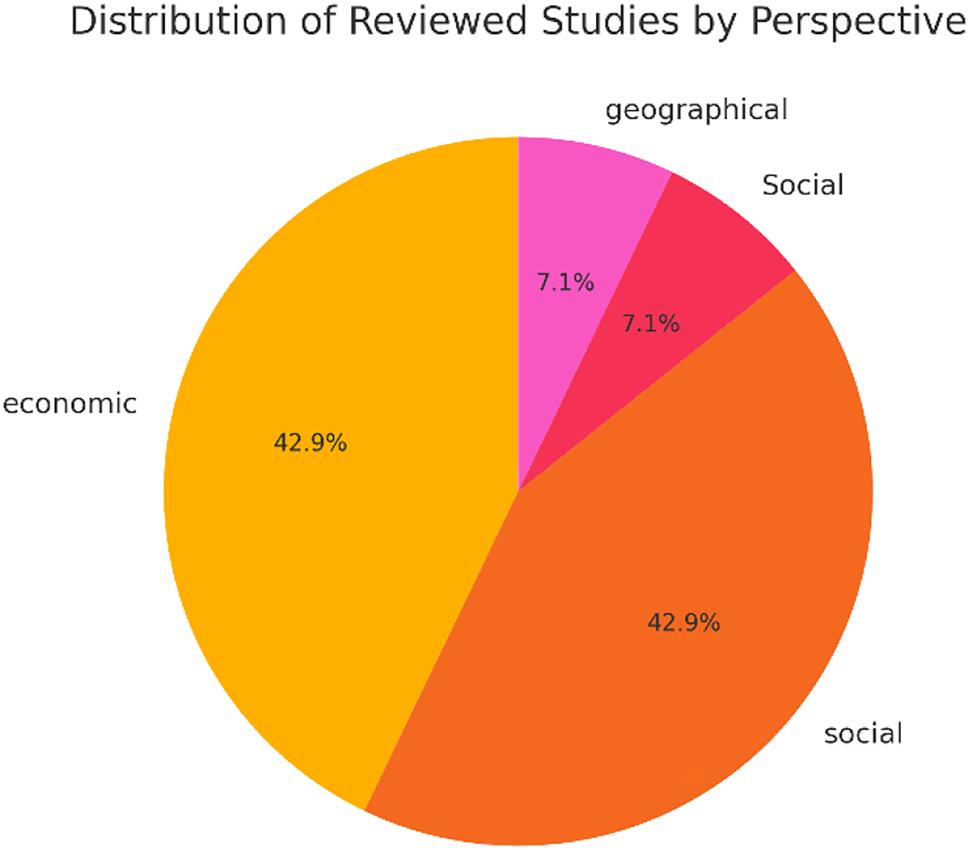
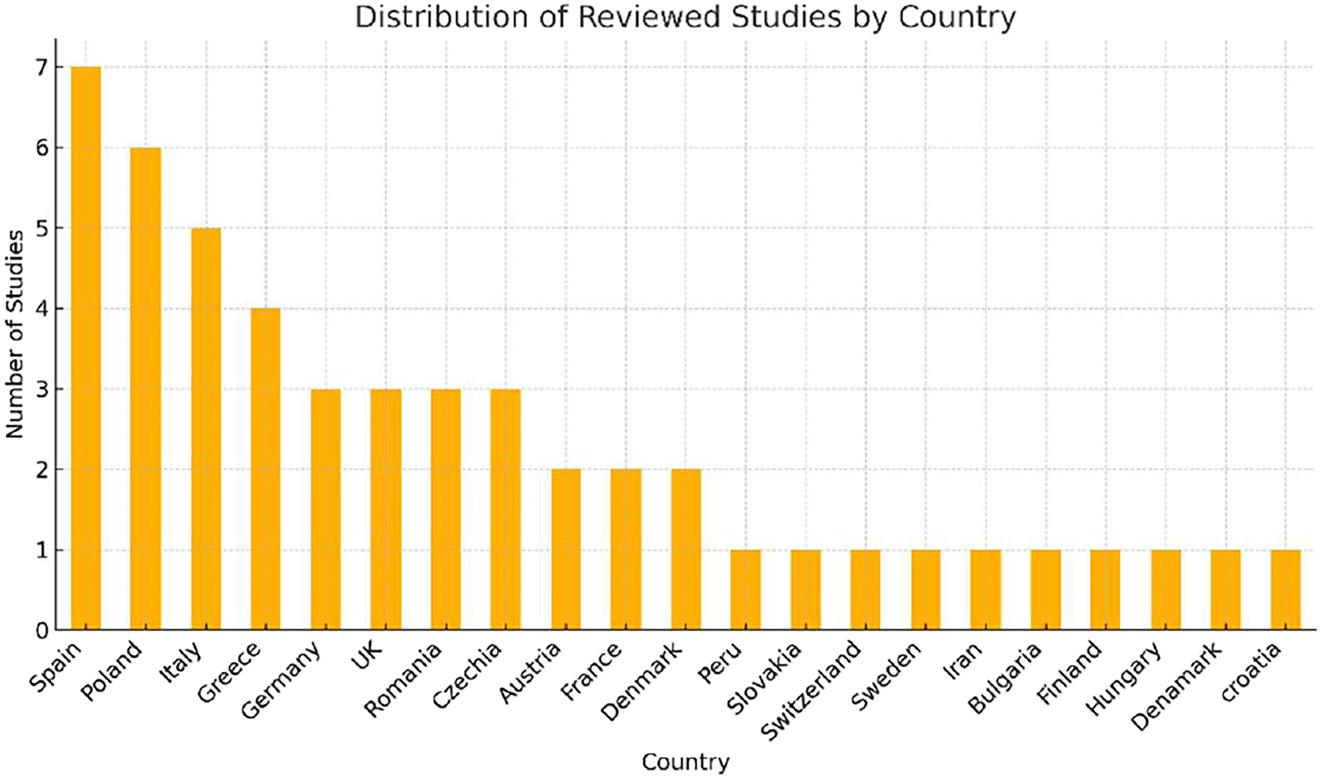
Figure 3:
Distribution of reviewed articles by year_ Source: Authors’ synthesis of reviewed studies_
| Year range | Number of articles | Percentage of total |
|---|---|---|
| 1996–2005 | 4 | 8 % |
| 2006–2010 | 5 | 10 % |
| 2011–2015 | 9 | 18 % |
| 2016–2020 | 18 | 36 % |
| 2021–2024 | 14 | 28 % |
| Total | 50 | 100 % |
Main Social Results of the LEADER Program_ Source: Authors’ synthesis of reviewed studies_
| Key findings | Example evidence | Reported challenges |
|---|---|---|
| Strengthened social capital | Multiple studies (e.g., Dax & Oedl-Wieser [29]; Chatzichristos & Nagopoulos [22]) | Gender imbalance and exclusion risks |
| Enhanced community cohesion | Multiple studies (e.g., Arabatzis et al. [45]; Papadopoulou et al. [12]) | Limited institutional capacity of LAGs |
| Participatory governance | Multiple studies (e.g., Thuesen [33]; Teilmann & Thuesen [34]) | High administrative workload for volunteers |
Main economic results of the LEADER program_ Source: Authors’ synthesis of reviewed studies_
| Key findings | Example evidence | Reported challenges |
|---|---|---|
| Income diversification | Multiple studies (e.g., Galluzzo [4]; Alonso & Masot [48]; Biagini et al. [51]) | Long term sustainability remains weak |
| Establishment of micro-enterprises | Multiple studies (e.g., Mrnjavac & Perić [49]; Pollermann et al. [37]) | Bureaucratic and financial barriers |
| Market access and innovation | Multiple studies (e.g., Chevalier & MačIulyté [50]; Pollermann, Raue & Schnaut [40]) | Unequal allocation of resources |