Have a personal or library account? Click to login
Partitioning of Complex Discrete Models for Highly Scalable Simulations Cover

Partitioning of Complex Discrete Models for Highly Scalable Simulations

Open Access
|Dec 2025

Figures & Tables

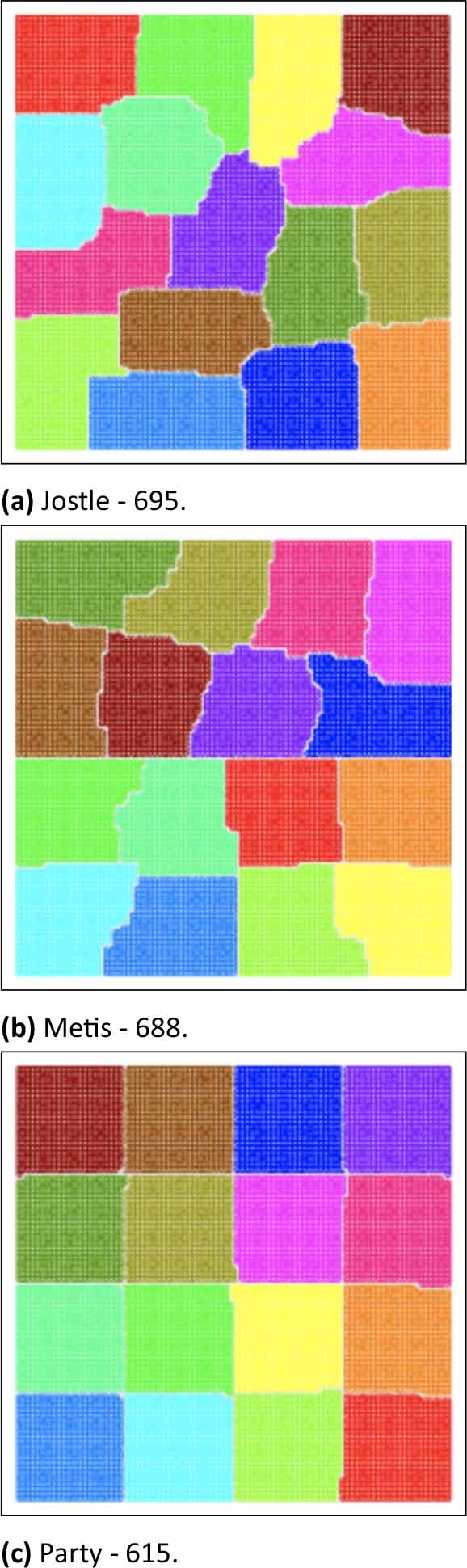
Figure 1.

Partitioning a 100x100 grid into 16 areas; the edge-cut value is shown in the caption for each method. [7]
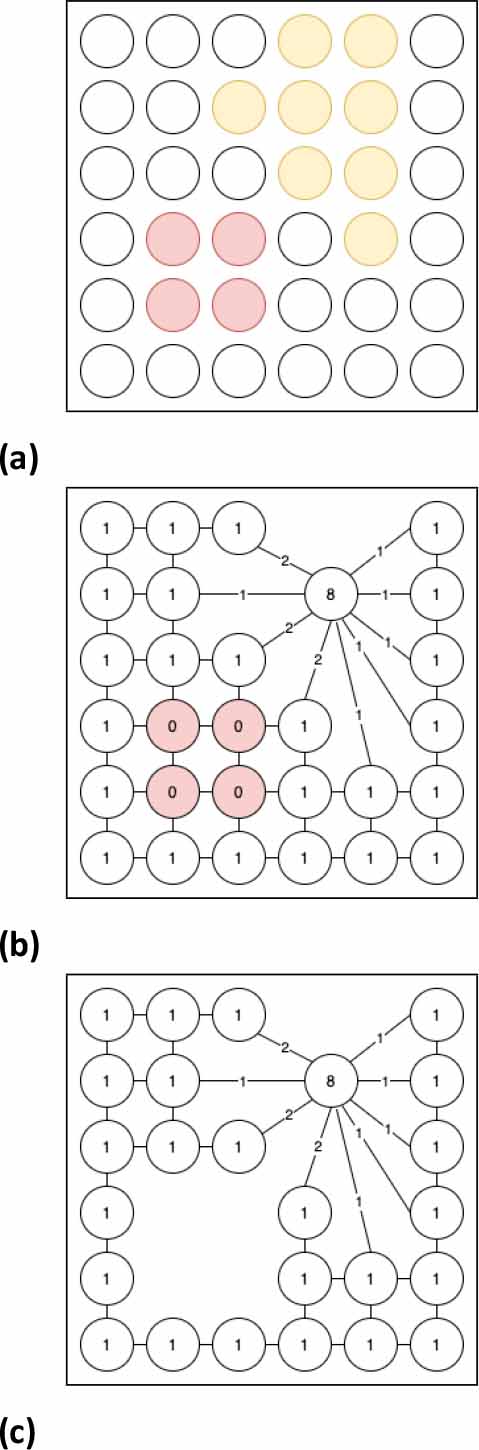

Figure 2.

Excluded areas are either removed from the graph (c), or their weights are set to 0 (b).
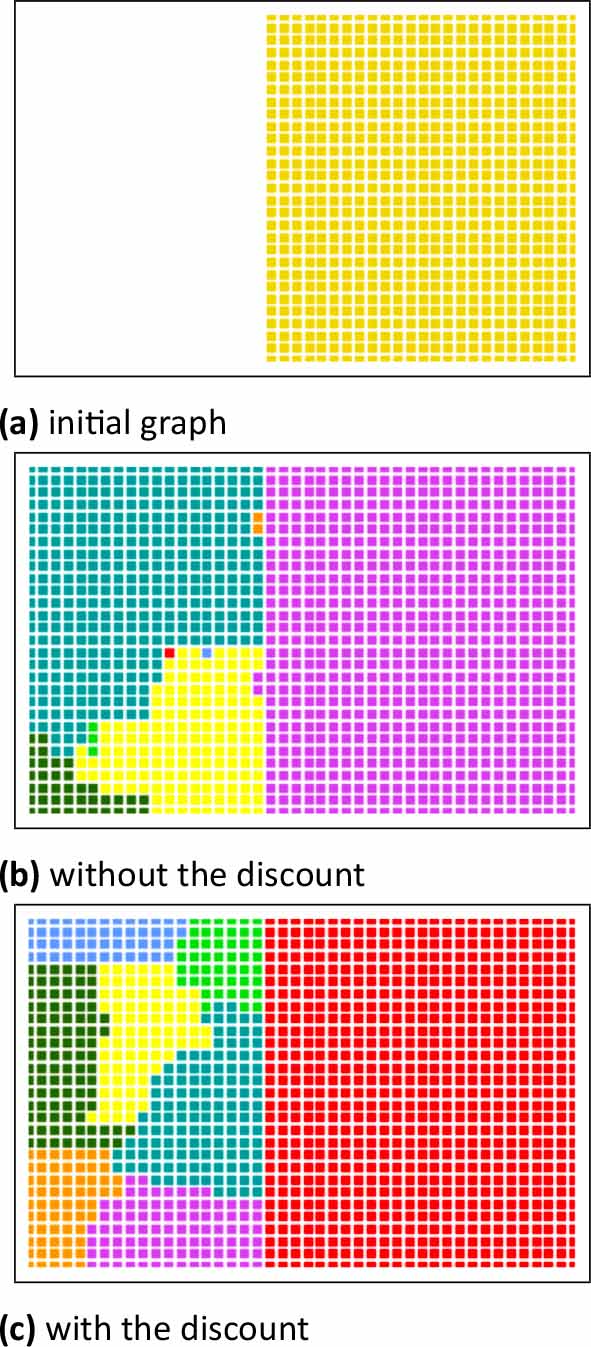

Figure 3.

Effects of the partitioning with and without the discount.
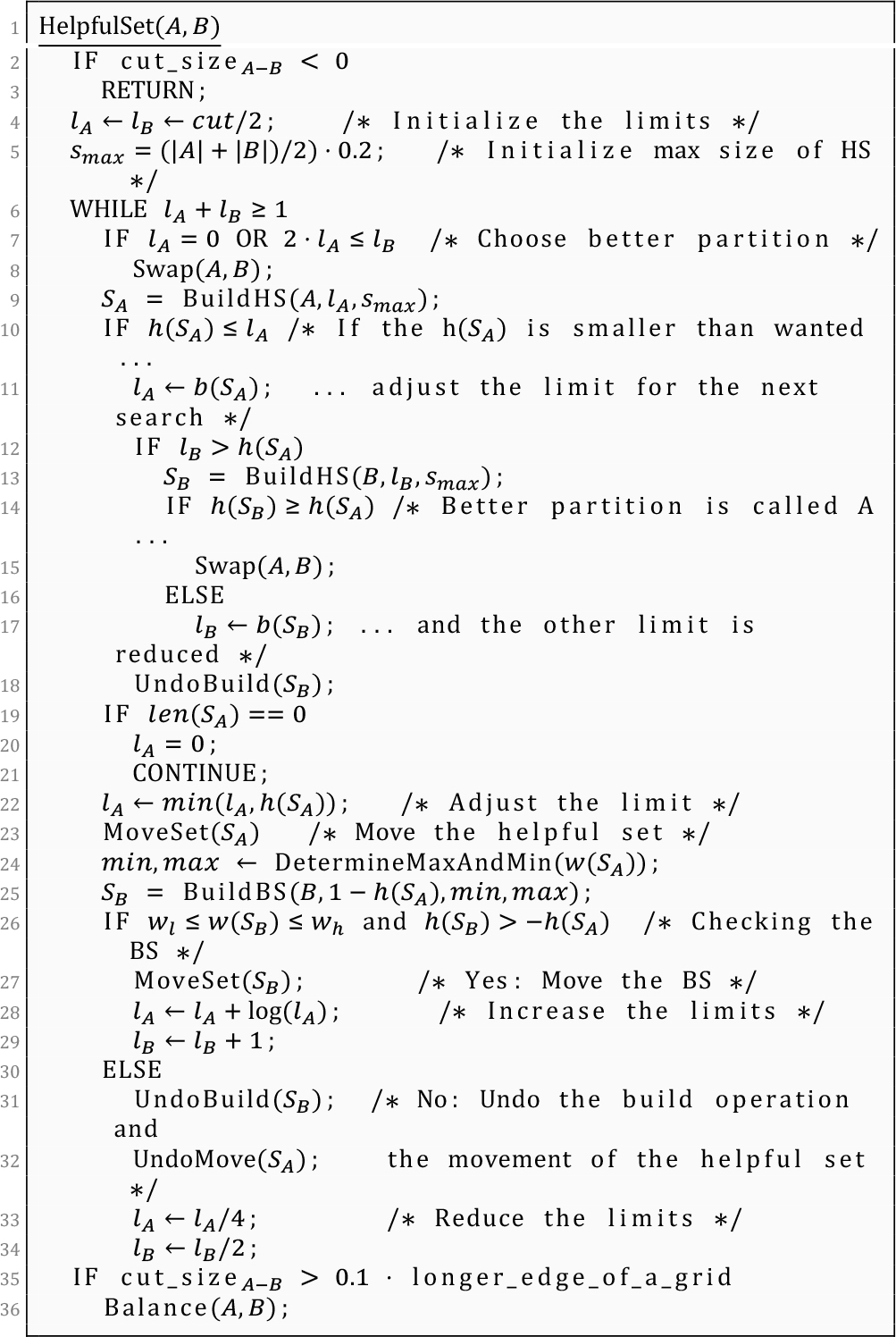

Code 1.

Modified Helpful-Set algorithm.
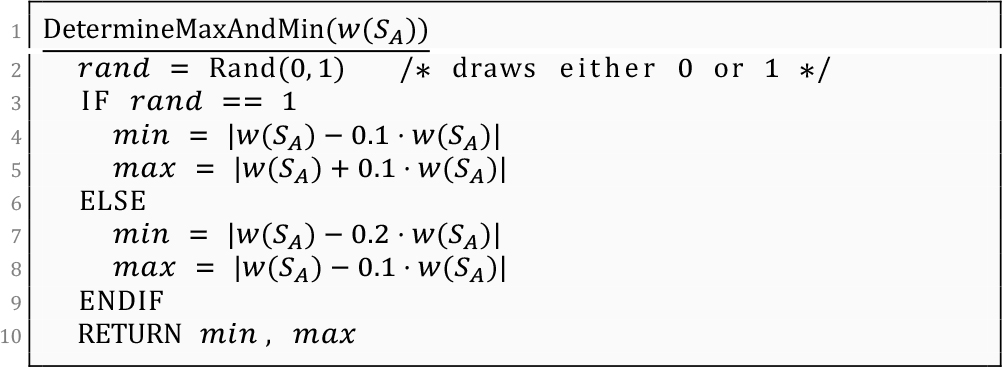

Code 2.

Modified min and max computing.
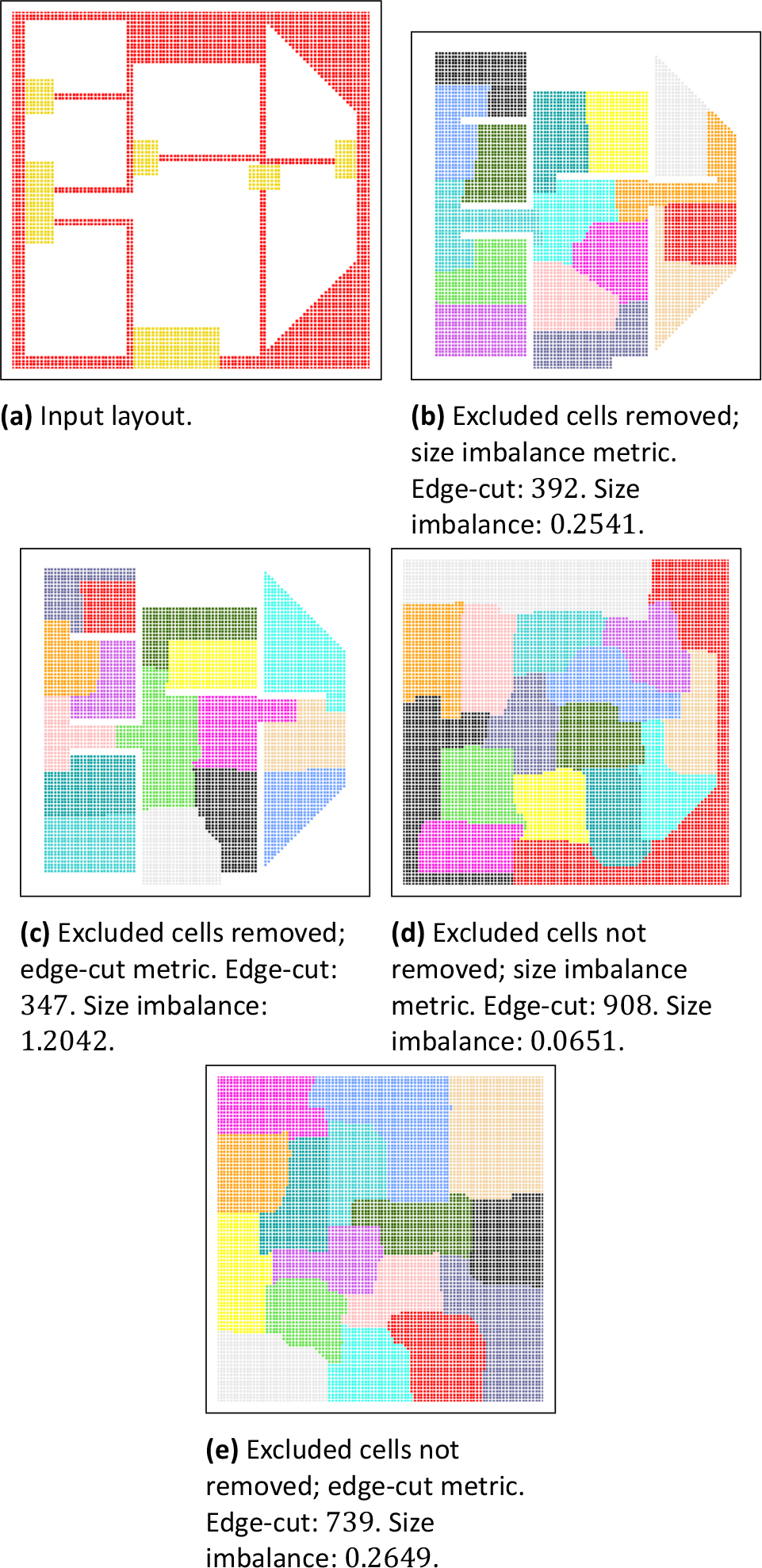

Figure 4.

Results of a building floor - plan partitioning.
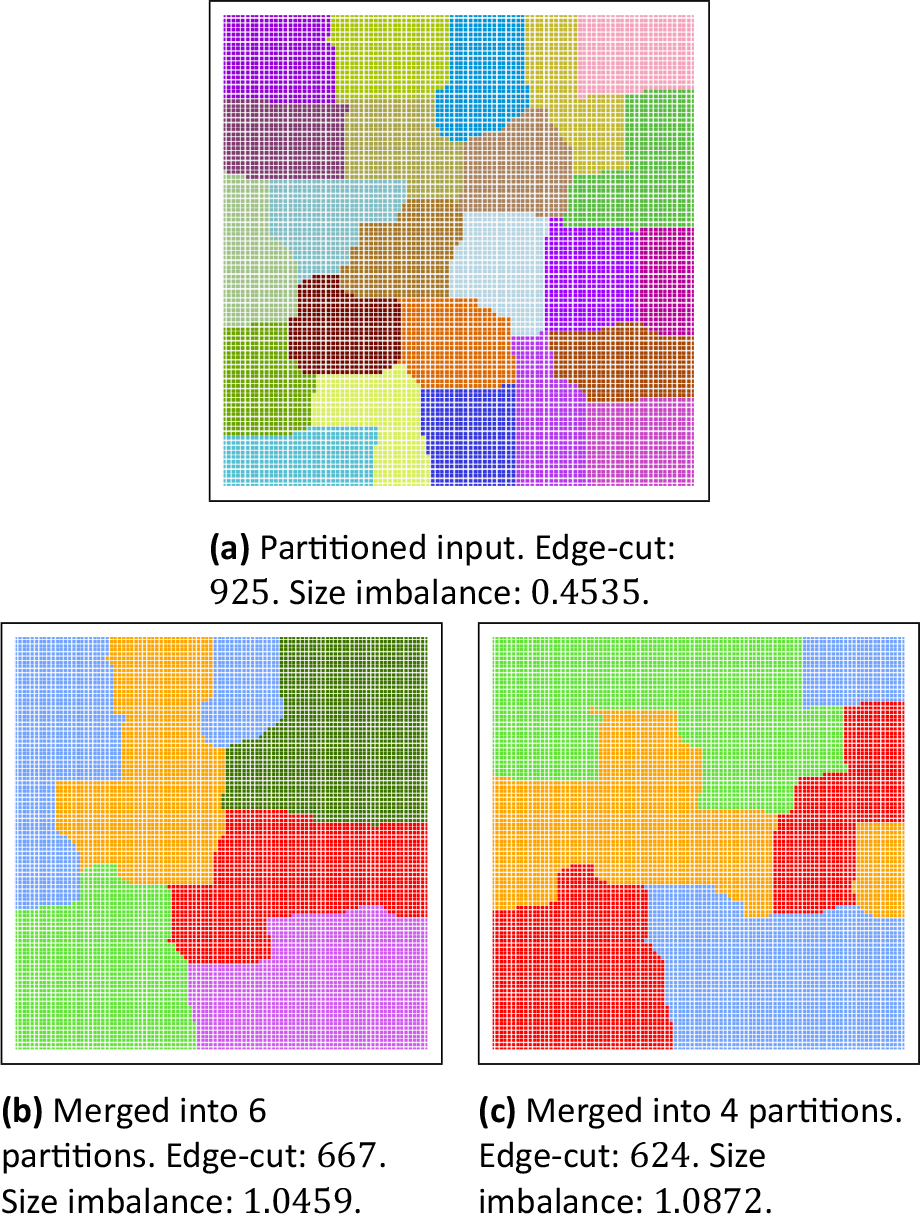

Figure 5.

Synthetic example of partitioning.
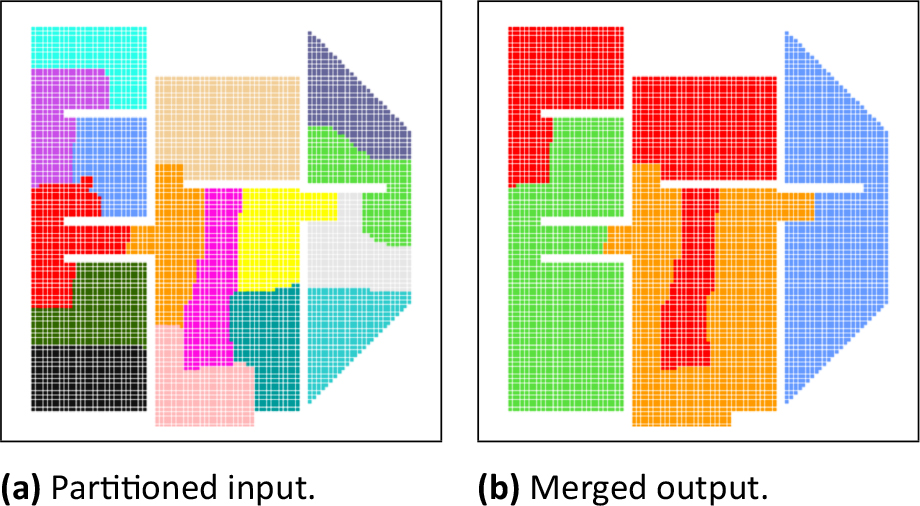

Figure 6.

Plan of building floor example of partitioning.
Edge-cut: 200. Size imbalance: 1.6641.
Plan of building floor example of partitioning. Edge-cut: 200. Size imbalance: 1.6641.
DOI: https://doi.org/10.14313/jamris-2025-033 | Journal eISSN: 2080-2145 | Journal ISSN: 1897-8649
Language: English
Page range: 26 - 34
Submitted on: May 9, 2024
|
Accepted on: Feb 10, 2013
|
Published on: Dec 24, 2025
In partnership with: Paradigm Publishing Services
Publication frequency: 4 issues per year

© 2025 Jakub Ziarko, Mateusz Najdek, Wojciech Turek, published by Łukasiewicz Research Network – Industrial Research Institute for Automation and Measurements PIAP
This work is licensed under the Creative Commons Attribution-NonCommercial-NoDerivatives 4.0 License.