
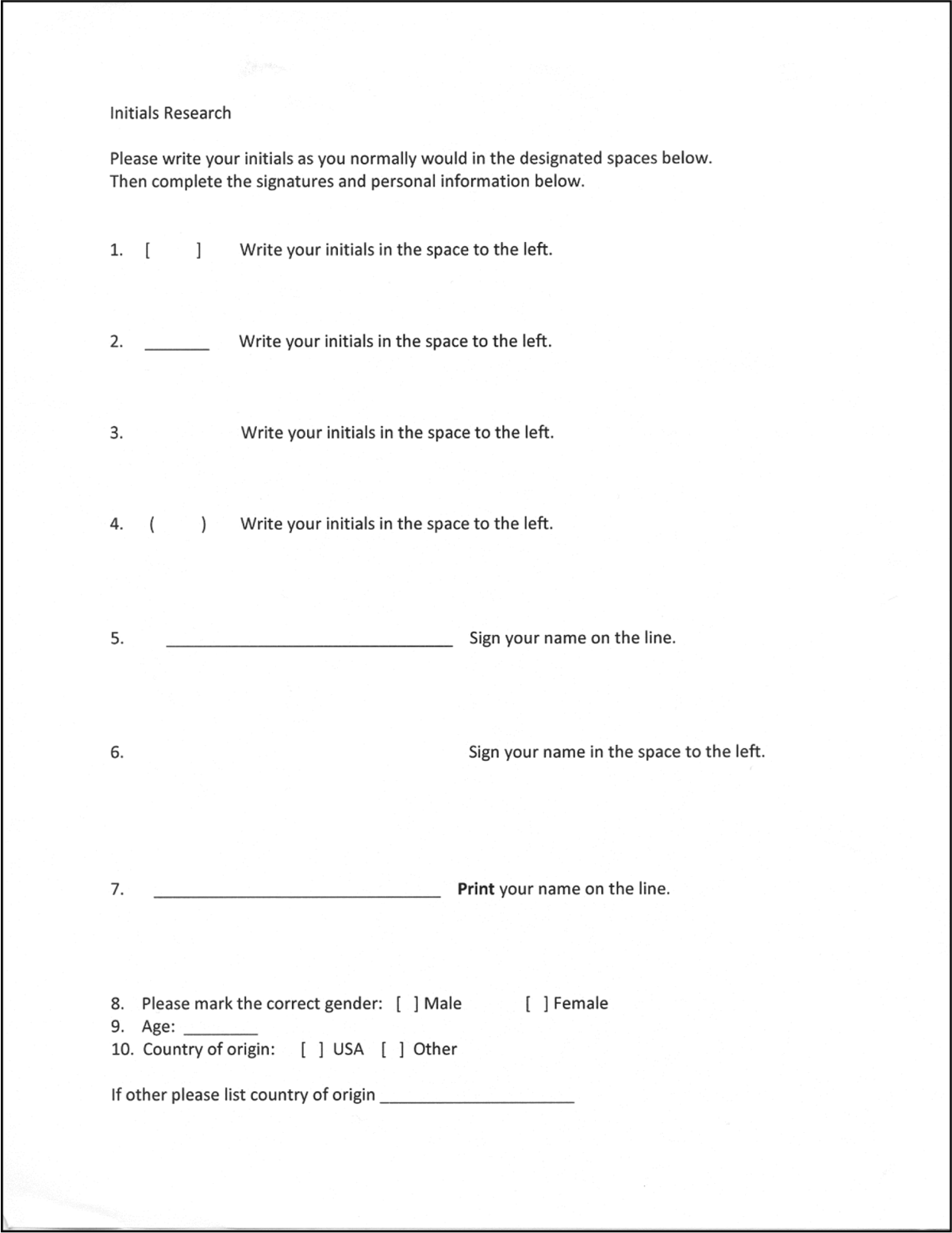
Figure 1
Example of a blank data collection form.
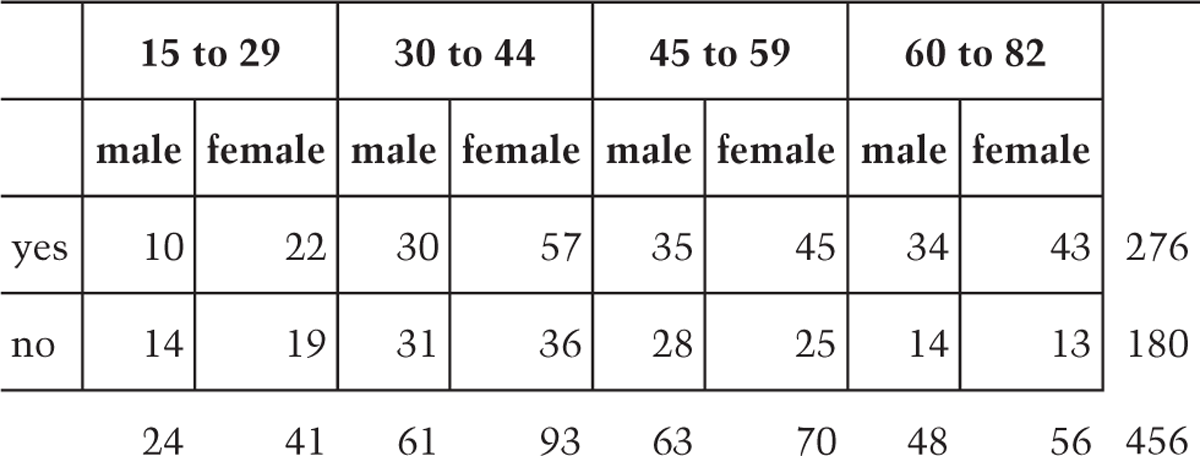
Table 1.
Lists answers to Research Question 1.
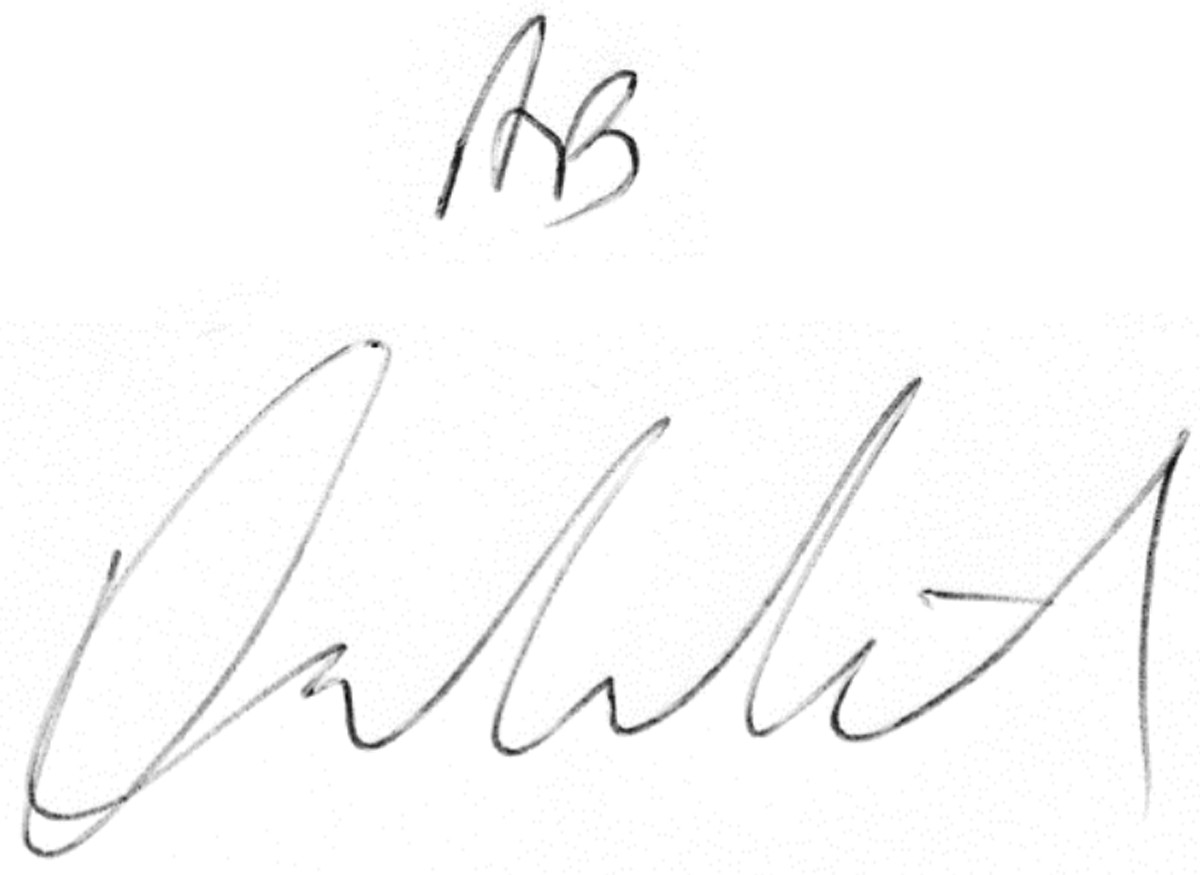
Figure 2
Initials and signature have different capital letters.
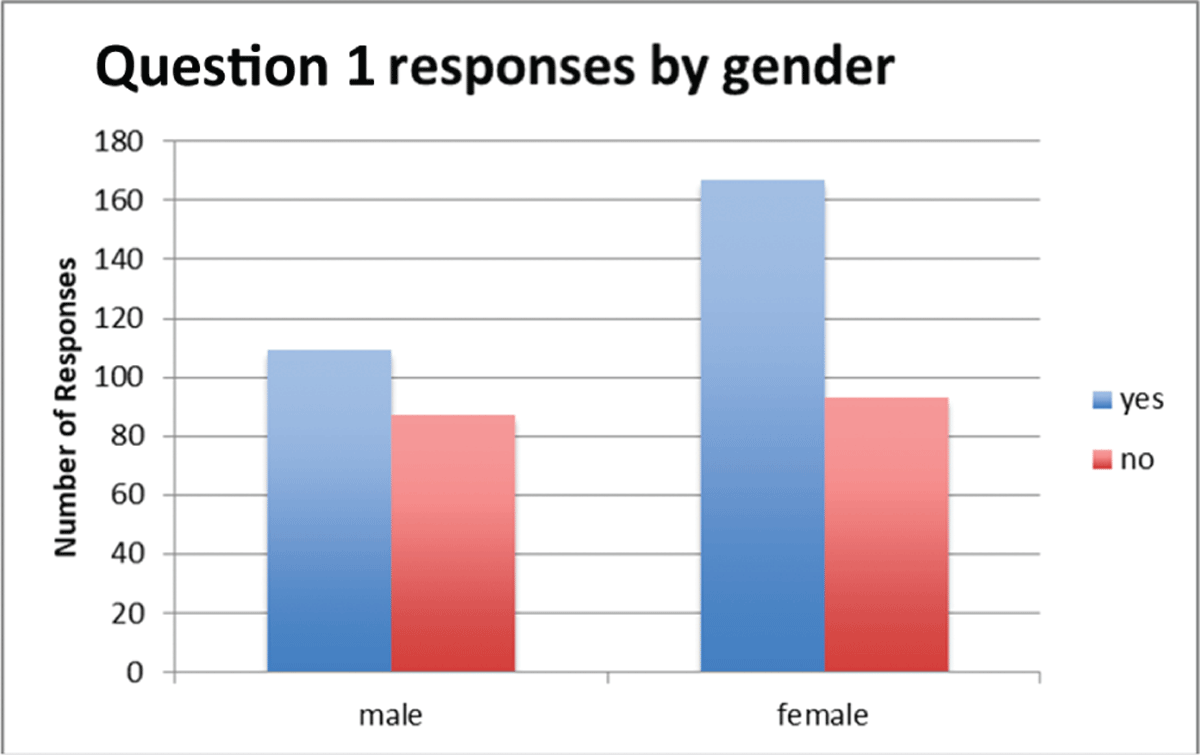
Figure 3
Bar graph showing responses to Research Question 1 by gender.
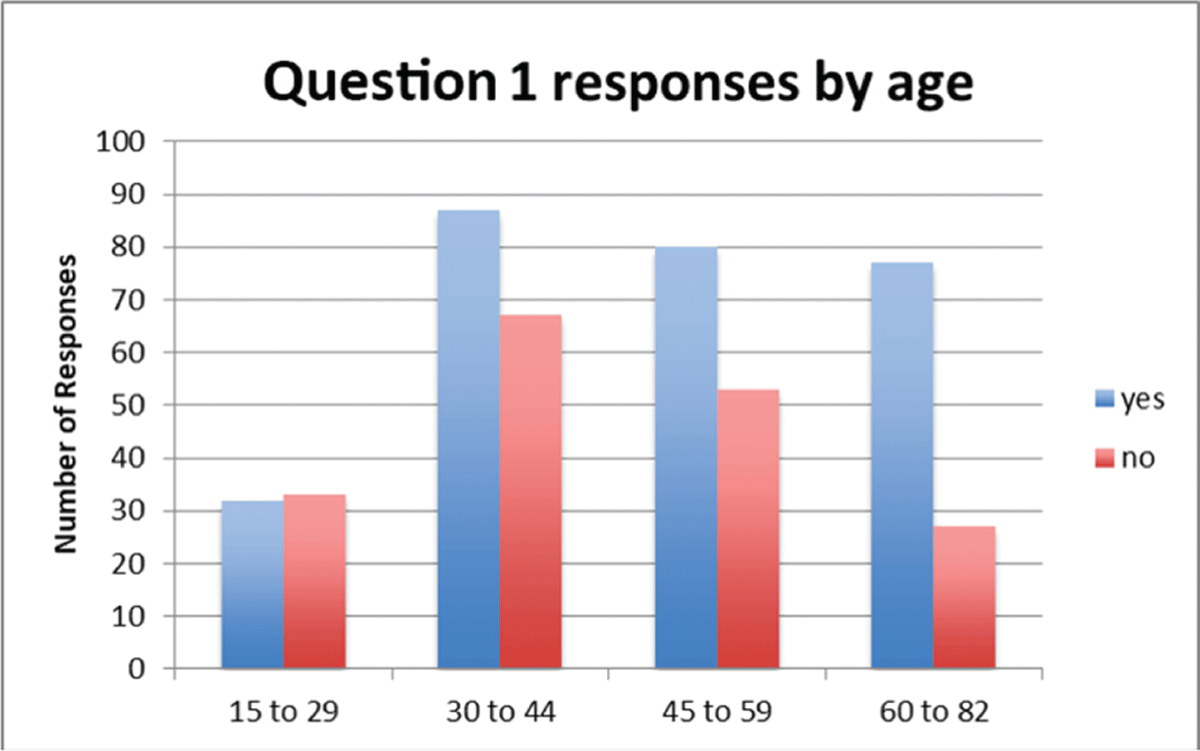
Figure 4
Bar graph showing responses to Research Question 1 by age groups.
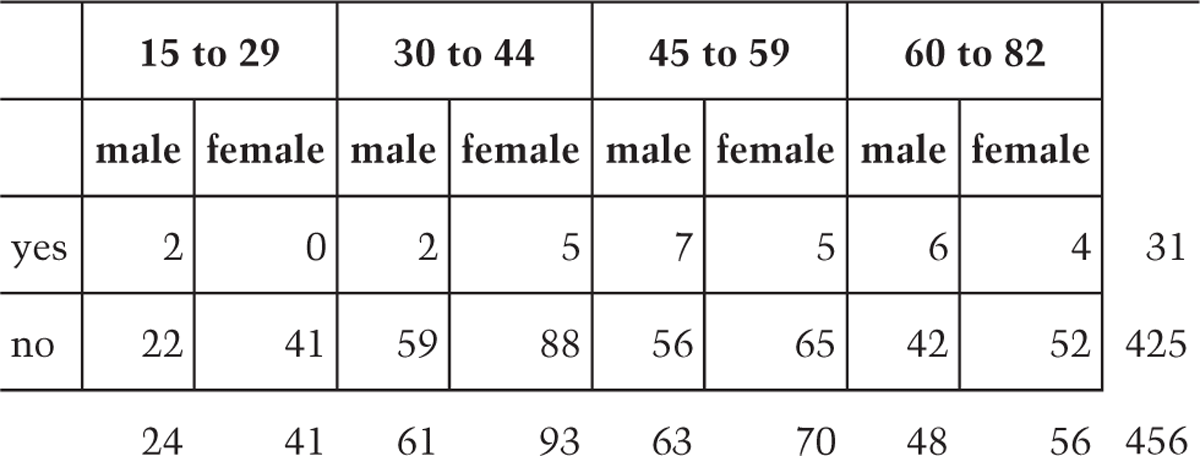
Table 2.
Lists answers to Research Question 2.
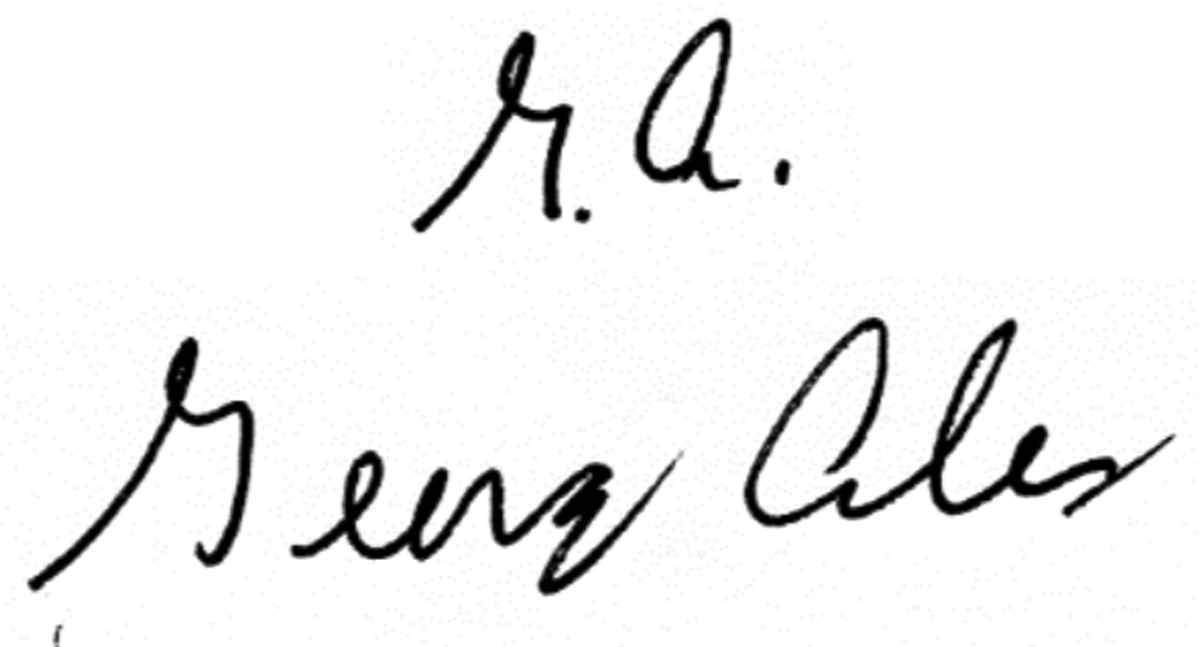
Figure 5
Initials written with punctuation above the signature.
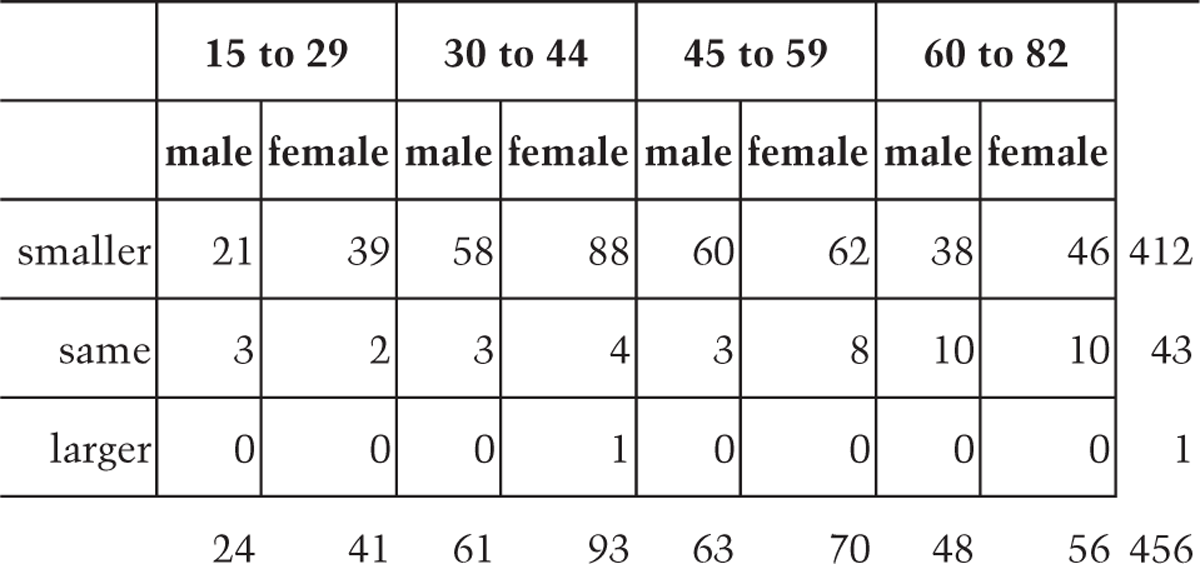
Table 3.
Lists answers to Research Question 3.
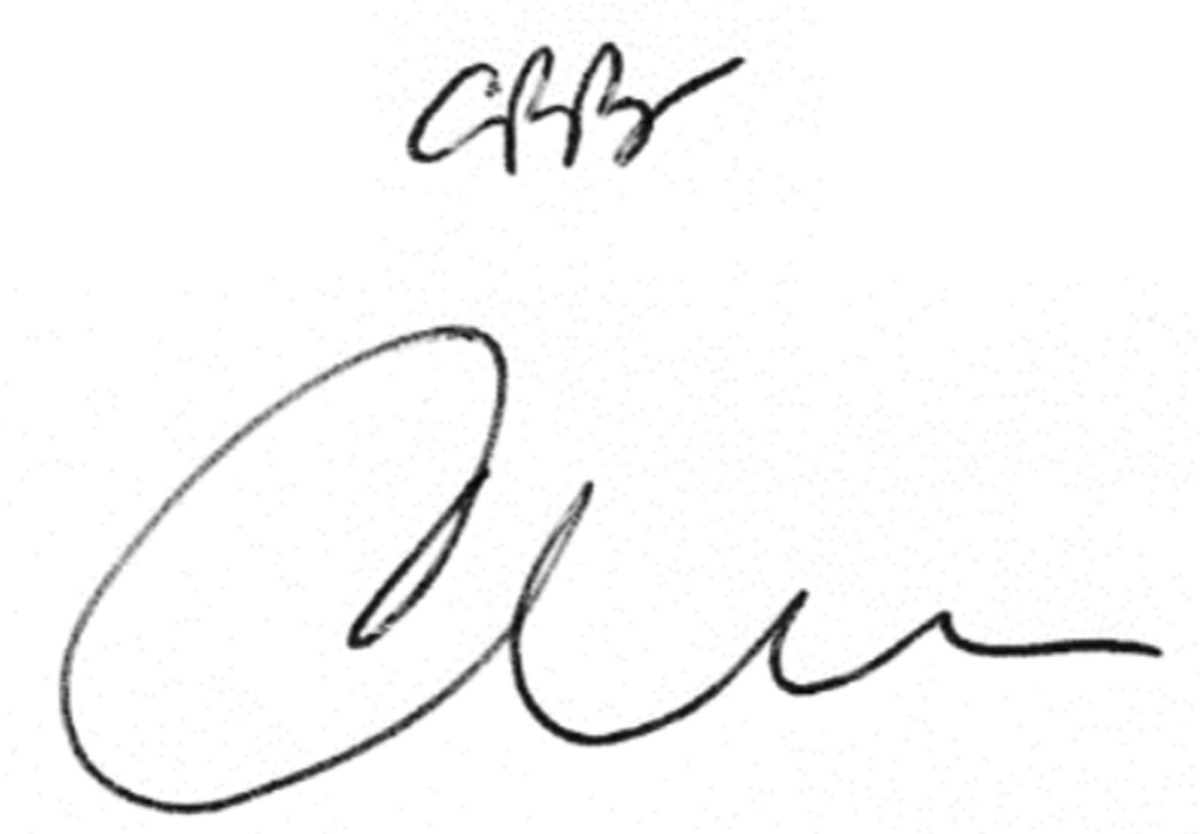
Figure 6.
Initials written smaller that capital letters of signature.
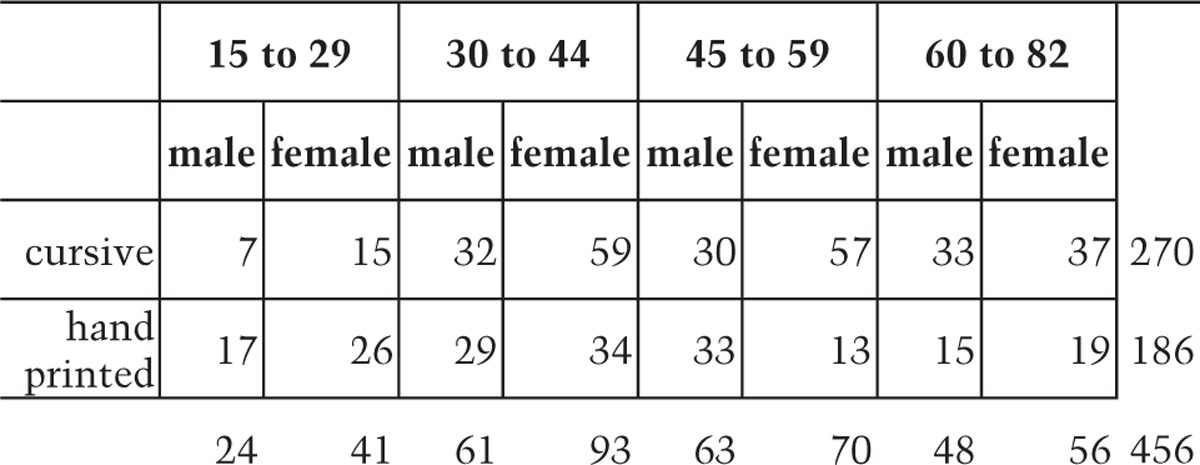
Table 4.
Lists answers to Research Question 4.
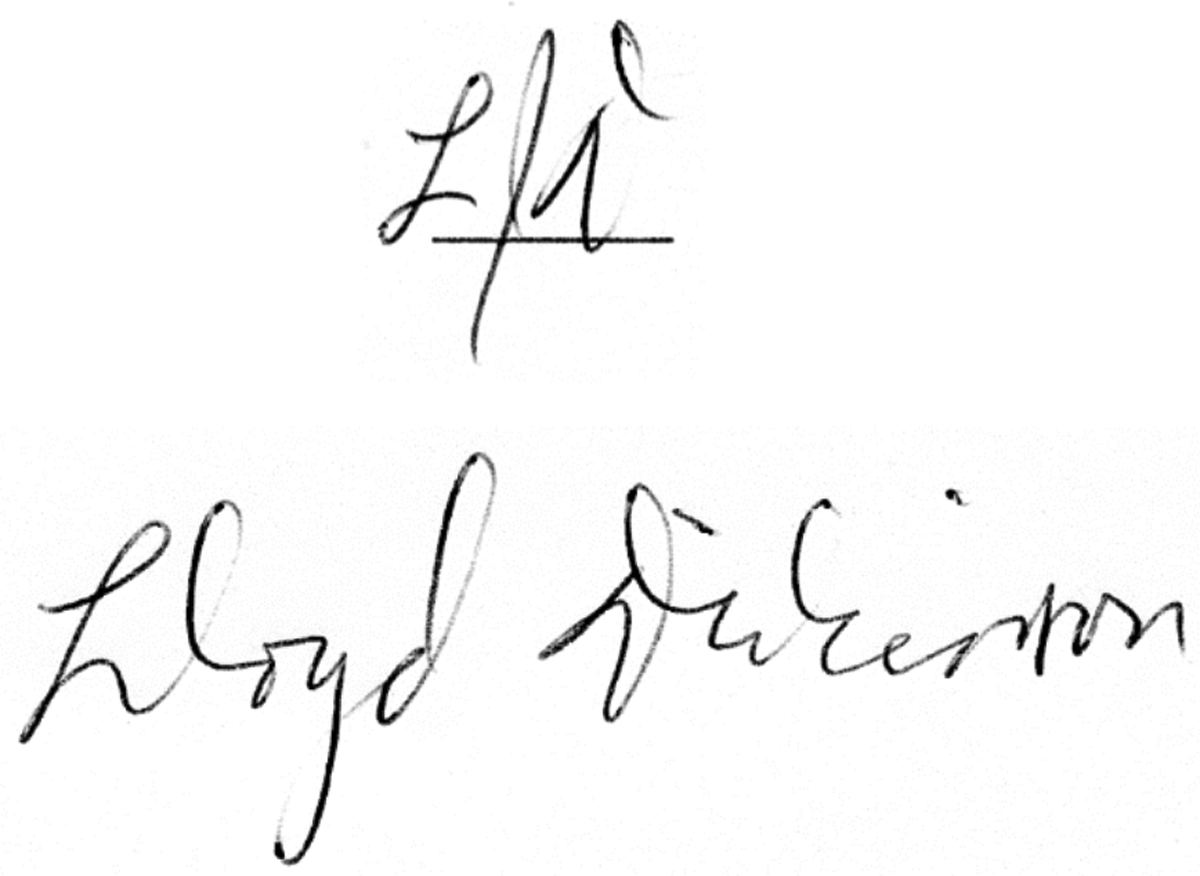
Figure 7
Initials written in cursive above the signature.
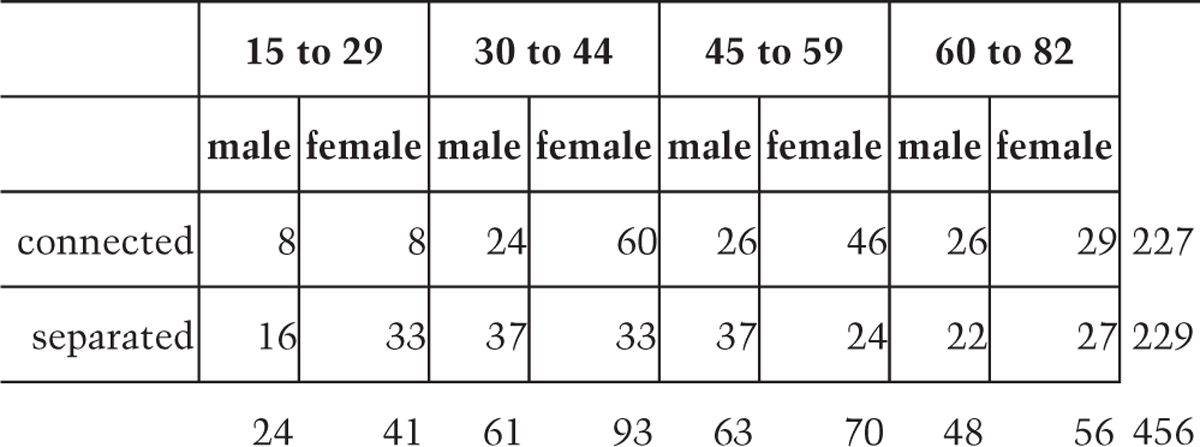
Table 5.
Lists answers to Research Question 5.
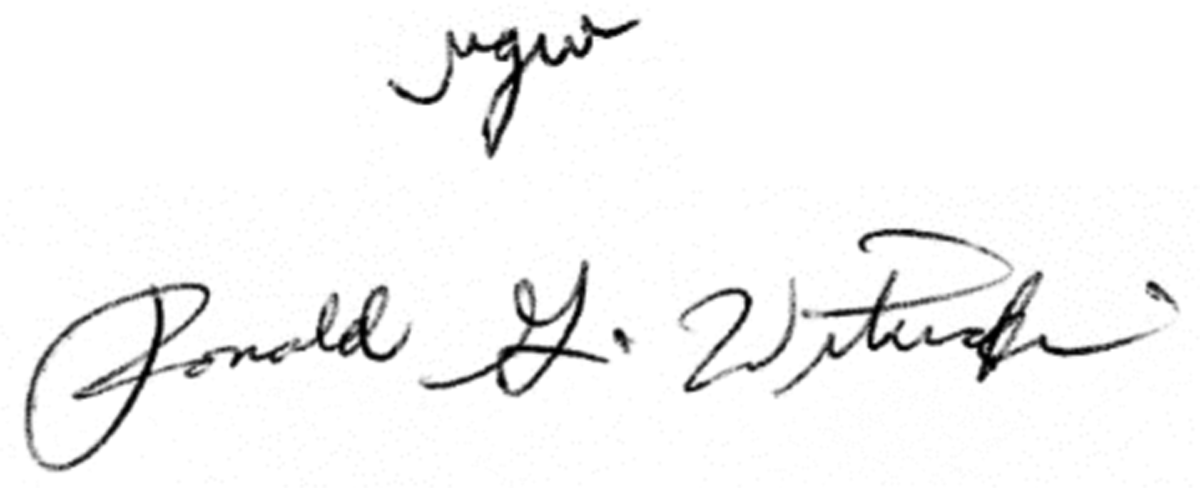
Figure 8
Initials connected above the signature.
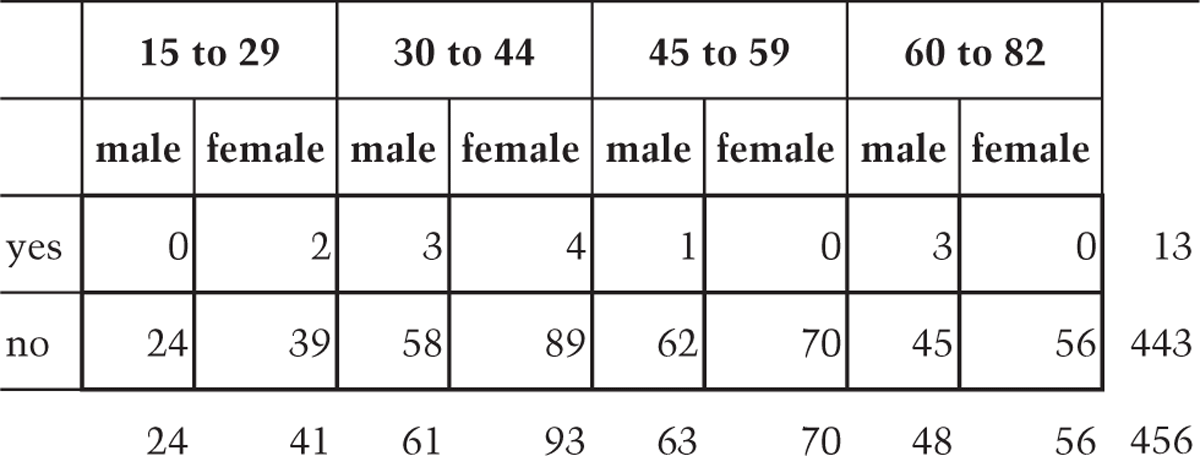
Table 6.
Lists answers to Research Question 6.
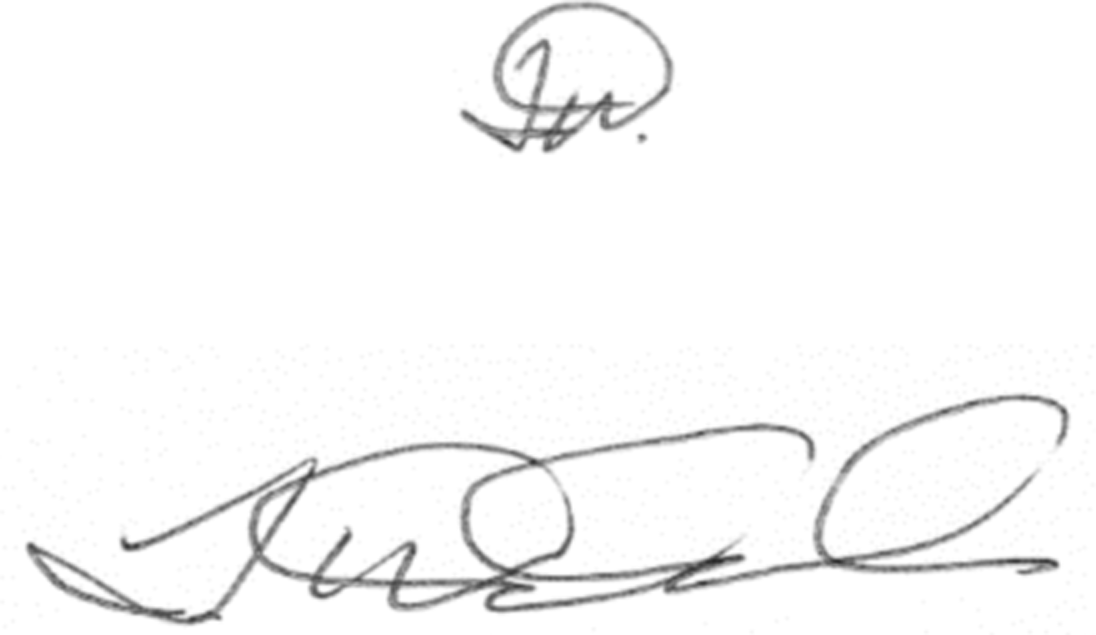
Figure 9
Initials written with a circular flourish and signature below.
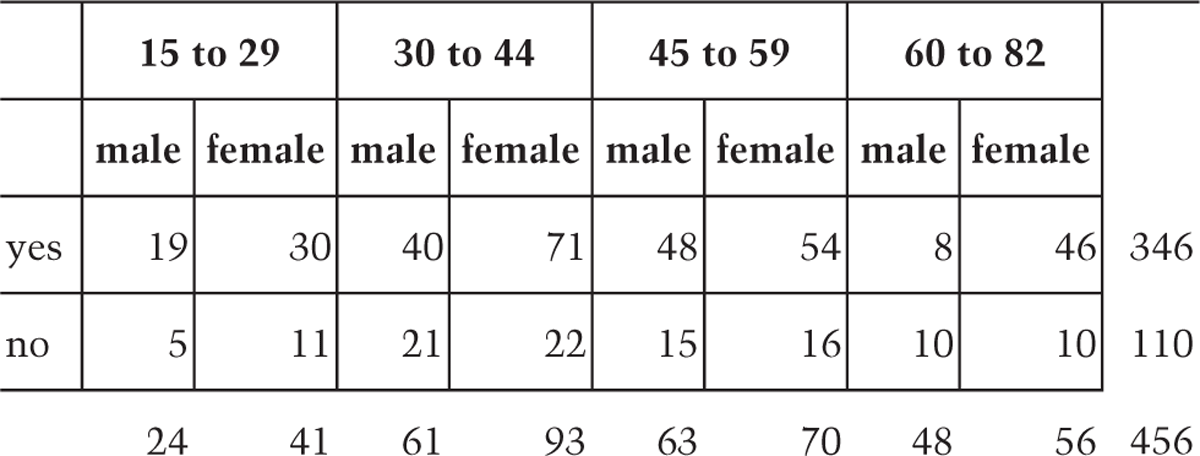
Table 7.
lists answers to Research Question 7.
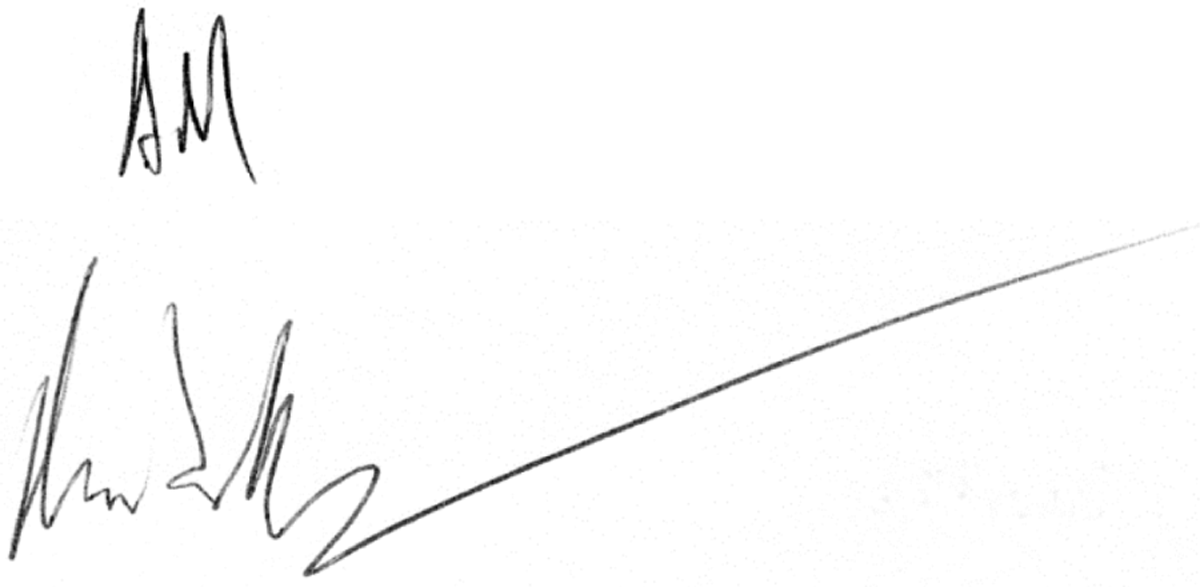
Figure 10
Initials written with the same relative heights as the signature.
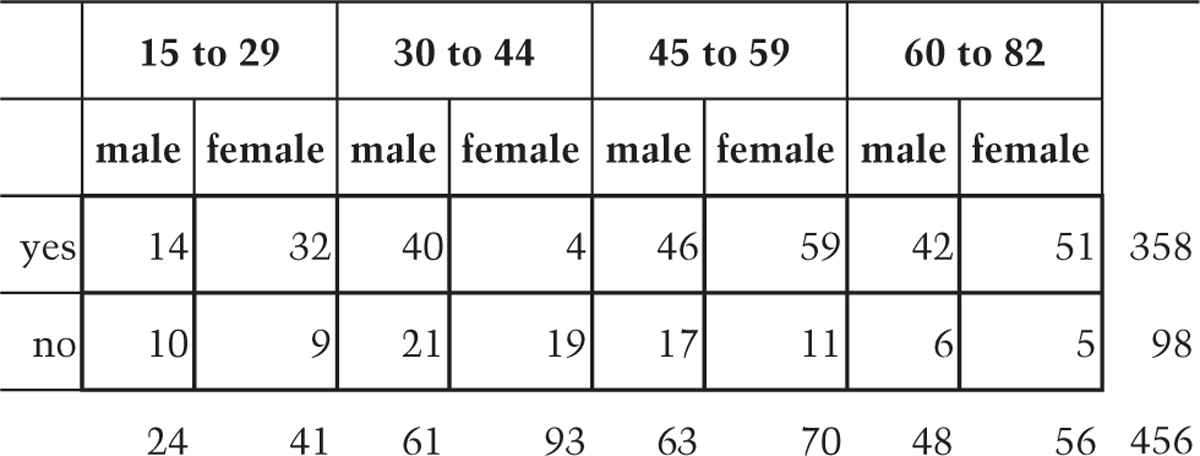
Table 8.
Lists answers to Research Question 8.
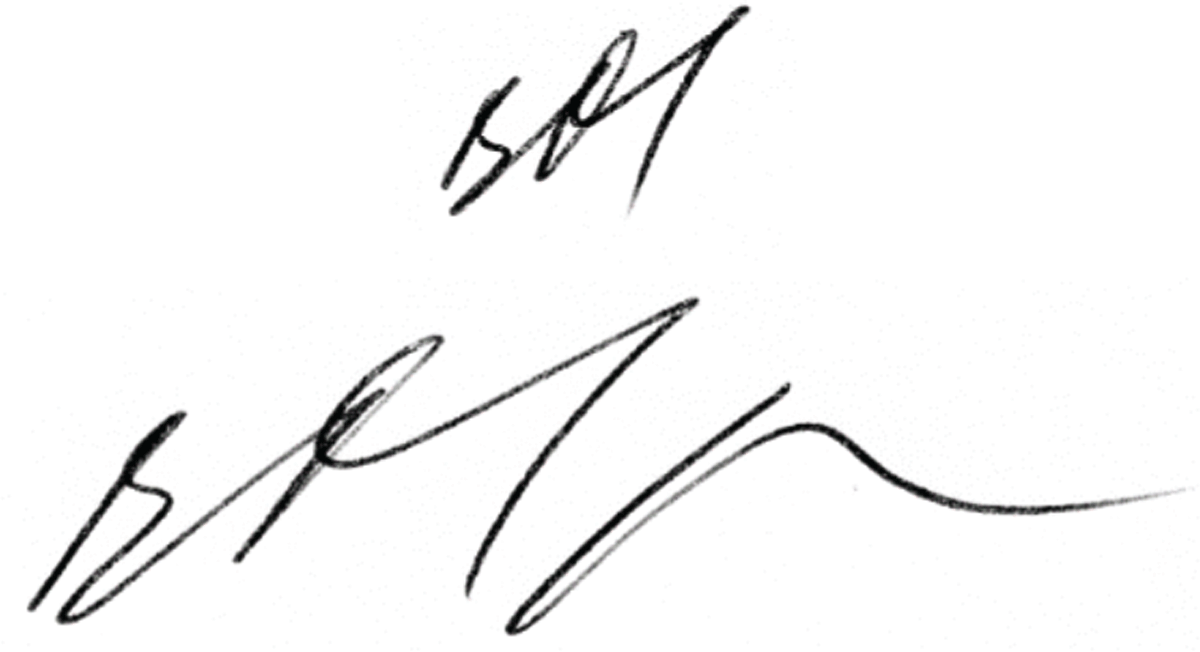
Figure 11.
Initials written with a similar slant to the capital letters of the signature.
| 1983 Galbraith Study: | 2017 Lewis Study: |
| 1. 21% used periods in initials | 1. 7% used periods in initials |
| 2. 6% used ending flourishes | 2. 3% used ending flourishes |
| 3. 31.5% connected initials | 3. 50% connected initials |
| 4. 9% changed proportions of initials | 4. 24% changed proportions of initials |
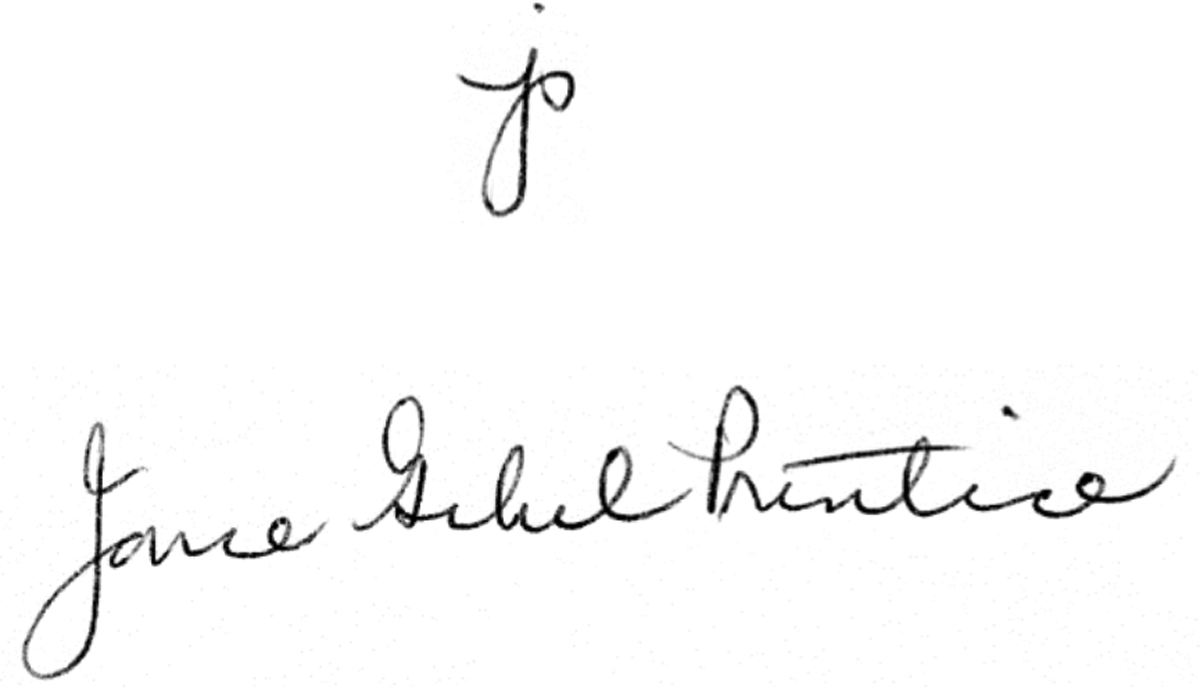
Figure 12.
Initials written as one form above signature.
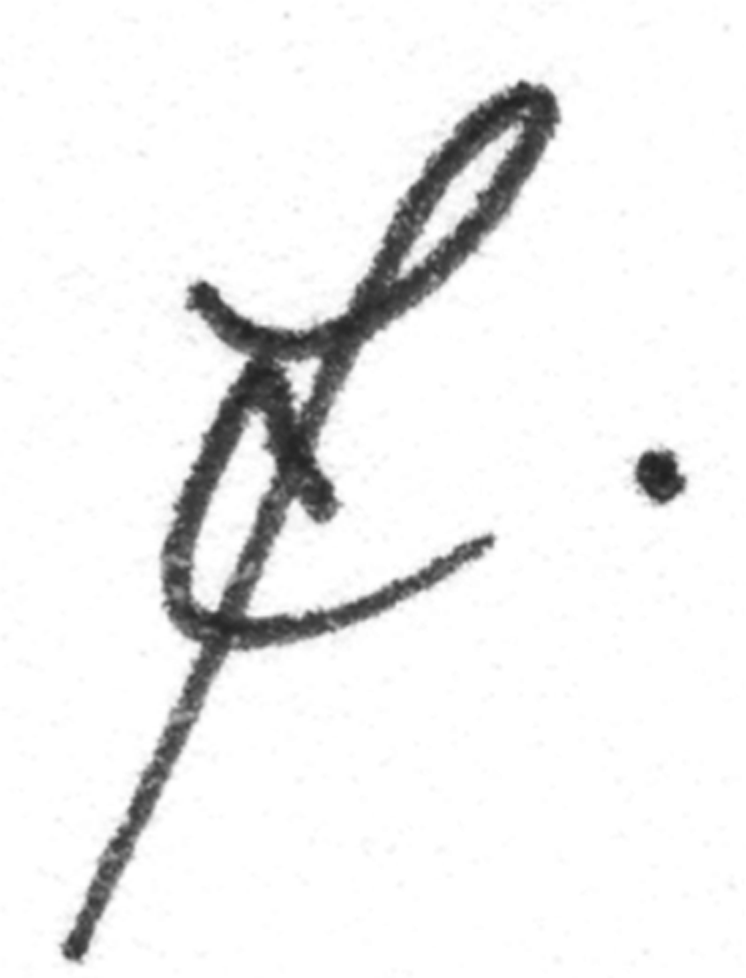
Figure 13.
Initials written one on top of the other and punctuated enlarged.