
Table 1.
The survey.
| QUESTION | YES | NO | |
|---|---|---|---|
| 1 | Does your lab do handwriting examination? | ||
| 2 | In the case file, do your handwriting experts draw the letters found in the Q* documents by hand? | ||
| 3 | Does your lab do document examination? | ||
| 4 | Does your lab have a VSC** or Projectina? If so, what model? | ||
| 5 | Does your lab have an ESDA***? | ||
| 6 | Does your lab have a microscope? | ||
| 7 | Does your lab have a Raman spectrometer? | ||
| 8 | Are there any other instruments you would regard as critical for use in a document examination lab? Please specify. | ||
| 9 | Does your lab use GCMS**** or other methods for ink dating? Please specify. | ||
| 10 | Does your lab do "Bitmap" analysis? | ||
| 11 | Are your document examiners required to know Photoshop? | ||
| 12 | Do you regularly use Photoshop in your lab for casework? If so, which version? | ||
| 13 | Does your lab conduct chemical analysis of inks and /or toners? | ||
| 14 | Does your lab do proficiency tests? If so, which ones? | ||
| 15 | Can you recommend two of your favorite books on questioned document and handwriting examination? | ||
| 16 | Are your handwriting experts required to have any training in graphology (determination of personality traits through handwriting)? |
[i] *Q = Questioned
**VSC = Video Spectral Comparator
***ESDA = Electrostatic Detection Apparatus
****GCMS = Gas Chromatography Mass Spectrometry
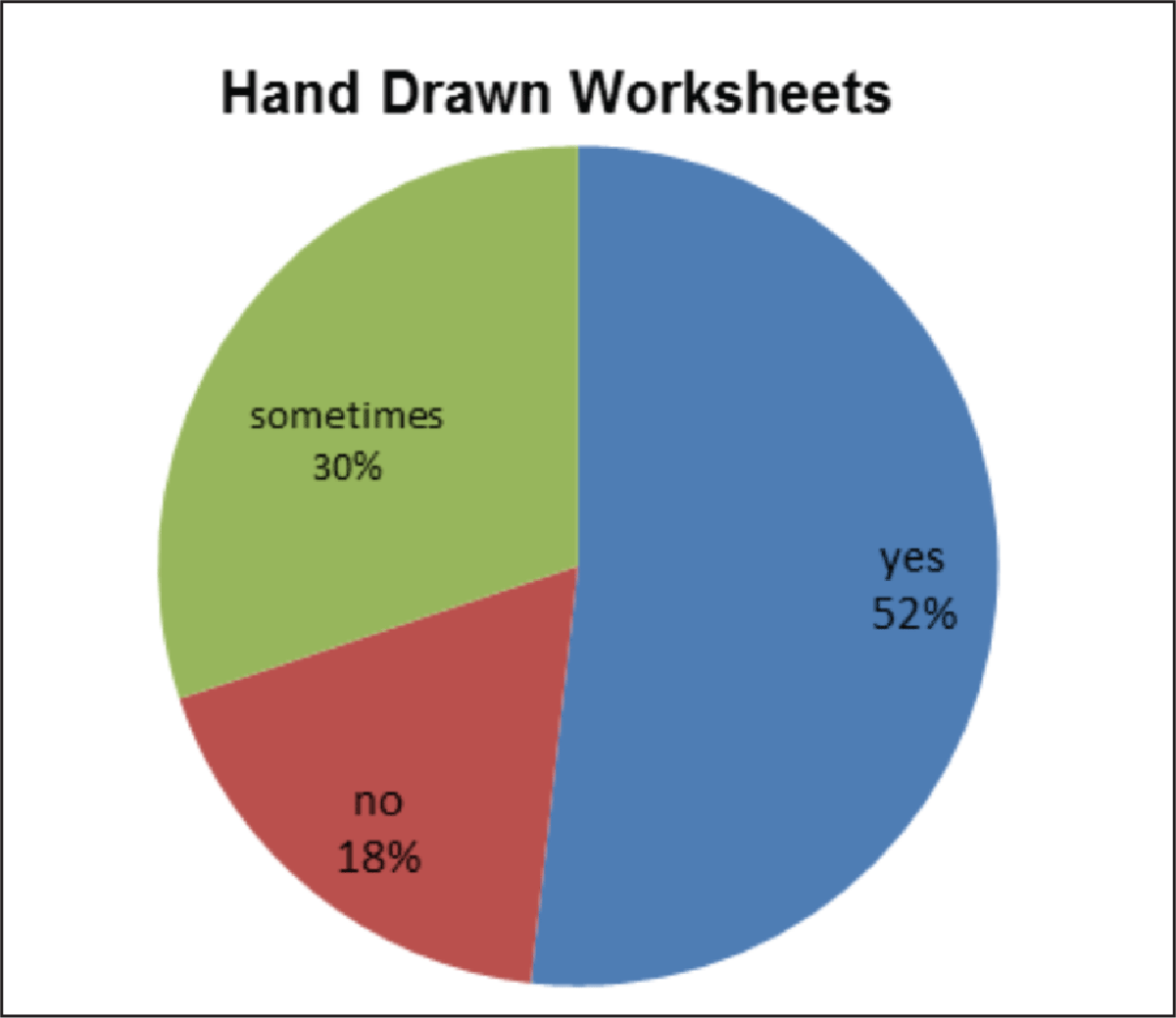
Figure 1.
Overall distribution of experts drawing worksheets by hand.
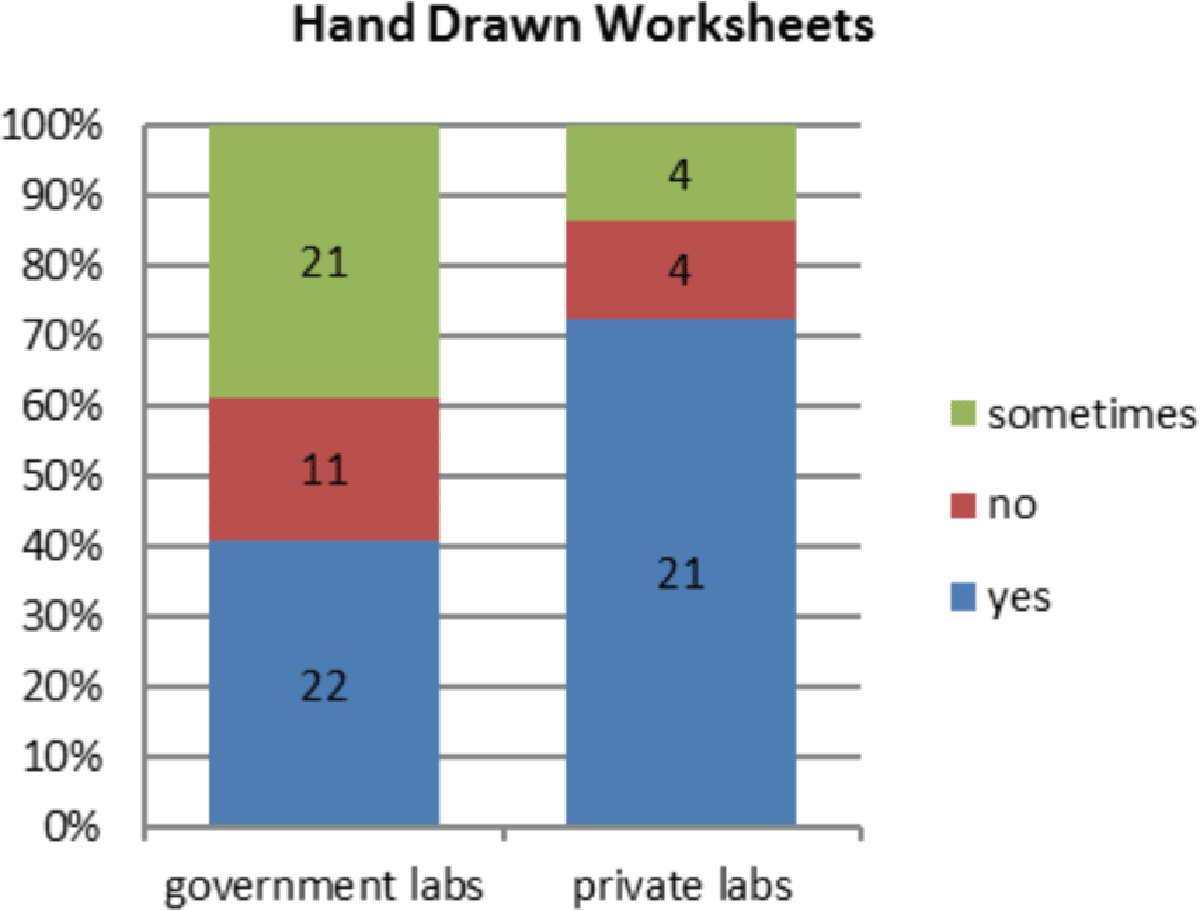
Figure 2.
Distribution of hand drawn worksheets between government and private labs. The numbers on the bar chart indicate the number of labs.
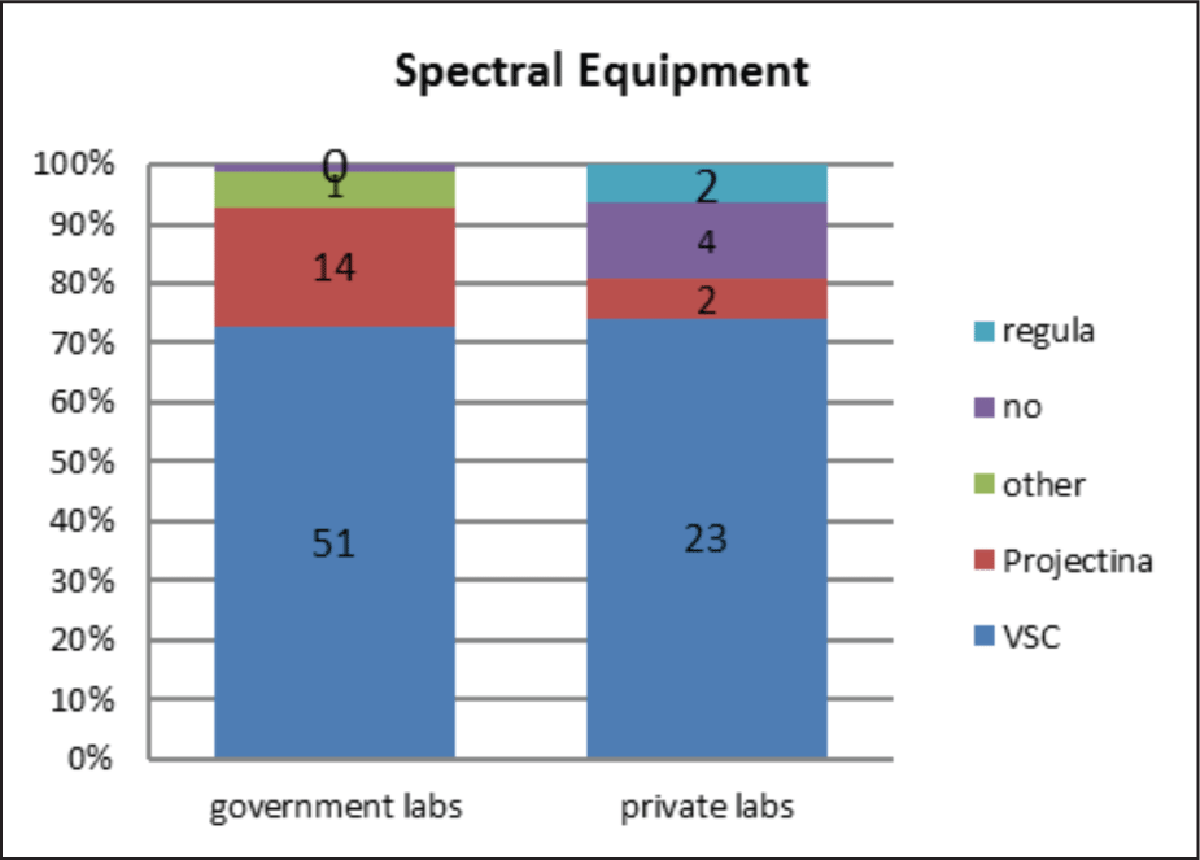
Figure 3.
Distribution of spectral equipment models between government and private labs.
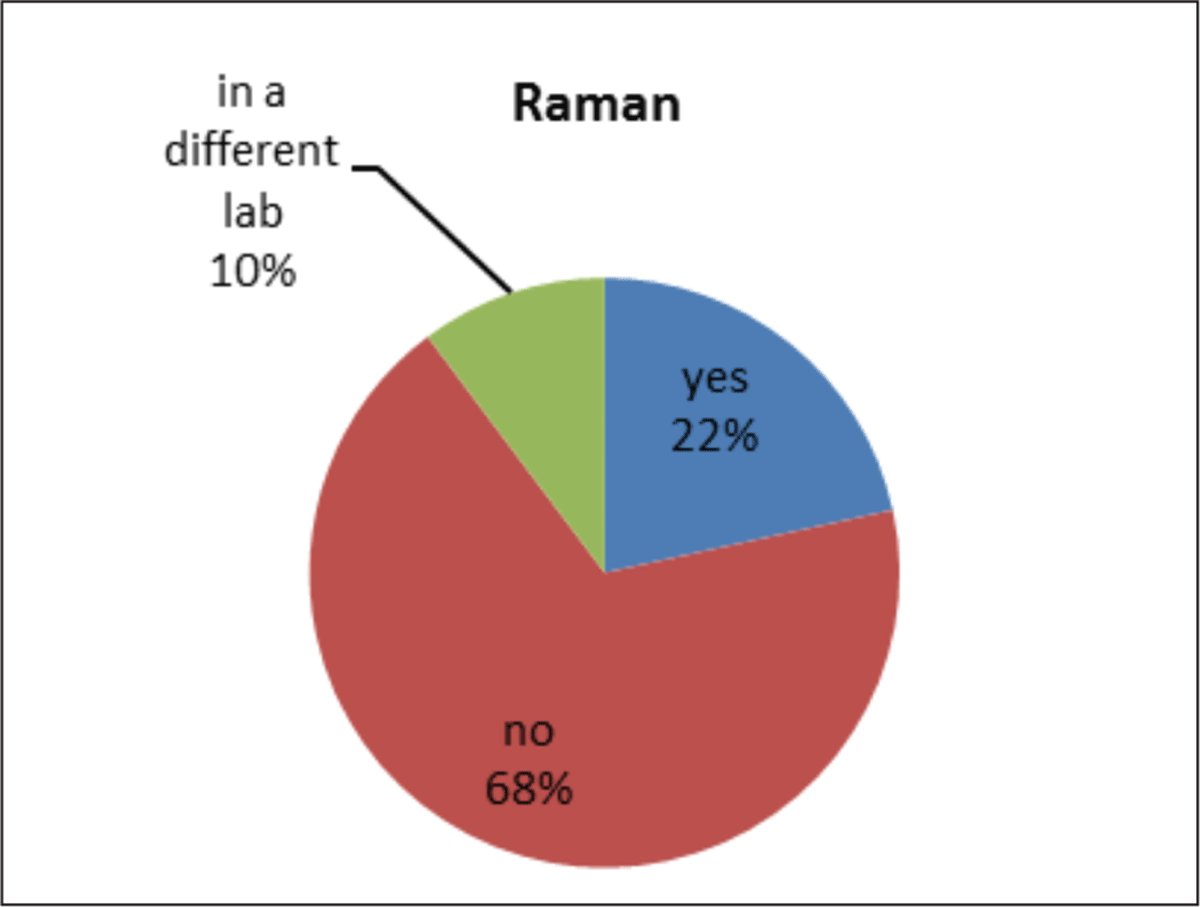
Figure 4.
Overall distribution of use of Raman spectrometer.
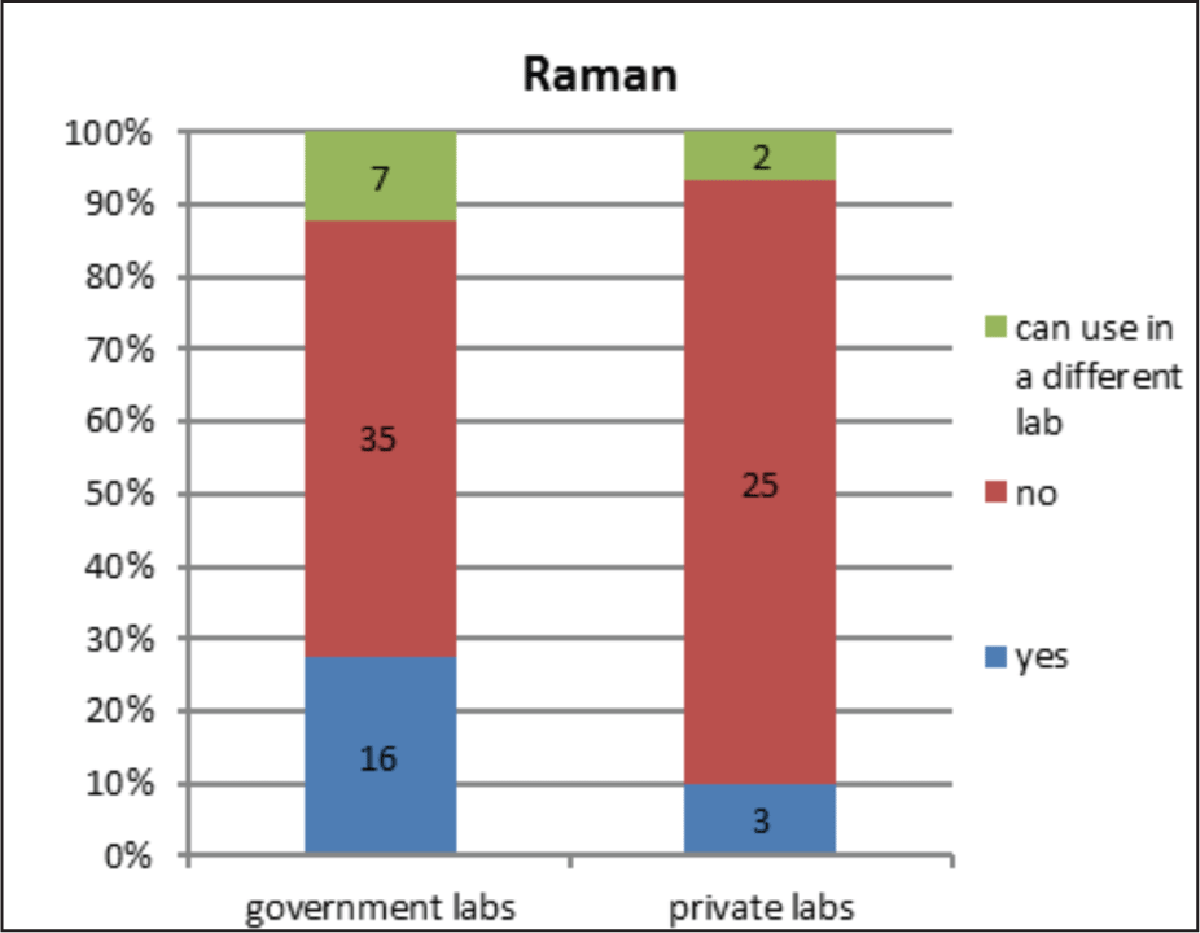
Figure 5.
Distribution of Raman spectrometer between government and private labs.
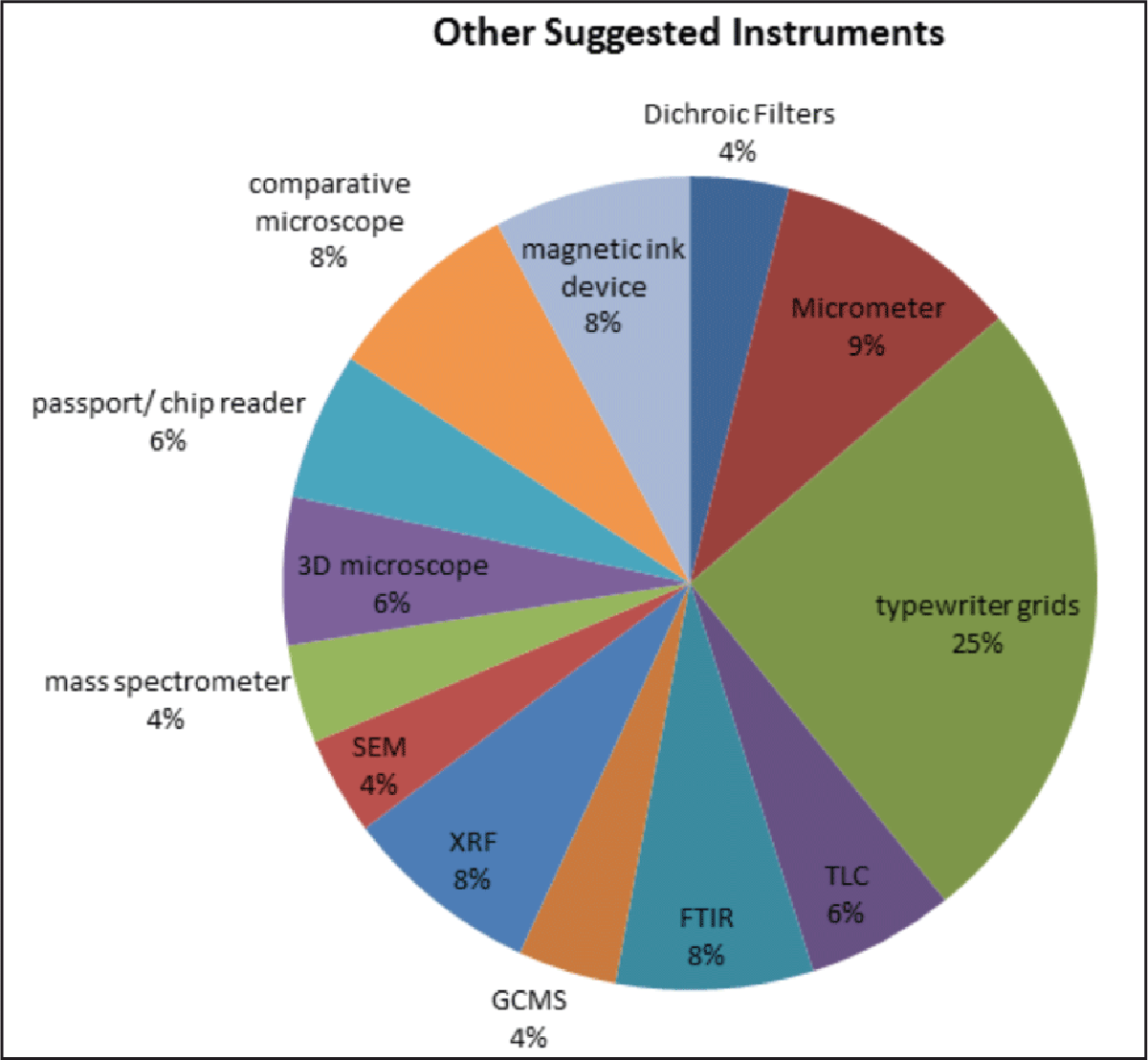
Figure 6.
Overall distribution of other suggested instruments
TLC = Thin Layer Chromatography
FTIR = Fourier Transform Infrared
GCMS = Gas Chromatography Mass Spectrometry
XRF = X-Ray Fluorescence
SEM = Scanning Electron Microscope
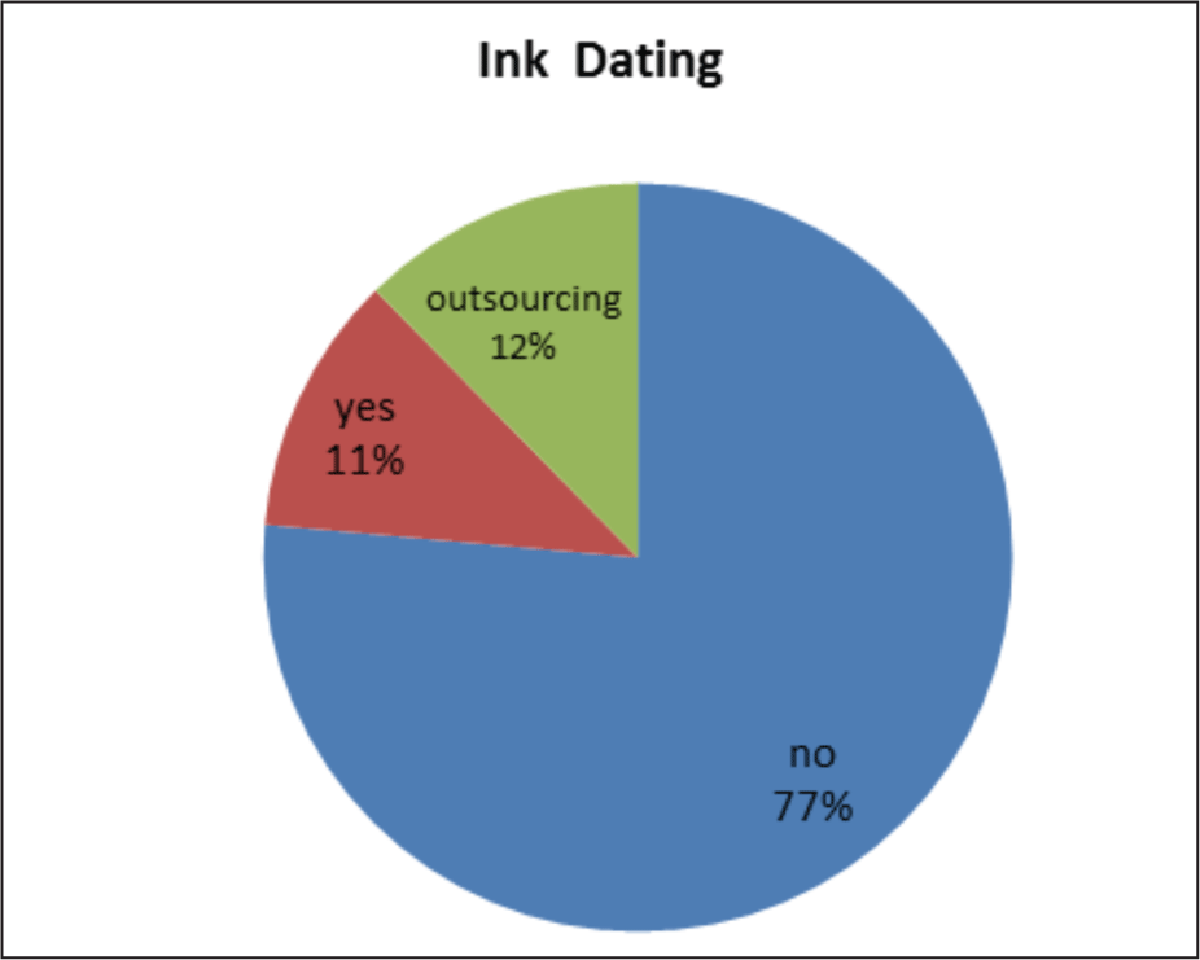
Figure 7.
Overall distribution of ink dating
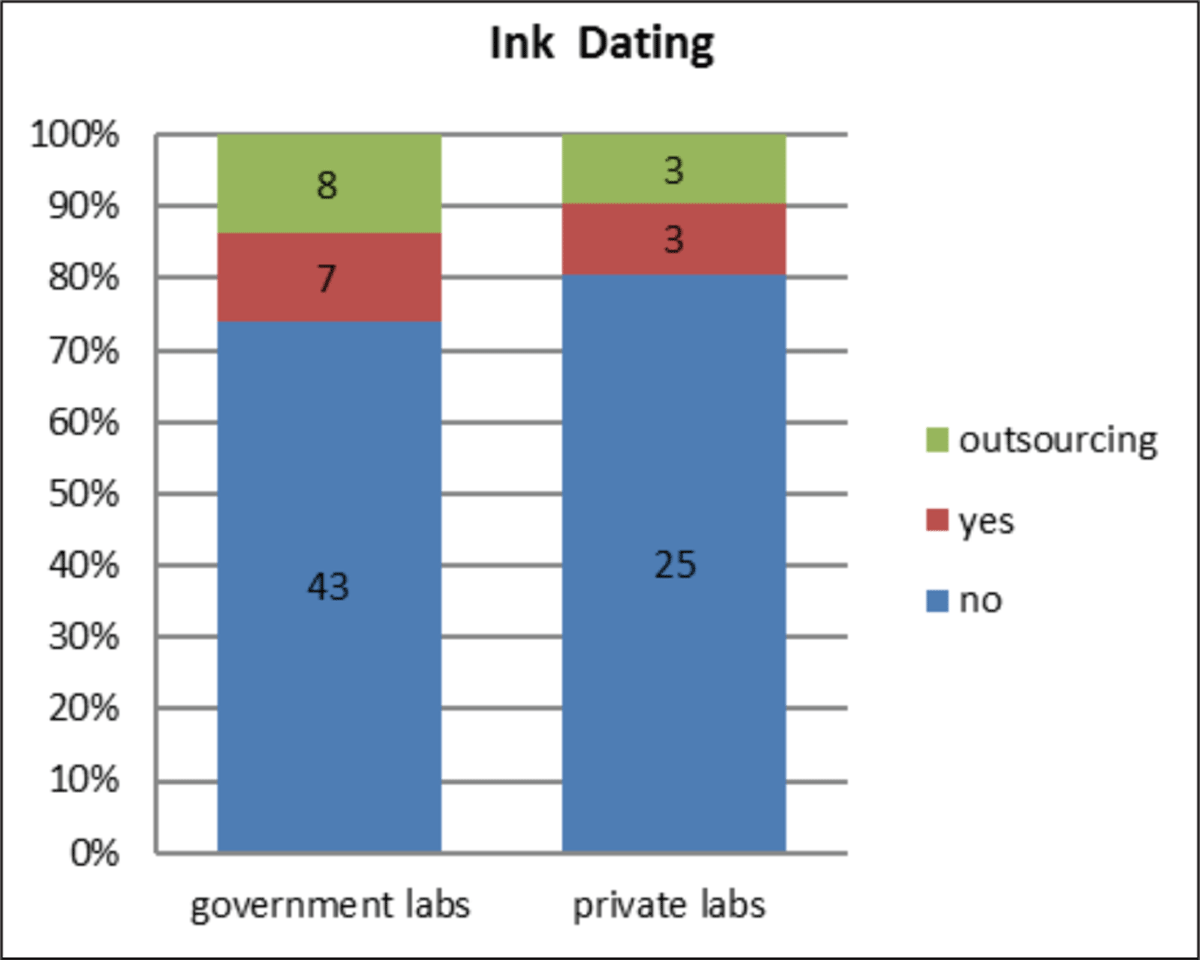
Figure 8.
Distribution of ink dating between government and private labs
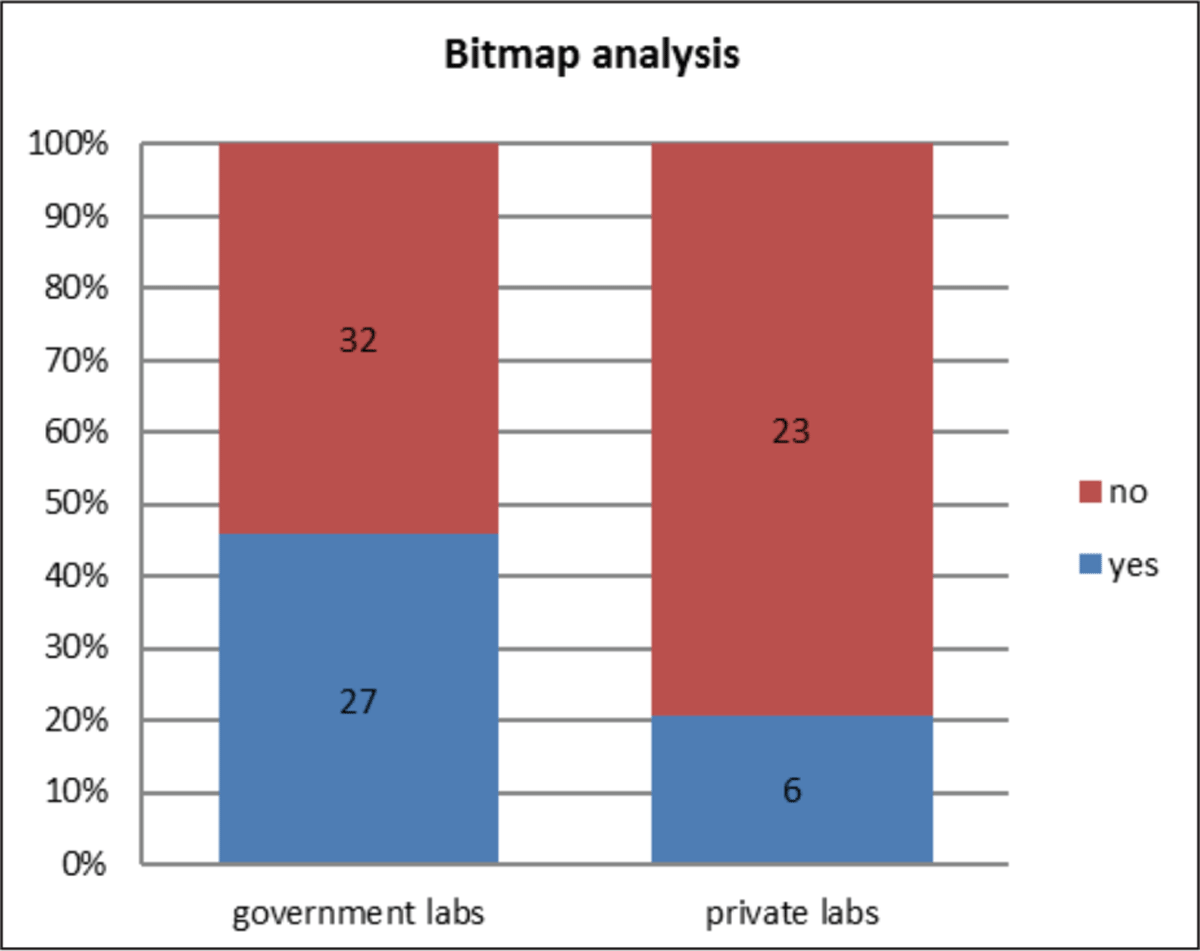
Figure 9.
Distribution of Bitmap analysis between government and private labs
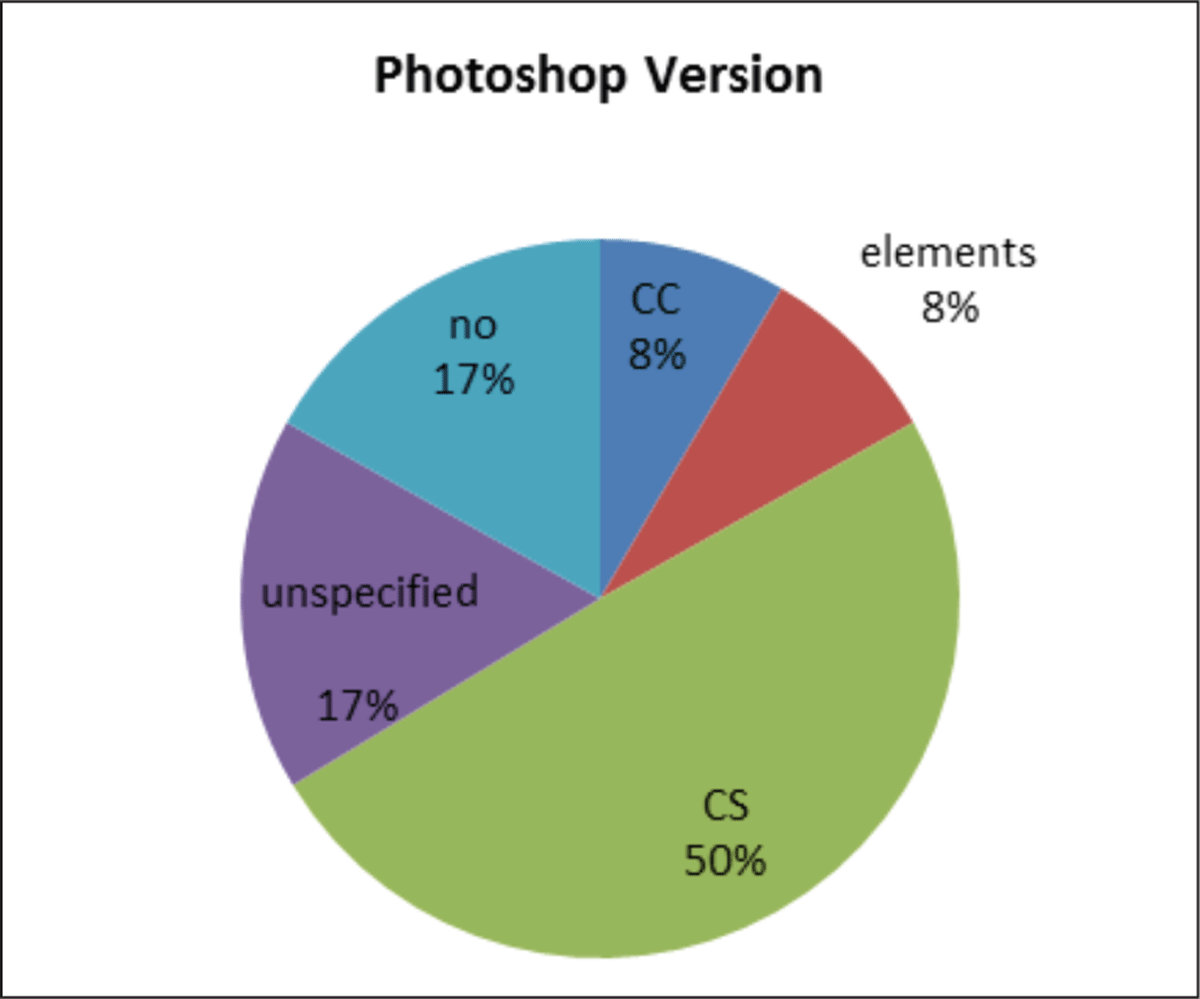
Figure 10.
Overall distribution of Photoshop version.
CC = Creative Cloud
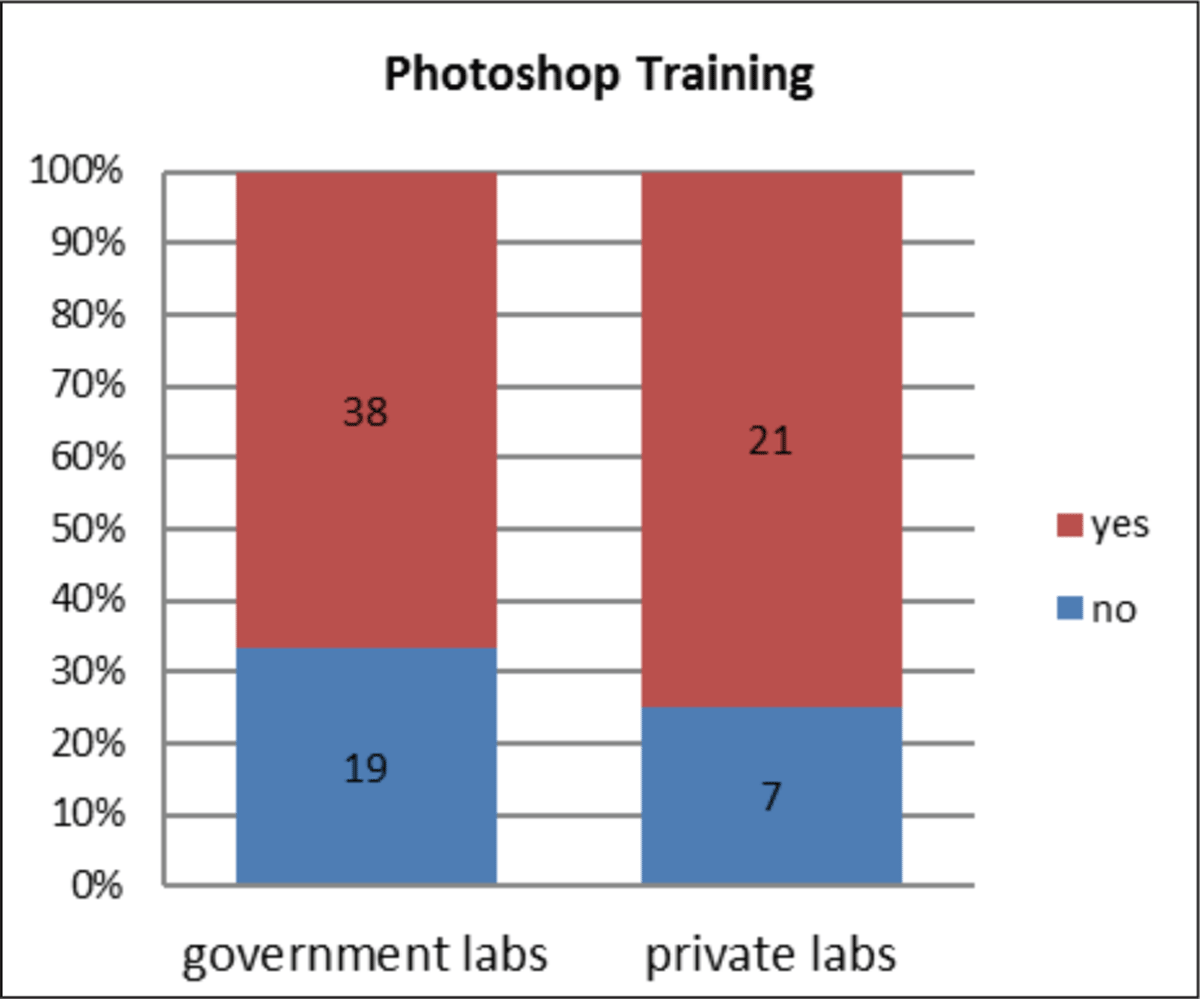
Figure 11.
Distribution of Photoshop training between government and private labs.
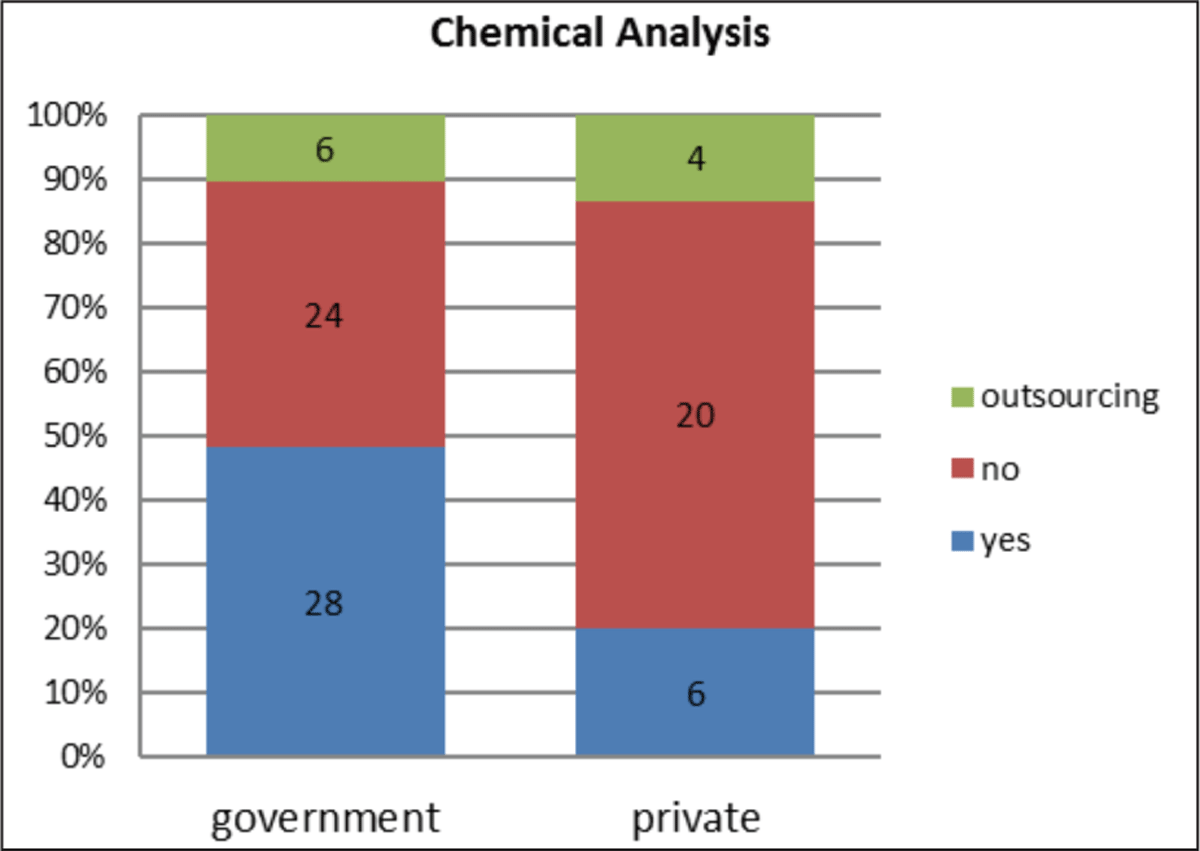
Figure 12.
Distribution of conduction of chemical analysis between government and private labs.
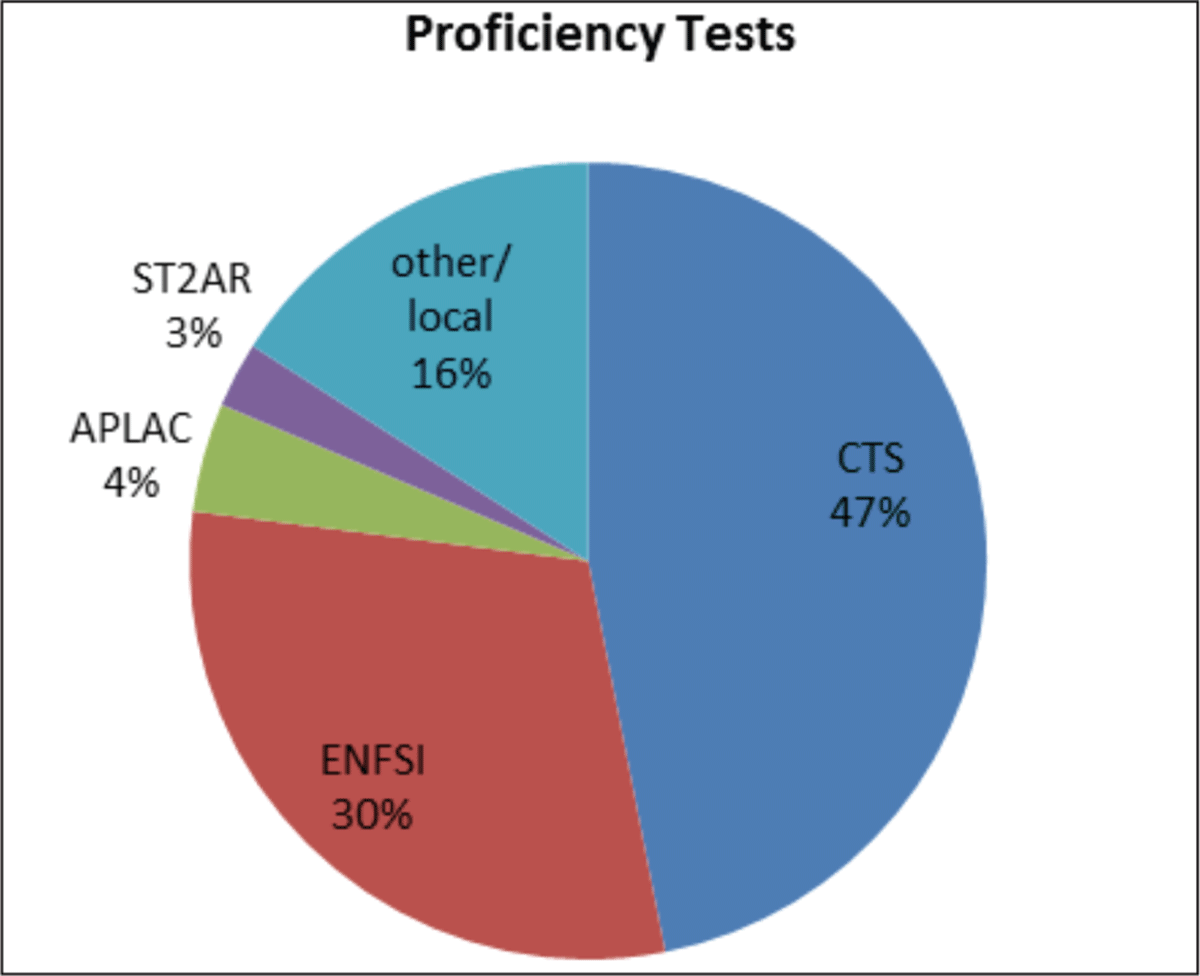
Figure 13.
Overall distribution of proficiency tests.
APLAC = Asia Pacific Laboratory Co-operation
ST2AR = Skill Task Training Assessment & Research Inc.
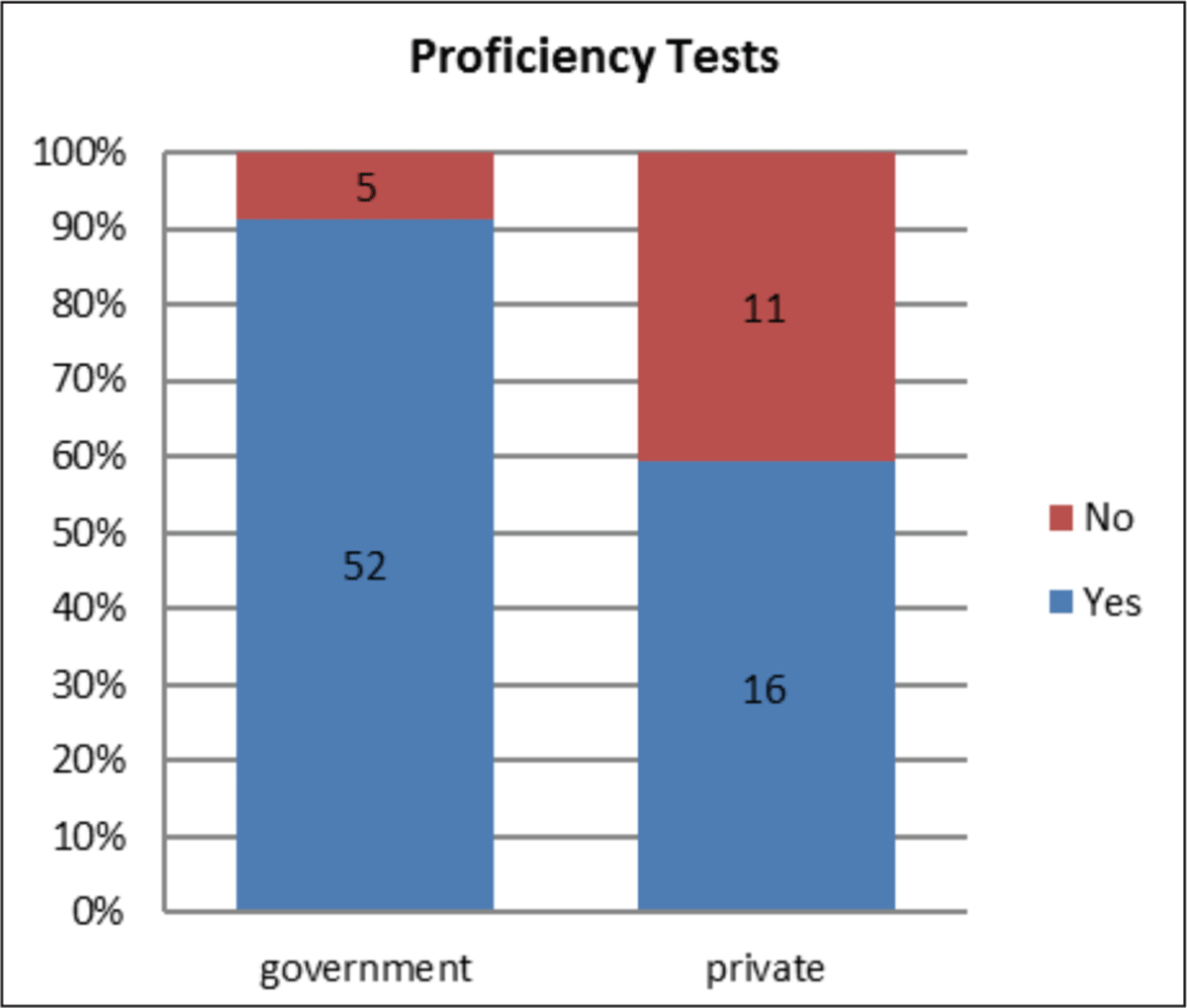
Figure 14.
Distribution of proficiency tests between government and private labs.
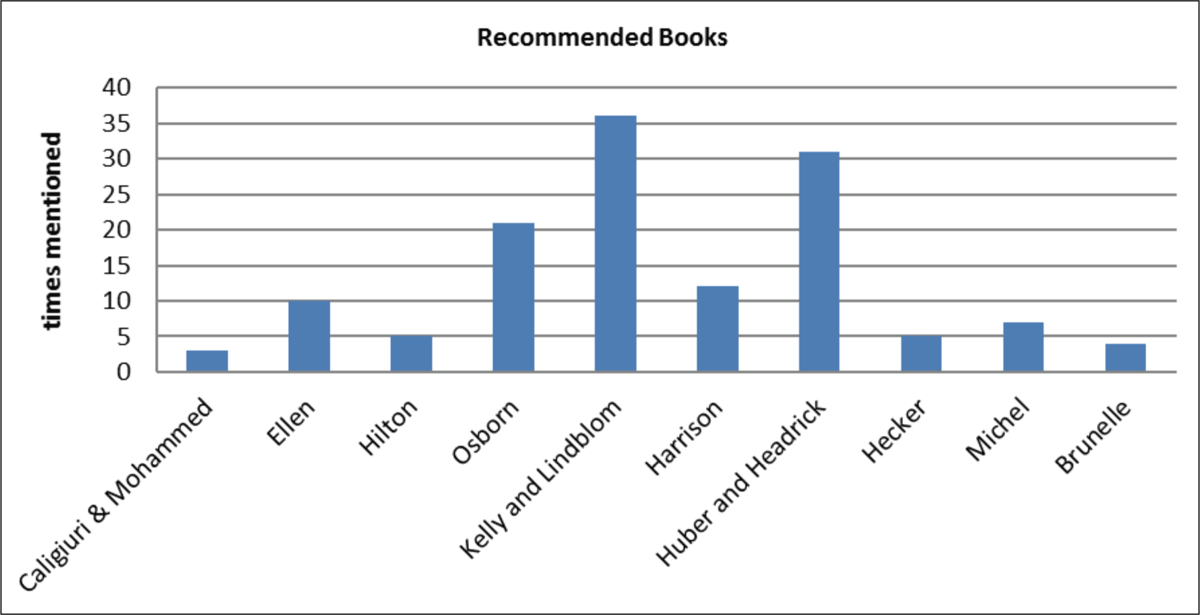
Figure 15.
Overall distribution of recommended books.
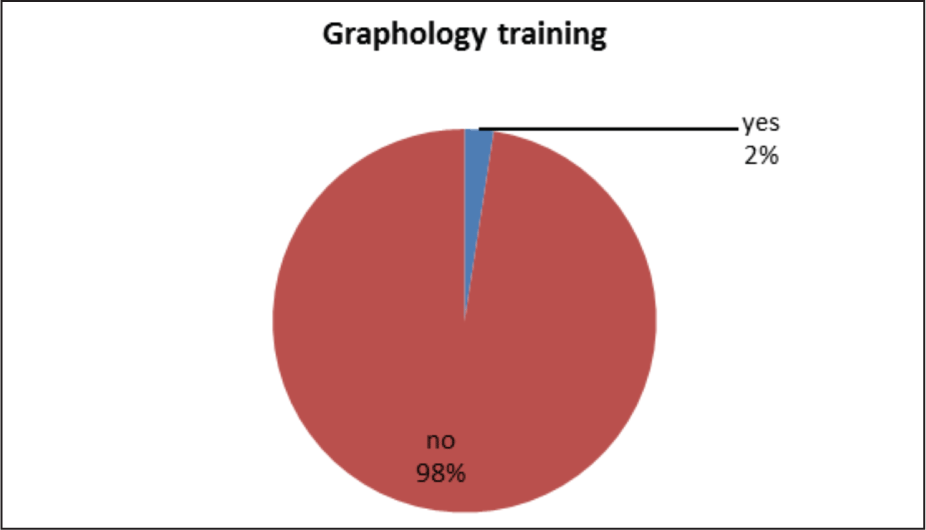
Figure 16.
Overall distribution of required graphology training.