
1. Introduction
Nowadays, the need to provide distance learning is getting more and more imperative. Many kinds of professionals, such as teachers, doctors, lawyers, security executives, cleaners-disinfectors, and farmers, are in constant need of education, post-education and training concerning new subject matters and new data. Formal education is no more considered adequate, while the developments in science and technology have brought about changes in the job sector and demand specialization, new knowledge, and skills, devaluing the gained knowledge at the same time. There is a continuous demand for up-to-date knowledge and professional awareness. Distance learning offers, therefore, an attractive solution to adult learners who have numerous other commitments.
Most recently, the general lockdown due to the Covid-19 pandemic led many institutions to offer a plethora of free programs concerning various educational subjects with free attendance, mainly through the most popular MOOCs platforms (Coursera, Edx, Udacity) (Szmitkowska 2020). The participation in these platforms and courses was extremely high since the participants saw the crisis not only as a learning chance in new sectors but as an opportunity for renewal of their knowledge. According to Impey (2020), the enrolments in Coursera increased by 640% from March to April 2020, whereas those in Udemy rose by 400% from February to March 2020.
The participants attending MOOCs come from various backgrounds and are usually tens of thousands in total. This makes the diagnosis of their characteristics difficult and checks of background impossible (Daniel 2012). The procedure of enrolment in a MOOC is easy, but the procedure of attendance and learning demands that the students be autonomous, responsible, diligent, and able to handle their study time properly (Zimmerman 2000). However, the design of courses should consider the students’ motivation to participate, continue, and complete the course (Lee & Choi 2011). Therefore, the study and comprehension of the students’ motives and of the factors for attending or dropping out are important, not only for the researchers but for the institutions offering e-learning, as well as for the educational policy in general (Christensen et al. 2013).
1.1. Massive open online courses (MOOCs)
Massive open online courses (MOOCs) are online courses from universities and other educational institutions, addressed to everyone without any prerequisite and official enrolment (Daniel 2012; Liyanagunawardena, Adams & Williams 2013; Yuan & Powell 2013), under three preconditions: the existence of a computer or a mobile device, connection to the internet, and computer literacy.
MOOCs provided for free by university institutions do not provide educational credit points to those who have completed the evaluation tests. On the contrary, the certificate participants get indicates that they have completed the course without official recognition (El-Hmoudova 2014). More recently, several MOOCs offer a certified certificate for a specified tuition fee. MOOCs are usually supported technically and educationally by a limited number of persons who cannot interact daily with the participants since the interaction among the students is a necessary constituent trait (Glance, Forsey, & Riley 2013; Kop, Fournier, & Mak 2011; Pappano 2012).
1.2. Characteristics of the participants of a MOOC
MOOCs designers’ rationale and desire are that they are accessible to everyone regardless of their specific characteristics. However, the bibliography review makes it obvious that it does not apply to everybody. Park and Choi (2009), who studied students participating in the University of Midwestern MOOCs, pointed out that the majority are women aged 30–39 and holders of a college degree. Bayeck (2016), in her study on the attendants of a Coursera course, also concluded that most students are women, workers and tertiary education graduates. Gillani and Eynon (2014), in their study of a MOOC provided by the Coursera platform, mention that the participants are young adults aged 25–34, university degree holders and private-sector workers.
Barak, Watted, and Haick (2016) addressed students participating in an English and Arabic MOOC. The majority were men aged 21–35 and graduates of tertiary education. Alario-Hoyos, Estévez-Ayres, Pérez-Sanagustín, Delgado Kloos, and Fernández-Panadero (2017) ended up with equivalent results. They conducted a survey about students who attended a MOOC under the title ‘Introduction to Java Programming’. The enrolled students were mainly men aged 18–29, tertiary education graduates and working people.
1.3. Motivations for choosing and participating in MOOCs
The students’ motivations to choose and participate in MOOCs vary depending on the subject of a MOOC, the students’ backgrounds, and their past experiences. According to Christensen et al. (2013), who have carried out a research study on the Coursera platform, students mention as important stimuli the curiosity and the desire for career prospects, although this depends on their learning subject. Gillani and Eynon (2014) point out that the primary motive of the students was professional advancement; they also mention as motives the contact with other people as well as curiosity and recreation. Kizilcec and Schneider (2015) mention as important stimuli the certificate of completion of the course, social interaction, the relevance of the course with their other studies and their job, the prestige of the professor or the University, curiosity, and recreation.
Bayeck (2016) and Zhang, Bonafini, Lockee, Jablokow, and Hu (2019) show that the main motives for enrolment are ‘their friends got the course’, the professors/instructors, the skills/knowledge they will gain, and the fame of the Institution. Moreover, Alario-Hoyos et al. (2017), in their study on the edX platform, point out as motives the personal challenge, curiosity, interest in the subject and the possible use of the learning material. Roy (2018) notes as motives for enrolment the desire to get professional skills and personal and professional development.
Barak et al. (2016), in their study, mention that students had to evaluate five factors: endogenous stimulus, self-disposal, self-confidence, career, and academic motives, noting that participating in a MOOC satisfies the students’ need for learning as well as their ability to control and regulate their learning procedure. Belanger and Thornton (2013) researched students before and after their study in a MOOC and distinguished the following motives: gaining a deeper understanding of a subject without specific expectations, seeking social experiences, spiritual motivation, recreation, and the convenience of learning adapted to the participants’ individual characteristics.
Loizzo, Ertmer, Watson and Watson (2017) mention as the main motivation for enrolment the personal interest in the subject matter, the acquisition of knowledge, the acquisition of qualifications for their career prospects, and volunteering, as well as the recreation and pleasure they get from their participation in the course. Less developed motivation factors had to do with social interaction and competitiveness.
1.4. Factors that enhance the completion or lead to dropping out from MOOCs
The factors that enhance the participation and commitment of students in a MOOC are related both to the students themselves as well as to the institution implementing the course (Albelbisi, Yusop & Salleh 2018).
The bibliography review showed as important factors of completing a MOOC, the professor/instructor and the quality of his/her teaching (Adamopoulos 2013; Fianu et al. 2018), the prestige of the educational institution (Hakami 2018; Li 2015; Zhang et al. 2019), and the uniqueness and practical interest in the content of the course, including the assignments and the discussion forum (Adamopoulos 2013; Hone & El Said 2016; Liu et al. 2014). Equally important factors are the relevance of the course with the academic field of the participants, its coherence with their work/professional advancement, the enhancement of the student’s CV, the prospect of its future use (Fianu et al. 2018), the students’ personal interests (Li 2015; Liu et al. 2014), their intention to complete the course (Zhang et al. 2019) and the acquisition of a certificate (Hakami 2018). Zhang et al. (2019) add, as an important factor for completing the course, the participants’ age, with older students having more higher probability to complete it.
The most important factor leading to the dropping out from a MOOC seems to be the lack of time to meet the demands of the course. Other factors are the difficulties faced regarding the content of the course, the demands of the course, and, generally, the pressure of workload (Abdel-Maksoud 2019; Adamopoulos 2013; Aragon & Johnson 2008; Liu et al. 2014; Park & Choi 2009; Roy 2018; Zheng et al. 2015). Equally important factors are the lack of communication with the instructor and the other participants, the non-existing social connection with the rest of the students, the lack of pressure for the completion of the course, isolation and seclusion during students’ effort, lack of praise and incitement, lack of motivation for team discussion and exchange of ideas by their instructors, and lack of help and feedback from their family or/and the educational institution (Abdel-Maksoud 2019; Aragon & Johnson 2008; Hone & El Said 2016; Park & Choi 2009; Zheng et al. 2015).
Other factors of dropping out from a MOOC that are referred to in the literature include the lack of familiarization with the internet and the various technical access issues faced by the students (Abdel-Maksoud 2019; Aragon & Johnson 2008; Fianu et al. 2018; Liu, et al. 2014), the financial problems, and general difficulties that students come across (Adamopoulos, 2013; Park & Choi 2009). Other dropout factors mentioned in the literature are the lack of previous knowledge, the fact that long time students had to wait for the beginning of the course (Zheng et al. 2015), or the fact that the course did not meet their initial expectations (Roy 2018). Finally, the duration of the course (Adamopoulos 2013), the non-certified certificates (Abdel-Maksoud 2019), the difficulty in understanding the educational material, the difficult content, and the lack of interest in the subject (Hone & El Said 2016; Liu et al. 2014). Park and Choi (2009) support that when the participants are satisfied with the subject and its relevance to their work and life, they are less prone to drop out from the course.
1.5. Contribution of the present work
There are very limited studies on MOOCs in Greece, as Greek platforms are few and relatively recent (Mathesis, Coursity, Opencourses), although they already have thousands of students enrolled. The present survey study aims to investigate the characteristics of the students who choose to attend MOOCs in the Mathesis platform, the motives for their participation in the courses, and the factors that enhance retention or lead to dropout from the course. Moreover, it examines the relationship between the students’ characteristics and their motivation for participation, completion or dropping out from a MOOC. Beyond the fact that these issues have not been examined in Greek educational platforms/MOOCs before, an additional novelty of the present study is that it examines the correlation between the motives for participation and the main factors affecting a MOOC’s completion.
Motives to enroll in a MOOC can be numerous and diverse, as participants have heterogeneous characteristics. Studying them can provide insight into learners’ behaviours, which in turn can contribute to the better design of MOOCs. The results of this study could, therefore, assist the various educational institutions offering MOOCs to adapt the courses that they offer in order to improve their effectiveness, increase student satisfaction and, therefore, increase student retention and reduce dropout rates.
2. Methodology
2.1. Survey questions
The research questions are the following:
What are the characteristics of students who are enrolled in a MOOC?
What are the incentives of the students enrolling in a MOOC?
What are the factors enhancing or restricting the level of participation of students in the MOOC courses?
How do the students evaluate the tools and the design of the MOOC course?
How are the motives of choosing a MOOC related to retention and completion of the MOOC?
2.2. Participants
The present study aims to investigate the participants of Massive, Open, Online Courses offered by Greek educational platforms (population). The survey sample in question is the participants in the courses of the Mathesis platform. This specific platform was chosen because it offers courses covering various cognitive subjects at an introductory level, such as history, philosophy, mathematics, physics, drama, and computer science, and it includes more than 75,000 registered students. A convenience sampling method was applied, taking into account the characteristics and availability of the target population. A total of 145 valid questionnaires were collected from participants of the Mathesis platform.
2.3. Data tool and procedure of data collection
For this specific study, the quantitative approach was chosen, particularly the sample survey, since it allows answers to specific questions (Creswell 2011). In the framework of this study, the data collection tool used was the questionnaire since it allows immediate, anonymous data collection from respondents who keep their distance from the researcher.
The specific tool used is the questionnaire developed and weighed by Roy (2018) in the framework of his Master’s thesis in the University of Twente on ‘Massive open online courses among Bengali-speaking people: participation patterns, motivations, and challenges about data analysis’.
Roy’s (2018) questionnaire included six sections. The Cronbach’s alpha for the section on willingness and interest was 0.838, and for the sections on course quality and course completion it was 0.916 and 0.944 respectively. The Cronbach’s alpha for the module on course completion success was 0.912, for success motivation was 0.858 and for non-completion it was 0.930. Therefore, the instrument for each individual module was highly reliable for measuring the parameters related to the research questions.
The questionnaire of Roy (2018) was based on two previous questionnaires developed by Rieber (2017) and de Barba et al. (2016). Questions related to demographics and participation patterns were taken from Rieber’s (2017) questionnaire, while questions related to participation motivation and course completion were drawn from de Barba et al. (2016). The de Barba et al. (2016) questionnaire had an internal consistency reliability coefficient (Cronbach’s α) of 0.85.
The reliability of this instrument as applied by Roy was high, as well as its validity, in the sense that ‘the individual principles are meaningful and enable us to reach correct conclusions’ (Creswell, 2011, p. 197). The questionnaire was translated into Greek, and some questions were rephrased to match Greek reality and language. The questionnaire was given to two experts in order to test their understanding of the questions in the Greek language, but also for the backward translation to English to evaluate the accuracy of the translation.
The questionnaire was created in a Google drive form and was delivered to Mathesis students through the platform administrators by posting it on the Facebook social network page. Participants responded to it electronically and the responses were automatically recorded through the Google drive form.
The final version of the questionnaire consisted of four sections. The first section included questions concerning demographic elements, expectations from the course and self-evaluation questions about previous knowledge of the subject matter and the students’ progress. The second section examined the incentives of participation and the students’ opinions on online course quality. These two sections are common for everyone and have 16 questions, 13 of which are closed questions and 3 open questions. There are two additional sections: one addressed students who completed the course, and the other focused on those who dropped out, examining the factors contributing to course completion or withdrawal as well as the evaluation of course design. The last two sections include two open-ended questions. The closed questions are evaluated according to the seven-point Likert scale.
The first contact with the Mathesis platform managers took place on 18 December 2019 by sending an email inquiring if they would be in agreement for the students enrolled in the platform to participate in the survey. Their positive response came immediately, on the same day, with a request that they (the managers of the platform) distribute the questionnaire, due to the protection of personal data. They also requested for a research protocol and a letter from the supervising professor of this study. In response, a formal letter was sent on 17 January 2020 from the supervisor of the project in which the scope of the research and the research protocol were presented. Overall, the study follows the principles of the Helsinki Declaration.
The final questionnaire was sent to the platform managers on 11 February 2020. The questionnaire was in digital format and the link was posted by the platform managers on the same day at their social media page. The questionnaire was available online for several weeks, allowing participants to respond voluntarily.
2.4. Data analysis
After completing the questionnaire, the data were coded and analyzed according to the IBM SPSS Statistics 25. For the quantitative data, descriptive statistics were used, such as frequencies, average prices, mean, standard deviation. Where the dependent variable was bisected, and the independent variables were nominal or group, a cross-tabulation was used to define the relation of course completion to demographic characteristics. Independence ×2 tests, t-test, Pearson R, Anova, Bonferroni were used to examine the correlation among variables.
3. Results and Discussion
The Cronbach index of internal consistency (α) in the present research was: a) 0.867 regarding the section of participation motives, b) 0.843 regarding the section of the quality of learning tools, c) 0.911 regarding the section related to factors that helped the students complete their course, and d) 0.639 regarding the section related to the evaluation of the course design.
3.1. Participants’ characteristics
A total of 145 learners participated in the study. Table 1 presents the demographic characteristics of the participants. Most of them were women (66.2%) and higher education graduates (84.8%). The largest age group was 45–54 years old (30.3%), followed by 55–64 (22.8%) and 35–44 (20.7%). Regarding employment status, the majority were employed (54.5%), while 24.1% were retirees, 13.8% were unemployed, and 5.5% were students.
Table 1
Demographic characteristics of participants (N = 145).
| CHARACTERISTIC | CATEGORY | % |
|---|---|---|
| Gender | Women | 66.2 |
| Men | 33.8 | |
| Age | <34 | 13.8 |
| 35–44 | 20.7 | |
| 45–54 | 30.3 | |
| 55–64 | 22.8 | |
| 65+ | 12.4 | |
| Education | Higher education | 84.8 |
| Other | 15.2 | |
| Employment | Employed | 54.5 |
| Student | 5.5 | |
| Retired | 24.1 | |
| Unemployed | 13.8 | |
| Other | 2.1 |
Participants enrolled in a variety of MOOCs offered on the Mathesis platform. Table 2 summarises the distribution of courses attended and the mean duration of each course. The majority of participants (51.7%) chose theoretical courses related to history, followed by courses in philosophy (15.2%), physics (11.7%), computer science (7.6%), and theatre (6.9%). A small percentage (6.9%) attended other courses, including mathematics, data protection, and linguistics. The courses had a mean duration of 34.4 hours, ranging from 20 to 45 hours.
Table 2
Courses attended by participants and mean duration (N = 145).
| COURSE CATEGORY | NUMBER OF PARTICIPANTS | % OF PARTICIPANTS | MEAN DURATION (HOURS) |
|---|---|---|---|
| History | 75 | 51.7 | 34.4 |
| Philosophy | 22 | 15.2 | 34.4 |
| Physics | 17 | 11.7 | 34.4 |
| Computer Science | 11 | 7.6 | 34.4 |
| Theatre | 10 | 6.9 | 34.4 |
| Other (Mathematics, Data Protection, Linguistics) | 10 | 6.9 | 34.4 |
| Total | 145 | 100.0 | — |
3.2. Relation between the demographic characteristics and the completion of the course
Of the total 145 participants, 110 learners (75.9%) successfully completed the course and received a certificate, whereas 35 learners (24.1%) dropped out before completion (Table 3). This distribution provided the basis for further analysis of the relationship between demographic characteristics and course completion.
Table 3
Course completion and dropout among participants.
| STATUS | NUMBER OF PARTICIPANTS | % |
|---|---|---|
| Completed | 110 | 75.9% |
| Dropped out | 35 | 24.1% |
The analysis revealed a statistically significant positive relationship between educational level and course completion, with tertiary education graduates being more likely to successfully complete the course (Table 4). This finding aligns with previous research by Park and Choi (2009) and Gillani and Eynon (2014).
Table 4
Chi-square test of independence: Educational level and course completion (Values in parentheses represent expected frequencies).
| EDUCATIONAL LEVEL | DID YOU COMPLETE THE COURSE – RECEIVE THE CERTIFICATE? | TOTAL | |
|---|---|---|---|
| Yes | No | ||
| Secondary education | 19 (16.7) | 3 (5.3) | 22 |
| Tertiary education | 55 (51.6) | 13 (16.4) | 68 |
| Postgraduate studies | 33 (34.9) | 13 (11.1) | 46 |
| Doctoral studies | 3 (6.8) | 6 (2.2) | 9 |
| Total | 110 | 35 | 145 |
3.3. Motivation for choosing and participating in a MOOC
The mean of the total motivation was M = 5.60, SD = 1.02. Given that the scale was a seven-pointed one, the average score shows a high level of stimulation. The important motives for participation and attendance for all participants are according to their choices, the desire for knowledge on their learning subject (with 93.1% of participants responding positively), their enthusiasm for the course (89.7%), the connection of the content of the course with personal meaning (84.2%), the educational material which helped them answer their questions (82.2%), and the excellent use of their study time (80.7%). The results are consistent with those of Kizilcec and Schneider (2015), where the general interest in the subject, the desire for personal development and broadening of knowledge and the professional and personal reference are shown as significant stimuli. Belanger and Thornton (2013) and Zheng et al. (2015) also concluded that significant stimuli are the deeper understanding of the subject and the pursuit of knowledge, while Loizzo et al. (2017) noted as stimuli the interest in learning the subject and the acquisition of knowledge, especially in relation to professional development.
The students who completed the course are generally more motivated, with the average motivation score being higher than the students who dropped out from it: t(143) = 2.867, p = 0.005 (Figure 1). The Cohen’s d was 0.567709; therefore, the effect was large (Table 5).
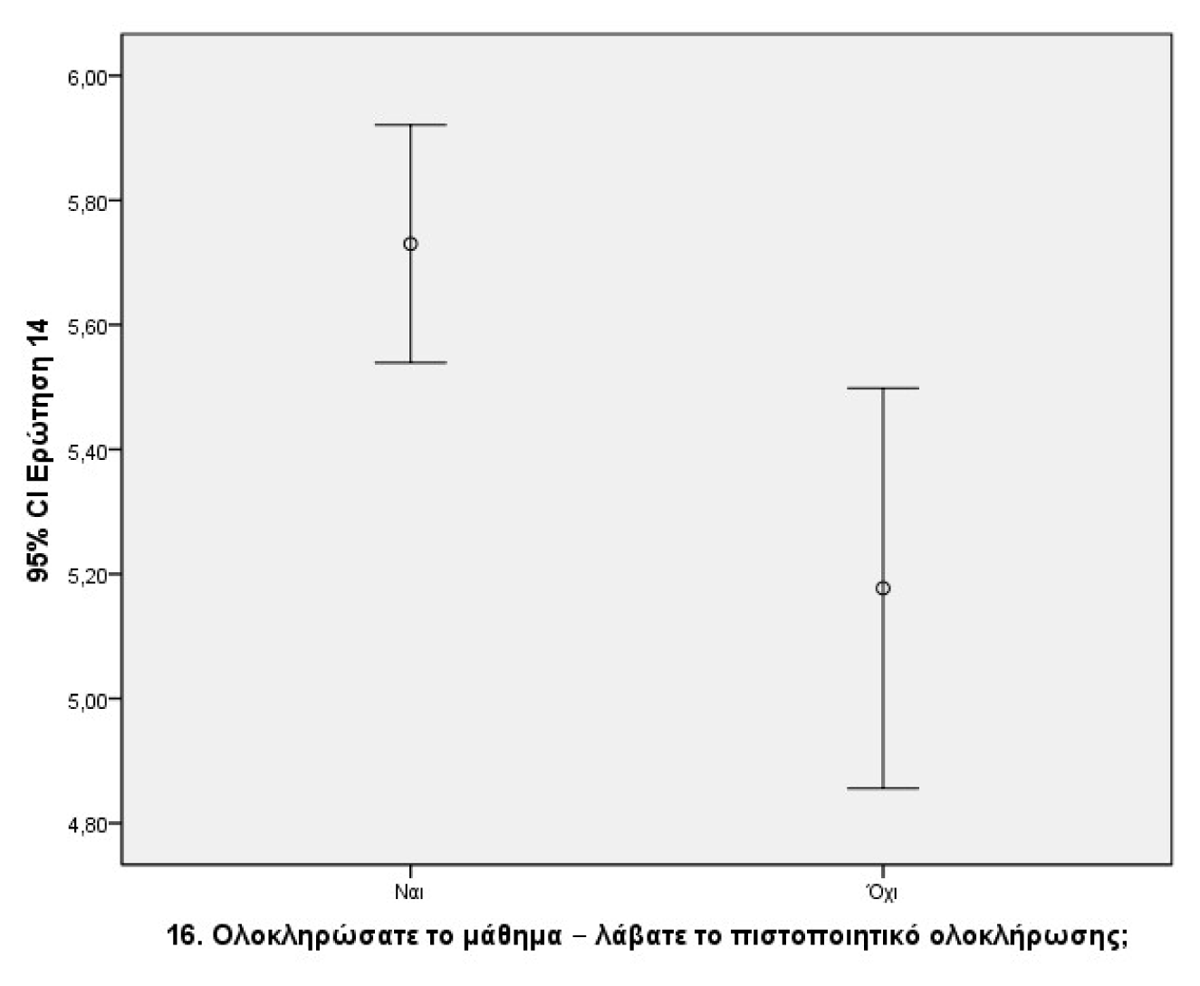
Figure 1
Motivation Factors for participation – Completion.
Table 5
Control t – Motivation Factors – Completion.
| GROUP STATISTICS | |||||
|---|---|---|---|---|---|
| 16. DID YOU COMPLETE THE COURSE; | N | MEAN | STD. DEVIATION | STD. ERROR MEAN | |
| Motives of participation | Yes | 110 | 5.73 | 1.01136 | 0.09643 |
| No | 35 | 5.1771 | 0.93497 | 0.15804 | |
Responses also highlighted as important factors the fact that they studied the videos and the notes of their courses to identify important elements, the fact that they tried to answer the course questions and to define the problematic meanings which they did not understand, as well as the fact that they had chosen a particular study area. The results of Barak et al. (2016) also showed that the students who completed the course had confidence in their skills and abilities to study and complete it.
The t test for independent samples was used to investigate interspecific differences on this scale. No statistically significant differences [t(143) = –0.470, p = 0.639] appeared between males M = 5.54, SD = 1.01 and females M = 5.63, SD = 1.03. The Cohen’s d was 0.088231; therefore, the effect was small (Figure 2).
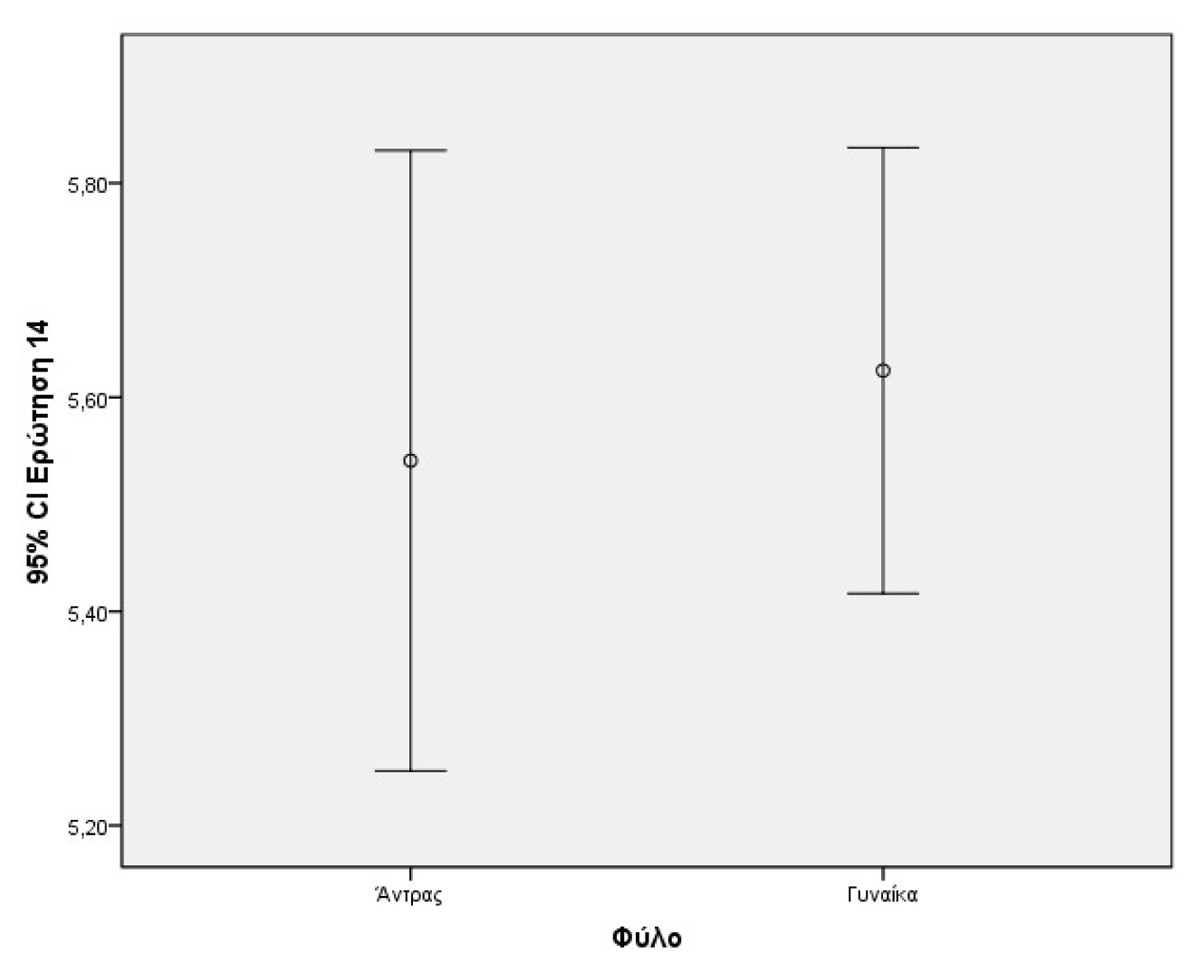
Figure 2
Motivation Factors for participation – Gender.
ANOVA was used to investigate the differences between the age groups on this scale. No statistically significant differences were found [F(5,139) = 0.886, p = 0.492] (Figure 3).
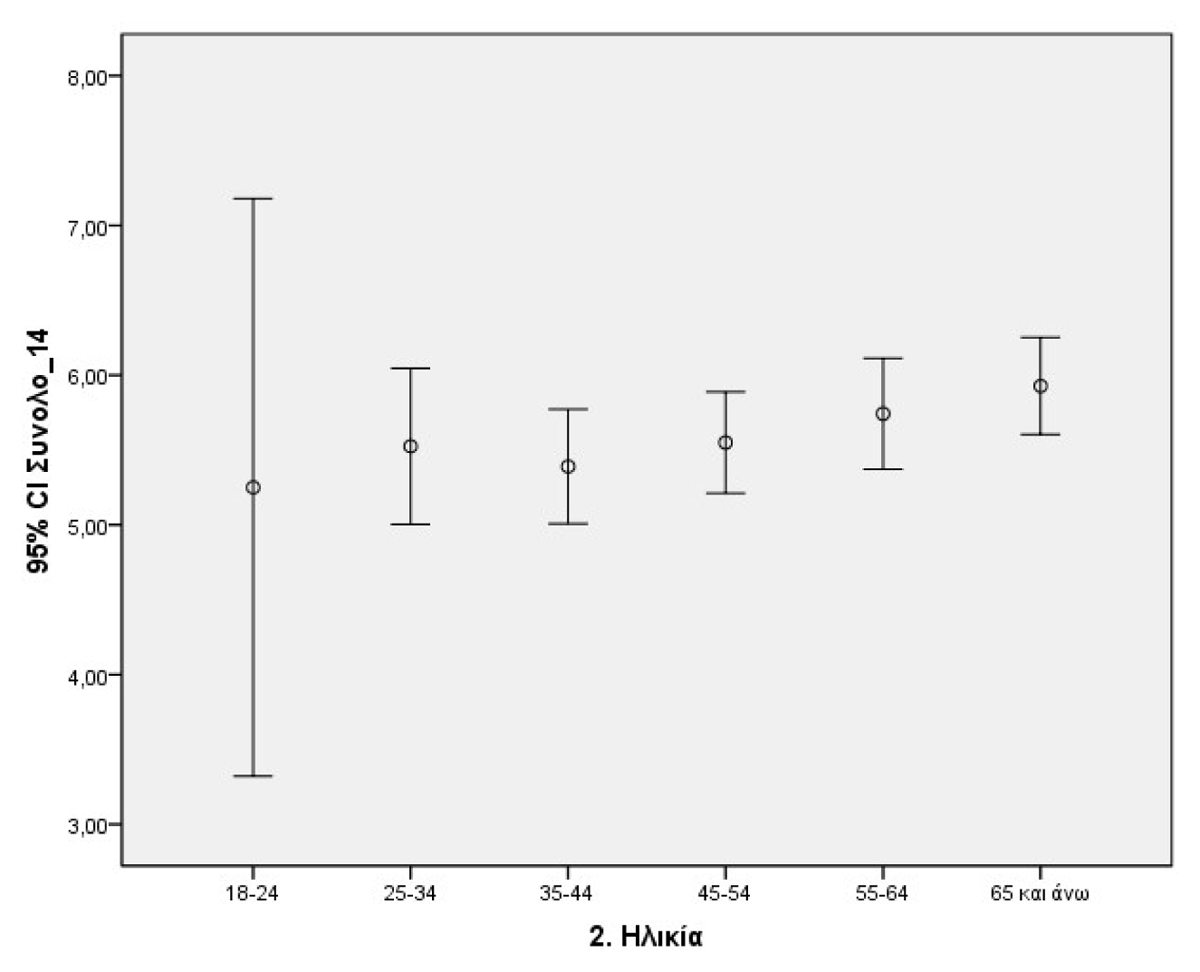
Figure 3
Motivation Factors for participation – Age groups.
The same test was used to investigate differences between educational profiles. No statistically significant differences were found [F(3, 141) = 1.820, p = 0.146] (Figure 4).
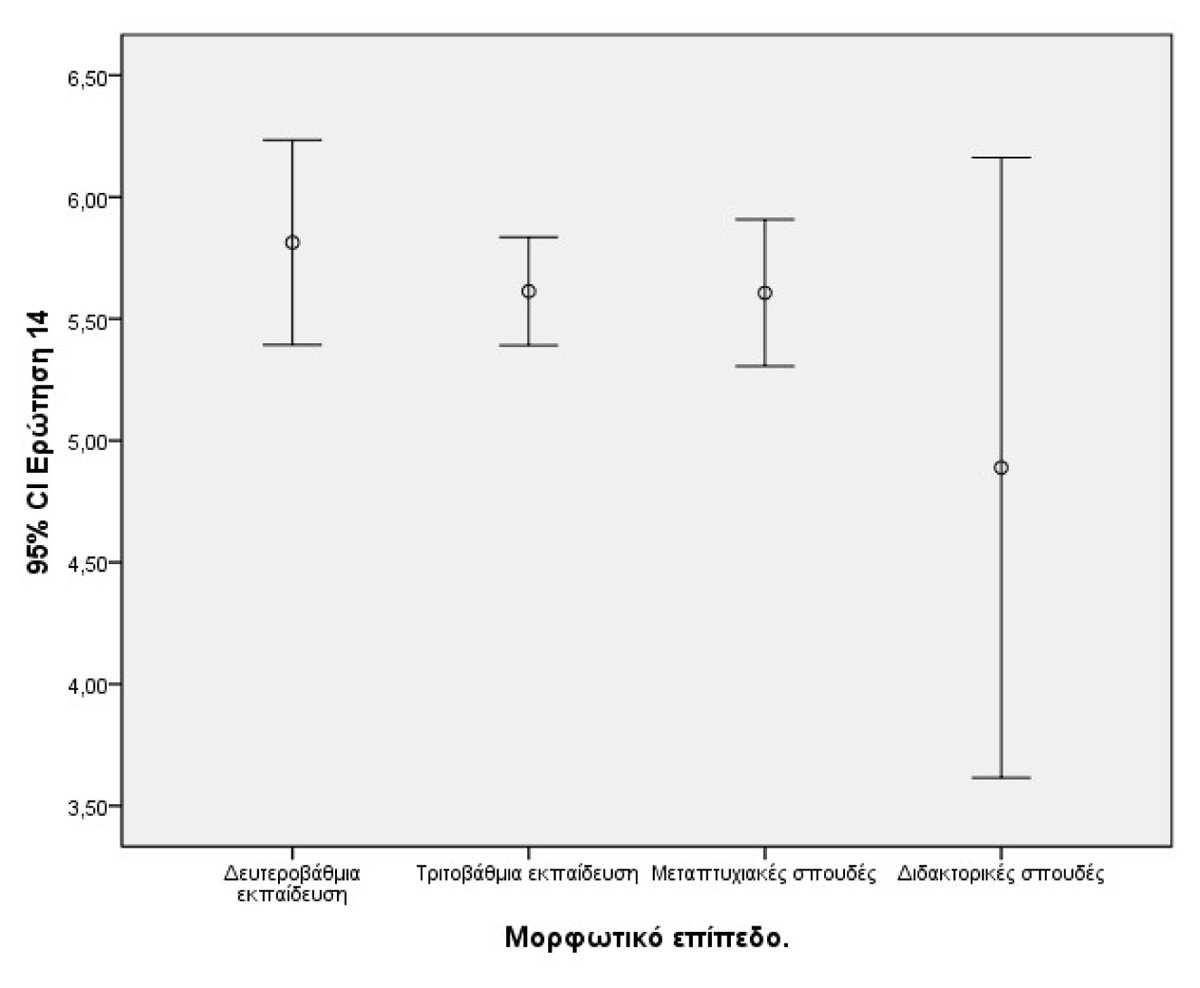
Figure 4
Motivation Factors for participation – Educational level.
3.4. Factors influencing the completion of a MOOC
This section presents results from questions answered only by the participants who completed the MOOC (110 individuals). The mean score of the degree of satisfaction with the factors that influenced course completion was M = 6.24, SD = 0.82. Given that it was a 7-point scale, the average value shows that participants who completed the MOOC achieved high scores regarding these factors. The t test for independent samples was used to investigate interspecific differences on this scale. No statistically significant differences [t(108) = –0.639, p = 0.490] appeared between males M = 6.16, SD = 0.75 and females M = 6.28, SD = 0.85. The Cohen’s d was 0.149708; therefore, the effect was small (Figure 5).
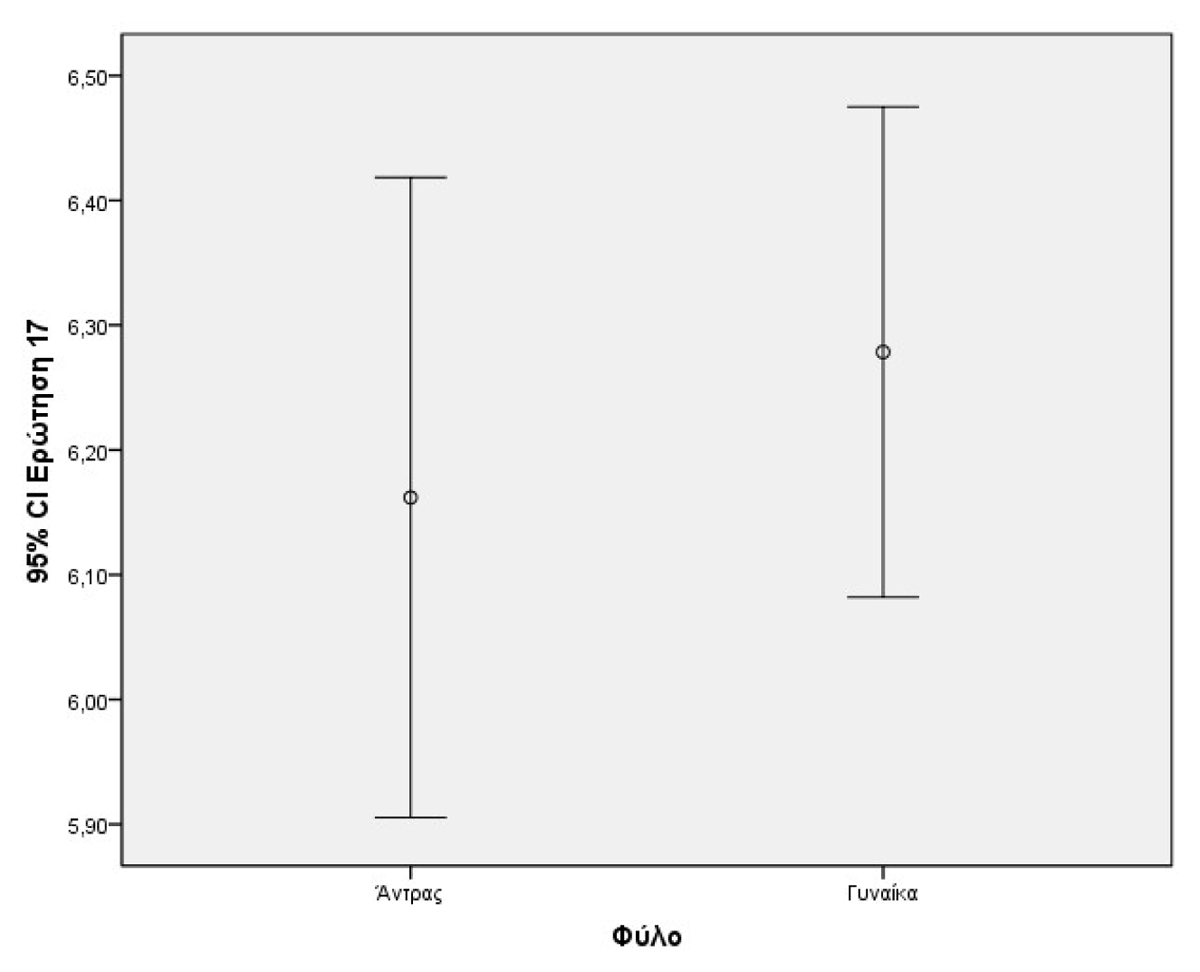
Figure 5
Completion factors – Gender.
ANOVA test was used to investigate the differences between age groups on this scale. No statistically significant differences were found [F(5, 104) = 0.598, p = 0.701] (Figure 6).
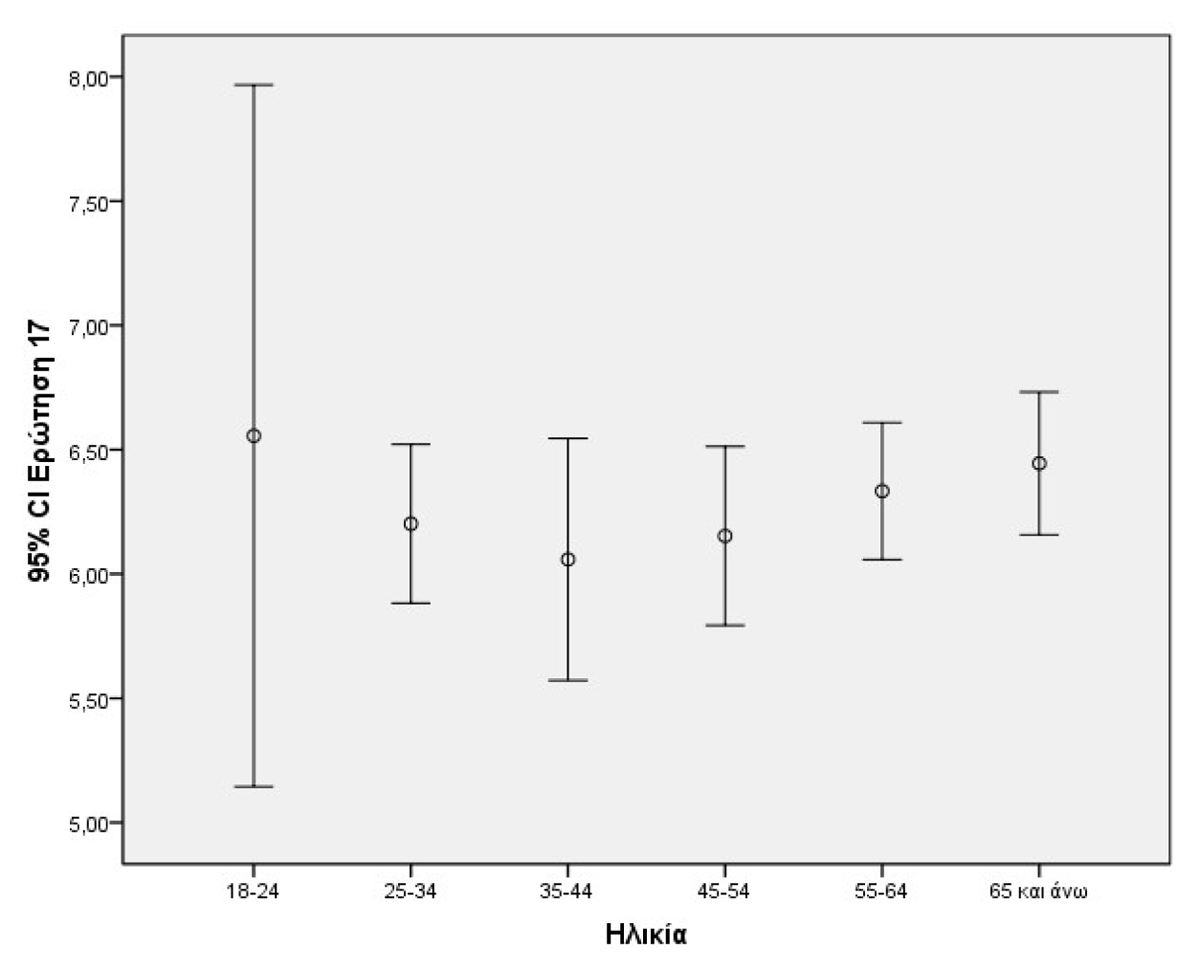
Figure 6
Completion factors – Age.
The same test was used to investigate the differences between educational profiles with respect to this scale. No statistically significant differences were found [F(3, 106) = 1.945, p = 0.127] (Figure 7).
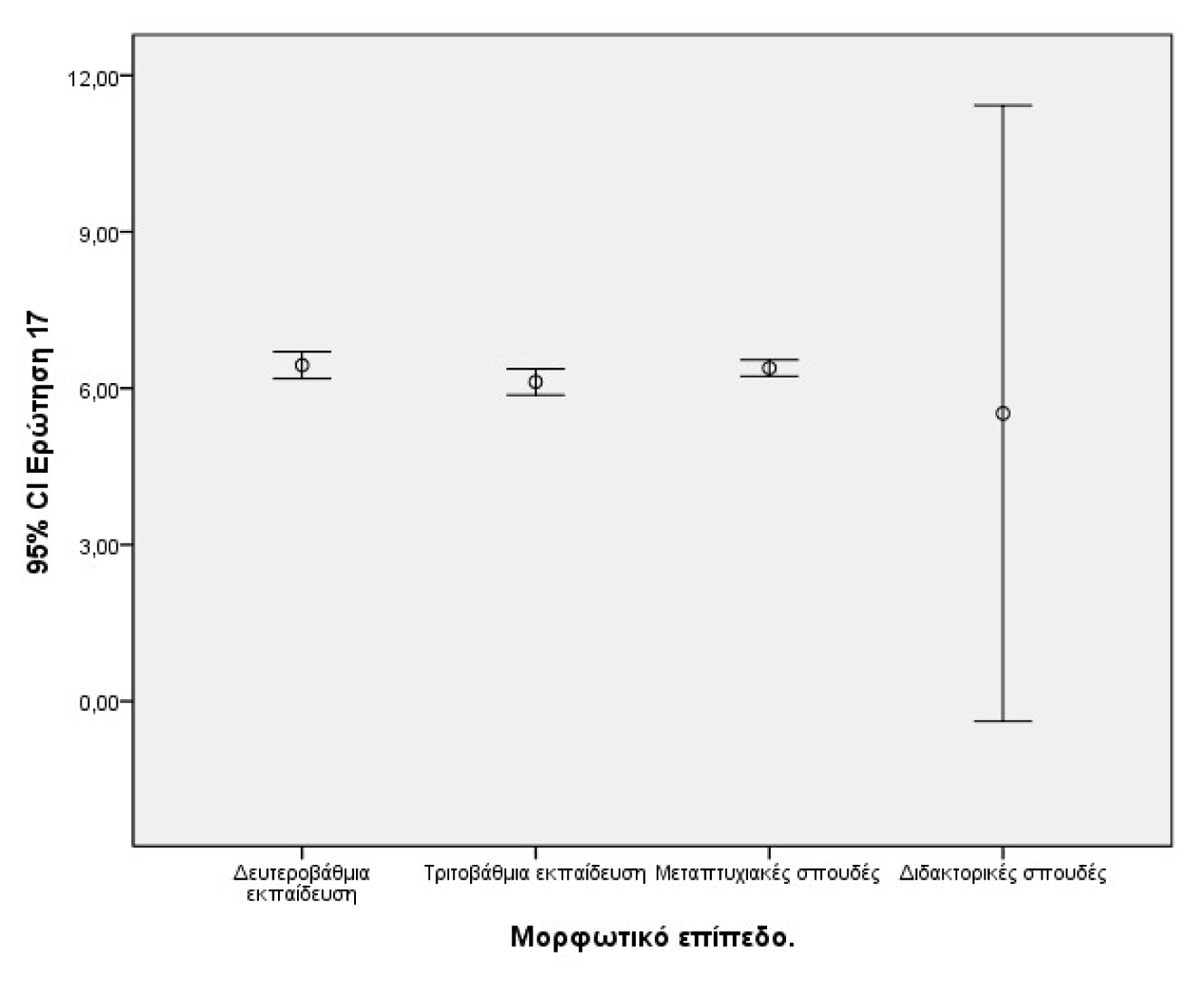
Figure 7
Completion factors – Educational level
The instructor’s personality and knowledge were the most important factors influencing the completion of a MOOC for the respondents; they were positively charged by 97.3% (M = 6.71, SD = 0.758). Adamopoulos (2013) also found that the instructor is one of the most important factors helping students complete the course, while Fianu et al. (2018) highlighted the importance of the quality of teaching.
Two more factors where the students responded positively are related to the course meeting the students’ expectations (M = 6.49, SD = 0.865) and that it made them think and learn (M = 6.32, SD = 1.004) (96.4% positive responses). Liu et al. (2014) agree with the results above, adding the personal interest for individual and professional development as an important factor for retention. Hone and El Said (2016) also mention the interesting content of the course as an equally important factor for the retention in a MOOC.
The factor of the organization of the course (M = 6.38, SD = 0.846) had many positive responses (96.3%), also showing the positive attitude towards the educational institution which implemented the course. Moreover, the respondents considered positively the use of exercises and activities (95.4%, M = 6.28, SD = 0.847) and their direct connection (94.6%, M = 6.31, SD = 0.865) with the targets of the course. The fame of the educational institution as an important factor of keeping the students in a MOOC is mentioned in the studies of Hakami (2018) and Li (2015). The organization of the course and the usefulness of the educational material and activities were highlighted as factors supporting the completion of a program (Adamopoulos 2013; Liu et al. 2014).
3.5. Factors for dropping out from a MOOC
This section presents results from questions answered only by the participants who did not complete the MOOC (35 individuals). The results revealed the reasons for dropping out from a course, with the main one being the lack of time (37.9%), which was also identified as the most important reason for dropout in other studies (Abdel-Maksoud 2019; Aragon & Johnson 2008; Liu et al. 2014; Park & Choi 2009; Roy 2018; Zheng et al. 2015).
Another reason was the duration of the course (33.0%): some respondents thought that the course was too short (17.4%), resulting in a more concentrated and demanding study in a shorter period, while other respondents considered that the course was very long (15.6%), therefore interfering with their other commitments. This may look controversial initially, but it clearly shows the relation between the requirements and obligations of the course and the limited time that participants have available for studying. The course duration is mentioned by Adamopoulos (2013) as a reason for dropping out, along with the workload and the personal difficulties that students face. Roy (2018) also identified the above reasons for dropping out, together with the demands of the course.
Other reasons for dropping out are related to the fact that some participants did not aim to complete the course from the beginning (12.1%) as well as to the cost of the certificate (13.8%). The first reason may be connected to the fact that the certificate did not have any official recognition, and therefore there was no motivation to attend the final test except for the desire to study the material and acquire knowledge. Concerning the second reason, even though the cost for the certificate is low (20 euro), the fact that it is not recognized in any way makes it an unnecessary expense for some people. These reasons were not found in other studies, maybe also because some MOOCs do not charge for the certificate or do not provide any certificate.
An important factor influencing the dropping out from a MOOC was the lack of communication, support, and interaction with the instructor. It was mentioned that the instructor was neither open to questions nor students’ comments. The results of Aragon and Johnson (2008) and Hone and El Said (2016) agree with the above indication, noting that the participants feel lonely. Zheng et al. (2015) and Park and Choi (2009) mention the lack of support from the educational institution as a factor related to dropout.
3.6. Evaluation of quality of course tools and design of the course
The degree of satisfaction of participants with the quality of the course tools was positive (M = 4.93, SD = 1.07). To investigate the relationships between those who did or did not complete the MOOCs in terms of the course tool quality scale, the t test for independent samples was used. No statistically significant differences appeared [t(143) = 0.271, p = 0.787] between those who completed and those who dropped out of the MOOCs (Table 6). The Cohen’s d was 0.005365; therefore, the effect was small (Figure 8).
Table 6
Control t – Course tool quality – State of completion.
| GROUP STATISTICS | |||||
|---|---|---|---|---|---|
| 16. HAVE YOU COMPLETED THE COURSE – RECEIVED YOUR CERTIFICATE OF COMPLETION? | N | MEAN | STD. DEVIATION | STD. ERROR MEAN | |
| Quality of course tools | Yes | 110 | 4,9424 | 1,09641 | 0,10454 |
| No | 35 | 4,8857 | 1,01567 | 0,17168 | |
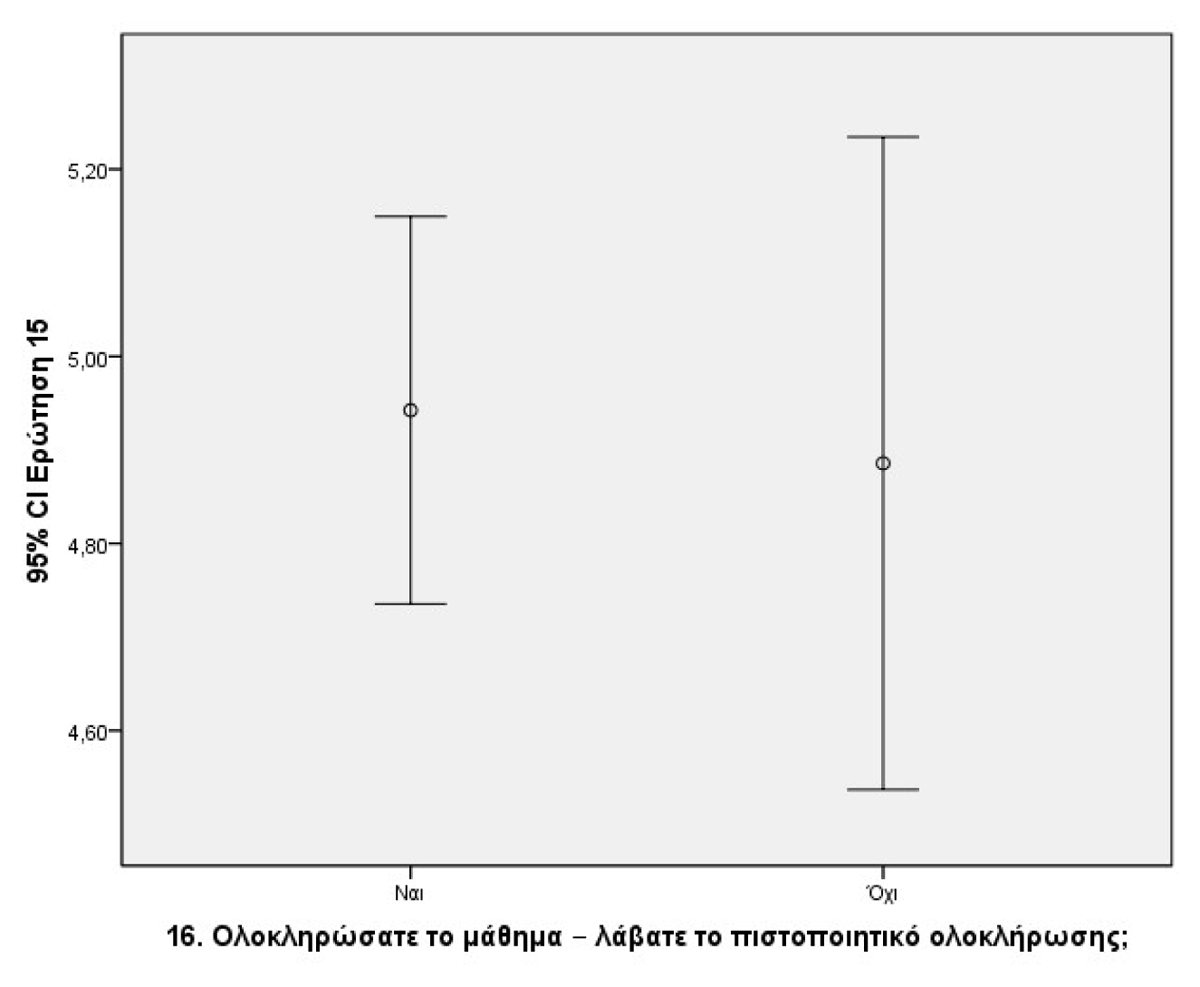
Figure 8
Course tool quality – State of completion.
The t test was used to investigate transgender differences on this scale. No statistically significant differences [t(143) = –0.225, p = 0.822] appeared between males M = 4.96, SD = 1 and females M = 4.91, SD = 1.11 (Figure 9).
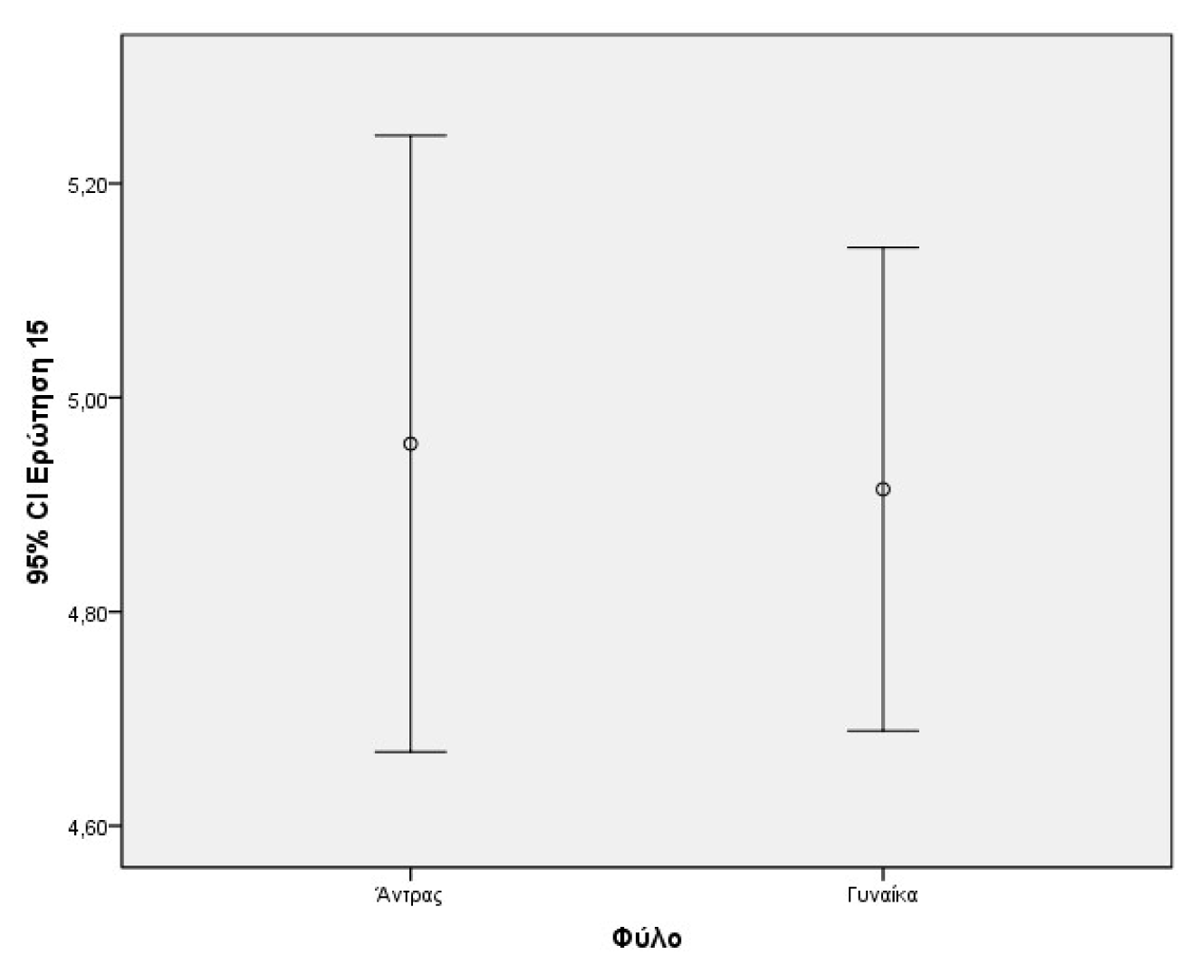
Figure 9
Course tool quality – Gender.
ANOVA was used to investigate the differences between ages on this scale (Table 7). No statistically significant differences were found [F(5, 139) = 0.744, p = 0.592] (Figure 10).
Table 7
ANOVA Test – Course tool quality – Age.
| N | M | SD | |
|---|---|---|---|
| 18–24 | 4 | 5.0278 | 0.68117 |
| 25–34 | 16 | 4.6528 | 1.11545 |
| 35–44 | 30 | 4.7556 | 1.14448 |
| 45–54 | 44 | 5.149 | 1.08097 |
| 55–64 | 33 | 4.9394 | 1.01269 |
| 65 and over | 18 | 4.8827 | 1.10487 |
| Total | 145 | 4.9287 | 1.07429 |
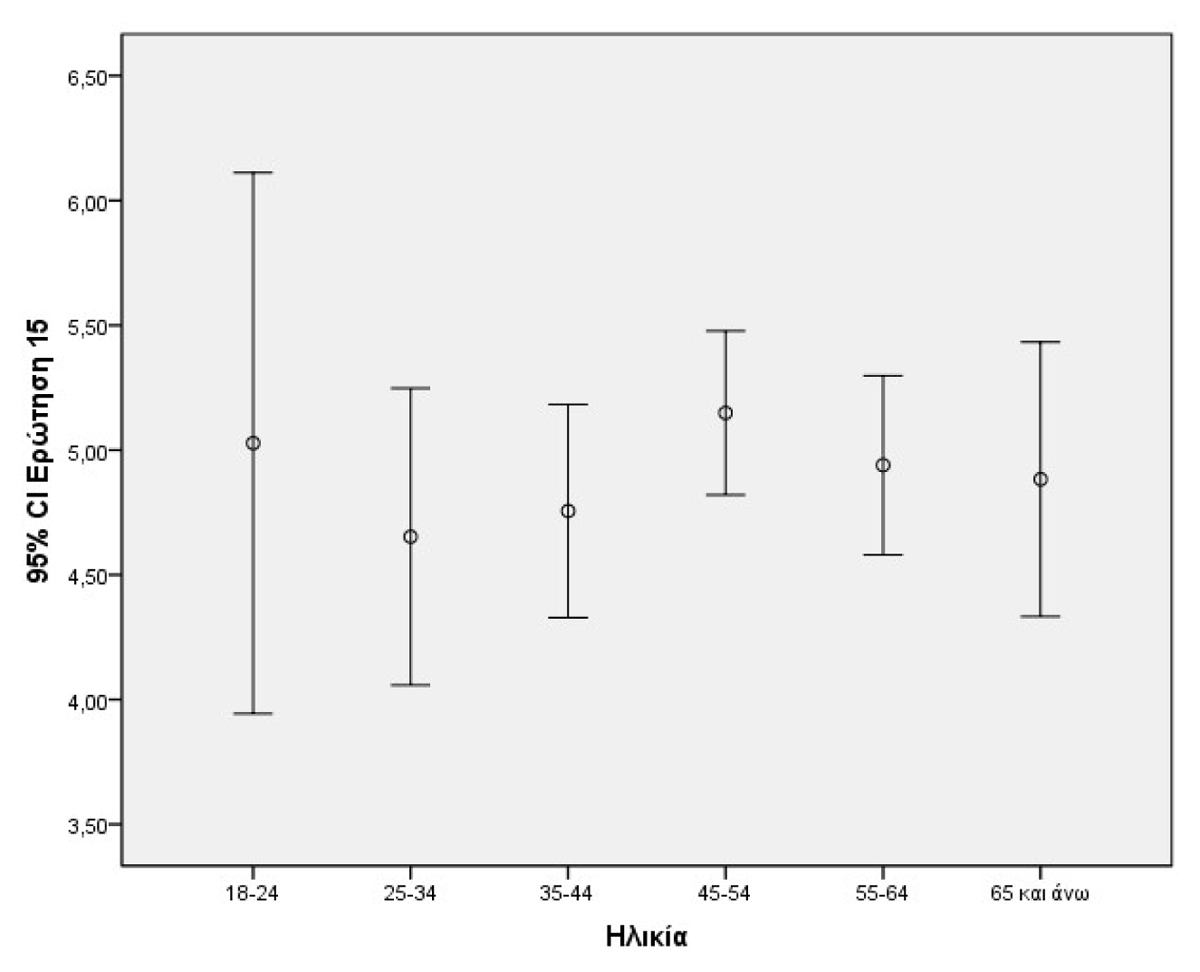
Figure 10
Course tool quality – Age.
The same test was used to investigate differences between educational profiles. No statistically significant differences were found [F(3, 141) = 1.397, p = 0.246]. The course tools which were more positively evaluated are the design of a course by an experienced tutor (95.1%), video lectures by an experienced tutor (90.4%), the questions and activities (78%), and the synchronous/live seminars, where the instructor provides information, answers questions and participates in discussions in real-time (71%). Zhong et al. (2016) identified the educational content and the general structure of the course as important elements of the learning process.
The 110 students who completed the MOOC presented a high degree of satisfaction with the course design (M = 5.51, SD = 0.93). Starting from the highest positive score, the respondents highlighted positively: the educational institution and the design of the course (97.3%, M = 6.26, SD = 0.895), the personal interest (96.3%, M = 6.35, SD = 0.944), the videos and the content of the course (94.5%, M = 6.23, SD = 1.02) and the personality of the instructor (89.9%, M = 6.31, SD = 1.163).
These results are in line with Bayeck (2016) and Zhang et al. (2019) results, who highlighted among the reasons for success the tutor, the educational institution’s framework, and the students’ personal interest in the course. The results also agree with those of Luik et al. (2019), who noted that the most important factor for the successful completion of a MOOC was the interest the students showed for their course.
The t test for independent samples was used to investigate interspecific differences on this scale. No statistically significant differences were found [t(108) = –0.088, p = 0.930] between males M = 5.52, SD = 0.99 and females M = 5.50, SD = 0.91 (Figure 11).
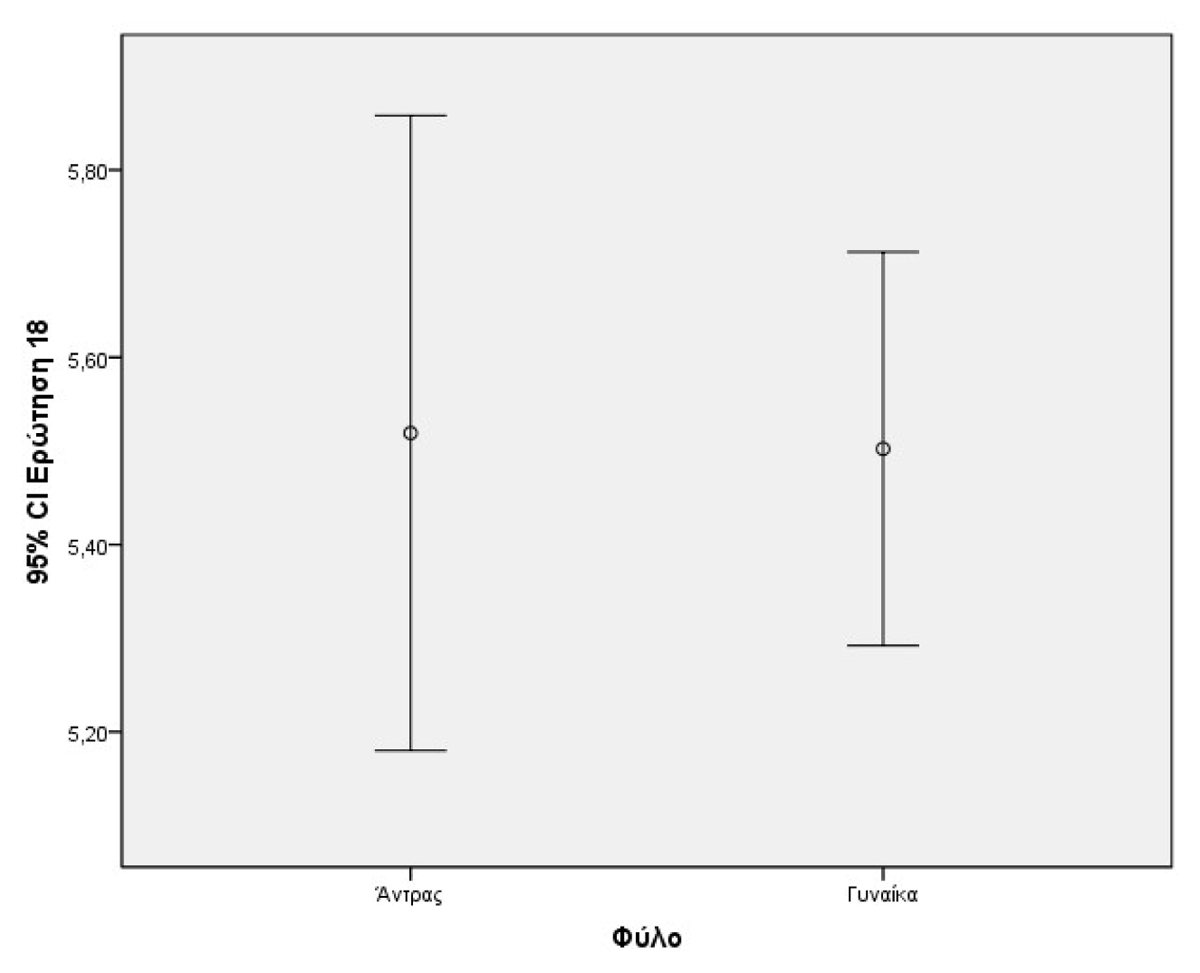
Figure 11
Lesson Design Assessment – Gender.
No statistically significant differences were found by ANOVA correlation between age groups on this scale [F(5, 104) = 1.109, p = 0.360] (Figure 12).
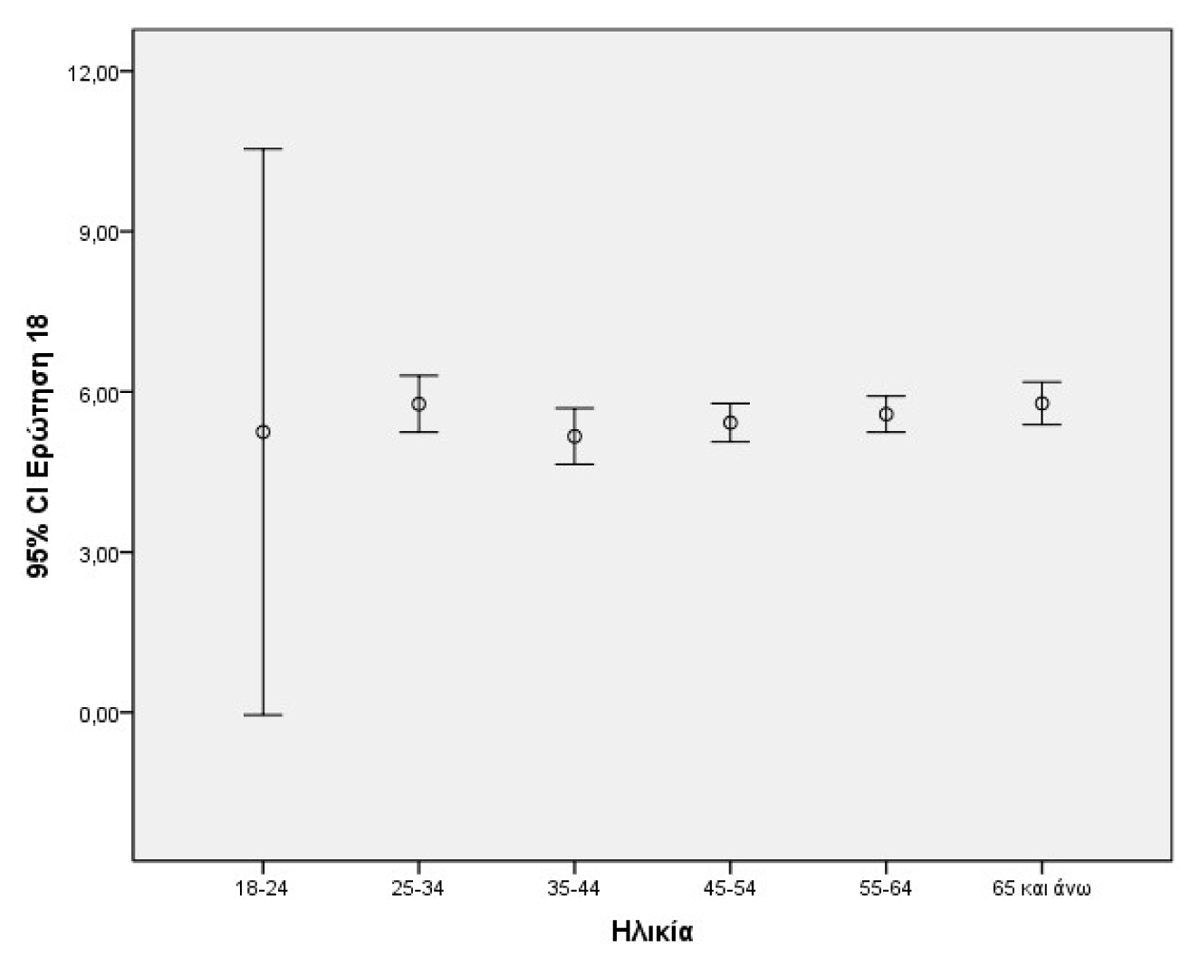
Figure 12
Lesson Design Assessment – Age.
The ANOVA (Table 8) correlation showed a statistically significant effect of the level of studies on the evaluation of the design of the course [F (3, 106) = 3.441, p = 0.019] (Figure 13).
Table 8
ANOVA Test – Evaluation of the design of the course – Educational Level.
| N | M | SD | |
|---|---|---|---|
| Secondary Education | 19 | 5.6491 | 0.86227 |
| Tertiary Education | 55 | 5.2636 | 0.94808 |
| Postgraduate Studies | 33 | 5.8687 | 0.67025 |
| Doctoral Studies | 3 | 5.1111 | 2.26282 |
| Total | 110 | 5.5076 | 0.93341 |
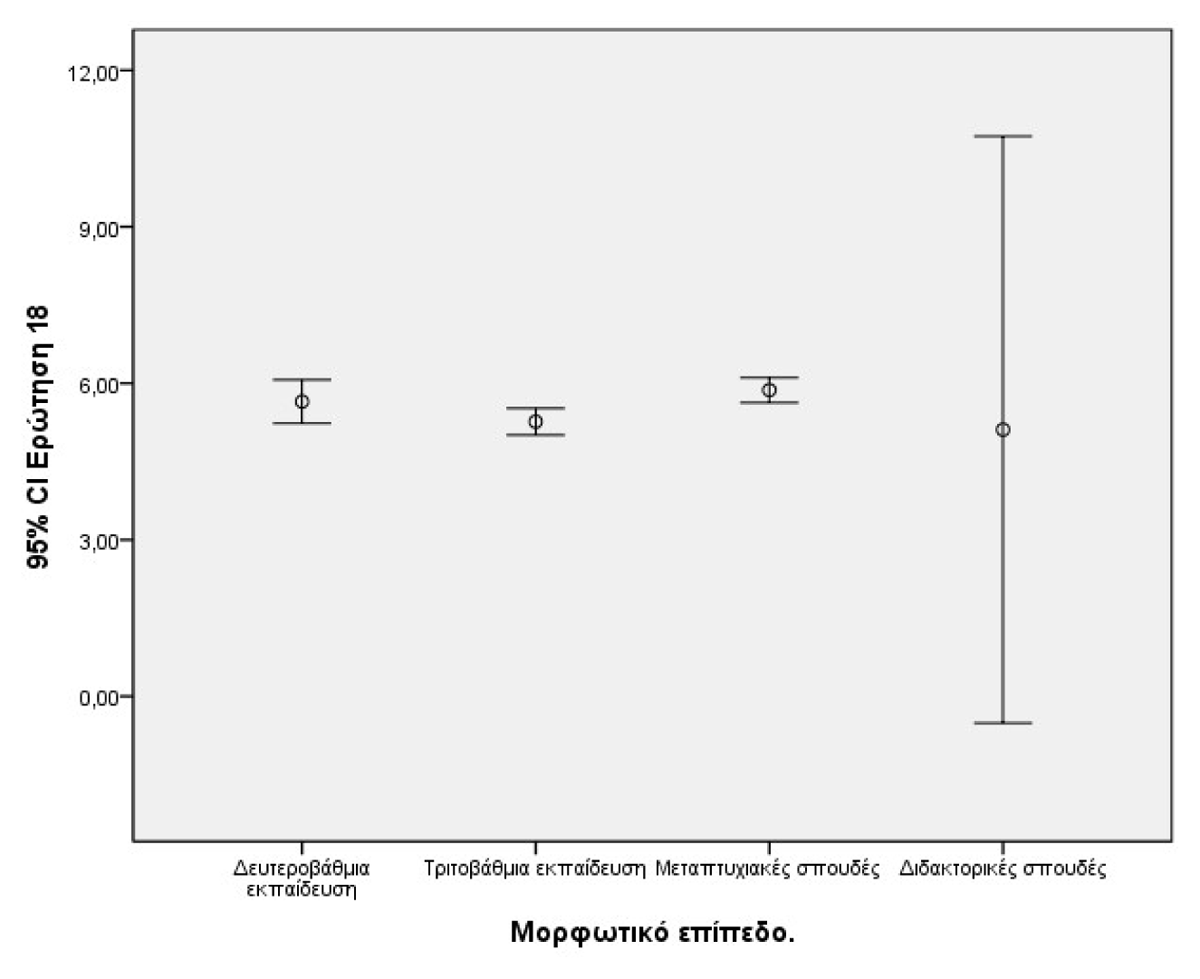
Figure 13
Lesson Design Assessment – Educational level.
The Bonferroni test showed that University degree holders evaluate the design of the course higher, probably due to their higher autonomy levels, the link with their professional development, and the genuine interest they show for the educational program.
Finally, all participants (145 individuals) were asked to answer two optional open questions regarding the course’s strongest and weakest points. The instructor of the course and the teaching content were identified as two of the strongest points. Even those who did not complete the course noted that the instructor’s teaching method, knowledge, and communicability were the instructor’s most vital points. Concerning the weaknesses, respondents highlighted that they wanted more information and more details about the subject and a longer duration of the program.
3.7. Correlation of the participation motives and completion factors
Investigating the correlation between the motives for participation and the main factors affecting a MOOC’s completion is important since relevant studies were not identified in the literature. Pearson Correlation was used in order to examine the possible correlations. The results showed that there is a high, positive, and statistically significant correlation between the motivation and the completion factors of a MOOC [r = 0,713, p = 0.000]. The results showed that the students who completed the MOOC (110 individuals) are generally more motivated, and their motivations are related to the completion factors with a statistically significant relevance and a positive relationship. The stronger their motives were, the more positive were their responses in relation to the importance of the various course parameters linked to the completion of the course.
4. Conclusions
The present study examined the motivations for enrolling in a MOOC and the factors influencing the MOOC selection, attendance, and successful completion or drop out, through a case study in a MOOC on the Mathesis platform. The study showed that the majority of enrolled students are female, aged 35 to 64 years old. Most students are higher education graduates, employed, and have chosen to take history courses. Correlation tests revealed that students who manage to complete the course are higher education graduates to a greater extent.
The overwhelming majority of respondents learned about the course through social media, and their reason for enrolling was the desire to acquire or increase knowledge in the subject matter; they used, during the course, between two and four hours to study the educational material. At the end of the course, their knowledge of the learning subject had increased.
Motivations for selection and attendance that emerged as very important are the desire for knowledge, enthusiasm for the course, the lesson’s personal meaning, and the easy-to-understand educational material. The factors that influence the successful completion of a MOOC are the instructor’s strong personality, reputation, and knowledge; the responsiveness of the course to the students’ expectations; the challenge of thinking and learning; the effective organization of the course; and the educational institution. The factor most influencing course dropout is the lack of time, while other lesser factors are the length of the course, the cost of the certificate, the fact that some respondents did not intend to complete the course, and the lack of communication and interaction with the instructor.
The results also indicate that the strongest points of the course were the instructor on the one hand and the specific content of the course on the other. Regarding the weak points, the respondents identified the desire for more material, more in-depth knowledge of the material, and a longer course duration. This result, combined with the lack of time, reveals their desire to attend a course, despite the lack of time and the obligations they have, while they prefer the course to be longer in duration, more flexible, and without tight time limits in order to be able to attend it. The results of this study can assist in designing courses which are more flexible and have course material better adapted to the needs of learners. More specifically the institutions that design MOOCs could:
- Provide a short but focused training to tutors in order to enable them to increase interaction and communication with the students and to make the course design and instruction more interesting and in line with the requirements of distance education and of the specific MOOCs
- Structure the content of the course in a way that is flexible and that it allows adult learners to adapt it to the limited and fragmented time that they have available for studying
- Allow the duration of the course to be better adapted to the needs and available time of learners, e.g. by having two or three different course designs with different timeframes
- Provide course material that is interactive, interesting and adapted for distance learners; to this end also use different types of course materials, more material from which the learners can probably choose, and material that is better linked to the motivation and characteristics of learners, and therefore to their needs
Finally, further exploration of the phenomenon can help educational institutions and MOOC designers maximize the potential of courses by creating courses that meet students’ needs, take better account of their motivation, and enhance and improve student satisfaction factors and thus the likelihood of course completion. In this context, further research could be conducted on other MOOCs, covering a wider range of subjects. Also, dropout factors related to the educational institution and the course itself could be explored in more depth through a qualitative survey focusing on students who have dropped out of MOOCs.
Competing Interests
The authors have no competing interests to declare.