
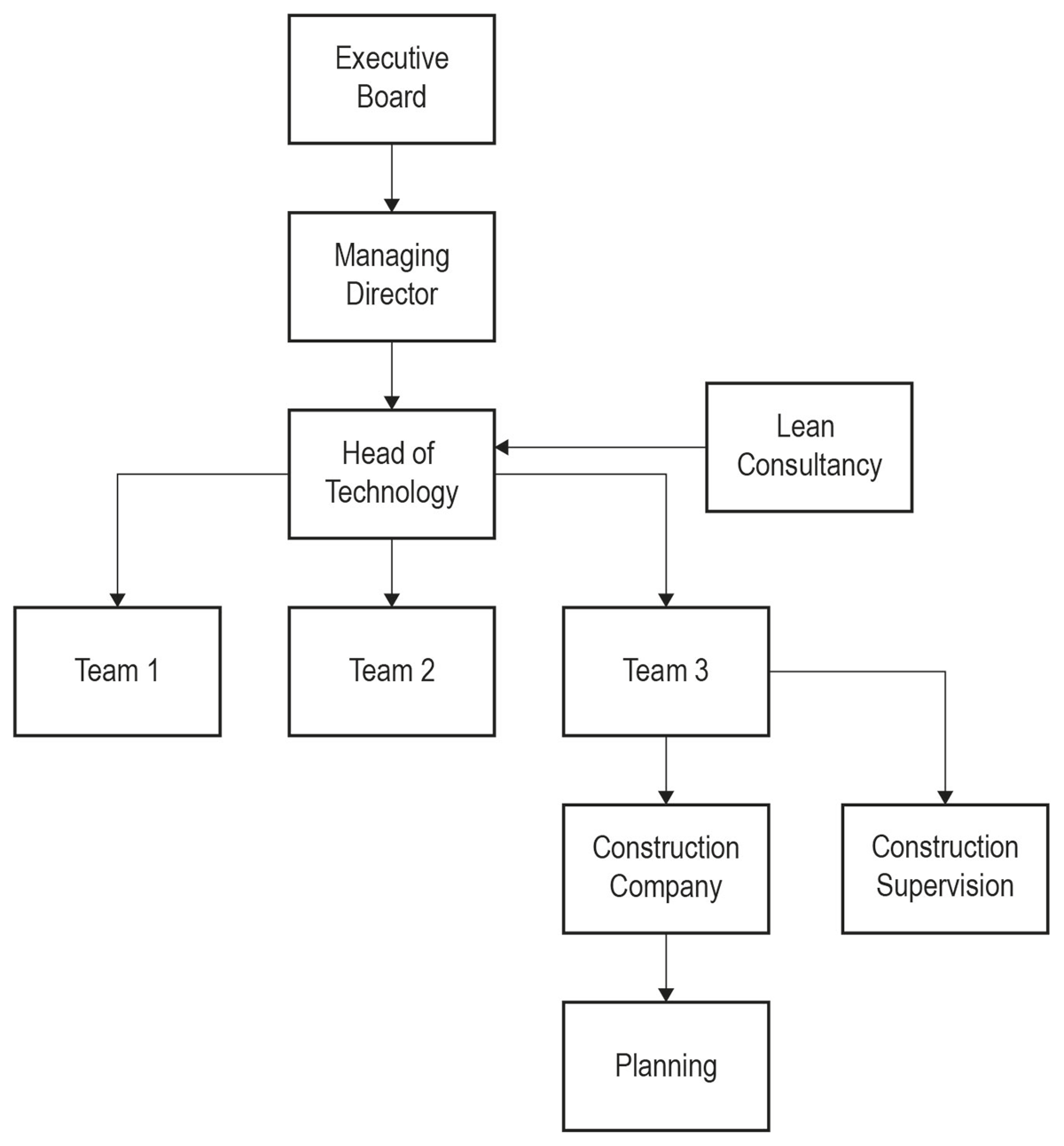
Figure 1
Case Study 1: Organizational Structure of Project.
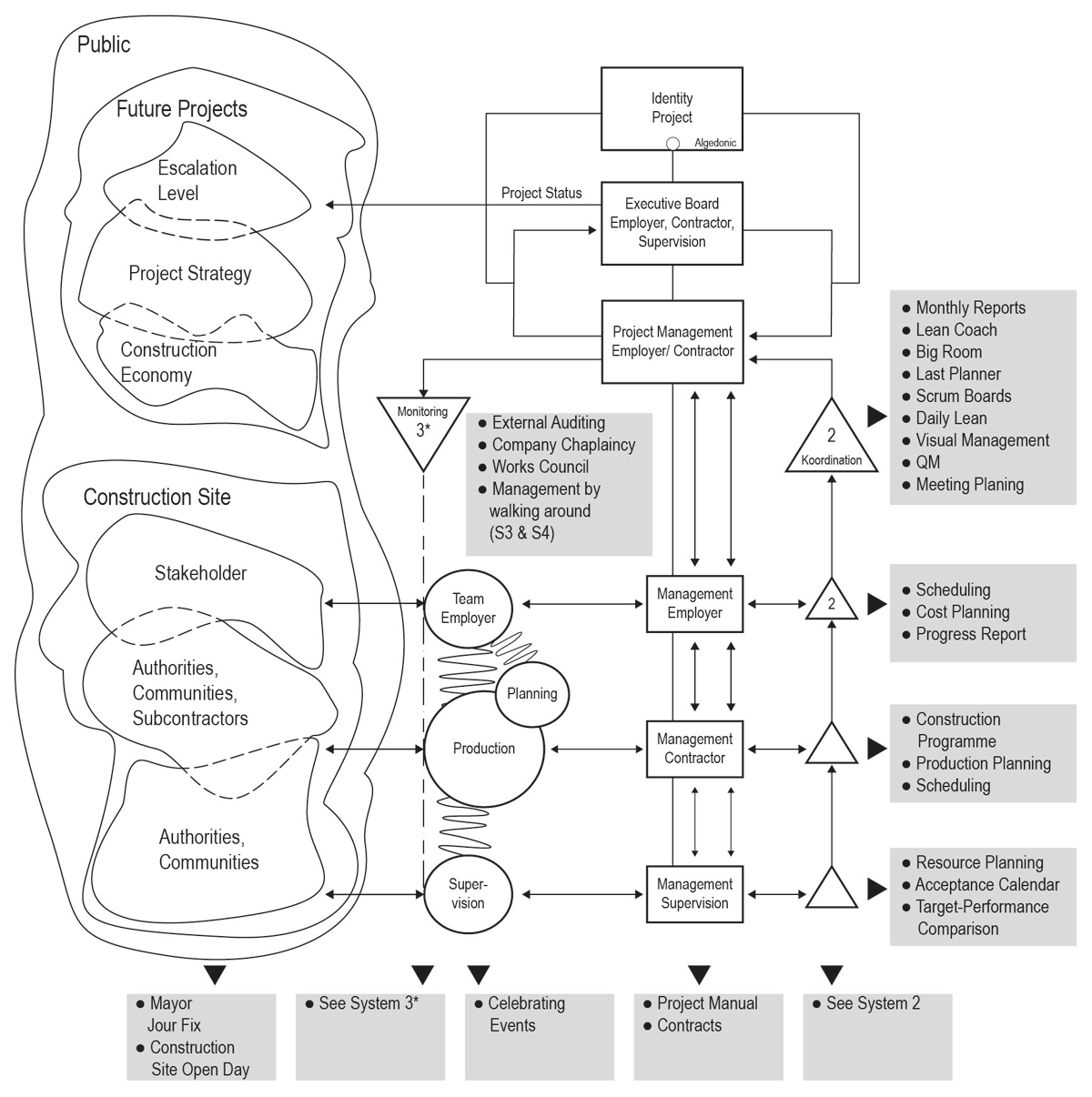
Figure 2
Case Study 1: Viable System Model.
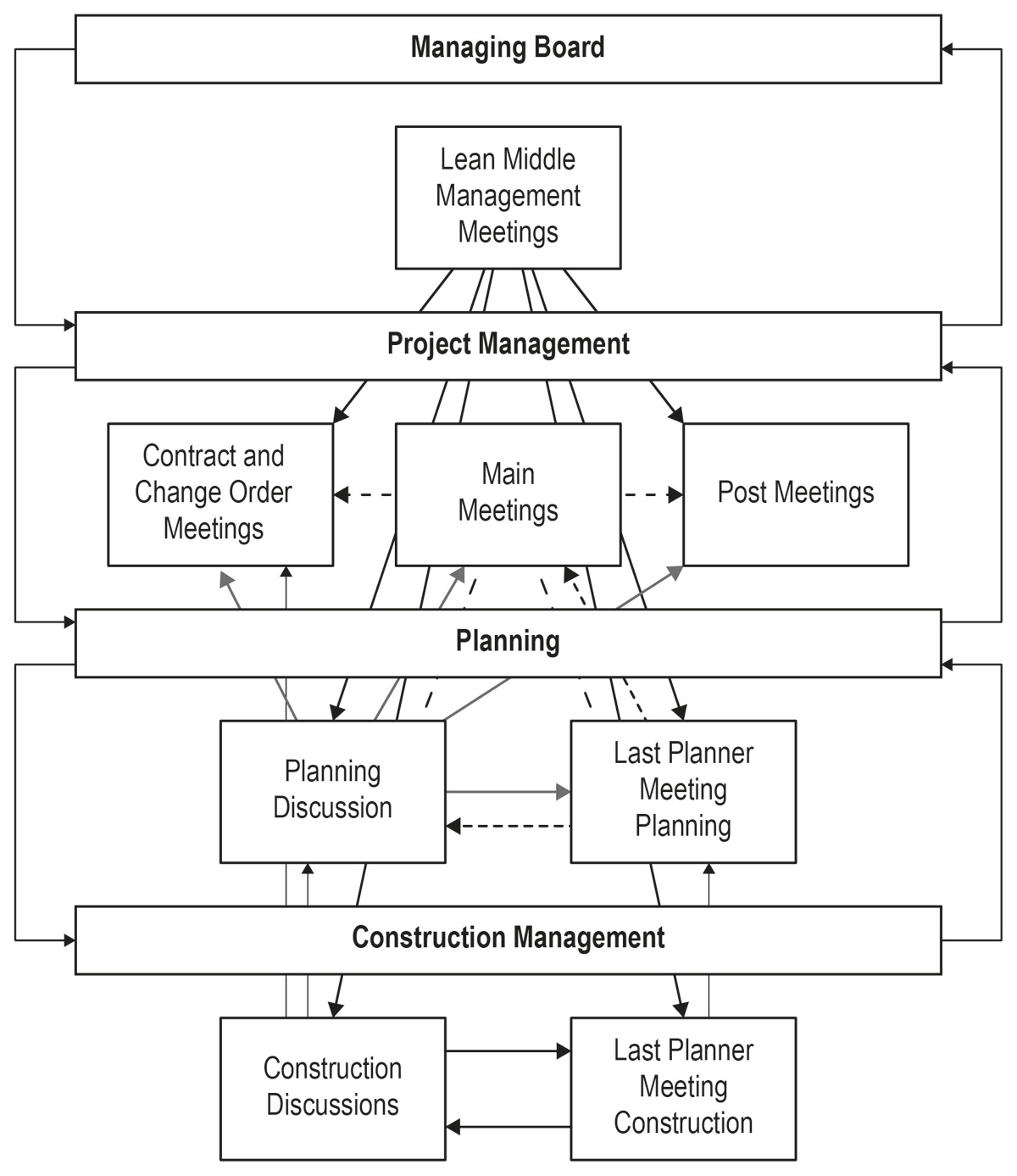
Figure 3
Case Study 1: System Dynamics-Model Meetings.
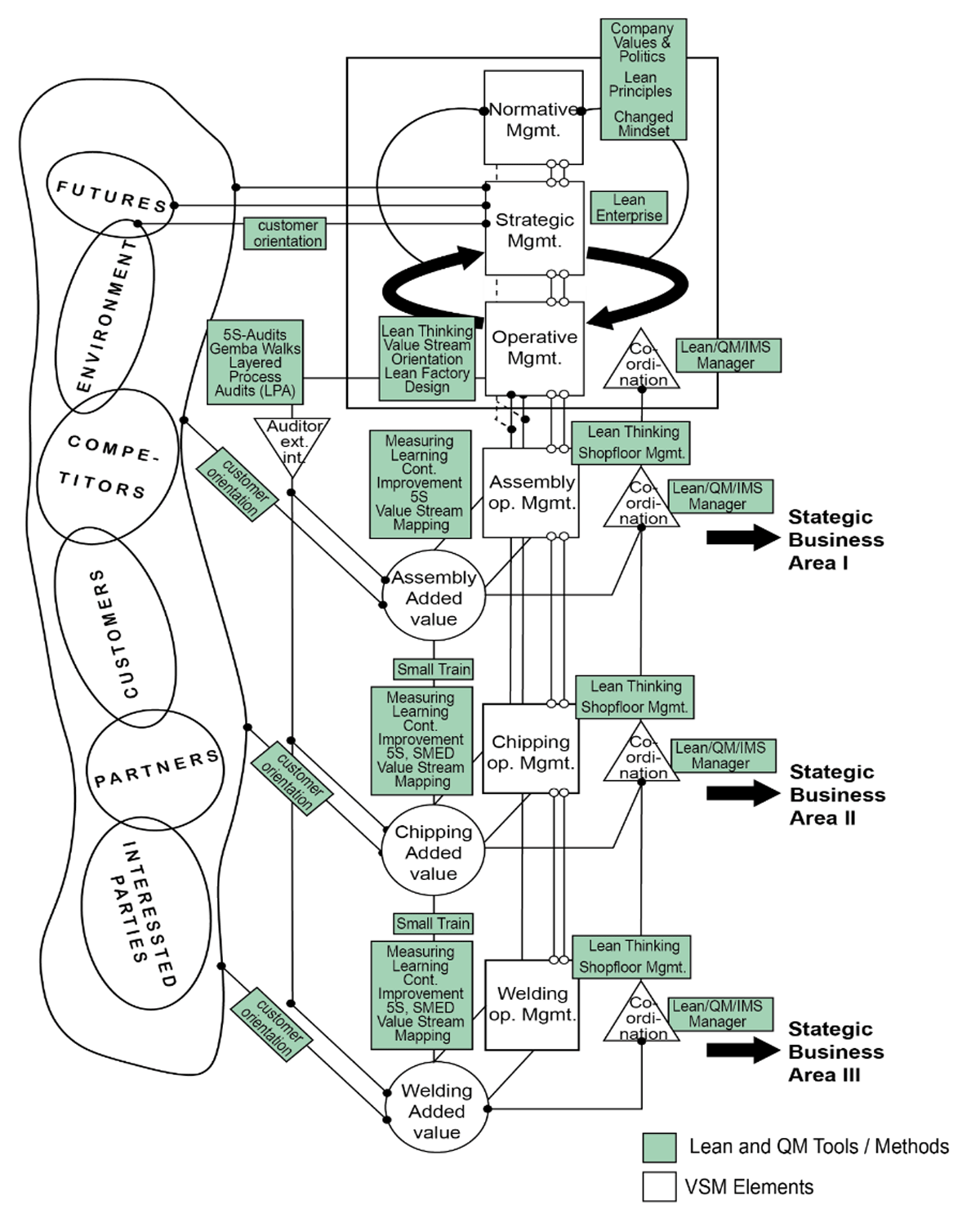
Figure 4
Combination of Lean and QM Tools With the Viable System Model as Framework.
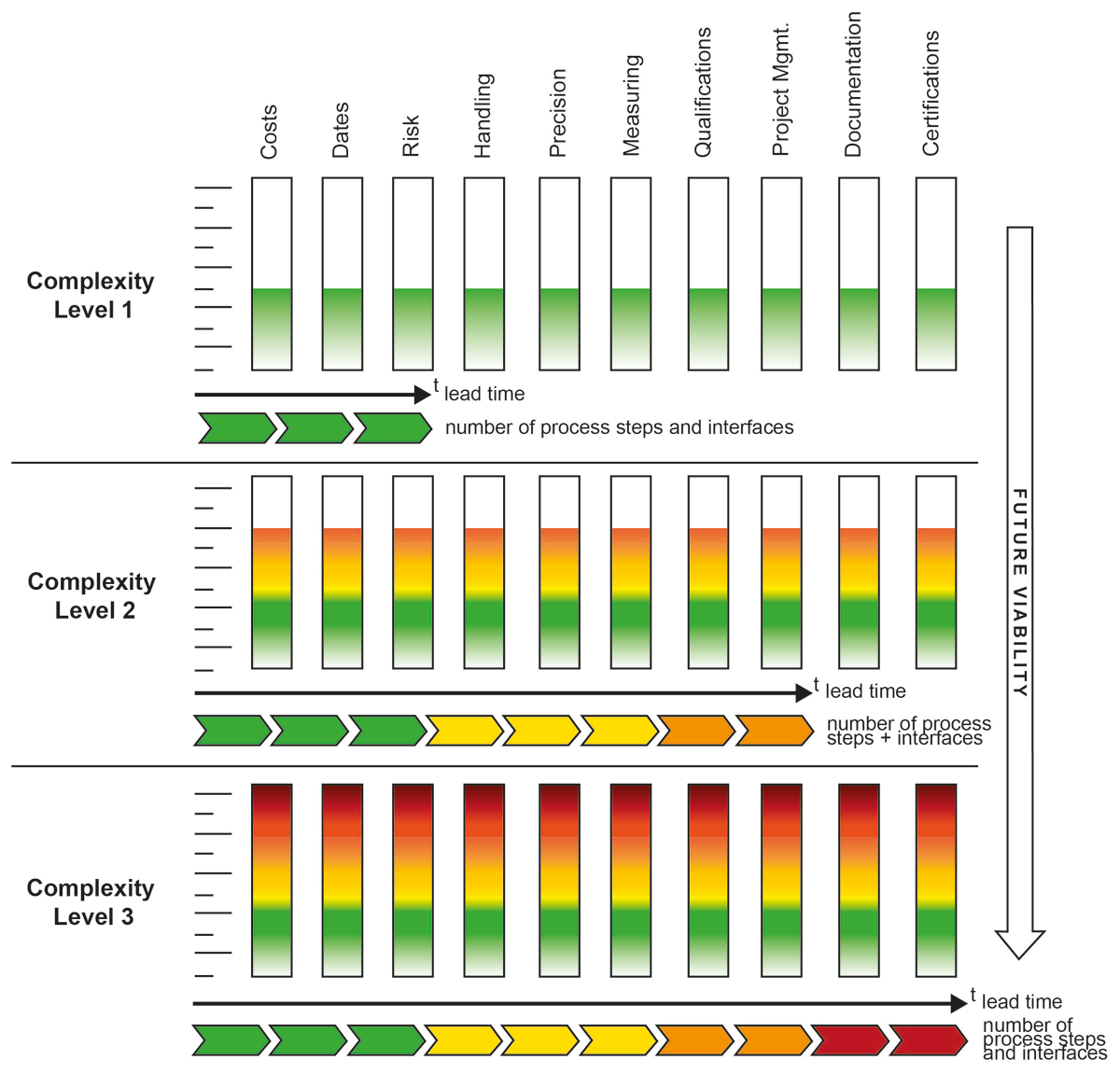
Figure 5
Complexity Levels.
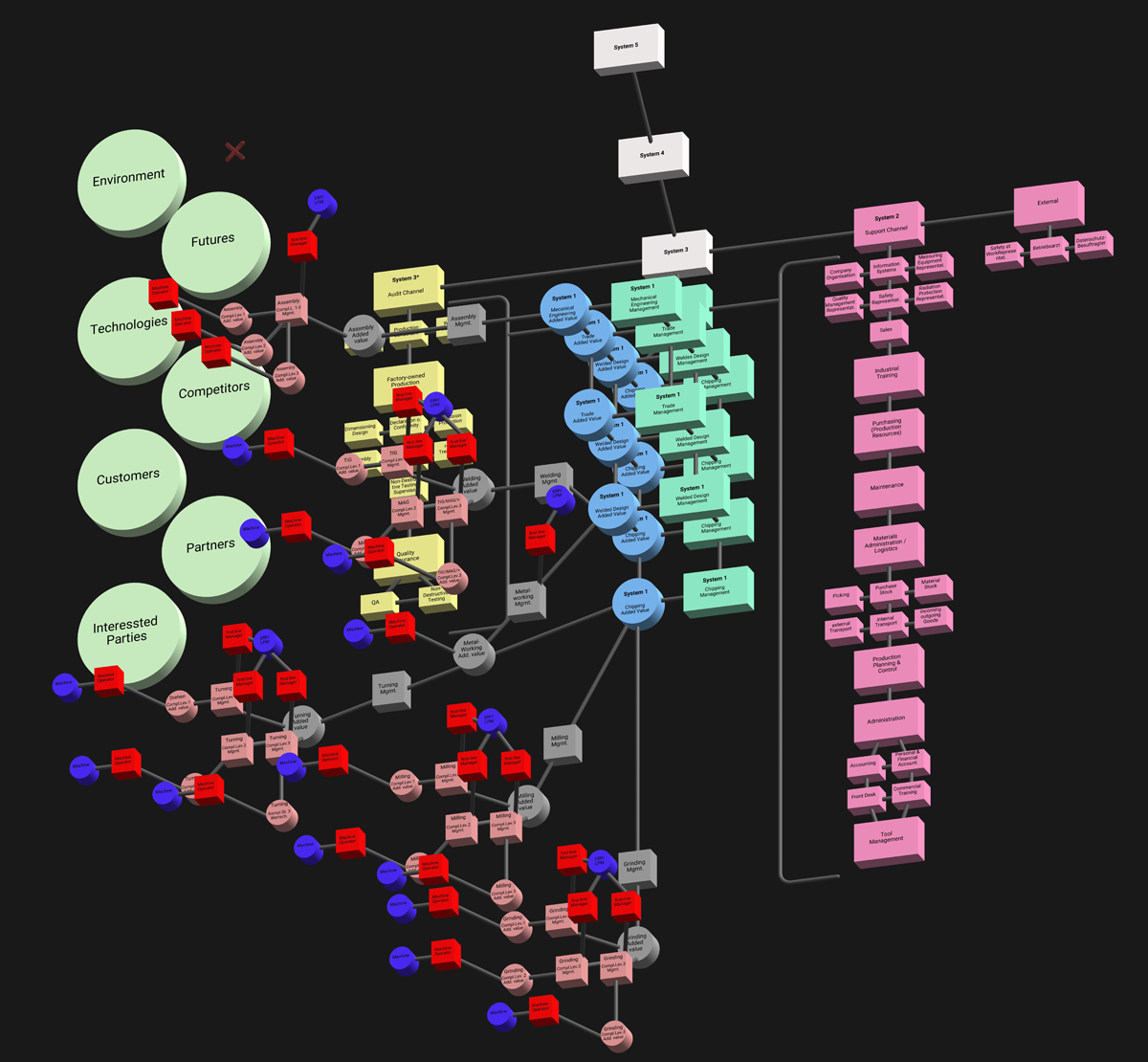
Figure 6
Complete Modelling of the Organiplastik.
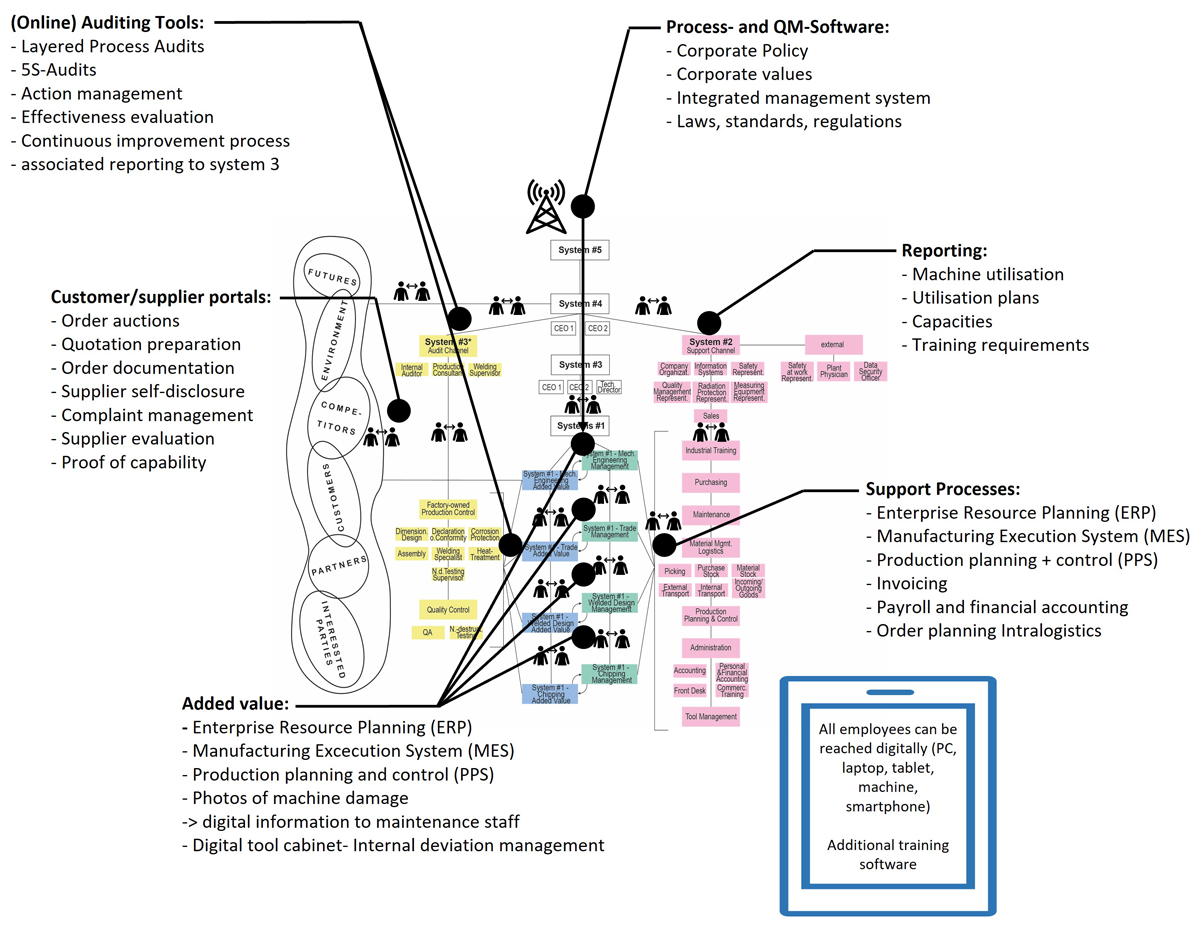
Figure 7
Communication Model With Implemented Digital Tools.
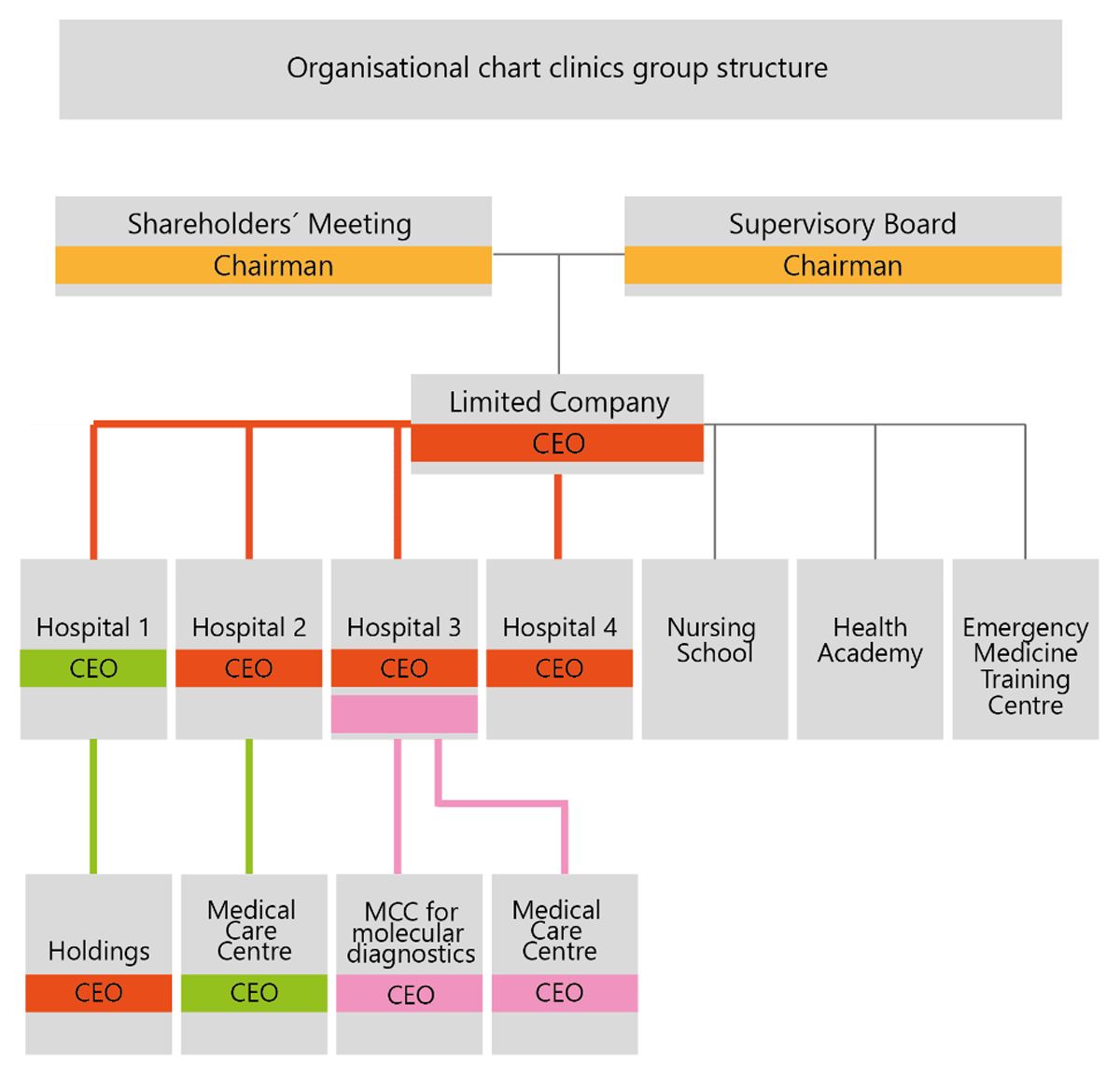
Figure 8
Organizational Chart of the Group Under Review.
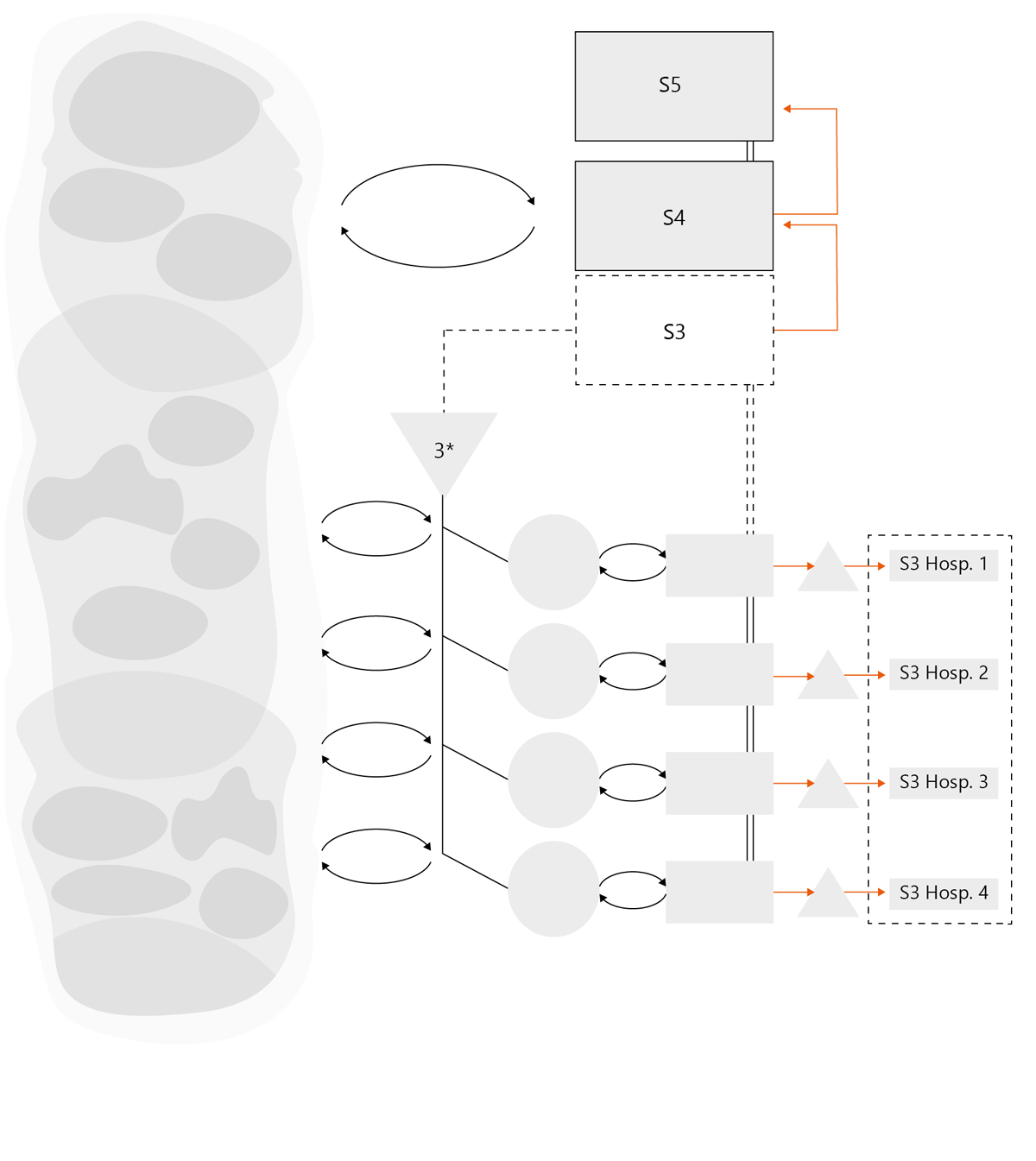
Figure 9
VSM of Concern Level.
Table 1
Summary of Findings.
| CASE STUDY 1 CONSTRUCTION | CASE STUDY 2 MECHANICAL ENGINEERING | CASE STUDY 3 HEALTHCARE | |
|---|---|---|---|
| Findings: VSM | VSM was found to be a valuable approach able to cope with the existing great organizational complexity. The successful implementation of the project demonstrated that the VSM is an appropriate approach for this. | VSM was used to initially identify weaknesses and pathologies in the system. VSM was also used to sustainably anchor the lean management system, which had already been introduced in the organization but was not permanently successful. | VSM was used to make the systemic causes of the identified risks transparent and to show objective reasons for the difficulties in achieving the desired results. The root cause of the most issues in the organization was the complexity of the organization where it had grown without adapting the managements structures. |
| Findings: Lean | As the lean implementation was already in the project before the VSM, it was possible to show that the VSM can also be combined very well with other approaches in the ongoing process. This is because the two approaches address different challenges. With lean, bottlenecks could be resolved, cooperation increased, and, thus, waste greatly reduced. This was measurably demonstrated in the result of a six-month time saving. | The participation rate in the continuous improvement process was increased by 375 percent. The process-related reorganization of the machine tool set-up process also resulted in time savings of 15–20 percent (average) for the machine operators. It was determined that a tool for analysing, eliminating and preventing errors is missing, therefore, the introduction of the 8D system was prepared and was later completely digitized. | After the VSM analysis, the organizational restrictions on the use of lean tools became transparent. As before, these tools were successfully used to solve local problems of the single departments and hospitals. In the planning phase of the interdisciplinary projects, a clear definition of objectives and responsibilities with regard to the existing system structure was demanded. This made possible the effective management of overarching risks and the implementation of cross-departmental lean projects. |
| Findings: General | Classic project management was more successful in implementation when supplemented by systemic approaches. | Both lean and VSM formed a symbiosis by supporting the functionalities of the other element. | A systemic approach provided an organizational framework to assess the limitations of other management methods such as lean tools in advance. Discussion of these limitations enabled the implementation of cross-departmental projects despite these restrictions by adapting the system structure or at least provisionally replacing missing positions. |