
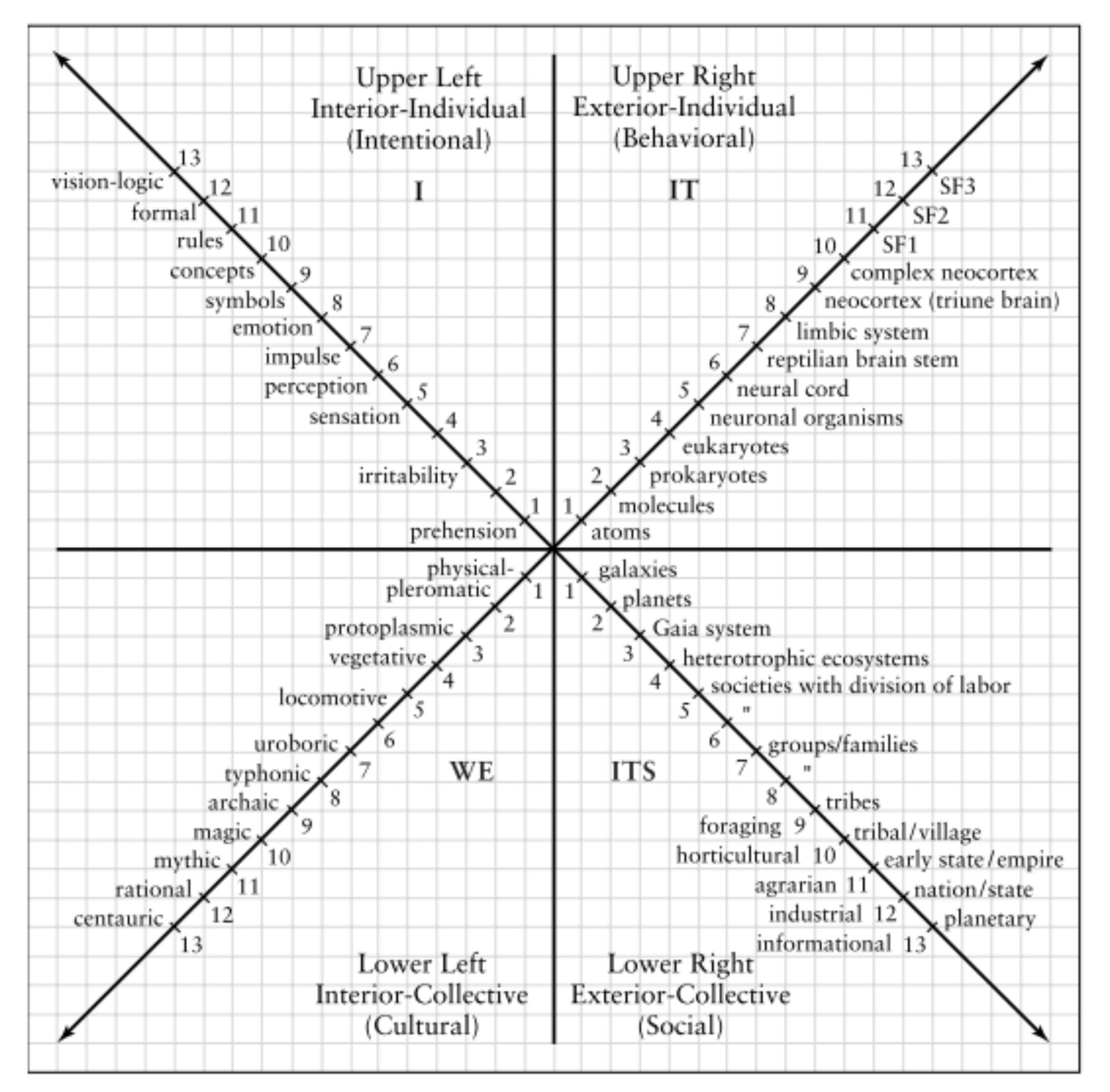
Figure 1
Diagram depicting Ken Wilber’s Integral theory.
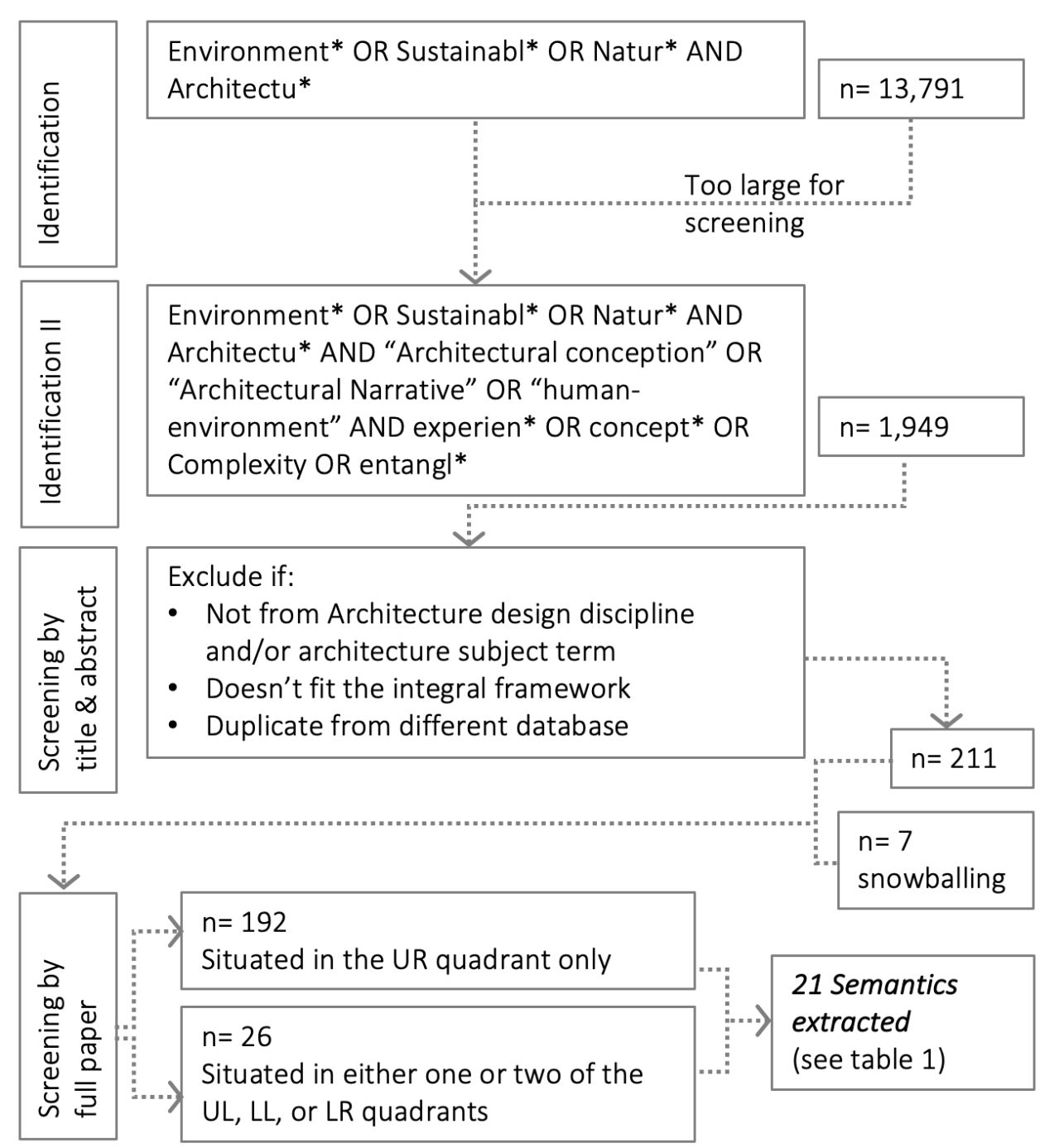
Figure 2
Diagram of our literature review’s flow chart and search protocol.
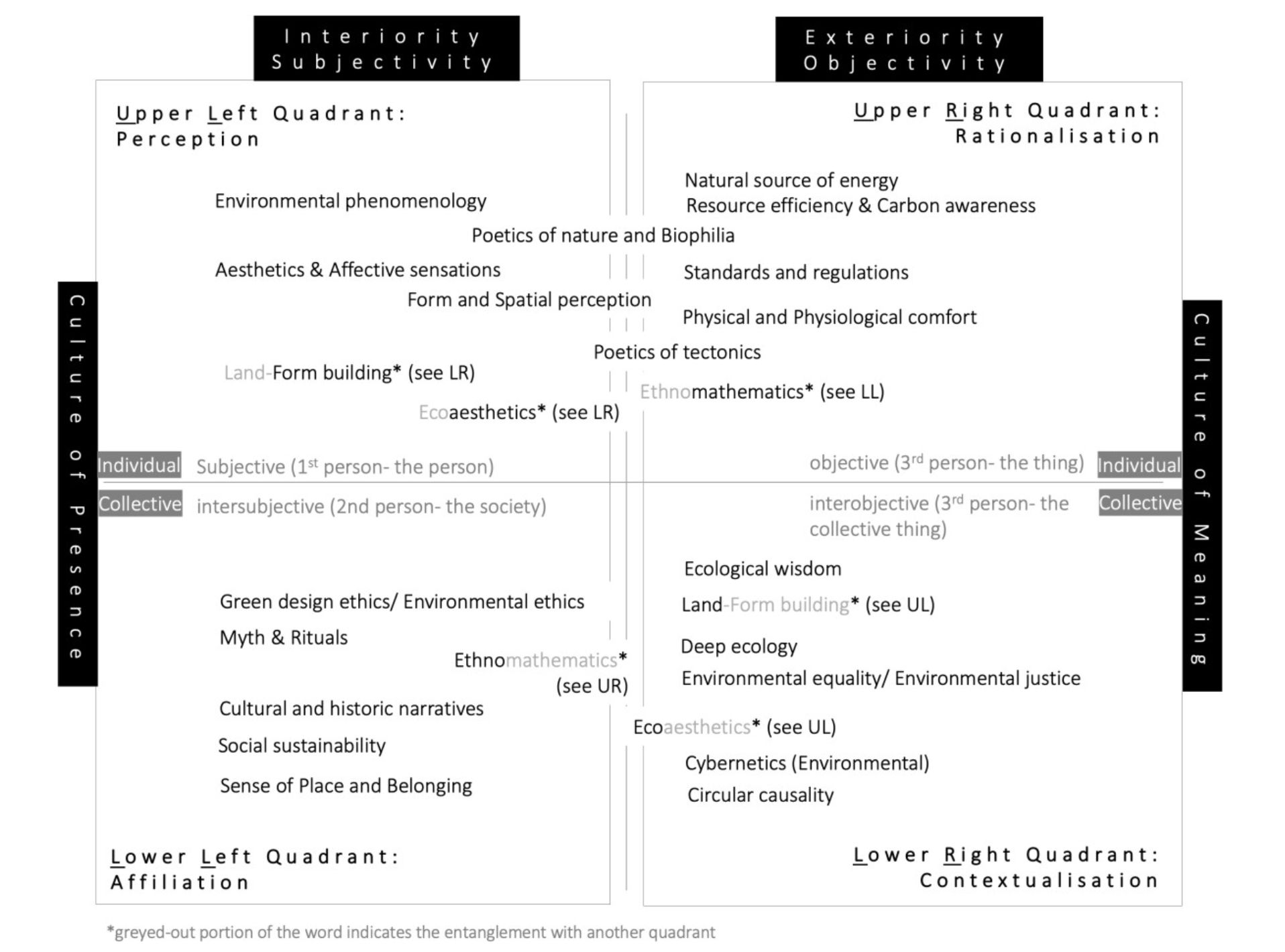
Figure 3
Conceptual framework developed by the author as; adapted from Wilber’s integral theory.
Table 1
| Reference | Semantic attributes | Semantic descriptors | Quadrant labels |
|---|---|---|---|
| [20] | Environmental phenomenology | Descriptions of experiencing architecture reflect on human-environment relationships. It is largely intangible, qualitative, experiential – even esoteric. The term emphasises the role of the environment in experiencing architecture. | UL |
| [21] | Biophilia and poetics of nature | Spatial configurations that foster positive experiences of nature. This can be a direct or indirect connection with nature to create places infused with positive emotional experiences – enjoyment, pleasure, and wonder. | UL entangled with UR |
| [22] [23] | (Environmental) Aesthetics | All human senses are connected when perceiving the aesthetics of built form. The eyes want to collaborate with the auditory, haptic systems, taste/smell, and basic orientation system. In this, the visual sense and haptic system connect the eye and skin. | UL |
| [24] | Spatial perception (eg. light and form) | Human emotional responses to architectural form and geometry and its connections with environmental factor (eg. (day)light). | UL |
| [25] with reference to Louis Khan’s served and servant spaces | Poetics of tectonic | The relationship and collaboration between poetic intentions (e.g. materiality) and technical means (e.g., science of materials) in sustainable architecture. | UR entangled with UL |
| [26] | Natural source of energy (renewables in the context of architectural design) | The relationship between built form and energy use based on environmental forces (sun, light, wind). | UR |
| Building Regulations, e.g., UK Approved Documents | Standards and regulations | Instructions and metrics that provide guidance for construction of buildings, efficiency, and safety. | UR |
| [27] | Resource efficiency and carbon awareness | Assessments of operational carbon and embodied carbon of products linked to mechanical, electrical, and public health (MEP) systems in buildings. | UR |
| [28] | Physical and physiological comfort | Design decisions made to achieve indoor conditions which provide satisfaction in the human mind and body. This includes, but is not limited to thermal comfort, air quality, ventilation, relative humidity, and daylight (these physical phenomena have implications on physiological conditions). | UR |
| [15] | Green design ethics/ Environmental ethics | Humanity and nature both thrive in regenerative human ecosystems. Design to act as a medium to interconnect culture with living systems/natural processes. | LL |
| [15] | Myth & rituals | Sustainable design should embody stories and beliefs relevant to societal and cultural meanings. Vernacular architecture is a successful axiom in finding ways to celebrate rituals. | LL |
| [29] | Social sustainability | Urban regeneration and industrial heritage influenced by neoliberal urban transformation and post-socialist transition. Emphasis on local communities, housing, open public spaces, placemaki,ng and participatory processes. Examination of urban forms and neighbourhood dynamics. Consideration of capability, resilient communities, and self- reliance. | LL |
| [30] | Ethno-mathematics | The intersection between culture and mathematics where customs provide self-organising systems. It makes use of patterns and different scales to generate form through iterations, eg. fractals in African settlement architecture. Often nature is used as a source of understanding such complex self-organising systems. | LL entangled with UR |
| [31] | Sense of place and belonging | Ephemeral quality of natural environments, such as patterns of daylight movement, can create emotional attachment to a place. Sense of attachment is a significant quality in architecture that contributes to local place and cultural identity, and hence also refers to the cognitive and emotional linkage of an individual to a particular setting or environment. | LL |
| [32] with reference to Ian McHarg’s Design with Nature (1969) | Ecological wisdom | A value system that embraces cultural, personal, and ethical design characteristics for multifunctional landscapes. This interrelationship needs to be understood in its historical and site context and cannot be replicated in a different context. | LR |
| [33] | Deep ecology | Sustainable architecture that is concerned with development based on the place and environmental education through practice. | LR |
| [34] | Eco-aesthetics | Combination with scientific cognitivism would constitute a stronger ecological aesthetics. | LR entangled with UL |
| [35] | Land-form building | The collision of forms, spaces, and activities into a landscape, just as one geological formation pushes sediment and rock onto another. This is a reflection on our worldviews and the universe itself – its non-linearity, emergence, and complexity. | LR entangled with UL |
| [36] | Environmental equality/ Environmental justice | Climate change has created unequal impacts on communities of colour, indigenous peoples, the poor, and developing countries. Design decisions made at the local scale would have global consequences. Any building in a given context should bear its responsibilities at the global scale. | LR entangled with LL |
| [37] with reference to Andrey Kolmogorov | Cybernetics (environmental) | A complex selection of invariants capable of controlling a system of any kind (e.g. built environment) with respect to human inhabitants. | LR |
| [38] | Circular causality | A sequential loop of causes that leads back to the original cause. A circular reasoning that involves reconsidering the creation of the original cause and application of it to produce a new sequence (eg. circular economy). | LR entangled with UR |
Table 2
| Quadrant | Themes | Methodology | Possible methodological type |
|---|---|---|---|
| UL | Phenomenology | Qualitative | Phenomenology, Hermeneutics |
| UR | Pragmatism/positivism | Quantitative | Experimental (scientific), Simulation (data-driven) |
| LL | Anthropology | Qualitative | Ethnography, Narrative analysis |
| LR | Systems theory | Mixed methods | Systems theory, Grounded theory |
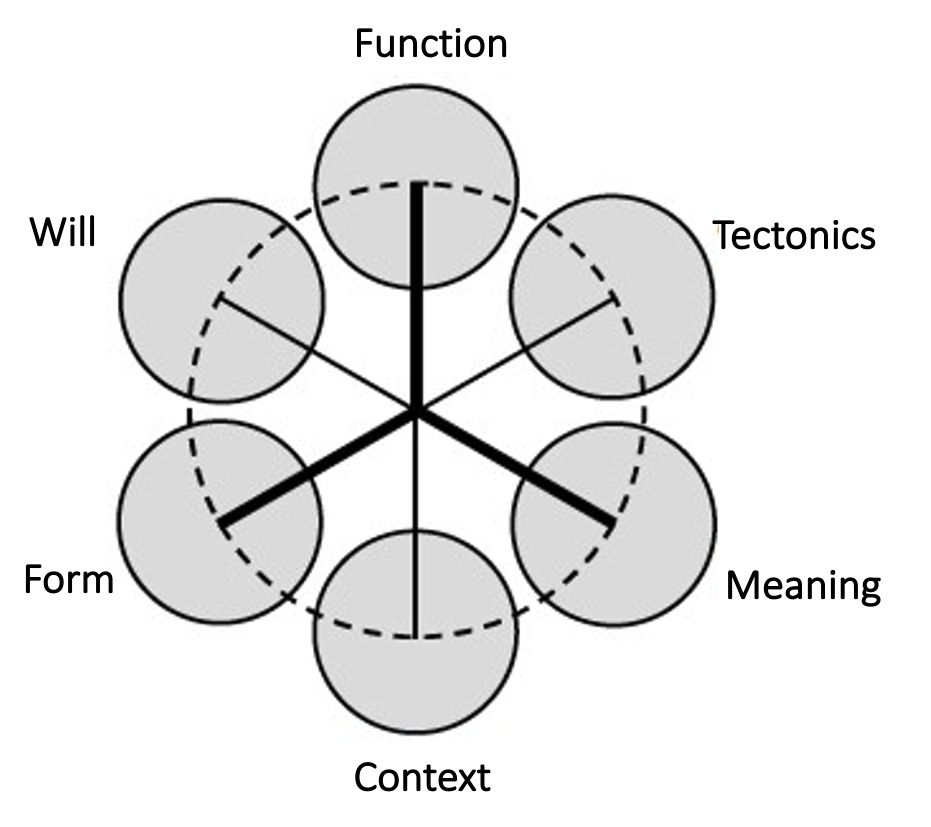
Figure 4
The manifold quaiities of architecture as diagramatically represented.
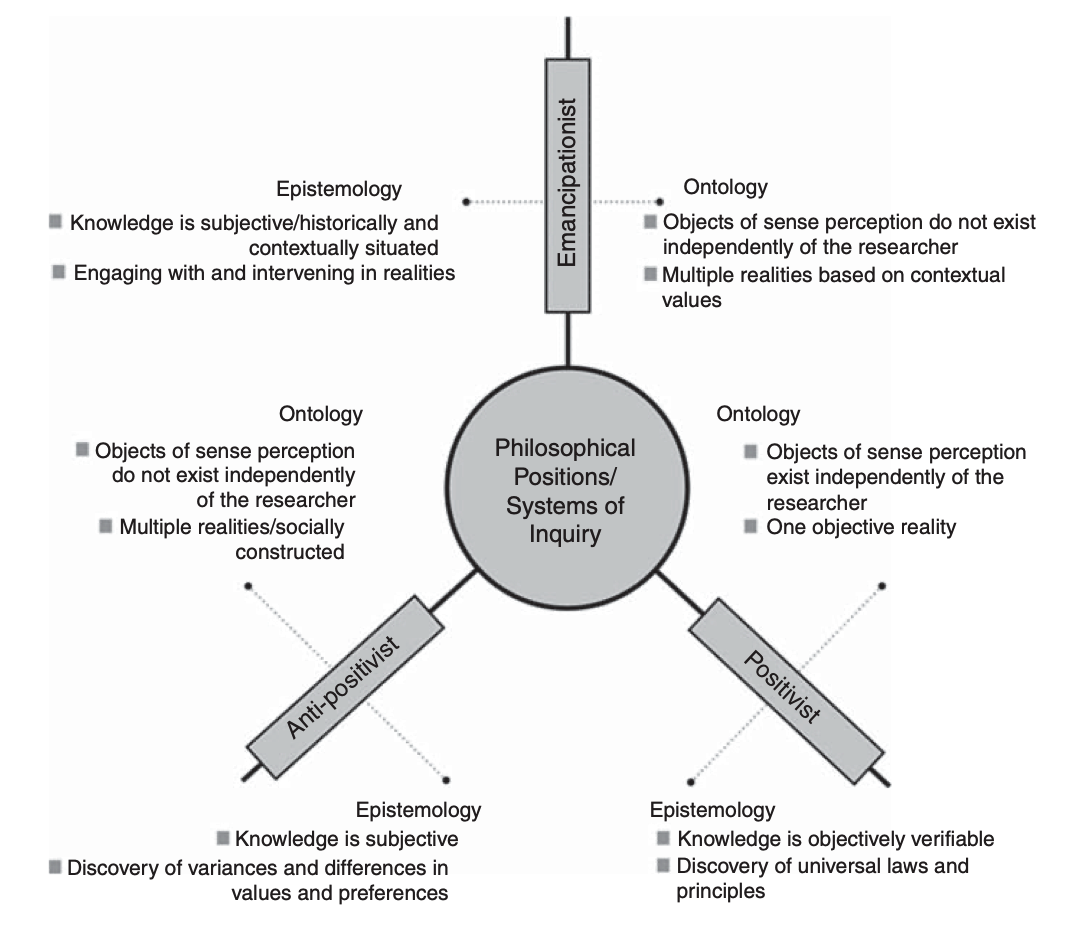
Figure 5
Methodological research approaches in architecture and allied disciplines.
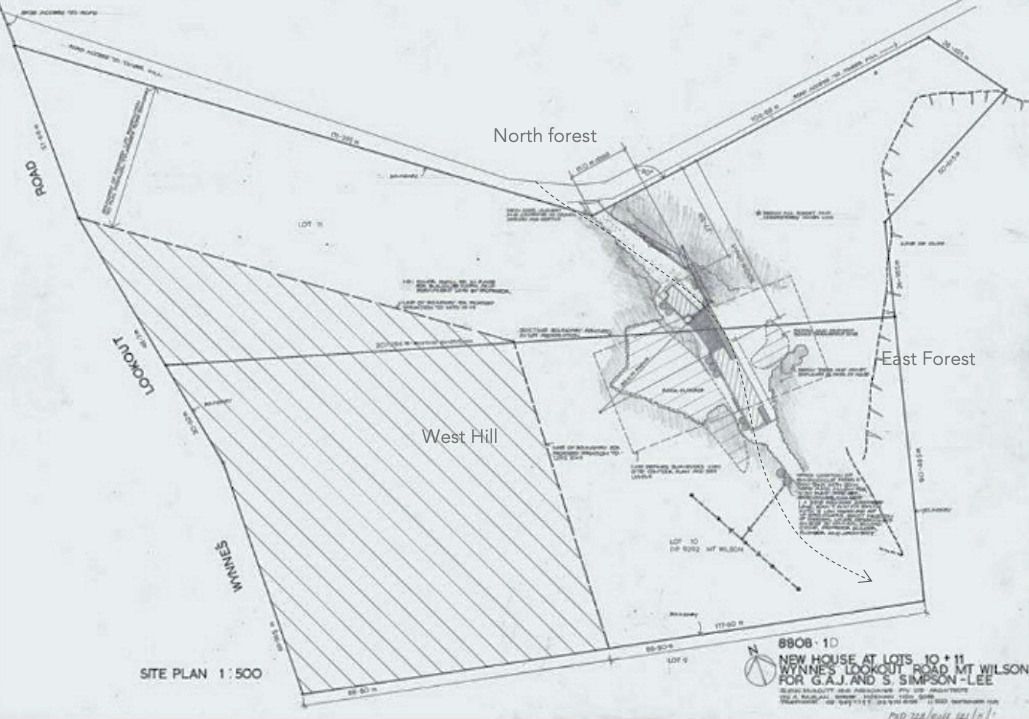
Figure 6
Simpson-Lee House, Blue Mountains, Blue Mountains, New South Wales, Australia (1993). Site plan indicating the historic route used by Aboriginal people. (Adapted from the original drawing from the project; courtesy of El Croquis).
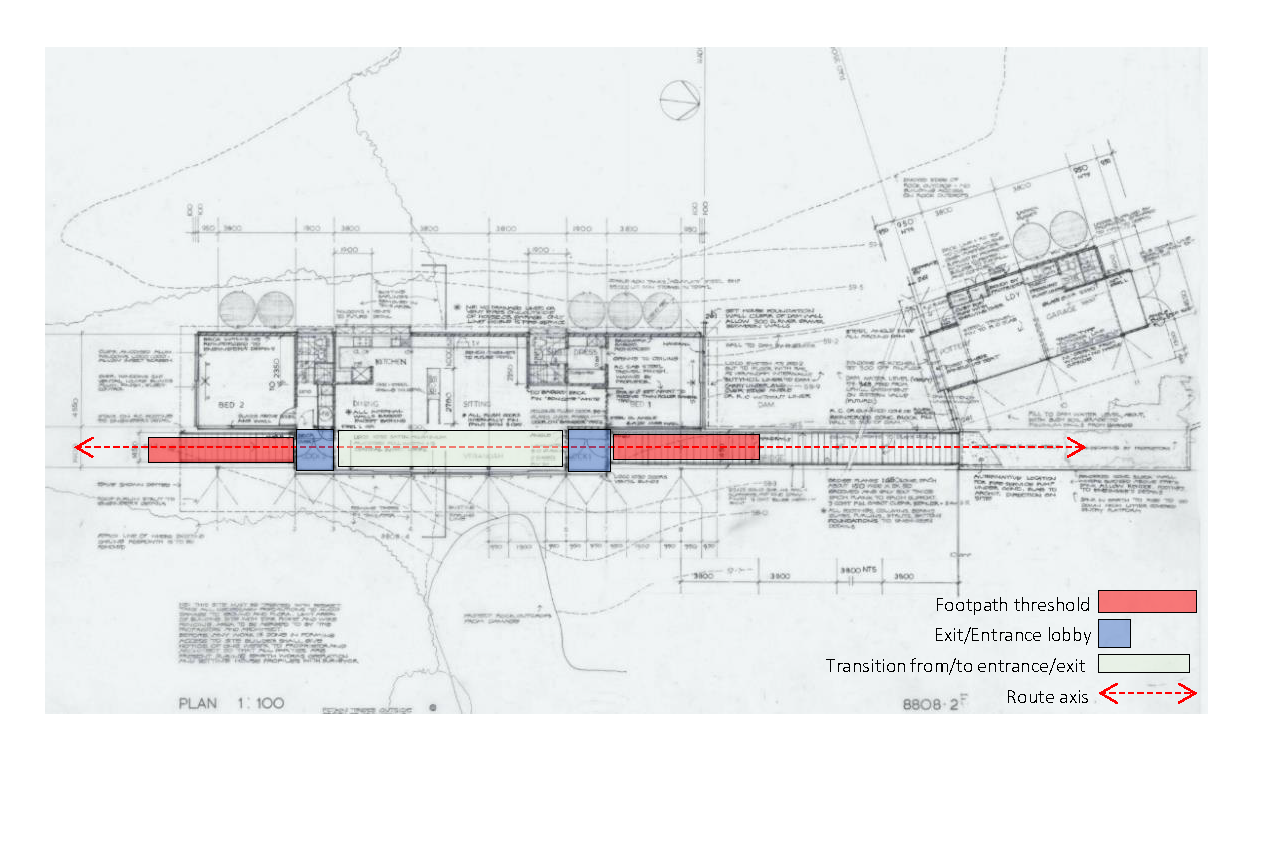
Figure 7
Simpson-Lee House, Blue Mountains, New South Wales, Australia (1993). Pathway, threshold, and entrance to the house. (Adapted from the original drawing from the project; courtesy of El Croquis).
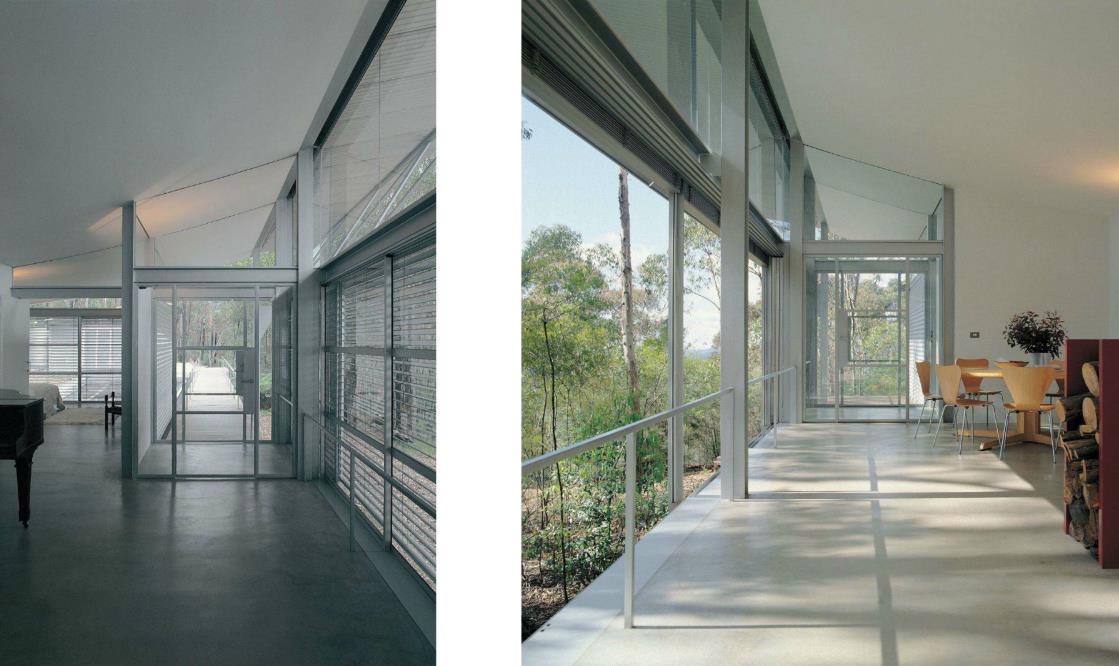
Figure 8
Simpson-Lee House: entrance/exit on the axis of the pathway threshold. (Photograph by Anthony Browell; courtesy of El Croquis).
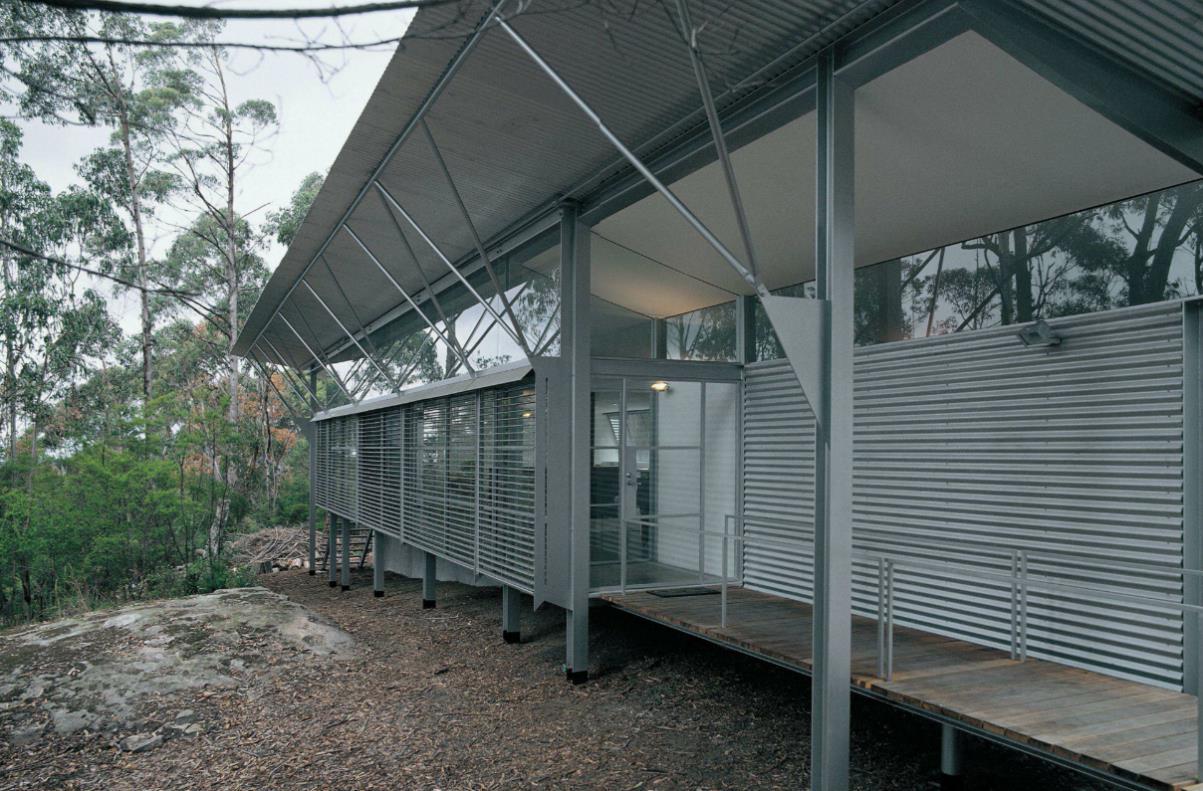
Figure 9
Simpson-Lee House: choice of materiality. (Photograph by Anthony Browell; courtesy of El Croquis).
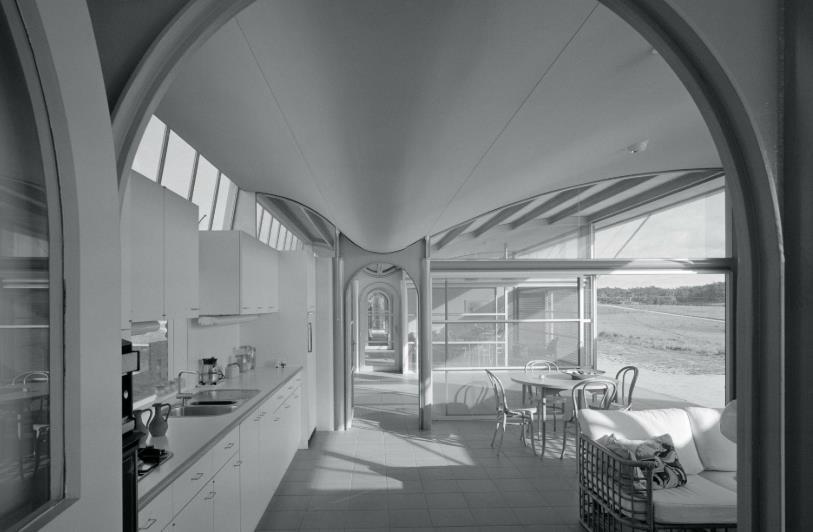
Figure 10
Interior of the Magney house, New South Wales, Australia (1984). (Photograph by Max Dupain courtesy of El Croquis).
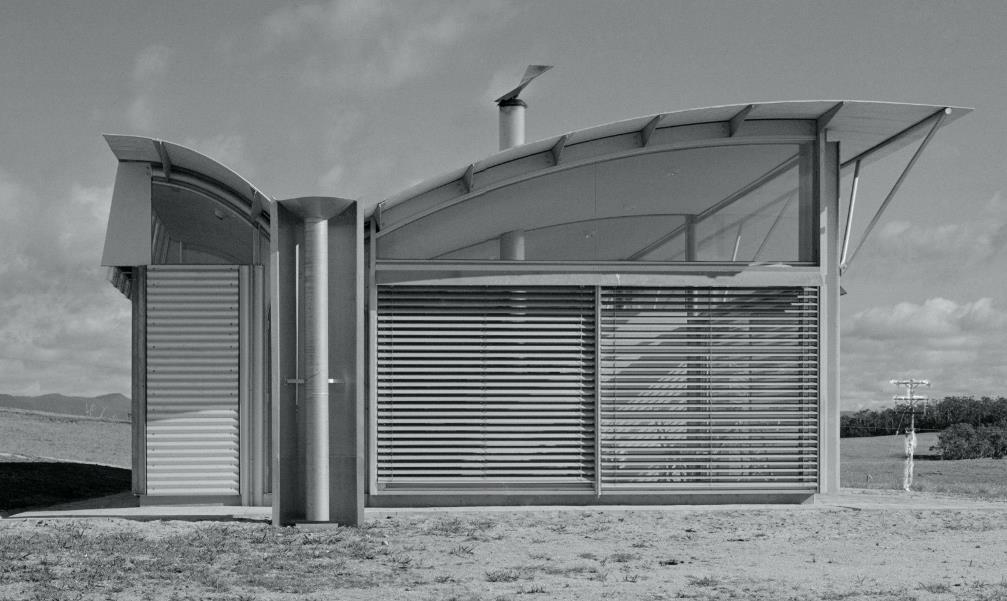
Figure 11
Exterior of the Magney house. (Photograph by Max Dupain; courtesy of El Croquis).