
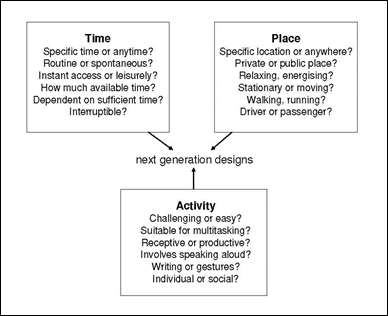
Figure 1
Conceptual framework for next generation designs for mobile-supported language learning in informal settings (Kukulska-Hulme, 2012, p. 9).
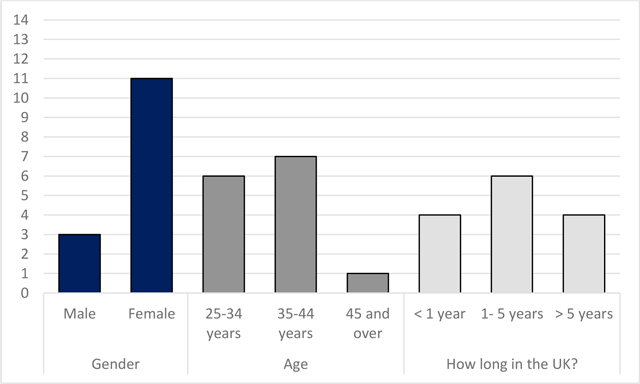
Figure 2
Participant demographics.
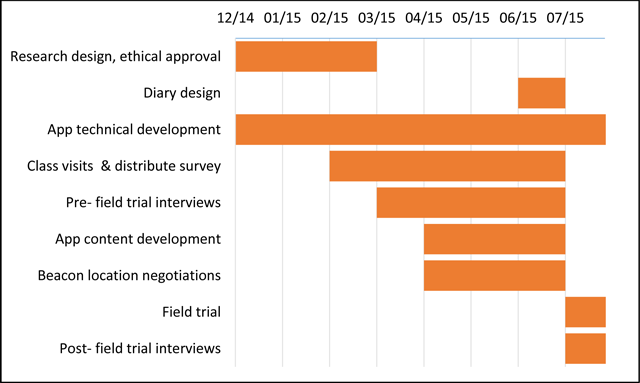
Figure 3
Gantt chart showing main stages in project.
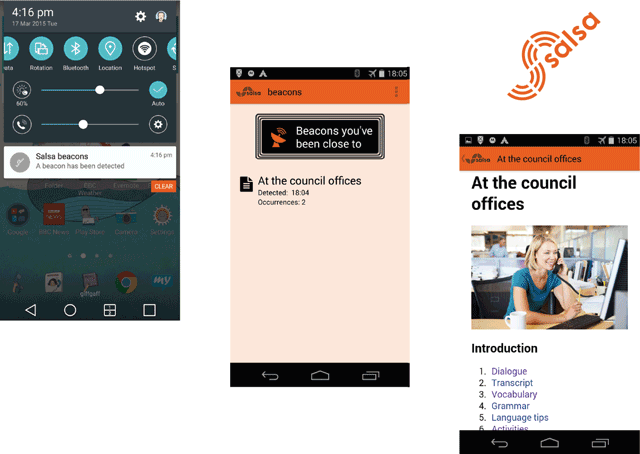
Figure 4
SALSA app interface showing initial notification, short description of nearby beacon, and linked content.
Table 1
Participants’ stated reasons for learning English.
| Participant | To be able to function in society, for general life | To belong, to fit in socially | To get a better job (or to geta job) | To function in current work | To help family | Other reasons* |
|---|---|---|---|---|---|---|
| 01 | x | |||||
| 03 | x | x | ||||
| 04 | x | |||||
| 05 | x | x | ||||
| 06 | x | x | x | |||
| 08 | x | x | x | |||
| 09 | x | x | ||||
| 11 | x | x | x | x | ||
| 16 | x | x | ||||
| 18 | x | x | ||||
| 19 | x | |||||
| 21 | x | x | x | |||
| 22 | x | x | x | |||
| 25 | x | x |
[i] *Other reasons:
Pt.05 “just in case”.
Pt.06 inconvenient when travelling: different passport than rest of family (because not UK citizen).
Pt.11 for studying.
Pt.19 to become a UK citizen.
Pt.22 to become bilingual.
Table 2
Time: study habits and triggered learning.
| Pt. | Initial interview: study habits | Diary: behaviour during field trial | ||||
|---|---|---|---|---|---|---|
| Time: planned learning | Time: learning in the moment | Total number of instances of beacon triggers | Instances of only checking app when triggered (not studying in detail) | Instances of studying content when triggered | Instances of studying content later | |
| 01 | x | x | 6 | 0 | 6 | 5 |
| 03 | x | 2 | 0 | 2 | 2 | |
| 04 | x | x | 4 | 0 | 4 | 4 |
| 05 | x | x | 7 | 0 | 7 | 6 |
| 06 | x | 4 | 0 | 4 | 0 | |
| 08 | x | x | 7 | 0 | 2 | 6 |
| 09 | 8 | 0 | 0 | 8 | ||
| 11 | x | x | 7 | 2 | 1 | 7 |
| 16 | x | 6 | 0 | 6 | 0 | |
| 18 | x | 6 | 5 | 1 | 6 | |
| 19 | x | 5 | 0 | 2 | 3 | |
| 21 | x | x | 7 | 0 | 2 | 5 |
| 22 | x | x | 7 | 2 | 2 | 4 |
| 25 | x | x | 9 | 2 | 5 | 7 |