Have a personal or library account? Click to login
Persistent Identifiers in Germany: Key Findings of a Nationwide Survey Cover

Persistent Identifiers in Germany: Key Findings of a Nationwide Survey

Open Access
|Aug 2026

Figures & Tables

Table 1

Response rate by organization type.

ORGANIZATION TYPETOTALRESPONSE RATE
Fraunhofer-Gesellschaft751616%
Helmholtz Centres181739%
Leibniz Institutes971825%
Max Planck Society841910%
Universities (under public-law)872036%
Universities of Applied Sciences (under public-law)1862117%
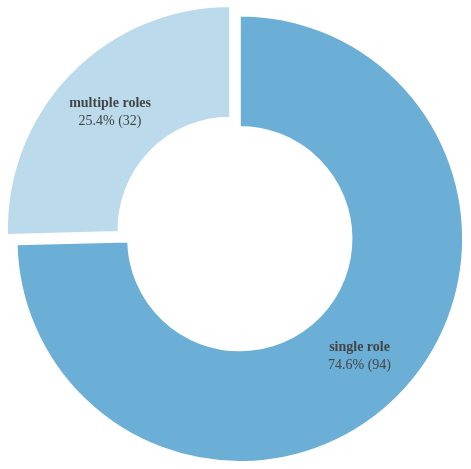
Figure 1

Single and multiple roles of respondents.
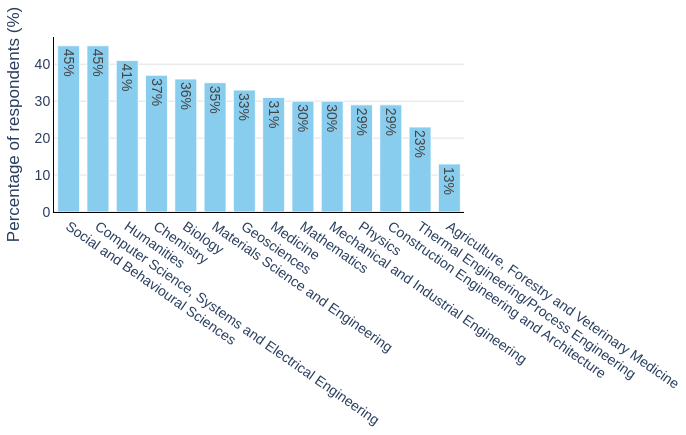
Figure 2

Responses from organization based on the DFG Classification of Scientific Disciplines (2020–2024).
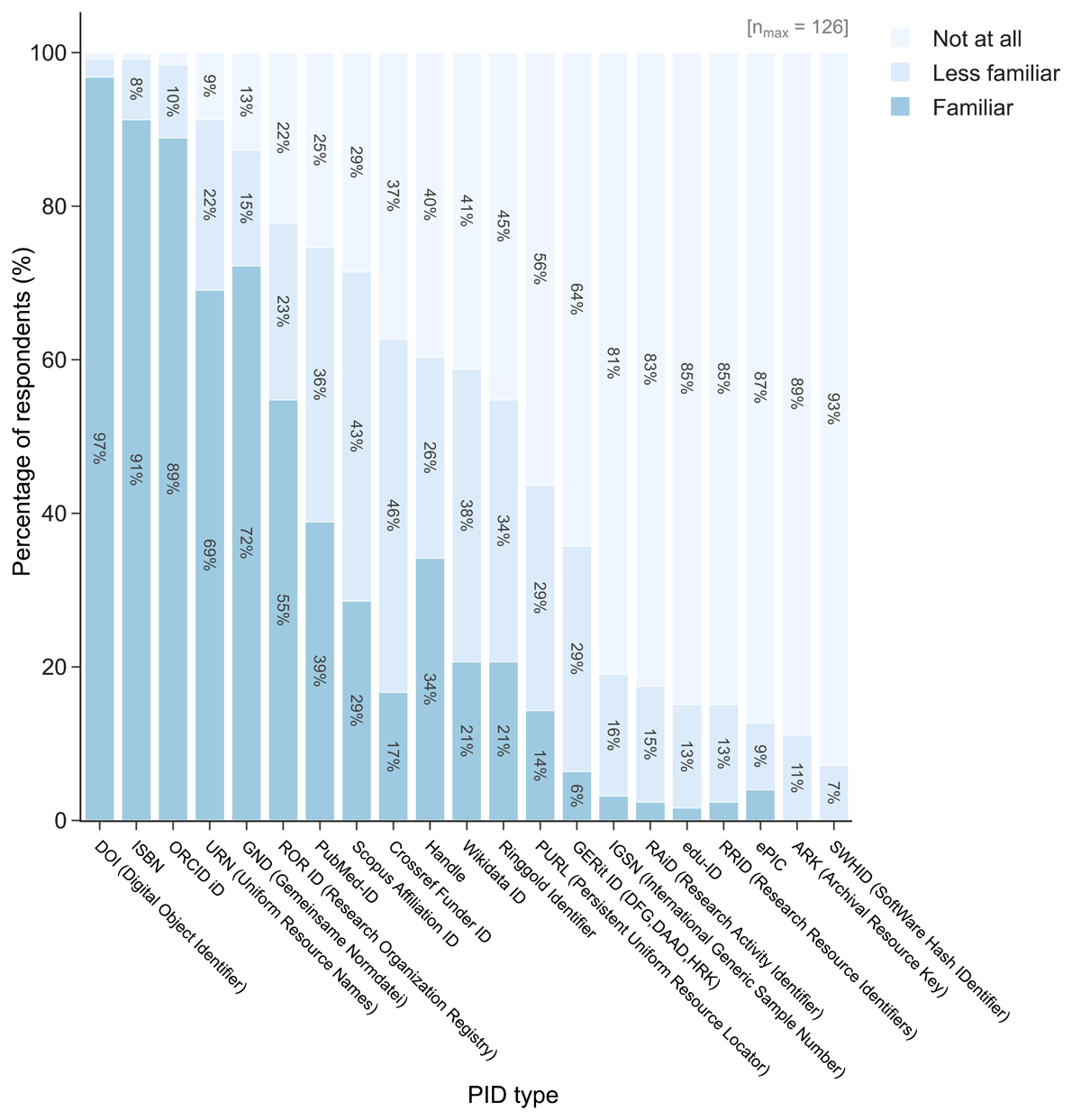
Figure 3

Distribution of familiarity levels across the PID type spectrum.
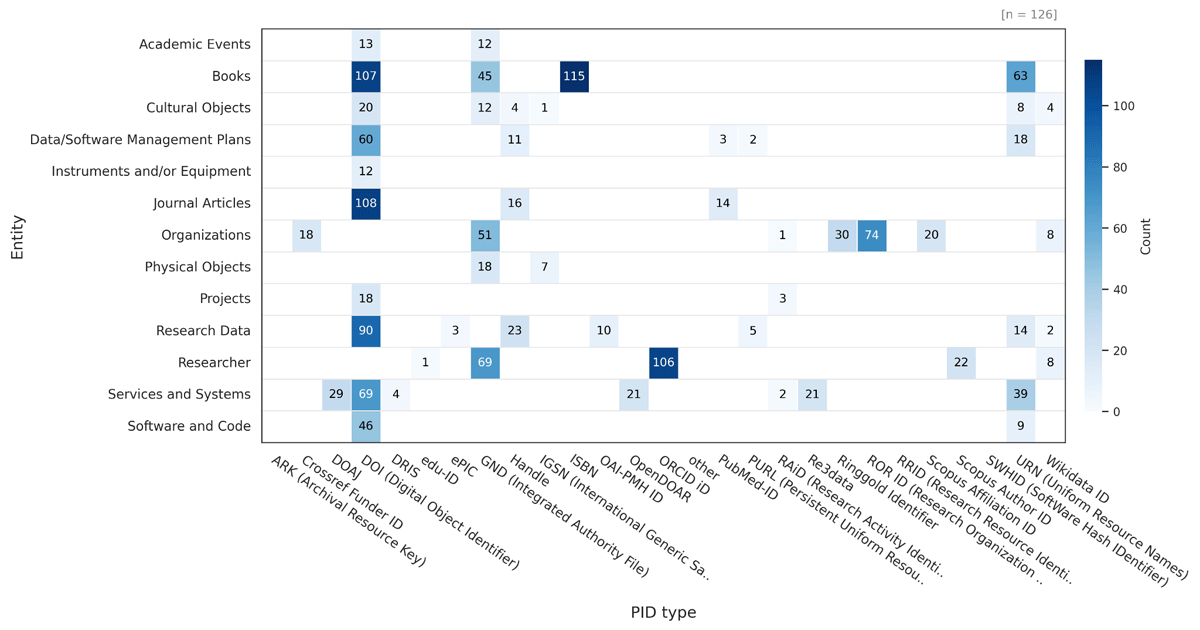
Figure 4

Overview of the use of entities and PIDs.
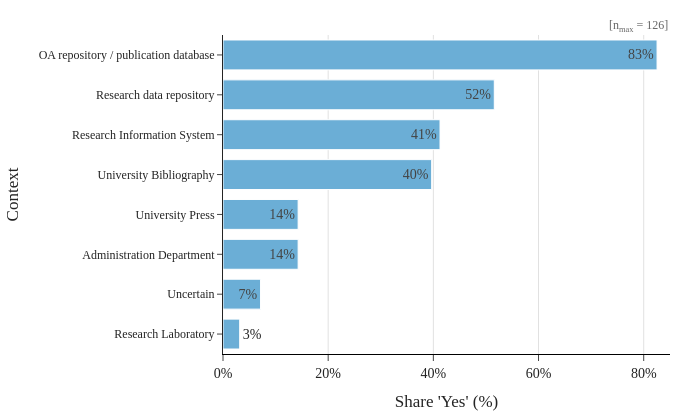
Figure 5

Distribution of ‘In which context do you use PIDs?’
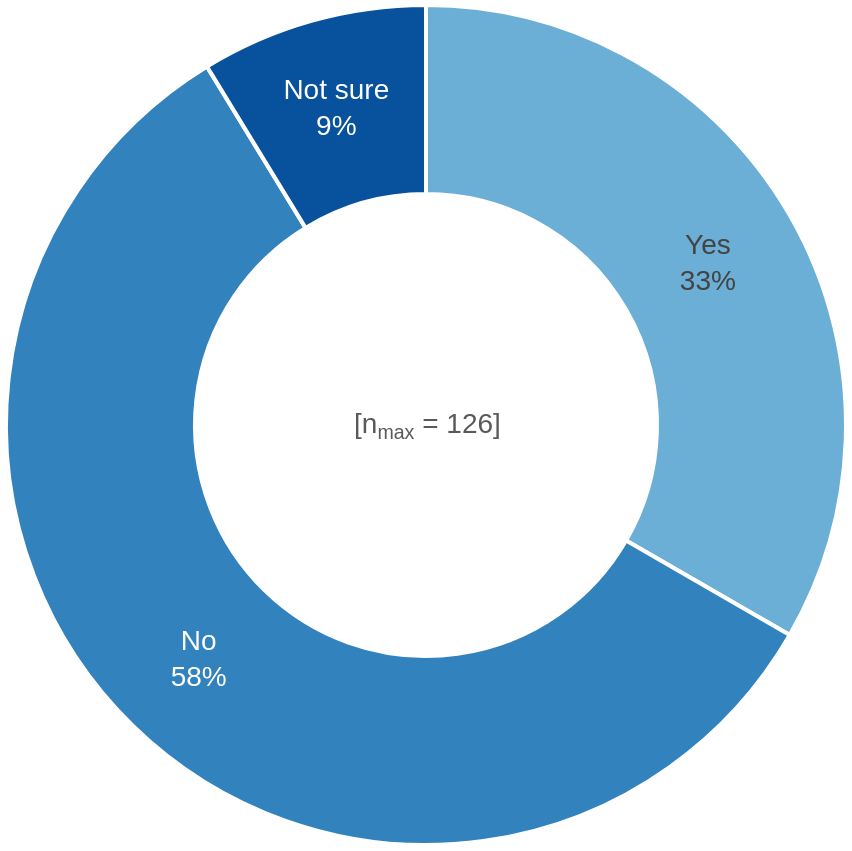
Figure 6

Percentage of organizations offering training on PIDs.
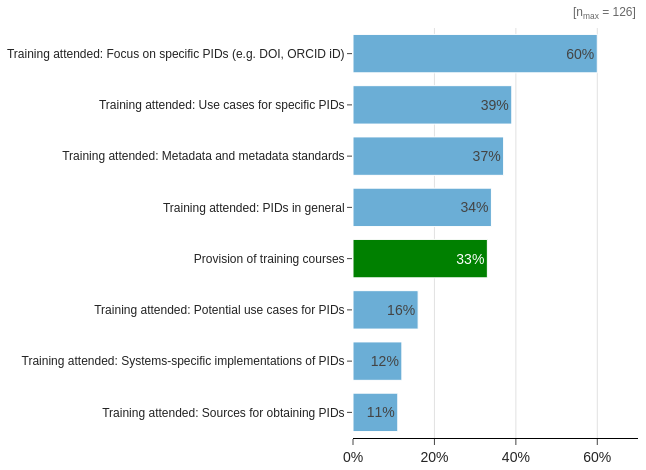
Figure 7

Training attended vs training offering (green) on PID-related topics.
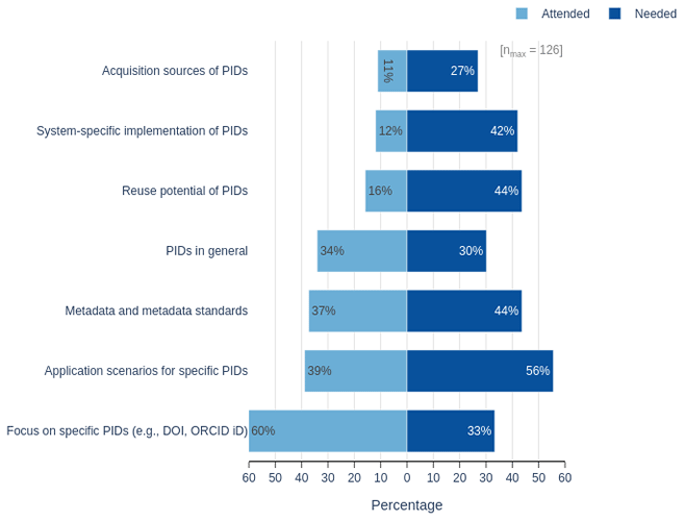
Figure 8

PID Training topic; differentiation of attended vs needed.
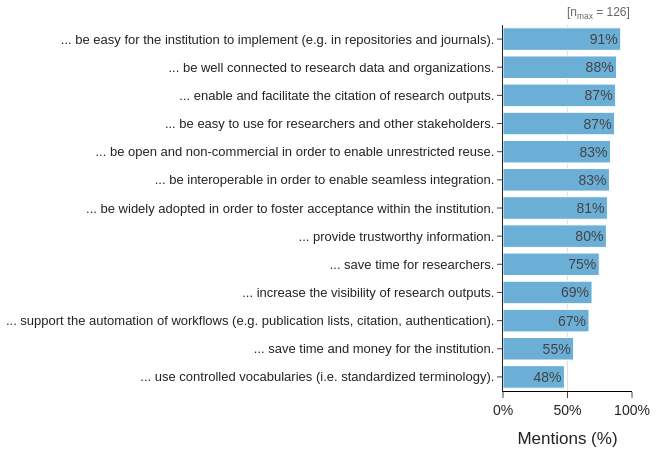
Figure 9

‘Strongly agree’ PID requirements at the organization level.
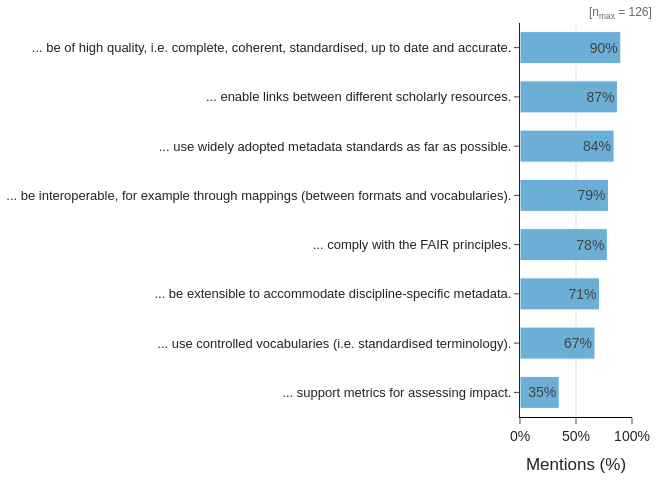
Figure 10

Strong consensus of metadata requirements at the organization level.
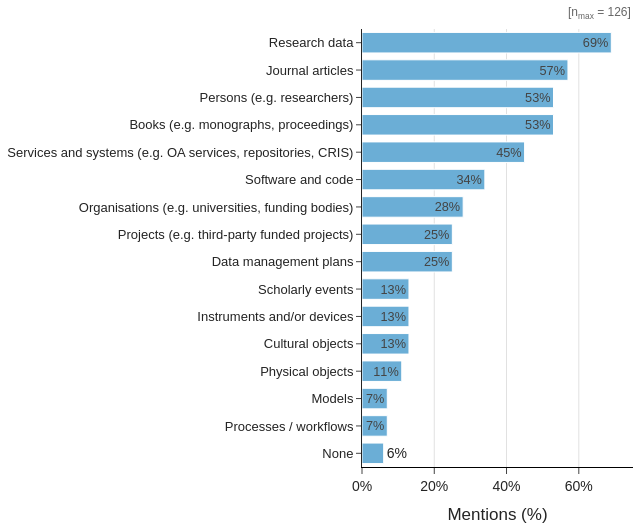
Figure 11

Planned PID use by entity type.
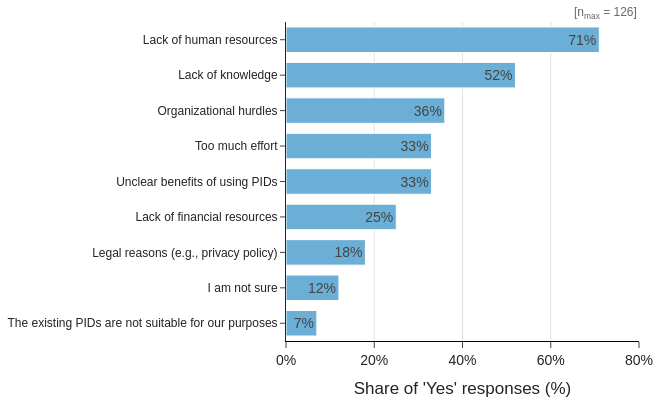
Figure 12

Reasons against the implementation of PIDs.
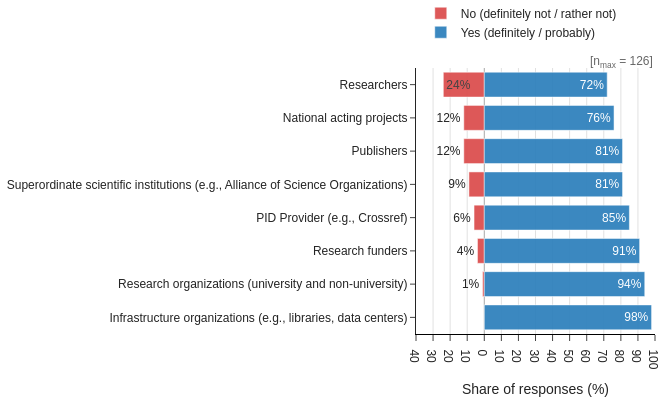
Figure 13

Stakeholders perceived as key to realizing the potential of PIDs.

Language: English
Page range: 28 - 28
Submitted on: Mar 10, 2026
Accepted on: Jun 12, 2026
Published on: Aug 10, 2026
Published by: Ubiquity Press
In partnership with: Paradigm Publishing Services

© 2026 Andreas Czerniak, Steffi Genderjahn, Paul Vierkant, Stephanie Hagemann-Wilholt, Nina Schönfelder, Antonia C. Schrader, Frauke Ziedorn, Barbara K. Fischer, Dirk Pieper, Marc Lange, published by Ubiquity Press
This work is licensed under the Creative Commons Attribution 4.0 License.