
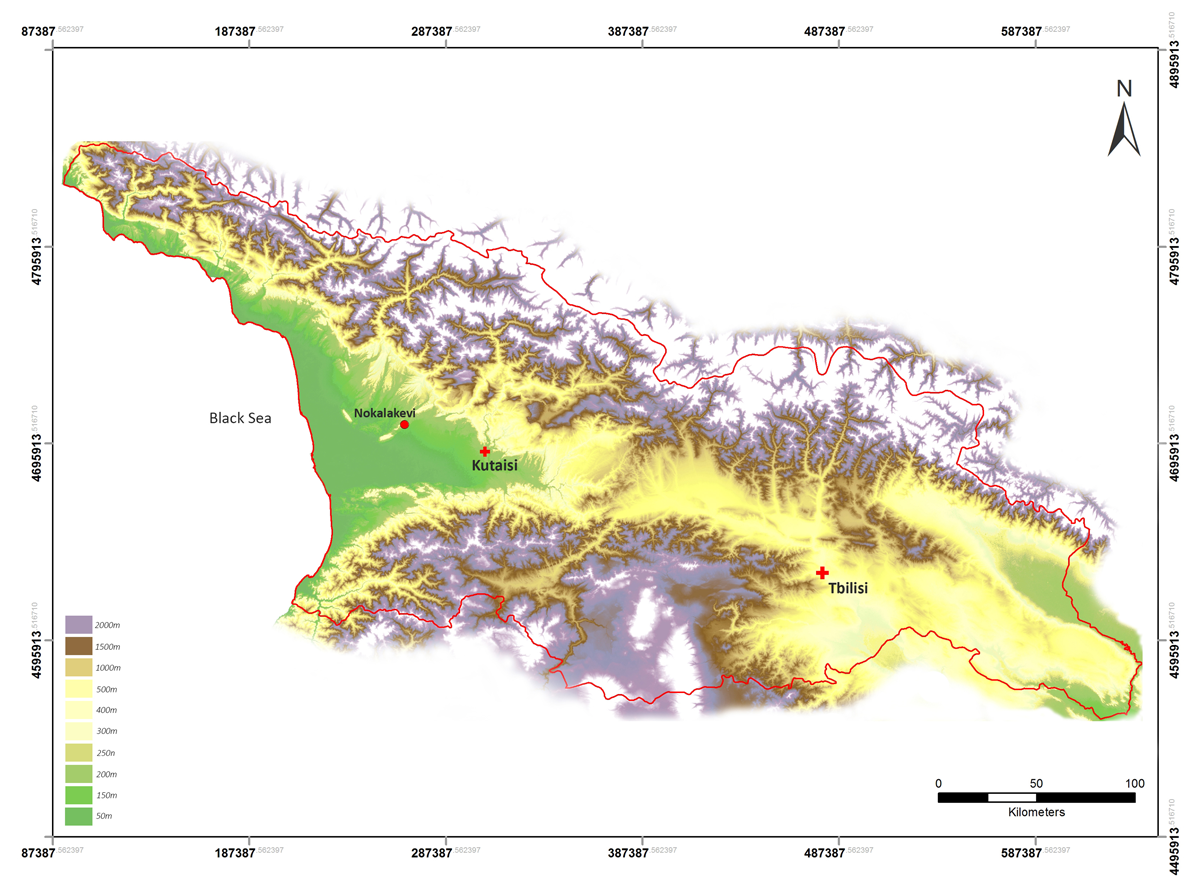
Figure 1
Topographic map of Georgia, generated from the ASTER GDEM produced by NASA and METI, showing the location of Nokalakevi. Coordinates in WGS84 UTM 38N.
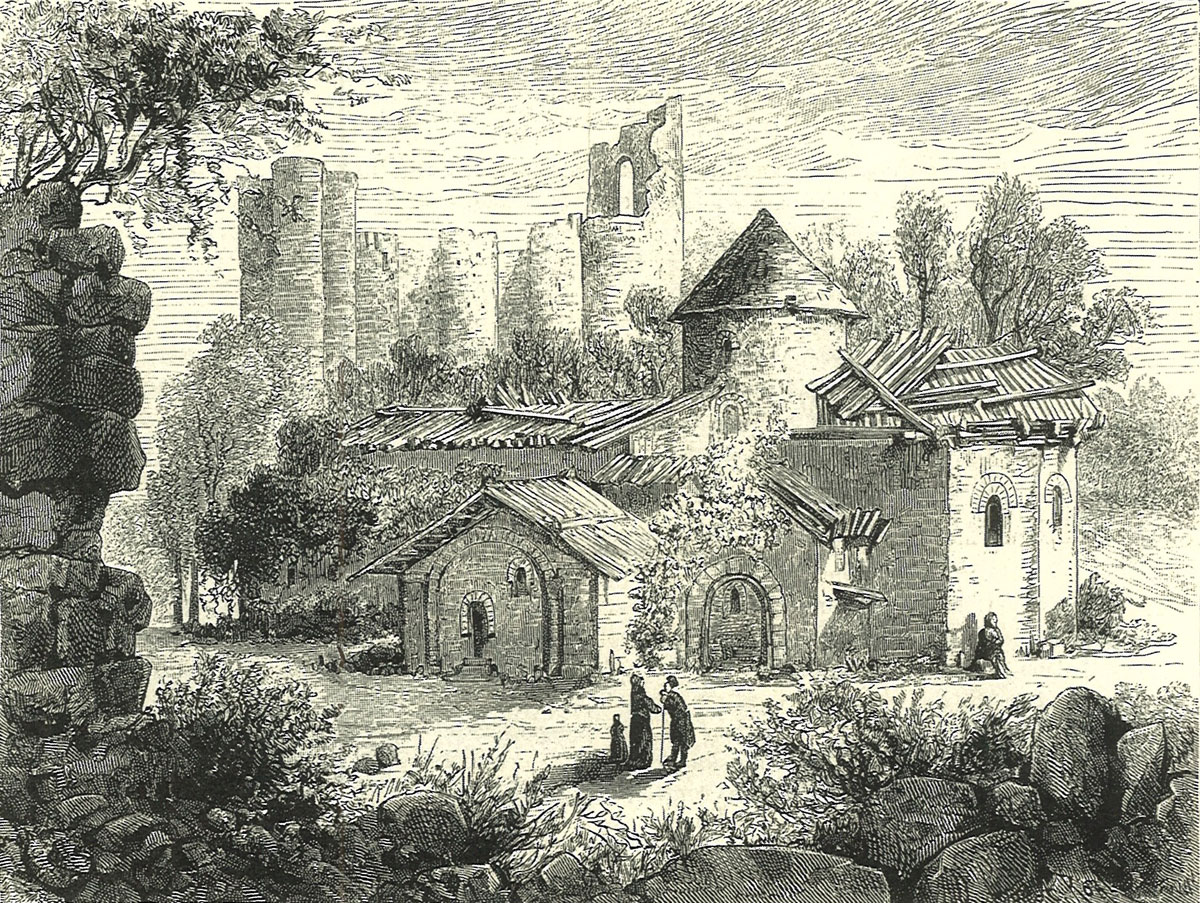
Figure 2
The Forty Martyrs’ Church among the ruins at Nokalakevi, as seen in the 1830s (Dubois de Montpéreux 1839).
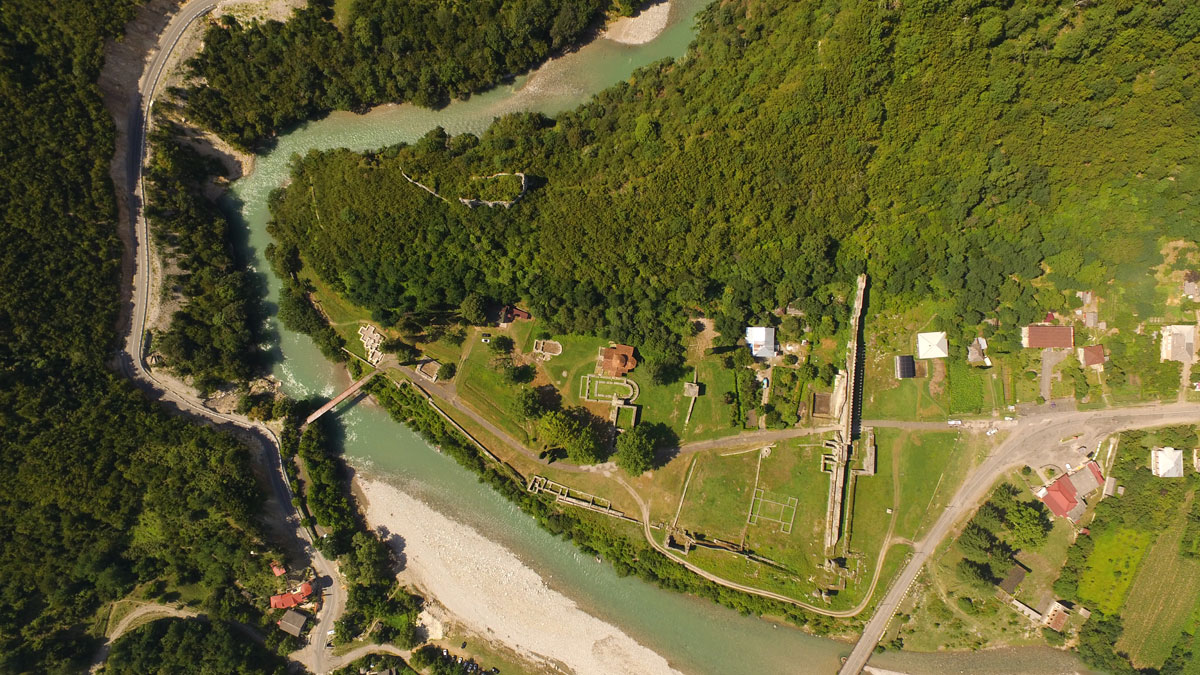
Figure 3
Vertical drone photo of the ‘lower town’ of Nokalakevi, enclosed within a loop of the River Tekhuri (© National Agency for Cultural Heritage Preservation of Georgia 2016).
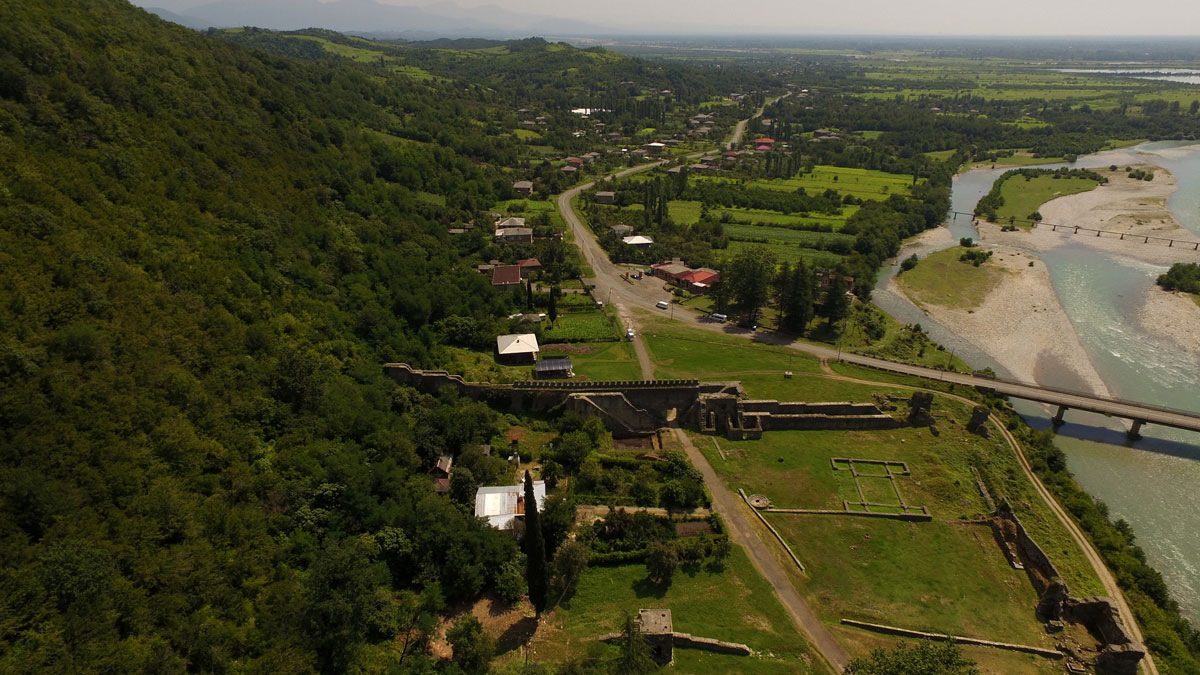
Figure 4
Oblique drone photo, looking east, showing the location of Nokalakevi at the junction of the foothills to the north (left) and the Colchian Plain to the south (© National Agency for Cultural Heritage Preservation of Georgia 2016).
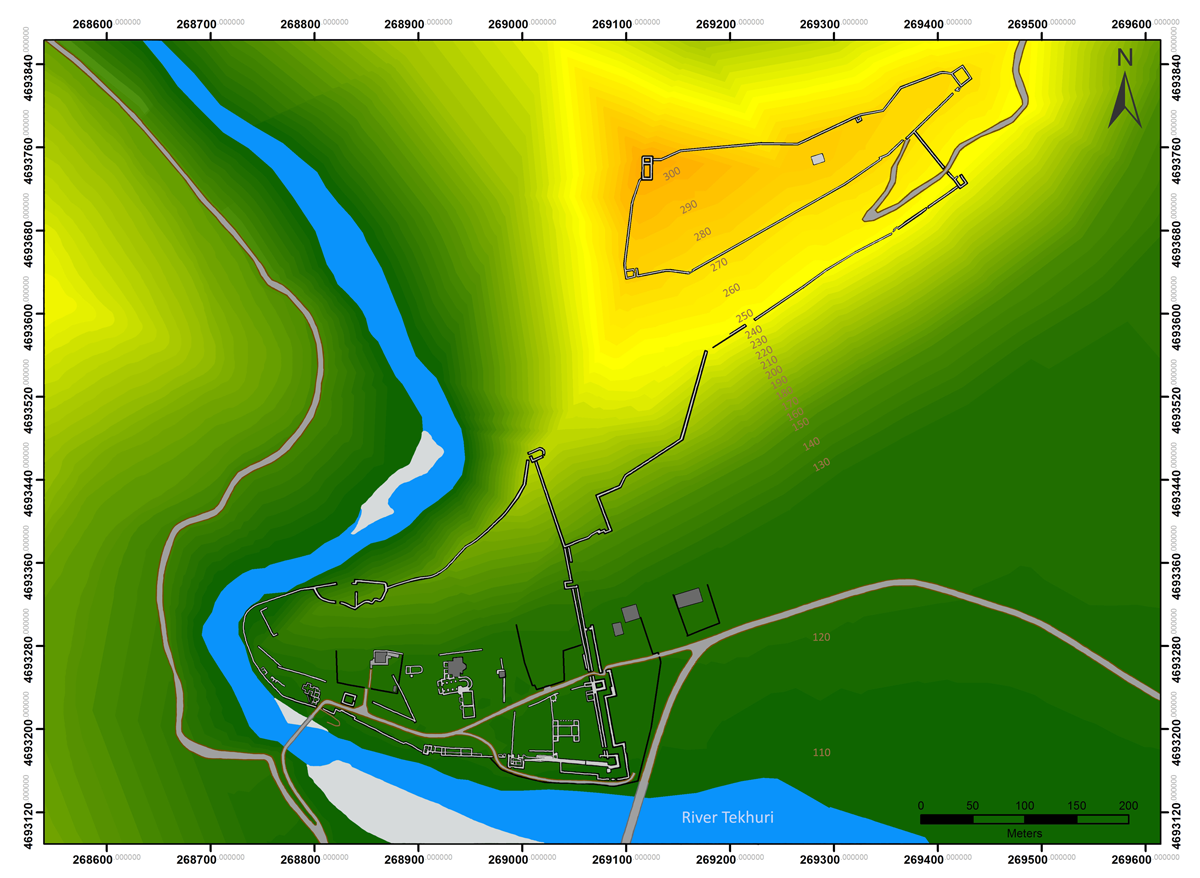
Figure 5
GPS survey of extant structures at Nokalakevi, 2009, showing modern infrastructure and surviving fortifications, the extent of the walls, and the relationship between the ‘upper’ and ‘lower’ town. Coordinates in WGS84 UTM 38N.
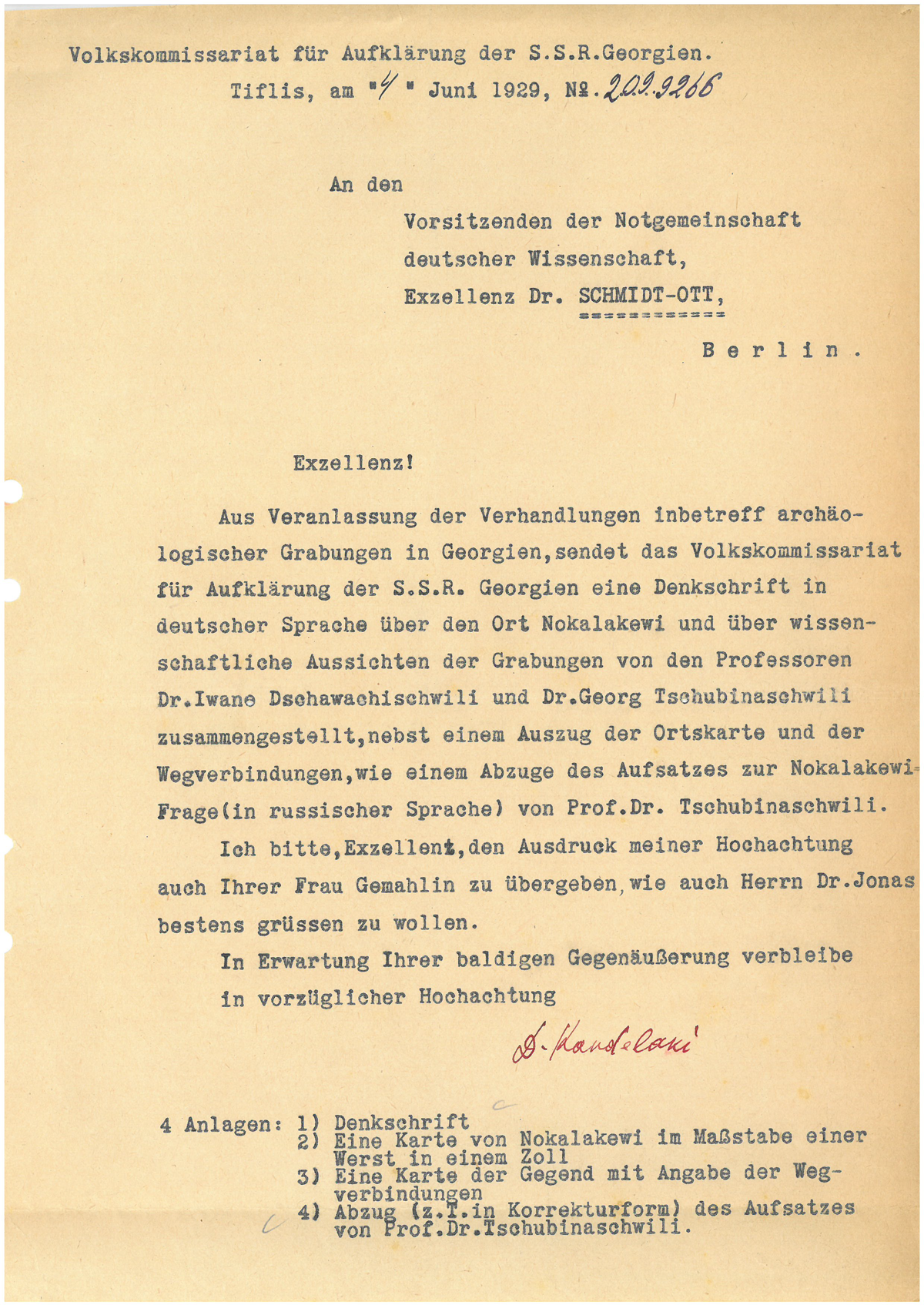
Figure 6
The start of the collaboration at Nokalakevi: The letter from Kandelaki to Schmidt-Ott, June 1929, held in the Bundesarchiv (BArch, R 73/11589a).
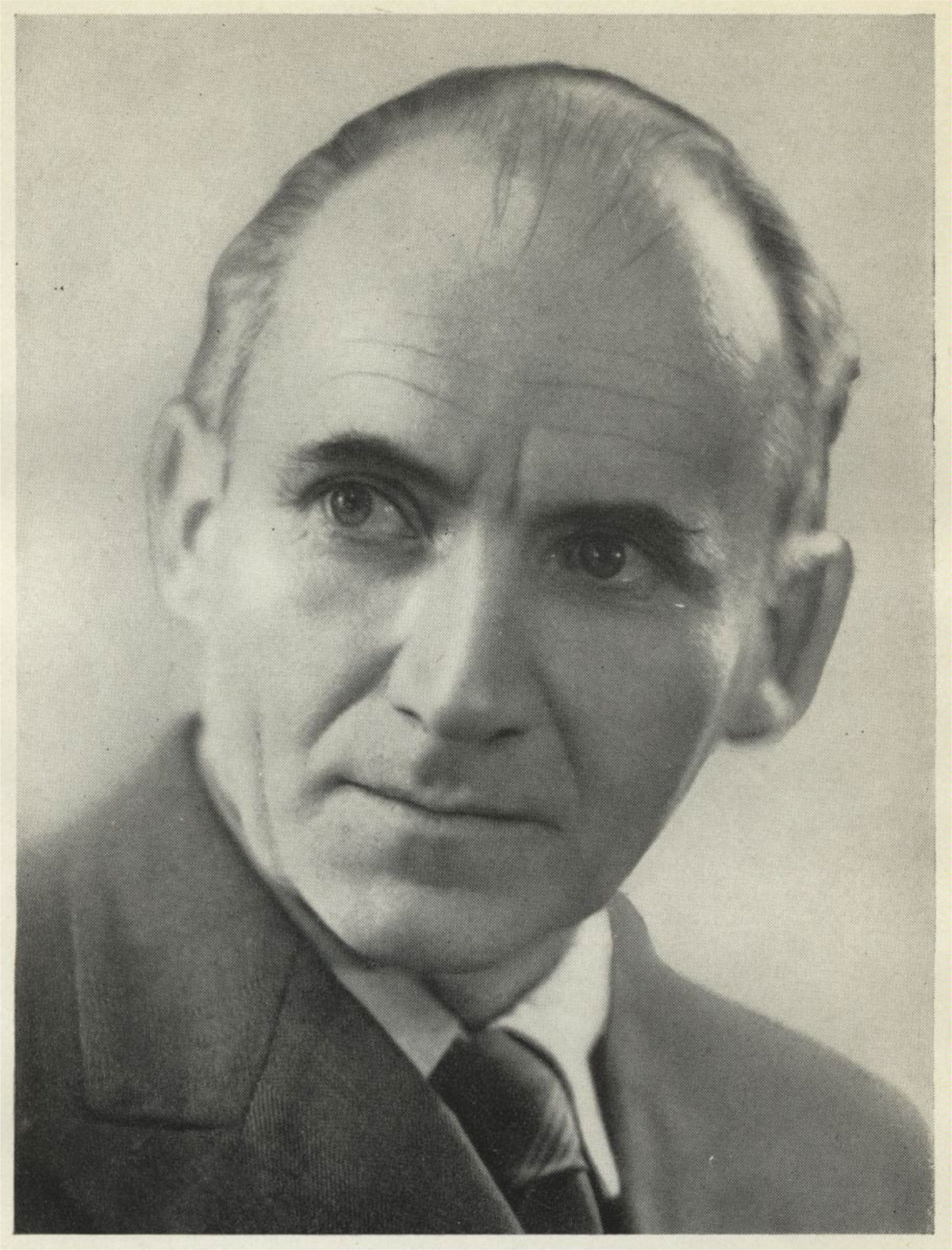
Figure 7
Dr Alfons Maria Schneider (Babinger 1953).
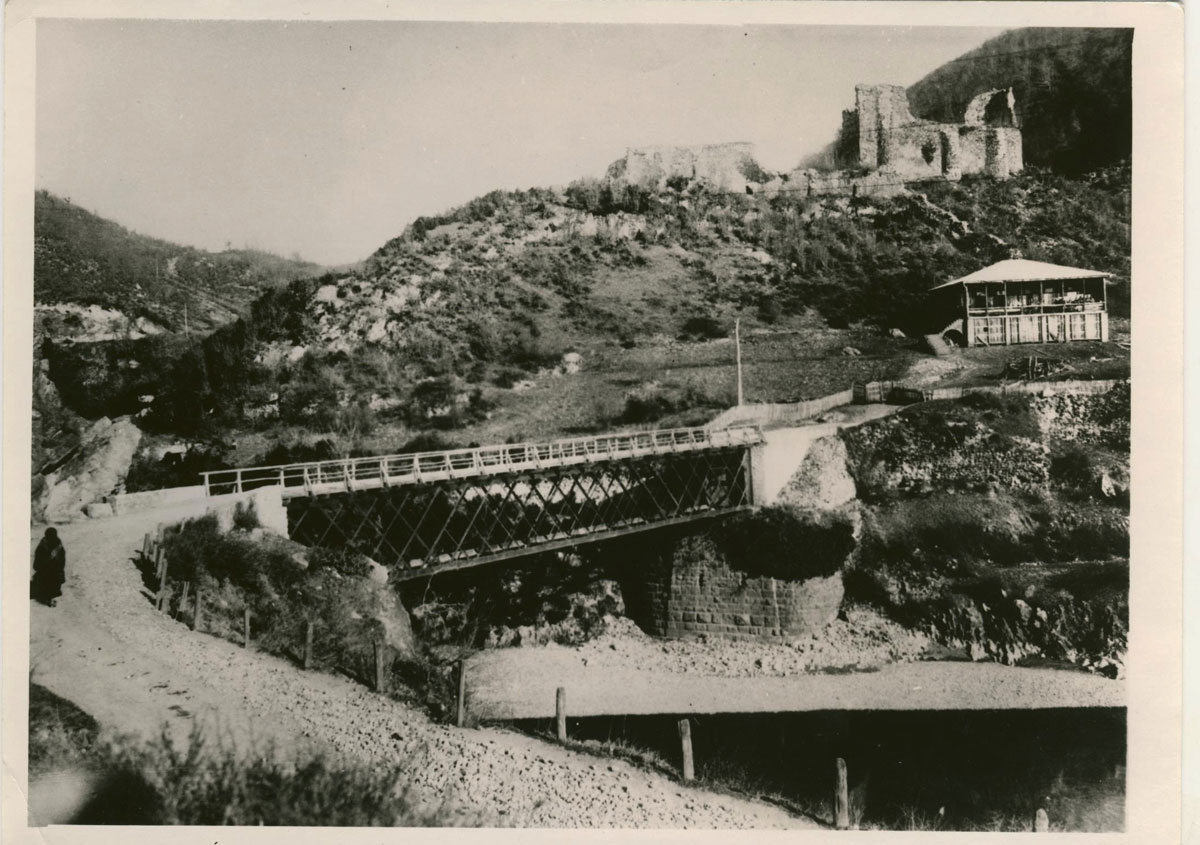
Figure 8
Looking north across the Tekhuri at the western end of the lower town, Nokalakevi, showing the road bridge, village hospital, and ruins, 1930/31. Professor Giorgi Gozalishvili Archive, S. Janashia Museum of Georgia Medieval Archaeology Collection (West Georgian Collection). © Georgian National Museum, Tbilisi.
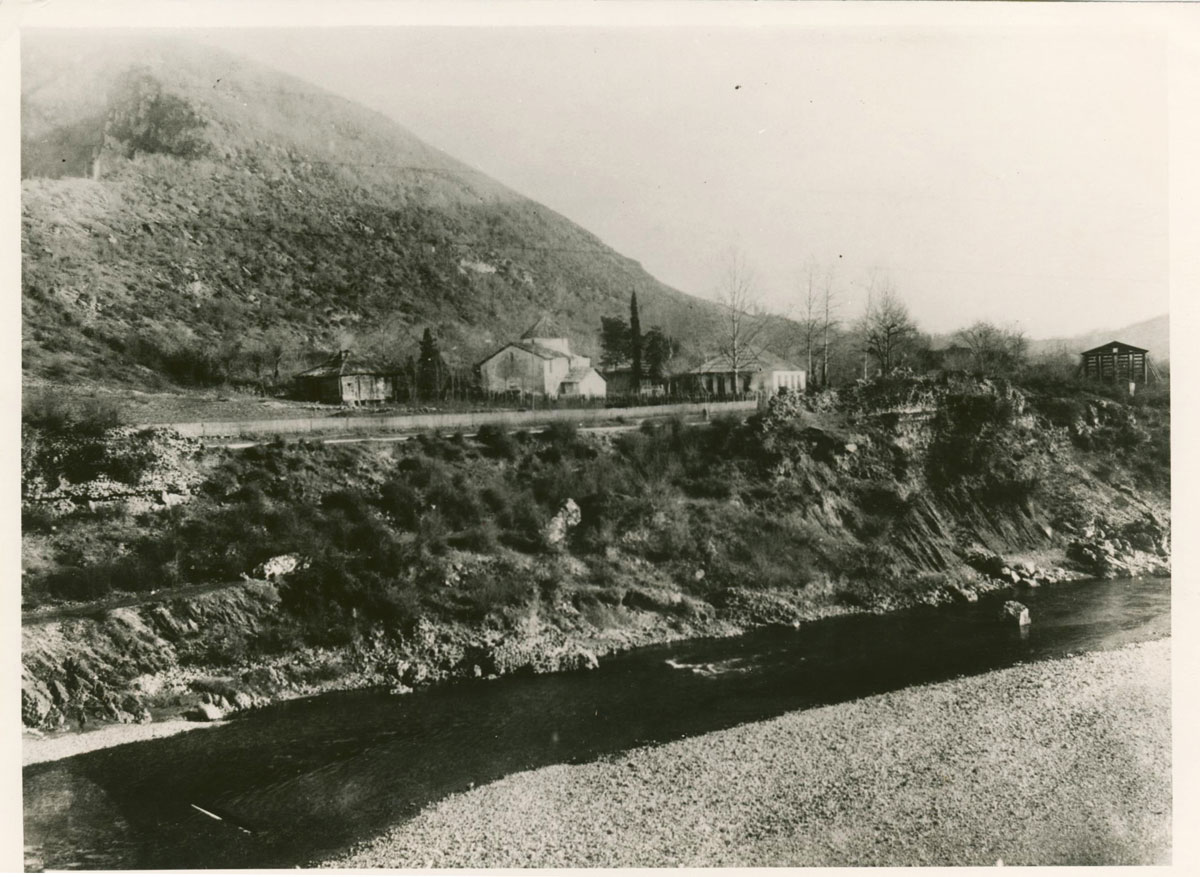
Figure 9
Looking northeast across the Tekhuri at the eastern end of the lower town, Nokalakevi, showing the Forty Martyrs’ Church and village houses 1930/31. Professor Giorgi Gozalishvili Archive, S. Janashia Museum of Georgia Medieval Archaeology Collection (West Georgian Collection). © Georgian National Museum, Tbilisi.
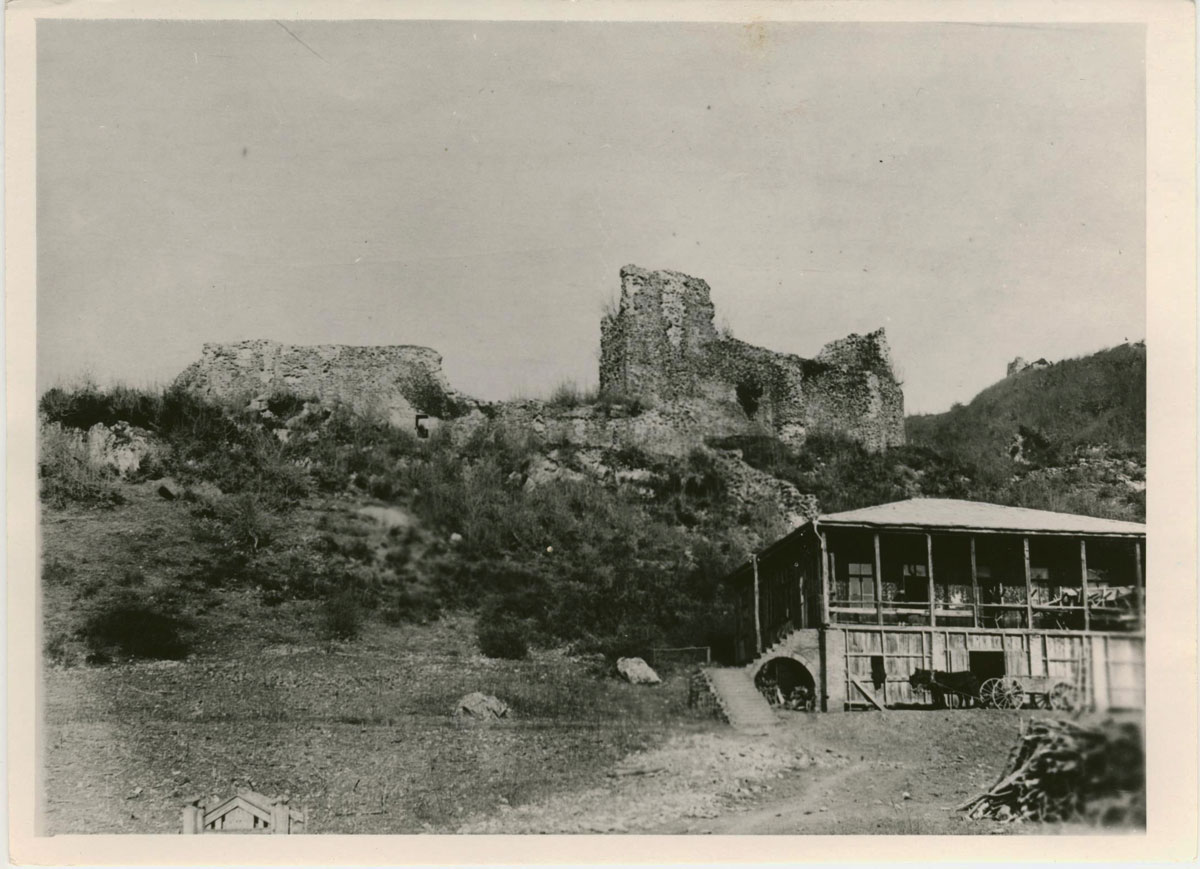
Figure 10
The village hospital – later repurposed as the first archaeological dig house in the 1970s – with standing remains behind, 1930/31. Professor Giorgi Gozalishvili Archive, S. Janashia Museum of Georgia Medieval Archaeology Collection (West Georgian Collection). © Georgian National Museum, Tbilisi.
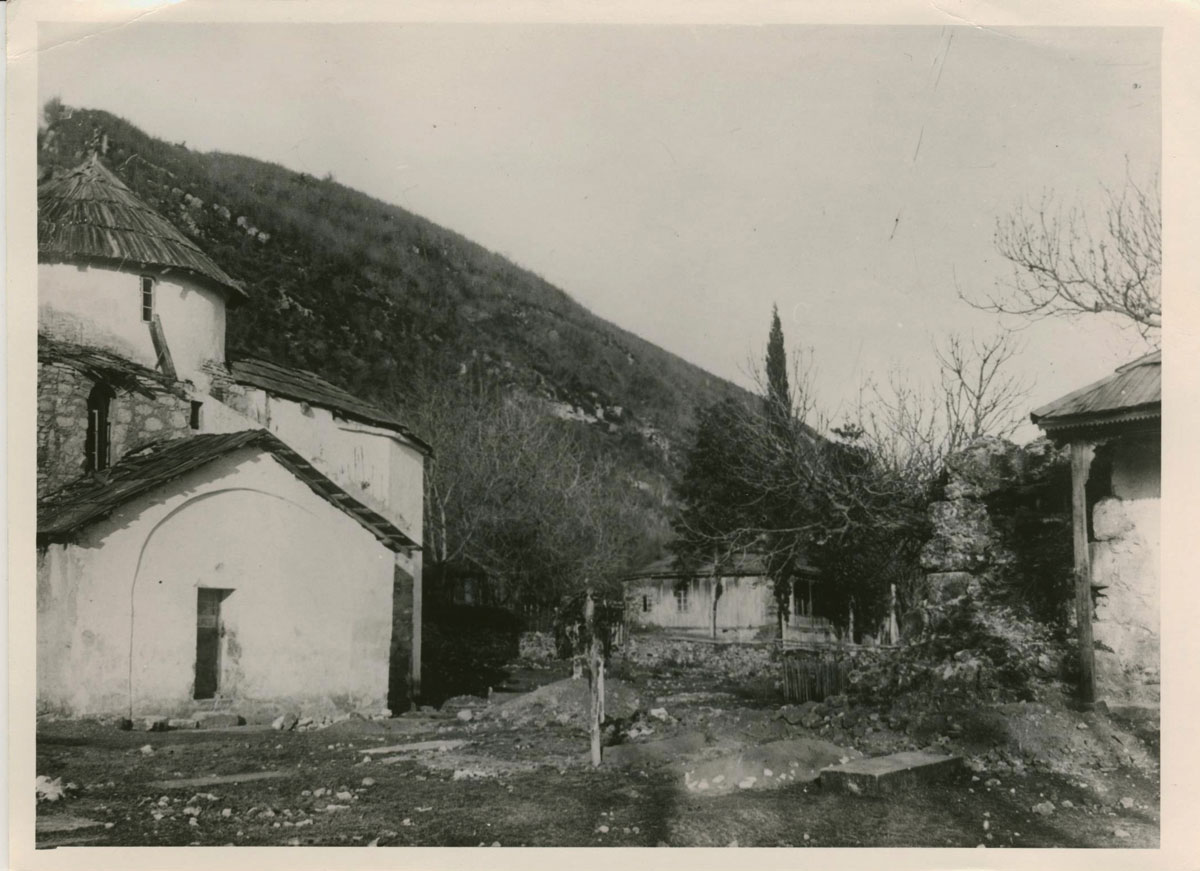
Figure 11
Looking northeast at the ridge on which the citadel is located. In the foreground the Forty Martyrs’ Church and village houses can be seen among the ruins, 1930/31. Professor Giorgi Gozalishvili Archive, S. Janashia Museum of Georgia Medieval Archaeology Collection (West Georgian Collection). © Georgian National Museum, Tbilisi.
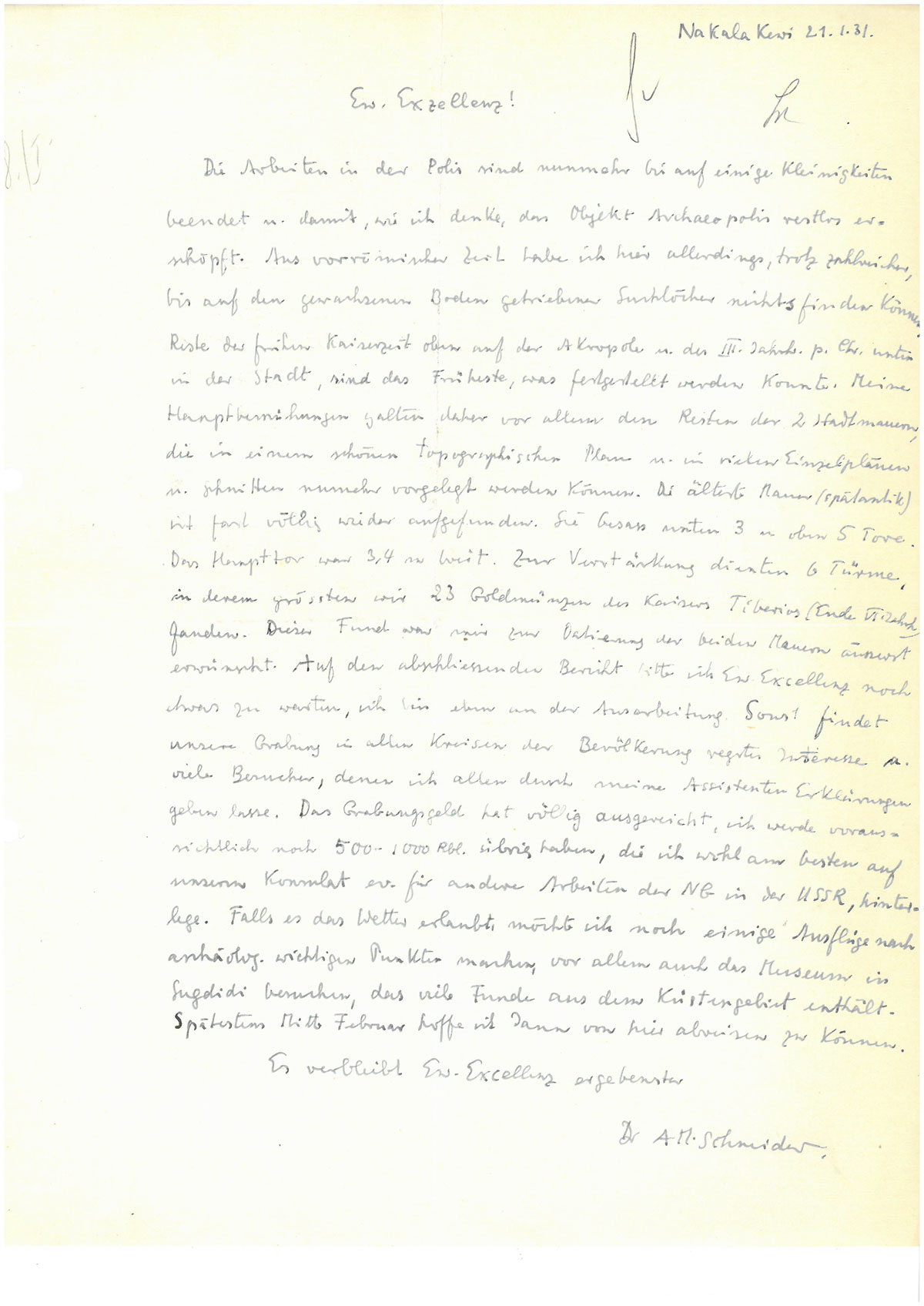
Figure 12
The final days of the collaboration: The last letter from Schneider to Schmidt-Ott, sent from Nokalakevi, January 1931, held in the Bundesarchiv (BArch, R 73/11589a).
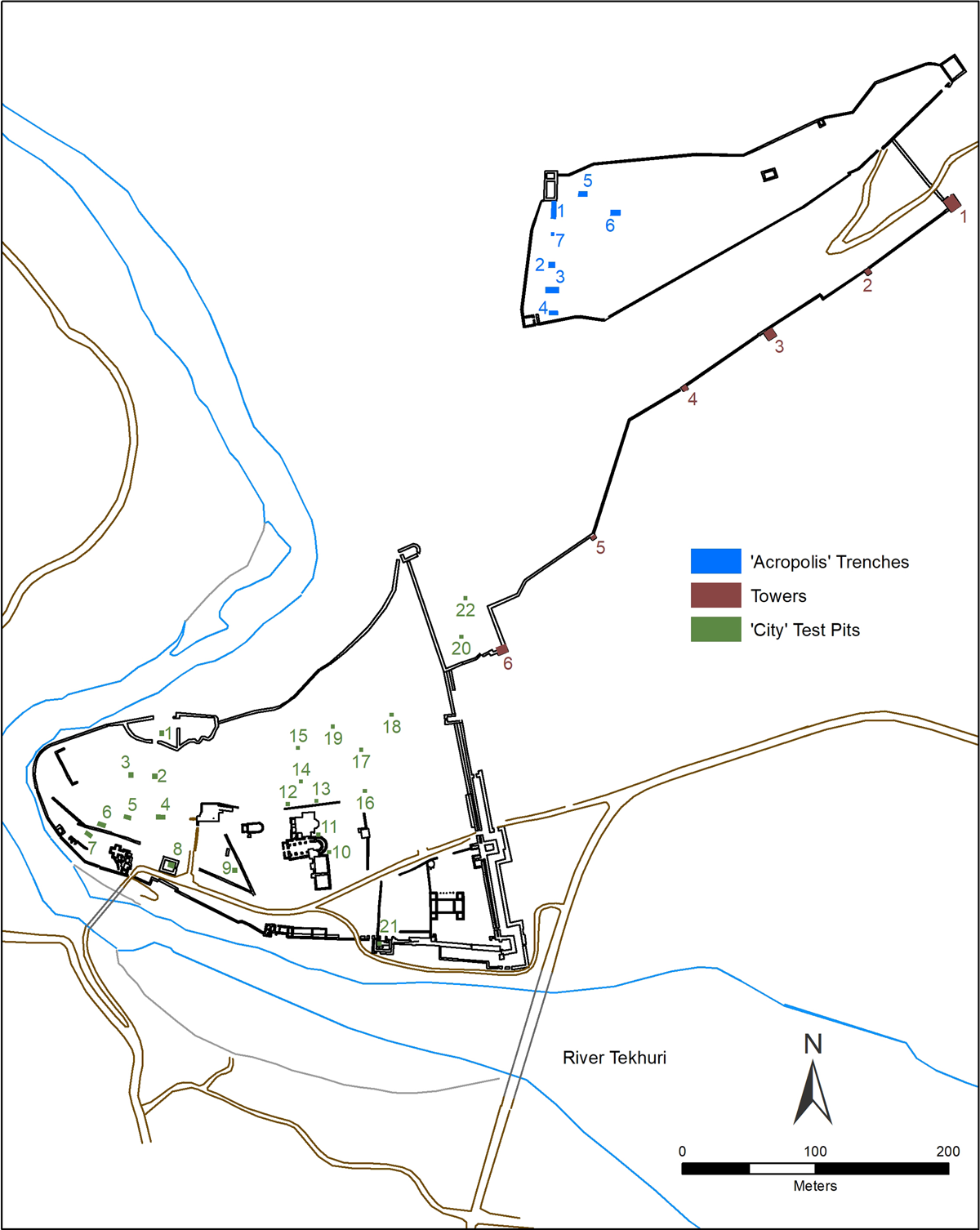
Figure 13
The approximate location of Schneider’s test pits and trenches based on the crude sketches in his notebook (DAI-IST Nachlass Alfons Maria Schneider Box IV Notizbuch Nokalakevi), and the numbering of the towers. Of the latter 1, 3, and 6 were excavated, and 2 and 4 were interpreted as contreforts (BArch, R 73/11589a).
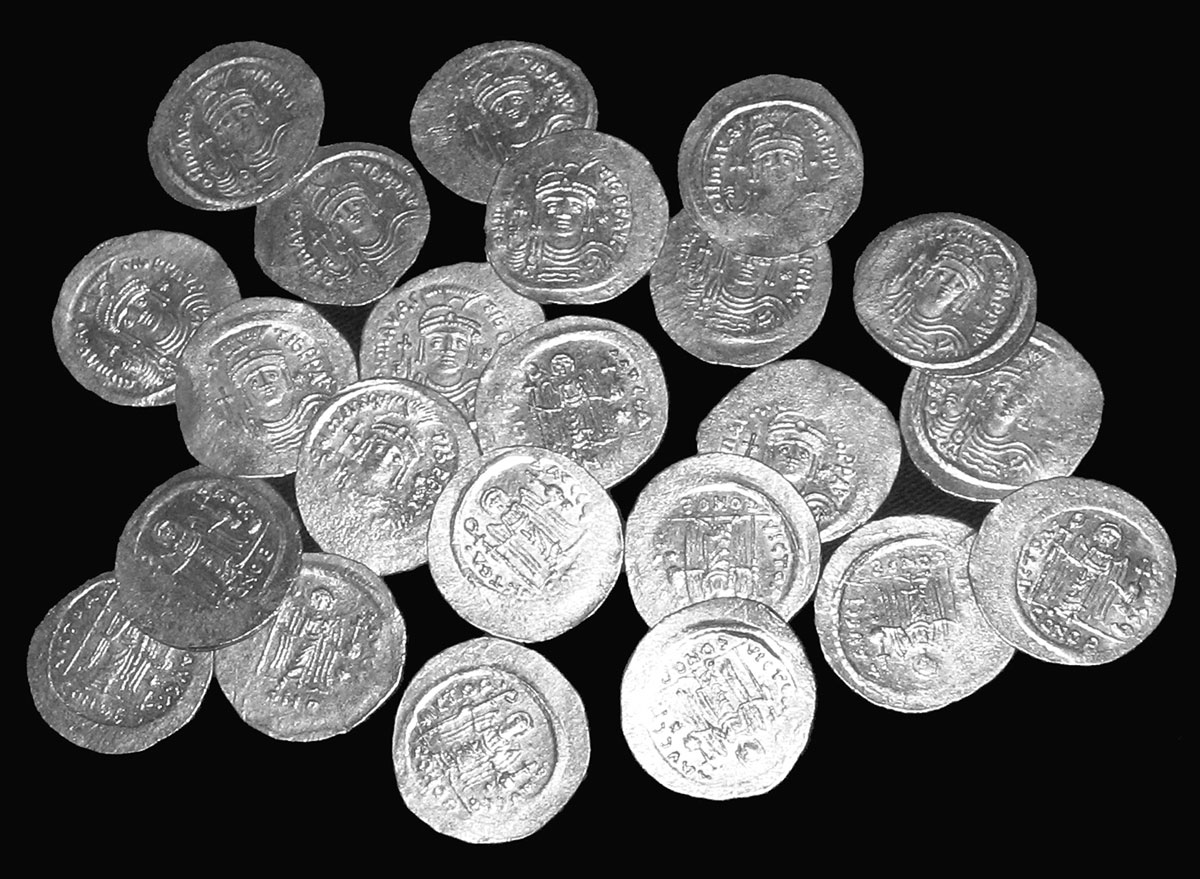
Figure 14
The 23 solidi, minted during the reign of the Emperor Maurice (582–602 AD), discovered during excavation of Tower 6, “Schneider’s Tower”, in January 1931.
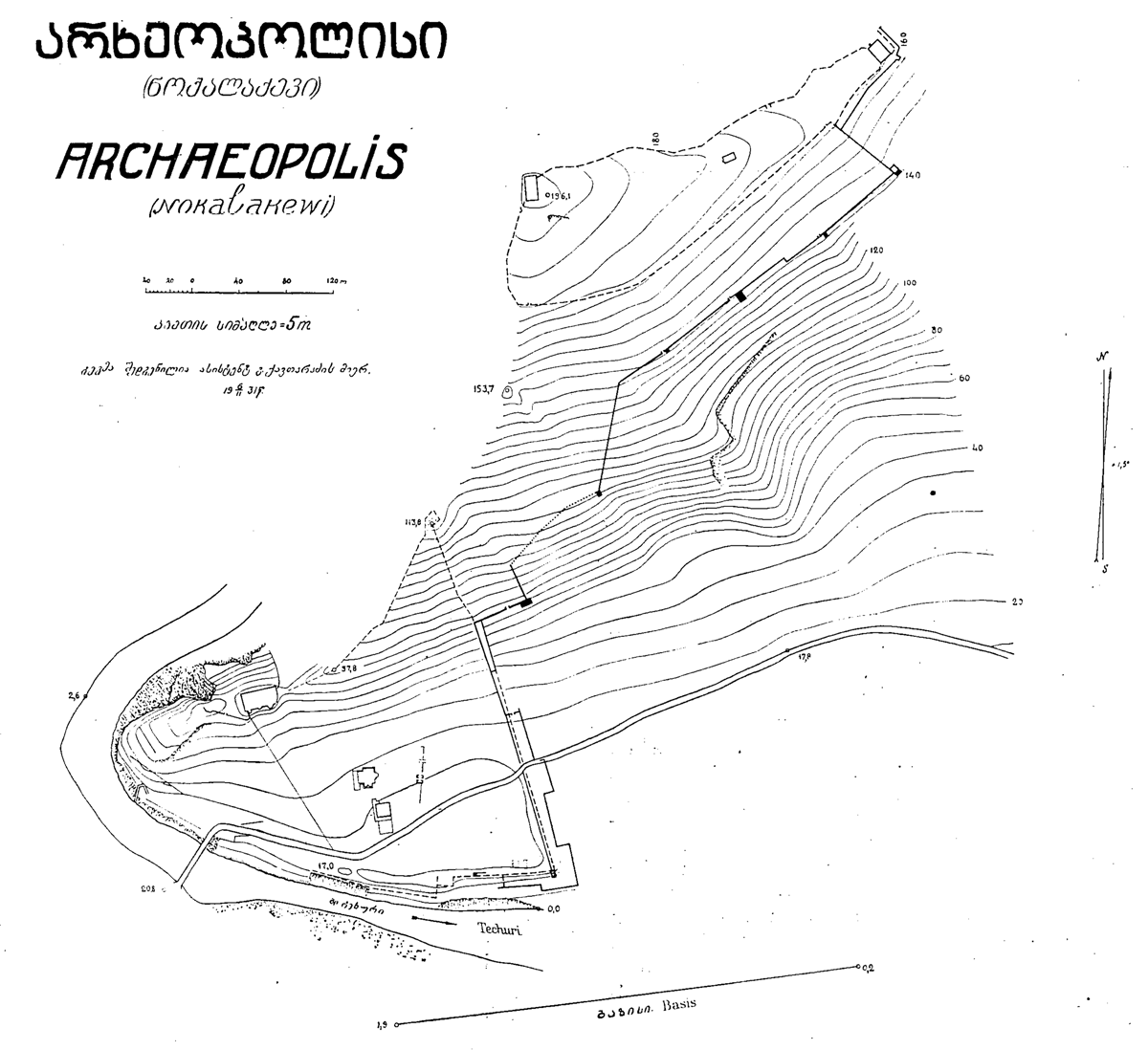
Figure 15
The first published survey of Nokalakevi (Schneider 1931), produced by the Georgian topographer working with Schneider.