
Introduction
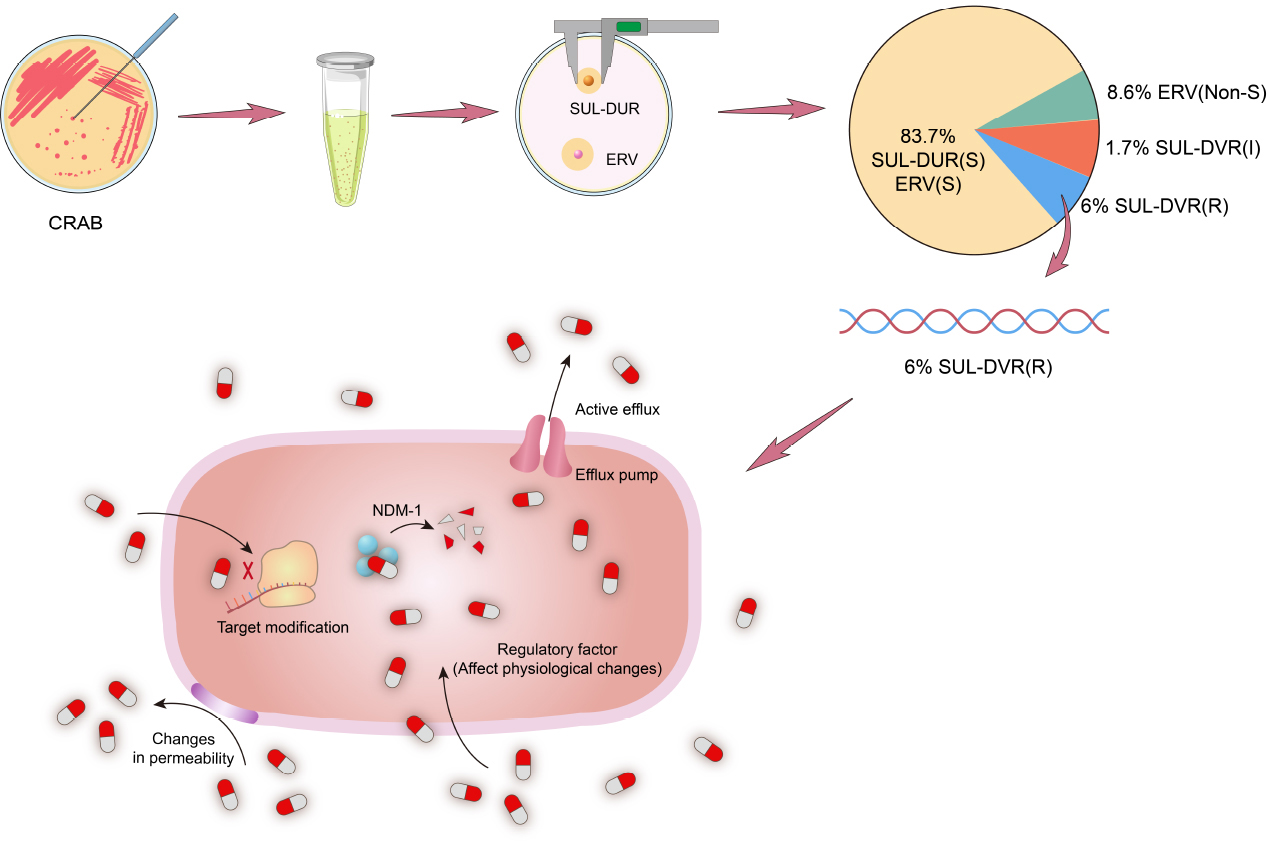
The clinical management of carbapenem-resistant Acinetobacter baumannii (CRAB) has reached a critical juncture. Once perceived as an opportunistic nosocomial pathogen, A. baumannii is now a primary driver of hospital-acquired infections, characterized by an extensively drug-resistant (XDR) profile that frequently exhausts conventional therapeutic options. Data from the CHINET 2024 surveillance network underscore the severity of this trend: CRAB resistance in China peaked in 2019 and, despite minor fluctuations, has persisted at alarmingly high levels—with mean resistance rates exceeding 72% for both imipenem and meropenem through 2024 (National Network 2023). The limitations of the current “last-resort” arsenal are well-documented. Polymyxins are hampered by narrow therapeutic windows and dose-limiting nephrotoxicity (Mariano et al. 2022); tigecycline efficacy is often compromised by suboptimal serum concentrations and evolving resistance mechanisms. Furthermore, the rapid dissemination of β-lactamases has rendered traditional sulbactam combinations increasingly obsolete. In response, two novel agents have recently entered the Chinese clinical landscape: sulbac-tam-durlobactam (SUL-DUR, 2025) and eravacycline (ERV, 2023). SUL-DUR represents a significant pharmacologic advancement, pairing sulbactam, which possesses intrinsic affinity for PBP1 and PBP3, with durlobactam, a diazabicyclooctane (DBO) inhibitor that restores sulbactam’s potency by neutralizing Class A, C, and D β-lactamases (McLeod et al. 2024). ERV, a fully synthetic fluorocycline, offers a distinct advantage by circumventing common tetracycline efflux pumps and ribosomal protection mechanisms, exhibiting a 2-to 8-fold increase in potency compared to tigecycline (Zhanel et al. 2016).
While SUL-DUR and ERV offer a promising therapeutic horizon, their real-world performance against locally circulating CRAB clones requires comprehensive validation. This study evaluates the in vitro susceptibility of 233 clinical CRAB isolates to these agents. Critically, we utilized metagenomic next-generation sequencing (mNGS) to dissect the genetic architecture of SUL-DUR resistance, focusing on the interplay between resistance determinants and virulence factors to inform precision antimicrobial therapy and regional resistance surveillance.
Experimental
Materials and Methods
Strain source and collection
A total of 233 car-bapenem-resistant A. baumannii strains were isolated from clinical specimens of hospitalized patients at our hospital from January 2023 to June 2024. The inclusion criteria for CRAB strains were resistance or intermediate susceptibility to any of the following carbapenems: meropenem, imipenem, or ertapenem. The inclusion criteria for mNGS of the CRAB strains were resistance to SUL-DUR. Escherichia coli ATCC 25922 and Pseudomonas aeruginosa ATCC 27853 were utilized as quality control strains.
Reagents and instruments
The primary instruments and reagents utilized in this study included: the BD Phoenix 100 Automated Microbiology System (BD, USA), the AUTOF MS1000 Microbial Mass Spectrometer (Autobio Diagnostics, China), and Mueller-Hinton (MH) agar and blood agar plates (bioMérieux, China). Antimicrobial susceptibility disks for SUL-DUR (10/10μg) and ERV (20μg) were sourced from Hardy Diagnostics (USA). Molecular tools and services included a bacterial genomic DNA extraction kit (Tiangen Biotech, China) and metagenomic next-generation sequencing (mNGS) performed by Annoroad Gene Technology (China).
Strain identification and susceptibility interpretation
Bacterial isolation and cultivation were conducted in accordance with the National Guide to Clinical Laboratory Procedures (4th Edition) (Shang et al. 2019). Initial identification and routine antimicrobial susceptibility testing (AST) were performed using the BD Phoenix 100 system, with species identity further confirmed by the AUTOF MS1000 mass spectrometer. Susceptibility results were interpreted following the 2023 Clinical and Laboratory Standards Institute (CLSI 2023) guidelines. Susceptibility to SUL-DUR was determined using the Kirby-Bauer disk diffusion method, with zone diameters interpreted as follows: ≥17 mm, sensitive; 14–16 mm, intermediate; and ≤13 mm, resistant (CLSI 2025). For ERV susceptibility testing, the Kirby-Bauer method was used, with a zone diameter ≥15 mm classified as sensitive and <15 mm as non-susceptible (China CAST 2025).
Nucleic acid extraction
Following identification, CRAB isolates were subcultured on Columbia blood agar at 37°C for 24 h. Single colonies were selected to prepare bacterial suspensions adjusted to a 0.8 McFar land standard. A 1–5 ml volume of each suspension was centrifuged at 11,500 × g for 1 min to collect the pellet. Genomic DNA was subsequently extracted using a DNA extraction kit according to the manufacturer’s protocol. The purified DNA was stored at -20°C for further analysis.
mNGS Workflow
Metagenomic next-generation sequencing (mNGS) was performed by Annoroad Gene Technology (Beijing, China). DNA integrity and potential contamination were assessed via 1% agarose gel electrophoresis, while purity and concentration were determined using a NanoPhotometer spectrophotometer (IMPLEN, CA, USA) and a Qubit 2.0 Fluorometer (Life Technologies, CA, USA), respectively. For qualified samples, 500 ng of genomic DNA (gDNA) was utilized for library construction in accordance with the TruSeq DNA Sample Preparation Guide (Illumina, 15026486 Rev. C). Validated libraries were subsequently subjected to paired-end sequencing (PE100/PE125) on the Illumina HiSeq 2500 platform, yielding 100-bp or 125-bp reads.
mNGS Data analysis. Antibiotic Resistance Genes (ARGs)
Resistance genes were identified using RGI (v5.2.0) based on the Comprehensive Antibiotic Resistance Database (CARD, v3.2.6). The protein homolog model was employed, with detection thresholds defined as “Perfect Hit” (100% identity across the complete open reading frame) or “Strict Hit” (≥95% identity with conserved key functional domains).
Virulence factors (VFs)
Virulence factors were characterized by aligning sequences against the Virulence Factors Database (VFDB) core dataset using DIAMOND (BLASTP mode). Alignment significance was defined as an identity threshold ≥ 70% and an E-value < 1e-10.
Results
Distribution of CRAB isolates
Following the application of inclusion and exclusion criteria, 233 CRAB isolates were clinically enrolled. The distribution of these isolates across different hospital departments and specimen types is summarized in Tables I and II, respectively.
Table I
Distribution of clinical specimens by department.
| Department | Number of strains | Percentage |
|---|---|---|
| Intensive Care Unit (ICU) | 108 | 46.35% |
| Emergency Ward | 63 | 27.04% |
| Medical Insurance Center | 24 | 10.30% |
| Hematology Department | 9 | 3.86% |
| General Surgery Department | 9 | 3.86% |
| Other Departments | 20 | 8.58% |
| Total | 233 | 100% |
Table II
Distribution of clinical specimens by specimen type.
| Specimen type | Number of strains | Percentage |
|---|---|---|
| Respiratory tract (sputum, oropharyngeal swabs, bronchoscopy specimens) | 168 | 72.10% |
| Sterile body fluids (pleural fluid, ascitic fluid, drainage fluid) | 35 | 15.02% |
| Blood | 19 | 8.15% |
| Wound swabs | 5 | 2.15% |
| Urine | 6 | 2.58% |
| Total | 233 | 100% |
Antimicrobial susceptibility results. Susceptibility table
Among the 233 CRAB isolates, tigecycline exhibited the lowest resistance rate among conventional antibiotics, followed by amikacin and trimetho-prim-sulfamethoxazole; however, resistance to these agents remained exceedingly high, all exceeding 75%. In contrast, SUL-DUR and ERV showed superior antimicrobial activity. Specifically, 14 isolates (6.0%) were resistant to SUL-DUR, and 4 (1.7%) exhibited intermediate susceptibility. For ERV, 20 isolates (8.6%) were classified as non-susceptible. Overall, the susceptibility rates for both SUL-DUR and ERV were significantly higher than those of all tested conventional antibiotics (Table III).
Table III
Antimicrobial susceptibility test results of 233 CRAB strains to SUL-DUR, ERV, and common antimicrobial agents.
| Antibiotics | Susceptible S (%) | Intermediate I (%) | Drug Resistance R (%) |
|---|---|---|---|
| Sulbactam-durlobactam | 92.3 | 1.7 | 6 |
| Eravacycline | 91.4 | - | - |
| Tigecycline | 75.0 | 20.0 | 5.0 |
| Ciprofloxacin | 5.8 | - | 94.2 |
| Ampicillin-sulbactam | 9.2 | - | 90.8 |
| Levofloxacin | 5.8 | 5.7 | 88.5 |
| Gentamicin | 4.6 | - | 95.4 |
| Amikacin | 12.7 | 3.4 | 83.9 |
| Piperacillin-tazobactam | 2.2 | 1.1 | 96.7 |
| Ceftazidime | 6.8 | 2.2 | 91.0 |
| Trimethoprim-sulfamethoxazole | 15.5 | 5.5 | 79 |
| Gentamicin | 4.6 | 9.2 | 86.2 |
| Imipenem | 0 | - | 100 |
| Meropenem | 0 | - | 100 |
Susceptibility crosstabulation
Among the isolates, 18 CRAB strains (7.7%) were resistant or intermediate to SUL-DUR but sensitive to ERV. Conversely, 20 strains (8.6%) were non-susceptible to ERV but sensitive to SUL-DUR. Notably, no isolates exhibited concurrent non-susceptibility to both SUL-DUR and ERV (Table IV).
Distribution of non-susceptible isolates
The specific distribution of CRAB strains exhibiting non-sus-ceptibility to SUL-DUR and ERV is summarized in Table V.
Table V
Department and specimen source of Acinetobacter baumannii strains non-susceptible to SUL-DUR and ERV.
| Drug-resistant type | Number of strains | Department source (Strains) | Specimen type source (Strains) |
|---|---|---|---|
| Non-susceptible to SUL-DUR | 18 | ICU (11), Emergency Ward (4), Hematology Department (2), Medical Insurance Center (1) | Sputum or bronchoalveolar lavage fluid (15), Sterile site secretions (2), Blood (1) |
| Non-susceptible to ERV | 20 | ICU (11), Emergency Ward (4), Neurosurgery (1), Hematology Department (1), Urology (1), Thoracic Surgery (1), Medical Insurance Ward (1) | Sputum or bronchoalveolar lavage fluid (15), Sterile site drainage fluid (4), Clean-catch midstream urine (1) |
mNGS Genomic characterization. Distribution of resistance genes
A total of 10 core resistance genes were shared among all 14 SUL-DUR-resistant CRAB isolates: IpsB, abeM, adeF, abeS, adeJ, adel, amvA, rsmA, abaQ, and parC. Specific resistance determinants identified in individual samples were as follows: sample 14 uniquely harbored four resistance genes: blaOXA-417, blaADC-70, qnrVC6, and aph(3’)-Via; sample 12 uniquely harbored two resistance genes: bla-OXA-533 and blaADC-43, sample 6 harbored a single resistance gene: blaADC-198, and sample 2 uniquely harbored one resistance gene: aac(3)-Ia. The distribution of these genes is illustrated in Fig. 1.
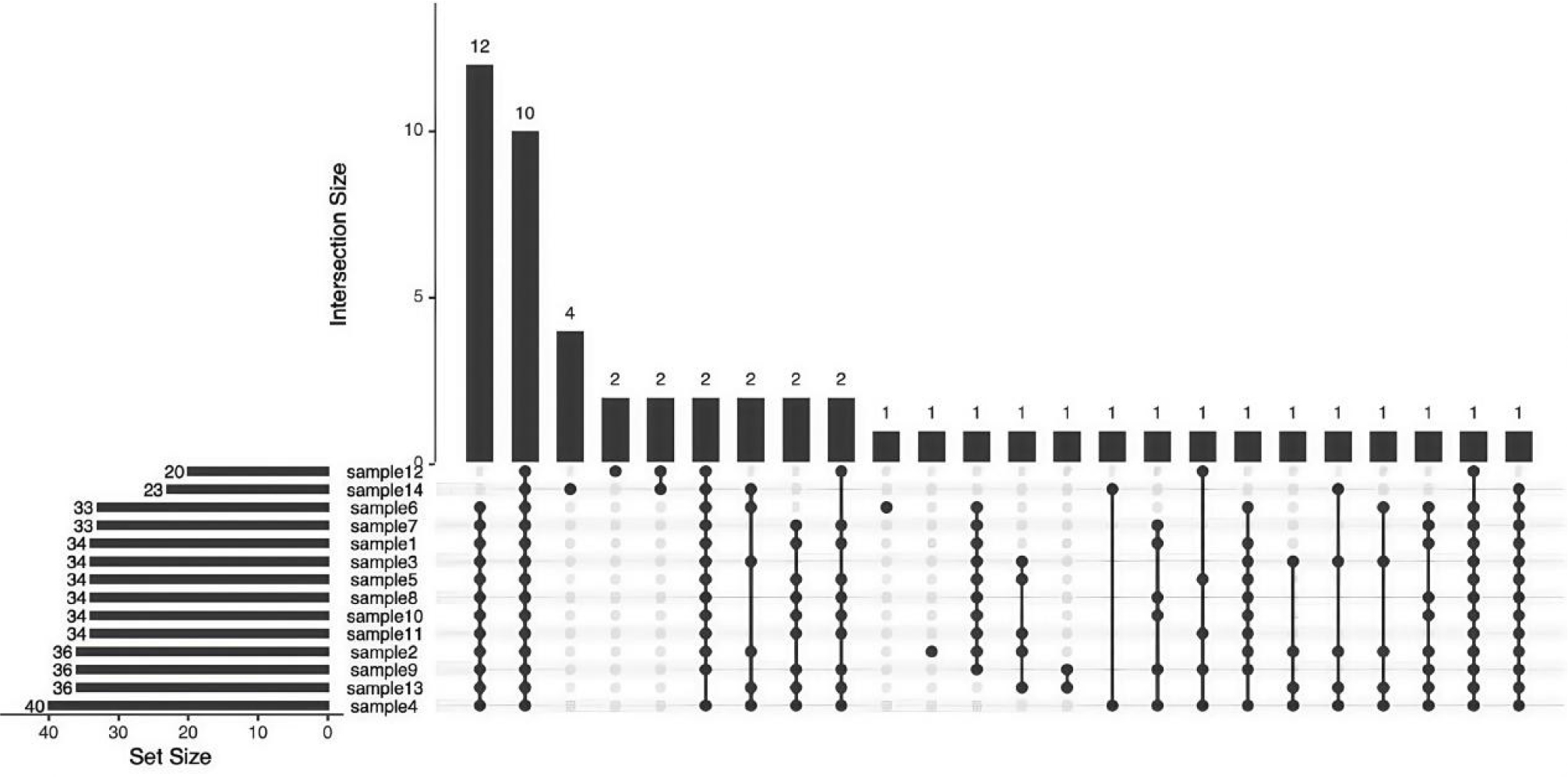
Fig. 1.
Distribution of resistance genes among the 14 strains of Acinetobacter baumannii.
Distribution of virulence
A total of 36 core virulence genes were shared among all 14 SUL-DUR-resistant isolates: plc1, plc2, basJ, basH, barB, barA, basG, basF, entE, basD, basC, bauA, bauB, bauE, bauC, bauD, basB, adeF, adeG, lpxL, lpsB, lpxB, lpxC, bfmR, bfmS, pbpG, pilM, pilT, pilU, pilC, gspO, pilD, pilG, pilH, pilI, gspE1, and gspF. The distribution of unique virulence genes in individual samples was as follows: sample 14 uniquely harbored eight virulence genes: ABDl_RS045l5, ACICU_RS04570, BJAB07I5_RS05235, BJAB07l5_RS05240, BJAB07l5_RS05245, BJAB07l5_RS05250, BJAB07l04_RS00540, and AB57_RS00570; sample 12 uniquely harbored two virulence genes: ABDl_RS04520 and ABKl_RS00440; sample 6 uniquely harbored 12 virulence genes: rfbB, rfbA, M3Q_RS0l450, M3Q_RS0l455, M3Q_RS0l460, M3Q_RS0l465, M3Q_RS0l470, M3Q_RS0l480, M3Q_RS0l485, M3Q_RS0l490, M3Q_RS0l495, and M3Q_RS0l500, and sample 4 uniquely harbored one virulence gene: ABSDF_RS0039. The distribution of these virulence factors is illustrated in Fig. 2.
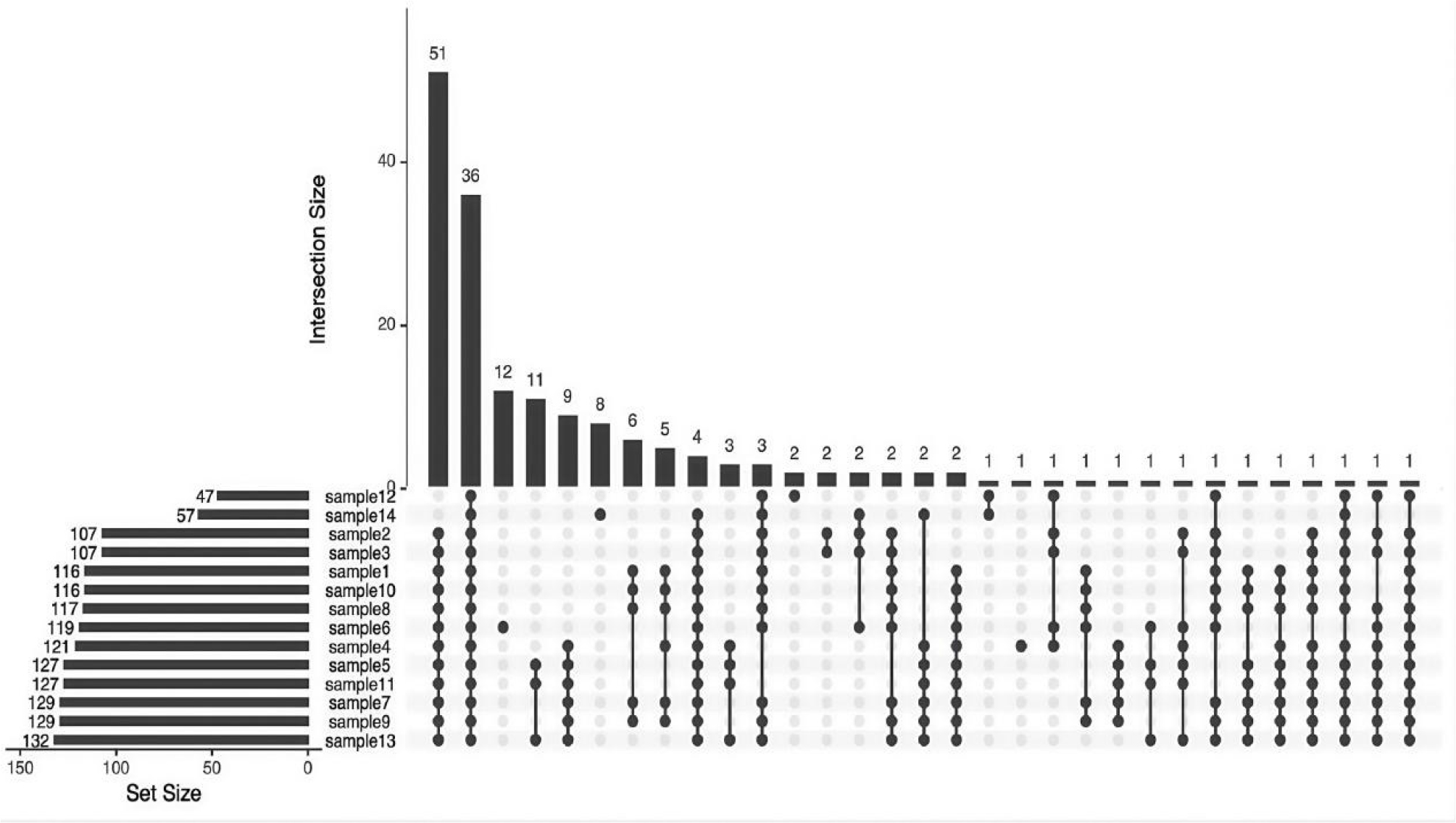
Fig. 2.
Distribution of virulence genes among the 14 strains of Acinetobacter baumannii.
Distribution of β-lactamase genes
Among the 14 isolates, the distribution of β-lactamase genes was as follows: 12 strains carried blaOXA-66 and blaOXA-23, 9 carried blaTEM-1, and 2 carried blaNDM-1. Genomic analysis suggests that blaNDM-1 is a critical determinant affecting the efficacy of SUL-DUR against CRAB. Additionally, resistance may be associated with specific mutations within blaOXA-23, blaOXA-66, and blaTEM-1. The distribution and correlation of these genes are shown in Fig. 3.
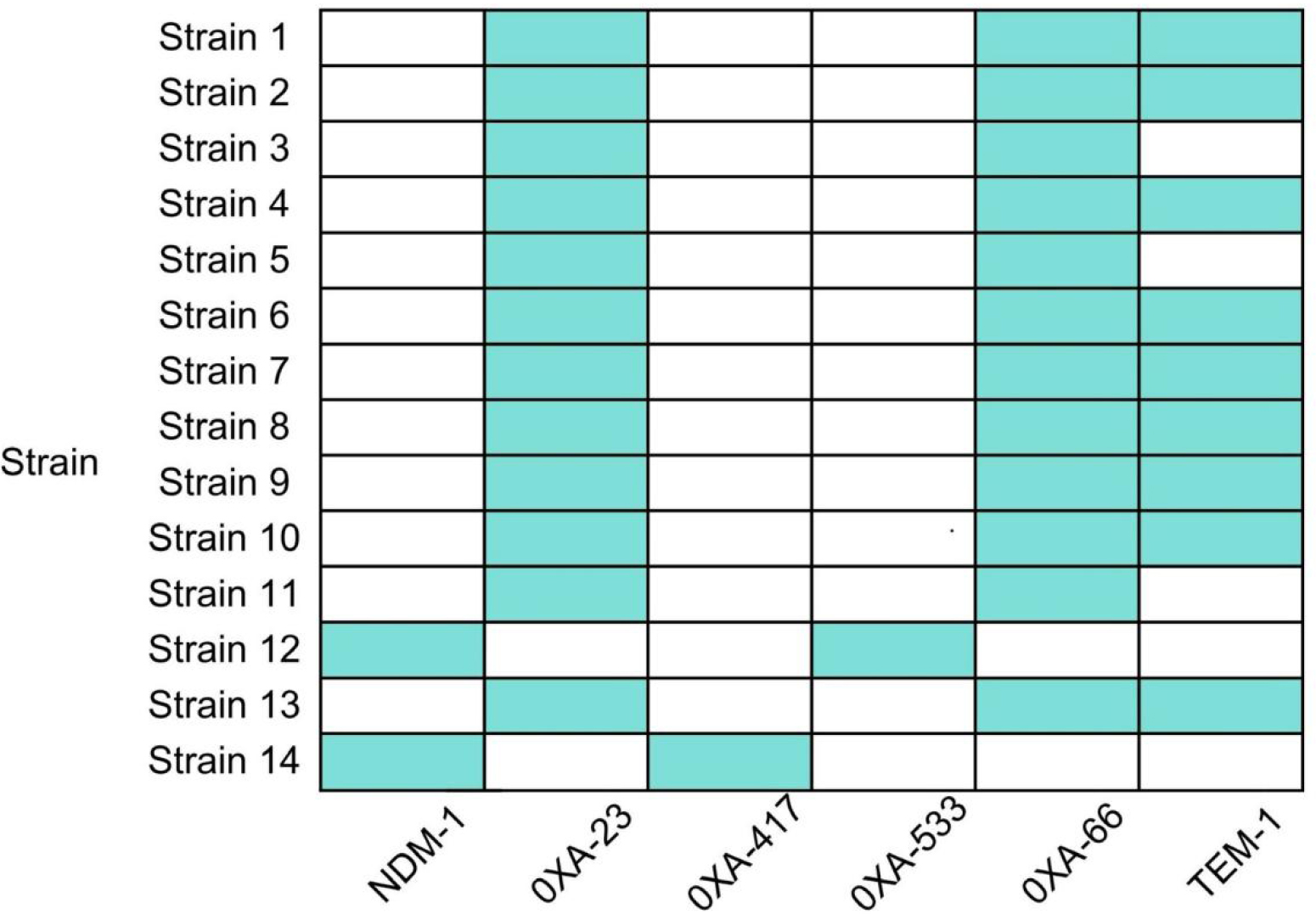
Fig. 3.
Heatmap of β-lactamase genotype correspondence among the 14 strains of Acinetobacter baumannii. Blue indicates the strain contains the corresponding genotype; white indicates the absence of the genotype.
Discussion
A. baumannii is a ubiquitous opportunistic pathogen capable of persisting in hostile environments, including desiccated surfaces and extreme pH conditions. This environmental resilience, coupled with its potent transmissibility, facilitates its spread among immunocompromised patients. Critically, the global proliferation of carbapenem-resistant A. baumannii has severely compromised existing therapeutic frameworks, leaving clinicians with a dwindling arsenal of effective agents (Hamidian et al. 2019). Consequently, identifying antimicrobials that balance high bactericidal potency with a manageable safety profile has become the cornerstone of managing CRAB-related infections.
The incidence of carbapenem-resistant Gram-negative bacilli (CRO) infections has risen steadily over the past few years. While polymyxins remain a cornerstone for treating multidrug-resistant CRO, their clinical utility is frequently hampered by dose-limiting nephrotoxicity (Azad et al. 2019). Among CRO species, A. baumannii exhibits the most formidable resistance profile. Our findings in Table III confirm this, showing that resistance rates for most conventional antibiotics exceeded 75%, with tigecycline the only agent showing relatively low resistance.
However, the clinical efficacy of tigecycline is often overshadowed by pharmacological constraints. Standard dosing regimens are often inadequate for severe CRAB infections, especially when MICs approach the upper limits of the susceptibility range. While dose escalation or combination therapies are common strategies to overcome this, they significantly increase the risk of severe gastrointestinal distress and hepatotoxicity. This therapeutic impasse underscores the critical limitations of current conventional regimens and the urgent need for safer, more potent alternatives.
Evidence suggests that the efficacy of SUL-DUR in treating CRAB infections is comparable to that of colistin, yet it offers a superior safety profile, characterized by significantly lower rates of treatment-emergent adverse events (TEAEs) leading to discontinuation and a reduced incidence of nephrotoxicity (Kaye et al. 2023). Notably, the ATTACK trial demonstrated that for patients with CRAB-associated hospital-acquired bacterial pneumonia (HABP) or ventilator-associated bacterial pneumonia (VABP), SUL-DUR was non-in-ferior to colistin methanesulfonate regarding 28-day all-cause mortality, while achieving higher clinical cure and microbiological response rates (Tamma et al. 2024).
In parallel with these findings, eravacycline (ERV), a novel synthetic fluorocycline, has demonstrated efficacy in treating complicated intra-abdominal infections (Huang et al. 2024) and, more recently, CRAB-related pulmonary infections (Mimram et al. 2025). Compared to tigecycline, ERV exhibits a 2-to-8-fold increase in potency against Gram-negative bacilli (McLeod et al. 2024). Furthermore, ERV is well-tolerated, with gastrointestinal side effects such as nausea, vomiting, or diarrhea affecting only 3–5% of patients (Sol-omkin et al. 2019). These combined attributes of high bactericidal efficacy and favorable tolerability suggest that SUL-DUR and ERV have broad clinical application potential for the management of CRAB.
In the present study, 204 of the 233 CRAB isolates (87.6%) were recovered from high-risk departments, including the ICU, emergency ward, medical insurance center, and hematology department. Notably, isolates non-susceptible to SUL-DUR and ERV were also concentrated within these units. Patients in these settings often present with critical illness and systemic immunocompromise. Specifically, the high frequency of invasive procedures, such as mechanical ventilation, central venous catheterization, and urinary tract instrumentation, combined with intensive antimicrobial pressure, significantly elevates the risk of CRAB colonization and infection. The medical insurance center’s high patient turnover further facilitates the horizontal transmission of resistant clones, while the routine use of chemotherapy catheters and bone marrow aspirations in the hematology department creates additional portals for entry.
Despite the high overall susceptibility rates observed for SUL-DUR and ERV, our data revealed a distinct anatomical trend: 15 of the 18 isolates (83.3%) with reduced susceptibility to SUL-DUR were recovered from respiratory specimens. Although SUL-DUR has gained FDA approval specifically for the treatment of CRAB-associated pneumonia, the disproportionate prevalence of non-susceptible strains in respiratory sites in our cohort suggests a potential site-specific selective pressure. Consequently, these findings underscore the need to tailor antibiotic therapy to in vitro susceptibility profiles, particularly for pulmonary infections. Beyond pneumonia, recent evidence also supports the therapeutic potential of SUL-DUR in managing CRAB infections at extra-pulmonary sites (Snowdin et al. 2019; Tamma et al. 2024).
In the present study, bioinformatics characterization of the resistome and virulome of 14 clinical A. baumannii isolates has elucidated the distribution of key genetic determinants and their associated resistance mechanisms. These findings highlight the highly heterogeneous resistance landscape of A. baumannii in clinical settings and underscore the complex molecular architecture underpinning the development of the multidrug-resistant (MDR) phenotype.
Genomic analysis revealed a core resistome across all 14 isolates consisting of 10 conserved genes: lpsB, abeM, adeF, abeS, adeJ, adel, amvA, rsmA, abaQ, and parC. These determinants collectively mediate a sophisticated resistance network involving reduced outer membrane permeability, hyperactive multidrug efflux systems, and target site modifications (Espinal et al. 2019; Hernández-González et al. 2022). Regarding β-lactamase-related profiles, the high prevalence of blaOXA-66 and blaOXA-23 (12/14) and blaTEM-1 (9/14) aligns with the globally disseminated genetic background of CRAB (Mack et al. 2025). Consequently, the mere presence of these ubiquitous enzymes does not adequately explain the observed SUL-DUR resistance.
Assuming the functional integrity of the β-lactamase inhibitor durlobactam, reduced SUL-DUR susceptibility may stem from specific polymorphisms within blaOXA-66, blaOXA-23, or blaTEM-1. Such mutations could potentially alter the affinity of the active sites for penicillin-binding proteins 1 and 3 (PBP1/PBP3). Of particular concern is the identification of blaNDM-1 in two isolates, which co-occurred with blaOXA-533 (Strain 12) and blaOXA-417 (Strain 14), respectively. As members of the chromosomal bla-OXA-213-like subfamily, blaOXA-417 and blaOXA-533 typically exhibit low-level carbapenemase activity; however, their clinical significance is amplified when integrated into a multidrug-resistant (MDR) genomic scaffold. Given that SUL-DUR lacks inhibitory efficacy against Class B β-lactamase, the synergy between these intrinsic determinants and the highly mobile, potent blaNDM-1 constitutes a formidable challenge to car-bapenem therapy, further compromising this “lastline” clinical defense.
Furthermore, genome-level analysis of the 14 A. baumannii isolates revealed a highly conserved yet intricate virulome. The 36 core virulence genes identified across all strains encompass a broad spectrum of pathogenic mechanisms, including exotoxin production, iron acquisition, biofilm development, and immune modulation. This robust genetic repertoire underscores the potent pathogenic potential of these clinical isolates (Armalytė et al. 2018; Wu et al. 2023).
Notably, the preservation of complete siderophore systems—specifically the acinetobactin-related bas-bar-bau clusters—across all strains highlights a critical adaptation for survival within the iron-restricted landscape of the human host (Song et al. 2017; Sheldon et al. 2020). Beyond mere survival, the coexistence of multiple efflux pumps (e.g., adeFGH) and lipid A biosynthesis genes (e.g., the lpx family) suggests a sophisticated interface between multidrug resistance and immune evasion, potentially mediated through structural modifications of the outer membrane (Lim et al. 2015). Such systems appear to be integrated into a broader regulatory network; for instance, the BfmRS two-component system serves as a central hub, co-reg-ulating biofilm architecture and cell envelope integrity to orchestrate the bacterial response to environmental stress (Abdi et al. 2020).
Intraspecific variation further illustrates the adaptive evolution of these isolates. Sample 14 uniquely harbored eight virulence determinants, including those within the hemO cluster encoding enzymes for heme utilization and accessory capsule synthesis, potentially conferring enhanced fitness and pathogenicity during systemic infection (Giardina et al. 2019; Bateman et al. 2021). Similarly, the 12 unique capsule-related genes identified in sample 6 suggest an increased structural complexity of its polysaccharide coat, which may facilitate heightened resistance to host complement-mediated killing (Gordillo Altamirano et al. 2021). Even in isolates with fewer unique determinants, such as samples 4 and 12, the specific enrichment of genes related to capsule assembly and iron sequestration reinforces the evolutionary prioritization of these two mechanisms in the pathogenesis of A. baumannii (Artuso et al. 2023).
Our findings identified no CRAB isolates with concurrent non-susceptibility to SUL-DUR and ERV, suggesting a potential complementary antibacterial efficacy between these two agents. Nevertheless, several limitations of this study must be acknowledged. First, the sample size was relatively modest, and the isolates were restricted to a single tertiary hospital, which may not fully represent the broader epidemiological landscape of CRAB. Consequently, while our results are promising, they are insufficient to definitively rule out the existence of dual non-susceptible phenotypes in other settings. Future large-scale, multicenter investigations are warranted to further validate the in vivo clinical efficacy and safety profiles of SUL-DUR and ERV in diverse patient populations.
In summary, this study provides a systematic characterization of the resistome and virulome diversity in clinical A. baumannii isolates via a bioinformatic framework. Our findings elucidate that the synergy between hyperactive efflux systems and diminished outer membrane permeability constitutes the mechanistic core of carbapenem resistance, while strain-specific genetic determinants and potential mutations further refine individual resistance profiles. Beyond resistance, the genomic landscape underscores potent pathogenic potential, driven by sophisticated systems for iron sequestration, biofilm architecture, and capsule biosynthesis.
These molecular insights not only clarify the evolutionary trajectories of A. baumannii resistance but also identify potential genomic biomarkers for precision diagnostics and surveillance. From a clinical perspective, preventing CRAB transmission, particularly in multi-morbid patients, necessitates a multi-pronged approach: bolstering host immunity, minimizing invasive instrumentation, and enforcing stringent antibiotic stewardship. Given the robust in vitro activity observed, SUL-DUR and ERV represent highly promising therapeutic options with significant development potential and broad clinical application prospects for the management of CRAB-related infections.
Acknowledgements
The completion of this paper was made possible through the guidance and support of my advisor, colleagues, and my family. First of all, I would like to express my heartfelt gratitude to my supervisor Professor Liyan Ma, for her invaluable guidance throughout my process of study. I would also be grateful to my colleagues for their invaluable guidance and selfless support throughout the research process. I would like to express my special thanks to my family, whose care and support motivate me to move on and make me to be a better person.
Notes
[1] Contributed by Conflict of interest
The authors do not report any financial or personal connections with other persons or organizations, which might negatively affect the contents of this publication and/or claim authorship rights to this publication.