
Introduction
Multidrug-resistant (MDR) Salmonella and Shigella are increasing to alarming rates in the world and rank among the most significant problems in the public health system. The Global Antimicrobial Resistance Surveillance System (GLASS) 2025 report of the World Health Organization stated that, in 2023, one out of six laboratory-confirmed bacterial infections were resistant to antibiotic treatment with MDR Salmonella and Shigella rated as high- and critical-priority pathogens of need (Taiwo 2025; WHO 2025). These pathogens drive diarrheal disease worldwide, with MDR rates surpassing 50% among Salmonella isolates in Asia and exceeding 80% in pediatric Shigella cases in select African regions; Salmonella spreads primarily via zoonotic foodborne routes, while human-adapted Shigella transmits fecal-orally, both fueled by resistance to fluoroquinolones, third-generation cephalosporins, and sulfonamides through ESBLs (bla; sub, CTX-M, TEM), carbapenemases, gyrA/parC mutations, and plasmid-mediated mcr genes (Karmoker et al. 2023; Puangseree et al. 2025; Tilahun et al. 2025; Wang et al. 2025). The epidemiological studies confirmed that MDR Salmonella and Shigella are leading causes of both clinical salmonellosis and shigellosis particularly in hefty populations, including children, immunocompromised and people in settings with limited resources where diagnostic options are insufficient, including Saudi Arabia where they dominate enteric infections in pediatric and high-risk groups, with shigellosis incidence at 0.2 per 100,000 versus 5.6 per 100,000 for salmonellosis (Dessale et al. 2023; Amare et al. 2024; Al-humaidan, 2024; Alfaleh et al. 2025). This underscores the imperative for integrated One Health approaches encompassing enhanced surveillance, antimicrobial stewardship, novel therapeutics, diagnostics, and intersectoral strategies. This minireview summarizes the epidemiology, molecular resistance mechanisms, and therapeutic prospects for MDR Salmonella and Shigella, with a specific focus on emerging therapeutic approaches including bacteriophage therapy, antimicrobial peptides, nanotechnology-based antimicrobials, and combination antibiotic regimens, alongside their mechanisms of action, efficacy profiles, and key limitations (e.g., phage specificity, peptide stability, nanomaterial scalability, and regimen toxicities).
Epidemiology of MDR Salmonella and Shigella Global distribution
Multidrug-resistant Salmonella and Shigella constitute a significant global public health hazard owing to their extensive prevalence and escalating resistance to vital medications. Recent genomic and epidemiological analyses reveal that MDR prevalence rates exceed 50% globally, with pediatric isolates demonstrating resistance rates as high as 81% (Tilahun et al. 2025). Genomic surveillance of 208,233 Salmonella genomes from 148 countries revealed MDR prevalence >50% in Asia—the highest globally—with North/South America and Africa exceeding the global average of 34% (Wang et al. 2025). Pediatric Shigella isolates show resistance rates up to 81% to first-line agents, including ampicillin, trimethoprim-sulfame-thoxazole, and tetracyclines (Tilahun et al. 2025). Fluoroquinolone-resistant Salmonella Typhi and MDR Shigella appear on WHO’s 2024 Bacterial Priority Pathogen List due to their urgent public health threat (Birlutiu et al. 2025).
The epidemiological and reservoirs of Salmonella and Shigella
Although multidrug-resistant Salmonella and Shigella share several resistance determinants, they differ markedly in reservoirs, infective dose, and transmission patterns (WHO 2017; Kotloff et al. 2018). Salmonella is predominantly zoonotic, with major reservoirs in food-producing animals and contamination of meat, eggs, dairy products, and produce requiring an infective dose of 103 – 106organisms (Fig. 1), whereas Shigella is strictly human-adapted, transmitted primarily via person-to-person fecal–oral spread and contaminated water or food, with a remarkably low infective dose of 10–100 organisms (Table I) (Muzembo et al. 2023; Niyogi et al. 2005). Clinically, non-typhoidal Salmonella often causes self-limited gastroenteritis with potential for invasive bacteremia, particularly in vulnerable hosts, while Shigella is classically associated with bacillary dysentery characterized by fever, abdominal cramps, and bloody, mucoid stools (Smith et al. 2019). These biological and epidemiological differences shape distinct control strategies: food-chain and animal-health interventions for Salmonella, and hygiene, sanitation, and interruption of direct human-to-human transmission for Shigella (WHO 2017; CDC 2024).
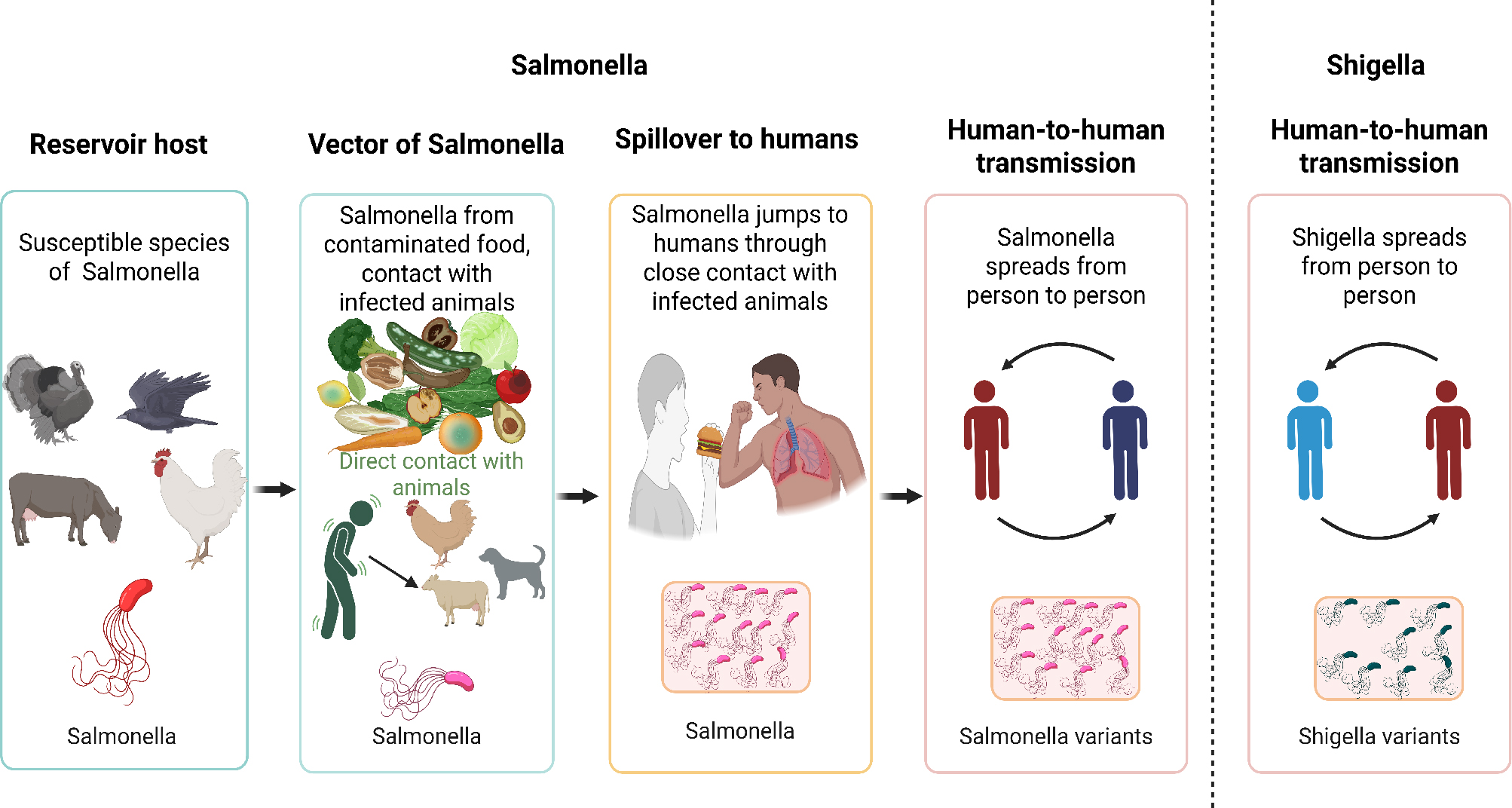
Fig. 1.
Reservoirs and transmission pathways of multidrug-resistant Salmonella and Shigella leading to human infection. Salmonella (left) originates from food-producing animals (poultry, cattle, pigs) contaminating meat, eggs, and produce. Shigella (right) is human-adapted, transmitted via fecal-oral route, contaminated water, or food. Created with BioRender.com.
Table I
Comparative epidemiology of Salmonella and Shigella.
| Feature | Salmonella Typhi/Typhoidal | Salmonella (non-typhoidal) | Shigella | References |
|---|---|---|---|---|
| Primary reservoirs | Human-adapted: human intestine (chronic carriers) | Zoonotic: food-producing animals (poultry, cattle, pigs) | Human | Percival et a. 2014; Crump et al. 2015 |
| Infective dose | Very low: 103 organisms | High: 103–106 organisms | Very low: 10–100 organisms | Levine et al. 1973; Blaser et al. 1980 |
| Transmission route | Fecal-oral (water, food, person-to-person) | Foodborne (meat, eggs, dairy, contaminated produce) | Fecal-oral (person-to-person, contaminated water/food) | Le boa et al. 2023; CDC 2024 |
| Outbreak settings | Waterborne/endemic; travelers, children | Foodborne outbreaks from animal products; all ages | Childcare centers, schools, refugee camps, prisons | Crump et al. 2015; CDC 2024 |
| Typical clinical presentation | Typhoid fever: sustained fever, relative bradycardia, abdominal pain | Watery diarrhea, nausea, vomiting, fever (gastroenteritis) | Dysentery: frequent bloody/mucoid stools, tenesmus, high fever | Dougan et al. 2014; Wilson et al. 2021; CDC 2024 |
| MDR prevalence trends | High fluoroquinolone resistance globally; XDR strains emerging | High in poultry/food isolates; fluoroquinolone resistance increasing | High multidrug resistance; often >80% to first-line agents in children | Wang et al. 2025; Tilahun et al. 2025 |
Risk factors and transmission pathways
Infection normally occurs through the consumption of contaminated food and water, fecal-oral transmission, and direct human-to-human contact (Fig. 1). Shigella outbreaks frequently affect young children, daycare centers, and crowded institutions because of its low infectious dose, whereas Salmonella infections are linked to contaminated poultry, eggs, and meat, as well as travel. Both disproportionately burden children <5 years, immunocompromised individuals, and resource-limited settings (Hayamo et al. 2021; Yang et al. 2023). Poor hygiene, inadequate sanitation, overcrowding, and eating undercooked or poorly handled food are also contributing factors to the risk of infection, especially in developing areas. The widespread dispersion of resistant strains is further increased by international migration and tourism. Urbanization, climate change, and socioeconomic factors all affect sanitation infrastructure and host susceptibility, which, in turn, shape transmission dynamics.
Epidemiology in Saudi Arabia
Based on epidemiological data from Saudi Arabia, there is an increasing incidence of MDR Salmonella and Shigella strains across numerous states, which can be traced to global trends and localized factors. The existence of MDR Salmonella is recorded in various environments in several studies in major cities that include Makkah, Riyadh, Taif, Medina, and the Eastern Province in both food products like poultry and eggshells, and in the environment, such as water (Elhadi et al. 2014; Al-harthi et al. 2025; Almujaidel 2025). Another significant investigation conducted in Taif found that some MDR Salmonella enterica strains, contaminating wet-market eggshells, showed resistance to 3rd-generation cephalosporins and to 3rd-generation β-lactam antibiotics, which are essential in clinical treatment (Al-harthi et al. 2025). Resistance to carbapenems, especially meropenem and imipenem, has been observed at alarming rates, reaching up to 46.1% in isolates from Medina, indicating the development of resistance to last-resort antibiotics (Al-harthi et al. 2025). Molecular resistance mechanisms have been reported to be similar world-wide; the presence of carb-like, dfrA1, floR, and tetA genes, respectively, was linked to resistance to β-lactam antibiotics, trimethoprim–sulfamethoxazole, chloramphenicol, and tetracycline, according to an analysis of resistance determinants in S. enterica strains. However, in contrast, mutations in the quinolone resistance-determining regions (QRDRs) of the gyrA and parC genes were found to be associated with fluoroquinolone resistance (El-Tayeb et al. 2017). Animals that produce food are linked to significant reservoirs of MDR strains, and transmission to humans probably occurs through the food chain, involving meat and poultry products as well as ready-to-eat foods (Al-Ansari et al. 2021; Al-harthi et al. 2025; Aljasir et al. 2025).
In contrast to zoonotic Salmonella, Shigella in Saudi Arabia is maintained in exclusively human reservoirs and circulates mainly through fecal–oral transmission in crowded households, schools, daycares, and refugee/migrant camp-like environments (Al-Youm et al. 1994; Khan et al. 2006). Historical and recent reports document Shigella as an established cause of pediatric gastroenteritis and dysentery, with outbreaks such as the 1993 Barshash incident. An outbreak of multidrug-resistant Shigella dysenteriae type 1 occurred in Barshash village, Saudi Arabia, from January to June 1993, resulting in 859 dysentery cases (attack rate 151.2/1000) and six cases of hemolytic uremic syndrome. Most cases were young children (median age 6 years) (Alshaibani 1994). National surveillance of foodborne and reportable diseases (2017–2023) indicates a crude shigellosis incidence of ~0.2 cases per 100,000 population, lower than salmonellosis (5.6 per 100,000), but this likely underestimates the true burden due to empirical management without routine stool culture or molecular testing in primary care (Alfaleh et al. 2025; Ministry of Health KSA 2024). Moreover, available data show substantial MDR among Shigella isolates from children, with resistance rates exceeding 50% to ampicillin, trimethoprim–sulfamethoxazole, and tetracyclines, and rising to fluoroquinolones and third-generation cephalosporins (Alhumaidan 2024). Taken together, alongside foodborne MDR Salmonella, and human-restricted MDR Shigella contributes meaningfully to the national diarrheal disease burden and requires targeted water, sanitation, hygiene (WASH), and antimicrobial stewardship interventions (Gautret 2015; Alfaleh et al. 2025).
Molecular mechanisms of antibiotic resistance Genetic determinants of resistance
The genetic predispositions to antibiotic resistance in Salmonella and Shigella include a complex of genes encoding enzymes involved in antibiotic degradation, changes in drug targets, cell wall modifications, efflux pumps, receptor alterations (Fig. 2), and horizontal gene transfer, contributing to multidrug resistance in Salmonella and Shigella isolates. One of the most common is the production of β-lactamases, including extended-spectrum β-lactamases (ESBLs) such as blaCTXM’ blaTEM’ and bla SHV’ which degrade penicillin and cephalosporins, rendering these drugs ineffective. BlaTEM is the most globally widespread ESBL, and blaCTX-M variants CTX-M-55 and CTX-M-65 have become more frequently reported in recent isolates, leading to increased resistance patterns (Wang et al. 2025; Tilahun et al. 2025). Also, the presence of plasmid-mediated AmpC β-lactamase, such as blaCMY’ is implicated in cephalosporin resistance and multidrug resistance phenotypes (Winokur et al. 2000). More alarming resistance determinants that undermine carbapenems, which are regarded as the final-resort medications, are carbapenemases like KPC, OXA-48-like enzymes, and metallo-β-lactamases. Their molecular heterogeneity is described by unique catalytic processes involving beta-lactam hydrolysis, which severely limits the range of treatment (Wang et al. 2025). Point mutations in the quinolone resistance-determining regions (QRDRs) of the essential genes gyrA and parC are predominantly responsible for fluoroquinolone resistance. These mutations reduce the affinity of fluoroquinolone antibiotics to DNA gyrase and topoisomerase IV, which are required in the replication and transcription of bacterial DNA (Tilahun et al. 2025). Furthermore, the target enzymes are also shielded by plasmid-mediated quinolone resistance genes, particularly the qnr family (qnrA, qnrB, qnrS), which promote the spread of resistance across a wide variety of strains (Ayobola et al. 2021).
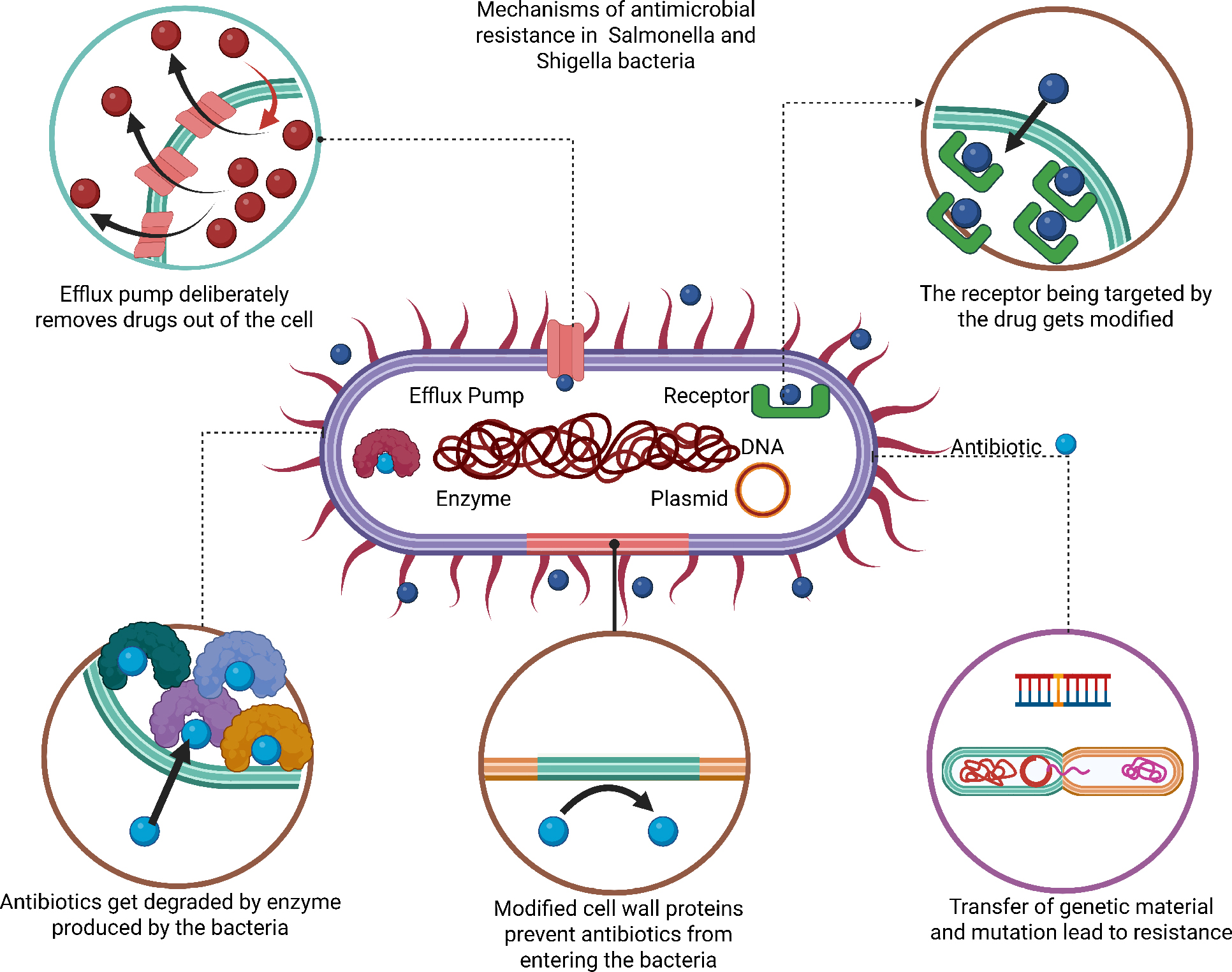
Fig. 2.
Major molecular mechanisms of antimicrobial resistance in Salmonella and Shigella. Six key strategies: (1) Enzyme-mediated antibiotic degradation (β-lactamases, carbapenemases); (2) Target site modifications (gyrA/parC mutations); (3) Reduced membrane permeability (porin loss); (4) Enhanced efflux pump activity (AcrAB-TolC system); (5) Biofilm formation; (6) Lipopolysaccharide modifications (reducing polymyxin susceptibility). MDR, multidrug-resistant. Created with BioRender.com.
Moreover, the mcr genes present on plasmids contain phosphoethanolamine transferases, which alter the lipid component of the bacterial outer membrane lipopolysaccharide causing colistin resistance. Colistin is a polymyxin-based antibiotic currently used as a last resort to treat MDR Gram-negative infections, and the emergence of mcr-mediated resistance poses a threat to this vital clinical option (Karmoker et al. 2023). Others that have been frequently described as resistant to aminoglycosides (e.g., aac, aph), sulfonamides (sul1, sul2), and tetracyclines (tetA, tetB) are commonly co-located on multidrug resistance plasmids. It is due to the existence of such clusters that MDR phenotypes are selected for and become widespread through horizontal gene transfer (Wang et al. 2025).
In Saudi Arabia, research has demonstrated that the country has significant genetic determinants of antibiotic resistance in Salmonella and Shigella, as has been observed in other countries. Extended-spectrum β-lactamases (ESBLs) including blaCTX-M’ blaTEW as well as bla SHV are regularly observed and provide resistance to penicillin and cephalosporins. Clinical isolates have been reported to be resistant to carbapenems, mediated by carbapenemase genes such as KPC and OXA-48, and by metallo-β-lactamases, which are challenging to treat (Al-harthi et al. 2025). Local resistance to fluoroquinolones is correlated with point mutations in the quinolone resistance-determining regions (QRDRs) of the gyrA and parC genes, as expected given dumping on molecular mechanisms worldwide (El-Tayeb et al. 2017). Mobile elements are increasingly associated with resistance transmission, as plasmid-mediated resistance genes (e.g., the qnr families and mcr genes conferring colistin resistance) are found in Saudi environments (Al-Ansari et al. 2021).
Overall, resistance in Salmonella and Shigella combines β-lactama (blaCTX.M-55/65’ blaTEM’, blaSHV’ plasmid blaCMY), carbapenemases (KPC, OXA-48-like, metallo-β-lactamases), gyrA/parC mutations, plasmid qnr genes, and mcr colistin resistance (Karmoker et al. 2023; Tilahun et al. 2025; Wang et al. 2025). Saudi isolates harbor blaCTX-M’ blaTEM’ carbapenemases, and QRDR mutations mirroring global patterns (El-Tayeb et al. 2017; Al-Ansari et al. 2021; Al-Harthi et al. 2025).
Role of mobile genetic elements
Mobile Genetic Elements (MGEs), such as plasmids, transposons, and integrons, play a central role in the acquisition and dissemination of antibiotic resistance genes (ARGs) in Salmonella and Shigella. These MGEs serve as agents of horizontal gene transfer (HGT) (Fig. 3), which allows the swift spread of resistance phenotypes within and between bacterial species (Liu et al. 2024). Multidrug resistance is rapidly acquired through the transfer of plasmids carrying multiple ARGs that confer resistance to β-lactams, quinolones, aminoglycosides, and other classes of antibiotics via conjugation (Wang et al. 2025). ARGs are encoded as gene cassettes captured and expressed by integrons, which are typically located on plasmids or transposons. Class 1 integrons are common, especially in clinical isolates of Salmonella and Shigella, and in many cases include gene cassettes conveying resistance to trimethoprim, streptomycin, and chloramphenicol, among others. These integrons contribute to the co-selection of more than one resistance, which increases the difficulty in eradication (Kumavath et al. 2025). Transposons are mobile genetic elements that allow ARGs to scan plasmids and chromosomes, increasing genetic plasticity and facilitating resistance transmission. Resistance gene mobilization is also caused by prophages and insertion sequence (IS) elements. mcr genes mediate colistin resistance of specific IS elements, and other ARGs provide the ability to integrate into a wide range of genomic settings. Recent genomic research demonstrates the existence of resistance regions made of composite transposons and integrons containing clusters of ARGs, and their location on chromosomes implies that they have a fixed pool of resistance genes that may be transmitted horizontally (Liu et al. 2024). Plasmids, transposons, and integrons that contain several resistance genes are present in Saudi isolates and permit the horizontal gene transfer. Integron surveillance data show significant diversity and the presence of integrons carrying trimethoprim, aminoglycoside, and sulfonamide resistance genes, which are common in plasmids of Salmonella and Shigella strains (SFDA reports 2024). The high rate of spreading resistance with the help of MGEs underlines the extreme importance of molecular epidemiology surveillance systems in the Kingdom to monitor and prevent outbreaks of MDR strains.
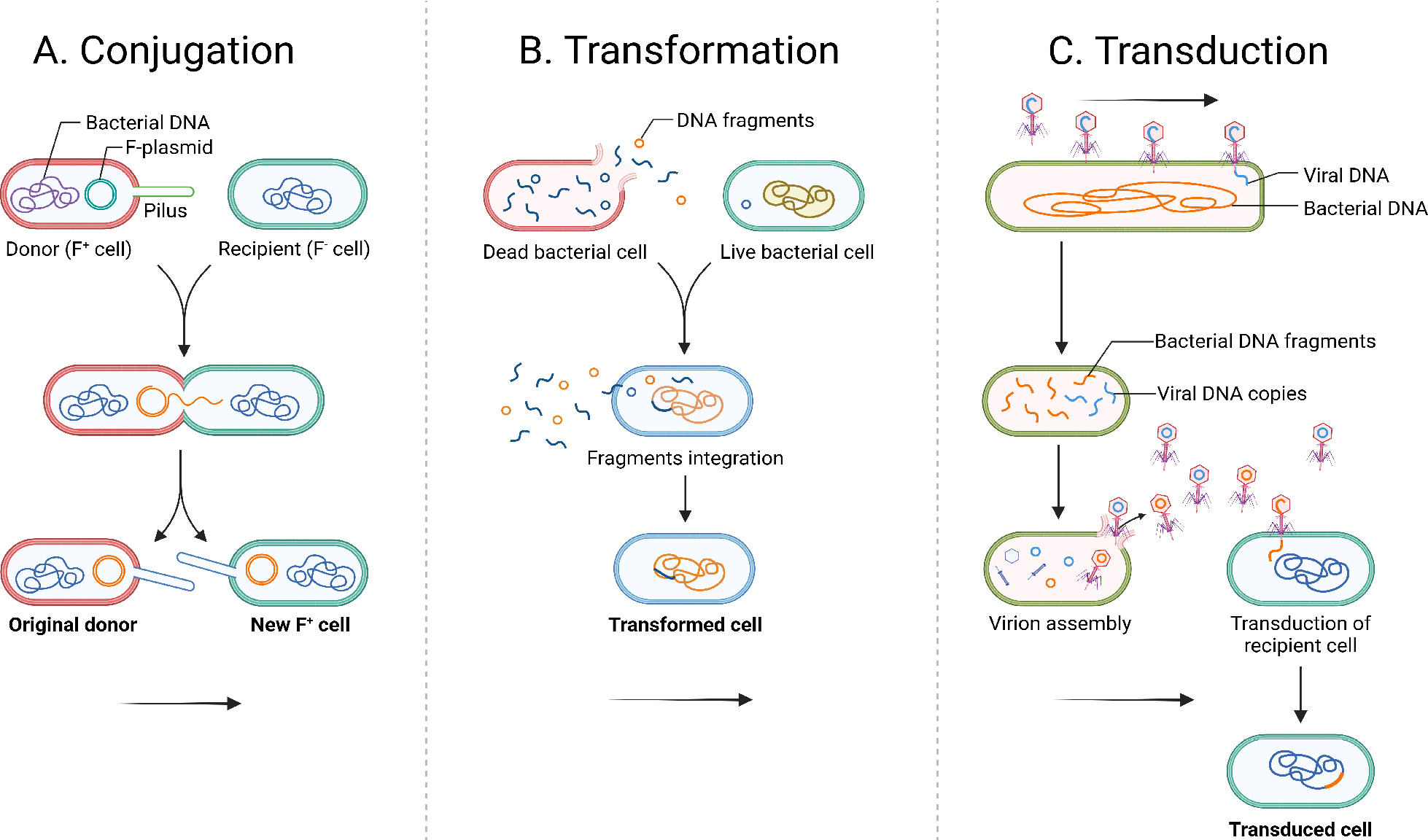
Fig. 3.
Horizontal gene transfer mechanisms facilitating dissemination of antibiotic resistance genes. Three routes: (A) Conjugation – plasmid transfer via pili; (B) Transformation – uptake of free DNA; (C) Transduction – bacteriophage-mediated transfer. Integrons and transposons enable rapid dissemination of multidrug resistance. Created with BioRender.com.
AcrAB-TolC overexpression, driven by RamA/MarA/SoxRS, expels β-lactams, quinolones and tetracyclines from Salmonella and Shigella (Piddock 2006). Reduced OmpF/OmpC porin expression limits hydrophilic antibiotic influx, with S. flexneri retaining 14 efflux pumps modulated during intracellular growth (Pasqua et al. 2019).
Efflux pumps and permeability of the membrane
Efflux pumps are involved in the problem of antibiotic resistance in Salmonella and Shigella; in this case, a large number of antibiotics are actively exported from bacterial cells, reducing intracellular drug levels below toxic concentrations and allowing bacteria to survive (Fig. 4). The most notable efflux pump in these bacteria is the AcrAB-To1C system, which is part of the resistance-nodulation-cell division (RND) family. This pump system identifies and releases structurally diverse substrates such as β-lactam, quinolones, tetracyclines, and chloramphenicol (Alenazy 2022; Kavanaugh et al. 2024; Novelli et al. 2024). The efflux pump expression is regulated by global transcription factors, including RamA, MarA, SoxRS, and Rob, that act in response to environmental cues and antibiotic exposures and frequently result in overexpression of efflux pumps and multidrug resistance phenotypes (Piddock, 2006; Naser et al. 2025).
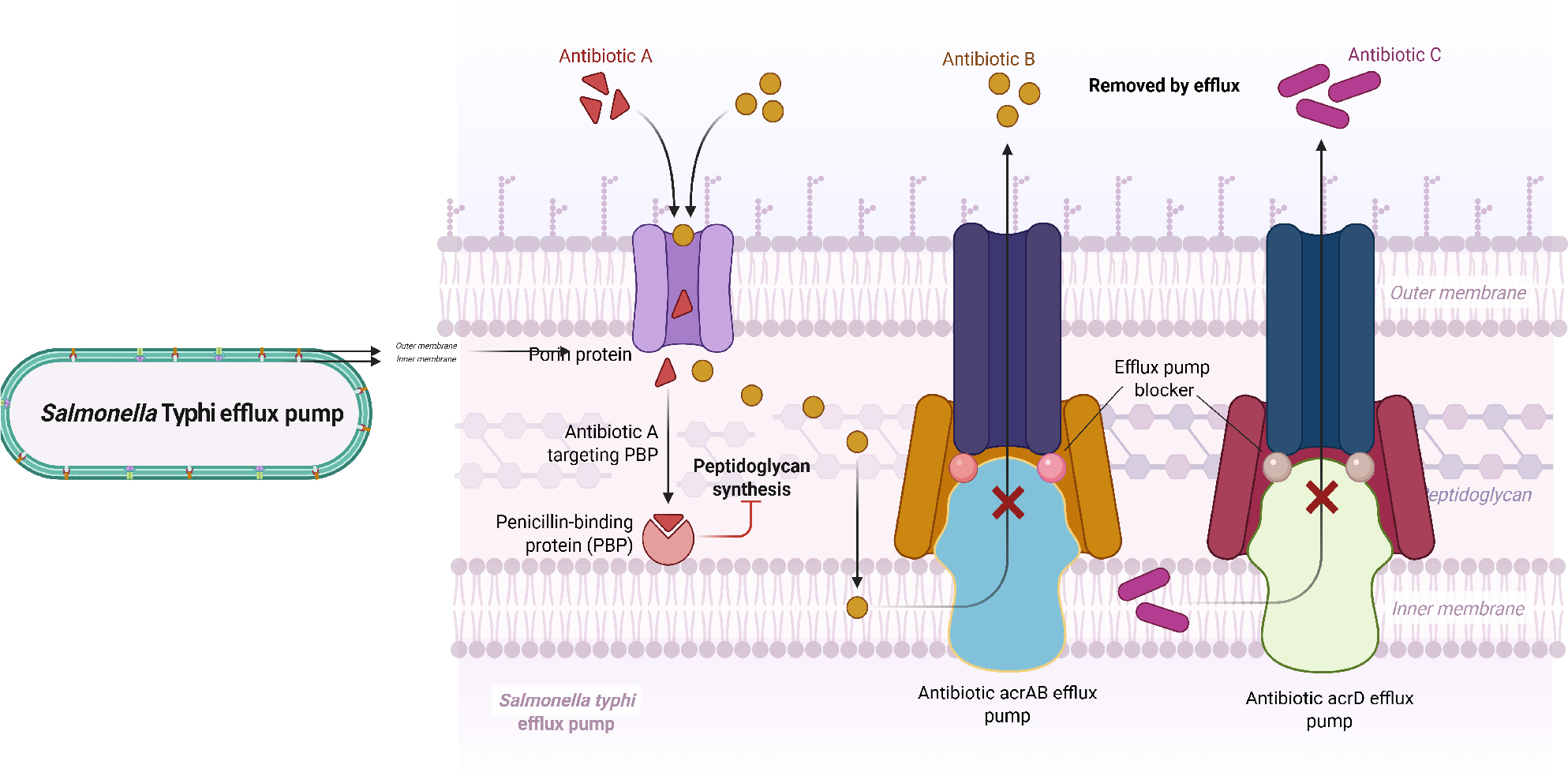
Fig. 4.
AcrAB-TolC multidrug efflux pump system in Salmonella and Shigella. The tripartite RND-family pump (AcrB inner membrane transporter, AcrA membrane fusion protein, TolC outer membrane channel) expels diverse antibiotics (β-lactams, quinolones, tetracyclines) from the cell. Overexpression confers multidrug resistance. IM – inner membrane; OM – outer membrane; PP – periplasm. Created with BioRender.com.
Channels on the outer membrane, including OmpF and OmpC, passively receive hydrophilic antibiotics. Downregulation or mutations in porin genes also reduce membrane permeability, which prevents the entry of antibiotics (Davin-Regli et al. 2024). This effect, the loss of porins due to reduced antibiotic influx and increased efflux through pumps such as AcrAB-TolC, greatly increases resistance (Karmoker et al. 2023). This interaction between efflux and permeability alterations is the primary factor underlying high levels of multidrug resistance in clinical isolates. Pasqua et al. (2019) found that S. flexneri has retained 14 of the 20 pumps characterized, whose expression is differentially modulated during the intracellular life of Shigella.
Biofilm formation
One of the main mechanisms Salmonella and Shigella use to enhance survival, persistence, and resistance to antimicrobial agents is biofilm formation (Fig. 5). Biofilms are organized groups of bacteria surrounded by an extracellular polymeric matrix (EPS), which shields them against environmental stressors such as antibiotics and host immune responses (Nickerson et al. 2017; Siddique et al. 2021; Muturi et al. 2025). Biofilm formation in S. flexneri occurs when it is exposed to bile salts and glucose as it passes through the small intestine, enabling it to survive in the hostile gastrointestinal environment (Nickerson et al. 2017). This is an adaptive dynamical response that entails transcriptional variations that favor the expression of adhesins, such as those encoded by the ospE1 and ospE2 genes in S. flexneri, which promote bacterial adhesion and colonization (León et al. 2024).
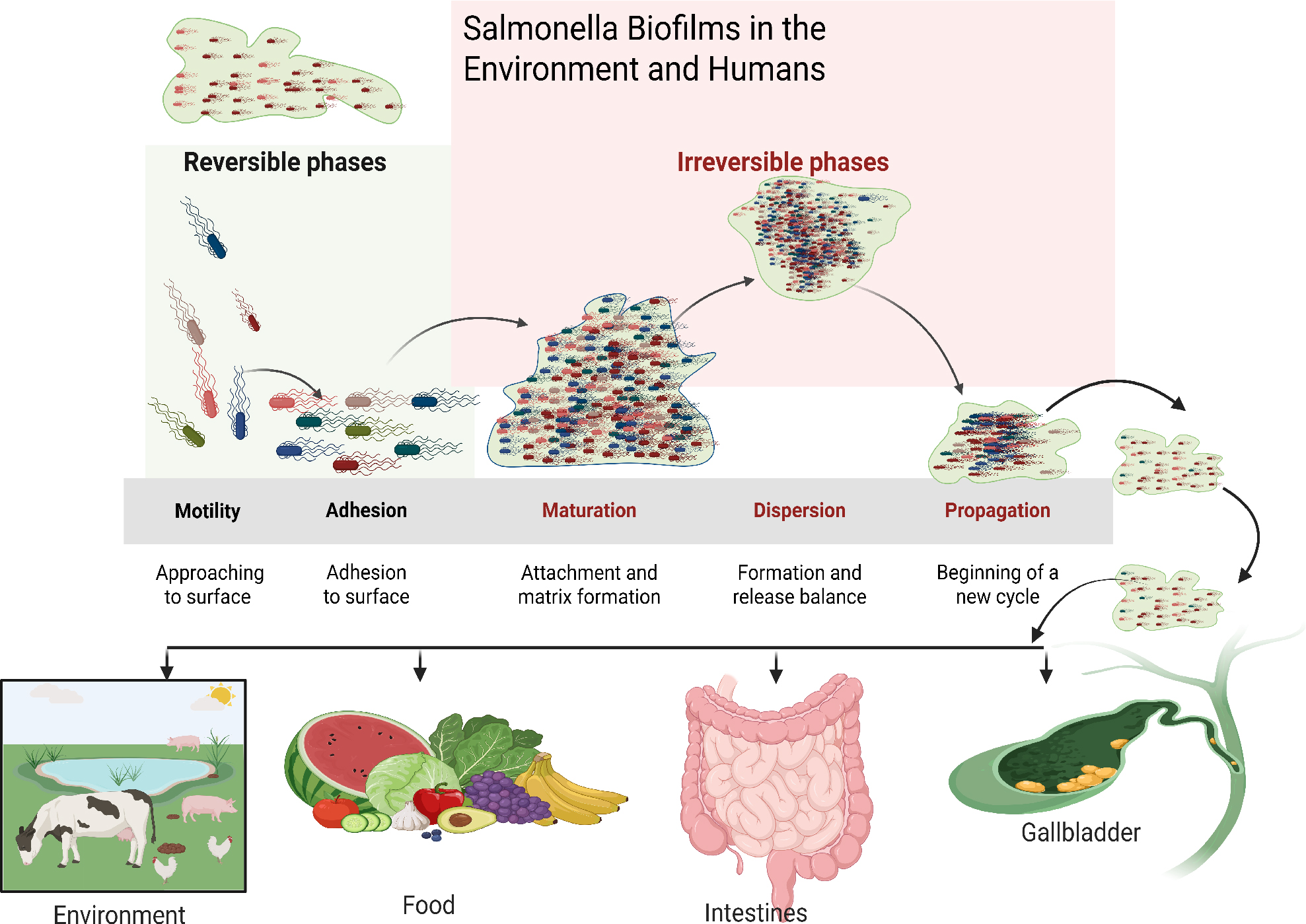
Fig. 5.
Biofilm formation cycle in Salmonella and its role in antimicrobial resistance. Five stages: (1) Reversible attachment; (2) Irreversible adhesion and EPS production (cellulose, curli, eDNA); (3) Microcolony formation; (4) Maturation into 3D communities (up to 1000-fold increased antibiotic tolerance); (5) Dispersion. Biofilms enhance survival in food/environmental settings and facilitate persistent infections. Created with BioRender.com.
Biofilm matrix components available in Salmonella include cellulose, curli fimbriae (amyloid structures), extracellular DNA, O-antigen polysaccharides, fatty acids, and surface proteins (e.g., BapA), among others, and help to maintain structural integrity and protection (MacKenzie et al. 2017; Beshiru et al. 2018; Kalaria et al. 2025). CsgD is a transcriptional regulator, regarded as a master regulator of biofilm formation because it activates the cellulose biosynthesis and curli fimbriae operons required for matrix production. Cyclic-di-GMP, which is a bacterial second messenger, is a key factor involved in regulating biofilm gene expression and matrix synthesis via csgD regulation (MacKenzie et al. 2017; Li et al. 2024).
Biofilms also hinder the entry of antibiotics and reduce bacterial physiological activity, leading to slow growth or metabolic inactivity and decreasing the activity of most antimicrobials targeting active cellular events. Moreover, biofilms facilitate horizontal gene transfer and promote cell-to-cell communication (quorum sensing), thereby spreading antibiotic resistance genes and virulence factors within the microbial community (Liu et al. 2024). Biofilm-associated MDR Salmonella and Shigella infections clinically are difficult to eliminate and are also associated with chronic or recurrent infection. This resistance leads to the continuing contamination of food processing and healthcare settings, which is the reason to consider biofilm formation as the target of innovative treatment options (Nickerson et al. 2017; Beshiru et al. 2018).
Outer membrane and lipopolysaccharide modifications
The outer membrane of Gram-negative bacteria, such as Salmonella and Shigella, is the primary barrier to antimicrobial agents, and alterations in this structure are the major cause of antibiotic resistance. The outer membrane is asymmetrical, with lipopolysaccharide (LPS) taking up the major part of the outer leaflet, and these include lipid A, core oligosaccharide, and O-antigen polysaccharide. The modifications of lipid A, which are regulated by two-component systems including PhoPQ and PmrAB, change the physical and chemical properties of the membrane and make it more resistant to cationic antimicrobial peptides (AMPs) and polymyxins like colistin (Caroff et al. 2019; Vaara et al. 2020). Such alterations are the insertion of positively charged molecules like 4-amino-4-deoxy-L-arabinose and phosphoethanolamine to lipid A, which reduce the negative charge of the bacterial surface, lowering the binding affinity of AMPs and most antibiotics that are based on electrostatic interaction. These alterations make the membranes more rigid and less permeable, thereby protecting the bacterium against the host’s innate immune defense and against antibiotic penetration (Schumann et al. 2024; Helms et al. 2025).
In Shigella, variations in outer membrane porins, namely OmpF and OmpC, affect antibiotic permeability. These porins are mutated or repressed, reducing uptake of β-lactams, especially larger and hydrophilic antibiotics such as aztreonam and penicillins, thereby contributing to resistance (Ranjbar et al. 2019). OmpR regulatory protein is a transcriptional regulator of porin expression, and it is also used in responding to environmental stresses such as antibiotic exposure. In addition, resistance is increased by synergistic interactions between outer membrane alterations and overexpressed efflux pumps (e.g., AcrAB-TolC). For example, exposure to bile salts induces efflux pump expression and, at the same time, downregulates major porins, lowering intracellular antibiotic levels and promoting survival under adverse host conditions in Shigella (Ranjbar et al. 2019).
Emerging therapeutic strategies
A comprehensive overview of antimicrobial drug classes and their specific cellular targets in bacteria is provided in Fig. 6. It classifies treatments according to how they work, showing how various antibiotics interfere with vital bacterial functions to provide a bactericidal or bacteriostatic effect. Cell wall synthesis is inhibited by β-lactams and glycopeptides; protein synthesis is targeted by aminoglycosides and tetracyclines for the 30S subunit and macrolides and lincosamides for the 50S subunit; nucleic acid synthesis is inhibited by quinolones that target DNA topoisomerases and rifamycins that target RNA polymerase; and folic acid metabolism is disrupted by sulfonamides and diaminopyrimidines. The table also covers compounds that specifically damage DNA, such nitroimidazoles, and those that target the cell membrane, like polymyxins. This methodical classification highlights the various strategic methods employed in antimicrobial therapy to fight bacterial infections (Allison et al. 2024; Chen et al. 2024).
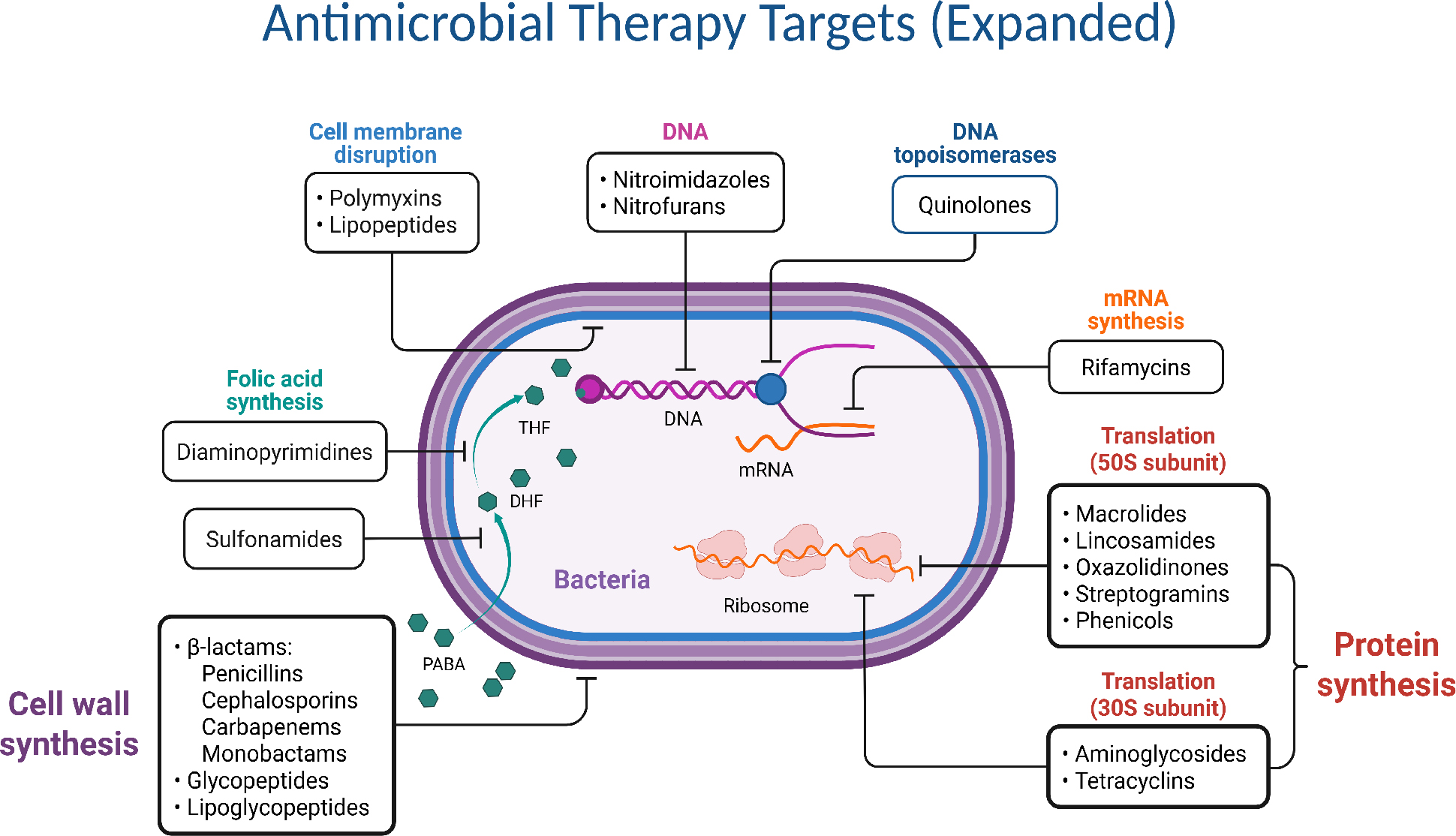
Fig. 6.
Cellular targets of major antibacterial drug classes. Six primary sites: (1) Cell wall synthesis (β-lactams, glycopeptides); (2) Protein synthesis – 30S subunit (aminoglycosides, tetracyclines); (3) Protein synthesis – 50S subunit (macrolides, chloramphenicol); (4) Nucleic acid synthesis (quinolones, rifamycins); (5) Folate metabolism (sulfonamides, trimethoprim); (6) Cell membrane (polymyxins).
In line with current clinical and microbiological guidance, antimicrobial management of multidrugresistant Salmonella and Shigella should be individualized based on disease severity, patient risk factors, and local susceptibility patterns (Havelaar et al. 2015; Tilahun et al. 2025). Highrisk groups include young children, older adults, immunocompromised patients, and individuals living in or returning from lowre-source settings with poor sanitation, who are more likely to present with severe disease and complications (Tilahun et al. 2025). For uncomplicated infections in otherwise healthy hosts, supportive care, adequate hydration, electrolyte replacement, and avoidance of antimotility agents remains the cornerstone of management (Shane et al., 2017; CDC 2024). When antibiotic therapy is indicated, particularly in patients with dysentery, systemic manifestations, or significant comorbidities, international recommendations endorse fluoroquinolones such as ciprofloxacin as firstline agents, with thirdgeneration cephalosporins (e.g., ceftriaxone, cefotaxime) or pivmecillinam as secondline options and azithromycin as an alternative where fluoroquinolone resistance is prevalent (Shane et al. 2017; Williams et al. 2018; CDC 2024). In regions with high rates of multidrug resistance, treatment of severe or invasive infections may require parenteral broadspectrum regimens, including carbapenems, sometimes in combination with other agents, guided by microbiological testing and local resistance data (CDC 2024; Tilahun et al. 2025). Empiric choices should be promptly tailored to culture and susceptibility results, and all antibiotic use must be embedded within antibioticstewardship and One Health frameworks to minimize further selection of resistance (Shane et al. 2017; Williams et al. 2018; CDC 2024).
Concurrently, unconventional approaches such as bacteriophages, nanoparticles, antimicrobial peptides, biofilm and efflux-pump inhibitors, and phytochemicals derived from plants are being developed as substitutes or supplements to regain antibiotic activity while controlling highly resistant strains of Shigella and Salmonella (Almuzaini et al. 2023; Zhou et al. 2023; Sima et al. 2024; Ferous et al. 2024; Sivanandy et al. 2024; Sargianou et al. 2025; Yarahmadi et al. 2025).
New antibiotics
The new therapeutic approaches to multidrug-resistant (MDR) Salmonella and Shigella have focused on new antibiotics and novel drug candidates designed to overcome resistance mechanisms. Recent research draws attention to the significance of increasing the antibiotic repertoire, especially in the face of an increased prevalence across the globe of resistance to first-line agents like penicillin, cephalosporins, quinolones, and sulfonamides (Ferous et al. 2024; Sivanandy et al. 2024; Blaskovich et al. 2025; Sargianou et al. 2025; Yarahmadi et al. 2025). In this review, novel and recently introduced antibiotics active against multidrug-resistant Gram-negative bacteria, including Salmonella and Shigella, are now clearly classified according to their current stage of development and use. β-lactam/β-lactamase inhibitor combinations such as avibactam, relebactam, nacubactam, avibact-am, and vaborbactam are already licensed and used in clinical practice for serious infections caused by car-bapenemase-producing Enterobacterales (Vena et al. 2019; Bassetti et al. 2023). A potential development is the launch of the so-called graduated sulopenem, a thiopenem β-lactam antibiotic effective against Entero-bacteriaceae resistant to third-generation cephalosporins (which possess extended-spectrum β-lactamases (ESBLs) or AmpC β-lactamases) (Puttagunta et al. 2023). In contrast, several newer agents highlighted in our manuscript, including cefepime–enmetazobactam, sulopenem, and aztreonam-avibactam, are at the stage of late-phase clinical trials or early post-approval introduction and have not yet been systematically evaluated for routine treatment of enteric Salmonella and Shigella infections; at present, their use is largely confined to specialized centers and selected high-risk cases (Theuretzbacher et al. 2020; WHO 2024). Other compounds discussed, such as novel small molecules identified through high-throughput screens against intracellular Shigella and C26, which suppress the secretion of effector proteins in S. enterica and consequently hinders bacterial invasion of eukaryotic cells, remain in the preclinical or in vitro discovery stage and are not yet suitable for clinical application. However, they represent promising starting points for future drug development (Boudrioua et al. 2025; Phat et al. 2025).
Alternative therapies. Phage therapy
Phages are ultramicroscopic particles that typically consist of nucleic acid single-stranded DNA (ssDNA), double-stranded RNA (dsRNA) or single-stranded RNA (ssRNA) surrounded by a capsid protein coat made from a smaller subunit called capsomer. Phage etiology varies widely, ranging from basic icosahedral shapes to complex architectures (Ackermann et al. 2006). Phages can kill 50% of the bacteria produced every 48 h, contribute substantially contribution in microbial ecology and to the development of a genomic picture of the host cell via phage-mediated gene transfer, including virulence genes (Canchaya et al. 2003). Including the most common order, Caudovirales, there are twelve primary phage groups known so far. The order Caudovirales consists of three main families including Siphoviridae, Myoviridae, and Podoviridae (Fig. 7). Some, but not all, phages in the order Caudovirales have double-stranded DNA and specific head and tail morphologies (Rezaei et al. 2014). Phages are unable to infect human cells because those cells lack receptors on their cell surface (Van Belleghem et al. 2018).
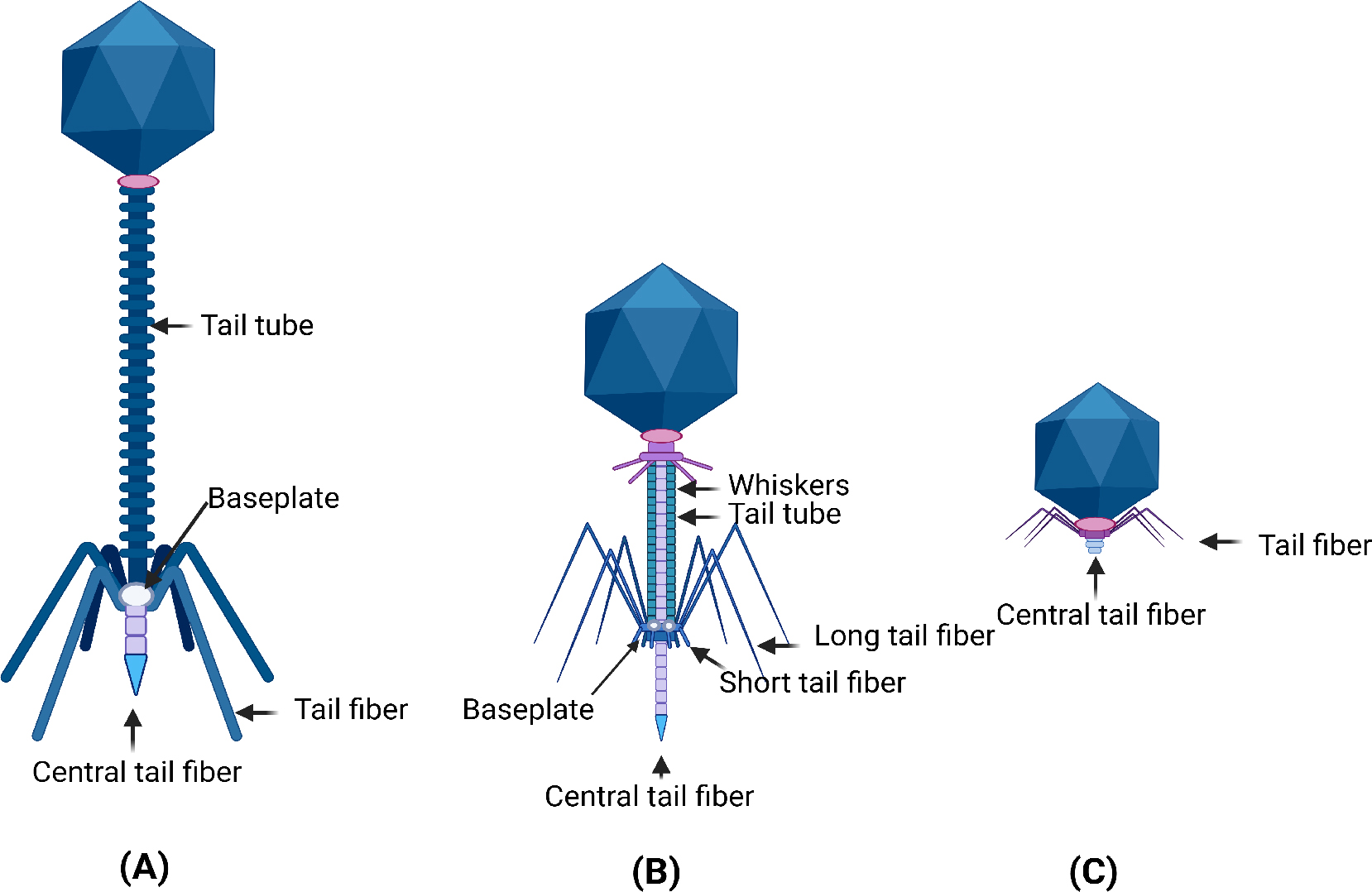
Fig. 7
Morphological diversity of bacteriophages from order Caudovirales used in phage therapy. Three main families: (A) Siphoviridae – long flexible non-contractile tails; (B) Myoviridae – long contractile tails with sheath; (C) Podoviridae – short non-contractile tails. Phage cocktails combining multiple types broaden host range and minimize resistance. Created with BioRender.com.
During the lysogenic life cycle, the virus genome integrates into the host cell genome, replicating with the host cell during replication. It is known that lysogenic phages become dormant until the surrounding environment becomes conducive to replication. When the environment is conducive, this phage enters the lytic pathway and follows the same replication pattern (Fig. 8) (Howard-Varona et al. 2017).
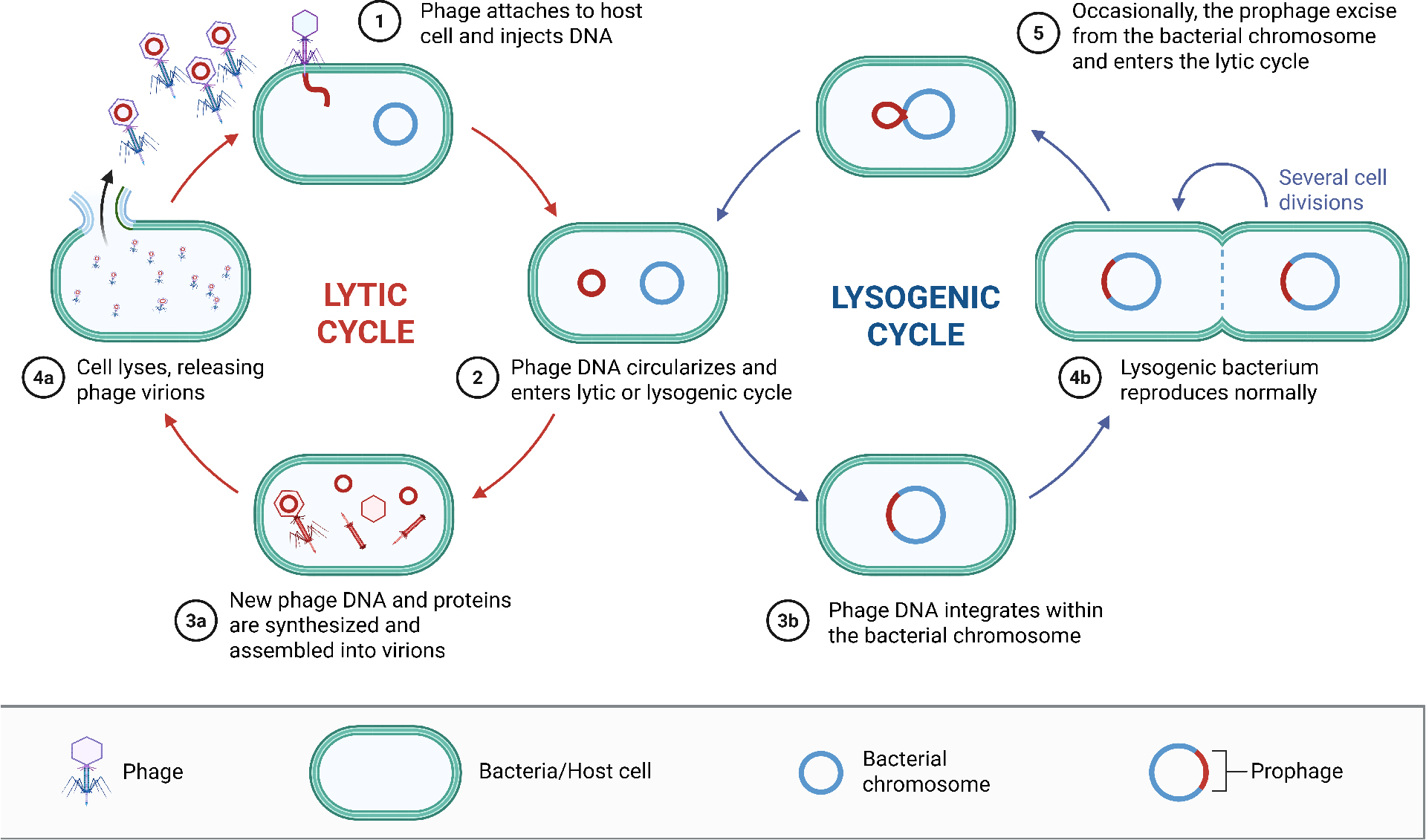
Fig. 8.
Bacteriophage life cycles: lytic versus lysogenic replication. Lytic cycle (left): Adsorption → genome injection → replication → assembly → lysis. Lysogenic cycle (right): Genome integration as prophage → passive replication with host → possible induction to lytic cycle. Strictly lytic phages are preferred for therapy to avoid transferring resistance genes. Created with BioRender.com.
Phage therapy involves using bacteriophages that infect and lyse bacteria, specifically targeting multidrug-resistant (MDR) Salmonella and Shigella strains. Recent research has shown that phage therapy is highly specific, that phages are able to self-replicate at the site of infection, and that they have a high ability to disrupt bacterial biofilms, which are usually resistant to antibiotics. An example is a new study by Ribeiro et al. (2023): of the 36 Salmonella isolates tested, the four-phage-containing phage cocktail removed biofilms formed by 66% of the isolates, including those displaying low susceptibility to phages. The genomic characteristics of the individual components of the phage cocktail demonstrated that the phages genome was free of genes associated with antibiotic resistance, integrases, and virulence factors (Ribeiro et al. 2023). As evidenced by Duc et al. (2023), a phage cocktail comprised of phage STG2, SEG5, and PS5 showed great antibacterial effects against bacterial cocktail S. Typhimurium, S. Enteritidis, and inhibited the emergence of phage resistance mutants during the incubation period at different temperatures (37°C, 24°C, and 4°C). On top of the above reports, a group of scholars has currently formulated a five-phage containing phage cocktail comprising multireceptor Salmonella phage and characterized. A total of four receptors, namely, BtuB, O-antigen, OmpC, and rough Salmonella strains, were considered. According to the results, the formulated cocktail showed broad-spectrum lytic activity against Salmonella, notably suppressing the growth of 66 strains across all 20 serovars tested in vitro. The phage cocktail lowered the concentration of Salmonella applied on chicken skin by 2.5 log10 CFU/cm2 at 4°C and 3.5 log10 CFU/cm2 after 48 h at 15°C and 25°C (Martinez-Soto et al. 2024). It has been known that several phage cocktail preparations have been formulated and approved by the FDA to control common foodborne contaminants. For instance, SalmoFresh (Intralytix) is one of these products that can reduce Salmonella populations by up to log 0.9 and 1.2 after 24 hours of storage in chicken breast fillets (Sukumaran et al. 2016). A different phage product, PhageGuard S (PhageGuard, Wageningen, Netherlands), efficiently managed Salmonella (1 log reduction) in ground beef (Yeh et al. 2018). Moreover, ShigaShield (Intralytix), the other FDA-approved product, demonstrated a strong decontamination effect against artificially contaminated Shigella on pre-cooked chicken and deli meat (Soffer et al. 2017).
Overall, several phage preparations targeting Salmonella and Shigella (e.g., food-grade phage cocktails used on poultry and ready-to-eat products) have regulatory authorization as biocontrol agents in the food chain and are applied to reduce contamination at the preor post-harvest level, not to treat systemic human disease (Sukumaran et al. 2016; Soffer et al. 2017). There are numerous publications on successful phage therapy in humans against Pseudomonadaceae, such as Pseudomonas aeruginosa. Two recent case reports, one concerning a patient with P. aeruginosa septicemia and the other concerning a patient with P. aeruginosa aortic graft infection, demonstrated a favorable outcome after bacteriophage therapy (Kakasis et al. 2019). By contrast, therapeutic phage use for invasive Salmonella or Shigella infections in humans remains largely experimental and is currently restricted to early-phase clinical trials, with encouraging but still limited evidence on efficacy and safety (Kakasis et al. 2019).
Predatory bacteria
Bdellovibrio bacteriovorus has been found to have a potential to be used as alternative therapy against multidrug-resistant (MDR) Salmonella and Shigella infections. Experiments on animal hosts, such as zebrafish larvae infected with an antibiotic-resistant S. flexneri, show that active predatory B. bacteriovorus can reduce pathogen loads by a significant margin when injected (Al maaqar et al. 2025). The bacterium is a predatory organism that enters the periplasmic space of the host bacteriophage, lysing it, thereby reducing the severity of the infection. Notably, B. bacteriovorus operates together with the host immune system its predation decreases the number of bacteria that can be removed by innate immune clearance leading to a higher probability of host survival (Al maaqar et al. 2025). It is especially effective in immunocompromised hosts compared with antibiotics, but its effects are best when the host has a healthy immune system. In addition to Shigella, B. bacteriovirus has broad Gram-negative pathogen activity, including Salmonella and E. coli, and can disperse biofilms, which often harbor resistant strains (Fig. 9). It has a unique life cycle, is not cytotoxic to host cells, and is ubiquitous in the environment, which makes it a natural living antibiotic. Although additional studies are needed to maximize delivery systems, evaluate safety in humans and prey selectivity, B. bacteriovorus has the potential to substitute conventional antibiotics against MDR Salmonella and Shigella pathogens in a more ecofriendly manner (Lai et al. 2023; Al Maaqar et al. 2025). This is an example of a new antimicrobial approach that may be incorporated into future therapeutic regimens to address antibiotic resistance in major enteric bacterial infections.
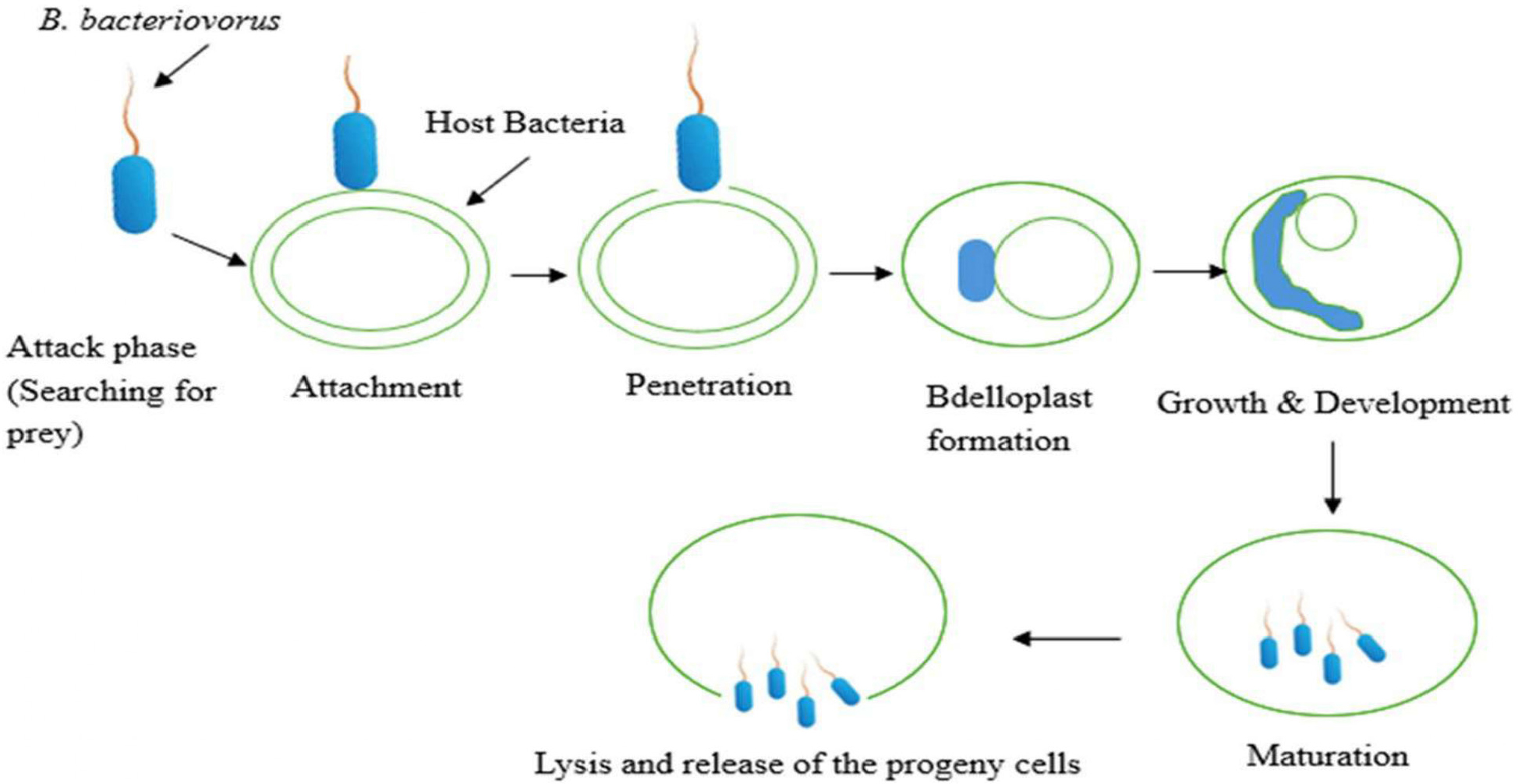
Fig. 9.
Predatory life cycle of Bdellovibrio bacteriovorus as a living antibiotic against Gram-negative pathogens. Six stages: (1) Attack phase – predator attaches to prey (e.g., Shigella, Salmonella); (2) Entry into periplasm; (3) Establishment – bdelloplast formation; (4) Growth – filamentous elongation; (5) Septation into progeny; (6) Release of motile predators. Exhibits broad-spectrum activity against MDR Enterobacterales, penetrates biofilms, and is non-pathogenic to humans. Adapted from Al-maaqar et al. (2025).
Antimicrobial peptides (AMPs)
Multidrug-resistant Salmonella and Shigella are facing a new alternative in antimicrobial peptides (AMPs), which have a broad-spectrum bactericidal activity and a distinct mechanism. They primarily destroy bacteria by interfering with bacterial membranes and depolarizing the membrane potential, resulting in metabolic chaos, and can also regulate host immune responses to enhance pathogen clearance. Some synthetic AMPs, such as the LI14 peptide, have demonstrated good efficacy in vitro and in animal models against drug-resistant bacteria, including Salmonella, and in combination with traditional antibiotics to overcome resistance. But AMP efficacy can be diminished by bacterial resistance mechanisms (such as membrane changes), and therefore, further optimization of the design is required. All in all, AMPs are a useful supplement or new treatment option in the fight against resistant infections of Salmonella and Shigella using its direct antimicrobial activity as well as immune modulation (Guilhelmelli et al. 2013; Shi et al. 2022; Duarte-Mataet al. 2023; Hetta et al. 2024).
Nanotechnology-based therapies
Nanotechnology therapy uses nanoparticles such as silver and zinc oxide, and nano-carriers to deliver antimicrobial agents with improved bioavailability and activity. The antimicrobial activities of these metal nanoparticles are inherent in both membrane perturbation and the generation of reactive oxygen species, which are efficient against planktonic and biofilm organisms. Nanocarriers guarantee the sustained, careful discharge of medications and can overcome bacterial resistance such as efflux pumps. In addition to that, nanotechnology enhances synergistic toxicity between various antimicrobials and reduces systems toxicity. Despite the potential, nanotechnology therapies face challenges related to biocompatibility, safety, and regulatory approval for clinical use (Malik et al. 2023; Qaeed et al. 2023a; Qaeed et al. 2023a; Anwar et al. 2024; Osose et al. 2025).
Combination therapies to overcome resistance
Combination therapies are among the main approaches to addressing drug resistance in Salmonella and Shigella infections. It has been shown that the synergistic effect of using antibiotics like ciprofloxacin or vancomycin with imipenem or imipenem and vancomycin is very effective in inhibiting bacteria from resistant strains in which individual antibiotics are ineffective. Recent combinations involve a combination of β-lactams, aminoglycosides, and fluoroquinolones, which enhance performance and reduce resistance. Moreover, new molecules such as tetrahydroisoquinolines with traditional antibiotics have also been reported to synergize with traditional antibiotics against multidrug-resistant S. Typhi. These treatments maximize the effects of antimicrobials, reduce resistance to treatment, and enable control of resistance by targeting bacteria in a combination of multiple mechanisms at the same time, thereby recommending combination therapy to continue to be employed in managing resistant Salmonella and Shigella infections more frequently in clinical practice (Rushdy et al. 2013; Ndip et al. 2023; Islam et al. 2024).
The recent additions of possible antibiotics against resistant Salmonella and Shigella are predominantly β-lactam/β-lactamase inhibitor combinations, including cefepime-emetazobactam and aztreonam-avibactam, which avoid much of the ESBL/carbapene-mase resistance. The additional use of azithromycin, third-generation cephalosporins, and carbapenems should continue to be used where there are susceptibilities. The types of non-traditional therapies being developed as adjuncts to reestablish antibiotic resistance and to contain highly resistant strains include bacteriophages, nanoparticles, antimicrobial peptides, and efflux pump inhibitors (Shi et al. 2022; Oliveira et al. 2025; Sargianou et al. 2025).
Clinical challenges and future directions
Diagnostic difficulties with MDR strains
The diagnosis of multidrug-resistant (MDR) Salmonella and Shigella has posed a major issue due to the gaps in the capability to identify them quickly and correctly, and due to their similarities with other diseases that cause diarrhea. The established culture-based modalities though of gold standard are time consuming and could slow down targeted therapy which is of paramount importance in case of resistant infections. Molecular diagnostic techniques such as targeted PCR and whole-genome sequencing (WGS) can be used for rapid identification and antibiotic resistance gene profiling, but, regrettably, are not used in most resource-poor and clinical settings due to cost and infrastructure overheads. The phenotypic resistance is also widely diverse compared to the prevalence in the regions, and thus it is hard to make a decision on the treatment based on empirical evidence. The studies identify the severely high rates of MDR in pediatric patients, which defines the complexity of the initial treatment in the case of the absence of timely diagnostics. One of the exemplary requirements is also accessible and better diagnostic tools to provide information on successful treatment and prevent further proliferation of resistance (Tilahun et al. 2025; Wang et al. 2025).
Infection control measures and antibiotic stewardship
The transmission of MDR Salmonella and Shigella in healthcare and communal settings can be prevented through effective infection control strategies. These measures include stringent hygiene practices, proper food handling, and water, sanitation, and surveillance programs, through which outbreaks can be identified and controlled. Antibiotic stewardship interventions promote the rational use of antibiotics to limit the prevalence of indiscriminate antibiotic usage that promotes the development of resistance. The combination of stewardship and One Health approaches addresses the human, animal, and environmental reservoirs. Despite the above, there are still problems due to loopholes in the execution of the policies, awareness of the population, and adherence to clinical practice, particularly in low and middle-income regions where there is a high prevalence of antimicrobial abuse. A drawback of resistance containment is that it needs continuous monitoring, education, and fortification of policies (MOH Saudi Arabia 2025; Tilahun et al. 2025).
Research gaps and perspectives for combating resistance
However, there remain significant gaps in the research on molecular epidemiology, resistance mechanisms, and ecological determinants of MDR in Salmonella and Shigella. Genomic surveillance has not been done in an elaborate manner that involves clinical, agricultural, and environmental isolates that can be utilized in mapping the dynamics of transmission and the circulation of the resistance genes. There is a dire need for rapid diagnostics and low-cost point-of-care diagnostics with resistance profiling at the bedside. Besides, other emerging treatment modalities such as phage therapy, antimicrobial peptides, and nanotechnology antimicrobials will require good clinical trials to ascertain their safety and effectiveness. Interdisciplinary teams comprising bioinformatics, molecular biology, and clinical sciences are needed to design next-generation antimicrobials and stewardship plans. Coordination at both global and regional levels should prevent MDR pathogens from sharing data, synchronize policies, and take effective actions (Tilahun et al. 2025; Wang et al. 2025; WHO 2025).
Conclusion
This minireview focused specifically on MDR Salmonella and Shigella, summarizing their distinct epidemiology, molecular resistance mechanisms, and current/emerging therapeutic options. These zoonotic (Salmonella) and human-adapted (Shigella) pathogens exhibit high MDR prevalence driven by ESBLs, gyrA/parC mutations, mobile genetic elements, efflux pumps, and biofilm formation. While newer β-lactam/β-lactamase inhibitor combinations enter clinical practice, phage therapy, antimicrobial peptides, and nanotechnology remain experimental for these enteric infections. Targeted surveillance linking human, animal, and food sources, alongside pathogen-specific stewardship and innovation, represents the most direct path to preserving treatment options against these critical priority pathogens.
Acknowledgements
This Project was funded by KAU Endowment (WAQF) at King Abdulaziz University, Jeddah, under grant. The authors, therefore, acknowledge with thanks WAQF and the Deanship of Scientific Research (DSR) for technical and financial support.
Notes
[1] Conflicts of interest Conflict of interest
The authors do not report any financial or personal connections with other persons or organizations, which might negatively affect the contents of this publication and/or claim authorship rights to this publication.