
1. Introduction
Aquatic systems support diversity of life forms as a food source, providing a larger opportunity to address large-scale food security and nutrition concerns worldwide. Aquaculture is the fastest-growing food production sector with potential to address global requirements of food and nourishment (Garlock et al., 2022; Puri et al., 2022). Aquaculture has increased the availability of aquatic food to a double fold in three decades, from 13.1 million metric tonnes (MMT) in 1990 to 82.1 MMT in 2018 (Garlock et al., 2022), with an increase in aquaculture and fisheries production to 223.2 MMT in the year 2022 (FAO, 2024). This yield comprised 94.41 MMT of total aquatic animal production and 36.5 MMT of algae comprising microalgae and seaweed from inland, marine, and coastal aquaculture.
With the growing world population and consequential rise in nutritional demands to be tended by limited land resources, there is a greater need to find appropriate, sustainable food alternatives, shifting focus from land to aquatic-based food production systems. Moreover, scarcity of fishmeal (FM) and fish oil (FO) has shifted the focus in search of suitable sustainable food alternatives for the development of aquaculture-based food productions (Naylor et al., 2009). Marine microalgae are important plant-based feed ingredients for the supply of sustainable feeds in aquaculture (Idenyi et al., 2022). Developing interest in microalgae as a nutritional source is due to the presence of suitable amounts of lipids, essential amino acids in proteins, vitamins, polyunsaturated fatty acids (PUFA), and antioxidant value (Ma & Hu, 2024; Nagappan et al., 2021). Microalgae as single-celled organisms are capable of producing polysaccharides (immurella), pigments (lutein, astaxanthin, phycobilins, and β-carotene), lipids (arachidonic acid [ARA], eicosapentaenoic [EPA], docosahexaenoic acid [DHA]), proteins (phycobiliproteins), vitamins (A, riboflavin, niacin, pyridoxine, pantothenic acid, biotin, C, E), and other bioactive compounds (da Rosa et al., 2023; Dolganyuk et al., 2020; Saadaoui et al., 2021) having role in growth, improvement of gut microbial ecology, immunity and survival rate of aquaculture species that includes fish, shrimps and bivalves (de Moraes et al., 2022; Koyande et al., 2019; Ma et al., 2023; Nagappan et al., 2021). Owing to their cellular size and nutritional potential, microalgae are an indispensable source of food for all developing (young) stages of fish, shrimps, and bivalves in aquafarming environment (Irkin, 2019; Raja et al., 2018). Microalgae are a form of single-celled protein (SCP) which possess distinct advantage over conventional FM alternative with respect to nutrition (Balo & Amente, 2023; Bratosin et al., 2021; Onyeaka et al., 2022; Ritala et al., 2017). Several species of marine microalgae Nannochloropsis, Chlorella, Dunaliella, including cyanobacteria Spirulina (=Arthrospira), offer higher protein contents ranging from 50% to 80% (Janssen et al., 2022). Their distinct biological composition makes them apposite candidates for supplementation and addition to aquaculture feeds. Being a cyanobacteria Spirulina has been included with microalgae (Soni et al., 2017; Tokuşoglu & üUnal, 2003). According to Sinetova et al. (2024) Arthrospira is presently used generic name to genus Spirulina. Schizochytrium sp. has been utilized for complete (100%) substitution of FO in aquaculture feed for tilapia (Oreochromis niloticus) (Sarker et al., 2016).
With a key role in maintaining cellular membrane structure, anti-inflammation, cardiovascular health, growth, and brain development, long chain n3 PUFA-EPA, DHA, render health benefits to both fish species and consumers (Puri, 2024). Growing demand for n3 PUFA obtained from biotechnological dietary sources such as engineered algal cells is estimated to reach a market price of US$3.61 billion in 2028 (Qin et al., 2023). Marine microalgae are also being explored for their biotherapeutic applications improving gut microflora of aquaculture species (Puri et al., 2022). Microalgal polysaccharides (such as ß-glucans) have prebiotic effects with antimicrobial potential, preventing dysbiosis or disease state in susceptible aquaculture environment, rendering improved health and survival to organisms (Carballo et al., 2019). Additionally, microalgal biorefinery can be source of biomaterials for bio-based plastics; waste-water reclamation; bioremediation of soil; bioenergy generation from biofuels such as bioethanol and biodiesel (Malik et al., 2022; Okeke et al., 2022).
Microalgal biomass is universally one of the most abundant renewable resource (Liu & Ruan, 2022), efficiently capable of supporting paradigms of the circular and bioeconomy in aquaculture systems (Nagarajan et al., 2020; Oliveira et al., 2022). While, bioeconomy deals with knowledge driven production and usage of biological resources to deliver products, procedures, and amenities to all commercial sectors (Wohlgemuth et al., 2021). Circular economy is the use, reuse, and reassignment of the resource generated by waste to provide newer materials and value-added products (Elroi et al., 2023). Circular economy implements sustainable resource management approach by keeping supplies in continuous circulation eliminating or minimizing waste generation (Pomoni et al., 2024). Hence, sustainability serves as a guiding outline for stakeholders in the field of bioeconomy. Emerging technology for large-scale cultivation of microalgae include use of photobioreactors as sustainable scaling up solutions (Naik et al., 2024; Razzak et al., 2024). Microalgae N. oculata, Pavlova gyrans, Tetraselmis, Phaeodactylum tricornutum are utilized as biofilters for waste removal, nutrient recycling, coupled to increased production of biomass in control driven environments of recirculating aquaculture systems (RAS), integrated multitrophic aquaculture (IMTA) and biofloc technology (BFT), as circular initiatives to fulfill sustainable aquaculture goals (Ende et al., 2024; Jakhwal et al., 2024; Khanjani et al., 2022). According to Greene et al. (2022), microalgal aquaculture can reduce the pressure on land, significantly reducing carbon releases and biodiversity loss, enhancing environment sustainability; although scalability of production bears limitations.
Scientometrics is defined as the quantitative study of science, scientific communication, its research structure, policies, development, interrelationships and outcomes (Leydesdorff, 2001; Leydesdorff & Milojević, 2015). Scientometrics is closely related to bibliometrics and informetrics (Hood & Wilson, 2001). While bibliometrics focuses on the quantitative analysis of publications and their citation patterns, informetrics encompasses a broader assessment of information in all forms. Scientometrics utilizes quantitative approaches related to the evaluation of scientific research, technological development, knowledge generation, enabling the assessment of research productivity, impact, collaboration networks, and emerging research trends (Hood & Wilson, 2001; Tague-Sutcliffe, 1992). Scientometric analysis discussing microalgae-dependent treatment of wastewater from aquaculture have been performed by Li and Zhu (2021) and Furtado et al. (2023). Jahanshahi et al. (2023) through scientometric evaluation elaborated key role of sustainable microalgal biomass for development of bioenergy technologies. A detailed exploration of 79 020 publications on microalgal research by Rumin et al. (2020) has considered its thematic expanse in Europe and European Atlantic region during 1960–2019 using Orbit Intellixir software. While Ma et al. (2018) conducted bibliometric analysis on role of oleaginous microalgae in high value biodiesel production. Additionally, Kombe (2023) has assessed bibliometric developments in microalgae research for biodiesel production using VOSviewer and Biblioshiny. Miranda et al. (2022) evaluated the bibliographic expanse of microalgae in effective carbon dioxide capture, to draw a co-occurrence and co-authorship network based on VOSviewer. Keyword evolution map highlighted the importance of the genus Chlorella for generation of quality biofuels owing to its high lipid accruals, reaching up to 41.2%. A VOSviewer-based bibliometric analysis investigated 1339 Scopus articles to explore research trends on wastewater utilization for harvesting microalgae for biolipid production (Purba et al., 2024). While Yang et al. (2023) studied the antioxidant potential of bioactive compounds from microalgae using CiteSpace and VOSviewer for visual analysis of bibliometric Web of Science (WOS) data from 1996 to 2022. Although detailed scientometric analysis on marine microalgae as a potential source for sustainable aquafeeds and their role in aquaculture development is lacking. To fill this knowledge gap in the literature, the present work aims to perform a scientometric analysis on citation trends, growth of literature, author keyword co-occurrence, title, abstract fields, funding, documentation, author, and organization linkages to explore time-trending developments on the theme marine microalgae for aquaculture feeds and their role in governing sustainable aquaculture discourse.
2. Materials and methods
2.1. Retrieval of scientometric data
Scientometric data were retrieved from the Scopus database (Scopus, 2024), on 26 August 2024, covering research on the topic from 1995 to 2024 using the search term “marine microalgae for sustainable aquafeeds” and similar input term “marine microalgae in sustainable aquafeeds” with related terms and keyword combinations using Boolean operators where appropriate. Scopus is one of the most comprehensive and widely used bibliographic databases, providing extensive metadata records of scientific publications, including information on authors, affiliations, citations, funding sources, institutional profiles, abstracts, and keywords (Baas et al., 2020). Scopus database employs rigorous content selection and quality-control procedures, including expert review and continuous curation of indexed sources, thereby ensuring high precision, reliability, and broad coverage of scholarly literature. These features make Scopus a preferred source for bibliometric and scientometric analysis aimed at assessing research landscapes, collaboration networks, and knowledge constructs across scientific disciplines (Schotten et al., 2017). Data search was performed within “all fields” to ensure comprehensive coverage of the research domain (Hashem et al., 2023). Information regarding citation, bibliography, funding, abstract, and keywords were selected for download of data in comma-separated values (CSV) file format for further analysis. The downloaded dataset included bibliographic information, such as authors, titles, source titles, affiliations, publication year, abstracts, author keywords, index keywords, document type, citations, and funding details. Dataset was utilized for evaluating publication trends, citation patterns, collaboration networks, and thematic developments within the field of marine microalgae-based sustainable aquafeeds.
2.2. Analysis of scientometric data
Analysis of scientometric data is performed by VOSviewer (version 1.6.20) developed by Nees Jan van Eck and Ludo Waltman at Centre for Science and Technology Studies, Leiden University—Netherlands is a data mining software for detailed scientific mapping; visualization and elucidation of author, organization, country as well as semantic links (Bukar et al., 2023; Kirby, 2023). Scopus-based (csv) data file was uploaded under “choose type of data” in “file menu” of “create map based on bibliographic data.” Co-authorships as per countries based on the “full counting” method at a threshold value of a minimum of one document and a minimum “1” citation per country were chosen. Overall 89 countries meeting the threshold from a total of 97 countries were used for the network and an overlay visualization of country and organization based co-authorships weighted on total link strength (TLS). For co-occurrence of keywords, author keywords were selected from entries in publications, abstract, and title field analysis, considering full counting at a minimum occurrence of “1.” From a total of 2652 words meeting the threshold, 1000 keywords were considered, with the largest set of connected terms, “992” distributed in 42 clusters.
3. Results
Search terms “marine microalgae for sustainable aquafeeds” and “marine microalgae in sustainable aquafeeds” generated a total of 1073 publications on the topic.
Total citations amounted to 31 283 with an h-index of 83. Out of 1073 documents, 943 received citations. Citation trends depict referencing of works from 2008 onward with yearly growth in citations as labeled in Fig. 1. Articles are the maximum number of document types (n = 726) with 67.6% contribution to the subject, followed by review (245), book chapter (85), book (5), conference paper (5), editorial (3), short survey (3), and note (2) as shown in Fig. 2.
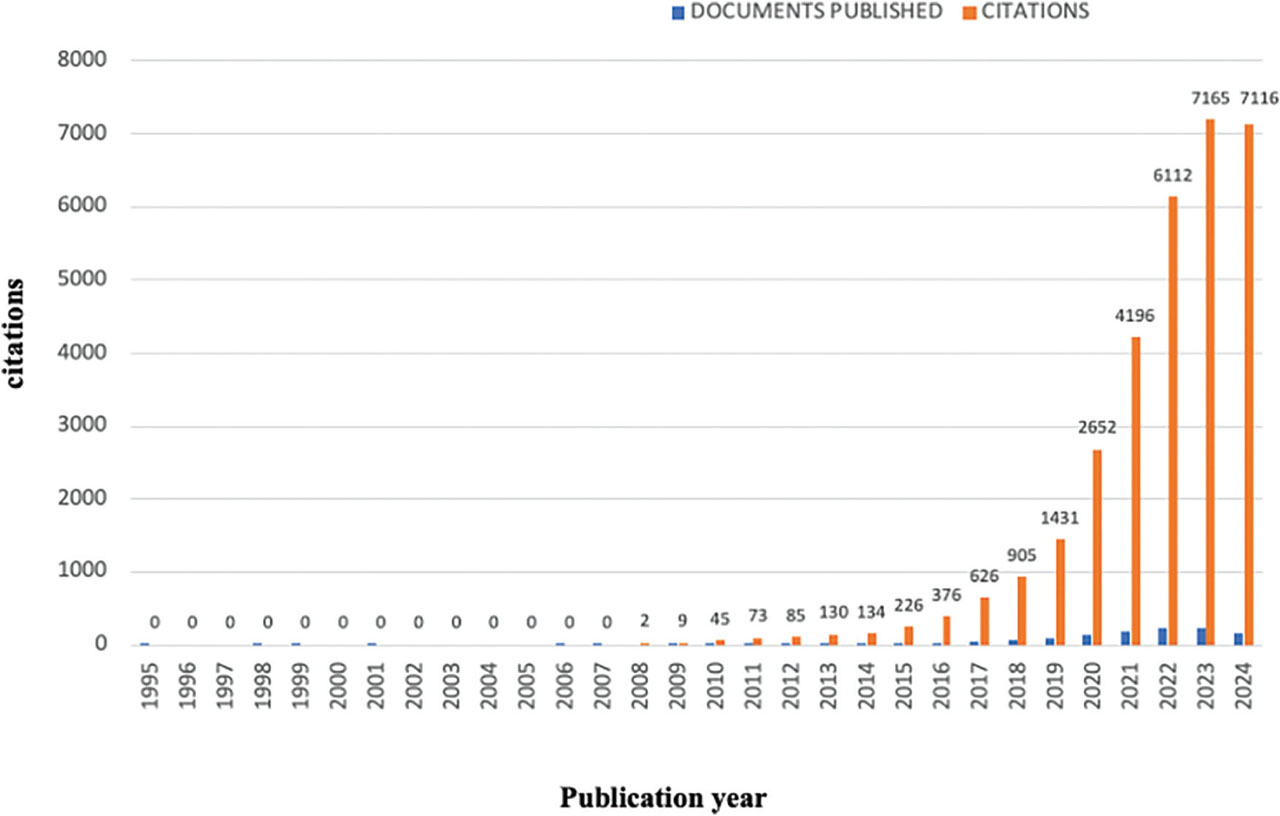
Figure 1
Year-wise publications and citations on the theme marine microalgae for sustainable aquafeeds.
Source: Scopus, (2024).
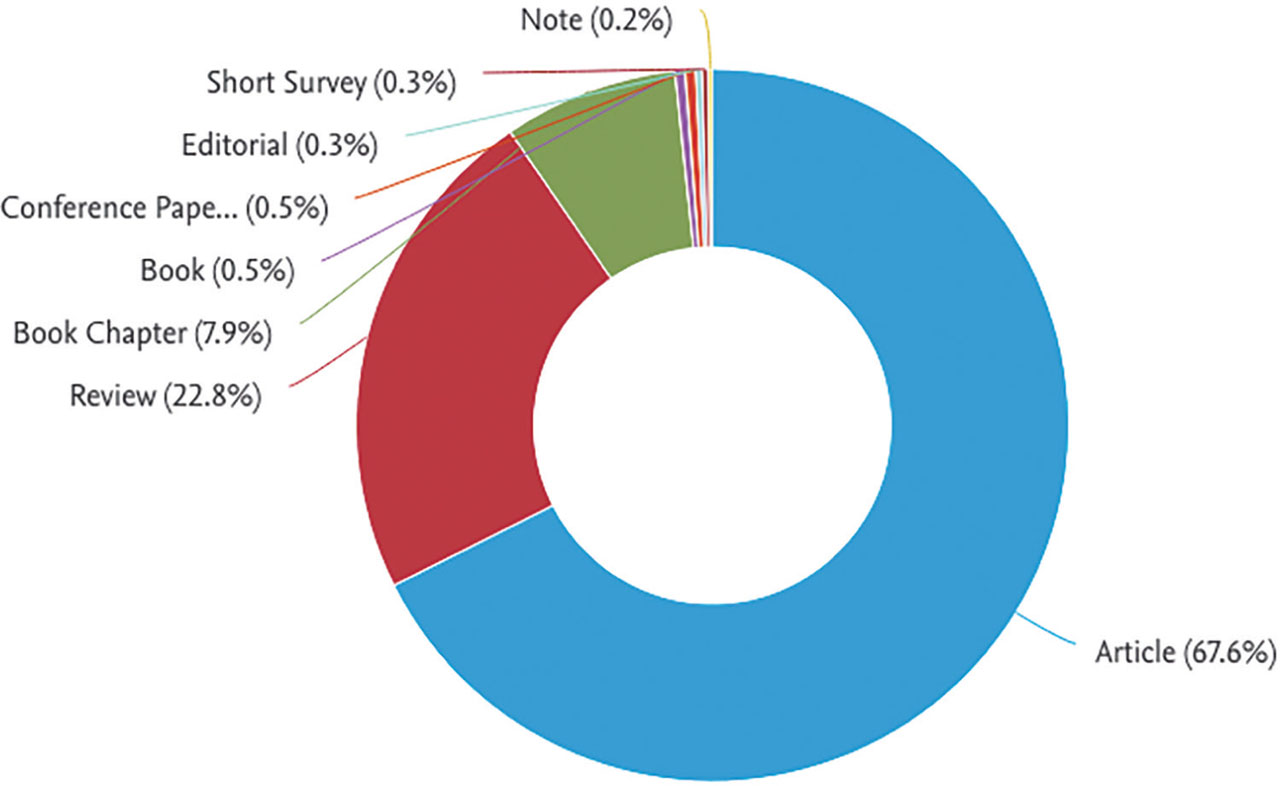
Figure 2
Document category on the theme marine microalgae for sustainable aquafeeds.
Source: Scopus (2024).
Depending on documents supported by individual funding sponsor, European Commission has supported maximal 83 works, European Union (EU) funded—horizon 2020 framework research and innovation program with 53, and EUs European Regional development fund supporting 45 documents (Table 1).
Table 1
Documents supported by individual funding sponsor for the theme.
| Funding Sponsor | Publications |
|---|---|
| European Commission | 83 |
| Horizon 2020 framework program (EU) | 53 |
| National Natural Science Foundation of China | 52 |
| Fundacao para a Ciencia e a Tecnologia (Portugal) | 47 |
| European Regional development fund (EU) | 45 |
[i] Source: Scopus (2024). EU, European Union.
Top 5 focus areas on the subject seen from Fig. 3 are, agricultural and biological sciences (n = 735); environmental science (296); biochemistry genetics and molecular biology (157); engineering (111); and immunology and microbiology (91).
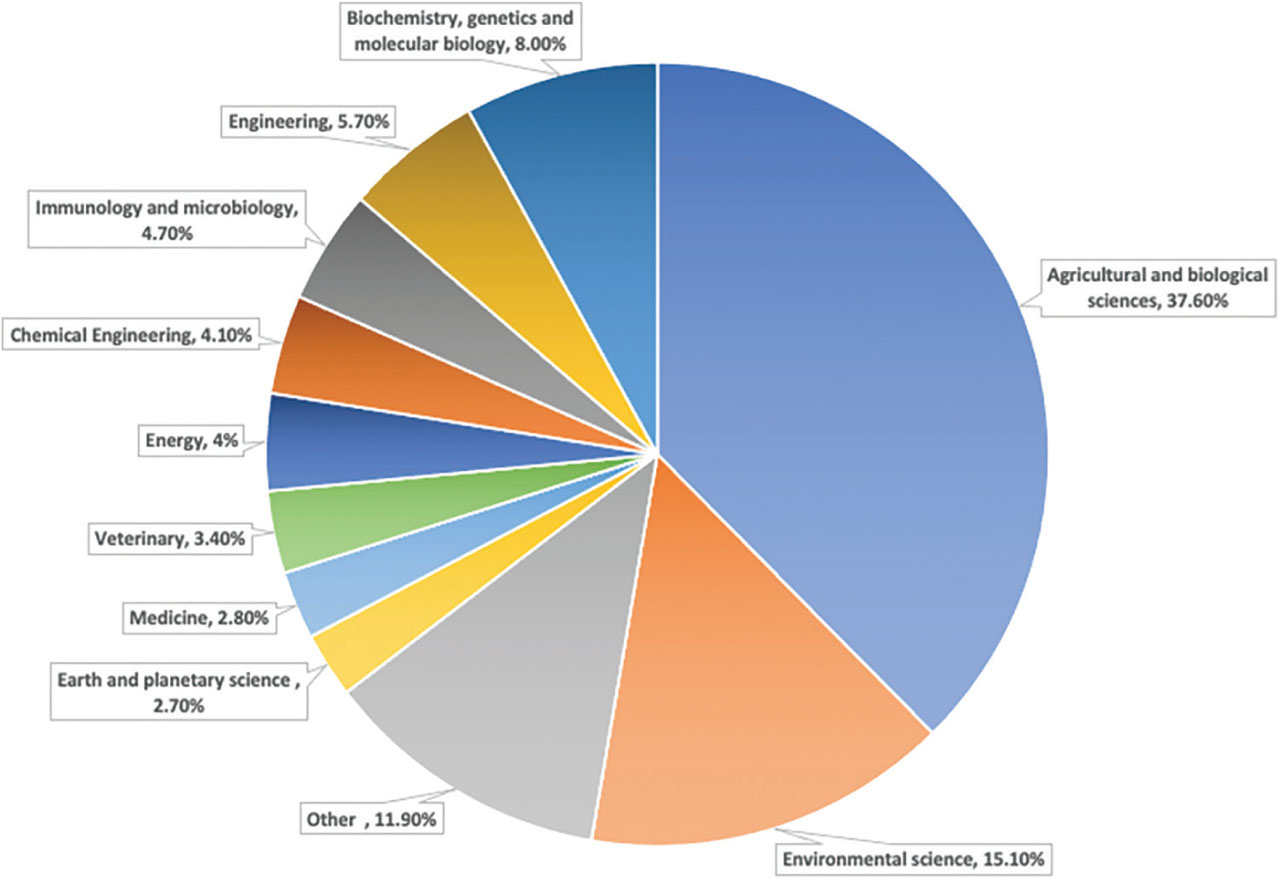
Figure 3
Publications as per focus area.
Source: Scopus (2024).
3.1. Analysis of scientographic network
Scientographic networks depict relationships among publication groups (countries, authors, organizations) and co-occurrence of keyword in research works for visual summarization of significant points drawn from intended research. Alacron F.J. and Olivotto I., are 2 topmost authors with 25 published works. Other authors with extensive documentation on the focal area are Cardinaletti G., Zarantoniello M., Valente L.M.P, Dias J., Galafat A., Kiron V., Parisi G., Sarker P.K. (Fig. 4).
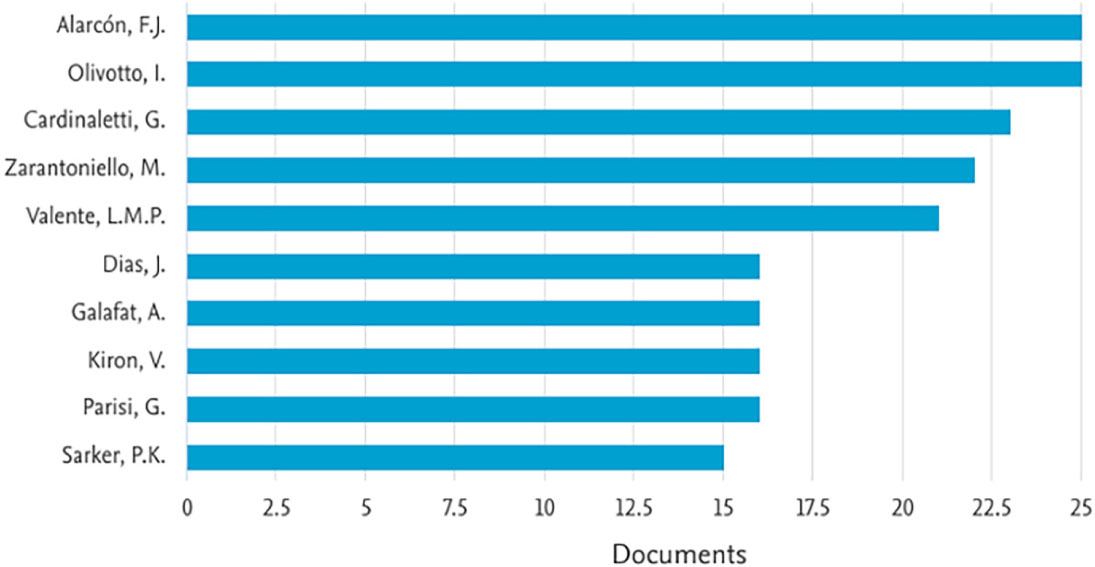
Figure 4
Top10 most documented authors on the theme marine microalgae for sustainable aquafeeds.
Source: Scopus (2024).
3.1.1. Country co-authorship linkages
Research works concerning the topic “marine microalgae for sustainable aquafeeds” are addressed by 89 countries, aligning in overall 12 clusters, with 683 interconnections (or links) that represent a cumulative link strength of 1472.
Cluster 1 forms the largest cluster with 15 countries. Cluster 7, 8, and 12 have 6, 6, and 4 countries, respectively. Top 15 countries are ranked on the basis of total linkages drawn with other countries by co-authorship networks in Table 1.
Detailed analysis of country linked co-authorship is discussed in Table 2. Norway is the leading country as per total strength of links with other regions in terms of co-authorships. The US has second largest influence toward co-authorship linkages drawn with other countries on the topic. Network and an overlay visualization of country-based co-authorships are shown in Fig. 5. Geographical diversification of research on microalgae is depicted between 2020 and 2023. An overlay visualization of country-based co-authorships, as shown in Fig. 5B depicts Europe forming the primary collaboration landscape. Italy, Spain, Norway, France, Portugal, Belgium, and United Kingdom are highly interlinked countries. Dense interlinkages suggest EU-funded projects with Italy appearing as a collaborative bridge. US acts as a linkage node between Europe, Asia, and emerging regions. Asian contributions are relatively recent 2021 onward appearing greener, including India, Malaysia, Indonesia, Taiwan, and Vietnam. Growing engagement of tropical African and developing regions involve South Africa, Egypt, Nigeria, Ghana, Kenya, and Benin.
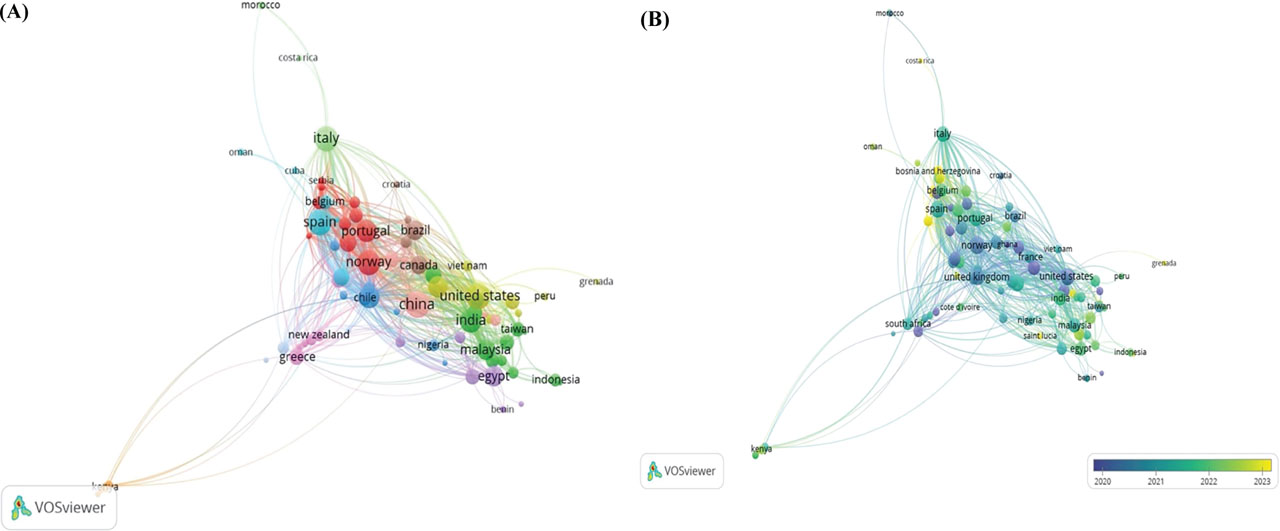
Figure 5
(A) Network, (B) An overlay visualization of country based co-authorships on marine microalgae for sustainable aquafeeds.
Source: Scopus (2024).
Table 2
Ranking top 15 countries as per co-authorship linkage strength among country cluster
| Country Clusters | No. of countries in cluster | Top 15 countries as per TLS | Citations of top 15 as per TLS | Documents of top 15 as per TLS | Rank as per TLS |
|---|---|---|---|---|---|
| Cluster 1 | 15 | Norway | 6274 | 109 | 1 (209) |
| Portugal | 1532 | 80 | 7 (121) | ||
| Germany | 753 | 39 | 12 (74) | ||
| Cluster 2 | 14 | India | 1747 | 91 | 9 (84) |
| Malaysia | 2185 | 59 | 10 (82) | ||
| Cluster 3 | 8 | UK | 5520 | 71 | 4 (166) |
| Cluster 4 | 8 | US | 6643 | 134 | 2 (194) |
| Australia | 4785 | 62 | 8 (98) | ||
| Cluster 5 | 7 | Egypt | 1726 | 58 | 13 (63) |
| Cluster 6 | 6 | Belgium | 694 | 15 | 15 (52) |
| Spain | 3527 | 130 | 3 (175) | ||
| Netherlands | 1124 | 35 | 11 (78) | ||
| Cluster 9 | 6 | Ireland | 873 | 30 | 14 (61) |
| Cluster 10 | 5 | China | 4106 | 150 | 5 (139) |
| Cluster 11 | 4 | Italy | 3484 | 107 | 6 (132) |
[ii] Source: Scopus (2024). TLS, total link strength.
3.1.2. Organization-wise co-authorships
From total 3300 organizations, 1000 with greatest TLS are selected; largest set of connected items being 122 arranged in 11 clusters (Fig. 6).
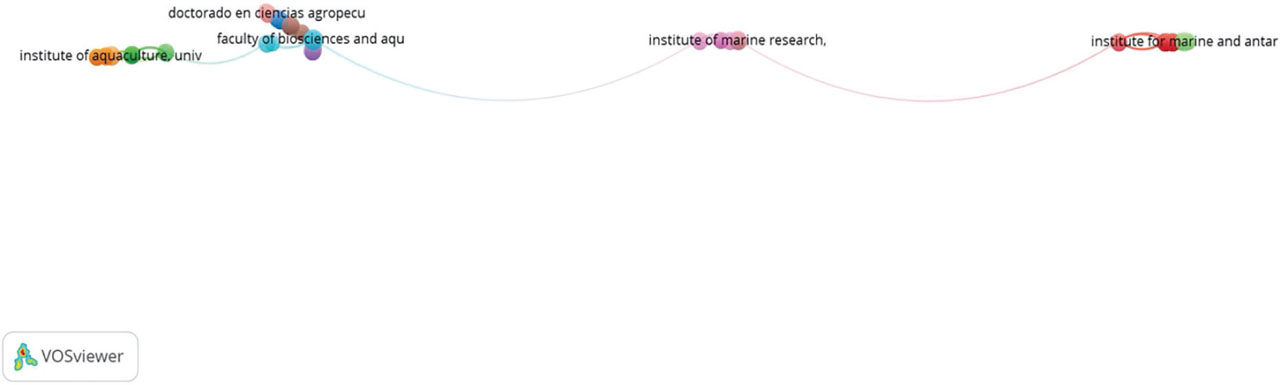
Figure 6
Co-authorships among organizations on the basis of strength of total linkages.
Source: Scopus (2024).
According to TLS, five most prolifically linked organizations are: department of animal production, faculty of agriculture, kafrelshiekh university (TLS = 41); fish and animal production department, faculty of agriculture (saba basha), Alexandria university (TLS = 37); department of aquaculture, Sylhet agricultural university, Bangladesh (TLS = 32); department of agricultural sciences, faculty of agro-based industry, Univrsiti Malaysia (TLS, 30); national institute of oceanography and fisheries (niof), Cairo, Egypt (TLS, 29). Among the top 10 affiliated institutions (Fig. 7), Universidade do Porto (University of Porto, Portugal) has the highest documented 46 research items exploring the potential of marine microalgae for sustainable aquaculture feeds. Jointly, both CIIMAR-Interdisciplinary Center of Marine and Environmental Research, an institution under the University of Porto and Universidad de Almeria, Spain have 43 available works. Fervently top five publishing journal titles were Aquaculture (n = 117), Animals (43), Journal of applied phycology (42), Reviews in aquaculture (40) and Aquaculture reports with 34 research works.
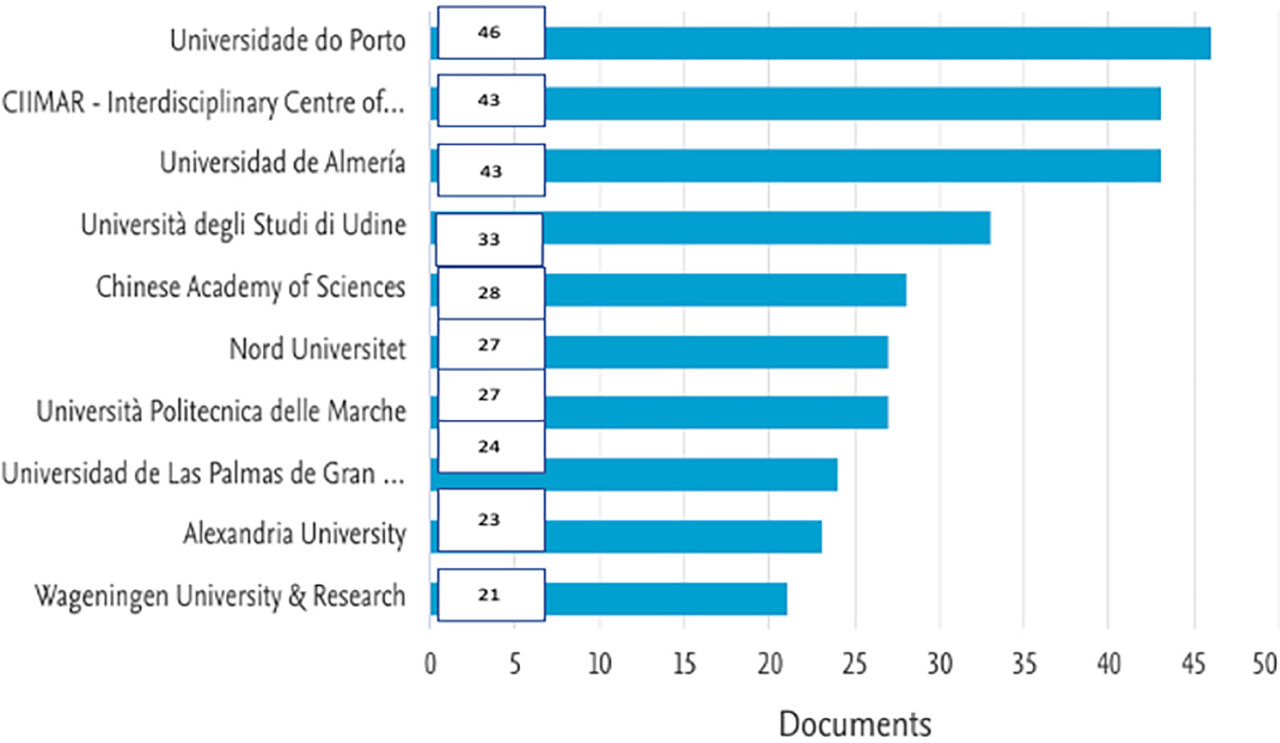
Figure 7
Top 10 affiliations as per documents published on the subject.
Source: Scopus (2024).
3.1.3. Keyword co-occurrence
At a minimum occurrence of the keyword “1” all 2652 co-recurring author keywords meet the threshold. A total of 1000 keywords are then selected, and the largest set of connected terms “992” are mapped in 42 clusters as shown in Fig. 8. An overlay visualization depicts the yearly trend of prevalent keywords; a few are listed below:
2018—hydroponics, aquaponics, bioflocs, biofloc-based aquaculture system, alternative protein, vaccine, vitamins, lipidomics, n-3 pufa, n-6 pufa, dha, ara, lipogenesis, antimicrobials, Atlantic salmon, and fish-in-fish-out;
2019—waste water, FO, algal biofuels and chemicals, and photobioreactor;
2020—carbon sequestration, photosynthesis, bioprospecting, gut microbiota, life cycle assessment, enrichment, high value peptides, and marine biodiversity;
2021—microalgae, aquaculture, animal feed, antioxidant activity, stressors, antimicrobial activity, and growth performance;
2022—pufa, lc-pufa, bioeconomy, biopolymers, biodiesel, circular economy, feed additives, and bioactive peptides;
2023—algal proteins, IMTA, RAS, organic aquaculture, DNA barcoding, metagenomics, photobioreactors, aquiculture, bft, de-chitinized insect meal, cultured meat, Aurantiochytrium spp., and intestinal microbiota;
2024—alternative protein source, algal oil, therapeutics, biomaterials, black soldier fly, duckweed, best aquaculture practices, and environmental impact.
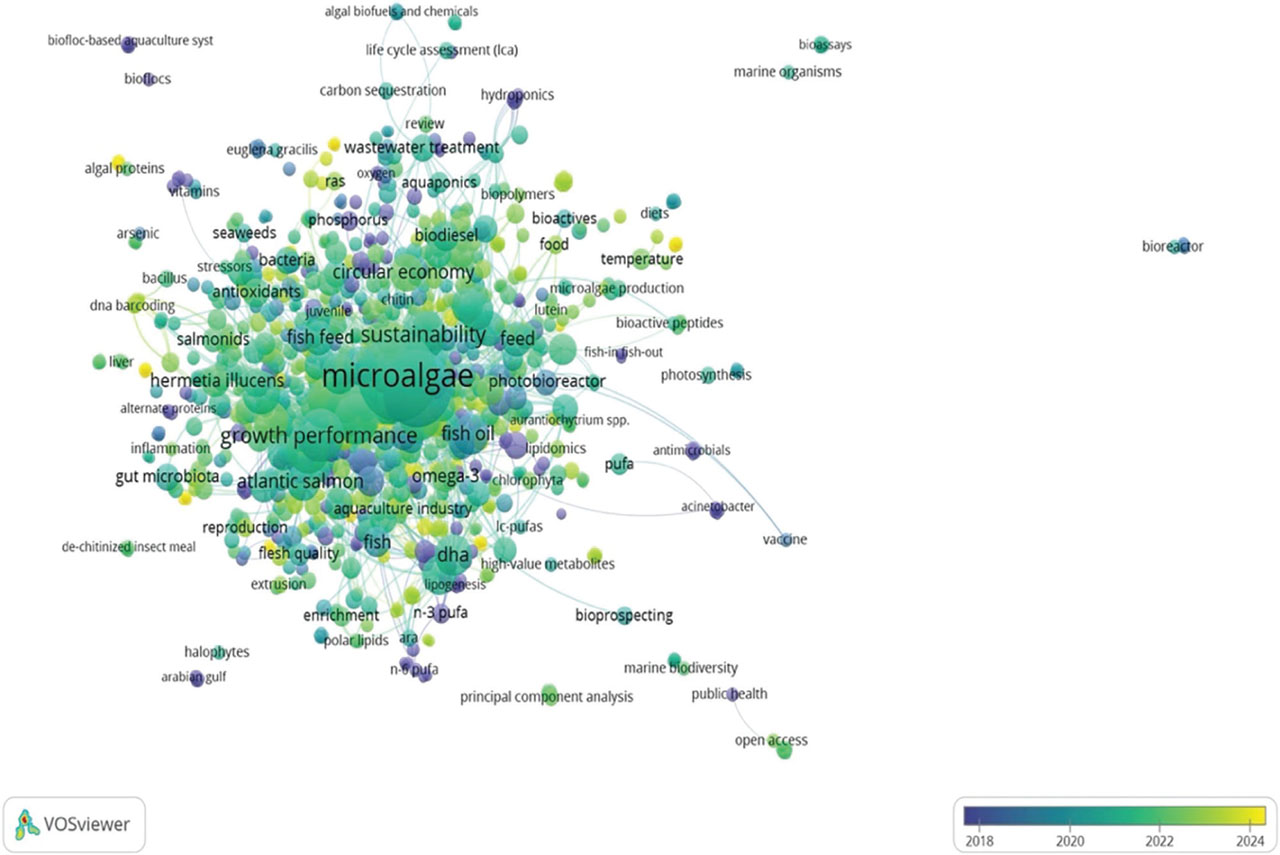
Figure 8
Author keyword co-occurrence: An overlay visualization of the theme marine microalgae for sustainable aquafeeds.
Source: Scopus (2024).
Keyword trend among publication lists shifting interest from basic terms exploring microalgae use and is visualized with author keywords usage during 2021 on “aquaculture,” “animal feed,” “antimicrobial activity,” and “antioxidant activity” pertaining to “microalgae.” With “bioeconomy,” “circular economy” as keywords trending in 2022 and very recently during 2023 growing interest in “IMTA” (integrated multitrophic aquaculture) and recirculating aquaculture system “RAS”; biofloc technology “bft” to “aquiculture.” Latest explorations during 2024 on marine microalgae as sustainable feed source indicate their use as “alternative protein source” drawing parallels with “duckweed” and insect meal “black soldier fly” and bioprospecting their use in “therapeutics,” biomaterials aiming at “best aquaculture practices” while studying the “environmental impact.”
Table 3 lists the top 15 author keywords as per occurrence and cumulative link strength on the topic. Maximum occurrence, as well as link strength, is for the term “microalgae” followed by “aquaculture” and “sustainability” as central themes bearing the second and third highest TLS. In the “title field,” 3212 terms are generated, with 1927 as the 60% most relevant terms. The largest set of title field connections is 1072, arranged in 63 clusters. Suitable associations of large-scale microalgal production to aquaculture can be drawn in terms of sustainability, nutritional, and economic value (Nishshanka et al., 2022), as visualized from title words in Fig. 9.
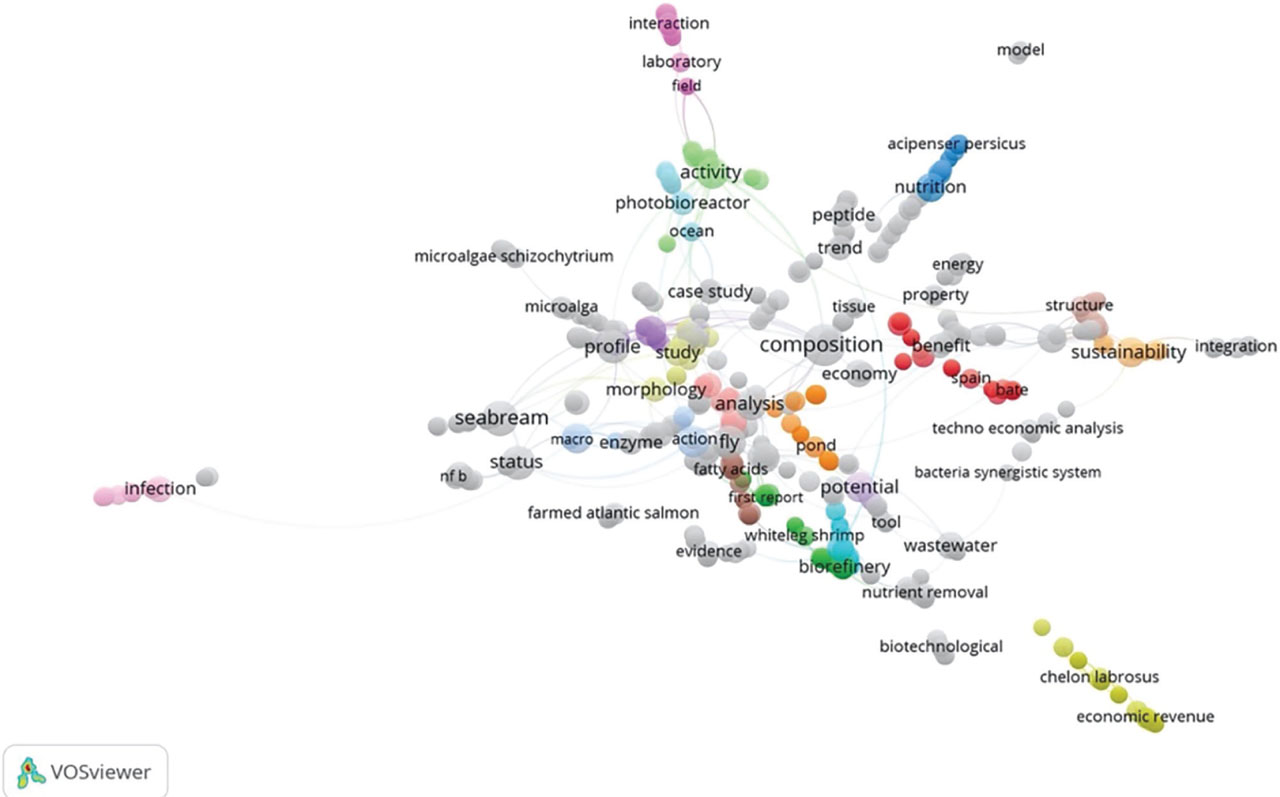
Figure 9
Title field analysis on the topic marine microalgae for sustainable aquafeeds.
Source: Scopus (2024).
Table 3
Top 15 author keywords as per occurrence and cumulative link strength on the topic marine microalgae for sustainable aquafeeds
| Top 15 Author Keywords | Occurrences | Cumulative link strength |
|---|---|---|
| Microalgae | 226 | 797 |
| Aquaculture | 157 | 651 |
| Sustainability | 45 | 215 |
| Fatty acids | 49 | 179 |
| Growth performance | 56 | 177 |
| Fish oil | 27 | 162 |
| Rainbow trout | 35 | 158 |
| Nutrition | 33 | 157 |
| Aquafeed | 43 | 152 |
| Growth | 45 | 146 |
| Fishmeal | 30 | 136 |
| Dha | 30 | 130 |
| Fish meal | 26 | 125 |
| Digestibility | 24 | 116 |
| Epa | 25 | 116 |
[i] Source: Scopus (2024).
Title words highlight the terms such as biotechnological, economy, energy, techno economic analysis, economic revenue, and benefit (refer Fig. 9). Other title words include nutrient removal, wastewater, fatty acids, nutrition, sustainability, photobioreactor, microalgae Schizochytrium, white leg shrimp, fly, structure, composition, and bacteria synergistic system. Abstract field provided 23 206 results. At minimum occurrence of “2,” 3914 terms relating to 60% of 6524 are linked to 32 wide clusters (Fig. 10). Few connecting terms in these cluster are—significant beneficial effect, sustainable fishery, and sustainability standard; Spirulina meal, c vulgaris meal, PUFA ratio, lipid accumulation, polyunsaturated fat, fatty acids (FA) synthesis, whole cell, sea bass, l vannamei; facility, scale, bioremediation, IMTA, heterotrophic microalgae, EPA productivity, hm oil, hm biomass, fm0, fm25, and fm50 (for FM substitution).
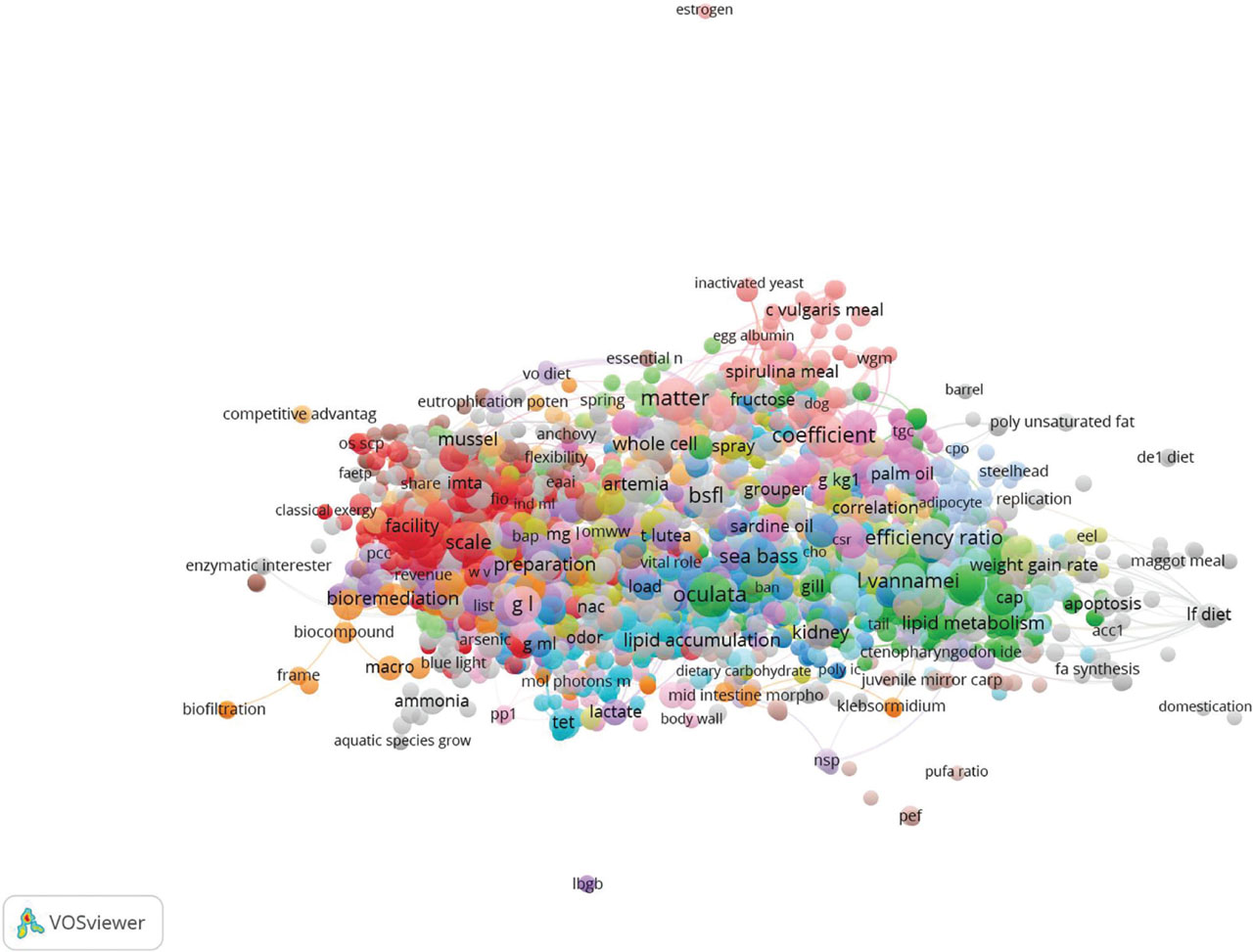
Figure 10
Abstract field analysis on the topic marine microalgae for sustainable aquafeeds.
Source: Scopus (2024).
4. Discussion
In the present scientometric analysis, the research landscape and emerging trends in the field of marine microalgae in advancing sustainable aquaculture feeds and development were evaluated. The study identifies 1073 Scopus-based publications accounting for an h-index of 83. From the result analysis, it is clear that the maximum number of articles (67.6%) are of document type, and Alacron F.J. from Spain and Olivotto I. (Italy), are the two topmost authors with 25 published works. Country-based co-authorships illustrate Europe forming the primary collaboration landscape with maximal funded 83 projects. The US stands second as largest influence toward co-authorship linkages drawn with other countries, forming linkage node between Europe, Asia, and emerging regions. Similar trends are reported in study on bibliometric trends on microalgal research by Rumin et al. (2020), reporting high representation of authorship, co-authorship in microalgal publications from the US and the European region. In Europe subsidies and pilot grants target at algal research and development as part of broader sustainable blue-economy goals (Cruz & Vasconcelos, 2023; Kuech et al., 2023). This is essentially since the EU food system are substantially regulated, underlining consumer safety at the base of the food law (EC, 2002). It is also evident that Norway is the leading country as per total strength of links with other regions in terms of co-authorships. Globally, Norway, a Northernmost European country, has been a forerunner in carbon footprint management, utilizing microalgae to capture carbon dioxide emissions, converting them into valuable products like sustainable feed, omega-3 fatty acids, and bioenergy (Cheregi et al., 2019). Norway has emerged as a leading supplier of sustainably produced fish and seafood products, providing an important source of marketable protein for the global food sector (Tibbetts, 2018).
In scientometric studies, author keywords serve as important indicators of research trends and thematic focus, encapsulating the core content of scientific publications (Lu et al., 2020). They are listed by the author as significant identifiers in the research documents. Keyword trends among publications list shifting interests from basic terms exploring microalgae use during 2021—“aquaculture,” “animal feed,” “antimicrobial activity,” “antioxidant activity,” toward “bioeconomy,” “circular economy” as keywords trending in 2022; and “IMTA,” “RAS,” “bft,” “aquiculture” (synonym to hydroponics) in the year 2023. The keyword trend correlates with works including Bahi et al. (2023); Shi et al. (2021), that have reported beneficial effects of Chlorella sp., Schizochytrium sp., Nannochloropsis gaditana and their bioactive metabolites toward improvement in digestive activity, antioxidant status, stress tolerance, immunological response and disease resistance in fish species. Additionally, Silva et al. (2022) have explored the potential of algal fortification under biofloc (BFT) conditions for integrated farming of shrimp and Nile tilapia. It was found that twice-a-week supplementation of microalgae Scenedesmus obliquus at 5 mg per L helped enhance fish growth and survival. The appearance of keywords such as “alternative protein source,” “duckweed,” and “black soldier fly” in 2024 reflects an increasing research focus on sustainable feed alternatives, positioning marine microalgae alongside duckweed and black soldier fly (Hermetia illucens) meal as viable protein sources for future aquaculture and livestock feed formulations (Maulu et al., 2024; Rodrigues et al., 2022).
Title field terms “lipid,” “energy,” “photobioreactors,” “technological,” “nutrients” describe the capacity of fastidious growth, high lipid content accumulation and larger biomass production of microalgae (Merlo et al., 2021). Suitable associations of large scale microalgal productions in aquaculture can be drawn in terms of sustainability, nutritional, and economic value (Nishshanka et al., 2022), as visualized from title semantic use. Microalgae are prospected as third generation energy source with research focus directed toward technological, economic, and sustainable biofuel production (Chowdhury & Loganathan, 2019). Cultivation of microalgae in closed-loop photobioreactor systems represents a sustainable strategy for wastewater treatment, facilitating the efficient recovery of nutrients and removal of contaminants while simultaneously generating valuable biomass for applications in aquaculture, bioenergy, and bioproduct development (Ezhumalai et al., 2024; Goh et al., 2022). The semantic occurrence of “bioremediation,” “nutrient removal,” “wastewater,” and “economic” in publication titles highlights the expanding role of microalgae in addressing environmental and economic challenges. Through efficient carbon fixation, greenhouse gas mitigation, nutrient recovery, and wastewater valorization, microalgae support circular and sustainable aquaculture practices while strengthening resource-use efficiency, nutritional security, and economic resilience (Dahai et al., 2024). Algal biotechnology emphasizes augmenting algal yields while reducing production costs, thereby improving the economic feasibility and commercial viability of algal-based products and technologies (Ahmad et al., 2022). Microalgal circular economy helps transform wastewater into feedstock for fatty acids and bioactive compounds (Cheirsilp et al., 2023; Zabochnicka et al., 2022). In this view, biotechnological algal “bacterial synergistic systems” contribute to improved algal biomass production by enhancing algal growth, lipid, carbohydrate and bioactive compound secretions, largely contributing to the quality of yield and potential for wastewater remediation (Fuentes et al., 2016).
Connecting terms listed in abstract filed such as “significant beneficial effect,” “sustainable fishery,” “sustainability standard” (linking sustainable aquaculture practices); “Spirulina meal,” “c vulgaris (Chlorella vulgaris) meal,” “heterotrophic microalgae,” “whole cell” depict contribution of microalgae as aquafeed source (Mahata et al., 2022); while “PUFA ratio,” “lipid accumulation,” “polyunsaturated fat,” “FA synthesis,” “EPA productivity,” “hm oil,” “hm biomass,” “fm0,” “fm25,” “fm50” explain rich source for FM substitution (Velichkova et al., 2024); with other terms “sea bass,” “l vannamei” (Litopenaeus vannamei). According to Gao et al. (2024) microalgae can effectively substitute FM completely in diets of carp, shrimp, catfish (at a rate of 95%), tilapia (64.1%), salmon, and trout diet (18.6%). Total FO replacement is possible for sea bass diet based on substitution of Nannochloropsis and Pavlova viridis (Haas et al., 2016). Chlorella vulgaris and Arthrospira platensis (Spirulina) have been identified as promising alternatives to FM owing to their high nutritional value, cost-effectiveness, and environmental sustainability (Andrade et al., 2018). Microalgae Isochrysis galbana can partially substitute FO in aquaculture feeds due to significantly high n3 PUFA, nearly 5.4% in dry biomass (He et al., 2018). Inclusion of I. galbana biomass to Trachinotus ovatus (pompano) diet has shown improved growth parameters, lipid profile with enhancement in n3 PUFA content, EPA, and DHA values.
5. Conclusions
Microalgae are dynamic biosystems with potential for generation of nutrient-dense biomass yielding aquaculture feedstocks. From the scientometric analysis, it is distinct that there is varied literature representing their potential as a suitable alternative feed source in aquaculture. The present scientometric assessment demonstrates the remarkable growth and diversification of research on marine microalgae-based technologies for sustainable aquaculture over the last three decades. Research on marine microalgae as a nutritionally enriched and environmentally sustainable aquafeed source has gained momentum in terms of publication output, evolving keyword networks, expanding international collaborations, documented citations, and a systematic rise in references. Works discussing microalgae based on partial or total FM, FO replacement in feeds, emphasize its beneficial effects on aquaculture species in terms of growth, overall health, and survival. Emerging research themes indicate a shift from conventional biomass production and nutritional characterization toward integrated biotechnological approaches aimed at improving productivity, feed functionality, and resource-use efficiency. Furthermore, coupling microalgal production with RAS, IMTA, BFT, wastewater bioremediation, and carbon sequestration strategies offers considerable potential for establishing circular and climate-resilient aquaculture systems. Besides providing high-value biomass for aquafeeds, marine microalgae are treasured biological factories yielding nutritionally essential substances such as bio-actives, value-added products, therapeutics, and an eminent bioresource for energy production. Microalgae-based food technologies thus subserve sustainable solutions in aquaculture, contributing to bioeconomy and circular blue economy goals.
Acknowledgment
The author is thankful to their institution for thorough constant encouragement and support.
Notes
[5] Funding
This research did not receive any specific grant from funding agencies in the public, commercial, or not-for-profit sectors.