
What is new? What is important?
This systematic review and meta-analysis demonstrate that probiotics and synbiotics significantly reduce chemotherapy-induced gastrointestinal toxicity, particularly diarrhea.
Probiotic formulations containing multistrain, including Lactobacillus and Bifidobacterium species, which showed the most consistent protective effects, supporting microbiota-targeted interventions as effective adjunctive therapies during chemotherapy.
Evidence for prebiotics alone remains limited and inconclusive, highlighting the need for further high-quality randomized trials focusing on formulation, dosage, and clinical outcomes.
1. Background
Cancer is a life-threatening disease characterized by uncontrolled cell proliferation and malignant tumor formation [1]. Through complex genomic and nongenomic mechanisms, cancer cells are capable of invading surrounding tissues and progressing toward metastasis. In 2020, approximately 19.3 million new cancer cases were diagnosed worldwide, with nearly 10 million cancer-related deaths reported. According to the World Health Organization (WHO), cancer is currently the second leading cause of death globally [2]. These data underscore the substantial global burden of cancer and the ongoing need for effective therapeutic strategies.
Chemotherapy remains one of the most widely used treatment modalities for various types of cancer [3]. Its primary mechanism involves inhibiting tumor cell proliferation and preventing invasion and metastasis through interference with DNA, RNA, or protein synthesis, ultimately inducing cancer cell death either directly or via apoptosis. However, the cytotoxic effects of chemotherapy are not limited to malignant cells and frequently affect normal tissues, leading to a wide range of adverse effects that can compromise treatment tolerability and patient outcomes [4].
Among these adverse effects, gastrointestinal toxicity is particularly common and clinically significant [5]. Chemotherapy-induced damage to the digestive system often manifests as nausea, vomiting, diarrhea, mucositis, dehydration, and constipation, all of which may exacerbate malnutrition and negatively impact clinical prognosis [6]. The incidence of diarrhea during chemotherapy has been reported to reach up to 82%, with approximately one-third of patients experiencing severe diarrhea (grade 3 or 4) [5,6]. Malnutrition contributes substantially to morbidity and mortality, with estimates suggesting that up to 20% of patients with solid tumors die from malnutrition-related complications. Furthermore, malnutrition is associated with a 30% reduction in survival and a marked decline in quality of life. Chemotherapy-induced diarrhea (CID) and chemotherapy-induced constipation (CIC) are graded from 1 to 5, ranging from mild symptoms to life-threatening conditions [7].
Emerging evidence suggests that microbiota-modulating interventions, including probiotics, prebiotics, and synbiotics, may offer protective effects against chemotherapy-induced gastrointestinal toxicity in normal [8,9,10]. However, a preliminary literature search identified only one previous systematic review addressing this topic. Notably, that review included patients receiving both chemotherapy and radiotherapy and focused exclusively on probiotic interventions, despite providing detailed information regarding bacterial strains, dosages, and treatment duration [11]. The review concluded that evidence supporting the preventive or therapeutic effects of probiotics on diarrhea in cancer patients was limited and inconclusive.
Probiotics require specific substrates to survive and exert their effects, while prebiotics function as fermentable substrates that support probiotic activity. Synbiotics combine both components and may offer synergistic benefits [12]. Moreover, previous reviews primarily focused on diarrhea as an outcome, leaving other gastrointestinal toxicities insufficiently explored [13]. Therefore, this study aims to recognize the biological interdependence between the probiotic, prebiotic, and synbiotic. The present study gave a broader analysis of the three in regulating the gastrointestinal function based on several symptoms and clinical outcomes, not only diarrhea, but also nausea and vomiting.
2. Materials and Methods
2.1. Study Design and Registration
This systematic review and meta-analysis were conducted in accordance with the methodological standards outlined in the Cochrane Handbook for Systematic Reviews of Interventions and reported following the Preferred Reporting Items for Systematic Reviews and Meta-Analyses (PRISMA) guidelines. The study protocol was prospectively registered in the International Prospective Register of Systematic Reviews (PROSPERO) under the registration number CRD420251069295.
2.2. Literature Search Strategy
A comprehensive literature search was performed across four electronic databases: PubMed, Scopus, the Cochrane Library, and ClinicalTrials.gov. The search was restricted to studies published in English within the last 10 years. The search strategy was developed using Boolean operators and keyword combinations related to probiotics, prebiotics, synbiotics, chemotherapy, and gastrointestinal toxicity. The following search terms were applied: (probiotics OR lactic acid bacteria OR fermented products) OR (prebiotics OR dietary fiber OR resistant starch OR fructooligosaccharides OR galactooligosaccharides) OR (synbiotics) AND (chemotherapy) AND (gastrointestinal toxicity OR nausea OR vomiting OR diarrhea OR mucositis OR stomatitis OR anorexia OR constipation). Detailed search strategies for each database are presented in Supplementary file.
2.3. Eligibility Criteria
Study selection was conducted in accordance with the PICOS framework. Eligible studies were limited to human clinical studies involving cancer patients receiving chemotherapy, with outcomes related to gastrointestinal toxicity. Only original research articles providing extractable outcome data were considered. Inclusion criteria comprised: (1) studies enrolling cancer patients treated with chemotherapy via oral or injectable routes; (2) studies reporting detailed intervention characteristics of probiotics, prebiotics, or synbiotics, including bacterial strains, dosage, formulation, route, and duration of administration; (3) studies including a control or placebo group; (4) studies reporting chemotherapy-induced gastrointestinal toxicity outcomes; (5) randomized controlled trial (RCT) study design; and (6) publication within the last 10 years.
Exclusion criteria were defined as follows: (1) reviews, animal studies, in vitro studies, conference abstracts, and other non-original articles; (2) studies lacking relevant gastrointestinal outcome data; and (3) studies with duplicate publications or unavailable full-text articles.
2.4. Data Extraction
Data were independently extracted by two reviewers using a standardized and pilottested data extraction form. Any discrepancies were resolved through discussion and consensus. Extracted data covered the following domains: (1) study characteristics, including first author, year of publication, country, and study design; (2) participant baseline characteristics, comprising sample size, age, sex distribution, cancer type, and chemotherapy regimen; (3) intervention characteristics of probiotics, prebiotics, or synbiotics, including formulation, microbial composition, dosage, frequency, route, and duration of administration; (4) comparator characteristics, including placebo/standard care details; and (5) outcome related to chemotherapy-induced gastrointestinal toxicity.
2.5. Risk of Bias Assessment
The methodological quality of the included RCTs was independently evaluated by two reviewers using the Cochrane Risk of Bias 2 (RoB 2) tool. Disagreements were resolved through discussion until consensus was reached. The assessment covered five domains: (1) bias arising from the randomization process, (2) bias due to deviations from intended interventions, (3) bias related to missing outcome data, (4) bias in outcome measurement, and (5) bias in the selection of reported results. Each domain was judged as low risk, some concerns, or high risk of bias according to RoB 2 guidance.
2.6. Statistical Analysis
2.6.1. Selection of Effect Measures
Meta-analyses were conducted using Review Manager (RevMan) version 5.4. Effect sizes were expressed as relative risk (RR), odds ratio (OR), or mean difference (MD) with corresponding 95% confidence intervals (CI), depending on outcome type. Statistical heterogeneity among studies was evaluated using the Chi-square test and the I2 statistic. A fixed-effects model was applied when heterogeneity was not significant (p > 0.10 and I2 < 50%), whereas a random-effects model was used when substantial heterogeneity was detected. Furthermore, the GRADE assessment was used to analyze the certainty of the results of the meta-analysis.
2.6.2. Publication Bias
Potential publication bias was examined through visual inspection of funnel plots when a sufficient number of studies were available. Symmetry of the funnel plot was interpreted as indicating a low likelihood of publication bias, whereas asymmetry suggested possible small-study effects or reporting bias.
3. Results
3.1. Literature search results
The literature search identified 3,320 records from PubMed (n = 640), Scopus (n = 2,390), Cochrane Library (n = 134), and ClinicalTrials.gov (n = 66). After removal of 679 duplicate records and exclusion of 1,057 records by automation tools, 1,494 records remained for title and abstract screening, of which 1,332 were excluded. A total of 162 full-text reports were sought, with 42 reports not retrieved, leaving 120 articles assessed for eligibility. Following full-text evaluation, 91 studies were excluded due to wrong population (n = 17), wrong intervention (n = 16), lack of an appropriate comparator (n = 14), incomplete outcome data (n = 25), non-RCT design (n = 8), or insufficient data (n = 12). Ultimately, 29 studies were included in the qualitative synthesis [8,9,10,14,15,16,17,18,19,20,21,22,23,24,25,26,27,28,29,30,31,32,33,34,35,36,37,38,39], and 19 studies were eligible for quantitative synthesis, as illustrated in the PRISMA flow diagram (Figure 1).
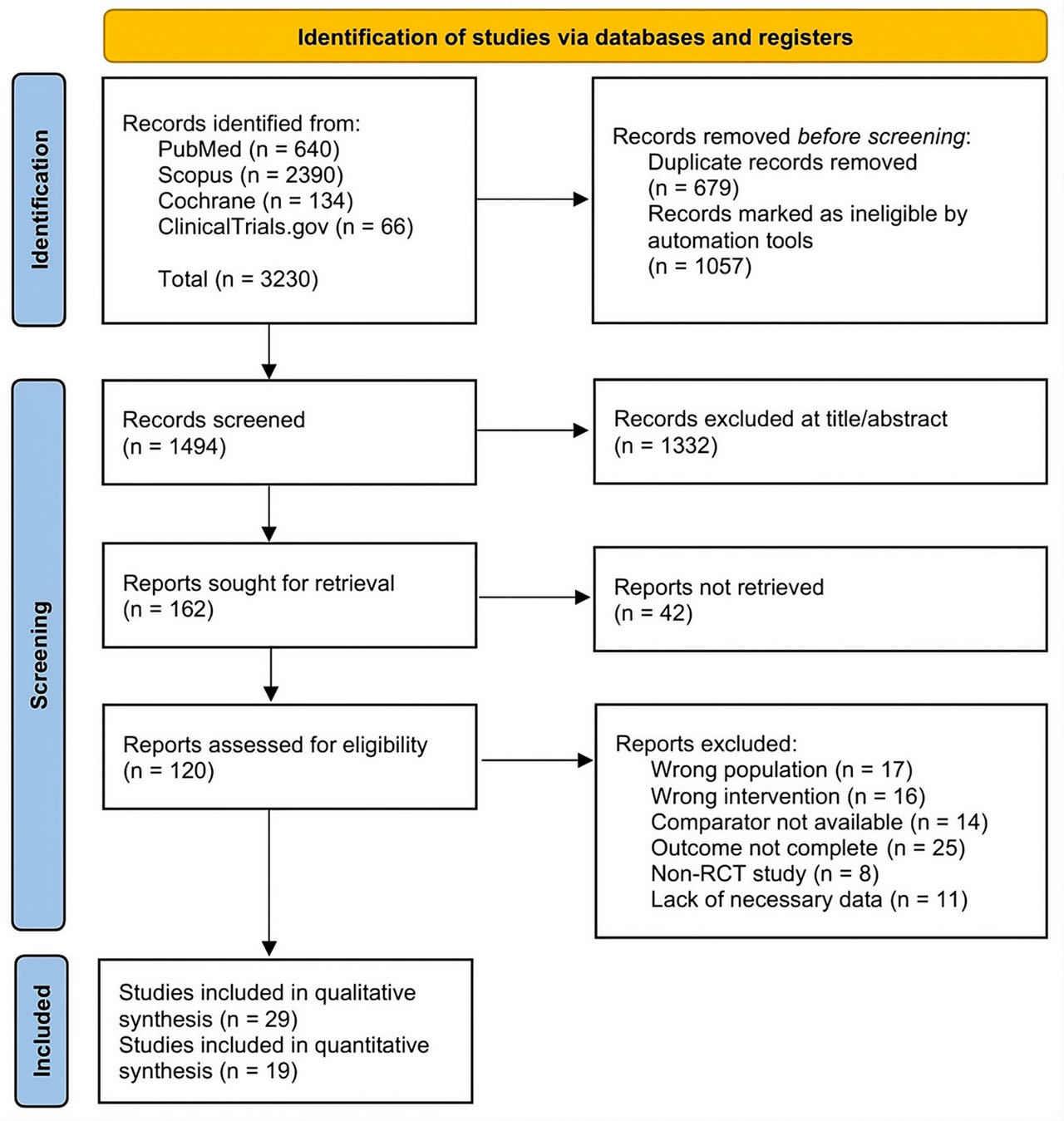
Figure 1.
PRISMA flow diagram of study selection.
3.2. Risk of Bias Assessment
Methodological quality and potential sources of bias in the included studies were assessed to appraise the internal validity of reports. Assessment of bias risk were conducted using RoB2 tools. The results of the risk of bias assessment were summarized in a visual matrix (Figure 2), presenting domain-level judgments alongside the overall risk of bias for each study.
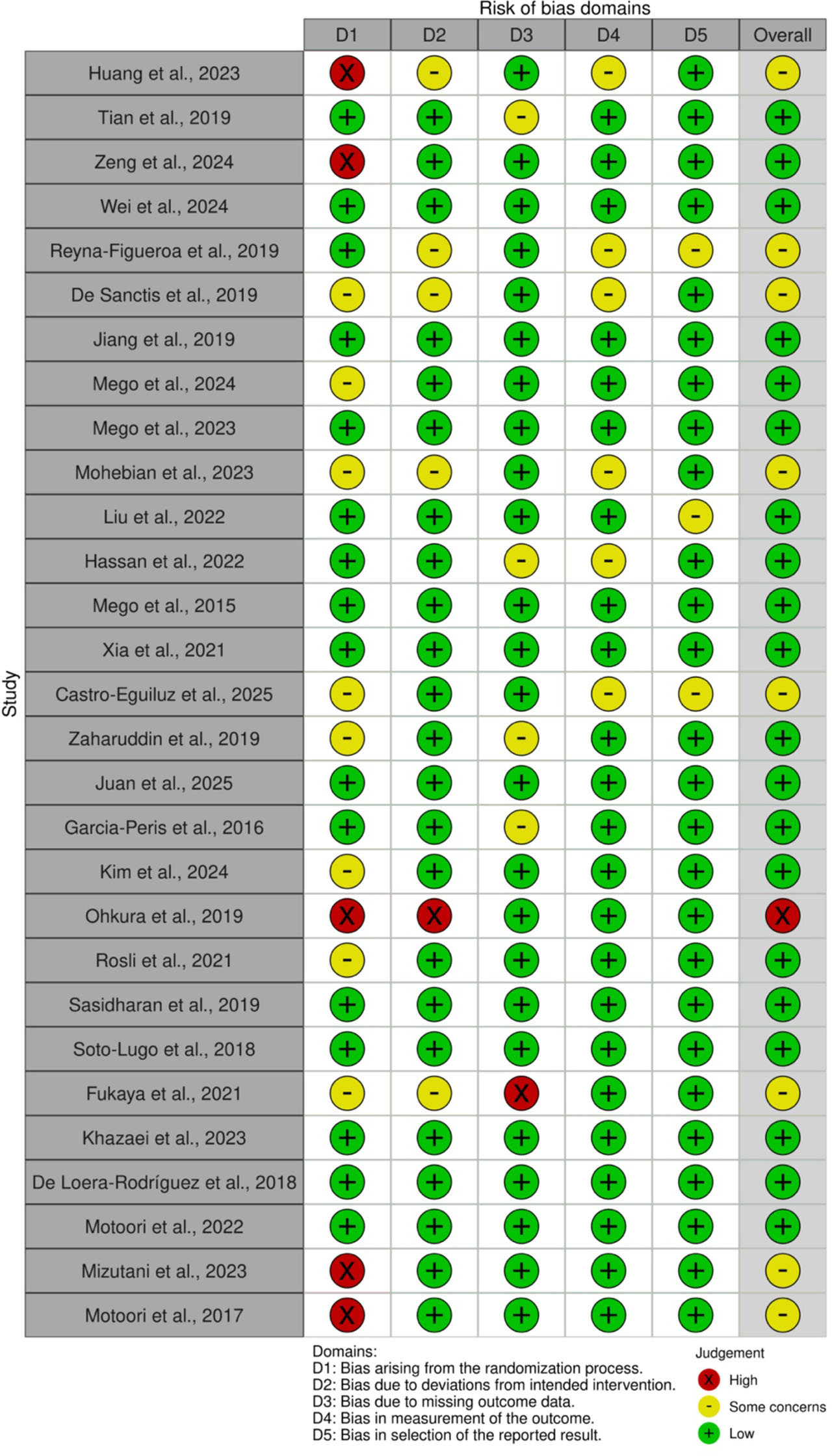
Figure 2.
Risk of bias assessment across included studies.
As illustrated in Figure 2, most of the studies were judged to be at low risk of bias. Some of the studies were judged to be of some concern or unclear due to bias, with the most frequent sources being bias due to allocation concealment, missing outcome data, and blinding of participants. This distribution suggests that the estimated effects in the included studies are good and the evidence is likely to be high.
3.3. Description of included trials
In the probiotic cluster, trials primarily evaluated chemotherapy-related gastrointestinal outcomes. Commonly reported endpoints included abdominal pain, distention, constipation, diarrhea, nausea, reflux, vomiting, bloating, dyspepsia, stool patterns, appetite loss, anorexia, and proctopathy incidence. Several studies also examined recovery and functional indicators such as time to first flatus, enteral nutrition requirements, and the need for antidiarrheal therapy. Nutritional status was assessed through body weight, body mass index, weight change, prognostic nutritional index, and neutrophil-to-lymphocyte ratio. Laboratory measures frequently included gut microbiota composition, albumin, hematologic parameters, blood glucose, plasma metabolites, fecal calprotectin, and systemic inflammatory cytokines. Most probiotic trials were conducted in China, with additional studies from Mexico, Malaysia, the United Kingdom, and Slovakia.
Prebiotic trials assessed broadly similar gastrointestinal and nutritional outcomes, reflecting a shared focus on chemotherapy-induced toxicity. Additional variables included xerostomia, salivary gland swelling, pain-related symptoms, neck swelling, and cardiovascular measures such as systolic and diastolic blood pressure. These studies were performed in Mexico, the Republic of Korea, Brazil, and Japan. Synbiotic trials were fewer and exclusively RCT designs, evaluating comparable gastrointestinal and laboratory endpoints. Synbiotic research originated from Japan, Iran, and Mexico. Detailed study characteristics for all intervention groups are summarized in Supplementary file.
3.4. Publication bias Assesment
In this meta-analysis, the potential for publication bias was measured qualitatively using a funnel plot. Egger’s test was not performed due to the small number of studies in each subgroup (<10) and moderate to high heterogeneity (I2 ranging from 54% to 83%), which poses a high risk of misleading results. The authors conducted a funnel plot using the results for each subgroup of probiotics, prebiotics, and synbiotics which was presented in supplementary file.
In the probiotic subgroup, the funnel plot for diarrhea outcomes included nine studies. The funnel plot shows significant asymmetry. Most studies are clustered on the left side of the dotted line (RR <1), indicating results supporting the effectiveness of probiotics in reducing diarrhea. However, there is a gap in the studies in the lower right side. This asymmetry indicates potential publication bias. Small studies showing “no effect” or “probiotics may increase the risk” were not published. Meanwhile, the funnel plot for vomiting and nausea outcomes included four studies scattered within the funnel-shaped (pyramidal) guideline. The points are spread on both sides of the vertical line (OR = 1). Despite the small number of studies, the distribution appears quite symmetrical horizontally. This suggests that for the nausea and vomiting outcome, both studies supporting and opposing probiotics are represented. However, because the number of studies is less than 10, conclusions regarding the absence of publication bias should still be drawn with caution, which was presented in supplementary file.
In the Prebiotic subgroup, the funnel plot for the Diarrhea outcome involves five studies. Four studies are clustered at the top around an RR of 1, while one study is located in the bottom right corner as an outlier. The data plot appears asymmetrical, with the majority of studies with large sample sizes showing consistent results around the vertical line. However, one small study with a high Standard Error (SER) shows significantly different results. This could be due to publication bias or heterogeneity between studies because the number of studies included is still less than 10.
The funnel plot for the Nausea and Vomiting outcome involves two studies. The funnel plot shows one study near the top of the funnel with an RR value close to 1. The other study is lower and shifted to the right (RR > 1). This plot shows a very limited distribution of studies because only two studies were included, making publication bias impossible to accurately measure.
Meanwhile, the results for the constipation study in the prebiotic subgroup involve two plotted studies. The funnel plot shows two data points in the middle area toward the bottom of the funnel, indicating a moderate to low level of precision due to the relatively large standard error. One data plot is directly on the vertical line (RR = 1), while the other is slightly to the right of the vertical line, but both are within the diagonal line which was presented in supplementary file. Because only two studies were included, no conclusions regarding publication bias can be drawn.
In the synbiotic subgroup, the funnel plot for the diarrhea outcome involves five studies. The funnel plot shows that the data points tend to cluster in the upper area near the vertical line, except for one study in the lower left corner (a small study with a large error). Because the number of studies was very small (fewer than 10), interpreting publication bias through a funnel plot is less reliable. However, visually, this plot appears unbalanced because most studies are on the right side of the vertical line in the high precision region, but there is one outlier on the far left side. Meanwhile, the funnel plot for nausea and vomiting only involved two studies. Statistically, a funnel plot with only two studies cannot be interpreted to see publication bias. This funnel plot data shows two studies with slightly different results around the RR = 1 line.
3.5. Probiotics for Reducing Chemotherapy-Induced Gastrointestinal Toxicity
A meta-analysis of nine RCTs including 951 patients (471 probiotics; 480 placebo) evaluated probiotic supplementation for chemotherapy-induced diarrhea. Pooled results showed a significant reduction in diarrhea risk with probiotics compared with placebo (RR = 0.67; 95% CI: 0.47–0.95; p = 0.03). Between-study heterogeneity was moderate to high (I2 = 76%; p < 0.0002), likely reflecting variations in probiotic strains, dosages, and patient characteristics. Despite this variability, the overall direction of effect consistently favored probiotics, supporting their protective role against chemotherapy-related diarrhea.
Forest plots (Figure 3) present pooled risk ratios using a random-effects model, with square markers representing individual study weights and diamonds indicating overall estimates relative to the null effect line (RR = 1.0). For nausea and vomiting, data from 305 patients (153 probiotics; 152 placebo) showed no significant difference between groups (RR = 1.02; 95% CI: 0.72–1.44; p = 0.91), with substantial heterogeneity observed (I2 = 83%; p = 0.0005). These findings suggest that while probiotics reduce diarrhea risk, their effect on chemotherapy-induced nausea and vomiting remains uncertain, with inconsistent results across studies.
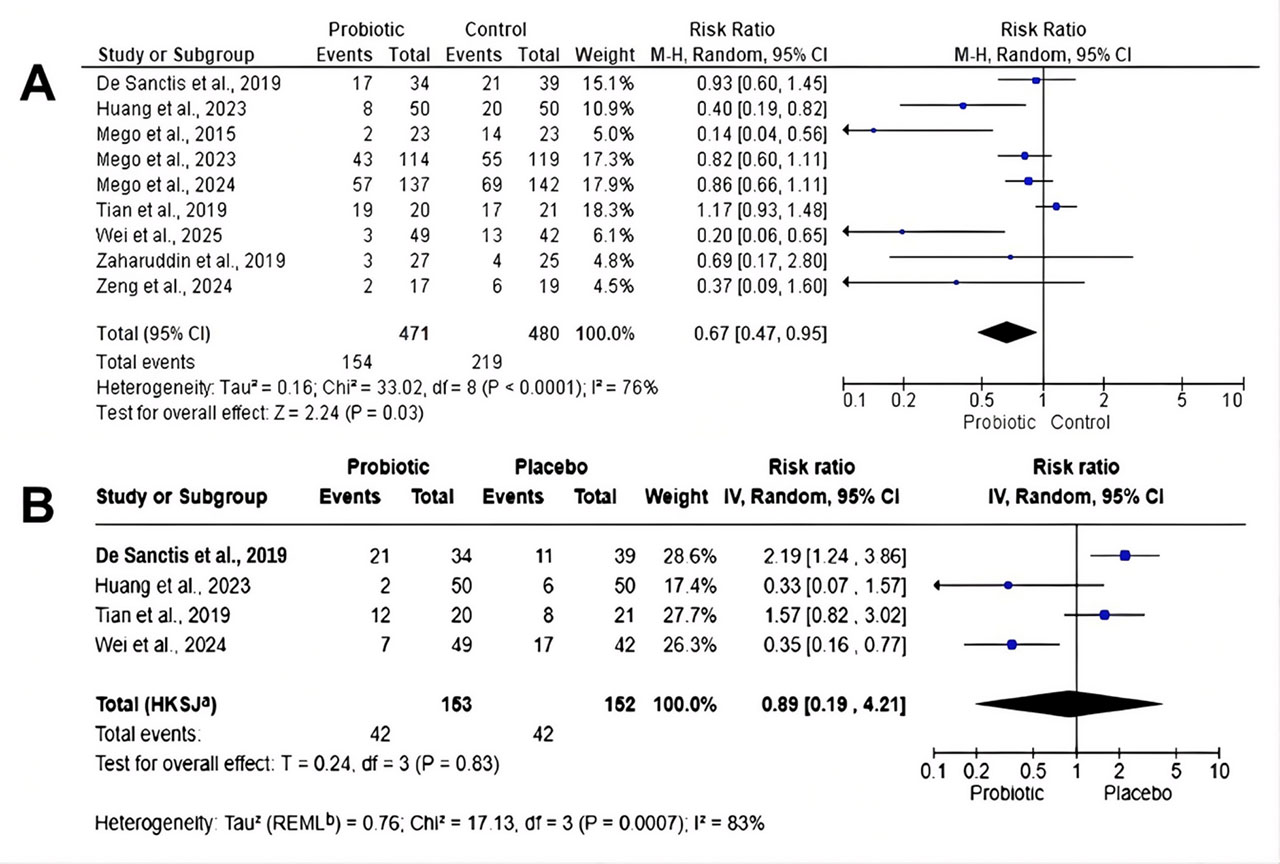
Figure 3.
Forest plots of probiotic supplementation effects in chemotherapy-treated cancer patients: (A) diarrhea; (B) nausea and vomiting.
Because of the high heterogeneity, we further performed a sub group meta-analysis based on the strain of the probiotic composition (Figure 4). Overall, probiotic supplementation was associated with a modest but statistically significant reduction in the risk of chemotherapy-induced diarrhea (RR 0.70, 95% CI 0.50–0.98; p = 0.04). In the subgroup analysis, multi-strain probiotics demonstrated a statistically significant protective effect (RR 0.58, 95% CI 0.38–0.89; p = 0.01), although moderate heterogeneity remained (I2 = 64%). In contrast, single-strain probiotics showed no significant effect (RR 0.98, 95% CI 0.62–1.53; p = 0.92), with moderate heterogeneity also observed (I2 = 58%). However, the test for subgroup differences was not statistically significant (p = 0.10), indicating that there is insufficient evidence to confirm a differential effect between multi-strain and single-strain probiotic formulations.
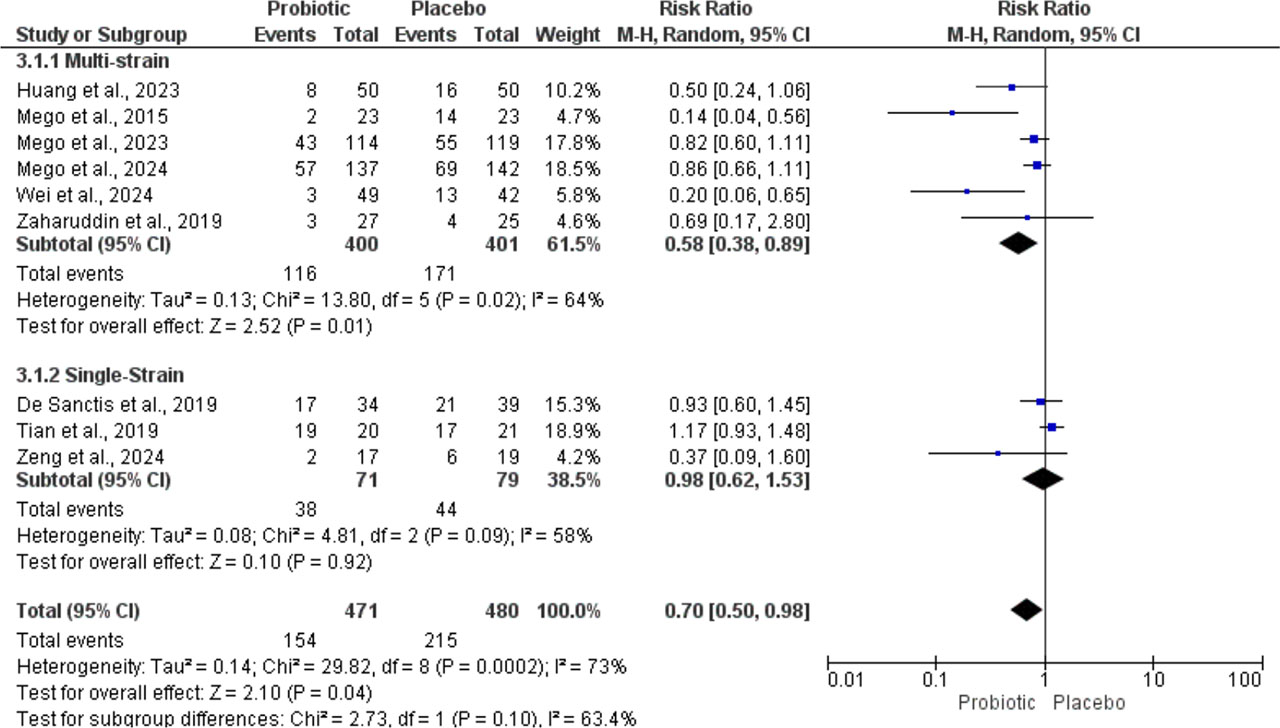
Figure 4.
Forest plots of sub-group meta-analysis of probiotic supplementation effects in chemotherapy-treated cancer patients based on its strain.
3.6. Prebiotics for Reducing Chemotherapy-Induced Gastrointestinal Toxicity
Prebiotic trials evaluated key chemotherapy-related gastrointestinal outcomes, primarily diarrhea, nausea and vomiting, and constipation (Figure 5). A meta-analysis of five RCTs assessed the effect of prebiotics on diarrhea incidence in cancer patients receiving chemotherapy. The pooled estimate suggested a reduced risk in the prebiotic group compared with placebo (RR = 0.60; 95% CI: 0.32–1.14), although this difference was not statistically significant (p = 0.28). Between-study heterogeneity was moderate (I2 = 75%). Only one study demonstrated a statistically significant benefit, while the remaining trials showed a similar direction of effect without reaching significance, indicating a possible but inconclusive protective trend.
For nausea and vomiting, pooled analysis of two RCTs showed no significant difference between prebiotic and placebo groups (RR = 0.99; 95% CI: 0.64–1.52; p = 0.95), with no observed heterogeneity (I2 = 0%). Similarly, analysis of two trials evaluating constipation found no significant preventive effect of prebiotics (RR = 1.24; 95% CI: 0.30–5.08; p = 0.77; I2 = 0%), with wide confidence intervals reflecting imprecision due to small sample sizes. Collectively, current evidence does not demonstrate a statistically significant benefit of prebiotic supplementation for these gastrointestinal outcomes, although limited study numbers and sample sizes restrict definitive conclusions.
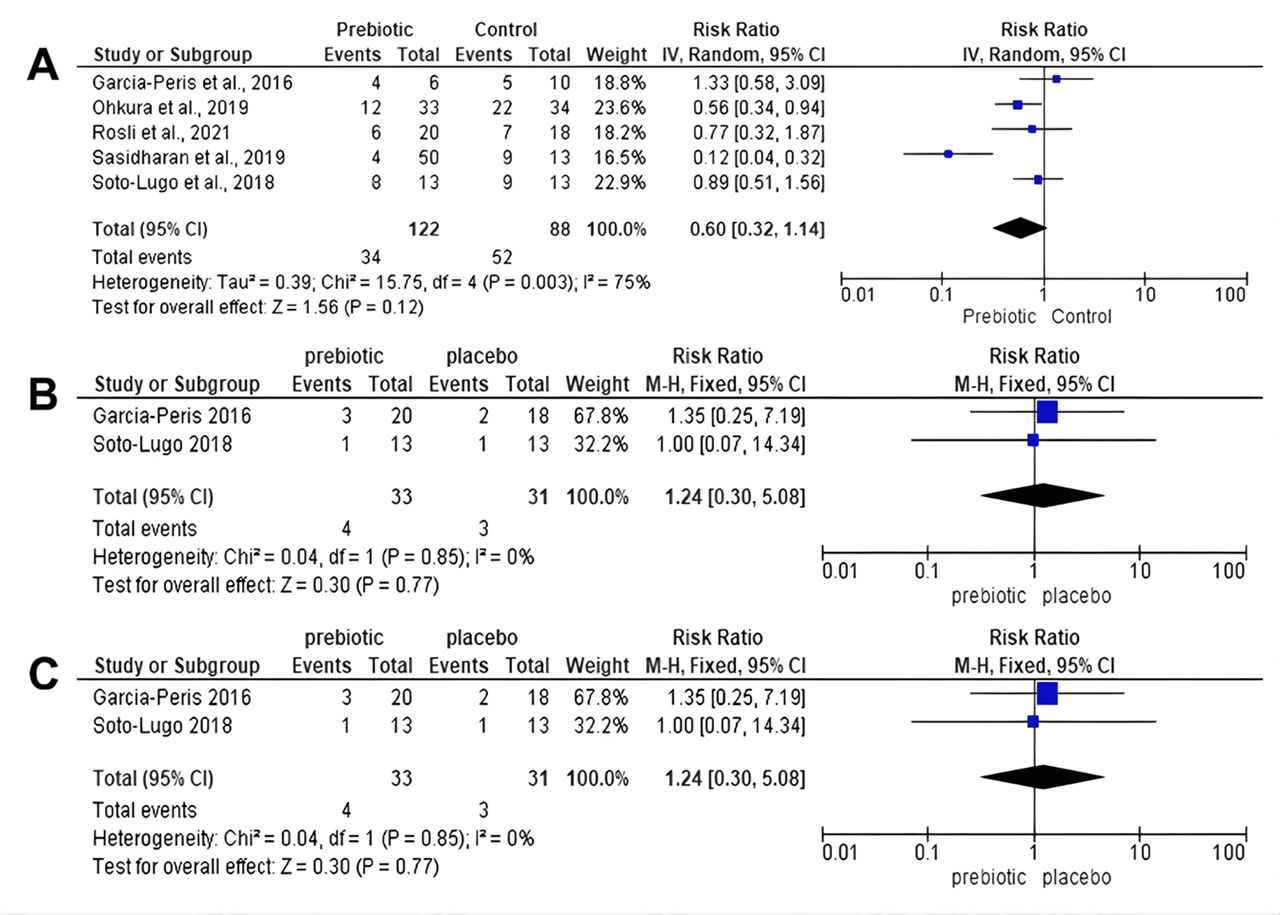
Figure 5.
Forest plots of prebiotic supplementation effects in chemotherapy-treated cancer patients: (A) diarrhea; (B) nausea and vomiting; (C) constipation.
3.7. Synbiotics for Reducing Chemotherapy-Induced Gastrointestinal Toxicity
Synbiotic supplementation was evaluated for its effect on chemotherapy-related gastrointestinal outcomes, primarily diarrhea and nausea–vomiting (Figure 6). Five RCTs involving 321 participants (159 synbiotic vs 162 placebo) assessed diarrhea incidence. Pooled analysis demonstrated a statistically significant reduction in risk with synbiotic use (RR = 0.51; 95% CI: 0.29–0.89; p = 0.02), corresponding to an estimated 51% relative risk reduction. Moderate heterogeneity was observed (I2 = 54%), likely reflecting variations in formulations, dosing, and patient characteristics. Despite this variability, the pooled effect consistently favored synbiotics, indicating a clinically meaningful protective benefit.
For nausea and vomiting, three RCTs including 112 participants were analyzed. The pooled estimate showed no statistically significant difference between synbiotic and placebo groups (RR = 0.80; 95% CI: 0.45–1.41; p = 0.43), with substantial heterogeneity (I2 = 72%). The wide confidence interval and limited sample size indicate uncertainty in the effect estimate. Overall, current evidence supports a protective role of synbiotics against chemotherapy-induced diarrhea, while their impact on nausea and vomiting remains inconclusive.
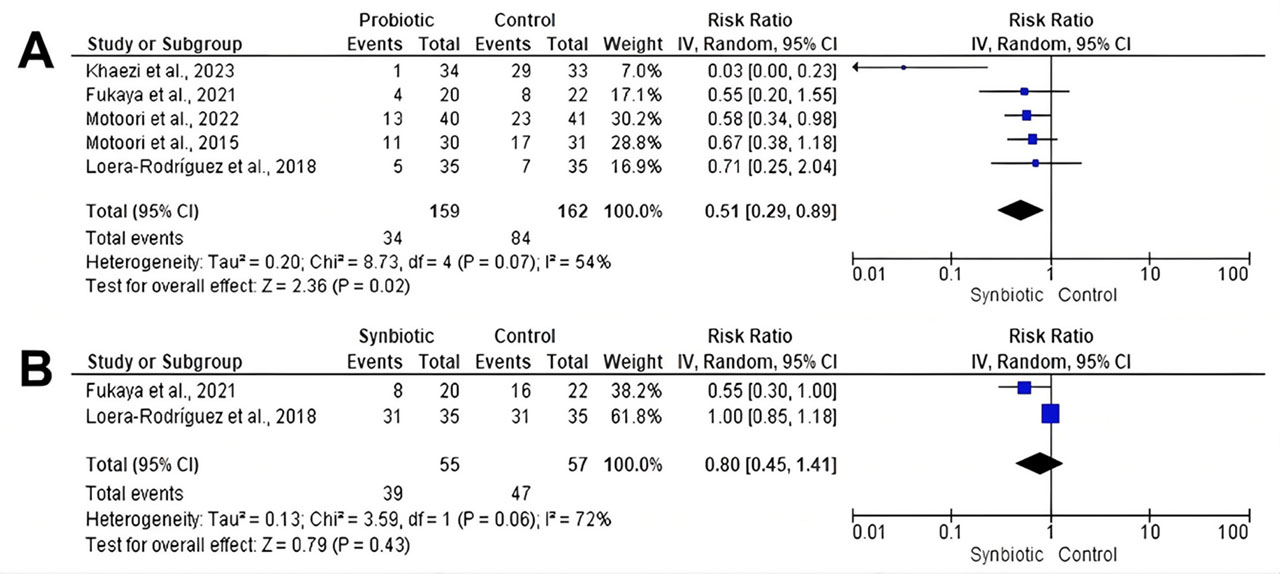
Figure 6.
Forest plots of synbiotic supplementation effects in chemotherapy-treated cancer patients: (A) diarrhea; (B) nausea and vomiting.
3.6. Grading of Intervention
The evaluation of the certainty of evidence in this meta-analysis used the GRADE (Grading of Recommendations Assessment, Development, and Evaluation) approach. GRADE is a transparent and systematic framework used to assess the quality of evidence and determine the strength of recommendations for clinical practice.
In this meta-analysis, the certainty of evidence for most outcomes ranged from moderate to very low. This was particularly evident in the imprecision and inconsistency domain, which was influenced by high heterogeneity, small sample sizes, wide confidence intervals, and imprecision in some outcomes. Detailed GRADE analysis or all intervention groups are summarized in Supplementary file.
4. Discussion
This systematic review and meta-analysis evaluated the impact of probiotic, prebiotic, and synbiotic supplementation on chemotherapy-related gastrointestinal adverse events, focusing on diarrhea, nausea, vomiting, and constipation. Although this study initially aimed to evaluate a broad range of gastrointestinal toxicities associated with chemotherapy, the available evidence was disproportionately concentrated on diarrhea-related outcomes. This imbalance reflects the fact that diarrhea is one of the most commonly reported and clinically significant adverse events in oncology trials, particularly in patients receiving fluoropyrimidine-based regimens.
For probiotics, a pooled analysis of seventeen randomized controlled trials demonstrated a clinically meaningful protective effect against chemotherapy-induced diarrhea, with a 67% relative risk reduction compared with placebo. These findings are consistent with previous meta-analyses in patients receiving fluoropyrimidine- or irinotecan-based chemotherapy, which also reported significant reductions in diarrhea without major safety concerns [40]. Mechanistically, probiotics may attenuate diarrhea through multiple pathways. Certain Lactobacillus species enhance intestinal barrier integrity by upregulating mucin expression, including mucin 3 (MUC3) in human colon adenocarcinoma HT29 cells and mucin 2 (MUC2) in human colorectal adenocarcinoma Caco-2 cells, thereby limiting pathogen adhesion and invasion [41]. Additionally, probiotic-derived organic acids lower intestinal pH and disrupt Gram-negative bacterial membranes. Probiotics also modulate host immune signaling through nuclear factor kappa B (NF-κB) and mitogen-activated protein kinase (MAPK) pathways, reducing proinflammatory cytokine production such as interleukin-6 (IL-6) and interleukin-8 (IL-8), which contributes to mucosal protection during chemotherapy [42].
However, our findings showed high heterogeneity. The observed heterogeneity may be partly explained by the variability in probiotic strains used across the included studies. Substantial heterogeneity was observed in the pooled analysis of diarrhea outcomes for subgroup meta-analysis (I2 = 73%), indicating considerable variability across the included studies. To explore potential sources of this heterogeneity, subgroup analyses were conducted based on intervention composition, particularly comparing multi-strain and single-strain probiotic formulations. The results demonstrated that multi-strain probiotics were associated with a statistically significant reduction in the risk of chemotherapy-induced diarrhea. This study aligned with a previous study by Skrzydło-Radomańska et al. (2021), which stated that multi-strain probiotic supplementation significantly reduced diarrhea in patients with irritable bowel disease without causing a significant side effect [43].
Beside probiotic strain, the difference of chemotherapy regimen also can affect the high heterogeneity in this meta-analysis. According to the previous study by Murielle et al (2024), the platinum based chemotherapy induced more severe gastrointestinal toxicities in patients with cancer than the fluorouracil based chemotherapy [44]. Also this gastrointestinal toxicity can be worse in patients having a combination of platinum based and fluorouracil based chemotherapy [45].
While probiotic supplementation didn’t significantly reduce chemotherapy-associated symptoms, it showed a trend toward suppressing vomiting over nausea. Vomiting is a physical, neuromuscular reflex triggered by “bottom-up” signals from the gut to the Chemoreceptor Trigger Zone. Probiotics can reduce gut “noise,” keeping signals below the high physiological threshold required for vomiting. Conversely, nausea is a conscious perception involving high-level brain structures like the limbic system. It has a much lower threshold; even minor residual inflammation keeps the “nausea alarm” ringing. Probiotics act too slowly and locally to effectively quiet these complex CNS-driven signals.[46].
Analysis of six RCTs evaluating prebiotics suggested a trend toward reduced diarrhea and nausea risk, although these effects did not reach statistical significance. No measurable benefit was observed for constipation. These neutral findings should be interpreted cautiously given the small sample sizes and limited number of studies, which constrain statistical power. Prebiotics are non-digestible substrates selectively fermented by gut microbiota, fulfilling criteria that include resistance to upper gastrointestinal digestion, fermentability, and selective stimulation of beneficial bacterial activity [47]. Most prebiotics are oligosaccharides, including fructans, galacto-oligosaccharides, resistant starch derivatives, and pectic oligosaccharides.
Fermentation of prebiotics generates short-chain fatty acids (SCFAs) such as acetate, propionate, and butyrate, which serve as energy substrates, regulate mucosal signaling, and shape the intestinal microenvironment. These metabolites strengthen epithelial barrier function, enhance immune regulation, and may mitigate inflammatory responses associated with chemotherapy [12,47]. SCFAs, particularly butyrate, support colonocyte metabolism, reduce luminal pH, and contribute to mucin layer maintenance, forming a protective barrier against pathogen translocation. Prebiotic interactions with mucin-associated receptors may further inhibit bacterial adhesion and toxin binding, including interference with cholera toxin receptor engagement [48]. Experimental evidence also links fructooligosaccharides and galactooligosaccharides with increased mucin production and preservation of mucosal integrity, potentially counteracting chemotherapy-induced epithelial injury [12].
Prebiotics indirectly support beneficial bacteria such as Bifidobacteria and Lactobacilli, promoting microbial stability and reducing inflammatory signaling [45]. These microbial shifts may enhance epithelial protection, modulate immune responses, and favor cytoprotective processes [9,30]. Preclinical data further demonstrate that microbiota modulation can improve intestinal barrier resilience following radiation exposure, reduce endotoxin burden, and promote membrane repair through antioxidant activity [48,49]. Although these mechanistic findings support biological plausibility, the current clinical evidence remains insufficient to confirm consistent symptom reduction, underscoring the need for larger trials.
Synbiotic supplementation, combining probiotics and prebiotics, demonstrated a significant protective effect against chemotherapy-induced diarrhea, with a 51% relative risk reduction across five RCTs. These findings are consistent with prior work reporting reduced incidence and severity of diarrhea with synbiotic interventions [13]. The proposed mechanism involves synergistic enhancement of probiotic survival and colonization by prebiotic substrates, particularly galacto-oligosaccharides [50]. Synbiotics may increase beneficial microbial abundance, improve digestive enzyme activity, and promote intestinal homeostasis, thereby stabilizing the gut environment during chemotherapy [51].
However, synbiotics did not significantly reduce nausea or vomiting. Similar findings have been reported in chemoradiotherapy populations [52]. The limited effect likely reflects the complex neurogastrointestinal pathways underlying emesis. Chemotherapeutic agents activate enterochromaffin cells and vagal afferents, triggering serotonin-mediated signaling in the area postrema, processes that may not be adequately influenced by microbiota modulation alone [53].
One important concern in clinical oncology is the risk of microbial translocation and subsequent bacteremia or fungemia in neutropenic patients. Therefore, it is crucial to investigate the safety data and adverse effects in a clinical trial, including the administration of the intervention in high-risk patients and neutropenic patients. Overall, from all 29 trials included in this meta-analysis, several of them reported side effect and adverse effects. Most studies reported no serious adverse events (SAEs) directly related to the administration of the probiotic agent. Minor adverse events reported included complaints of an unpleasant taste or odor, which in some cases led to discontinuation of participation, particularly in pediatric patients and patients with head and neck cancer. Although common chemotherapy-related side effects (such as leukopenia, anemia, and nausea) persisted in both groups, the probiotic group often showed a reduction in the severity of gastrointestinal symptoms compared to the placebo group, with no trend toward increased drug-specific adverse events. A safety analysis from a meta-analysis involving 2,982 patients found only five cases of bacteremia or fungemia potentially related to the probiotic intervention, indicating that systemic risks remain very low. A study by Mizutani et al. (2023) involving lymphoma patients undergoing autologous hematopoietic stem cell transplantation (auto-HSCT)—a population experiencing severe neutropenia during the conditioning phase—reported that no synbiotic-related infections or bacteremia were observed [39]. This suggests that synbiotic use is likely safe even in patients with severe post-transplant immunosuppression. Mego et al. (2015) noted the safety of a probiotic strain over a total of 370 days of grade 3–4 severe neutropenia in a phase II study, with no reports of infectious complications from the strain [22]. Additionally, studies in esophageal cancer have shown that although febrile neutropenia (FN) persists in some patients, no probiotic pathogens are identified in their blood cultures. In contrast, some studies have taken a more cautious approach. Reyna-Figueroa et al. (2019) chose to discontinue probiotics immediately after the onset of neutropenia to mitigate the risk of microbial translocation in the setting of severe immunosuppression [17]. Interestingly, a study by Fukaya et al. (2021) found that synbiotic administration significantly reduced the incidence of “occult” bacteremia induced by neoadjuvant chemotherapy by suppressing bacterial translocation from the gut. In summary, these sources indicate that there were no reports of serious infectious complications (such as sepsis or death) directly caused by the probiotic strains tested in the severely neutropenic population in these studies [35].
Taken together, this meta-analysis indicates that microbiota-targeted supplementation offers the clearest benefit for diarrhea prevention in patients undergoing chemotherapy, particularly with probiotic and synbiotic formulations. Evidence for nausea, vomiting, and constipation remains inconclusive, partly due to methodological limitations and heterogeneity across studies. While mechanistic research supports a protective role of microbiota modulation in maintaining intestinal integrity and immune balance, further large-scale, standardized clinical trials are required to establish a precision research model, optimal formulations, and dosing strategies.
CONCLUSION
In conclusion, this meta-analysis indicates that microbiota-targeted supplementation shows variable efficacy in reducing chemotherapy-induced gastrointestinal toxicity. Probiotics and synbiotics demonstrated a consistent and clinically meaningful benefit in reducing diarrhea, whereas no significant effects were observed for nausea and vomiting. Prebiotic supplementation showed a favorable but statistically non-significant trend in alleviating gastrointestinal symptoms. However, the evidence for nausea, vomiting, and constipation currently remains inconclusive due to limited study numbers and data precision. Given the moderate to high heterogeneity and variation in intervention strains and doses, integration of these interventions into supportive cancer care should be approached with caution. Larger, more standardized, randomized clinical trials are needed as a prior study before these interventions can be universally recommended in clinical practice. Therefore, the integration of microbiota interventions into clinical practice should be prioritized for the prevention of chemotherapy-induced diarrhea (CID). Our findings indicate that synbiotics offer the strongest protection (49% risk reduction), followed by multi-strain probiotics containing Lactobacillus and Bifidobacterium species. Practically, clinicians are advised to initiate supplementation as a supportive adjuvant therapy, especially in patients receiving high-risk chemotherapy regimens with diarrhea, such as those based on fluoropyrimidines or irinotecan. However, routine use for other gastrointestinal symptoms such as nausea, vomiting, and constipation cannot yet be recommended due to inconclusive evidence. Product selection should prioritize multi-strain formulations over single-strain formulations to achieve optimal efficacy. The administration of probiotics and synbiotics has a minimal contribution to systemic effects and is safe even for neutropenic patients.
Acknowledgment
We would like to thank all individuals who contributed to the analysis, interpretation of data, and preparation of the manuscript.
Notes
[1] Grant Support:
This study was supported by the MORA AIR Funds Grant 2024, Ministry of Religious Affairs of the Republic of Indonesia, and LPDP Indonesia.
[3] CRediT Author Statement
Ermin Rachmawati: Conceptualization, Methodology, Validation, Formal analysis, Investigation, Resources, Data curation, Writing – Original draft, Writing – Review and editing, Supervision, Project administration, Funding acquisition. Roihatul Mutiah: Conceptualization, Methodology, Validation, Investigation, Resources, Data curation, Writing – Review and editing, Supervision, Funding acquisition. Syafiq Maulana: Methodology, Software, Formal analysis, Investigation, Resources, Data curation, Writing – Original draft, Visualization, Project administration. Fildzah Ghaisani Alifah: Methodology, Software, Formal analysis, Investigation, Resources, Data curation, Writing – Original draft, Visualization, Project administration. Qanita Adzkia Novindra: Methodology, Software, Formal analysis, Investigation, Resources, Data curation, Writing – Original draft, Visualization, Project administration. Alvi Milliana: Validation, Investigation, Resources, Writing – Review and editing, Supervision, Funding acquisition. Imam Taufik: Validation, Investigation, Resources, Writing – Review and editing, Supervision, Funding acquisition.