What is new? What is important?
1 – Our meta-analysis stands out due to the limited availability of studies examining the link between NSAIDs and the occurrence or progression of chronic kidney disease (CKD). Conclusions derived from prior meta-analyses exhibit inconsistencies and are susceptible to biases and methodological limitations, leaving a knowledge gap to be addressed. Given the dynamic nature of medical research, an updated meta-analysis is urgently warranted. Such an analysis will deepen our comprehension of the relationship between non-steroidal anti-inflammatory drugs (NSAIDs) and the occurrence or progression of chronic kidney disease (CKD).
2 – Our findings highlight the importance of cautious NSAID prescribing practices in managing patients.
INTRODUCTION
Around 30 million people worldwide use non-steroidal anti-inflammatory drug (NSAIDs) every day [1]. NSAIDs are available over the counter at an affordable price which facilitates its use and unawareness of NSAID-related side-effects from the patients’ side causes these medications to be taken even without physician’s consultation for the appropriate dose or duration which suit their clinical conditions [2,3]. NSAIDs are very helpful to control pain and to decrease inflammation but these medicines are linked to both acute kidney injury (AKI) and chronic kidney disease (CKD).
Chronic Kidney Disease is considered one of the leading causes of death and disability in the world nowadays. It affects more than 800 million people worldwide [4]. Two distinct groups of NSAIDs users face increased risk of occurrence and or progression of CKD. Patients with chronic inflammatory diseases are often prescribed large doses of NSAIDs typically for prolonged periods [5]. People with apparent normal kidney function or with early stages of CKD (stage 1 & 2) may use these drugs freely and in combinations without monitoring of their kidney function [6].
There is a scarcity in meta-analyses that are conducted on the association between NSAIDs and CKD occurrence or progression. The most recent systematic review and meta-analysis on this topic dates back to 2013. [7] Moreover, conclusions drawn from previous research are inconsistent and suffer from some biases and methodological flaws leaving a gap of knowledge to be covered through. The given evolving landscape of medical research, there is compelling need for an updated meta-analysis. Such analysis will enhance understanding of the association between NSAIDs and CKD occurrence and/or progression.
MATERIAL AND METHODS
We conducted a systematic review and meta-analysis of observational and interventional studies that examine the association between chronic, regular NSAIDs use and CKD occurrence and/or progression. The protocol of this systematic review and meta-analysis was registered on PROSPERO (PROSPERO 2023 CRD42023418146) [8] and the results reported following the PRISMA guidelines [9].
SEARCH STRATEGY
An initial limited search of PUBMED was undertaken to identify articles on the topic [9]. The text words contained in the titles and abstracts of relevant articles, and the index terms used to describe the articles were used to develop a full search strategy (Additional file 1). The search strategy, including all identified keywords and index terms, was adapted for each included database and/or information source. Studies published in either English or other languages (with English abstract) were included. There were no date limitations on the search. We searched the following electronic databases from inception to May 2023: MEDLINE, Cochrane Library, Web of Science and Science direct. We also hand-searched the reference lists of relevant articles and contacted experts in the field for additional studies or retrieval of full text of studies.
STUDY SELECTION
Inclusion criteria
We included studies that meet the following criteria:
(1) participants are adult general populations or CKD patients of any stage or cause;
(2) exposure is chronic use of any selective or non-selective NSAIDs, defined as regular or daily use for at least three months (Regular Use of NSAIDs is typically refers to taking these medications on a consistent, scheduled basis. This could mean nearly daily or several times per week over a prolonged period more than 90 days, often for managing chronic pain or inflammation);
(3) comparator is non-use or less frequent use of NSAIDs (Less frequent use of NSAIDs refers to short term occasional, sporadic or as-needed consumption, typically in response to acute pain for example a few times a month or only during specific episodes of pain for just a few days or weeks for temporary relief);
(4) outcome is CKD occurrence and/or progression, measured by decline in estimated glomerular filtration rate (eGFR), persistent elevation of serum creatinine, development of albuminuria or entering dialysis (all of them are parameters of CKD);
and (5) study design is cohort, case-control, cross-sectional or randomized controlled clinical trials (RCTs).
Exclusion criteria:
We excluded studies that are case reports, case series, reviews, editorials, or commentaries.
Two reviewers independently screened the titles and abstracts of the identified records, and then full texts of the potentially eligible studies, using predefined eligibility criteria for study selection. Any disagreement was resolved by discussion or consultation with a third senior reviewer.
DATA EXTRACTION AND RISK OF BIAS ASSESSMENT
Data extraction was performed by one reviewer using a standardized data extraction form and checked by another reviewer. The extracted data included: study information; (name, journal name, year, authors, title, country), study design, aim, setting, participants description (inclusion, exclusion, total number and number per group), exposure description and measurements, outcome (CKD description and measurements), results summary, number and percentage of NSIADs users with CKD and non NSAIDs users with CKD and reported main effect size measure.
Another form was used to assess the risk of bias of included studies using JBI’s critical appraisal tools for observational [10]. The risk of bias assessment was conducted independently by two reviewers. Both reviewers evaluated the studies separately and were blinded to each other’s assessments. Each potential risk of bias was judged as high, low and no information. Any discrepancies between the two reviewers were resolved through discussion, and when necessary, a third reviewer was consulted to reach a consensus. We used Robvis online tool for data visualization to summarize the risk of bias for each included study [11].
ASSESSMENT OF HETEROGENEITY
We assessed included studies for clinical and methodological heterogeneity by inspecting all studies for setting or participants that are clearly different from other studies and methodological outliers were discussed, possible sources were considered in the analysis.
DATA ANALYSIS
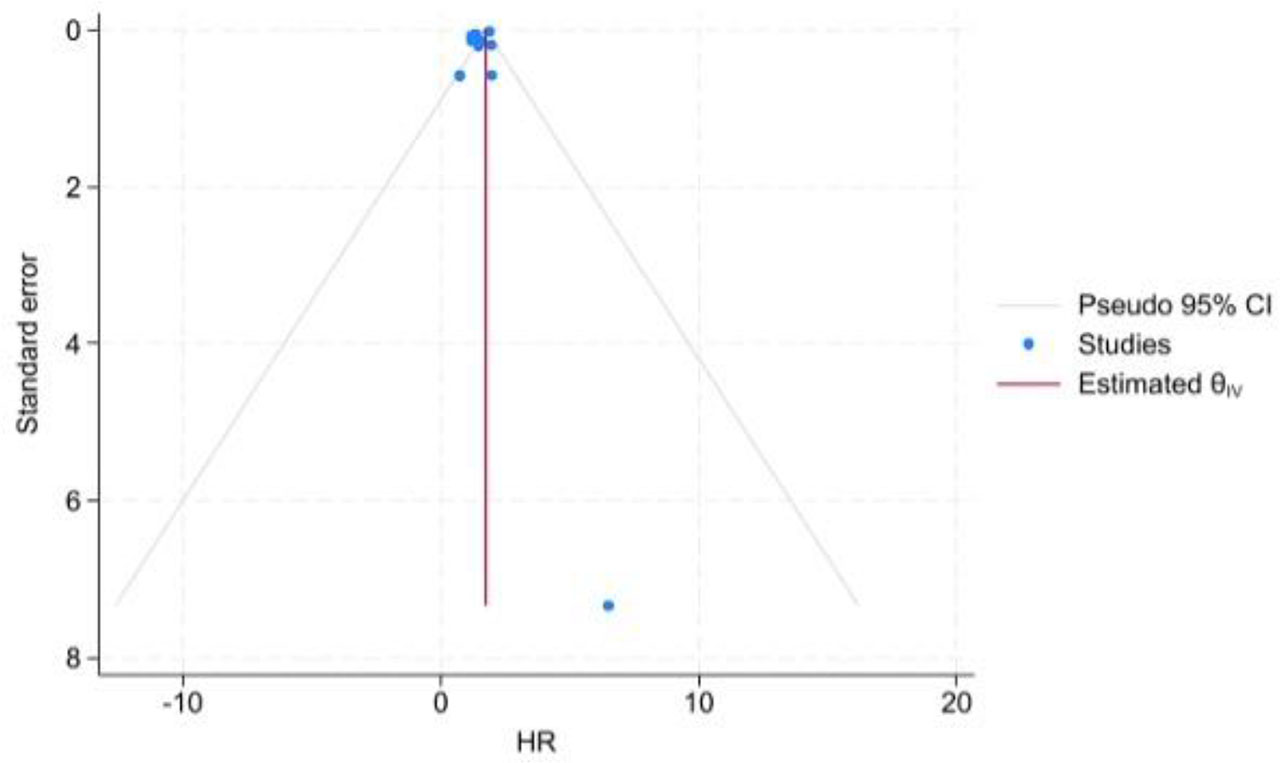
Out of the 40 included studies, 39 were meta-analyzable. We used the generic inverse variance method to pool log Odds ratios and log Hazard ratios and their standard error for binary, and time-to-event effect measures, respectively. Methodological heterogeneity in measurement of exposures and outcomes necessitated the use of a random-effects model. We assessed the statistical heterogeneity among the studies (heterogeneity in effect size variance) by visual inspection of the results to examine the statistical heterogeneity and by using the I-squared statistic and the Cochran’s Q test. We explored the sources of heterogeneity using subgroup analysis and meta-regression based on the study characteristics, such as study design, setting (hospital, outpatient, community and secondary data), quality, population (comorbidities, age groups, gender), exposure definition (Duration and type of NSAIDs use) and outcome definition. We assessed studies included in meta-analysis for publication bias using funnel plots for studies reporting Odds ratio and HR separately (Additional file 2). Stata software (version 18) native suite of commands, “meta”, was used to perform meta-analysis. The suite is broad and simple. “meta set” command was used for meta-analysis setup, followed by “meta summarize” and “meta forest” commands. These commands allow for subgroup analyses. We used the “leave one out” command to test the effect of deleting each study on the pooled effect size.
RESULTS
SEARCH RESULTS AND STUDY CHARACTERISTICS
We identified 4108 publications from electronic and hand-searches from inception to May 2023 for screening. After excluding studies failing to meet our inclusion criteria and duplicates, 260 full-text studies were assessed for eligibility. Of these, 40 studies met the inclusion criteria were included. The PRISMA flow chart is provided in Figure (1).
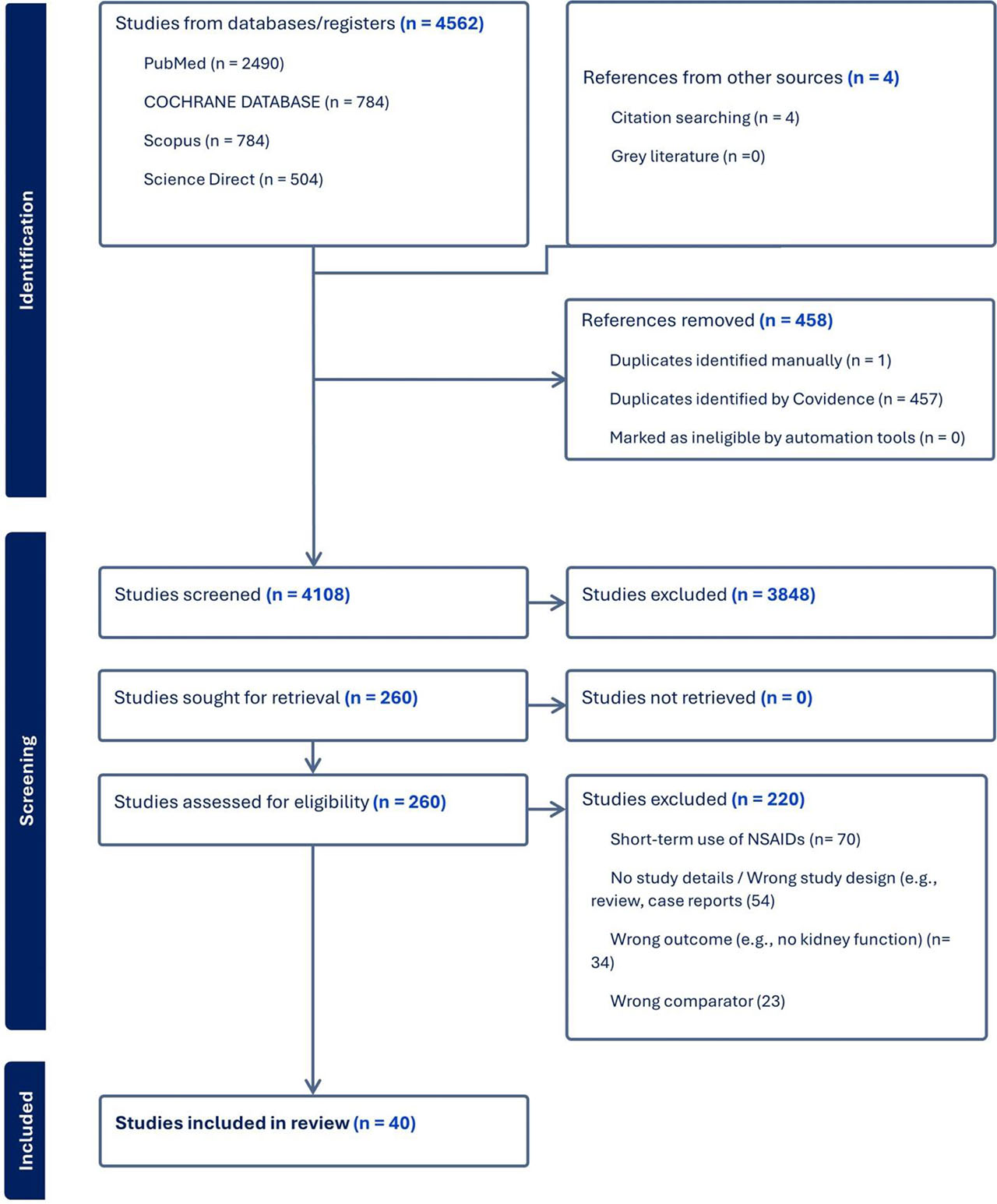
Figure 1.
PRISMA flowchart of study selection.
This systematic review included 40 studies, 19 cohort, 11 cross sectional, and 10 case control studies reviewing a total of 1,757,118 participants. All the included 40 studies were available in a full-text format and were in English or with English abstract except for Yarger et al study [12] which was published as abstract only, but we found enough data to include it in our systematic review and meta-analysis.
Although the included studies were between 1986 and 2023, more than half of them (56%) were recent (23 studies out of the 40 were in the last 10 years between 2013–2023). Main characteristics of included 40 studies, settings and populations’ characteristics are shown in Table (1).
Table 1
Characteristics of included studies
| Study ID | Population numbers | Country | Year of publication | Aim of study: to determine | Setting | Study design | Start date-End date of the study | Population characteristics | How NSAIDs exposure was assessed | Outcome | Outcome assessment methods |
|---|---|---|---|---|---|---|---|---|---|---|---|
| Agodoa 45 2008 | 996 | United States | 2008 | Habitual analgesic use with decreased kidney function | community based | Cross sectional | 1999–2002 | civilian population 20 years or older | standardized interview | ACR≥ 30 mg/g and/or eGFR< 60 mL/min/1.73 m2 | Creatinine, eGFR (MDRD), ACR |
| Amatruda 14 2021 | 2999 | United States | 2021 | NSAID use with kidney damage in older adults | community based | Cross sectional | 1997–1998 | older adults 70–79 years with preserved physical function | structured interview | ACR≥ 30 mg/g and/or eGFR< 60 mL/min/1.73 m2 | cysC-based CKD-EPI equation; ACR |
| Battelli 44 2015 | 33227 | Republic of San Marino | 2015 | prevalence of NSAID use in patients with kidney damage in year 2013 compared to the general population | community based | Case-control | 2013–2013 | whole population under national health care | Medical records | Non severe renal damage Vs severe | Creatinine; e GFR (CKD-EPI) |
| Chiu 22 2015 | 17376 | Taiwan | 2015 | concomitant drugs of psoriasis and the risk of CKD | community based | Cohort | 2001–2005 | newly diagnosed with psoriasis and psoriatic arthritis | Health Insurance Database | new-onset CKD, ESRD | secondary claim data |
| Chiu 23 2015 | 50316 | Taiwan | 2015 | Risk of developing CKD in patients with RA | community based | Cohort | 2001–2005 | newly diagnosed with RA | Health Insurance Database | new-onset CKD, ESRD | secondary claim data |
| Curhan 19 2004 | 1697 | United States | 2004 | association between lifetime use of aspirin, and NSAIDs and renal function | community based | Cohort | 1989–2000 | Female aged 30–55 years with high life-time use of analgesic | a mailed questionnaire | change in eGFR in 11 years | Estimated creatinine clearance(Cockcroft-Gault formula); e GFR (MDRD) |
| Field 15 1999 | 4999 | United States | 1999 | NSAIDs use in older people and kidney function | community based | Cross sectional | 1981–1989 | older adults aged 70 y or more | by interview | Increased BUN and creatinine | Creatinine, BUN BUN:creatinine ratio |
| Flores 46 2017 | 121 | United States | 2017 | associations to CKD in an urban adult population | A population-based | Cross sectional | 2015–2015 | adult urban residents | questionnaire | Low eGFR | e GFR (MDRD), spot proteinuria (semiquanitative reagent strip) |
| Gooch 16 2007 | 13523 | Canada | 2007 | NSAID use and the progression of CKD in an elderly people | community based | Cross sectional | 2001–2003 | older adults aged 66 years with ≥ 2 serum creatinine measurements | healthcare database | decrease in eGFR of 15 mL/min/1.732 | Creatinine; e GFR (MDRD) |
| Guh 41 2007 | 1740 | Taiwan | 2007 | Herbal Vs NSAIDs therapy and CKD | community based | Cross sectional | 1993–1996 | adults in Nutrition and Health Survey in Taiwan | by interview | eGFR< 60 mL/min/1.73 m2 | e GFR(Cockcroft-Gault) |
| Hanaoka 24 2022 | 423 | Japan | 2022 | CKD in patients with RA and factors that influence CKD progression | community based | Cross sectional | 2000–2016 | patients diagnosed with RA who treated with one bDMARD for >5 years | medical records | eGFR< 60 mL/min/1.73 m2 or >25% decrease in eGFR from baseline | e GFR(MDRD) |
| Hemmelgarn 17 2007 | 10148 | Canada | 2007 | predict rapid progression of kidney dysfunction in elderly | community based | Cohort | 2001–2003 | elderly ≥66 years with ≥2 serum creatinine measurements | provincial administrative data | ≥25% decrease in eGFR from baseline | Creatinine, e GFR (MDRD) |
| Hsu 31 2015 | 94541 | Taiwan | 2015 | NSAID use on the development of CKD in hypertensive patients | community based | Cohort | 2007–2011 | Hypertensive patients aged 20 or more, had 1 admission or 2 outpatient visits and free of CKD | Health Insurance Database | newly diagnosed CKD | medical claims data |
| Hsu 37 2019 | 456 | Taiwan | 2019 | chronic pain and CKD progression in pre-dialysis CKD | community based | Cohort | 2006–2007 | 18–80 y with stable CKD | by interview | CKD stage progression | BUN, Creatinine; eGFR(CKD-EPI) and Proteinuria |
| IBA´ NEZ 32 2005 | 1302 | Spain | 2005 | risk of ESRD associated with the chronic use of NSAID | community based | Case-control | 1995–1997 | advanced CKD patients | by interview using a standardized questionnaire | Entering dialysis | Unclear |
| Ingrasciotta 42 2015 | 10034 | Italy | 2015 | NSAIDs and risk of CKD in a general population | community based | Case-control | 2006 to 2011 | general populations who were registered in the Arianna database | healthcare database | Incident CKD | By using ICD9-CM codes |
| Kaewput 13 2016 | 184 | Thailand | 2016 | COX-2 inhibitors and CKD progression | community based | Cohort | 2009–2014 | >18 years with a diagnosis of CKD | Medical records | Any decrease in eGFR | Creatinine, e GFR (CKD-EPI), spot proteinuria (semiquanitative reagent strip |
| Kang 18 2019 | 24219 | Korea | 2019 | polypharmacy and kidney dysfunction among older patients. | community based | Case-control | 2009–2013 | older adults 65–84 | medical records | decline rate of ≥ 10% compared to the baseline eGFR | e GFR (CKD-EPI) |
| Kuo 38 2010 | 19163 | Taiwan | 2010 | Analgesic use in CKD patients | hospital based | Cohort | 1997–2006 | newly diagnosed CKD | healthcare database | increased risk for ESRD | By using ICD9-CM codes |
| Kurth 21 2003 | 4494 | United States | 2003 | aspirin and chronic kidney disease | community based | Cohort | 1982–1996 | apparently healthy males | questionnaire | Increase creatinine ≥0.3 mg/dl or decrease in eGFR of 29 mL/min/1.732 | Creatinine, e GFR (MDRD) |
| Mackinnon 50 2003 | 7827 | UK | 2003 | the rate of decline in renal function and risk of death or dialysis | hospital based | Cohort | 1989–2003 | Patients diagnosed with AAN | by interview | rate of change of ECC per year | ESTIMATED Creatinine clearance (ECC) |
| Möller 25 2015 | 4101 | Switzerland | 2013 | prolonged NSAID exposure on renal function in (RA) patient | community based | Cohort | 1996–2007 | RA patients | annual visit & phone calls | change of eGFR | e GFR(Cockroft– Gault formula) |
| Mori 26 2017 | 1908 | Japan | 2017 | prevalence of renal dysfunction in rheumatoid arthritis patients | hospital based | Cross sectional | 2014–2015 | Patients with RA | medical records | change of eGFR | e GFR(Cockroft– Gault formula) |
| Morlans 20 1990 | 1305 | Spain | 1990 | risk of ESRD with the regular use of analgesics | Hospital based | Case-control | 1980–1983 | female patients on dialysis | by interview | ESRD | Unclear |
| Murray 40 1990 | 1908 | United States | 1990 | incidence of renal impairment among patients NSAIDs | community based | Cohort | 1975–1986 | general population | medical records | >10% increase of BUN,Creatinine | BUN,Creatinine |
| Nderitu 47 2014 | 3566 | UK | 2014 | the effect of different dose NSAIDs on eGFR decline | community based | Cohort | 2009–2010 | general population | healthcare database | >5mL/min/1.73 m2/year eGFR decrease | e GFR(MDRD) |
| Nelson 49 2019 | 764228 | United States | 2019 | NSAIDs and incident chronic kidney disease | community based | Cohort | 2011–2014 | active-duty US Army soldiers | medical records | Incident CKD | By using ICD9-CM codes |
| Pan 48 2014 | 50316 | China | 2014 | NSAIDs intake and presence of (CKD) | community based | Cross sectional | 2009–2010 | general population | by questionnaire | eGFR< 60 mL/min per 1.73 m2 | e GFR (Cockroft– Gault formula), ACR |
| Perneger 33 1994 | 1900 | United States | 1994 | cumulative intake (in pills) with ESRD | community based | Case-control | 1991–1991 | 20 to 64 y, with advanced CKD | by telephone interview | ESRD | unclear |
| Plantinga 43 2011 | 12065 | United States | 2011 | patterns of NSAID use in CKD patients | community based | Cross sectional | 1999–2004 | adult aged 20 years or older | by questionnaire | eGFR< 60 mL/min per 1.73 m2 | e GFR (MDRD) |
| Sandler 34 1989 | 1070 | United States | 1989 | analgesics and chronic renal disease | community based | Case-control | 1980–1982 | age 30–70 y with newly diagnosed CKD and matched controls | By telephone interview | Renal disease | ICD9-CM codes |
| Sandler 35 1991 | 1070 | United States | 1991 | risk for CKD with regular use of (NSAIDs). | hospital based | Case-control | 1980–1982 | newly diagnosed CKD and matched controls | by telephone interview | Renal disease | ICD9-CM codes |
| Shigidi 29 2021 | 736 | Sudan | 2021 | factors that promote the development and progression of DKD | hospital based | Case-control | 2019–2019 | aged 35 years or above, with T2DM for more than 10 years | Direct interview | eGFR< 60 mL/min per 1.73 m2 | e GFR |
| Sturmer 27 2001 | 802 | Germany | 2001 | effects of NSAID half-life and dosing intervals on renal function | hospital based | Cross sectional | 1995–1996 | patients undergoing total joint replacement because of osteoarthritis under the age of 76 years | Standardized interview | eGFR< 60 mL/min per 1.73 m2 | Creatinine, estimate creatinine clearance |
| Tokoroyama 28 2017 | 107746 | Japan | 2017 | prevalence of CKD | hospital based | Cohort | 2004–2014 | RA patients | medical records | eGFR< 60 mL/min per 1.73 m2 | Proteinuria ≥ +1, e GFR (Cockroft– Gault formula) |
| Tsai 30 2015 | 48715 | Taiwan | 2015 | relationship between NSAIDs and the development of CKD in people with Type 2 diabetes mellitus | hospital based | Cohort | 2007–2011 | adult population with Type 2 diabetes | Healthcare database | CKD development | ICD9-CM codes |
| vanderWoude 36 2007 | 3286 | Germany | 2007 | relation between phenacetin-free analgesics and nephropathy | community based | Case-control | 2001–2004 | advanced CKD under the age of 50 | by Standardized interview | ESRD | unclear |
| WanEYF 51 2021 | 419506 | Hong kong | 2021 | NSAIDs exposure and eGFR | hospital based | Cohort | not mentioned | All individuals with eGFR above or equal 60 ml/min | by interview | incident eGFR, 60 ml/min per 1.73 m2, eGFR decline $30% | e GFR (MDRD) |
| Yarger 12 2011 | 34,295 | United States | 2011 | NSAID use and CKD progression in elderly | community based | Cohort | 2006–2008 | CKD stage 2 or 3 who were elderly (67 years of age) received treatment at a military facility | Healthcare database | CKD progression of stage 2 or 3 | e GFR |
| Zhan 39 2020 | 3939 | United States | 2020 | opioid and NSAID use in patients with CKD | hospital based | Cohort | 2003–2006 | 21–74 years of age with eGFR 20–70 mL/min | by interview | 50% reduction of baseline eGFR or requiring kidney replacement therapy | e GFR(MDRD) |
Thirty-nine studies out of 40 studies were meta-analyzable (18 cohort, 11 cross sectionals, and 10 case control) studies reviewing a total of 1,756,934 participants. A study on CKD patients found that COX-2 inhibitors significantly reduced eGFR after three and six months, with no notable change post withdrawal at one and two years [13]. This study was excluded from our meta-analysis as it was the only one using means and standard deviations for continuous variables to estimate effect size.
Over all 14 studies were from United States and 2 from Canada, 14 from Asia, 9 from Europe and 1 from Africa. The map in Fig (2) represents the geographical distribution of studied populations.
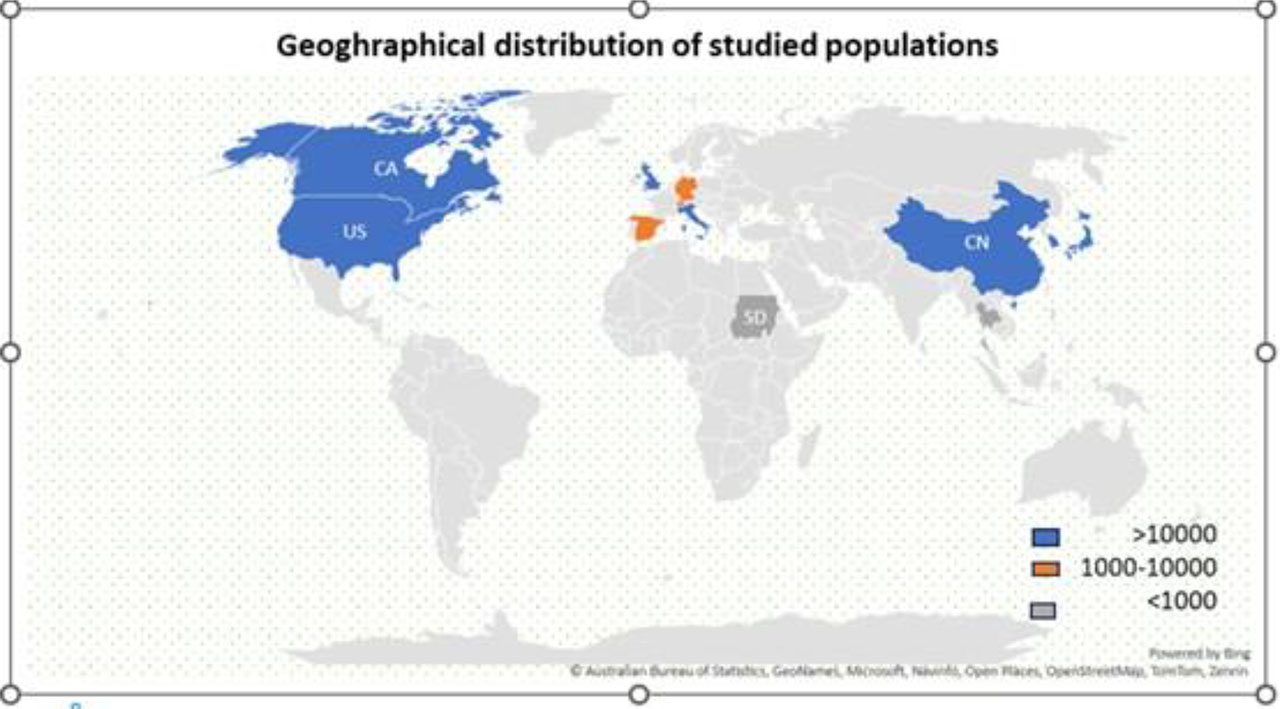
Figure 2.
Geographical distribution of studied populations.
POPULATION CHARACTERISTICS
Although all studies included population aged 18 years or older, six studies were limited to populations older than 60 years [12,14,15,16,17,18]. Two studies included only female population [19,20] and one study include only male population [21].
Seven studies dealt with patients diagnosed with musculoskeletal diseases [22,23,24,25,26,27,28], two on people with diabetes [29,30] and 1 for hypertensive patients [31]. Despite cancer patients are considered as frequent and chronic users of NSAIDs but they are considered as exclusion criteria in most of studies enrolled in our meta-analysis.
At baseline, eleven studies enrolled CKD patients (of those, seven studies compared the CKD patients to matched non-CKD [13,20,21,22,23,24,25,26,27,28,29,30,31,32,33,34,35,36] controls while four studies compared CKD patients within different stages [12,37,38,39].
OUTCOME MEASURE
CKD occurrence or progression was assessed by eGFR in most of studies and serum creatinine, ACR, spot proteinuria. Different definitions used for eGFR decline are shown in table (1). Out of 40 studies, 17 studies included an eGFR< 60 mL/min/1.73 m2, 4 studies included any change in eGFR. 1 study for each of the following outcome: decrease of 29 mL, 15 mL/min/1.732, >5mL/min/1.73 m2/year, ≥ 10%, 25%, 50% from baseline to measure the occurrence or progression of CKD. Eleven studies estimated the GFR using the four-variable MDRD equation, 6 studies used Cockroft–Gault formula, 5 studies used CKD-EPI, 6 studies By using ICD9-CM codes whereas eGFR method was unclear in 6 studies [12,20,29,32,33, 36].
Creatinine, BUN used in 2 studies [15,40] to assess the outcome. The other 3 studies used secondary claim data for their outcome assessment [22,23,31]. However, these diverse outcome measurements collectively contribute to defining the occurrence or progression of chronic kidney disease (CKD).
EXPOSURE ASSESSMENT
In 22 studies, information regarding chronic NSAIDs exposure was obtained through interviews (either direct or telephone) or questionnaires. In the remaining studies, assessment relied on healthcare databases and medical records (Table 1).
EFFECT SIZE ASSOCIATED WITH CKD OCCURRENCE AND PROGRESSION
Estimation of the effect size was done by HR in 11 studies, by OR in 35 studies and by mean eGFR difference in one study. We extracted the adjusted measure if available otherwise we used the crude (univariate measure).
Among 35 studies that measure the OR as effect size, [15,16,20,22,23,24,29,35,41,42,43] reported hazardous effect, [14,26,44,45] reported protective effect while [12,16,17,18,19,21,25,27, 32,33,34,36,40,46,47,48] reported no effect. Some of these studies provided inconsistent effect in different subsets of their populations [16,33,45,47].
Among 11 studies that measure the HR as effect size [37] reported protective effect, [39,49] reported no effect and [28,30,31,38,50,51] reported hazardous effect. One study provided different effect in subsets of its population [38].
META-ANALYSIS
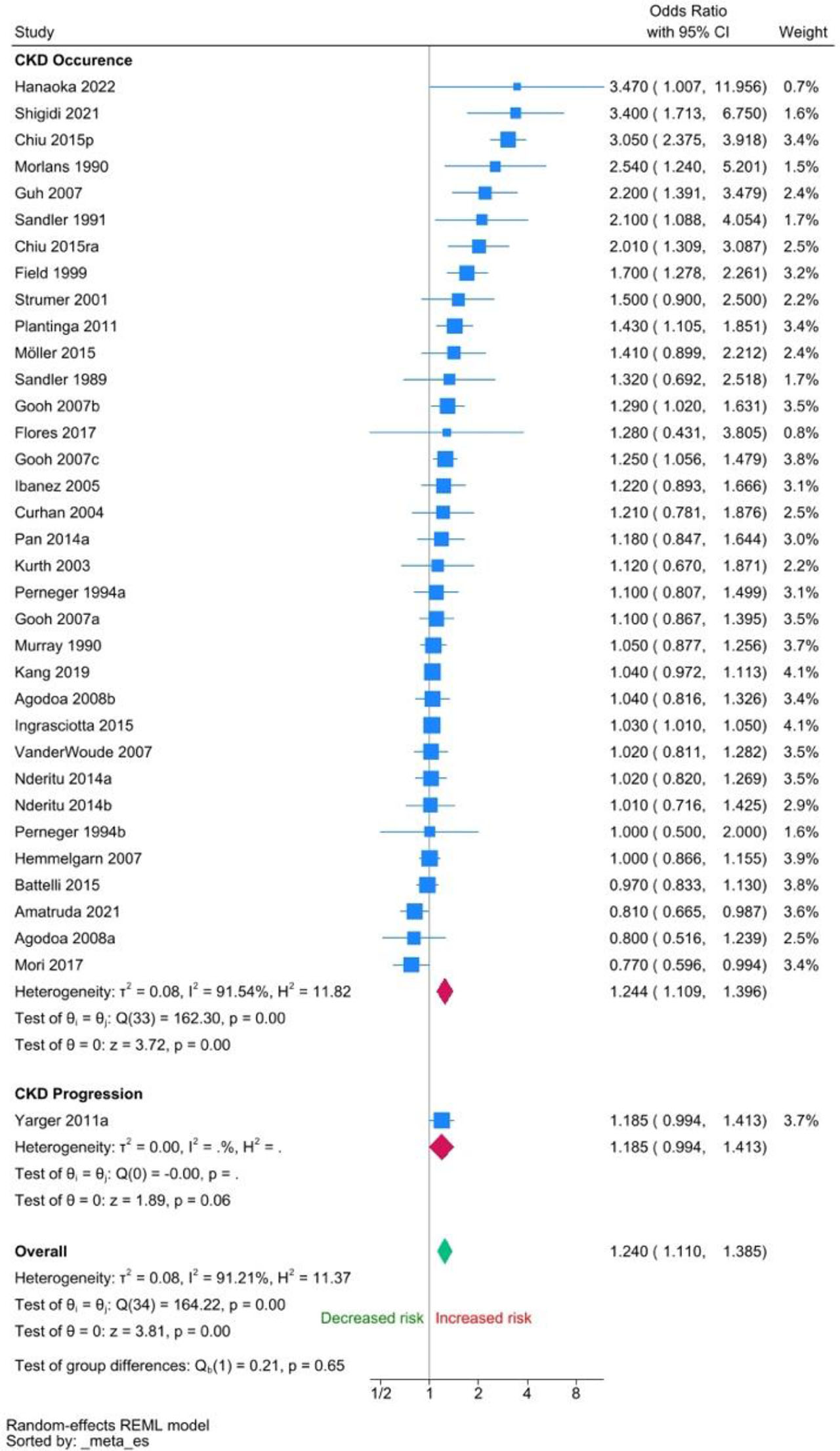
Odds ratios were extracted or calculated from 35 studies or subpopulations within studies. Figure 3 forest plot showed significant association between chronic NSAIDs use and CKD (occurrence and progression); pooled odds ratio was 1.24 (95% CI: 1.11–1.39, p <0.001, I2 = 91.21%), (May represent substantial between studies statistical heterogeneity).
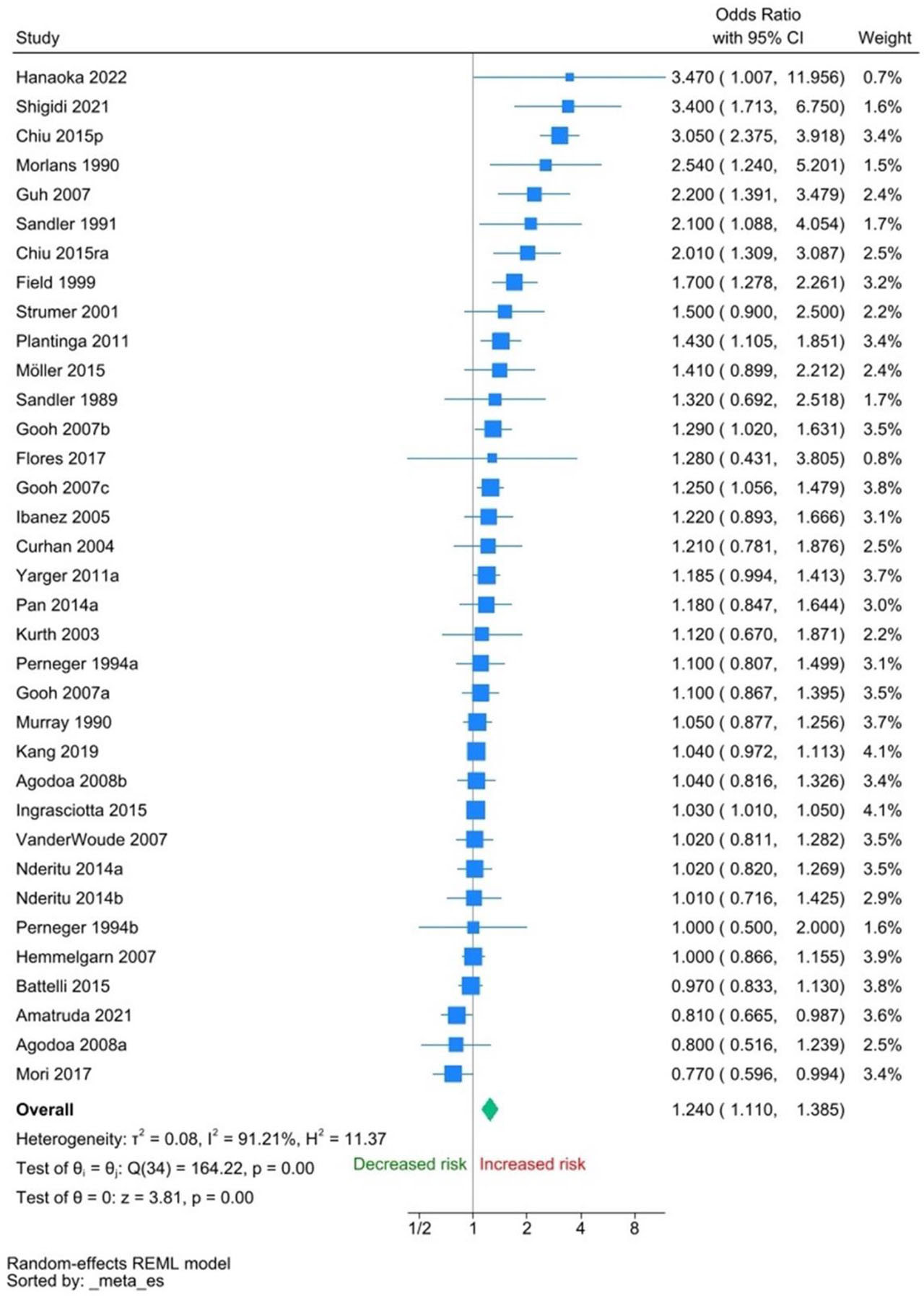
Figure 3.
Forest plot of pooled ORs.
Hazard ratios were extracted or calculated from 11 studies or subpopulations within studies. Figure 4 forest plot showed significant association between chronic NSAIDs use and CKD (occurrence and progression); pooled Hazard ratio=1.50 (95thCI:1.31:1.7), P <0.001, I2=90.77% (considerable statistical heterogeneity).
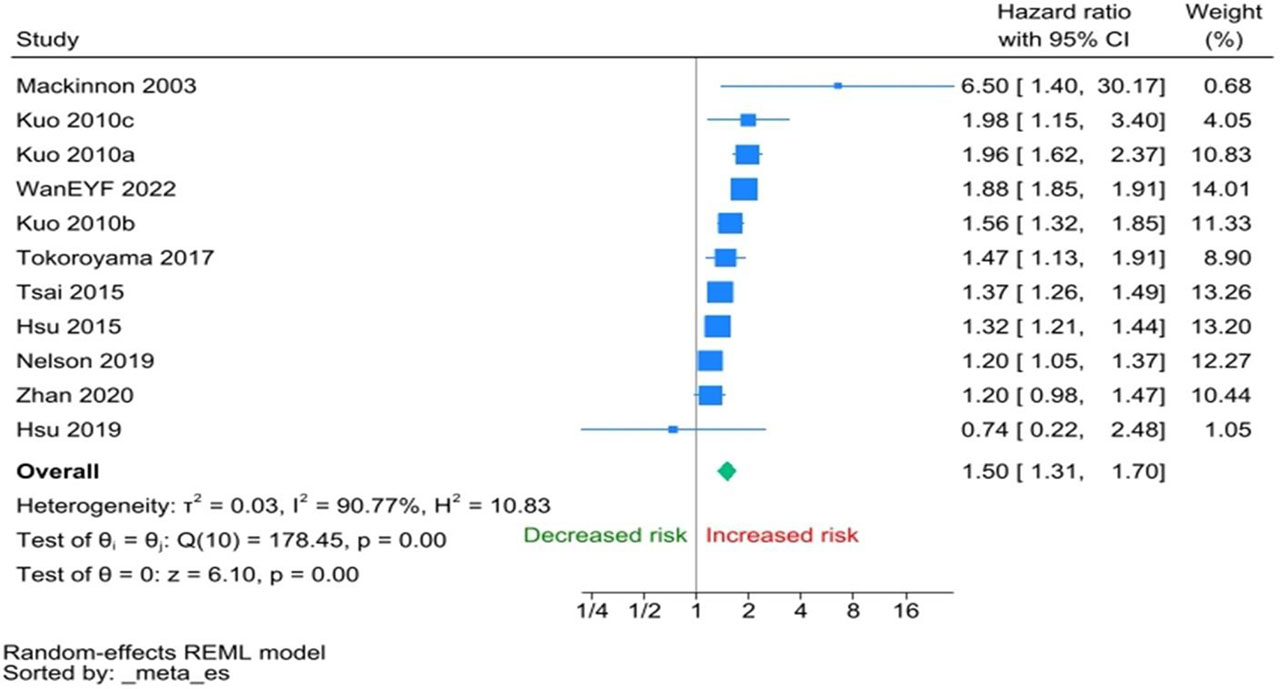
Figure 4.
Forest plot of pooled HRs.
SUBGROUP ANALYSES
Subgroup analyses
As our reported heterogeneity was high, we investigated possible sources by subgroup analysis of pooled studies by population parameters (whether they were older population or general population, and if they have preexisting CKD at baseline and other chronic disease, namely Diabetes, Hypertension and/or rheumatic disease), exposure measurement (whether it was by interview, questionnaire or through medical record/unclear) and outcome measure (eGFR, create, or medical record data). The subgroup analyses modestly reduced heterogeneity.
Subgroup analyses of studies reporting OR
1 – Age of participants, 6 studies were exclusively conducted on older people. Subgroup analysis showed that the pooled OR shows no association between NSAIDs exposure and CKD pooled OR= 1.109 (95th CI: 0.92:1.30) while the pooled OR of studies conducted on adults of any age remained significant pooled OR= 1.29 (95th CI: 1.13 :1.47) as shown in figure 5.
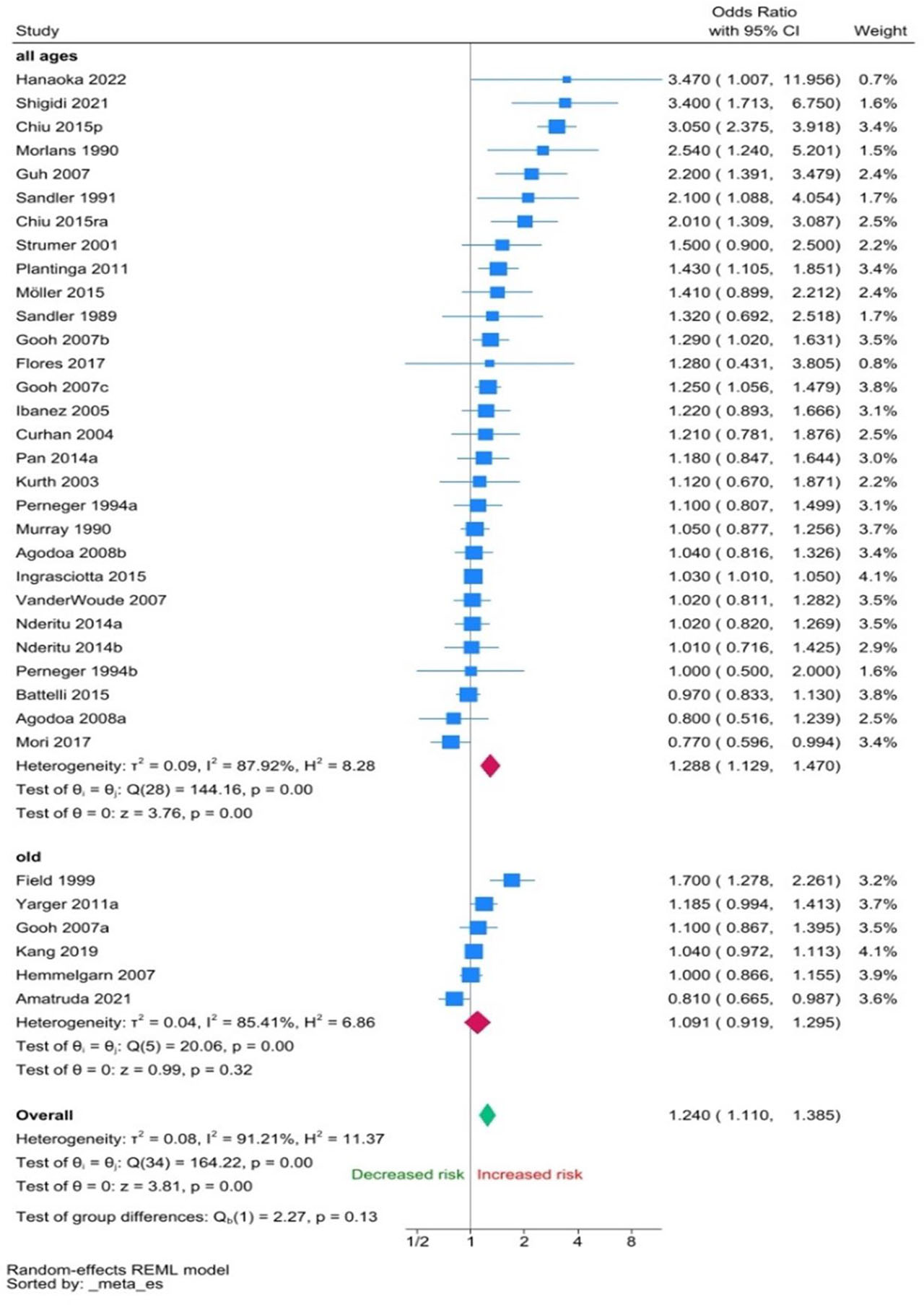
Figure 5.
Forest plot of pooled ORs with subgroup analysis by age.
2 – Chronic kidney disease measurement methods: there was marked decrease in heterogeneity among studies that measured CKD outcome by serum creatinine followed by eGFR, however, heterogeneity remained high among studies relied on ICD diagnosis for assessment of the outcome as shown in figure 6.
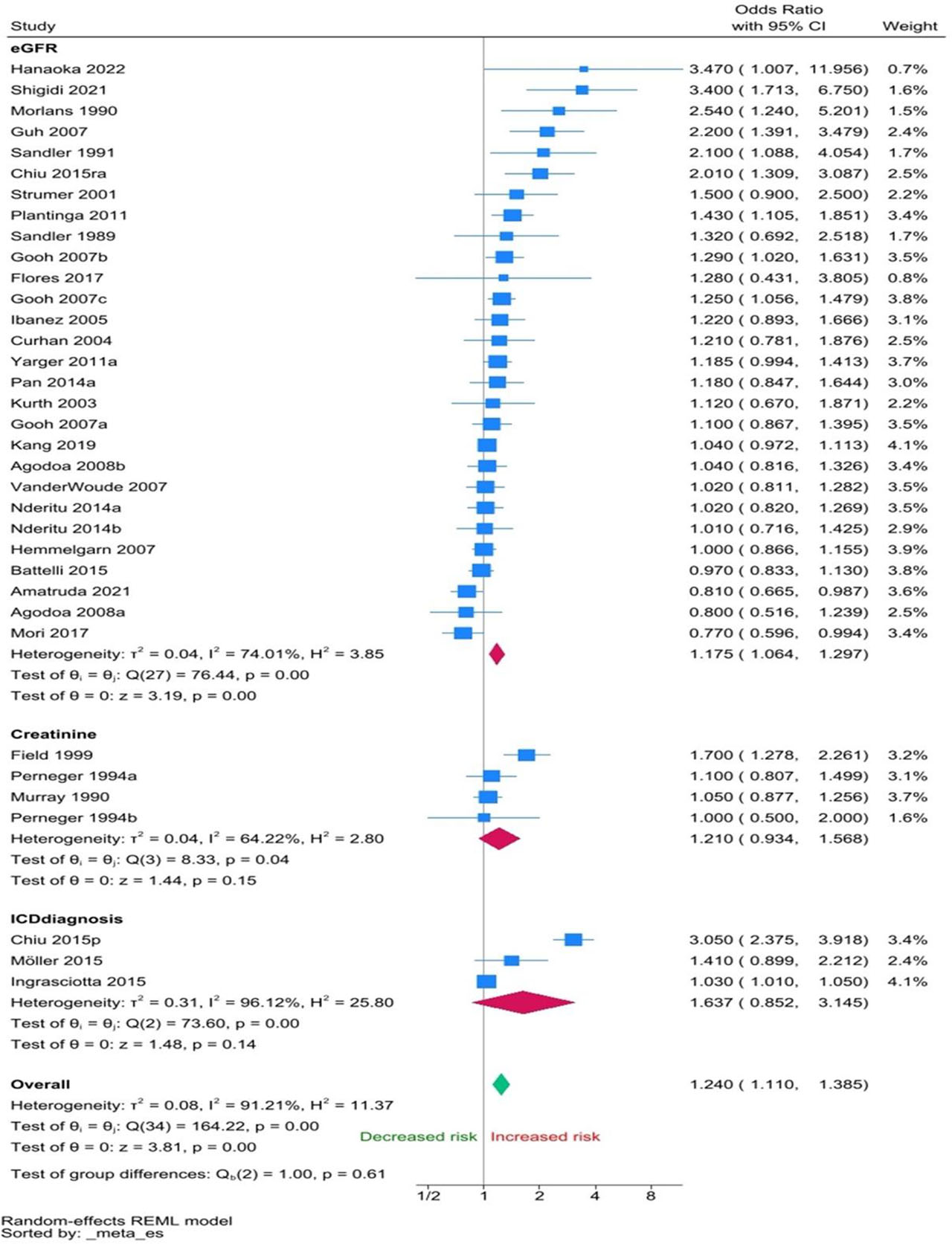
Figure 6.
Forest plot of pooled ORs with subgroup analysis by chronic kidney disease outcome measurement methods.
3 – Method of NSAID assessment: Heterogeneity was the least in studies assessing NSAIDs use by interview followed by questionnaire. Marked heterogeneity remained among studies relied on claims data, questionnaire and unclear methods. The pooled OR of “interview” subgroup was 1.18 (95th CI: 1.08: 1.29) as shown in figure 7.
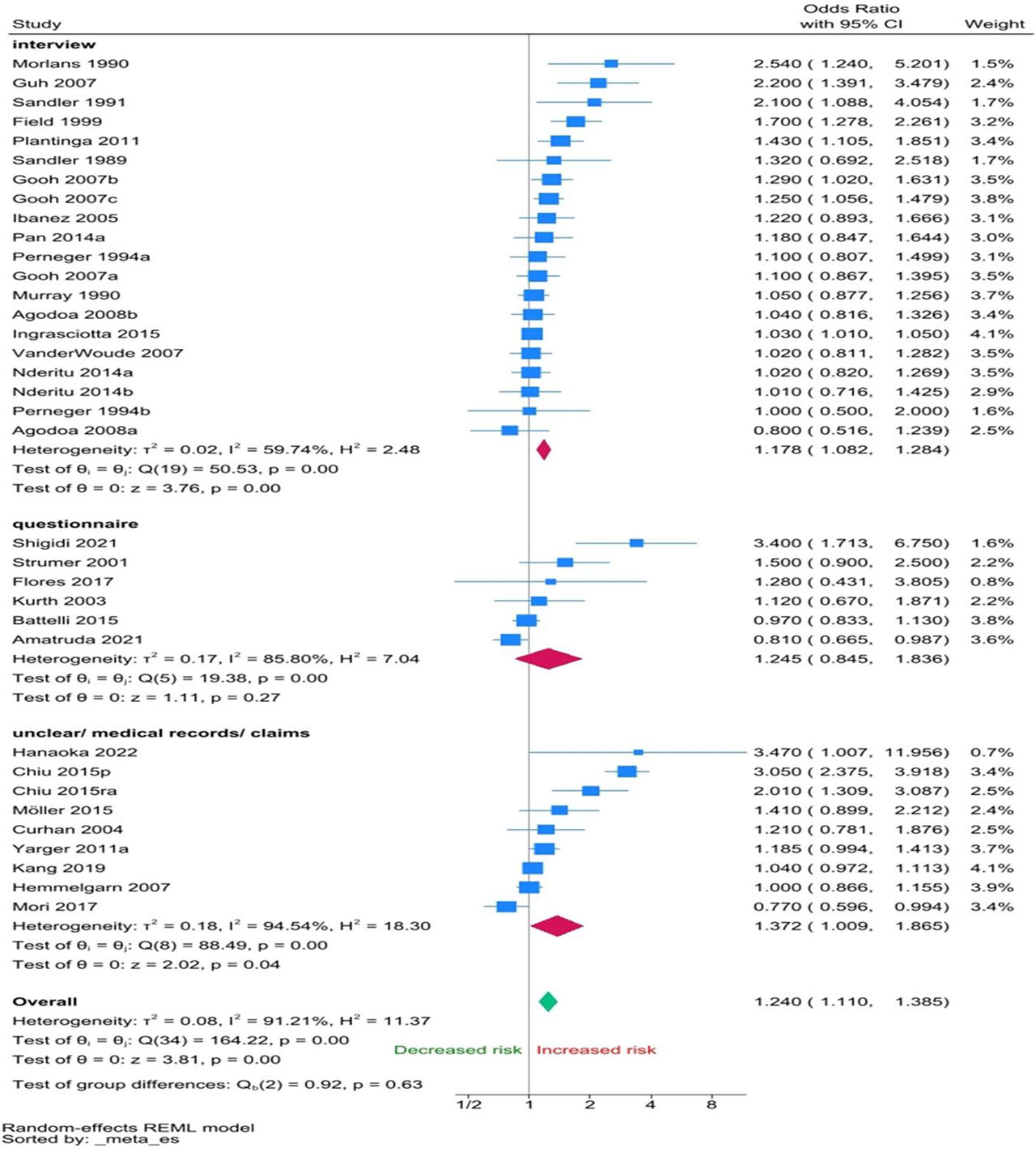
Figure 7.
Forest plot of pooled ORs with subgroup analysis by method of NSAID assessment.
Subgroup analyses of studies reporting HR
1 – Preexisting CKD: The pooled hazard ratio (HR) from six studies was calculated for two groups (figure 8):
No CKD at baseline:HR1.31(1.26–1.40)
Preexisting CKD: HR1.67(1.38–2.02)
2 – Disease status of the population other than CKD: The pooled hazard ratio (HR) from six studies was calculated for three groups (figure 9):
No specific chronic disease: HR 1.6 (95% CI, 1.32–1.94)
Population with diabetes mellitus (DM) and/or hypertension (HTN): HR 1.35 (95% CI, 1.27–1.43)
Population with rheumatic disease: HR 1.36 (95% CI, 0.88–2.10)
3 – Method of NSAID assessment: The pooled hazard ratio (HR) varied based on the assessment method (figure 10):
Interview: HR 1.56 (95% CI 1.00, 2.44)
Unclear / Medical record or claim: HR 1.56 (95% CI 1.46, 1.67).
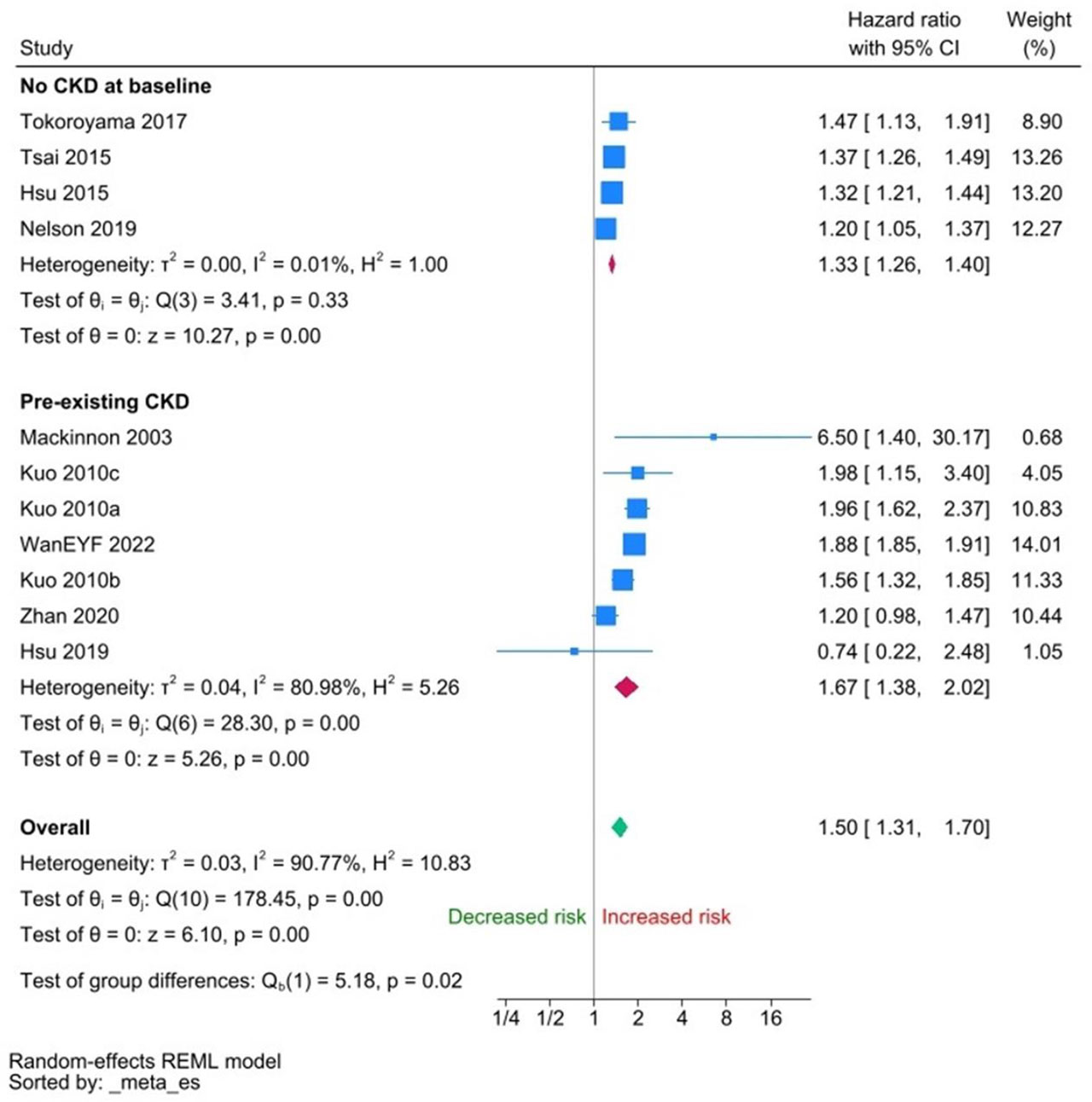
Figure 8.
Forest plot of pooled HRs with subgroup analysis by chronic kidney disease status.
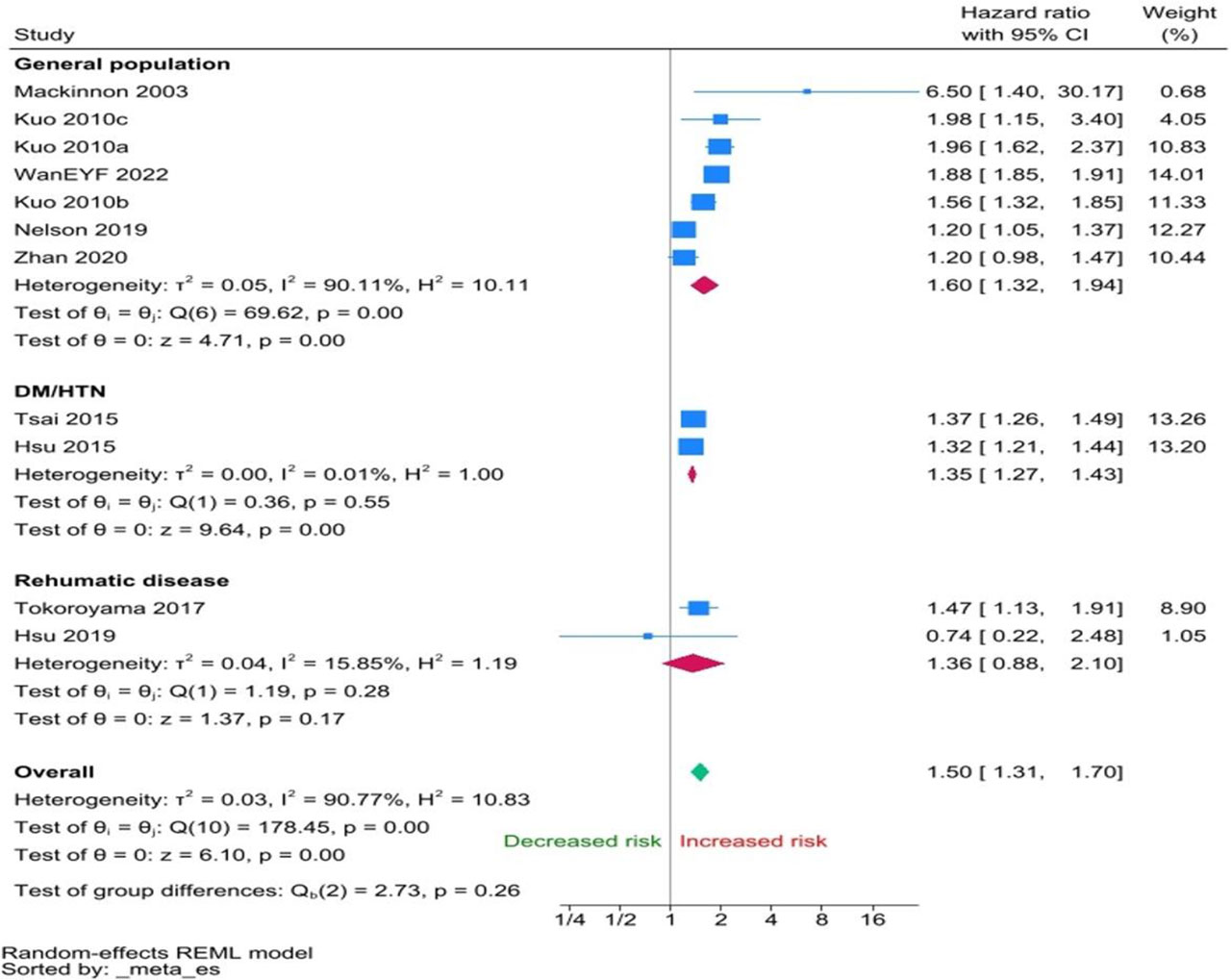
Figure 9.
Forest plot for studies with HR by subgrouping by chronic disease other than CKD.
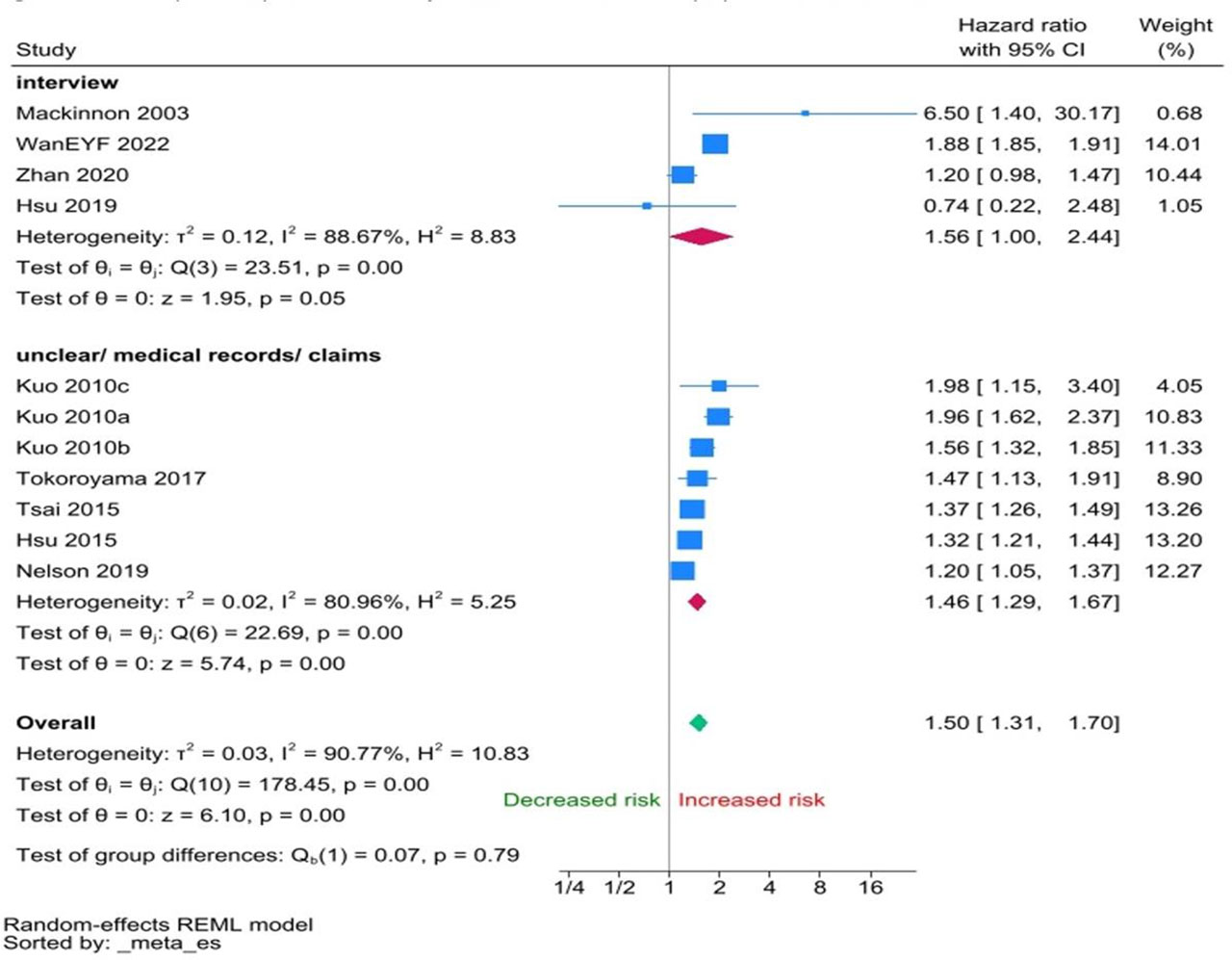
Figure 10.
Forest plot for studies with HR by subgrouping with Method of NSAID assessment.
RISK OF BIAS IN INCLUDED STUDIES
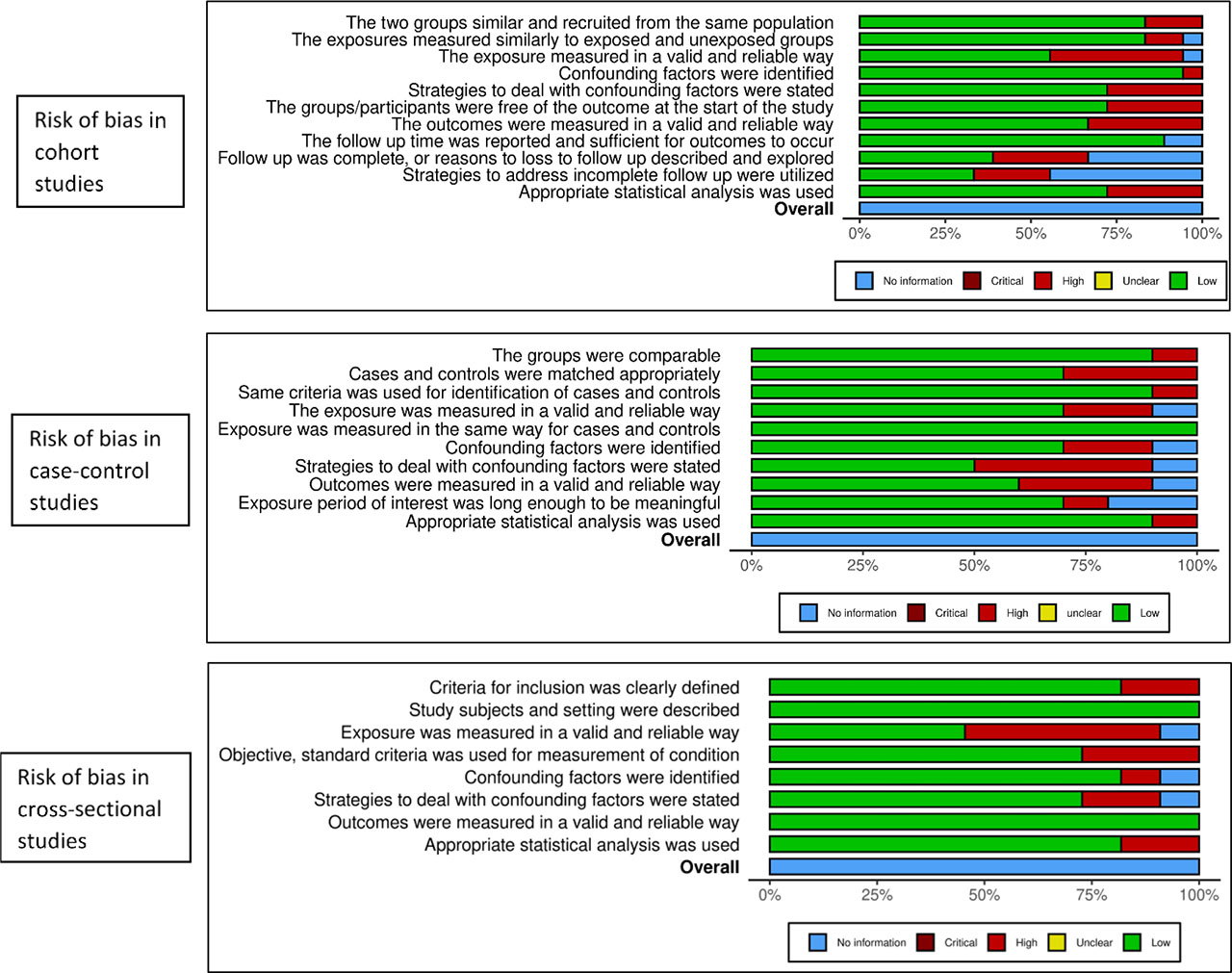
The review authors’ judgement about each risk of bias item for each included study is summarized in figure 11 (by study and by domain) and additional file 3 (by domain).
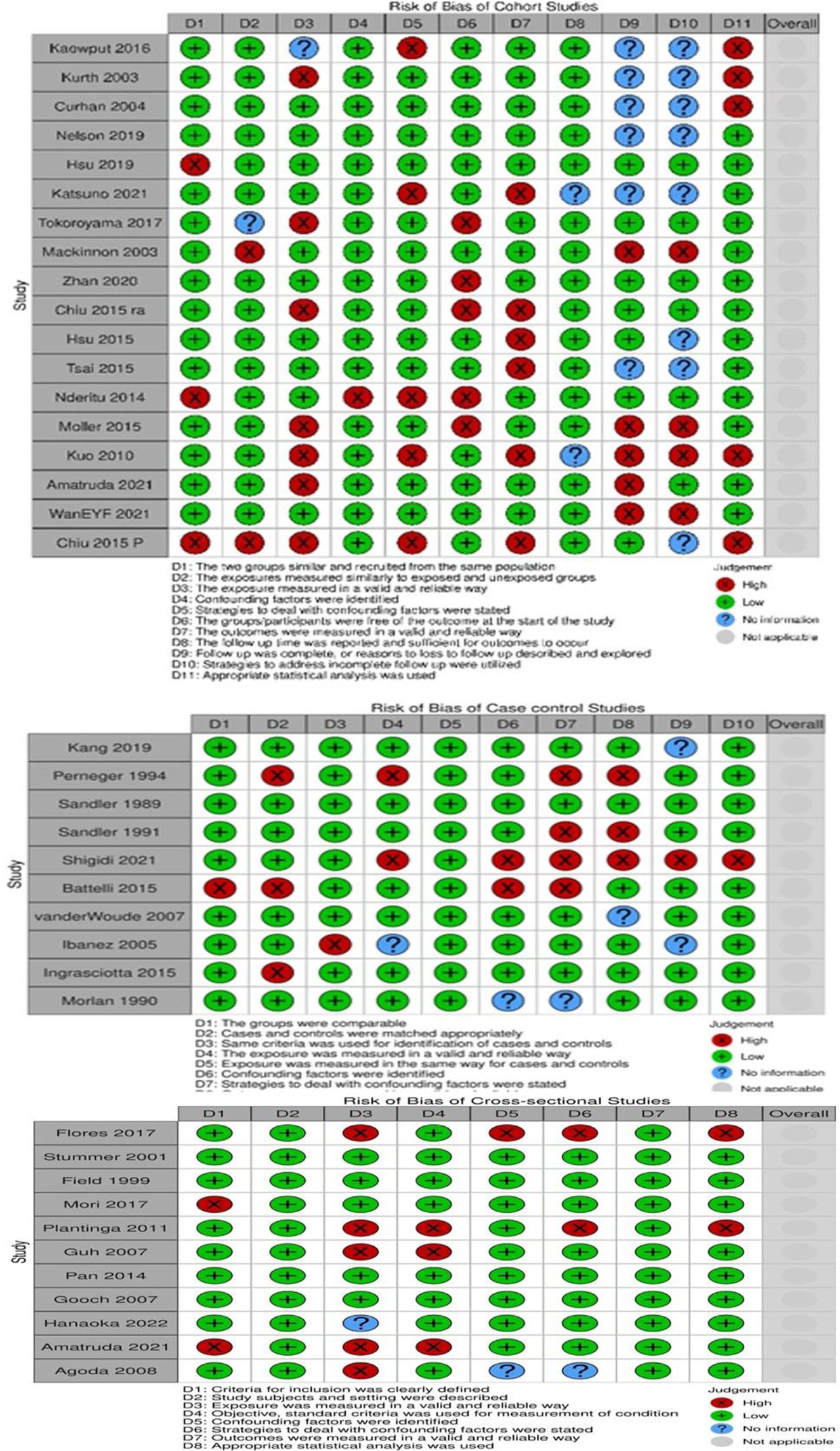
Figure 11.
Risk of bias (by study and by domain).
In most of the cohort studies included, the risk of bias was generally low regarding participant recruitment, confounder identification, follow-up duration, and statistical methods used. Specifically, the risk of bias for the measurement of exposure was low in 10 studies. Concerning incomplete follow-up and the strategies used to address it, the risk of bias was low in 7 and 6 out of the 18 studies, respectively.
In most of the case-control studies, the risk of bias was low across all domains, except for strategies to deal with confounders, where only 5 out of 10 studies had a low risk of bias. Similarly, in the majority of cross-sectional studies, the risk of bias was low for all domains except for the measurement of exposure, with only 5 out of 11 studies demonstrating a low risk of bias in this area.
DISCUSSION
Our systematic review and meta-analysis is the most updated comprehensive study dealt with recent large numbers of studies with different clinical situations and broader definition for kidney outcome to clarify the association between chronic NSAIDs use and CKD occurrence and/or progression. This meta-analysis showed regular and chronic NSAID users had a hazard ratio of 1.50 (95% CI: 1.30–1.70) for CKD occurrence/progression, which means a 50% higher risk of CKD outcomes compared to non-users. Additionally, chronic NSAID users had modestly but significantly higher odds (OR: 1.24, 95% CI: 1.11–1.39) for CKD outcomes compared to non-users.
The statistical heterogeneity observed in our meta-analysis can be attributed to clinical heterogeneity among the included studies and the use of broader eligibility criteria. To ensure comprehensive applicability across various patient populations and diagnoses, we incorporated a large number of studies. Given this context, encountering high heterogeneity is natural. To address this issue, we conducted subgroup analyses to explore and explain the sources of variation as mentioned earlier. Subgroup analyses suggest that the method of CKD outcome measurement, the age of participants, and the method of NSAID assessment influence the heterogeneity and strength of the association. Therefore, it’s essential to approach this information thoughtfully.
Our review encompasses an analysis of 40 studies without age restrictions. Among these, 17 studies reported a hazardous effect while 23 reported either no effect or a protective effect on the kidneys of chronic NSAID users. This includes the most recent studies up to May 2023. In contrast, the latest similar meta-analysis conducted 11 years ago was based on only three studies. These studies were limited to patients aged 45 or older and included research from the years 2001 to 2011 [7]. Another recent meta-analysis in 2022 by Emilie Lambourg et al [52] is concerned mainly with the prevalence of analgesic use and its related adverse events in CKD population. It includes only two studies to explore the effect of chronic NSAIDs use and CKD progression and one for kidney transplant patients [52]. In addition, the methodological design of our work makes our findings to be suitable for general physicians and for the concerned patients in the general population as our review includes different outcomes in different clinical conditions.
In our work, individuals with pre-existing CKD are the most affected group, with a significantly higher risk rate of 67%, compared to the general population risk of 60%. Other groups, such as individuals with no CKD at baseline (31%), patients with diabetes mellitus (DM) or hypertension (HTN) (35%), and patients with musculoskeletal disease (36%), exhibit lower risk rates. Our findings partially concur with those of Paul Nderitu et al., who concluded that regular NSAID use did not correlate with accelerated CKD progression or a heightened risk of developing moderate to severe CKD. However, they found that high-dose NSAID use was associated with a 26% increased risk of such outcomes, as reported in their meta-analysis [7]. However, their meta-analysis, which was limited to three cohort studies and focused on a narrower outcome definition (specifically assessing accelerated eGFR decline of ≥15 ml/min/1.73 m² in stage 3 CKD patients). The 2013 study by Nderitu et al. addressed whether chronic NSAID use increases the risk of CKD progression and the risk of developing moderate to severe CKD, focusing exclusively on CKD patients and excluding general populations, studies with only male or female participants, those with stages 1–2 CKD, participants under 45 years, and studies involving phenacetin or using ESRD as the primary outcome. Their findings indicated that accelerated CKD progression occurred in 10.9–13.3% of participants. In contrast, our broader meta-analysis encompasses a wider range of outcomes, despite reaching similar conclusions.
The quality assessment of studies reporting either a protective or no effect [12,14,16,17,18,19,21,25,26,27,32,33,34,36,40,44,45,46,47,48] revealed several methodological limitations. These include inaccurate outcome estimation, exposure assessment bias, and suboptimal handling of confounders. Such issues could complicate the generalization of these results.
Regarding the limitations of this work, we must acknowledge the potential for publication bias. Despite that our eligibility criteria included RCTs, we encountered only observational studies. These studies inherently carry various measured and unmeasured confounders that could influence the results. Additionally, there was a notable scarcity of data regarding specific NSAID classes and their dosages. Furthermore, our review was constrained by the inclusion of studies and abstracts published solely in English, which may omit relevant findings published in other languages. For many studies, NSAID exposure was determined using medical records or health insurance database. However, the widespread availability of these agents over the counter means that prescriptions and medical records likely underestimate their use. NSAIDs are commonly combined with PPIs to mitigate GI adverse effects. However, recent evidence suggests an increased risk of chronic kidney disease (CKD) with PPI use. The potential synergetic role of PPI-induced CKD and complex interplay between PPIs, and CKD occurrence or progression particularly in patients received NSAIDs needs further analysis.
IMPLICATIONS FOR CLINICAL PRACTICE AND FUTURE RESEARCH
Given the result of this systematic review and meta-analysis, clinicians should monitor the renal function of their patients periodically. Policy makers should consider implementing guidelines and regulations to limit the over-the-counter availability and prescription of NSAIDs, especially for high-risk populations. Further research should aim to determine the most appropriate NSAID type and dosage for varying pain and clinical scenarios, as well as to evaluate if intervals without NSAID use could facilitate renal recovery and the reestablishment of prostaglandin levels.
CONCLUSION
Long-term use of NSAIDs is associated with an increased risk of chronic kidney disease (CKD) occurrence and progression. Individuals with preexisting CKD are the most affected group, with a significantly higher risk rate of 67%, compared to the general population risk of 60%. Other groups, such as individuals with no CKD at baseline (31%), patients with diabetes mellitus (DM) or hypertension (HTN) (35%), and patients with musculoskeletal disease (36%), exhibit lower risk rates. Therefore, a patient-centered approach prioritizing safe and effective pain management is crucial. Special caution should be exercised when prescribing NSAIDs to patients with pre-existing CKD due to their heightened vulnerability. Further research is essential to define safe patterns of NSAID prescription and consumption.
Notes
Acknowledgments
None
Abbreviations
- ACR:
albumin creatinine ratio
- AKI:
Acute kidney injury
- CI: BUN:
blood urea nitrogen
- CI:
Confidence interval
- CKD:
Chronic kidney disease
- CKD-EPI:
Chronic Kidney Disease Epidemiology Collaboration Equation
- COX-2
inhibitors: cyclooxygenase-2 enzyme inhibitors
- Cr Cl:
Creatinine clearance
- GFR:
Glomerular filtration rate
- HR:
Hazard ratio
- ICD:
International Classification of Diseases
- KDIGO:
Kidney Disease Improving Global Outcomes
- NSAIDs:
Non-steroidal anti-inflammatory drugs
- OR:
Odds ratio
- RCT:
randomized controlled clinical trials
- RR:
Relative risk
- SCr. :
Serum creatinine
- UK:
United Kingdom
- US:
United States
ADDITIONAL FILES
ADDITIONAL FILE 1: SEARCH STRATEGY
Keywords
NSAID use
CKD
eGFR
| Source/database | Search term 1: NSAIDs Use | Search Term 2: (AND) | Search TERM 3: (OR) | Number of entries found |
| Pubmed | (((NSAID*[Title/Abstract]) OR (non-steroidal[Title/Abstract] AND anti-inflammatory[Title/Abstract] AND drugs[Title/Abstract])) OR (nonsteroidal[Title/Abstract] AND antiinflammatory[Title/Abstract] AND drugs[Title/Abstract])) OR (((ANTI-INFLAMMATORY AGENT [Title/Abstract]) OR (ANTI-INFLAMMATORY AGENTS[Title/Abstract])) OR (ANALGESICS[Title/Abstract])) | ((((CKD[Title/Abstract]) OR (Chronic[Title/Abstract] AND Kidney[Title/Abstract] AND Disease[Title/Abstract])) OR (KIDNEY DISEASES[Title/Abstract])) OR (KIDNEY FAILURE[Title/Abstract])) OR (Nephropathy[Title/Abstract]) OR | 2490 | |
| Chocrane database | (nonsteroidal OR non-steroidal OR NSAID*):ti,ab,kw AND (((Long-term OR Chronic OR prolonged OR extended OR continuous) AND use) OR "Long-term effect" OR "long-term toxicity" OR "drug toxicity"OR "adverse effect"):ti,ab,kw | ("Renal function" OR "kidney function" OR "glomerular filtration rate" OR creatinine OR albuminuria OR proteinuria OR EGFR):ti,ab,kw) | 784 | |
| Scopus through Egyptian Knowledge bank | ((((((AB=(CKD)) OR AB=(chronic kidney disease)) OR AB=(chronic renal )) OR AB=(e-GFR)) OR AB=(eGFR)) OR AB=(glomerular AND filtration)) OR AB=(nephropathy) | (((AB=(nsaid*)) OR AB=( non-steroidal OR nonsteroidal)) OR AB=(anti-inflammatory )) OR AB=( anti-inflammatory ) | 784 | |
| Science direct | (nsaids OR non-steroidal OR nonsteroidal OR analgesics | ((((CKD) OR (Chronic AND Kidney AND Disease)) OR (KIDNEY DISEASES)) OR (KIDNEY FAILURE)) | 504 |
ADDITIONAL FILE 2: PUBLICATION BIAS ASSESSMENT
ADDITIONAL FILE 3: RISK OF BIAS ASSESSMENT (BY DOMAIN)
Review authors’ judgement about each risk of bias item presented as percentages across all included studies.
ADDITIONAL FILE 4: FOREST PLOT OF POOLED ORS WITH SUBGROUP ANALYSIS BY CKD STATUS