
1. Introduction
The construction industry plays a pivotal role in shaping the built environment and driving economic growth. It serves as a catalyst for development and urbanisation, contributing significantly to a country’s gross domestic product (GDP) (Bello et al. 2023). Beyond its economic impact, the construction sector also influences sustainability and environmental outcomes, making it a critical focus of research and policy (Bao et al. 2023). Additionally, it serves as a major source of employment, providing jobs across a diverse workforce (Mohajerani et al. 2020). The construction industry is a cornerstone of modern society, shaping the physical landscape while also affecting social, economic and environmental aspects globally (Bello et al. 2023). However, alongside its substantial benefits, the construction industry is a significant generator of waste and contributor to environmental pollution, making it a major area of concern (Menegaki and Damigos 2018). Globally, construction and demolition (CnD) waste is a pressing issue. In the United States, CnD waste accounts for a staggering 67% or 534 million tonnes of solid waste annually. Similarly, in the European Union, CnD waste comprised 36% of the total, totaling 924 million tonnes in 2016 (Ouazzane et al. 2017). Such monumental waste generation is not limited to developed nations; rapidly urbanising economies in Asia, including China, produce approximately 2.3 billion tonnes of CnD waste annually, accounting for about 40% of the world’s total solid waste output (Zheng et al. 2017). Developing nations face similar challenges, where rapid industrialisation and urban growth further exacerbate the problem of waste disposal and management. In countries such as India and Brazil, the increasing volume of construction waste coupled with underdeveloped waste management systems poses significant environmental and health risks.
The lack of comprehensive waste management infrastructure in these regions has led to widespread informal disposal methods, contributing to land degradation, water contamination and air pollution (Kumar and Agrawal 2020). The environmental impact of CnD waste is significant. Construction, renovation and demolition generate over 2.95 billion tonnes of waste annually worldwide (Kaza et al. 2018). In regions like the US and EU, much of this waste is landfilled or incinerated, contributing to resource depletion, climate change and pollution (Wu et al. 2019). CnD waste often contains hazardous materials such as heavy metals, plastics and asbestos, posing long-term risks to human health and the environment (Oliveira et al. 2019). Rapid urbanisation in countries like China, India and parts of Africa exacerbates waste challenges, with large volumes sent to landfills. In the United Arab Emirates (UAE), large-scale infrastructure projects also generate significant waste. Some countries, like Germany and Japan, have established advanced systems emphasising reduction, reuse and recycling. However, many developing nations lack such infrastructure (Akanbi et al. 2018). Globally, CnD waste includes inert (concrete, bricks), non-inert (wood, metal) and hazardous materials (asbestos, tar) (Chen et al. 2021). Environmental impacts vary based on local construction practices but include soil and water pollution, resource depletion and climate change. Landfilling and incineration remain common practices globally, compounding these issues (Bello et al. 2023). In developing countries, inadequate waste management systems result in illegal dumping and hazardous disposal, worsening environmental degradation (Ferronato and Torretta 2019). The energy and transportation demands of waste disposal further contribute to soil pollution, air contamination and resource depletion (Datta et al. 2025). Addressing these challenges requires improved management systems tailored to local conditions. Meanwhile, the lack of efficient recycling systems in developing nations means that valuable materials like metals, glass and concrete are often lost in landfills, depriving the economy of resources that could be reused for new construction projects (Elgizawy et al. 2016). While the global construction industry plays a crucial role in driving economic development and urbanisation, it faces a critical challenge in reconciling its growth with environmental sustainability (ES) (Chen et al. 2022). CnD waste, as a by-product of this industry, has become a major environmental concern, with an estimated annual production of over 10 billion tonnes globally (Wilson and Velis 2015). The diverse nature of construction waste, including hazardous materials such as heavy metals and organics, poses significant environmental risks if not managed properly (Oliveira et al. 2019). This issue is not confined to any single region. Developed nations, including the US, the EU and Japan, have advanced waste management systems, yet they still face challenges in effectively managing CnD waste (Sakai et al. 2011). In contrast, developing countries, particularly in Asia, Africa and Latin America, face greater obstacles due to insufficient infrastructure, resources and regulatory frameworks (Brichetti et al. 2021). As such, there is an urgent need for a global approach to construction waste management, focusing on recycling and sustainable practices that can be adapted to the specific contexts of both developed and developing countries. In addition, there is a lack of comprehensive studies and frameworks that examine the specific ES factors associated with construction waste recycling across different regions.
The need for research is particularly pressing in countries with limited waste management systems, where the absence of tailored strategies and effective monitoring frameworks hinders the development of sustainable practices (Anyanwu et al. 2023; Gurevich 2023; Faruq 2024; Fernando 2024; Lotchi 2024; Vashishth et al. 2024; Hossain et al. 2025). Furthermore, the rapid urbanisation and industrialisation in many developing countries demand immediate action to address the challenges posed by CnD waste. Investigating emerging ES factors in construction waste recycling can significantly enhance global recycling practices, advance sustainable development goals and facilitate the transition towards more eco-conscious construction industries worldwide. The remainder of this paper is structured as follows: In Section 2, the methodology of the research is discussed, alongside the conceptual background of emerging ES factors in construction waste recycling. Section 3 presents the model for the concept, outlining critical points in the form of theme categories. Finally, Section 4 offers a discussion on the findings and highlights potential directions for future research.
2. Materials and methods
The present study adopts a systematic literature review approach to examine emerging ES factors in construction waste recycling. The review follows established systematic review protocols, including the scientific procedures and rationales for systematic literature reviews (SPAR-4-SLR) guideline, to ensure a transparent, structured and replicable methodology. The research question guiding this study focuses on identifying and analysing the key environmental, technical, economic, social and political factors influencing sustainability in construction waste recycling across global contexts. To address this objective, a comprehensive search strategy was developed and implemented. The literature search was conducted using two major academic databases, Scopus and Web of Science, due to their extensive coverage of peer-reviewed research in environmental science, engineering, construction management and sustainability studies. The search was limited to peer-reviewed journal articles published between 2013 and 2024 to ensure academic quality and to capture recent developments in ES and circular economy practices. A combination of keywords was used to identify relevant studies. These included ES Factors, Construction Waste Management, Waste Recycling, Circular Economy, Resource Recovery, Green Building Practices and Sustainability Frameworks. These keywords were used in different combinations using Boolean operators to refine the search results and ensure comprehensive coverage of the literature. The initial search yielded 1,403 articles. In the screening stage, duplicate records and studies not relevant to construction waste recycling or sustainability in the construction sector were excluded. Articles from unrelated fields such as medicine, surgery and non-construction environmental applications were removed during this stage. After applying these initial filters, 354 articles remained for further screening. In the eligibility assessment stage, abstracts and full texts were reviewed based on predefined inclusion and exclusion criteria. The inclusion criteria consisted of studies focused on construction waste management, recycling practices, ES, circular economy and resource recovery within construction-related contexts. Studies were excluded if they were not directly related to construction waste, lacked empirical or conceptual relevance to sustainability factors, or focused on highly specialised applications without broader applicability. This process resulted in 216 eligible studies, from which 122 were further excluded due to limited relevance to the core research objectives. The final dataset consisted of 104 articles included in the systematic review. To ensure transparency in the selection process, the distribution of articles was categorised based on subject areas including environmental science, engineering, construction management and social sciences. The classification was conducted according to the indexing categories provided in Scopus and Web of Science databases.
The selected articles were analysed using content analysis to identify and synthesise key sustainability factors in construction waste recycling. The analysis involved systematic coding of recurring themes, patterns and concepts related to ES. These codes were then grouped into broader categories representing technical, economic, social and political dimensions of sustainability. Comparative analysis was also conducted between developed and developing countries to identify contextual differences in implementation and outcomes. The study contributes to theoretical advancement by integrating multiple sustainability frameworks and provides practical insights for improving construction waste recycling practices globally. Furthermore, it identifies research gaps, particularly in developing countries, where infrastructure limitations and policy challenges remain significant barriers to sustainable waste management. Future research is recommended to focus on region-specific studies and the role of digital transformation in enhancing sustainability performance in the construction sector. As shown in Figure 1, the article selection process illustrates the systematic flow from the initial database search through screening, eligibility assessment and final inclusion of 104 articles.
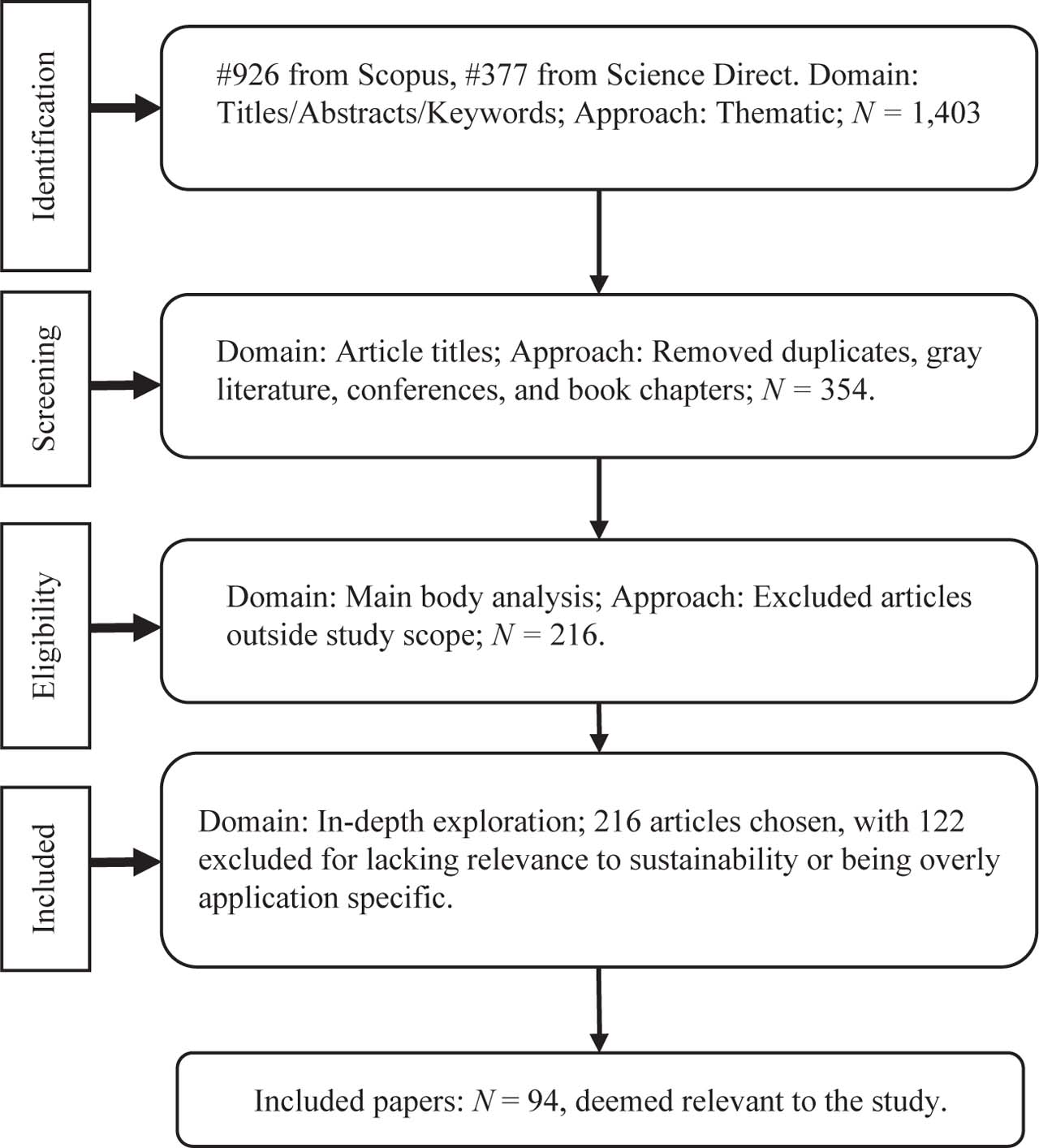
Fig. 1:
Search and selection of journal articles.
3. Findings of literature review
Figure 1 illustrates the distribution of articles across various subject areas related to ES in the context of construction waste recycling. The review of 94 articles revealed a diverse body of literature published primarily in journals focused on environmental management, sustainable development, waste management and evolving recycling technologies. The articles span several interdisciplinary research domains, including engineering, environmental science and social sciences, emphasising the holistic approach needed for effective sustainability practices in construction waste management. Environmental Science emerged as the leading category, with 29 articles dedicated to exploring the environmental impacts of waste in construction, recycling processes and sustainable practices. Engineering contributed 22 articles, focusing on technological aspects of waste recycling processes and innovations in materials recovery. Social Sciences followed with 12 articles, examining behavioural factors, societal implications and the socio-economic challenges of implementing sustainable practices within the construction industry. Management and policy studies, which are essential for understanding organisational and regulatory frameworks to drive sustainability, contributed 11 articles. Economics, with seven articles, underscored the economic viability of recycling initiatives and provided cost-benefit analyses of sustainable construction waste practices. Business and Policy Studies further contributed to understanding the implementation of sustainability in construction, with nine and six articles, respectively, focusing on the policy frameworks and business models that enable or hinder the adoption of environmentally sustainable practices. The diverse distribution of articles across these domains highlights the complexity and multi-dimensional nature of sustainability in construction waste recycling. Figure 2 emphasises the interdisciplinary nature of research in this field, showing how environmental science, engineering, construction management and policy studies converge to address the global challenges of construction waste management. The collective findings underscore the importance of integrating technical, economic, societal and policy-oriented perspectives to promote the widespread adoption of sustainable construction waste recycling practices.
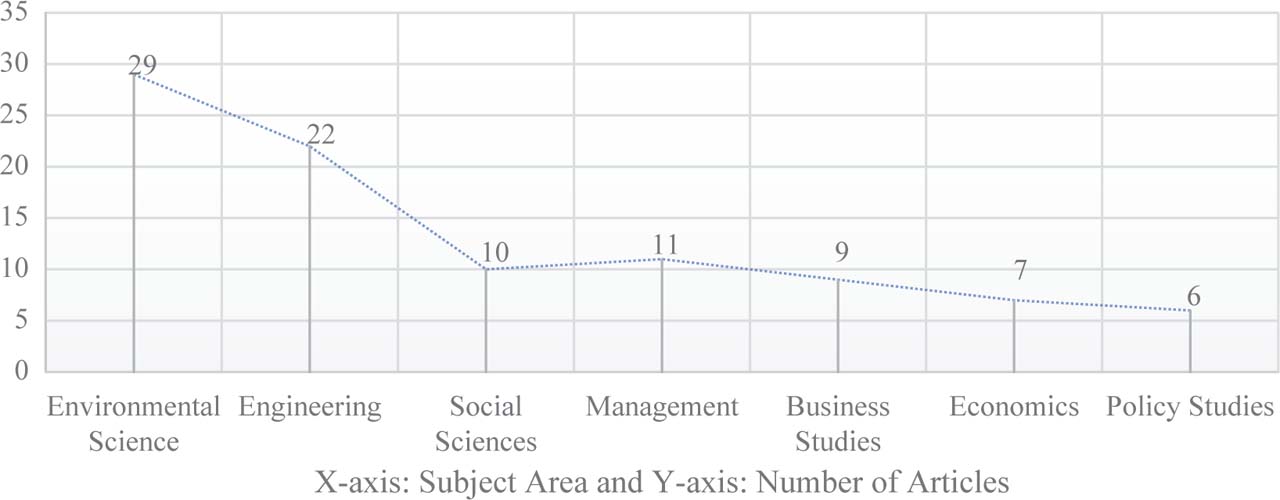
Fig. 2:
Distribution of articles across subject areas in ESCWM. ESCWM, environmental sustainability and construction waste recycling.
3.1. ES in the construction industry
ES in the construction industry focuses on efficient resource use and minimising environmental impacts throughout the project lifecycle (Francis and Thomas 2020; Hossain et al. 2020; Farzad et al. 2021). It aims to preserve and improve the environment while fostering social and economic well-being. Key principles include resource efficiency, using eco-friendly materials, energy-efficient methods and waste reduction (WR) through recycling (Farzad et al. 2021). Energy efficiency and water conservation are vital, particularly in regions with limited resources. Despite recent growth in sustainable practices, the construction industry faces challenges in management and operations (Iqbal et al. 2021). It is responsible for 35% of global CO2 emissions and generates 45%–65% of landfill waste (Yaashikaa et al. 2022; Kiehbadroudinezhad et al. 2024). The sector’s operations contribute 30% of global greenhouse gases, with transportation and material processing adding 18% (Shen et al. 2020; Lamb et al. 2021). Sustainability is increasingly critical for competitive advantage, as customers expect environmental stewardship and social responsibility (Shah and Khan 2020). Research highlights sustainable materials, green alternatives and performance assessments (Marut et al. 2020; Figueiredo et al. 2021; Zhao et al. 2021; Wang 2023). In the UAE, sustainability is crucial due to the sector’s environmental impact (Al Nuaimi et al. 2020). UAE construction focuses on water conservation and ecosystem preservation, with certifications like leadership in energy and environmental design (LEED) and building research establishment environmental assessment method (BREEAM) guiding sustainability (Ferreira et al. 2023; Pietocha 2024; Saleh et al. 2024). The industry contributes significantly to global environmental challenges, with the UAE’s rapid growth raising concerns about energy, water and waste (Alnaqbi and Alami 2023). The UAE’s Vision 2021 aligns with global sustainability efforts, integrating responsible resource management and waste recycling (Alnaqbi and Alami 2023). In 2023, the UAE declared the ‘Year of Sustainability,’ emphasising collective action for a prosperous future (Saradara et al. 2023). The country leads global collaboration on energy, climate and sustainability, notably hosting COP28 and implementing the ‘Net Zero by 2050’ initiative (Mashingaidze 2024). The UAE’s Estidama programme enforces sustainable building standards, while Dubai Municipality mandates waste management, contributing to net-zero emissions by 2050 (Saradara et al. 2023). Policies like the National Climate Change Plan and Paris Accord ratification support the country’s sustainability goals (Naser and Pearce 2022).
3.2. Construction waste generation and management
Construction waste generation is influenced by design changes, over-ordering materials, inefficiencies in material handling, communication gaps and inaccurate material estimations (Abdu 2021). Design modifications and incompatible materials often result in excess waste, while contractors may over-order as a precaution, leading to surplus supplies. Poor material storage, handling and transportation also contribute to waste, as do miscalculations in material requirements (Lodhi et al. 2024). Efficient construction waste management is crucial for mitigating environmental impact. Strategies include source reduction, reuse and recycling, waste separation, waste management plans and lean construction (Rasaq and Serag 2024). Source reduction prevents waste through efficient design and material use, while recycling concrete, asphalt and metal is essential. Separating waste into recyclable, non-recyclable and hazardous categories simplifies disposal. Waste management plans ensure proper recycling and disposal and lean construction reduces waste by optimising resource use (Jain et al. 2023). Challenges persist in construction waste management, such as fragmented practices, inconsistent enforcement, limited awareness and training and budget constraints (Onyekwere 2023). These issues hinder a holistic approach, and regulatory compliance is often inconsistent, leading to improper disposal. Awareness and training gaps, along with financial barriers, limit the adoption of sustainable practices. Addressing these challenges is critical for reducing environmental impact, especially in regions like the UAE, which is committed to sustainability (Alnaqbi and Alami 2023). CnD waste now makes up at least 30% of global solid waste, with the problem growing rapidly (Maalouf and Mavropoulos 2023). This aligns with Target 11.6 of the United Nations Sustainable Development Goals and the Philippine Development Plan, which emphasises sustainable waste management (Rebullida and Taguibao 2023). However, waste management data in developing countries, including Southeast Asia, is often lacking, hindering effective resource recovery (Agamuthu and Babel 2023). The Philippines faces challenges such as unclear responsibility for C&D management, overlapping jurisdictions and a lack of standardised procedures (Amesho et al. 2023).
3.3. Global challenges in demolition waste management
Demolition waste (DW) results from building demolitions or refurbishments (Bilgili and Çetinkaya 2024). While less common in developed nations, rapidly growing countries face significant demolitions for housing and infrastructure (Almagro et al. 2023). Poor management of DW contributes to environmental challenges globally. In the US, C&D waste exceeds 600 million tonnes, with over 90% from demolition (Trivedi et al. 2023). Norway generated 1.9 million tonnes in 2019, with 40.9% from demolition (Weghmann 2023). Hong Kong and China both face significant demolition-related waste, with China still seeing major DW generation despite a decline in demolitions post-2010 (Qiu and Chen 2023; Yu et al. 2023). In North America, road and bridge demolition produces 43% more debris than building demolition (Soto-Paz et al. 2023). In Dhaka, Bangladesh, demolition contributed 1.139 million tonnes of a total 1.28 million tonnes of construction waste in 2016 (Fatemi and Rahman 2024). In the UAE, demolition debris is often categorised as construction waste, particularly in the removal of defective structures (Almusawi 2023). This classification extends to newer residential developments where renovations generate DW that can exceed construction waste (Jain et al. 2023). Factors influencing DW include demolition methods, building features and waste management practices (Cheng et al. 2023). Materials generated vary by region, with most being categorised as construction waste, except for a few with secondary markets (Zhang et al. 2024). Dubai, for example, has implemented a tire repurposing program, and by 2007, 27.7 million tonnes of construction waste reached landfills (Al-Hajj and Hamani 2011; Ibrahim et al. 2022). In Malaysia, illegal dumping has contributed to growing construction waste, with a 2016 study estimating 63,101.93 metric tonnes from residential developments (Kupusamy et al. 2019; Shah et al. 2021). In the US, C&D waste reached 145 million tonnes in 2018, with 85% being concrete and asphalt (Aslam et al. 2020). Bangladesh faces significant waste disposal challenges, with 85%–90% of C&D waste ending up in landfills, threatening ecological balance (Alsheyab 2022). India produces 150 million tonnes of C&D waste annually, with road dust accounting for 56% of urban pollution particles (Kumar and Agrawal 2020). China generates 1.8 billion tonnes annually, with a recycling rate under 5%, creating major environmental issues (Chen 2018; Wang et al. 2020). Hong Kong’s growth has resulted in increased waste from excavation and renovation (Mak et al. 2019). Thailand, with limited landfill space, produced over 4.2 million tonnes of construction waste in 2014 (Thongkamsuk et al. 2017). Brazil’s C&D waste exceeds urban solid waste, contributing about 60% of total waste with minimal recycling (Massara 2018; Maués et al. 2021). These insights will guide the development of effective construction waste recycling systems in the UAE, adapting global strategies to local needs. Table 1 summarises the challenges and strategies for WR in various countries.
Tab. 1:
Construction waste challenges and research findings in various countries.
| Country | Researcher | Issues/findings |
|---|---|---|
| UAE | Bialko (2023) | Examines the gap between theory and practice in waste management, ranking factors by company size. Work culture has the highest impact; larger companies understand WR strategies better. |
| Batikha et al. (2023) | Focuses on materials and waste management in the UAE cement industry, aiming for net-zero carbon by 2050. Provides recommendations for decarbonisation. | |
| Malaysia | Rahim et al. (2017) | Links increased construction waste volume to illegal dumping |
| Kupusamy et al. (2019) | Prediction for 2016 in Peninsular Malaysia: 63,101.93 metric tonnes of CnD waste generated in residential constructions. | |
| Shah et al. (2021) | Construction waste contributes to drainage congestion and flash floods in Johor city. | |
| United States of America | Nowak et al. (2019) | In 2018, CnD activities led to the disposal of approximately 46 million tonnes of waste in US landfills. |
| In the US, 85% of all CnD waste consisted of concrete and asphalt. | ||
| Bangladesh | Islam (2016) | In Bangladesh, a substantial portion (85%–90%) of CnD waste is openly disposed of in landfills, posing a threat to sustainable development and ecological balance. |
| India | Borrelle et al. (2020) | India generates 150 million tonnes of CnD waste annually. |
| Gupta (2018) | CnD waste, particularly road dust, is a significant contributor to urban pollution, accounting for 56% of total particles and 38% of harmful inhalable subatomic particles. | |
| China | Chen (2018) | China produces a staggering 1.8 billion tonnes of construction waste annually, with a recycling rate of less than 5%. |
| Wang et al. (2020) | The substantial amount of CnD waste generated has severe environmental consequences, including raw material consumption, energy use and green-house gas emissions. | |
| Hong Kong | Yu et al. (2021) | Most of Hong Kong’s construction waste is solid inert and non-inert waste from excavation, site work, demolition and civil projects. Sustainable growth requires alternatives to land reclamation for disposing of inert waste. |
| Thailand | Thongkamsuk et al. (2017) | In 2014, Thailand generated approximately 4,200,595.85 tonnes of construction-related waste, resulting in significant environmental impact. |
| Brazil | Massara (2018) | CnD waste in Brazil exceeds urban solid waste and constitutes about 60% of the nation’s total waste. |
| Iraq | Abdulaali et al. (2023) | Reviews challenges in managing construction waste, emphasising the need for better integration of waste management with green building systems. |
| Saudi Arabia | Almadhi et al. (2023) | Evaluates plastic waste management, recommending a diversified approach with environmental benefits from renewable energy. |
| Oman | Dawood and Alsiyabi (2023) | Rapid urban growth and regulatory changes create construction waste issues. Be’ah plans to use debris for road construction, informing policy recommendations. |
3.4. Sustainable construction waste management
Sustainable construction waste management is vital for reducing environmental impact and promoting sustainable development (Fernando 2024). It involves waste monitoring, collection, sorting, transportation and responsible disposal (Wilson and Velis 2015; Elgizawy et al. 2016; Ferronato and Torretta 2019; Chen et al. 2022; Datta et al. 2025). A waste management plan, as defined by the European Environment Information and Observation Network (EIONET), aims to reduce waste’s ecological footprint on human health and the environment (Pires et al. 2011). Key components include waste stream identification, target rates for waste generation and best practice implementation to minimise environmental impact (Saadi et al. 2016). Sustainable management reduces adverse effects through recycling and recovery (Pires et al. 2011). Kabirifar et al. (2020) propose a six-phase waste hierarchy: avoidance, minimisation, reuse, recycling, recovery and disposal, which is illustrated in Figure 3. The hierarchy emphasises WR at each stage, with landfilling as a last resort (Gaur et al. 2022). Prevention and reduction improve environmental and economic efficiency, with contractors driving WR efforts through audits and best practices (Ogunmakinde et al. 2022). In Malaysia, Industrialized Building Systems (IBS) reduce waste by 80%–90% (Mavroulidou et al. 2022), while Building Information Modeling (BIM) aids early waste identification (Shooshtarian et al. 2022). Reuse cuts landfill waste and costs, while technologies such as Siemens’ drying distillation recover materials, reducing raw material use (Jing and Yu 2015). Recycling conserves energy and reduces material use, extending landfill life (de Andrade Salgado and de Andrade Silva 2022), with EU countries like Germany achieving up to 80% recycling (Calvo et al. 2015). Energy recovery reduces reliance on landfills, with Germany achieving over 80% recovery (Crawford et al. 2017). Disposal, though least preferred, prevents pollution, especially in regions like the UAE with improper disposal practices (Abu Jadayil et al. 2022). DW management requires understanding waste materials and minimising landfill use (Hoang et al. 2020), influenced by local conditions, reducing waste generation and increasing material reuse and recycling contributes to a circular economy and sustainability (Houston 2024).
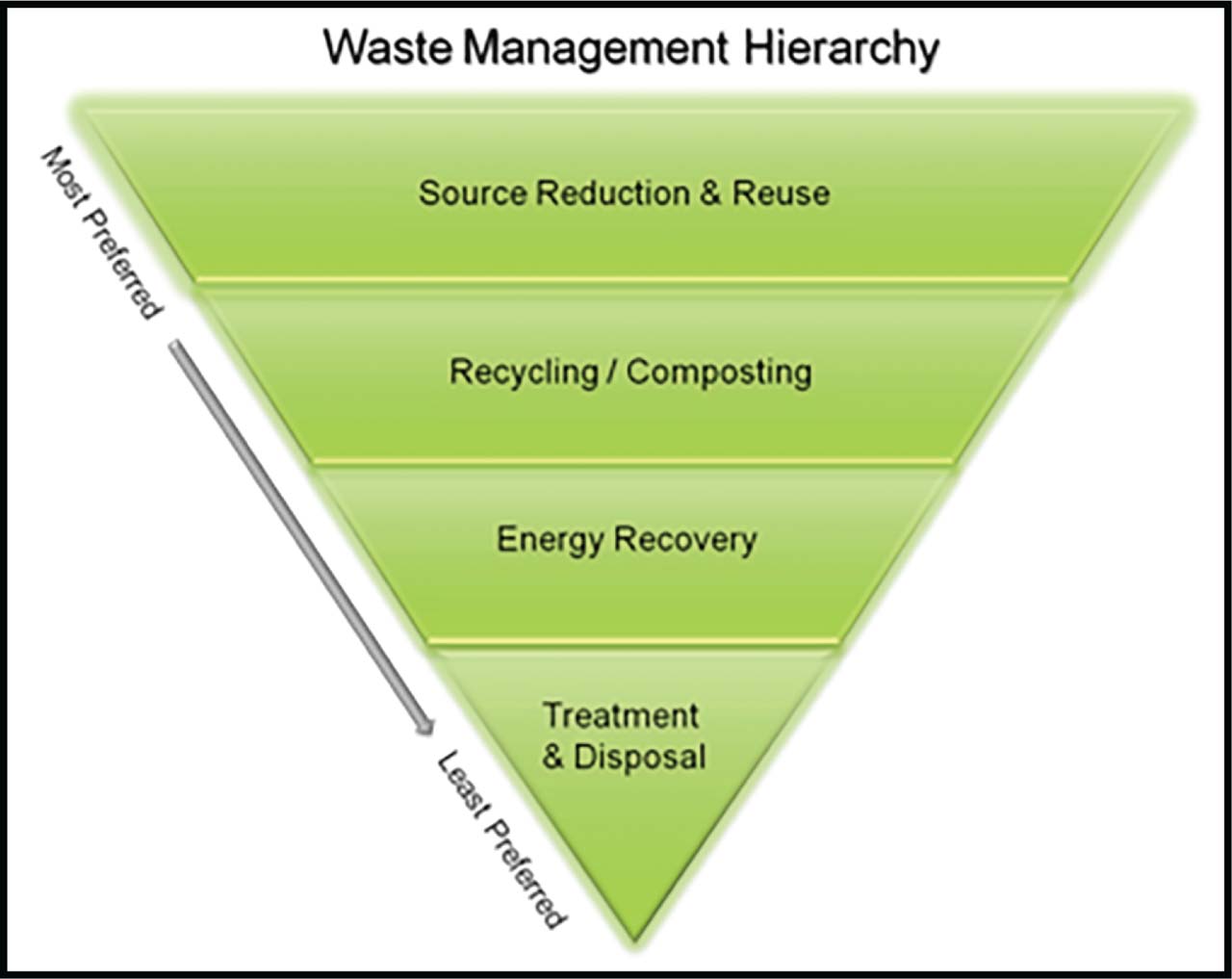
Fig. 3:
Waste management hierarchy (Kabirifar et al. 2020).
3.5. Construction waste and recycling management
Construction waste recycling minimises landfill waste, conserves resources, reduces environmental impact and lowers construction costs (Fernando 2024). It involves reclaiming materials like concrete, wood, metals and plastics for reuse in construction (Alnaqbi and Alami 2023). Recycling significantly reduces environmental impact by conserving natural resources, saving energy and mitigating greenhouse gas emissions, which supports sustainability and climate change efforts (Onyekwere 2023). It also extends landfill lifespans, promoting responsible waste management. Recycling practices vary by region, with trends like growing recycling rates, on-site waste separation and adoption of certifications like LEED (Pietocha 2024). The construction industry’s environmental impact has come under scrutiny due to its role in waste generation, resource depletion and pollution (Hossain et al. 2025). CnD waste, which arises from activities like excavation and renovation, is a key concern. In the U.S., CnD waste is classified into materials like concrete, wood and metals, which can be either inert or non-inert (Abdu 2021; Naser and Pearce 2022; Saradara et al. 2023; Mashingaidze 2024). CnD waste typically makes up a quarter of landfill waste in major economies (Shen et al. 2020). Efforts to manage this waste focus on the “3R” principle: reduction, reuse and recycling. Reduction involves minimising waste generation, reuse repurposes materials and recycling transforms waste into new resources, such as aggregates and bricks (Vashishth et al. 2024). CnD recycling occurs through centralised off-site facilities or decentralised on-site methods. Off-site recycling uses advanced technologies to produce high-quality recycled products but incurs high costs and logistical challenges. On-site recycling offers benefits like reduced transportation and pollution, though barriers such as implementation challenges hinder widespread adoption (Chen 2018). Despite these barriers, construction waste recycling provides several benefits, including RC, cost savings and environmental advantages. However, challenges like lack of awareness, logistics, regulatory compliance and quality control remain (Wilson and Velis 2015).
3.6. Key ES factors relevant to construction waste recycling management
The rapid growth of the CnD sector has significantly increased waste generation, requiring improved management practices. CnD waste is closely linked to waste management on construction sites, making comprehensive analysis essential for efficient debris handling (Wilson and Velis 2015; Elgizawy et al. 2016; Ferronato and Torretta 2019; Oliveira et al. 2019; Chen et al. 2022; Datta et al. 2025). Inadequate management is a key factor in the rise of building debris (Al-Hajj and Hamani 2011; Rahim et al. 2017; Thongkamsuk et al. 2017; Chen 2018; Massara 2018; Kupusamy et al. 2019; Mak et al. 2019; Al Nuaimi et al. 2020; Aslam et al. 2020; Kumar and Agrawal 2020; Marut et al. 2020; Wang et al. 2020; Abdu 2021; Figueiredo et al. 2021; Maués et al. 2021; Shah et al. 2021; Alsheyab 2022; Ibrahim et al. 2022; Naser and Pearce 2022; Agamuthu and Babel 2023; Almagro et al. 2023; Almusawi 2023; Alnaqbi and Alami 2023; Amesho et al. 2023; Batikha et al. 2023; Bialko 2023; Cheng et al. 2023; Ferreira et al. 2023; Jain et al. 2023; Maalouf and Mavropoulos 2023; Onyekwere 2023; Qiu and Chen 2023; Rebullida and Taguibao 2023; Saradara et al. 2023; Saradara et al. 2023; Soto-Paz et al. 2023; Trivedi et al. 2023; Wang 2023; Weghmann 2023; Yu et al. 2023; Bilgili and Çetinkaya 2024; Fatemi and Rahman 2024; Lodhi et al. 2024; Mashingaidze 2024; Pietocha 2024; Rasaq and Serag 2024; Saleh et al. 2024; Zhang et al. 2024. Sustainable practices can reduce waste generation at various stages of construction, with success dependent on critical factors (Mashingaidze 2024). Effective waste management during demolition is crucial for ES, cost-effectiveness and regulatory compliance, with ongoing innovation to address challenges (Kupusamy et al. 2019). This research integrates data into its waste management framework.
Table 2 outlines critical success factors influencing construction waste management during demolition, drawn from an extensive literature review. These factors, which include regulatory compliance, resource allocation, technology adoption and stakeholder engagement, help optimise waste management practices. Given the cost-sensitive nature of construction, waste management should not impose a financial burden. The growth of the recycling industry depends on financial incentives such as government subsidies and cash rewards, which encourage contractors and recycling companies to offset waste management costs (Wilson and Velis 2015). Incentives also motivate workers to minimise waste by compensating them for materials saved. Without such systems, waste responsibility may be neglected, leading to unnecessary disposal of reusable materials (Islam 2016). Recycling is essential for establishing markets and selling materials at premium prices, contributing to the growth of the recycling industry. Despite challenges, such as underdeveloped recycling markets, the global recycling CnD waste market continues to expand, presenting economic opportunities (Yaashikaa et al. 2022). Developing markets for recycled materials is crucial for promoting recycling on construction sites.
Tab. 2:
Compilation of key ES factors emanating from a thorough review of existing literature.
3.7. Enhancing strategies for effective construction waste management
Construction waste management effectiveness is closely tied to local government strategies, despite national oversight. While guidelines for construction solid waste management (SWM) exist in the UAE, their adoption is not guaranteed. Enforcement through frameworks, briefings and media is essential to improve contractors’ attitudes (Saradara et al. 2024). Municipalities have introduced waste disposal fees and landfill taxes to encourage recycling (Hongyu et al. 2020), and penalties should be imposed for violations (Francis and Thomas 2020). Awareness of waste management, particularly at the grassroots level, is a significant limitation. Training and environmental education for construction workers are crucial (Zhao et al. 2021). Integrating waste management into project planning and tracking progress at site meetings can further motivate staff. The ‘Design for Deconstruction’ approach, which enables material repurposing throughout a structure’s lifecycle, should be considered early in the project (Shah et al. 2021). This strategy offers environmental benefits, including energy conservation and reduced carbon emissions (Thongkamsuk et al. 2017).
4. Research gaps and rationale
While previous studies have delved into various aspects of construction waste and its environmental impacts, there are notable gaps that necessitate further investigation and scholarly attention concepts (Goel et al. 2019; Bibri et al. 2024). Despite the significant environmental challenges posed by construction waste globally and regionally, there is a conspicuous dearth of comprehensive studies that meticulously analyse waste generation and management practices to provide an integrated Sustainability Assessment Model for Construction Waste Recycling Management (Fikri Hasmori et al. 2020). Despite clear waste management responsibilities assigned to local authorities, challenges persist in waste segregation, recycling and appropriate disposal (Saradara et al. 2023). This discrepancy between policy and practice underscores a critical research gap in understanding why these gaps exist and how they can be effectively addressed. Investigating the root causes of these implementation gaps is essential to formulate practical solutions and enhance the effectiveness of waste management policies (Alketbi 2023). Existing literature largely focuses on global trends or specific aspects of construction waste management, leaving the UAE’s unique socio-economic, political and cultural context insufficiently explored. Consequently, there is an urgent need for research that provides an in-depth understanding of the current state of construction waste management in the UAE (Assaf et al. 2018; Alremeithi et al. 2023). The UAE’s rapid urbanisation and infrastructural development have led to distinctive sustainability challenges within the construction sector, making it essential to develop an effective Model specifically tailored to the country. While existing models and frameworks from other regions may offer valuable insights, the unique circumstances and context of the UAE require a dedicated approach. This research gap highlights the need for a model that not only addresses the environmental concerns posed by construction waste but is also adapted to the specific challenges and opportunities within the UAE (Aboelmaged 2021). Construction waste management in the UAE is a complex issue that involves socio-economic and cultural factors. The diverse population and significant expatriate workforce in the UAE present both challenges and opportunities for waste management. Cultural attitudes towards waste, recycling practices and the involvement of stakeholders in the construction industry are important considerations for effective waste management. Research that explores the socio-economic and cultural dimensions of construction waste management in the UAE is crucial for developing context-specific strategies. Additionally, conducting a comparative analysis with global best practices can provide valuable insights for the UAE to learn from other nations facing similar challenges (Assaf et al. 2018). Research in this area can help understand the practical implications of these innovations and how they can be integrated into waste management practices in the UAE (Aboelmaged 2021; Al-Dabbagh 2021). The current scholarly works on construction waste recycling and ES has some limitations. Many studies focus on Western countries, and there is a lack of specificity regarding construction waste recycling in the UAE. Cultural and regulatory factors that influence waste management practices are often overlooked. Emerging ES factors are crucial to enhancing global recycling practices, advancing sustainable development goals and facilitating the transition towards more eco-conscious construction industries. These factors should address unique environmental challenges, RC goals, regulatory measures, cultural norms and economic viability. Additionally, they should incorporate insights and best practices from regions with similar conditions, ensuring practical and contextually relevant solutions for the long-term sustainability of the construction industry.
5. Sustainability assessment and fundamental theory
Emerging ES factors in construction waste recycling are grounded in several core theoretical frameworks that provide a robust foundation for understanding the dynamics of waste recycling and ES. These theories, including Systems Theory, Social Cognitive Theory and Sustainability Theory, offer valuable perspectives that collectively support a comprehensive approach to construction waste recycling (Almulla and Al-Rahmi 2023). Systems Theory plays a crucial role in understanding the interconnectedness of various components within the recycling system. It posits that an organisation or system consists of interrelated elements working together towards a common goal (Chih-Hui and Lin 2017). The emerging ES factors in construction waste recycling reflect this by emphasising the interdependencies between variables such as WR, RI and community engagement (CE). Adopting a systems approach acknowledges that ES in construction cannot be achieved by addressing individual factors in isolation. Instead, the success of one component, such as regulatory compliance or WR, directly impacts the others, reinforcing the need for an integrated and holistic approach to sustainability. Social Cognitive Theory significantly influences the inclusion of Environment-Oriented Human Perception (EOHP) CE as mediating factors. This theory suggests that human behaviour is shaped by a dynamic interplay of personal, behavioural and environmental influences (Tsai 2014). In the context of construction waste recycling, the attitudes and behaviours of individuals and communities towards sustainability are shaped by factors such as public perception, education and social interactions. By incorporating these dimensions, the approach acknowledges that achieving ES requires not only technical solutions but also a shift in public attitudes and behaviours. Social Cognitive Theory provides a strong foundation for emphasising CE as a critical driver of change in recycling practices (Stajkovic and Stajkovic 2019). Sustainability Theory, particularly the concept of the Triple Bottom Line, further justifies the comprehensive nature of the approach. It emphasises the need to balance environmental, social and economic factors in the pursuit of long-term sustainability (Chang et al. 2017). The emerging ES factors in construction waste recycling align with this perspective by integrating elements that address all three pillars of sustainability. WR and RC focus on ES, while CE and social perceptions contribute to the social aspect. Meanwhile, regulatory compliance and RI are considered through an economic lens, ensuring that the approach incorporates all relevant dimensions of sustainability. This holistic approach reflects the multifaceted nature of achieving sustainability in construction waste recycling, recognising the complex interactions between technical, social and economic factors that must be addressed collectively for long-term success.
5.1. Emerging ES factors in construction waste recycling
The emerging ES factors in construction waste recycling are grounded in several key theoretical frameworks, offering valuable perspectives on how to address the complex dynamics of construction waste management. These factors include CE, human perception of environmental issues and technological and CE that collectively influence recycling behaviour. While CE and human perception are crucial, they often oversimplify the complex social factors influenced by psychological, cultural and socio-economic factors. Incorporating insights from psychology or behavioural economics could enhance the depth of understanding in this area (Chih-Hui and Lin 2017; Almulla and Al-Rahmi 2023). Furthermore, emerging ES factors must be adaptable to various regulatory, cultural and socio-economic contexts to ensure broader applicability. While specific models may be designed for particular regions, the factors driving construction waste recycling need to be validated in diverse contexts to assess the flexibility and effectiveness of these factors across different environments (Tsai 2014). Technological innovations and economic incentives, such as subsidies or penalties, also play a significant role in shaping recycling behaviours. However, these factors are often underexplored and could be instrumental in improving recycling practices if properly integrated (Stajkovic and Stajkovic 2019). By considering these aspects, a more comprehensive understanding of construction waste recycling can be developed.
The emerging sustainability factors integrate systems theory, social cognitive theory and sustainability theory, addressing both technical and social dimensions of waste management. The inclusion of these factors in research and practice will promote long-term sustainability in construction waste recycling (Bandura 2009; Chang et al. 2017). Future research should focus on refining the application of these factors by addressing social complexities, testing their effectiveness in diverse settings and incorporating technological and economic factors to enhance their robustness and global applicability (Apanavičienė et al. 2020). Sustainability models are crucial for advancing environmental practices, including construction waste recycling. Existing frameworks such as LEED, BREEAM and Japan’s comprehensive assessment system for built environment efficiency (CASBEE) promote resource management and recycling but may not be universally applicable due to challenges in implementation, especially for smaller projects. These models provide structured approaches to sustainability, but they may require adjustments to enhance accessibility and adaptability in diverse regional contexts [135, 136]. As such, the factors driving construction waste recycling should be evaluated to ensure their relevance to both local and global contexts.
5.2. WR
WR is a key pillar of sustainable waste management, focusing on minimising waste generation at the source and efficient source separation to reduce environmental impact (Fernando 2024). This approach includes simple actions like double-sided printing, using reusable mugs and bulk purchasing, leading to cost savings, RC and reduced pollution. WR aims to reduce waste directly at its source, including households, businesses and institutions, and is the most effective strategy to divert growing waste volumes (Wilson and Velis 2015). Reducing waste helps conserve energy and resources, mitigates contamination and decreases reliance on landfills and resource recovery facilities. Although recycling is valuable, the greatest environmental benefits come from source reduction, waste prevention and reusability (Onyekwere 2023). For example, adopting reusable bags is more sustainable than recycling disposable ones. Organisations revising their waste management strategies should prioritise WR and reuse for the greatest environmental benefits. Table 3 shows key WR measurements, including waste diversion (WD), recycling rates, material repurposing and WR, to guide and improve WR efforts in construction waste management.
Tab. 3:
Key measurement items for WR.
| Factors | References |
|---|---|
| 1. Source segregation | Akanbi et al. (2018); Ibrahim et al. (2022); Yaashikaa et al. (2022); Bialko (2023); Saleh et al. (2024) |
| 2. Material efficiency | |
| 3. Waste audit programmes | |
| 4. Reuse of materials | |
| 5. Minimisation practices | |
| 6. RI | |
| 7. Employee training | |
| 8. Environmental regulations |
5.3. RI
RI is essential for the success of recycling efforts in construction, with accessible recycling facilities crucial for promoting sustainability. In countries with large construction sectors like the US, UK and Germany, RI plays a key role in managing CnD waste and achieving environmental goals (Alnaqbi and Alami 2023; Saradara et al. 2023; Mashingaidze 2024). In the UAE, rapid urban growth has led to increased CnD waste, making a structured RI vital for sustainable waste management (Yaashikaa et al. 2022). This includes collection, sorting, transportation and recycling facilities, forming a system that reduces landfill use and conserves resources. The UAE’s RI will be assessed based on efficiency, capacity, performance and compliance with regulations, aiming to align with global best practices. Table 4 provides essential metrics for evaluating RI in construction waste management.
Tab. 4:
Key measurement items for RI.
| Factor | References |
|---|---|
| 1. Availability of recycling facilities | Akanbi et al. (2018); Francis and Thomas (2020); Wang et al. (2020); Mashingaidze (2024) |
| 2. Accessibility of recycling centres | |
| 3. Proximity to RI | |
| 4. Adequacy of recycling equipment | |
| 5. Investment in recycling technology | |
| 6. Integration of recycling facilities | |
| 7. Recycling capacity and throughput | |
| 8. Public awareness of recycling options |
5.4. Regulations and compliance
Adherence to waste management regulations (Regulations and Compliance) with established targets is crucial for effective construction waste management (Qiu and Chen 2023). RC play a critical role in ensuring sustainability through comprehensive regulations that guide the industry worldwide (Islam 2016). In the UAE, federal and local regulations work together to establish waste management standards, promoting sustainability (Anyanwu et al. 2023). The enforcement of these regulations is vital, with penalties for non-compliance and regular audits to ensure adherence (Pires et al. 2011). RC assess the extent to which practices align with waste management standards, focusing on compliance with collection, sorting and recycling regulations. This model also evaluates the effectiveness of regulations in incentivising recycling and responsible disposal. Balancing economic and environmental considerations, the UAE’s framework emphasises the importance of economic viability alongside ES. Table 5 presents measurement items related to RC, critical for assessing regulatory alignment in waste recycling.
Tab. 5:
Key measurement items for RC.
| Factor | References |
|---|---|
| 1. Adherence to local waste management regulations | Calvo et al. (2015); Hongyu et al. (2020); Gaur et al. (2022); Dawood and Alsiyabi (2023) |
| 2. Compliance with environmental standards | |
| 3. Legal requirements for recycling practices | |
| 4. Government oversight and enforcement | |
| 5. Compliance with WD laws | |
| 6. Documentation and record-keeping for compliance | |
| 7. Environmental audits and inspections | |
| 8. Penalties and consequences for non-compliance |
5.5. RC
RC emphasises the efficient use and preservation of natural resources, aligning with sustainability principles in construction ((Ferronato and Torretta 2019). RC is vital for ES in the UAE, where responsible resource management is essential in the construction industry (Fernando 2024). On a global scale, RC is increasingly prioritised due to the finite nature of raw materials and the environmental impact of their extraction (Gurevich 2023). This focus on resource efficiency is particularly critical in rapidly developing regions like the Middle East. In the US, RC in construction waste management focuses on material efficiency, recycling and repurposing to reduce waste and minimise demand for raw materials (Yaashikaa et al. 2022). The UAE, recognising the importance of RC, integrates it into construction waste management practices to balance economic growth with sustainable resource use (Weghmann 2023). Key elements of RC include WR, recycling and repurposing, material efficiency and energy efficiency. RC plays a pivotal role in minimising environmental impacts and advancing sustainability in the UAE’s construction sector. Table 6 provides essential metrics for evaluating RC in construction waste management, supporting the optimisation of RC throughout the recycling process.
Tab. 6:
Key measurement items for RC.
| Factor | References |
|---|---|
| 1. Efficient resource utilisation | Islam (2016); Jain et al. (2023); Onyekwere (2023); Qiu and Chen (2023); Lodhi et al. (2024); Pietocha (2024); Rasaq and Serag (2024) |
| 2. Sustainable procurement | |
| 3. Energy-efficient practices | |
| 4. Water management | |
| 5. Use of recycled materials | |
| 6. Sustainable timber sourcing | |
| 7. Eco-friendly equipment | |
| 8. Environmental compliance |
5.6. Carbon emissions reduction
Efforts to reduce carbon emissions through recycling are essential in addressing environmental concerns. This model emphasises the need to reduce the carbon footprint of construction waste (Ferronato and Torretta 2019). CE aligns with global environmental goals and is crucial for sustainability, particularly in the UAE, where the construction industry contributes significantly to carbon emissions. Globally, industries, including construction, face pressure to reduce their carbon footprint (Fernando 2024). The construction sector, with its energy-intensive processes, plays a critical role in this effort. In the US, sustainable practices in construction, such as energy-efficient buildings and reduced emissions, have proven economically viable (Alnaqbi and Alami 2023). The UAE, committed to global sustainability, integrates CE strategies into its construction sector to reduce environmental impacts (Yu et al. 2023). CE includes energy-efficient practices, transportation optimisation, material efficiency and WR. CE contributes to the UAE’s ES and climate change mitigation goals. Table 7 provides key measurement items for assessing CE strategies in construction waste management, supporting the optimisation of environmental conservation efforts.
Tab. 7:
Key measurement items for CE.
| Factor | References |
|---|---|
| 1. Use of low-emission technologies | Pires et al. (2011); Aslam et al. (2020); Shooshtarian et al. (2022); Bialko (2023) |
| 2. Alternative energy sources | |
| 3. Energy-efficient building designs | |
| 4. Renewable energy integration | |
| 5. Fuel-efficient transportation | |
| 6. Carbon offsetting practices | |
| 7. Emissions monitoring and reporting | |
| 8. Carbon credits and trading |
5.7. WD
WD focuses on redirecting waste from landfills, promoting eco-friendly waste management practices (Fernando 2024). WD is critical for ES, particularly in the UAE, where construction waste plays a significant role. By recycling, repurposing and reusing materials, WD reduces environmental impact and conserves resources. Globally, WD helps address landfill overflow and resource depletion (Shahid & Hittinger, 2021). In the US, construction materials like concrete and wood are commonly recycled as part of WD strategies (Shen et al. 2020). The UAE integrates WD into its construction waste management to reduce ecological footprints and enhance resource efficiency (Zhao et al. 2021). WD includes recycling, repurposing, circular economy principles and WR strategies. Table 8 provides key metrics to assess the effectiveness of WD strategies in construction waste management.
Tab. 8:
Key measurement items for WD.
| Factor | References |
|---|---|
| 1. Diversion rate | Zhao et al. (2021); Alnaqbi and Alami (2023); Maalouf and Mavropoulos (2023); Trivedi et al. (2023) |
| 2. Source separation practices | |
| 3. Diversion programmes | |
| 4. RI | |
| 5. Waste-to-energy conversion | |
| 6. Landfill diversion practices | |
| 7. Waste sorting technologies | |
| 8. Public participation |
5.8. Environmental sustainability of construction waste recycling
ES is the ultimate goal of the model, used to evaluate the overall environmental sustainability of construction waste recycling (ESCWM) practices. It reflects the impact of independent variables on recycling management (Mohajerani et al. 2020). Globally, countries like the US, UK and EU have implemented policies to promote ES through recycling, energy-efficient techniques and sustainable materials (Al Nuaimi et al. 2020; Marut et al. 2020; Shah and Khan 2020; Shen et al. 2020; Figueiredo et al. 2021; Lamb et al. 2021; Zhao et al. 2021; Yaashikaa et al. 2022; Wang 2023; Saleh et al. 2024). The UAE, with its rapid urban development, aligns with broader sustainability goals, positioning itself as a responsible environmental steward (Gaur et al. 2022). Table 9 provides essential metrics for assessing the impact of ES strategies in recycling practices.
Tab. 9:
Key measurement items for ESCWM.
| Factor | References |
|---|---|
| 1. Reduction of environmental impact | Shen et al. (2020); Alnaqbi and Alami (2023); Anyanwu et al. (2023); Qiu and Chen (2023); Saradara et al. (2023); Pietocha (2024) |
| 2. Efficient resource utilisation | |
| 3. Reduction in carbon footprint | |
| 4. Conservation of natural resources | |
| 5. Decreased waste to landfills | |
| 6. Compliance with environmental regulations | |
| 7. Community and stakeholder satisfaction | |
| 8. Economic sustainability |
5.9. EOHP
EOHP, introduces the social dimension of waste recycling (Rautela et al. 2021). Its inclusion aims to explore the potential mediating role in the relationship between independent variables and the overall effectiveness of construction waste management (ESCWM). EOHP plays a crucial role in bridging the gap between industry practices and public support, exerting a significant influence on sustainability outcomes (Fernando 2024). It signifies active participation, collaboration and involvement of local communities, emphasising their role in shaping recycling practices and building social consensus. Globally, the relevance of EOHP in construction waste recycling is increasingly evident, emphasising the active involvement and cooperation of communities to achieve recycling goals and reduce environmental impacts (Alnaqbi and Alami 2023). Internationally, nations recognise the value of EOHP in bolstering construction waste recycling efforts, with successful programmes in the US and the UK driven by Naser and Pearce (2022); Alnaqbi and Alami (2023); Saradara et al. (2023); Mashingaidze (2024). Table 10, included in the study, encompasses essential measurement items central to the evaluation of EOHP within the context of construction waste management. These metrics assess the extent to which EOHP influences the effectiveness of waste recycling initiatives, contributing to broader goals of sustainable construction waste management and serve as a valuable reference for quantifying and analysing community involvement in recycling practices.
Tab. 10:
Key measurement items for EOHP.
| Factor | References |
|---|---|
| Public awareness: evaluate community awareness of construction waste recycling and its environmental impact. | Massara (2018); Marut et al. (2020); Abdu (2021); Maués et al. (2021); Naser and Pearce (2022); Alnaqbi and Alami (2023); Batikha et al. (2023); Bialko (2023); Jain et al. (2023); Onyekwere (2023); Soto-Paz et al. (2023); Lodhi et al. (2024); Rasaq and Serag (2024) |
| Participation in recycling programmes: measure the engagement of local residents in recycling initiatives for sustainable waste management. | |
| Development of recycling-supportive community: assess the community’s active support for and encouragement of recycling practices. | |
| Social consensus building: gauge the effectiveness of EOHP in fostering social consensus on the importance of recycling. | |
| Community involvement in decision-making: evaluate the extent of community participation in decisions related to waste recycling. | |
| Building environmental awareness: measure the effectiveness of EOHP in building awareness about the environmental impact of construction waste. | |
| Participation in recycling programs: measure the engagement of local residents in recycling initiatives for sustainable waste management. |
5.10. Role of CE
The focus of this study is on CE as a key factor linking various inputs to ES in construction waste management. CE plays a critical role in promoting sustainable practices within the construction industry. It involves encouraging public participation, fostering industry collaboration and running awareness campaigns to educate and drive behavioural change. The success of these initiatives is often tied to their alignment with local cultures and values. Active involvement from the community provides essential support for achieving broader ES goals in construction waste management. By integrating WR, regulatory compliance, infrastructure development and CE, the study offers a comprehensive approach to improving the environmental footprint of the construction industry. It emphasises that successful sustainability outcomes can only be realised through the active participation of all stakeholders, including construction firms, government bodies and the wider community. The study also explores several emerging factors—such as WR, RI, regulatory compliance RC, climate change mitigation (CE) and WD—and how they collectively contribute to ES. Additionally, the role of EOHP is highlighted as a potential mediator in these dynamics, acknowledging the social dimension of sustainability. EOHP can help bridge the gap between industry practices and public sentiment, ultimately fostering greater community involvement and supporting long-term sustainability in construction waste management.
6. Research implications
This study’s findings on the emerging ES factors in construction waste recycling offer significant theoretical and practical implications for both the field of construction waste management and broader ES efforts. Theoretically, this study contributes to advancing our understanding of the complex dynamics involved in construction waste recycling. It reveals the interconnections between key variables such as WR, RI, RC and carbon emissions reduction (CER). The study also underscores the critical role of CE in mediating these factors. By integrating social and behavioural aspects, it expands on existing theories, suggesting that ES in the construction industry hinges not only on technical or regulatory factors but also on the active involvement of the community. From a practical perspective, the emerging ES factors provide valuable insights for policymakers, industry professionals and environmental organisations. These findings offer a roadmap for developing targeted strategies to enhance sustainability in construction waste management. By focusing on key inputs such as regulatory compliance, RI and WR, the study presents a comprehensive approach to promoting sustainable practices in the construction sector. Additionally, it emphasises the importance of initiatives that increase public awareness and encourage participation, ultimately reducing environmental impacts and fostering a culture of sustainability within the industry.
7. Research limitations
While the study provides valuable insights, it is subject to several limitations that should be considered. Caution is needed when attempting to generalise the results to other geographical contexts, as the model was primarily developed based on theoretical frameworks and may not fully capture the nuances of different regions. Additionally, the study’s reliance on theoretical development rather than empirical data introduces another limitation. Empirical research is necessary to validate the proposed model by testing the relationships between the independent variables, CE and the dependent variable of ES in construction waste recycling. A further limitation lies in the limited availability of data on CE and sustainability outcomes, which may impact the robustness of the model. Future research could address this gap by incorporating real-world data obtained through surveys, interviews and case studies, which would help refine the model and enhance its applicability across various settings. Moreover, the current model does not consider several external factors, such as technological innovations in recycling processes, economic incentives, or changing policy frameworks, all of which may play a significant role in the success of construction waste recycling initiatives. Integrating these factors into future iterations of the model would provide a more holistic understanding of the variables influencing sustainability outcomes in construction waste management. Expanding the model in this way could lead to more practical and context-sensitive recommendations for improving sustainability in the construction industry.
8. Recommendations for future work
Future research should empirically validate the proposed ES factors in construction waste recycling using primary data. This can be achieved through surveys, interviews and case studies collected from construction industries in different regions. Structural equation modeling (SEM) or similar advanced statistical techniques are recommended to test the relationships between variables and to assess the strength and direction of the proposed model. Future studies should also extend the current framework by incorporating additional influencing factors such as technological innovation, economic incentives and policy enforcement mechanisms to improve explanatory power. In addition, cross-cultural comparative studies are recommended to examine how differences in regulation, culture and economic conditions affect CE and sustainability outcomes in construction waste management. Finally, longitudinal research is encouraged to track changes in sustainability practices over time and to better understand the long-term impact of community participation and other key determinants on construction waste recycling performance.
9. Conclusion
The Emerging ES Factors in Construction Waste Recycling offers a comprehensive framework for understanding the key drivers of sustainability in construction waste management. By emphasising the mediating role of CE, the model highlights the critical importance of public participation and social factors in achieving sustainable outcomes. It advocates for a holistic approach that integrates WR, regulatory compliance, infrastructure development and community involvement to enhance sustainability within the construction industry. While the study provides valuable theoretical insights, it also underscores the need for further empirical testing to validate the proposed relationships and model effectiveness. Future research should seek to expand the model by incorporating additional factors and exploring its applicability across different cultural and regulatory environments. Overall, this study contributes to the growing body of knowledge on sustainable construction practices and offers practical recommendations for improving construction waste management.