Have a personal or library account? Click to login
Toward precision dosimetry: Harnessing the versatility of radiochromic films in radiation measurements Cover

Toward precision dosimetry: Harnessing the versatility of radiochromic films in radiation measurements

Open Access
|Feb 2025

Figures & Tables

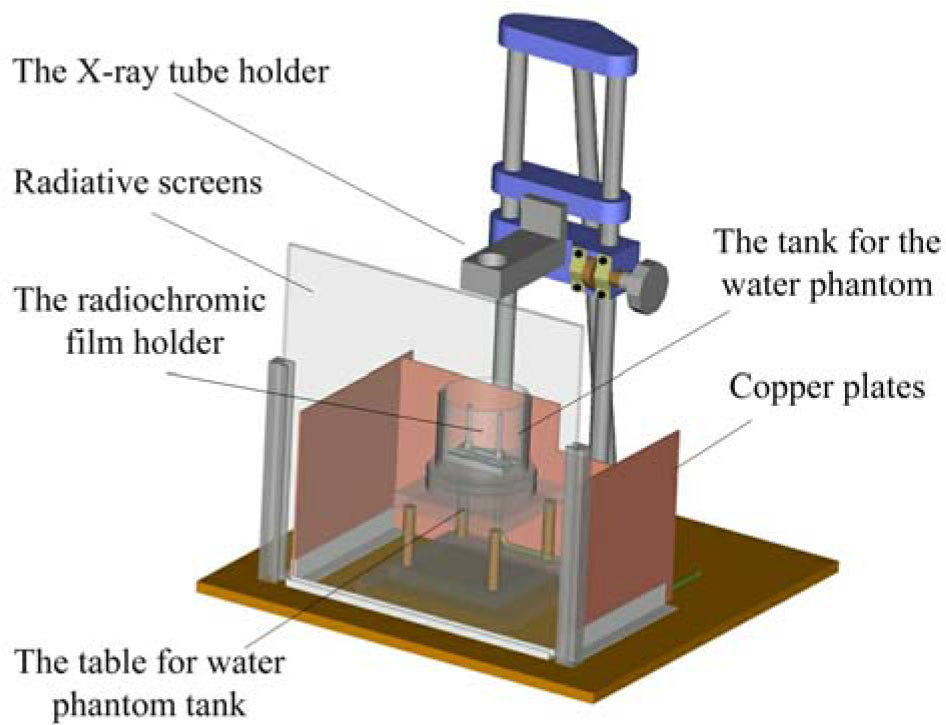
Fig. 1.

Measurement station for determining dose distribution in air and water.
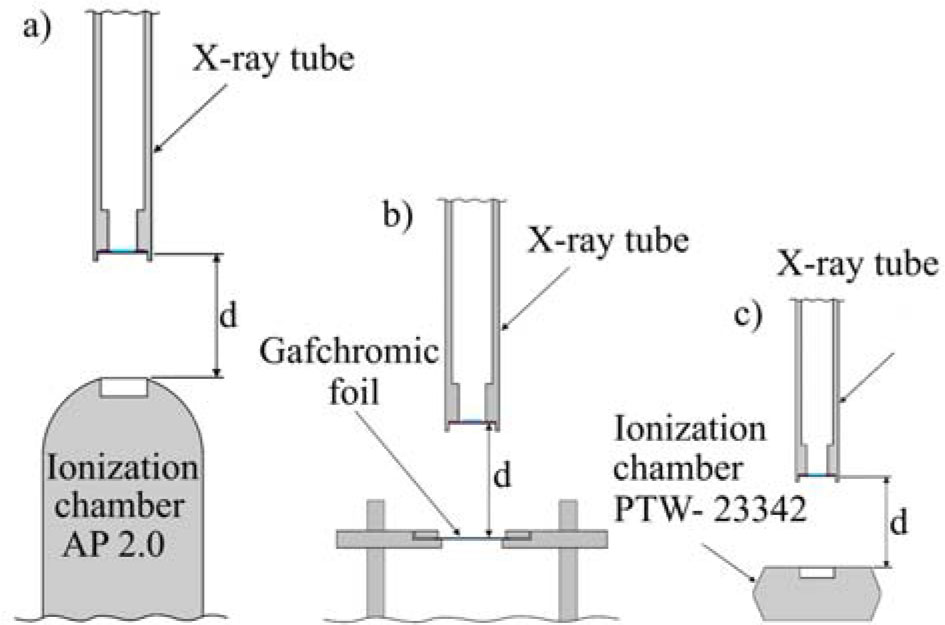

Fig. 2.

Geometrical setups for dose measurements: (a) ionization chamber AP 2.0, (b) Gafchromic film, and (c) ionization chamber PTW-23342.
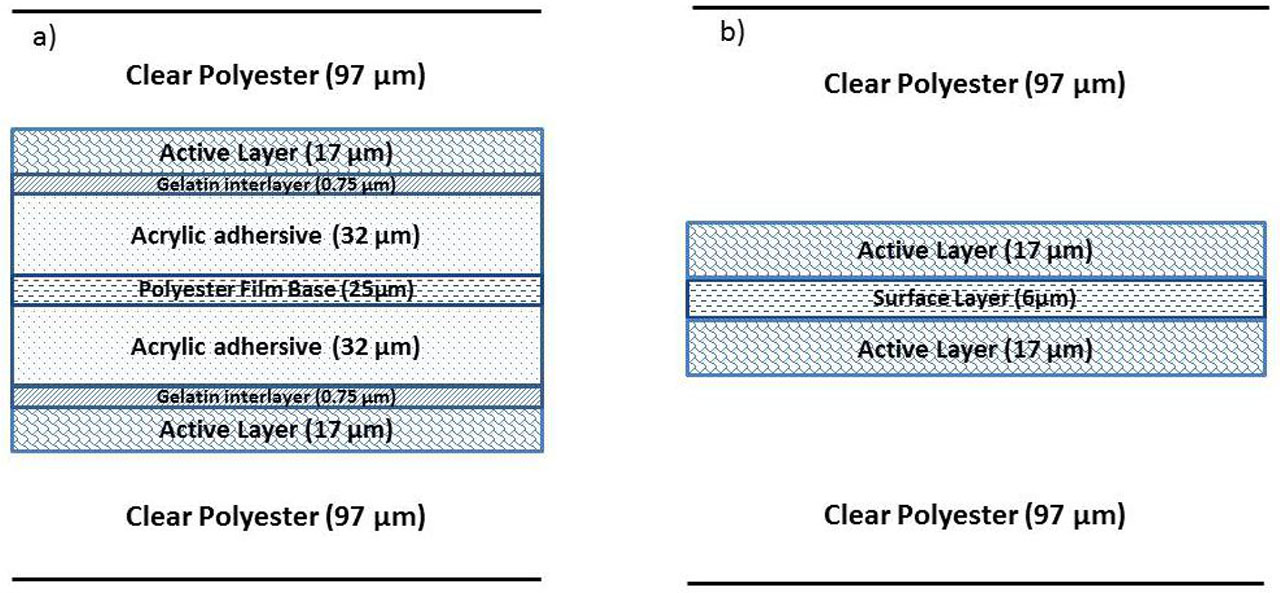

Fig. 3.

Configuration of (a) MD-V2-55 and (b) EBT dosimetry films (adapted from ISP Brochures).
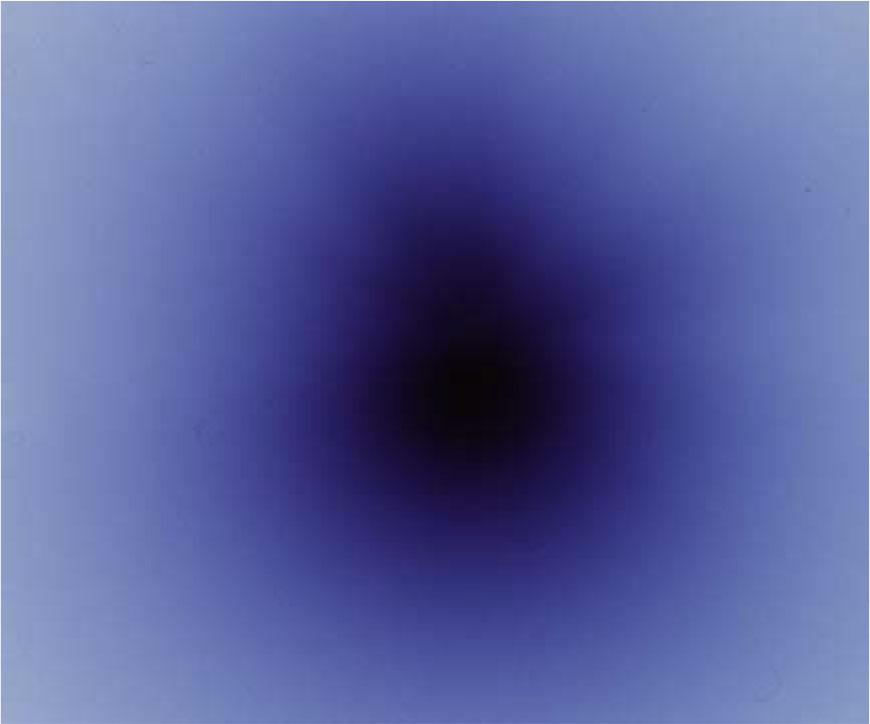

Fig. 4.

EBT film after irradiation, showing the effects of absorbed dose.
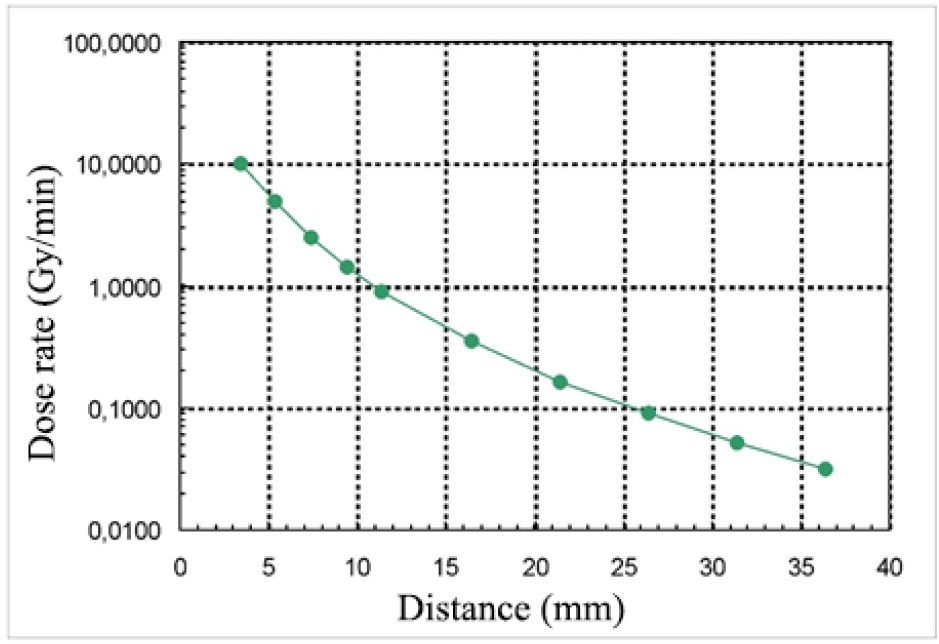

Fig. 5.

Dose rate measurement results using an ionization chamber as a function of the distance between the X-ray source and the detector.
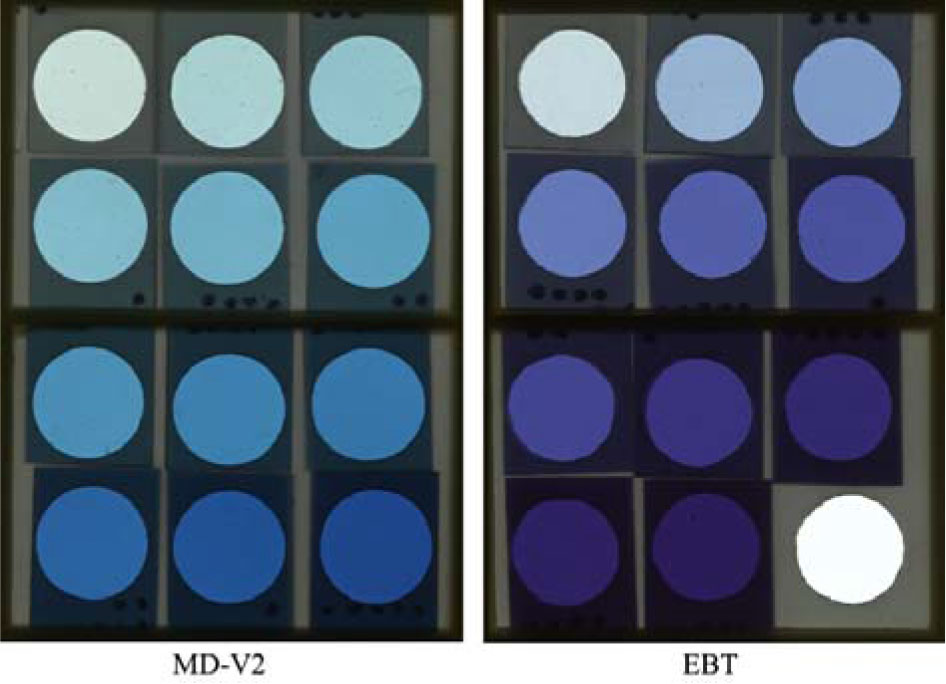

Fig. 6.

Calibration Gachromic foils, MD-55-V2 (left), EBT (right).
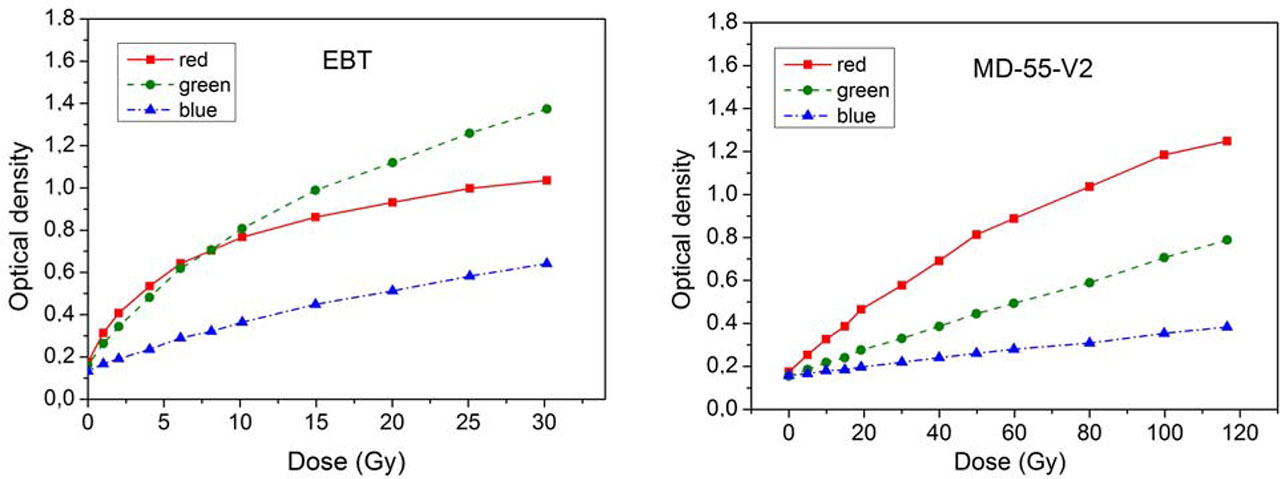

Fig. 7.

Response of MD-V2-55 and EBT radiochromic dosimetry films to radiation exposure.
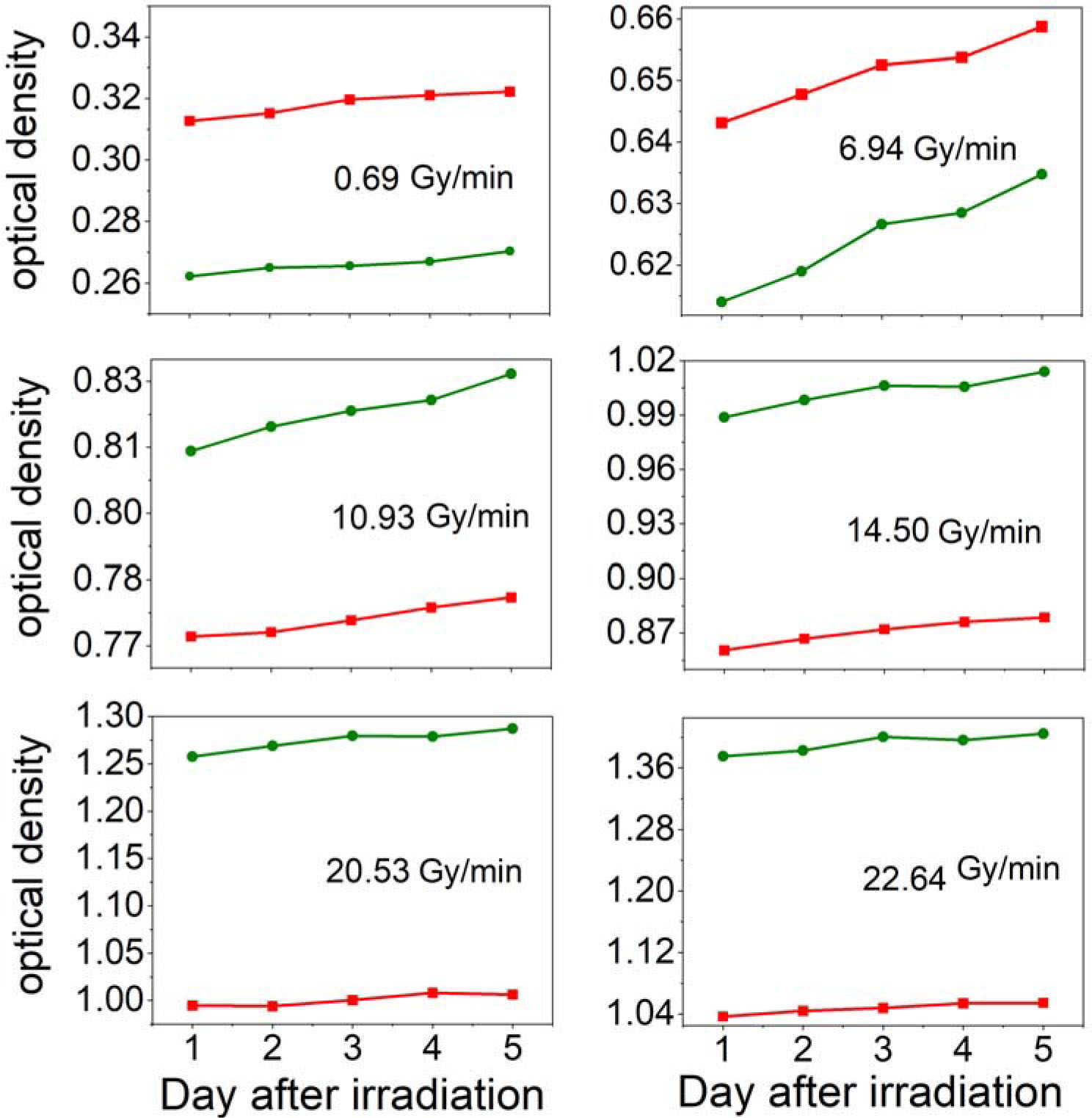

Fig. 8.

Dependence of optical density on the reading day following exposure, indicated by red and green colors.
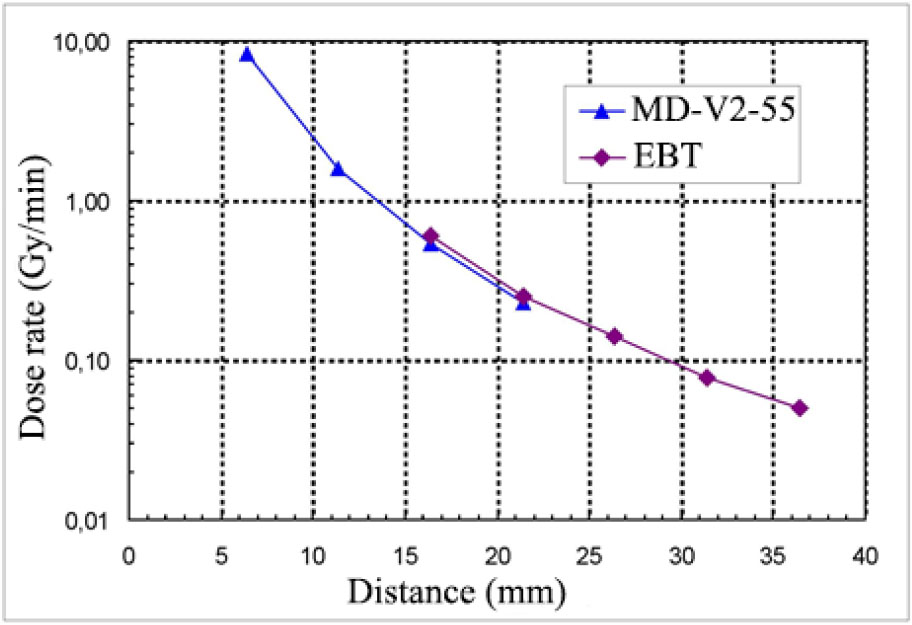

Fig. 9.

Dose rate measurement in water using Gafchromic foils as a function of the distance between the X-ray source and the foils.
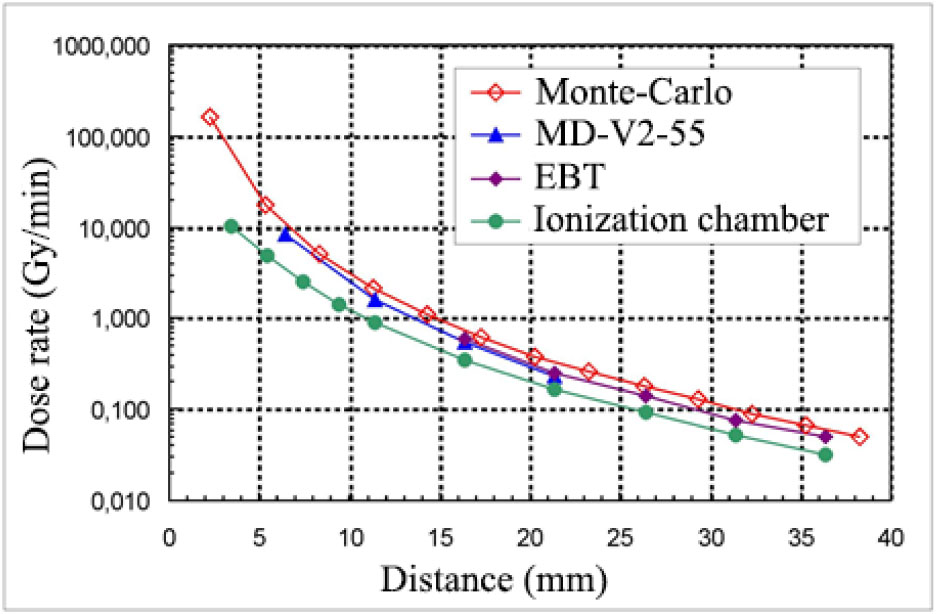

Fig. 10.

Comparison of the measurement results with Monte-Carlo calculations.
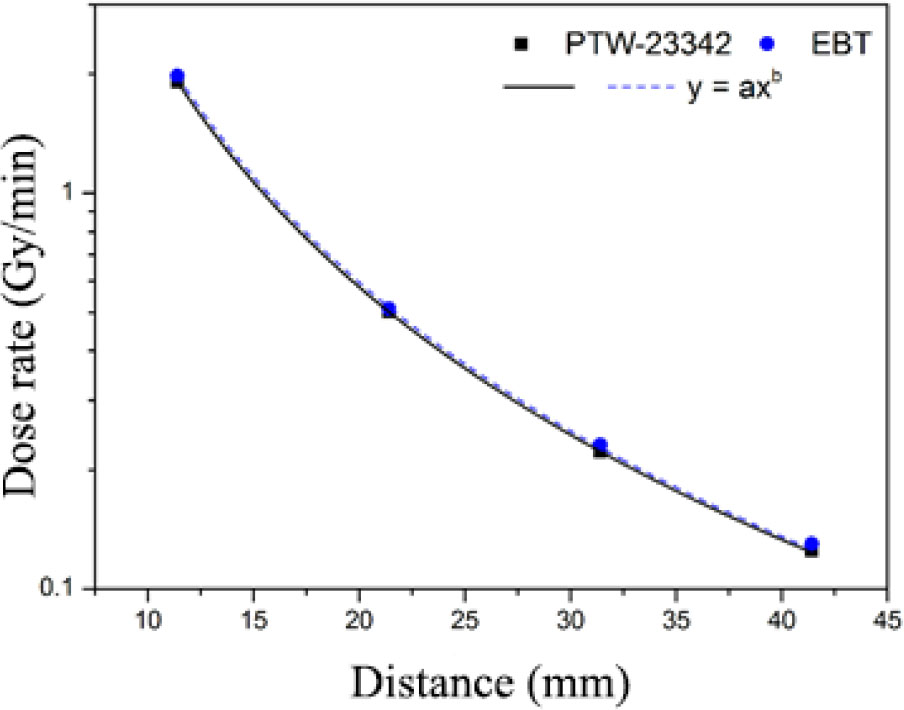

Fig. 11.

The results of measuring the dose in the air as a function of distance between the X-ray source and detector.
DOI: https://doi.org/10.2478/nuka-2025-0002 | Journal eISSN: 1508-5791 | Journal ISSN: 0029-5922
Language: English
Page range: 11 - 17
Submitted on: Aug 20, 2024
|
Accepted on: Oct 30, 2024
|
Published on: Feb 18, 2025
In partnership with: Paradigm Publishing Services
Publication frequency: 4 issues per year

© 2025 Aneta Maria Gójska, Piotr Mazerewicz, Krystian Trela, published by Institute of Nuclear Chemistry and Technology
This work is licensed under the Creative Commons Attribution-NonCommercial-NoDerivatives 4.0 License.