
1. Introduction
The global construction industry stood at a critical juncture, as concrete consumption trailed only water in volume, yet its reliance on ordinary Portland cement (OPC) production incurred substantial environmental costs [1]. The cement sector accounted for approximately 5–8% of global anthropogenic CO2 emissions, primarily due to the decomposition of limestone and the fossil energy required for high-temperature clinker production [2]. With climate models predicting the 1.5°C warming threshold would likely be surpassed between 2030 and 2052, fundamental material solutions within the industry, beyond carbon capture, utilization, and storage, were deemed essential [3].
Consequently, the development of cementless or low-carbon cementitious materials emerged as a key focus in materials science. While the partial replacement of OPC with supplementary cementitious materials (SCM) had long been practiced, novel OPC-free systems [4] were developed to achieve deeper decarbonization [5]. Among these, alkali-activated materials (AAM) and geopolymers were considered the most promising alternatives [6]. These materials utilized alkaline solutions to activate aluminosilicate-rich industrial wastes, forming a gel network that theoretically reduced CO2 emissions by up to 80% compared to traditional cement [7].
However, the widespread adoption of traditional AAM faced significant barriers, as commercial alkali activators [8] were characterized by high corrosiveness, cost, and embodied energy, which partially offset environmental benefits and increased onsite operational risks [9]. Consequently, alkali-free or self-activated systems emerged as an innovative breakthrough. Rather than relying on external chemical reagents, these systems exploited synergistic effects between industrial by-products [10]; for instance, the inherent calcium and sulfate in circulating fluidized bed (CFB) co-fired fly ash (CFA) were utilized to activate slag [11], thereby facilitating a waste-to-waste treatment approach consistent with the circular economy framework proposed by Song [12] and Do [13].
Parallel to this material revolution, additive manufacturing, specifically 3D printing concrete (3DPC) [14], reshaped construction methods by eliminating formwork and enabling high geometric freedom [15]. However, successful implementation depended heavily on rheological control [16], requiring a delicate balance between low dynamic yield stress for extrudability [17] and high static yield stress for buildability [18]. Despite these advances, the high cement content of mainstream printing materials prompted scrutiny of their carbon footprint, as proposed by Abedi [19] and Rahemipoor [20]. Although incorporating alkali-free systems enhanced sustainability, it introduced distinct challenges. Unlike conventional AAMs, which were prone to rapid setting and nozzle blockage [21], alkali-free systems exhibited more moderate reaction kinetics. This disparity revealed a critical knowledge gap in reconciling the slower kinetics of alkali-free formulations with the rapid structural build-up required by 3D printing applications, as proposed by Zaid [22], Suryanto [23], and Lu [24].
Beyond rheological and mechanical properties, the thermophysical characteristics of 3D-printed structures were deemed critical for building energy efficiency. Due to the layered deposition process, hardened structures inevitably exhibited anisotropy [25], where interlayer interfaces created microstructural discontinuities that altered heat flow paths [26]. Literature by Kaszynka [27] and Cai [28] indicated that printing parameters and interlayer pore distribution caused significant variations in thermal conductivity relative to the printing direction. This complexity was further compounded in self-activated systems that incorporated CFA or spherical reactive ultra-fine fly ash (RUFA), as reported by Lin [29] and Wu [30], for which systematic investigations [31] into the influence of these by-products on thermal insulation performance remained limited [32]. Additionally, insufficient research quantified the impact of these materials on the thermal anisotropy of printed structures. To address microstructural characterization, optical microscopy (OM) was identified as a valuable complement to scanning electron microscopy (SEM) for analyzing filament integrity [33] and interlayer bond quality at the mesoscale [34].
This study aimed to develop and verify a novel, alkali-free ternary cementless material for 3D printing based entirely on industrial by-products (CFA-Slag-RUFA/FA). The innovation lay in utilizing the self-cementing properties of CFA to activate slag, thereby eliminating the need for OPC and hazardous activators to create a low-carbon binder. The research investigated the effects of RUFA versus traditional FA on rheological optimization for extrusion. Subsequently, the thermal conductivity of the printed specimens was empirically analyzed to assess thermal performance. Finally, OM was employed to quantify interlayer quality and pore distribution, establishing a correlation between rheological parameters and deposition quality.
2. Materials and methods
2.1. Materials
Four local industrial by-products, CFA, RUFA, FA, and slag, were selected to fabricate cementless binders, with AAMs serving as a comparative control. The CFA was derived from a circulating fluidized bed boiler, while slag and fly ashes were obtained from steel and thermal power industries, respectively. Material properties are detailed in Table 1; notably, RUFA exhibited the highest pozzolanic activity. SEM micrographs (Figure 1) distinguished the irregular morphology of CFA and slag from the spherical nature of FA and RUFA, with the latter displaying significantly finer particle sizes. XRD analysis (Figure 2) confirmed the amorphous character of the slag and RUFA, as indicated by broad humps between 20° and 35° 2θ, suggesting a high potential for geopolymerization and pozzolanic reactions. Conversely, CFA contained crystalline anhydrite (CaSO4) and portlandite (Ca(OH)2), which served as essential intrinsic activators to trigger the hydration of the slag. FA was dominated by stable quartz and mullite phases, indicating lower reactivity and a primary role as a filler. For the AAM control, an activator solution consisting of sodium silicate and sodium hydroxide was used.
Table 1
Basic information on raw materials.
| Raw materials | Main chemical compositions | SO3 | Specific gravity | Surface area (g/cm2) | PSAI (%) at 28 days | |||
|---|---|---|---|---|---|---|---|---|
| CaO | SiO2 | Al2O3 | Fe2O3 | |||||
| CFA | 45.89 | 19.99 | 15.61 | 4.07 | 10.78 | 2.73 | 4,560 | 108 |
| FA | 4.80 | 48.60 | 34.31 | 6.46 | 0.71 | 2.21 | 10,800 | 86 |
| RUFA | 11.75 | 43.65 | 21.95 | 13.31 | 0.30 | 2.25 | 33,600 | 128 |
| slag | 44.68 | 24.85 | 20.47 | 0.67 | 1.79 | 2.88 | 5,840 | 115 |
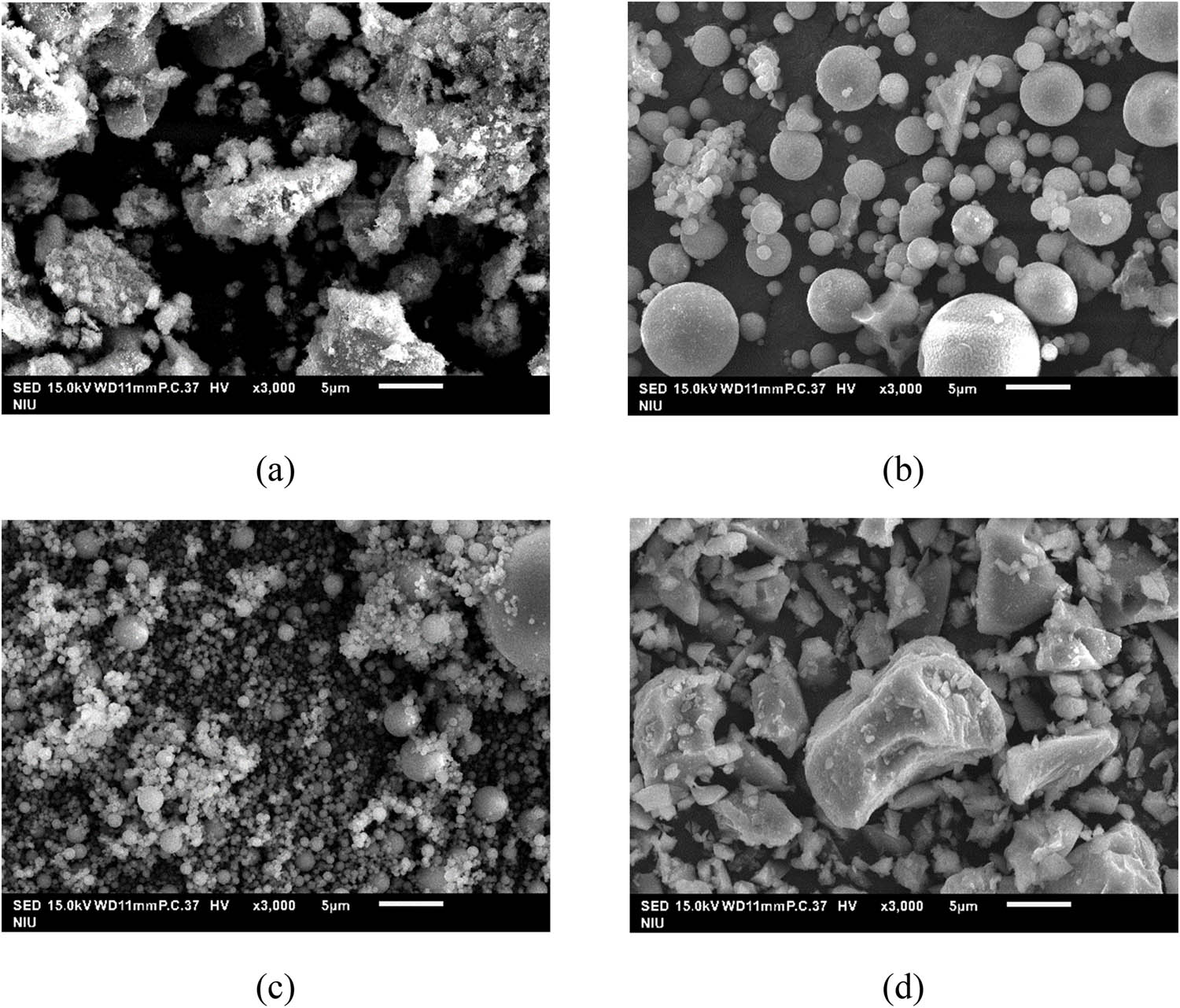
Figure 1
SEM Photos of raw materials of (a) CFA, (b) FA, (c) RUFA, and (d) slag.
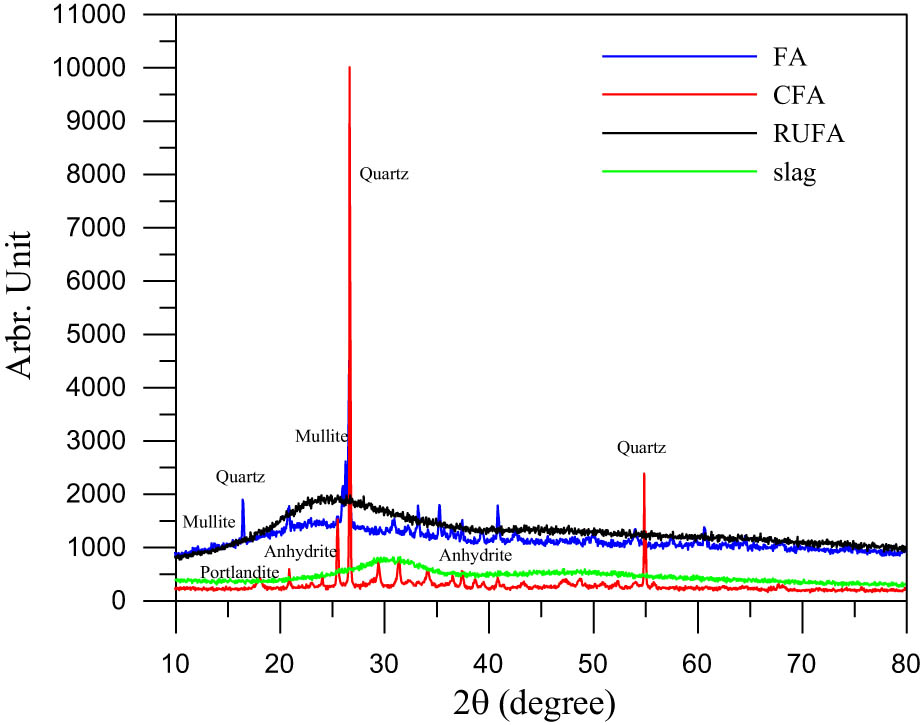
Figure 2
XRD patterns of raw materials.
2.2. Mix design
The study proceeded in two distinct stages. First, binary (CFA-Slag) and ternary (incorporating RUFA/FA) cementless pastes were formulated alongside comparative AAMs. The initial water-to-binder (w/b) and liquid-to-binder (l/b) ratios were fixed at 0.55, with AAM Na2O dosages set at 4% and 6% (Table 2). In the second stage, these proportions were optimized to satisfy 3D printing rheological requirements (Table 3). Both printed and cast specimens were fabricated to evaluate mechanical performance and microstructure. A standardized mixing regime was employed for all mixtures, consisting of dry homogenization followed by a multi-step sequence of manual and mechanical mixing (136 rpm) prior to casting or extrusion.
2.3. Testing methods
The experimental program encompassed fresh properties, compressive strength, thermal conductivity, and 3D printing assessments. Fresh property characterization included setting time (ASTM C191) [35], fluidity (ASTM C1437) [36], and a mini-slump test adapted from ASTM C143 [37]. The mini-slump evaluation utilized a half-scale cone (Figure 3) filled in two compacted layers; a slump range of 7–10 cm was established as the criterion for printability.
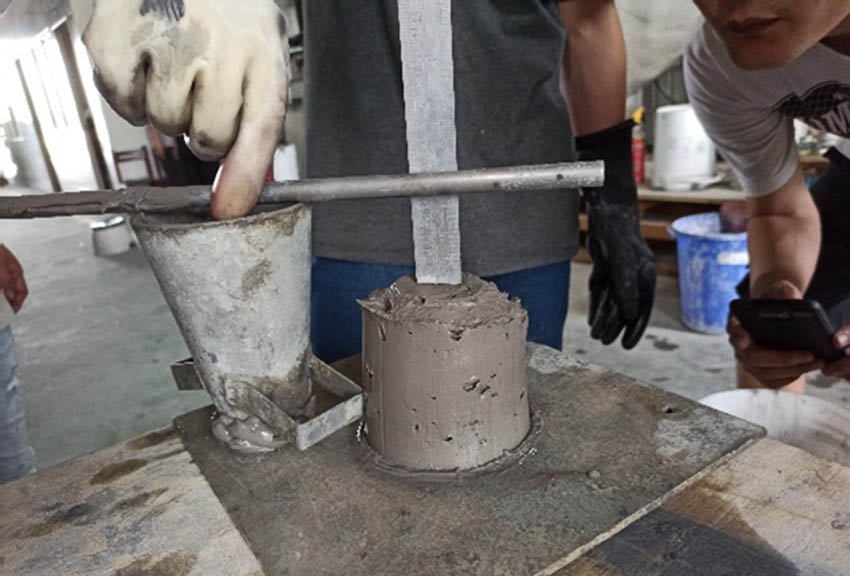
Figure 3
Appearance of the mini-slump test.
Compressive strength was evaluated according to ASTM C109 [38] using 5 cm × 5 cm × 5 cm cubes. The 3D-printing tests assessed printability using a mortar-type printer (UM 2205) operating at 30 mm/s with a 15-mm nozzle (Figure 4). The maximum size of the specimens, up to 70 cm × 60 cm × 60 cm, was printable. At the same time, this study mainly produced 5 cm × 5 cm × 30 cm elements (7 layers), later cut into 5 cm × 5 cm × 5 cm cubes for axial and lateral strength testing (Figure 5). Thermal conductivity was measured with an ISOMET 2114 surface probe (Figure 6) after drying the specimens at 105°C for 24 h and coating them with epoxy; tests were performed at 23 ± 3°C within a range of 0.04–0.30 W/m K. Macroscopic inspection using OM examined interlayer bonding, voids (>0.1 mm), and filament geometry. Test standards, specimen dimensions, and ages are summarized in Table 4. Statistical analysis was performed for all mechanical evaluations. Three replicate specimens (n = 3) were tested for each mixture at every designated testing age. The reported values represent the average of these three measurements, with a coefficient of variation (COV) maintained below 5%.
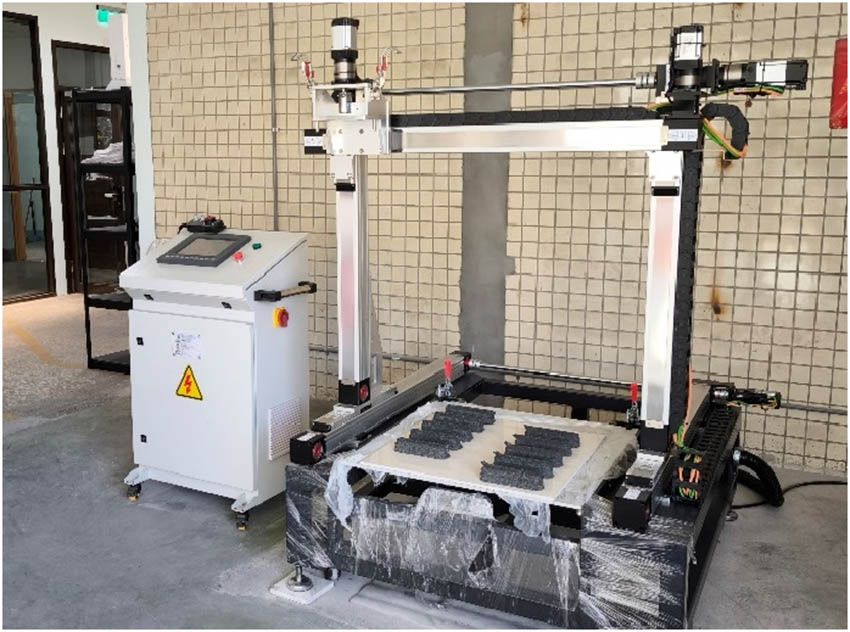
Figure 4
Appearance of the mortar-type 3D printer.
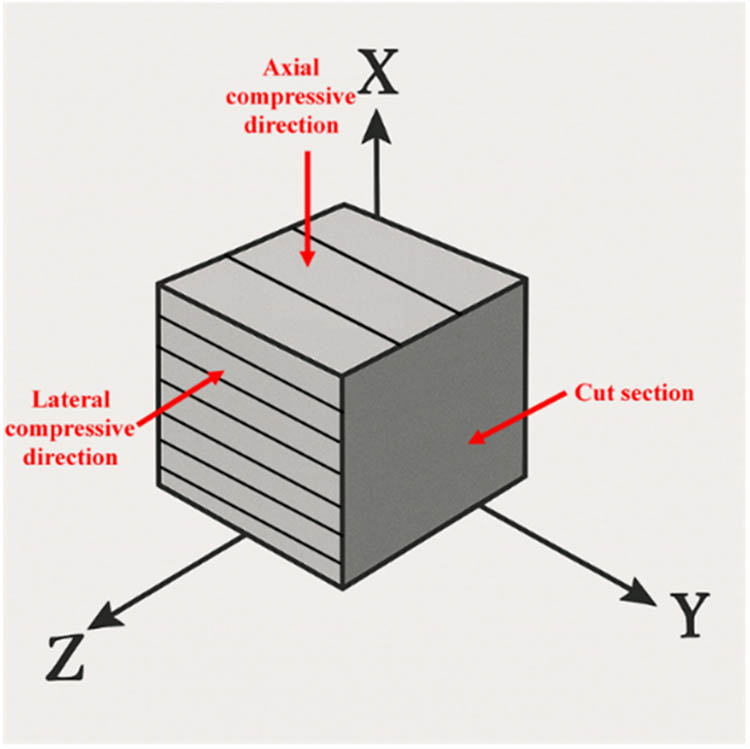
Figure 5
Schematic diagram of the specimen orientation.
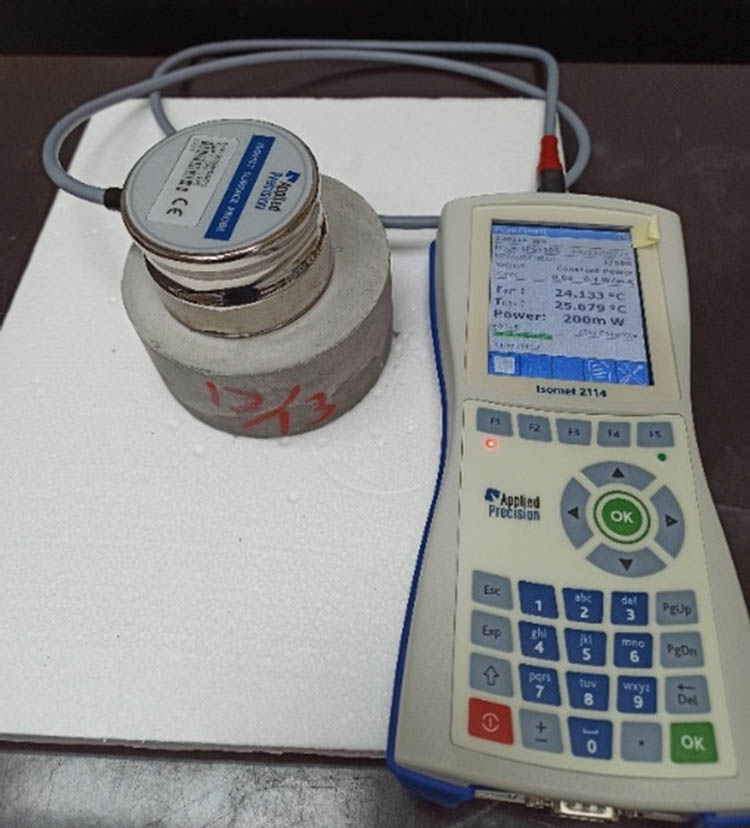
Figure 6
Appearance of the thermal conductivity device.
Table 4
Lists of test methods.
| Type | Experimental | Specification | Specimen size | Test age |
|---|---|---|---|---|
| Fresh properties | Setting time | ASTM C191 | — | — |
| Fluidity | ASTM C1437 | — | — | |
| Mini-slump | ASTM C143 | — | — | |
| Mechanical and thermal properties | Compressive strength (mold casting) | ASTM C109 | 5 cm × 5 cm × 5 cm | 7, 14, 28, 56 |
| Compressive strength (3D printing) | ASTM C109 | 5 cm × 5 cm × 5 cm | 7, 28 | |
| Thermal conductivity | — | ϕ10 cm × 5 cm | 28, 56 | |
| Gap inspection | Optical microscopy (OM) | — | 5 cm × 5 cm × 5 cm for printed specimens | 56 |
3. Results and discussion
3.1. Fluidity and setting time
Figure 7 presents the fluidity of the first eight-stage mixes, where 110% was the ASTM C1437 standard. All C-series mixes exhibited high fluidity (130–150%), primarily due to water activation and the slag/FA combination. The slight reduction in C3 and C4 indicated that replacing CFA with RUFA or FA thickened the paste, consistent with findings that CFA reduced free solution and promoted flocculation, as proposed by Wang [39], Liu [40] and Zhao [41]. All A‑series mixes demonstrated substantially lower fluidity (20–60%) because the addition of NaOH and Na2SiO3 enhanced viscosity and reaction rates, a phenomenon previously described by Coffetti [42] and Zhang [43]. Fluidity further decreased with lower water content and higher activator dosage, as observed in A4, aligning with previous studies [44]. The CFA/slag ratio was influential: A2 showed optimal fluidity since the higher density of slag reduced volume and released more free water [45]. Overall, water‑activated mixes (C-series) flowed better than alkali‑activated mixes (A-series) due to the absence of alkaline activators and differences in binder proportions. Prior research confirmed that activator type, concentration, and slag/CFA ratios increased viscosity and reduced workability [46], directly affecting printability [47].
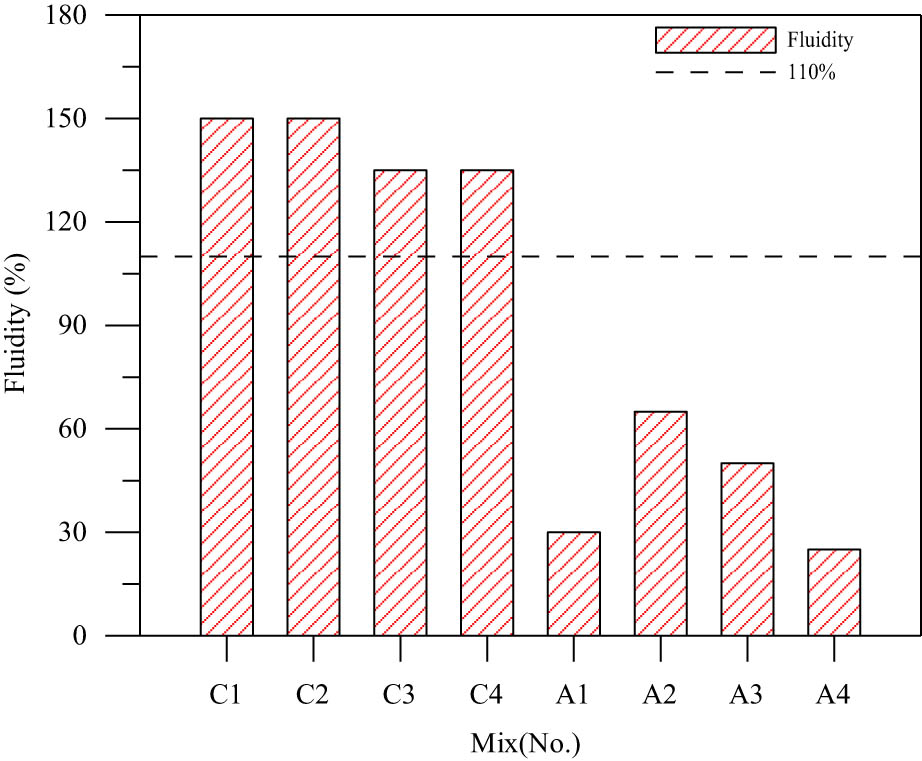
Figure 7
Fluidity histograms.
Figure 8 presents the setting time profiles, which exhibited an inverse relationship to the fluidity results. The C-series specimens exhibited prolonged setting periods (initial: 6–10 h; final: 17–24 h), particularly in mixtures containing regular FA or higher RUFA contents. This retardation was attributed to the slower hydration kinetics of high-slag systems and the specific influence of RUFA on ion availability [48]. Furthermore, the replacement of reactive CFA [40], known to accelerate setting via ettringite formation [41] and water consumption [49], with less reactive regular FA significantly extended setting durations.
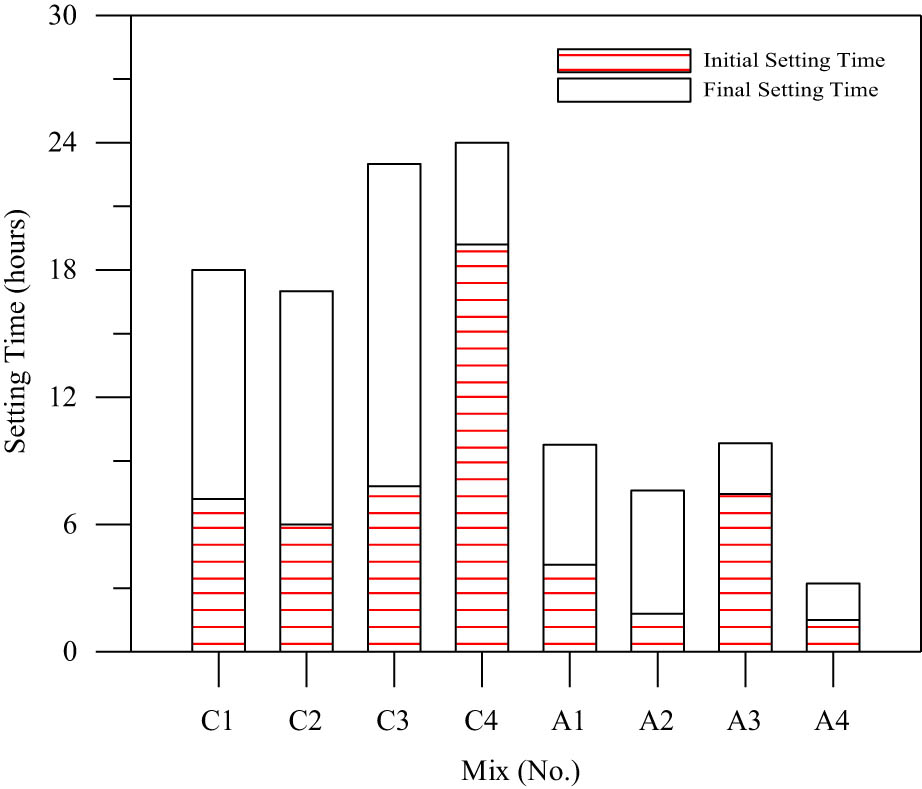
Figure 8
Setting time histograms.
In contrast, A-series specimens exhibited rapid setting times (initial: 1–3 h; final: 4–8 h), driven by the accelerated dissolution and polymerization of aluminosilicates [50]. Higher slag content under alkaline conditions further contributed to this rapid hardening [51]. The results confirmed that the mix composition and activator concentration governed reaction kinetics [52], highlighting a critical trade-off for 3D printing applications: the superior workability of water-activated systems versus the rapid structural buildup required for alkali-activated materials [47].
Based on the first-stage results, the w/b or l/b was adjusted to target a fluidity of 110% (approximately 10 cm mini-slump) for the second stage [53]. The C-series mixtures exhibited consistent fluidity near the 110% target (Figure 9), demonstrating insensitivity to compositional variations and offering predictable extrudability and buildability. Conversely, the A-series displayed significant variability (55–135%), primarily driven by sensitivity to alkali activator dosage [54] and the l/b [55]. While alkali-activated materials offered rapid strength gain, this volatility posed challenges for process control [56]. Specifically, the high viscosity of sodium silicate in A1* acted as a rapid thickener, significantly reducing fluidity [57]. A2* exhibited excessive flow due to a high l/b (0.65), while A3* retained high fluidity due to lower activator concentrations and the favorable particle morphology of its high slag content. However, for A4*, despite a high l/b (0.70), fluidity decreased; the high dosage of sodium silicate dominated the system, increasing viscosity and particle interlocking regardless of the higher water content [58].
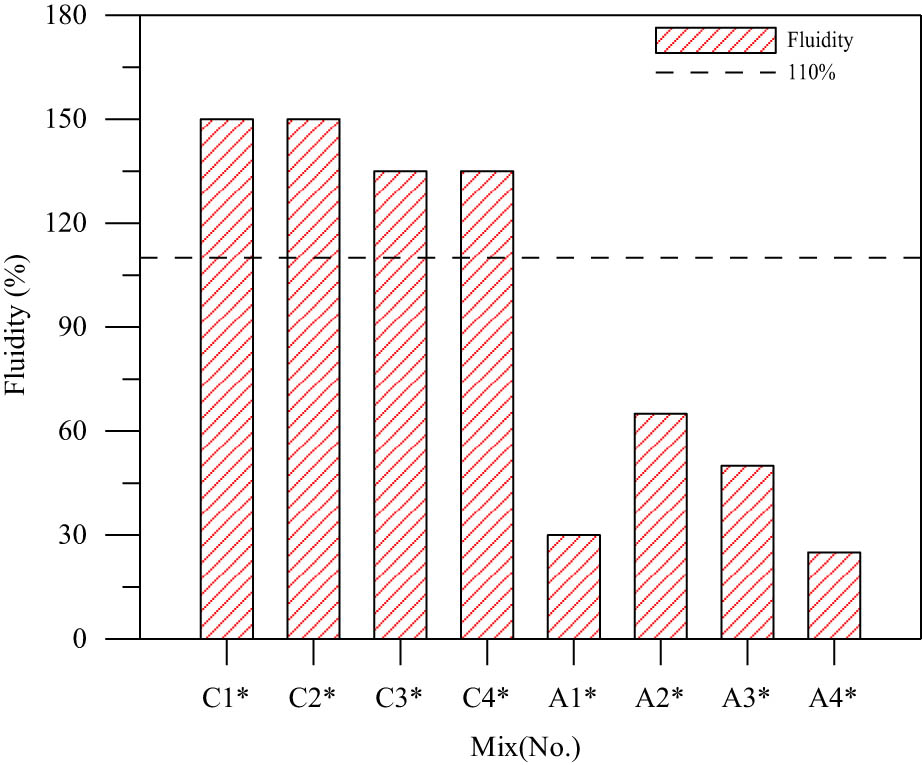
Figure 9
Fluidity histograms designed for 3D printing.
Figure 10 illustrates the second-stage setting time results following w/b or l/b adjustments. C-series mixes still exhibited long setting times, with final values ranging from 13 to 18 h. It provided extended open time but limited buildability because layers stiffened too slowly to carry subsequent deposits. In contrast, A-series mixes set much faster, with initial and final setting times of 0.5–2.5 h and 2.5–6.5 h, respectively. A2* and A3* reached the final setting time in under 3 h, while A1* and A4* required about 7 h. Such rapid hardening improved buildability but reduced workable time and increased the risk of clogging, consistent with previous observations by Feys [59] and Xiao [60].
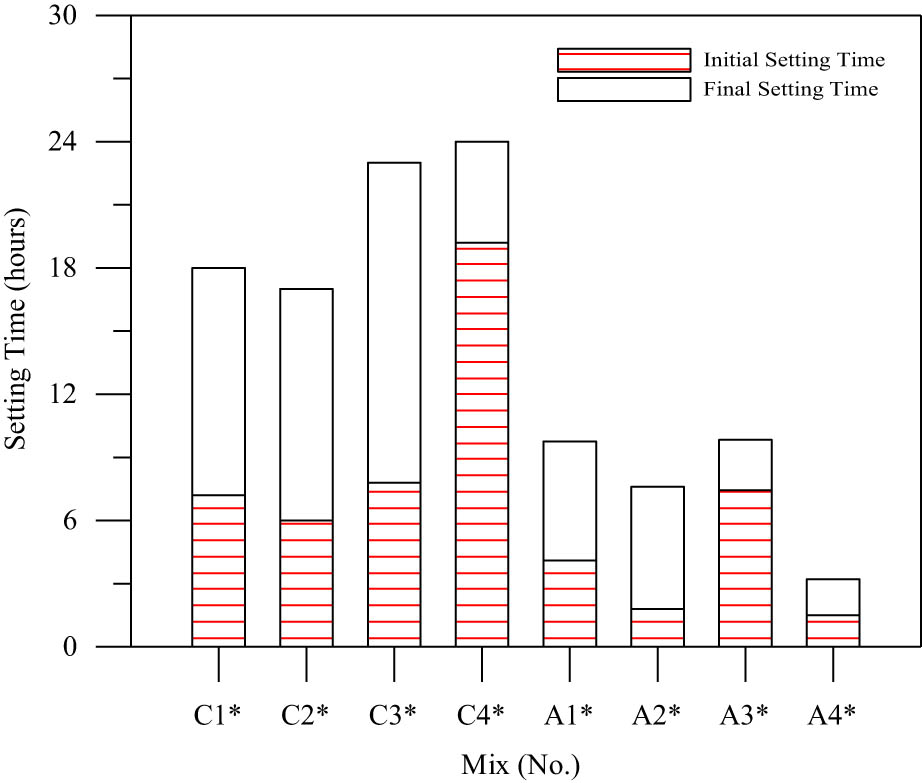
Figure 10
Setting time histograms designed for 3D printing.
RUFA additions slightly accelerated the setting process due to their finer particle size and higher nucleation potential, while the lower w/b in C2* and C3* (0.45) further contributed to faster hardening. Alkali activators (NaOH and Na2SiO3) produced rapid dissolution, which explains the short setting times in the A-series [61]. A2* showed the fastest reaction (initial setting time: ∼30 min; final setting time: ∼2.5 h), driven by a high activator content (notably Na2SiO3) and enhanced binder dissolution. A4* was the slowest A‑series mix (2.5 h for initial; 6.5 h for final) despite its high l/b and Na2SiO3 dosage. It indicated that very high sodium-silicate concentrations initially impeded dissolution by forming a viscous silicate layer, which delayed hardening before hydration products, such as C–S–H and ettringite, accelerated the reaction [62].
3.2. Compressive strength of steel molded specimens
Figure 11 illustrates the development of compressive strength in the C-series mixtures. While all specimens exhibited strength gain over 56 days, C4 (containing 10% FA) demonstrated the highest early and 28-day strength (> 22 MPa), followed by a plateau in strength. Conversely, C1– C3 exhibited continuous and gradual strength evolution between 28 and 56 days. The inclusion of RUFA enhanced mechanical performance (C3 > C2 > C1), which was attributed to the high specific surface area and filler effect of the ultra-fine particles, improving packing density and accelerating pozzolanic activity.
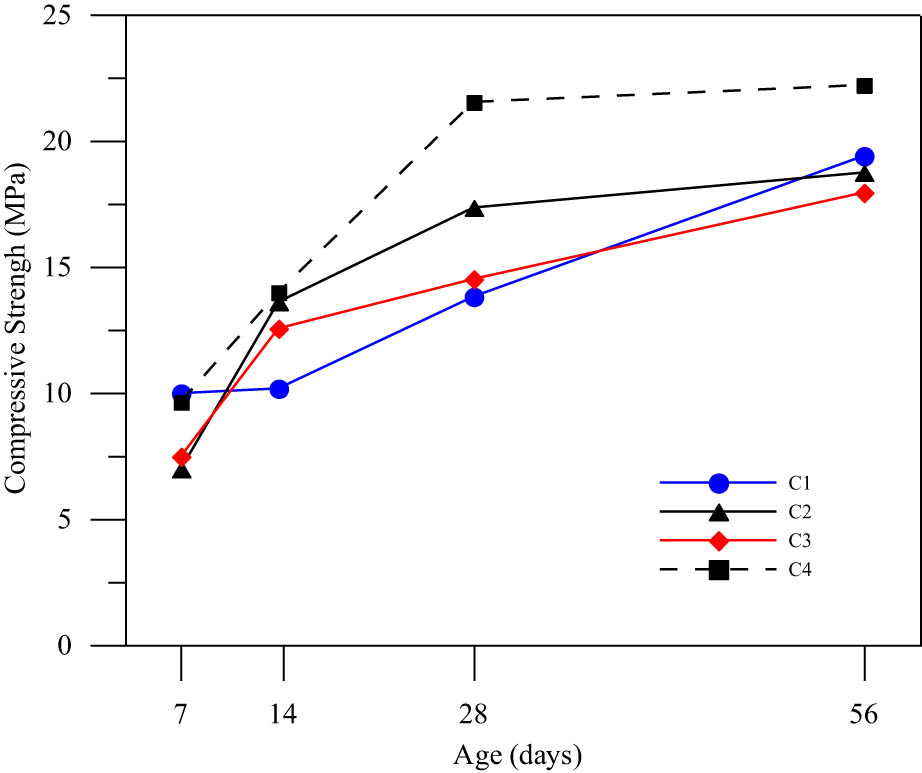
Figure 11
Compressive strength development curves (C1 series, molded specimens).
Strength development in these cementless systems relied on combined hydraulic and pozzolanic reactions. The SO4 2− content and alkalinity supplied by CFA [39] continuously activated the latent hydraulic properties of the slag [63]. Subsequent hydration released Ca2+ and OH− ions, facilitating the reaction between slag and CFA to form Ettringite [11] and C–S–H gel as primary binding phases, as reported by Zhang [63] and Guo [64]. Additionally, the pozzolanic reaction of FA and RUFA consumed Ca(OH)2 to produce supplementary C–S–H, further densifying the matrix.
Figure 12 presents the compressive strength development of the alkali-activated (A-series) mixtures. All A-series mixes exhibited consistent strength gain, with A4 achieving nearly 20 MPa at 56 days. A direct correlation between slag content and strength was observed (A3 > A1). While the alkaline activators rapidly dissolved the amorphous phases of CFA and slag, the high CFA content in specific mixes led to incomplete reactions and the predominance of N–A–S–H gel [65]. As slag content increased, calcium incorporation formed a stronger hybrid C–(N)–A–S–H gel structure, enhancing mechanical performance. The superior strength of A4 was attributed to the synergistic effects of high slag content (80%), increased activator dosage, and reduced water content.
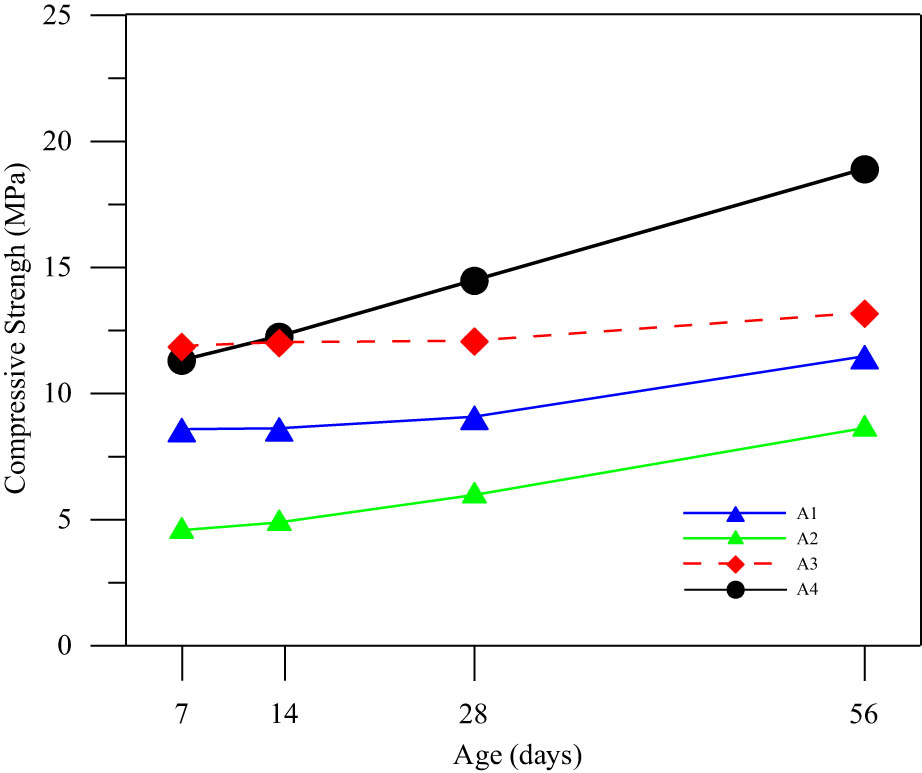
Figure 12
Compressive strength development curves (A1 series, molded specimens).
Comparative analysis revealed distinct trends between the two systems. The cementless materials (C-series), particularly C4, achieved the highest overall strength (>22 MPa) due to accelerated pozzolanic reactions and the formation of C–S–H. Conversely, the A-series demonstrated superior early-age strength, driven by the rapid alkali-activated reaction of N–A–S–H and C–A–S–H gels under high alkalinity. Although alkali activation generally provided faster strength gain, the inclusion of FA in the C-series significantly narrowed the performance gap. These findings aligned with previous studies indicating that strength development was governed by reaction product composition [66] and microstructural evolution [67].
3.3. Thermal conductivity
Figure 13 presents the thermal conductivity results at 28 and 56 days, which were primarily governed by the activation mechanism and the slag–FA ratio. Alkali‑activated mixes exhibited tunable thermal conductivity (0.289–0.546 W/m K at 28 days), increasing directly with slag content, whereas water‑activated mixes showed more moderate values influenced by FA type and fineness. All mixes showed lower conductivity at 56 days due to the conversion of pore water into chemically bound water, which replaced a conductive liquid with air and reduced heat transfer. These results demonstrated that slag–FA binders offered adjustable thermal properties suitable for both insulating and structural applications.
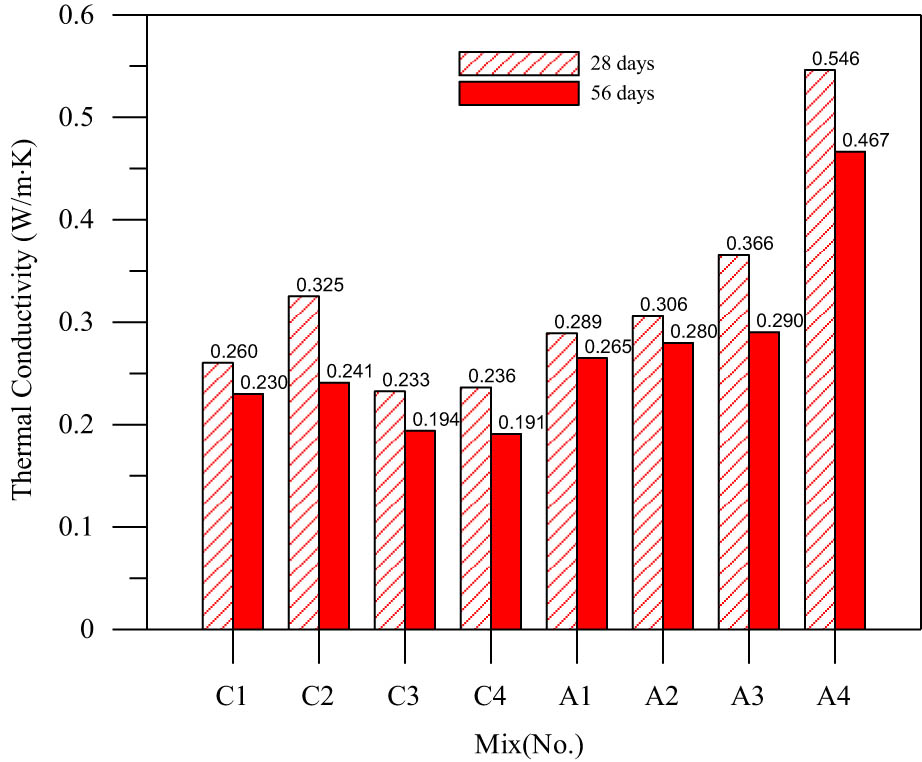
Figure 13
Thermal conductivity histograms.
In the A‑series, thermal conductivity rose monotonically with slag content, from 0.289 W/m K in A1 specimens (20% slag) to 0.546 W/m K in A4 specimens (80% slag). This increase resulted from the formation of dense C–(A)–S–H gels under alkali activation [68], which provided more continuous heat-transfer pathways [69]. A4 specimens showed the highest conductivity due to its high slag content and activator dosage, highlighting the capacity of AAMs to achieve either low or high thermal conductivity through precursor tailoring [70].
The C‑series demonstrated the influence of FA type in water‑activated systems. C1 specimens (40% CFA) showed 0.280 W/m K at 28 days. C2 specimens (5% RUFA) yielded a higher value (0.325 W/m K), likely due to micro‑filler densification proposed by Lin [71] and Chuang [72]. C3 specimens (10% RUFA) showed a significant reduction (0.233 W/m K), consistent with microstructures containing interstitial pores that disrupted heat transfer [31]. C4 specimens, replacing RUFA with FA, produced a similar low conductivity (0.238 W/m K), reflecting different pore‑forming mechanisms between FA and RUFA [73].
All mixes exhibited reduced conductivity from 28 to 56 days, attributed to pore-fluid evolution. Continued hydraulic reactions and alkali-activation processes refined the pore structure. The replacement of pore fluid with air during the drying process outweighed the minor conductivity gain from matrix densification, consistent with findings reported by Han [73], Ramires [74], and Kadoya [75]. This decay trend matched previous findings by Dai [76] and Daza–Badilla [77].
3.4. Differences between 3D printed and mold specimens
Figure 14 displays the compressive strengths of steel-mold specimens following second-stage w/b or w/l modifications. A2* and A3* specimens were unsuitable for 3D printing. The C‑series mixes developed low strength, confirming the limited self‑activation capability of CFA and slag [78]. In contrast, the A‑series, activated with NaOH and Na2SiO3, achieved markedly higher strengths, with A4* performing best. Strength development in the AAMs was primarily controlled by the type of precursor and the concentration of activator. CFA dissolution released alkaline ions that increased pH and promoted limited self‑hardening, while RUFA contributed only minor improvements through filler effects. The slight increase in strength from C1* to C3* specimens resulted mainly from reduced w/b and improved packing, rather than chemical reactivity.
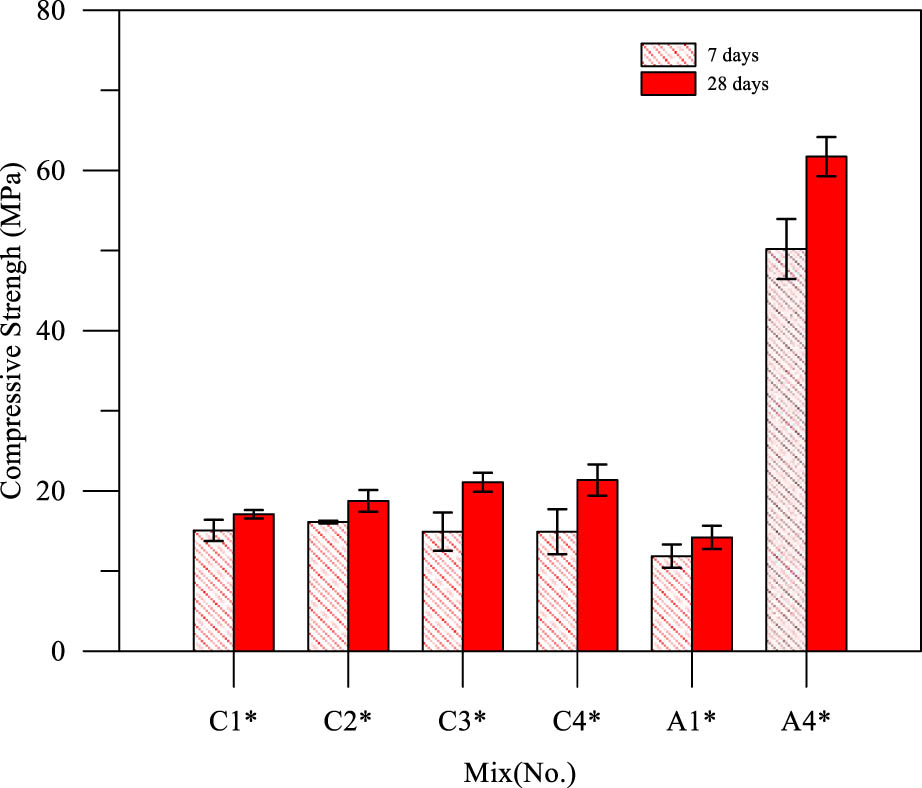
Figure 14
Compressive strength histograms designed for 3D printing (molded specimens).
A‑series binders exhibited strong composition‑dependent performance. The high‑CFA mix (A1*) reached only ∼14 MPa at 28 days, demonstrating the difficulty of activating low‑calcium precursors at ambient conditions. In contrast, the high‑slag mix (A4* specimens) exceeded 60 MPa, reflecting the formation of a dense C–A–S–H gel, which was mechanically superior to the N–A–S–H gel in A1* specimens [79] and the secondary hydrates in the C‑series [80]. The poor printability of A2* and A3* specimens further indicated that rheological behavior, governed by w/l, activator chemistry, and precursor reactivity, was a significant constraint for AAMs. Overall, alkali-activated slag binders (A4*) significantly outperformed both cementless pozzolanic systems (C1* to C4*) and alkali-activated high-CFA binders (A1*).
Figures 15 and 16 illustrate the anisotropic mechanical behavior of 3D-printed specimens, where axial compressive strength consistently exceeded lateral strength. For the A4* mix, the 28-day axial strength (∼36 MPa) surpassed lateral strength (∼29 MPa) by nearly 20%. This directional dependence stemmed from the weak interlayer interfaces inherent to the layer-by-layer deposition process. Axial loading transferred stress through continuous filaments, whereas lateral loading stressed weaker interlayer bonds [81], causing premature failure [82].
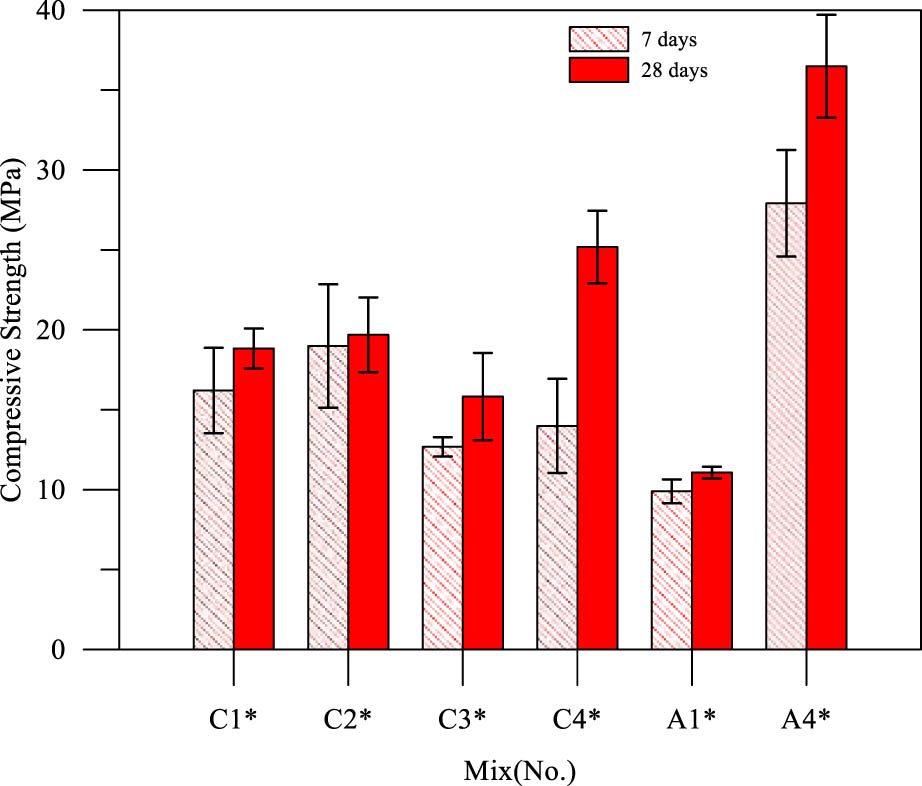
Figure 15
Compressive strength histograms designed for 3D printing (printed specimens in axial direction).
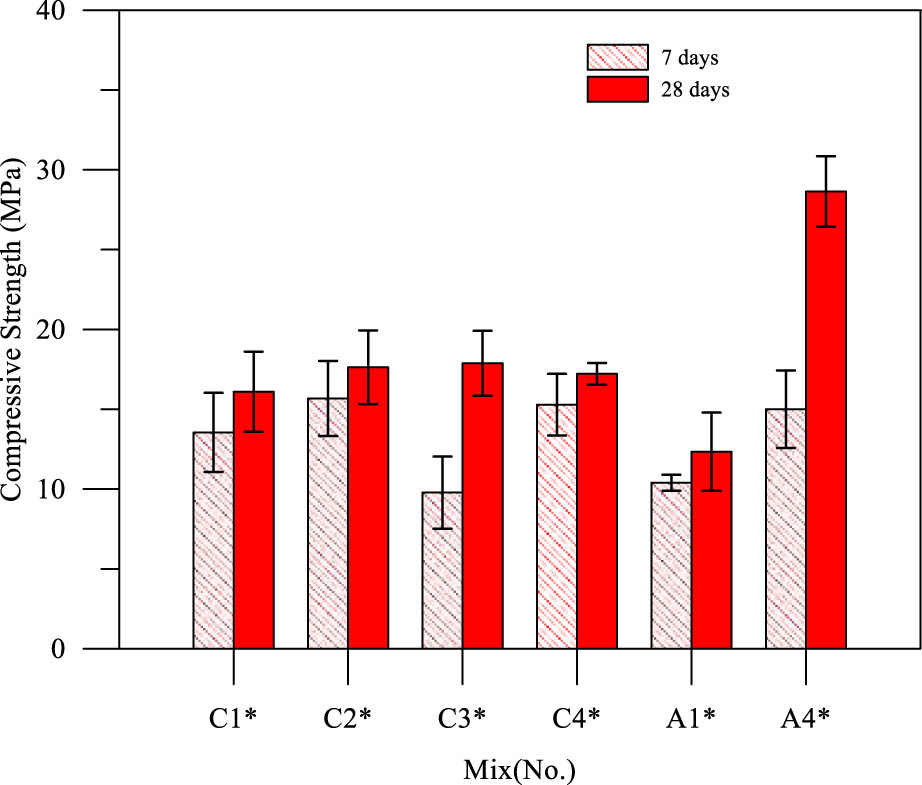
Figure 16
Compressive strength histograms designed for 3D printing (printed specimens in the lateral direction).
Furthermore, 3D-printed specimens exhibited significantly inferior performance compared to their mold-cast counterparts. The A4* mix demonstrated a strength reduction of over 40%, dropping from >60 MPa in cast specimens to 36 MPa in the strongest printed orientation. This disparity was attributed to the absence of external compaction and vibration during printing, which resulted in a higher void volume [82], entrapped air, and a less dense microstructure [83]. Ultimately, the structural imperfections introduced by the additive manufacturing process, specifically anisotropic pore structures and weak interlayer adhesion, compromised mechanical integrity relative to traditional casting methods.
3.5. OM observations for 3D-printed specimens
While 3D printing offered advantages such as formwork-free construction, the layer-by-layer process inherently created weak interfaces dependent on contact bonding. OM images at 1,000× magnification (Figures 17 and 18) revealed these interlayer gaps, which served as potential sites for mechanical and durability failure. The quality of interlayer fusion was governed by distinct hydration kinetics and rheological behaviors. Specifically, successful printing required a critical balance: materials had to rapidly establish buildability to support vertical load while maintaining sufficient open time to ensure adequate bonding with subsequent layers [84].
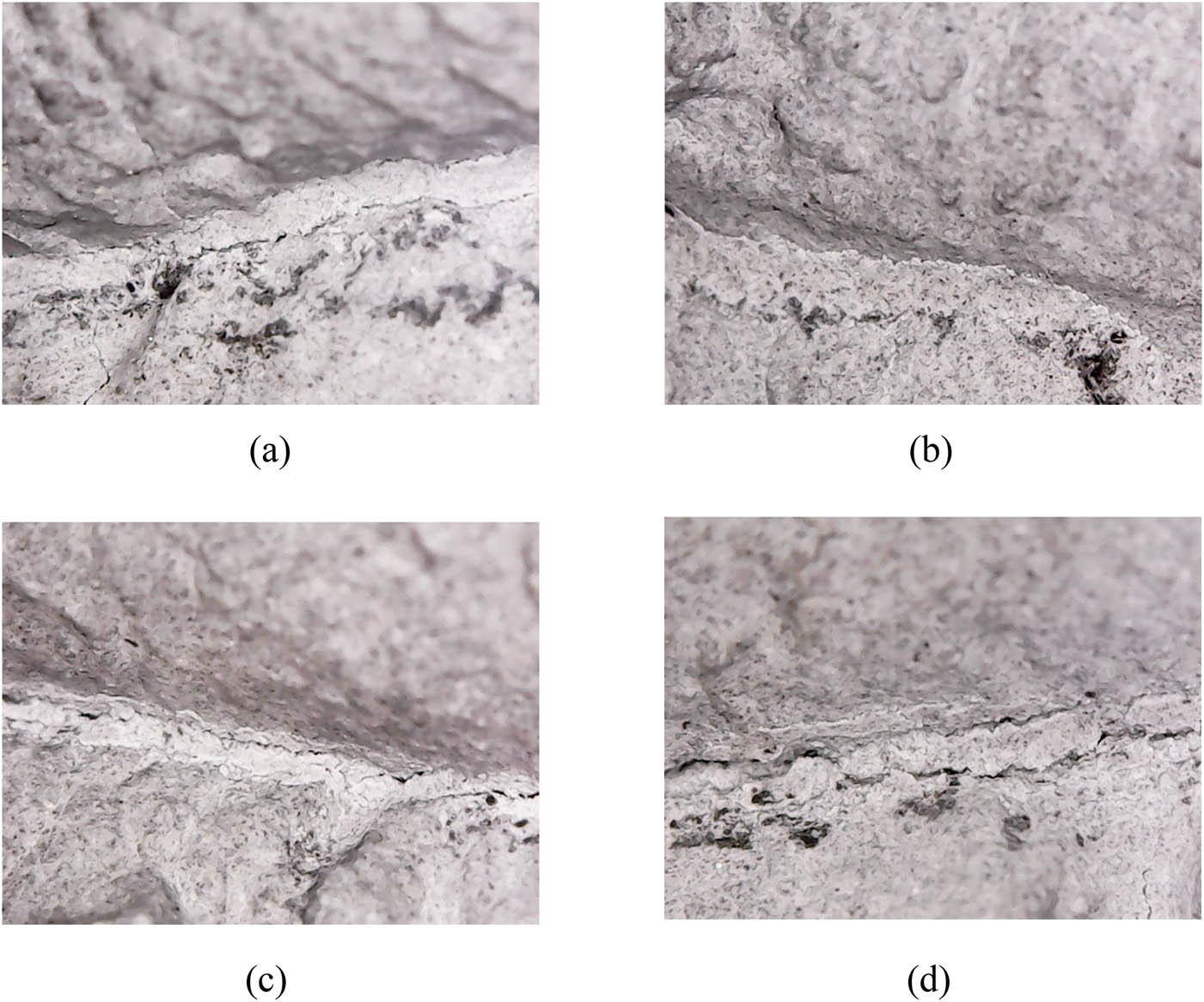
Figure 17
OM Photos for 3D printing specimens (C-series, ×1,000, 56 days). (a) C1*, (b) C2*, (c) C3*, and (d) C4*.
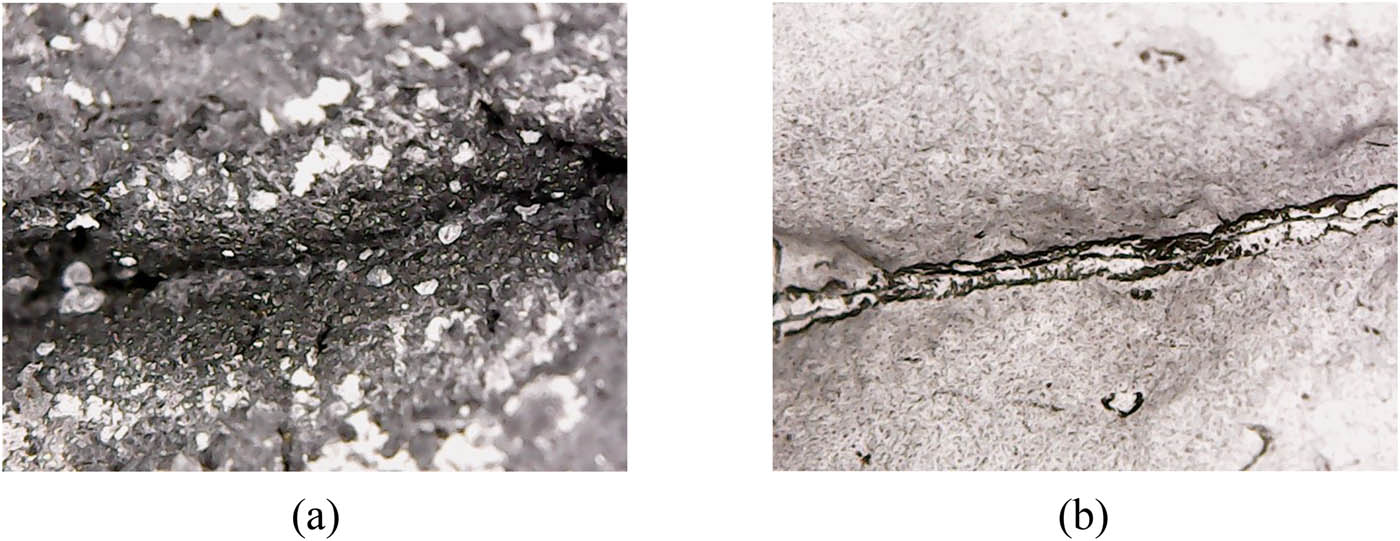
Figure 18
OM Photos for 3D printing specimens (A-series, ×1,000, 56 days). (a) A1* and (b) A4*.
Based on the OM observations, the mechanisms governing interlayer crack generation differed fundamentally between the two series. In the C-series, which relied on the self-activation of CFA and slag, the porous nature of CFA caused high water absorption. Sub-optimal w/b ratios led to surface drying and insufficient physical wetting between layers. Furthermore, excessive setting times contributed to the formation of gaps. In specimen C3*, high RUFA content (10%) exacerbated rheological instability, where excessive ultra-fine powder potentially retarded structural buildup and triggered settlement-induced delamination [85].
Conversely, the A-series functioned as a highly reactive alkali-activated slag system. While the massive formation of C–A–S–H gel yielded high strength, it also induced severe chemical and autogenous shrinkage, resulting in horizontal cracks due to the release of internal stress. The rapid hardening rate of this system hindered effective interlayer fusion, often resulting in cold joints where layers maintained physical contact but lacked chemical bonding. This phenomenon explained the significant directional strength anisotropy, a finding consistent with previous studies by Ye [86], Babafemi [87] and Tseng [88].
To contextualize potential applications, the developed material was compared with existing 3D-printed composites reviewed by Mierzwiński [89]. Although high-strength alkali-activated materials were typically targeted for load-bearing components, such as bridges or residential walls, the developed alkali-free binder exhibited properties, specifically a low thermal conductivity (0.233 W/m K) and stable interlayer fusion, that aligned well with the requirements for non-structural urban architecture, including noise barriers and thermal cladding. Unlike geopolymer-concrete hybrids that prioritize load-bearing capacity, the proposed system maximizes the use of industrial by-products for energy-efficient applications.
4. Conclusions
This investigation developed an innovative, alkali-free cementless composite for 3D printing utilizing industrial by-products. The optimized cementless mixtures exhibited stable fluidity (∼110%) and adequate retention, whereas AAMs displayed rapid setting times (less than 3 h) that complicated extrusion. Regarding thermal properties, the substitution of 10% CFA with RUFA significantly altered the microstructure, resulting in a reduction in thermal conductivity to 0.233 W/m K, compared to 0.546 W/m K in slag-rich AAMs.
Mechanical evaluations revealed significant anisotropy in printed structures. Although mold-cast AAMs achieved strengths exceeding 60 MPa, printed specimens suffered an approximate 40% reduction in axial strength and exhibited low lateral strength (29 MPa). OM analysis attributed this performance drop to cold joints and weak interlayer bonding, which were caused by rapid hardening. In contrast, the cementless counterparts demonstrated continuous interface fusion despite lower bulk strength (22 MPa). Consequently, while AAMs remained suitable for load-bearing applications, the developed cementless composites provided a sustainable and energy-efficient solution for non-structural thermal insulation.
Acknowledgements
The authors acknowledged the support of the National Science and Technology Council (NSTC) in Taiwan under Grant No. NSTC-114-2221-E-197-001-MY2.
Funding information
Authors state no funding involved.
Author contributions
Sung-Ching Chen: Investigation, methodology, validation, writing – original draft, writing – review & editing. Marek Hebda: Data curation, methodology, writing – review & editing. Magdalena Szechynska-Hebda: Investigation, visualization, writing – review & editing. Wei-Ting Lin: Conceptualization, resources, methodology, supervision, writing – original draft, writing – review & editing.
Conflict of interest statement
Authors state no conflict of interest.
Data availability statement
Authors state no data availability.