
1. Introduction
Arbuscular mycorrhizal fungi (AMF) are a common type of fungi found in soil that establish a mutualistic relationship with plant roots. This symbiotic association enhances nutrient and water absorption in plants, ultimately improving their growth rate and stress tolerance [1,2,3]. Recent research has revealed that they possess adsorption and degradation capabilities for environmental pollutants, offering innovative approaches and techniques for pollution control [4,5]. However, the precise mechanisms by which AMF adsorb and degrade environmental pollutants remain incompletely understood, necessitating further investigation [6].
Environmental nanomaterials (ENs), a newly developed class of pollutant adsorption materials, possess numerous advantages, which include large specific surface area, strong adsorption capacity, and good stability. Hence, they are extensively used for treating environmental pollutants in water, soil, and the atmosphere [7,8]. However, the use of nanomaterials in the environment presents a range of environmental concerns, which include biotoxicity, bioconcentration, and biomigration of nanoparticles [9,10]. Therefore, it is crucial to investigate the adsorption mechanism of ENs in order to enhance the adsorption efficiency and mitigate potential environmental risks. The integration of AMF and ENs facilitates effective adsorption and degradation of pollutants. Nevertheless, the adsorption mechanism of AMF on ENs requires further investigation. Therefore, this study innovatively combined AMF with ENs to explore their synergistic effect on adsorption and degradation of pollutants. This interdisciplinary integration not only helps to reveal the adsorption mechanism of AMF on nanomaterials but also may provide a new pollutant treatment strategy for the field of environmental science, showing the cutting-edge and practical research.
2. Analysis of experimental principles
2.1. Analysis of the ecotoxicological effects of AMF
AMF are a class of fungi that live in symbiosis with plants. They associate with the plant root system and obtain necessary carbohydrates and other nutrients from the plant through mycelium, and at the same time they provide the plant the required nutrients, water, etc., so as to achieve the effect of mutual benefit and assistance [1,11,12]. This symbiotic relationship helps to improve plant resilience and growth. Moreover, AMF are widespread in nature and play an important role in maintaining the balance of the ecosystem and promoting the growth of plants [13]. The main biological characteristic of AMF is the ecotoxicological effect (ETE), which is the impact of AMF on environmental ecosystems and organisms [14]. The ETEs of AMF are shown in Figure 1.
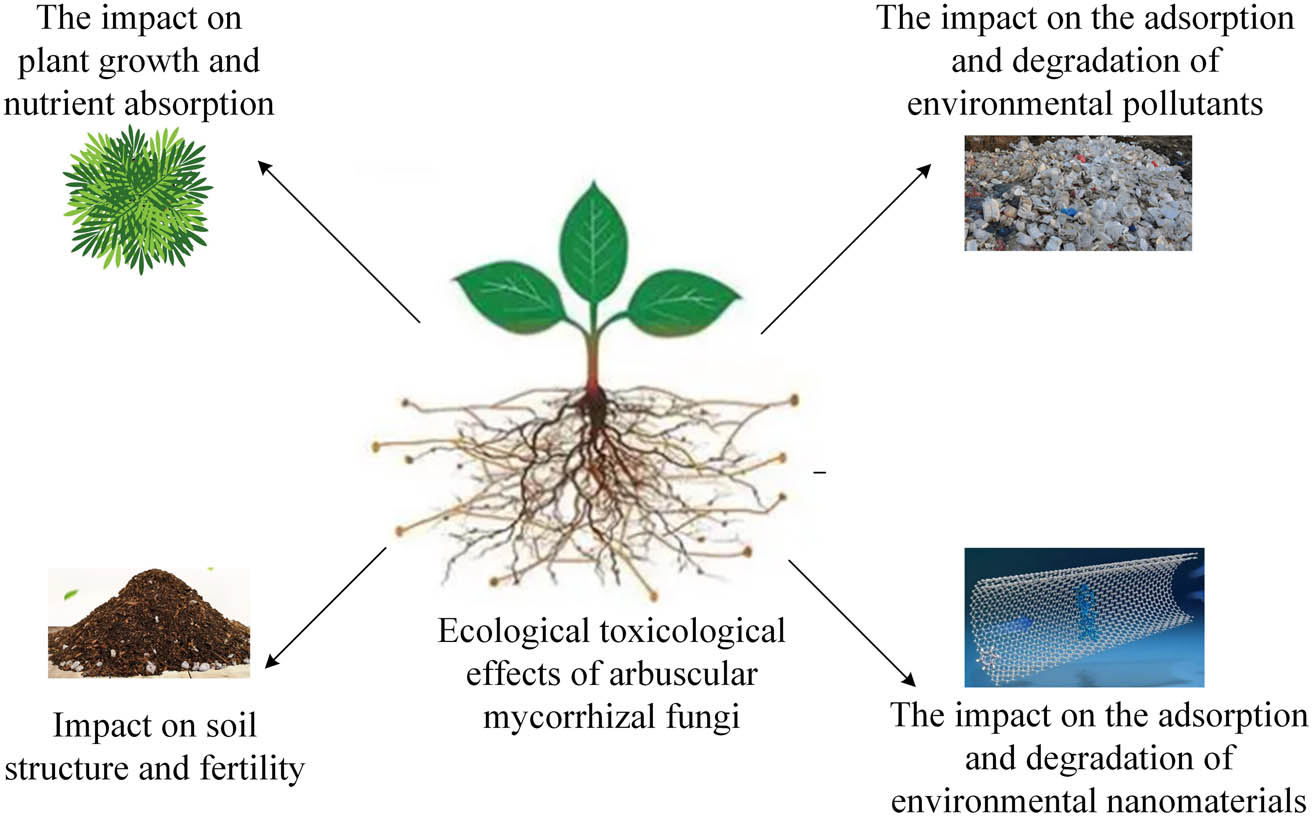
Figure 1
ETEs of AMF.
In Figure 1, the ETEs of AMF are mainly manifested in four aspects: promoting plant growth and nutrient uptake, improving soil structure and fertility, degrading environmental pollutants, and adsorbing EN. Through the formation of mycorrhizae, AMF are in close contact with the plant root system to enhance plant growth and nutrient uptake, as well as to improve the tolerance of plants to environmental pollutants. In addition, AMF improve the soil structure, fertility, productivity, and resilience and protect the plant from the damage caused by pollutants. Furthermore, AMF have the capability to adsorb and degrade environmental pollutants, reducing harm to ecosystems and organisms while enhancing biodegradability. Importantly, AMF also possess the ability to adsorb and degrade ENs, reducing their ecological impact and improving their biodegradability. In conclusion, AMF have an important toxicological role in the ecosystem, which is of positive significance for maintaining ecological balance and protecting the environment.
2.2. Applications and shortcomings of ENs
ENs are materials with specialized structures and properties at the nanoscale that have potential for a wide range of applications in the environmental field [15,16]. In recent years, there has been increasing concern over the severity of environmental problems, and nanotechnology has emerged as a promising solution. ENs, characterized by unique physical, chemical, and biological properties, have extensive application in environmental governance and protection [17,18]. However, the application of ENs brings about potential risks and challenges. For instance, the long-term environmental behavior and biotoxicity of nanomaterials may have adverse effects on both the environment and biological systems [19,20]. Therefore, when using ENs, it is necessary to strengthen the research on their ecotoxicology and environmental risks to ensure their safety and sustainability. Figure 2 shows the application and disadvantages of ENs in three major fields: water treatment, air pollution control, and soil pollution remediation [21,22].
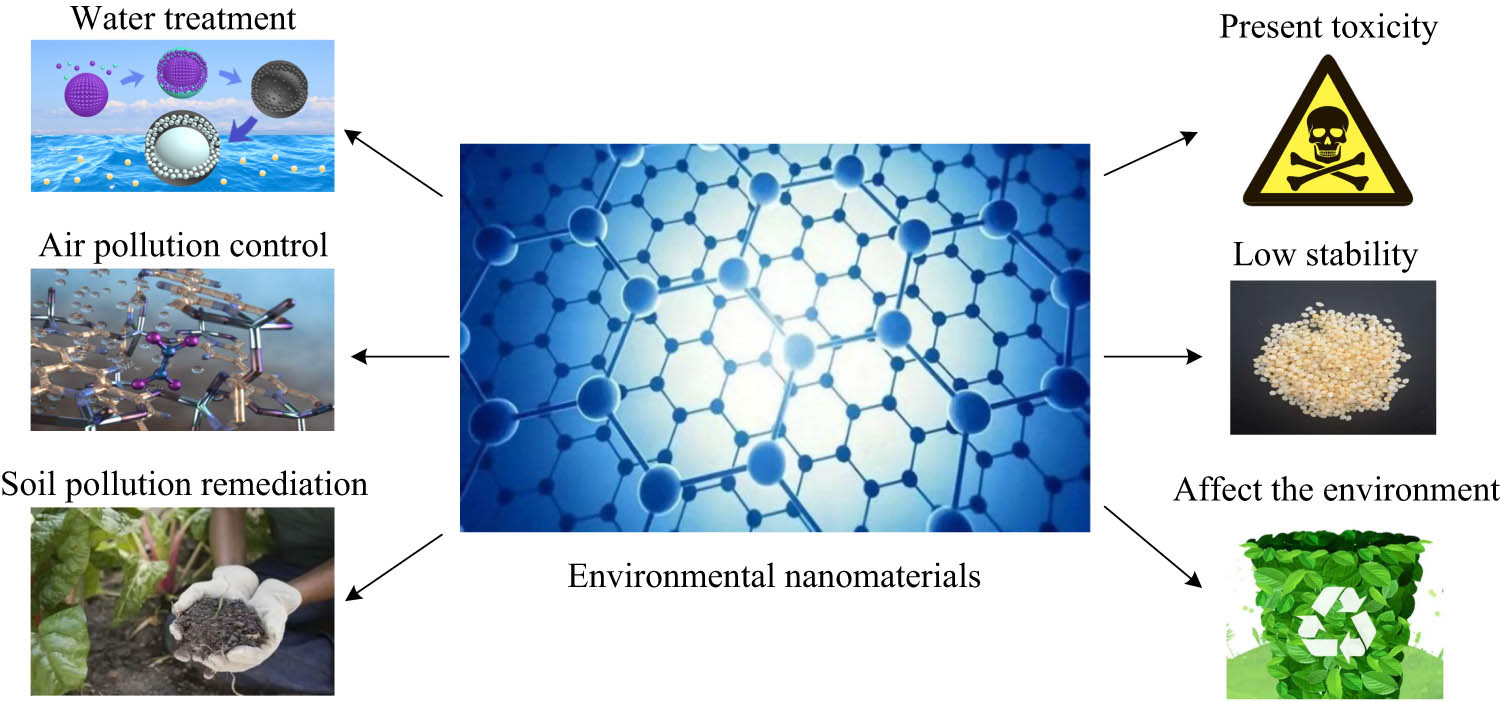
Figure 2
Specific application fields and shortcomings of ENs.
Figure 2 illustrates various applications of ENs in three major fields: water treatment, air pollution control, and soil pollution remediation. Various nanomaterials, including nano-iron, -copper, and -titanium, have been proven effective in removing pollutants from water and improving water quality. In air pollution control, nano-titanium dioxide and nano-zirconium oxide can photocatalytically degrade harmful substances in air and purify the air. Furthermore, nano-zero-valent iron and nano-potash ferrite can successfully eliminate organic pollutants and heavy metals from the soil. However, ENs also suffer from toxicity, stability, and environmental protection problems, which may have negative impacts on human beings and the ecological environment, and hence their production, use, and disposal processes may also cause pollution to the environment. Additionally, the small size and high specific surface area of nanomaterials can result in heightened chemical reactivity and biological activity, leading to toxicity problems. Moreover, the high surface energy of nanoparticles increases the likelihood of agglomeration and precipitation, thereby affecting their stability and effectiveness in practical applications. Ultimately, the production, use, and disposal of ENs can lead to pollution and environmental impacts.
2.3. Mechanistic analysis of AMF adsorption on ENs
AMF are a class of fungi that live in symbiosis with plants and are able to form clumps of mycorrhizae in the plant root system, thereby increasing the plant’s ability to absorb soil nutrients [23,24]. However, concerns have arisen in recent years regarding the environmental safety of ENs, which are extensively utilized in soil and water sources [25]. EN adsorption is the process by which nanomaterials adsorb pollutants or hazardous substances in the environment onto their surfaces through physical or chemical action [26]. This adsorption plays a crucial role in eliminating pollutants from the environment and represents one of the significant applications of nanomaterials in environmental treatment [27]. Studies have indicated that AMF can influence the adsorption process of ENs, thereby affecting their environmental risks [28]. During EN adsorption, AMF act through the mechanism shown in Figure 3 [29].
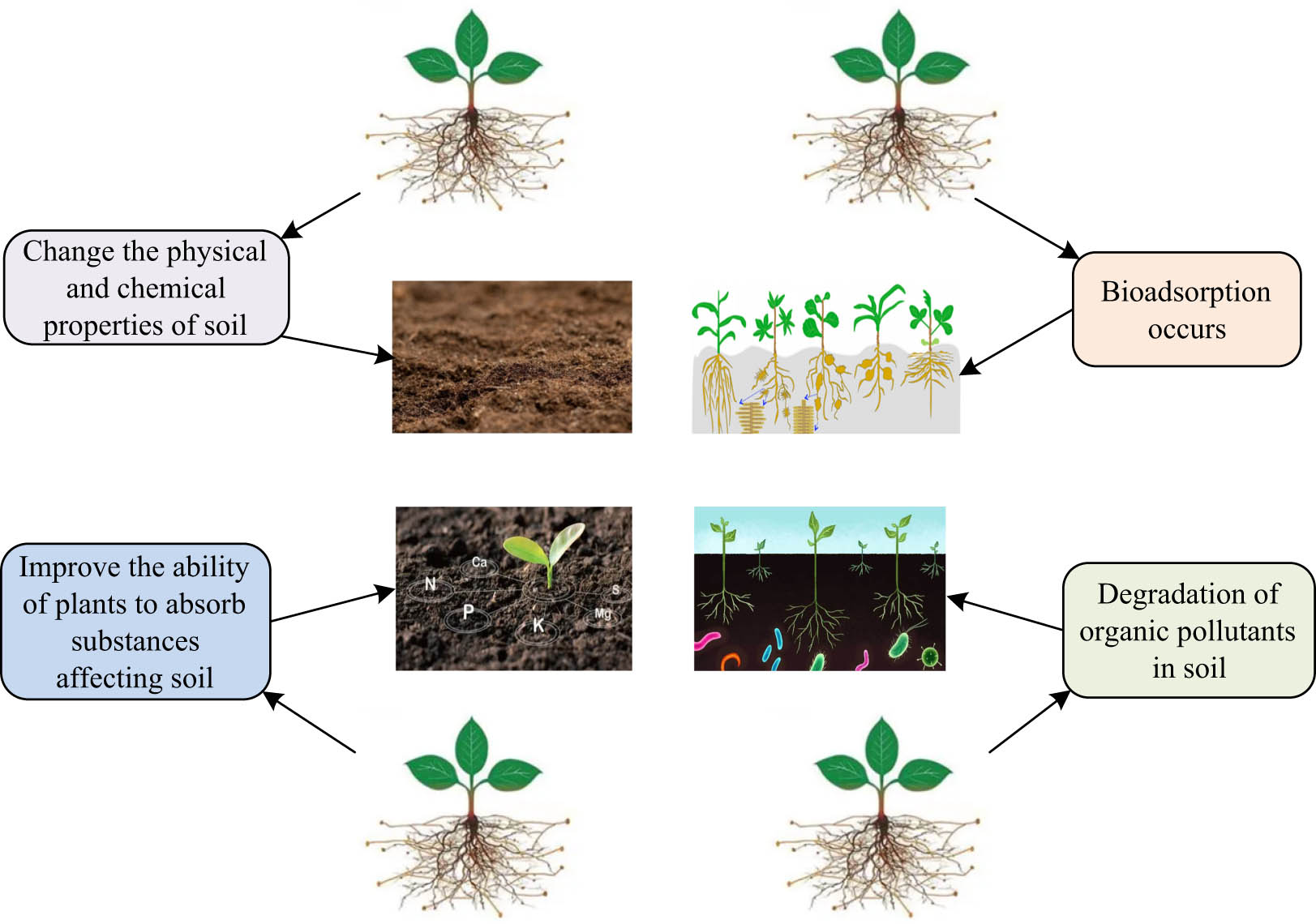
Figure 3
Mechanism of cladomycorrhizal fungi adsorption on ENs.
Figure 3 illustrates that AMF primarily influence the adsorption process of ENs by altering physicochemical properties of soil, biosorption, and biodegradation. Specifically, AMF infestation can change the physicochemical properties of soil, such as soil agglomeration, moisture content, and pH value. These changes in physicochemical properties can affect the adsorption behavior of nanomaterials in soil. Second, AMF can secrete some bioactive substances, such as polysaccharides and proteins, which can combine with nanomaterials and reduce the concentration of nanomaterials in the soil. Moreover, AMF symbiosis with plants enhances the plants’ ability to uptake nutrients from the soil, potentially influencing the uptake of nanomaterials by plants and consequently their environmental risks. Finally, certain AMF can secrete degradative enzymes that break down organic pollutants in the soil. Notably, research has shown that these degradative enzymes might also affect the stability and bioavailability of ENs.
3. Materials and methods
3.1. Selection of AMF and ENs
In order to better study the practical application effects analysis of AMF on EN adsorption, the common Glomus intraradices (GI) was chosen as the experimental AMF and titanium dioxide nanoparticles (TDNPs) and graphene nanosheets were selected as the nanomaterials for this study. Among them, GI forms a symbiotic relationship with various plant species and enhances their growth and resistance. TDNP is a commonly used EN with notable photocatalytic and antibacterial properties, while graphene nanosheets are a novel EN known for their exceptional electrical conductivity and mechanical properties. SEM images of the two ENs are shown in Figure 4. In this study, the two nanomaterials were contacted with GI AMF to study their interactions and ETEs.
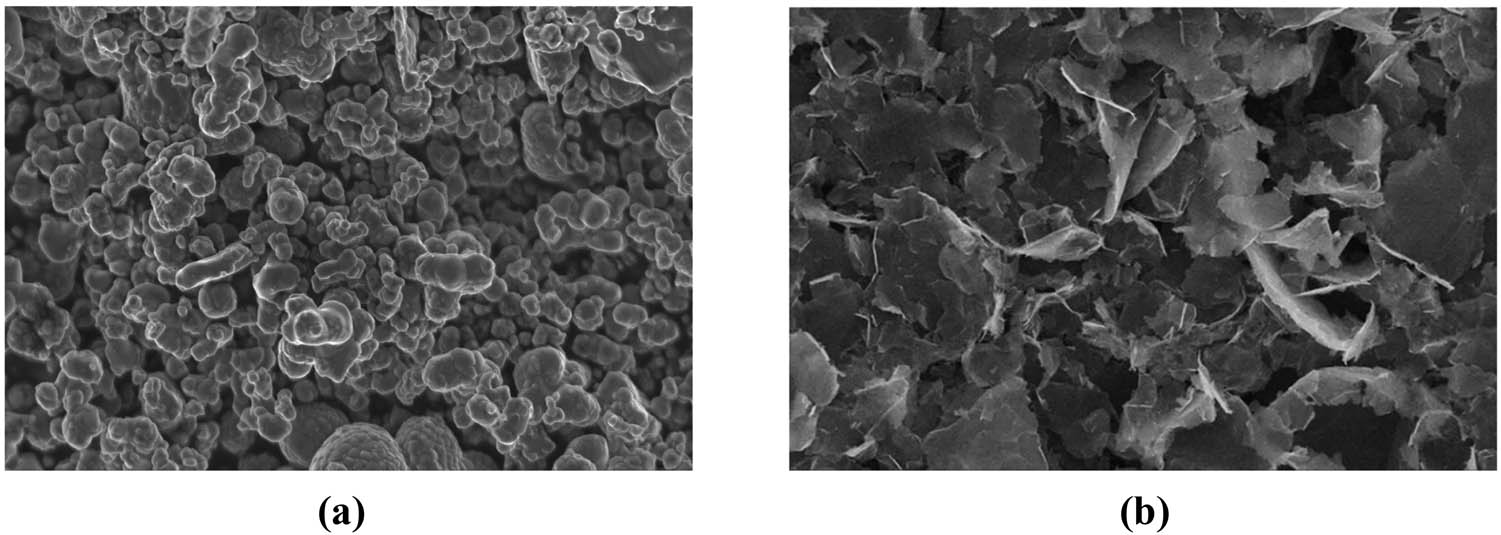
Figure 4
SEM images of the two ENs: (a) TDNPs and (b) graphene nanosheets.
3.2. Preparation and characterization of AMF–ENs
3.2.1. Preparation of AMF–ENs
In this study, to better analyze the effects of AMF on the adsorption and toxicity of ENs, GI was selected as the representative of AMF, and TDNPs and graphene nanosheets were selected as ENs. The detailed preparation process of AMF–environmental nanocomposites is as follows. Reagents and materials used in the study mainly include the following: GI strain, TDNP), graphene nanosheets (graphene NPs – GNPs), sterile water, centrifugal tubes, oscillators, and centrifuges. The preparation process of AMF–ENs is shown in Figure 5.
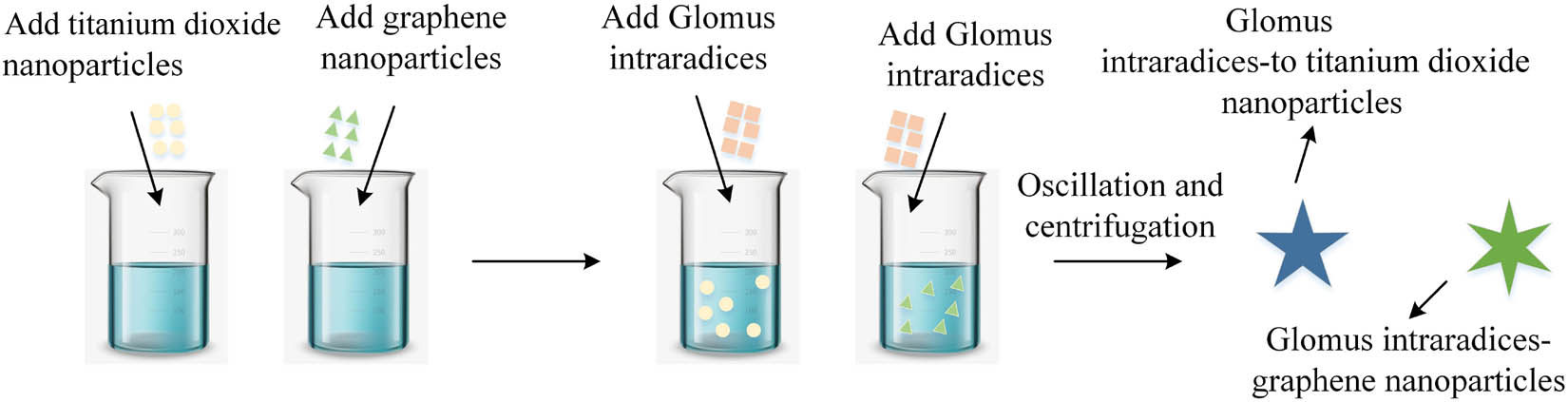
Figure 5
Preparation process of cladomycorrhizal fungus–ENs.
As shown in Figure 5, the two nanomaterials (TDNP and GNP) were first dispersed in water, and then the GI was inoculated into two nanomaterial solutions, respectively. Subsequently, GI was thoroughly mixed with ENs using methods such as oscillation and centrifugation to form AMF–EN complexes. The specific preparation steps of AMF–EN complexes are as follows. The first step was to prepare a nanomaterial solution. In the first step, a precision balance was used to weigh appropriate amounts of TDNPs and GNPs, respectively. After that, the weighed nanomaterials were added to a known volume of sterile water and were fully dispersed by ultrasonication or high-speed stirrers to form a uniform nanomaterial suspension, with the nanomaterial concentration of 20 mg/L. The second step was to inoculate AMF. GI was first extracted from a medium containing the fungus GI and then inoculated into a suspension of pre-prepared TDNPs and GNPs, respectively. The third step was the formation of the complex, in which a suspension of the nanomaterial containing the culture was placed in an oscillator and oscillated at 150 rpm to ensure that the culture was fully mixed with the nanomaterial. After 1.5 h of oscillation, the mixture was transferred to a centrifuge tube and centrifuged at 4,000 rpm for 5 min. After centrifugation, the supernatant was carefully removed, retaining the precipitate, which is a complex of AMF with the nanomaterial. The above steps of oscillation and centrifugation were then repeated with sterile water to remove the nanomaterials that are not bound to the strains. Finally, the prepared AMF–EN composite was stored under appropriate conditions for subsequent experiments.
3.2.2. Characterization of AMF–ENs
In order to ensure the quality and stability of the AMF–EN complexes, they were characterized in this study. The morphology and structure of AMF–EN complexes were observed by X-ray diffraction (XRD) analysis and Fourier transform infrared (FTIR) absorption spectroscopy. Additionally, the thermal stability of AMF–EN complexes was investigated using thermogravimetric analysis (TGA) and differential scanning calorimetry (DSC). The equipment used for XRD analysis was a D/max-RB type X-ray diffractometer, and its test conditions were as follows: The Cu-target Kα radiation (λ = 0.15406 nm) was used, and the scanning speed was 4°/min to ensure high resolution and accuracy. The tube voltage was set to 50 kV, and the tube current was 30 mA to provide a stable X-ray source. The equipment used for FTIR absorption spectroscopy was a Nicolet iS50 FTIR spectrometer, and the test conditions are as follows: the sample was mixed with the KBr tablet to ensure the uniformity and strength of the signal. The scanning range was set to 4,000–400/cm to capture the vibration patterns of various chemical bonds. A TG92 atmospheric pressure differential thermogravimetric analyzer was used for TGA, which was tested under the following conditions: in a nitrogen atmosphere, the temperature rise rate was controlled at 10°C/min. The temperature ranged from room temperature to 800°C to observe the mass change of the sample at different temperatures. The equipment used for DSC was a DSC-100 differential scanning calorimeter, and the test conditions are as follows: the sample was heated in a nitrogen atmosphere, and the heating rate was set to 10°C/min. The thermal stability and phase transition behavior of the sample were analyzed by recording the relationship between the heat flow and temperature.
3.3. Experimental design
In this study, several experiments were designed to verify the ETEs of AMF–EN complexes and the mechanism of adsorption in ENs. The toxicity of the AMF–EN complex to plant cells was evaluated by the cytotoxicity assay. In the cytotoxicity experiment, two common plant cells, Arabidopsis cells and maize cells, were selected as the research objects, and the two plant cells were exposed to different concentrations of nanomaterials and nanocomplexes under sterile conditions. The cell culture was carried out under suitable conditions of 25°C and light, and the contact time was set to 24, 48, and 72 h to observe the cell response at different time points. Finally, cell growth indicators such as the cell division rate and cell morphological changes were recorded, and cell viability tests were used to evaluate the cell viability. In addition, the study conducted microbial toxicity experiments to assess the toxicity of AMF–EN complexes to microorganisms. Escherichia coli (EC) and Staphylococcus aureus were used as the test microorganisms in the microbial toxicity experiment, and the same nanomaterials and nanocomposites were used in the cytotoxicity experiment. The microorganisms were exposed to different concentrations of nanomaterials and nanocomplexes in liquid medium for 6, 12, and 24 h, respectively. They were cultured in a constant temperature shaker at 37°C to maintain a suitable oscillation speed to ensure uniform mixing. Finally, the survival rate of microorganisms was determined by the colony counting method, and the growth inhibition rate of microorganisms was measured by comparing the optical density values of the experimental group and control group. Finally, 1 g each of TDNPs, GNPs, GI–titanium dioxide nanocomplex (TDNC), and GI–graphene nanocomplex (GNC) were uniformly mixed with 50 g soil samples with the same pollution level. The adsorption properties of four kinds of nanomaterials were compared. Under the conditions of keeping the soil moisture and temperature constant, the soil was stirred regularly to ensure the uniform distribution of nanomaterials in the soil. The soil was then sampled at days 1, 3, and 7 to analyze the residual amount of pollutants. In addition, the adsorption efficiency of different nanomaterials for pollutants was compared and their adsorption properties were evaluated. At the same time, the adsorption capacity of nanomaterials was also reflected by the change in the pollutant concentration in soil. All of the above experiments were conducted under controlled conditions with appropriate control groups. The experimental results were statistically analyzed to verify the reliability and difference in the data. Each experiment was repeated at least three times, and the mean and standard deviation were reported.
4. Results and discussion
4.1. Analysis of characterization results of AMF–EN complexes
XRD results of TDNP, GNP, GI–TDNC, and GI–GNC are shown in Figure 6. Figure 6a demonstrates that TDNPs are composed solely of a pure crystalline phase, with diffraction peaks present at 40.2°, 43.5°, 45.3°, 62.3°, 79.4°, and 91.3°. The XRD pattern of GI–TDNC may exhibit differences from that of TDNPs due to potential additional lattice distortions or defects introduced by fungi, which can impact the diffraction peak positions and intensities. Furthermore, the XRD pattern could potentially display additional constituents within the compound, including organic substances or impurities. Figure 6b reveals that the diffraction peaks of GNP appear at 39.6°, 57.3°, 68.7°, 78.3°, 100.5°, and 115.6° sequentially. Likewise, the XRD pattern of GI–GNC differs partially from that of GNP, possibly due to the introduction of additional lattice distortions or defects by the fungus, resulting in changes in the positions and intensities of the diffraction peaks. By comparing the XRD patterns of nanomaterials in a pure environment with those in a composite environment, it can be found that the position and intensity of diffraction peaks of the composite materials have changed. These changes may result from increased lattice distortion or defects caused by the presence of AMF, which in turn affect the grain size and lattice parameters. For example, the diffraction peak of TDNPs in composite materials appears to be somewhat wider than that of pure TD, which is usually related to grain size reduction or lattice distortion. This was further confirmed by the grain size data calculated by the Scherrer formula, which indicates that the presence of AMF may limit the grain growth of ENs. In addition, the change of lattice parameters also reflects the interaction between AMF and ENs. Small changes in lattice parameters could mean that AMF molecules or intermediates formed from their interactions with ENs are embedded in the ENs’ lattice, thus affecting the overall structure of the crystal.
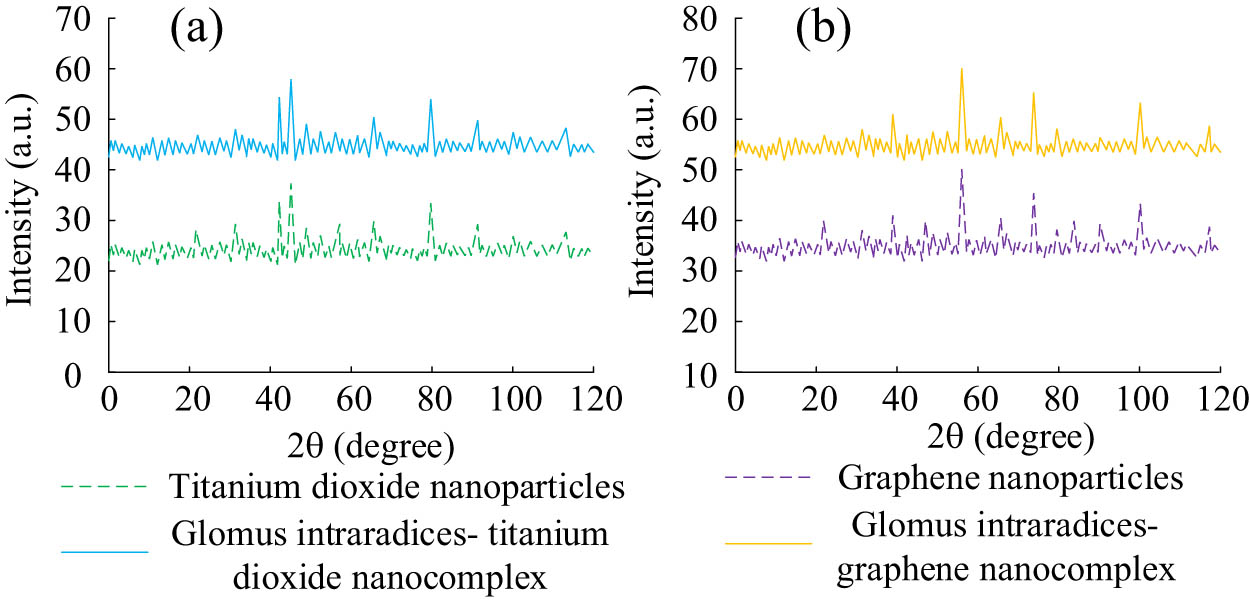
Figure 6
XRD results of four nanomaterials: (a) XRD results of TDNPs and their AMF nanocomplexes and (b) XRD results of GNP and their AMF nanocomplexes.
In order to determine the internal structure of the composite material, the study conducted experiments using FTIR spectra, which can be used to accurately identify the types of functional groups and chemical bonds present in the molecule, as well as the relative positions and quantities between them. The experimental results are shown in Figure 7. As can be seen from the figure, the FTIR map shows the characteristic absorption peaks of AMF–EN complexes, which are different from those of AMF and EN complexes alone, indicating a chemical interaction between the two. In addition, the characteristic absorption peak of AMF is still visible in the spectrum of the composite, but the intensity or location may be changed, which may be due to the interaction between AMF and the ENs. At the same time, the characteristic absorption peak of ENs also appears in the spectrum of the composite material, which proves that ENs do exist in the composite material. In addition, some new absorption peaks appear in the spectrum of the composite, which belong to neither the AMF alone nor the ENs, but are caused by new chemical bonds or functional groups formed when the two combine. These emerging absorption peaks provide direct evidence that AMF successfully combine with ENs to form the expected composite materials. Through FTIR analysis, the study not only confirmed the presence of expected molecules in the composite but also preliminarily revealed the interaction mechanism between AMF and ENs, providing important information for further research and application.
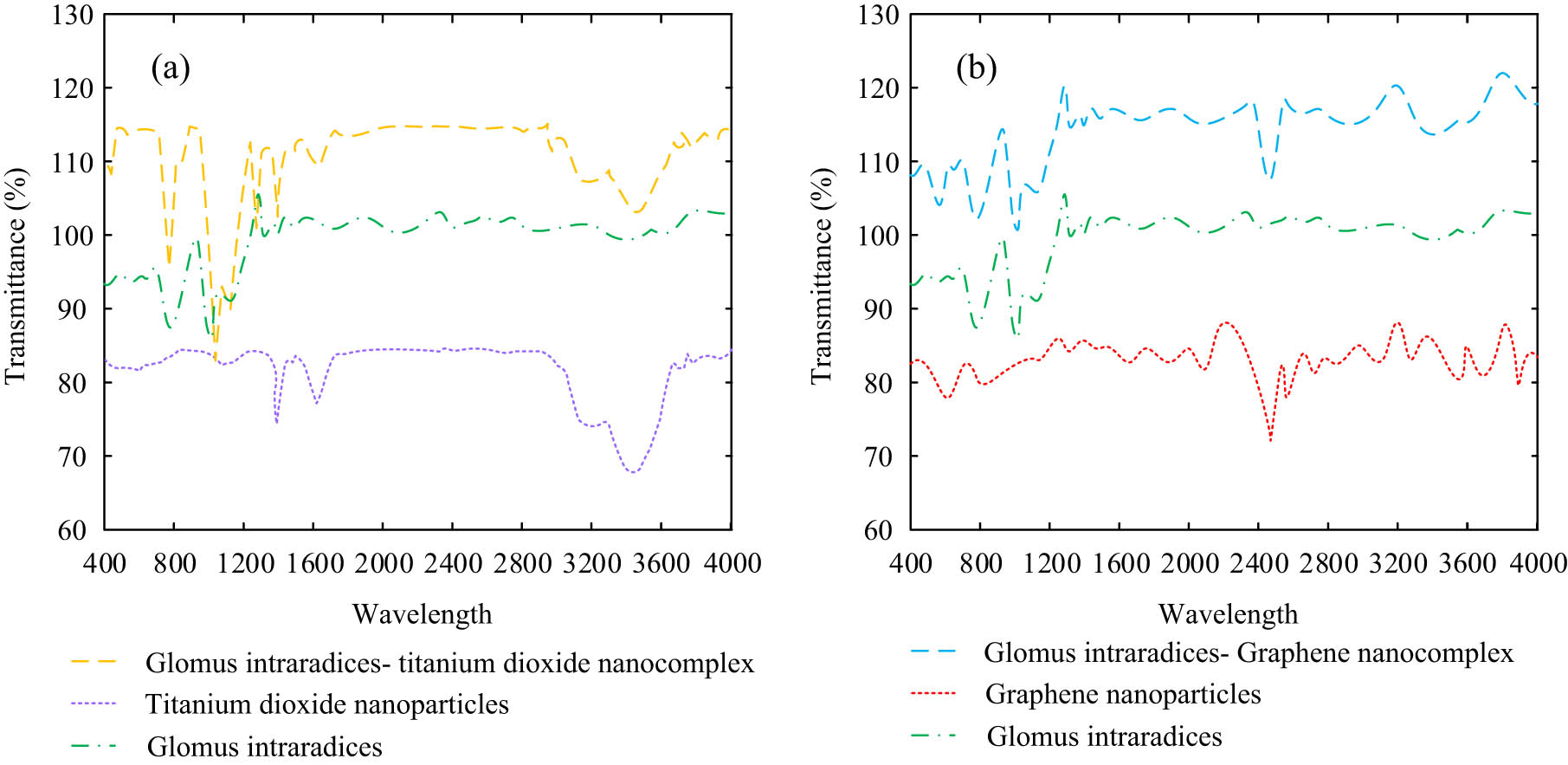
Figure 7
FTIR spectrum results of different materials. (a) FTIR spectrum results of TDNPs and their AMF nanocomplexes and (b) FTIR spectrum results of the AMF nanocomplexes of GNPs.
To further investigate the characterization of the nanocomposites, the changes in material properties during the reaction heating process were analyzed using four nanomaterials, the TGA curves of which are presented in Figure 8. By comparing the TGA curves of TDNPs and GI–TDNC in Figure 8, it can be found that the temperature at which the TDNPs begin to undergo a rapid weight loss is 68°, which is significantly lower than that of GI–TDNC. When the temperature is 500°, the weight of TDNPs is 72.3%, which is significantly lower than that of the GI–TDNC (87.6%). This finding implies that TDNPs exhibit greater thermal stability when combined with AMF. Furthermore, the comparison of the TGA curves for GNP and GI–TDNC demonstrates a noteworthy improvement in the thermal stability of GNP upon combination with AMF. These findings suggest that the employment of AMF and environmental nanoparticles can effectively enhance the thermal stability of such nanoparticles in the environment.
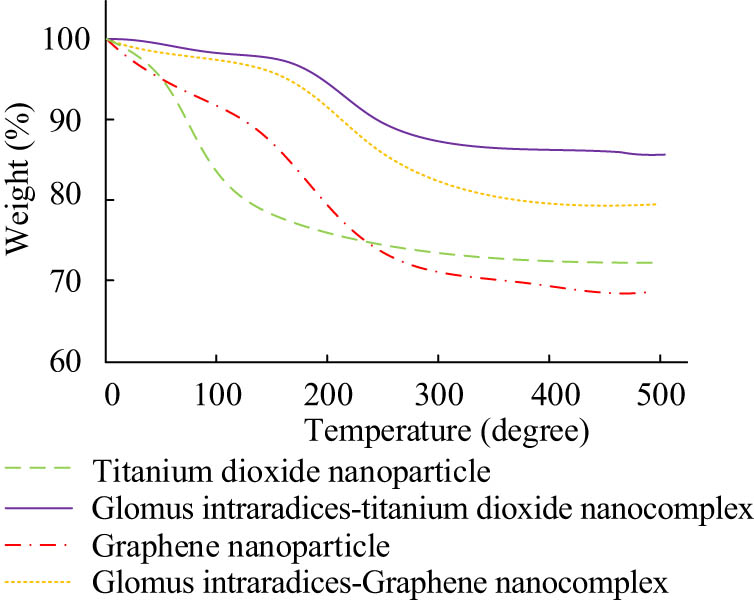
Figure 8
TGA curves of four nanomaterials.
4.2. Analysis of results of cytotoxicity assay
The changes in the growth and viability of Arabidopsis cells under the influence of four different nanomaterials over a period of 6 weeks are shown in Figure 9. Without exposure to any nanomaterials (TDNP, GNP, GI–TDNC, and GI–GNC), the initial growth rate of Arabidopsis cells was determined to be about 9.81%, which was used as a benchmark to evaluate the effect of different nanomaterials on the growth rate of Arabidopsis cells over a certain period of time. In Figure 9a, the data indicate a decrease in the growth rate of Arabidopsis cells when exposed to four different nanomaterials. Specifically, the growth rate of Arabidopsis cells decreased from 8.63 to 5.58% in the first and sixth week, respectively, when exposed to TDNP and from 9.33 to 7.49% in the first and sixth week, respectively, when exposed to GI–TDNC. As shown in Figure 9a, the growth rate of Arabidopsis cells in GI–GNC was significantly higher after 6 weeks than in GNP. Additionally, Figure 9b shows that the viability of Arabidopsis cells was less impacted by the binding of AMF to TDNP and GNP. The above results may be due to the lack of reactive groups on the surface of TDNP, which reduces the non-specific binding to the cell membrane. The difference in the particle size and morphology enables GNP to more easily penetrate the cell membrane. There is good biocompatibility of TDNP in the biomedical field. These three factors contribute to the low toxicity of TDNP. The results demonstrate that TDNP and GNP ENs are less harmful to Arabidopsis plant cells post-AMF binding than pre-binding.
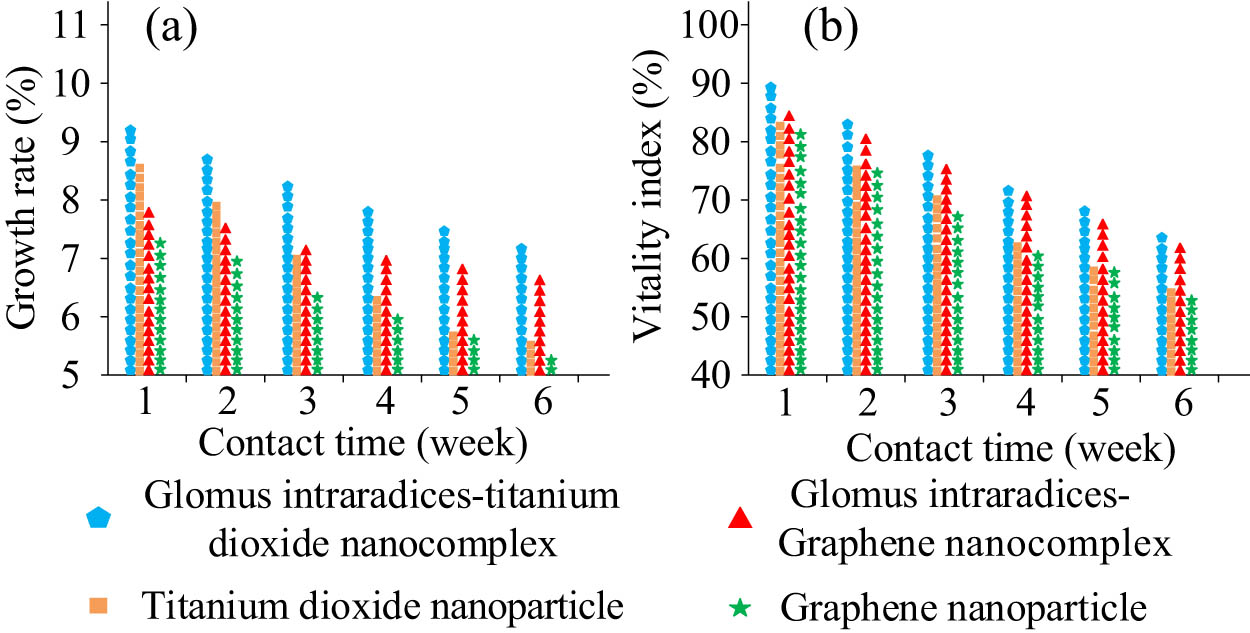
Figure 9
(a) Changes in the growth rate of Arabidopsis cells under the influence of four different nanomaterials and (b) changes in the activity of Arabidopsis cells under the influence of four different nanomaterials.
Figure 10 illustrates the progress and viability fluctuations of maize cells under the impact of four distinct nanomaterials over the period of 3 months. Figure 10a illustrates a decline in the growth rate of maize cells caused by four nanomaterials. After AMF binding, TDNP and GNP had a significantly less influential effect on the growth rate of maize cells. According to Figure 10b, the viability index of maize cells decreased from 92.3% in the first week to 78.4% in the sixth week under the influence of TDNP. Similarly, under the influence of GI–TDNC, the viability index of maize cells decreased from 97.2 to 91.4%. Moreover, the vitality index of maize cells in GI–GNC was better than its vitality index in GNP, as depicted in Figure 10b. These results suggest that TDNP and GNP exhibited reduced toxicity to maize plant cells after binding to AMF compared to their toxicity prior to binding.
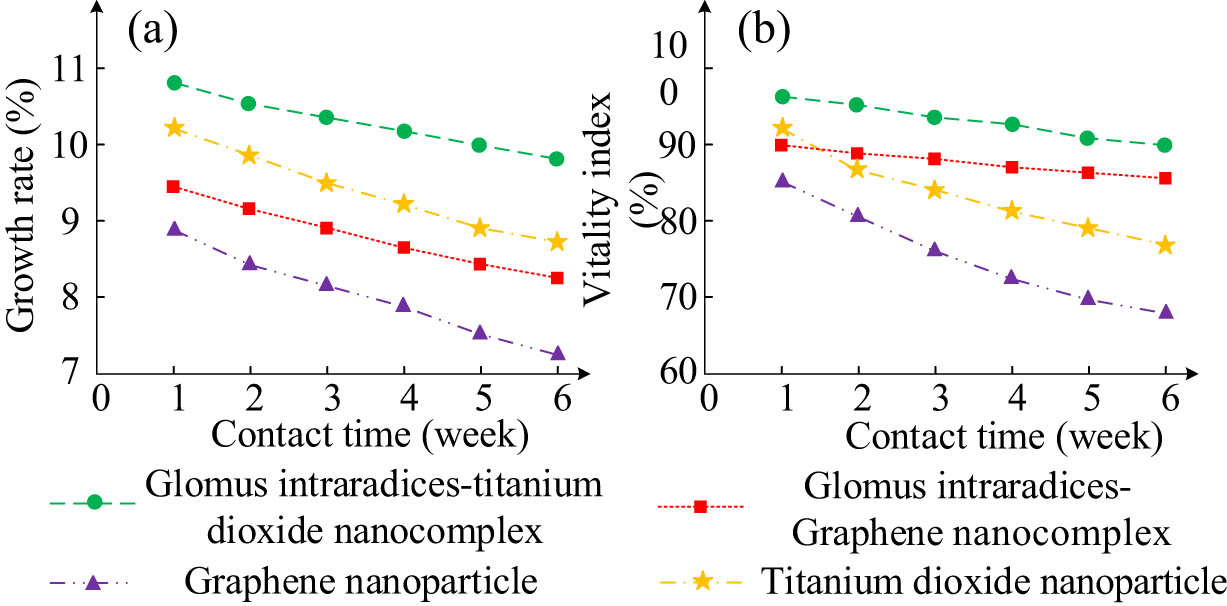
Figure 10
(a) Changes in the growth rate of maize cells under the influence of four different nanomaterials and (b) changes in the vitality of maize cells under the influence of four different nanomaterials.
4.3. Analysis of microbial toxicity test results
The cell survival rate of EC under the influence of four different nanomaterials within 1 month is shown in Figure 11. In the figure, the cell survival rate of EC under the influence of the four nanomaterials showed a decreasing trend with time. Specifically, the cell survival rate of EC under the influence of TDNP decreased from 85.3% in the first week to 74.5% in the fourth week. Similarly, the cell survival rate of EC exposed to GI–TDNC decreased from 94.5% in the first week to 86.4% in the fourth week. Figure 11 also reveals that the decrease in the cell survival rate of EC exposed to GI–GNC was significantly smaller compared to EC exposed to graphene nanomaterials. These findings suggest that the toxic effects of TDNP and GNP on EC are reduced after binding to AMF.
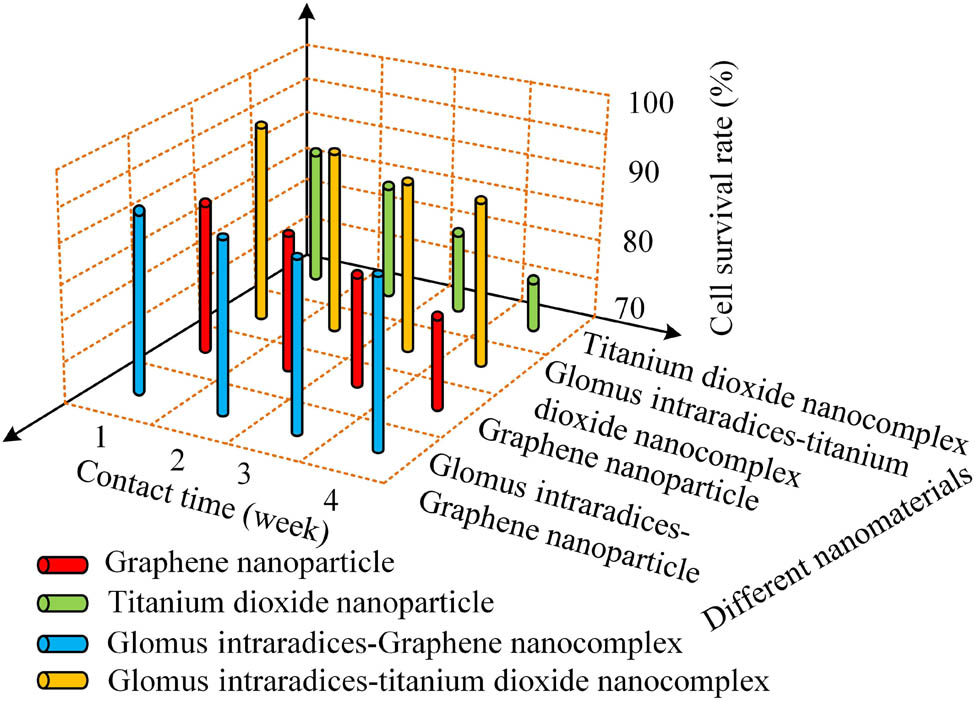
Figure 11
Cell survival rate results of EC under the influence of four different nanomaterials.
The results of growth inhibition rate of EC under the influence of four different nanomaterials in January are shown in Figure 12. As shown in the figure, the growth inhibition of EC increased over time when exposed to four different nanomaterials. Notably, the growth inhibition rate of EC exposed to GNP increased from 7.4% in the first week to 10.3% in the fourth week, while the inhibition rate of EC exposed to GI–GNC increased from 5.6% in the first week to 7.8% in the fourth week. Furthermore, Figure 12 demonstrates that the growth inhibition rate of EC was significantly reduced under the influence of GI–TDNC compared to TD nanomaterials after 1 month of experimentation. This finding suggests that the toxicity of the two investigated ENs toward EC was lower after binding to AMF than before binding.
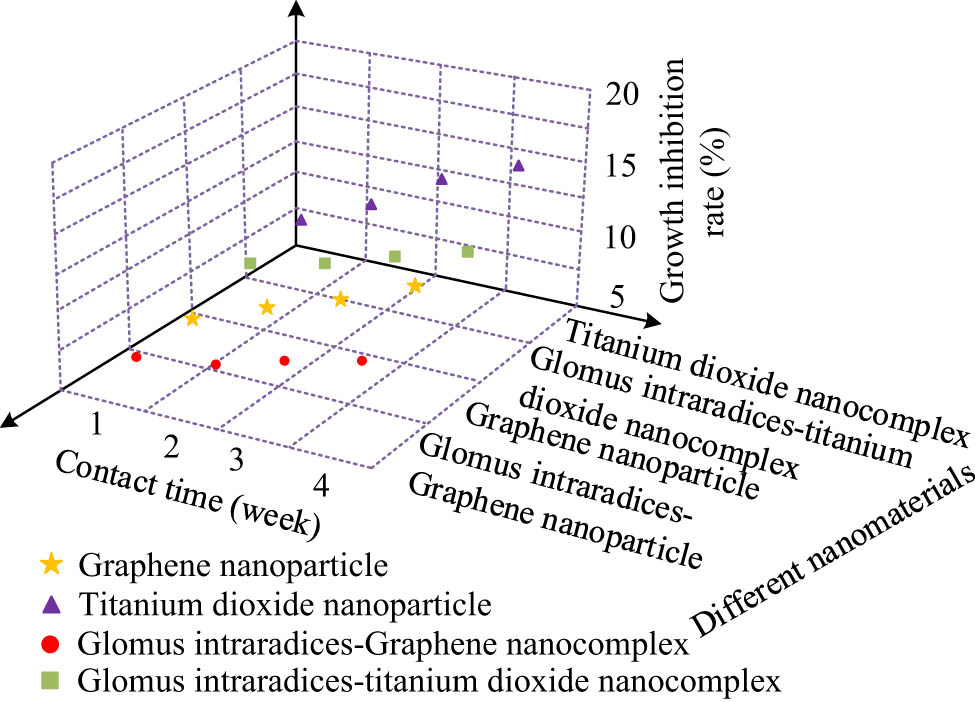
Figure 12
Growth and vitality changes of EC under the influence of four different nanomaterials.
The cell survival and growth inhibition rates of S. aureus during the experiment conducted in January were collected, analyzed, and plotted in Figure 13, considering the influence of the four materials. Figure 13 shows that the cell survival rates of S. aureus under the influence of GNP, GI–GNC, TDNP, and GI–TDNC were 77.3, 83.5, 85.3, and 78.8%, respectively. In addition, the growth inhibition of S. aureus under the influence of GNP, GI–GNC, TDNP, and GI–TDNC was also found to be 21.3, 8.4, 6.7, and 19.2%, respectively. These results suggest that the two ENs under study were less toxic to S. aureus after binding to AMF compared to before binding.
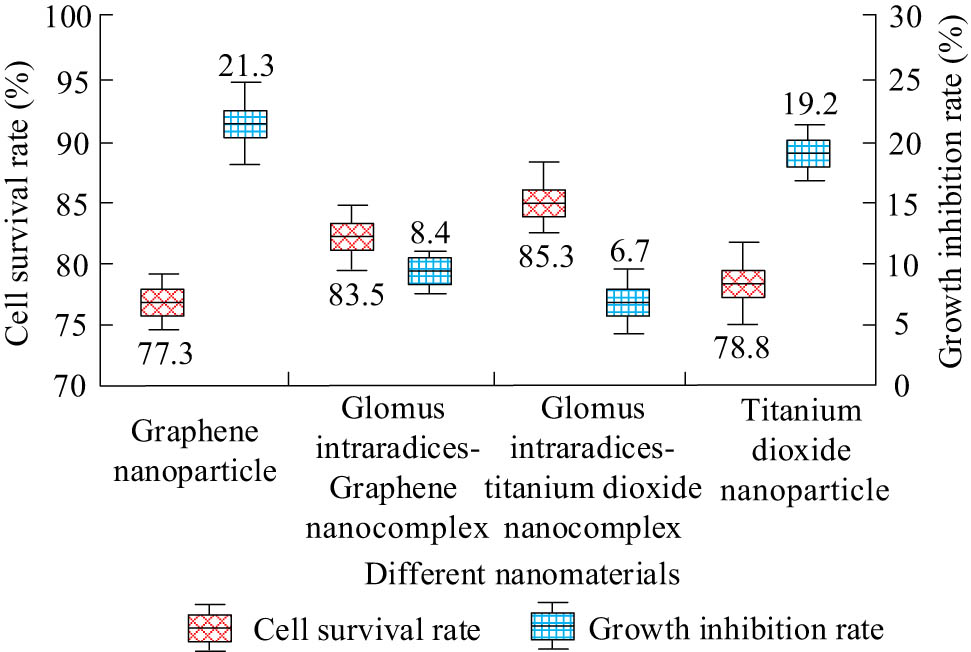
Figure 13
Cell survival rate and growth inhibition rate of S. aureus under the influence of four materials.
4.4. Comparative analysis of nanomaterial adsorption performance results
The four nanomaterials were applied to the soil with the same pollution level; the initial pollutant concentration of this soil was 86.2 mg/g and the initial pollutant index was 85. To compare the adsorption performance of the four nanomaterials, changes in the pollutant concentration and pollutant index of the soil were analyzed. The impacts of the four nanomaterials on the soil in January are presented in Table 1. As indicated in Table 1, the concentration of contaminants in the soil after exposure in January was measured as follows: 68.2 mg/g for TDNP, 58.6 mg/g for GI–TDNC, 69.1 mg/g for GNP, and 59.5 mg/g for GI–GNC. The pollutant level index were also analyzed under the influence of TDNP, GI–TDNC, GNP, and GI–GNC, resulting in concentrations of 66, 53, 70, and 55, respectively. The study found that the adsorption of soil pollutants was improved when the two ENs were combined with AMF.
Table 1
Effects of four nanomaterials on soil at the same pollution level.
| / | Index levels at different times after the experiment | ||||
|---|---|---|---|---|---|
| Types of nanomaterials | Comparison indicators | Week 1 | Week 2 | Week 3 | Week 4 |
| TDNC | Pollutant concentration (mg/g) | 80.3 | 75.4 | 71.1 | 68.2 |
| Pollutant level index | 80 | 74 | 70 | 66 | |
| GI–TDNC | Pollutant concentration (mg/g) | 77.5 | 70.3 | 64.8 | 58.6 |
| Pollutant level index | 75 | 68 | 60 | 53 | |
| GNPs | Pollutant concentration (mg/g) | 81.1 | 76.6 | 71.9 | 69.1 |
| Pollutant level index | 82 | 75 | 72 | 70 | |
| GI–GNP | Pollutant concentration (mg/g) | 78.4 | 71.6 | 65.6 | 59.5 |
| Pollutant level index | 76 | 69 | 62 | 55 | |
5. Discussion
This study explored the changes in the characterization, cytotoxicity, microbial toxicity, and adsorption properties of AMF combined with EN. In terms of characterization, the XRD results showed differences in diffraction peaks between the nanomaterials (TDNP and GNP) and their AMF composites (GI–TDNC and GI–GNC), suggesting that the introduction of fungi led to additional lattice distortions or defects. Furthermore, TGA revealed that the thermal stability of both TDNP and GNP improved upon combination with AMF, as evidenced by their increased temperature thresholds for significant weight loss. These characterization changes indicate that the physical and chemical properties of the nanomaterials were altered by the presence of AMF, which may contribute to their improved performance in terms of toxicity reduction and pollutant adsorption.
The experimental results show that the thermal stability of TDNPs and GNPs is significantly improved after binding with AMF, which may be related to additional lattice aberrations or defects introduced by fungi. In addition, the XRD results also confirmed this, and there were differences in diffraction peaks between the composite and the single nanomaterial. The above results are similar to those obtained by Dewir et al. in their study on AMF in 2023 [30]. In the cytotoxicity experiment, the growth rate and vitality of Arabidopsis cells and maize cells were decreased under the influence of the four nanomaterials, but the effect of the nanomaterials binding AMF on the cell toxicity was less. The reason for this result may be that the existence of fungi alleviates the toxic effect of nanomaterials to some extent, or the interaction between fungi and nanomaterials changes the biological activity of nanomaterials. The results of this study are consistent with the conclusions of Joel’s team when they conducted experiments on AMF binding nanocomplexes [31]. Microbial toxicity experiments have also reached similar conclusions. The survival rate and growth inhibition rate of EC and S. aureus significantly changed under the influence of the four nanomaterials, and the nanomaterials bound by AMF were less toxic to microorganisms. This finding has important implications for assessing the ecological risks of nanomaterials in the environment. In the experiment regarding adsorption performance, the nano-composite combined with AMF had better adsorption performance for soil pollutants. This may be because the addition of fungi increases the specific surface area of nanomaterials or provides more adsorption sites, thus improving their adsorption capacity to pollutants. This result coincides with the conclusion obtained by Cardini et al. on the properties of complex properties of AMF bound to nanomaterials [32]. In addition, compared with recent studies, this study more comprehensively evaluated the multifaceted properties of AMF when combined with ENs. For example, previous studies mainly focused on the effects of nanomaterials on plant growth, while this study also considered their toxicity and adsorption properties to microorganisms [33]. Finally, this study also used a variety of characterization methods to analyze the complex in detail, which provides strong support for in-depth understanding of its mechanism of action.
In this study, NP and AMF formed AMF–EN on the surface of mycelium through physical adsorption and chemical bonding. The bioactive substances secreted by AMF react with the surface functional groups of NP to enhance the binding force. At the same time, AMF change the physical and chemical properties of soil and affect the adsorption behavior of NP. The interaction of AMF–EN with pollutants involves the following mechanism: after NP adsorb pollutants, AMF may degrade pollutants through the secreted degrading enzymes, reduce their toxicity, and affect the environmental behavior and ecological effects of NP. This mechanism reveals the synergistic effect of NP and AMF in environmental governance.
6. Conclusions
The AMF–EN complex was prepared by combining AMF with ENs, and it was found that the growth rate of plant cells was significantly increased, the toxicity of nanomaterials was reduced, and the adsorption performance of soil pollutants was optimized. The AMF–EN composite has shown broad application prospects in the field of ecological protection and pollution control, but its mechanism and practical application effects need to be studied further.
Funding information
There was no funding support for this study.
Author contribution
The author confirms the sole responsibility for the conception of the study, presented results and manuscript preparation.
Conflict of interest statement
The author has no conflicts of interest to declare.
Ethical compliance
No research was conducted on animals or humans.