
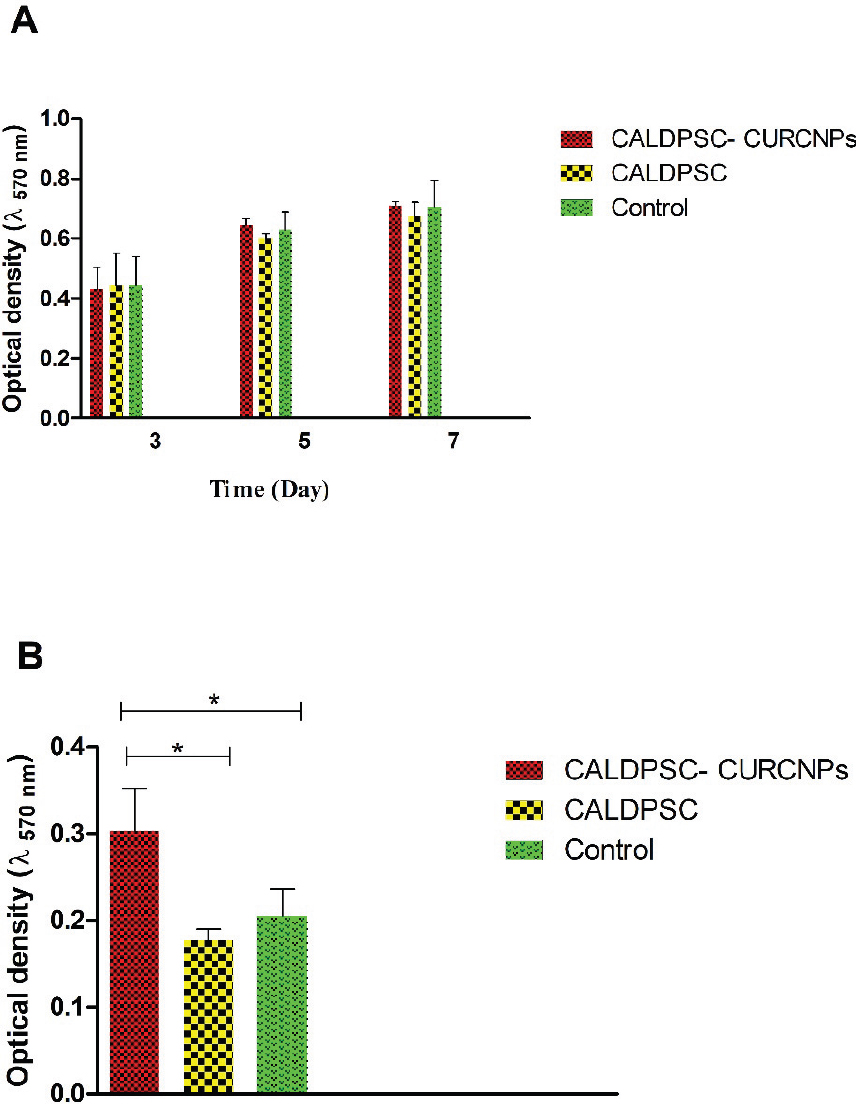
Fig. 1.
Viability of DPSCs cultured on CALDPSC-CURCNPs and CALDPSC hydrogels under (A) normal and (B) oxidative stress conditions, * shows p-value < 0.05
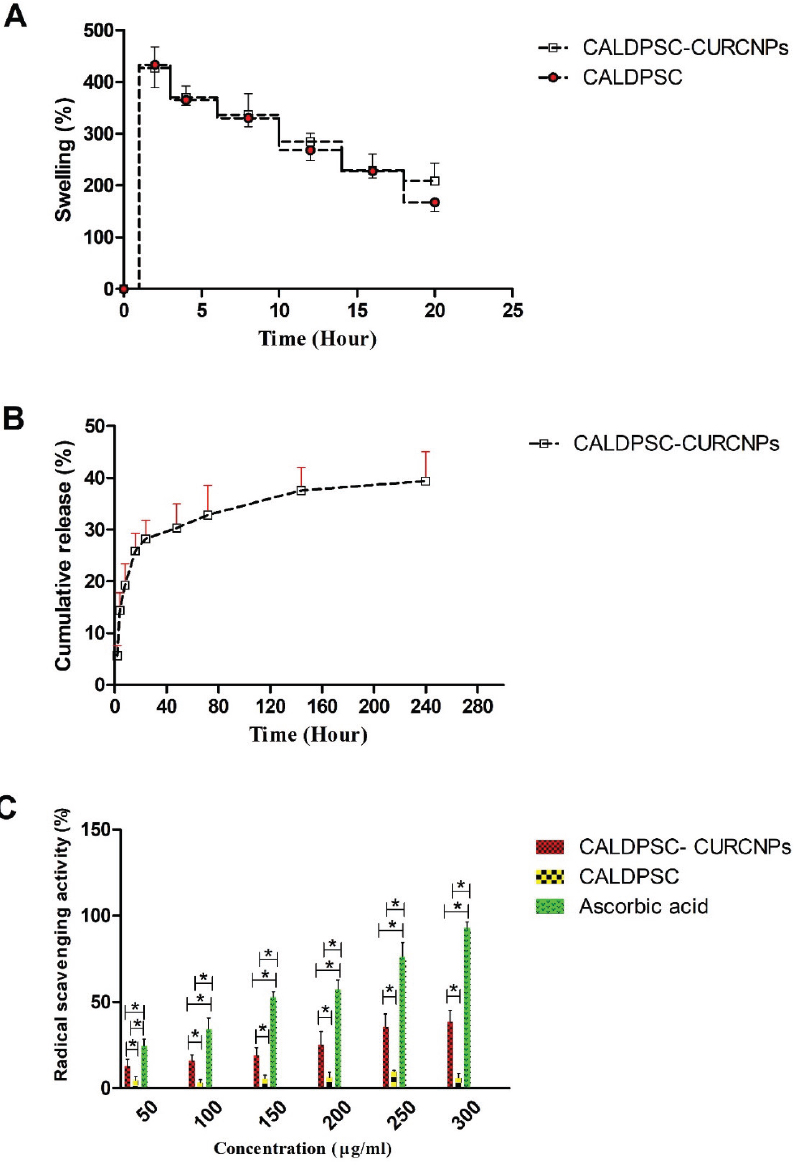
Fig. 2.
Graphs showing (A) swelling behavior of CALDPSC-CURCNPs and CALDPSC hydrogels, (B) release of curcumin from CALDPSC-CURCNPs hydrogels, and (C) radical scavenging activity of CALDPSC-CURCNPs and CALDPSC hydrogels compared with ascorbic acid. * shows p-value < 0.05
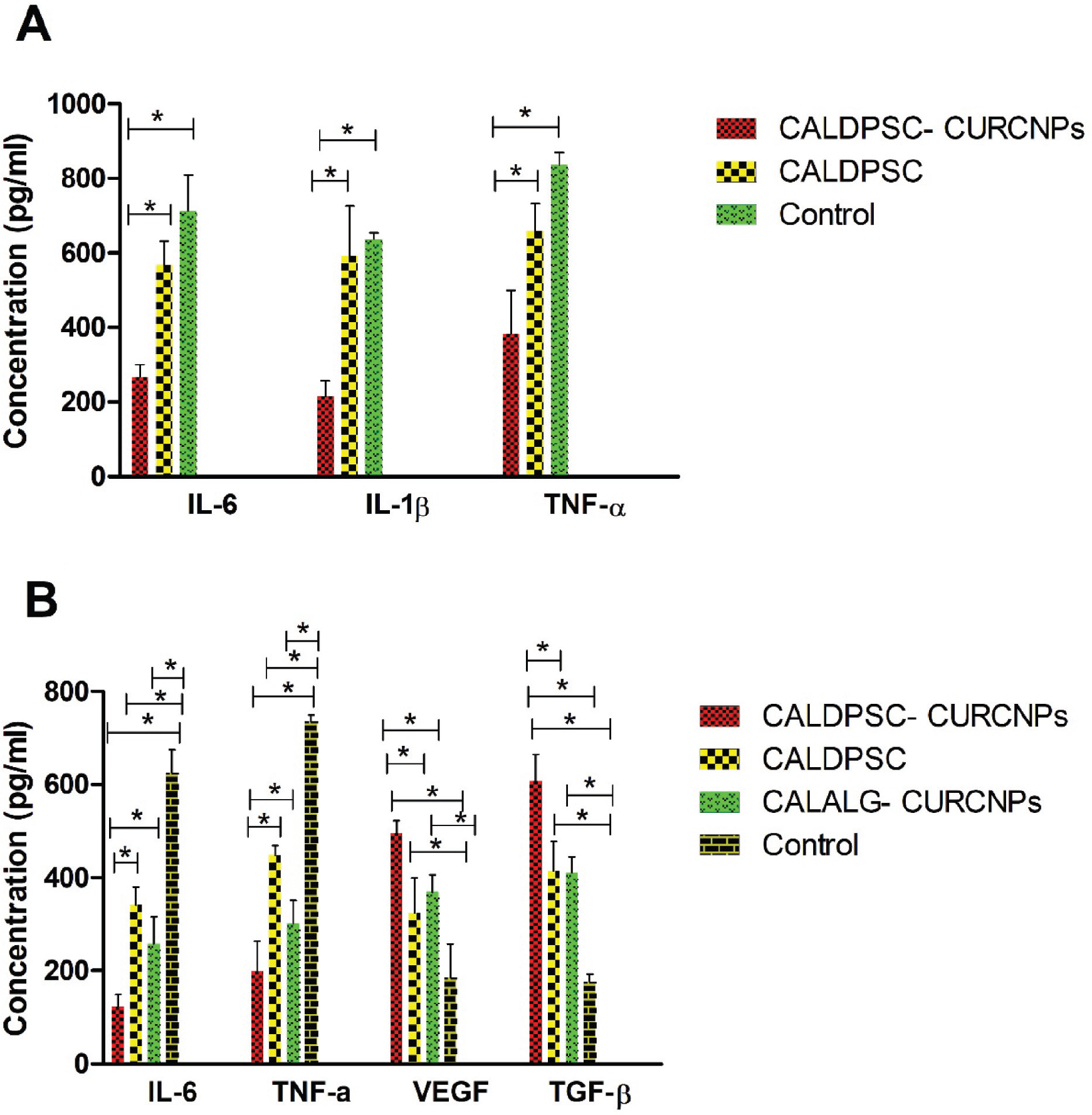
Fig. 3.
Histograms comparing (A) in vitro anti-inflammatory assay with J774A1 cells cultured on different hydrogel systems and (B) ELISA assay results in dental pulp tissues treated with nanocomposite hydrogels in a rat model, * shows p-value < 0.05
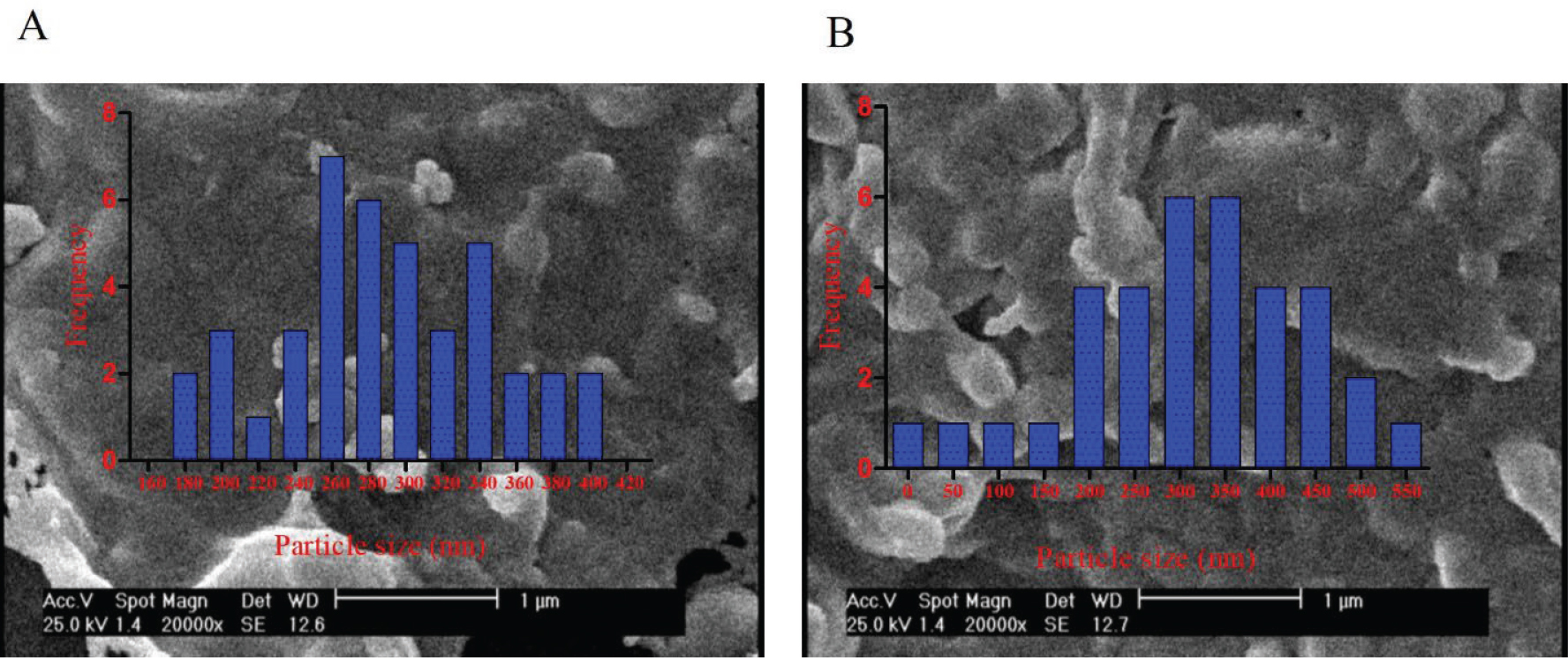
Fig. 4.
Representative scanning electron microscopy images of (A) CURCNPs and (B) curcumin-free nanoparticles
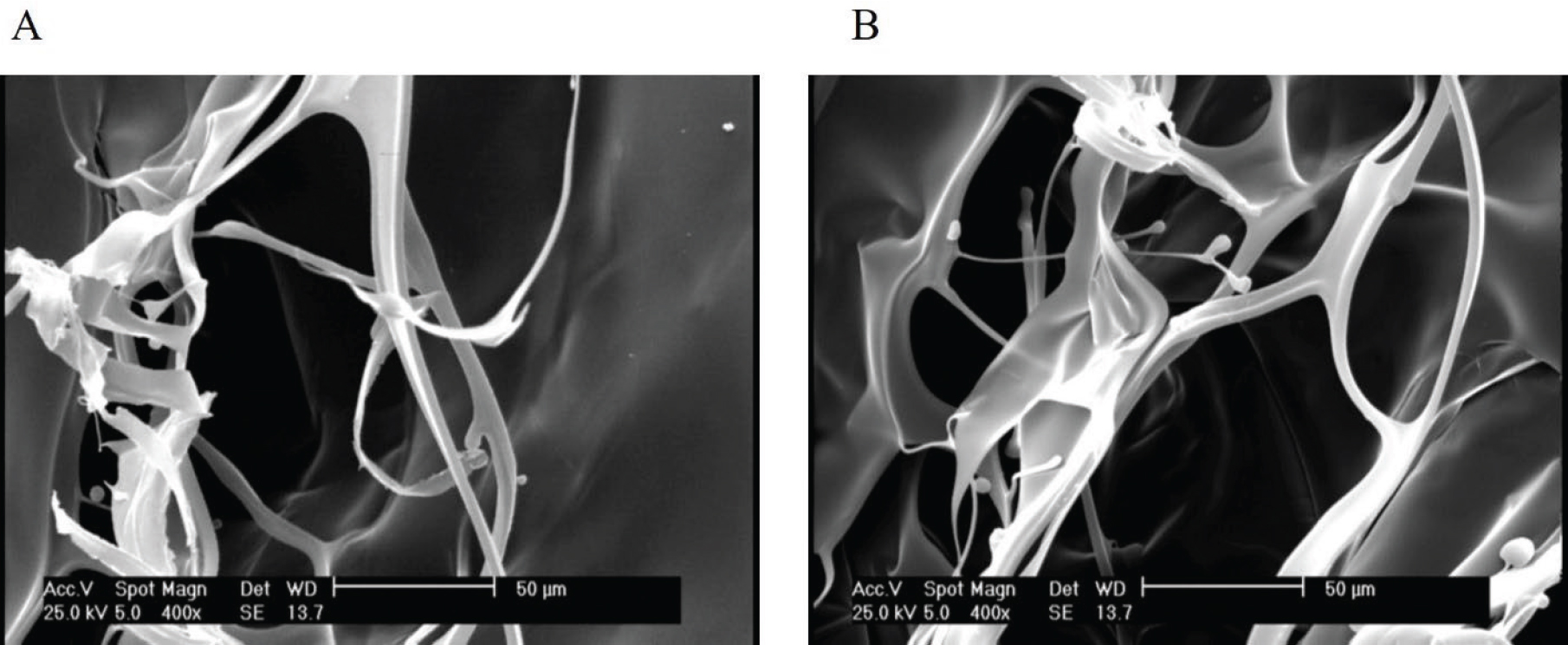
Fig. 5.
Representative scanning electron microscopy images of (A) CALDPSC-CURCNPs and (B) CALDPSC hydrogels
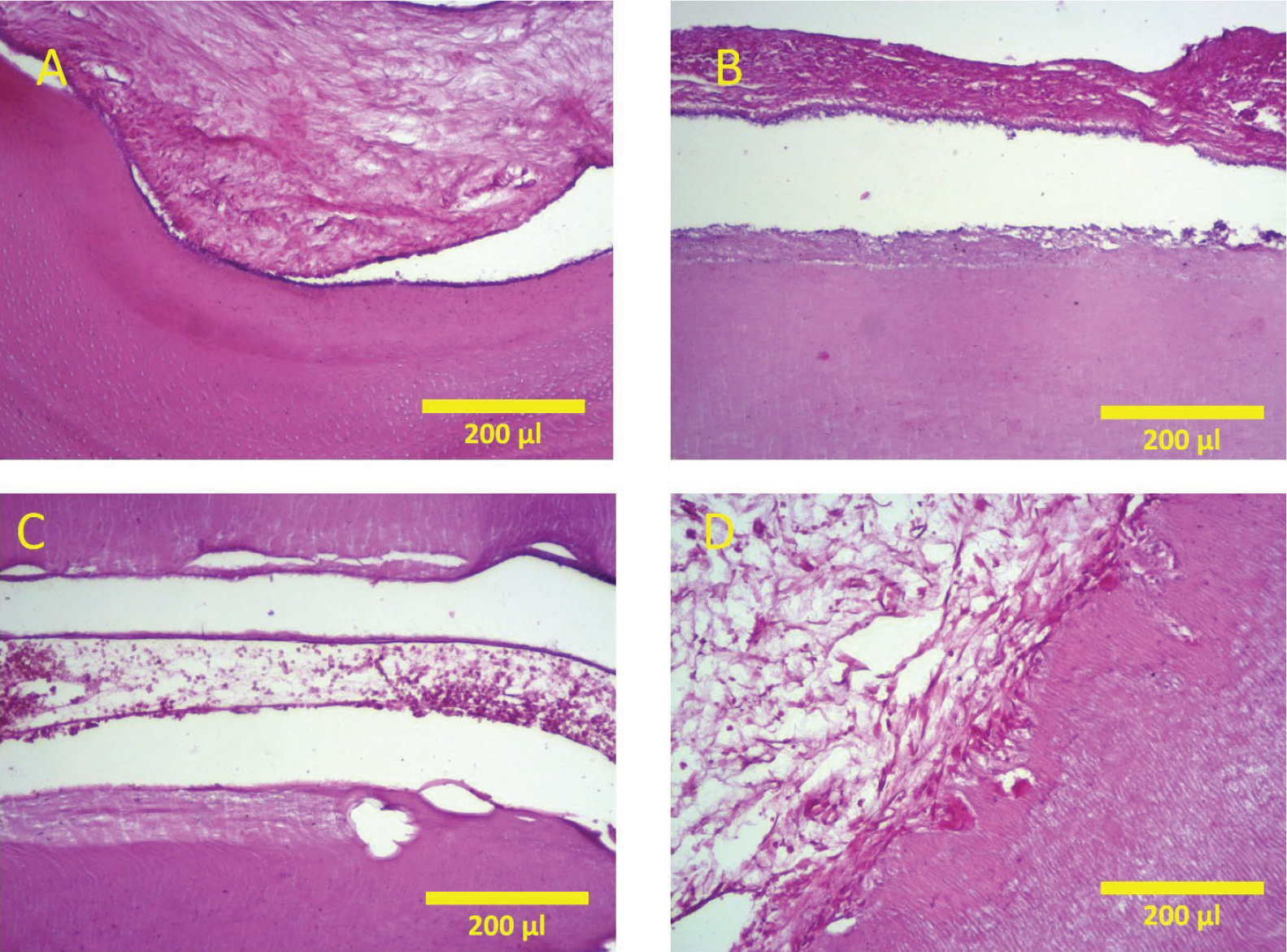
Fig. 6.
Representative H&E staining images of dental pulp tissues treated with (A) CALDPSC-CURCNPs, (B) CALDPSC, (C) CALALG-CURCNPs, and (D) control group
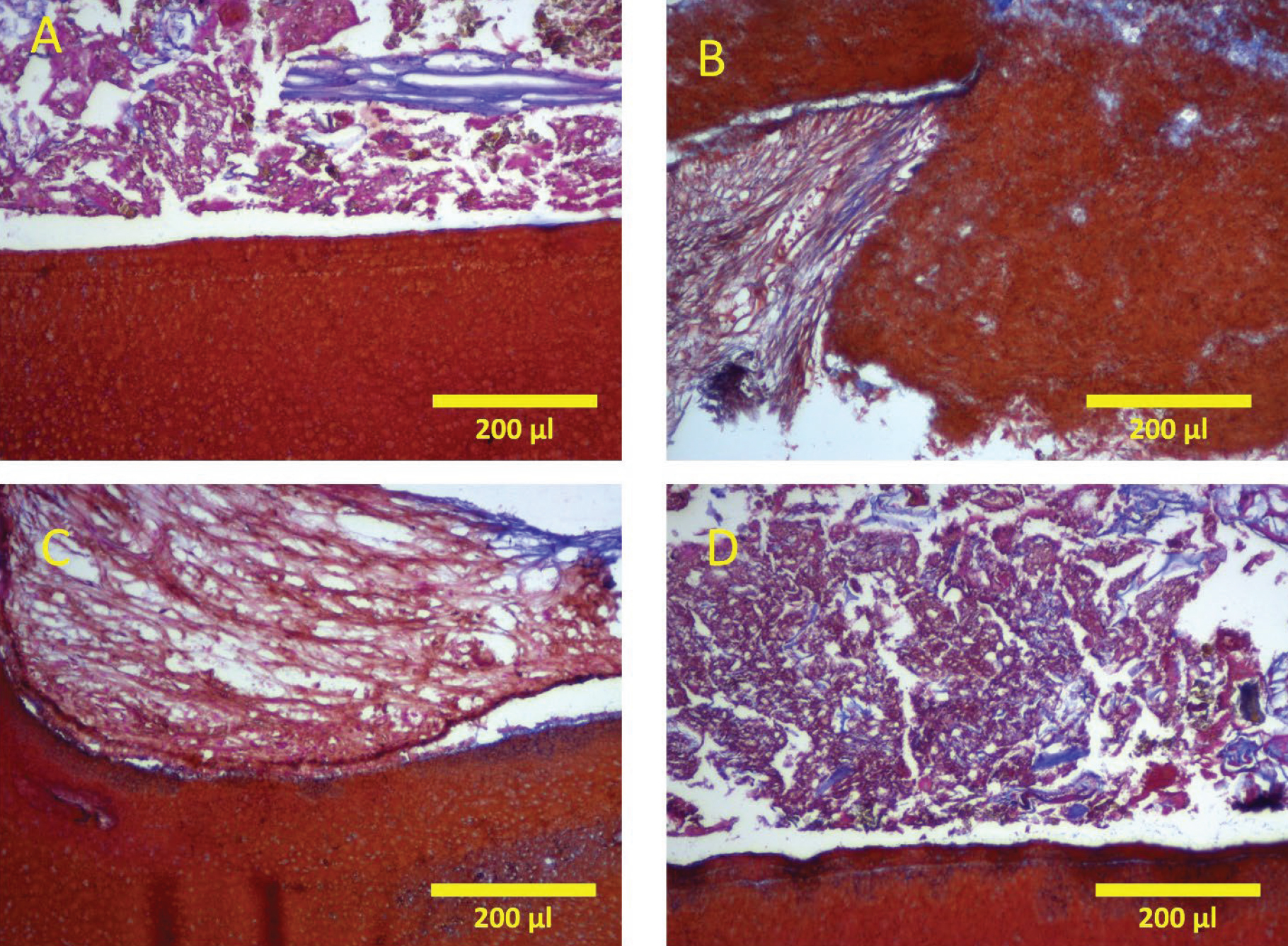
Fig. 7.
Representative Masson’s trichrome staining images of dental pulp tissues treated with (A) CALDPSC-CURCNPs, (B) CALDPSC, (C) CALALG-CURCNPs, and (D) control group
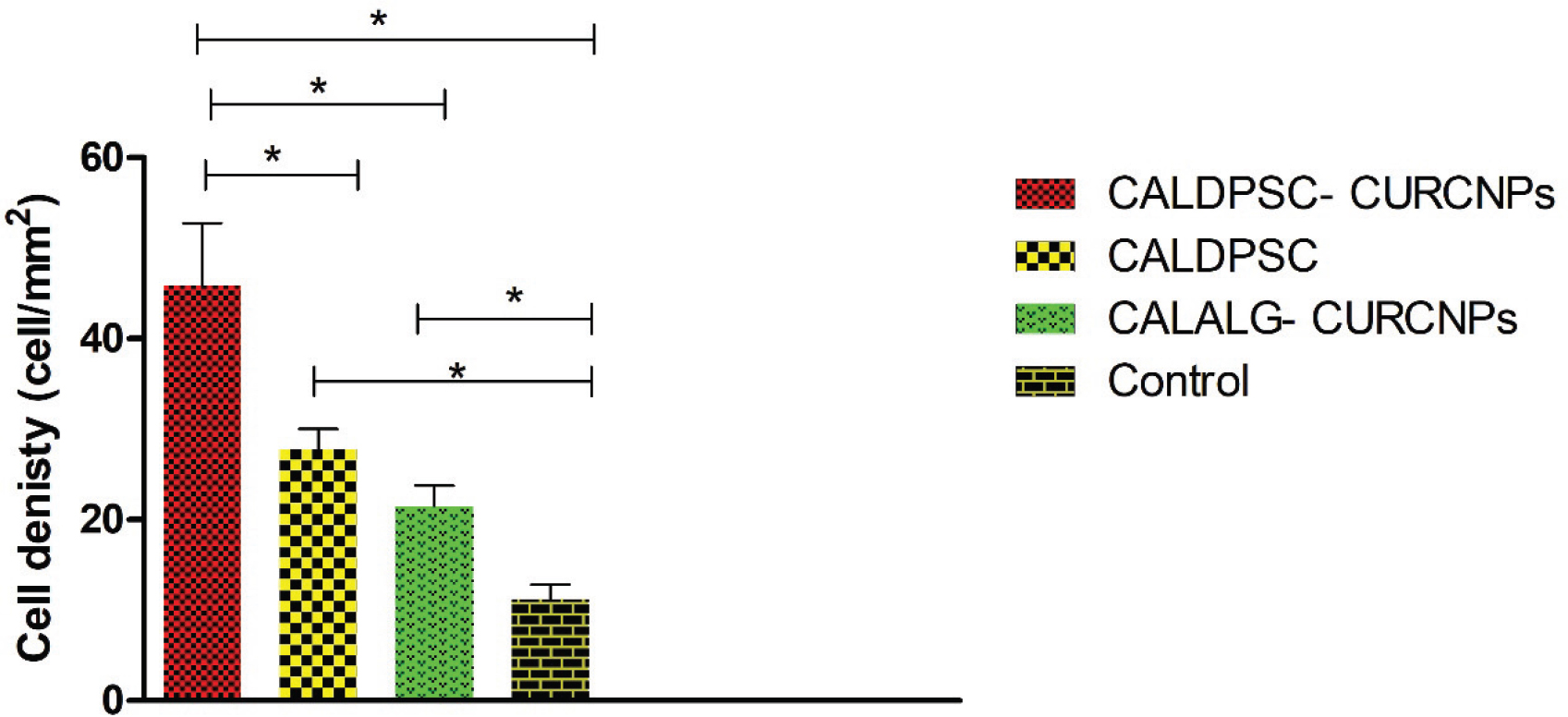
Fig. 8.
Histomorphometry analysis results in pulp tissues treated with different hydrogels. * Shows p-value < 0.05