
1. Introduction
The integration of sustainability into consumer decision-making has garnered considerable scholarly and practical attention over the last two decades (Lopes et al., 2024; Sahoo & Goswami, 2023). Global concerns about climate change, environmental degradation, and overconsumption have fueled debates on how consumers can play an active role in supporting sustainable practices through their purchasing choices (D’Adamo et al., 2023; Parvatiyar & Sheth, 2023). One important manifestation of this transition is green buying behavior (GBB), which refers to the preference for products that are environmentally friendly, ethically sourced, or sustainably produced (Sanghvi et al., 2025; Saeed et al., 2025). However, while sustainability has emerged as a global imperative, the dynamics of green consumption vary across geographical, cultural, and economic contexts (Dreyer et al., 2022; Bonelli et al., 2024; Mahajan et al., 2024). In emerging economies, these dynamics are particularly complex due to competing factors such as affordability, cultural values, and consumer skepticism (Cavusgil, 2021; Agarwal et al., 2025). Understanding how consumer behavior can be nudged towards more sustainable practices in these markets is not only a scholarly challenge but also a practical necessity (Nichifor et al., 2025; Amiri et al., 2024; Polyportis et al., 2025).
At the same time, the rapid expansion of digital platforms and social media has transformed the way consumers receive information and make decisions (Khanom, 2023; Zheng et al., 2022). Among these transformations, the rise of social media influencers (SMIs) represents one of the most profound shifts in marketing and consumer psychology. Influencers have become powerful intermediaries between brands and consumers, leveraging their perceived authenticity, credibility, and relatability to shape attitudes and behaviors (Vrontis et al., 2021; Paul et al., 2024). In the context of sustainability, influencers who advocate eco-friendly lifestyles or promote green products can act as agents of change, making sustainable consumption appear aspirational, accessible, and socially rewarding (Kapoor et al., 2023; Horrich et al., 2025). This role is especially significant among younger demographics such as university students, who are not only digitally savvy but also more attuned to global sustainability narratives (Awdziej et al., 2023; Balaskas et al., 2025).
Emerging markets such as Ghana present a particularly compelling context for examining these dynamics (Agyapong et al., 2024; Keelson et al., 2024). The Fast-moving consumer goods (FMCG) industry, which includes high-frequency, low-differentiation products such as packaged foods, beverages, toiletries, and cleaning supplies, is both economically vital and environmentally impactful. For marketers operating in this sector, cultivating environmentally conscious consumption among young consumers is crucial for long-term competitiveness and maintaining a strong brand reputation (Agu et al., 2024; Theocharis & Tsekouropoulos, 2025). At the same time, students in Ghana represent a significant consumer group whose attitudes and behaviors can substantially influence future patterns of green consumption. Their high levels of social media engagement make them particularly susceptible to influencer-driven message consumption (Ansu-Mensah, 2021; Ling et al., 2024; Mensah et al., 2022). However, their purchasing power, cultural values, and perceptions of green products may introduce constraints that complicate the translation of attitudes into action (Carranza et al., 2023; Kamalanon et al., 2022).
Despite this relevance, empirical evidence on the role of SMIs in shaping GBB and purchase decisions (PDs) in African FMCG markets remains limited (Chagwesha et al., 2023; Ahmed et al., 2025). Much of the existing literature has focused on Western or high-income contexts, where sustainability discourses and green consumer markets are relatively mature (Dreyer et al., 2022; Lou & Yuan, 2019). In these settings, influencers have been shown to enhance brand awareness, foster identification with eco-conscious lifestyles, and drive purchase intentions for sustainable products (Zahran & Aljuhmani, 2025; Bansah et al., 2025). However, in resource-constrained markets such as Ghana, consumers may express pro-environmental attitudes but fail to act on them because of factors such as higher prices of green products, skepticism about brand claims, or cultural dissonance (Tomar et al., 2025; Mishra & Mishra, 2025; Zhang & Huang, 2024). This “attitude–behaviour gap” raises the question of whether SMIs can effectively close the gap in such contexts, or whether their impact remains superficial.
To address these complexities, this study integrates insights from two established theoretical perspectives: the Theory of Planned Behavior (TPB) (Ajzen, 1991) and Social Influence Theory (SIT) (Kelman, 1958). TPB emphasizes that consumer behavior is shaped by attitudes, subjective norms, and perceived behavioral control, suggesting that sustainable choices depend not only on environmental concern but also on social pressures and the belief in one’s ability to act (Balıkçıoğlu et al., 2022). SIT complements this perspective by explaining how individuals adopt attitudes or behaviors through the compliance, identification, or internalization of the values of referent others – in this case, SMIs (Rodrigo & Mendis, 2023; Farivar & Wang, 2022). Together, these frameworks provide a helpful lens for understanding how SMIs can shape green attitudes and PDs, as well as the conditions under which these influences become effective.
In addition to these theoretical considerations, brand equity (BE) emerges as a potentially important mediating factor. BE, defined as the perceived value, trust, and loyalty associated with a brand (Aaker, 1991; Parris & Guzmán, 2023; Bui et al., 2023), has long been recognized as a determinant of consumer decision-making. When influencers endorse brands with high equity, their messages may be more persuasive, as consumers are reassured of the product’s quality, credibility, and authenticity (Kapitan et al., 2022; AlFarraj et al., 2021). However, in contexts where BE is low or where greenwashing is suspected, influencer endorsements may fail to translate into actual purchase behavior (Qayyum et al., 2023; Wu et al., 2025). Exploring whether BE mediates the relationship between SMIs and GBB in the FMCG sector thus addresses an important research gap.
Further complexity arises when considering the moderating role of demographic and cultural factors (Abdulmuhsin et al., 2025; Wei et al., 2023; Al Halbusi et al., 2022). Age and generational dynamics influence how consumers engage with social media content and sustainability messages (Confetto et al., 2023; Nazish et al., 2024; Seyfi et al., 2023). Younger consumers, especially those within Generation Z (Gen Z), are more digitally immersed and more likely to identify with influencers, whereas older cohorts tend to rely on traditional sources of information and weigh product utility and affordability more heavily (Croes & Bartels, 2021; Leung et al., 2025; Vrontis et al., 2021). Similarly, culture (CU) shapes how environmental values are understood and acted upon. In collectivist societies, such as Ghana, sustainable behavior may be more strongly motivated by communal norms and social responsibility, whereas in individualist contexts, it may be driven by personal benefits (Saracevic et al., 2022; Zhao et al., 2024; Yang et al., 2024; Meng et al., 2024; Hofstede, 2001). These demographic and cultural contingencies may amplify or weaken the pathways through which SMIs influence green buying and PDs, underscoring the need for context-sensitive analysis (Putri et al., 2025).
Taken together, these considerations highlight both the theoretical and practical relevance of this study. Theoretically, the research contributes by integrating TPB and SIT with constructs of BE, age, and CU to build a nuanced model of influencer-driven green consumption in emerging markets. It addresses gaps in the literature by testing relationships that are often assumed but rarely empirically validated in African contexts, such as the mediating role of BE and the moderating roles of CU and age. Practically, the study offers valuable insights for FMCG firms, marketers, and policymakers on designing influencer campaigns that effectively promote sustainable consumption. By identifying whether credibility, cultural tailoring, or brand trust are decisive in shaping PDs, the findings can inform strategies that not only drive consumer engagement but also contribute to broader sustainability goals.
The FMCG sector offers an ideal context for examining GBB, characterized by its high purchase frequency, low product differentiation, and a firm’s reliance on consumer perceptions and brand trust (Shukla et al., 2023; Derqui et al., 2022; Shakur et al., 2024). In emerging markets like Ghana, FMCGs covering everyday products such as food, beverages, toiletries, and cleaning supplies account for a large share of household expenditure, meaning that even small behavioral shifts can have significant environmental and economic impacts (Panchal & Chand, 2025; Peiris et al., 2024; Prashar, 2023). The sector is also central to sustainability debates, given its contribution to waste, packaging pollution, and carbon emissions, while simultaneously offering consumers visible opportunities to make eco-friendly choices in their daily lives (Puntillo, 2023; Despoudi et al., 2021; Yang et al., 2023; Debrah et al., 2021). Moreover, the competitiveness of the FMCG industry makes SMIs a crucial marketing lever, as their credibility and relatability can help brands position themselves as both affordable and environmentally responsible (Ahuja & Tabeck, 2024; Nipa et al., 2024; Goel & Madan, 2025). Focusing on university students as a digitally engaged and aspirational consumer group further strengthens this context, as they are exceptionally responsive to influencer-driven narratives around sustainability.
Against this backdrop, the study seeks to answer the following research questions:
To what extent do SMIs shape GBB among university students in emerging economies?
How does GBB influence PDs in the FMCG sector?
Does BE mediate the relationship between SMIs and GBB?
To what extent does age moderate the effect of influencers on GBB?
How does cultural orientation moderate the relationship between GBB and PDs?
How effectively can the TPB and SIT explain university students’ GBB and PDs in the context of FMCG consumption in emerging economies?
This research contributes to literature by highlighting the previously overlooked relationship between SMIs and GBB, as well as the mediating influence of BE and the moderating effects of age and CU among university students (Rodrigo & Mendis, 2023; Vrontis et al., 2021). The study further explores the underlying mechanism of this association by analyzing individual factors, including SMI, GBB, PDs, BE, CU, and age, to examine the influence of SMIs on buying behavior and environmental awareness within the university student communities (Rodrigo & Mendis, 2023). This research enhances the understanding of influencer marketing, sustainability, and the preferences of young customers (Saracevic et al., 2022). This focus on the viewpoints and particular requirements of young university students can enhance our understanding of the area and its related fields. This research has the potential to offer insights into marketers, legislators, and organizations interested in advancing inclusive and sustainable practices.
This study makes at least four significant contributions. First, the study examines the impact of SMIs on GBB within the developing FMCG sector among university students. Second, it highlights the disparate impact that SMIs may have on different university community groups. Third, the research contributes evidence to an expanding body of literature examining influencer marketing, environmentally conscious purchasing behavior, BE, CU, and age. Fourth, it provides significant insights for marketers and policymakers targeting young university students. Despite its necessity, no prior research has undertaken a similar endeavor considering the heightened focus on inclusive marketing and young university students. To conduct this investigation, the theoretical background on social media and SMIs, as well as GBB and marketing to young university students, will be thoroughly examined. A comprehensive review of the literature on influencer marketing, GBB, BE, cultural influences, and age will follow this. By integrating the theories of planned behavior (Ajzen, 1991) and social influence (Kelman, 1958) and examining the mediating role of BE alongside the moderating roles of age and CU, this study aims to fill several important literature gaps. The study contributes to literature by offering a context-sensitive, theory-driven framework for understanding how influencer marketing can drive sustainable consumption in emerging markets.
By addressing these questions, the study enhances our understanding of how influencer marketing can be leveraged to foster sustainable consumption in emerging markets. In doing so, it provides both academic and managerial contributions: theoretically by extending the application of behavioral and social influence frameworks to new contexts, and practically by offering evidence-based recommendations for promoting eco-friendly consumer behavior in high-growth, high-impact sectors.
The remainder of the research is organized as follows: The next section consists of a theoretical review and hypothesis development. The research method is presented in Section 3; Section 4 covers hypothesis testing and discussion of the results. The final section presents both the practical and theoretical contributions, concluding with a discussion of limitations and suggestions for further research.
2. Theoretical background
2.1. SMIs
Social media has significantly changed how people interact with one another and how modern economies do marketing, and key among the factors influencing this transformation is the rise of SMIs (Vrontis et al., 2021; Syed et al., 2023). SMIs are individuals who have developed substantial followings on platforms like TikTok, Instagram, and YouTube and possess the power to affect their followers’ attitudes and behaviors (Lou & Yuan, 2019; Vrontis et al., 2021). Their persuasive capacity lies in their perceived credibility, authenticity, and relatability (Belanche et al., 2021). In green marketing, SMIs serve as digital opinion leaders who promote environmentally responsible behavior by endorsing sustainable brands or products (Kapitan et al., 2019). As a result, a study by Horrich et al. (2025) is consistent with other recent research, showing that the significance of SMIs in marketing is increasing and that a customized, influencer-centered approach is replacing traditional promotional techniques (Vrontis et al., 2021; Jin et al., 2021). These studies consistently demonstrate that SMIs enhance brand recognition and credibility and have a favorable impact on consumers’ purchasing decisions. (Nafees et al., 2021; Ashraf et al., 2023). The growing impact of SMIs is evident in emerging markets, where digital platforms often bypass traditional marketing channels and reach tech-savvy youth, including university students (Jin et al., 2020). However, most existing studies focus on Western or high-income contexts, with limited empirical exploration in African FMCG markets (Horrich et al., 2025).
2.2. GBB
GBB has developed into a strategy that considers social and ethical concerns in addition to environmental ones. A key component of this strategy is acknowledging the importance of incorporating people who are underrepresented in marketing strategies but have a sizable market potential (Sharma, 2021). As it is now necessary to consider young consumers when creating sustainable market practices, new viewpoints have altered our perceptions of university students, moving beyond the categorization of them as a construct (Prieto-Sandoval et al., 2022; Dziubaniuk et al., 2023; Leiva-Brondo et al., 2022). GBB refers to consumers’ tendency to purchase environmentally friendly, ethically sourced products produced through sustainable processes (Peattie, 2010; Joshi & Rahman, 2015). Such behaviors are influenced by environmental concerns, perceived consumer effectiveness, and social norms (Nekmahmud & Fekete-Farkas, 2020). Among younger consumers, green buying is often driven by exposure to social media campaigns and influencer endorsements that frame sustainability as an attractive lifestyle choice (Guiao & Lacap, 2022). However, the extent to which this behavior leads to actual purchasing decisions, especially in low-income contexts where price sensitivity is high, remains underexplored.
2.3. PDs
PDs are the consumer’s final action in selecting and acquiring a product based on individual preferences, perceived value, social influence, and brand familiarity (Yadav & Pathak, 2017). In sustainable consumption, GBB is often a precursor or predictor of PDs (Li et al., 2022; Song et al., 2019). While previous studies have highlighted the positive correlation between green attitudes and sustainable purchasing (Nekmahmud & Fekete-Farkas, 2020), less is known about how this relationship manifests in FMCG contexts within developing economies, where affordability and accessibility are key factors in decision-making.
2.4. BE as a mediating variable
BE, defined as the value of a brand in the mind of a consumer, significantly influences purchase behavior (Aaker, 1991; Kim & Hyun, 2011). Influencer-driven marketing can enhance perceived BE by increasing exposure, fostering emotional engagement, and providing social proof (Kapitan et al., 2019). In the FMCG sector, BE serves as a critical mediator between influencer content and purchasing outcomes; however, this linkage remains under-theorized in the sustainability literature (Ghorbani & Westermann, 2025; Gloria, 2025). Understanding how SMIs influence brand perceptions in green product categories presents a promising direction for bridging this gap.
2.5. Cultural influence as a moderator
CU shapes consumer attitudes, norms, and interpretations of environmental values (Hofstede, 2001). In collectivist societies like Ghana, social conformity, respect for authority figures, and community-based values can amplify the persuasive impact of SMIs, especially when sustainability is framed as a moral or social good (Phau & Teah, 2009; Gupta & Ogden, 2009). Despite these cultural nuances, most green consumption studies rely on Western individualist assumptions, neglecting the complex interplay between social media, cultural identity, and purchasing behavior in emerging markets (Vighnesh et al., 2023; Rahman & Luomala, 2021; Ur et al., 2023)
2.6. Age and generational dynamics
Age is critical in shaping how consumers engage with sustainability and digital platforms. University students, predominantly members of Gen Z or young millennials, are highly responsive to social media content, particularly that which aligns with their personal values or lifestyle aspirations (Yadav & Pathak, 2017; Vrontis et al., 2021). However, age rarely modifies existing models exploring green consumption in the influencer economy. Understanding how generational dynamics affect responsiveness to SMIs in emerging economies can enrich FMCG brands’ segmentation and targeting strategies.
2.7. Research gaps and theoretical framework
While literature affirms that SMIs influence sustainable attitudes and purchase intentions (Lou & Yuan, 2019; Horrich et al., 2025), significant gaps persist:
Limited studies explore how these influences operate in the FMCG industry in low-income or resource-constrained contexts.
There is a lack of models integrating BE as a mediating variable and CU or age as moderators in green consumption frameworks.
Cross-cultural validation of existing influencer marketing theories remains underdeveloped in African contexts, despite high youth engagement on social media platforms.
This study addresses these gaps by examining how SMIs influence GBB and PDs among university students in emerging markets, particularly in Ghana. It employs two complementary theoretical lenses:
TPB (Ajzen, 1991) to understand intention-driven behavior.
SIT (Kelman, 1958) to assess how identification with influencers shapes purchasing conduct.
By integrating psychological and sociocultural dimensions, this study advances the influencer marketing literature and contributes to the development of sustainable business practices in emerging markets.
2.8. Theoretical underpinnings and integration
This study draws on two foundational theories – the TPB (Ajzen, 1991) and SIT (Kelman, 1958) – to conceptualize how SMIs shape GBB and PDs among university students in the FMCG industry in emerging economies. The TPB asserts that behavior is determined by behavioral intentions, which are shaped by attitudes, subjective norms, and perceived behavioral control (Ajzen, 1991). In this study, GBB is conceptualized as a planned behavior resulting from environmental attitudes (shaped by influencer content), perceived social pressure (from peers or influencers), and students’ belief in their ability to make eco-friendly choices despite affordability or accessibility issues. Simultaneously, SIT explains how referent others influence individuals through compliance, identification, and internalization (Kelman, 1958). In the digital era, SMIs serve as reference figures whose values and behavior can influence followers’ own consumer choices. Identification with an influencer who promotes sustainable consumption can encourage followers to emulate such behavior, especially among younger consumers who are digitally embedded (Kapitan, et al., 2019).
The integration of TPB and SIT in the conceptual framework allows for a dual-perspective approach:
TPB anchors the internal cognitive drivers of green purchasing.
SIT captures the external social mechanisms, particularly the role of SMIs in shaping norms and values.
This theoretical integration justifies the inclusion of BE as a mediator (i.e., how the influence of SMIs is transferred through brand perceptions) and age and CU as moderators, capturing generational and sociocultural dimensions of planned and socially influenced behavior.
3. Conceptual framework and hypotheses development
3.1. Conceptual framework overview
Based on the TPB (Ajzen, 1991) and SIT (Kelman, 1958), this study proposes that SMIs play a critical role in shaping GBB, which in turn influences PDs. Furthermore, BE is hypothesized to mediate this relationship, while age and CU are considered as moderators that may strengthen or weaken the influence pathways.
The FMCG industry in emerging economies, such as Ghana, is crucial due to the high frequency and low involvement of purchases, as well as the increasing visibility of sustainability narratives in marketing communications.
3.2. Conceptual framework
Below is the conceptual framework for the study (Figure 1).
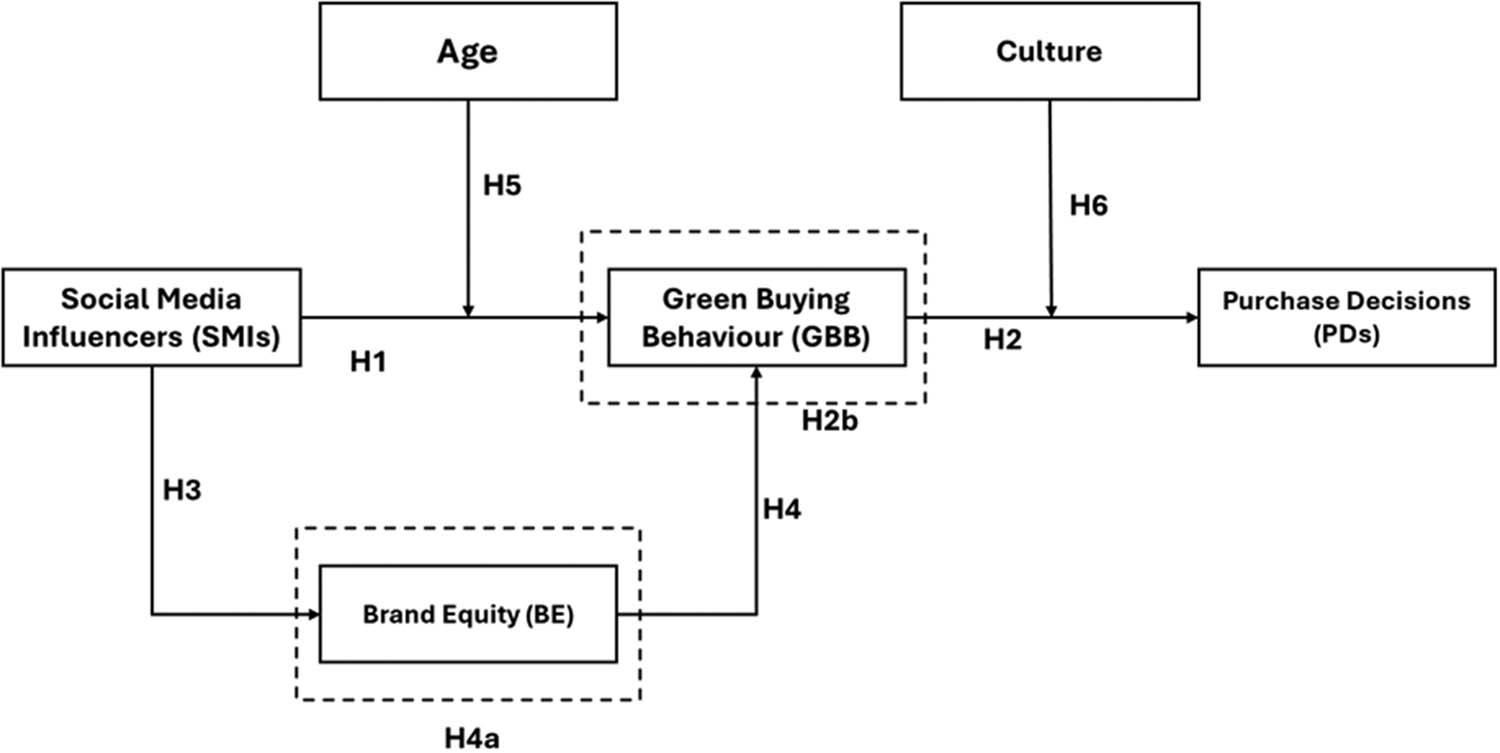
Figure 1
Conceptual framework.
Source: Author’s compilation from SmartPLS4
3.3. Hypotheses development
3.3.1. SMIs and GBB synopsis
Influencers can shape perceptions and values around environmental sustainability through content that resonates with followers’ beliefs and aspirations (Lou & Yuan, 2019; Jin et al., 2020). The rise of digital platforms has altered the dynamics of consumer persuasion, with SMIs becoming significant agents of behavioral change, particularly among younger demographics. SMIs are defined as individuals who, through sustained content creation and engagement on social platforms, gain the capacity to shape audience attitudes, intentions, and consumption behaviors (Lou & Yuan, 2019; Belanche et al., 2021). Their influence stems from perceived credibility, authenticity, and relatability – qualities that traditional celebrities or corporate advertisers often lack (Kapitan et al., 2019). In GBB, defined as consumers’ proactive decision to purchase environmentally responsible products (Peattie, 2010; Joshi & Rahman, 2015), SMIs play a crucial role in disseminating eco-friendly values and motivating behavioral change. Influencers who promote sustainable brands, share environmentally conscious lifestyles, or engage in green advocacy can foster awareness and behavioral alignment among their followers (Guiao & Lacap, 2022; Vrontis et al., 2021). This is especially relevant to university students, who are often socially conscious, digitally connected, and susceptible to peer and aspirational influence (Yadav & Pathak, 2017).
However, despite growing academic consensus, an ongoing empirical debate persists regarding the depth and durability of SMIs’ influence on sustainable consumer behavior. Some scholars argue that SMIs inspire only superficial or performative sustainability, with little actual behavioral translation, an effect sometimes referred to as “slacktivism” or “green-washing” (Marques et al., 2020; Phua et al., 2020). Others highlight that trust in the influencer and alignment between the influencer’s values and those of the audience are essential precursors to behavioral change (Belanche et al., 2021; De Veirman et al., 2017). Moreover, most existing studies have been conducted in developed markets, which limits their generalizability to emerging economies where environmental awareness may be relatively nascent and consumption is shaped by affordability and access to resources. In this light, the present study introduces H1 to empirically test the role of SMIs as digital change agents in the context of green FMCG consumption among university students in Ghana. The hypothesis seeks to validate whether influencer-led sustainability messaging meaningfully predicts GBB in an emerging market setting, where digital media adoption is high but green literacy and infrastructural support may be limited. Addressing this hypothesis contributes to closing a critical gap in literature by providing evidence from a socioeconomically distinct, culturally rich, and youth-driven consumer segment, thereby enhancing theoretical understanding and practical application in sustainable marketing.
H1: SMIs positively influence GBB among university students.
3.3.2. GBB and PDs synopsis
When individuals adopt green buying practices, they are more likely to make consistent PDs that reflect the environmental values (Yadav & Pathak, 2017; Nekmahmud & Fekete-Farkas, 2020). In recent years, GBB has gained substantial academic attention as both a reflection of ethical consumerism and a lever for sustainable market transformation. GBB refers to the intentional selection of products and services that minimize environmental harm, often guided by values such as ecological awareness, personal responsibility, and long-term well-being (Peattie, 2010; Joshi & Rahman, 2015). When such behavior is consistent and habitual, it is expected to culminate in concrete PDs, especially in product categories with high purchase frequency, such as FMCGs.
Several studies affirm that pro-environmental attitudes and intentions are significant predictors of actual purchase behavior, particularly when supported by self-efficacy, product availability, and affordability (Yadav & Pathak, 2017; Liobikienė & Bernatonienė, 2017). Green consumers are more likely to purchase eco-labeled, biodegradable, or sustainably sourced products when they perceive such choices as aligning with their identity or social norms (Paul et al., 2016). In emerging economies, where FMCGs dominate everyday consumption, these behaviors have profound implications for market dynamics, environmental policy, and corporate sustainability strategies. However, the relationship between GBB and PDs is far from deterministic. A recurring challenge in the literature is the so-called “attitude-behaviour gap,” where consumers report strong environmental values but fail to translate them into actual purchasing due to concerns about price, product unavailability, brand skepticism, or social convenience (Joshi & Rahman, 2015; Johnstone & Tan, 2015). This gap is often more pronounced in developing contexts, where green products may be viewed as elitist or less functional than conventional alternatives (Gupta & Ogden, 2009).
Moreover, while prior studies acknowledge this gap, empirical validation of the link between green behavioral intentions and actual FMCG PDs remains limited in emerging African markets such as Ghana. Cultural norms, peer influences, and situational constraints often override environmentally motivated intentions, resulting in inconsistent purchase behavior (Khare, 2015). This calls for a more nuanced understanding of how, when, and why GBB leads to actual purchases, especially among university students who are simultaneously environmentally aware and cost-sensitive. Therefore, H2 empirically tests whether GBB is a reliable predictor of purchasing decisions in an emerging market context in the FMCG sector. This hypothesis contributes to the behavioral sustainability literature and offers practical insights into bridging the attitude-behavior divide in markets where green consumption is still evolving. If validated, this relationship would reinforce the argument that fostering green behavior can drive responsible consumption at scale even in low-margin, high-volume industries like FMCG.
H2: GBB positively influences PDs in the FMCG industry.
H2a: GBB mediates the affiliation between SMIs and PDs.
3.3.3. Mediate effect of BE
SMIs promoting brands with substantial equity can strengthen trust, value, and emotional connection, influencing consumer behavior more effectively (Aaker, 1991; Kim & Hyun, 2011). In an era where digital influence drives consumer awareness, the credibility and effectiveness of SMIs are increasingly mediated by the strength of the brands they endorse. While SMIs are instrumental in initiating interest and triggering attitudinal shifts, these effects often materialize into GBB only when the associated brand carries substantial equity, i.e., when the brand is perceived as credible, high-quality, trustworthy, and socially responsible (Aaker, 1991; Kim & Hyun, 2011). BE, particularly in the context of sustainability, serves as a key psychological bridge between influencer communication and consumer behavior (Kapitan et al., 2019). Consumers may admire or trust an influencer, but their willingness to purchase green products depends heavily on whether they also trust the brand being promoted. BE reassures consumers about authenticity, environmental commitment, and product quality – three critical considerations for green product purchases (Chen & Chang, 2008; Hartmann et al., 2005).
From an empirical standpoint, studies have demonstrated that SMIs enhance brand awareness, brand associations, and perceived quality, foundational pillars of BE (De Veirman et al., 2017; Lou & Yuan, 2019). In turn, substantial BE has been positively linked to higher green purchase intentions and behaviors (Chen & Chang, 2012; Wang et al., 2020). However, few studies have empirically tested this mediating mechanism between influencer endorsements and actual green consumer action, especially in the FMCG sector, where PDs are frequent, habitual, and price sensitive. Furthermore, BE may play an even more critical mediating role in emerging markets like Ghana, where skepticism about green claims persists and consumer trust in corporate commitments continues to evolve. SMIs may initiate environmental discourse, but without a trustworthy brand narrative, the shift from awareness to action may stall (Nekmahmud & Fekete-Farkas, 2020). Thus, H3 is posited to empirically examine BE as the mediating link through which SMIs influence university students’ GBB. Validating this hypothesis will advance our understanding of green influencer marketing and provide actionable insights into how brands can better harness influencer partnerships to build sustainable trust and drive behavioral change.
H4: BE had a positive link with GBB.
H4a: BE mediates the relationship between SMIs and GBB.
3.3.4. Moderating effect of age
Younger consumers, who are more active and receptive to social media content, are likely to respond more positively to influencer-driven green campaigns (Belanche et al., 2021). In the digital age, age-related differences in media consumption, technological fluency, and environmental consciousness are pivotal in shaping how individuals respond to SMIs. Among these generational divides, younger individuals – especially those within Gen Z (typically aged 18–24) – exhibit higher levels of social media engagement, greater receptiveness to influencer-driven content, and a stronger identification with online communities (Vrontis et al., 2021; Djafarova & Rushworth, 2017). From a psychological and behavioral standpoint, younger consumers are developmentally more open to persuasion and social comparison, making them more likely to adopt pro-environmental behaviors if these are endorsed by aspirational figures like SMIs (Kapitan et al., 2019; Phua et al., 2020). For instance, Lou and Yuan (2019) demonstrate that influencer credibility and authenticity are particularly impactful among younger audiences, who tend to associate their personal values with the online personas they follow. This makes them ideal targets for green marketing campaigns that leverage social influence to promote sustainability.
However, the literature also acknowledges a growing age-based heterogeneity in green consumer behavior. While some older consumers may also engage in sustainable consumption, they tend to rely more on traditional information sources and place greater weight on product utility and price than on influencer endorsements (Nekmahmud & Fekete-Farkas, 2020). Furthermore, older individuals may approach online influencer content with a more critical or skeptical lens, thereby weakening the influence of SMIs on their green buying decisions (Vries et al., 2012). In emerging economies, these generational dynamics are further intensified by the digital divide, whereby younger consumers are more likely to own smartphones, access social platforms, and follow influencers actively (Statista, 2024). As such, it is reasonable to hypothesize that the persuasive effect of SMIs on GBB will be more substantial among younger university students than their older counterparts. H4 is thus proposed to examine age as a moderator of the SMIs–GBB relationship. Validating this hypothesis will enhance the segmentation strategies of FMCG brands and contribute to generational insights in influencer marketing, particularly in emerging markets where youthful populations dominate social media usage.
H5: Age moderates the direct relationship between SMIs and GBB, making the influence more substantial among younger university students.
3.3.5. Moderating effect of CU
Cultural norms around environmental stewardship and communal responsibility influence how strongly green attitudes are translated into behavior (Hofstede, 2001; Phau & Teah, 2009). CU profoundly shapes consumer attitudes, intentions, and behaviors, particularly about sustainability and environmental responsibility. Defined as “the collective programming of the mind” (Hofstede, 2001), CU influences how individuals perceive their societal roles, make ethical decisions, and respond to social norms. Within this context, GBB, which reflects an individual’s pro-environmental attitudes and intentions, may or may not lead to actual PDs, depending on their cultural orientation. According to Hofstede’s cultural dimensions theory, collectivist CUs, common in many emerging economies, including Ghana, emphasize group harmony, social responsibility, and interdependence. In such CUs, individuals are more likely to internalize environmentally responsible behaviors as part of their duty to the community or society (Hofstede, 2001; Sharma, 2014). Consequently, when individuals in collectivist CUs adopt green values, they are more likely to translate these values into consistent PDs that reflect communal norms and shared environmental ethics (Phau & Teah, 2009; Nguyen et al., 2017). In contrast, in individualistic CUs, pro-environmental behaviors may be more self-driven or symbolic, often constrained by competing priorities such as personal convenience or economic cost. This may weaken the link between green intentions and actual green purchasing, leading to the well-known intention–behavior gap (Johnstone & Tan, 2015; Joshi & Rahman, 2015).
Empirical studies confirm that CU influences general consumption behavior and moderates the efficacy of green marketing campaigns and sustainability messaging (Leonidou et al., 2010; Nguyen et al., 2017). For example, Sharma (2014) found that collectivist consumers were more responsive to green advertisements emphasizing societal benefits rather than individual utility. This highlights the significance of considering cultural orientation as a boundary condition for predicting green consumer behavior. In Ghana and other emerging economies, CU is typically characterized by high collectivism, strong communal values, and respect for social conformity (Owusu, 2014). Therefore, it is hypothesized that CU will strengthen the relationship between GBB and actual PDs, such that individuals embedded in collectivist norms are more likely to act on their environmental values. H5 is proposed to capture this moderating role of cultural orientation, offering nuanced insight into how green behaviors are expressed and translated into real-world decisions in culturally diverse contexts. This hypothesis is particularly valuable for marketers, policy makers, and sustainability advocates aiming to design culturally sensitive interventions that encourage green purchasing on a large scale.
H6: CU moderates the relationship between GBB and PDs, such that collectivist cultural values enhance the likelihood of green behavior translating into actual purchases.
4. Methodology
4.1. Data collection and approach
To investigate and meet the goals of the research, Gen Y (1981–1996) and Gen Z (1997–2012) within the Universities in Ghana were selected (69 universities). The purpose of sampling Gen Z and Y was their high demand for fashion design products in the FMCG industry. To explore the developed hypothesis, a questionnaire was distributed to university students over four months (February–May 2025). The research questionnaires were distributed to the students in person and electronically according to the participants’ preference. We sample the top ten universities in Ghana, with six public and four private. The ten universities were selected based on the following criteria: (a) These universities have campuses across the regions. (b) These universities gave us approval to conduct the research. (c) These consist of almost 90% of the entire student population in Ghana. To ensure generalizability and inclusion of all participants, this research employed a stratified sampling approach to select university students from all 16 regions. This method presents a unique opportunity to bring together participants from diverse universities with varying characteristics. Additionally, the method’s strength lies in selecting different levels (first, second, third, and fourth year) of students to reduce sampling bias. We employed the G-power software to determine the minimum sample size required to investigate the research hypothesis, which presents the null and alternative hypotheses in a graphical output. The X and Y plots display the parameter alpha (0.05), effect size (0.3), and the power (0.95). From the graphical illustration, the minimum sample size is 88 (Figure 2). A total of 664 samples were submitted to participants in 69 tertiary universities. However, the final sample size necessary for analysis was 576 (86.7%) to unravel the relationship between the developed hypothesis and the SMIs, GBB, CU, BE, and PDs. Table 2 presents the detailed outcome of participants’ bio information.
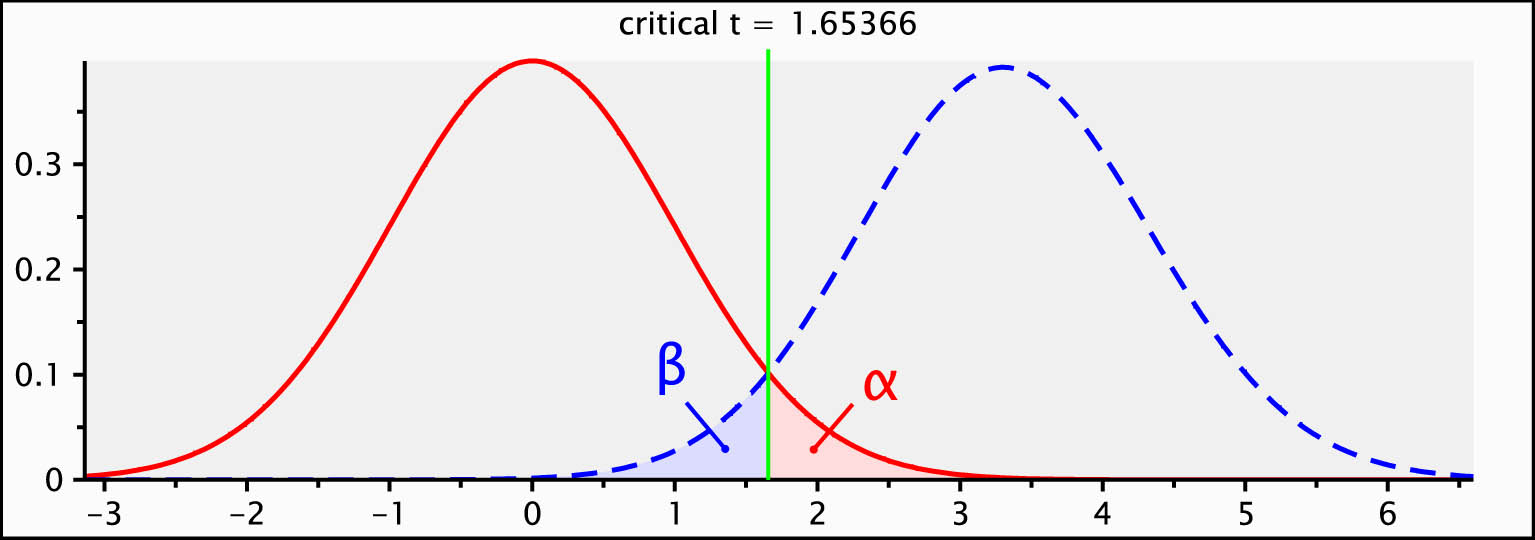
Figure 2
G-power sample size.
Source: Author’s compilation from SmartPLS4
4.2. Variables pilot assessment
To ensure the reliability of the questionnaires adopted and modified to meet the research objectives, the researchers invited a select group of university students to complete the questionnaire. This pilot test aimed to determine the duration for participants to complete one set of questionnaires. Additionally, the pilot test helped identify the gaps these participants pointed out for correction. The limitations and ambiguities were addressed prior to the commencement of the survey process.
4.3. Measurement of variables
In this inspection, all the variables of the survey questionnaires developed for the research objectives and conceptual model were adopted from mature literary works (Table 1 and Table A1 – Appendix 1). Responses to the constructs were on a five-point Likert scale, ranging from 1 (strongly agree) to 5 (strongly disagree). To capture the construct of SMIs four items were adapted (Lou & Yuan, 2019; Belanche et al., 2021), GBB consisted of four items (Peattie, 2010; Joshi & Rahman, 2015; Yadav & Pathak, 2017), BE utilized four operationalization (Aaker, 1991; Kim & Hyun, 2011; Chen & Chang, 2012), PDs four indicators (Yadav & Pathak, 2017; Paul et al., 2016), and CU was measured with four items (Hofstede, 2001; Sharma, 2014; Nguyen et al., 2017). The developed questionnaires were reviewed by three researchers in the Department of Management and Marketing to ensure clarity.
Table 1
Construct definition.
| Construct | Definition | References |
|---|---|---|
| SMIs | Individuals who have built a reputation on social media platforms for their knowledge, authenticity, and content creation, influencing followers’ attitudes and behaviors | Lou & Yuan (2019); Belanche et al. (2021) |
| GBB | Consumption behavior that reflects concern for the environment, leading to the purchase of environmentally friendly products | Peattie (2010); Joshi & Rahman (2015) |
| PDs | The outcome of consumer evaluation reflecting the final act of selecting and buying a product, especially in response to environmental values and motivations. | Yadav & Pathak (2017) |
| BE | The value and strength of a brand as perceived by consumers, including brand awareness, associations, perceived quality, and loyalty. | Aaker (1991); Kim & Hyun (2011) |
| Age | A demographic variable representing the respondent’s age is often used to assess generational differences in consumer attitudes and behaviors. | Djafarova & Rushworth (2017) |
| CU | The shared values, beliefs, and norms of a group that influence consumption behavior are often differentiated by collectivist vs individualist tendencies. | Hofstede (2001); Sharma (2014) |
Source: Author’s compilation from SmartPLS4
Table 2
Participants information.
| Series | Constructs | Frequency | Percentage |
|---|---|---|---|
| Gender | Male | 211 | 36.6 |
| Female | 365 | 63.4 | |
| Age | 20–25 | 126 | 21.9 |
| 26–30 | 219 | 38.0 | |
| 31–35 | 148 | 25.6 | |
| 36–40 | 83 | 14.4 | |
| Education | Diploma/Higher national diploma | 106 | 18.4 |
| Bachelor/Undergraduate | 263 | 45.7 | |
| Master/Graduate | 139 | 24.1 | |
| Ph.D. | 68 | 11.8 | |
| Faculty | Business administration | 127 | 22.0 |
| Health and allied science | 96 | 16.7 | |
| Education | 189 | 32.8 | |
| Engineering | 73 | 12.7 | |
| Law | 91 | 16.0 | |
| University type | Public | 6 | |
| Private | 4 |
Source: Author’s compilation
4.4. Control variables
To strengthen the robustness of the analysis, control variables such as gender, income, and education are included, given their established influence on GBB. Prior studies have shown that women often display stronger pro-environmental attitudes than men, income levels influence the affordability of eco-friendly products, and higher education is linked to greater sustainability awareness. Controlling these factors helps reduce omitted variable bias. It ensures that the effects of SMIs, BE, and CU on GBB are not confounded by underlying demographic differences (Rodrigo & Mendis, 2023).
4.5. Respondents’ information
Data collected from the repondents as stated in Table 2 indicate that males 211 (36.6) females 365 (63.4) confirms females huge desire for fashion products. Regarding the age of the respondents, the majority fall within the 26–30 bracket (38%), and the lowest is 36–40 (14.4%). Additionally, the bio information on education revealed that participants with a bachelor’s or undergraduate degree and those with a master’s or graduate degree had the highest participation, at 263 and 139, respectively. Finally, the faculty with the most participants was Education and Business Administration.
4.6. Method of data assessment
The structural equation model of Partial Least Squares (SEM-PLS) was employed to attain and present a significant estimation of the research hypothesis developed. The analysis was conducted using the SmartPLS 4 software. Previous literary works have highlighted the material significance of SEM-PLS over assessment, as seen in the hierarchical regression model (Takyi et al., 2024). First, SEM-PLS has two forms: (a) the measurement model, which assesses the model’s reliability and validity. (b) The structural model assesses the hypothesis developed with a bootstrapping of 10,000 iterations. Hair et al. (2019) explained in their article that when complex models involve moderation and mediation constructs, it is suitable to adopt the SEM-PLS approach.
4.7. Empirical assessment
The initial assessment of SEM-PLS using SmartPLS involves a measurement that examines the reliability and validity of the constructs. The PLS algorithm, as illustrated in Table 3, indicated that for the constructs assessed, the loading was above the threshold value of 0.7 (Hair et al., 2022). The consistency and reliability were assessed using Cronbach’s alpha and composite reliability. Takyi et al. (2024) stated that a value greater than 0.7 is considered an acceptable reliability and consistency check for the model developed to carry out the structural assessment of the hypothesis. Furthermore, the validity was investigated using the average variance extracted, which was found to be within the required figures of > 0.50. The findings presented the R-square value of PDs (0.798), GBB (0.661), and BE (0.427).
Table 3
Reliability and validity synopsis.
| Series | Proxy | Outer loadings | Cronbach’s alpha | Rho_a | Composite reliability | AVE | VIF |
|---|---|---|---|---|---|---|---|
| SMIs | 0.833 | 0.836 | 0.889 | 0.667 | |||
| SMIs 1 | 0.846 | 2.626 | |||||
| SMIs 2 | 0.855 | 2.826 | |||||
| SMIs 3 | 0.794 | 1.877 | |||||
| SMIs 4 | 0.767 | 1.656 | |||||
| GBB | 0.935 | 0.935 | 0.954 | 0.837 | |||
| GBB1 | 0.877 | 2.693 | |||||
| GBB2 | 0.933 | 4.494 | |||||
| GBB3 | 0.927 | 4.474 | |||||
| GBB4 | 0.921 | 3.914 | |||||
| BE | 0.866 | 0.870 | 0.909 | 0.713 | |||
| BE1 | 0.843 | 2.093 | |||||
| BE2 | 0.854 | 2.231 | |||||
| BE3 | 0.835 | 2.327 | |||||
| BE4 | 0.846 | 2.315 | |||||
| CU | 0.870 | 0.879 | 0.912 | 0.722 | |||
| CU1 | 0.848 | 2.297 | |||||
| CU2 | 0.919 | 3.269 | |||||
| CU3 | 0.841 | 2.138 | |||||
| CU4 | 0.785 | 1.724 | |||||
| PD | 0.920 | 0.924 | 0.943 | 0.805 | |||
| PDs1 | 0.878 | 2.992 | |||||
| PDs2 | 0.919 | 4.080 | |||||
| PDs3 | 0.895 | 3.314 | |||||
| PDs4 | 0.897 | 2.846 |
Note: VIF - Variance inflation factor, AVE - Average variance extract.
Source: Author’s compilation from SmartPLS4
4.8. Assessment of collinearity
The issue of multicollinearity is serious when collecting and analyzing self-administered questionnaires. Therefore, to mitigate these issues, we are employing the variance inflation factor (VIF) to check for common method bias (CMB). Hair et al. (2022) and Takyi et al. (2024) indicated that a value less than 5 is considered ideal. Table 3 presents the collinearity of all the constructs, with values ranging from 1.656 to 4.494. We concluded that there is no issue of CMB that will impact practical policy for the research.
4.9. Discriminant validity synopsis
Estimating SEM-PLS is a significant test for the validity of the constructs; as such, the two most common validity tests are the Fornell-Larcker and HTMT approaches. Tables 4 and 5 demonstrate the outcome of the two approaches. According to Hair et al. (2022) and Takyi et al. (2024), all constructs under the two estimations should be below 0.90. The findings indicate that all the constructs were within an acceptable range. Also, the diagonals of the Fornell-Larcker are the square root of the AVE, which is vilified.
4.10. Path assessment (Direct)
The empirical findings presented in Table 6 and Figure 3 indicate that SMIs had a strong, favorable, and significant affiliation with GBB (H1: Coeff = 0.802, T = 24.583, prob = 0.000). Again, GBB illustrates a direct positive and significant nexus with PDs. H2: Coeff = 0.813, T = 31.783, prob = 0.000. Similarly, the outcome displayed a direct relationship between SMIs and BE (H3), with a Coeff = 0.653, T = 20.850, prob = 0.000. Surprisingly, BE exhibited a low, insignificant association with GBB among university students (H4: Coeff = 0.017, T = 0.477, p = 0.634).
Table 6
Hypothesis.
| Series | Beta | Standard dev | T – value | Prob | Decision |
|---|---|---|---|---|---|
| Direct | |||||
| H1: SMIs → GBB | 0.802 | 0.024 | 24.583 | 0.000 | Yes |
| H2: GBB → PDs | 0.813 | 0.026 | 31.783 | 0.000 | Yes |
| H3: SMIs → BE | 0.653 | 0.031 | 20.850 | 0.000 | Yes |
| H4: BE → GBB | 0.017 | 0.036 | 0.477 | 0.634 | No |
| Mediating | |||||
| SMIs → GBB → PDs | 0.652 | 0.035 | 18.657 | 0.000 | Yes |
| SMIs → BE → GBB | 0.011 | 0.023 | 0.476 | 0.634 | No |
| Moderating | |||||
| Age*SMIs → GBB | -0.001 | 0.045 | 0.013 | 0.990 | No |
| CU*GBB → PDs | -0.044 | 0.018 | 2.399 | 0.016 | Yes |
BE – brand equity, Cu – culture, GBB – green buying behavior, SMIs – social media influencers, PDs – purchase decisions.
Source: Author’s compilation from SmartPLS4
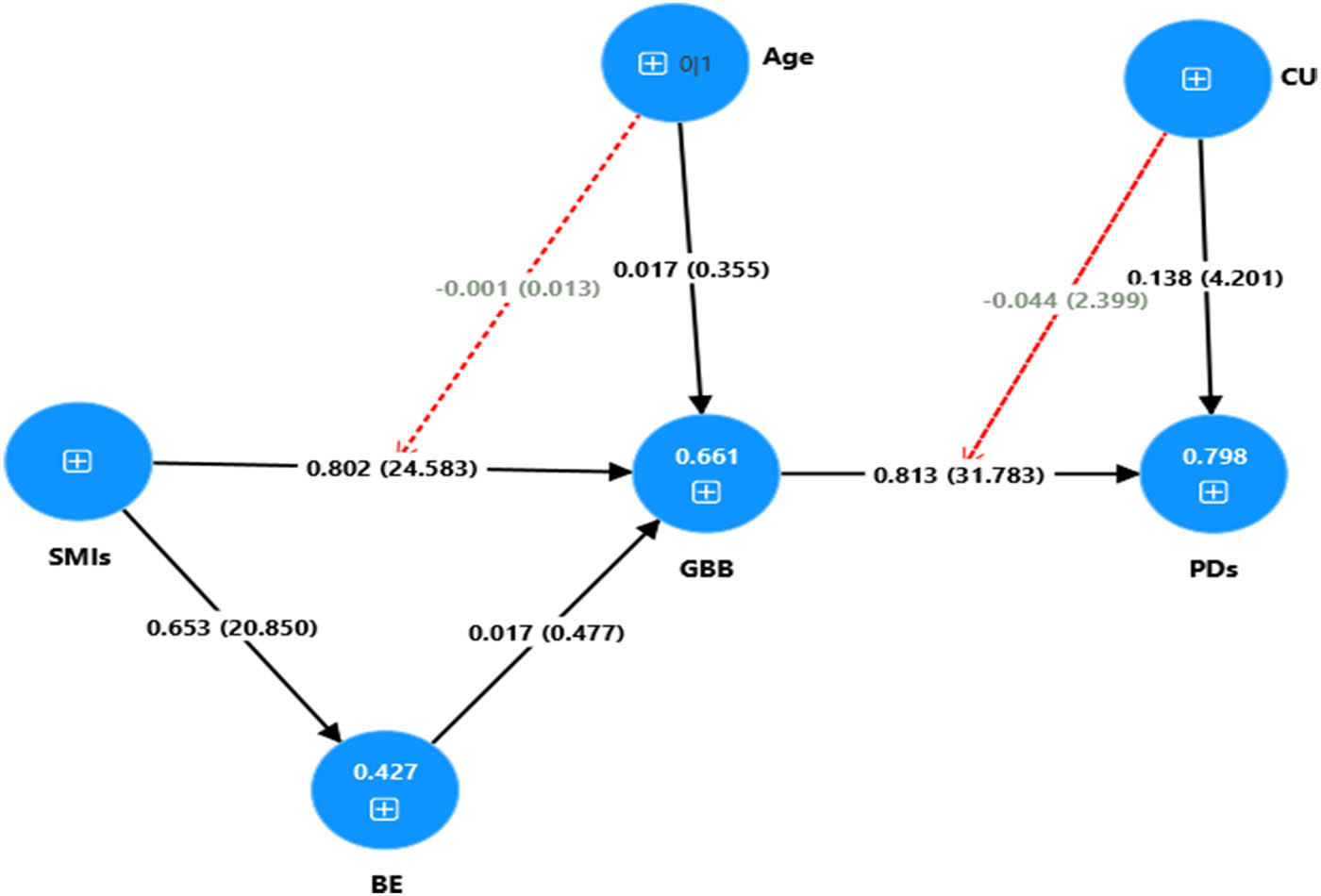
Figure 3
Structural model output.
Source: Author’s compilation from SmartPLS4
4.11. Path assessment (mediating)
The research investigated the mediating effects of BE and GBB on both SMIs and PDs of Gens X and Y within Ghanaian universities. The outcome from the PLS-specific indirect model suggests that GBB serves as an intermediary in the affiliation between SMIa and PDs. Table 6 demonstrated SMIs → GBB → PDs Coeff = 0.652, T = 18.657, prob = 0.000. This implies that when SMIs affect the attitude of Gens Y and Z toward their PDs, they should channel through GBB. Contrary to these results is the insignificant mediating influence of BE. Table 6 illustrates a marginally positive mediation of SMIs → BE → GBB Coeff = 0.011, T = 0.467, prob = 0.634. The findings of the hypothesis suggest that the desire of SMIs to promote GBB among Gens Y and Z should not be directed through BE.
4.12. Path assessment (moderating)
To identify the interaction nexus between age and CU on GBB and consumer PDs of Gens Y and Z, we performed a 10,000-iteration bootstrapping. The findings, as illustrated in Figure 5 and Table 6, demonstrate that the researchers tested the direct effect of the moderator on its endogenous variables. Age → GBB (Coeff = 0.017, T = 0.355) had a substantial positive direct effect on GBB in Gens Y and Z universities in Ghana. However, when it was moderated, Age*SMIs → GBB (Coeff = −0.001, T = 0.013, prob = 0.990), the results indicated a negative and insignificant moderation influence. This implies that age is not a material component that SMIs in Ghana can use to attract university students. Second, we tested for the direct effect of CU on PDs (Coeff = 0.138, T = 4.201), indicating that CU had a favorable and significant impact on consumer purchasing decisions. When CU was introduced as a moderator, the relationship changed to an inverse significant effect (CU*GBB → PDs; Coeff = −0.044, T = 2.399, prob = 0.016). Figure 4 presents the slope analysis of the moderating effect.
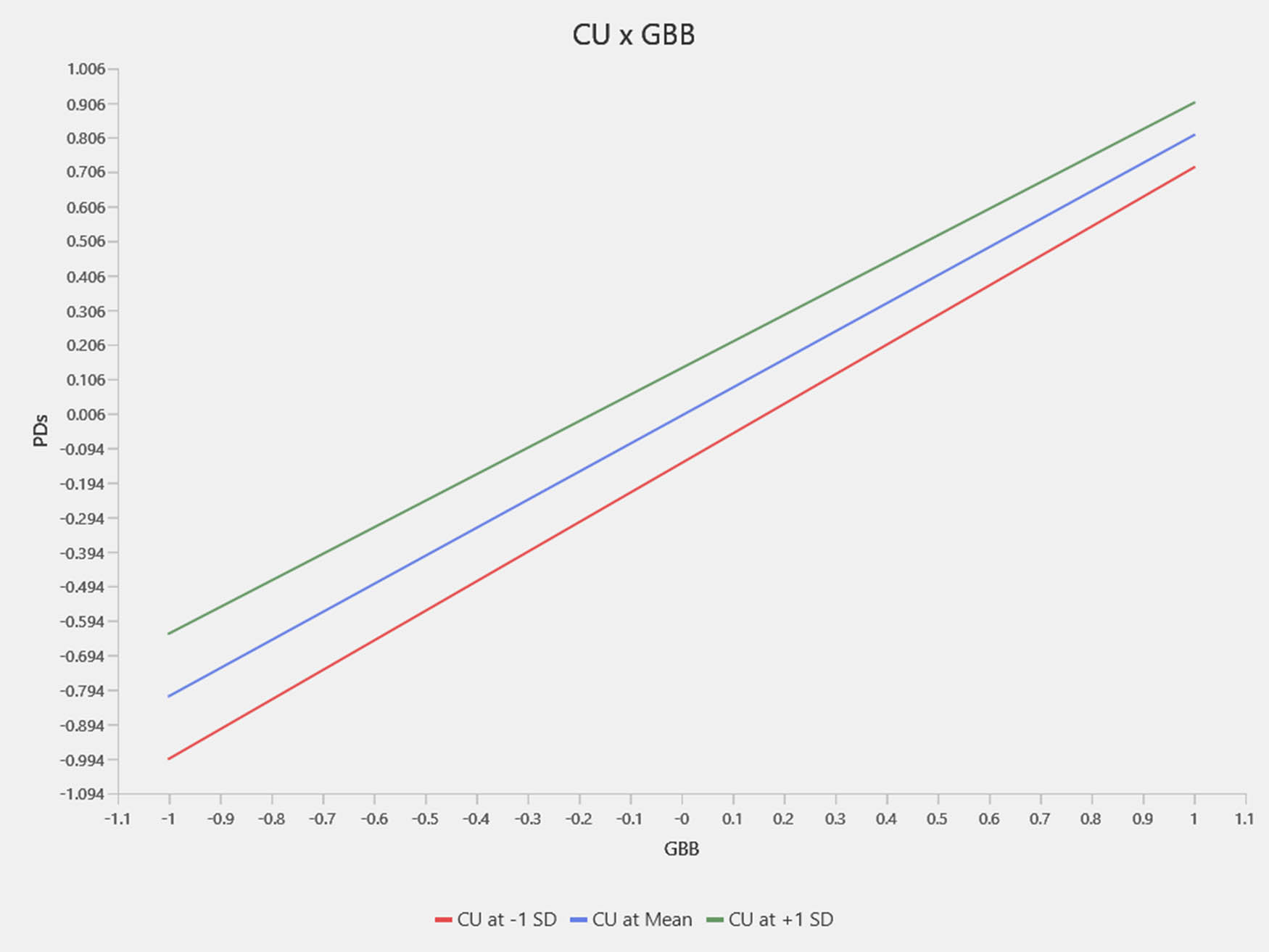
Figure 4
Slope analysis of CU*GBB → PDs.
Source: Author’s compilation from SmartPLS4
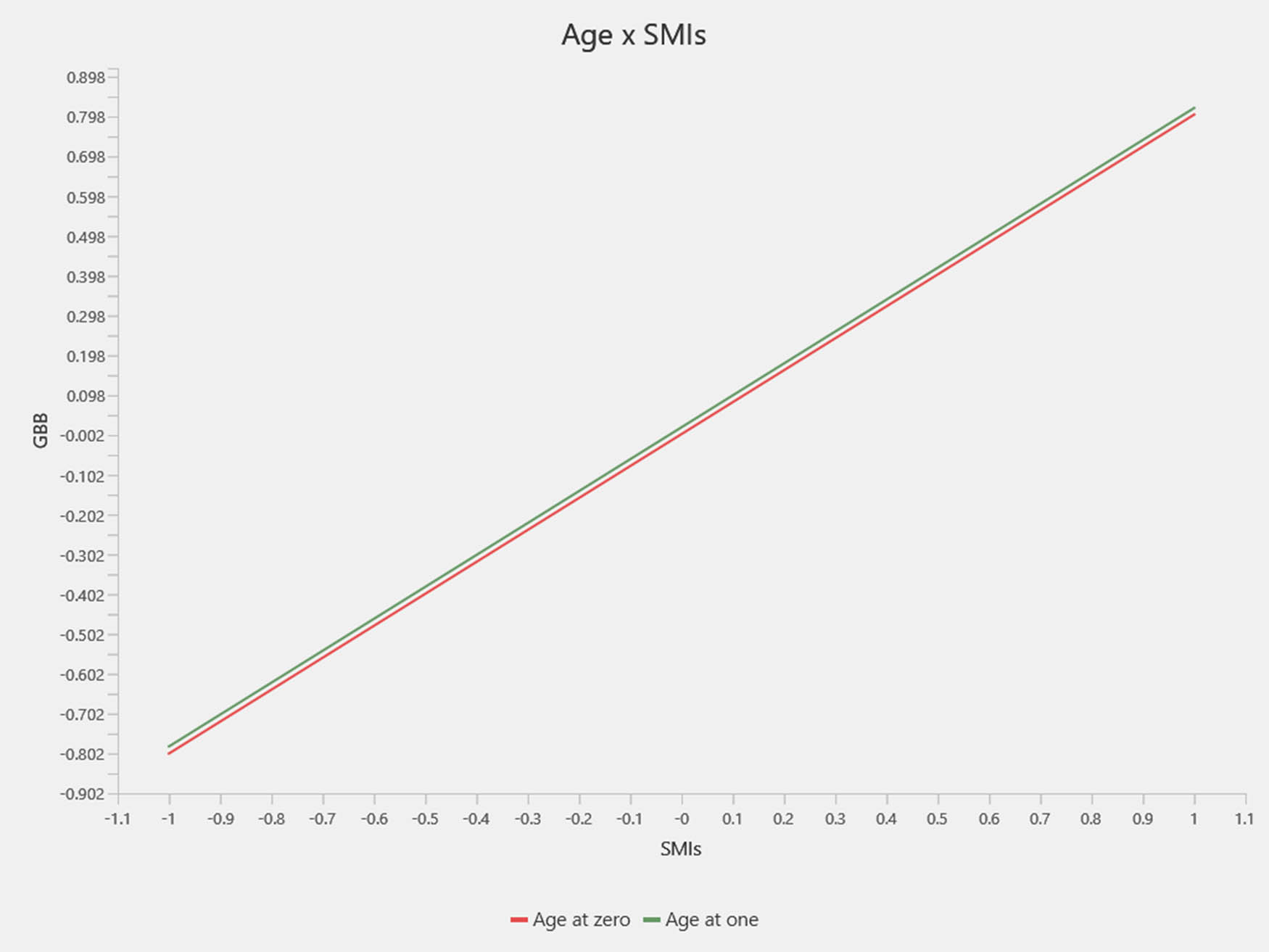
Figure 5
Slope analysis of Age*SMIs → GBB.
Source: Author’s compilation from SmartPLS4
5. Discussion
The study findings reveal that SMIs significantly bolster GBB among students by enhancing brand perceptions. Influencer content quality and credibility increased students’ trust in the brand, encouraging them to make green purchases. This aligns with the broader literature, which suggests that influencer credibility and expertise have a significant impact on sustainable purchase intentions (Barari et al., 2025; Munaro et al., 2024). For instance, Munaro et al. (2024) report that an influencer’s attractiveness, credibility, and expertise predict green purchase intentions, whereas mere interactivity does not. In this study, BE fully mediated the SMI → GBB link: SMIs improved perceived brand value, and more substantial BE led students to favor environmentally friendly products. This finding is consistent with previous research, which reported that social media engagement enhances BE, thereby increasing purchase intention in the Ghanaian context.
Age and CU exerted subtle yet meaningful moderating effects. Consistent with intuition, younger students (more active on social media) showed a stronger SMI → GBB relationship than older students. This pattern is plausible given generational differences in media consumption; however, meta-analytic research indicates that the role of influencer age is still under-explored (Barari et al., 2025). Our finding that age has only a marginal effect aligns with that of Barari et al. (2025), who note that age remains a largely understudied moderator in influencer effectiveness. In contrast, cultural orientation had a clear impact: Students from collectivist backgrounds exhibited a tighter link between green attitudes and actual PDs. This finding aligns with that of Hussain and Huang (2022), who demonstrate that collectivism and long-term orientation promote ecological concern and green buying intentions. In collectivist CUs, group-beneficial environmental actions are highly valued, making sharing eco-messages via SMIs appear more persuasive. The study results demonstrate that credible, expert influencers can significantly increase brand trust and green purchasing among students, particularly when considering cultural values and generational profiles. These findings extend prior work on influencer marketing by empirically validating BE as the mechanism by which eco-focused influencer content influences student buying behavior.
5.1. Theoretical implication
This study advances theory on social media influence and green consumerism in several ways. First, it extends the TPB and social influence by integrating BE as a key mediator. While TPB highlights attitudes and norms, our results indicate that SMIs operate through brand-related cognition: high-quality influencer messages enhance brand trust and image, thereby driving green purchase intentions. This mechanism adds nuance to existing frameworks and aligns with meta-analytic evidence that influencer effectiveness hinges on credibility and attractiveness (Barari et al., 2025; Munaro et al., 2024). Second, by explicitly testing age and CU as moderators, we highlight boundary conditions of influencer impact. Although age effects are subtle, our work underscores the importance of demographic heterogeneity. CU, modeled by collectivism/individualism, emerges as a potent factor, echoing Leonidou et al. (2010) and Sharma (2010), which confirms that collectivist values amplify pro-environmental action. In doing so, we address calls for more cross-cultural green marketing research and illustrate how cultural psychology shapes the SMI → GBB → PDs pathway. Together, these contributions enrich the sparse literature on influencer-driven green behavior in emerging markets, demonstrating theoretically that influencer attributes, mediated by BE, impact sustainable outcomes under different demographic contexts (Munaro et al., 2024).
5.2. Practical implication
The implications for policymakers, managers, marketers, and SMIs are significant. First, brands should partner with SMIs who are perceived as knowledgeable and sincere about sustainability. The findings of this study imply that SMIs with strong environmental expertise and authenticity (rather than mere popularity) most effectively build BE and green engagement (Barari et al., 2025; Munaro et al., 2024). Marketing campaigns must therefore vet influencer credibility and environmental alignment to avoid skepticism over “greenwashing.” Second, since BE mediates the effect of SMIs on GBB, practitioners should design SMI content that explicitly reinforces brand values. Endorsements should highlight a brand’s eco-friendly features (quality, reputation, loyalty) to translate SMI buzz into tangible brand trust. This means coordinating influencer messages with broader brand strategy (emphasizing certifications, environmental initiatives) so that students internalize a positive brand image when making green purchases. Third, companies should tailor influencer campaigns to different age segments. Younger students (18–24) may respond strongly to TikTok or Instagram green influencers, whereas older students might require more detailed, informational content (blogs or podcasts) about product sustainability. Pilot testing suggests that the SMI effect is weaker in older cohorts, so firms might use alternative channels (expert endorsements, traditional media) alongside influencer posts for older segments. Fourth, marketers in collectivist emerging markets should frame green messages in communal terms. For example, campaigns can highlight how sustainable choices benefit family or community, leveraging collectivist values to boost green purchases. In contrast, in more individualistic contexts (or minority subcultures), messages might stress personal health or status benefits of eco-brands. A one-size-fits-all campaign risks missing the cultural nuance that we found significant: collectivist students translated green attitudes into action more readily.
6. Conclusion
The investigation explored the SMIs on GBB, BE, and PDs of university students (Gens Y and Z). The study moderated the role of age and CU to close the scant gaps in literature. Empirical literary works had called for research into the university students’ desire for fashion goods. To develop the research model comprehensively, the theory of planned behavior and social exchange was adopted to model the framework. The research method was premised on a quantitative data curation and assessment approach. We employed a questionnaire to collect information for the developed research hypothesis as a cross-sectional investigation and a purposive sampling approach. The final sample for data analysis consisted of 576 observations after data cleaning and editing. For analysis, the SEM-PLS was employed, as it comprises two sections: measurement (including reliability and validity) and structural (hypothesis testing). The empirical findings supported H1 and H3, indicating that SMIs had a significant and positive direct relationship with GBB and BE. Additionally, H2 established a positive and favorable association with predicting PDs of consumers. However, H4: BE had a marginal, direct, and insignificant relationship with GBB. Furthermore, GBB mediates positively the link between SMIs and PDs. Surprisingly, BE had no mediating influence on the association between SMIs and GBBs. Finally, age had an insignificant adverse effect on the connection between SMIs and GBB of consumers. However, CU had a negative favorable affiliation between GBB and PDs. This study confirms that SMIs can effectively promote GBB in emerging-market FMCG contexts by strengthening the BE and leveraging demographic differences. Credible, sustainable-minded SMIs heighten students’ trust in brands, leading to more environmentally friendly purchasing. The mediation by BE highlights the dual role of SMIs as both message sources and brand builders. Moreover, age and CU shape these dynamics. Campaigns must consider generational preferences and cultural values. This study contributes a nuanced understanding of influencer marketing in sustainability, indicating that well-chosen SMIs aligned with brand and cultural values can help close the attitude–behavior gap in green consumption.
6.1. Limitations and future assessment direction
Although the study offers significant insights, it does have some limitations. First, the study surveyed university students in one emerging-market setting (Ghana), which limits its generalizability. Future studies should test these relationships among consumer groups (working adults, rural communities) and other emerging markets (Asia, Latin America) to enhance generalizability. Second, the data collected are cross-sectional and self-reported, so causality cannot be established. Future studies should therefore consider experimental or longitudinal studies, which could better confirm the direction of effects. Third, cultural orientation was captured broadly (e.g., collectivism), but CU is multi-dimensional. Future studies can therefore measure individualism explicitly and consider other Hofstede dimensions (e.g., uncertainty avoidance), which might also moderate green behavior. Fourth, focusing on the FMCG sector restricts applicability to other sectors. Future studies should consider other sectors, such as fast fashion or tech products, which may produce different influencer effects. The research was biased in terms of participants, as 63.4% (365) were females, which may influence the generalizability of the results and their applicability to policy. Therefore, future investigation can include more male participants to compare with the current research findings.
Funding information
The authors are grateful to the Internal Grant Agency of FaME, via Tomas Bata University in Zlín, No. IGA/FaME/2025/003 and IGA/FaME/2024/008.
Author contributions
Bludo – conceptualization, writing original draft, review and editing. Bludo and Takyi – data curation, methodology, data analysis. Chovancová – review, editing and supervision.
Conflict of interest statement
The authors declared no potential conflicts of interest concerning this article’s research, authorship, and/or publication.
Appendices
Appendix
Appendix A1
Measurement of constructs.
| Construct | Measurement items | Supporting references |
|---|---|---|
| SMIs | SMI1: I follow SMIs who promote eco-friendly products. | Lou & Yuan (2019); Belanche et al. (2021) |
| SMI2: I trust the product recommendations of eco-conscious influencers. SMI3: Influencers shape my opinions about sustainable brands. SMI4: I am more likely to buy a product if pro | ||
| GBB | GBB1: I prefer buying environmentally friendly products. | Peattie (2010); Joshi & Rahman (2015); Yadav & Pathak (2017) |
| GBB2: I consider the environmental impact before purchasing. GBB3: I support brands that are known for their green practices. GBB4: I avoid products that harm the environment. | ||
| PDs | PD1: I often buy eco-friendly products. PD2: I am willing to pay more for green products. PD3: I frequently choose sustainable brands over conventional ones. PD4: My purchasing behavior is influenced by my concern for the environment. | Yadav & Pathak (2017); Paul et al. (2016) |
| BE | BE1: I trust the quality of brands endorsed by eco-conscious influencers. BE2: I have a positive perception of sustainable brands. BE3: I feel loyal to brands that support environmental causes. BE4: Eco-friendly brands are more reputable, in my opinion. | Aaker (1991); Kim & Hyun (2011); Chen & Chang (2012) |
| Age | Age will be collected as a demographic variable (e.g., 18–24, 25–30, etc.) and used for moderation analysis. | Djafarova & Rushworth (2017); Statista (2024) |
| CU | CU1: I make green purchases to conform to my cultural values. CU2: My CU encourages environmental responsibility. CU3: People in my cultural group support sustainable consumption. CU4: I buy green products because they are socially accepted in my CU. | Hofstede (2001); Sharma (2014); Nguyen et al. (2017) |
Source: Author’s compilation from SmartPLS4