Have a personal or library account? Click to login
Evaluating machine learning models for air quality error mapping in Kraków, Poland Cover

Evaluating machine learning models for air quality error mapping in Kraków, Poland

Open Access
|Jan 2026

Figures & Tables

Figure 1

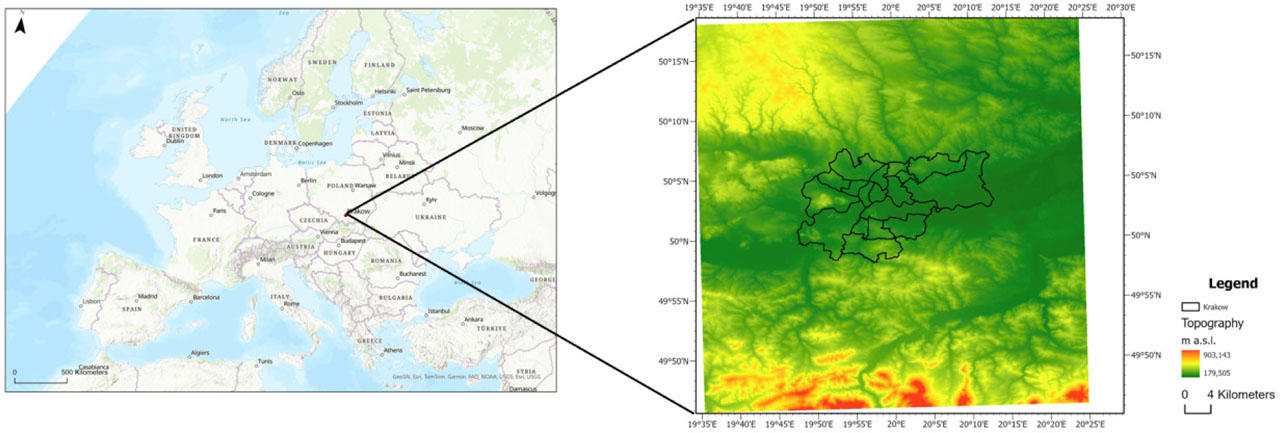
The study location is marked with a red dot
Source: Esri, DeLorme, HERE, TomTom, Intermap, increment P Corp., GEBCO, USGS, FAO, NPS, NRCAN, GeoBase, IGN, Kadaster NL, Ordnance Survey, Esri Japan, METI, Esri China (Hong Kong), swisstopo, MapmyIndia, and the GIS User Community
The study location is marked with a red dot Source: Esri, DeLorme, HERE, TomTom, Intermap, increment P Corp., GEBCO, USGS, FAO, NPS, NRCAN, GeoBase, IGN, Kadaster NL, Ordnance Survey, Esri Japan, METI, Esri China (Hong Kong), swisstopo, MapmyIndia, and the GIS User Community

Figure 2.

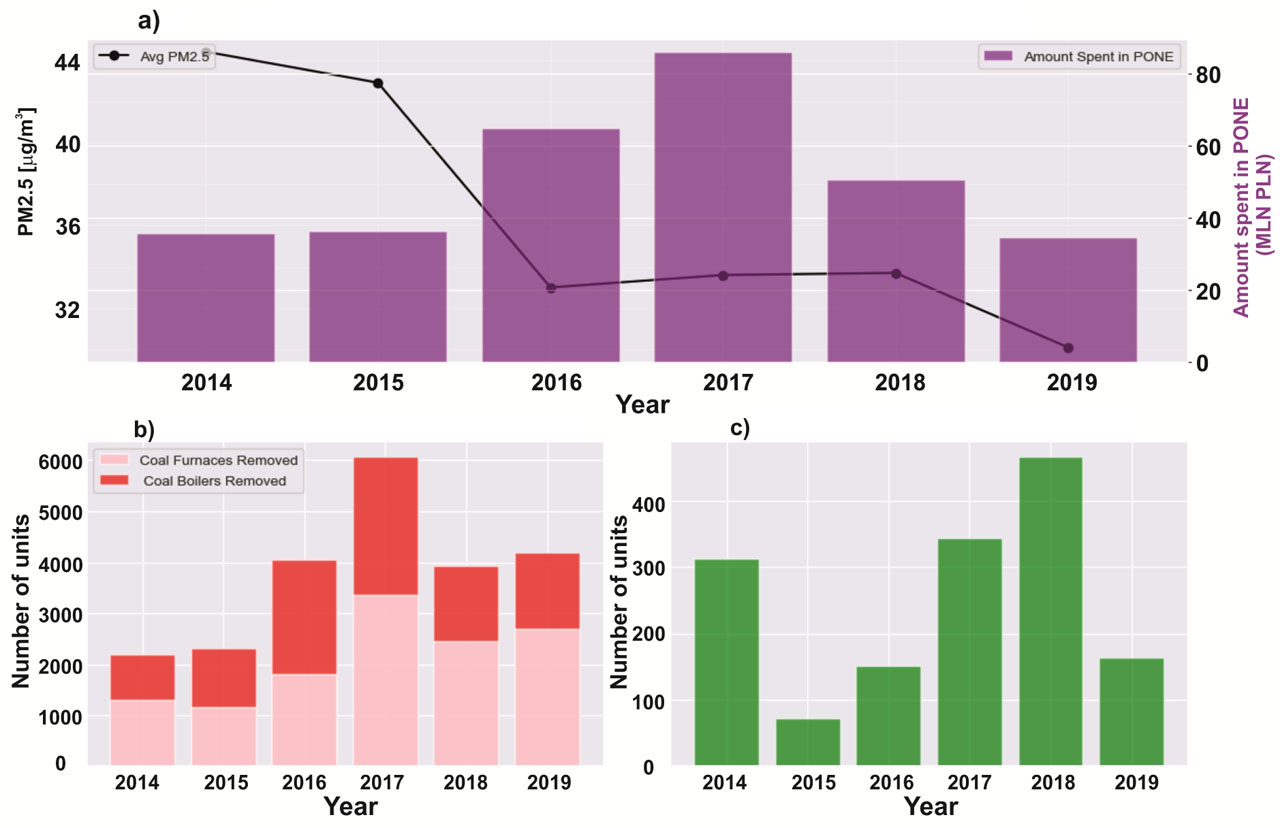
Energy transformation and air pollution in Kraków: a) Yearly average PM2.5 level in Bujaka reference station; b) Coal furnaces and boilers removed as an outcome of PONE programme; c) Number of new renewable energy source installations Source: own study
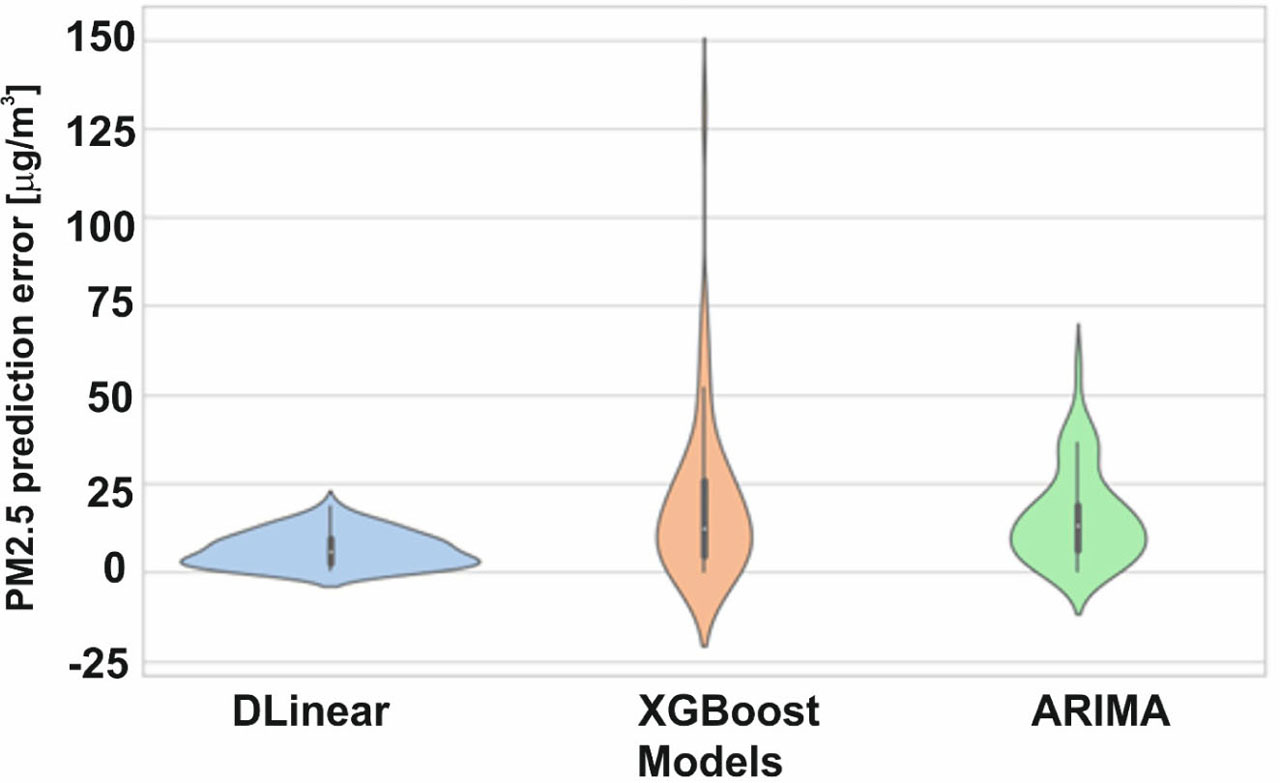

Figure 3.

PM2.5 prediction error distribution on smog day (30 December at 23:00) for DLinear, XGBoost, and ARIMA models
Source: own study
PM2.5 prediction error distribution on smog day (30 December at 23:00) for DLinear, XGBoost, and ARIMA models Source: own study

Figure 4.

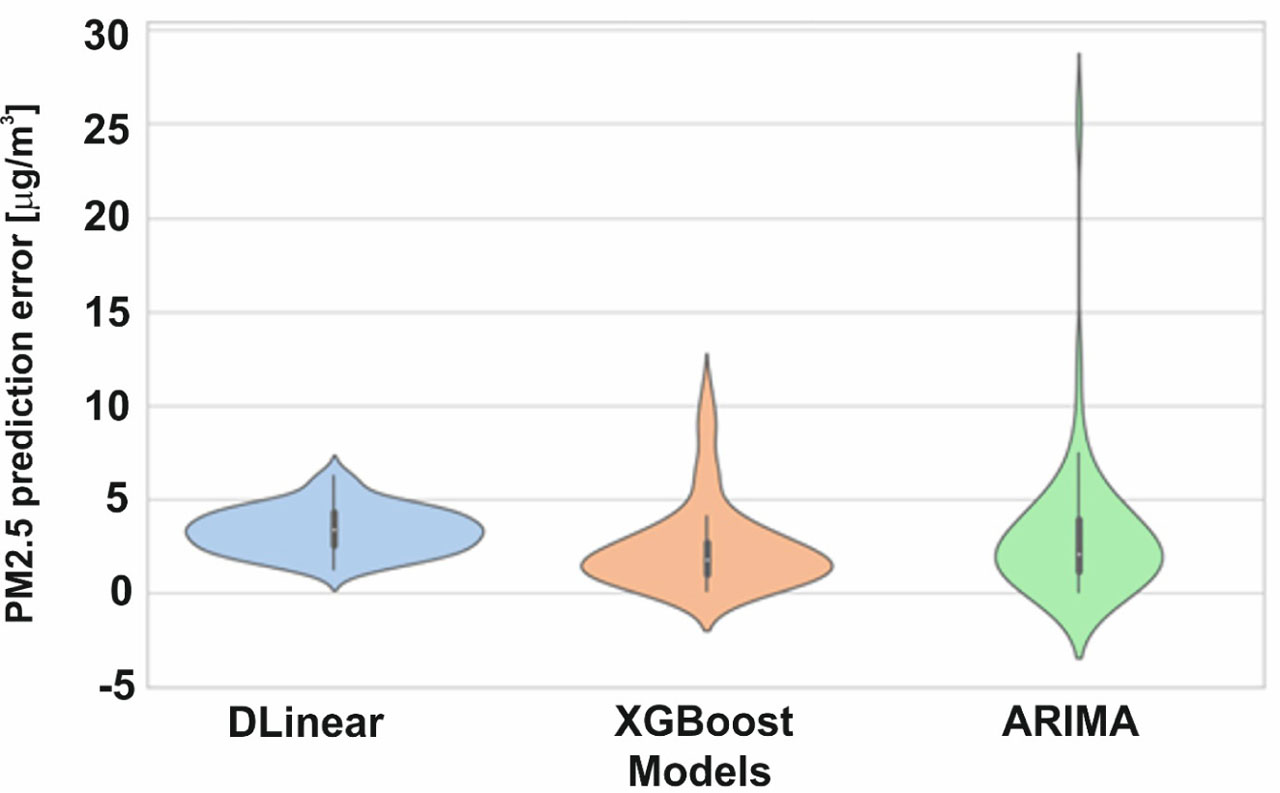
PM2.5 prediction error distribution on steady low pollution day (December 12th 10:00) for DLinear, XGBoost, and ARIMA models
Source: own study
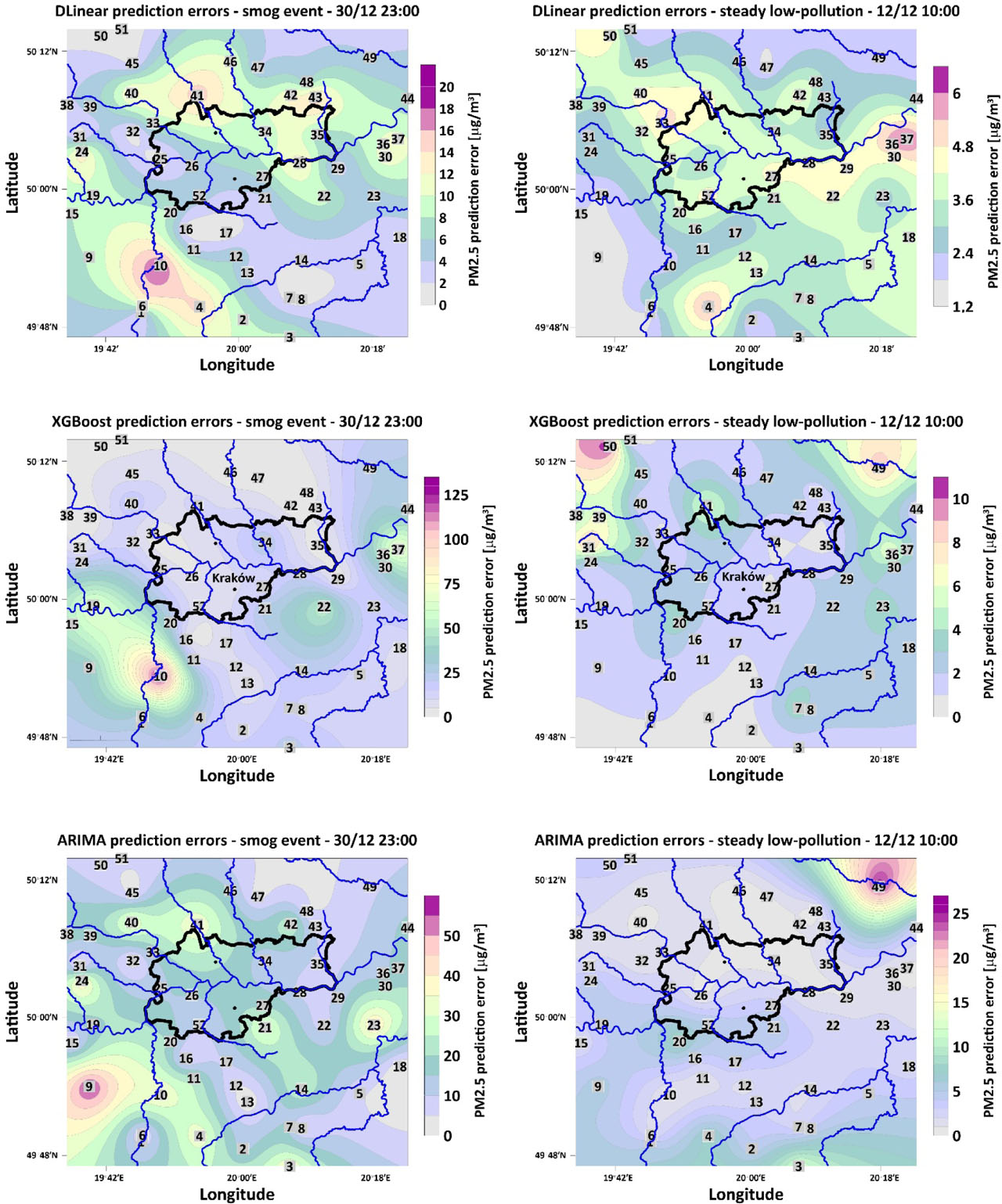
PM2.5 prediction error distribution on steady low pollution day (December 12th 10:00) for DLinear, XGBoost, and ARIMA models Source: own study

Figure 5.

Map of DLinear model prediction errors for the smog event day on 30 December at 23:00 and the steady low pollution day of 12 December at 10:00 for DLinear, XGBoost, and ARIMA models with LCS locations (grey rectangle with number)
Source: own study
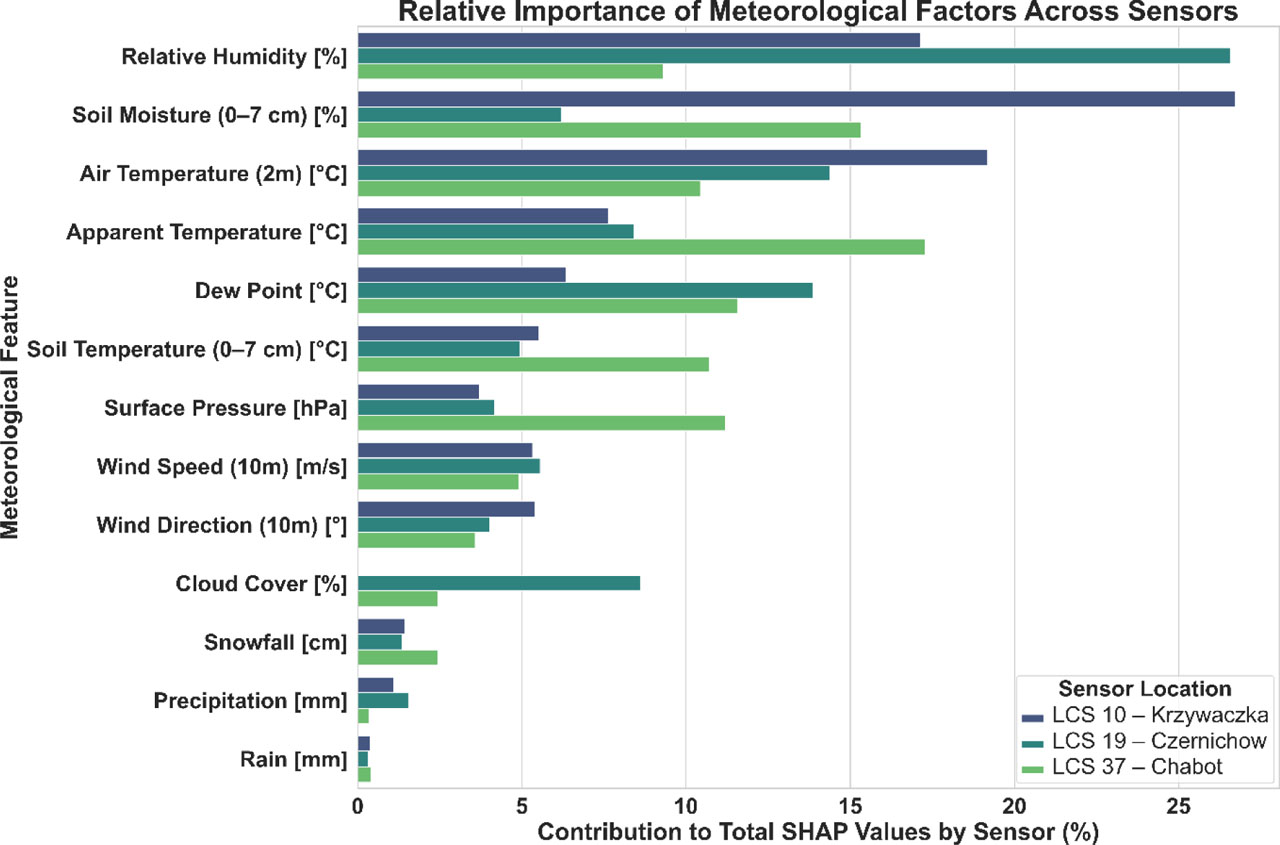
Map of DLinear model prediction errors for the smog event day on 30 December at 23:00 and the steady low pollution day of 12 December at 10:00 for DLinear, XGBoost, and ARIMA models with LCS locations (grey rectangle with number) Source: own study

Figure 6.

The relative importance of meteorological factors across sensors with the highest errors – LCS 10; LCS 19, and LCS 37
Source: own study
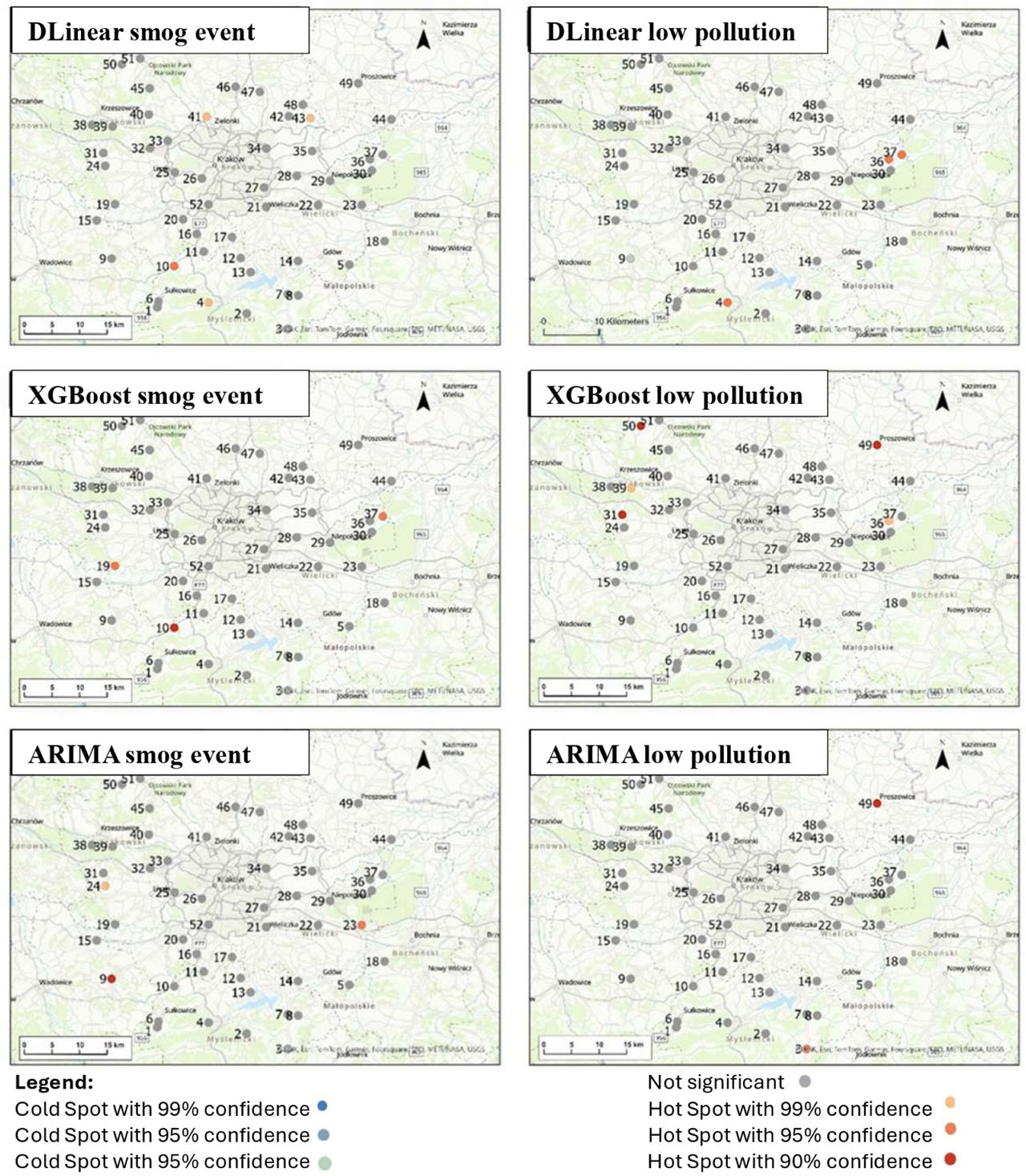
The relative importance of meteorological factors across sensors with the highest errors – LCS 10; LCS 19, and LCS 37 Source: own study

Figure 7.

Hot-spot and cold-spot maps for PM2.5 error predictions using Getis-Ord Gi* for different models during smog event and low pollution days
Source: own study
Hot-spot and cold-spot maps for PM2.5 error predictions using Getis-Ord Gi* for different models during smog event and low pollution days Source: own study
DOI: https://doi.org/10.2478/mgrsd-2025-0026 | Journal eISSN: 2084-6118 | Journal ISSN: 0867-6046
Language: English
Submitted on: Nov 4, 2024
|
Accepted on: Apr 10, 2025
|
Published on: Jan 14, 2026
In partnership with: Paradigm Publishing Services
Publication frequency: 4 issues per year

© 2026 Mateusz Zaręba, Szymon Cogiel, Elżbieta Węglińska, Tomasz Danek, published by Faculty of Geography and Regional Studies, University of Warsaw
This work is licensed under the Creative Commons Attribution 4.0 License.

AHEAD OF PRINT