
Table 1.
SLAs offered at FAGUT
| FAGUT students | FAGUT+ students | |||
|---|---|---|---|---|
| Domestic | International | Domestic | International | |
| Recurring | 3 | - | 2 | 6 |
| Occasional | - | 1 | - | - |
Table 2.
Categories for describing SLAs in surveys
| Q1 Potential participants | Q2 Participants | Q3 Residents | |
|---|---|---|---|
| (1) Degree of interest in SLAs | + | − | + |
| (2) Information sources | + | + | + |
| (3) Formal features | + | + | − |
| (4) Teaching forms | + | + | + |
| (5) Expectations | + | + | + |
| (6) Effects | − | + | + |
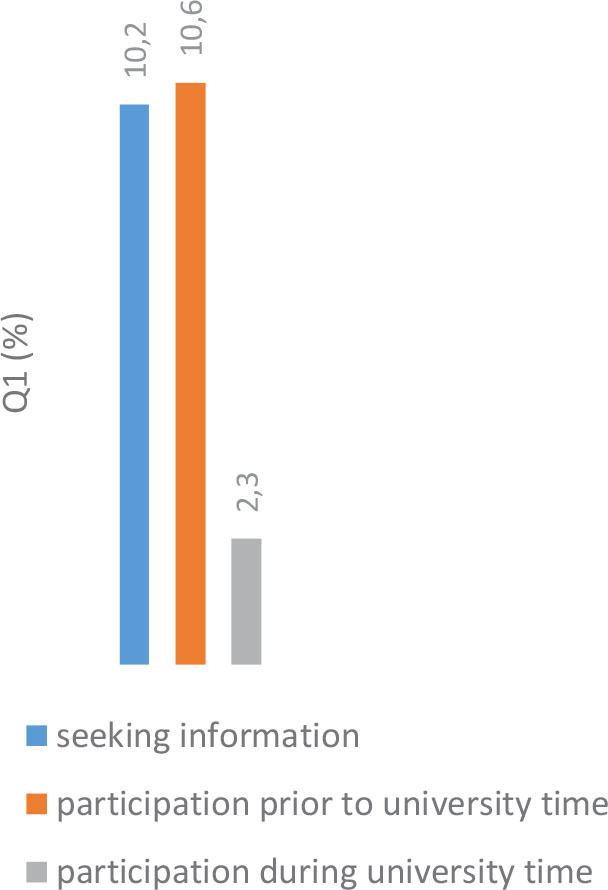
Figure 1.
The students' interest in summer schools
Source: own elaboration
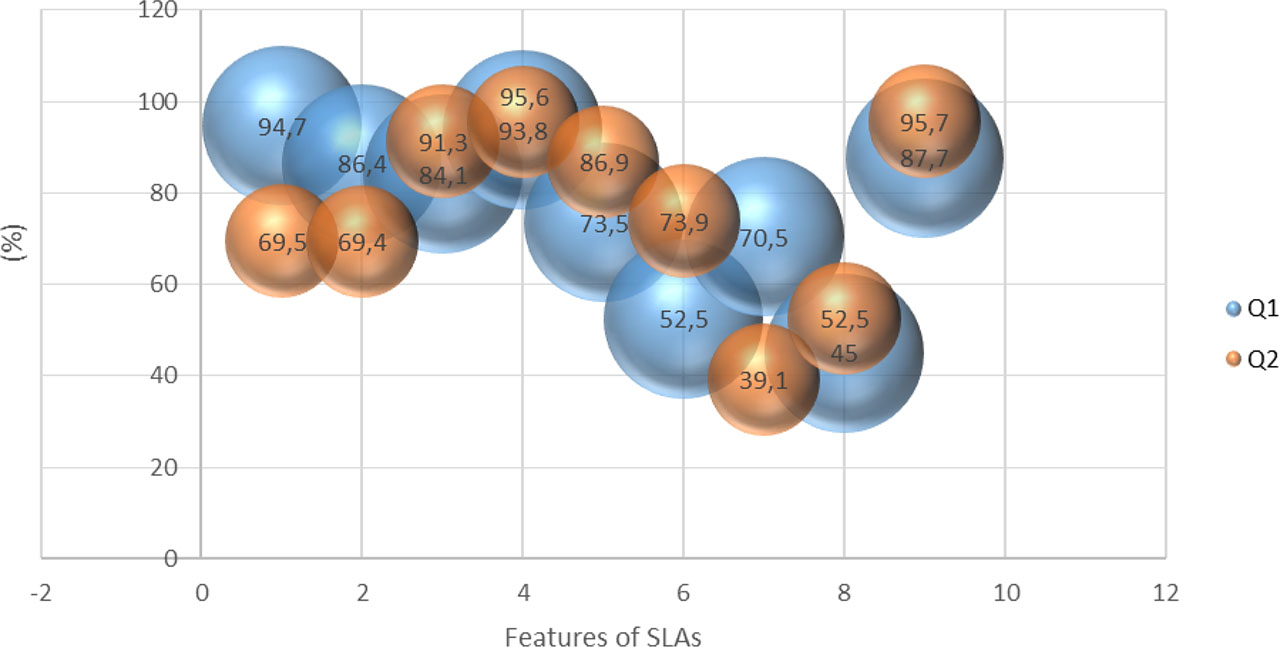
Figure 2.
Features of SLAs defined as ‘definitely important’ and ‘rather important’ to the respondents: 1 = place, 2 = date, 3 = duration, 4 = programme, 5 = the person conducting, 6 = participants, 7 = ECTS credits, 8 = organizer, 9 = fee
Source: own elaboration
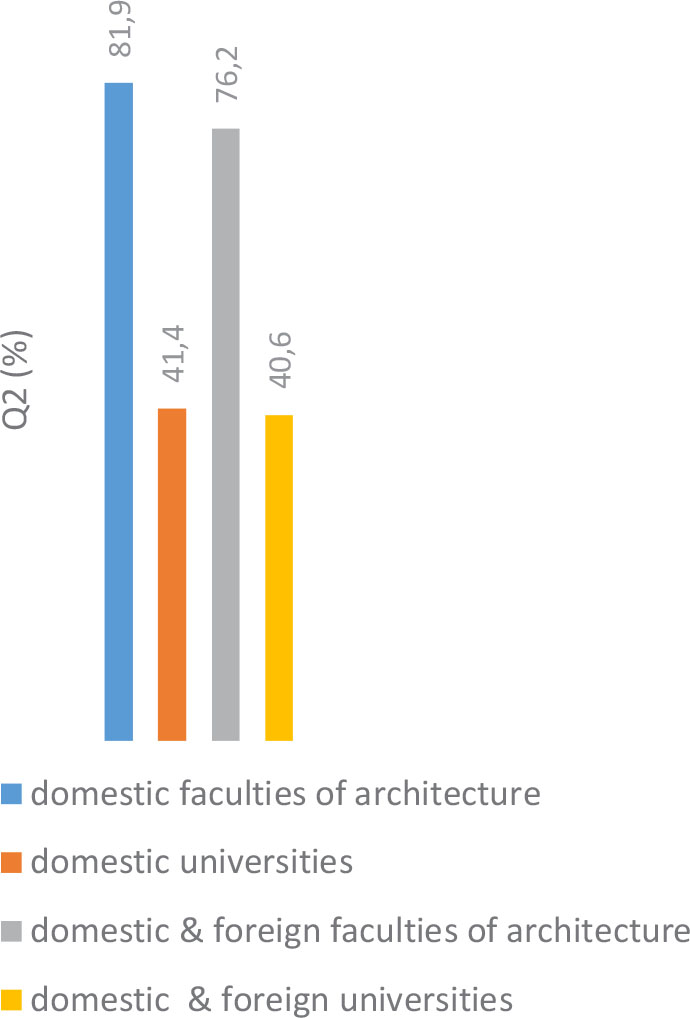
Figure 3.
‘Definitely expected’ participants and ‘rather expected’ participants in SLAs. Source: own elaboration..
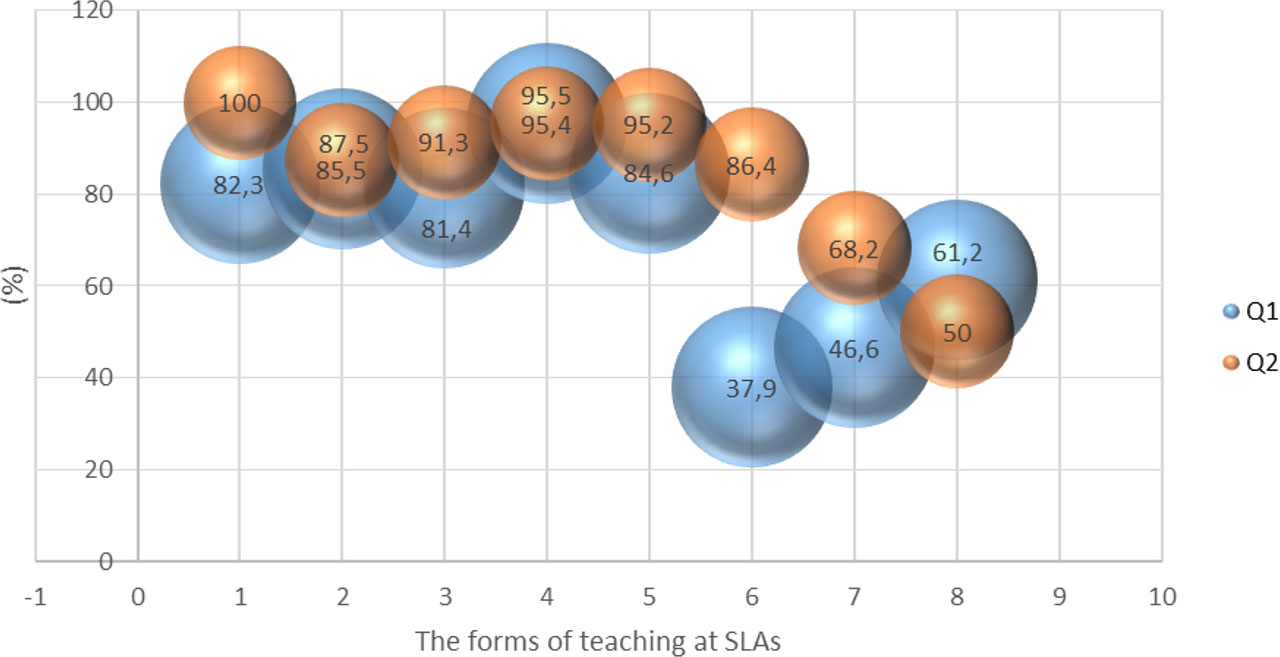
Figure 4.
‘Definitely positive’ and ‘rather positive’ feedback on the forms of teaching at SLAs: 1 = project tasks, 2 = practical tasks, 3 = field observation, 4 = field trip, 5 = local event, 6 = discussion, 7 = lecture, 8 = lab-based exercises
Source: own elaboration
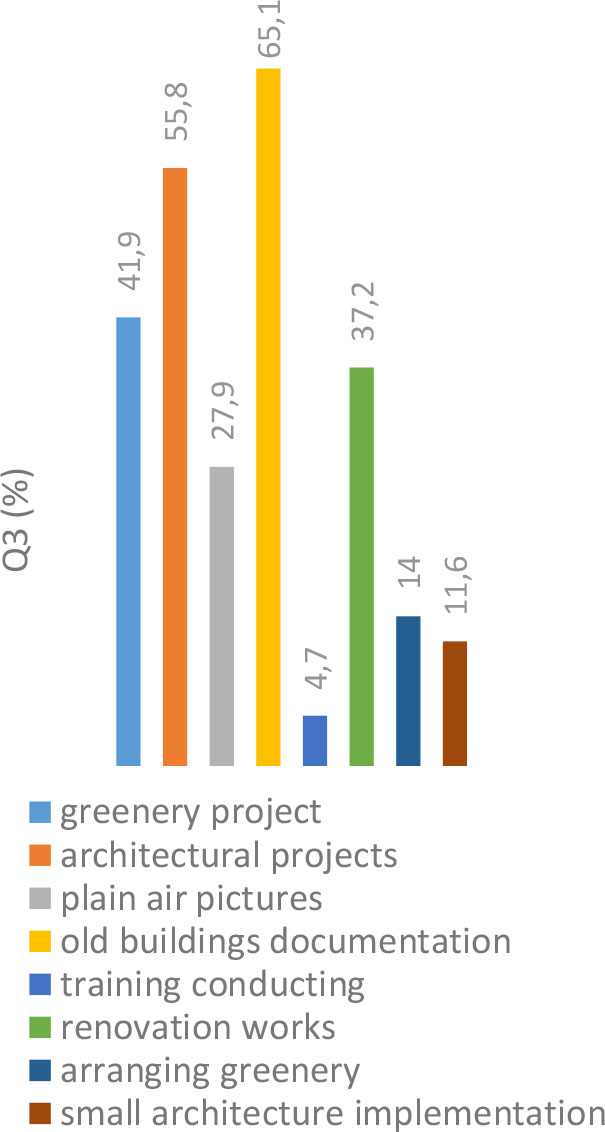
Figure 5.
Residence preferences for SLAs student tasks
Source: own elaboration
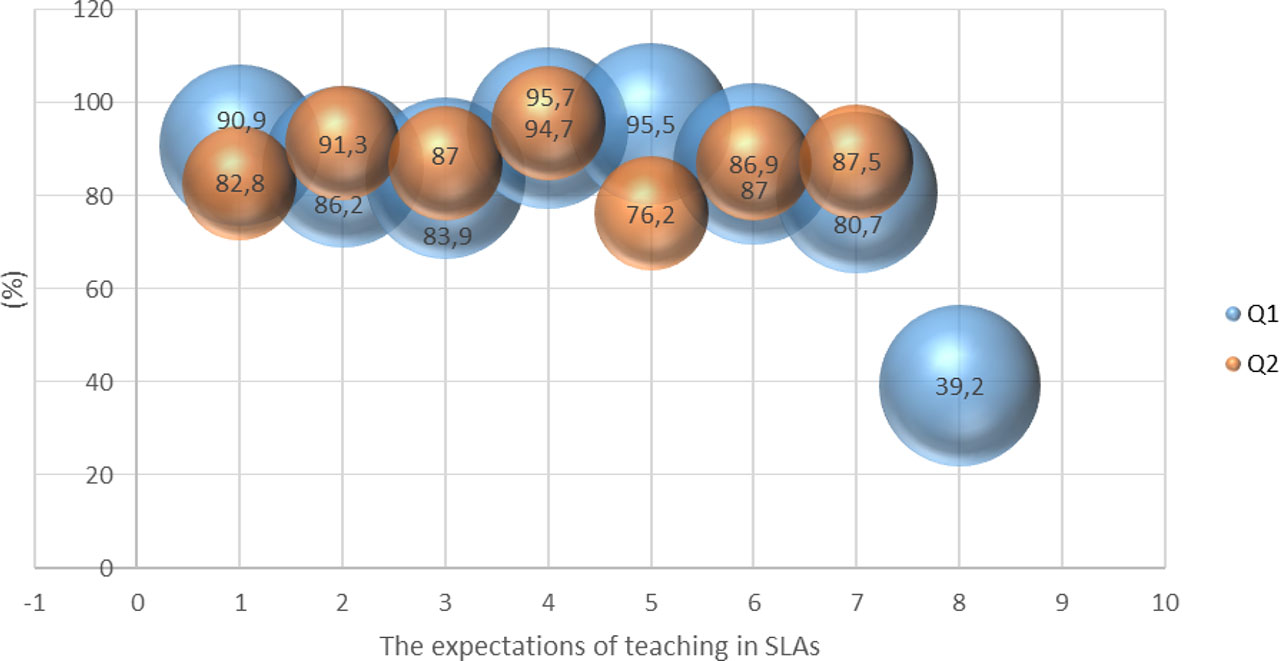
Figure 6.
‘Definitely important’ and ‘rather important’ expectations or ‘fulfilled expectations’ of teaching in SLAs: 1 = studying and resting, 2 = analytical skills, 3 = communication competences, 4 = project skills, 5 = design tools, 6 = knowledge, 7 = practical skills, 8 = the SLAs topic during semester
Source: own elaboration
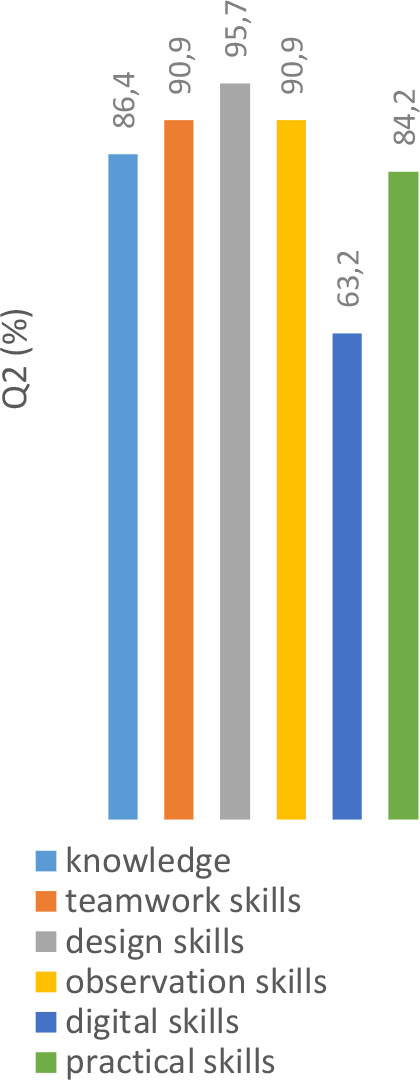
Figure 7.
Definite and slight perceived improvement in competencies because of participation in an SLA
Source: own elaboration