
Tab. 1:
Key moments in WWII psychological operations
| Year | Event | Summary |
|---|---|---|
| 1939 | War begins | Psychological operations are formally integrated into military strategy, signalling a shift towards ideological as well as kinetic warfare (Linebarger 1954, p. 3). |
| 1941 | Japan targets US opinion | Japan initiates preemptive influence campaigns targeting the US population to erode trust in American foreign policy (Linebarger 1954, pp. 83–84). |
| 1942 | Soviet propaganda ramps up | The USSR intensifies radio efforts to penetrate German troop morale using historical references and nationalist sentiment (Linebarger 1954, pp. 82–88). |
| 1943 | Japan influences US media | Japanese propagandists successfully placed articles in US news outlets, masking disinformation as cultural education (Linebarger 1954, pp. 84–86). |
| 1943 | China engages POW | Chinese Communist forces convert psychological warfare into personal outreach, treating Japanese prisoners with dignity and political education (Linebarger 1954, pp. 86–87). |
| 1944 | Allies expand black radio | Covert radio stations disguised as enemy sources gain momentum, broadcasting demoralising messages across Axis territories (Linebarger 1954, p. 90). |
| 1945 | Allied radio reaches Japan | Widespread standard-wave radio broadcasts from US stations on Saipan reach millions of Japanese civilians (Linebarger 1954, p. 127). |
| 1945 | End of organised US Psywar | Agencies such as the OWI and the OSS dissolved after the war, marking the end of centralised US psychological warfare operations (Linebarger 1954, pp. 138–140). |
Tab. 2:
AI tools and their uses in psychological operations
| AI tool | Potential use for military operations | Nefarious use for psychological operations | APA in-text citation |
|---|---|---|---|
| NLP tutors | Language training for operatives, real-time translation and psychological assessments during interrogations | Deploying deceptive bots to mimic authentic language use, spreading tailored propaganda | Woo and Choi (2021) |
| Intelligent personal assistants (e.g. Alexa) | Operational language immersion, training support and real-time feedback for mission-critical communications | Eavesdropping or psychological conditioning through suggestive responses in conversations | Woo and Choi (2021) |
| Neural network-based dialogue systems | Simulated foreign language dialogue training, operational debriefing support and psychological profiling | Manipulating dialogues in digital forums to steer public perception or sow discord | Woo and Choi (2021) |
| AI grammar correction tools | Improved clarity and accuracy in official communications and training materials across multilingual units | Altering educational or official materials to disseminate disinformation | Woo and Choi (2021) |
| AI-powered sentiment analysis systems | Monitoring of public sentiment in occupied areas or during foreign operations to inform narrative control | Analysing emotional responses to seed unrest or amplify fear in targeted populations | Islam et al. (2024) |
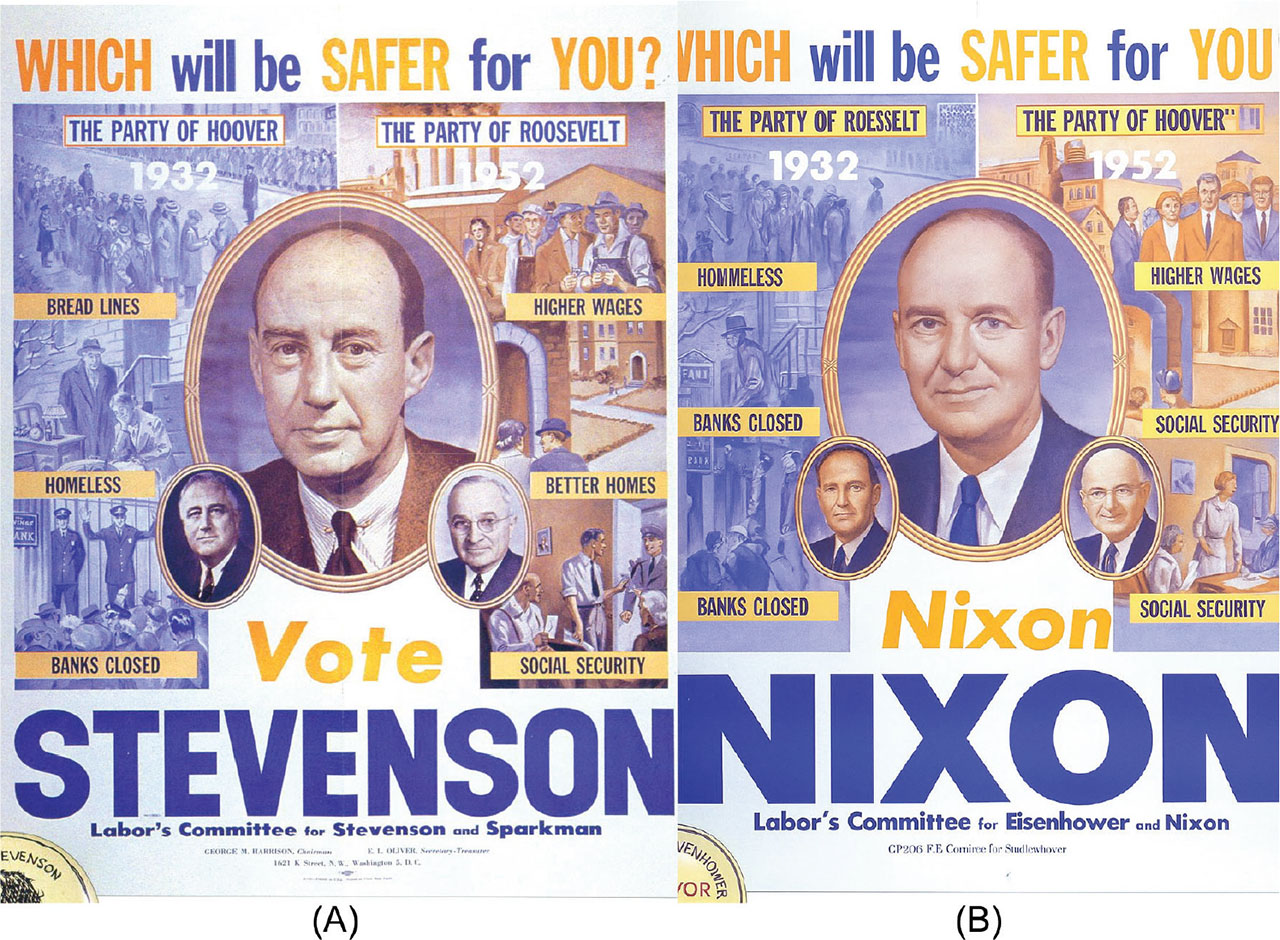
Fig. 1:
(A) Original political party photo. (B) AI misinformation created photo. AI, artificial intelligence.